




Château Pichon Longueville Baron
Pauillac
Winery in Pauillac, France
 Book with Pearl
The Read
Classified-Growth Médoc Prestige
Why go
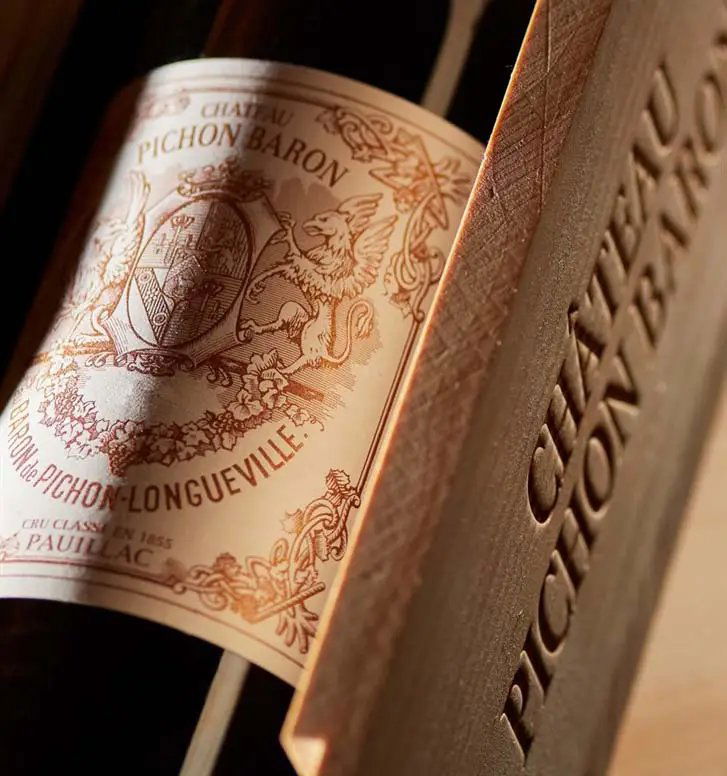
Château Pichon Longueville Baron is a winery in Pauillac, Bordeaux.
About Château Pichon Longueville Baron
Should you consider Château Pichon-Longueville-Baron-de-Pichon on a trip to Pauillac? Yes, if you are looking for a Pauillac château with confirmed recognition: Pearl 4 Star Prestige (2025) and World's 50 Best Vineyards #27 (2022). Consider it a prestige Pauillac venue, though specific services, formats, menus, or visitor logistics may require direct inquiry.
Château Pichon-Longueville-Baron-de-Pichon is in Pauillac, Jean-René Matignon is listed as chef/owner, and the dress code is smart casual. For broader comparison, consider names such as Château Lynch-Bages, Château Haut-Bages-Libéral, Château Pichon-Longueville-Comtesse-de-Lalande, Château Leoville Poyferre, and Chateau Leoville Las Cases, then use Our full Pauillac wineries guide to plan the rest of the day.
A Pauillac setting to approach with smart-casual expectations
The dress code is smart-casual, so visitors should plan for that setting rather than an overly informal stop. Beyond that, do not assume a specific tasting format, food service, seat count, opening schedule, pricing, or walk-in policy unless confirmed directly by the venue.
Given the limited public details, planning should stay conservative. Focus on the recognition and Pauillac location as the key facts, and check the venue's own channels before making assumptions about availability, services, or the structure of a visit.
Worth prioritizing for confirmed recognition, less useful as a flexible drop-in
The decision is simple: prioritize Château Pichon-Longueville-Baron-de-Pichon if its Pauillac setting and confirmed recognition matter to your itinerary. Do not rely on it for needs such as guaranteed food, a specific visitor format, or a loose drop-in schedule without prior confirmation. For non-wine planning around town, use Our full Pauillac restaurants guide, Our full Pauillac hotels guide, Our full Pauillac bars guide, and Our full Pauillac experiences guide.
For comparison, look at other venues generically or named options such as Château Lynch-Bages, Château Haut-Bages-Libéral, Château Pichon-Longueville-Comtesse-de-Lalande, Château Leoville Poyferre, and Chateau Leoville Las Cases. Quick reference: make this a Pearl 4 Star Prestige-recognized Pauillac target, not a plan based on assumed extras.
Planning details
- Location
- D2, 33250 Pauillac
- Website
- pichonbaron.com
- Phone
- +33 5 56 73 17 17
The take
The Take
The Vibe
Château Pichon-Longueville-Baron-de-Pichon reads first as architecture. A nineteenth‑century château with steep-pitched roofs, paired turrets and a rectangular forecourt pond composes one of Bordeaux’s most recognisable images. The building’s deliberate symmetry and sculpted silhouette project permanence and hierarchy; the setting on the Médoc’s concentrated avenue of classified estates reinforces its gravitas. Visitors experience a scene as much as a tasting room: the approach, reflection in the pond and the château’s profile create a scenic, historic atmosphere that frames every pour in the context of long-established Bordeaux tradition.
Best For
The estate suits visitors who value both wine and context. As a Second Growth in Pauillac, Pichon Baron appeals to wine-education seekers who want to understand Cabernet Sauvignon–dominant claret within the benchmark Pauillac landscape. It also fits special-occasion visits: the formal nineteenth‑century architecture and composed forecourt feel ceremonial, making the estate appropriate for milestone tastings and considered celebratory visits. The proximity to its similarly named neighbour adds an instructive contrast for guests who arrive curious about site, classification and stylistic differences among neighbouring grand châteaux.
Tasting Tips
When planning a visit or tasting, allow time to take in the architecture and the estate setting before focusing on bottles. The description highlights Pauillac’s Cabernet-driven identity and the property’s 1855 Second Growth status, so ask guides about vineyard parcels, how neighbouring estates differ and how that translates into the wines you taste. Framing the tasting with questions about site, classification and the château’s stylistic aims yields a clearer understanding of Pichon Baron’s place in Bordeaux and helps you choose bottlings that reflect its Pauillac character.
Venue details
Ambiance
Elegant and majestic atmosphere in a romantic Renaissance chateau surrounded by beautiful gardens and vineyards, with personalized tours highlighting historic cellars and refined tastings.
Tags
Vibe
Best For
Experience
View
At the Vineyard
- Appellation
- Pauillac AOC
- Varietals
- Cabernet Sauvignon, Merlot, Cabernet Franc, Petit Verdot
- Tour Duration
- 60-90 minutes
- Visits
- By appointment only
- Wine Styles
- Still Red
- Wine Club
- Not available
Know before you go
Know Before You Go
- Getting there
- D2, 33250 Pauillac
Planning details
Location


Also consider
If this is unavailable
Try Château Pichon-Longueville-Comtesse-de-Lalande first if the goal is a comparable Pauillac château experience. Choose Château Lynch-Bages if the day needs another major name that can carry a first-time Pauillac itinerary.
Winery context
How it compares in Pauillac
Choose Château Pichon-Longueville-Baron-de-Pichon over Château Haut-Bages-Libéral if the priority is estate presence and a more formal Pauillac feel. Haut-Bages-Libéral is the more practical cross-shop if the reader wants a potentially simpler itinerary anchor, while Baron is the stronger pick when the visit needs to feel like a major château stop.
Château Pichon-Longueville-Comtesse-de-Lalande is the closest conceptual comparison: both suit visitors chasing name recognition and château atmosphere in Pauillac. If one is unavailable, the other is the natural first backup. Château Lynch-Bages is the better alternative for readers who want a broader visitor-day plan around a high-profile Pauillac name.
For a wider Left Bank itinerary, Château Leoville Poyferre and Chateau Leoville Las Cases make more sense as separate comparison stops than same-town substitutes. Pick them when the trip is expanding beyond Pauillac; stay with Baron when the brief is specifically Médoc prestige in Pauillac.
Explore Pauillac
Around this place
Discover more on Pearl
Unlock the full Château Pichon Longueville Baron guide in Pearl, including awards, comparisons, FAQs, planning details, and nearby places.
Compare Château Pichon Longueville Baron
| Venue | Location | Awards |
|---|---|---|
| Château Pichon-Longueville-Baron-de-Pichon | Pauillac | No published awards |
| Château Pichon-Longueville-Comtesse-de-Lalande | Pauillac | 2026 Michelin 2 Grapes - Bordeaux2026 Falstaff Winery Guide2025 Pearl 4 Star Prestige |
| Château Haut-Bages-Libéral | Pauillac | 2026 Falstaff Winery Guide |
| Château Leoville Poyferre | St-Julien | No published awards |
| Château Lynch-Bages | Pauillac | 2026 Michelin 1 Grape - Bordeaux2026 Falstaff Winery Guide2025 Pearl 4 Star Prestige |
| Chateau Leoville Las Cases | Bordeaux | 2026 Falstaff Winery Guide2026 Michelin 3 Grapes - Bordeaux2025 Pearl 4 Star Prestige |
How Château Pichon-Longueville-Baron-de-Pichon compares with similar nearby venues.
FAQ
Frequently Asked Questions
What is Château Pichon-Longueville-Baron-de-Pichon known for?
Château Pichon-Longueville-Baron-de-Pichon is a Pauillac venue recognized with Pearl 4 Star Prestige (2025) and World's 50 Best Vineyards #27 (2022). Jean-René Matignon is listed as chef/owner, and the dress code is smart casual.
Where is Château Pichon-Longueville-Baron-de-Pichon located?
Château Pichon-Longueville-Baron-de-Pichon is located in Pauillac.