

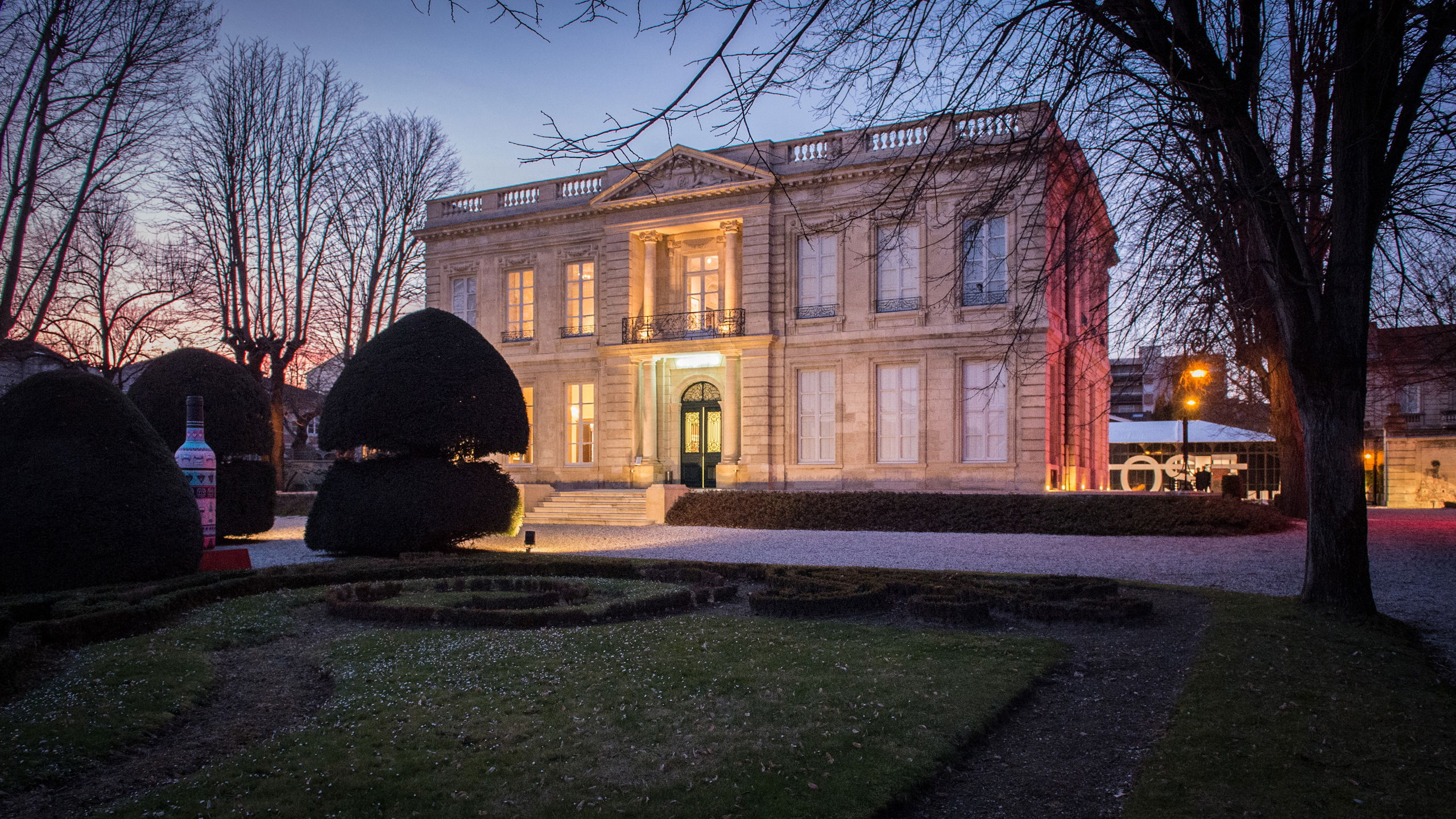



Château Pape Clement
Pessac
Winery in Pessac, France
 Book with Pearl
The Read
Participatory Bordeaux Tastings
Why go
Château Pape Clément is a wine estate in Pessac, Bordeaux.
About Château Pape Clement
In Pessac, Château Pape Clement is a natural name to consider alongside Chateau Haut-Brion, Château La Mission Haut-Brion, and Château Les Carmes Haut-Brion when planning a serious local wine itinerary. The venue is in Pessac, Jean-Philippe Fort is listed as consultant, the dress code is smart casual, and its recognitions include Pearl 4 Star Prestige (2025) and World's 50 Best Vineyards #27 (2025).
The case for including Château Pape Clement is strongest if the visit is part of a wider Bordeaux or Pessac plan. It is a recognized Pessac estate, but specifics such as visit format, pricing, hours, purchase options, and reservation rules should be checked directly before making plans.
Book for the estate name and recognition
Château Pape Clement belongs on a shortlist for travelers comparing prominent Pessac names. It has Pearl 4 Star Prestige recognition for 2025, a World's 50 Best Vineyards placement at #27 in 2025, and Jean-Philippe Fort listed as consultant.
If you are comparing Château Pape Clement with Chateau Haut-Brion, Domaine Clarence Dillon, or Domaines Barons de Rothschild (Lafite), keep the decision grounded in current details for your own dates. Use its recognition as a credibility signal, then contact the estate or your planner for current visit details before committing time or budget.
How to fit it into a Pessac day
Plan Château Pape Clement as one potential anchor in a Pessac wine day, then build the rest of the schedule around availability. Because it is located in Pessac, it fits naturally into broader planning around other Pessac wineries, restaurants, hotels, bars, and experiences. The smart move is to avoid assuming hours, formats, or add-ons; confirm the practical details first, then decide how much of the day to reserve for the visit.
Planning details
- Location
- 216 Av. Dr Nancel Penard, 33600 Pessac
- Website
- chateau-pape-clement.fr
- Phone
- +33 5 57 26 38 38
The take
The Take
The Vibe
Château Pape Clément presents a contemplative, scenic presence on the southern edge of Bordeaux: centuries-old vines and millennial olive trees frame a stately château experience that reads like a living archive. The writing emphasizes provenance and continuity, so visits feel anchored in history rather than trend-driven hospitality. Though the estate sits within a city’s footprint, the grounds and planted landscape create a measured, almost museum-like calm. The overall impression is one of refined serenity—an elegant, scholarly place to encounter classic Bordeaux terroir and the long lineage that shapes the property’s identity.
Best For
This estate is best suited to people who come for serious wine learning and milestone visits. The structured tasting programme and clear emphasis on provenance make it an ideal stop for wine students, collectors and visitors who want depth rather than a casual pour. Likewise, the château’s historic stature and formal presentation make it an appropriate choice for special-occasion visits where the setting and story matter as much as the wines. Travelers who value context, terroir and a paced, informative tasting will get the most from a visit here.
Tasting Tips
Tastings are presented as a program rather than a simple drop-in, so book in advance and specify the level of engagement you want—introductory sessions for a first overview or more in-depth formats if you want verticals or focused flights. Allow time to walk the grounds and absorb the vineyard context; the estate’s narrative is part of the experience. When reserving, ask what each tasting includes and whether cellar access or an estate tour is available so you can match a visit to your interest in history, terroir or technical winemaking.
Venue details
Ambiance
Elegant historic estate with beautiful park-like grounds, architecturally significant chateau, and refined tasting rooms evoking centuries of winemaking heritage.
Tags
Vibe
Best For
Experience
View
At the Vineyard
- Appellation
- Pessac-Léognan
- Varietals
- Cabernet Sauvignon, Merlot, Petit Verdot, Cabernet Franc, Sauvignon Blanc
- Tour Duration
- 60-90 minutes
- Tour Languages
- English, French
- Visits
- By reservation
- Wine Styles
- Still Red, Still White
- Wine Club
- Available
Know before you go
Know Before You Go
- Getting there
- 216 Av. Dr Nancel Penard, 33600 Pessac
Planning details
Location
Recognition and awards


Also consider
Also Consider
- Domaine Clarence Dillon, Notable alternative
- Chateau Haut-Brion, Notable alternative
- Château Les Carmes Haut-Brion, Notable alternative
- Château La Mission Haut-Brion, Notable alternative
- Domaines Barons de Rothschild (Lafite), Notable alternative
Winery context
Against Domaine Clarence Dillon and Chateau Haut-Brion, Château Pape Clement is the more practical choice for travelers who want a château-led Pessac experience without making the day solely about first-growth access. Haut-Brion is the prestige play; Pape Clement is the better fit when ambiance and estate setting matter as much as label hierarchy.
Château Les Carmes Haut-Brion and Château La Mission Haut-Brion are stronger cross-shops for visitors focused on deep Pessac-Léognan context. Choose those if your trip is built around comparative tasting and producer study. Choose Pape Clement if the priority is a polished, visually memorable stop that still carries enough recognition to justify the slot.
Domaines Barons de Rothschild (Lafite) sits in a different decision lane: more about a broader Bordeaux power name than a Pessac-specific visit. If you have limited time in Pessac, keep the focus local and put Pape Clement against Haut-Brion, Clarence Dillon, Les Carmes, and La Mission before looking farther out.
Explore Pessac
Around this place
Discover more on Pearl
Unlock the full Château Pape Clement guide in Pearl, including awards, comparisons, FAQs, planning details, and nearby places.
Compare Château Pape Clement
| Venue | Location | Awards |
|---|---|---|
| Château Pape Clement | Pessac | 2026 Falstaff Winery Guide2025 World's 50 Best Vineyards · #272025 Pearl 4 Star Prestige2024 World's 50 Best Vineyards · #212023 World's 50 Best Vineyards · #192022 World's 50 Best Vineyards · #26 |
| Domaine Clarence Dillon | Pessac | No published awards |
| Chateau Haut-Brion | Pessac | 2026 Michelin 2 Grapes - Bordeaux2026 Falstaff Winery Guide2025 Pearl 5 Star Prestige2022 World's 50 Best Vineyards · #35 |
| Château Les Carmes Haut-Brion | Pomerol | 2026 Falstaff Winery Guide2026 Michelin 2 Grapes - Bordeaux2025 Pearl 4 Star Prestige |
| Château La Mission Haut-Brion | Bommes | 2026 Michelin 2 Grapes - Bordeaux2026 Falstaff Winery Guide2025 Pearl 5 Star Prestige |
| Domaines Barons de Rothschild (Lafite) | Bordeaux | No published awards |

How Château Pape Clement Pessac Visit Worth It? compares with similar nearby venues.
FAQ
Frequently Asked Questions
What is Château Pape Clement known for?
Château Pape Clement is a recognized venue in Pessac, featuring Jean-Philippe Fort as consultant, a smart casual dress code, Pearl 4 Star Prestige (2025), and World's 50 Best Vineyards #27 (2025).
When is the best time to visit Château Pape Clement?
Hours or seasonal timing are not specified. Plan Château Pape Clement as a Pessac venue in advance, and confirm current visiting details directly before arranging the rest of your day.
Do I need a reservation at Château Pape Clement?
How should I compare Château Pape Clement with other wine names?
Use these details as your baseline: Pessac location, Jean-Philippe Fort as consultant, smart casual dress code, Pearl 4 Star Prestige (2025), and World's 50 Best Vineyards #27 (2025). If you are comparing Château Pape Clement with broader names such as Domaines Barons de Rothschild (Lafite), base the decision on current details and your own priorities.
How long should I plan for a visit to Château Pape Clement?
A specific visit length is not specified. Confirm the current format directly with Château Pape Clement before deciding how much time to set aside in Pessac.
Does Château Pape Clement ship wine?
Shipping details are not specified. Ask Château Pape Clement directly whether shipping is available for your destination and what conditions apply.