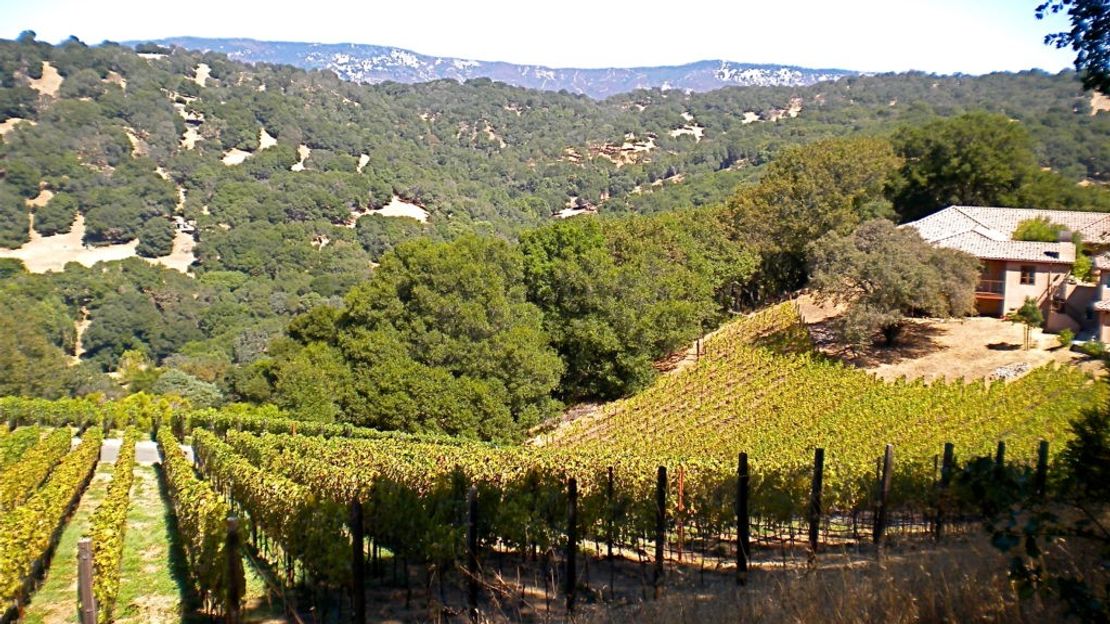

Macdonald
Oakville, Napa
Winery in Napa, United States
 Book with Pearl
The Read
Allocation-Tier Cabernet
Price
$150–200tasting
Why go
Macdonald is the Napa pick for collectors who want a focused wine-first visit tied to Alex MacDonald and Graeme MacDonald, with the first vintage dating to 2010. Do not choose it for a food-pairing itinerary; plan meals separately and cross-shop Ashes and Diamonds Winery or Matthiasson Winery if ambiance or a broader visitor experience matters more.
About Macdonald
Macdonald is a Napa venue with Alex MacDonald and Graeme MacDonald listed as chef/owners, a smart casual dress code, and Pearl 4 Star Prestige recognition for 2025. Beyond those basics, specific details such as menu format, visit structure, pricing, hours, offerings, or service style are not listed.
Use this page as a concise planning note rather than a full itinerary. If timing, access, group size, or on-site offerings matter, confirm directly with the venue before building a Napa day around it.
Plan with confirmed basics in mind
The clearest signals are the Pearl 4 Star Prestige (2025) recognition, the smart casual dress code, and the association with Alex MacDonald and Graeme MacDonald. No food offering, tasting format, hours, or price information is included, so plan conservatively and check current details before visiting. For the rest of a Napa itinerary, use Our full Napa restaurants guide, then build the trip with Our full Napa hotels guide, Our full Napa bars guide, Our full Napa wineries guide, and Our full Napa experiences guide.
Macdonald is best treated as a venue to research directly rather than one to choose based on assumed amenities. If you need a specific visit length, food component, purchasing option, or group setup, verify those details through official channels before committing.
Who should cross-shop before committing
If you are comparing relevant options, consider Ashes and Diamonds Winery, Matthiasson Winery, Truchard Vineyards, Frias Family Vineyard, and John Anthony Vineyards alongside Macdonald. These are useful names to check when availability, setting, or fit for your itinerary is still uncertain.
For wider planning, keep comparisons focused on confirmed options and other unnamed dining or hospitality choices in the area. Avoid relying on assumptions about Macdonald's format, offerings, or schedule until you have confirmed them directly.
Planning details
- Location
- MacDonald St, Napa, CA 94558
- Website
- macdonaldvineyards.com
- Phone
- +17072257264
The take
The Take
The Vibe
Macdonald presents as a low‑profile, small‑production Napa house that earns attention through its wines rather than hospitality spectacle. The narrative emphasizes family ownership and first vintages — founded by Alex and Graeme MacDonald with a debut in 2010 — and a reputation built on allocation lists and critical ratings. That creates an intimate, understated atmosphere: tasting experiences are likely focused on the bottle and provenance rather than on large visitor amenities. The profile reads like a maker’s winery for collectors and serious tasters who value craft, provenance and restrained presentation over tourist‑oriented service.
Best For
This is a destination for wine collectors, enthusiasts and couples seeking a thoughtful, low‑key tasting experience. The profile’s emphasis on sourcing, allocation and a 2025 Pearl 4 Star Prestige rating positions Macdonald for wine education and deep dives into provenance. Given its small‑production model and family operation, visits suit appointment‑based tastings, romantic getaways or special‑occasion outings where the focus is on bottle quality and the story behind vineyard sourcing rather than on large‑scale hospitality or amenities.
Tasting Tips
Availability is limited by design: Macdonald belongs to the allocation‑oriented tier of Napa producers, so expect limited public inventory and prioritization through allocation lists or direct channels. Prospective buyers and visitors should approach the winery through its allocation or contact points, be prepared for small vintage runs and understand that offerings are judged and distributed with collector markets in mind. Treat tastings and allocations as appointment‑driven opportunities to learn about specific vineyard sources and the house style established since 2010.
Venue details
Ambiance
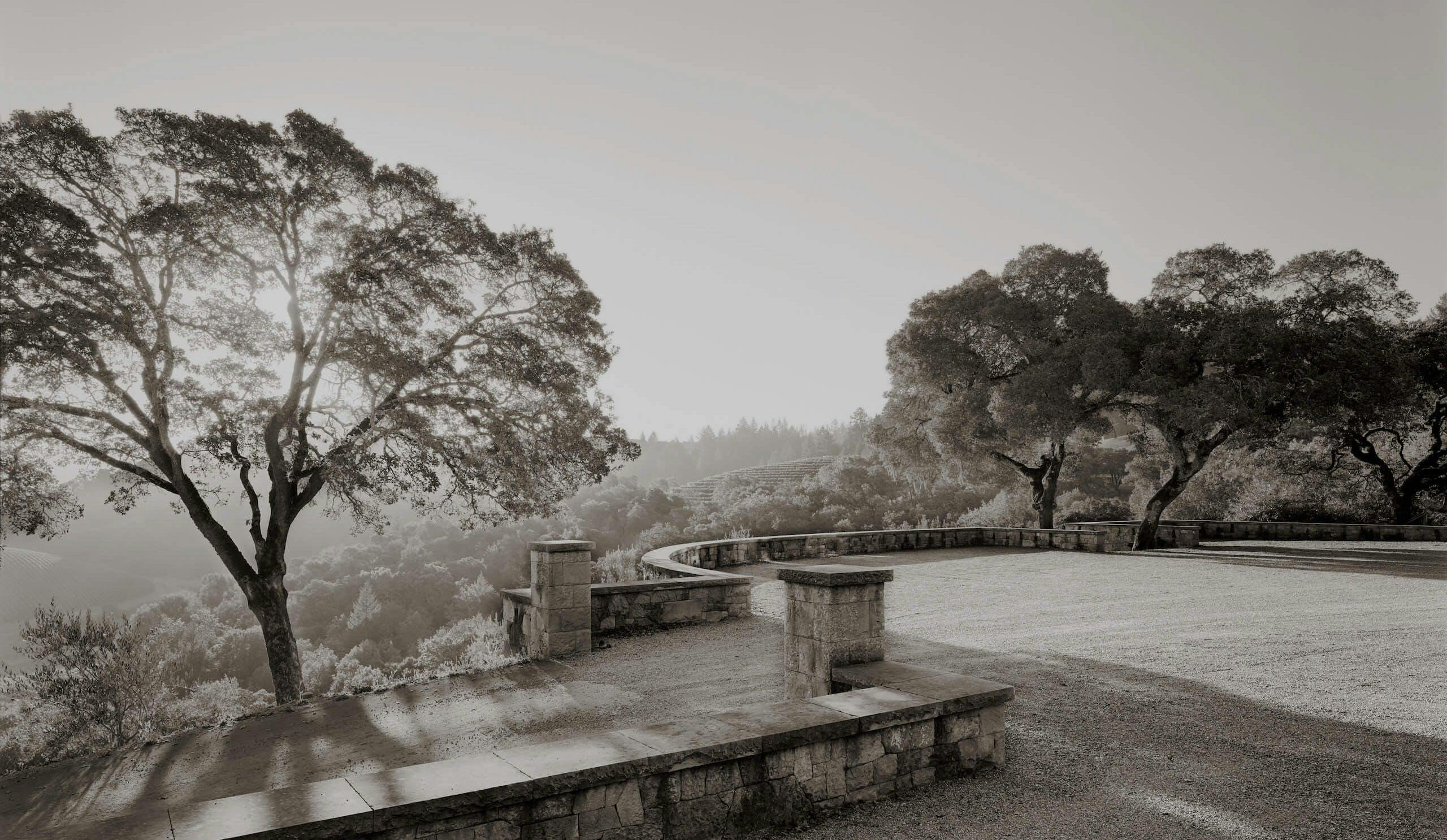
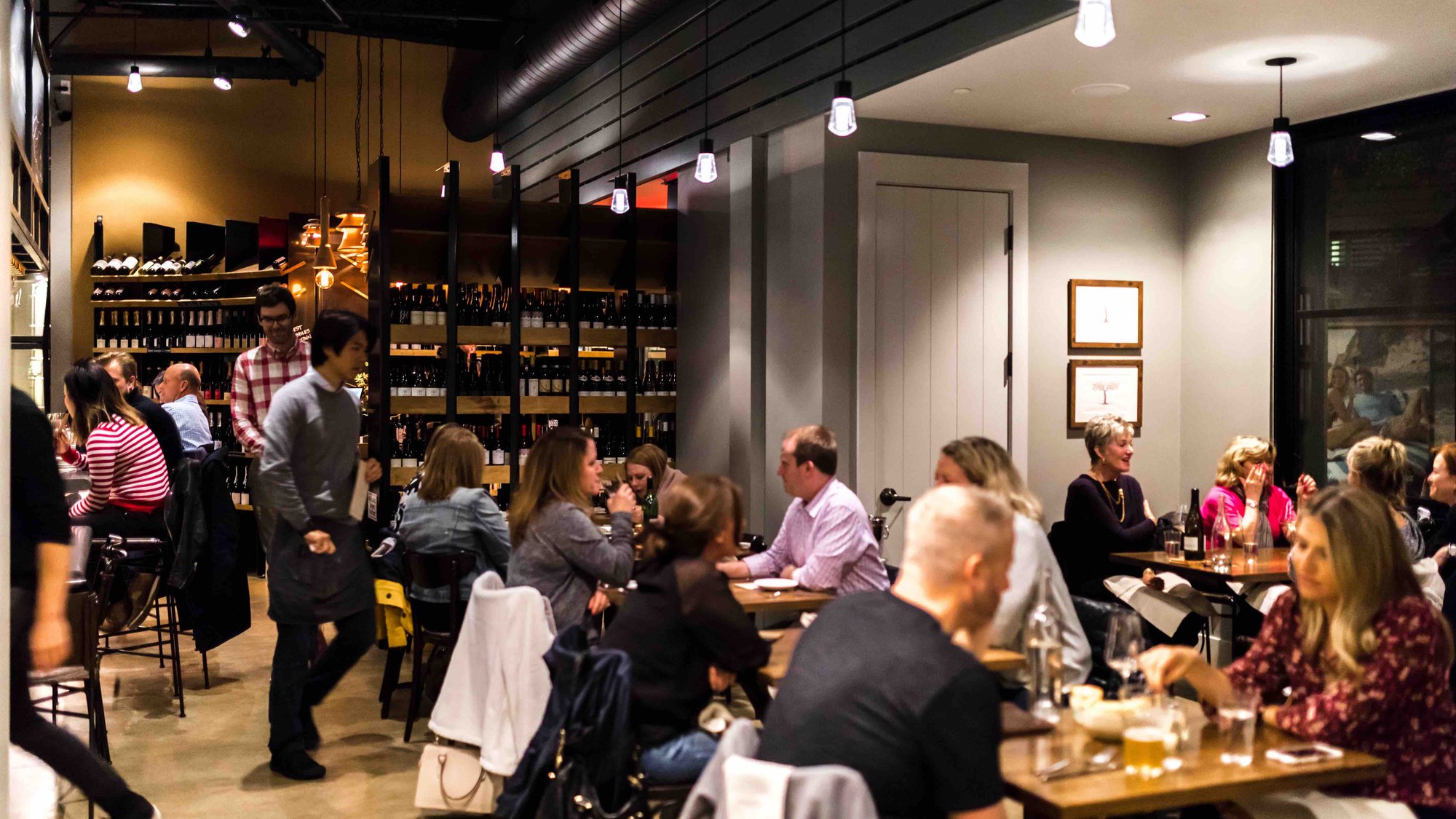
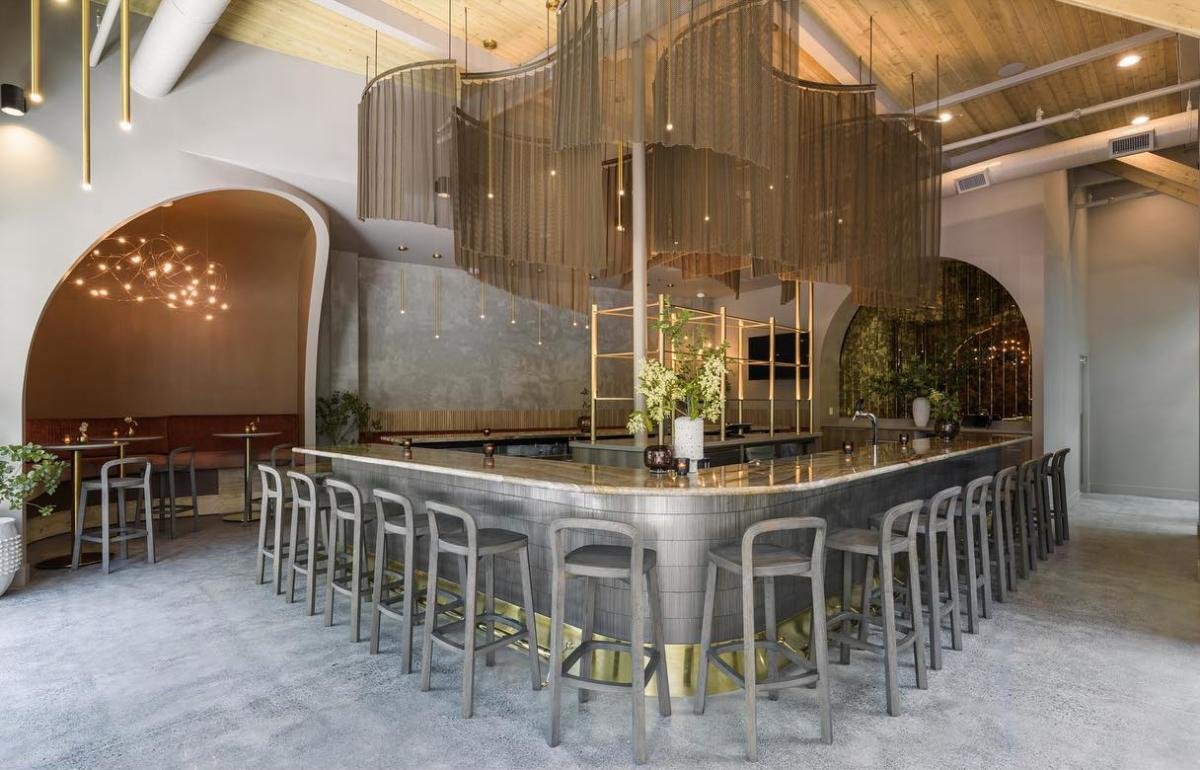
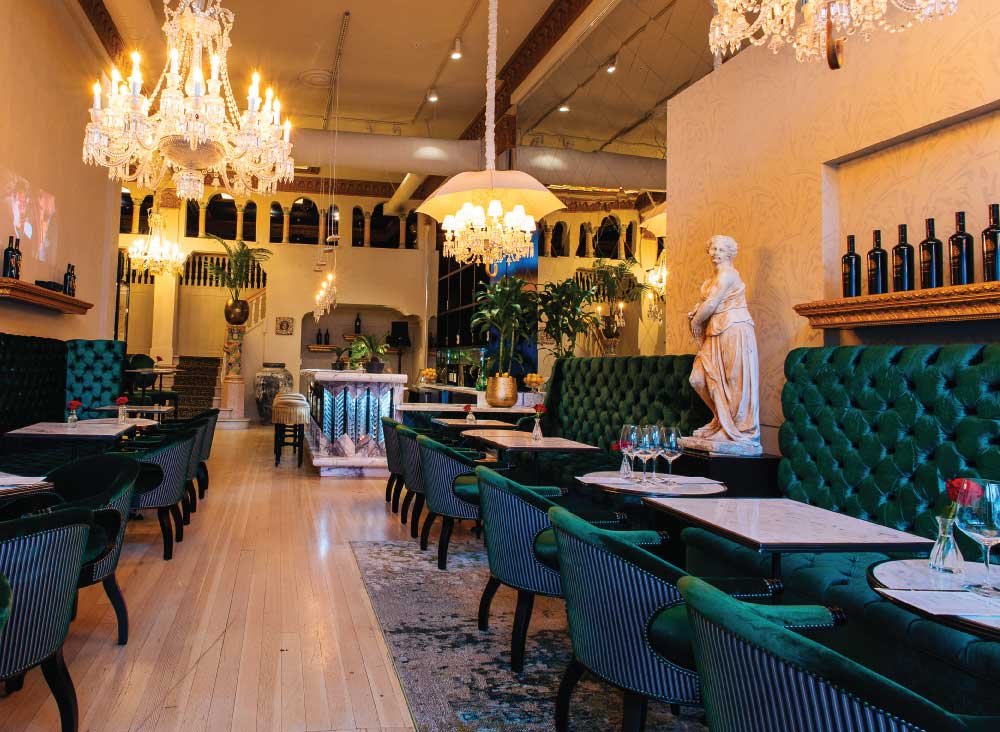
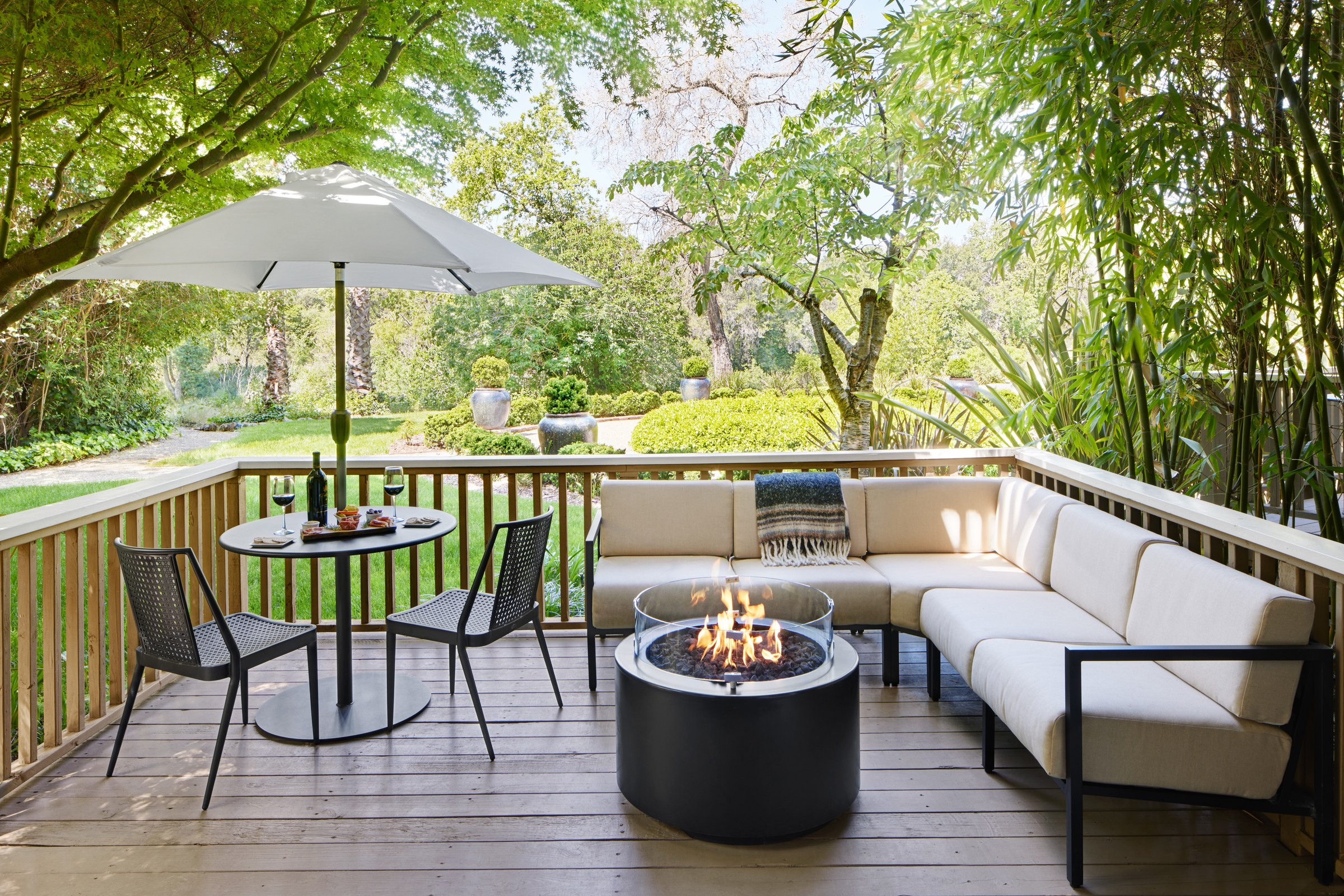
Intimate and refined atmosphere reflecting the winery's commitment to quality and heritage, with a focus on the purity and energy of the site.
Tags
Vibe
Best For
Experience
Sourcing
View
At the Vineyard
- Appellation
- Oakville, Napa Valley AVA
- Varietals
- Cabernet Sauvignon, Cabernet Franc
- Tour Languages
- English
- Visits
- By appointment only
- Farming
- Organic
- Wine Styles
- Still Red
- Wine Club
- Not available
Know before you go
Know Before You Go
- Getting there
- MacDonald St, Napa, CA 94558
Planning details
Location
Recognition and awards
Also consider
Where to go if Macdonald is not the right fit
Try Ashes and Diamonds Winery if the group wants more atmosphere and an easier social read. Choose Matthiasson Winery if the priority is a quieter, farming-minded Napa tasting rather than a collector-led stop.
Winery context
How Macdonald compares in Napa
Macdonald is the tougher, more collector-oriented choice in this set. Against Ashes and Diamonds Winery, it is less about the visible design experience and more about producer focus. Choose Ashes and Diamonds Winery for a more social Napa outing; choose Macdonald when the wine name is the reason for the stop.
Matthiasson Winery is the better cross-shop for visitors who want a farming-minded Napa lens and a less glossy feel. Truchard Vineyards is the safer alternate for a classic Napa winery day, especially when access is the priority. Frias Family Vineyard and John Anthony Vineyards make more sense for readers building a wider itinerary and needing options that may be simpler to slot into a tasting day.
Value here depends on what the reader values: if the goal is hospitality breadth, food, or an easy group plan, book elsewhere in the comparison set. If the goal is a focused Napa producer with a first vintage in 2010 and winemaking tied to Alex MacDonald and Graeme MacDonald, Macdonald is the more pointed choice.
Around this place
Discover more on Pearl
Unlock the full Macdonald guide in Pearl, including awards, comparisons, FAQs, planning details, and nearby places.
Compare Macdonald
| Venue | Location | Awards |
|---|---|---|
| Macdonald | Napa | 2025 Pearl 4 Star Prestige |
| Frias Family Vineyard | Napa | No published awards |
| Ashes and Diamonds Winery | Napa | 2026 Falstaff Winery Guide2025 Pearl 3 Star Prestige |
| Matthiasson Winery | Napa | No published awards |
| Truchard Vineyards | Napa | No published awards |
| John Anthony Vineyards | Napa | No published awards |

How Macdonald Napa compares with similar nearby venues.
FAQ
Frequently Asked Questions
Does Macdonald offer purchases or delivery?
What other venues should I compare with Macdonald?
For comparison planning, start with Frias Family Vineyard, Ashes and Diamonds Winery, Matthiasson Winery, Truchard Vineyards, and John Anthony Vineyards. Confirm each venue's current availability and visit details directly before building your itinerary.
Are memberships or ongoing programs available at Macdonald?
Membership or ongoing program details are not included. The confirmed trust signal here is Pearl 4 Star Prestige (2025), but any terms, availability details, or purchase requirements should be checked directly with the venue.
What is Macdonald known for?
Macdonald is a Napa venue associated with Alex MacDonald and Graeme MacDonald, with a smart casual dress code and Pearl 4 Star Prestige (2025) recognition. No specific menu item, bottle, release, or service format is named here.
When is the best time to visit Macdonald?
Can Macdonald handle large groups?
Group capacity details are not included. If you are planning for a group, confirm directly with Macdonald and compare availability with options such as Ashes and Diamonds Winery or John Anthony Vineyards.