


Antica Terra
Eola-Amity Hills, Amity
Winery in Amity, United States
 Book with Pearl
The Read
Restraint-Driven Willamette Pinot
Price
$200–300tasting
Why go
Antica Terra is worth pursuing if the goal is serious Oregon wine access rather than an easy tasting-room stop. With a first vintage in 1989 and Maggie Harrison as winemaker, it suits collectors and focused first-timers better than casual groups looking for a low-planning Amity afternoon.
About Antica Terra
Antica Terra in Amity offers key details for planning: Maggie Harrison is chef/owner, the dress code is smart casual, and the venue holds Pearl 4 Star Prestige recognition for 2025.
Specifics such as hours, pricing, reservation requirements, group size limits, menu format, and visitor services should be confirmed directly before you build a day around the stop.
Worth considering if it fits your plans
The clearest recommendation is to consider Antica Terra if you are already planning time in Amity and want a Pearl-recognized venue with a smart-casual standard. The 2025 Pearl 4 Star Prestige recognition is a strong quality signal.
For comparison planning, keep the decision practical. Antica Terra may fit a more intentional itinerary, while other regional options such as Brooks Winery, Maysara Winery, Montinore Estate, The Eyrie Vineyards, and Youngberg Hill may be useful to review depending on the day you are planning.
How to decide before spending the effort
If dress expectations matter, smart casual is the standard. If recognition matters, Pearl 4 Star Prestige (2025) is awarded. For anything more specific, including timing, availability, pricing, service format, or visit length, check with the venue directly before committing.
For first-timers, the safest approach is to treat Antica Terra as a targeted Amity stop and avoid assuming unstated details. Plan buffer time, confirm logistics in advance, and make sure the venue fits the kind of outing your group wants.
Use our full Amity wineries guide to build the rest of the day around the same level of commitment. For non-wine planning nearby, see our full Amity restaurants guide, our full Amity hotels guide, our full Amity bars guide, and our full Amity experiences guide.
Planning details
- Location
- 5100 SE Rice Ln, Amity, OR 97101
- Website
- anticaterra.com
- Phone
- +1 503-244-1748
The take
The Take
The Vibe
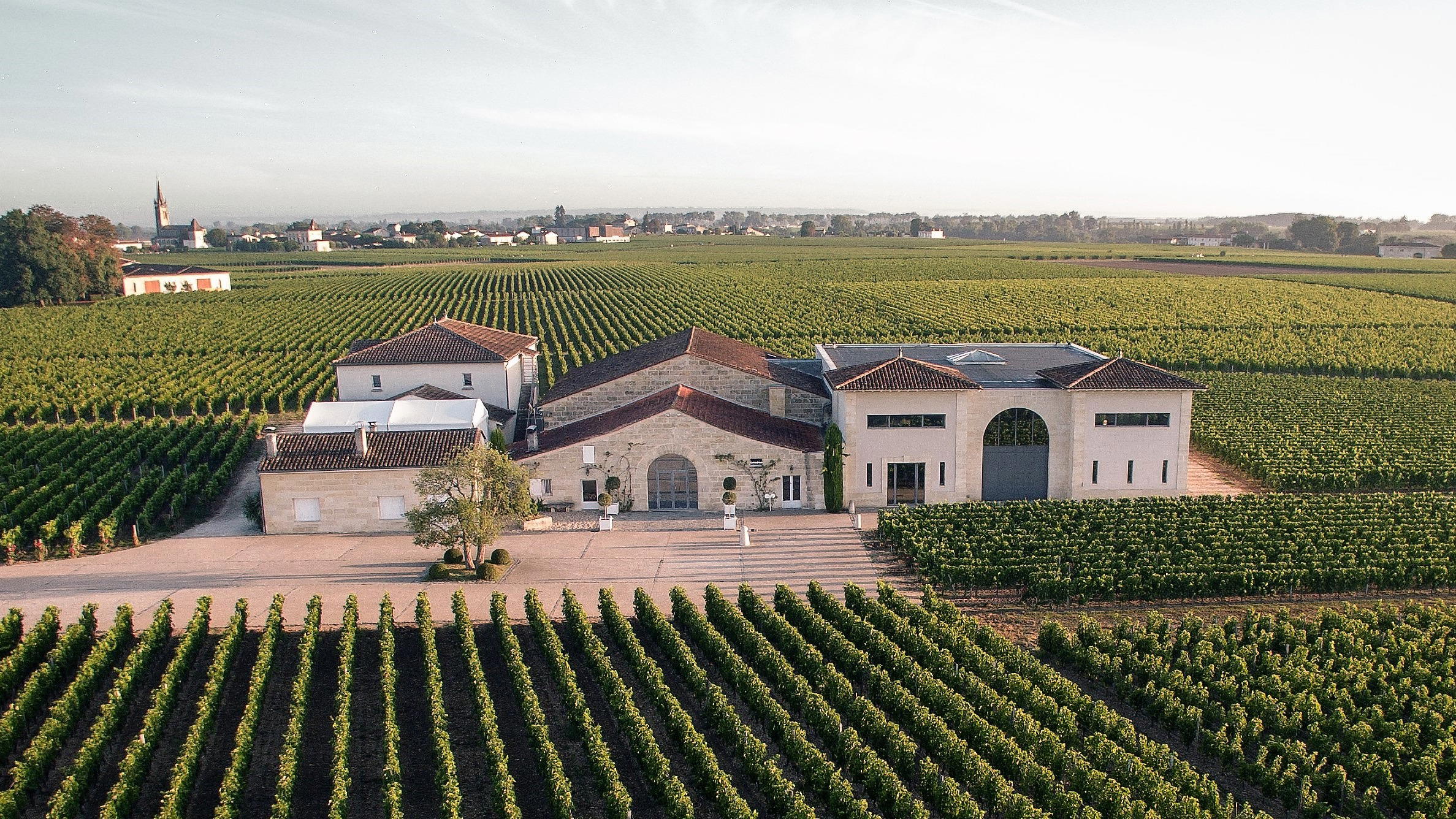
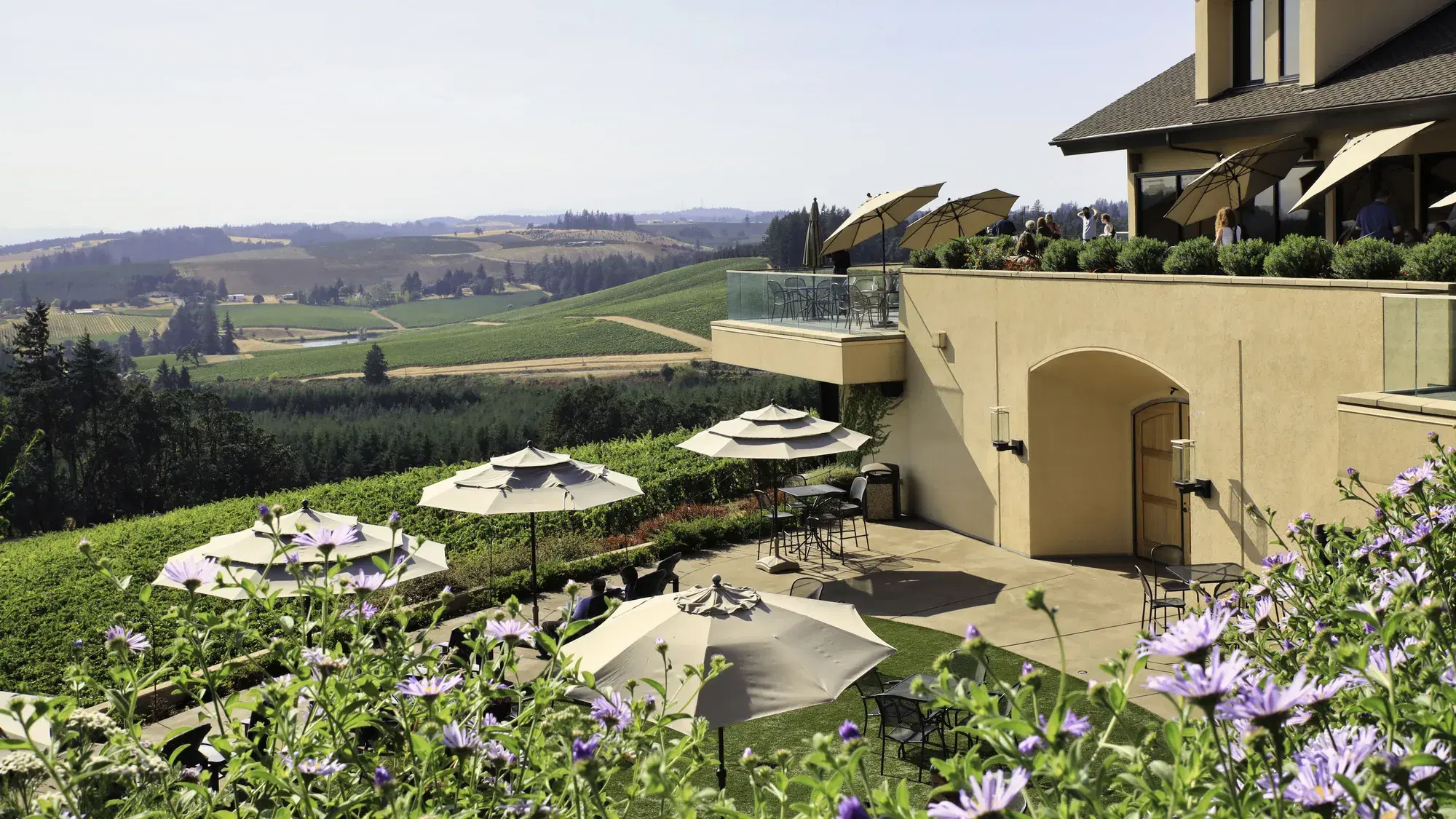
Antica Terra presents as a vineyard‑rooted, terroir‑forward winery anchored in the Eola‑Amity Hills. The copy emphasizes geological and climatic mechanics—the Van Duzer Corridor and Jory soils—that shape Pinot Noir here, and the narrative foregrounds careful, site‑driven winemaking under Maggie Harrison. The winery’s lineage (first vintage 1989) and recent awards position it as a serious, considered producer whose character comes from place rather than flash. Visitors can expect a focused, contemplative experience that privileges vineyard expression and the craft of small‑scale, allocation‑driven production.
Best For
Antica Terra is best suited to wine enthusiasts who care about site expression and the subtleties of cool‑climate Pinot Noir. The writeup frames the estate as a place for education and close study of terroir—ideal for tastings that explore Jory soils, marine influence and regional typicity. It also reads well for milestone visits where depth and provenance matter: collectors and celebratory visitors looking for wines that reflect a particular hill, soil and microclimate will find the winery especially rewarding.
Tasting Tips
The profile explicitly discusses an allocation‑and‑mailing‑list structure, so many bottles never reach conventional retail. If you are after current releases or limited bottlings, sign up for the winery’s allocation list and watch for release notifications; allocations are the primary route to purchase. Expect constrained availability and prioritize joining any mailing list or allocation program rather than relying on wide retail distribution. The copy’s focus on limited production and prestige awards underscores that patience and direct contact with the winery are the likeliest paths to securing bottles.
Venue details
Ambiance
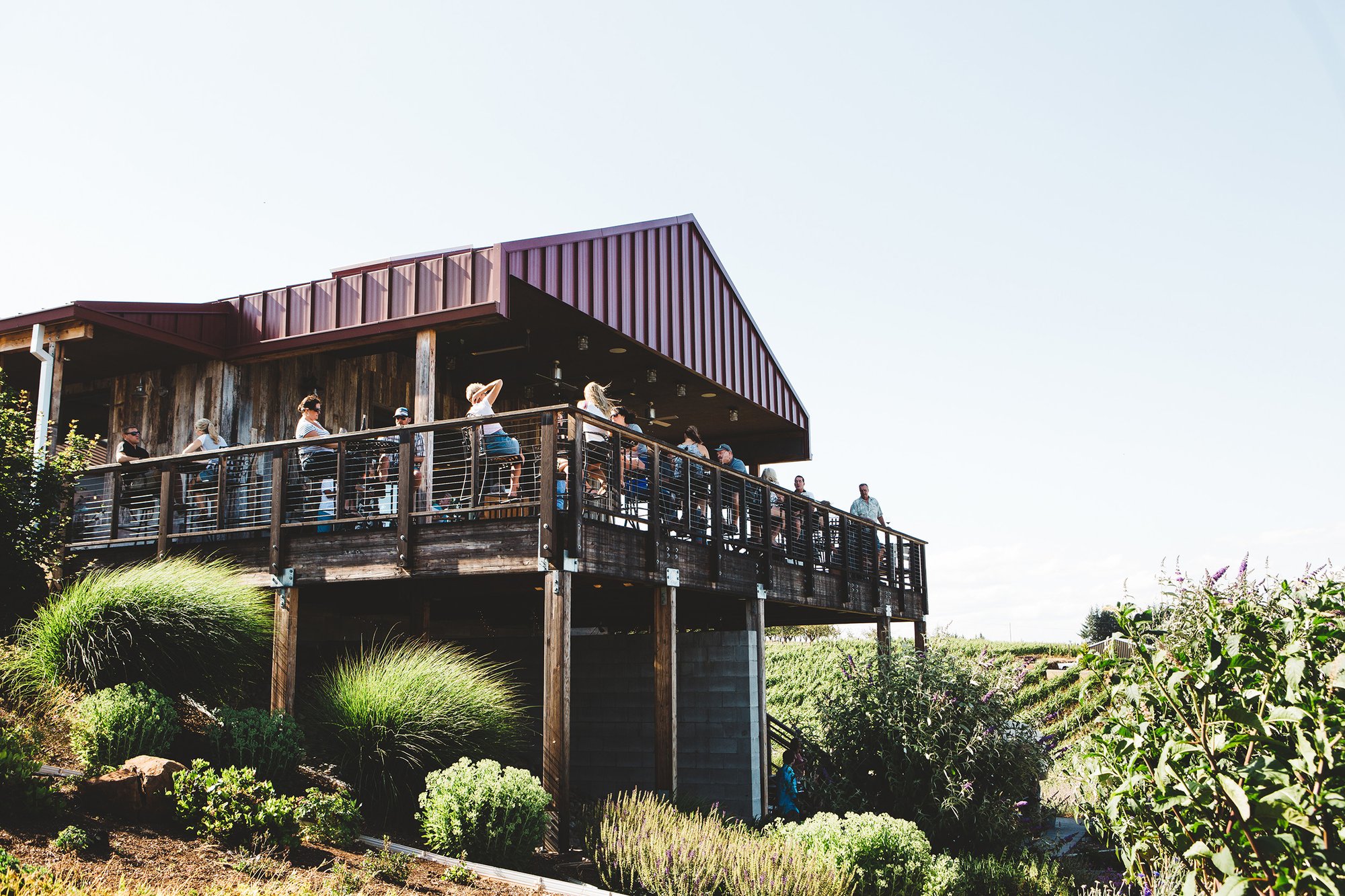
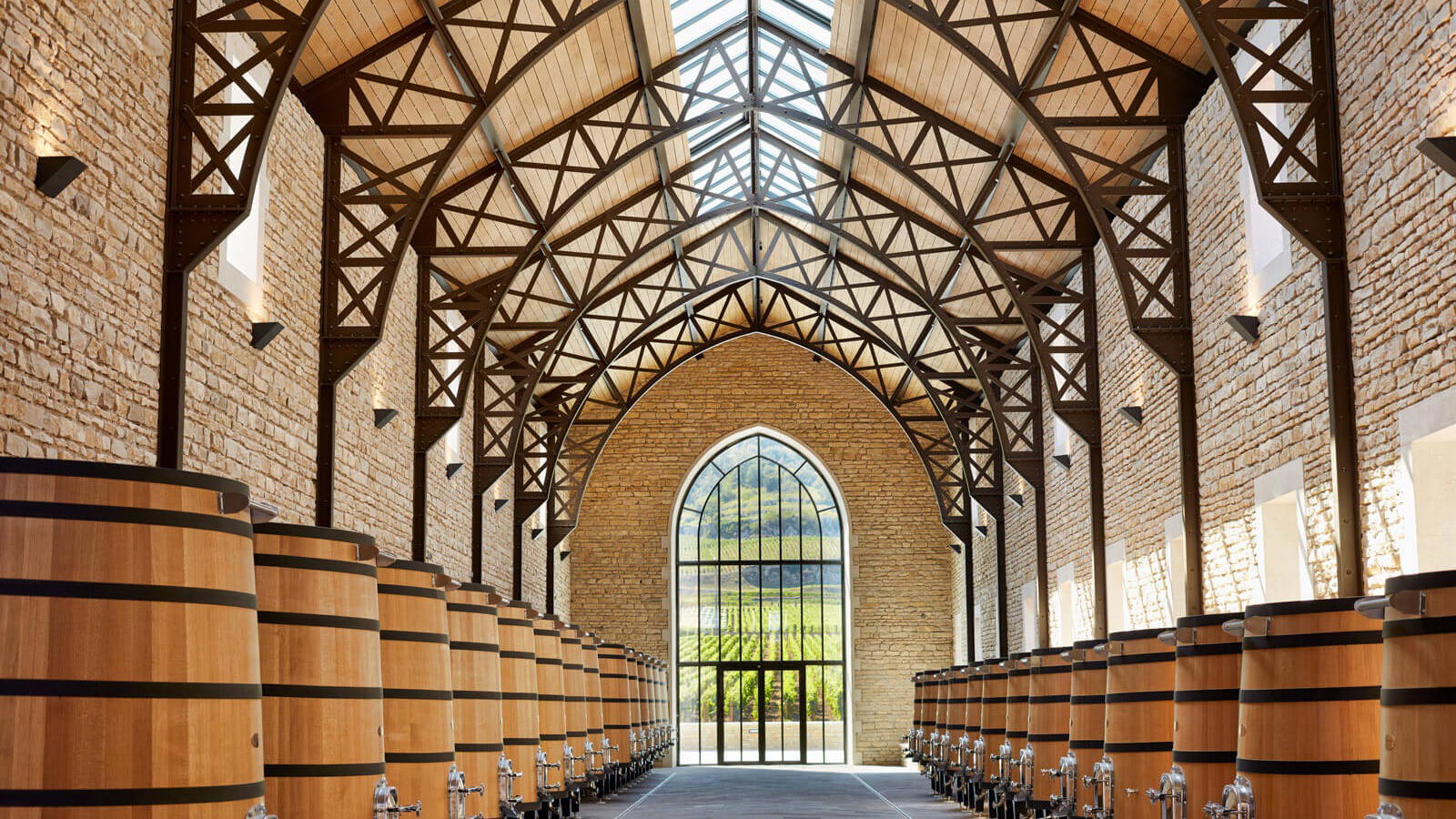
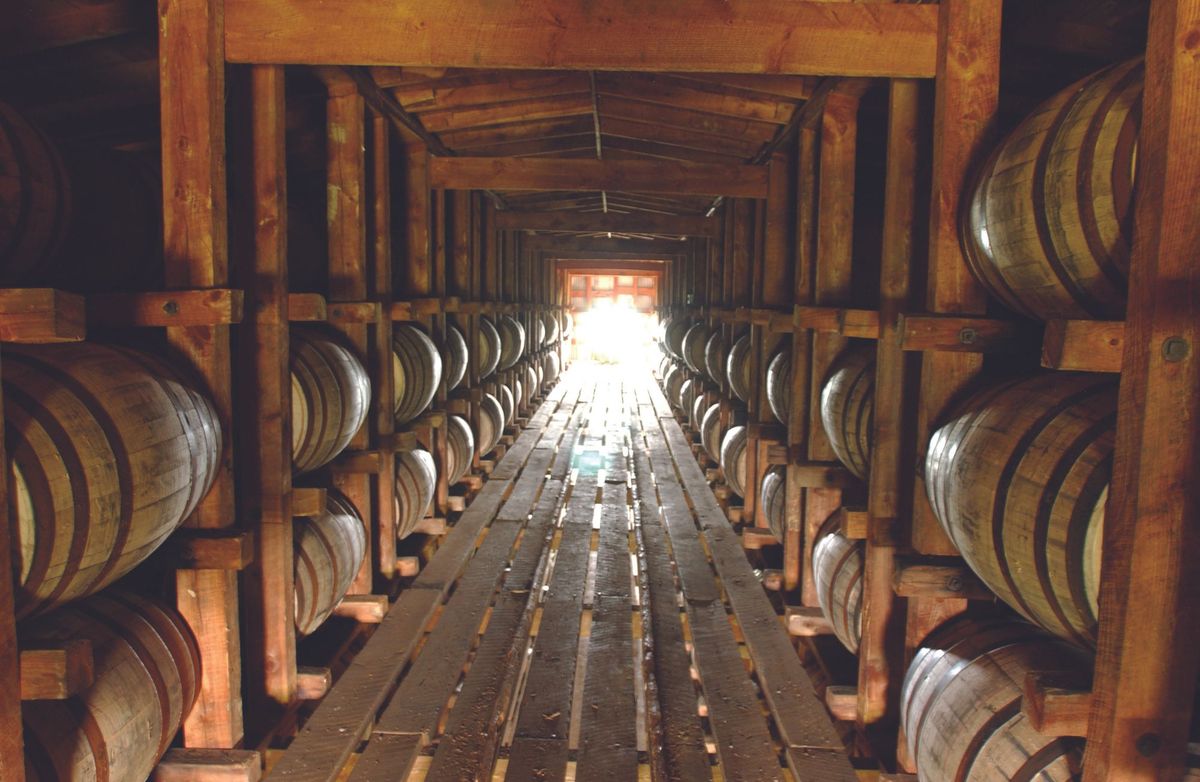
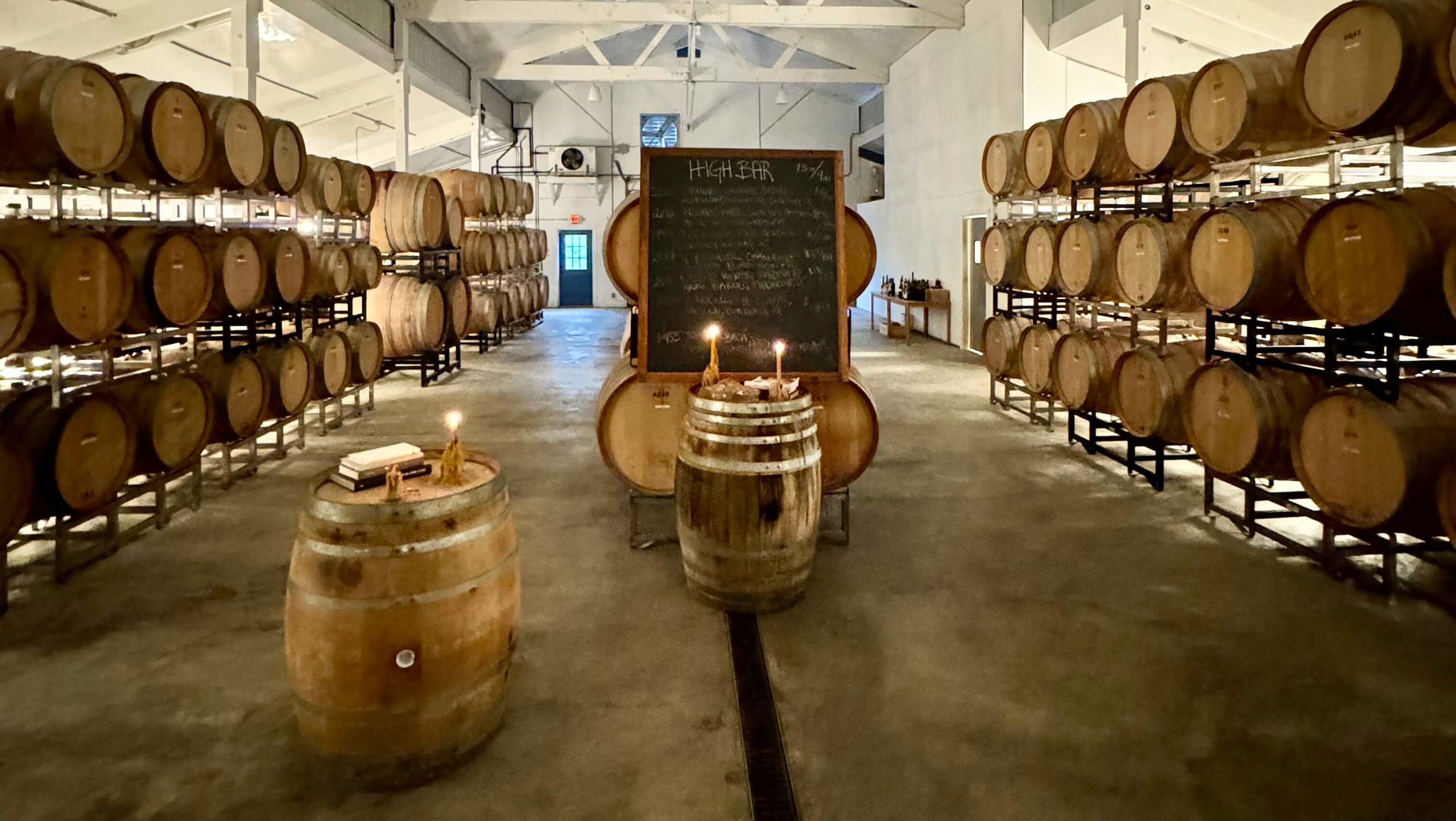
Dimly lit barrel room with tiny white lights, candles, and backlit wine collections creating a cozy, artistic, and inspiring atmosphere.
Tags
Vibe
Best For
Experience
Sourcing
View
Accessibility
At the Vineyard
- Appellation
- Eola-Amity Hills AVA
- Varietals
- Pinot Noir, Chardonnay
- Tour Duration
- 120 minutes
- Visits
- By appointment only
- Farming
- Biodynamic
- Wine Styles
- Still Red, Still White
- Food Pairing
- Offered
- Shipping
- Available
- Wine Club
- Available
Know before you go
Know Before You Go
- Getting there
- 5100 SE Rice Ln, Amity, OR 97101
Planning details
Location
Recognition and awards


Also consider
Also Consider
- Brooks Winery, Notable alternative
- Montinore Estate, Notable alternative
- Maysara Winery, Notable alternative
- The Eyrie Vineyards, Notable alternative
- Youngberg Hill, Notable alternative
Winery context
How It Compares
Choose Antica Terra when the priority is allocation value and a more serious wine decision. Brooks Winery is the easier recommendation for a broader Amity day, especially if the group includes people who want a more accessible winery stop rather than a collector-led appointment.
Montinore Estate and Maysara Winery make more sense for visitors prioritizing a lower-pressure estate experience and group flexibility. Antica Terra is the sharper pick for someone deciding whether to chase bottles, but it is less forgiving if the group wants a simple tasting itinerary.
For a deeper Oregon wine comparison, cross-shop The Eyrie Vineyards if history and regional context matter, or Youngberg Hill if ambiance and a fuller visitor setting are higher priorities. If Antica Terra is hard to secure, start with Brooks Winery, then use the others to round out the day by ease, setting, and group fit.
Explore Amity
Around this place
Discover more on Pearl
Unlock the full Antica Terra guide in Pearl, including awards, comparisons, FAQs, planning details, and nearby places.
Compare Antica Terra
| Venue | Location | Awards |
|---|---|---|
| Antica Terra | Amity | 2026 Falstaff Winery Guide2025 James Beard Award Semifinalists2025 Pearl 4 Star Prestige |
| Brooks Winery | Amity | 2025 World's 50 Best Vineyards · #352023 World's 50 Best Vineyards · #28 |
| Montinore Estate | Forest Grove | No published awards |
| Maysara Winery | McMinnville | 2025 World's 50 Best Vineyards · #23 |
| The Eyrie Vineyards | McMinnville | No published awards |
| Youngberg Hill | McMinnville | No published awards |

How Antica Terra Amity compares with similar nearby venues.
FAQ
Frequently Asked Questions
How long should I plan for a visit to Antica Terra?
Visit length is not specified. If you are planning around Antica Terra in Amity, confirm timing directly with the venue before setting the rest of your itinerary.
Can Antica Terra handle large groups?
Group capacity is not specified. If you are visiting with a larger party, contact Antica Terra directly and keep your plans centered on Amity rather than assuming a specific group setup.
Is Antica Terra worth prioritizing?
Antica Terra is worth considering if you value a Pearl 4 Star Prestige (2025) venue in Amity and the smart-casual dress code fits your plans. Confirm other details directly before making it the anchor of your day.
Do I need a reservation at Antica Terra?
Reservation requirements are not specified. Plan ahead and confirm directly with Antica Terra before treating the venue as available for your preferred date or time.
When is the best time to visit Antica Terra?
The best time to visit is not specified. Choose a time only after confirming current availability and logistics with Antica Terra in Amity.