


Domaine Méo-Camuzet
Vosne-Romanée
Winery in Vosne-Romanée, France
 Book with Pearl
The Read
Rue des Grands Crus Continuity
Why go
Domaine Méo-Camuzet is a winery on Rue des Grands Crus in Vosne-Romanée.
About Domaine Méo-Camuzet
Domaine Méo-Camuzet is a Vosne-Romanée name associated here with Jean-Nicolas Méo and Christian Faurois, with a smart casual dress code and 4 Star Prestige recognition for 2025. For a first-timer deciding whether to make the effort, frame it as a Vosne-Romanée venue to plan carefully around, with visitor format, food, pricing, and hours worth checking directly before you go.
Why the details matter
The key planning details are useful: Domaine Méo-Camuzet is in Vosne-Romanée, Jean-Nicolas Méo and Christian Faurois are the named chef/owners, the dress code is smart casual, and the venue carries 4 Star Prestige recognition for 2025. For tasting format, menu structure, service style, pricing, hours, or amenities, check directly before building an itinerary.
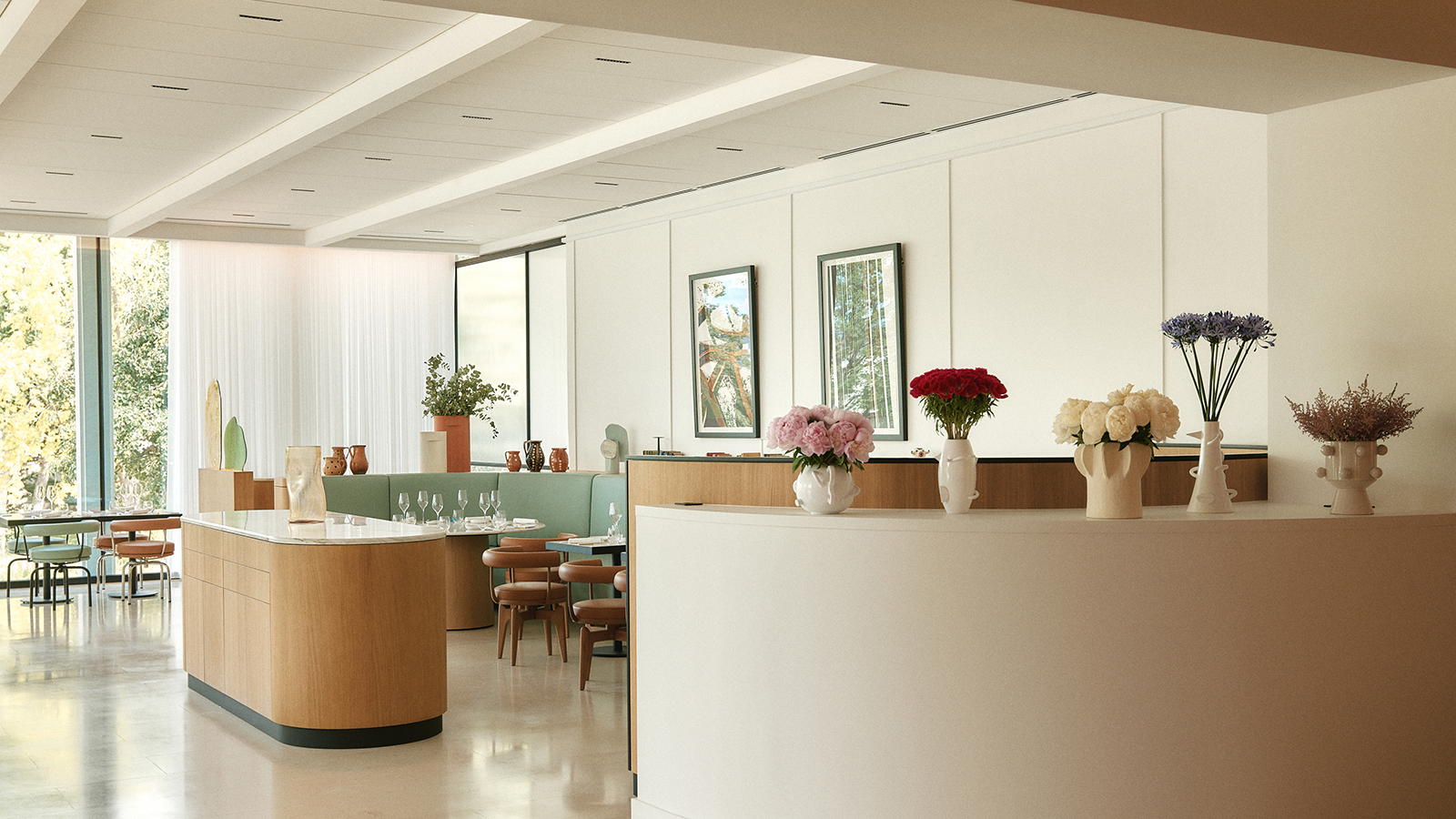
That means Domaine Méo-Camuzet is best treated as a focused Vosne-Romanée stop whose appeal rests on the name and recognition, rather than on assumptions about hospitality details. If the goal is a fuller day in town, use Our full Vosne-Romanée wineries guide to build alternatives around it, then check Our full Vosne-Romanée restaurants guide, Our full Vosne-Romanée hotels guide, Our full Vosne-Romanée bars guide, and Our full Vosne-Romanée experiences guide while checking access and services directly.
Who should make the effort, and who should not
Make the effort if Vosne-Romanée is the point of the trip and Domaine Méo-Camuzet is specifically on your list. Be more cautious if the priority is food service, detailed published hours, a particular tasting format, or other amenities that need advance checking. For a broader comparison set, Domaine Gros Frère et Sœur, Domaine Henri Jayer, Domaine Rene Engel, Domaine d'Eugénie, and Domaine du Comte Liger-Belair are the relevant named references, while other Vosne-Romanée options can be considered generically depending on the trip plan.
Planning details
- Location
- 11 Rue des Grands Crus, 21700 Vosne-Romanée
- Website
- meo-camuzet.com
- Phone
- +33 3 80 61 55 55
The take
The Take
The Vibe
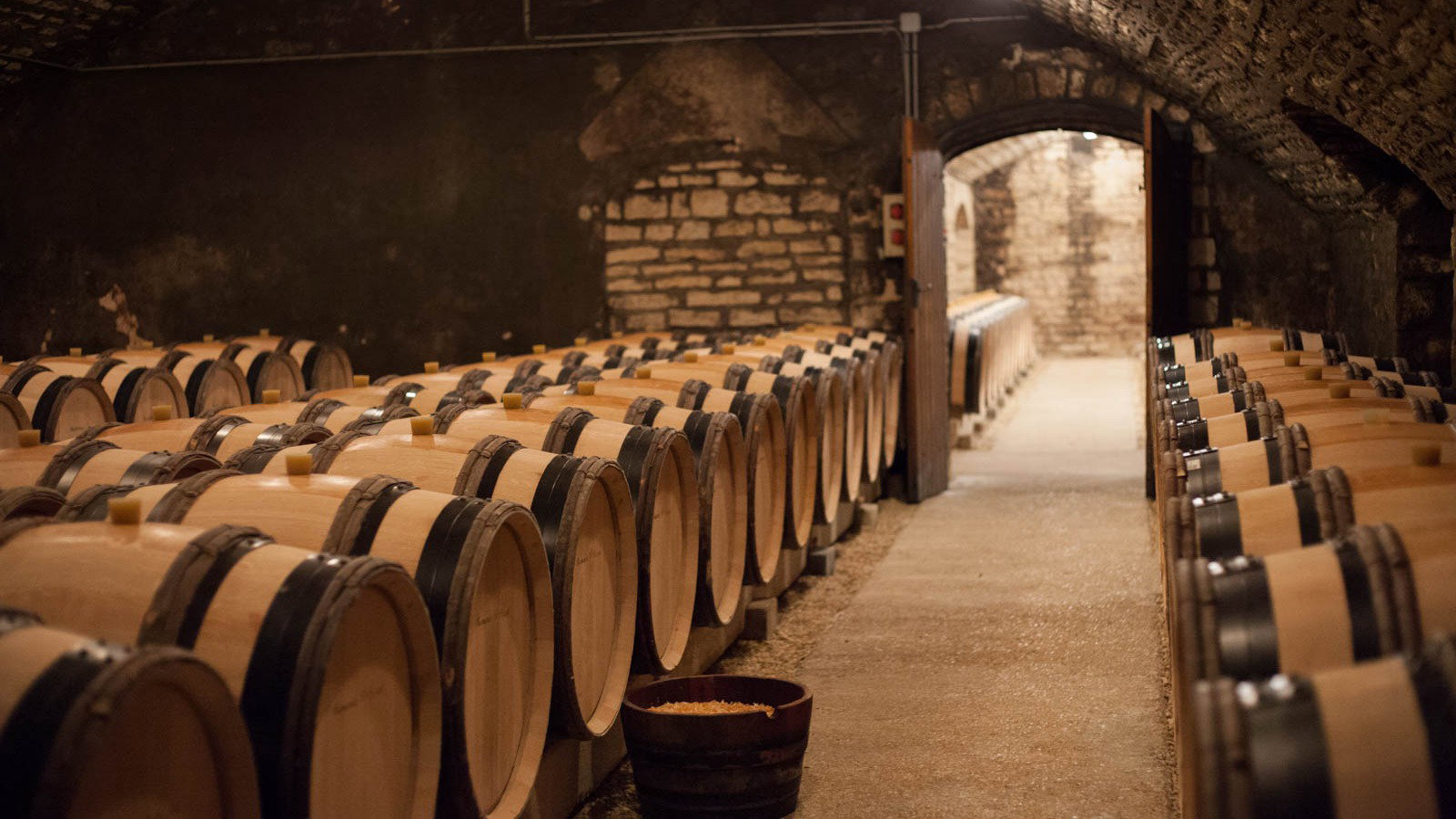
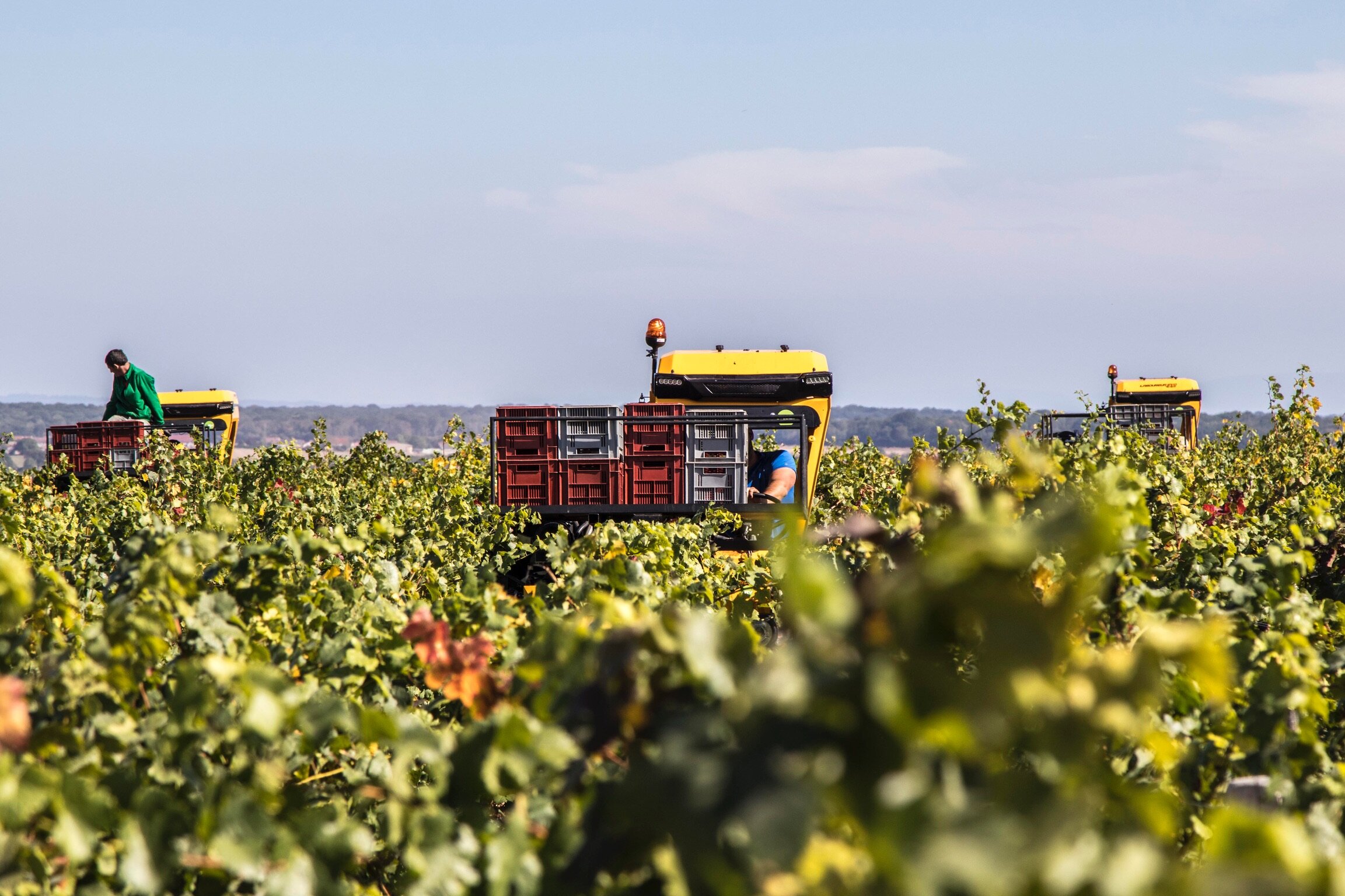
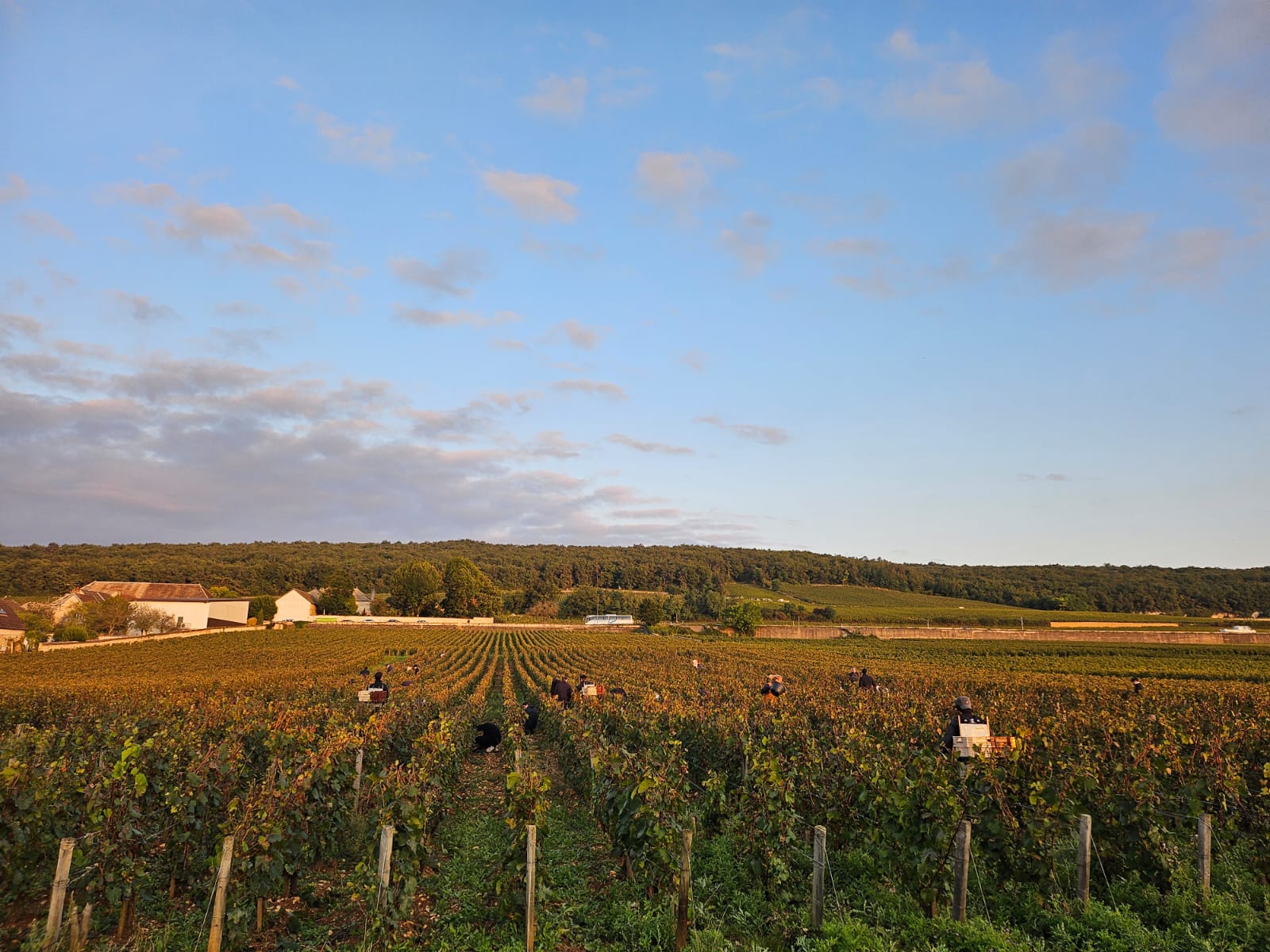
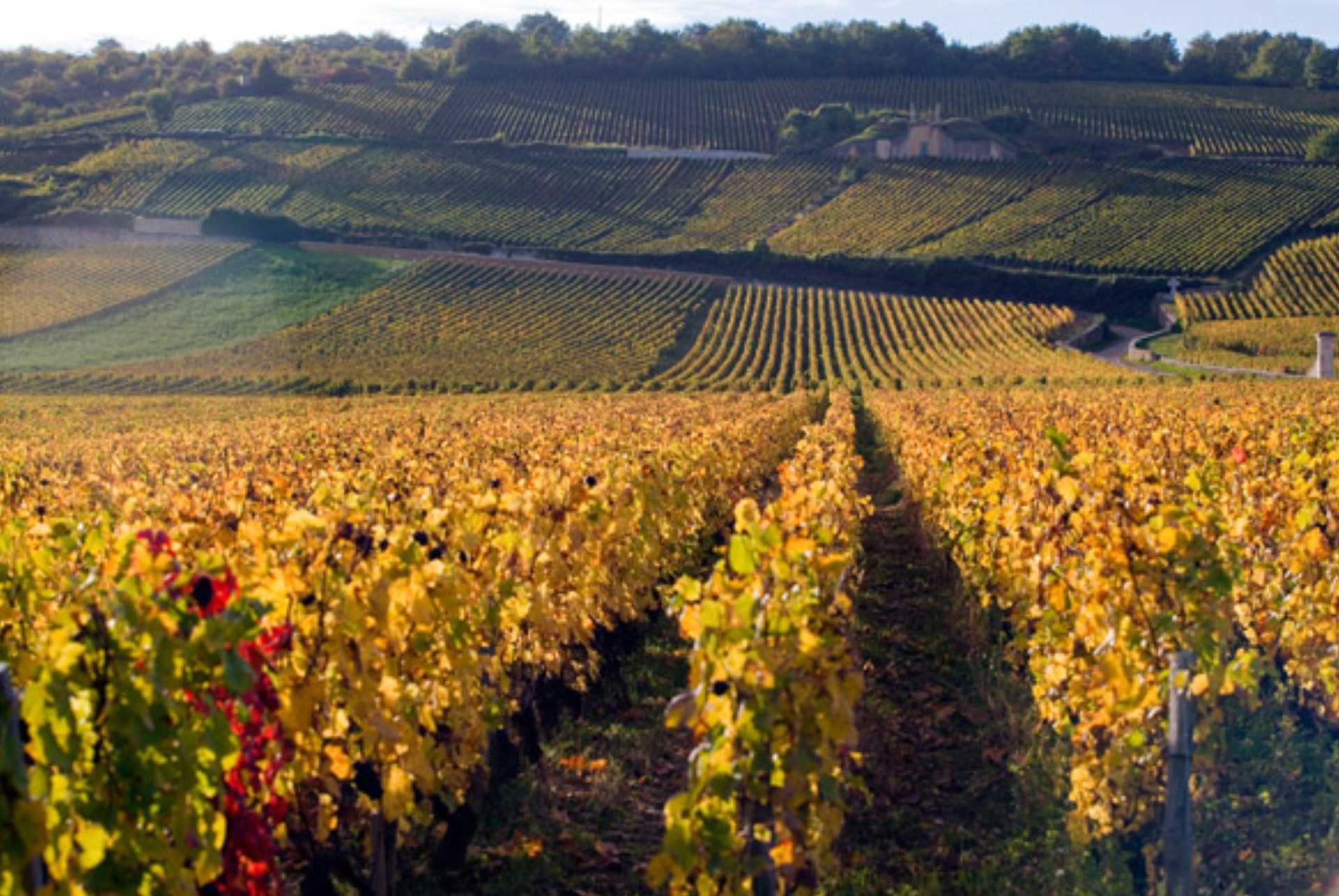
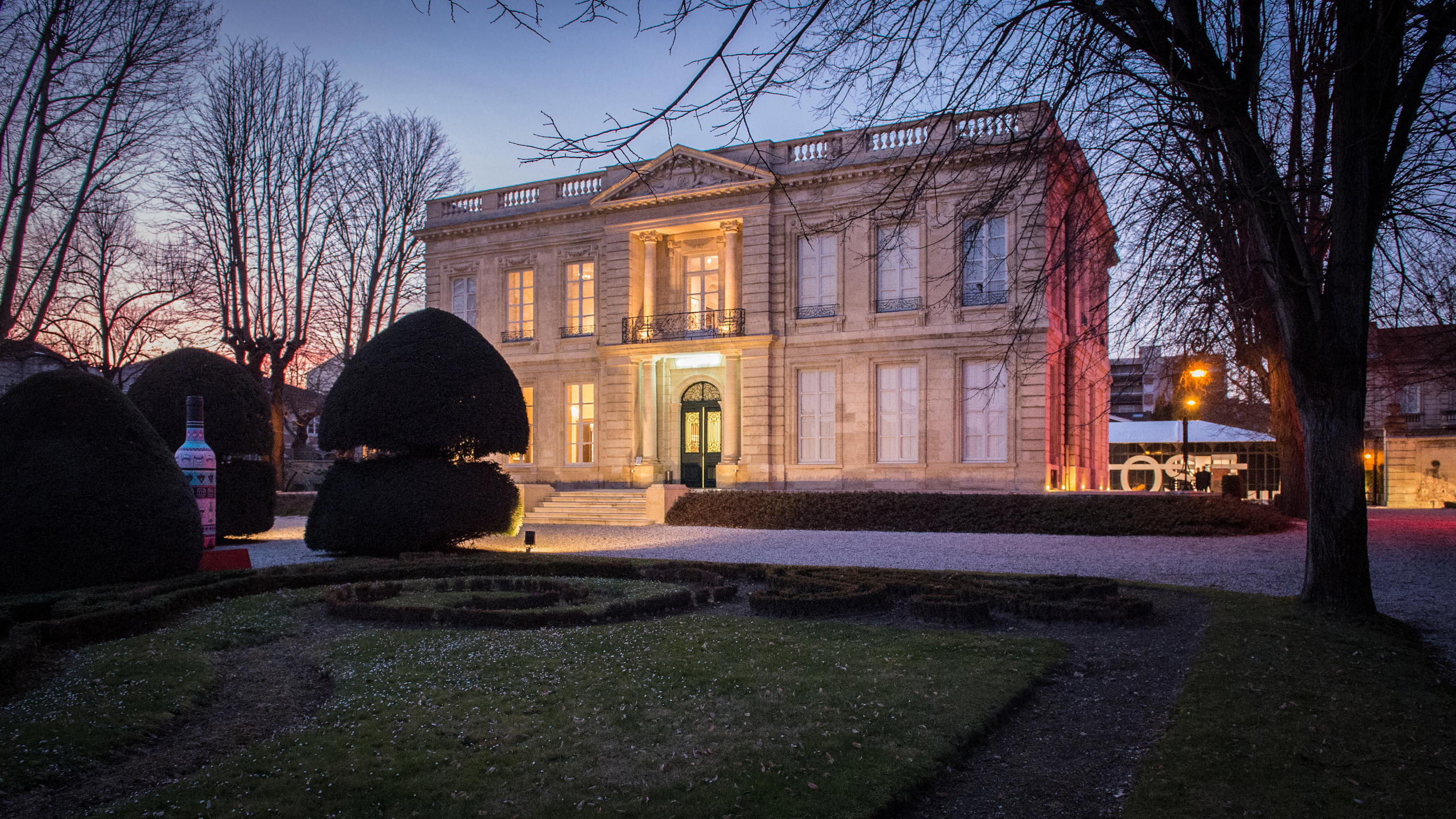
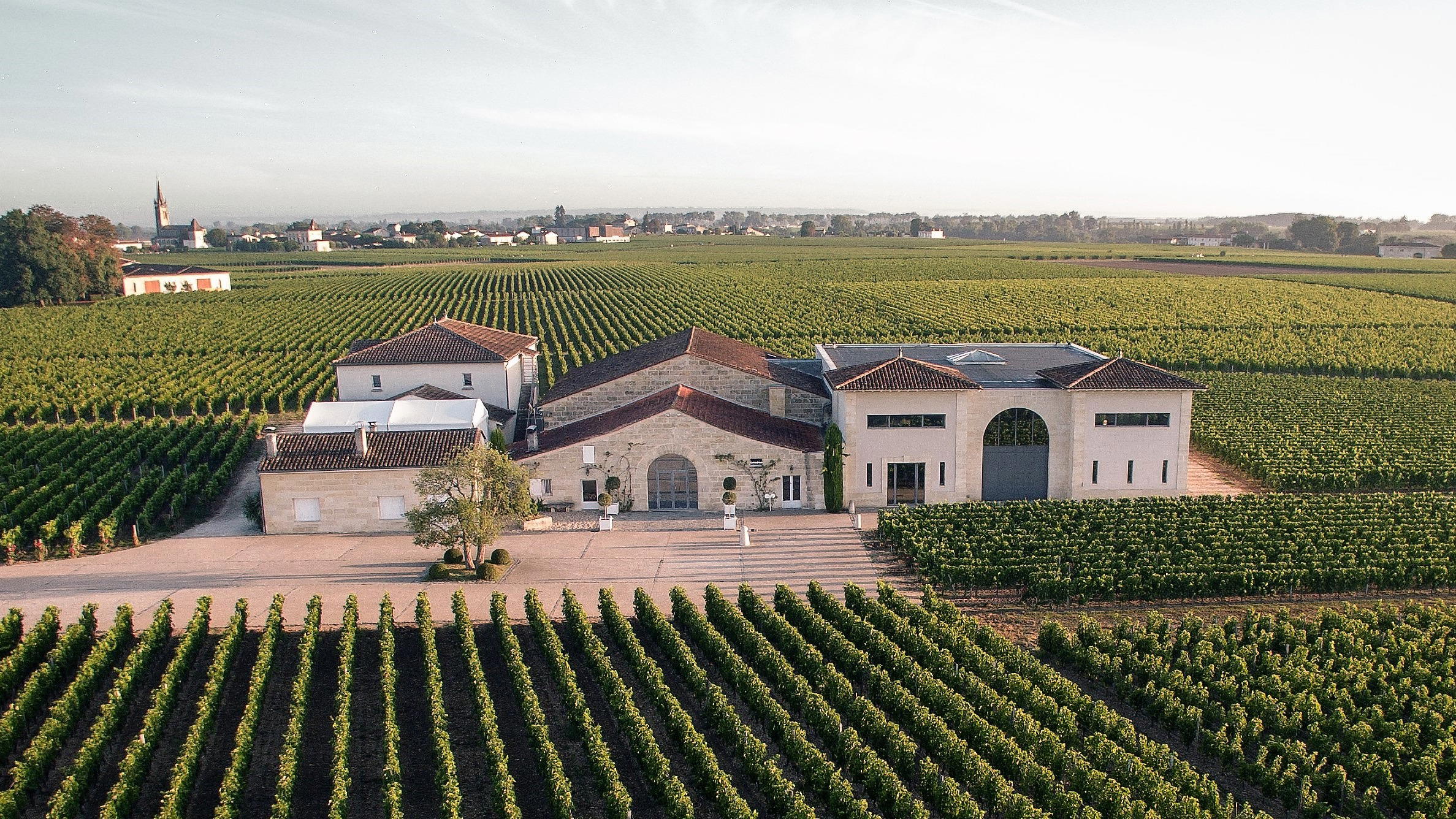
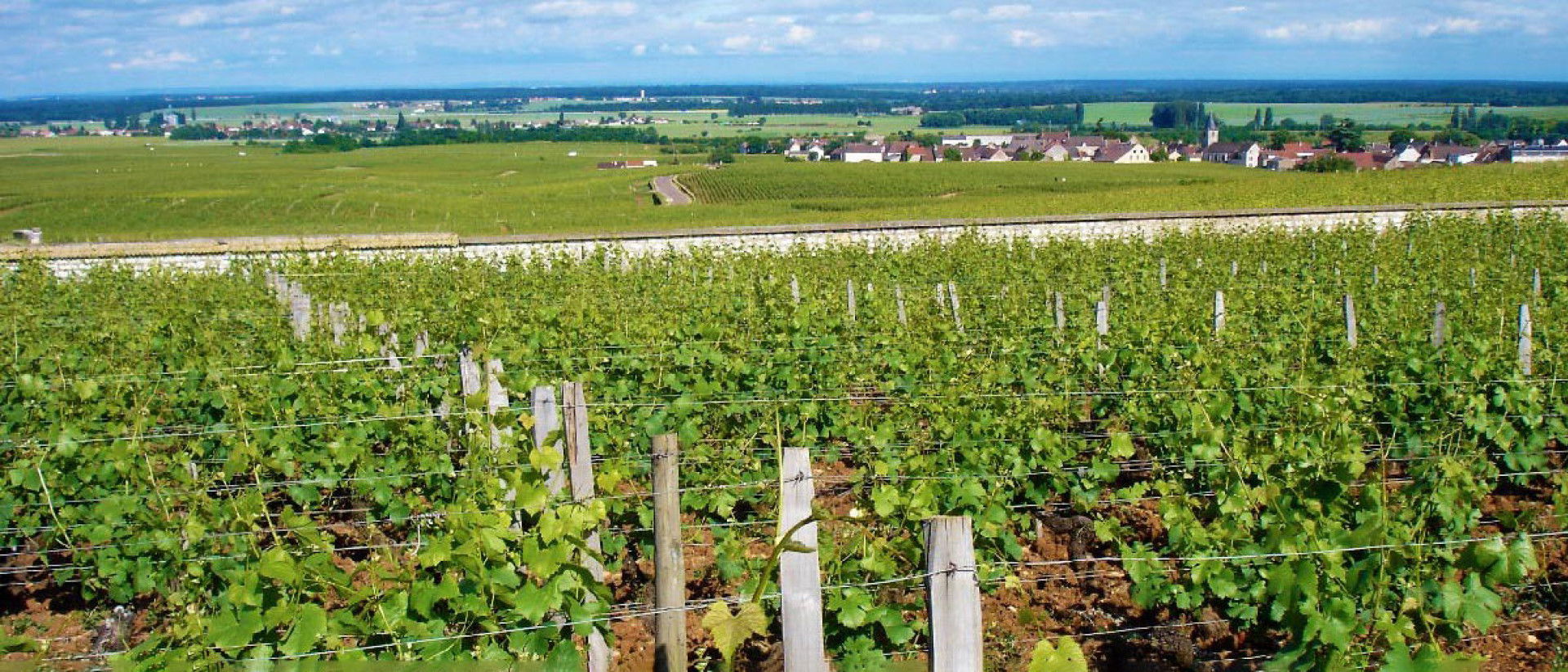
Domaine Méo-Camuzet sits like a piece of Burgundy history within Vosne-Romanée, its identity anchored in a lineage that reaches back to 1929. The approach through a quiet, low village gives way to a dramatic vineyard landscape — the names on the stakes (Richebourg, Grands Échezeaux, La Tâche) read like a register of the region's gravity. The domaine's presence on the Rue des Grands Crus and its mapping of holdings across premier and grand cru parcels make the place feel both scenic and iconic, a restrained yet authoritative expression of Côte de Nuits provenance and terroir-focused winemaking.
Best For
This domaine is best for serious wine-minded visits and special moments that hinge on provenance. The write-up emphasizes parcel-level identity and an agricultural ledger of premier and grand cru holdings, so the estate rewards anyone interested in the intricacies of Burgundian Pinot Noir — students of terroir, collectors, and those marking an important occasion. Expect an experience centered on vineyard hierarchy and regional context rather than casual tasting-room spectacle: this is a stop for people who want to understand why Vosne-Romanée matters and how individual parcels contribute to that reputation.
Venue details
Ambiance
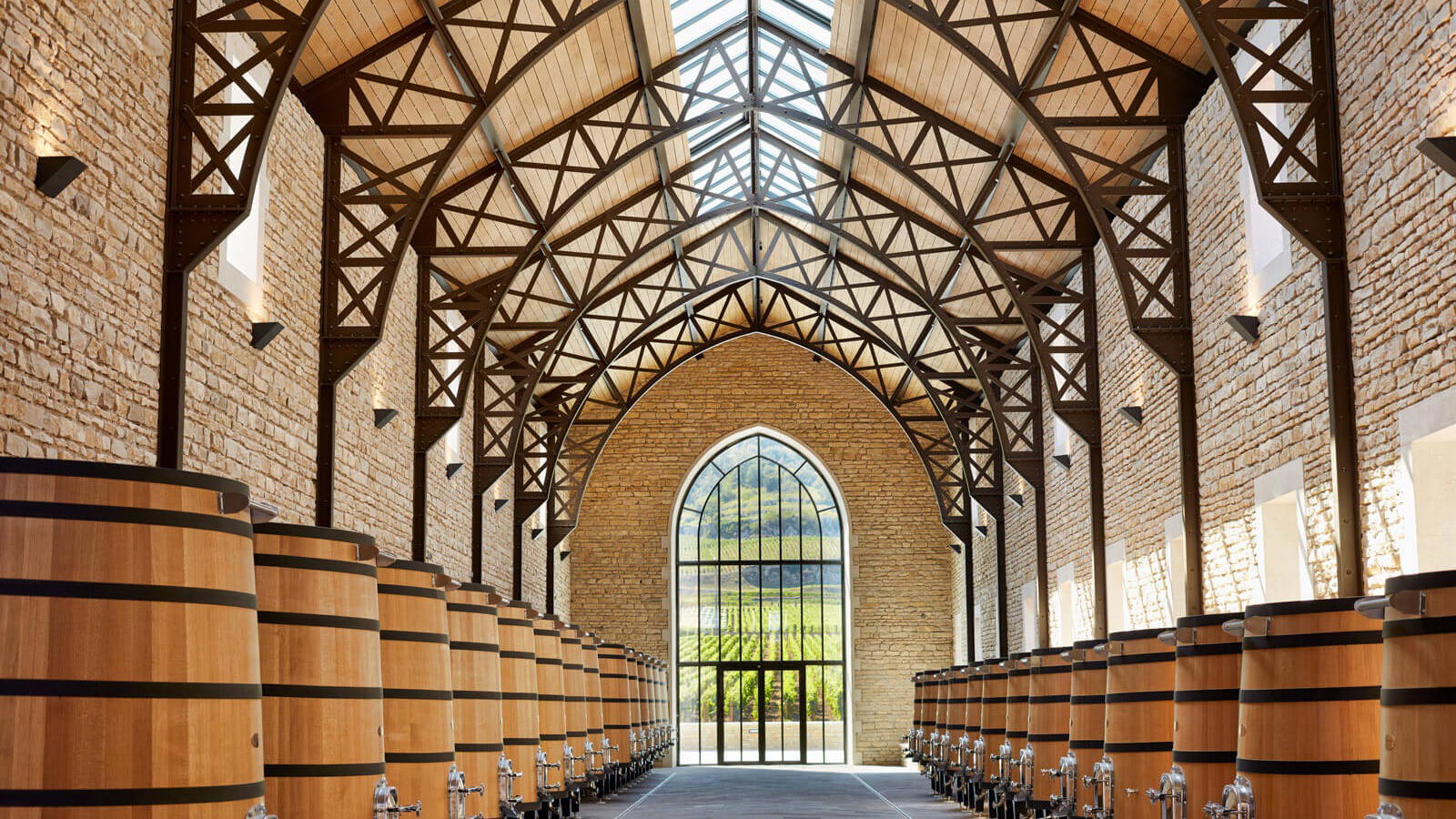
Classic and elegant winery atmosphere focused on terroir expression in a historic Burgundy estate.
Tags
Vibe
Best For
Experience
Sourcing
View
At the Vineyard
- Appellation
- Vosne-Romanée AOC
- Varietals
- Pinot Noir, Chardonnay
- Tour Duration
- 60-90 minutes
- Visits
- By appointment only
- Farming
- Organic
- Wine Styles
- Still Red
- Wine Club
- Available
Know before you go
Know Before You Go
- Getting there
- 11 Rue des Grands Crus, 21700 Vosne-Romanée
Planning details
Location
Recognition and awards

Also consider
Also Consider
- Domaine Gros Frère et Sœur, Notable alternative
- Domaine d'Eugénie, Notable alternative
- Domaine Henri Jayer, Notable alternative
- Domaine Rene Engel, Notable alternative
- Domaine du Comte Liger-Belair, Notable alternative
Winery context
How it compares in Vosne-Romanée
Domaine Méo-Camuzet is the right first choice if the priority is historical depth and a serious Côte de Nuits producer rather than an easy visitor experience. Domaine Gros Frère et Sœur and Domaine d'Eugénie are more practical cross-shops for readers building a Vosne-Romanée winery day, especially if flexibility matters.
For scarcity and collector gravity, Domaine Henri Jayer and Domaine Rene Engel sit in a different category: useful as reference points, poor as realistic booking targets. Domaine du Comte Liger-Belair is the sharper comparison for prestige-driven travelers who want another Vosne-Romanée name with serious demand.
If only one request can be made, choose Domaine Méo-Camuzet for production-history interest, Domaine d'Eugénie for a nearby alternative, and Domaine Gros Frère et Sœur if the goal is to widen the odds of building a workable itinerary in the village.
Explore Vosne-Romanée
Around this place
Discover more on Pearl
Unlock the full Domaine Méo-Camuzet guide in Pearl, including awards, comparisons, FAQs, planning details, and nearby places.
Compare Domaine Méo-Camuzet
| Venue | Location | Awards |
|---|---|---|
| Domaine Méo-Camuzet | Vosne-Romanée | 2026 Falstaff Winery Guide2026 Michelin 1 Grape - Burgundy2025 Pearl 4 Star Prestige |
| Domaine Gros Frère et Sœur | Vosne-Romanée | No published awards |
| Domaine d'Eugénie | Vosne-Romanée | 2026 Falstaff Winery Guide |
| Domaine Henri Jayer | Burgundy | No published awards |
| Domaine Rene Engel | Vosne-Romanée | 2025 Pearl 3 Star Prestige |
| Domaine du Comte Liger-Belair | Vosne-Romanée | 2026 Falstaff Winery Guide2025 Pearl 5 Star Prestige |
How Domaine Méo-Camuzet Vosne-Romanée compares with similar nearby venues.
FAQ
Frequently Asked Questions
Is Domaine Méo-Camuzet worth prioritizing?
Prioritize it if you specifically care about Domaine Méo-Camuzet in Vosne-Romanée and value the 4 Star Prestige recognition for 2025. Jean-Nicolas Méo and Christian Faurois are named, and the dress code is smart casual. For pricing, hours, tasting format, or food service, check directly before planning.
What other venues are relevant comparisons for Domaine Méo-Camuzet?
The most relevant named comparisons are Domaine Gros Frère et Sœur, Domaine d'Eugénie, Domaine Henri Jayer, Domaine Rene Engel, and Domaine du Comte Liger-Belair. Use them as reference points for a Vosne-Romanée-focused plan, while checking current access and details directly before traveling.
Does Domaine Méo-Camuzet serve food?
Do not assume a meal format at Domaine Méo-Camuzet. Treat it as a Vosne-Romanée venue, and plan any dining separately through restaurants in Vosne-Romanée.