

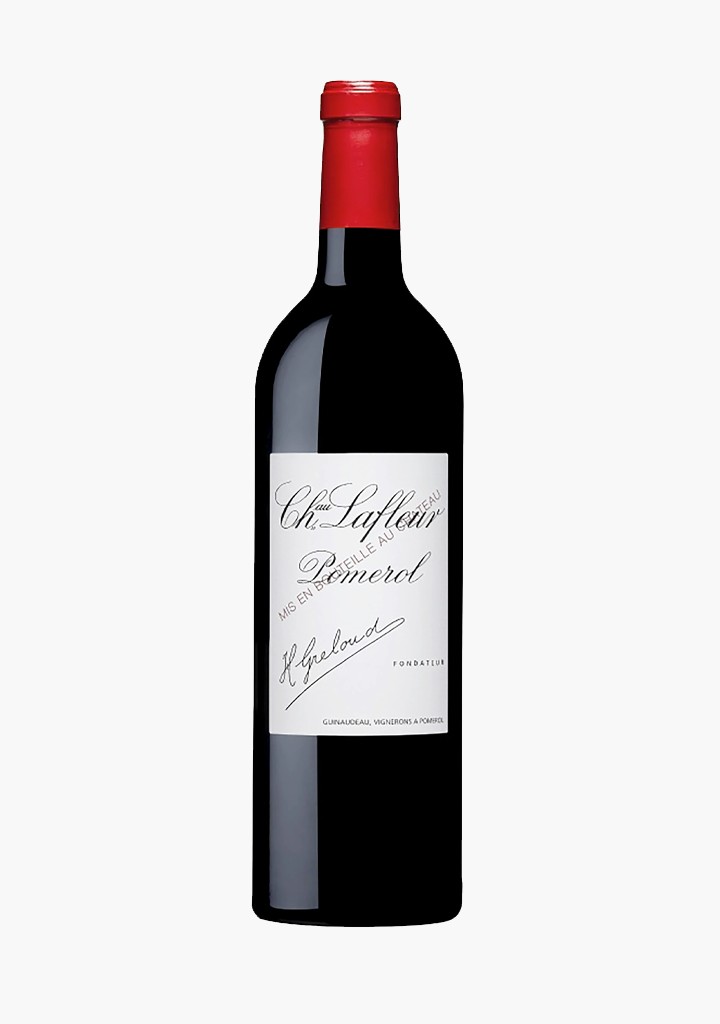



Château Lafleur
Pomerol
Winery in Pomerol, France
 Book with Pearl
The Read
Allocation-Tier Pomerol
Why go
Château Lafleur is worth targeting when the occasion is wine-led and the group already cares about serious Pomerol. It is not the right choice if the priority is a food pairing program or relaxed hospitality format; build the meal and broader day separately.
About Château Lafleur
The confirmed details are direct: Château Lafleur is in Pomerol, the dress code is smart casual, and Omri Ram and Baptiste Guinaudeau are listed as winemakers. For comparison within Pomerol, the relevant nearby names are Chateau Petrus, Château La Fleur Petrus, Château Le Gay, Château Gazin, and Vieux Château Certan.
Choose it for a confirmed Pomerol profile, not extras
The editorial call is simple: consider Château Lafleur when a Pomerol address with 4 Star Prestige recognition is the point of the plan.
If dining is central to the occasion, plan that part separately and use Our full Pomerol restaurants guide alongside Our full Pomerol wineries guide. Château Lafleur can still be part of a Pomerol plan, but any specific hospitality or service expectations should be confirmed before the day is set.
How to build the day around Pomerol instead of overloading one stop
For a business or celebration trip, keep the confirmed facts in view: Château Lafleur is in Pomerol, has a smart casual dress code, and carries 4 Star Prestige recognition for 2025. Beyond that, details such as visit length, booking format, food availability, and purchasing arrangements should be checked directly.
If the itinerary needs a broader Pomerol comparison, consider the other relevant names before committing the whole plan to one venue. Château Gazin, Château La Fleur Petrus, Vieux Château Certan, Château Le Gay, and Chateau Petrus are natural points of reference in Pomerol, while other local options can be considered generically depending on availability and the purpose of the day.
Planning details
- Location
- 4 Chem. de Chantecaille, 33500 Pomerol
- Website
- chateaulafleur.fr
- Phone
- +33 5 57 84 44 03
The take
The Take
The Vibe
Château Lafleur presents a restrained, quietly authoritative presence in Pomerol. The estate eschews spectacle—no sweeping approach or flashy signage—and instead stakes its reputation on meticulous cellar work and small-scale production. Visitors and collectors encounter a singular focus on how wines evolve after harvest: élevage, barrel selection and the running reassessment of lots. That inward-facing, terroir-driven approach creates an intimate, contemplative atmosphere where prestige feels earned rather than advertised. The property reads as a thoughtful, low-key bastion of quality—an estate whose reputation is rooted in craftsmanship more than ceremony.
Best For
This estate suits collectors, serious wine students and anyone drawn to the craft of winemaking. Château Lafleur’s constrained production and allocation-driven releases reward focused attention: its wines are framed by cellar decisions and élevage, and the property sits clearly within Pomerol’s top tier. Visits are most valuable for people who want to learn about Merlot-led blends, barrel selection and the post-harvest choices that define a vintage’s destiny. The house’s scarcity and prestige also make it a natural choice when seeking special-bottle purchases or preparing for milestone occasions.
Tasting Tips
Expect limited availability and an allocation-driven release schedule; the estate’s small scale intentionally keeps volumes low. Ask specifically about recent élevage and barrel‑selection choices—the text stresses that lots move between classifications as they develop—so inquire which vintages reflect the estate’s current approach. Reference the winemaking team (Omri Ram and Baptiste Guinaudeau) when requesting technical details or allocation information, and be prepared that allocations may favor collectors and long-term customers rather than wide retail distribution.
Venue details
Ambiance
Understated manor house setting with a serene, historic atmosphere focused on tradition and quality.
Tags
Vibe
Best For
Experience
Sourcing
View
At the Vineyard
- Appellation
- Pomerol AOC
- Varietals
- Merlot, Cabernet Franc
- Tour Duration
- 60-90 minutes
- Visits
- By appointment only
- Farming
- Sustainable
- Wine Styles
- Still Red
- Wine Club
- Available
Know before you go
Know Before You Go
- Getting there
- 4 Chem. de Chantecaille, 33500 Pomerol
Planning details
Location
Recognition and awards

Also consider
Also Consider
- Château Le Gay, Notable alternative
- Château La Fleur Petrus, Notable alternative
- Chateau Petrus, Notable alternative
- Château Gazin, Notable alternative
- Vieux Château Certan, Notable alternative
Winery context
How Château Lafleur compares in Pomerol
Against Chateau Petrus, Château Lafleur is the better target when the group wants a serious Pomerol visit without making the day only about the region's hardest-name prestige chase. Petrus carries heavier collector gravity; Lafleur feels more useful for guests who want substance and context rather than trophy value alone.
Château La Fleur Petrus and Vieux Château Certan are the closest cross-shops for a high-end Pomerol itinerary. Choose Lafleur when the occasion is narrower and more wine-focused. Choose La Fleur Petrus or Vieux Château Certan when the group wants a more rounded comparison across established Pomerol names.
Château Gazin and Château Le Gay are the practical alternates if access is the issue. Gazin is the easier recommendation for a mixed group that wants a serious Pomerol stop without turning the whole day into a collector exercise; Le Gay works as a second serious local reference if Lafleur is unavailable.
Explore Pomerol
Around this place
Discover more on Pearl
Unlock the full Château Lafleur guide in Pearl, including awards, comparisons, FAQs, planning details, and nearby places.
Compare Château Lafleur
| Venue | Location | Awards |
|---|---|---|
| Château Lafleur | Pomerol | 2026 Falstaff Winery Guide2026 Michelin 3 Grapes - Bordeaux2025 Pearl 4 Star Prestige |
| Château Le Gay | Pomerol | 2026 Falstaff Winery Guide2025 Pearl 3 Star Prestige |
| Château La Fleur Petrus | Pomerol | No published awards |
| Chateau Petrus | Pomerol | 2026 Michelin 3 Grapes - Bordeaux2026 Falstaff Winery Guide2025 Pearl 5 Star Prestige |
| Château Gazin | Pomerol | 2026 Falstaff Winery Guide2025 Pearl 3 Star Prestige |
| Vieux Château Certan | Pomerol | 2026 Michelin 2 Grapes - Bordeaux2026 Falstaff Winery Guide2025 Pearl 4 Star Prestige |

How Château Lafleur Pomerol compares with similar nearby venues.
FAQ
Frequently Asked Questions
Does Château Lafleur ship wine?
What other wineries are near Château Lafleur?
Château Le Gay, Château La Fleur Petrus, Chateau Petrus, Château Gazin, and Vieux Château Certan are the clearest Pomerol names to compare with Château Lafleur.
What is the flagship wine at Château Lafleur?
Treat Château Lafleur itself as the confirmed Pomerol reference point unless the estate provides more detail directly.
Is the wine club at Château Lafleur worth joining?
Do not make membership benefits the reason to choose Château Lafleur unless the estate confirms them directly.