

Domaine Georges Mugneret-Gibourg
Vosne-Romanée
Winery in Vosne-Romanée, France
 Book with Pearl
The Read
Dual-Family Parcel Stewardship
Why go
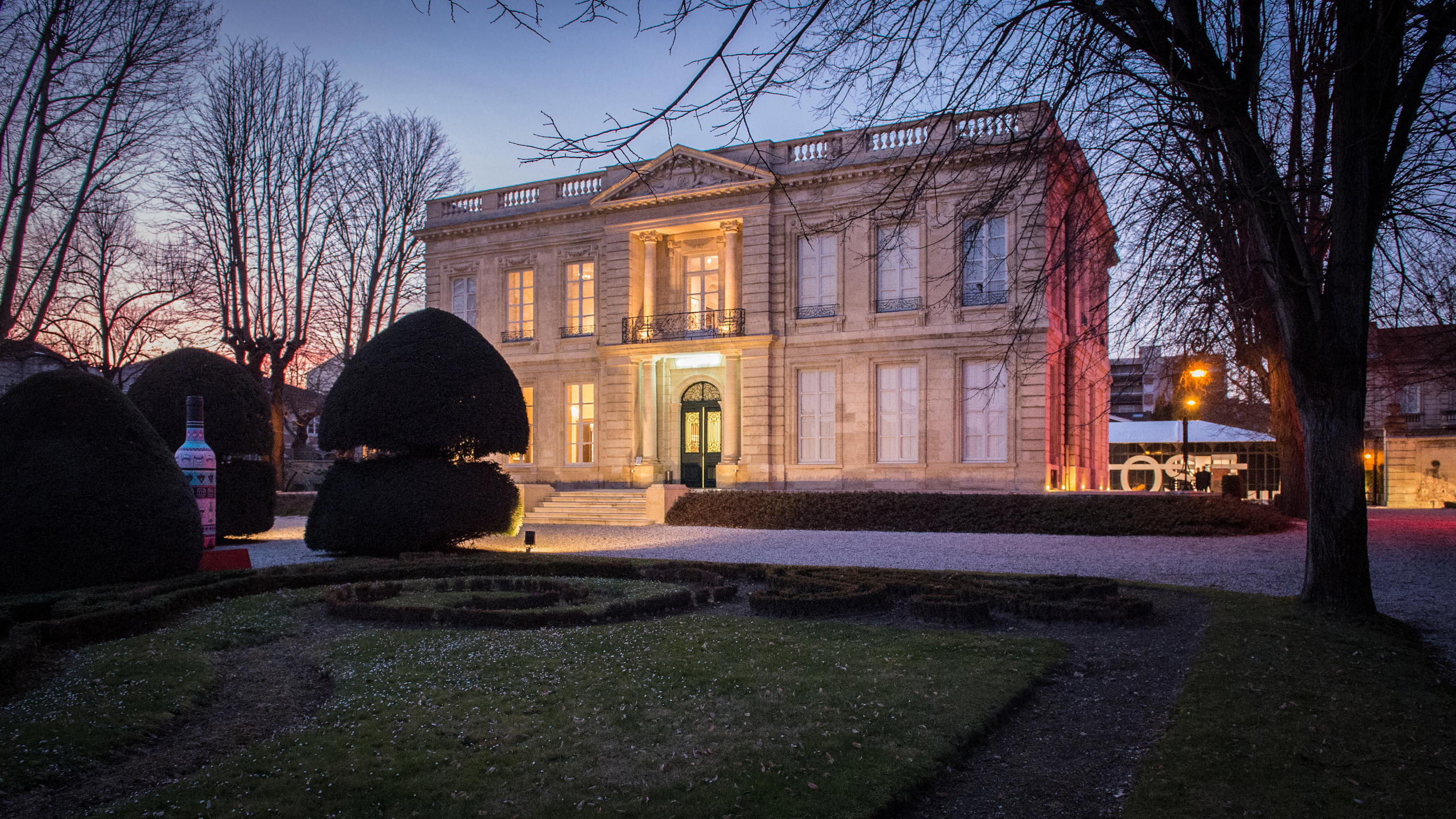
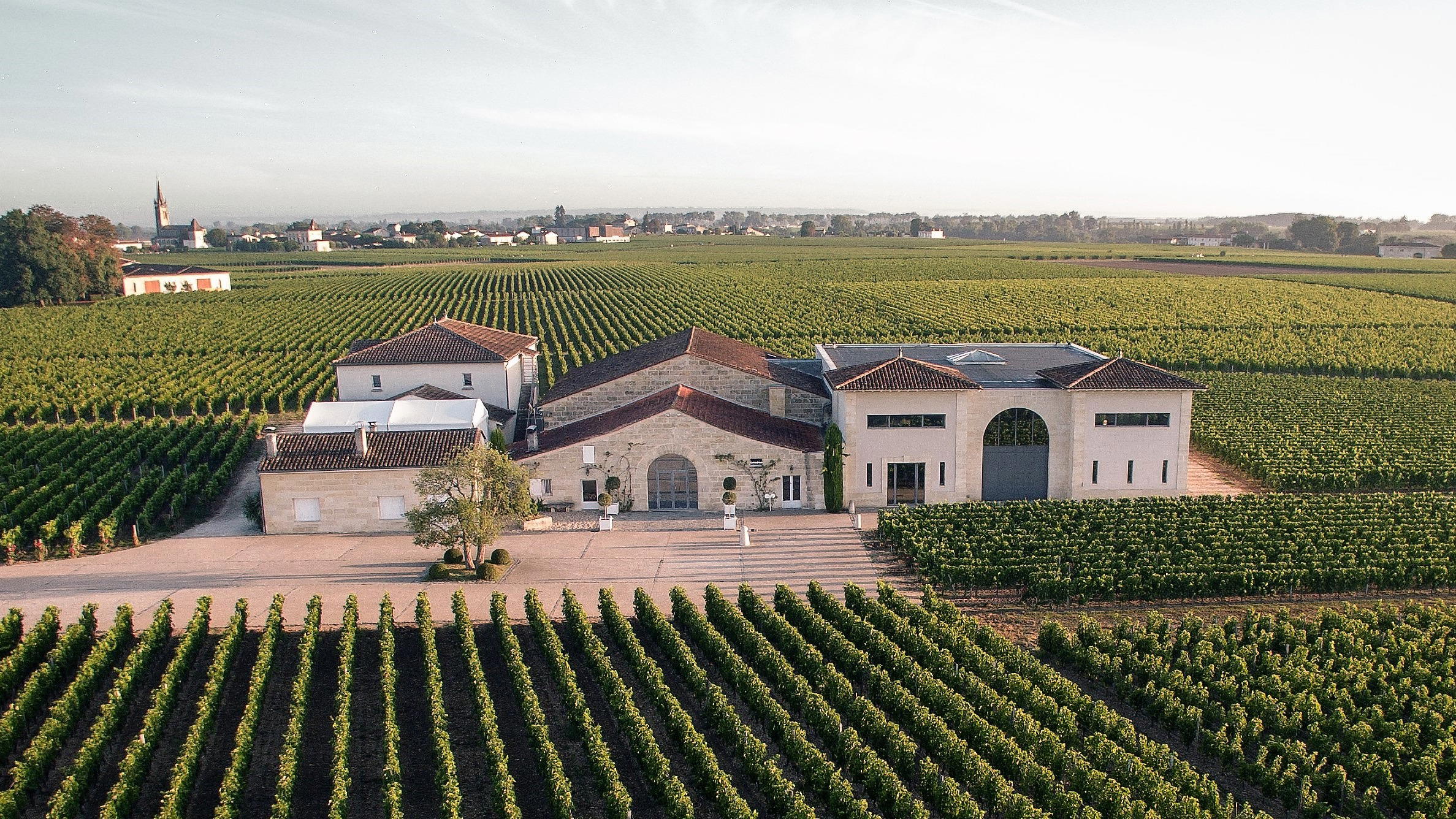
Domaine Georges Mugneret-Gibourg is a winery on Rue des Communes in Vosne-Romanée.
About Domaine Georges Mugneret-Gibourg
Should you plan around Domaine Georges Mugneret-Gibourg in Vosne-Romanée? Yes, if you are building a premium itinerary and want a stop centered on a clearly identified Vosne-Romanée venue rather than a generic pause. The essentials are useful for filtering serious options: Domaine Georges Mugneret-Gibourg is in Vosne-Romanée, is associated with Marie-Christine Mugneret and Marie-Andrée Mugneret, has a smart casual dress code, and is recognized with Pearl 4 Star Prestige for 2025.
Plan to confirm arrangements directly rather than treating this as a casual add-on with assumed services. The name of a domaine and the village context can help shape expectations, but they are not enough to define the practical experience of a visit. Do not build plans around assumptions about formats, timing, shipping, group size, tastings, or specific products. The safer approach is to use the location, dress code, named proprietors, and recognition as the basis for deciding whether it fits your trip.
Book it for provenance, not for a polished tasting-room format
Domaine Georges Mugneret-Gibourg belongs in a Vosne-Romanée itinerary for travelers who care about the name, the place, and the seriousness of the visit. In this context, provenance is the draw: the value is in anchoring part of the day around a recognized domaine in Vosne-Romanée. The dress code is smart casual, which supports planning it as a considered stop rather than an improvised one.
Do not assume a particular visitor format, menu, tasting structure, cellar experience, or purchase arrangement. If those details matter, confirm them directly before committing time in the itinerary, and be precise about what you need to know before you arrive. If the goal is simply to orient a day around a Pearl 4 Star Prestige venue in Vosne-Romanée, Domaine Georges Mugneret-Gibourg is a natural candidate.
How the setting factors into the decision
The location is Vosne-Romanée, and that setting is the most useful planning context. For visitors building a route, the village itself helps define the rhythm of the day: focused, place-led, and better approached with intention than with a checklist mentality. Comparison venues that may be relevant include Domaine Anne Gros, Domaine d'Eugénie, Domaine du Comte Liger-Belair, Domaine Henri Jayer, and Domaine Michel Gros. Use those comparisons to think about the broader landscape without assuming any specific access, service, or visitor amenities at Domaine Georges Mugneret-Gibourg.
For trip planning, pair this with a focused village day rather than a broad regional sweep. That approach keeps the emphasis on Vosne-Romanée itself and avoids diluting the stop with too much transfer time or too many assumptions about what can be fitted into one day. Use Our full Vosne-Romanée wineries guide to build the venue side of the itinerary, then add meals or overnight logistics from Our full Vosne-Romanée restaurants guide and Our full Vosne-Romanée hotels guide. If the trip needs an additional stop or a non-venue activity, check Our full Vosne-Romanée bars guide and Our full Vosne-Romanée experiences guide.
The verdict: consider Domaine Georges Mugneret-Gibourg if your trip is built around Vosne-Romanée and you value a clearly recognized Pearl 4 Star Prestige venue. It is strongest as an anchor for a serious, place-led plan, not as a venue to burden with unsupported expectations. Confirm all practical details directly, including access, visit logistics, public tasting format, group policy, hours, pricing, and specific services.
Planning details
- Location
- 5 Rue des Communes, 21700 Vosne-Romanée
- Website
- mugneret-gibourg.com
- Phone
- +33 3 80 61 01 57
The take
The Take
The Vibe
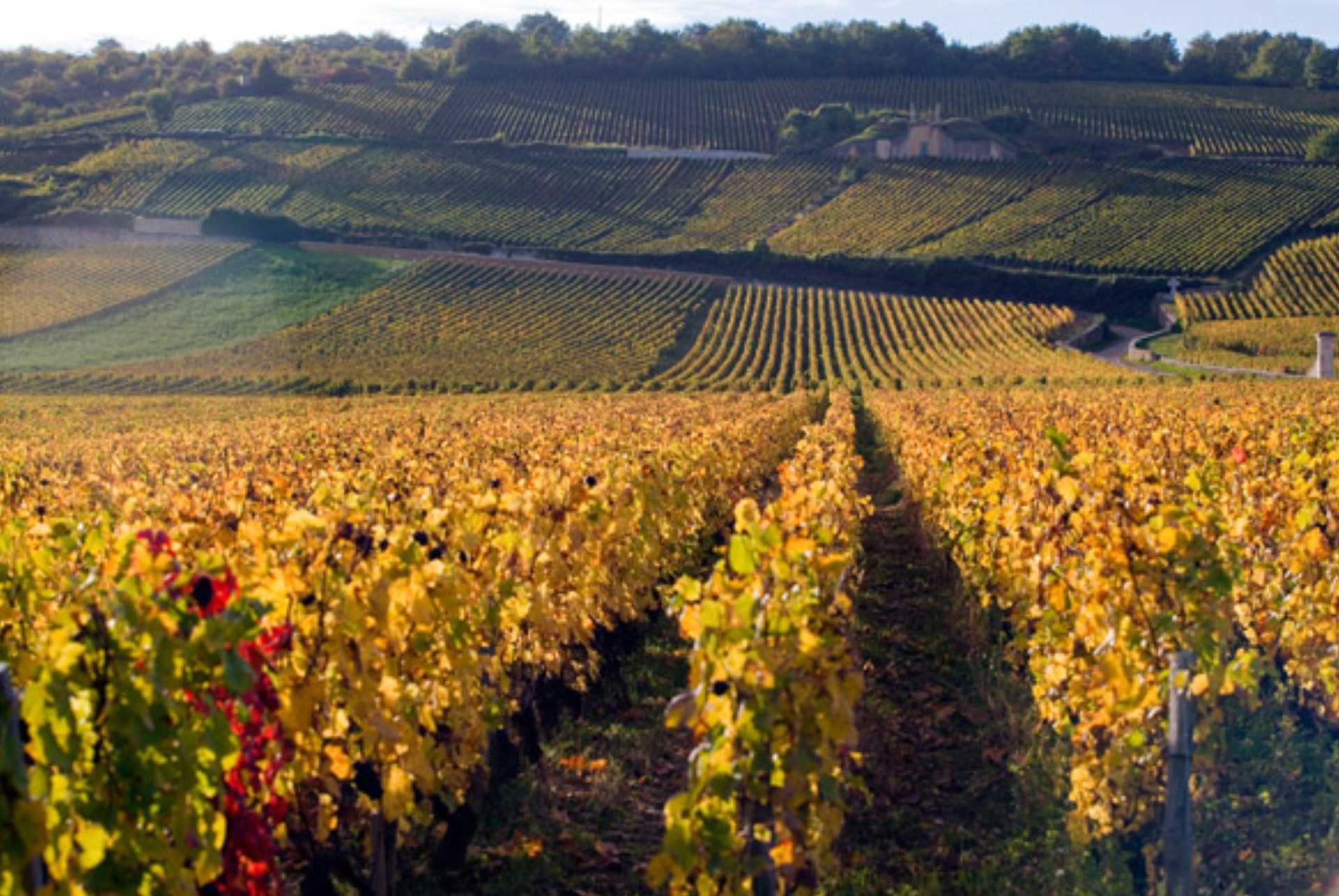
Domaine Georges Mugneret-Gibourg reads like a quiet pillar of Vosne-Romanée: a village address with an eight-decade record and placement among the appellation’s most influential names. The writing emphasizes restraint and terroir precision rather than flash, and the domaine’s small-production logic and inner-circle status give visits a measured, serious tone. Collectors and keen Burgundy students encounter a place where history, reputation and vineyard specificity shape everything — from the style of its Pinot Noir to how allocations are managed — and the overall feel is understated, focused and deeply rooted in tradition.
Best For
This domaine is best for people who approach Burgundy with intent: collectors tracking allocations, wine students wanting to study terroir expression, and anyone planning a special-occasion purchase. The description frames Mugneret-Gibourg as a producer whose bottles quickly surface on the secondary market and that belongs to Vosne-Romanée’s top tier, so it rewards visitors and buyers who value provenance and precision over casual tasting. It’s less a social destination than a place to deepen one’s understanding of Côte de Nuits Pinot Noir and to secure highly sought-after bottles.
Tasting Tips
Expect limited availability and competitive allocations. The text notes that allocations are “fought over by importers” and that bottles often trade above release price at auction within a few years, so securing wine typically requires working through established importers or trusted merchants rather than relying on walk-in availability. The domaine’s high peer rating underscores its market standing; buyers should be prepared for premiums on the secondary market and consider a buying strategy that accounts for cellaring and long-term value rather than immediate consumption.
Venue details
Ambiance
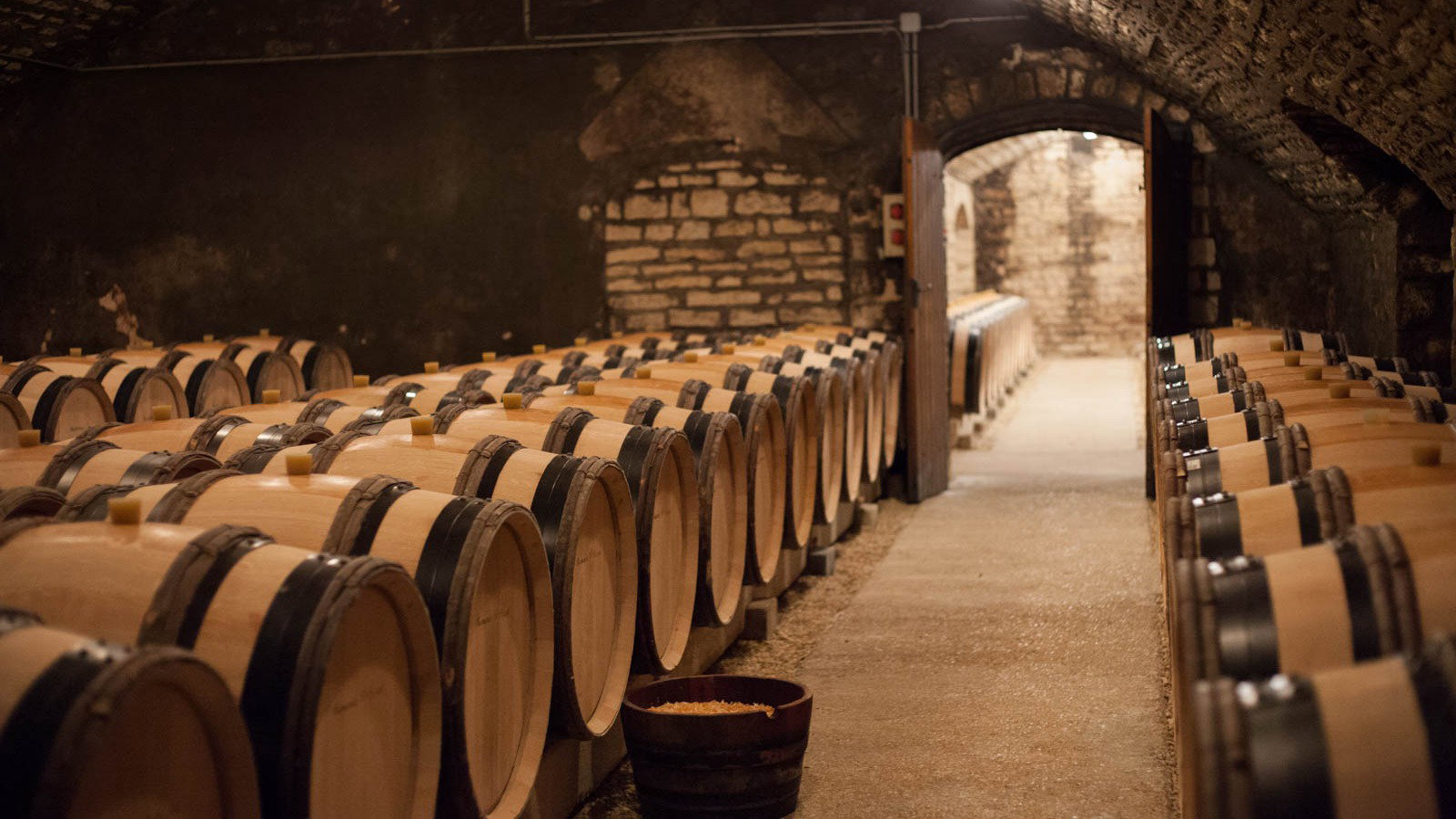
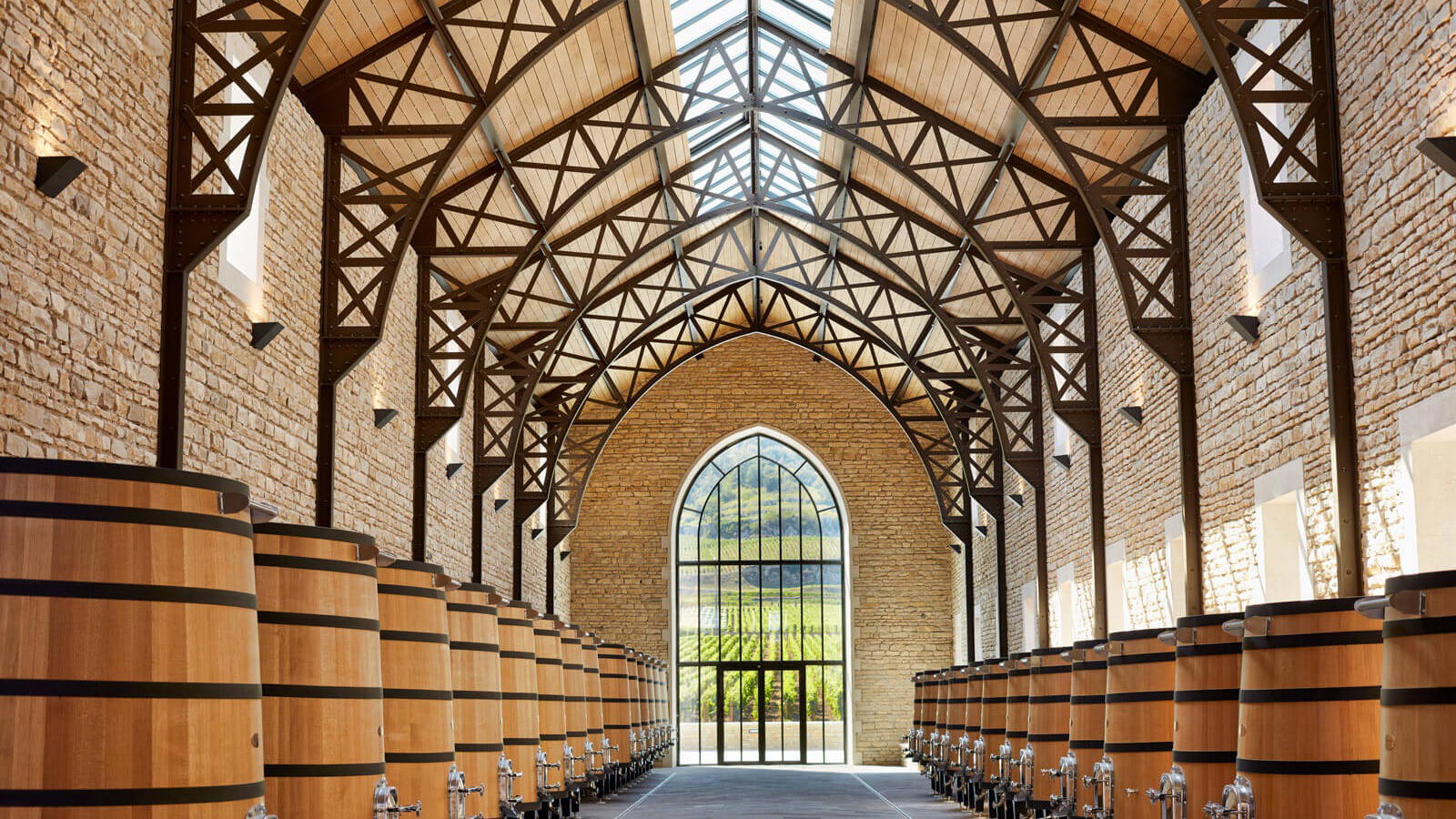
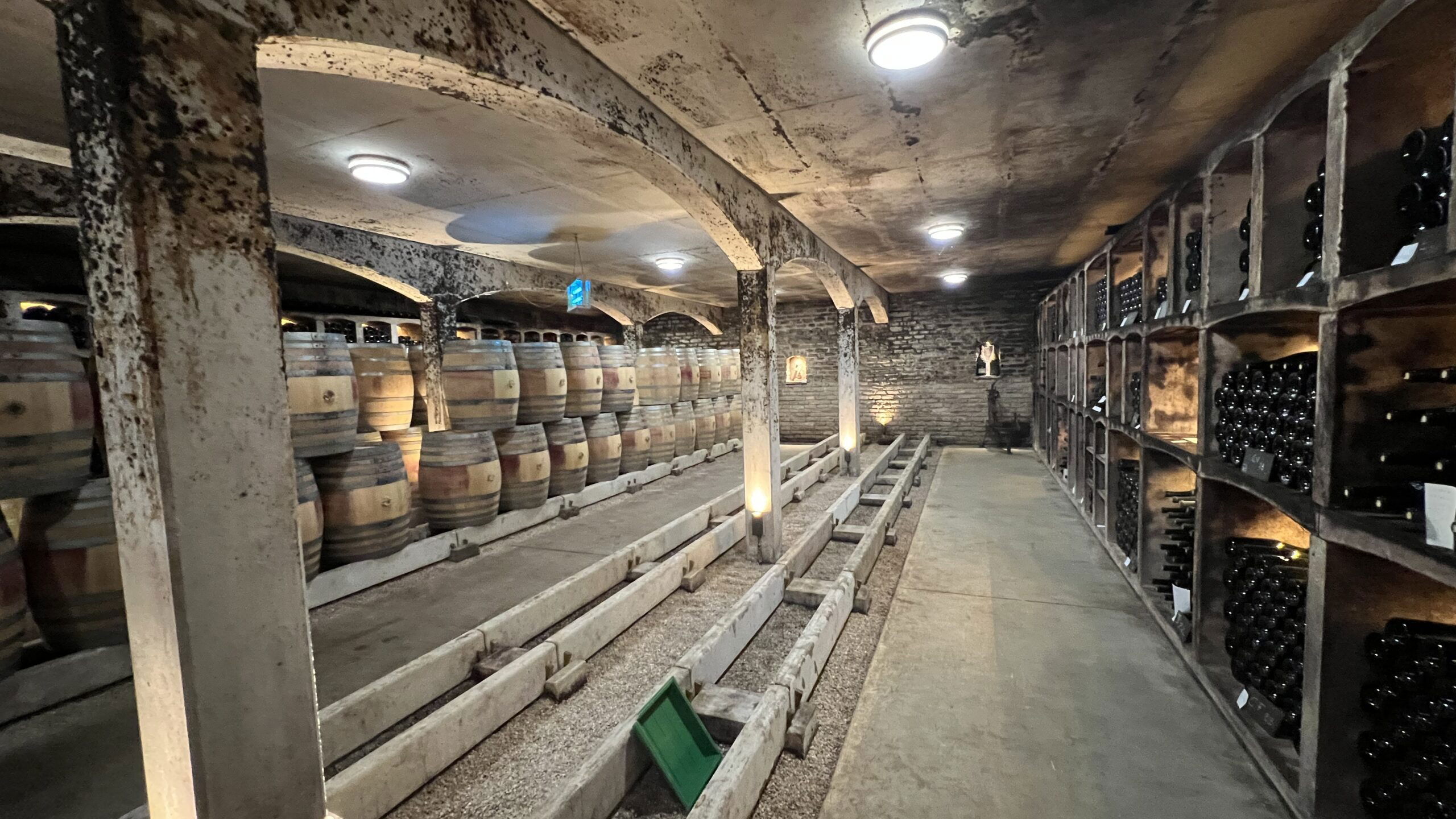
Classic and elegant winery atmosphere focused on terroir expression, with gentle winemaking preserving the delicacy and freshness of Pinot Noir in historic Burgundy cellars.
Tags
Vibe
Best For
Experience
Sourcing
View
At the Vineyard
- Appellation
- Vosne-Romanée AOC
- Varietals
- Pinot Noir
- Tour Duration
- 60-90 minutes
- Visits
- By appointment only
- Farming
- Sustainable
- Wine Styles
- Still Red
- Wine Club
- Available
Know before you go
Know Before You Go
- Getting there
- 5 Rue des Communes, 21700 Vosne-Romanée
Planning details
Location
Recognition and awards
Also consider
Where to look if this is not workable
Start with Domaine Anne Gros if the goal is another serious Vosne-Romanée producer with strong itinerary logic. For a second high-significance village target, look at Domaine d'Eugénie.
Winery context
How it compares in Vosne-Romanée
Choose Domaine Georges Mugneret-Gibourg when provenance and collector relevance matter more than visitor convenience. Compared with Domaine Michel Gros, it feels like the more serious target for a Burgundy-focused itinerary, while Michel Gros is the easier name to place into a broader village plan if flexibility matters.
Against Domaine Henri Jayer and Domaine du Comte Liger-Belair, this is still a high-effort choice, but the decision is different. Henri Jayer is more historical reference point than practical visit target; Comte Liger-Belair is the cross-shop for travelers chasing the grander Vosne-Romanée signal. Mugneret-Gibourg is the better fit when the appeal is restraint and family continuity.
If the goal is a nearby alternative, compare it with Domaine Anne Gros and Domaine d'Eugénie. Anne Gros is the cleanest cross-shop for a focused Vosne-Romanée wine itinerary, while d'Eugénie works for readers who want another serious village address with a similarly appointment-led feel.
Explore Vosne-Romanée
Around this place
Discover more on Pearl
Unlock the full Domaine Georges Mugneret-Gibourg guide in Pearl, including awards, comparisons, FAQs, planning details, and nearby places.
Compare Domaine Georges Mugneret-Gibourg
| Venue | Location | Awards |
|---|---|---|
| Domaine Georges Mugneret-Gibourg | Vosne-Romanée | 2026 Michelin 2 Grapes - Burgundy2025 Pearl 4 Star Prestige |
| Domaine Michel Gros | Vosne-Romanée | 2026 Falstaff Winery Guide |
| Domaine Henri Jayer | Burgundy | No published awards |
| Domaine du Comte Liger-Belair | Vosne-Romanée | 2026 Falstaff Winery Guide2025 Pearl 5 Star Prestige |
| Domaine Anne Gros | Vosne-Romanée | 2026 Falstaff Winery Guide2025 Pearl 4 Star Prestige |
| Domaine d'Eugénie | Vosne-Romanée | 2026 Falstaff Winery Guide |

How Domaine Georges Mugneret-Gibourg compares with similar nearby venues.
FAQ
Frequently Asked Questions
Where is Domaine Georges Mugneret-Gibourg?
Domaine Georges Mugneret-Gibourg is in Vosne-Romanée.
Who is associated with Domaine Georges Mugneret-Gibourg?
Marie-Christine Mugneret and Marie-Andrée Mugneret are associated with Domaine Georges Mugneret-Gibourg.
What recognition does Domaine Georges Mugneret-Gibourg have?
Domaine Georges Mugneret-Gibourg is recognized with Pearl 4 Star Prestige for 2025.