
Kongsgaard
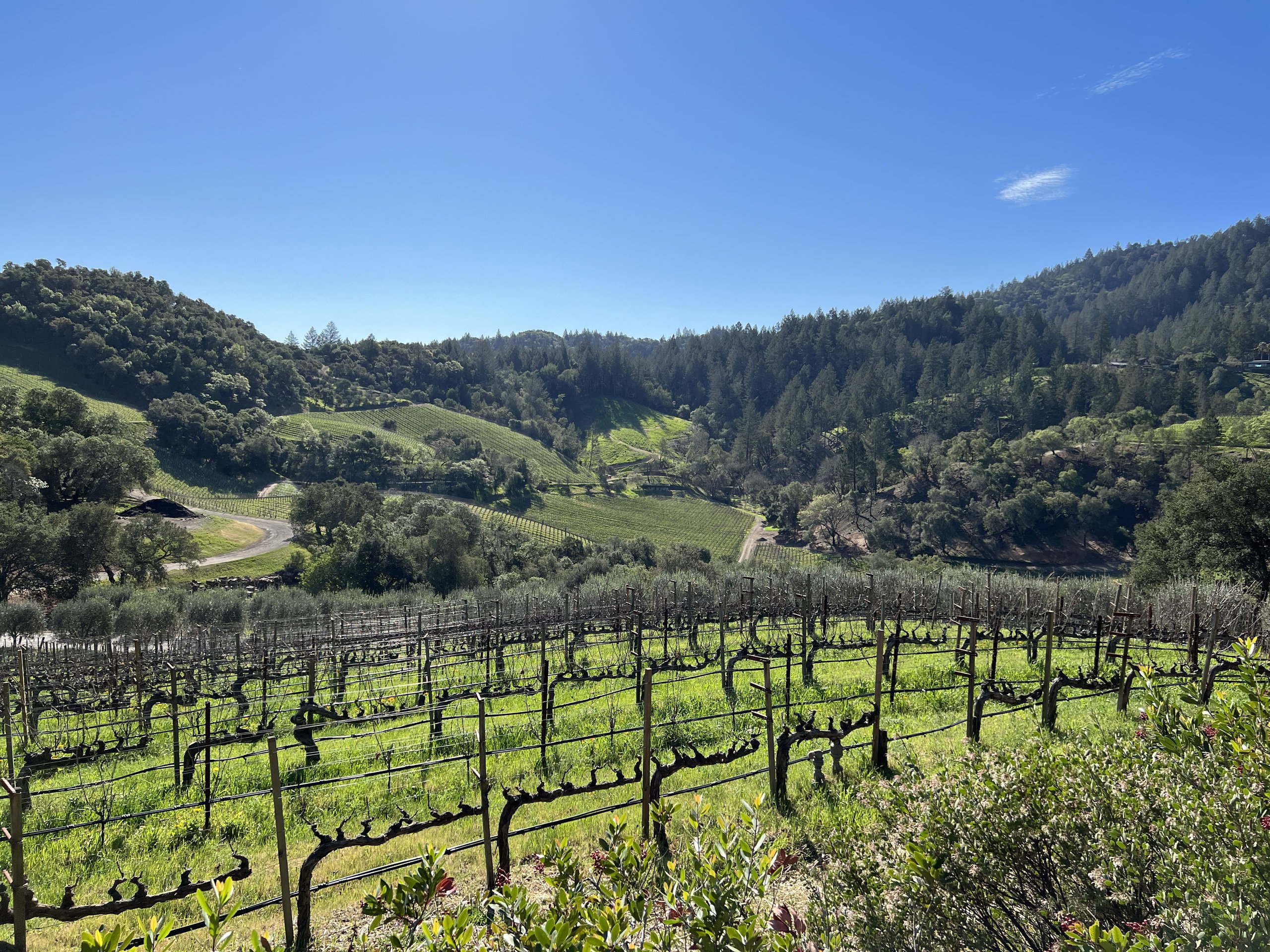
Atlas Peak, Napa
Winery in Napa, United States
 Book with Pearl
The Read
Appointment-Only Atlas Peak
Why go
Kongsgaard is worth prioritizing for serious Napa collectors who care about access, cellar relevance, John Kongsgaard's long-running winemaking track record. It is not the easy choice for casual tasting-room planning or large mixed-interest groups; compare it with Antica Napa Valley or Stags' Leap Winery if hospitality format matters as much as bottle access.
About Kongsgaard
Kongsgaard is a Napa venue. John Kongsgaard is listed as chef/owner, the dress code is smart casual, the venue holds Pearl 4 Star Prestige recognition for 2025.
Plan around the confirmed Napa basics
For now, the safest way to evaluate Kongsgaard is as a Napa stop with confirmed recognition and smart-casual expectations, rather than as a venue with a publicly published service format. If the day is built around a broader Napa plan, use our full Napa wineries guide to compare other options. Names that may help frame the decision include Antica Napa Valley, Stags' Leap Winery, Hesperian Wines, Sommras, VinRoc.
Do not assume food service, a particular beverage program, large-group capacity, shipping, appointments, or a specific visitor experience unless those details are confirmed separately through official channels. For dining before or after, use our full Napa restaurants guide; for overnight planning, our full Napa hotels guide is the more useful planning layer.
Who should prioritize it, who should cross-shop
Prioritize Kongsgaard if Pearl 4 Star Prestige recognition, the Napa setting, the John Kongsgaard name are enough to justify direct confirmation before visiting. Cross-shop it against other options if your group needs more clearly published details on format, timing, pricing, or hospitality style. Stags' Leap Winery and Antica Napa Valley are natural comparison points for travelers weighing Kongsgaard against other venues.
If the itinerary is wider than one venue, keep the rest of Napa practical: our full Napa bars guide can help with broader planning, additional Napa resources can help mixed-interest groups. The practical takeaway: consider Kongsgaard when its confirmed recognition and Napa identity are the draw; choose another option when the day requires more published logistical detail.
Planning details
- Location
- 4375 Atlas Peak Rd, Napa, CA 94558
- Website
- kongsgaardwine.com
- Phone
- +1 707-226-2190
The take
The Take
The Vibe
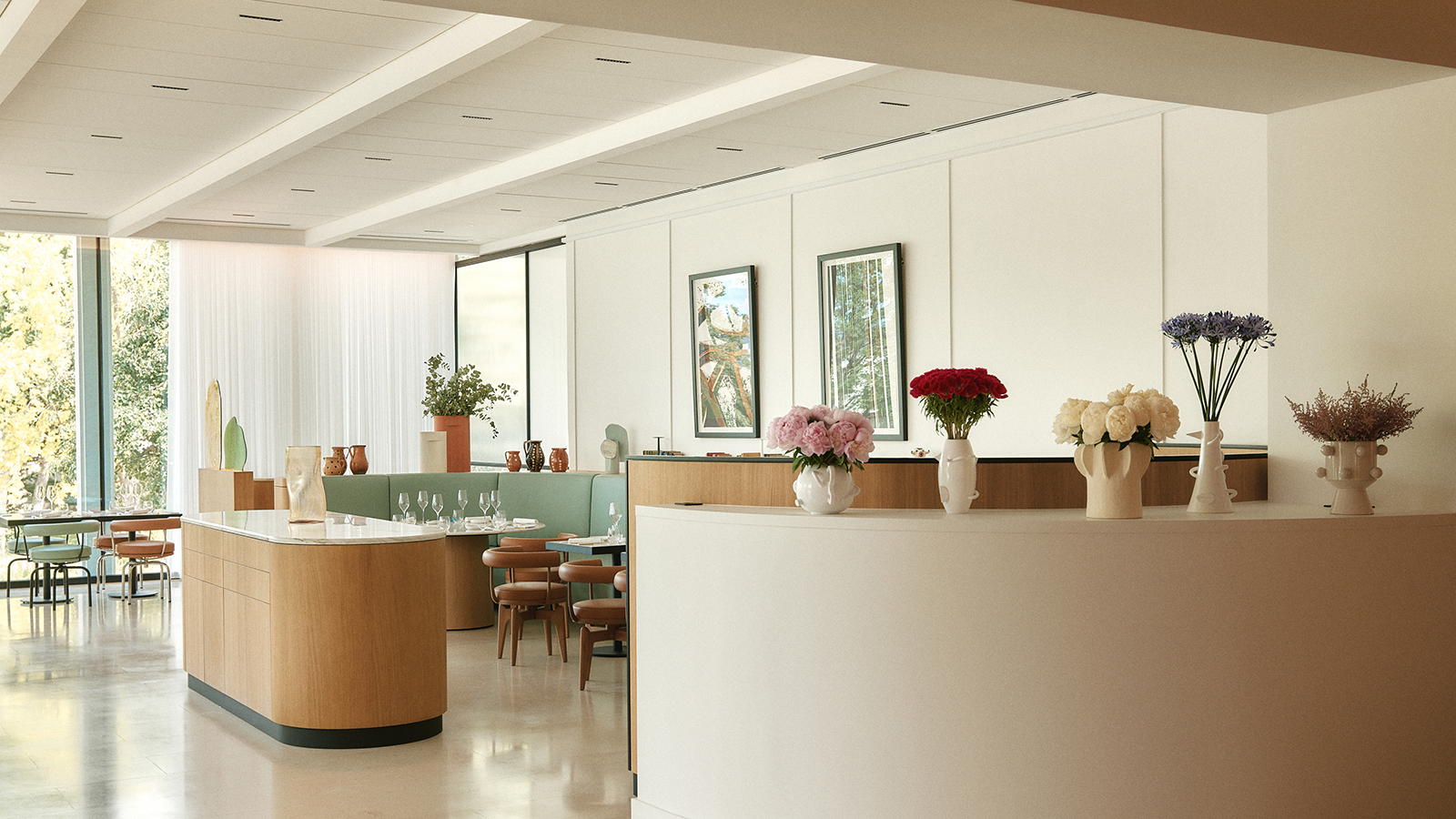
Kongsgaard presents a restrained, sophisticated character that privileges time and technique over flash. The narrative centers on cellar work—barrel selection, extended aging and patient release schedules—rather than big releases or spectacle. That approach gives the winery a classic, contemplative feel: it reads as a producer for whom craft and consistency matter more than marketing windows. The writing frames Kongsgaard as deliberate and measured, a place where hospitality serves the wine’s long arc rather than accelerating it, yielding an atmosphere that feels calm, serious and quietly refined.
Best For
Kongsgaard is best for serious collectors, students of maturation and anyone drawn to wines built for the long haul. Its allocation‑level stance and focus on barrel decisions and extended aging make it a destination for people who want to study how structure and time shape Napa Cabernet and related varieties. The winery’s Pearl 4 Star Prestige recognition signals consistency and pedigree, so visitors who value depth, cellar philosophy and deliberate, small‑scale production will get the most from the experience.
Tasting Tips
Expect limited, allocation‑focused releases and a release cadence governed by cellar readiness rather than market calendars. The profile emphasizes extended aging and delayed release, so wines may not appear on a typical seasonal schedule. Buyers should plan for constrained availability and understand that Kongsgaard prioritizes patience and development in the cellar—inventory is driven by the winery’s timeline, not distribution windows.
Venue details
Ambiance
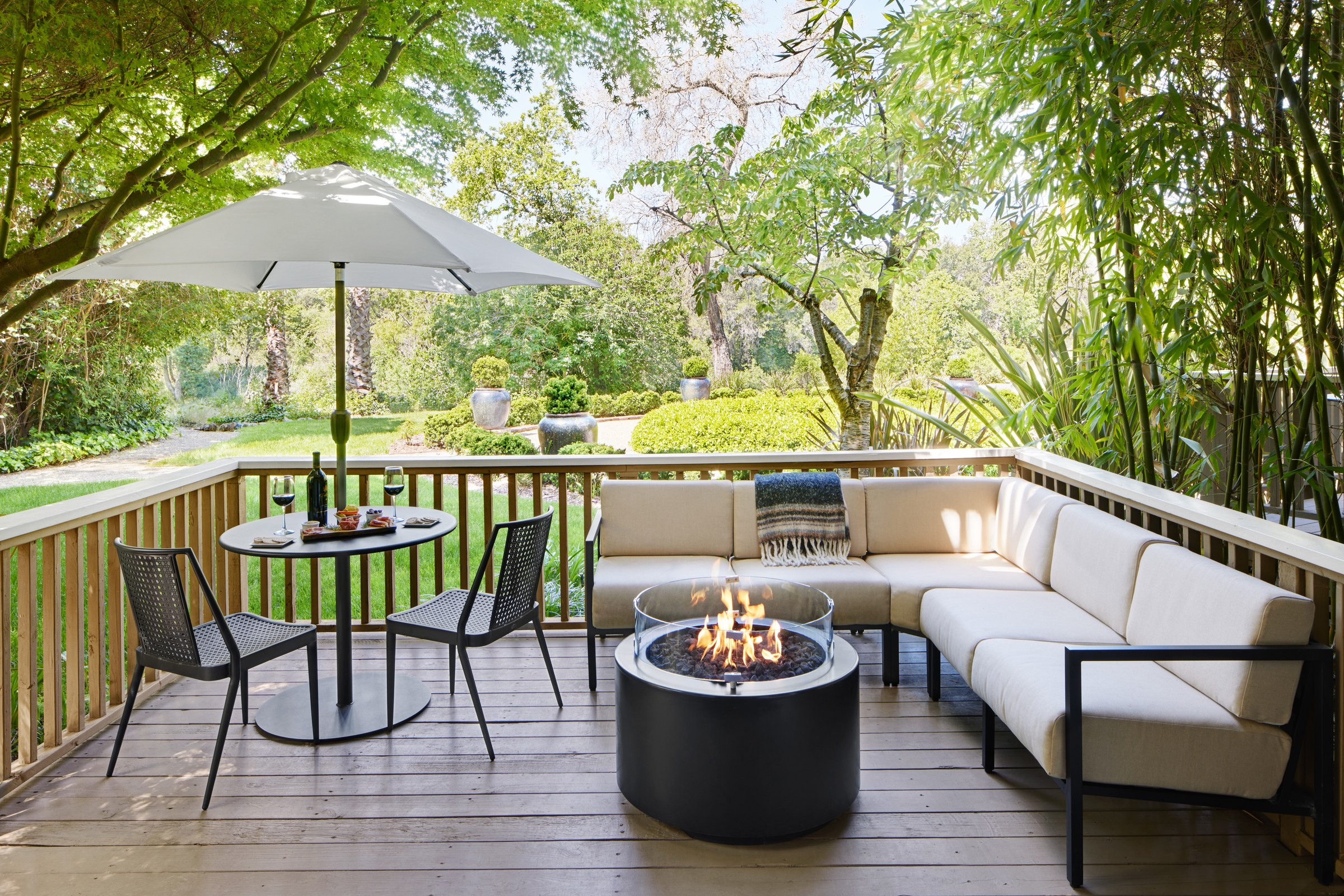
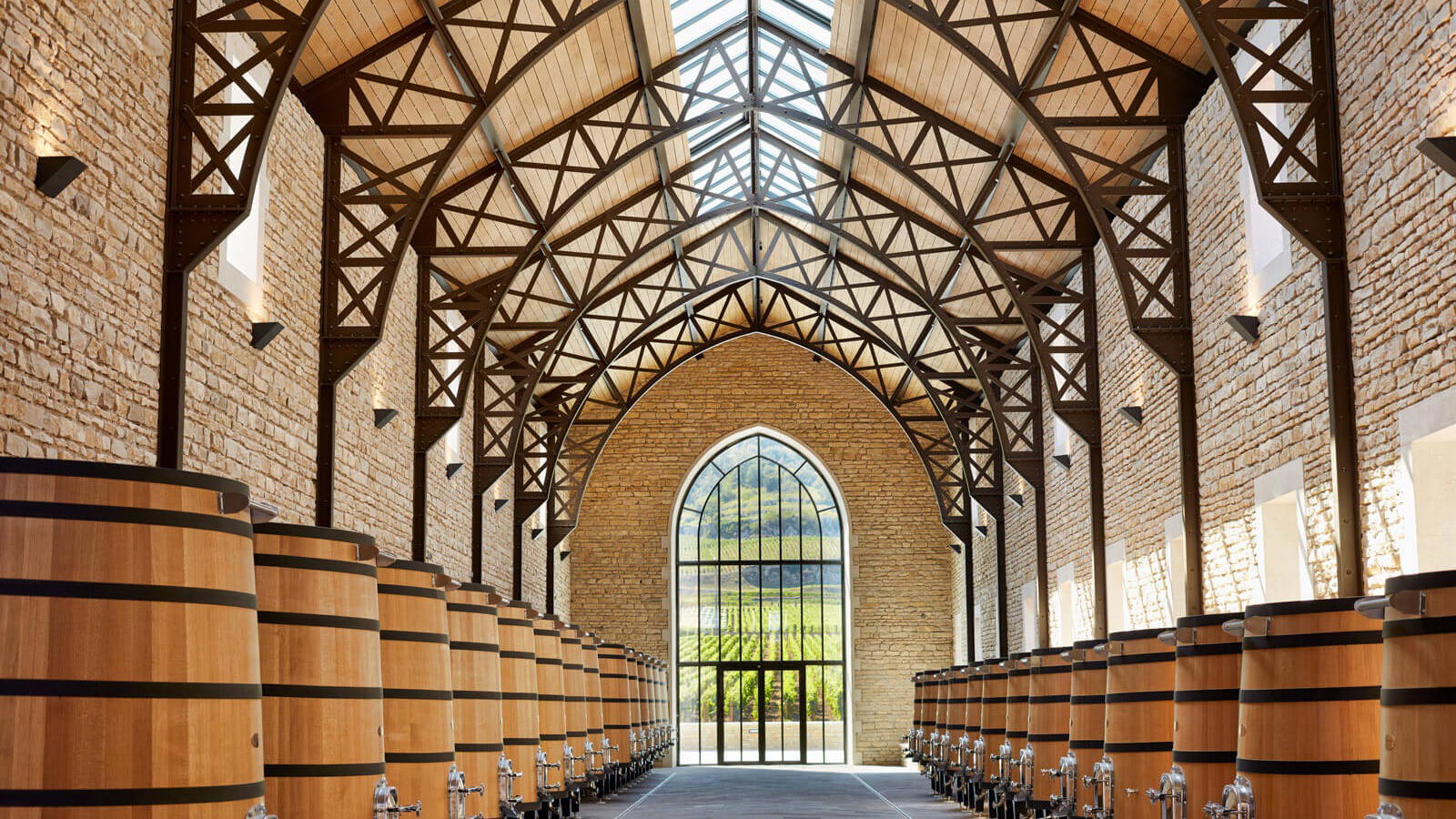
Minimal-intervention, artisanal, and likely intimate; the winery is described as a cave/underground winery with powerful, graceful wines and a cult, iconic reputation.
Tags
Vibe
Best For
Experience
Sourcing
View
At the Vineyard
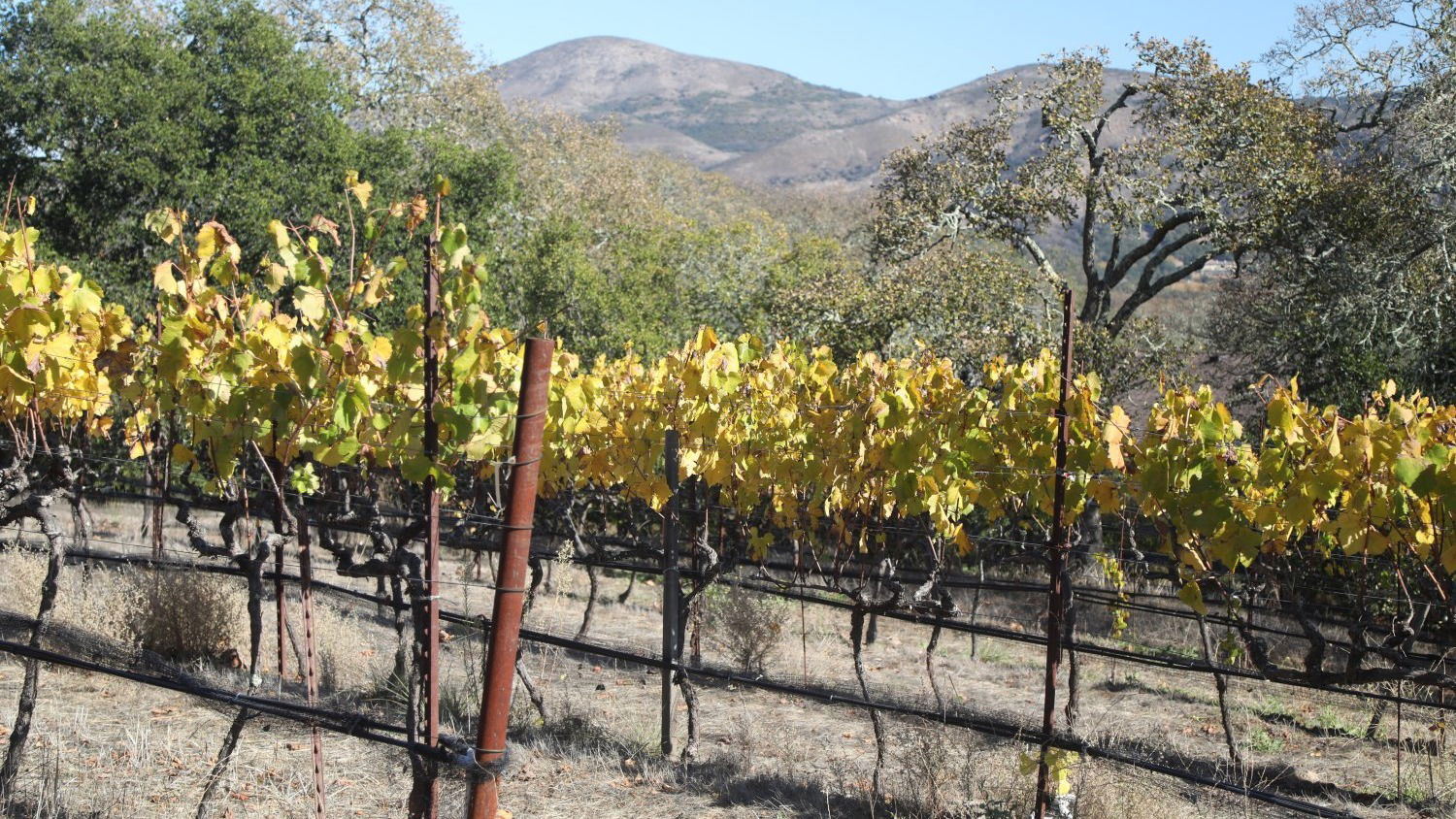
- Appellation
- Napa Valley AVA
- Varietals
- Chardonnay, Syrah, Cabernet Sauvignon, Albariño, Viognier
- Wine Club
- Available
Planning details
Location
Recognition and awards
Also consider
Also Consider
- Sommras, Notable alternative
- VinRoc, Notable alternative
- Hesperian Wines, Notable alternative
- Antica Napa Valley, Notable alternative
- Stags' Leap Winery, Notable alternative
Winery context
How It Compares
Kongsgaard is the harder play in this Napa set: prioritize it when scarcity and bottle access are the reason for the trip. Stags' Leap Winery is the safer pick for a classic Napa visit with broader appeal, while Antica Napa Valley is the more natural Atlas Peak cross-shop if location and a mountain-winery context matter.
Sommras, VinRoc, Hesperian Wines make sense as alternatives when the goal is to keep the itinerary flexible rather than chase a difficult allocation. Without confirmed public pricing or tasting-format detail across the set, the cleanest decision is by intent: Kongsgaard for collectors, Stags' Leap Winery for a more broadly legible Napa stop, Antica Napa Valley for readers who want an Atlas Peak comparison before committing.
Around this place
Discover more on Pearl
Unlock the full Kongsgaard guide in Pearl, including awards, comparisons, FAQs, planning details, and nearby places.
Compare Kongsgaard
| Venue | Location | Awards |
|---|---|---|
| Kongsgaard | Napa | 2025 Pearl 4 Star Prestige |
| Sommras | Napa | No published awards |
| VinRoc | Napa | No published awards |
| Hesperian Wines | Napa | No published awards |
| Antica Napa Valley | Napa | 2026 Falstaff Winery Guide |
| Stags' Leap Winery | Napa | No published awards |

How Kongsgaard Napa compares with similar nearby venues.
FAQ
Frequently Asked Questions
Does Kongsgaard offer shipping?
Can Kongsgaard handle large groups?
Is Kongsgaard worth prioritizing?
It may be worth prioritizing if Pearl 4 Star Prestige recognition, the Napa setting, the John Kongsgaard name are central to your plans. If you need more published details on visit format or amenities, compare it with other options such as Stags' Leap Winery and Antica Napa Valley.
What other venues should I compare with Kongsgaard?
Consider Antica Napa Valley and Stags' Leap Winery, then compare Hesperian Wines, Sommras, VinRoc depending on the kind of visit you want. Confirm details directly with each venue before finalizing plans.