

Cedric Bouchard
Côte des Bar, Celles-sur-Ource
Winery in Celles-sur-Ource, France
 Book with Pearl
The Read
Single-Parcel Blanc de Noirs
Why go
Cedric Bouchard is worth prioritizing for serious Champagne travelers who want Aube grower depth and are comfortable planning around scarce access. It is not the practical choice for a casual group tasting day; compare Drappier for a more conventional Champagne visit and Jacques Lassaigne for another grower-focused route.
About Cedric Bouchard
Cedric Bouchard is a venue in Celles-sur-Ource with Cédric Bouchard as chef/owner. Planning details are limited, so it is best approached as a listing to confirm directly before building a full itinerary around it. The practical value is in understanding what is known and what requires further inquiry. The profile includes a smart casual dress code and Pearl 4 Star Prestige recognition for 2025, which gives travelers a concise baseline.
Because specific public details such as hours, pricing, menu or visit format, phone details, and group capacity are not available, travelers should avoid assuming a particular style of visit. In practice, that means not treating the venue as interchangeable with another stop whose timing, format, or visitor setup has been clearly established elsewhere. Confirm current arrangements directly before committing the day, especially if the stop would affect transportation, meal planning, or the broader rhythm of a route through the area.
A Celles-sur-Ource venue with limited planning detail
The key name behind the venue is Cédric Bouchard. Beyond that, specifics on format, offerings, or scheduling are not available. That makes the most useful recommendation a practical one: confirm directly before treating it as a fixed stop. For planning purposes, the distinction matters. A name may be compelling enough to put on a shortlist, but a visit still depends on details that are not established, including when and how travelers can be received, what the experience includes, and whether it suits the shape of the day.
For travelers comparing options, Drappier and Jacques Lassaigne can be considered separately as other names to research, while Cedric Bouchard remains the Celles-sur-Ource listing. Keep comparisons focused on what is known for each place rather than assuming the same visit style or visitor setup. This is especially useful when building a route from multiple listings: one venue may have clearly documented arrangements, while another may require direct confirmation. In this case, the responsible approach is to keep Cedric Bouchard on the list as a specific Celles-sur-Ource venue, but not to fill in the missing planning details by inference.
What the decision comes down to
Because detailed structure, price, hours, and service format are not available, the decision should be based on whether Cedric Bouchard itself is the reason for the stop. It is not possible to promise a particular tasting, meal, tour, or large-party arrangement. That narrower frame can actually make the choice clearer: if the chef/owner name and the venue's profile are enough to justify follow-up, then the next step is direct confirmation. If the itinerary requires guaranteed timing, known costs, or a defined experience before anything can be scheduled, those needs should be resolved before the venue becomes a fixed anchor.
For a wider route, Domaine Billaud-Simon, Domaine Louis Michel & Fils, and Domaine Garnier & Fils offer different comparison points to research separately. For Cedric Bouchard in Celles-sur-Ource, the grounded facts are narrower: Cédric Bouchard is the chef/owner, the dress code is smart casual, and the venue carries Pearl 4 Star Prestige recognition for 2025. Those details provide a clean snapshot, but they should not be stretched into assumptions about availability, hospitality format, or the scale of a visit. Treat the listing as a starting point for careful planning, not as a complete itinerary on its own.
Planning details
- Location
- 4 Rue du Creux Michel, 10110 Celles-sur-Ource
- Website
- champagne-rosesdejeanne.fr
- Phone
- +33 3 25 29 69 78
The take
The Take
The Vibe
Cédric Bouchard presents as a focused, terroir-driven Champagne house rooted in the Côte des Bar. The text positions him at the vanguard of the grower-Champagne movement, with early vintages and single-parcel bottlings that emphasise site expression over blending. Pinot Noir plays a leading role in the domaine’s output, and the prose treats the wines as precise statements about geology and place. That intellectual, place-first approach creates a sophisticated, classic feeling anchored to a small southern Champagne village — an intimate, contemplative environment for tasting distinctive, vineyard-specific cuvées.
Best For
This producer is best for people who want to learn about terroir and taste Chardonnay and Pinot Noir as direct expressions of site. The emphasis on single parcels and single-variety bottlings makes visits rewarding for wine-education seekers who want to compare sites and vintages. It also suits solo explorers who appreciate a quieter, study-oriented tasting and collectors or visitors marking a special occasion, since the domaine’s reputation and focused releases lend a sense of occasion to purchases and tastings.
Tasting Tips
When tasting here, prioritise the single-parcel, single-variety releases — they are the explicit focus of the domaine and the clearest way to hear the story of the soils. Given the prominence of Pinot Noir in the Côte des Bar, start with those expressions and then compare any available single-vineyard bottlings to understand how Kimmeridgian limestone, clay and chalk influence character. Ask staff about recent vintages and the specific sites behind each cuvée; the write-up frames the wines as comparative exercises, so guided side-by-side tasting yields the clearest insight.
Venue details
Ambiance
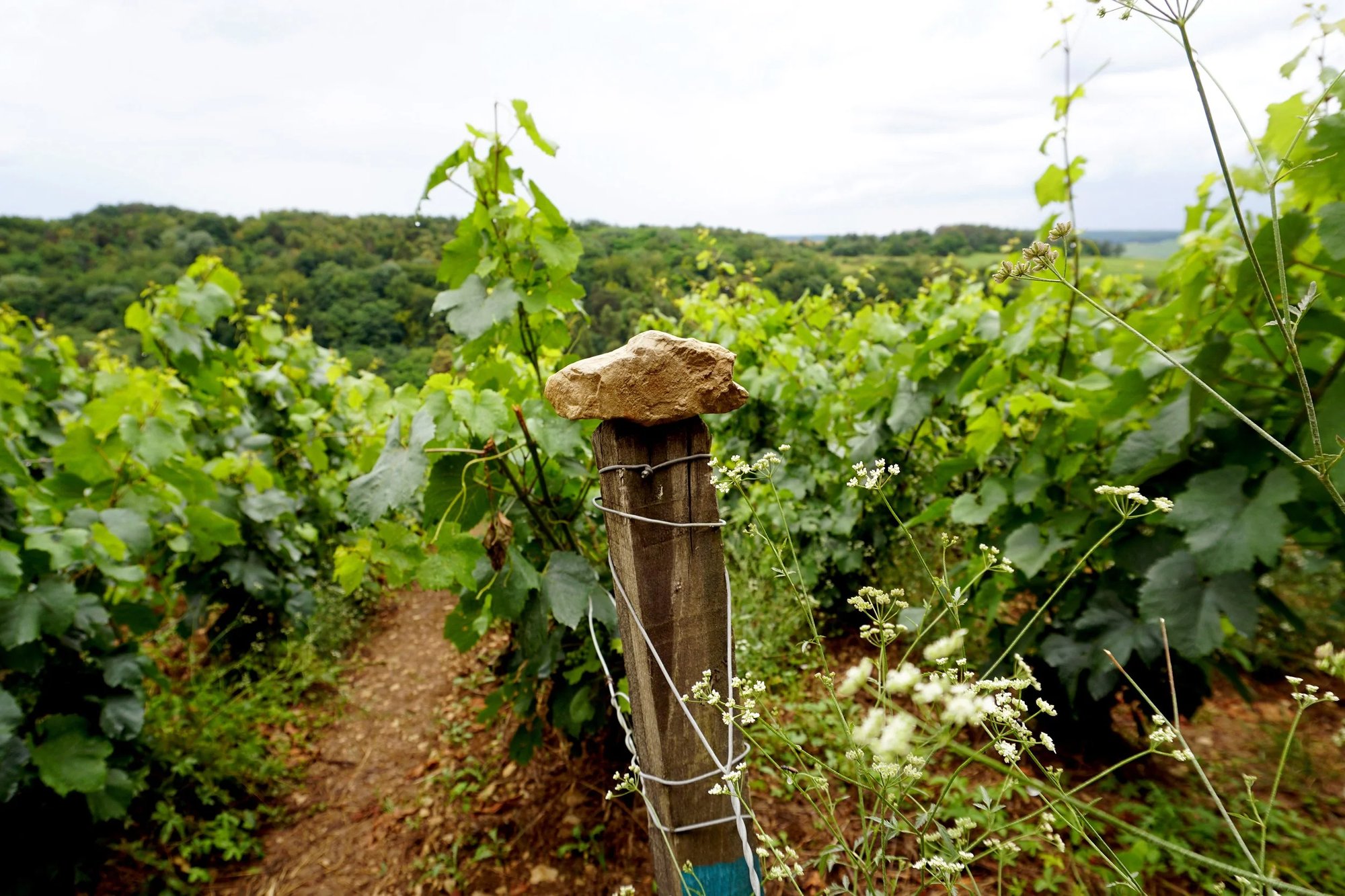
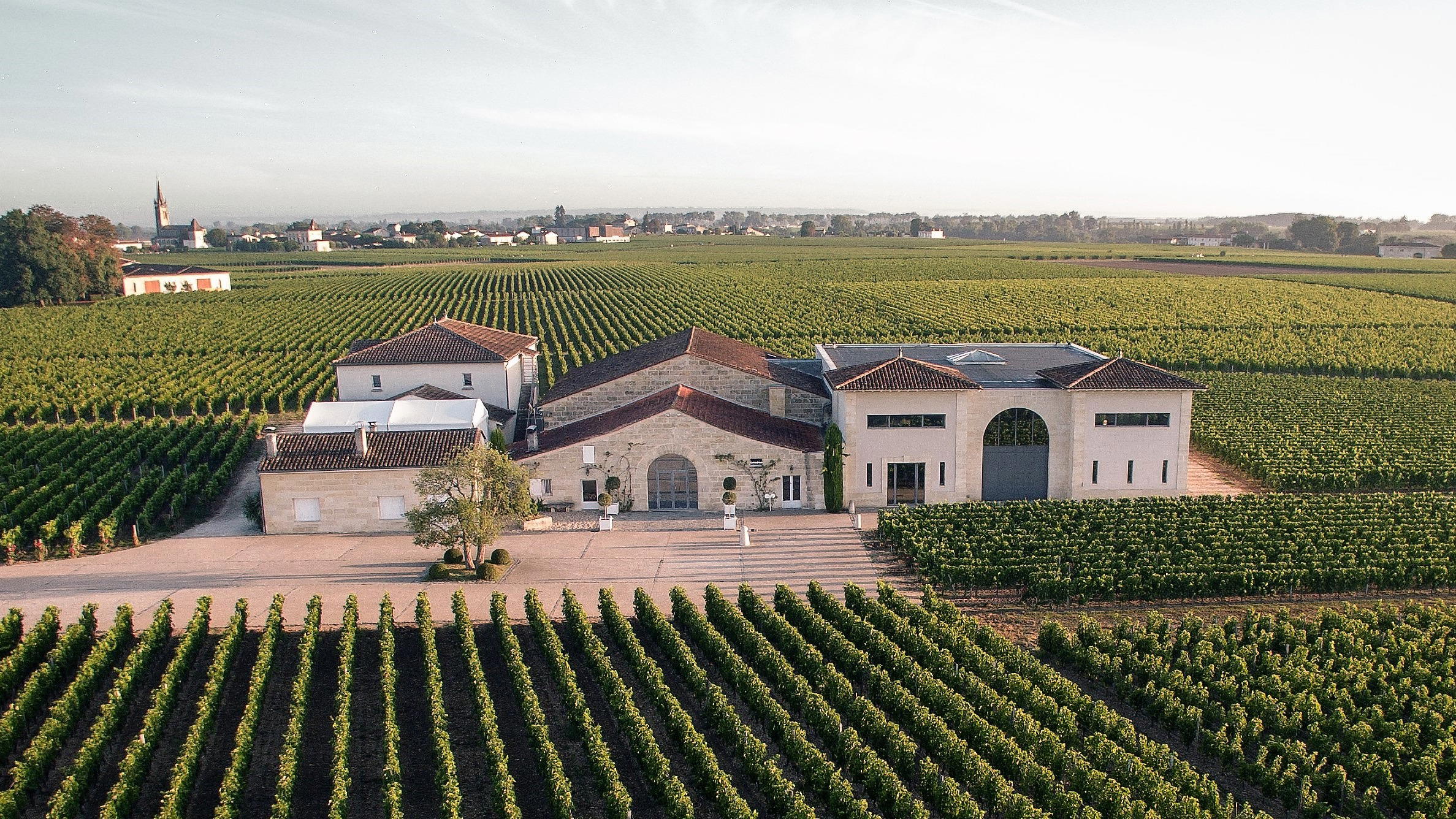
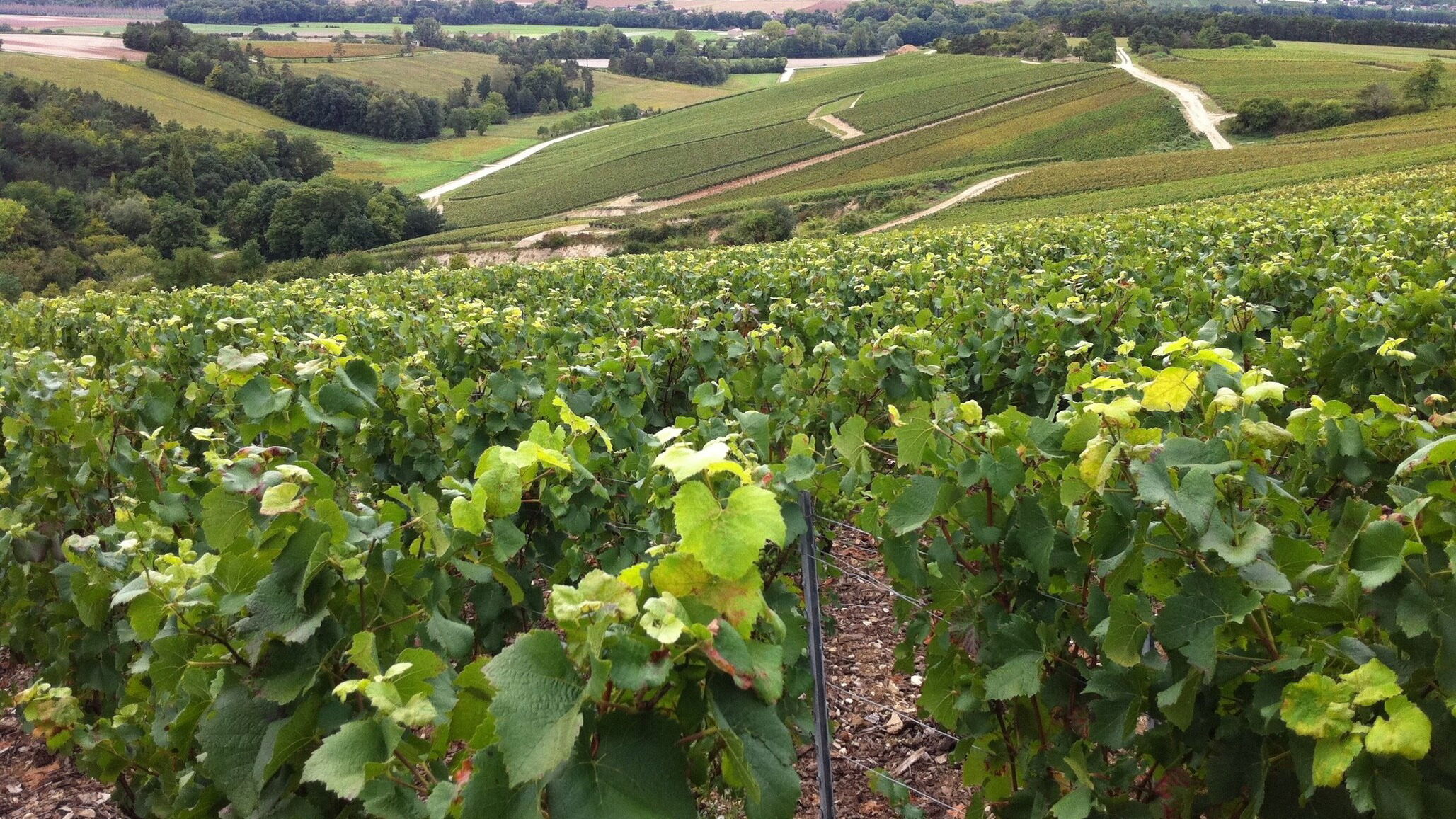
Intimate and understated rural setting amid impeccably tended vineyards on slopes above the village.
Tags
Vibe
Best For
Experience
Sourcing
View
At the Vineyard
- Appellation
- Côte des Bar
- Varietals
- Pinot Noir, Chardonnay, Pinot Blanc
- Tour Duration
- 60-90 minutes
- Visits
- By appointment only
- Farming
- Organic
- Wine Styles
- Sparkling
- Wine Club
- Not available
Know before you go
Know Before You Go
- Getting there
- 4 Rue du Creux Michel, 10110 Celles-sur-Ource
Planning details
Location
4 Rue du Creux Michel, 10110 Celles-sur-Ource · Directions
Recognition and awards

Also consider
Also Consider
- Drappier, Notable alternative
- Jacques Lassaigne, Notable alternative
- Domaine Garnier & Fils, Notable alternative
- Domaine Billaud-Simon, Notable alternative
- Domaine Louis Michel & Fils, Notable alternative
Winery context
Cedric Bouchard is the collector-leaning choice in this set: highest urgency, lowest convenience, and strongest fit for travelers who already care about grower Champagne. Drappier is the easier recommendation for a broader group because it is better suited to a conventional Champagne itinerary, while Jacques Lassaigne is the closest peer for drinkers chasing grower identity over visitor infrastructure.
For value and logistics, the Chablis names shift the decision. Domaine Garnier & Fils, Domaine Billaud-Simon, and Domaine Louis Michel & Fils make more sense if the trip is built around still white wine rather than Champagne. They are not substitutes for the Aube experience, but they are stronger cross-shops for travelers comparing cellar time against total route efficiency.
If only one producer can anchor the day, choose Cedric Bouchard for scarcity and depth, Drappier for a more accessible Champagne plan, and Jacques Lassaigne for a grower-focused alternative with a different village context. The Chablis producers are better saved for a separate white-wine itinerary rather than forced into the same day.
Explore Celles-sur-Ource
Around this place
Discover more on Pearl
Unlock the full Cedric Bouchard guide in Pearl, including awards, comparisons, FAQs, planning details, and nearby places.
Compare Cedric Bouchard
| Venue | Location | Awards |
|---|---|---|
| Cedric Bouchard | Celles-sur-Ource | 2026 Falstaff Winery Guide2025 Pearl 4 Star Prestige |
| Drappier | Urville | 2026 Falstaff Winery Guide2025 Pearl 3 Star Prestige |
| Jacques Lassaigne | Montgueux | 2026 Falstaff Winery Guide |
| Domaine Garnier & Fils | Ligny-le-Châtel | 2026 Falstaff Winery Guide |
| Domaine Billaud-Simon | Chablis | 2026 Falstaff Winery Guide |
| Domaine Louis Michel & Fils | Chablis | 2026 Falstaff Winery Guide |
How Cedric Bouchard Celles-sur-Ource compares with similar nearby venues.
FAQ
Frequently Asked Questions
How long should I plan for a visit to Cedric Bouchard?
What other venues can I compare with Cedric Bouchard?
Drappier and Jacques Lassaigne are names to research separately if you are comparing venues. Domaine Billaud-Simon, Domaine Louis Michel & Fils, and Domaine Garnier & Fils can also be considered as separate comparison points for a broader route.
Are there membership details for Cedric Bouchard?
Can Cedric Bouchard handle large groups?
What is the flagship offering at Cedric Bouchard?
No flagship offering is listed. The details are the Cedric Bouchard name, its Celles-sur-Ource location, Cédric Bouchard as chef/owner, smart casual dress code, and Pearl 4 Star Prestige recognition for 2025.