
Château Sainte-Roseline
Les Arcs-sur-Argens, Les Arcs
Winery in Les Arcs, France
 Book with Pearl
The Read
Var Terroir Prestige
Why go
Château Sainte-Roseline is the Les Arcs winery to prioritize when Provence wine depth matters more than easy logistics. The draw is heritage, current winemaking direction under Aurélie Bertin, and a producer-led visit that suits serious wine travelers better than casual groups.
About Château Sainte-Roseline
Château Sainte-Roseline is a Pearl 4 Star Prestige (2025) venue in Les Arcs from chef/owner Aurélie Bertin. For planning, treat it as a premium stop in Les Arcs, dress smart casual, and check visit details directly before building a day around it.
Do not assume a specific cuisine, tasting format, price, schedule, menu, beverage program, or service style without checking ahead. The grounded reasons to consider Château Sainte-Roseline are its Les Arcs location, Aurélie Bertin's role as chef/owner, and its Pearl 4 Star Prestige (2025) recognition.
A Les Arcs venue to plan with confirmed basics in mind
Château Sainte-Roseline is best approached as a premium Les Arcs venue where advance planning is sensible, especially if the visit is important to your itinerary. Smart casual dress is the dress code. If you are also planning meals around the area, use Our full Les Arcs restaurants guide for other Les Arcs dining options.
The practical verdict is cautious but positive: prioritize Château Sainte-Roseline if its Pearl 4 Star Prestige (2025) recognition and Les Arcs setting fit the kind of stop you want. Check details such as food service, tasting structure, opening hours, pricing, group capacity, or special access directly before planning around them.
How to place it within a France itinerary
For travelers comparing notable venues, Château Sainte-Roseline can be considered alongside Château d'Esclans, Château de Rayne-Vigneau, Château de Roquefort, Château de Saint-Martin, and Domaine Ott. Those names may help frame a broader itinerary, while Château Sainte-Roseline itself should be planned around the essentials: Les Arcs, Aurélie Bertin as chef/owner, smart casual dress, and Pearl 4 Star Prestige (2025).
If your schedule depends on specific services, contact the venue before committing. For menu, tasting program, lunch or dinner service, transport details, or booking process, keep the plan flexible until Château Sainte-Roseline confirms the details you need.
Planning details
- Location
- Château Sainte-Roseline, 83460 Les Arcs
- Website
- sainte-roseline.com
- Phone
- +33 4 94 99 50 30
The take
The Take
The Vibe
Château Sainte-Roseline presents a quietly authoritative character that traces directly to six centuries of continuous cultivation. The estate reads as a place where terroir and time are collaborators: limestone, clay and schist soils, a Mediterranean climate tempered by altitude, and vines with generational depth all shape the experience. That historical weight produces an understated, contemplative atmosphere rather than theatrical flash—visitors encounter a cultivated calm and rigorous attention to provenance. The writing on the vineyards emphasizes consistency over trendiness, so the feeling here is measured, refined and rooted in place, appealing to visitors who value provenance, craft and a restrained, elegant aesthetic.
Best For
The domaine is best suited to visitors focused on wine education, serious-tasting groups, and milestone celebrations that prize provenance. Its long history and terroir-driven approach make it a natural setting for guided tastings and discussions about soils, varietal selection and vintage variation. Groups of enthusiasts benefit from the estate context, where each bottle can be framed by six centuries of cultivation and a named winemaker. Travelers seeking a scenic, contemplative Provençal wine experience—rather than a buzzy, nightlife-oriented stop—will find the château's emphasis on consistency and terroir especially rewarding.
Tasting Tips
When tasting at Sainte-Roseline, anchor the visit with the estate’s rosés while also sampling the broader program to see how the domaine uses rosé as a foundation rather than a ceiling. Ask about recent vintages and the 2025 Pearl 4 Star Prestige recognition mentioned in the estate notes to understand current critical standing. Inquire about soil-driven expressions—limestone, clay and schist—and speak with staff about the winemaker’s choices (the text names Aurélie Bertin) to put individual wines in the context of the château’s long-term terroir strategy.
Venue details
Ambiance
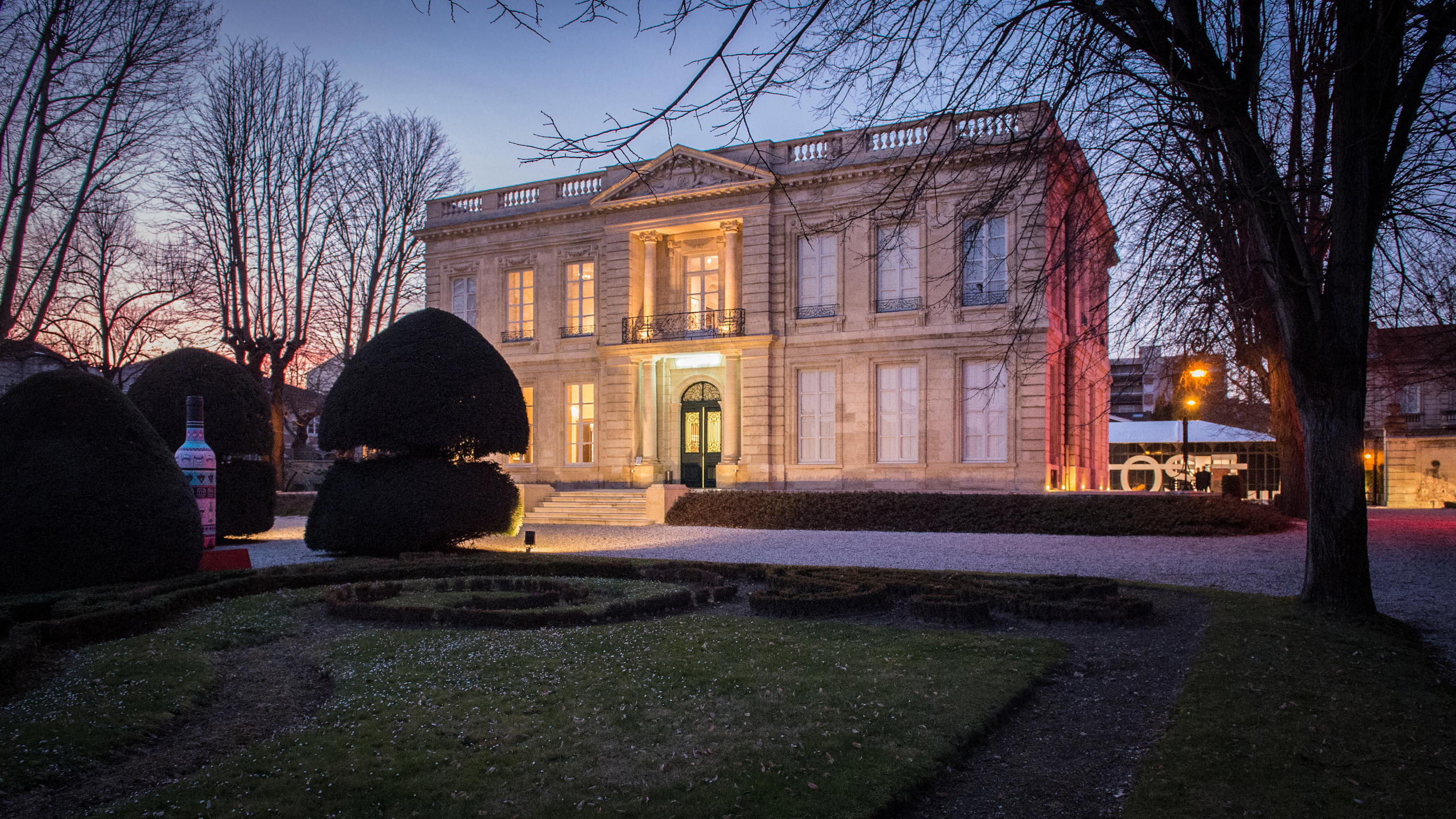
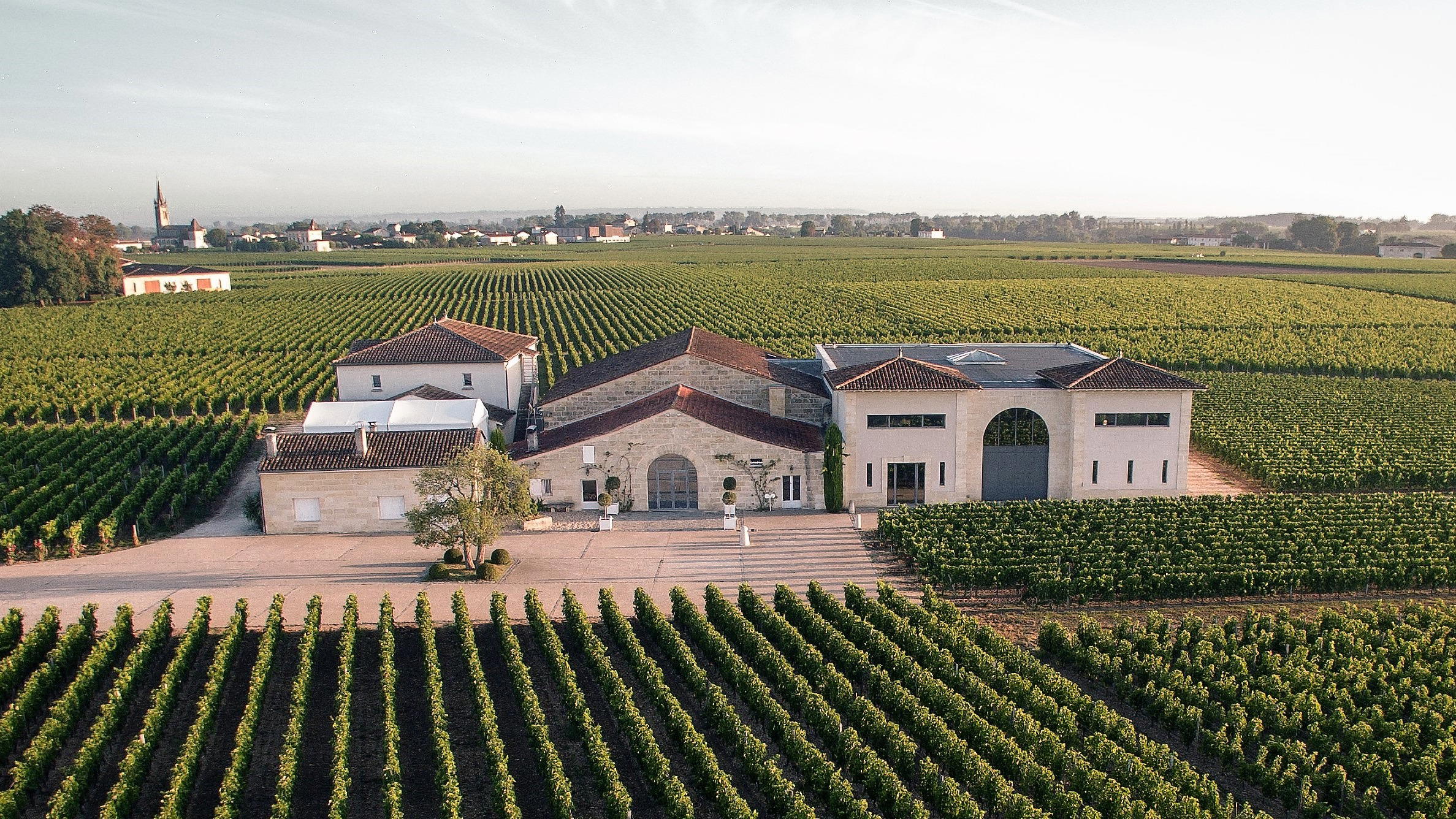
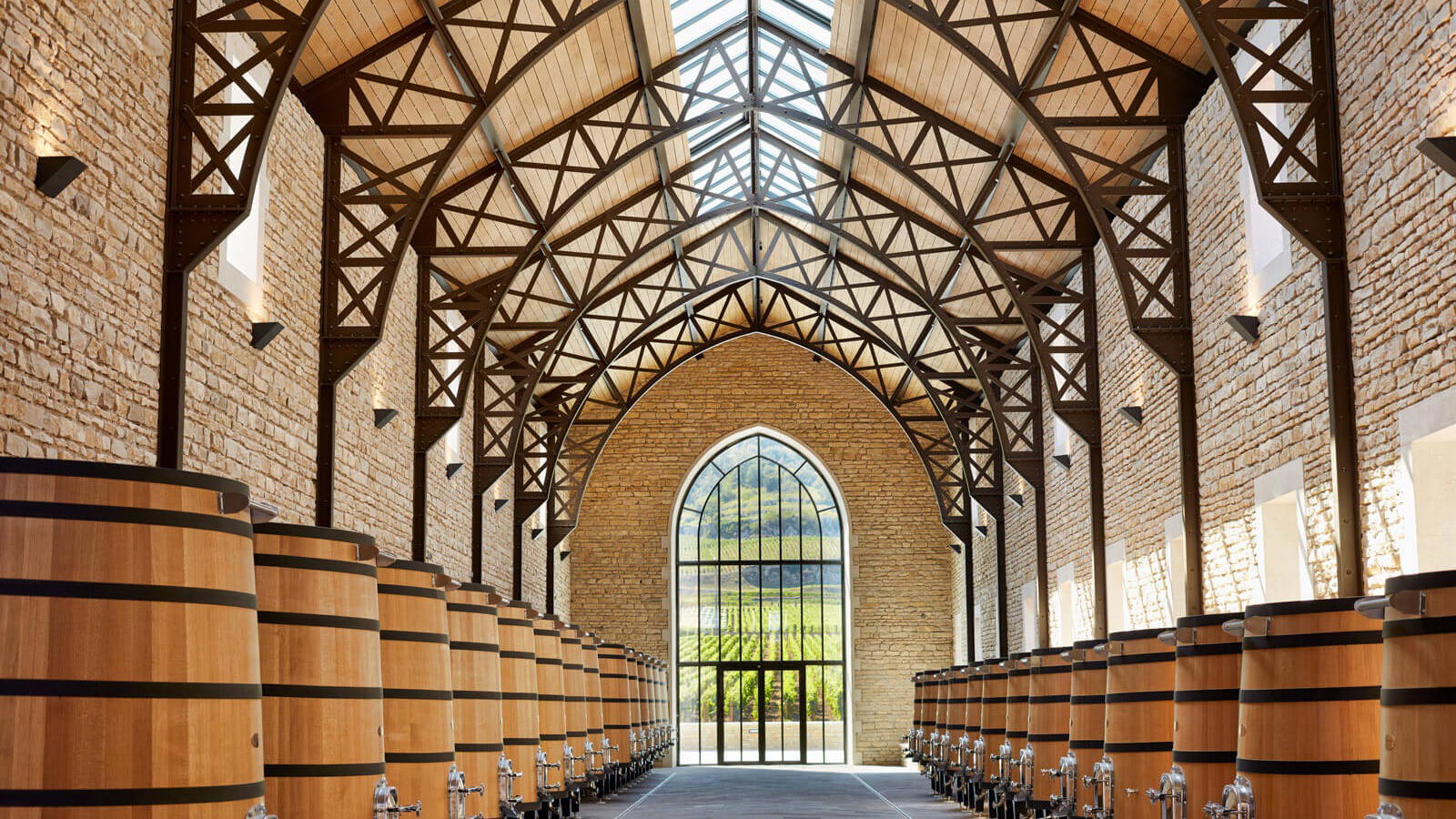
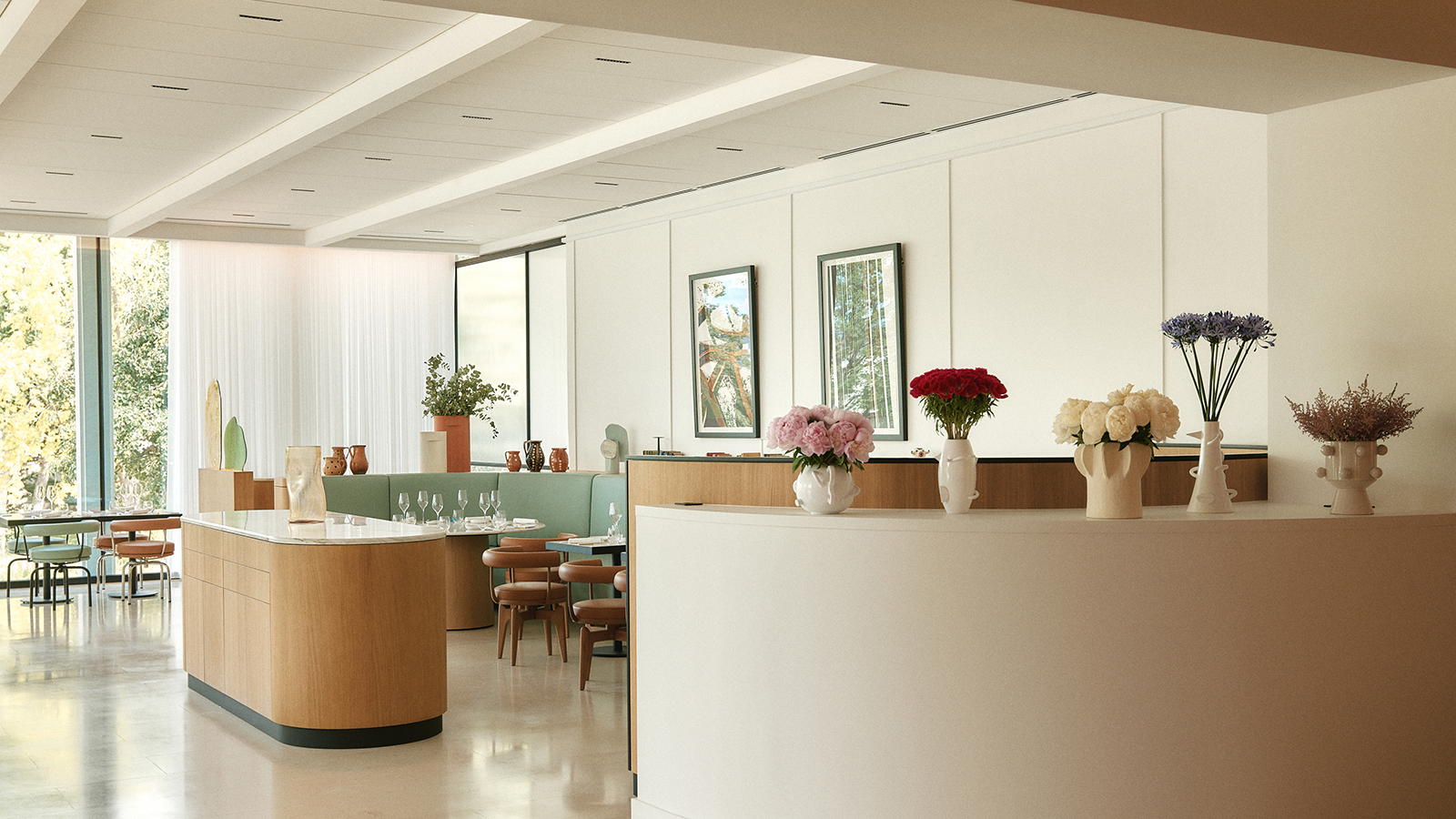
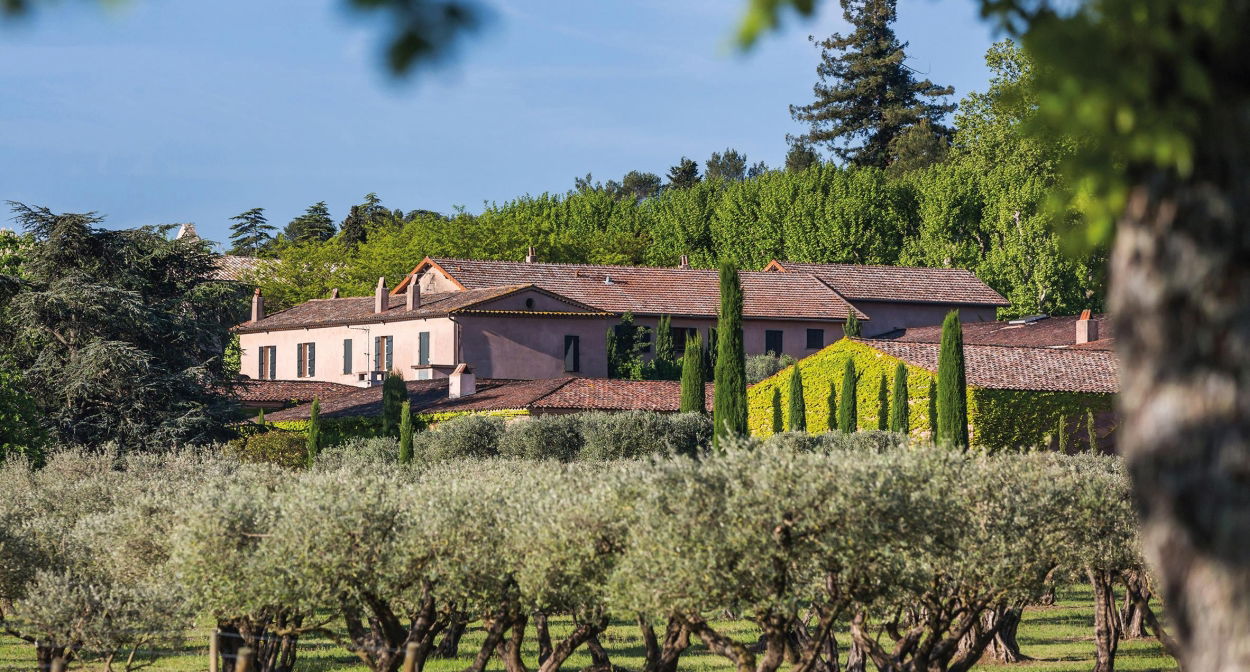
Serene and contemplative atmosphere in ancient stone chapel and cloister, with elegant modern winery amid scenic vineyards.
Tags
Vibe
Best For
Experience
Sourcing
View
At the Vineyard
- Appellation
- AOP Côtes de Provence Cru Classé
- Varietals
- Grenache, Syrah, Mourvèdre, Cinsault, Tibouren
- Tour Duration
- 45 minutes
- Tour Languages
- French, English
- Visits
- By reservation
- Farming
- Sustainable
- Wine Styles
- Still Rose, Still Red, Still White
- Wine Club
- Not available
Know before you go
Know Before You Go
- Getting there
- Château Sainte-Roseline, 83460 Les Arcs
Planning details
Location
Recognition and awards
Also consider
Also Consider
- Château de Rayne-Vigneau, Notable alternative
- Château de Roquefort, Notable alternative
- Domaine Ott, Notable alternative
- Château de Saint-Martin, Notable alternative
- Château d'Esclans, Notable alternative
Winery context
How It Compares
Choose Château Sainte-Roseline over Château de Rayne-Vigneau if the trip is centered on Provence rather than a broader French château circuit. Rayne-Vigneau is the better cross-shop for travelers comparing historic estates outside the area; Sainte-Roseline is the stronger fit when Les Arcs is already on the route.
Against Château de Roquefort and Domaine Ott, Sainte-Roseline is the more heritage-driven pick. Domaine Ott will appeal to travelers chasing a more recognizable Provence name, while Château de Roquefort is the easier alternative to consider if flexibility matters. For a quieter, more deliberate estate experience, Sainte-Roseline is the sharper choice.
Château de Saint-Martin and Château d'Esclans are useful backups if availability becomes the issue. Saint-Martin is the sensible nearby cross-shop for a classic château visit, while d'Esclans is better for travelers who want a more recognizable rosé reference point. Book Sainte-Roseline first if the goal is producer context; cross-shop the others if the schedule needs more give.
Explore Les Arcs
Around this place
Discover more on Pearl
Unlock the full Château Sainte-Roseline guide in Pearl, including awards, comparisons, FAQs, planning details, and nearby places.
Compare Château Sainte-Roseline
| Venue | Location | Awards |
|---|---|---|
| Château Sainte-Roseline | Les Arcs | 2025 Pearl 4 Star Prestige |
| Château de Rayne-Vigneau | Taradeau | 2025 Pearl 4 Star Prestige |
| Château de Roquefort | Taradeau | 2025 Pearl 2 Star Prestige |
| Domaine Ott | Taradeau | 2025 Pearl 3 Star Prestige |
| Château de Saint-Martin | La Motte | 2025 Pearl 2 Star Prestige |
| Château d'Esclans | Courthézon | 2025 Pearl 3 Star Prestige |
How Château Sainte-Roseline Les Arcs compares with similar nearby venues.
FAQ
Frequently Asked Questions
How long should I plan for a visit to Château Sainte-Roseline?
When is the best time to visit Château Sainte-Roseline?
Can Château Sainte-Roseline handle large groups?
Contact Château Sainte-Roseline directly before planning for a large party.
Is there a membership or club to join at Château Sainte-Roseline?
Do not plan around a membership or club offering without checking directly. The key trust signal is Pearl 4 Star Prestige (2025), and Aurélie Bertin is the chef/owner.
What is Château Sainte-Roseline best known for?
Château Sainte-Roseline is known here for its Les Arcs location, chef/owner Aurélie Bertin, smart casual dress code, and Pearl 4 Star Prestige (2025) recognition. For any more specific focus, ask Château Sainte-Roseline directly.
What other venues can I compare with Château Sainte-Roseline?
For broader itinerary comparisons, you can consider Château d'Esclans, Château de Rayne-Vigneau, Château de Roquefort, Château de Saint-Martin, and Domaine Ott. For Les Arcs specifically, compare Château Sainte-Roseline with other local options generically and confirm details directly.