

Didier Dagueneau
Saint-Andelain
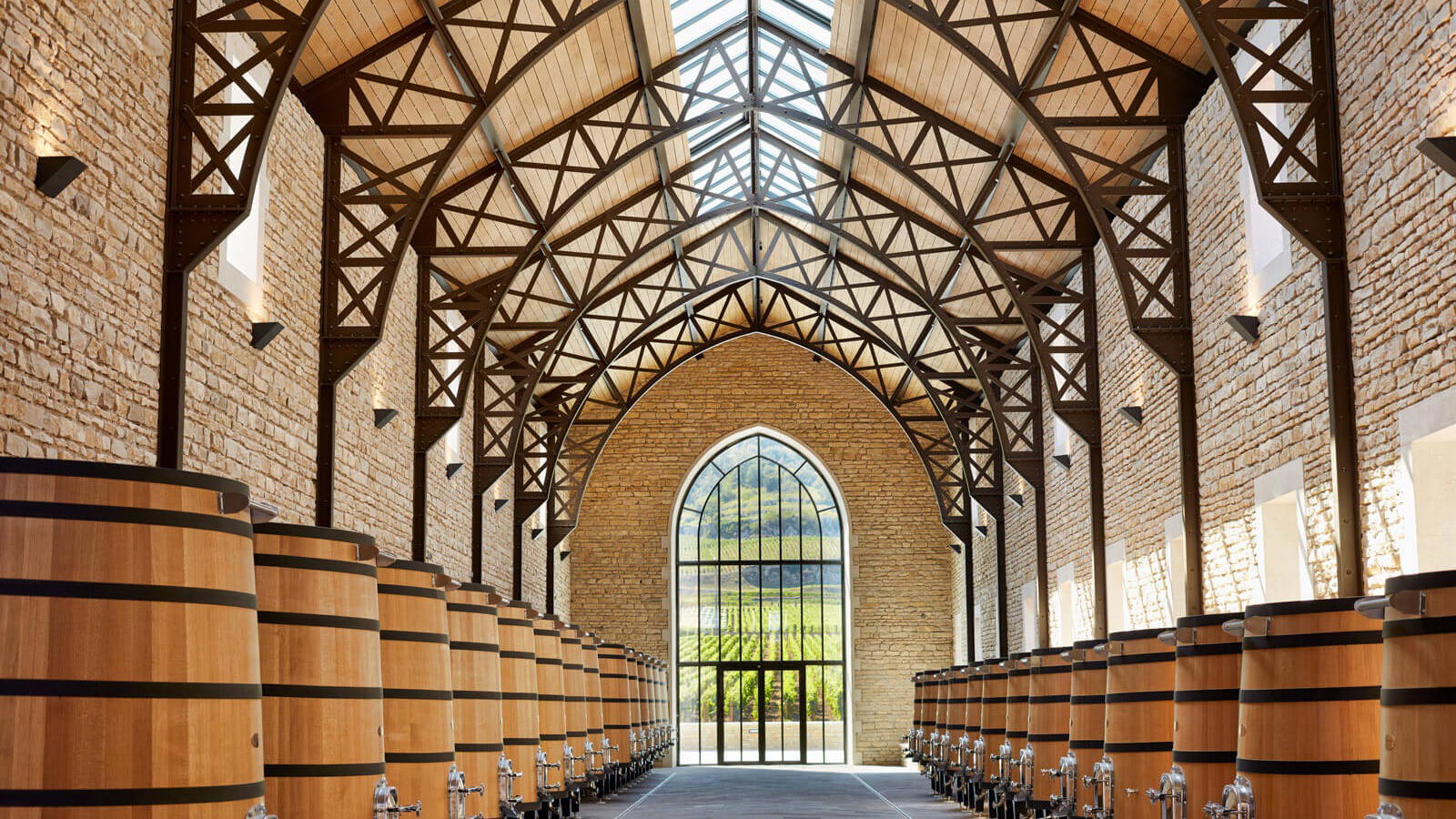
Winery in Saint-Andelain, France
 Book with Pearl
The Read
Single-Vineyard Sauvignon Precision
Why go
A serious Loire stop for collectors and Sauvignon Blanc-focused travelers, not a casual drop-in tasting. The value is strongest if producer context matters more than easy access or broad amenities; otherwise, cross-shop nearby wineries with simpler planning.
About Didier Dagueneau
Didier Dagueneau is a Saint-Andelain venue associated with chef/owner Louis-Benjamin Dagueneau. It holds Pearl 4 Star Prestige (2025) recognition, and the dress code is smart casual. Those two points are useful anchors, but they do not replace direct confirmation of the operational details that usually shape an itinerary.
Book with confirmed details in mind
The clearest reason to prioritize Didier Dagueneau is its Pearl 4 Star Prestige (2025) recognition. That recognition gives the venue a concrete point of distinction, especially for travelers who are sorting through regional references and deciding which names merit closer follow-up. Beyond that, public-facing planning should stay cautious: opening hours, menu format, tasting structure, price, seating, and service details are not available here. That absence matters, because each of those details can change the way a stop fits into a day, whether it is a brief visit, a longer appointment, a meal, a tasting-style experience, or something else entirely. If you are comparing other regional references, consider Didier Dagueneau alongside Domaine Clotilde Davenne, Domaine Henri Bourgeois, Domaine Jean-Marc Brocard, Edmond Vatan, or Le Domaine d'Edouard without assuming they offer the same type of visit.
Plan ahead through official channels before building the rest of your day around the venue. That means treating any schedule, expectation, or logistical decision as provisional until it has been confirmed directly. Smart casual dress is the guidance to follow, so it is the safest style cue to use, particularly if you want to arrive polished without overinterpreting the setting. Saint-Andelain is the location detail to use for planning, and even that should be handled as a starting point rather than a complete logistical picture. If the venue is important to your trip, confirm the details first, then shape the surrounding day around what is actually available.
Value depends on priorities
This is a stronger fit for travelers who specifically want to include Didier Dagueneau in a Saint-Andelain itinerary and who value the Pearl 4 Star Prestige (2025) recognition. For that type of visitor, the appeal is not built on a long list of published practical details, but on the combination of the name, the location, the association with chef/owner Louis-Benjamin Dagueneau, and the recognition. It may make sense as a deliberate point of interest within a broader plan, provided the final arrangements are checked before committing time around it.
It is a weaker fit for anyone who needs confirmed hours, prices, service format, dietary details, or other practical specifics before committing. Those travelers may find the uncertainty frustrating, because the missing information is exactly what helps compare one stop against another in a precise, low-risk way. Until those details are confirmed directly, keep plans flexible and compare with other Saint-Andelain options generically or with regional references such as Domaine Henri Bourgeois, Domaine Jean-Marc Brocard, Edmond Vatan, Domaine Clotilde Davenne, and Le Domaine d'Edouard. The most reliable approach is to treat Didier Dagueneau as a venue worth investigating, not as a fully defined booking decision.
Planning details
- Location
- Rue de la Tuilerie, 58150 Saint-Andelain
- Website
- souverainewine.com/domaine-didier-dagueneau%20(Importer)
- Phone
- +33 3 86 39 15 62
The take
The Take
The Vibe
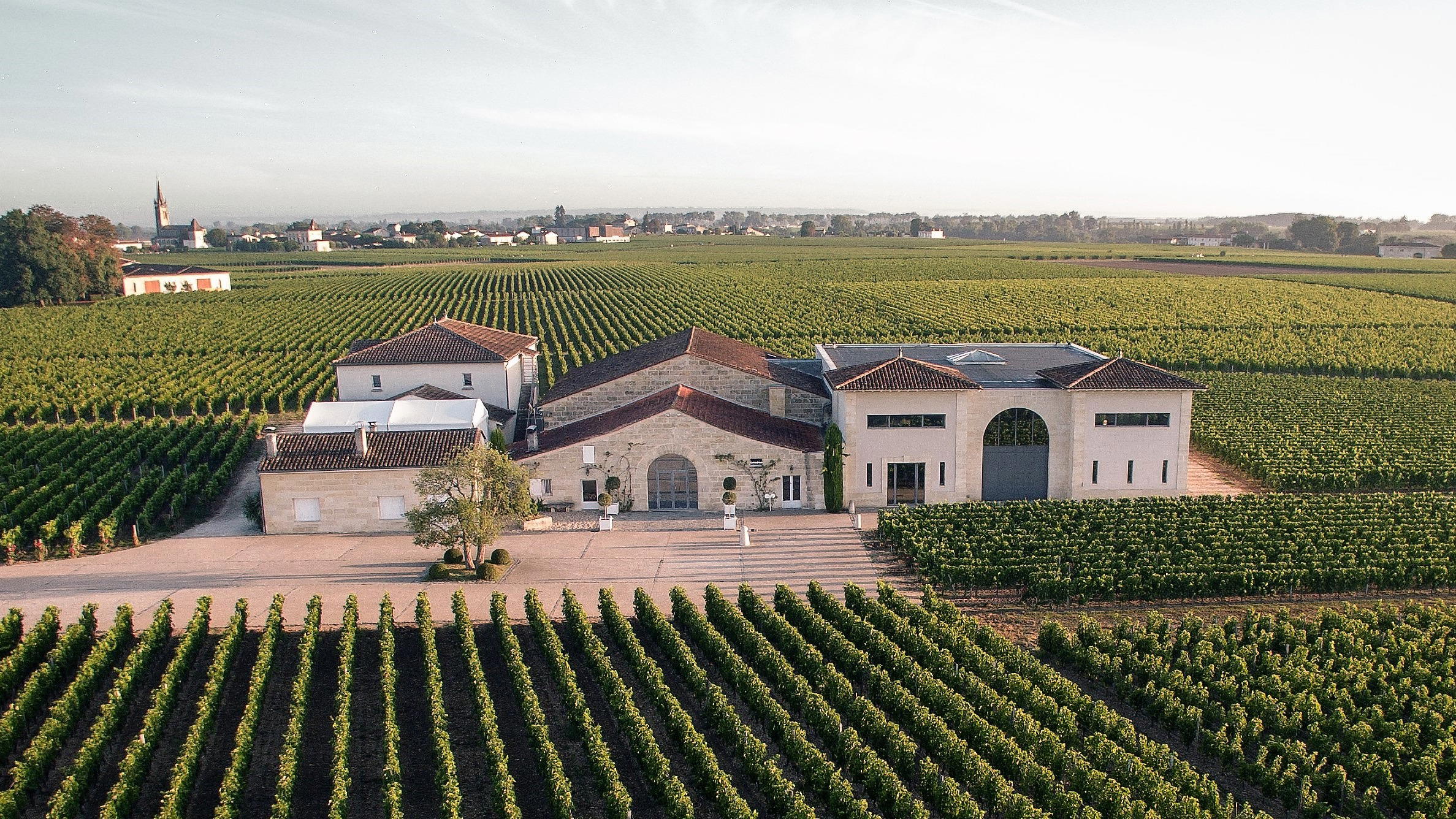
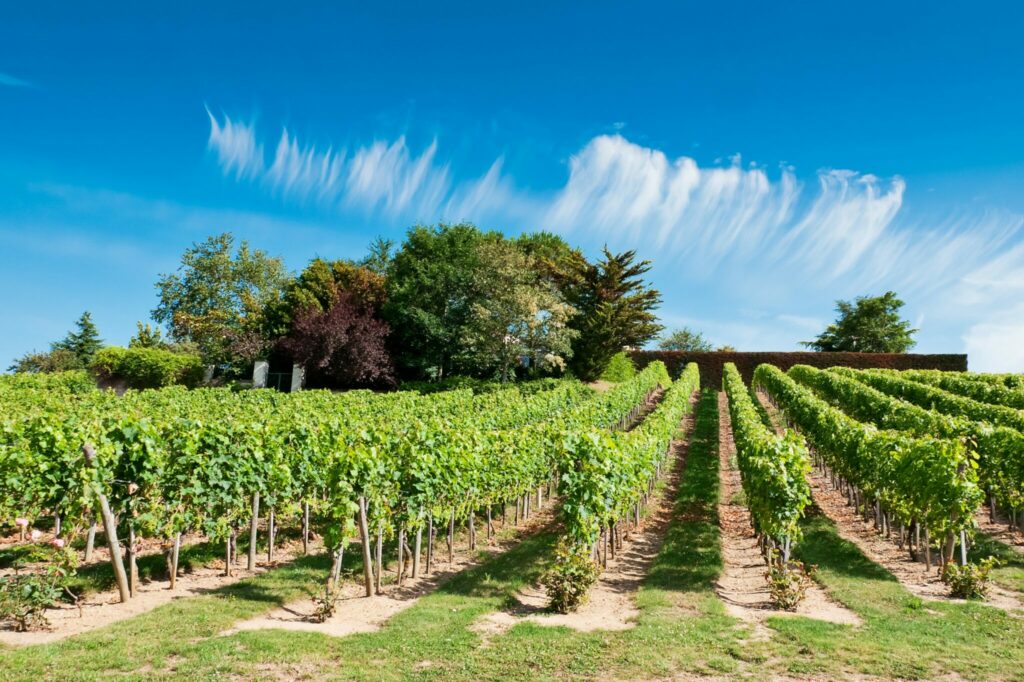
Didier Dagueneau reads like an argument written in wine: a domaine shaped by silex soils that push Sauvignon Blanc toward struck-flint aromatics, a nervy mineral spine and bottle-worthy density. The writing foregrounds parcel specificity and serious collecting, so the overall tone is focused, scholarly and quietly assured rather than flashy. The setting—high on a ridge above the Loire—adds a scenic austerity to the experience. Visitors and readers encounter wines that feel precise, concentrated and built to age; the personality conveyed is refined and deliberate, appealing to those who value terroir-driven clarity over showy ripeness.
Best For
This place is best for people who want to study terroir and taste wines with aging potential. The emphasis on single-vineyard silex parcels and the producer’s argument about Sauvignon Blanc’s complexity makes it a strong pick for serious tasters, collectors and anyone seeking an educational experience around Loire whites. It also suits quiet, special-occasion visits where the focus is on the bottle rather than social buzz; the writing’s collector-oriented frame signals that this is about thoughtful tasting and cellar-worthy purchases more than casual drinking.
Tasting Tips
When seeking bottles from Didier Dagueneau, prioritize wines identified as coming from the silex parcels of Saint-Andelain and single-vineyard cuvées: the text makes clear those examples show the most distinctive minerality and ageworthiness. Look for older vintages or wines described as having the density to develop over a decade; those will better display the struck-flint aromatics and mineral spine discussed in the profile. Ask specifically about parcels and bottlings led by the current domaine leadership to ensure you are tasting the wines tied to the site’s signature character.
Venue details
Ambiance
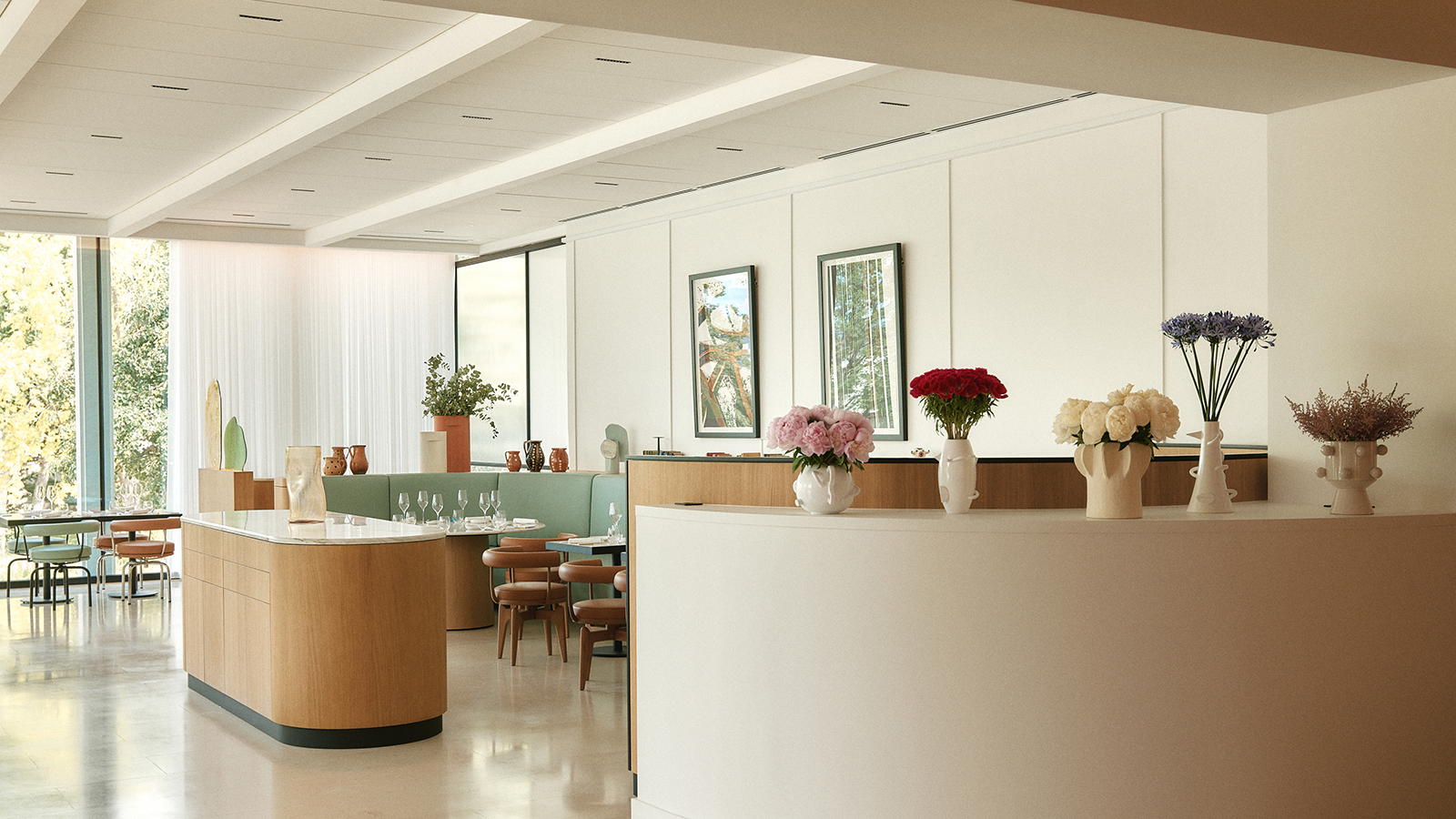
Elegant and precise with crystalline purity, minerality, and subtle creaminess from lees aging, evoking a sophisticated, terroir-focused atmosphere.
Tags
Vibe
Best For
Experience
Sourcing
View
At the Vineyard
- Appellation
- Pouilly-Fumé
- Varietals
- Sauvignon Blanc
- Tour Duration
- 60-90 minutes
- Visits
- By appointment only
- Farming
- Biodynamic
- Production
- Small producer
- Wine Styles
- Still White
- Wine Club
- Available
Know before you go
Know Before You Go
- Getting there
- Rue de la Tuilerie, 58150 Saint-Andelain
Planning details
Location
Rue de la Tuilerie, 58150 Saint-Andelain · Directions
Recognition and awards

Also consider
Where to look if this is not workable
If access is the issue, start with Domaine Henri Bourgeois for a more practical Loire alternative. If the trip is more Burgundy-adjacent or value-led, Domaine Jean-Marc Brocard is the cleaner backup for groups that need a simpler plan.
Winery context
How it compares in and around Saint-Andelain
Choose Didier Dagueneau when the priority is producer depth and a high-conviction Loire stop. Compared with Edmond Vatan, it sits in the same collector-minded lane: neither should be treated as an easy fallback, and both make more sense for travelers who care about reputation and scarcity than casual tasting convenience.
Domaine Henri Bourgeois is the more practical cross-shop for visitors who want a broader, more accessible Loire wine experience. For value-minded planning, Le Domaine d'Edouard, Domaine Clotilde Davenne, and Domaine Jean-Marc Brocard are better backup choices if the trip needs easier logistics or a less collector-driven feel.
The recommendation is simple: prioritize Didier Dagueneau for a focused Loire itinerary, then use Henri Bourgeois or Jean-Marc Brocard when the group needs a more flexible visit. For ambiance, expect the decision to come down less to polish and more to how much the group values wine context over convenience.
Explore Saint-Andelain
Around this place
Discover more on Pearl
Unlock the full Didier Dagueneau guide in Pearl, including awards, comparisons, FAQs, planning details, and nearby places.
Compare Didier Dagueneau
| Venue | Location | Awards |
|---|---|---|
| Didier Dagueneau | Saint-Andelain | 2026 Falstaff Winery Guide2025 Pearl 4 Star Prestige |
| Edmond Vatan | Vatan | 2025 Pearl 5 Star Prestige |
| Domaine Henri Bourgeois | Loiré | 2026 Falstaff Winery Guide2019 World's 50 Best Vineyards · #43 |
| Le Domaine d'Edouard | Vaux | No published awards |
| Domaine Clotilde Davenne | Préhy | 2026 Falstaff Winery Guide |
| Domaine Jean-Marc Brocard | Préhy | 2026 Falstaff Winery Guide |

How Didier Dagueneau Saint-Andelain compares with similar nearby venues.
FAQ
Frequently Asked Questions
When is the best time to visit Didier Dagueneau?
Specific hours and best visiting times are not listed here. Plan around information confirmed directly by the venue rather than assuming a particular schedule.
How long should I plan for a visit to Didier Dagueneau?
A specific visit length is not listed here. Confirm the format and timing directly with the venue before arranging the rest of your Saint-Andelain plans; if comparing other options, Domaine Henri Bourgeois is one regional reference point.