
Schrader Cellars
Napa Valley, Napa
Winery in Napa, United States
 Book with Pearl
The Read
Block-Source Allocation Cabernet
Why go
Schrader Cellars is worth pursuing for Napa collectors who care about Cabernet pedigree, allocation access, and Thomas Rivers Brown's winemaking more than a casual tasting-room stop. It is a weaker fit for large groups or visitors who want a predictable food-supported estate visit.
About Schrader Cellars
Schrader Cellars in Napa provides limited information, so it's best to confirm details directly.
That makes the planning posture direct. The name may be relevant to travelers comparing premium Napa options, but it does not offer detailed information about what happens on site. Consider it a targeted Napa stop where confirmation matters more than assumption.
A premium Napa listing, but confirm specific details directly
It is better to describe the venue carefully: a premium Napa listing with smart casual dress expectations and a named chef/owner, rather than a fully documented visitor experience.
For a broader Napa plan, compare Schrader Cellars with other named options such as Farella Vineyard, Jarvis Estate, Kenzo Estate, Palmaz Vineyards, and Tournesol. That approach keeps the day honest: Schrader can remain a high-interest Napa listing, while any practical itinerary details should be checked before you rely on them. For the rest of the trip, pair venue planning with Our full Napa restaurants guide, Our full Napa hotels guide, Our full Napa bars guide, and other Napa planning resources.
Worth pursuing if it fits your plans
Do not rely on assumptions about access, timing, food, service details, or group logistics. Before committing, confirm current operating details directly with the venue, then compare it with other Napa options such as Kenzo Estate, Jarvis Estate, Palmaz Vineyards, Farella Vineyard, and Tournesol if you need a fuller plan.
Planning details
- Location
- 80 Grapevine Ln, Napa, CA 94558
- Website
- schradercellars.com
- Phone
- +17079421540
The take
The Take
The Vibe
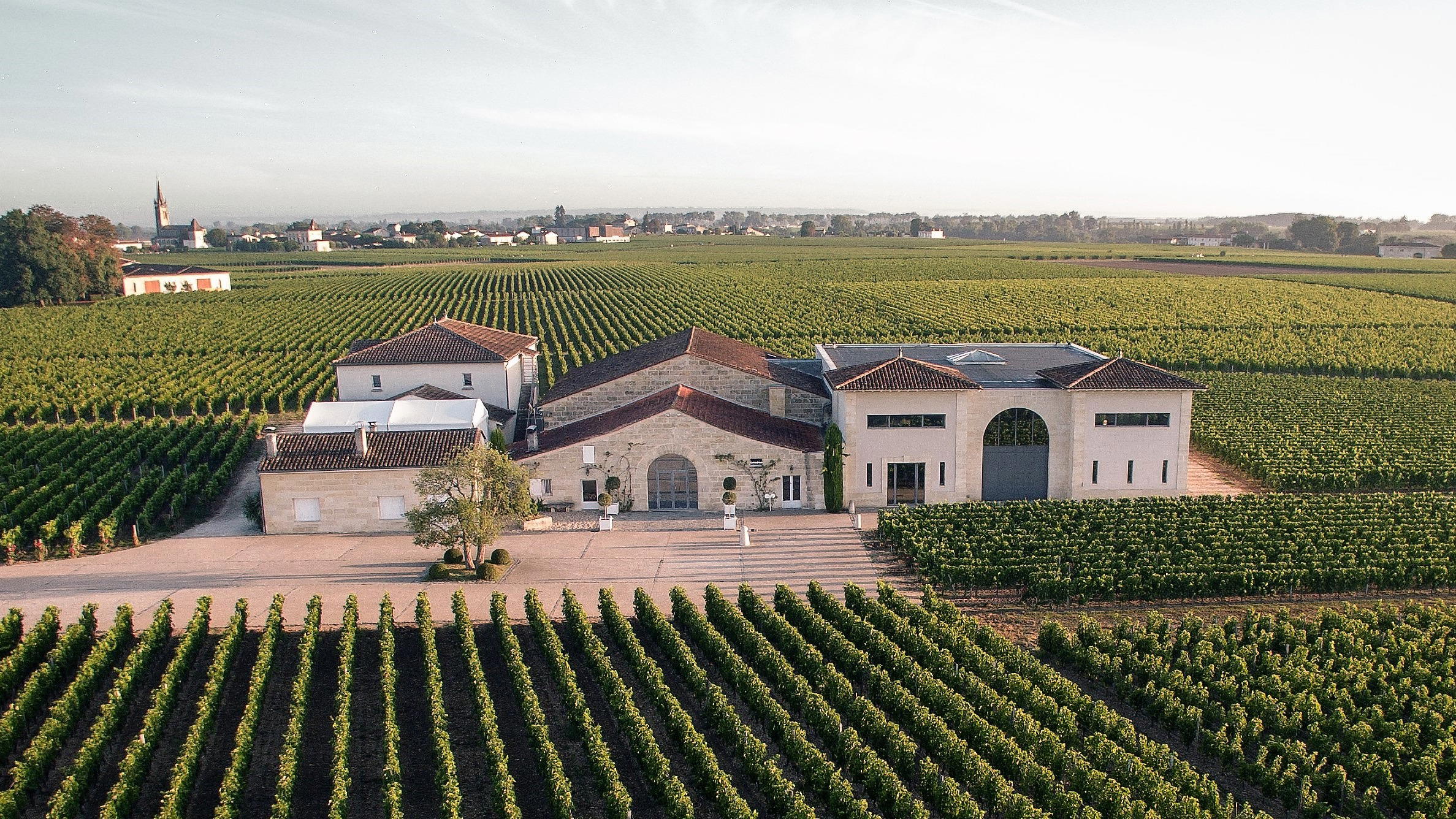
Schrader Cellars presents a restrained, collector-focused presence in Napa rather than a theatrical tasting destination. The winery reads as classic and quietly assured: small-production Cabernets, a consistent house identity across vineyard designations, and a winemaking ethos that emphasizes faithful site expression. The tone is intimate and serious: this is a place where provenance, vineyard sourcing and technical rigor are the draw. Visitors encounter an operation geared toward the bottle and its audience, not visitor entertainment, so the overall atmosphere feels more production-driven than picturesque or touristic.
Best For
Schrader is best for seasoned collectors, serious Cabernet enthusiasts and anyone seeking an education in vineyard-specific expression. The wines sit squarely in Napa’s premium, allocation-driven tier, so the experience rewards people who value provenance, consistency across vintages and the nuances of vineyard-designated bottlings. It’s also a natural stop for buyers and advisors who are evaluating allocations or assembling cellar-worthy releases. Casual drop-in tastings or scenic estate visits aren’t the priority here; the focus is on the wines themselves and the vineyard sources that shape them.
Tasting Tips
Schrader operates in a production band that routinely outstrips immediate demand, with long waiting lists and secondary-market activity. Expect limited availability and consider contacting the winery early or working through allocation channels if you’re seeking specific releases. Do your homework on the vineyard-designated wines and recent vintages so you can target the bottlings that matter to your cellar. Keep expectations realistic about the visit itself: the site is a production and logistics hub rather than a manicured visitor estate, so the priority is the wine, not tourist amenities.
Venue details
Ambiance
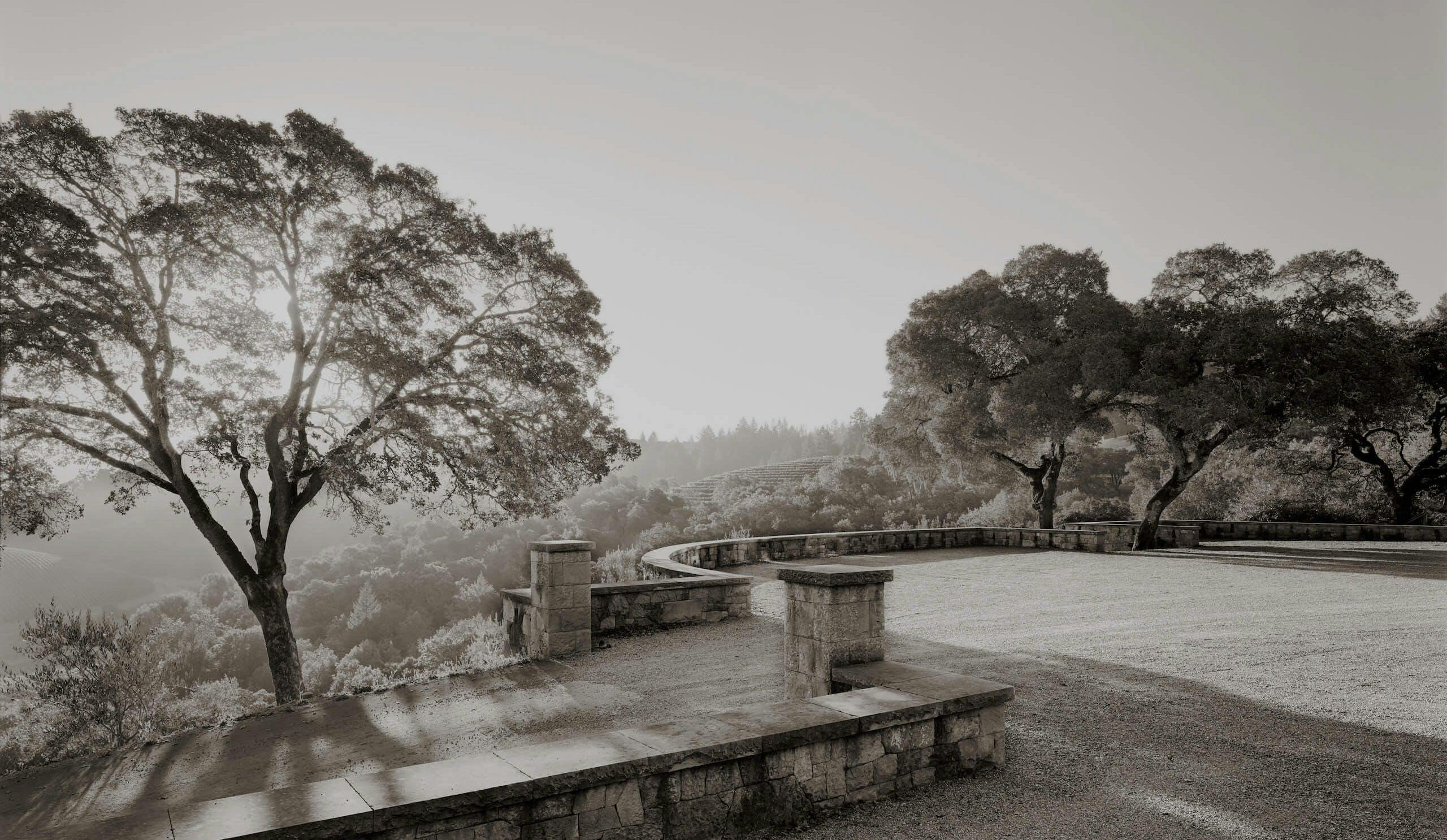
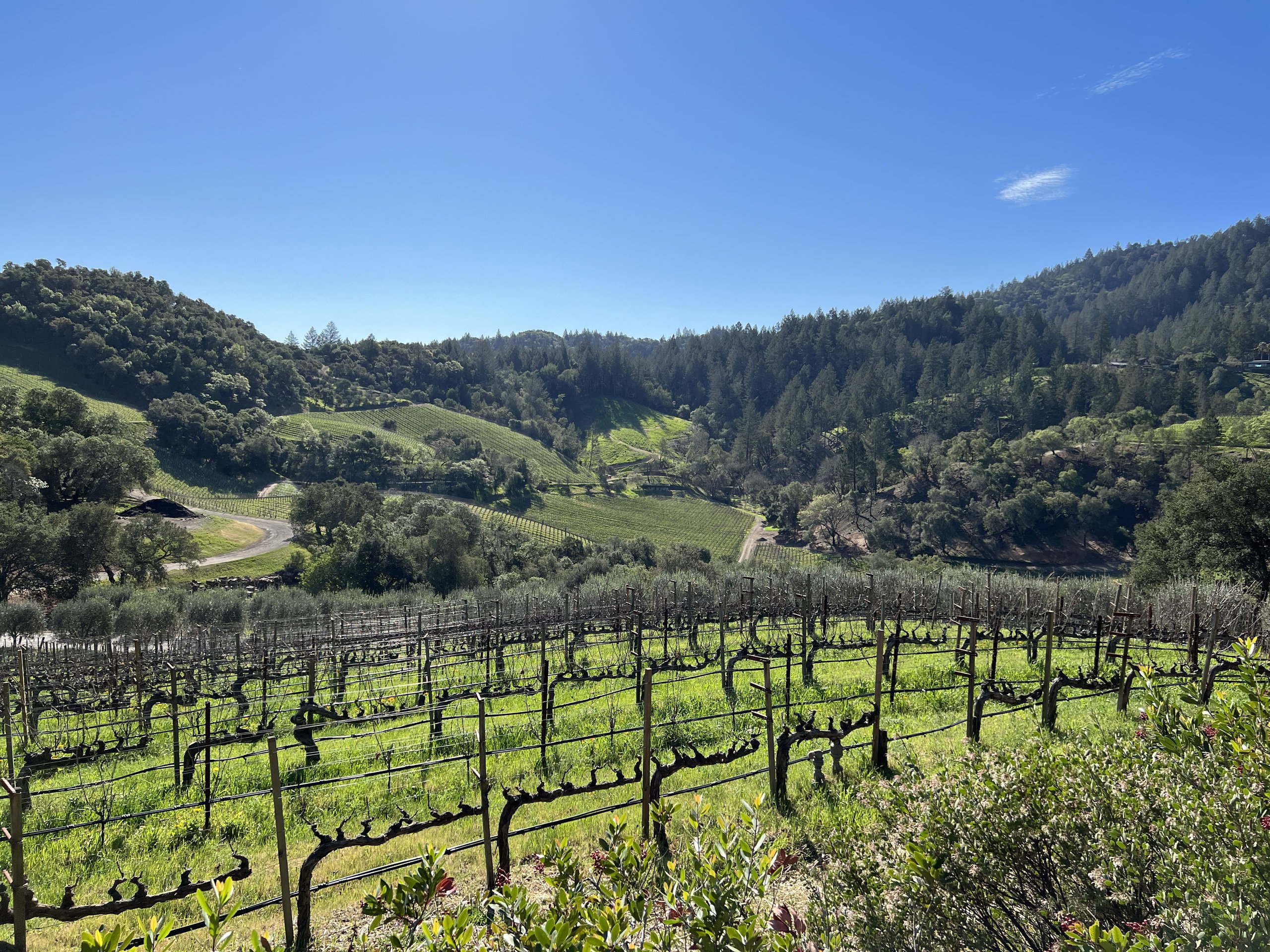
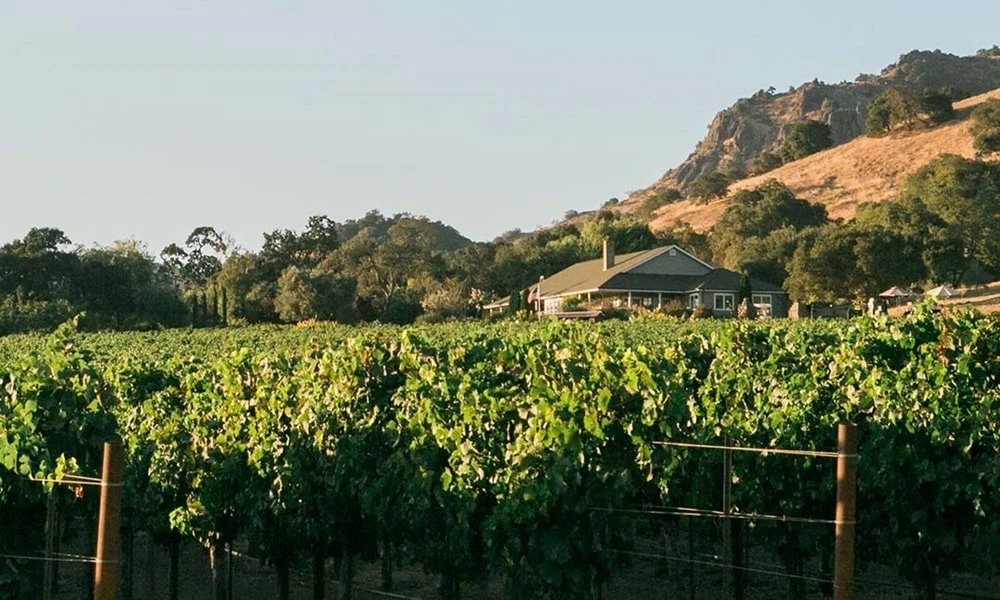
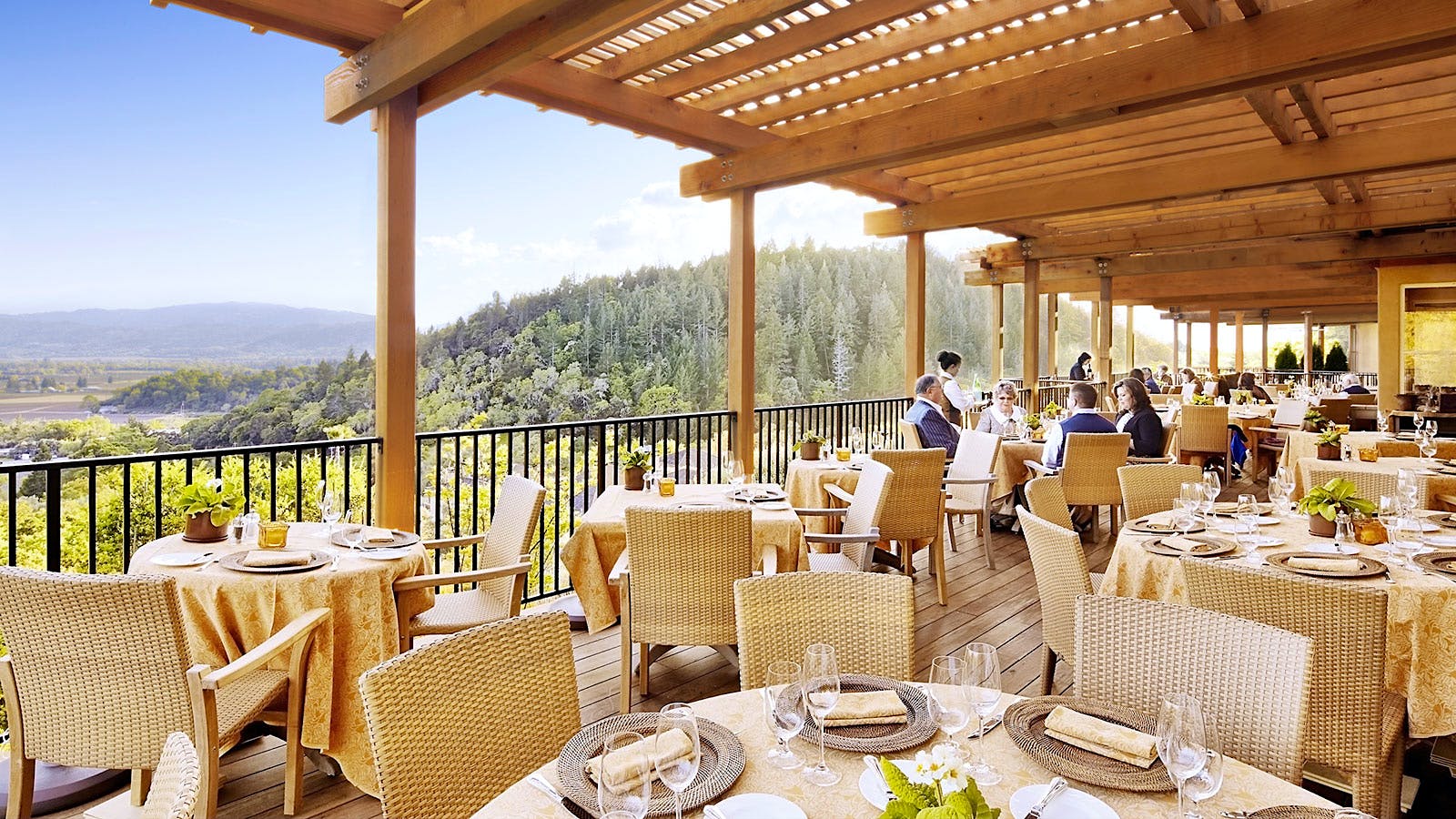
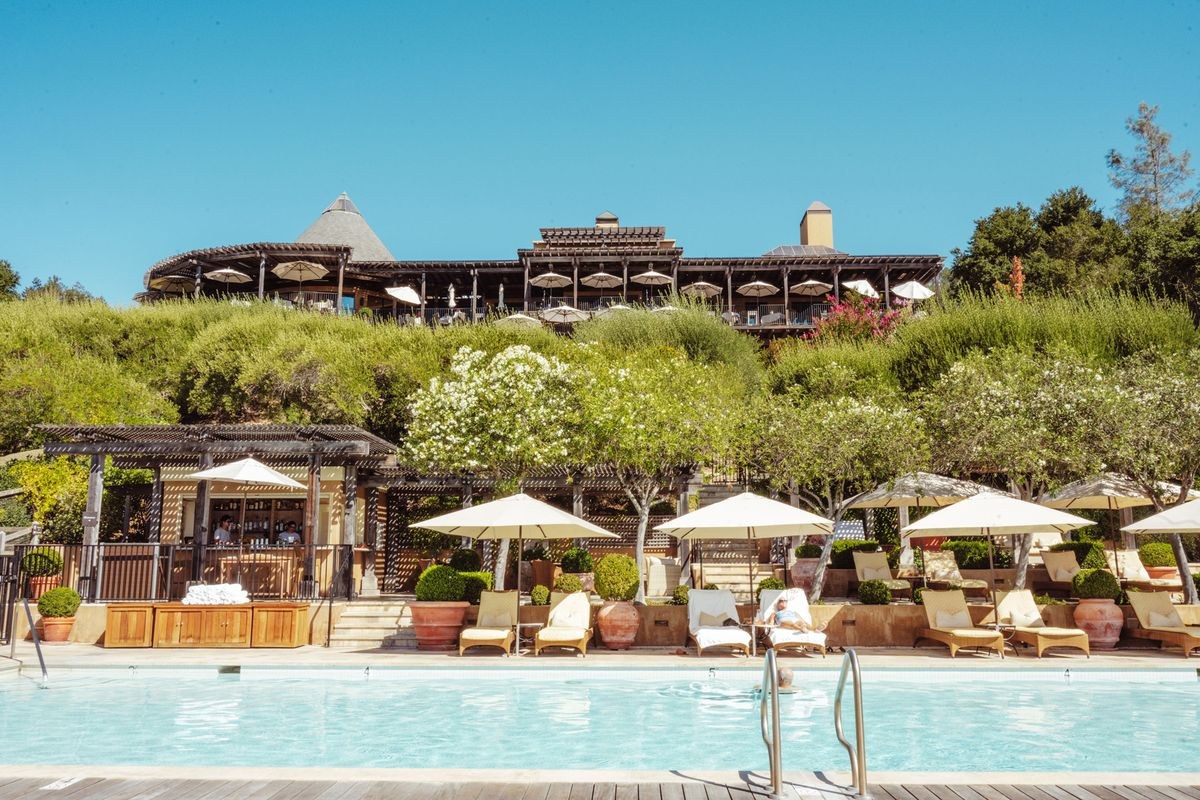
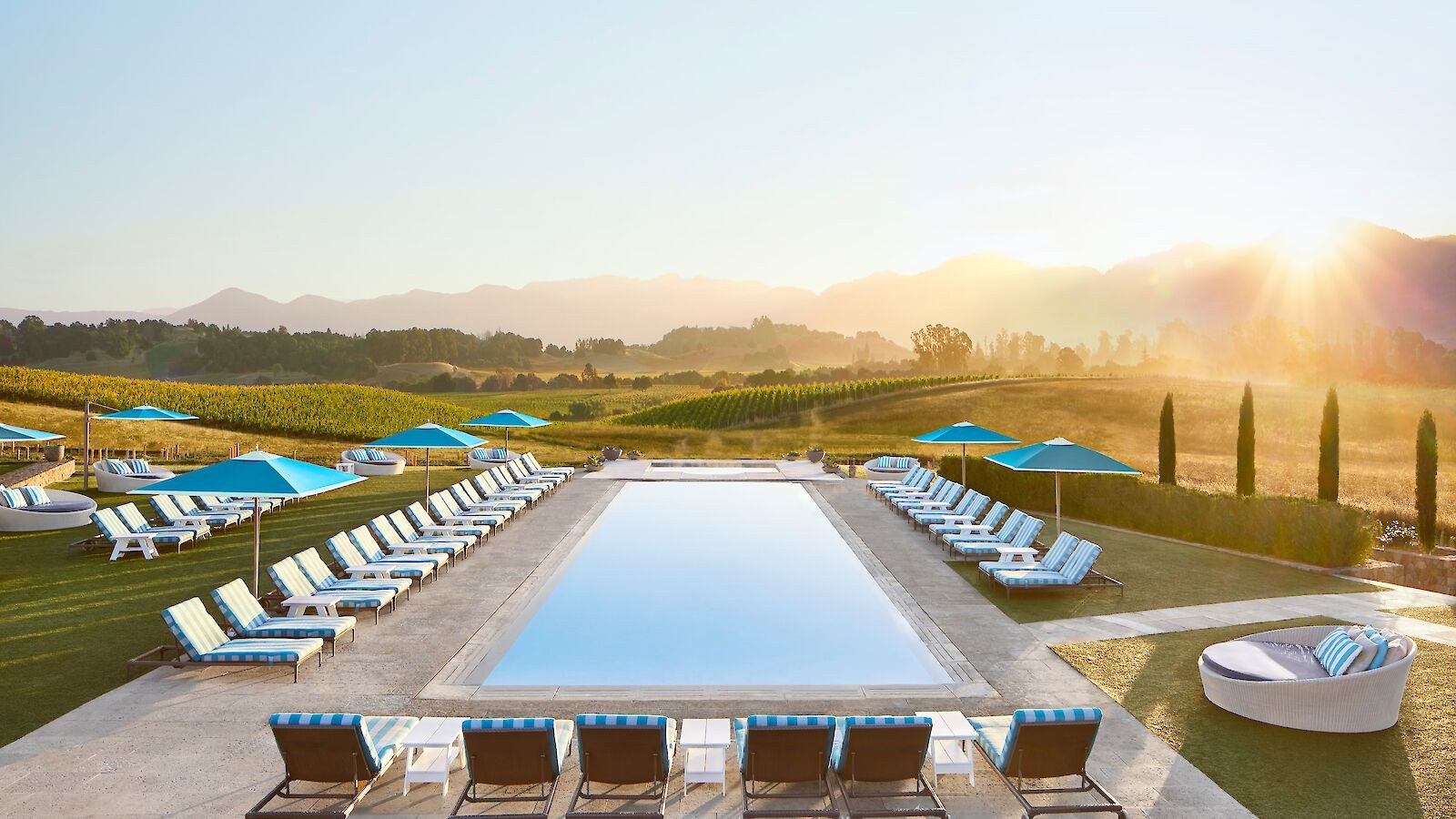
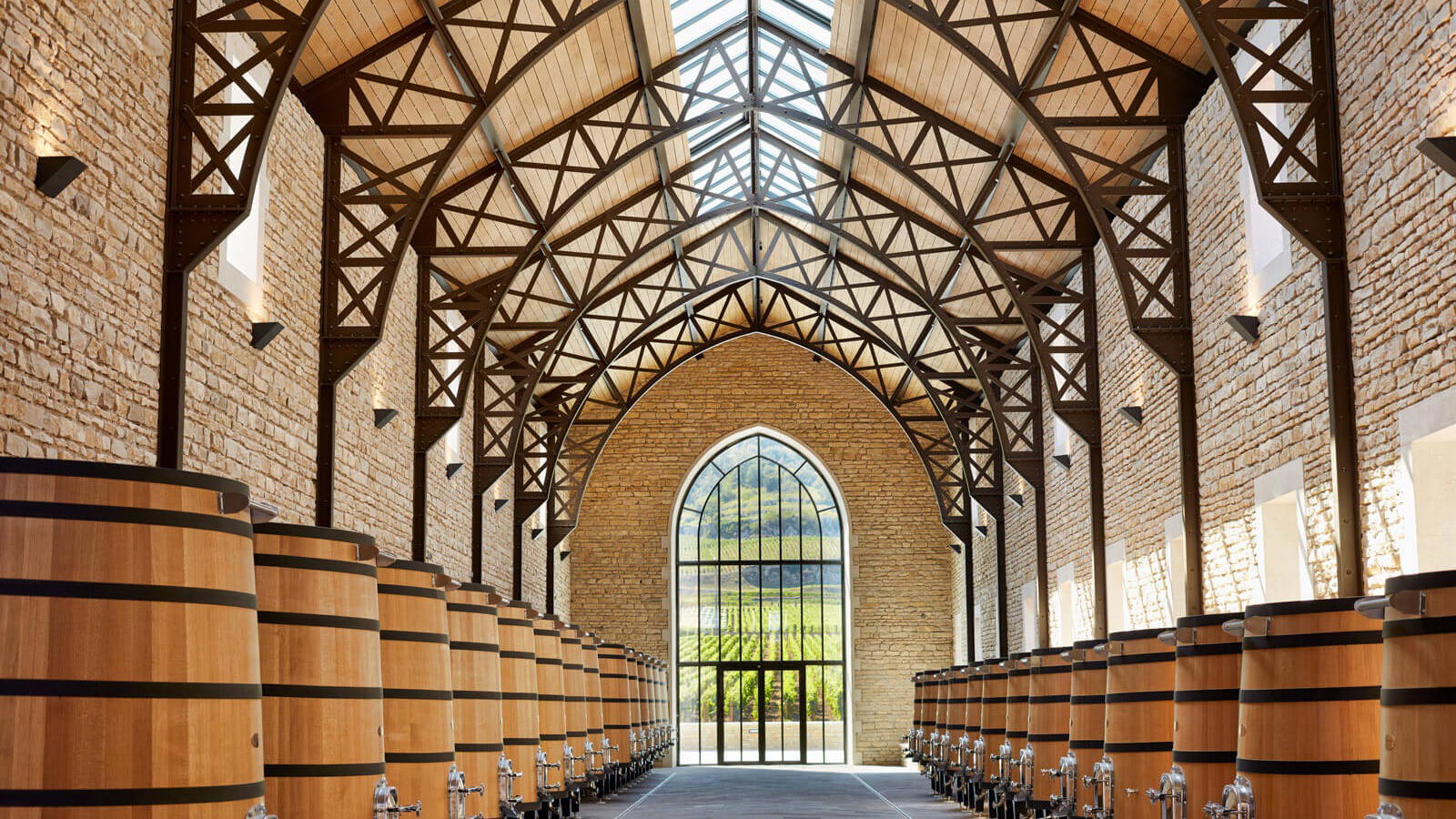
Opulent and plush with immense structure, purity of fruit, and silky tannins in an elegant, powerful setting amid historic vineyards.
Tags
Vibe
Best For
Experience
View
At the Vineyard
- Appellation
- Napa Valley AVA
- Varietals
- Cabernet Sauvignon
- Tour Duration
- 60-90 minutes
- Visits
- By appointment only
- Production
- Small producer
- Wine Styles
- Still Red
- Wine Club
- Available
Know before you go
Know Before You Go
- Getting there
- 80 Grapevine Ln, Napa, CA 94558
Planning details
Location
Recognition and awards

Also consider
Where to look if Schrader is not workable
If access is the obstacle, start with Farella Vineyard or Tournesol for a Napa winery plan that is easier to build around. If the group wants a more polished estate-style visit, compare Kenzo Estate, Jarvis Estate, and Palmaz Vineyards before dropping the date.
Winery context
How it compares for a Napa wine day
Choose Schrader Cellars when the priority is prestige Cabernet and collector relevance. Kenzo Estate, Jarvis Estate, and Palmaz Vineyards are better cross-shops for visitors who want a more conventional estate-led Napa experience, especially when the group needs the visit itself to carry the day rather than the bottle name.
For value and flexibility, Farella Vineyard and Tournesol are the more practical alternatives to check first. Schrader is the sharper pick for collectors; Farella Vineyard or Tournesol make more sense when the goal is a Napa stop that feels easier to plan around a restaurant booking, hotel check-in, or mixed-interest group.
Booking difficulty is the main divider. If access to Schrader is available, treat it as the anchor and arrange the day around it. If not, Kenzo Estate, Jarvis Estate, Palmaz Vineyards, Farella Vineyard, and Tournesol are the to consider before widening the search.
Around this place
Discover more on Pearl
Unlock the full Schrader Cellars guide in Pearl, including awards, comparisons, FAQs, planning details, and nearby places.
Compare Schrader Cellars
| Venue | Location | Awards |
|---|---|---|
| Schrader Cellars | Napa | 2026 Falstaff Winery Guide |
| Kenzo Estate | Napa | No published awards |
| Jarvis Estate | Napa | No published awards |
| Palmaz Vineyards | Napa | No published awards |
| Farella Vineyard | Napa | No published awards |
| Tournesol | Napa | No published awards |
How Schrader Cellars Napa compares with similar nearby venues.
FAQ
Frequently Asked Questions
What other venues are worth comparing with Schrader Cellars?
Kenzo Estate, Jarvis Estate, Palmaz Vineyards, Farella Vineyard, and Tournesol are natural names to compare when planning around Schrader Cellars in Napa.