

Alfred Gratien
Épernay
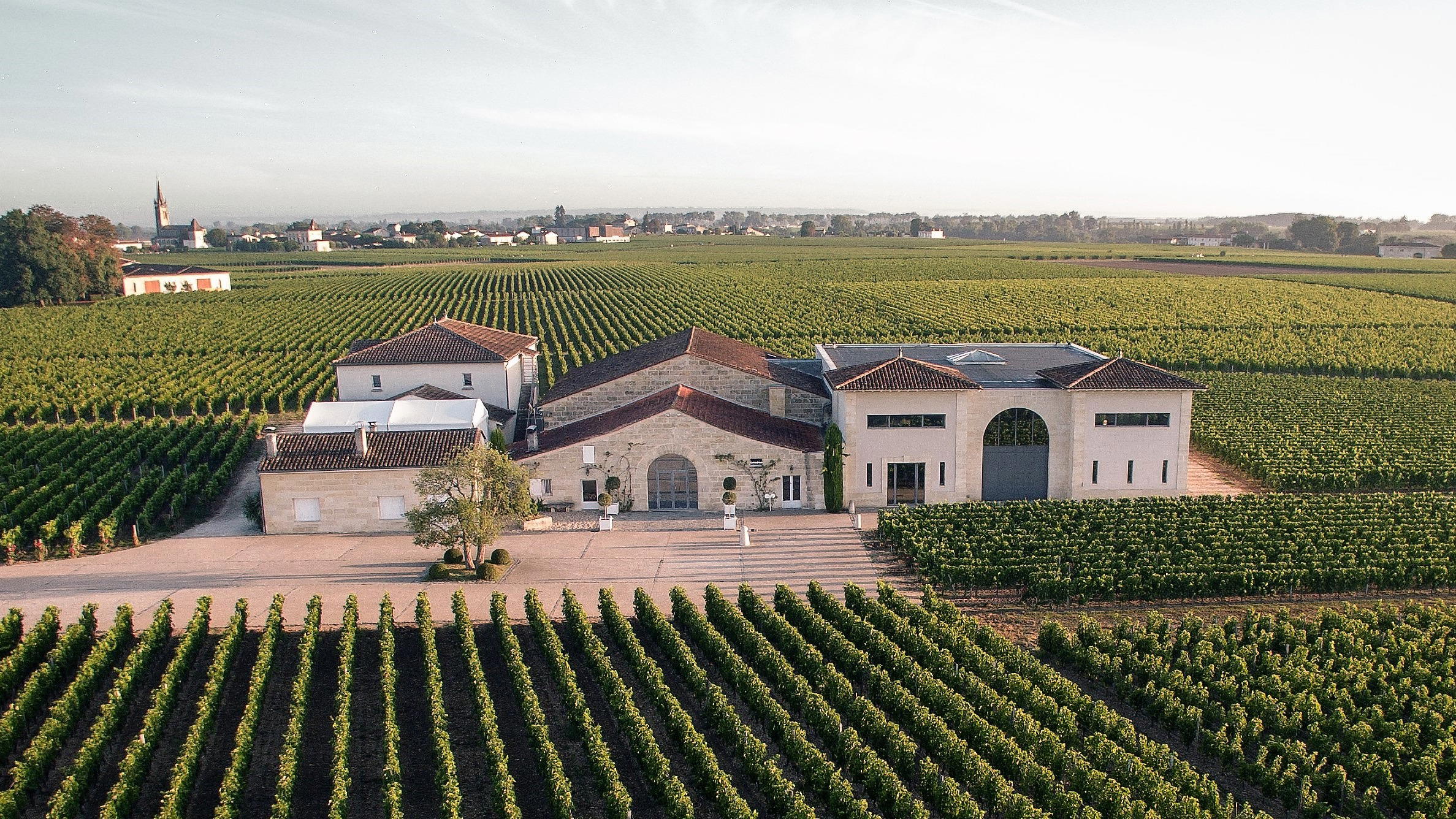
Winery in Épernay, France
 Book with Pearl
The Read
Traditional-Method Precision
Price
$50–100tasting
Why go
A bottle-first Épernay Champagne call for special occasions where the wine matters more than brand theatre. Alfred Gratien is strongest for small groups comparing serious bottles before buying or shipping, while Moët & Chandon and Perrier-Jouët make more sense for visitors who want a larger, more recognizable house experience.
About Alfred Gratien
In Épernay, Alfred Gratien is a venue to consider when you want to plan from clear details rather than assumptions. Nicolas Jaeger is listed as chef/owner, the dress code is smart casual, and the venue holds Pearl 4 Star Prestige recognition for 2025.
Because detailed public information is limited for menus, visit formats, prices, hours, or purchasing options, plan with those limits in mind. Alfred Gratien is best confirmed directly before arranging a special occasion, client stop, or tightly scheduled itinerary, then build the rest of the day around meals, bars, and hotels from Our full Épernay restaurants guide, Our full Épernay bars guide, and Our full Épernay hotels guide.
Book for the confirmed fit, not assumptions
The practical question is whether Alfred Gratien suits the kind of Épernay day you are planning. Its Pearl 4 Star Prestige recognition for 2025, Nicolas Jaeger's association with the venue, and a smart casual dress code make it worth considering for a polished stop, but they do not confirm a specific tasting, visit format, dining format, price point, or service schedule.
If you are comparing well-known names while planning, Moët & Chandon and Perrier-Jouët may be part of the same conversation. Pol Roger, Gosset, and Nicolas Feuillatte are also useful comparison points, depending on what you can confirm for the date you want. Use broader Épernay planning resources to decide how Alfred Gratien fits into the wider itinerary.
Who should choose it
Choose Alfred Gratien if you value a Pearl-recognized listing, are comfortable confirming practical details directly, and want a smart casual venue in Épernay with Pearl 4 Star Prestige recognition for 2025. Skip it as a default choice if your plan depends on a particular menu, visit format, lunch option, purchasing policy, or group setup.
For Épernay, start with availability and the type of experience each venue offers for your date. Alfred Gratien can sit alongside names such as Pol Roger, Gosset, Perrier-Jouët, Moët & Chandon, and Nicolas Feuillatte in a broader shortlist, while other dining in Épernay can handle meal planning if Alfred Gratien is not confirmed as a food stop.
Bottom line: consider Alfred Gratien for an Épernay plan, especially if confirmed Pearl recognition and a smart casual dress code matter to you. Confirm the operational details directly before treating it as the anchor of the day.
Planning details
- Location
- 30 Rue Maurice Cerveaux, 51200 Épernay
- Website
- alfredgratien.com
- Phone
- +33 3 26 56 30 30
The take
The Take
The Vibe
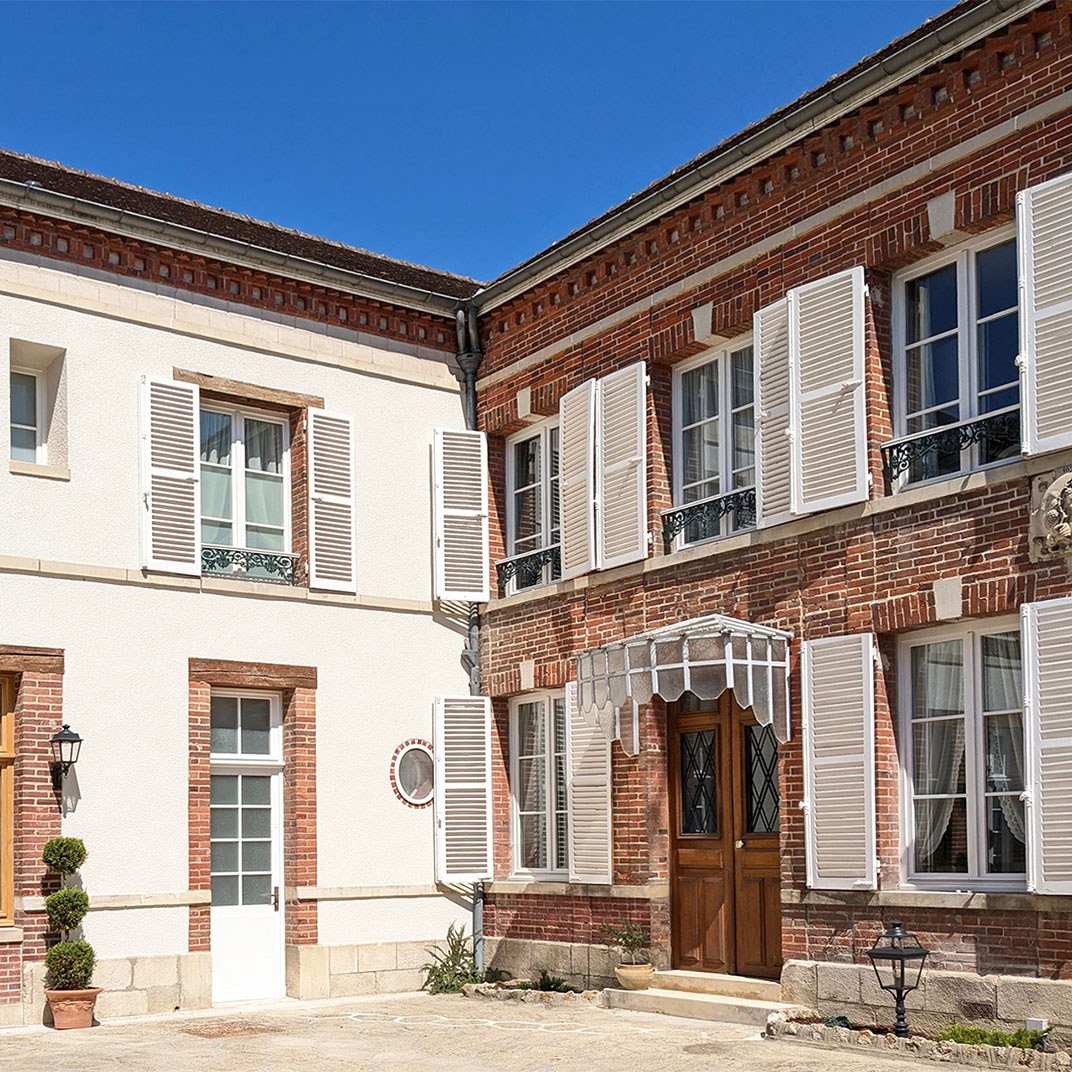
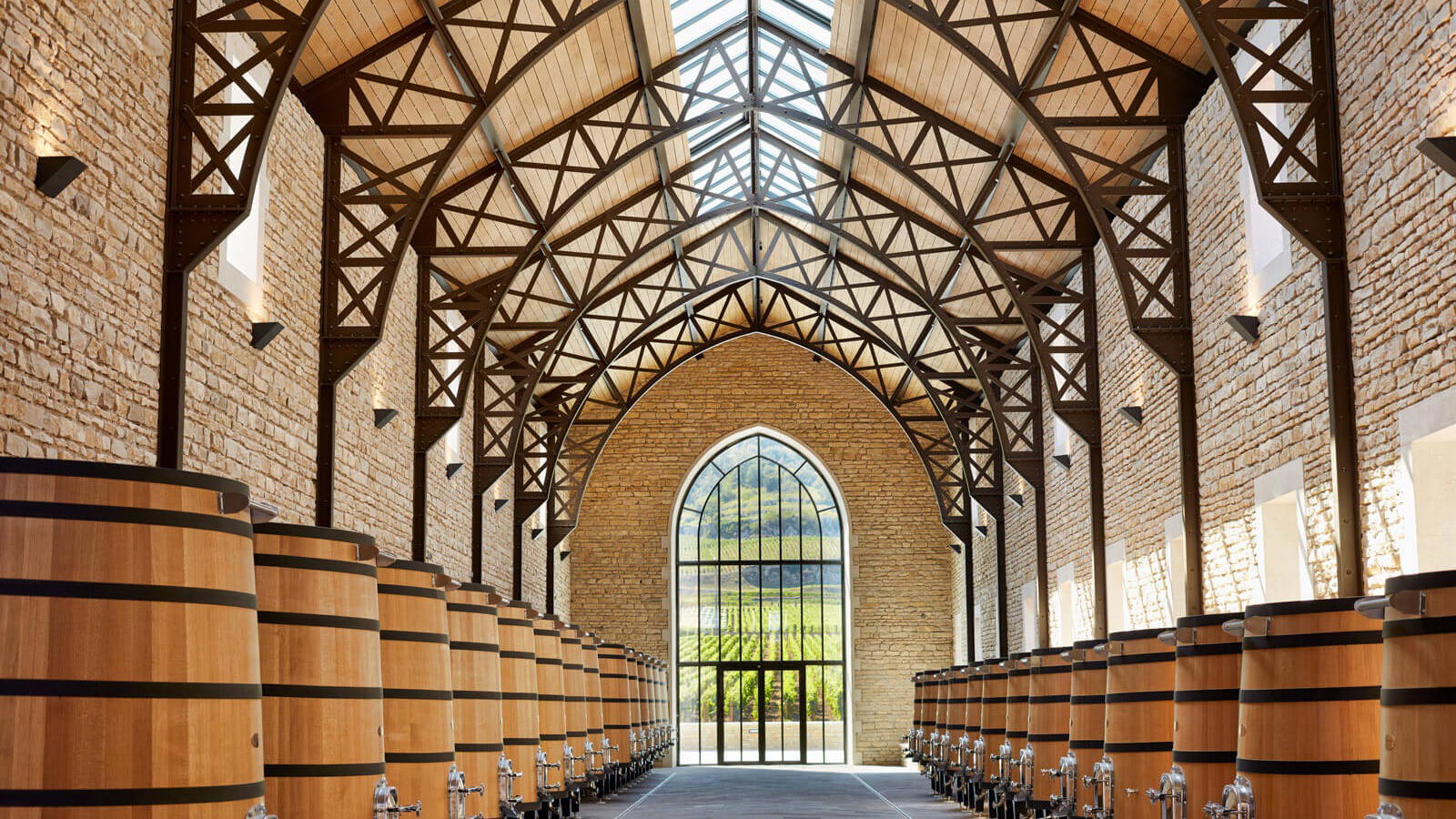
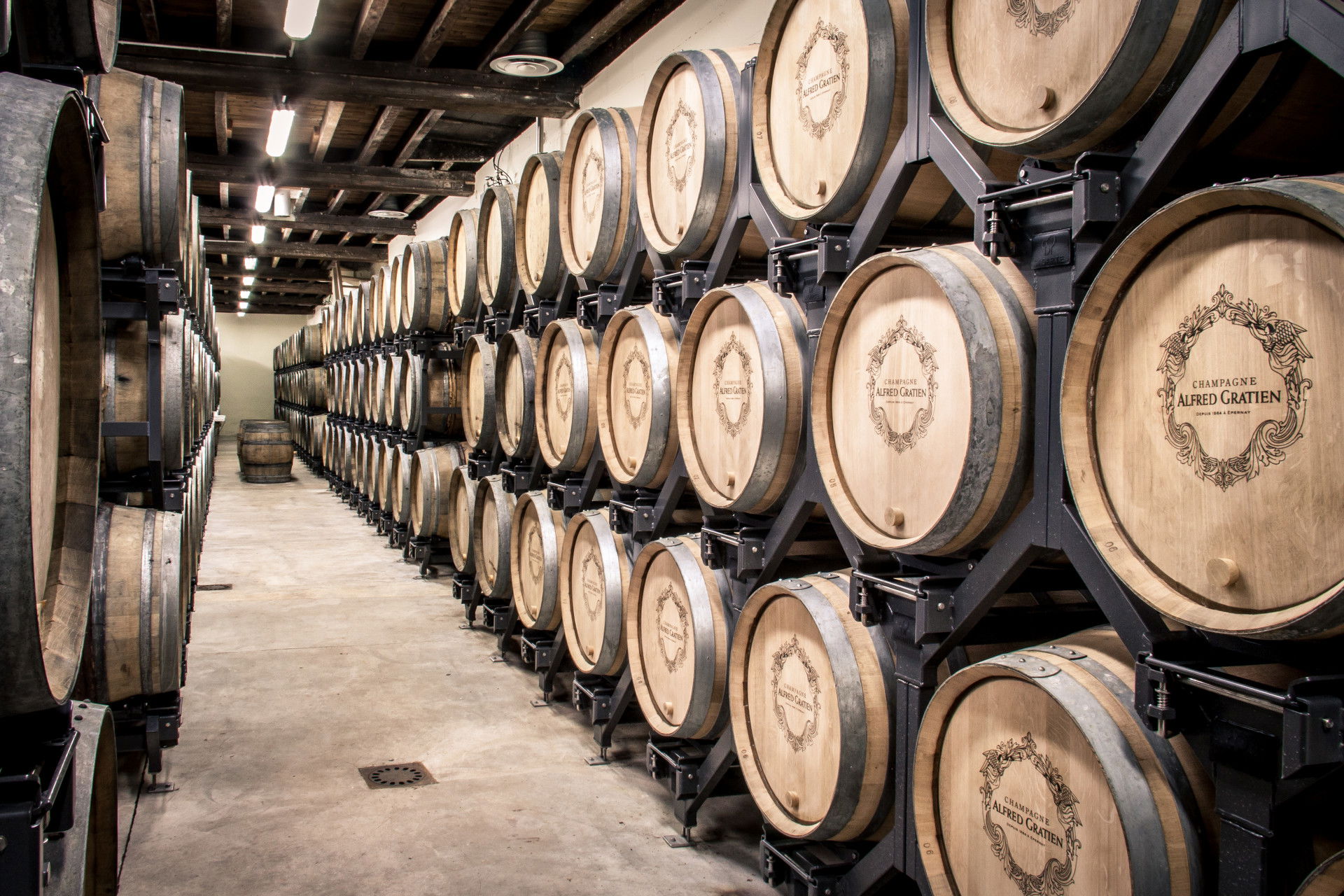
Alfred Gratien presents a quietly authoritative presence in Épernay: a small, historic house that favors time and technique over scale. Trading from the same address since 1864, the operation reads as artisanal rather than theatrical — you feel workmanship more than marketing. The house’s commitment to fermenting base wines in small oak casks yields textural complexity and subtle batch variation, and the narrative of hand-managed production under a named winemaker reinforces an intimate, considered character. It’s the sort of place that rewards attention to process and the pleasures of restrained, old‑world Champagne making.
Best For
This house is best for visitors who come to learn and to appreciate provenance: wine students, curious enthusiasts, and anyone planning a special-occasion visit to Épernay. The description emphasizes method and history rather than spectacle, so Alfred Gratien suits travelers seeking an educational, production-focused experience — people who value oak-fermented expressions, vintage nuance and the continuity of a long family of vintages. It’s less about big-brand pageantry and more about tasting the results of patient, small-scale winemaking.
Tasting Tips
When exploring Alfred Gratien’s offering, foreground the house’s method: ask about the wines fermented in small oak casks and how those lots differ from tank-fermented releases. The description highlights cask fermentation and the winemaker’s role in parcel and cask selection, so request details on which cuvées most clearly show oak influence and batch variation. Framing questions around production choices — cask size, parcel selection and vintage character — will yield the most informative conversation given the house’s artisanal focus.
Venue details
Ambiance
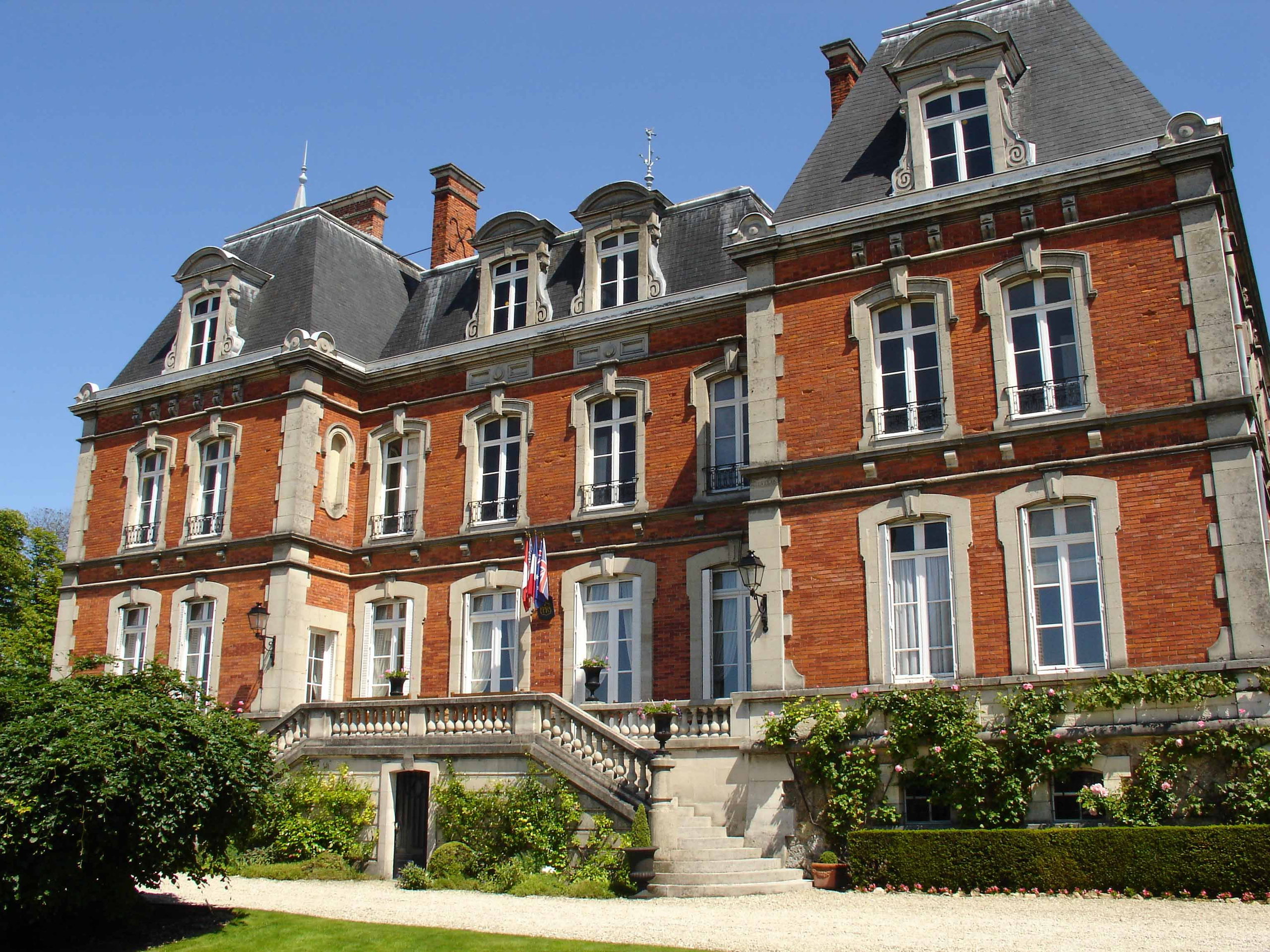
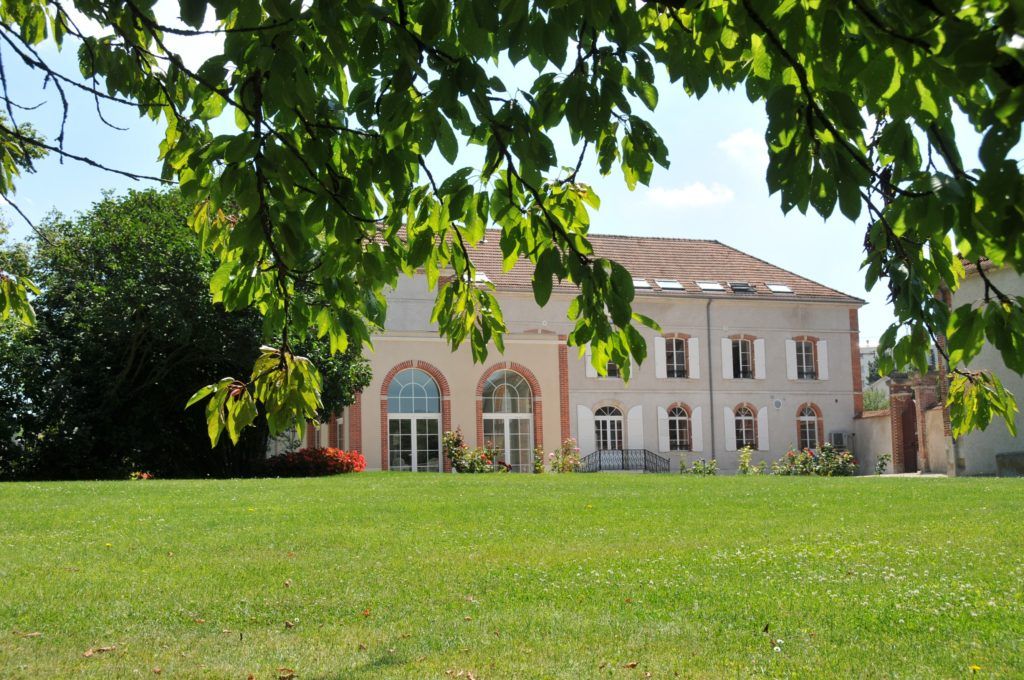
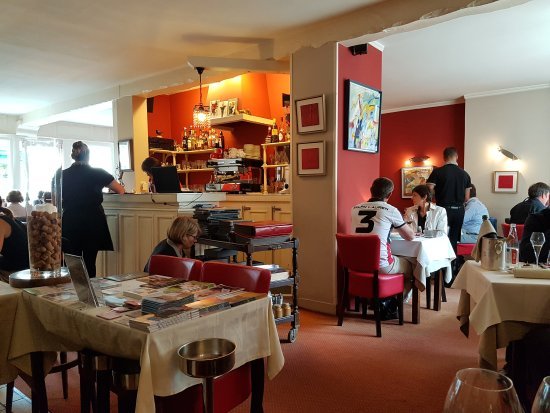
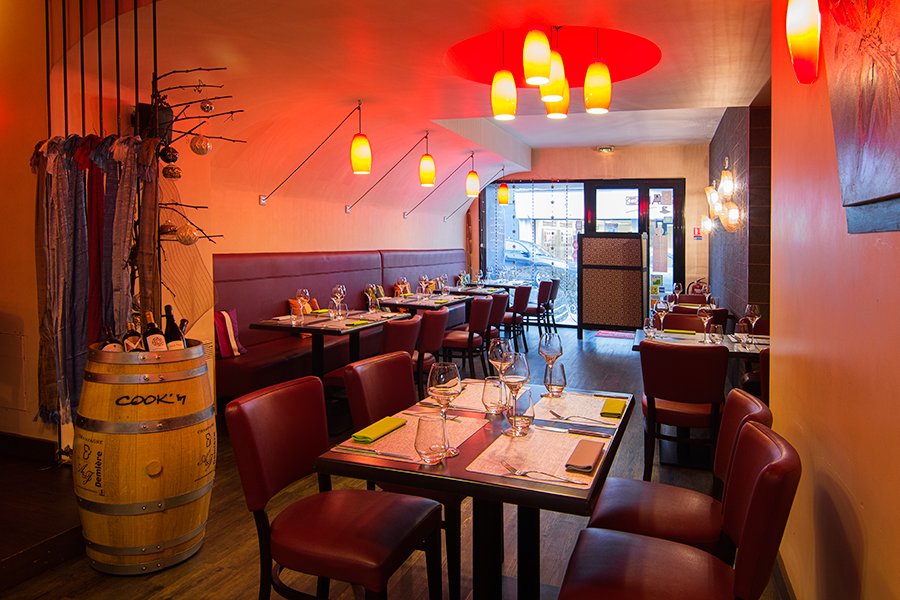
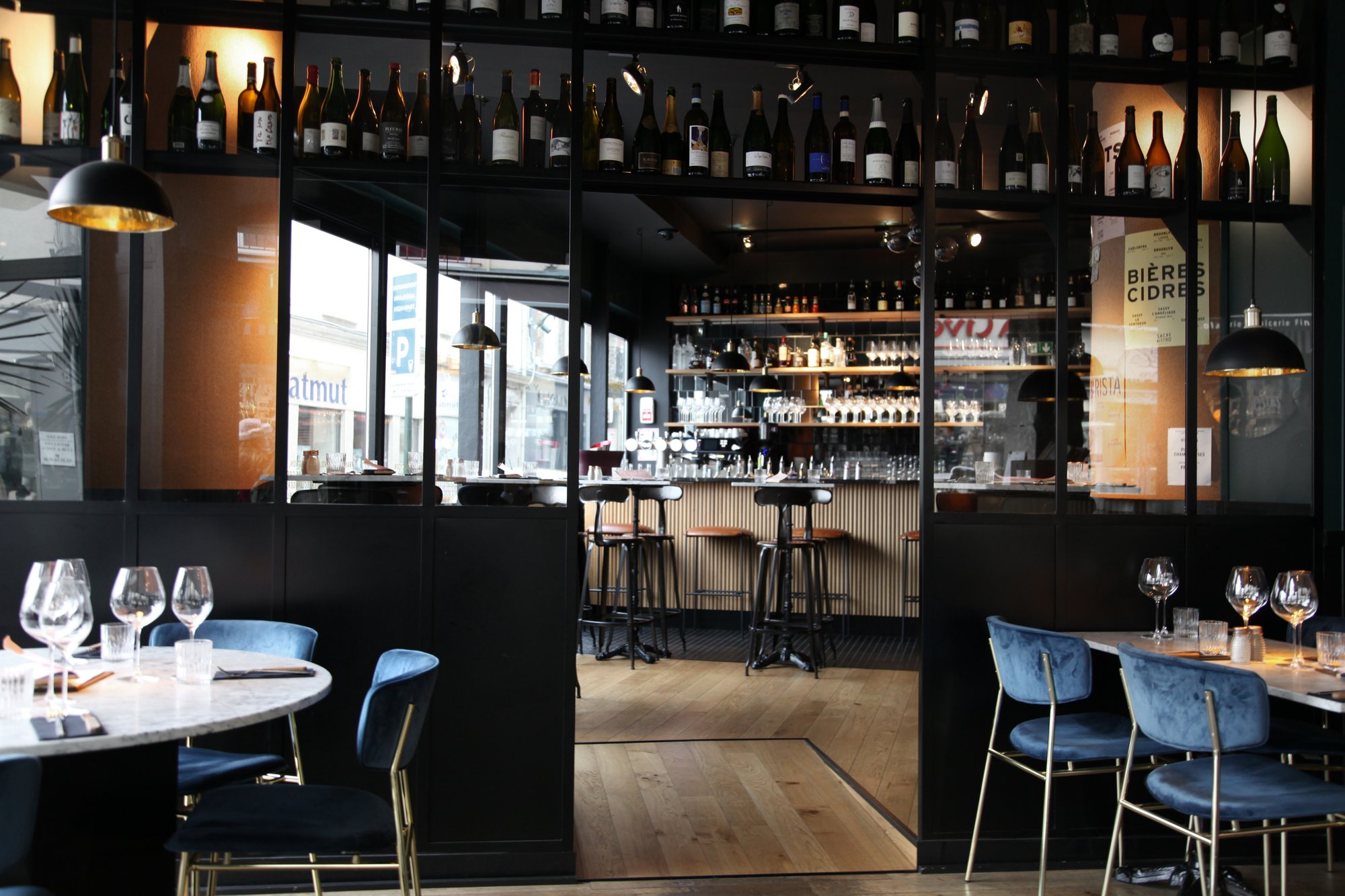
Intimate and historic atmosphere in century-old cellars dug into chalk with a prestigious wine store, featuring knowledgeable guides and generous tastings in a welcoming boutique setting.
Tags
Vibe
Best For
Experience
At the Vineyard
- Appellation
- AOC Champagne
- Varietals
- Chardonnay, Pinot Noir, Pinot Meunier
- Tour Duration
- 90 minutes
- Tour Languages
- French, English
- Visits
- By reservation
- Wine Styles
- Sparkling
- Food Pairing
- Offered
- Wine Club
- Not available
Know before you go
Know Before You Go
- Getting there
- 30 Rue Maurice Cerveaux, 51200 Épernay
Planning details
Location
Recognition and awards

Also consider
Also Consider
- Pol Roger, Notable alternative
- Gosset, Notable alternative
- Perrier-Jouët, Notable alternative
- Moët & Chandon, Notable alternative
- Nicolas Feuillatte, Notable alternative
Winery context
How Alfred Gratien compares in Épernay
Against Moët & Chandon and Perrier-Jouët, Alfred Gratien is the more bottle-focused choice. The larger houses are better for visitors who want name recognition, polished hospitality, and an easier group sell. Choose Alfred Gratien when the main decision is what Champagne is worth buying, not which address will impress the least wine-focused guest.
Pol Roger and Gosset are the closer cross-shops for serious drinkers. Pol Roger is the cleaner fit for classic-house prestige; Gosset is the better comparison if the group wants another historic Épernay producer rather than a mass-visibility stop. Alfred Gratien belongs in that more focused lane, especially for a date or client tasting where conversation around bottles matters.
Nicolas Feuillatte sits outside the immediate Épernay core, so it makes more sense for travelers willing to trade central convenience for a different scale of Champagne experience. If availability is tight at Alfred Gratien, cross-shop Pol Roger or Gosset first for a similar seriousness of purpose; use Moët & Chandon or Perrier-Jouët when the priority is a more familiar flagship visit.
Around this place
Discover more on Pearl
Unlock the full Alfred Gratien guide in Pearl, including awards, comparisons, FAQs, planning details, and nearby places.
Compare Alfred Gratien
| Venue | Location | Awards |
|---|---|---|
| Alfred Gratien | Épernay | 2026 Falstaff Winery Guide2025 Pearl 4 Star Prestige |
| Pol Roger | Épernay | 2026 Falstaff Winery Guide2025 Pearl 4 Star Prestige |
| Gosset | Épernay | 2026 Falstaff Winery Guide2025 Pearl 4 Star Prestige |
| Perrier-Jouët | Épernay | 2026 Falstaff Winery Guide2025 Pearl 3 Star Prestige |
| Moët & Chandon | Épernay | 2026 Falstaff Winery Guide2025 World's 50 Best Vineyards · #572025 Pearl 3 Star Prestige |
| Nicolas Feuillatte | Chouilly | 2026 Falstaff Winery Guide2025 Pearl 3 Star Prestige |

How Alfred Gratien Épernay compares with similar nearby venues.
FAQ
Frequently Asked Questions
Do I need a reservation at Alfred Gratien?
What other venues should I compare with Alfred Gratien?
Pol Roger, Gosset, Perrier-Jouët, Moët & Chandon, and Nicolas Feuillatte are the clearest comparison names for planning around Alfred Gratien. Use availability and the type of experience each venue offers for your date to decide how to structure the itinerary.
Are membership or repeat-visit benefits confirmed at Alfred Gratien?
If membership or repeat-visit benefits matter to you, ask Alfred Gratien directly before making a decision.
Does Alfred Gratien serve food?
Plan meals separately in Épernay unless Alfred Gratien directly confirms a dining option for your visit.