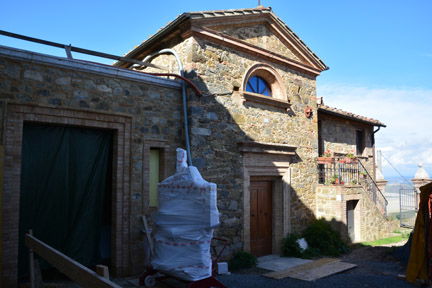


Cerbaiona
Cerbaia contrada, Montalcino
Winery in Montalcino, Italy
 Book with Pearl
The Read
Classical Brunello Continuity
Why go
Cerbaiona is for Brunello-focused travelers, not casual tasting-room shoppers. Prioritize it if bottle access, cellar reputation, and a focused Montalcino visit matter more than food service or broad hospitality; otherwise cross-shop larger peers such as Biondi-Santi Tenuta Greppo, Casanova di Neri, or Altesino for a more conventional first winery day.
About Cerbaiona
Cerbaiona is a Montalcino venue with a limited public profile. Matthew Fioretti is the chef/owner, the dress code is smart casual, and Cerbaiona holds 4 Star Prestige recognition for 2025. Details regarding a specific menu, service format, price point, opening schedule, or visitor experience are not available.
Details and planning
Key facts include the venue name, its location in Montalcino, the chef/owner Matthew Fioretti, and a smart casual dress code. Cerbaiona is also recognized with 4 Star Prestige in 2025. These make it a notable Montalcino venue, but details such as cuisine, dishes, beverage program, tasting format, reservations process, hours, or pricing are not available.
For planning, confirm details directly with Cerbaiona before making a special trip. If you need a particular dining format, accessibility detail, dietary accommodation, or timed service, confirm it with the venue rather than relying on assumptions.
How to plan a Montalcino visit
Given the limited information available, the safest approach is to build any Montalcino plan around arrangements you have confirmed. Check the current schedule, availability, and any requirements before you go. Smart casual dress is the suggested dress guidance.
If your day in Montalcino depends on a specific experience, such as a meal, a tasting, a private visit, or a particular style of service, confirm that separately. Such details are not available here for Cerbaiona.
How to place it against Montalcino peers
For comparison planning, Cerbaiona can be considered alongside Altesino, Azienda Agricola Casanova di Neri di Giacomo Neri, Biondi-Santi Tenuta Greppo, Poggio di Sotto, and Valdicava Az Agr. Use these names as reference points when organizing an itinerary, while confirming the current details for each venue individually.
The verdict: Cerbaiona is a 4 Star Prestige Montalcino venue with Matthew Fioretti as chef/owner and a smart casual dress code. Plan with these facts in mind, and confirm any service, menu, timing, or visit-specific details directly before committing your day.
Planning details
- Location
- 53024 Montalcino, Province of Siena
- Website
- cerbaiona.com
- Phone
- +393429057826
The take
The Take
The Vibe
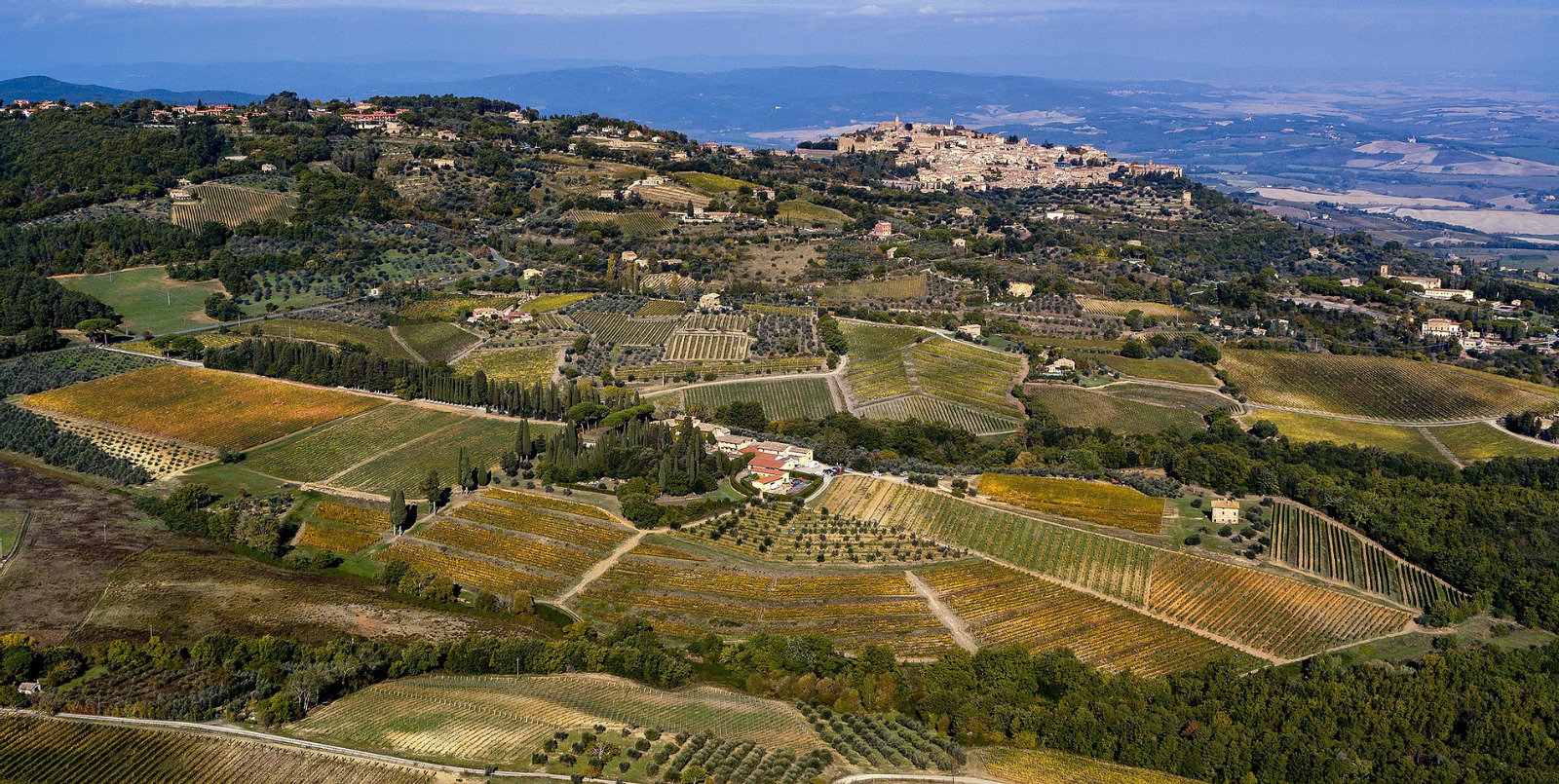
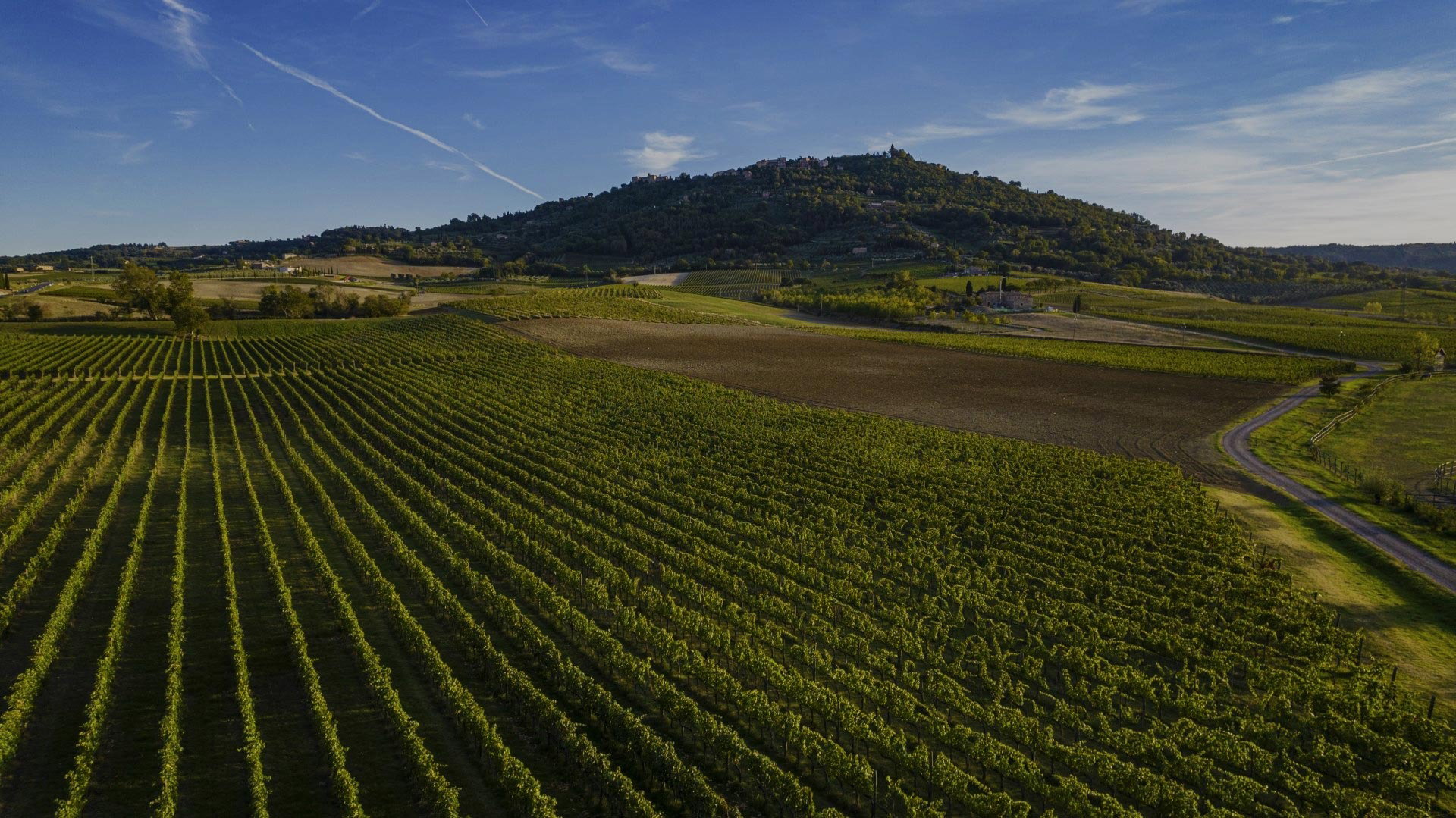
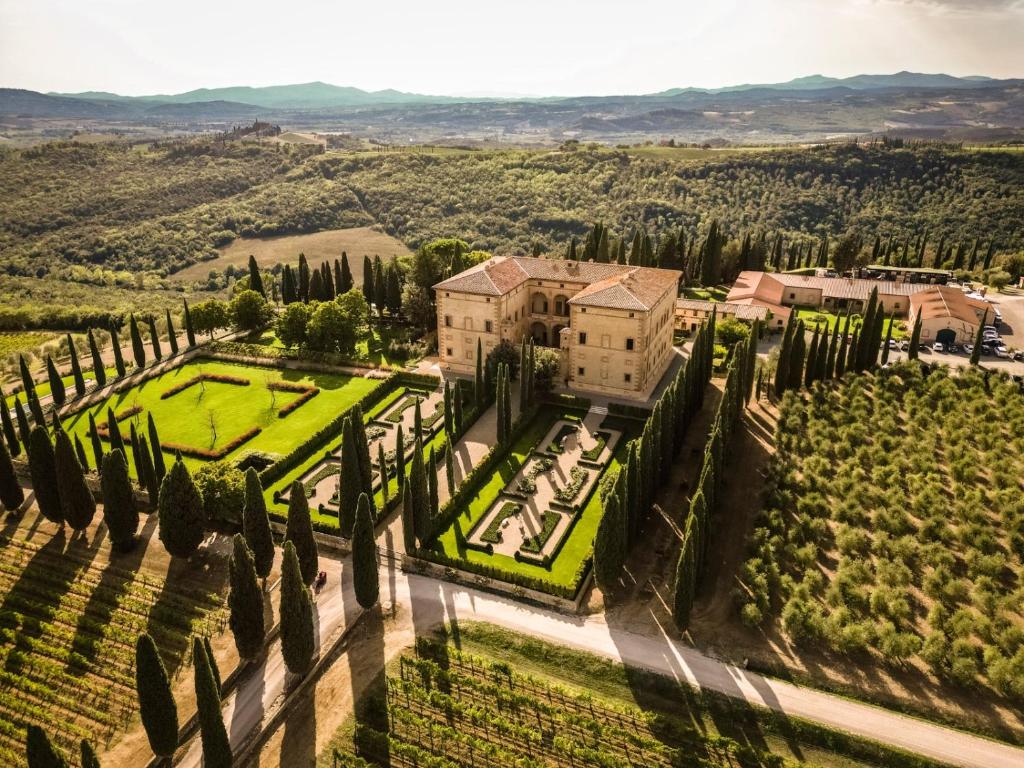
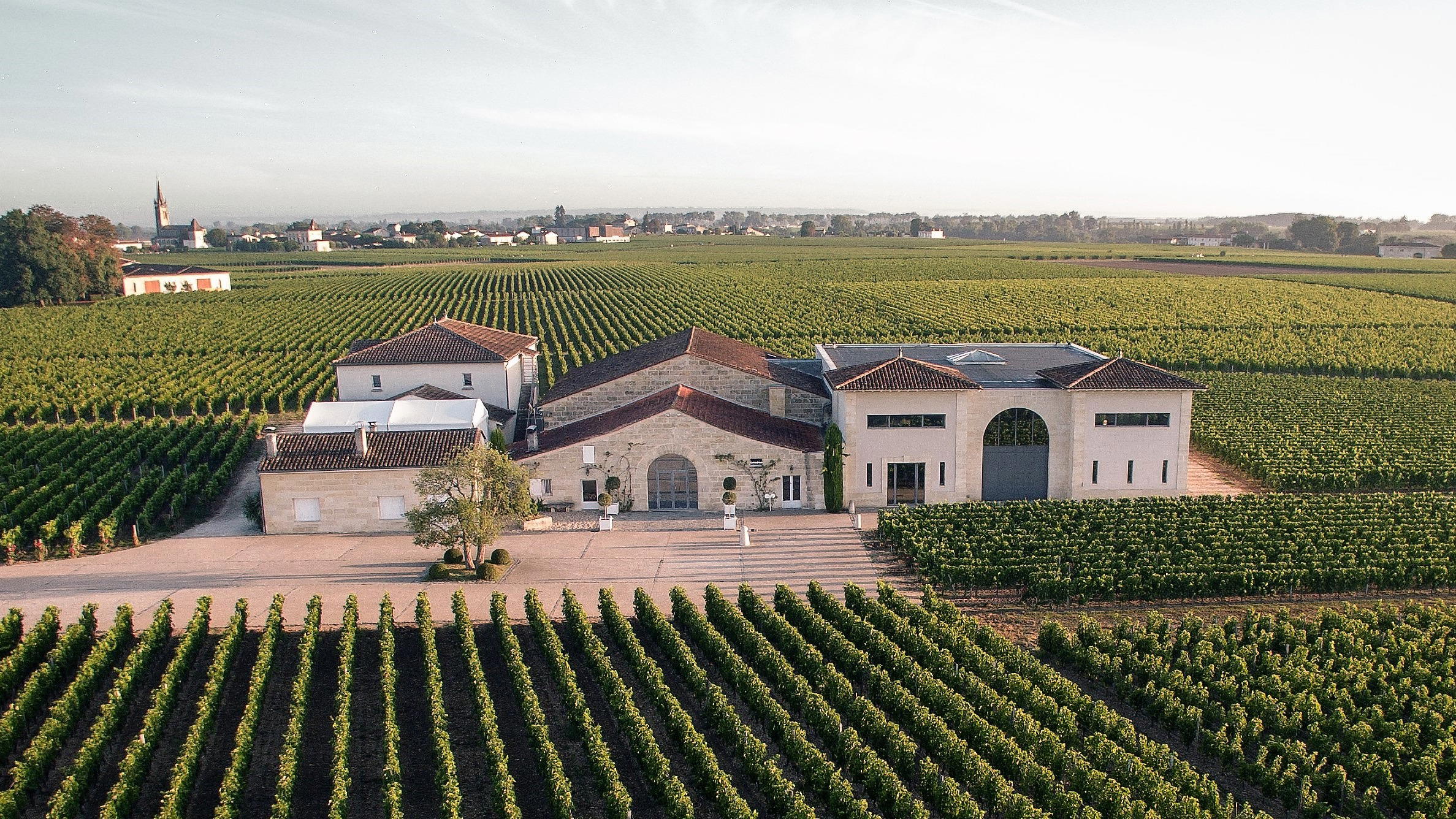
Cerbaiona sits quietly on a Montalcino hillside, the kind of small estate that rewards patient attention. The copy foregrounds soil, slope and altitude—galestro, clay and compacted tufo—so the place reads as a study in terroir rather than spectacle. It feels intimate and restrained: not a production behemoth but a focused producer whose identity is tied to parcel-level differences. Visitors encounter a serene, rural rhythm where the landscape and its vine plantings do the talking, and the overall tone is one of thoughtful, tradition-minded winemaking rather than flash.
Best For
Cerbaiona is best for wine-minded travelers and quieter getaways. The estate is tailored to people who want to understand Brunello di Montalcino as a map of exposures and soils—students of terroir, single-varietal devotees and couples seeking a contemplative escape. It suits special-occasion visits that center on tasting and learning about Sangiovese parcels, rather than loud group outings or mass-tourism stops. The small-estate scale also makes it a good fit for focused wine-education itineraries through Montalcino's varied hillside bands.
Tasting Tips
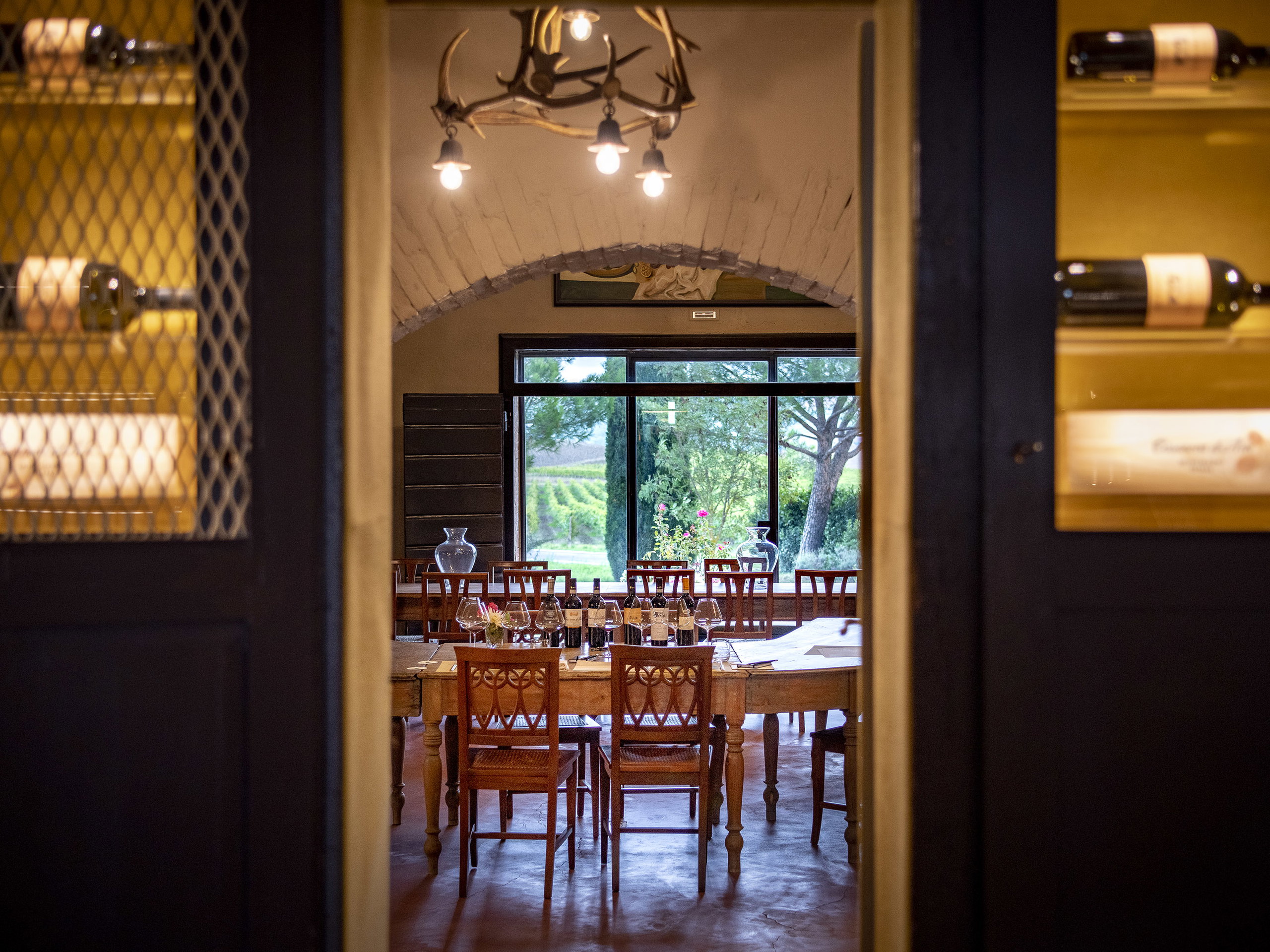
When approaching Cerbaiona, center your tasting on Brunello di Montalcino and ask how altitude, exposure and soil differences shape each parcel's expression. The write-up highlights parcel-level variation and the estate’s positional biography, so request wines or notes that illustrate galestro versus clay or tufo sites and compare vintages if available. Rather than seeking large-production styles, look for bottlings that emphasize site specificity and traditional intent—these will best reflect the arguments the text makes about place and winemaking.
Venue details
Ambiance
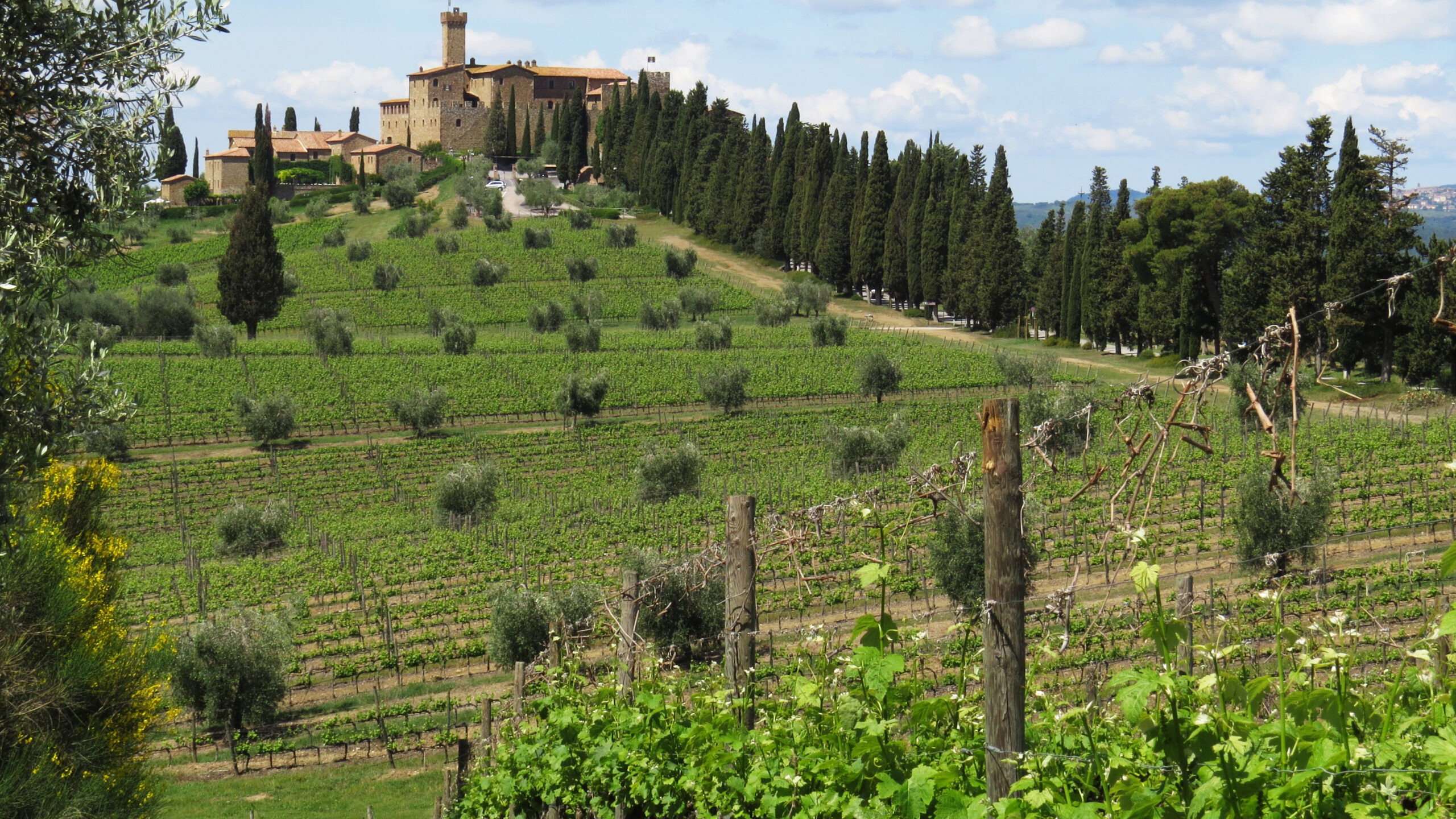
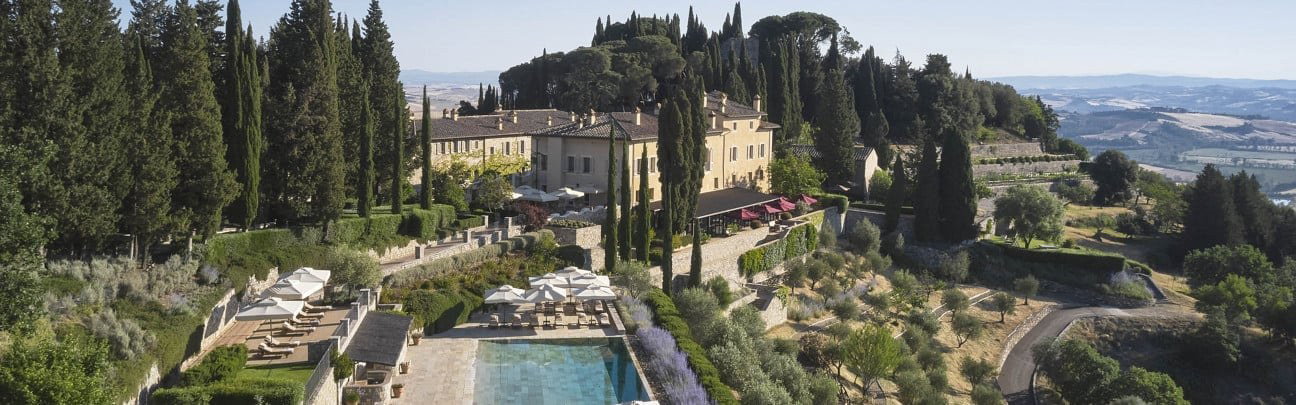
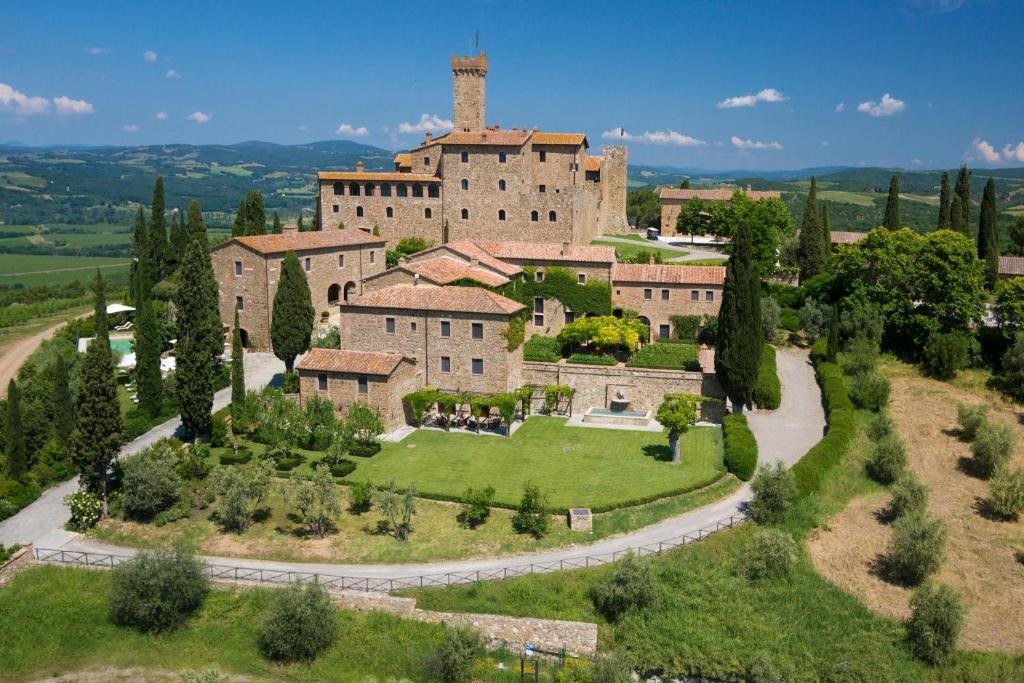
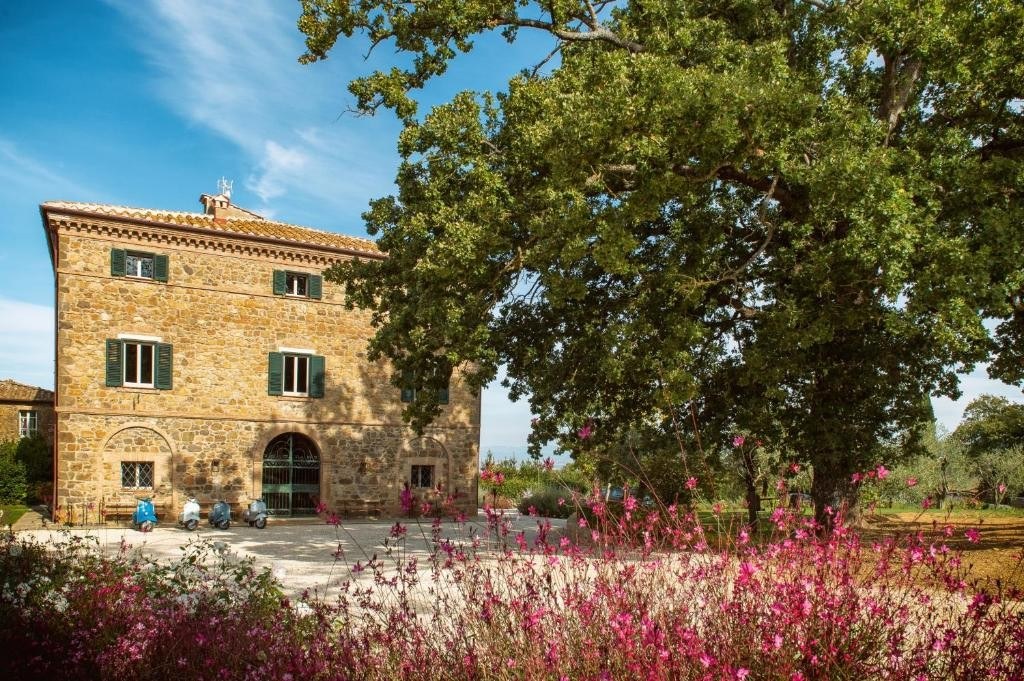
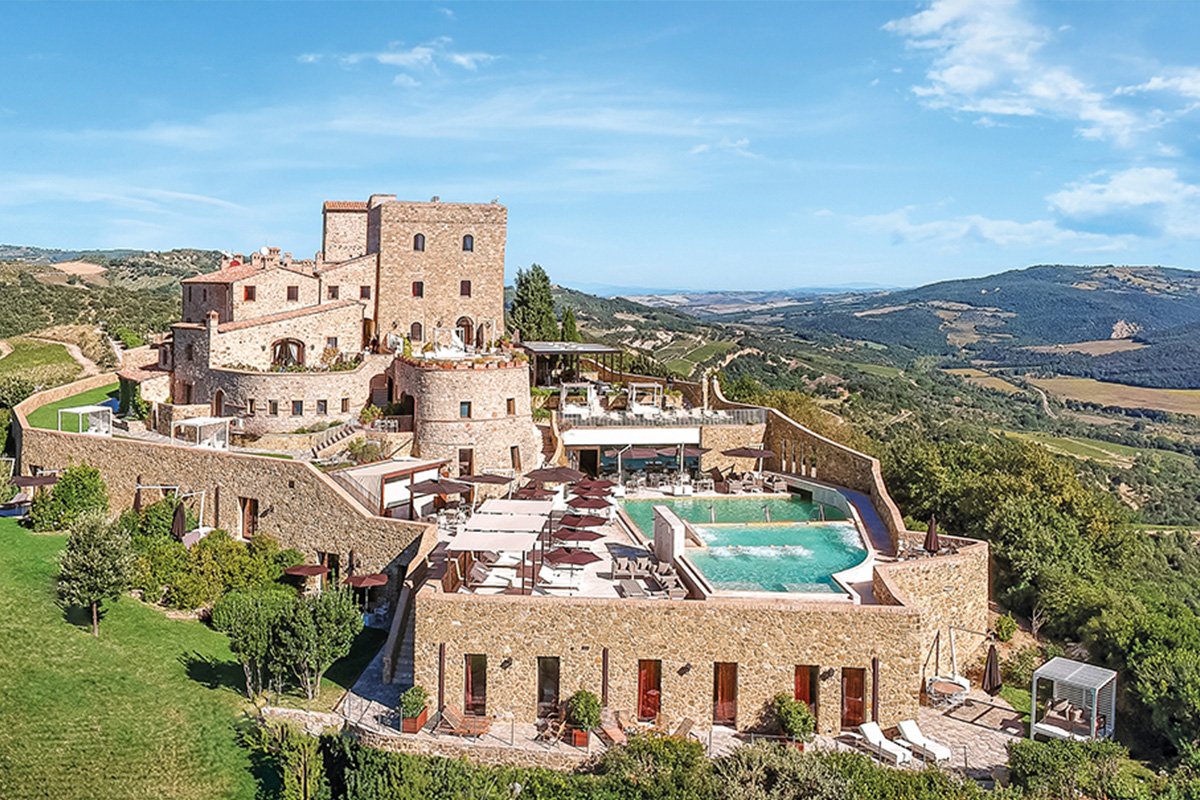
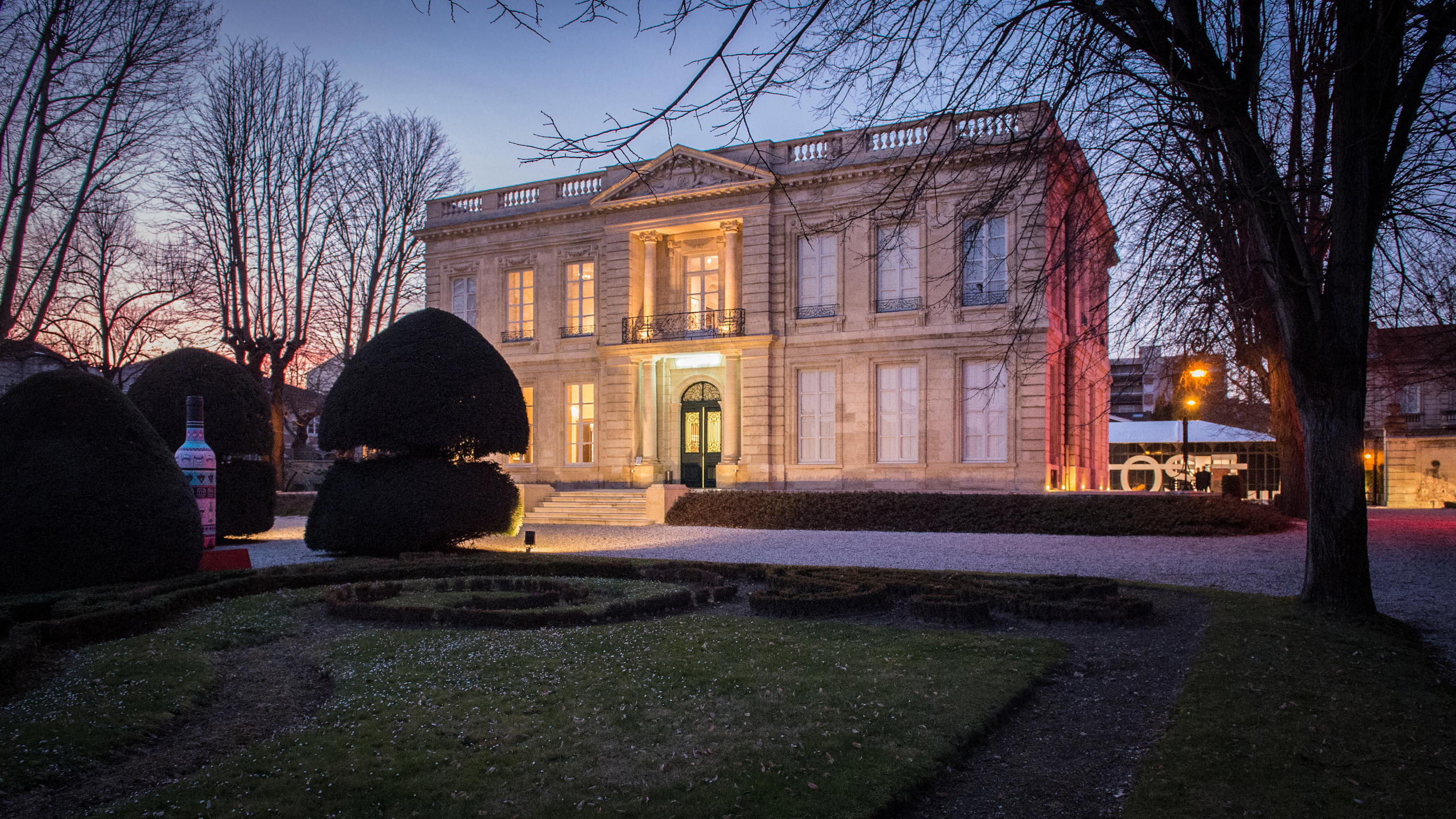
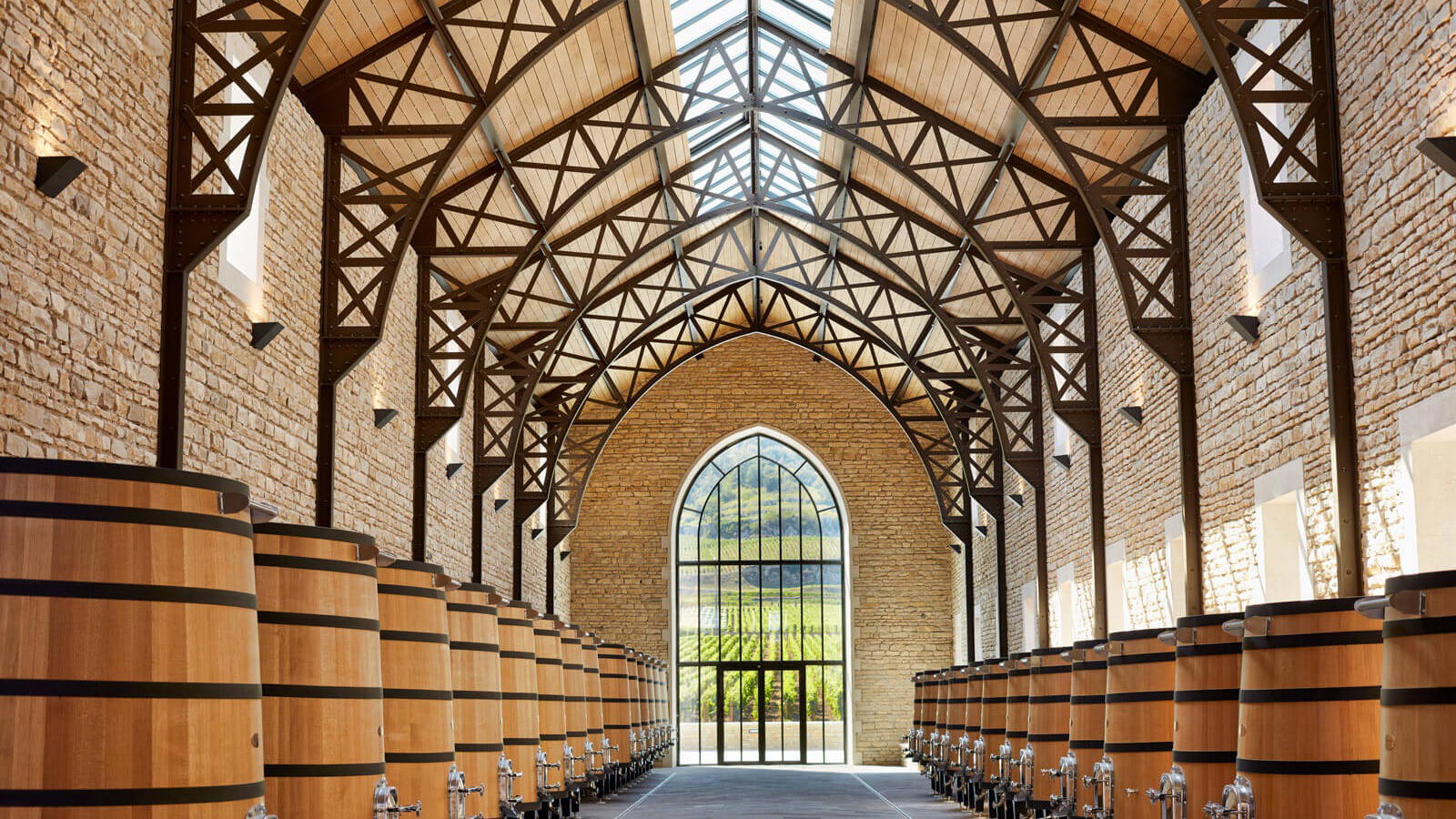
Historic and refined, with a renaissance garden and panoramic views toward Pienza and Monte Amiata from 400 meters elevation; recently modernized winery with state-of-the-art technology integrated beneath the property.
Tags
Vibe
Best For
Experience
Sourcing
View
At the Vineyard
- Appellation
- Brunello di Montalcino DOCG
- Varietals
- Sangiovese Grosso, Sangiovese
- Tour Languages
- English
- Visits
- By appointment only
- Farming
- Biodynamic
- Wine Styles
- Still Red
- Shipping
- Available
- Wine Club
- Available
Know before you go
Know Before You Go
- Getting there
- 53024 Montalcino, Province of Siena
Planning details
Location
Recognition and awards

Also consider
If Cerbaiona is not available
Try Biondi-Santi Tenuta Greppo if the trip needs a Brunello reference point with deep regional context. For a more accessible second option, Altesino is the safer cross-shop for groups that want a smoother winery day rather than a tightly focused collector visit.
Winery context
How Cerbaiona compares in Montalcino
Cerbaiona is the pick for collectors who care about Brunello allocation and a quieter, wine-first visit. Biondi-Santi Tenuta Greppo is the stronger choice for first-timers who want the historical reference point for the region, while Azienda Agricola Casanova di Neri di Giacomo Neri makes more sense for travelers who want a broader modern Montalcino comparison.
For ambiance, Cerbaiona reads as smaller and more focused than the bigger-name estates. Altesino is the easier recommendation when the group wants a smoother visitor experience, while Poggio di Sotto is the better cross-shop for drinkers who want another serious, terroir-led Brunello address. Valdicava Az Agr belongs in the same conversation for travelers building a concentrated collector itinerary rather than a relaxed tasting loop.
On value for money, the question is not tasting-room polish; it is whether the visit improves the reader's buying decision. If the answer is yes, Cerbaiona earns the slot. If the group wants easier logistics, broader hospitality, or a more conventional winery visit, start with Altesino or Casanova di Neri and use Cerbaiona only if access is firmly confirmed.
Around this place
Discover more on Pearl
Unlock the full Cerbaiona guide in Pearl, including awards, comparisons, FAQs, planning details, and nearby places.
Compare Cerbaiona
| Venue | Location | Awards |
|---|---|---|
| Cerbaiona | Montalcino | 2026 Falstaff Winery Guide2025 Pearl 4 Star Prestige |
| Azienda Agricola Casanova di Neri di Giacomo Neri | Montalcino | 2026 Falstaff Winery Guide2025 World's 50 Best Vineyards · #87 |
| Biondi-Santi Tenuta Greppo | Montalcino | 2026 Falstaff Winery Guide2025 Pearl 5 Star Prestige |
| Valdicava Az Agr | Montalcino | No published awards |
| Poggio di Sotto | Montalcino | 2025 Pearl 4 Star Prestige |
| Altesino | Montalcino | 2026 Falstaff Winery Guide |

How Cerbaiona Montalcino compares with similar nearby venues.
FAQ
Frequently Asked Questions
What venues can be compared with Cerbaiona?
Useful comparison names for Cerbaiona include Biondi-Santi Tenuta Greppo, Poggio di Sotto, Valdicava Az Agr, Altesino, and Azienda Agricola Casanova di Neri di Giacomo Neri. Confirm current details for each venue before planning an itinerary.
What is the flagship wine at Cerbaiona?
Information about a flagship wine for Cerbaiona is not available. Cerbaiona is in Montalcino, Matthew Fioretti is the chef/owner, the dress code is smart casual, and the venue holds 4 Star Prestige recognition for 2025.
Does Cerbaiona serve food?
Food service details for Cerbaiona are not available. If dining, dietary needs, or a specific service format matter to your visit, confirm directly with the venue before you go.
What is Cerbaiona known for?
Cerbaiona is listed in Montalcino with Matthew Fioretti as chef/owner and 4 Star Prestige recognition for 2025. The dress code is smart casual.