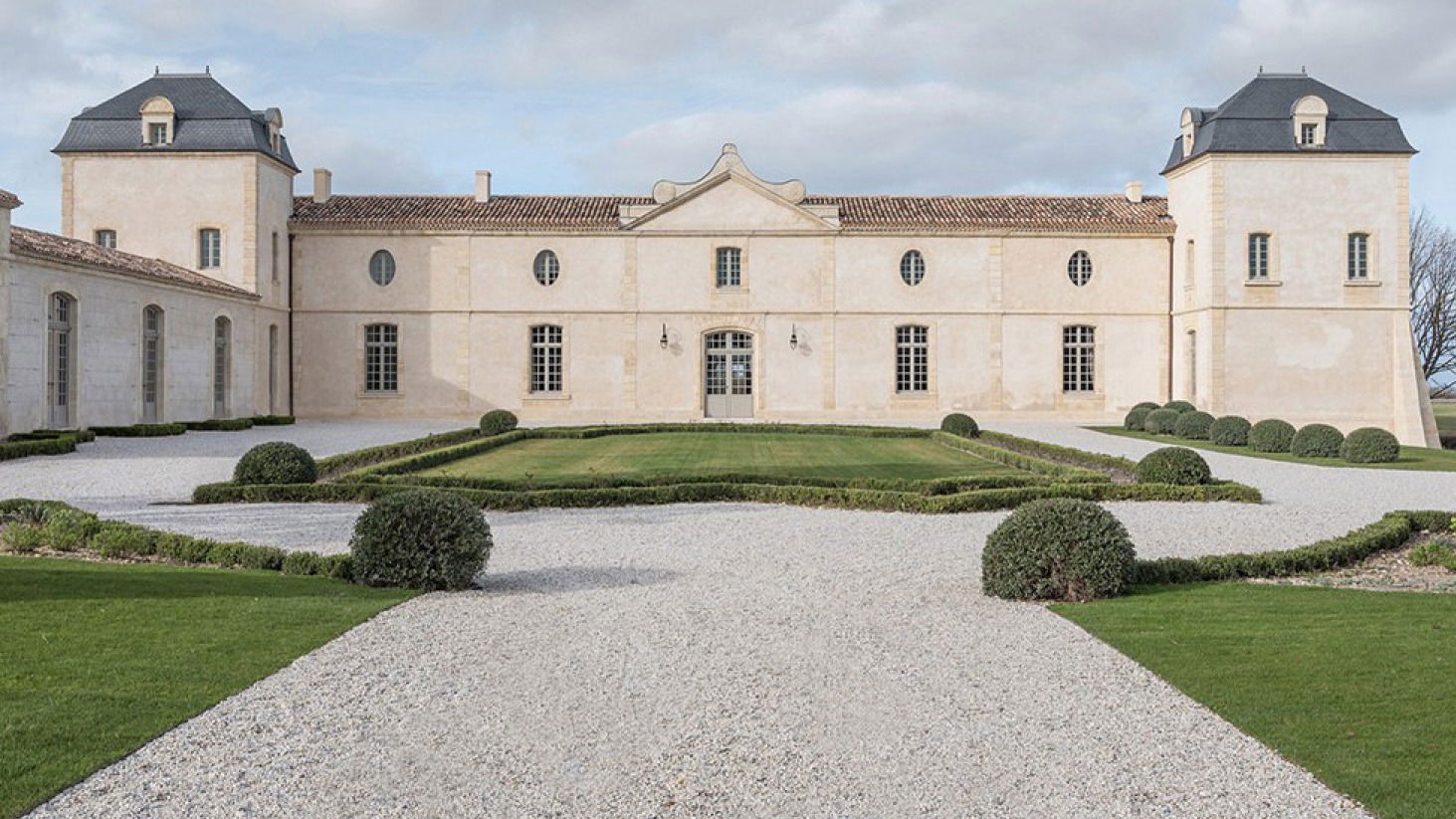


Château Calon Ségur
Saint-Estèphe
Winery in Saint-Estèphe, France
 Book with Pearl
The Read
Clay-Driven Cabernet Precision
Why go
Château Calon Ségur is worth prioritizing for serious Saint-Estèphe buyers who care about flagship bottles and cellar context. Access is highly constrained, so it works better as the anchor of a wine-focused itinerary than as a casual stop; if timing is tight, cross-shop Montrose, Cos d'Estournel, Haut-Marbuzet, or Lafon-Rochet.
About Château Calon Ségur
Château Calon Ségur is a Saint-Estèphe venue with Vincent Millet identified as chef/owner and a smart casual dress code. It is also recognized with Pearl 4 Star Prestige (2025). For travelers comparing notable names, it can be considered alongside Château Montrose, Château Cos d'Estournel, Château Haut-Marbuzet, and Château Lafon-Rochet. Always confirm specific visit format, menu, tasting structure, hospitality, or purchasing arrangements directly with the venue. Its Saint-Estèphe location, leadership, dress expectation, and Pearl recognition are firm reference points. Guests should confirm practical experience details directly with the venue.
Planning Your Visit
Château Calon Ségur is in Saint-Estèphe, Vincent Millet is listed as chef/owner, the dress code is smart casual, and Pearl recognizes it as 4 Star Prestige (2025). Guests should confirm the current format, availability, and any on-site arrangements before planning their visit. This is especially important when a venue name carries enough weight to influence a full itinerary, because reputation alone does not confirm the details that determine how a day will actually work.
Direct confirmation is the safest approach. Do not assume a particular schedule, hospitality format, food offering, group capacity, or retail arrangement. If your plans depend on timing or a specific experience, compare your options with Château Haut-Marbuzet and Château Lafon-Rochet, or consider other Saint-Estèphe venues generically before finalizing the day. A careful plan should prioritize confirmed information over assumptions, particularly when coordinating transport, meals, or a group with different priorities.
Where it fits in a Saint-Estèphe trip
For a Saint-Estèphe itinerary, Château Calon Ségur is best treated as a high-priority name whose practical details should be confirmed in advance. Château Montrose, Château Cos d'Estournel, Château Haut-Marbuzet, and Château Lafon-Rochet are natural points of comparison for travelers organizing time in the area, but each venue should be checked directly for its current arrangements. That comparison is most helpful when it is practical rather than speculative: confirm what each place currently offers, then build the day around the options that match your timing, group size, and preferred level of structure.
For travelers staying in or near Saint-Estèphe, separate venue planning from meals and lodging. Keep meals and hotels practical through Our full Saint-Estèphe restaurants guide and Our full Saint-Estèphe hotels guide. If the group has mixed interests, use current local resources to plan non-venue time without assuming Château Calon Ségur offers services that it does not currently provide. This keeps the itinerary balanced: the venue can remain an important focus, while restaurants, hotels, and open time are handled through sources that are better suited to those decisions.
Who should prioritize it
Prioritize Château Calon Ségur if you are looking for a Saint-Estèphe venue recognized by Pearl with 4 Star Prestige (2025) and you are comfortable confirming the practical details before you make plans. It is a better fit for guests who value a focused, carefully planned stop than for anyone who needs guaranteed flexibility without checking ahead. Quick reference: note the smart casual dress code, verify current arrangements directly, and compare other options if timing or group needs are the deciding factor. In short, it suits travelers who are willing to do the confirmation work first, then let those confirmed details shape the final itinerary.
Planning details
- Location
- 33180 Saint-Estèphe
- Website
- calon-segur.fr
- Phone
- +33 5 56 59 30 08
The take
The Take
The Vibe
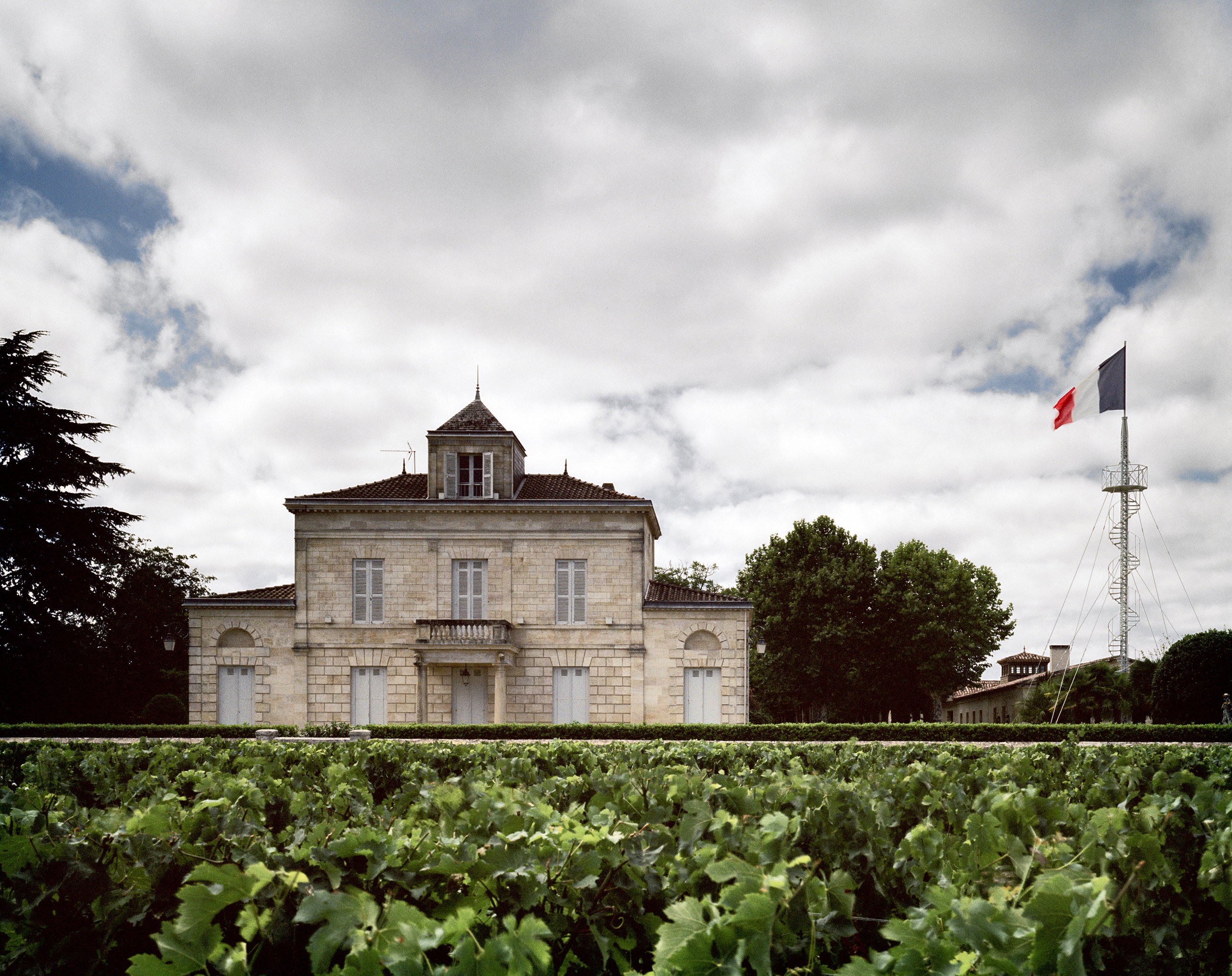
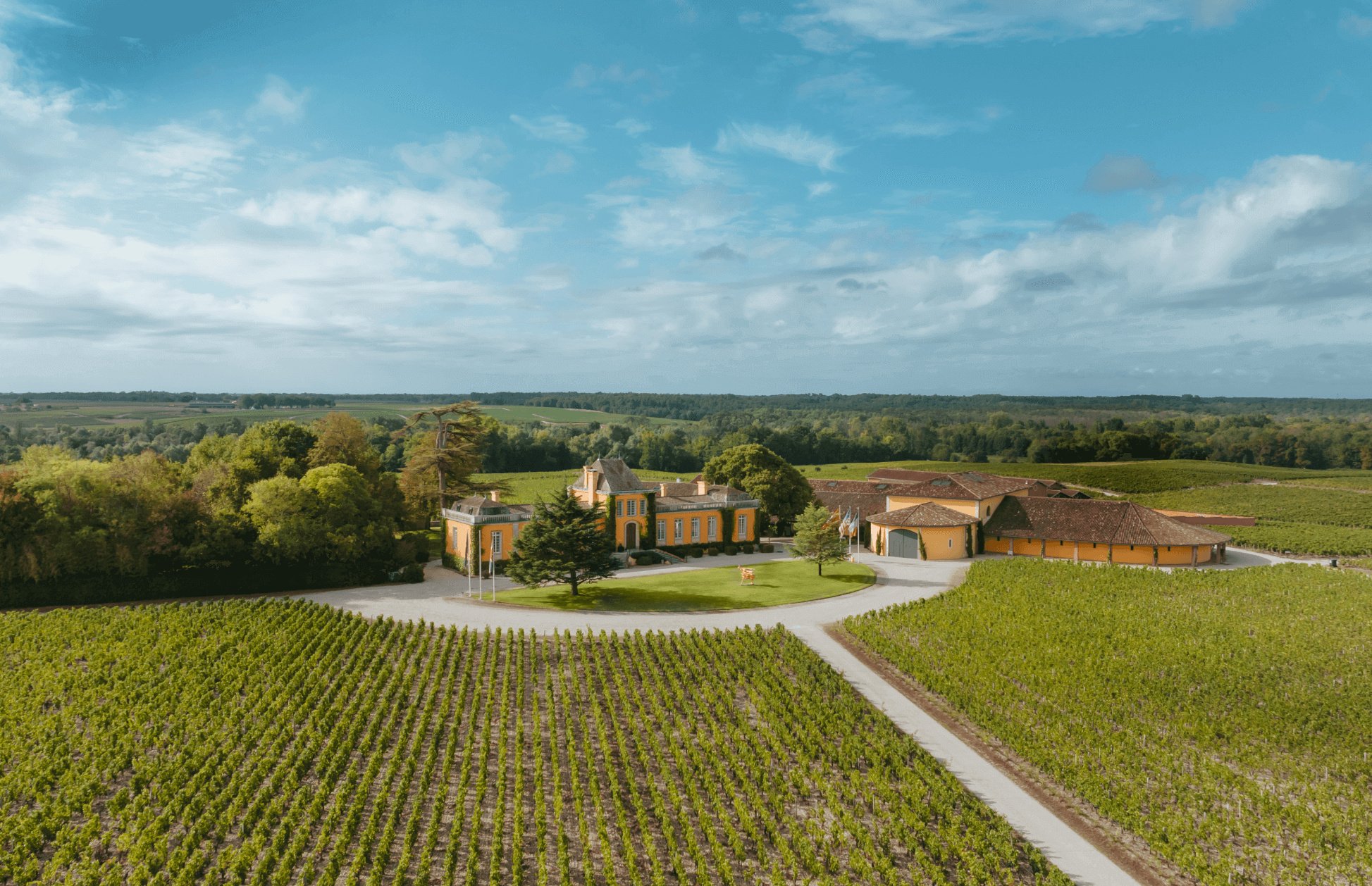
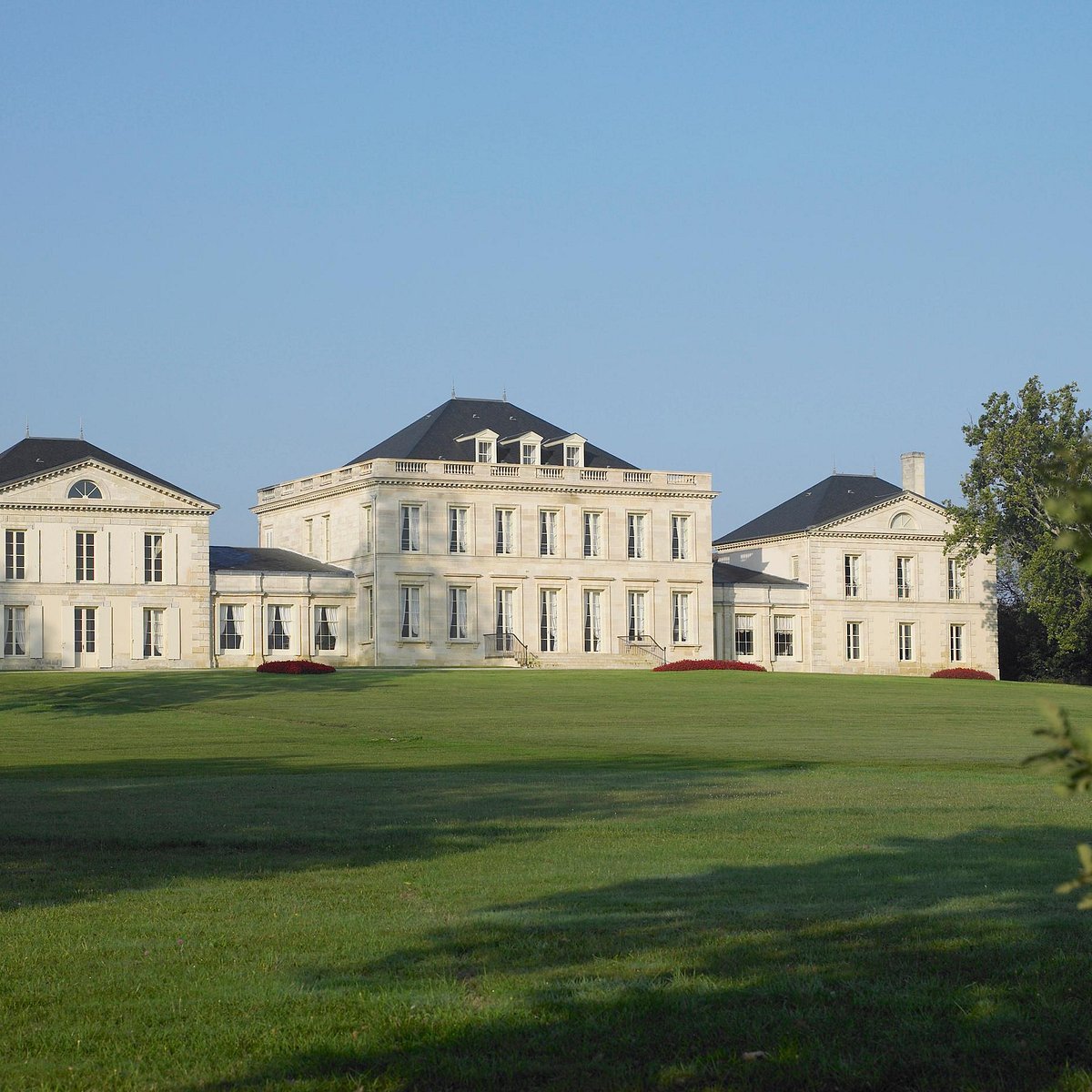
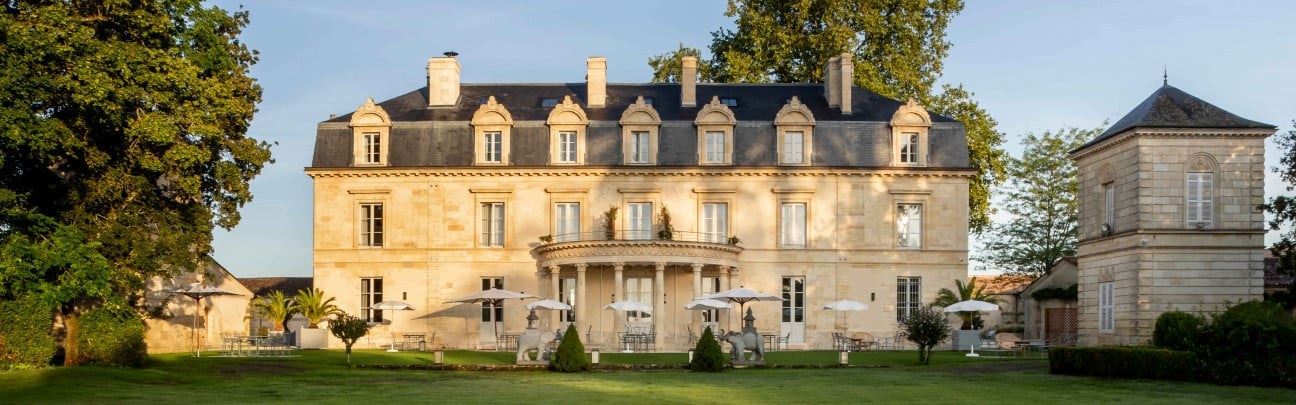
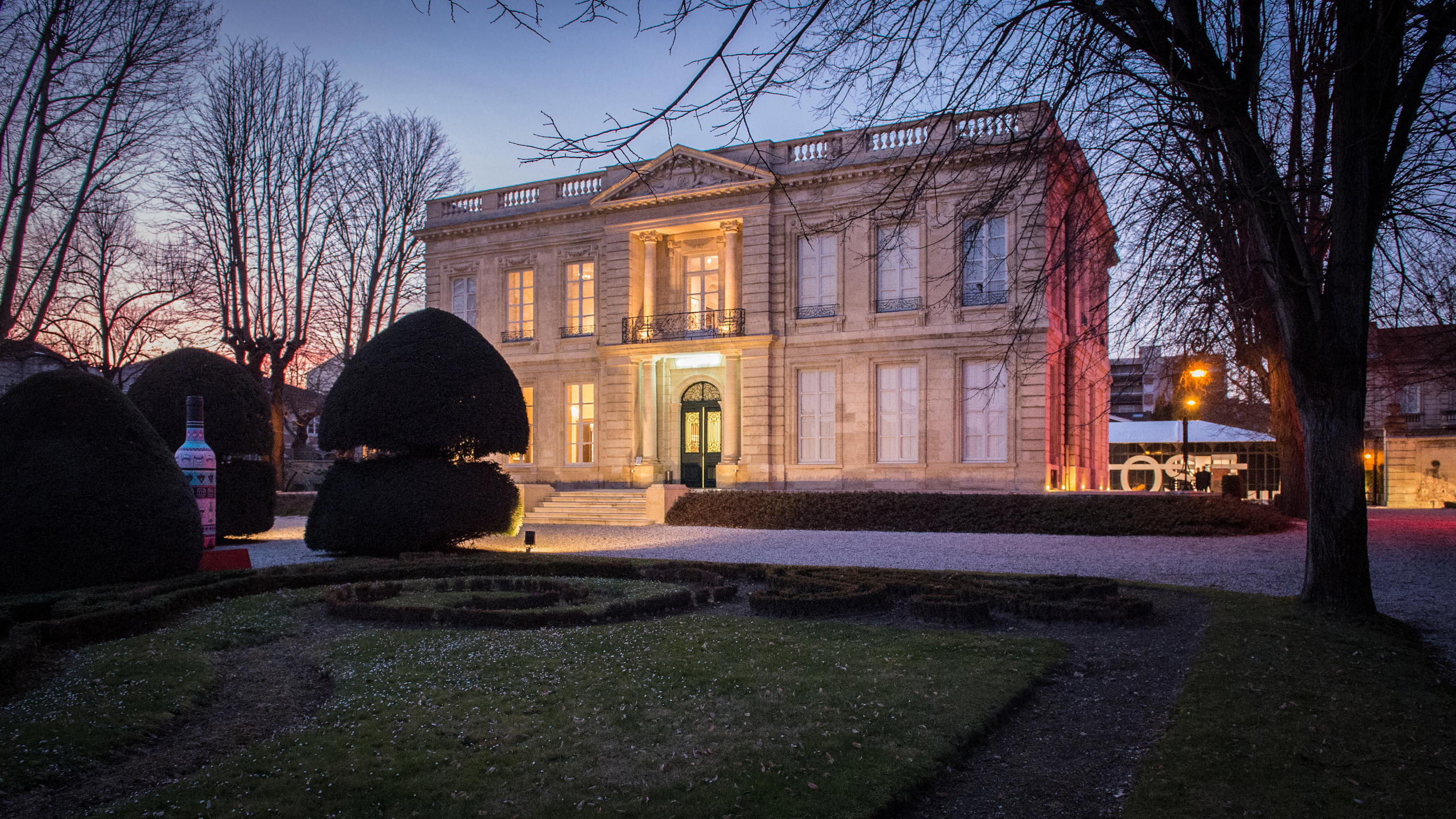
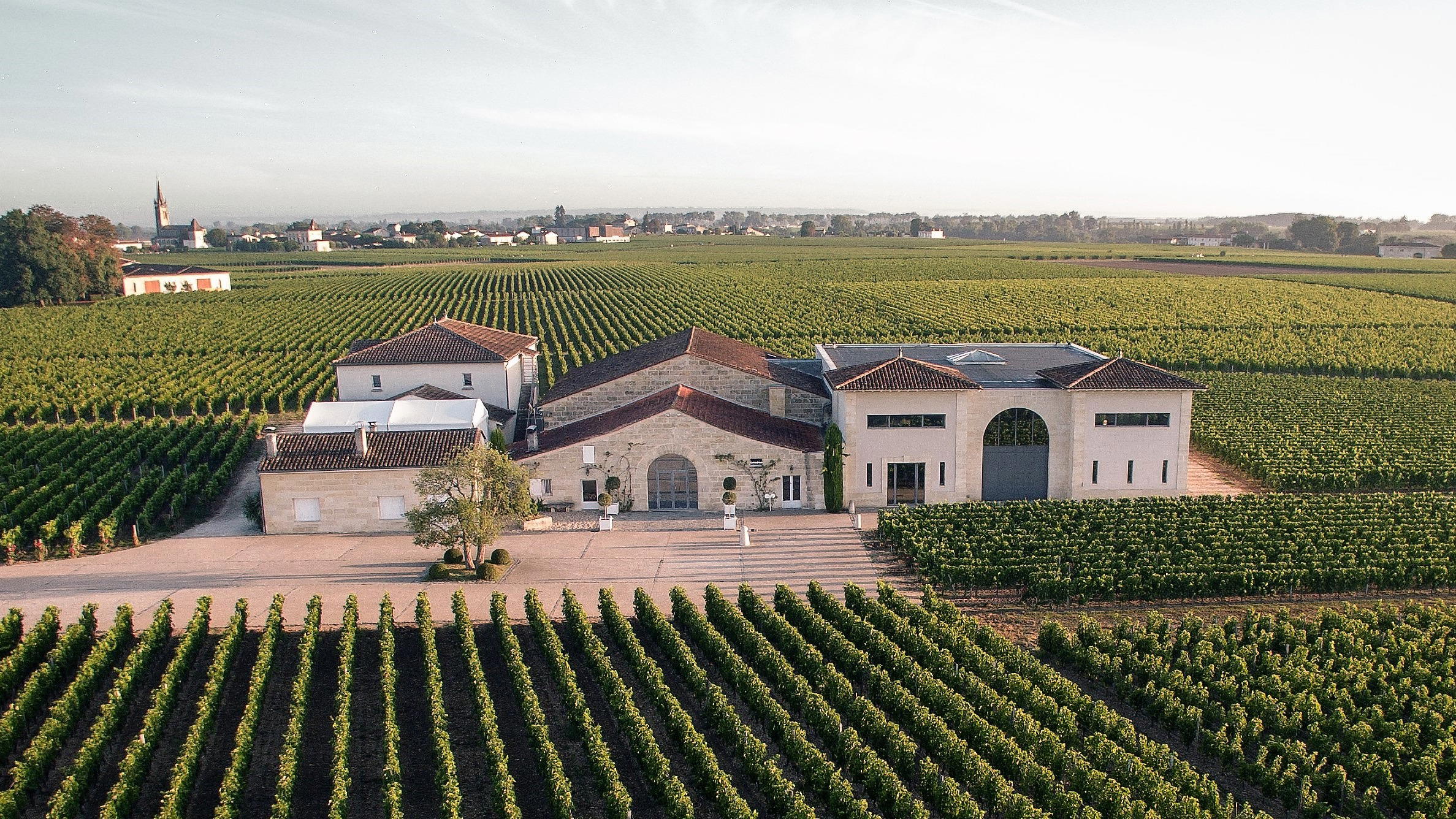
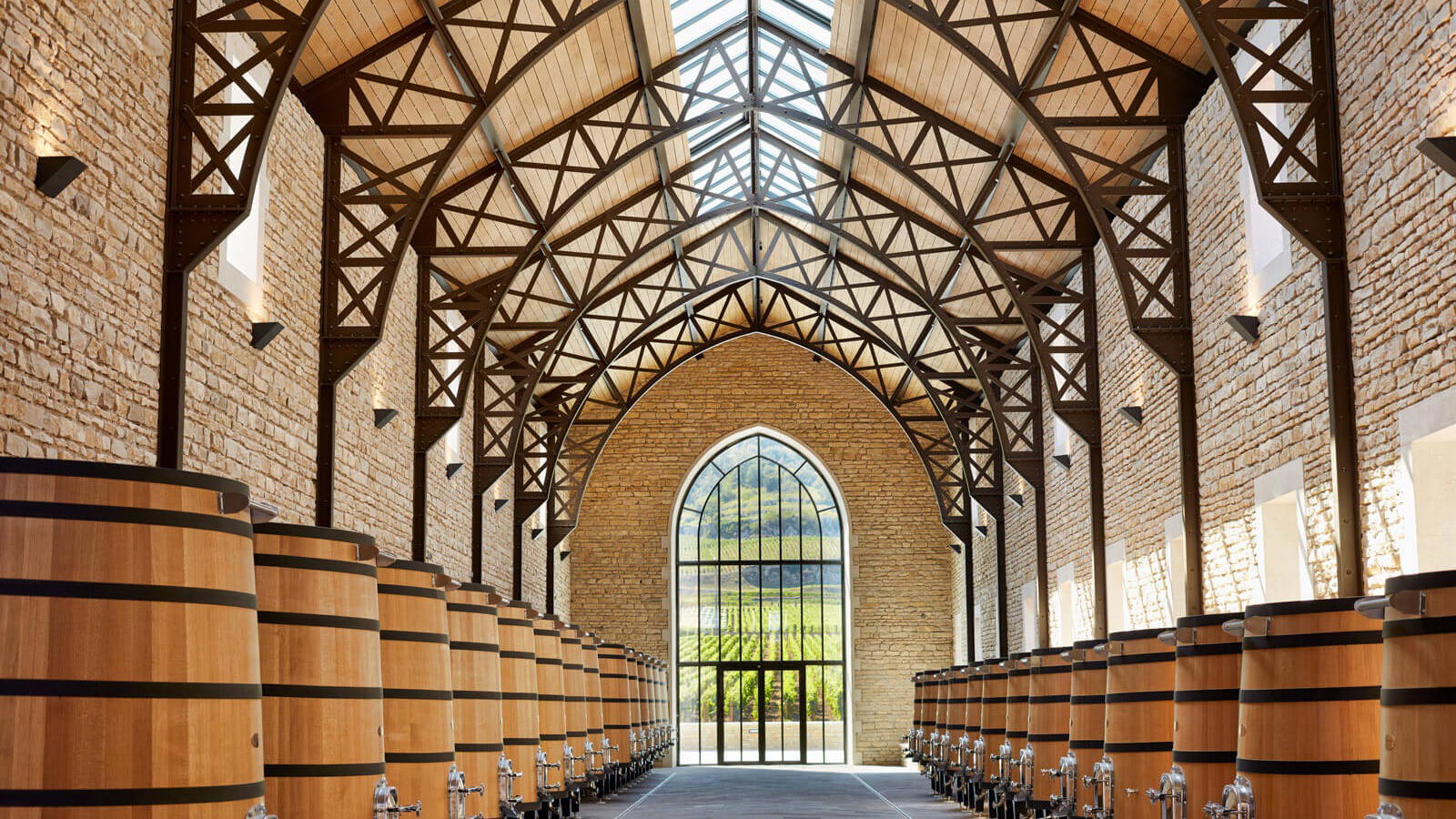
Château Calon Ségur reads like a quiet, historic estate where history and geology take center stage. The property’s long recorded history—dating back to 1779—imbues visits with a sense of continuity, while the low skies and flat vine rows create a striking, scenic backdrop. Tasting rooms feel hushed and contemplative, more like a library than a showroom, so conversations about soil, tannin and ageability land with weight. The overall impression is serene and reserved: a place built for close listening and long-term thinking rather than spectacle.
Best For
This is a destination for serious wine study and considered celebrations. The copy underscores terroir-driven conversation and cellar potential, making the estate well suited to wine-education visits, comparative tastings and milestone moments that merit a more formal, reflective setting. Its Prestige rating and placement within Saint-Estèphe’s upper tier reinforce that it’s apt for special occasions where provenance and ageing potential matter. Guests come prepared to discuss geology, tannic structure and the estate’s long history rather than to seek casual entertainment.
Tasting Tips
Approach tastings here with focus on structure and ageability: the copy highlights clay-rich soils and Cabernet Sauvignon’s distinctive behaviour in Saint-Estèphe, so prioritize wines that demonstrate tannin architecture and cellar potential. Use the quiet tasting room to ask detailed questions about soil composition, vintage variation and recommended cellaring windows. Given the estate’s emphasis on terroir and history, request older vintages or comparisons if available to appreciate the wines’ evolution and the appellation’s distinctive character.
Venue details
Ambiance
Elegant and classic with a sense of historical prestige and refined sophistication.
Tags
Vibe
Best For
Experience
View
At the Vineyard
- Appellation
- Saint-Estèphe AOC
- Varietals
- Cabernet Sauvignon, Merlot, Cabernet Franc, Petit Verdot
- Tour Duration
- 60-90 minutes
- Visits
- By appointment only
- Wine Styles
- Still Red
- Wine Club
- Available
Know before you go
Know Before You Go
- Getting there
- 33180 Saint-Estèphe
Planning details
Location
Recognition and awards
Also consider
Also Consider
- Château Montrose, Notable alternative
- Château Haut-Marbuzet, Notable alternative
- Château Cos d'Estournel, Notable alternative
- Château Lafon-Rochet, Notable alternative
- Chateau Lafite Rothschild, Notable alternative
Winery context
How it compares in Saint-Estèphe
Château Calon Ségur sits in the serious-buyer lane beside Château Montrose and Château Cos d'Estournel. Choose Calon Ségur when the priority is a flagship Saint-Estèphe bottle and long-view cellar relevance. Choose Montrose if the aim is another major appellation reference, and choose Cos d'Estournel when the setting and sense of occasion matter as much as the wine decision.
For a less rigid itinerary, Château Haut-Marbuzet and Château Lafon-Rochet are better fallback choices. They make more sense for travelers who want Saint-Estèphe context without letting one difficult booking control the day. Calon Ségur is not the value play; it is the high-conviction stop for visitors already committed to the appellation.
Chateau Lafite Rothschild is the out-of-metro comparison for prestige hunters, but it changes the trip logic. Keep Calon Ségur in the plan if the focus is Saint-Estèphe specifically; look to Lafite only if the broader Médoc trophy circuit matters more than staying tightly within the village.
Explore Saint-Estèphe
Around this place
Discover more on Pearl
Unlock the full Château Calon Ségur guide in Pearl, including awards, comparisons, FAQs, planning details, and nearby places.
Compare Château Calon Ségur
| Venue | Location | Awards |
|---|---|---|
| Château Calon Ségur | Saint-Estèphe | 2026 Michelin 1 Grape - Bordeaux2025 Pearl 4 Star Prestige |
| Château Montrose | Saint-Estèphe | 2026 Michelin 3 Grapes - Bordeaux2026 Falstaff Winery Guide2025 Pearl 5 Star Prestige |
| Château Haut-Marbuzet | Saint-Estèphe | 2026 Falstaff Winery Guide2026 Michelin 1 Grape - Bordeaux |
| Château Cos d'Estournel | Saint-Estèphe | No published awards |
| Château Lafon-Rochet | Saint-Estèphe | 2026 Michelin Grape Main Selection - Bordeaux2026 Falstaff Winery Guide |
| Chateau Lafite Rothschild | Pauillac | 2026 Michelin 3 Grapes - Bordeaux2026 Falstaff Winery Guide2025 Pearl 5 Star Prestige |



How Château Calon Ségur Saint-Estèphe compares with similar nearby venues.
FAQ
Frequently Asked Questions
When is the best time to contact Château Calon Ségur?
The best time is whenever the venue can confirm availability that fits your plans. Known details include its Saint-Estèphe location, smart casual dress code, Vincent Millet as chef/owner, and Pearl 4 Star Prestige (2025). Always confirm current arrangements before going.
Where is Château Calon Ségur?
Château Calon Ségur is in Saint-Estèphe.
Who is associated with Château Calon Ségur?
Vincent Millet is identified as chef/owner for Château Calon Ségur.
Does Château Calon Ségur serve food?
Do not plan on dining at Château Calon Ségur unless the venue confirms that option for your date; use Saint-Estèphe dining options separately if you need a meal.
What should guests wear to Château Calon Ségur?
Can Château Calon Ségur handle large groups?
Contact Château Calon Ségur directly before organizing a group visit, and confirm the current format, availability, and dress expectations.
What other venues can be compared with Château Calon Ségur?
For comparison planning, consider Château Montrose, Château Haut-Marbuzet, Château Cos d'Estournel, and Château Lafon-Rochet, while confirming each venue's current details directly.