

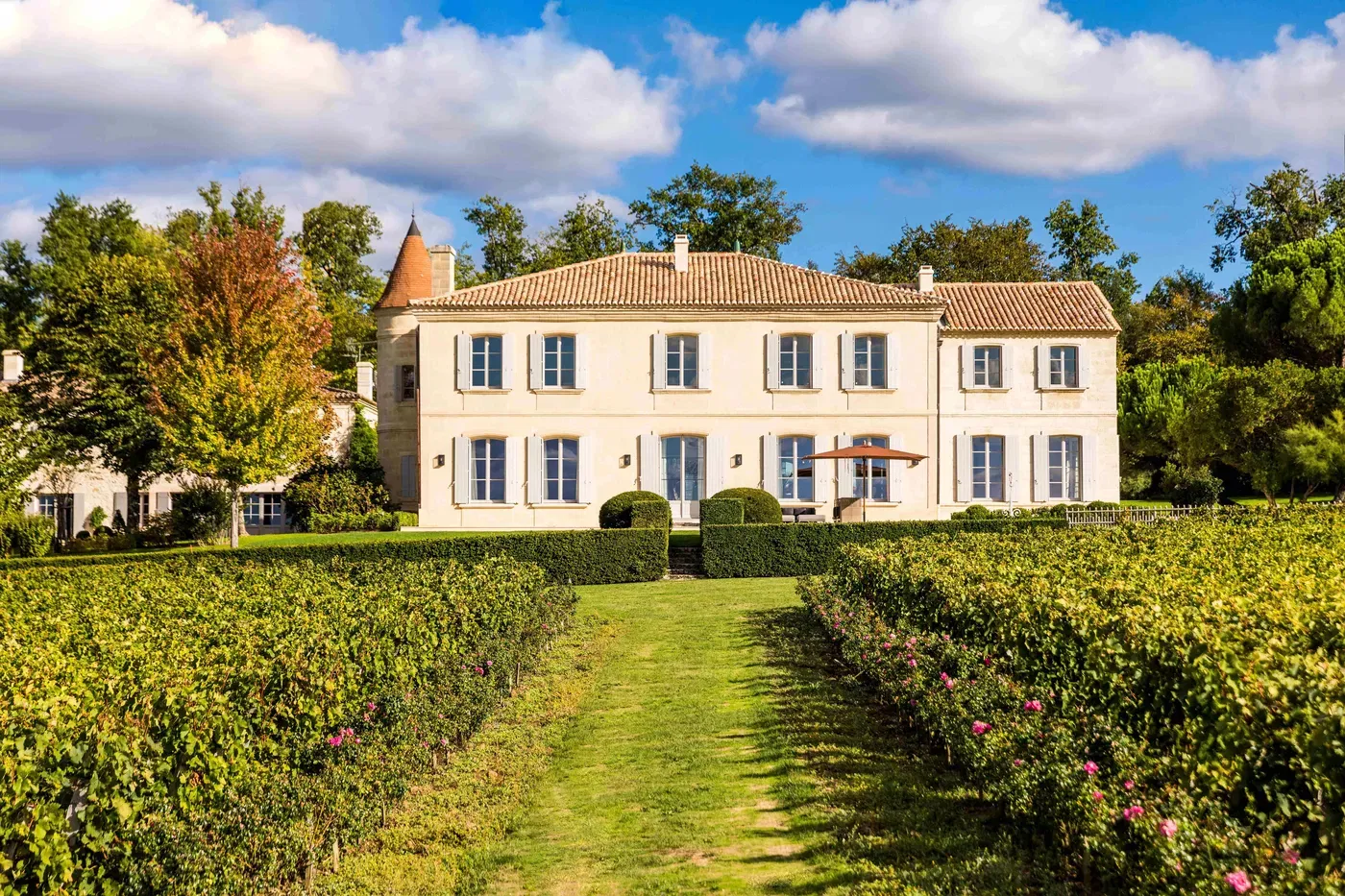



Château Troplong Mondot
Saint-Emilion, Saint-Laurent-des-Combes
Winery in Saint-Laurent-des-Combes, France
 Book with Pearl
The Read
Plateau Calcaire Prestige
Why go
Château Troplong Mondot is worth targeting for a serious Saint-Émilion estate visit, especially on a return trip when pedigree and tasting structure matter more than easy access. With a first vintage in 1829 and a current winemaking identity under Aymeric de Gironde, it suits collectors and focused wine travelers, not casual drop-ins.
About Château Troplong Mondot
Château Troplong Mondot is a Saint-Laurent-des-Combes venue with Aymeric de Gironde identified as chef/owner. The dress code is smart casual, and the venue is recognized with Pearl 4 Star Prestige (2025).
Because specific hours, pricing, menu format, reservation rules, group capacity, and services are not specified, plan with caution and confirm practical arrangements directly before building an itinerary around the visit.
A concise planning note for Saint-Laurent-des-Combes
For travelers comparing options around Saint-Laurent-des-Combes, Château Troplong Mondot is best evaluated on the essentials: its location in Saint-Laurent-des-Combes, Aymeric de Gironde's association with the venue, smart casual dress, and Pearl 4 Star Prestige (2025) recognition.
Planning should be handled through current sources, including the Saint-Laurent-des-Combes restaurants guide. If the day needs more structure beyond this venue, compare other options generically and confirm details directly before making plans.
How to think about the details
The record does not establish a specific format, drinks program, service style, price, seat count, or access policy. Treat Château Troplong Mondot as a Saint-Laurent-des-Combes venue with a smart casual standard and Pearl 4 Star Prestige (2025) recognition, rather than relying on assumptions about how a visit will unfold.
For comparison, other names to consider include Château La Mondotte, Château Larcis Ducasse, Château Le Tertre Roteboeuf, Château Pavie Macquin, and Château TrotteVieille. Use those comparisons to frame planning, while checking each venue's current details directly.
Verdict: prioritize Château Troplong Mondot if you want a Saint-Laurent-des-Combes venue with Pearl 4 Star Prestige (2025) recognition and a smart casual expectation. For any decision involving timing, group size, services, or format, verify the details before committing.
Planning details
- Location
- Château Troplong, Mondot, 33330 Saint-Laurent-des-Combes
- Website
- troplong-mondot.com
- Phone
- +33 5 57 55 32 05
The take
The Take
The Vibe
Château Troplong Mondot projects a distinctly historical, terroir-driven presence on the Saint-Émilion plateau. The estate’s elevated position and deep clay‑limestone soils underpin a narrative as much geological as vinicultural: drainage, temperature variation and mineral intensity are part of the address’s signature. Approaching along the ridge road, visitors encounter a sweeping panorama of the Dordogne valley that reinforces the property’s landscape authority. With continuous recorded vintages since the early nineteenth century, Troplong Mondot reads as a place where long lineage and a specific limestone terroir shape both the wines and the sense of place.
Best For
Troplong Mondot is best suited to wine-focused visits and special-occasion stops where terroir and history are the primary interests. The estate’s emphasis on plateau limestone, clay topsoils and nearly two centuries of vintages rewards guests who want to study how site and age inform a Right Bank style. It also serves collectors and enthusiasts seeking context — comparisons with peer addresses and discussions of mineral intensity and vintage variation are central to the appeal. Photographers and those who appreciate dramatic vineyard panoramas will also find the setting compelling.
Tasting Tips
When engaging with Troplong Mondot, prioritize vintages and bottlings that highlight the estate’s limestone influence and ageing potential. Ask about the estate’s recorded vintages to understand how mineral intensity and clay retention show up across years, and compare recent releases with older bottles if available. Note the estate’s Pearl 4 Star Prestige rating as a marker of standing within the region and request context on how specific plots on the plateau contribute to the wines’ texture. Keep the focus on terroir-led expressions rather than trend-driven cuvées.
Venue details
Ambiance
Opulent and sensuous with rich, concentrated flavors; elegant, refined atmosphere in a historic, elevated estate.
Tags
Vibe
Best For
Experience
Sourcing
View
At the Vineyard
- Appellation
- Saint-Emilion Grand Cru
- Varietals
- Merlot, Cabernet Sauvignon, Cabernet Franc
- Tour Duration
- 60-90 minutes
- Tour Languages
- English, French
- Visits
- By appointment only
- Farming
- Sustainable
- Wine Styles
- Still Red
- Wine Club
- Not available
Know before you go
Know Before You Go
- Getting there
- Château Troplong, Mondot, 33330 Saint-Laurent-des-Combes
Planning details
Location
Château Troplong, Mondot, 33330 Saint-Laurent-des-Combes · Directions
Recognition and awards

Also consider
Also Consider
- Château La Mondotte, Notable alternative
- Château Pavie Macquin, Notable alternative
- Château TrotteVieille, Notable alternative
- Château Le Tertre Roteboeuf, Notable alternative
- Château Larcis Ducasse, Notable alternative
Winery context
Against Château La Mondotte, Château Pavie Macquin, and Château TrotteVieille, Château Troplong Mondot is the pick for readers who want the visit to feel like the main event rather than one stop in a stacked Saint-Émilion day. Booking difficulty is the trade-off: if the schedule is fixed and flexibility is low, start with the peers first and treat this as the stretch target.
Château Le Tertre Roteboeuf and Château Larcis Ducasse are stronger cross-shops for visitors who want a similarly serious Right Bank frame without making the entire itinerary depend on one address. For ambiance, choose Troplong Mondot when the preference is polished and quiet; choose the alternatives when the group values a more flexible day and less pressure around timing.
Value for money depends on what the reader values: this is not the efficient choice for tasting breadth, but it is a high-conviction choice for Saint-Émilion depth. If only one winery visit can anchor the trip, aim here; if the goal is comparison across several properties, split the day among Pavie Macquin, TrotteVieille, or Larcis Ducasse instead.
Explore Saint-Laurent-des-Combes
Around this place
Discover more on Pearl
Unlock the full Château Troplong Mondot guide in Pearl, including awards, comparisons, FAQs, planning details, and nearby places.
Compare Château Troplong Mondot
| Venue | Location | Awards |
|---|---|---|
| Château Troplong Mondot | Saint-Laurent-des-Combes | 2026 Michelin 2 Grapes - Bordeaux2026 Falstaff Winery Guide2025 Pearl 4 Star Prestige |
| Château La Mondotte | Saint-Emilion | 2026 Michelin 1 Grape - Bordeaux2026 Falstaff Winery Guide2025 Pearl 3 Star Prestige |
| Château Pavie Macquin | Saint-Emilion | No published awards |
| Château TrotteVieille | Saint-Emilion | No published awards |
| Château Le Tertre Roteboeuf | Saint-Emilion | 2026 Falstaff Winery Guide2025 Pearl 3 Star Prestige |
| Château Larcis Ducasse | Saint-Emilion | 2026 Michelin 1 Grape - Bordeaux |

How Château Troplong Mondot compares with similar nearby venues.
FAQ
Frequently Asked Questions
Can Château Troplong Mondot handle large groups?
Group capacity is not specified. If you are planning a visit with several people, confirm arrangements directly with Château Troplong Mondot in Saint-Laurent-des-Combes before finalizing the day.
What other venues should I compare with Château Troplong Mondot?
Château La Mondotte, Château Pavie Macquin, Château TrotteVieille, Château Le Tertre Roteboeuf, and Château Larcis Ducasse are relevant names to compare against. Château Troplong Mondot is in Saint-Laurent-des-Combes and carries Pearl 4 Star Prestige (2025) recognition.
Are additional services confirmed at Château Troplong Mondot?
Additional services are not specified. If a specific service matters to your plans, ask Château Troplong Mondot directly before relying on it.
Are memberships or repeat-visit arrangements confirmed at Château Troplong Mondot?
Memberships, allocations, and repeat-visit arrangements are not specified. If any of those details are important, confirm directly with Château Troplong Mondot before making a decision.