Book with Pearl

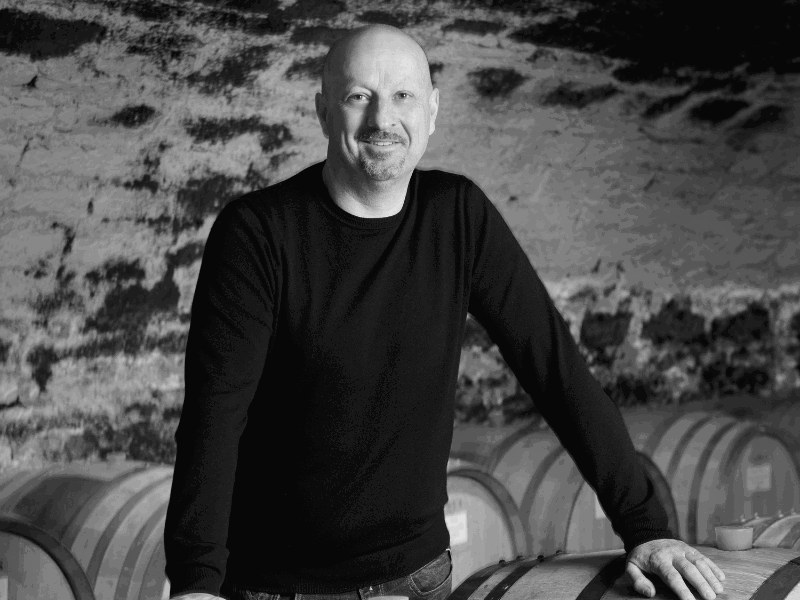
Premier Cru Burgundy with Domaine Fourrier
A guided wine masterclass in London from 67 Pall Mall with Jean-Marie and Louis Fourrier, featuring eight Domaine Fourrier wines.
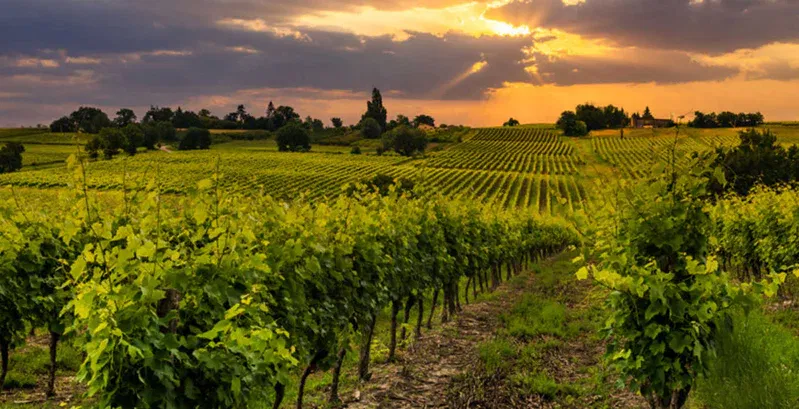



Gevrey-Chambertin
Winery in Gevrey-Chambertin, France
Cellar-Driven Pinot Precision
Why go
Domaine Fourrier is a high-priority Gevrey-Chambertin target for serious Burgundy travellers, especially when a private appointment can be confirmed. It is not the easiest choice for casual tasting plans, so build backups nearby and treat access as the main value rather than expecting a food or hospitality-led visit.
Domaine Fourrier is a Gevrey-Chambertin venue with Jean-Marie Fourrier listed as chef/owner. For planning, contact the venue directly to check current visitor arrangements.
Domaine Fourrier is in Gevrey-Chambertin, has Jean-Marie Fourrier listed as chef/owner, carries Pearl 4 Star Prestige (2025), and uses a smart casual dress code. Beyond those points, avoid assuming specific services, schedules, pricing, menus, or visitor arrangements without checking with the venue.
The right fit is a traveller planning carefully around Gevrey-Chambertin and willing to check details in advance. Domaine Fourrier can be considered alongside other named regional references such as Domaine Henri Rebourseau, Domaine Joseph Roty, Domaine Pierre Damoy, Domaine Rossignol-Trapet, and Domaine Trapet Père et Fils when comparing options for a focused visit.
Base the decision on current access and information from the venue. Do not assume a food programme, tasting format, public schedule, prices, seat count, or other services unless Domaine Fourrier provides those details directly.
Use Domaine Fourrier as one part of a Gevrey-Chambertin plan rather than building an entire day around assumptions. Anchor meals and overnight logistics through Our full Gevrey-Chambertin restaurants guide, and leave room to adjust if current access or scheduling differs from expectations.
For a careful Gevrey-Chambertin itinerary, compare current details across other options and keep the day flexible. Key planning notes for Domaine Fourrier are its Gevrey-Chambertin location, Jean-Marie Fourrier, smart casual dress, and Pearl 4 Star Prestige (2025).
Domaine Fourrier reads as a quietly authoritative Burgundian domaine. The approach along low stone walls and unmarked gates feels intentionally discreet, and much of the character is subterranean: cellars and long aging practices do the talking. The estate's multi-decade continuity and placement among the appellation’s upper tier give it a sober, historic air rather than flash. Visitors and collectors encounter a serene, low-key environment where patience and provenance are the point of pride—this is a place built around cellarwork and the slow arc of great Burgundy rather than hospitality spectacle.
This is a destination for serious wine lovers and collectors. The domaine’s emphasis on long aging, minimal intervention and slow-moving allocation lists signals that bottles are cultivated with cellar time and provenance in mind, making visits appropriate for focused tastings, research into older vintages and occasions that call for something special. The compact, quiet village setting also suits solitary exploration and concentrated study of terroir and cellar practices; it’s less a bustling tasting-room scene and more a place to absorb the depth behind each bottling.
Expect scarcity and patience: the domain emphasizes long ageing and limited allocations, so plan ahead if you’re seeking recent releases. Ask about older vintages and the archive—depth of cellar holdings is a noted asset—rather than only pursuing current bottlings. Given the domaine’s minimal-intervention approach, look for wines that reward time in bottle; prioritize terroir-driven labels and grand cru parcels highlighted in the estate’s lineup. Treat procurement as deliberate: subscribe to allocation lists where available and be prepared for measured releases rather than wide retail distribution.
Classic and elegant with a focus on purity, freshness, and terroir expression in an intimate, historic setting.
7 Rte de Dijon, 21220 Gevrey-Chambertin · Directions
Try Domaine Trapet Père et Fils for another serious Gevrey-Chambertin address, or Domaine Henri Rebourseau if the group wants a nearby option that may suit a broader visitor profile.
Domaine Fourrier is the pick for collectors and Burgundy-focused travellers who value producer access over visitor convenience. If the priority is a potentially easier Gevrey-Chambertin backup, start with Domaine Rossignol-Trapet or Domaine Trapet Père et Fils before locking the day around a harder appointment.
Domaine Joseph Roty and Domaine Pierre Damoy sit in the same serious-producer lane, so the decision is less about amenities and more about which appointment can be secured. For travellers who want a Gevrey stop with a stronger heritage-house feel, Domaine Henri Rebourseau is the more approachable cross-shop.
Value for money depends on access, not a published tasting price. If a confirmed private visit is available, Fourrier is worth the effort for a focused Burgundy itinerary; if not, use the other Gevrey producers as practical alternatives rather than losing a day to uncertainty.
Unlock the full Domaine Fourrier guide in Pearl, including awards, comparisons, FAQs, planning details, and nearby places.
| Venue | Location | Awards |
|---|---|---|
| Domaine Fourrier | Gevrey-Chambertin | 2026 Falstaff Winery Guide2026 Michelin Grape Main Selection - Burgundy2025 Pearl 4 Star Prestige |
| Domaine Rossignol-Trapet | Gevrey-Chambertin | 2025 Pearl 4 Star Prestige |
| Domaine Trapet Père et Fils | Gevrey-Chambertin | 2026 Michelin 1 Grape - Burgundy2026 Falstaff Winery Guide2025 Pearl 4 Star Prestige |
| Domaine Joseph Roty | Gevrey-Chambertin | 2026 Michelin 1 Grape - Burgundy2026 Falstaff Winery Guide |
| Domaine Pierre Damoy | Gevrey-Chambertin | No published awards |
| Domaine Henri Rebourseau | Gevrey-Chambertin | 2026 Falstaff Winery Guide |
How Domaine Fourrier, Gevrey-Chambertin compares with similar nearby venues.
Domaine Rossignol-Trapet, Domaine Trapet Père et Fils, Domaine Joseph Roty, Domaine Pierre Damoy, and Domaine Henri Rebourseau are useful names to compare when planning a focused Gevrey-Chambertin itinerary.
Domaine Fourrier is a Gevrey-Chambertin venue associated with Jean-Marie Fourrier and recognised with Pearl 4 Star Prestige (2025).
Domaine Fourrier is located in Gevrey-Chambertin.
Pearl events
Public events currently associated with this Pearl venue.
A guided wine masterclass in London from 67 Pall Mall with Jean-Marie and Louis Fourrier, featuring eight Domaine Fourrier wines.
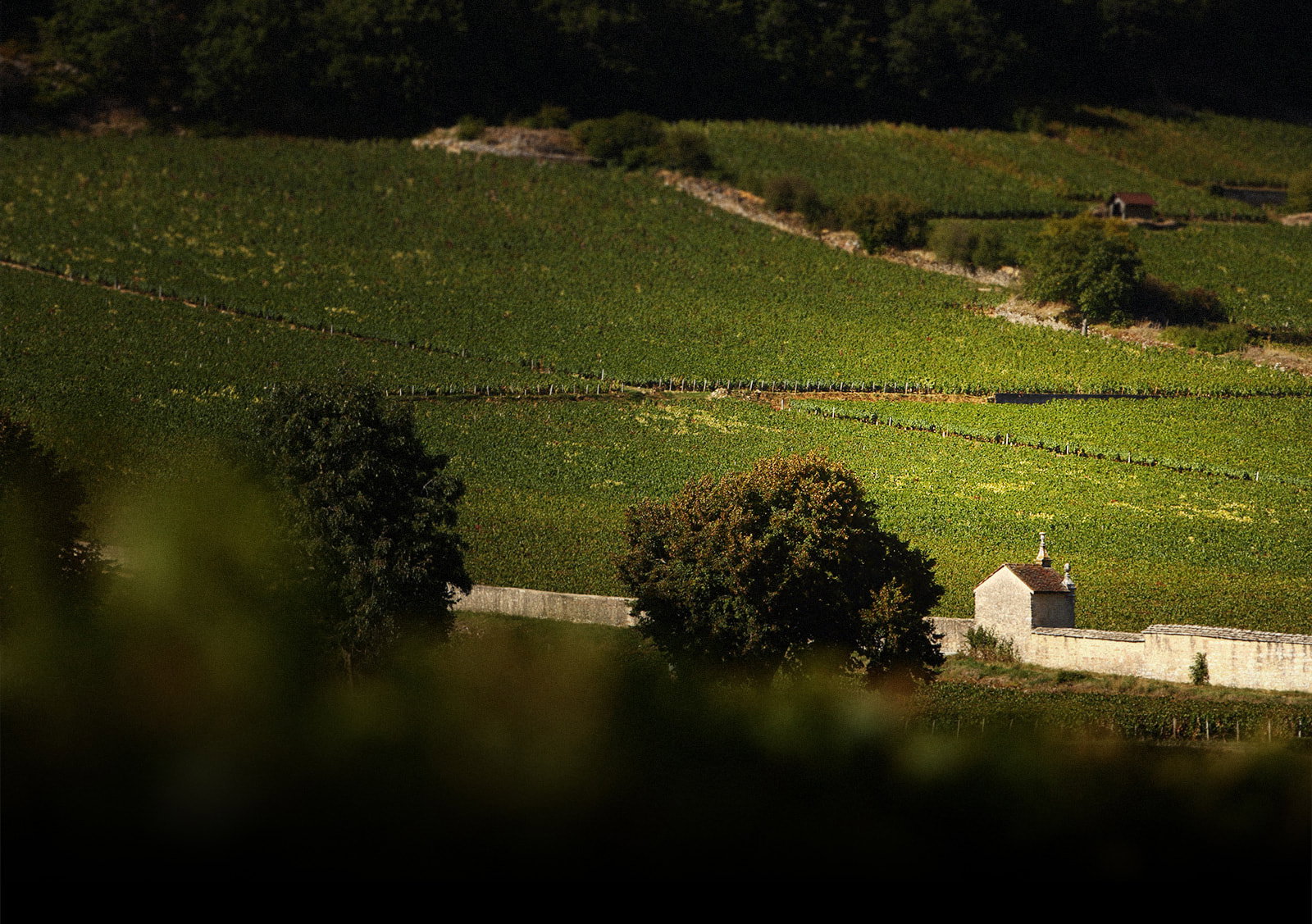 Domaine Armand RousseauGevrey-ChambertinDomaine Armand Rousseau is a wine estate in Gevrey-Chambertin, Burgundy.
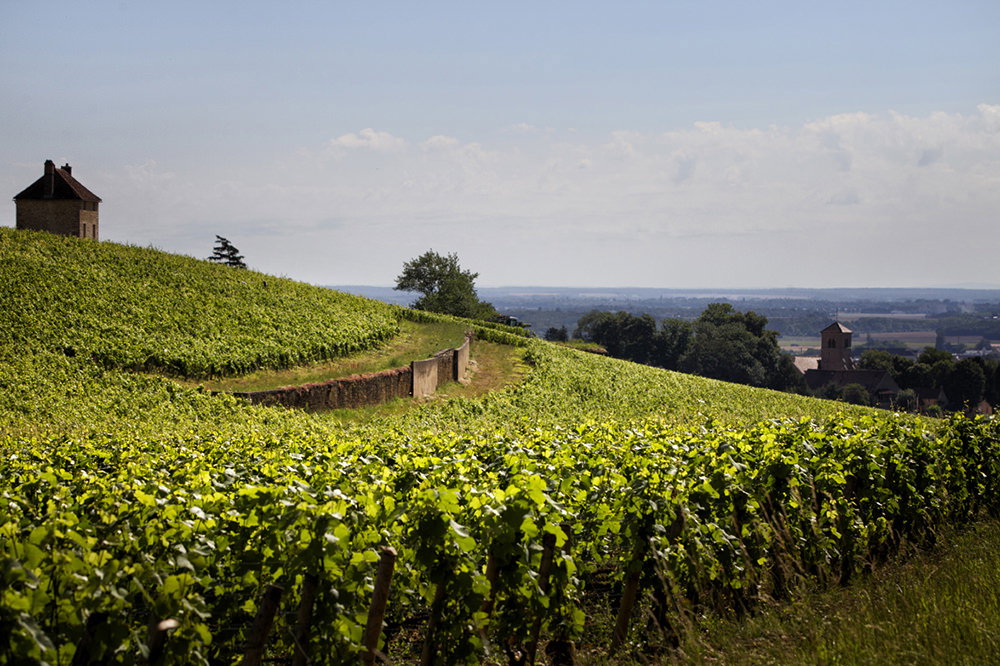 Domaine Denis MortetGevrey-ChambertinDomaine Denis Mortet is a winery on Rue de Lavaux in Gevrey-Chambertin.
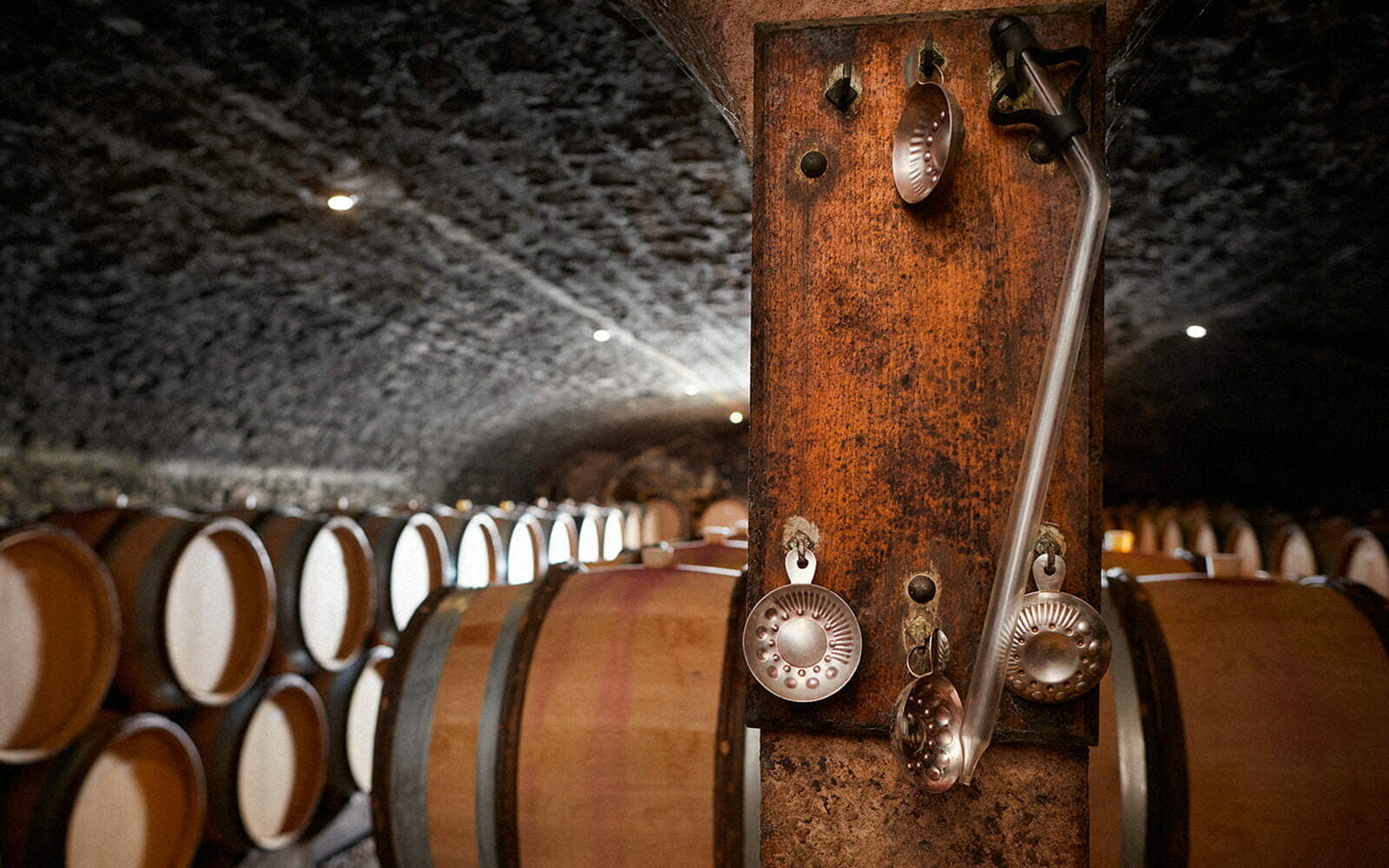 Domaine Trapet Père et FilsGevrey-ChambertinDomaine Trapet Père et Fils is a serious Gevrey-Chambertin target for travelers who want depth rather than a casual…
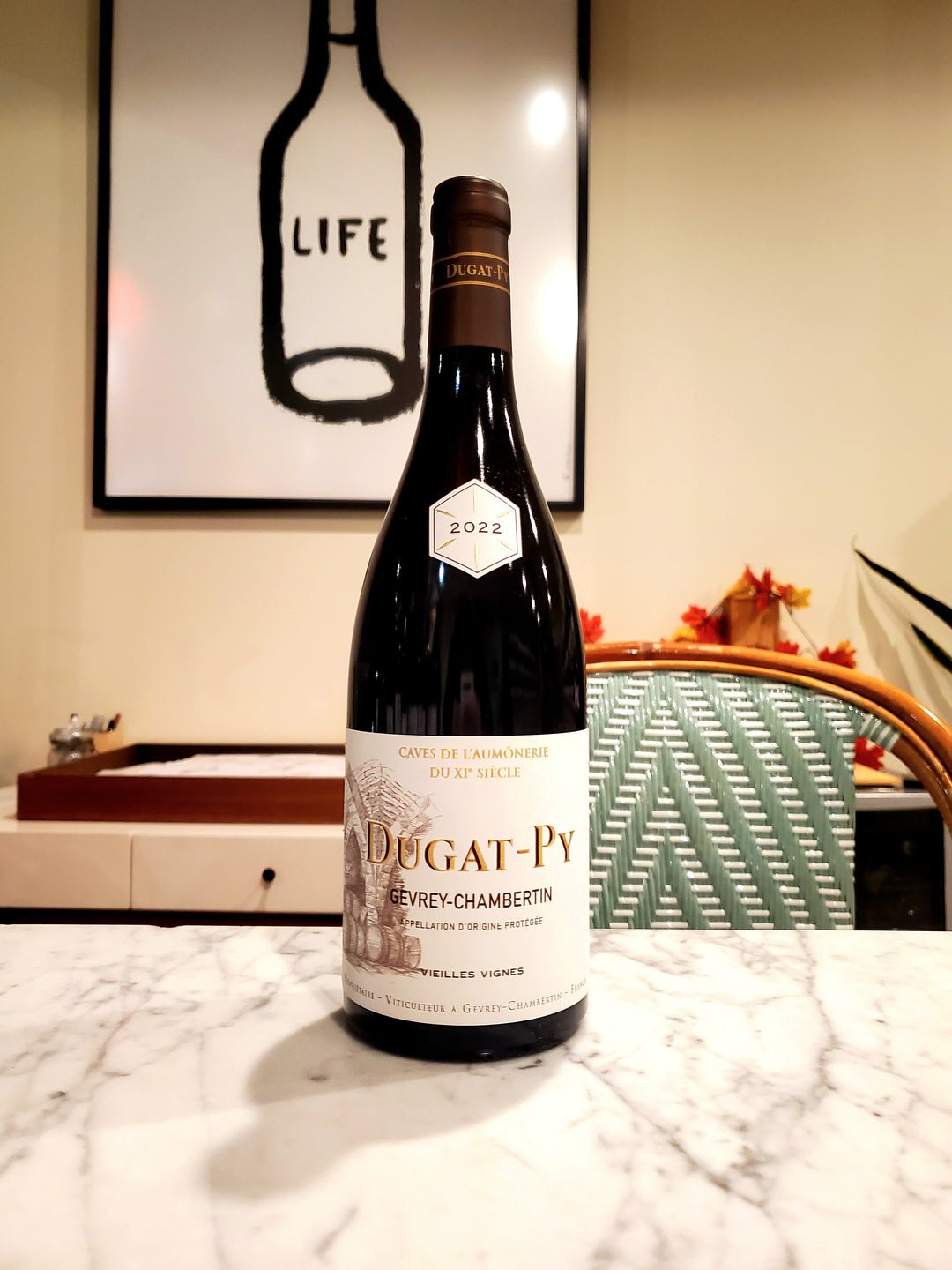 Domaine Dugat-PyGevrey-ChambertinDomaine Dugat-Py is a high-intent Gevrey-Chambertin winery target for serious Burgundy collectors, not a casual…
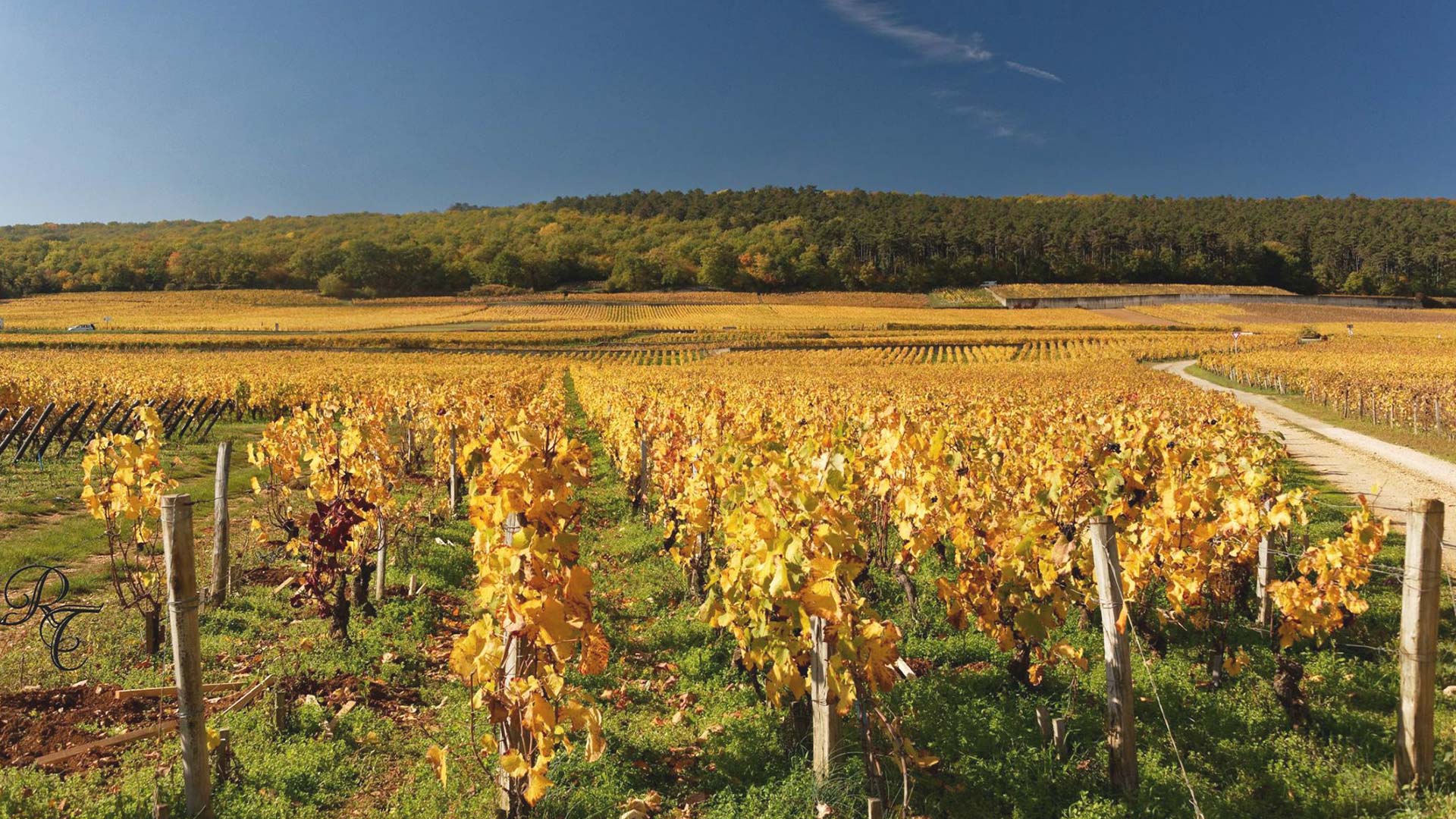 Domaine Rossignol-TrapetGevrey-ChambertinBook Domaine Rossignol-Trapet if the trip is built around serious Gevrey-Chambertin wine rather than a casual tasting…
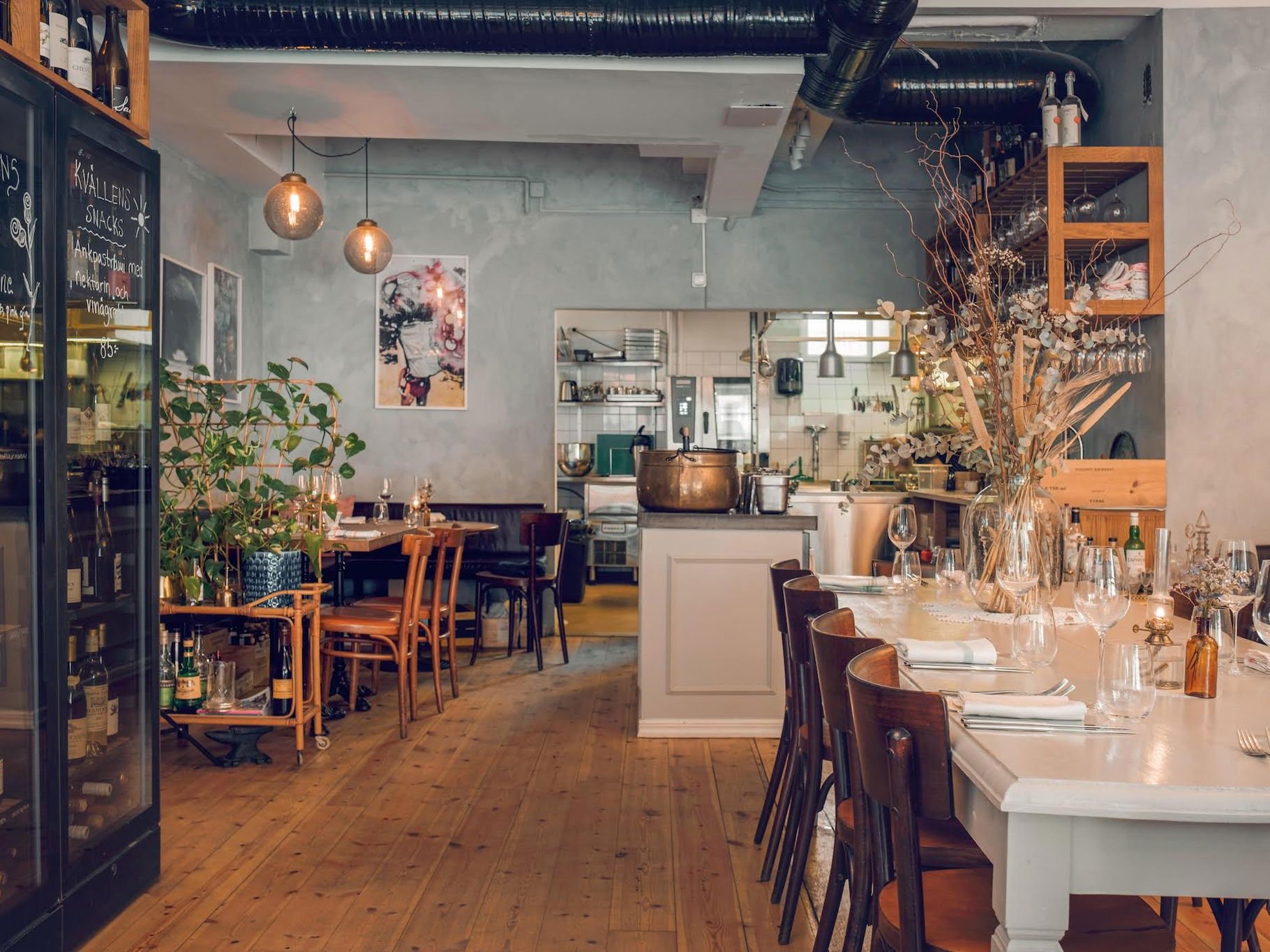 La Table d'Hôtes - La Rôtisserie du ChambertinGevrey-ChambertinLa Table d'Hôtes - La Rôtisserie du Chambertin is the strongest case for a serious tasting menu dinner in the Côte de…
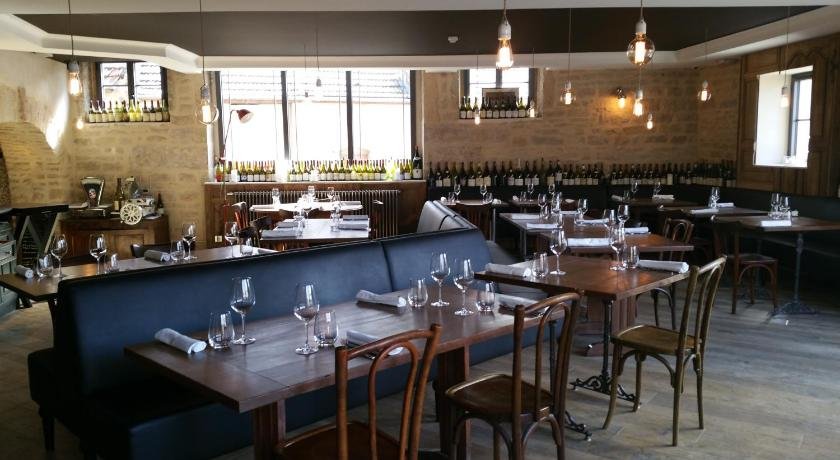 Bistrot LucienGevrey-ChambertinTwo consecutive Michelin Bib Gourmand awards (2024 and 2025) confirm that Bistrot Lucien is the strongest value case…
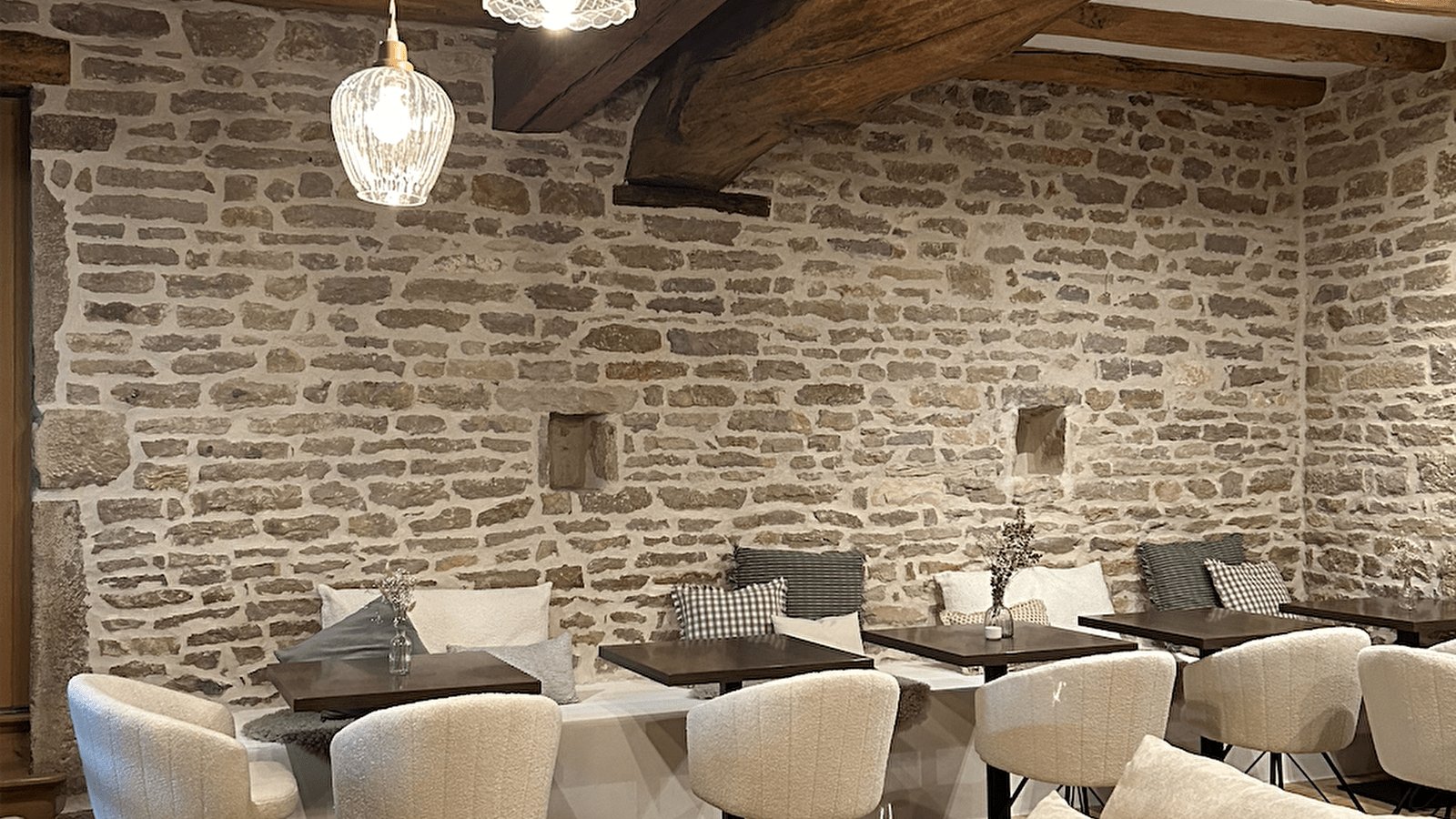 AU XVIGevrey-ChambertinAU XVI is a practical Gevrey-Chambertin pick for travelers who want an easy village meal around wine appointments…
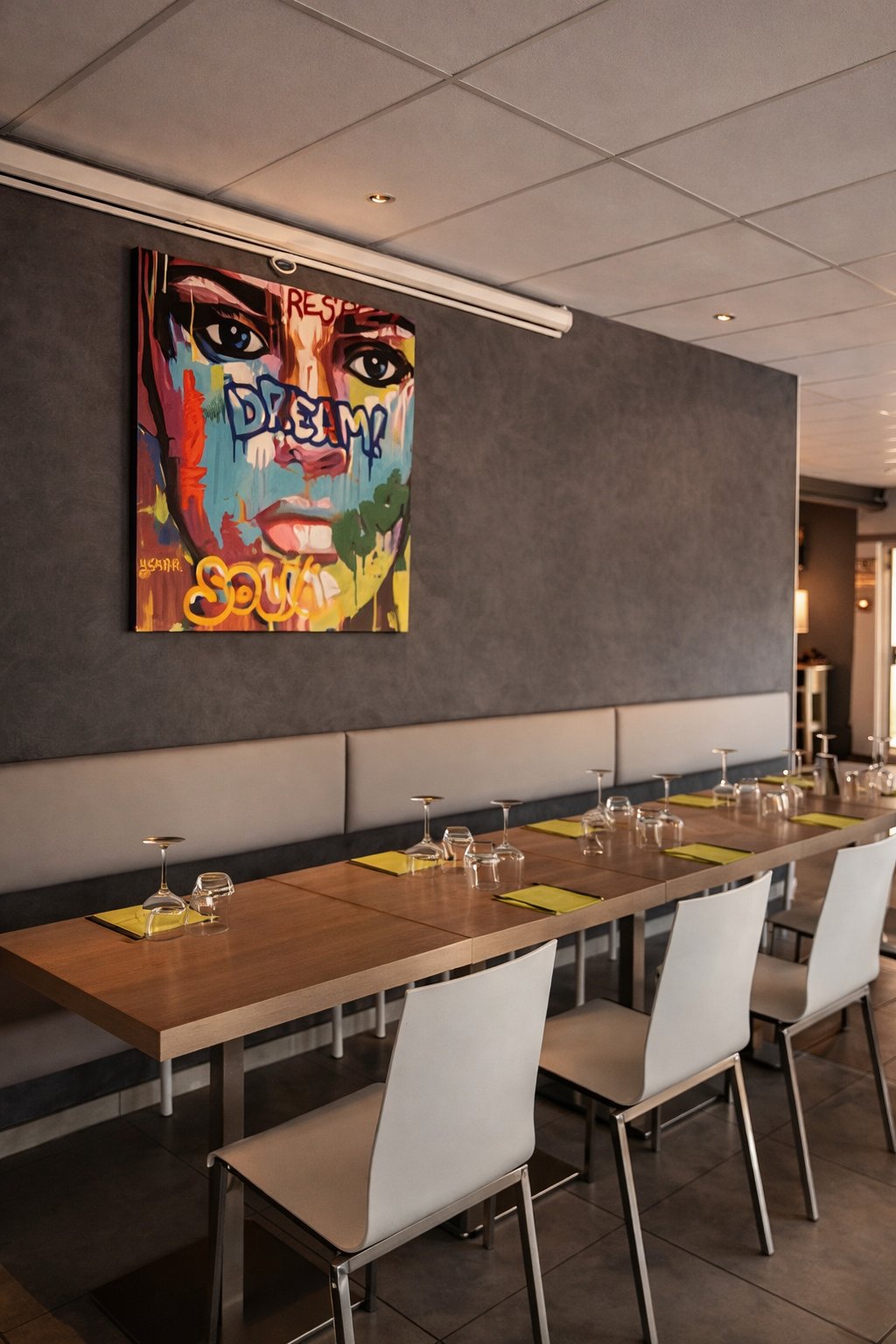 Le Complexe de GevreyGevrey-ChambertinBook Le Complexe de Gevrey if the goal is a practical Gevrey-Chambertin option rather than a clearly signposted…
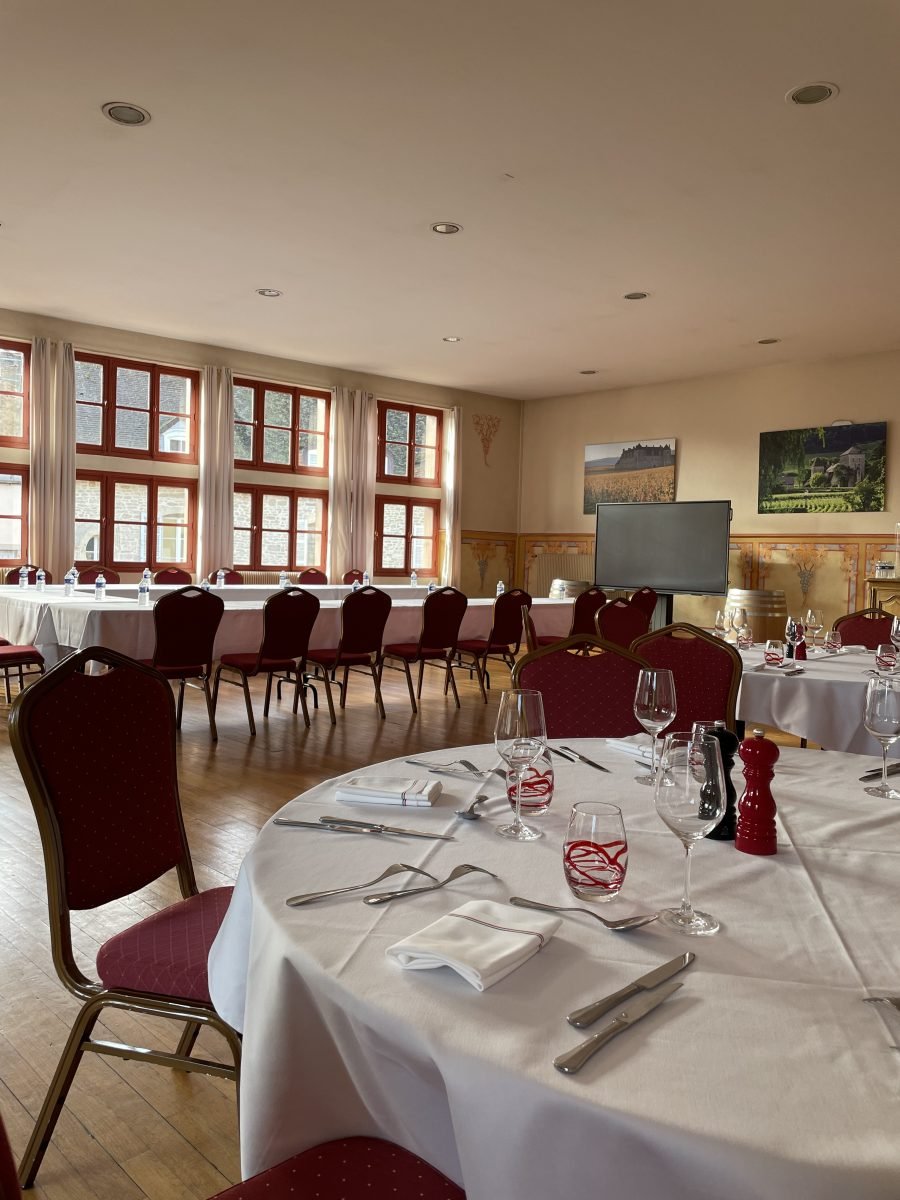 Les GriottesGevrey-ChambertinLes Griottes is a practical Gevrey-Chambertin pick for a relaxed village lunch or dinner, especially when the meal…
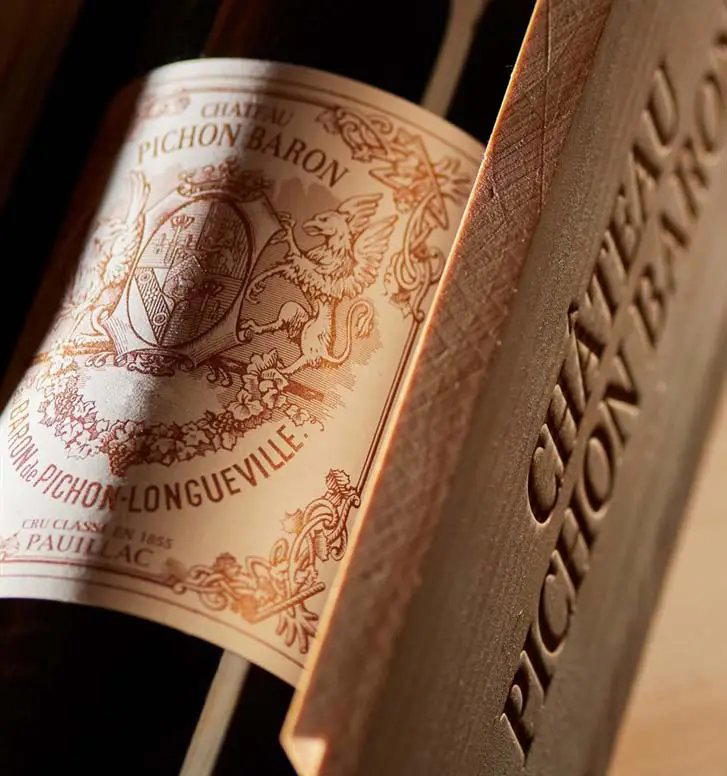 Château Pichon Longueville BaronPauillacChâteau Pichon Longueville Baron is a winery in Pauillac, Bordeaux.
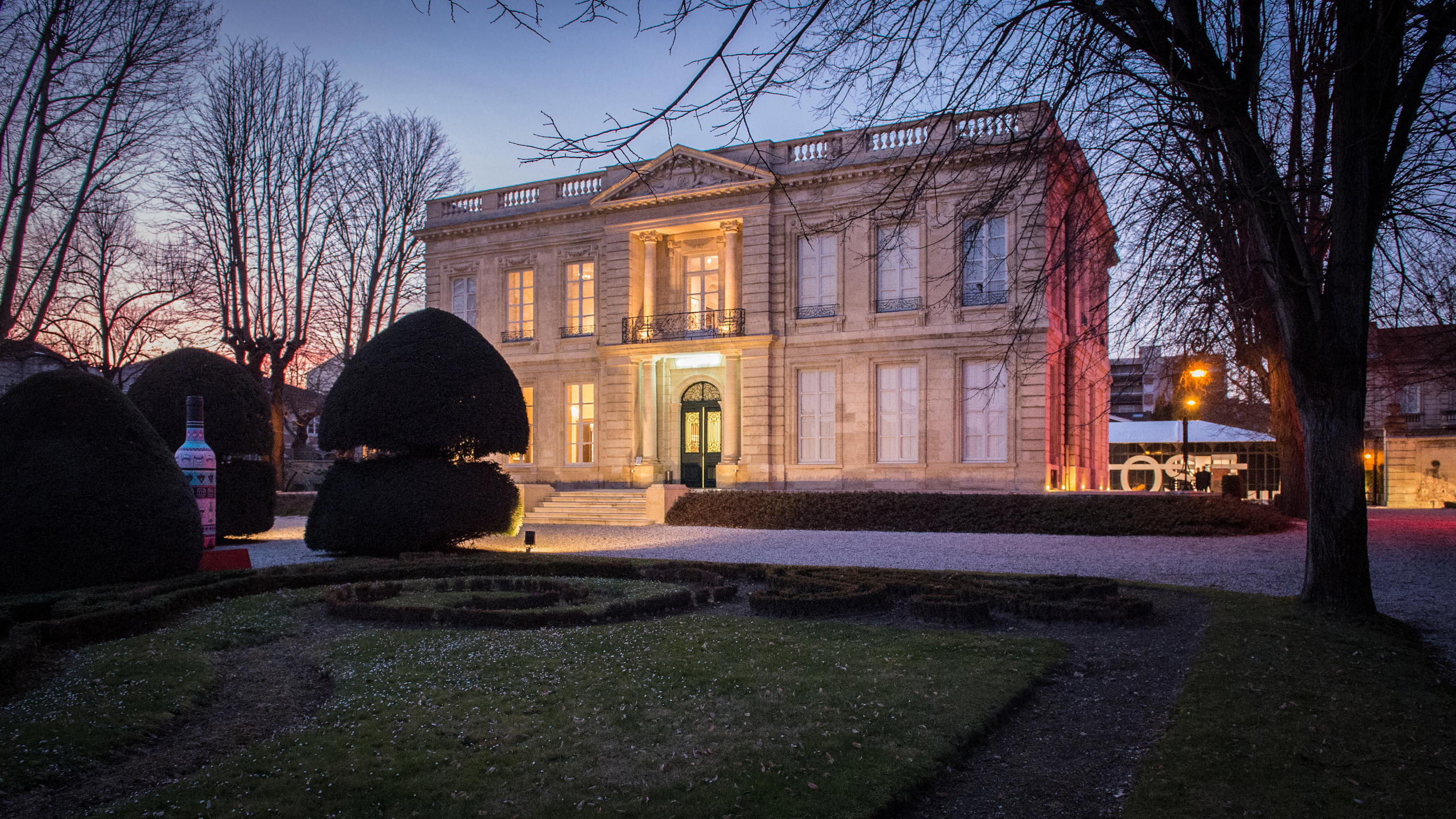 Château Pape ClementPessacChâteau Pape Clément is a wine estate in Pessac, Bordeaux.
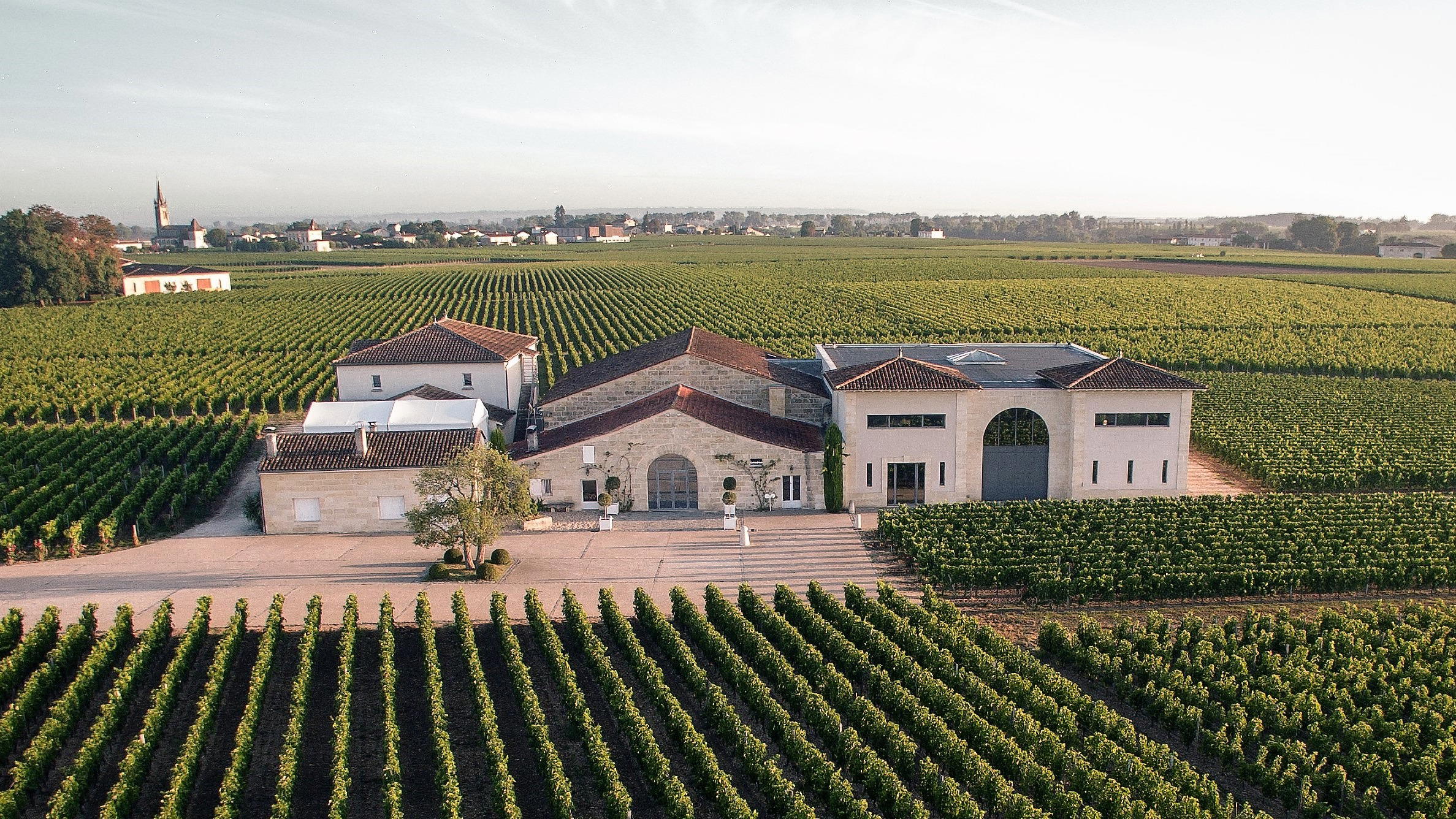 Château La ConseillantePomerolChâteau La Conseillante is worth pursuing for serious Pomerol collectors and first-timers who care about access more than casual cellar-door ease. Treat any allocation or club-style opportunity as a due-diligence decision: confirm terms, purchase expectations, and shipping before committing.
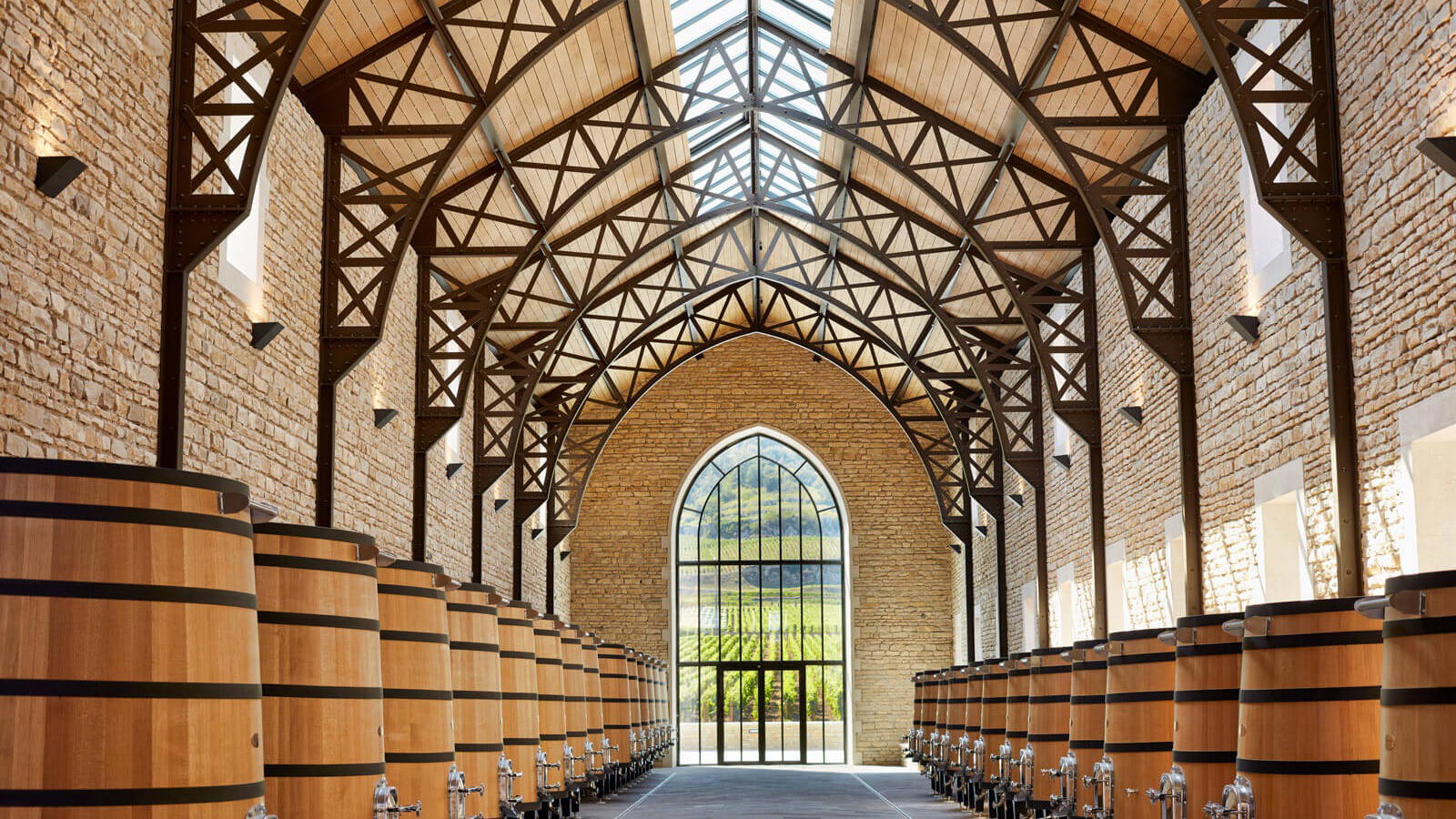 Domaine FaiveleyNuits-Saint-GeorgesDomaine Faiveley is a winery on Rue du Tribourg in Nuits-Saint-Georges.
 TaittingerReimsTaittinger is a winery on Place Saint-Nicaise in Reims.