
Château Roubine
Lorgues
Winery in Lorgues, France
 Book with Pearl
The Read
Var Estate Viticulture
Price
$30–50tasting
Why go
Château Roubine is worth prioritizing if the appeal is Provençal wine with documented heritage: its first vintage dates to 1776, and Valérie Rousselle gives the estate a clear modern winemaking identity. It is a stronger fit for wine-focused travelers than for visitors seeking a casual drop-in or restaurant-led estate day.
About Château Roubine
Consider Château Roubine as a Lorgues venue with a concise set of planning essentials. Valérie Rousselle is the named chef/owner, the dress code is smart casual, and the venue holds Pearl 4 Star Prestige recognition for 2025. For menus, prices, hours, tastings, drinks, history, or visitor formats, check directly with the venue before you plan around them.
The value case is direct: Château Roubine is most useful to shortlist when you want a Lorgues venue with a named operator and recognition, but not when you need every itinerary detail settled in advance. If your decision depends on a particular service, dining format, or schedule, confirm it with Château Roubine before making the trip.
A Lorgues venue best approached through its essentials
Château Roubine is in Lorgues, Valérie Rousselle is associated with the venue as chef/owner, and the dress code is smart casual. Rely on those essentials, and check more specific details about the experience directly before visiting.
Use Our full Lorgues restaurants guide and Our full Lorgues hotels guide to build a broader Lorgues stay around it. For comparison planning, keep Château Roubine in view alongside Château de Beaucastel, Château de Berne, Château de Roquefort, Château de Saint-Martin, and Domaine Ott without assuming that each offers the same format or is part of the same local scene.
Value depends on your plans
The clearest reasons to prioritize Château Roubine are its Lorgues location, Valérie Rousselle's role as chef/owner, smart casual dress code, and Pearl 4 Star Prestige recognition for 2025. Prices, menus, service format, seat count, drinks list, and set schedules are details to ask about directly before making plans.
For planning, compare Château Roubine on those essentials unless you have checked current details directly. Château de Berne, Château de Saint-Martin, Château de Roquefort, Château de Beaucastel, and Domaine Ott can be useful reference names, but the right choice depends on the specific experience each venue confirms for your date.
Planning details
- Location
- 4216 Rte de Draguignan, 83510 Lorgues
- Website
- chateauroubine.com
- Phone
- +33 4 94 85 94 94
The take
The Take
The Vibe
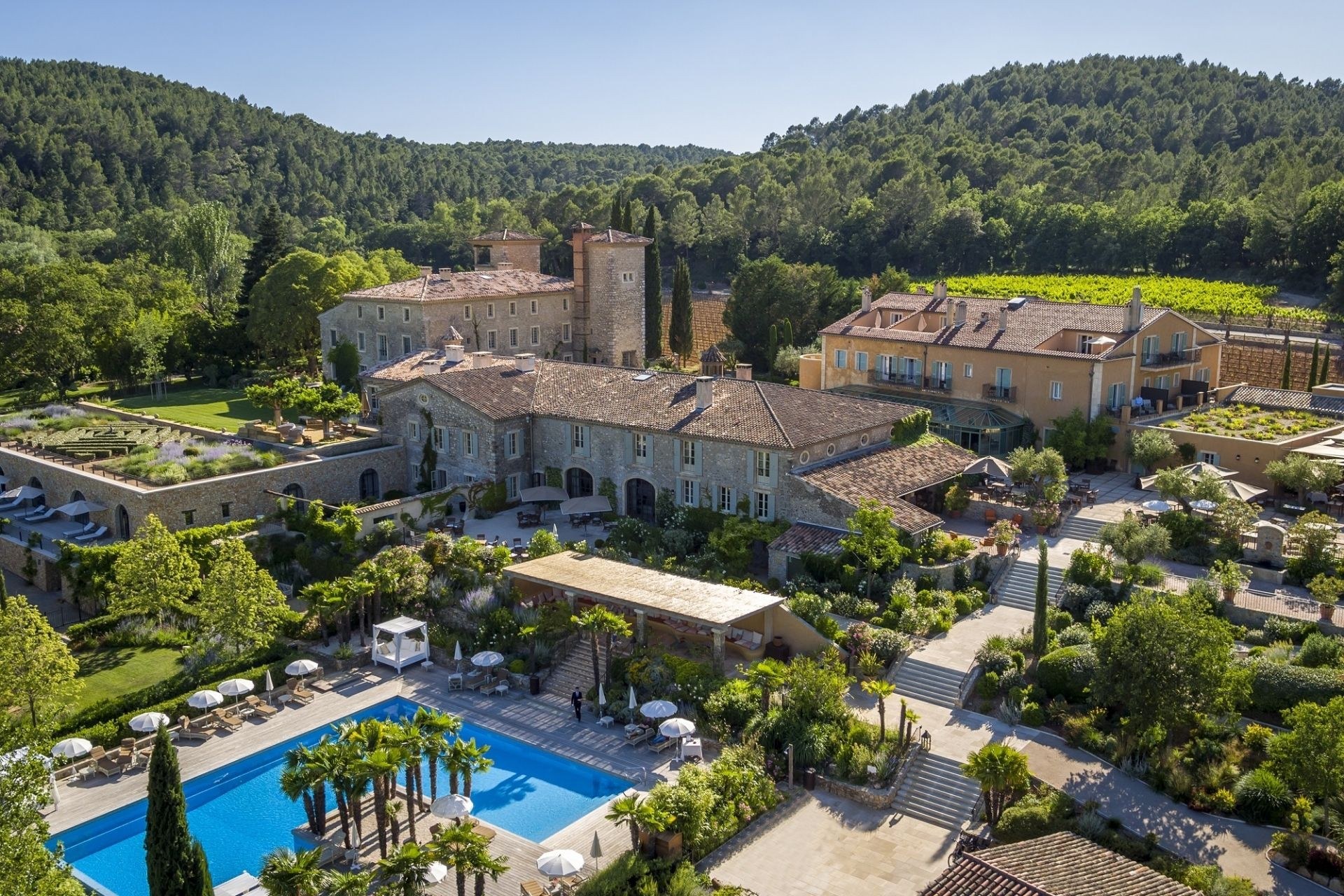
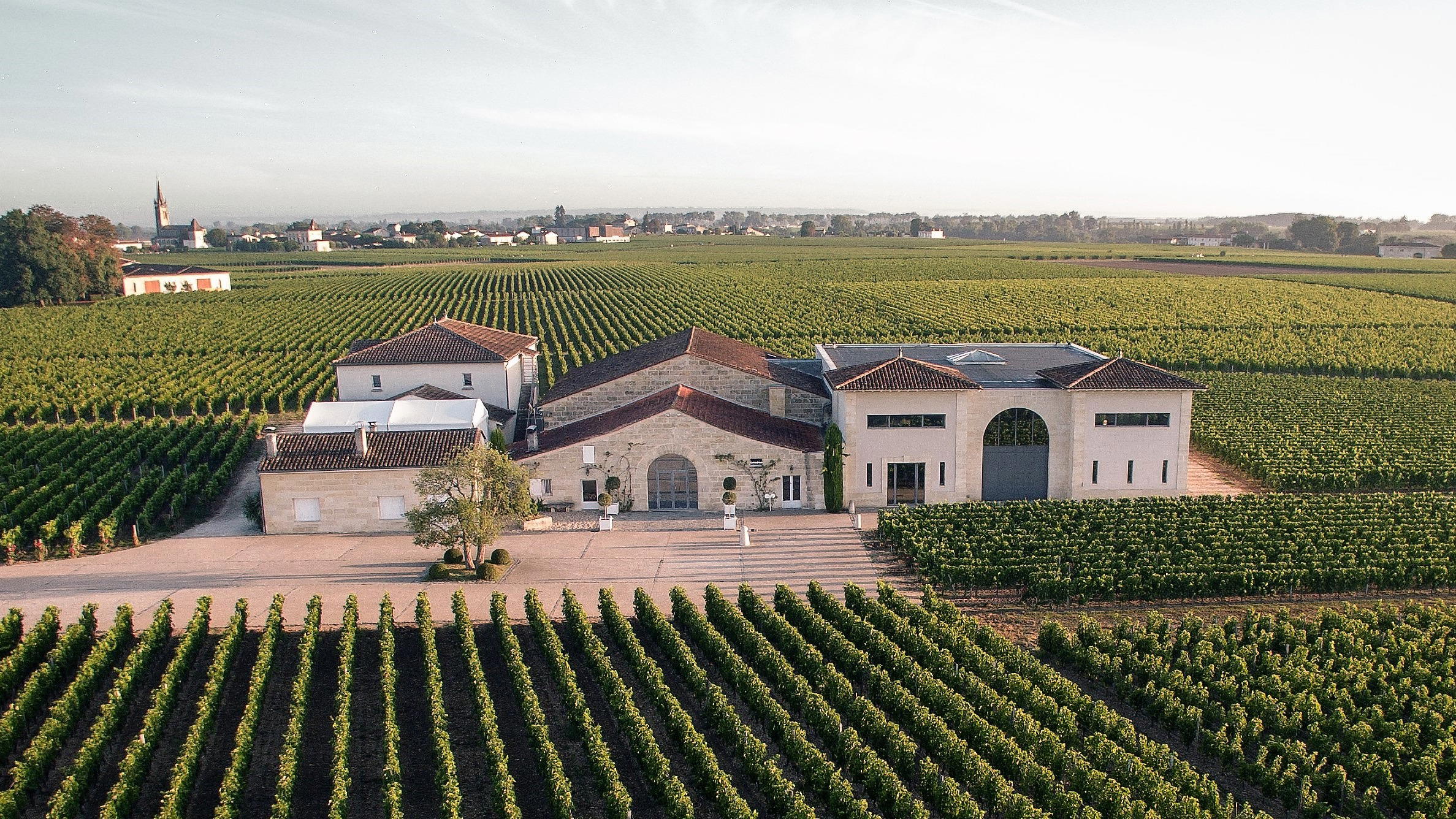
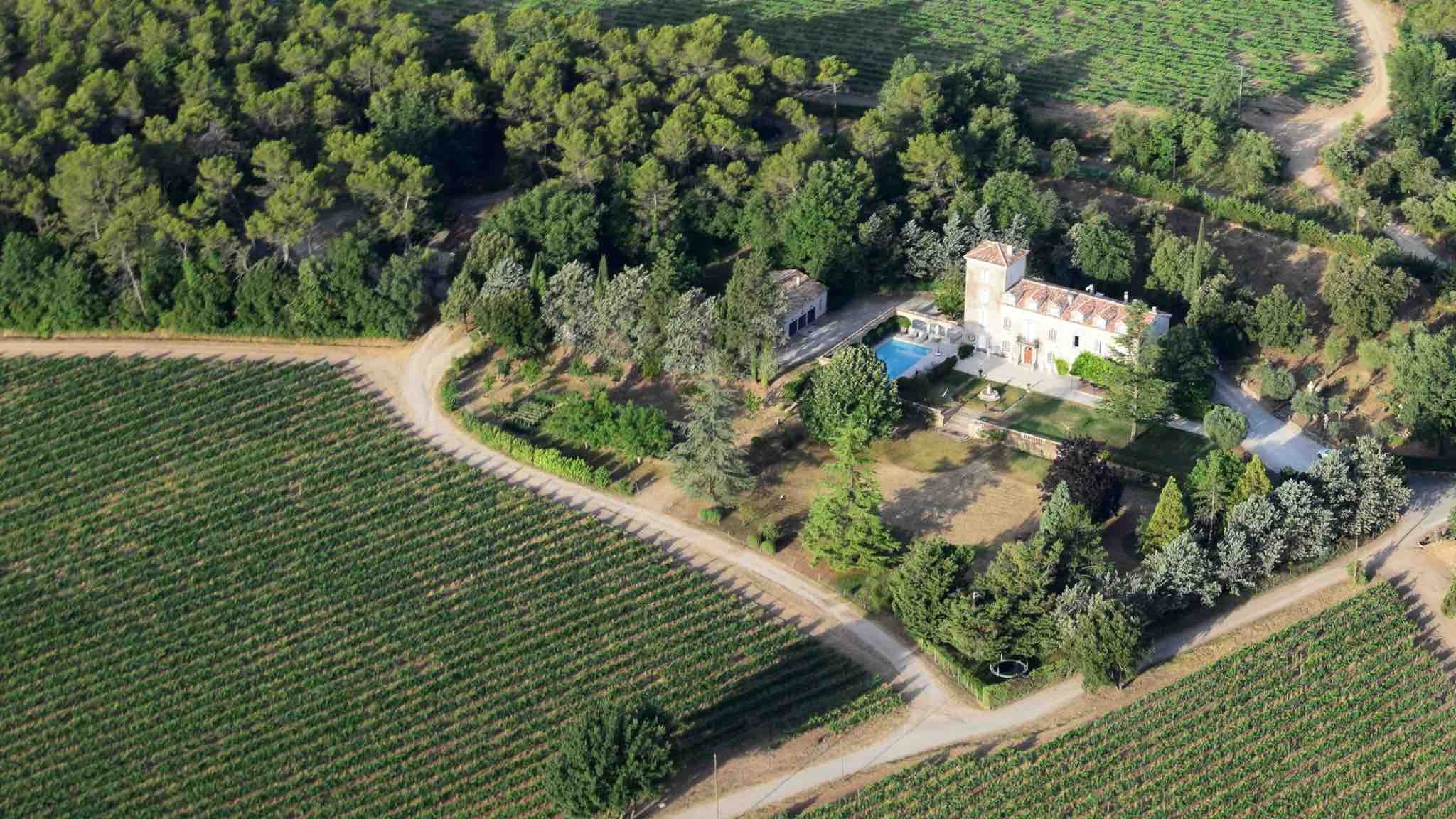
Château Roubine presents as a storied inland Provençal estate where history and terroir steer the guest experience. The property’s origins reach back to 1776, and the write-up foregrounds long-term site knowledge, parcel specificity and the older soils of the Var that produce structured, mineral-driven wines. Rather than the sunbaked, fruit-forward rosé stereotype of the coast, Roubine is described as elevated and measured — an estate whose character is rooted in geological variety, wind exposure and vine age. The overall impression is one of calm, rural gravitas grounded in winemaking continuity and place-based focus.
Best For
This estate suits visitors who come with a curiosity about terroir and provenance rather than tourists seeking easygoing holiday rosé. Château Roubine is ideal for wine students, enthusiasts and small groups focused on education and tasting — people who want to explore how soil, elevation and parcel history shape structure and minerality. Its long-documented lineage and a terroir-led philosophy also make it a fitting stop for couples or small celebrations that value historical context and thoughtful, quality-driven wines over volume-oriented Provence offerings.
Tasting Tips
When you visit or taste, prioritise parcel-specific bottlings and older-vine cuvées if they’re available: the text stresses micro-expressions of particular parcels and vine age as key to flavour concentration. Ask about winemaker Valérie Rousselle’s approach and recent accolades (notably the 2025 Pearl 4 Star Prestige) to frame the tasting around the estate’s quality aims. Expect wines that emphasize structure and minerality rather than overt fruit, and request comparisons that illustrate how elevation and soil differences across the estate change the expression of each vintage.
Venue details
Ambiance
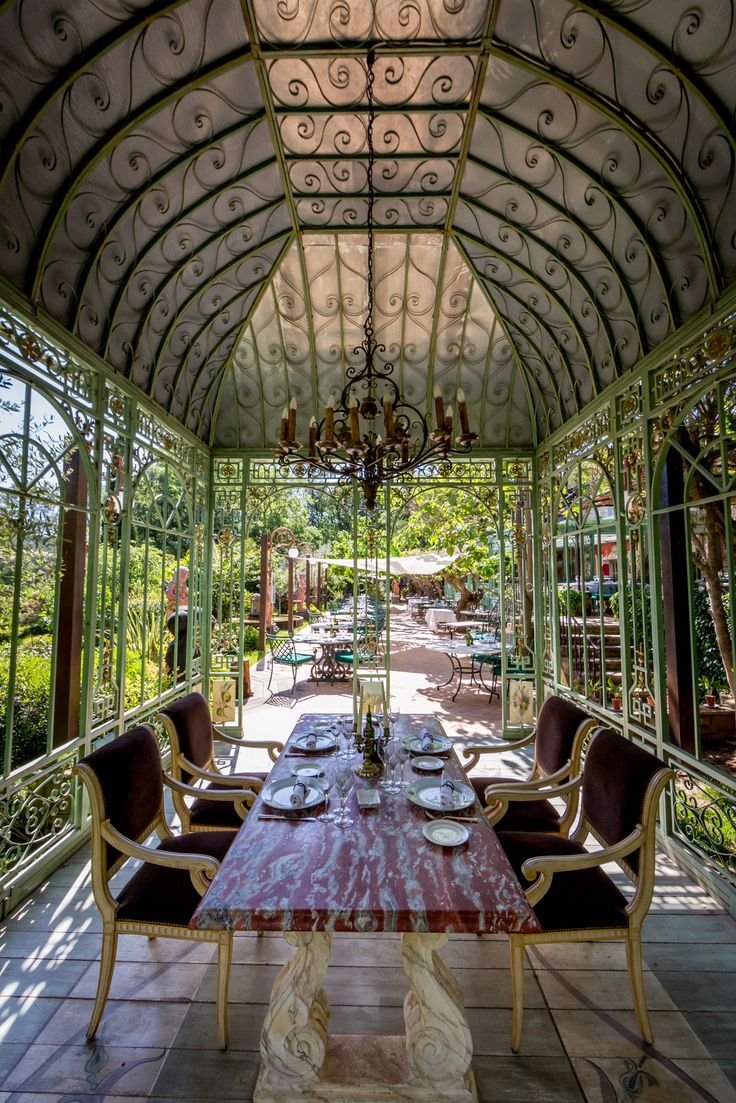
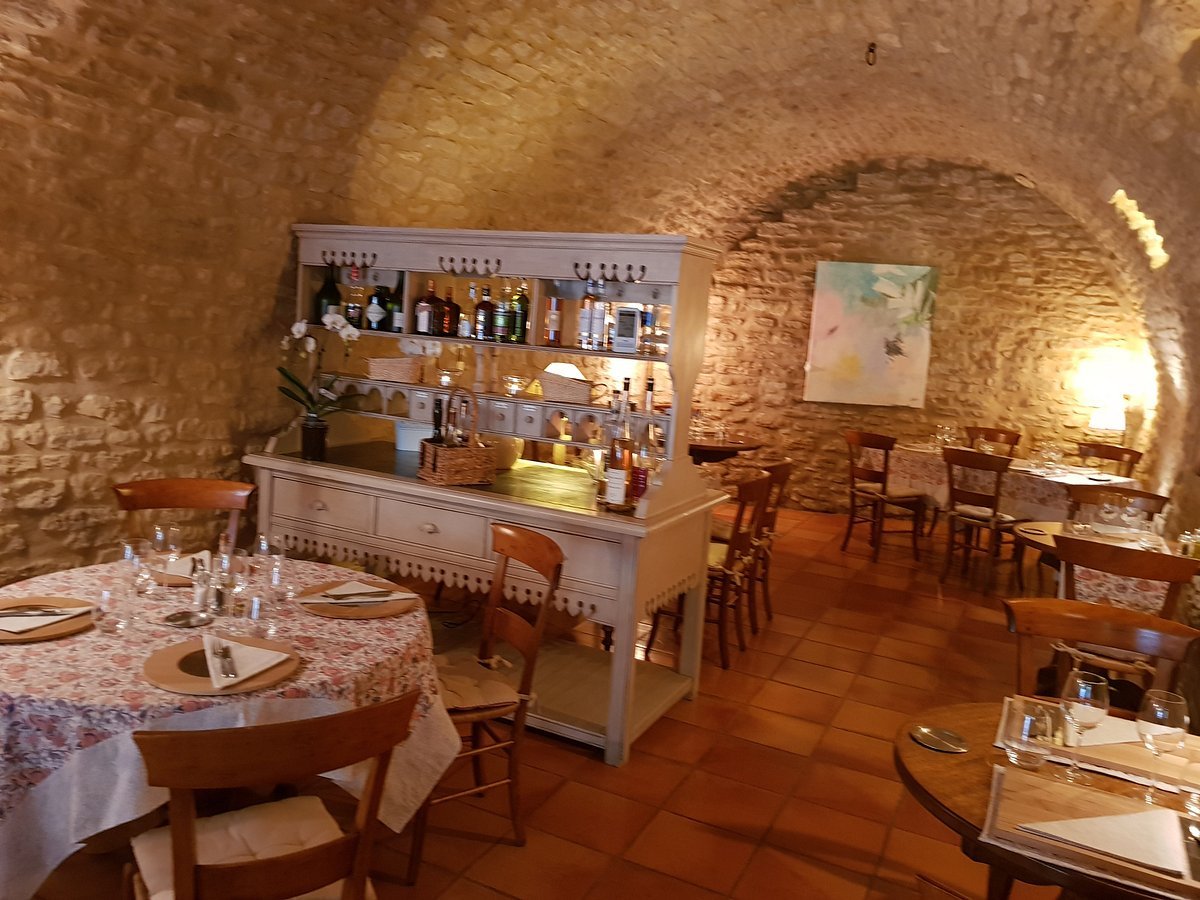
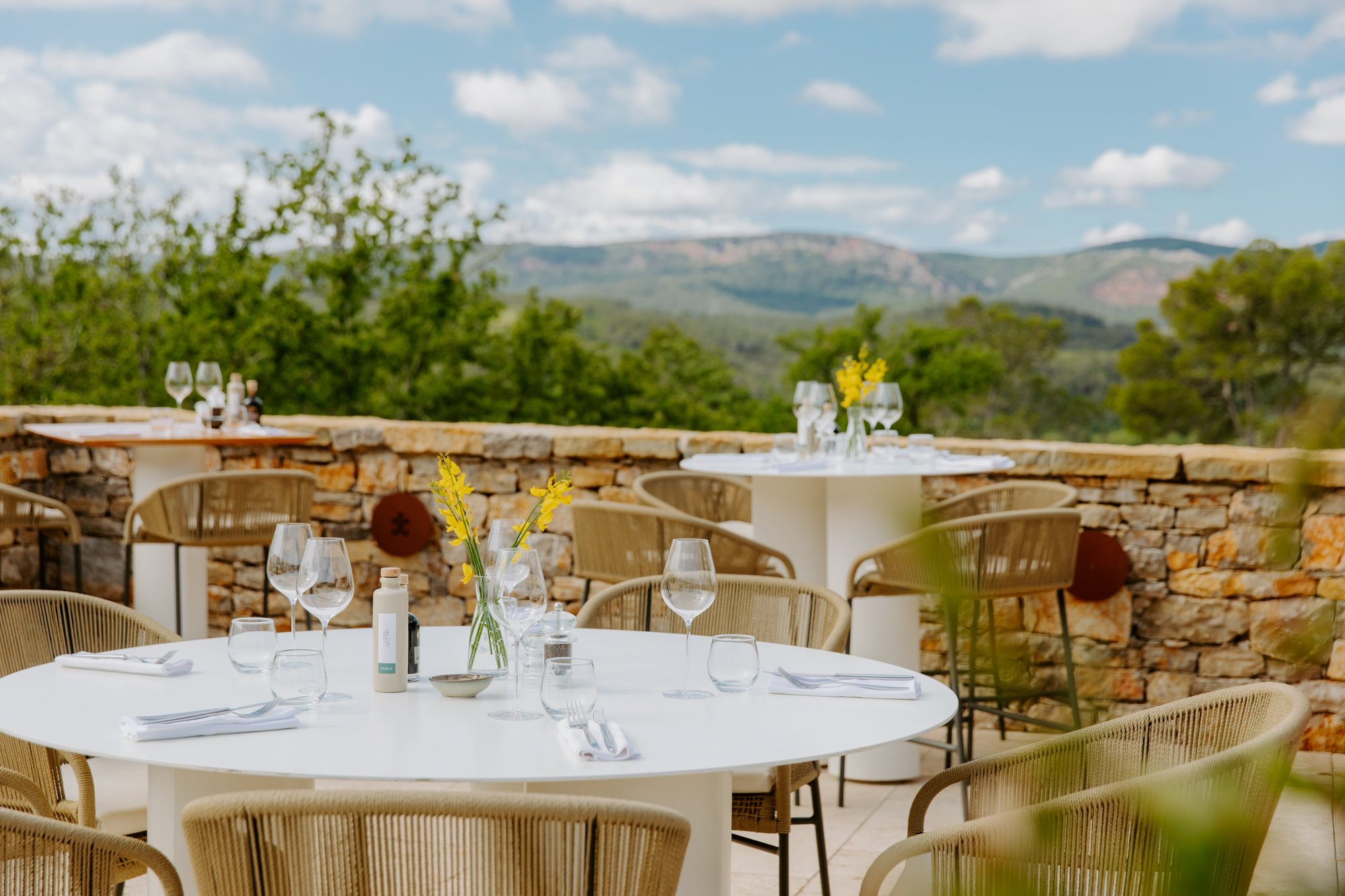
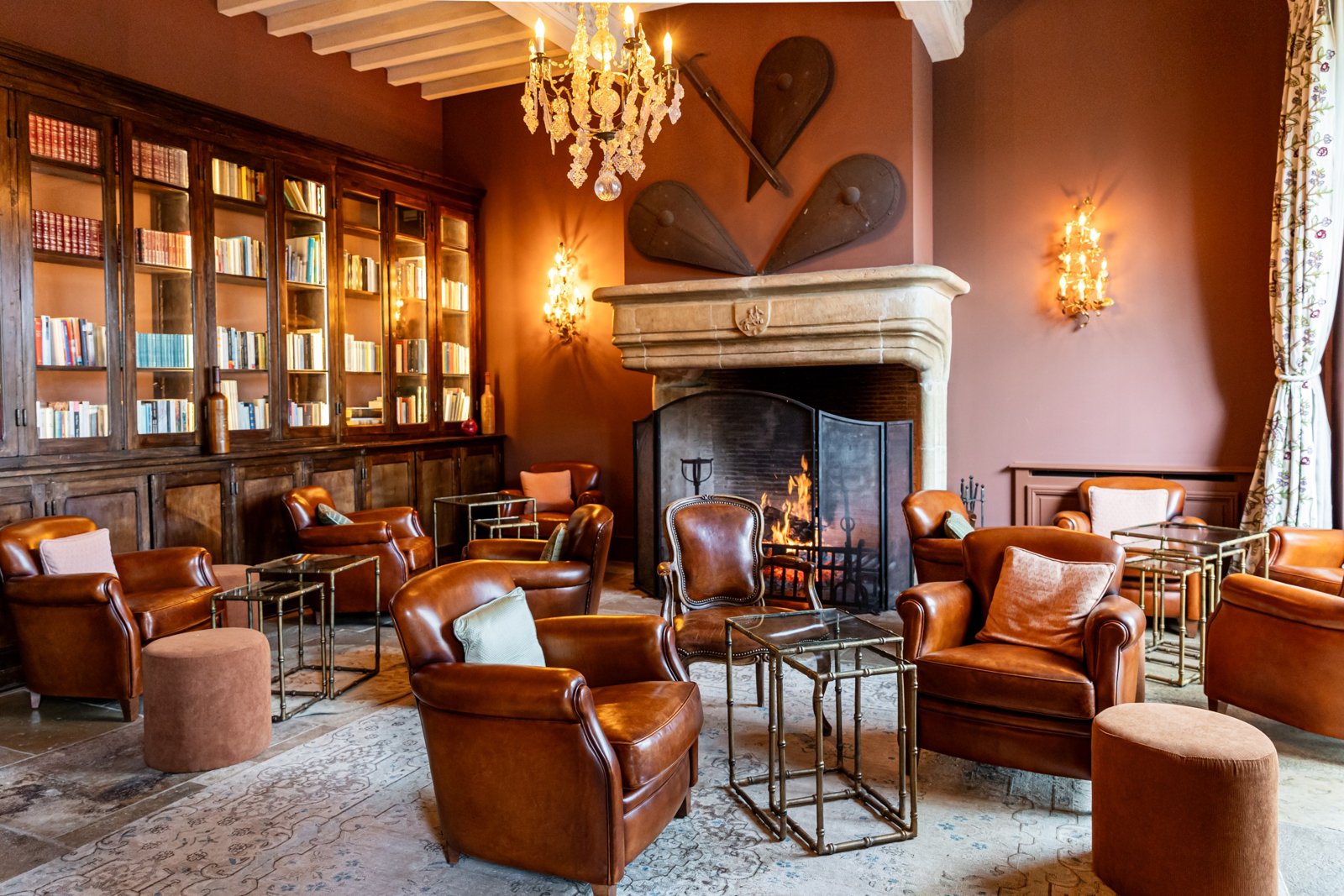
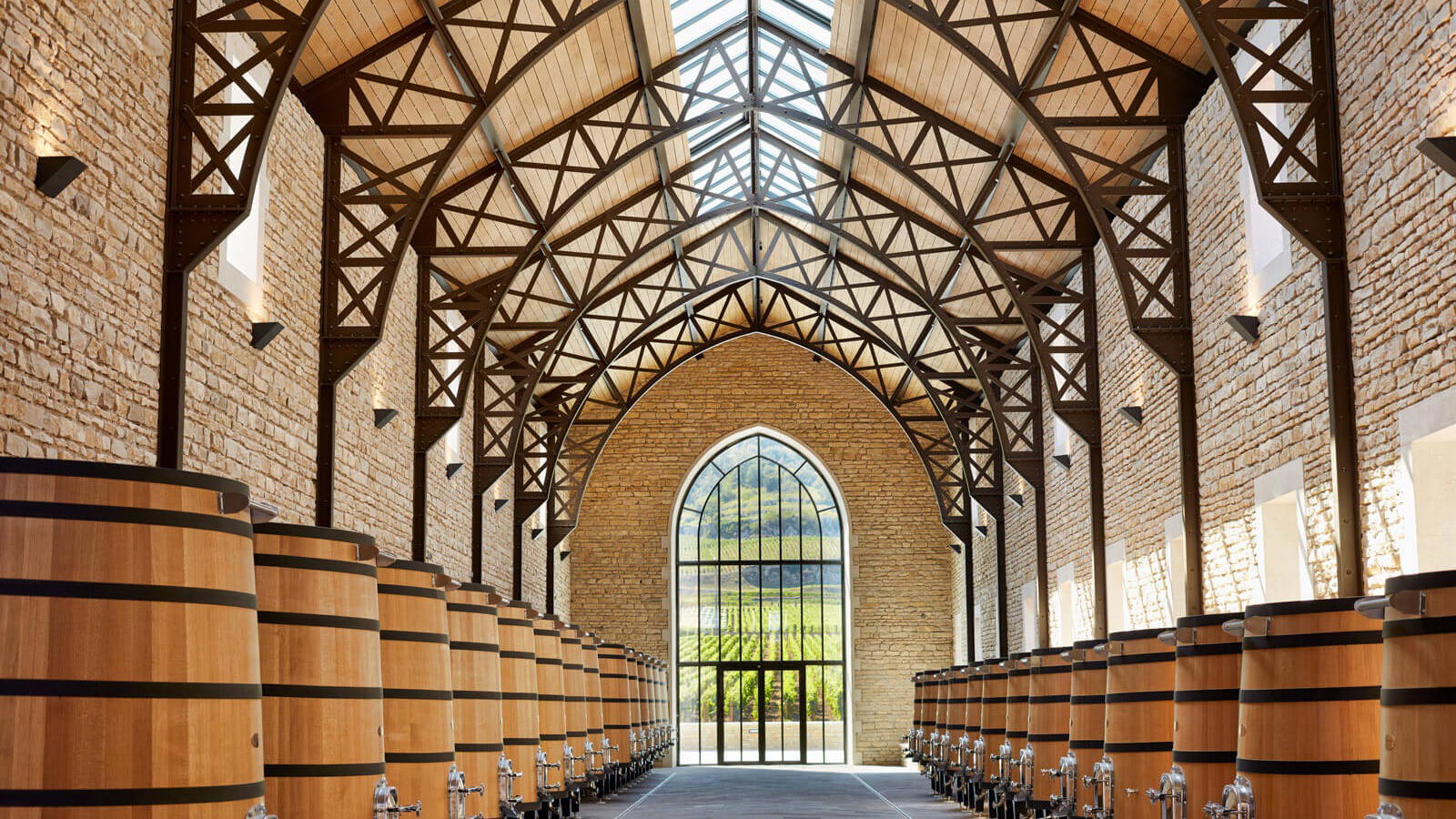
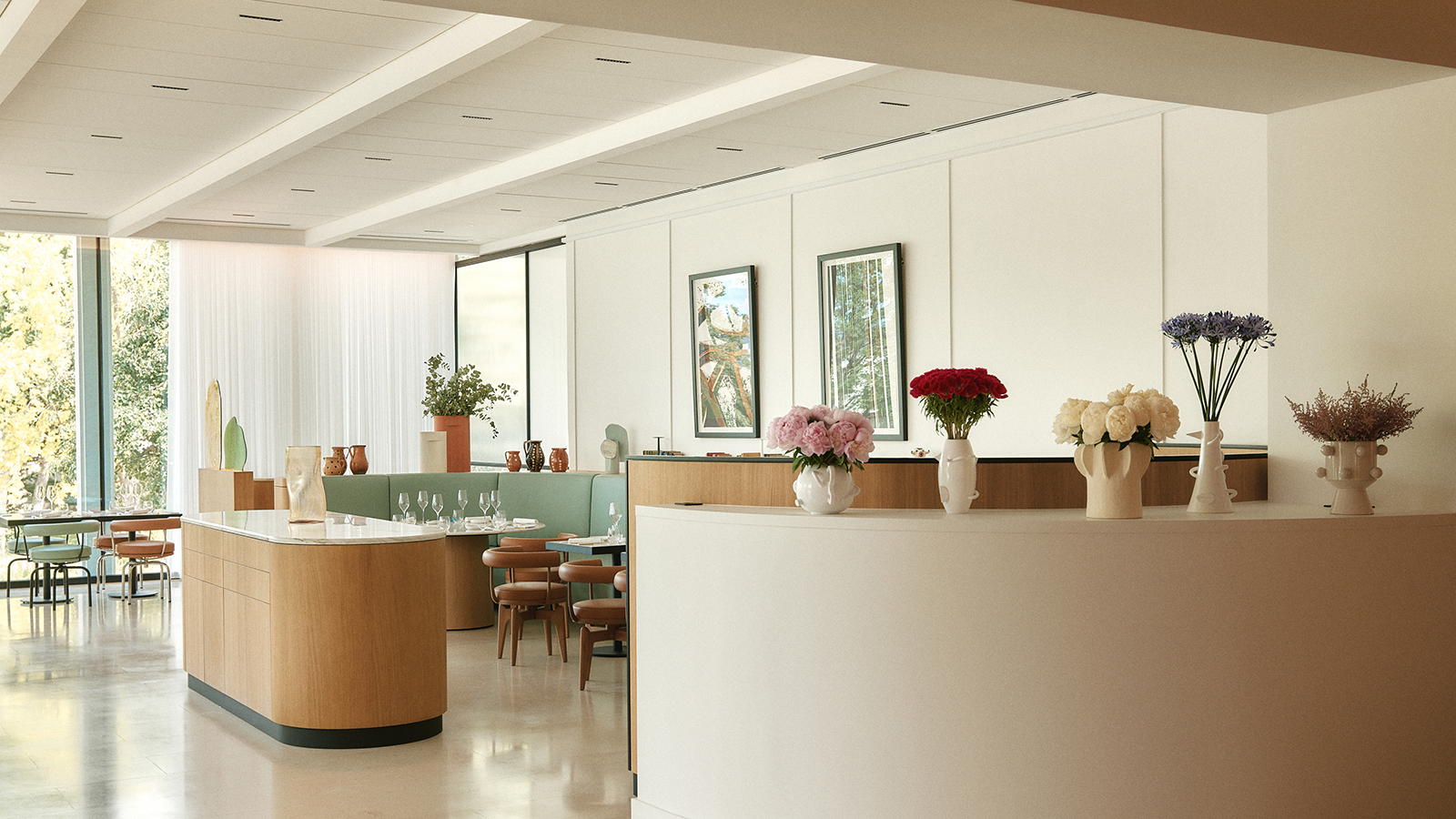
Sophisticated and refined with natural light from panoramic vineyard views, blending historic charm with modern cellar technology in a serene countryside setting.
Tags
Vibe
Best For
Experience
Sourcing
View
Accessibility
At the Vineyard
- Appellation
- Côtes de Provence AOC
- Varietals
- Grenache, Syrah, Mourvèdre, Cinsault, Tibouren
- Tour Duration
- 90-120 minutes
- Tour Languages
- French, English, Spanish
- Visits
- By reservation
- Farming
- Sustainable
- Wine Styles
- Still Rose, Still Red, Still White
- Food Pairing
- Offered
- Shipping
- Available
- Wine Club
- Not available
Know before you go
Know Before You Go
- Getting there
- 4216 Rte de Draguignan, 83510 Lorgues
Planning details
Location
Recognition and awards
Also consider
Where to look if this does not fit
If Château Roubine is too hard to work into the schedule, start with Château de Berne for a broader estate experience. If the priority is a more recognizable Provence label, compare it with Domaine Ott instead.
Winery context
How it compares with other Provence wine stops
Choose Château Roubine over Château de Berne if the decision is about wine heritage and a more producer-focused stop. Château de Berne is the safer pick for travelers who want a broader estate-day feel, while Château Roubine makes more sense when the bottle and the backstory matter more than extra hospitality layers.
Domaine Ott is the stronger comparison for name recognition and polished Provence positioning. Château Roubine is the better call for visitors who want Lorgues context and historic continuity without making the day only about brand prestige. Château de Saint-Martin is also worth cross-shopping if the priority is another Provençal château setting rather than a single-estate decision.
Château de Roquefort and Château de Beaucastel pull the itinerary in different directions: the former works for a broader Provence wine route, while Beaucastel is the bigger detour for travelers who are building a more ambitious Rhône-focused trip. For a Lorgues-centered day, Château Roubine is the more direct fit.
Around this place
Discover more on Pearl
Unlock the full Château Roubine guide in Pearl, including awards, comparisons, FAQs, planning details, and nearby places.
Compare Château Roubine
| Venue | Location | Awards |
|---|---|---|
| Château Roubine | Lorgues | 2025 Pearl 4 Star Prestige |
| Domaine Ott | Taradeau | 2025 Pearl 3 Star Prestige |
| Château de Roquefort | Taradeau | 2025 Pearl 2 Star Prestige |
| Château de Berne | Fargues | No published awards |
| Château de Beaucastel | Flayosc | 2025 Pearl 4 Star Prestige2023 World's 50 Best Vineyards · #34 |
| Château de Saint-Martin | La Motte | 2025 Pearl 2 Star Prestige |

How Château Roubine Lorgues compares with similar nearby venues.
FAQ
Frequently Asked Questions
Do I need a reservation at Château Roubine?
Check directly with Château Roubine before visiting Lorgues. The venue holds Pearl 4 Star Prestige recognition for 2025, Valérie Rousselle is chef/owner, and the dress code is smart casual. Ask the venue about reservation requirements and opening details before you go.
What other venues are useful comparisons for Château Roubine?
Château de Beaucastel, Château de Roquefort, Château de Berne, Château de Saint-Martin, and Domaine Ott are useful comparison names to consider alongside Château Roubine. Confirm each venue's current format, availability, and location details directly before building an itinerary around them.
Are membership or club details available for Château Roubine?
Before making decisions about membership or club programs, ask Château Roubine directly about current terms, access, shipping, and benefits.
What drinks or products are available at Château Roubine?
If a particular drink, bottle, product, or release matters to your visit, contact Château Roubine directly and ask what is currently available.
Does Château Roubine offer shipping?
Ask Château Roubine directly whether shipping is available to your destination before planning purchases around it.