
Château Doisy-Védrines
Barsac, Saint-Julien-Beychevelle
Winery in Saint-Julien-Beychevelle, France
 Book with Pearl
The Read
Botrytised Barsac Precision
Why go
Book Château Doisy-Védrines only if the trip is built around serious Bordeaux context. Its 1789 first vintage and Olivier Castèja connection make it worthwhile for wine-focused travelers, but it is not the easy choice for casual tasting plans, large groups, or flexible scheduling.
About Château Doisy-Védrines
Château Doisy-Védrines is a Saint-Julien-Beychevelle venue with limited public detail available for planning. The confirmed essentials are direct: Olivier Castèja is listed as chef/owner, the dress code is smart casual, and the venue holds Pearl 4 Star Prestige recognition for 2025.
For visitors comparing options in and around Saint-Julien-Beychevelle, the safest approach is to plan from confirmed logistics rather than assuming a specific tasting format, menu, price, group capacity, or walk-in policy. Use the weekday opening hours as the main planning anchor, then confirm any visit details directly before building an itinerary around the stop.
Plan around the weekday hours
The practical case for Château Doisy-Védrines rests on timing. The venue is open Monday through Thursday from 8:30 AM to 12:30 PM and 1:30 PM to 5:30 PM, and Friday from 8:30 AM to 12:30 PM. It is closed Saturday and Sunday. That makes it better suited to weekday planning than to a flexible weekend itinerary.
For Saint-Julien-Beychevelle planning, compare it with other nearby château options such as Château Beychevelle, Château Branaire Ducru, Château Ducru-Beaucaillou, Château Gloria, and Château Saint-Pierre. Those comparisons are most useful for itinerary shape and timing, not for assuming that Château Doisy-Védrines offers the same services or visitor format.
The value question should stay practical: does the confirmed weekday schedule and smart-casual setting fit the trip? Without details on pricing, service format, menus, seating, or group capacity, visitors should avoid treating those specifics as settled until they have confirmation from the venue.
Who should put it on the shortlist
Put Château Doisy-Védrines on the shortlist if a weekday Saint-Julien-Beychevelle stop fits your schedule and you are comfortable confirming details before arrival. The Pearl 4 Star Prestige recognition in 2025 gives it a clear confirmed marker, but the public planning information remains limited.
In that case, compare several options and build the day around confirmed hours and direct communication with each venue.
Planning details
- Location
- CHATEAU DUCRU BEAUCAILLOU, Chateau Ducru-Beaucaillou, 33250 Saint-Julien-Beychevelle, France
- Website
- chateau-doisy-vedrines.fr
The take
The Take
The Vibe
Château Doisy-Védrines reads as a deeply rooted Bordeaux château defined by continuity rather than reinvention. The narrative foregrounds longevity: a production history dating to 1789 and survival through major historical crises signal a property that preserves accumulated site knowledge. Rather than flashy modernization, the estate presents a measured, historically grounded identity within the Sauternes tradition. Its placement near Médoc heavyweights makes it a quietly distinctive counterpoint — an old-world Sauternes house whose character is best understood through its long arc and its role in the 1855 classification framework.
Best For
This estate is best for visitors who want to study Bordeaux’s classification history and collectors who value historically established Sauternes producers. The description highlights the 1855 classification and the practical effects that status has on pricing and allocation, so Doisy-Védrines appeals to people approaching bottles with an eye for provenance and context. It also suits those seeking a special-occasion bottle anchored in tradition: the château’s long lineage and clear place within the Sauternes story make it a choice for deliberate buying and focused tasting rather than casual, trend-driven consumption.
Tasting Tips
When considering a bottle from Doisy-Védrines, focus on the estate’s classification and historical continuity. The text stresses that the 1855 classification still shapes how bottles are priced and allocated, and it explicitly frames Doisy-Védrines as a Sauternes house rather than a Médoc red producer — that distinction matters for expectations of style and value. Prospective buyers and visitors should research the château’s place in the Bordeaux map and treat its offerings as expressions of long-established site knowledge; understanding that context helps when comparing allocation and pricing against nearby Médoc neighbours.
Venue details
Ambiance
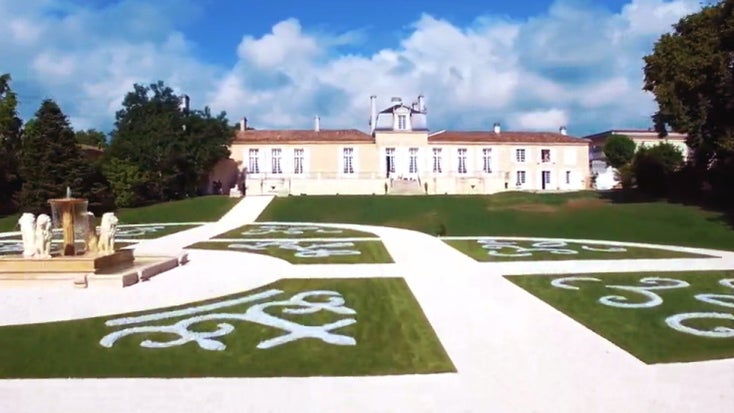
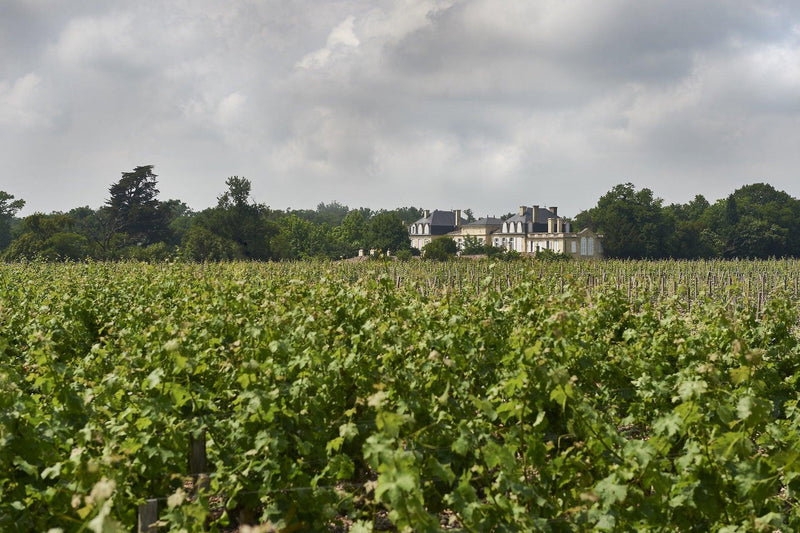
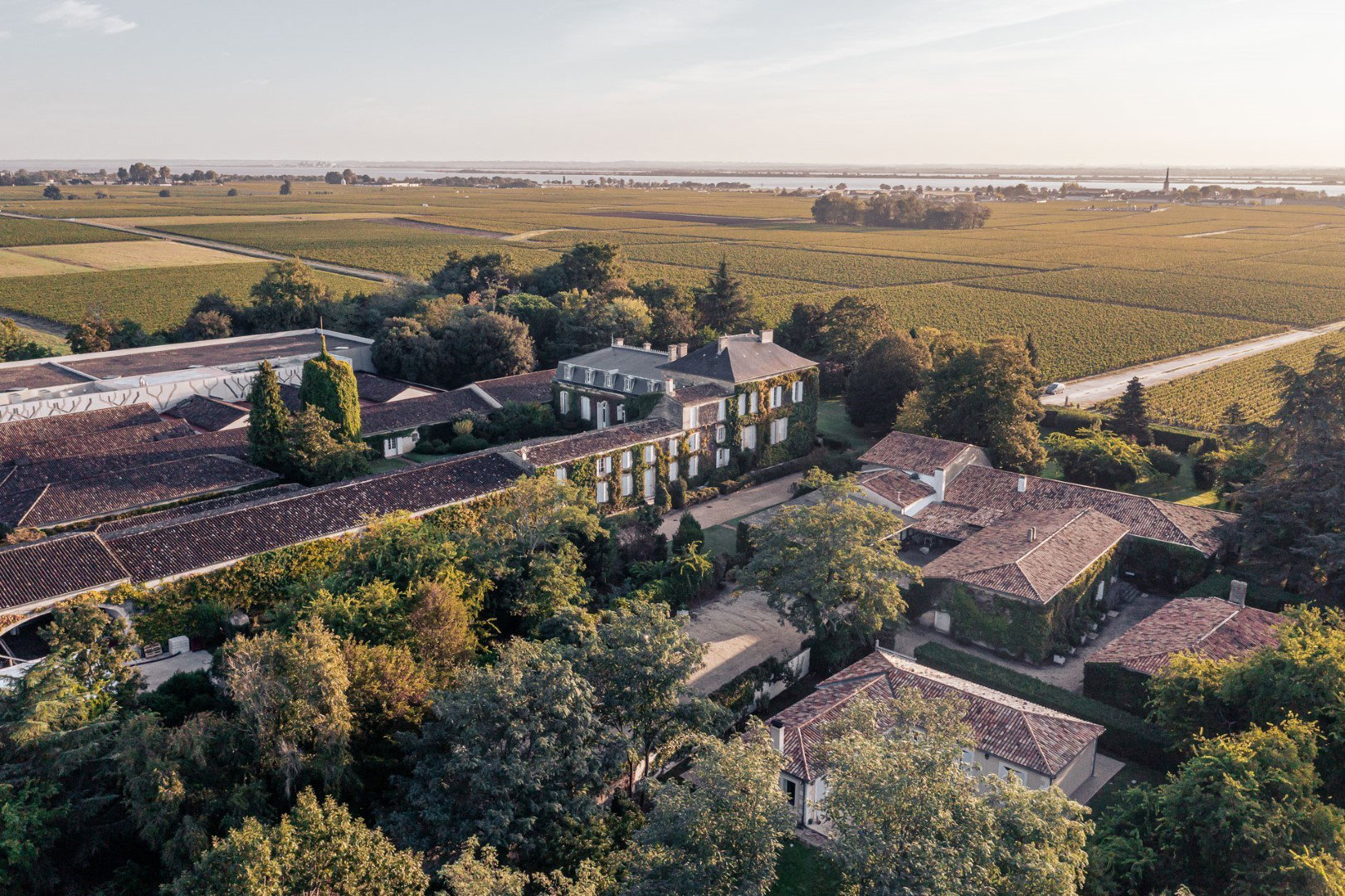
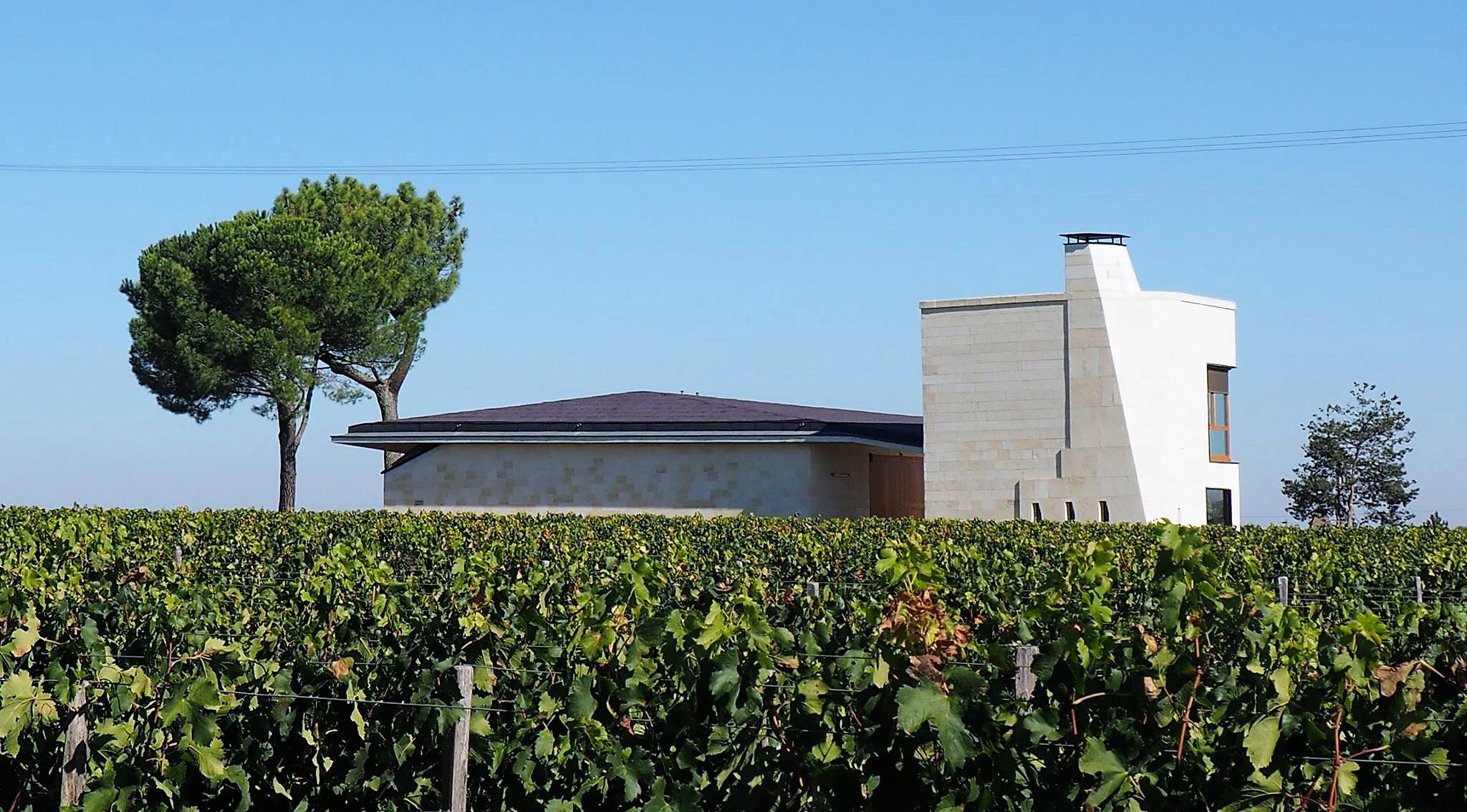
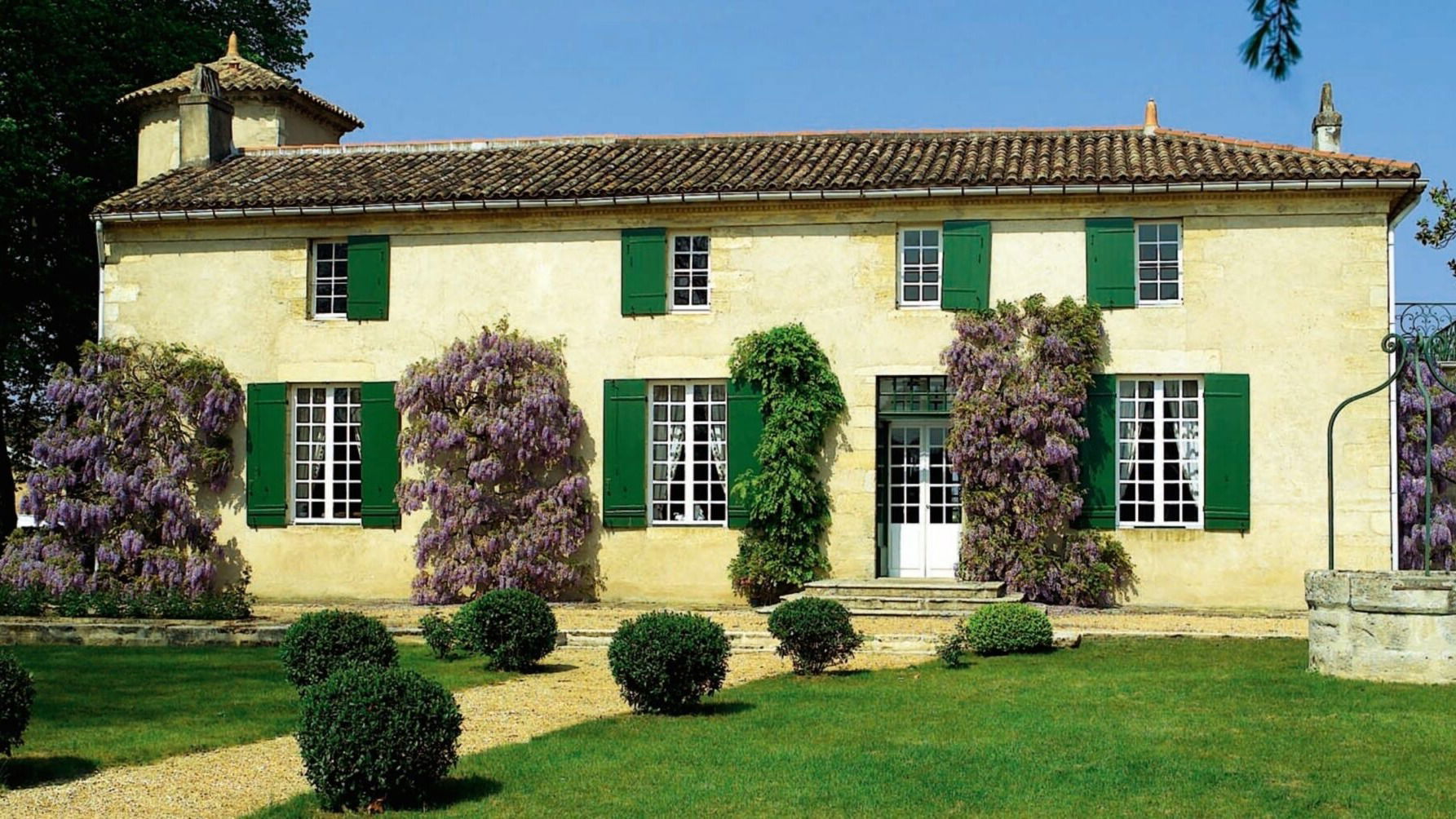
Elegant and refined atmosphere of a historic Bordeaux château with traditional winemaking.
Tags
Vibe
Best For
Experience
View
At the Vineyard
- Appellation
- Barsac AOC
- Varietals
- Sémillon, Sauvignon Blanc, Muscadelle
- Tour Duration
- 60-90 minutes
- Visits
- By appointment only
- Wine Styles
- Dessert
- Wine Club
- Not available
Know before you go
Know Before You Go
- Getting there
- CHATEAU DUCRU BEAUCAILLOU, Chateau Ducru-Beaucaillou, 33250 Saint-Julien-Beychevelle, France
Planning details
Location
CHATEAU DUCRU BEAUCAILLOU, Chateau Ducru-Beaucaillou, 33250 Saint-Julien-Beychevelle, France · Directions
Recognition and awards
Also consider
Where to look if access does not work
If this does not fit the itinerary, try Château Beychevelle for a more classic Saint-Julien-Beychevelle château choice, or Château Gloria for a practical alternative within the same local wine conversation.
Winery context
How it compares in Saint-Julien-Beychevelle
Choose Château Doisy-Védrines for historical depth and a more specialist Bordeaux stop. Château Ducru-Beaucaillou and Château Beychevelle are stronger targets if the priority is a grander, more recognisable Saint-Julien experience; they make more sense for first-time visitors who want the classic château impression.
For value-minded planning, compare it against Château Branaire Ducru and Château Gloria. Those are better fallback names when the goal is to build a practical Médoc day with less reliance on one hard-to-secure visit. Doisy-Védrines is the better pick when the historical thread matters more than itinerary flexibility.
Château Saint-Pierre belongs in the same serious-wine comparison set, especially for travelers prioritising estate reputation over ambience. If only one Saint-Julien-Beychevelle stop can be confirmed, book the estate that matches the trip's purpose: Beychevelle for classic château optics, Gloria for a more accessible-feeling plan, Doisy-Védrines for depth and context.
Explore Saint-Julien-Beychevelle
Around this place
Discover more on Pearl
Unlock the full Château Doisy-Védrines guide in Pearl, including awards, comparisons, FAQs, planning details, and nearby places.
Compare Château Doisy-Védrines
| Venue | Location | Awards |
|---|---|---|
| Château Doisy-Védrines | Saint-Julien-Beychevelle | 2025 Pearl 4 Star Prestige |
| Château Ducru-Beaucaillou | Pauillac | 2026 Falstaff Winery Guide2025 Pearl 4 Star Prestige |
| Château Beychevelle | Saint-Julien-Beychevelle | 2026 Michelin Grape Main Selection - Bordeaux2026 Falstaff Winery Guide2025 Pearl 4 Star Prestige |
| Château Branaire Ducru | St-Julien | 2026 Falstaff Winery Guide2026 Michelin 1 Grape - Bordeaux2025 Pearl 3 Star Prestige |
| Château Gloria | Saint-Julien-Beychevelle | 2026 Falstaff Winery Guide |
| Château Saint-Pierre | St-Julien | 2026 Michelin Grape Main Selection - Bordeaux2025 Pearl 3 Star Prestige |



How Château Doisy-Védrines compares with similar nearby venues.
FAQ
Frequently Asked Questions
What is Château Doisy-Védrines known for in the guide?
Château Doisy-Védrines is listed in Saint-Julien-Beychevelle with Pearl 4 Star Prestige recognition for 2025. Olivier Castèja is the confirmed chef/owner. Other specific claims, such as a flagship bottle, menu format, or tasting structure, should be confirmed directly with the venue.
Can Château Doisy-Védrines handle large groups?
The confirmed planning information is the weekday schedule: Monday through Thursday from 8:30 AM to 12:30 PM and 1:30 PM to 5:30 PM, Friday from 8:30 AM to 12:30 PM, and closed Saturday and Sunday. For group plans, contact the venue before arranging the day.
Do I need a reservation at Château Doisy-Védrines?
Because the confirmed hours are weekday-focused and Friday ends at 12:30 PM, it is sensible to confirm timing directly before visiting. If your route also includes Château Branaire Ducru or Château Gloria, plan the day around confirmed availability.
Is there a wine club at Château Doisy-Védrines?
For now, the reliable facts are the Saint-Julien-Beychevelle location, Olivier Castèja as chef/owner, smart-casual dress code, weekday hours, and Pearl 4 Star Prestige recognition for 2025. If membership access or ongoing purchases matter to you, ask the venue directly.
How long should I plan for a visit to Château Doisy-Védrines?
Plan only from the confirmed opening windows: 8:30 AM to 12:30 PM and 1:30 PM to 5:30 PM Monday through Thursday, and 8:30 AM to 12:30 PM on Friday. The venue is closed Saturday and Sunday, so any visit should be arranged within the weekday schedule.