

Castello di Ama
Gaiole in Chianti
Winery in Gaiole in Chianti, Italy
 Book with Pearl
The Read
Single-Vineyard Classico Precision
Price
$50–100tasting
Why go
Prioritize Castello di Ama if the Gaiole in Chianti trip is built around serious wine rather than easy drop-in tasting. The first vintage dates to 1978, Marco Pallanti is the named winemaker, and the estate is a better fit for planners than for casual last-minute visitors.
About Castello di Ama
Castello di Ama is a Pearl 4 Star Prestige venue in Gaiole in Chianti for 2025. Marco Pallanti is listed as winemaker, and the dress code is smart casual. Carry those details into planning, especially if you are comparing it with other Chianti names and trying to decide where a stop belongs in the day. Check formats, menus, pricing, hours, and services directly with the venue before finalizing plans.
For travelers comparing premium options around Chianti, the read is simple: Castello di Ama is worth considering if you specifically want a Gaiole in Chianti stop with notable recognition. The 2025 Pearl 4 Star Prestige designation gives it a clear reason to be on a shortlist, but it does not, by itself, answer the practical questions that matter once you begin arranging transport, meal timing, or the shape of a wider route. Anything more detailed should be checked directly with the venue before you build a day around it.
Plan this as a confirmed venue, not an assumption-led stop
The practical move is to check the current visit details directly before committing your itinerary. Gaiole in Chianti rewards slower planning, because distances, pacing, and the order of stops can matter as much as the individual venue you choose. Opening hours, visit length, format, group capacity, and dining specifics can change or require advance arrangements. Treat Castello di Ama as a recognized and relevant candidate, then fill in the operational details with the venue before making it the anchor of the day. Use our full Gaiole in Chianti restaurants guide to avoid building the day around one uncertain detail.
If you are comparing Castello di Ama with Barone Ricasoli (Brolio), keep the comparison focused on your itinerary needs and check the current arrangements with each venue. The useful question is not simply which name is more appealing in the abstract, but which one fits the time you have, the level of certainty you need, and the kind of Chianti day you are trying to create. Castello di Ama has the advantage of a 2025 Pearl 4 Star Prestige recognition, but other specifics should not be assumed.
Who should choose this over the other Chianti names
Choose Castello di Ama if you want a Gaiole in Chianti venue with Pearl 4 Star Prestige recognition and smart casual dress guidance. That combination is enough to make it a serious option for travelers who prefer to start from strong signals and then check the remaining details directly. Compare it with Montevertine, Mazzei (Castello di Fonterutoli), Castello di Volpaia, and Fontodi if you are deciding how broadly to shape a Chianti-area day. In that context, Castello di Ama belongs on the list when Gaiole in Chianti itself is part of the plan, rather than when you are simply collecting the widest possible set of Chianti names without regard to route or pace.
The short version: this is a strong candidate for travelers who value recognition and are willing to check practical details before going. It suits planners who are comfortable making a shortlist first, then checking the current facts that determine whether a visit will work in practice. It is a weaker fit for anyone who needs timing, format, pricing, or services settled before shortlisting, because those details should be checked with the venue before planning. For lodging and pacing around Gaiole in Chianti, use our full Gaiole in Chianti hotels guide before locking the day.
Planning details
- Location
- Località Ama in Chianti, 53013 Gaiole in Chianti SI
- Website
- castellodiama.com
- Phone
- +39 0577 746069
The take
The Take
The Vibe
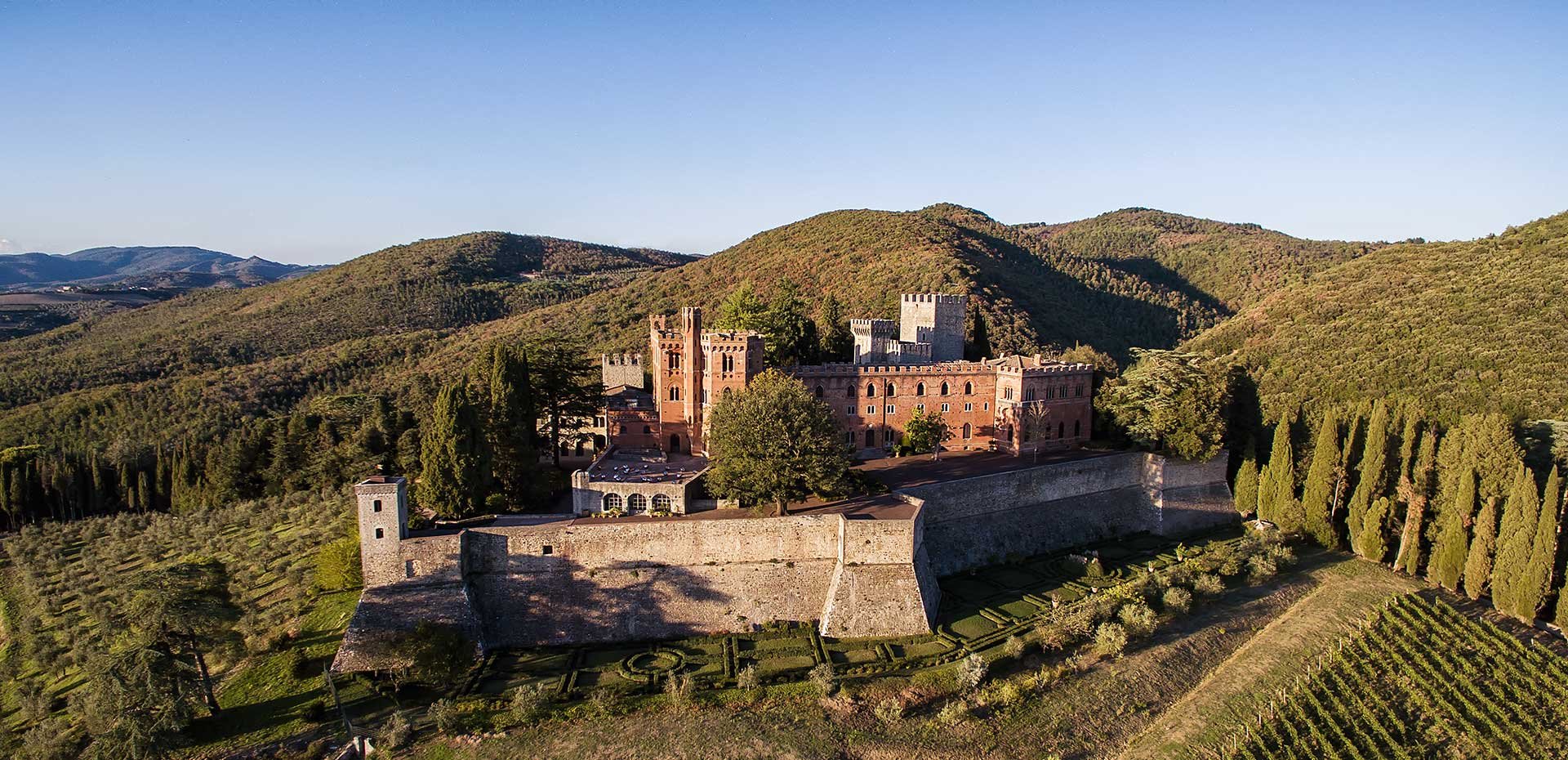
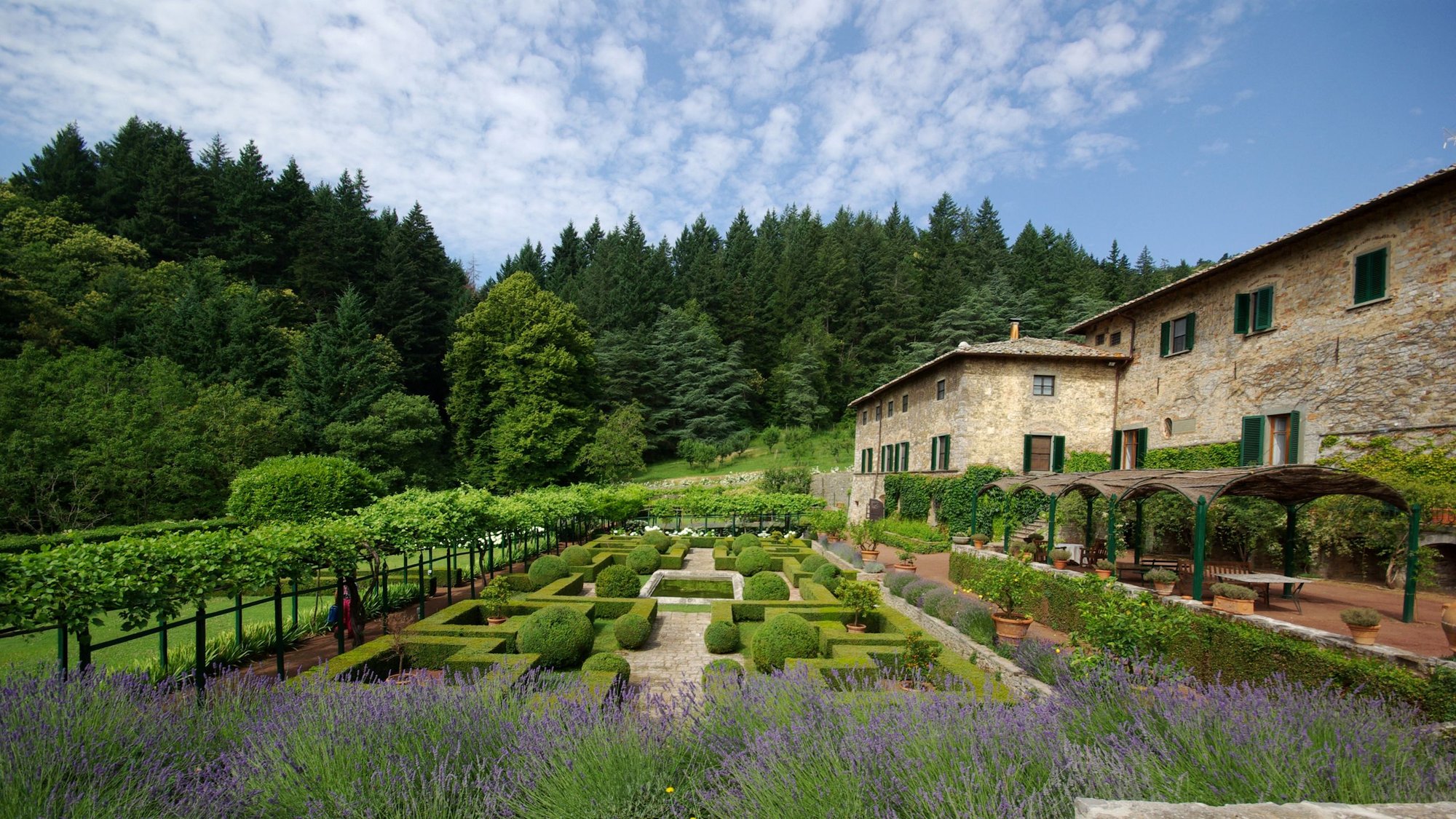
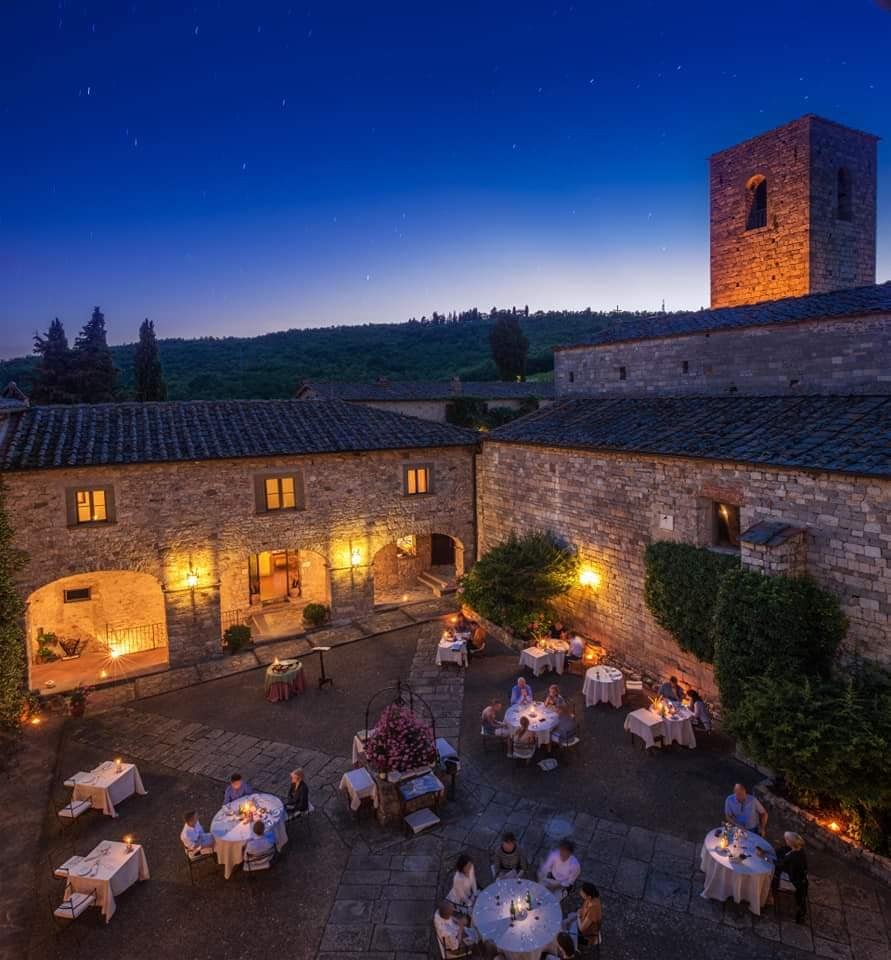
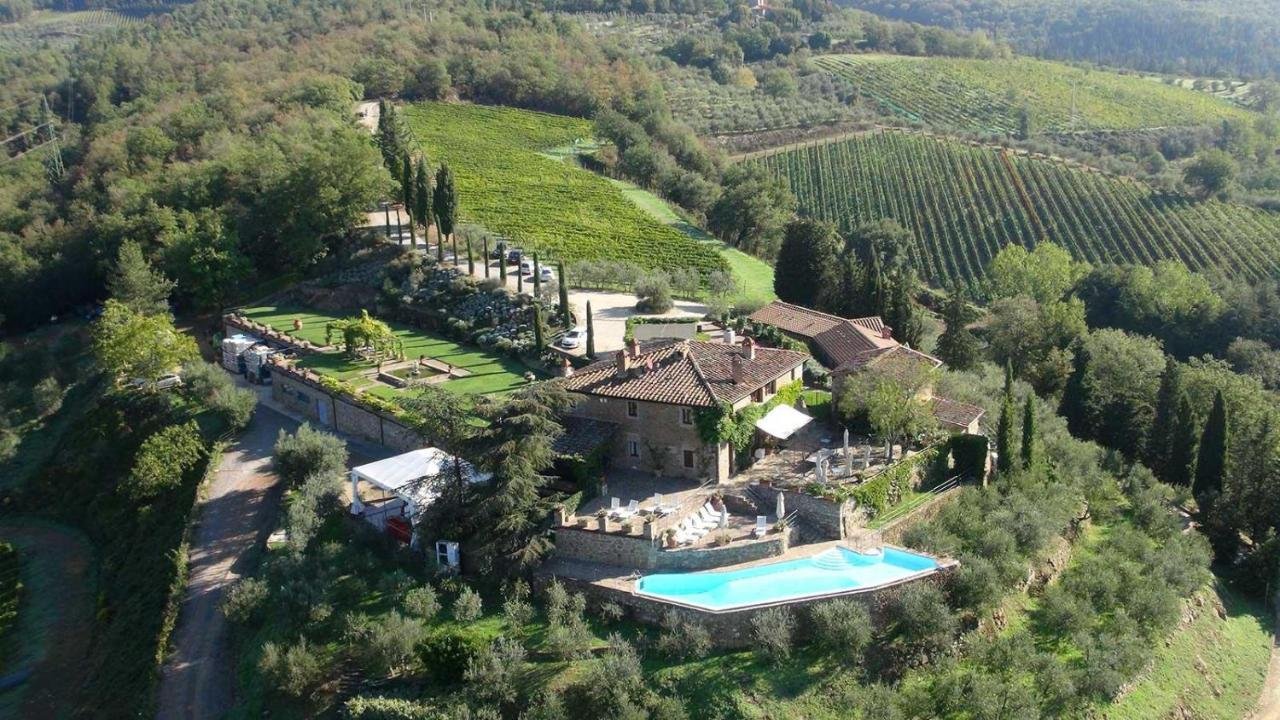
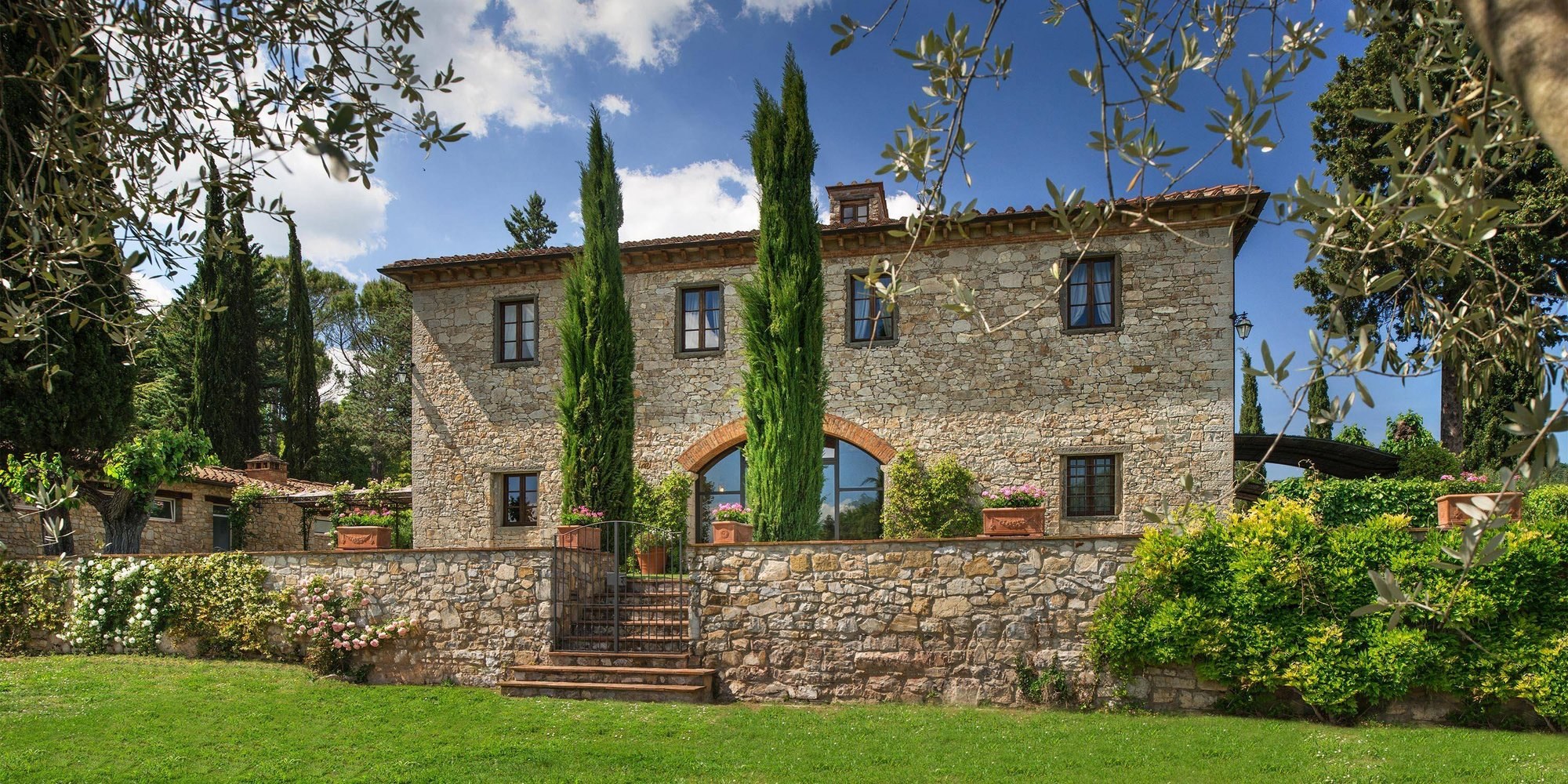
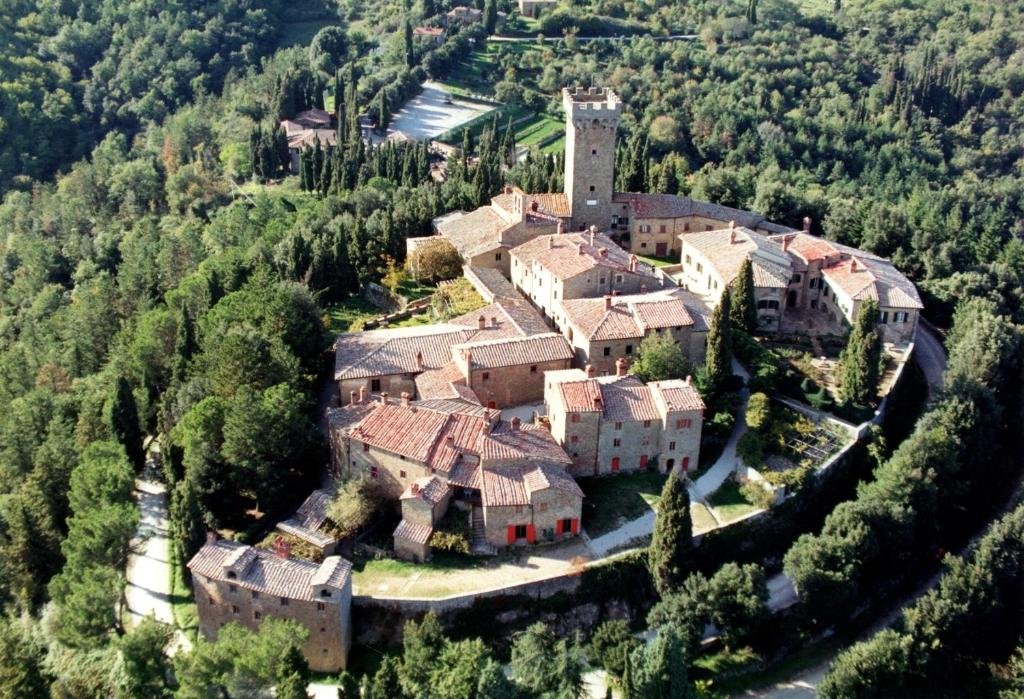
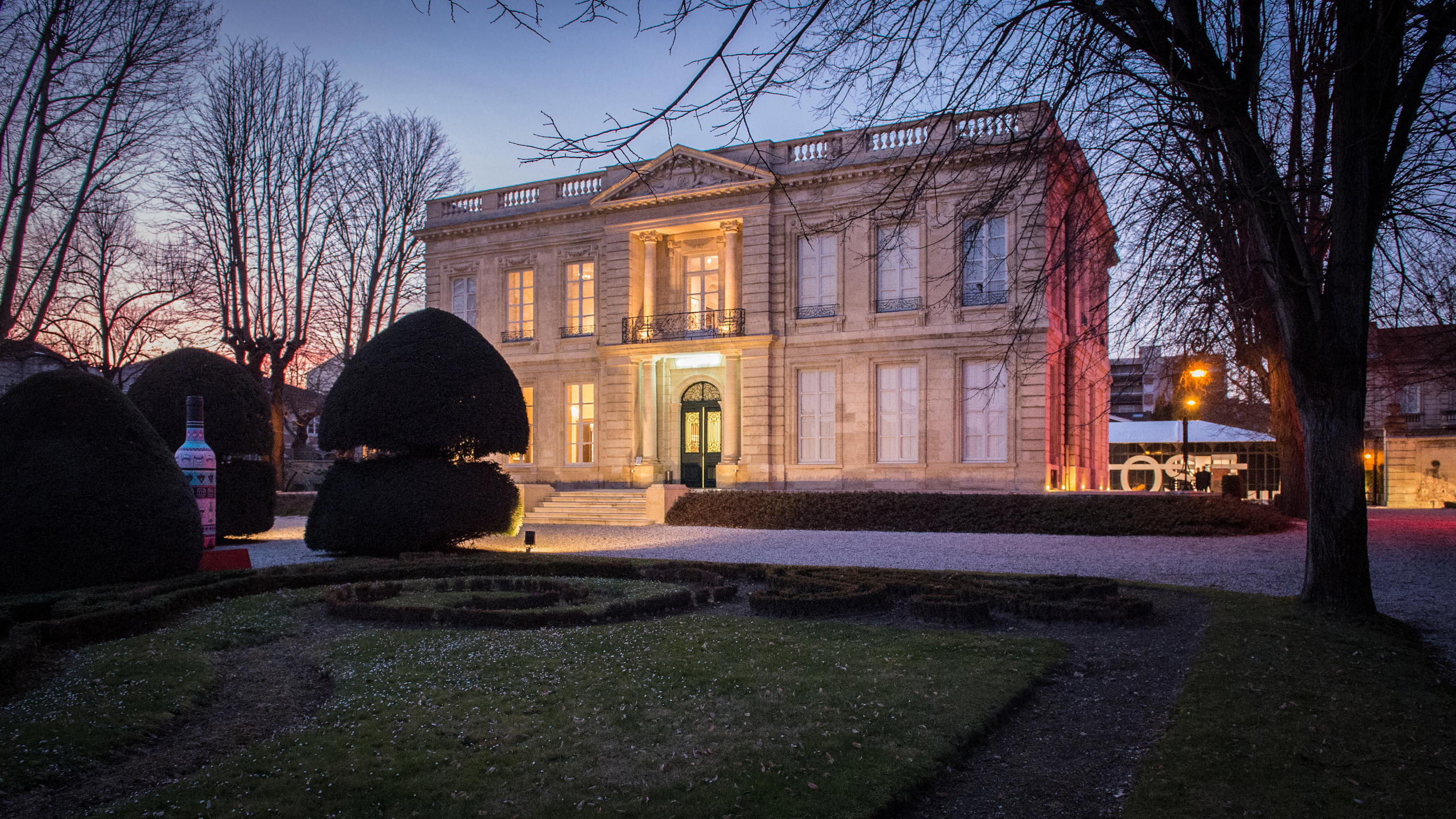
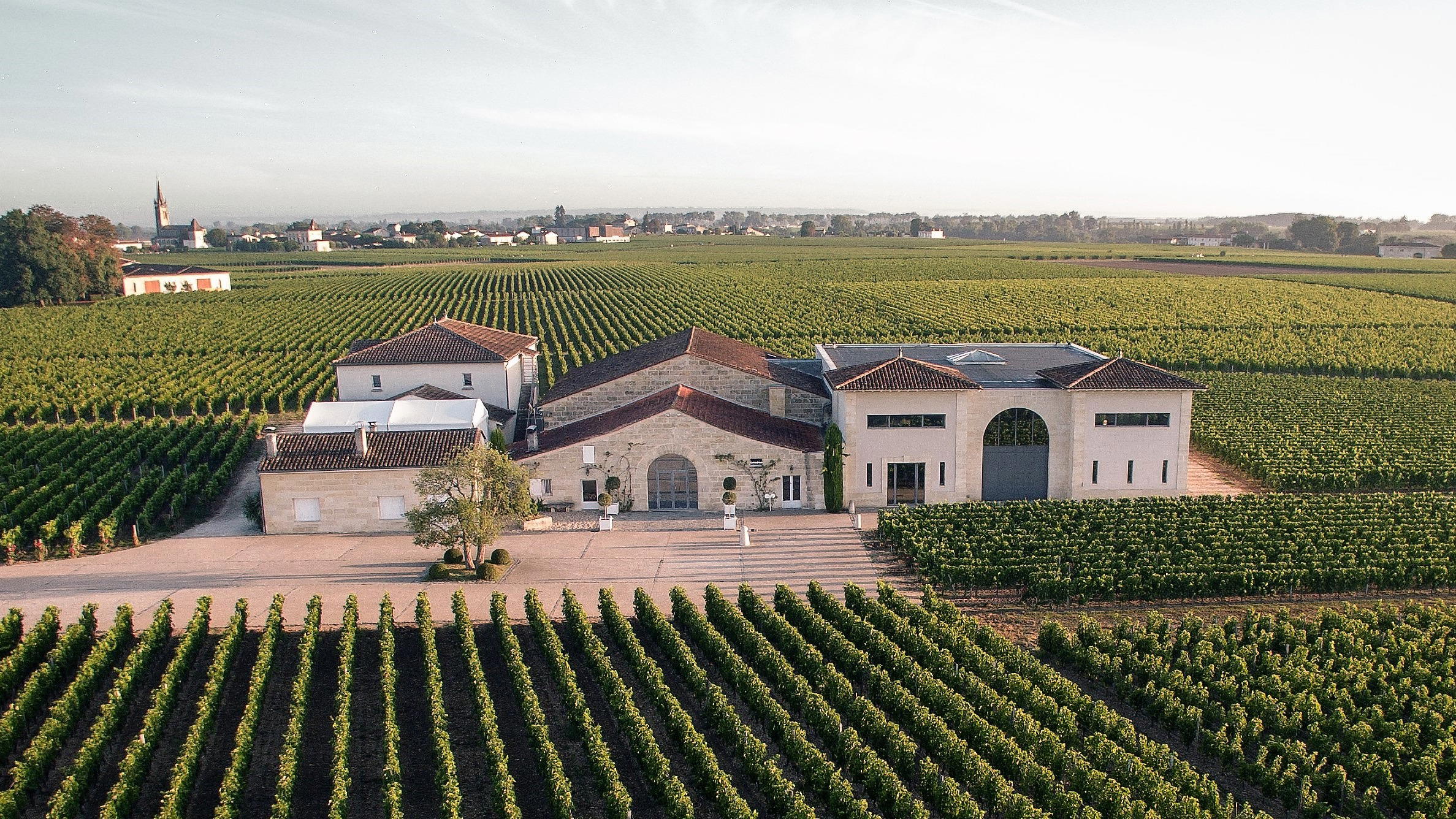
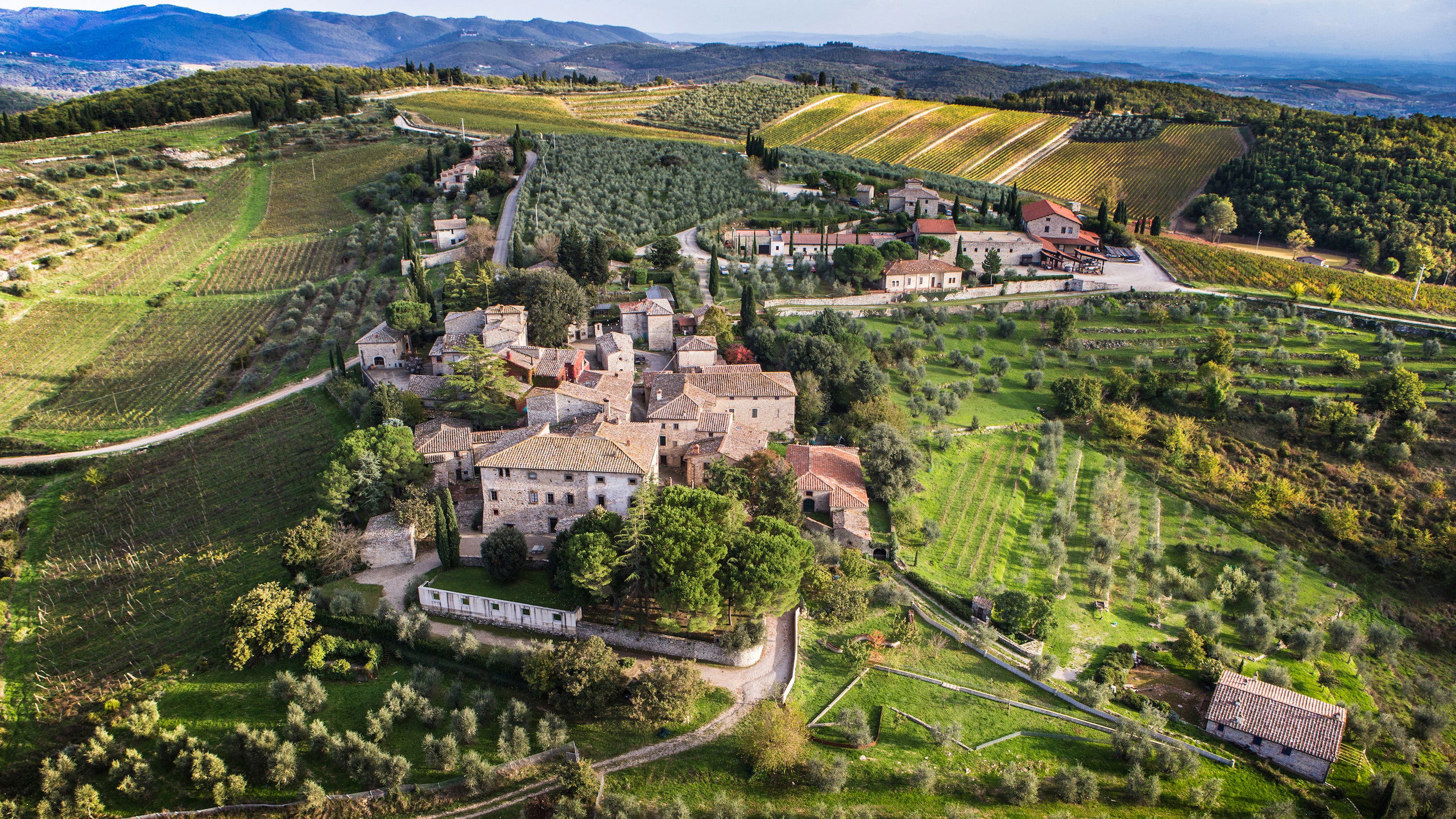
Castello di Ama presents itself as a terroir-first estate anchored in a tiny medieval hamlet. Stone buildings and unchanged architectural outlines sit amid cypress and oak, giving the property a palpable sense of history and working-rural charm. The landscape is fundamental here: elevation, exposure and a mix of galestro and alberese soils shape both the vineyards and the estate’s restrained, place-driven character. The overall impression is refined and contemplative — an historic Chianti Classico property where the land and the long arc of the seasons set the tone for everything produced on site.
Best For
Ama is best for visitors who care about terroir and concentrated, site-specific Sangiovese. The estate’s single-vineyard bottlings are described as benchmark expressions of this corner of Gaiole, so wine students and serious collectors will find it particularly rewarding. The cooler, higher-elevation site yields wines with tight acidity and long finishes, making it a strong stop for wine-education focused visits, special-occasion purchases and group outings centered on tasting distinct parcel expressions within a historic estate context.
Tasting Tips
When engaging with Ama’s wines, prioritize the single-vineyard bottlings and compare parcels: the estate’s reputation rests on vineyard-level differentiation. Pay attention to the cooler Gaiole character — tighter acidity and a long fruit-to-finish arc — and look for references to the galestro and alberese soils that the tasting notes often cite. Also note the estate’s Sangiovese-focused philosophy under Marco Pallanti, which means bottles tend to showcase varietal clarity and site expression rather than international-variety or heavy new-oak signatures.
Venue details
Ambiance
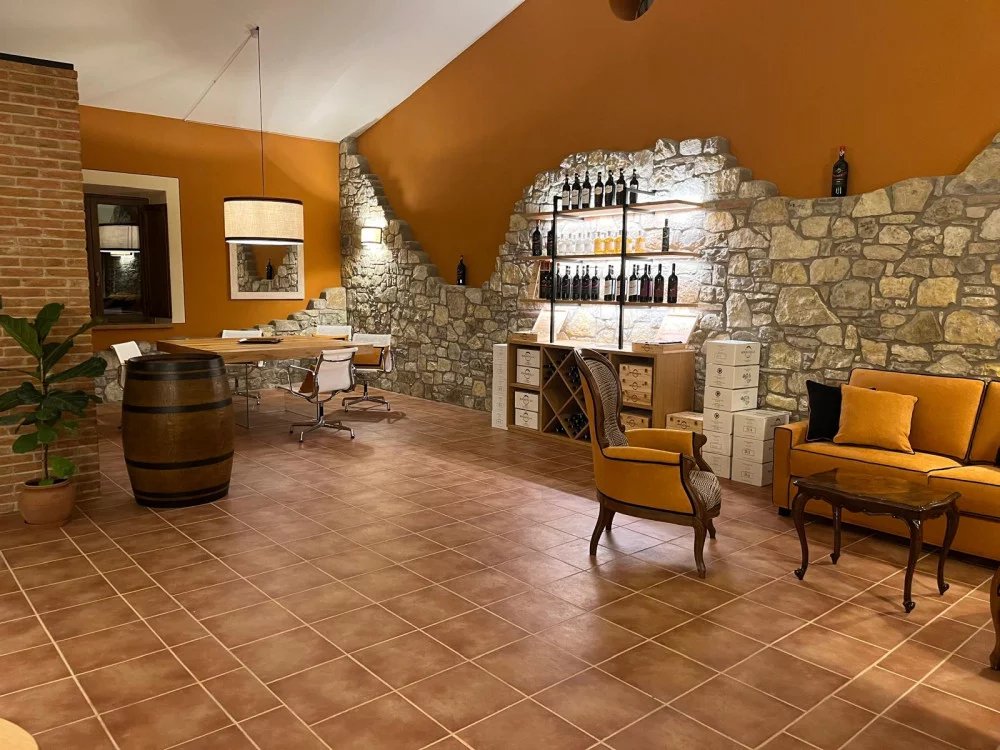
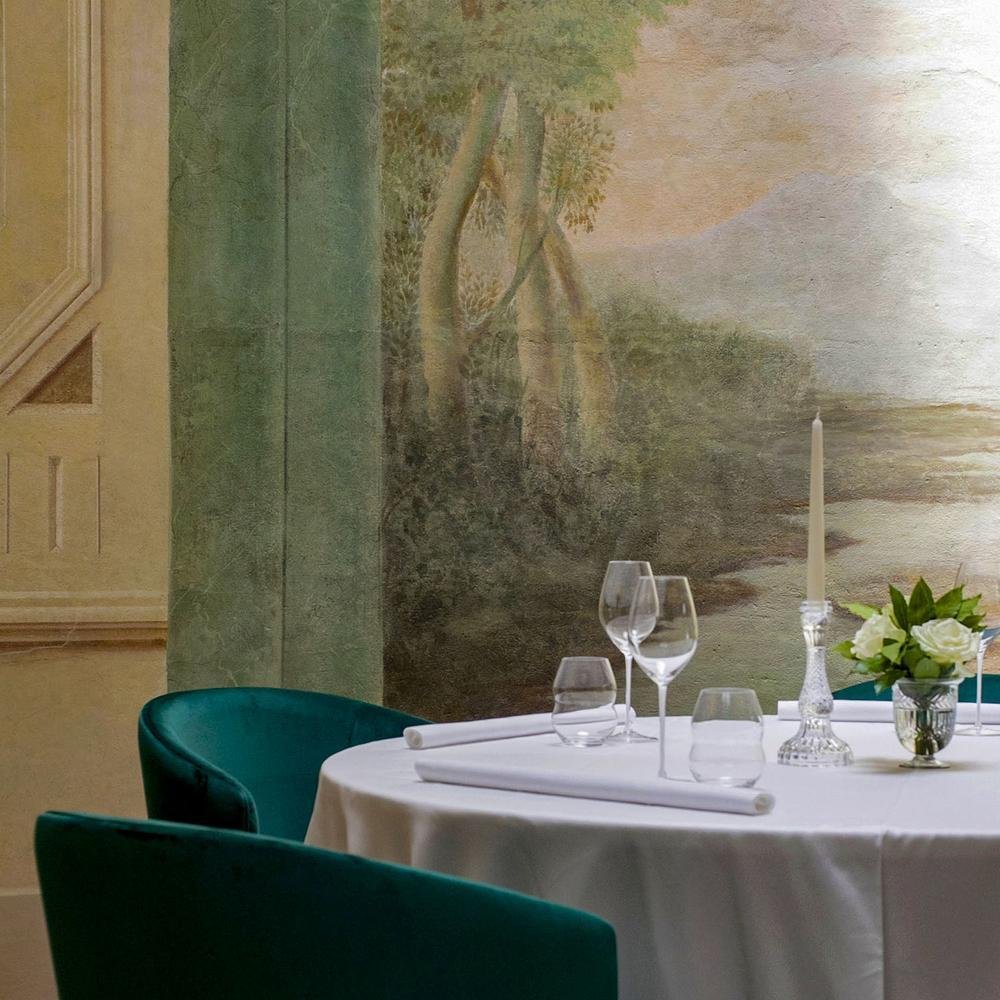
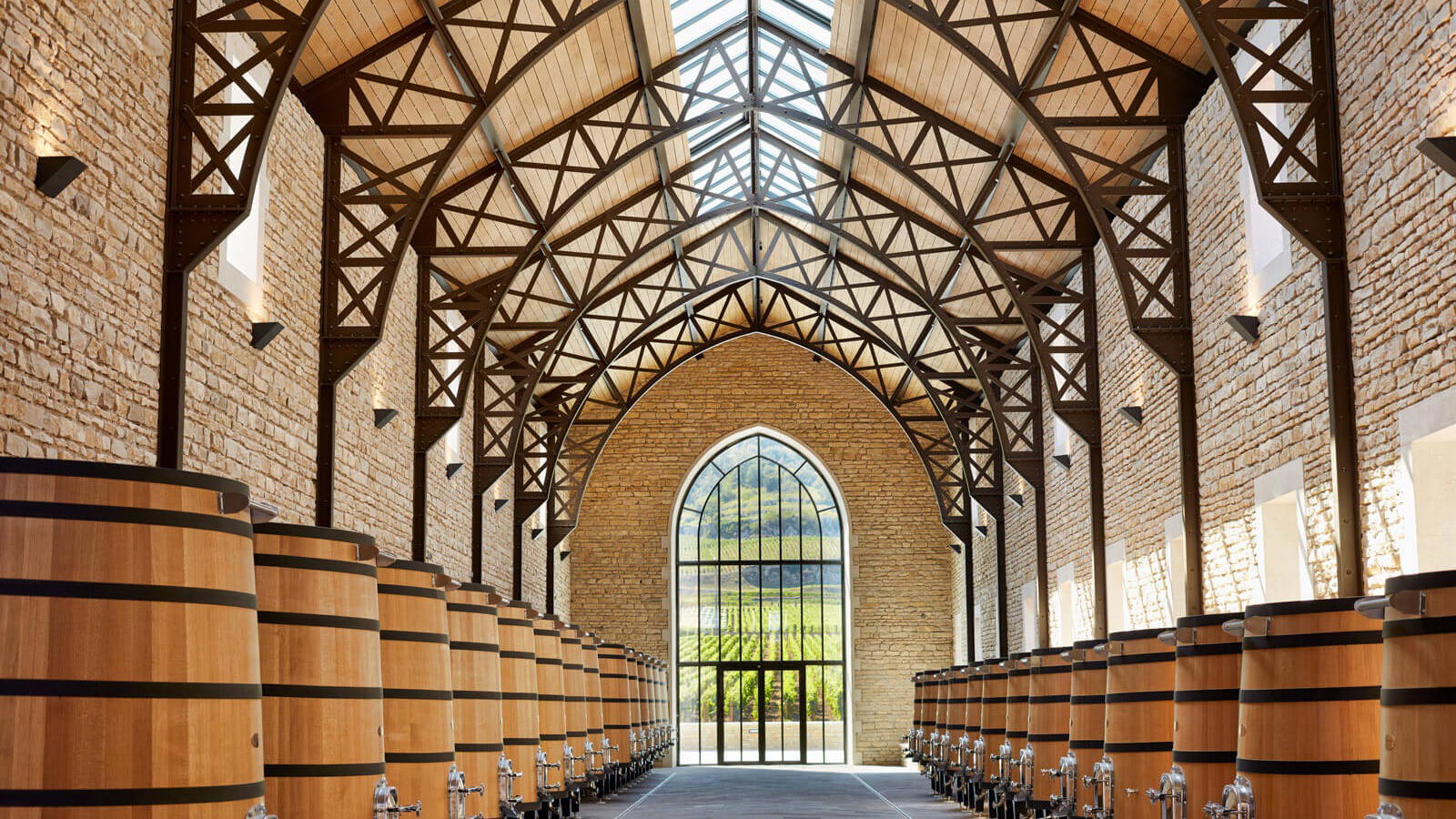
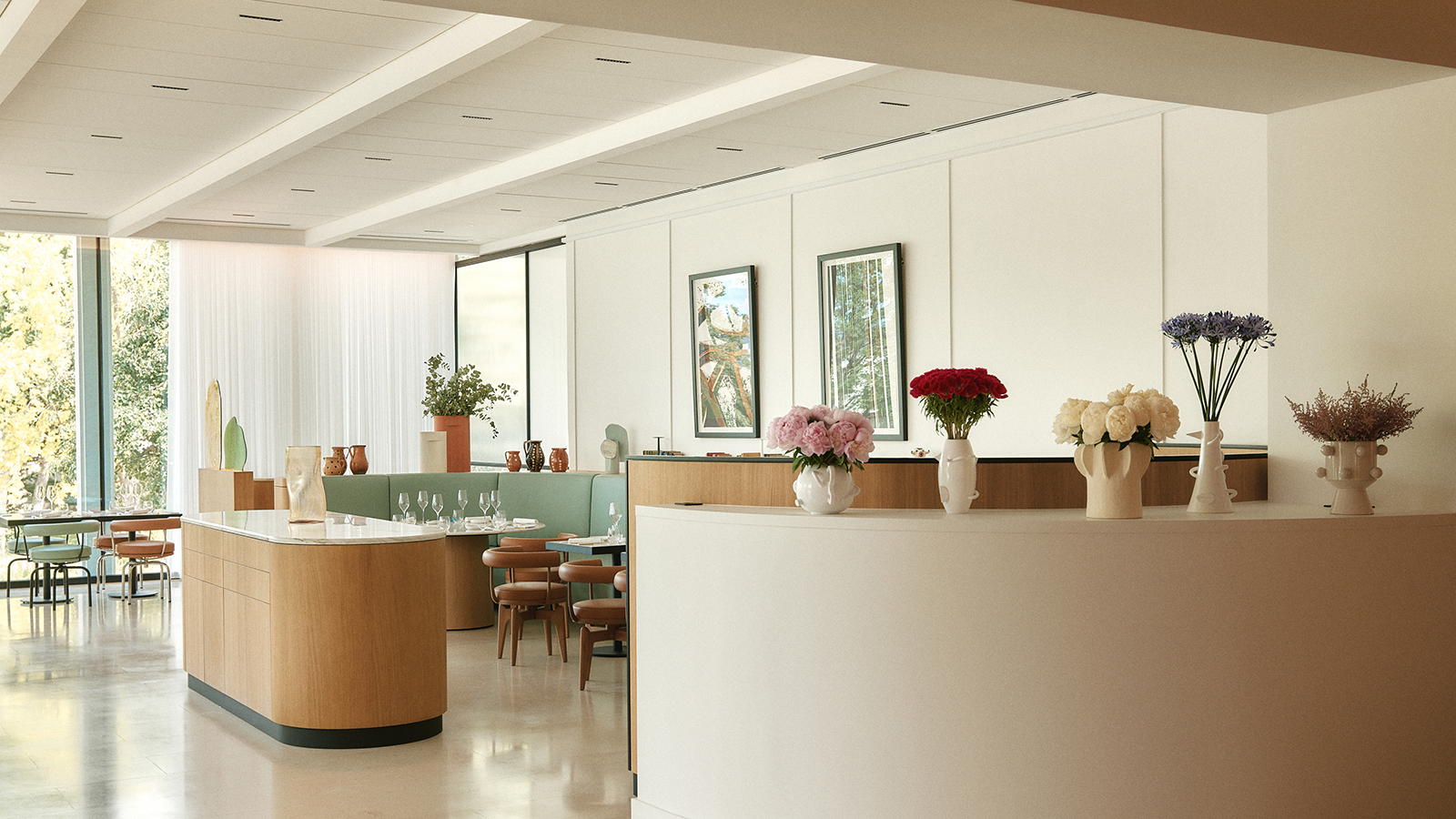
Refined and contemplative, with modern architecture inconspicuously integrated into ancient surroundings; the Arca tasting room offers refined wine-by-glass service overlooking vineyards with natural light and elegant design.
Tags
Vibe
Best For
Experience
Sourcing
View
At the Vineyard
- Appellation
- Chianti Classico DOCG
- Varietals
- Sangiovese, Merlot, Chardonnay, Pinot Noir, Malvasia Nera
- Tour Duration
- 90-120 minutes
- Tour Languages
- English, Italian
- Visits
- By appointment only
- Farming
- Sustainable
- Wine Styles
- Still Red, Still White, Still Rose
- Food Pairing
- Offered
- Wine Club
- Not available
Know before you go
Know Before You Go
- Getting there
- Località Ama in Chianti, 53013 Gaiole in Chianti SI
Planning details
Location
Recognition and awards

Also consider
If you cannot get in
Try Barone Ricasoli (Brolio) first if the day needs to stay in Gaiole and the group wants a substantial estate visit. It is the more flexible fallback for a mixed group where not everyone is wine-obsessed.
For a similar seriousness of intent, consider Montevertine or Fontodi, but treat them as itinerary anchors rather than backups squeezed into the same afternoon.
Winery context
How it compares in Chianti
Castello di Ama is the pick for travelers who want the winery itself to be the reason for the stop. Barone Ricasoli (Brolio) is the safer Gaiole choice for visitors who want a more obvious castle-led itinerary, while Castello di Ama is better for wine-focused planning where the appointment matters more than easy logistics.
Against Montevertine, the choice is about intent: Montevertine suits collectors and label-chasers willing to build around a harder specialist stop, while Castello di Ama works better if the day is already centered on Gaiole. Mazzei (Castello di Fonterutoli) is the stronger option for a broader hospitality feel; choose Castello di Ama when the group wants a narrower, more wine-led visit.
Castello di Volpaia has the edge for travelers who want village atmosphere to do part of the work. Fontodi makes more sense when the itinerary is pointed away from Gaiole. For value, the right answer depends less on bottle price than on time: Castello di Ama earns the slot if it becomes the anchor, not an add-on.
Explore Gaiole in Chianti
Around this place
Discover more on Pearl
Unlock the full Castello di Ama guide in Pearl, including awards, comparisons, FAQs, planning details, and nearby places.
Compare Castello di Ama
| Venue | Location | Awards |
|---|---|---|
| Castello di Ama | Gaiole in Chianti | 2026 Falstaff Winery Guide2025 Pearl 4 Star Prestige |
| Barone Ricasoli (Brolio) | Gaiole in Chianti | No published awards |
| Montevertine | Radda in Chianti | 2026 Falstaff Winery Guide2025 Pearl 4 Star Prestige |
| Mazzei (Castello di Fonterutoli) | Castellina in Chianti | No published awards |
| Castello di Volpaia | Radda in Chianti | 2026 Falstaff Winery Guide |
| Fontodi | Greve in Chianti | 2026 Falstaff Winery Guide2025 Pearl 4 Star Prestige |
How Castello di Ama compares with similar nearby venues.
FAQ
Frequently Asked Questions
When is the best time to visit Castello di Ama?
Seasonal timing, opening hours, and visit schedules should be checked directly with Castello di Ama. The venue is in Gaiole in Chianti and holds a 2025 Pearl 4 Star Prestige recognition, so check current availability before planning around it.
Can Castello di Ama handle large groups?
If you are planning for a larger party, contact Castello di Ama directly and check whether your preferred date, timing, and format can be accommodated.
How long should I plan for a visit to Castello di Ama?
What is the dress code at Castello di Ama?
Where is Castello di Ama located?
Castello di Ama is in Gaiole in Chianti.
What other venues are useful comparisons for Castello di Ama?
Barone Ricasoli (Brolio), Montevertine, Mazzei (Castello di Fonterutoli), Castello di Volpaia, and Fontodi are relevant comparison names. Choose Castello di Ama if you want a Gaiole in Chianti venue with 2025 Pearl 4 Star Prestige recognition.
Do I need a reservation at Castello di Ama?
Because Castello di Ama is a Pearl 4 Star Prestige venue in Gaiole in Chianti, it is sensible to check current booking requirements directly before you go.