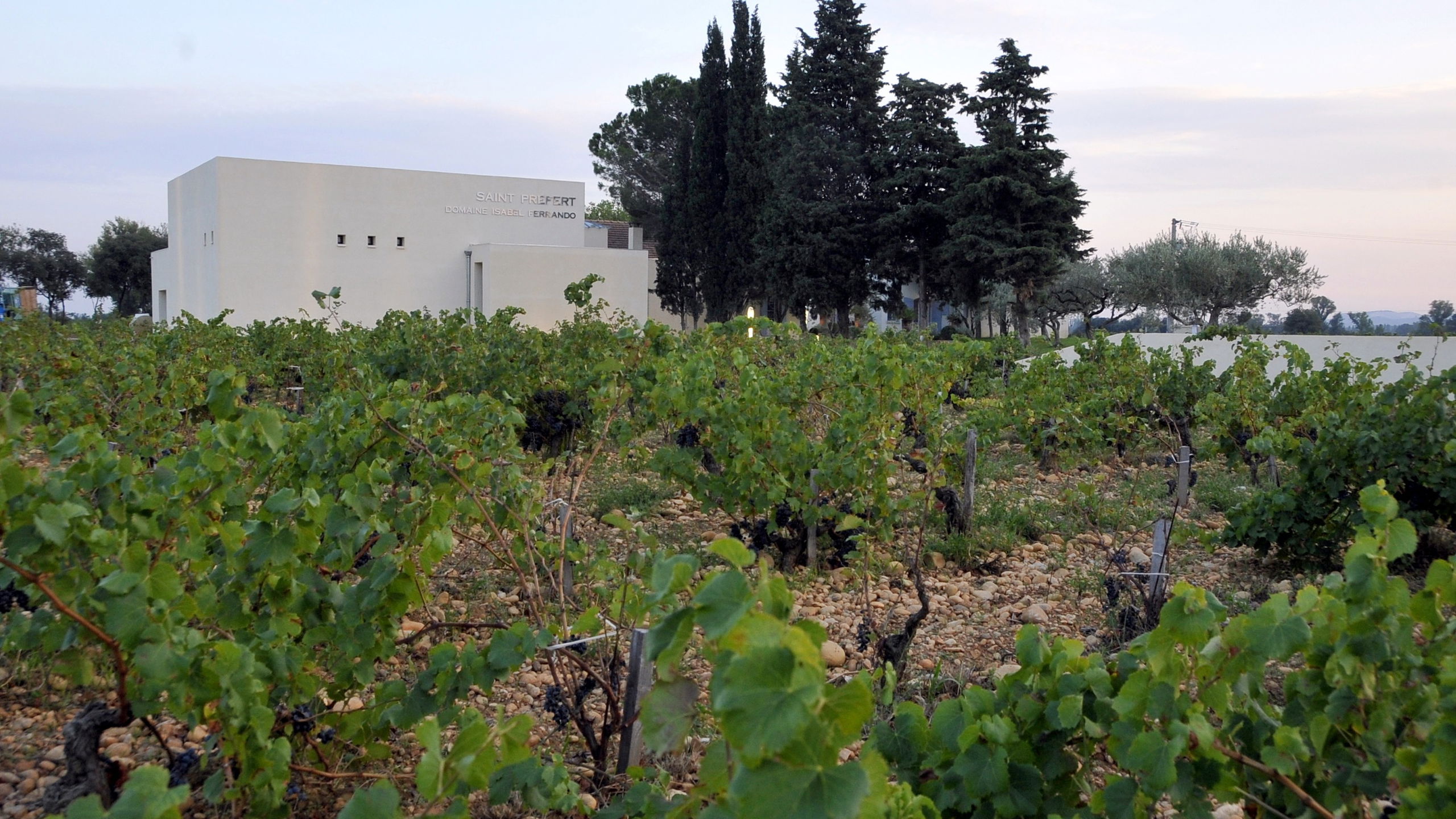

Domaine Saint Préfert
Châteauneuf-du-Pape
Winery in Châteauneuf-du-Pape, France
 Book with Pearl
The Read
Parcel-Driven Precision
Why go
A serious Châteauneuf-du-Pape target for wine-focused trips, Domaine Saint Préfert is worth pursuing when producer history and appointment quality matter more than easy logistics. Treat it as the anchor booking for a special-occasion Rhône itinerary, with backup estates lined up in case access proves difficult.
About Domaine Saint Préfert
Domaine Saint Préfert is a Châteauneuf-du-Pape venue led by chef/owner Isabel Ferrando. Pearl's notes for this listing are intentionally limited: the confirmed details are the venue name, its Châteauneuf-du-Pape location, Isabel Ferrando as chef/owner, a smart casual dress code, and Pearl 4 Star Prestige recognition for 2025.
Use this page as a grounded planning note rather than a source for logistics. Pearl does not currently verify a street address, tasting format, opening hours, pricing, food service, group capacity, or appointment process for Domaine Saint Préfert. For readers comparing the domaine with other Châteauneuf-du-Pape names, relevant references include Clos Des Papes, Domaine La Barroche, Domaine Pierre Usseglio, Domaine de la Solitude, and Domaine du Clos Saint Jean.
Worth the effort for a serious Châteauneuf-du-Pape itinerary
Domaine Saint Préfert is best treated as a high-priority Châteauneuf-du-Pape name when the goal is to build an itinerary around confirmed, premium venues. The clearest signal is its Pearl 4 Star Prestige recognition in 2025, alongside Isabel Ferrando's role as chef/owner.
Because Pearl does not verify detailed hospitality information for this listing, plan conservatively. Confirm any visit details directly before anchoring a day around Domaine Saint Préfert, especially if your plans depend on timing, group size, food, or other specific services.
How to build the rest of the day around it
For a Châteauneuf-du-Pape itinerary, use our full Châteauneuf-du-Pape wineries guide to compare Domaine Saint Préfert with other local names, then round out the day with our full Châteauneuf-du-Pape restaurants guide, our full Châteauneuf-du-Pape hotels guide, our full Châteauneuf-du-Pape bars guide, and our full Châteauneuf-du-Pape experiences guide.
Bottom line: keep Domaine Saint Préfert on the shortlist for a Châteauneuf-du-Pape plan where the venue name and Pearl 4 Star Prestige recognition matter. For all practical details beyond the facts on this page, confirm directly before you go.
Planning details
- Location
- 425 Chem. Saint-Préfert, 84230 Châteauneuf-du-Pape
- Website
- familleferrando.com
- Phone
- +33 4 90 83 75 03
The take
The Take
The Vibe
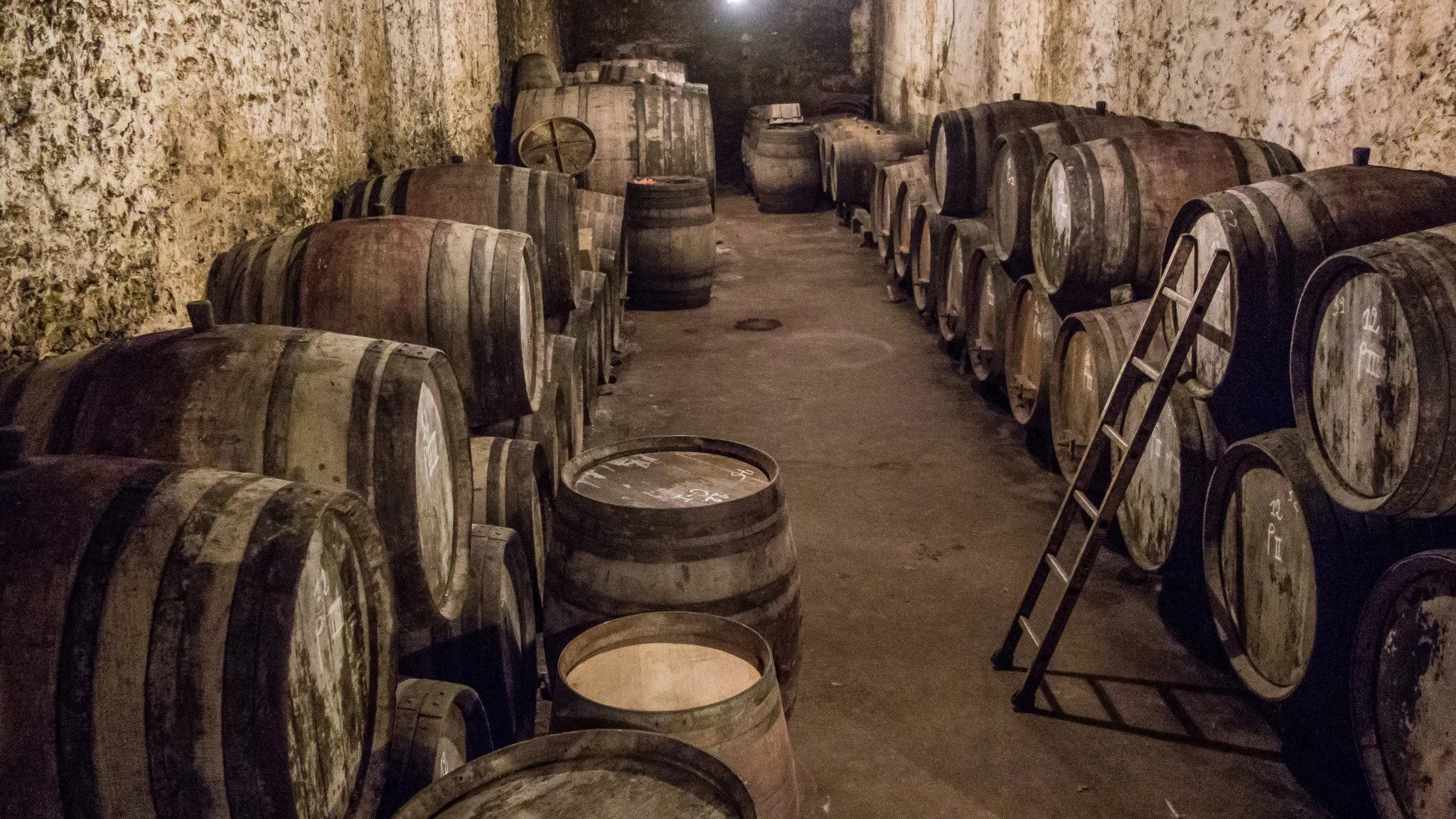
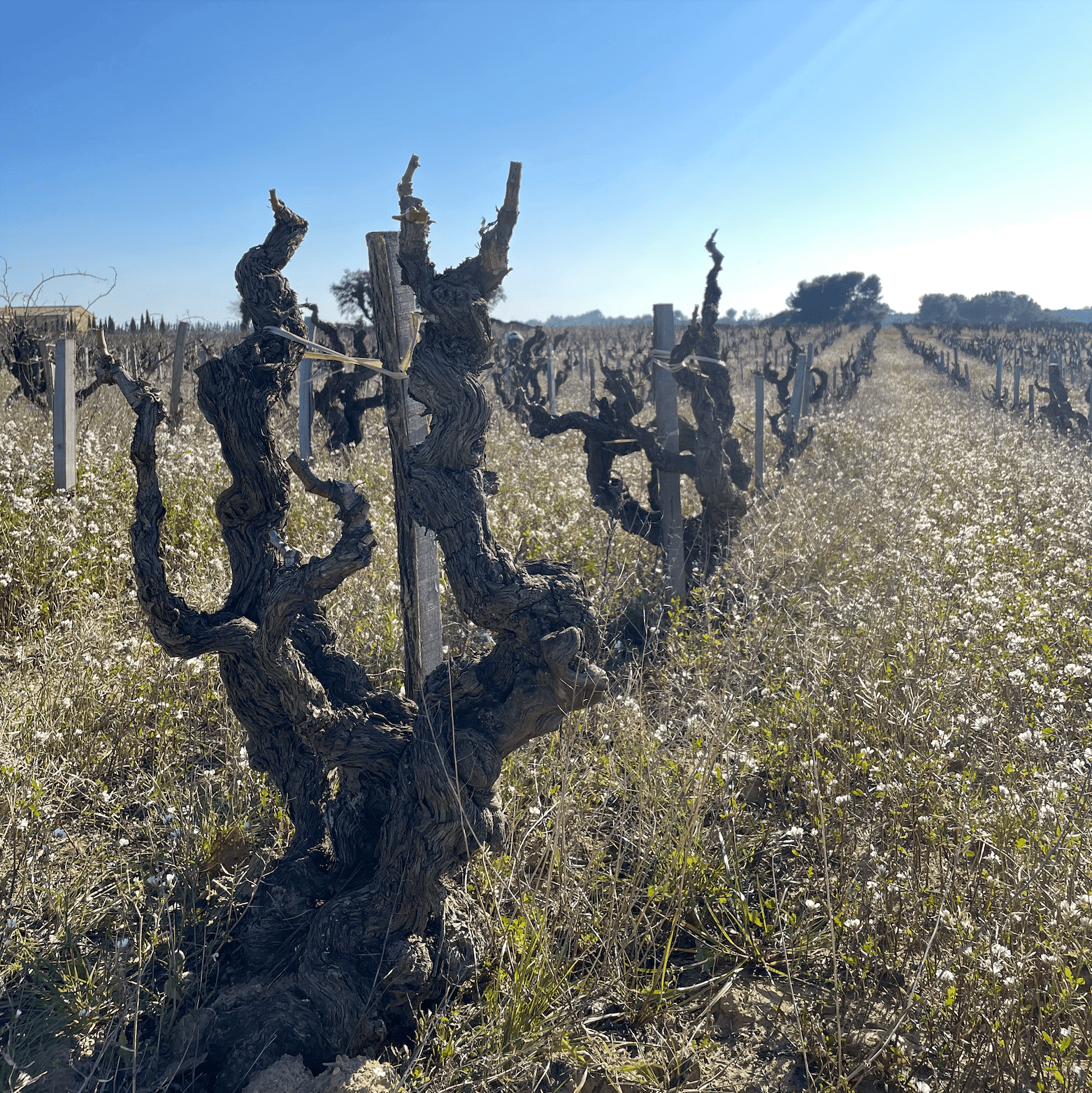
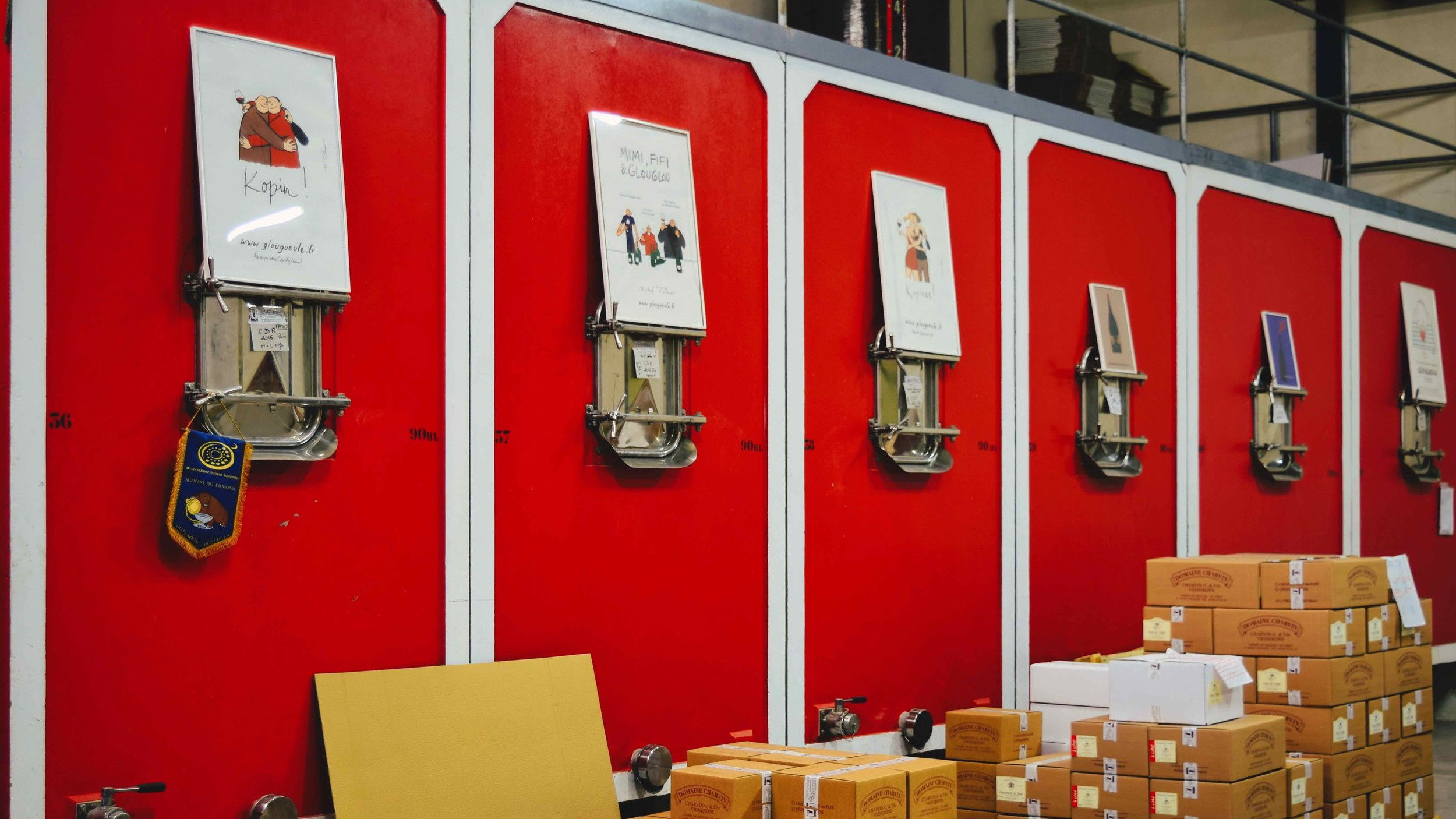
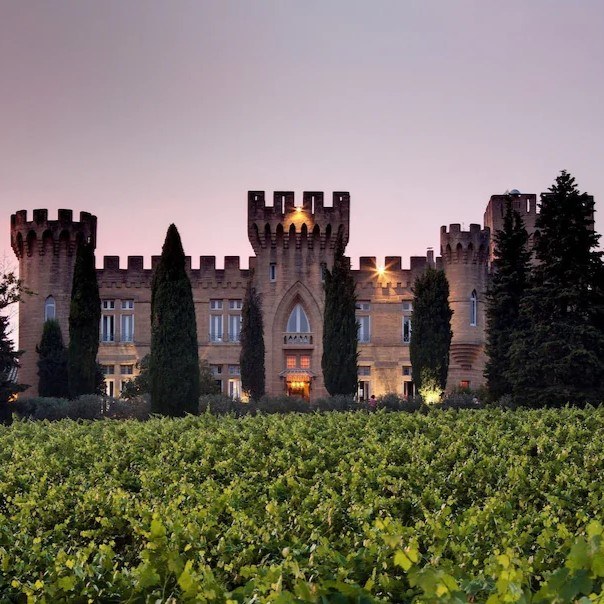
Domaine Saint Préfert reads like a study in place. The estate’s identity is grounded in old vines, sun-baked galets and a century of parcel knowledge on the Châteauneuf-du-Pape plateau. Under Isabel Ferrando the wines emphasize appellation precision rather than flash, and the property sits among specialist producers prized by collectors. The tone is quietly authoritative rather than showy: this is a vineyard that rewards close attention to soil, variety and site. Visitors encounter a historic, terroir-forward atmosphere that favours thoughtful tasting and provenance over pop-up spectacle.
Best For
This domaine is best for visitors who come to learn and to mark a moment. The write-up highlights complexity in varietal blending and parcel expression, making it an ideal stop for wine-educated travelers, collectors and anyone planning a special-occasion tasting. The estate’s 2025 Pearl 4 Star Prestige recognition underscores its appeal to serious buyers and allocation-seeking guests. It suits small groups or couples who want to focus on vineyard stories, old-vine intensity and the mechanics of Châteauneuf-du-Pape rather than casual walk-ins.
Tasting Tips
When tasting here, look for wines that showcase Grenache-led blends and the old-vine cuvées—those bottlings are the domain’s hallmark in the text. Ask about parcel distinctions and which sites supplied each wine; the description stresses parcel inheritance and terroir differences. Inquire after the estate’s Prestige selections (noted by the Pearl 4 Star award in 2025) and speak with staff about winemaker Isabel Ferrando’s approach to blending. For collectors, confirm allocation pathways rather than relying on retail availability.
Venue details
Ambiance
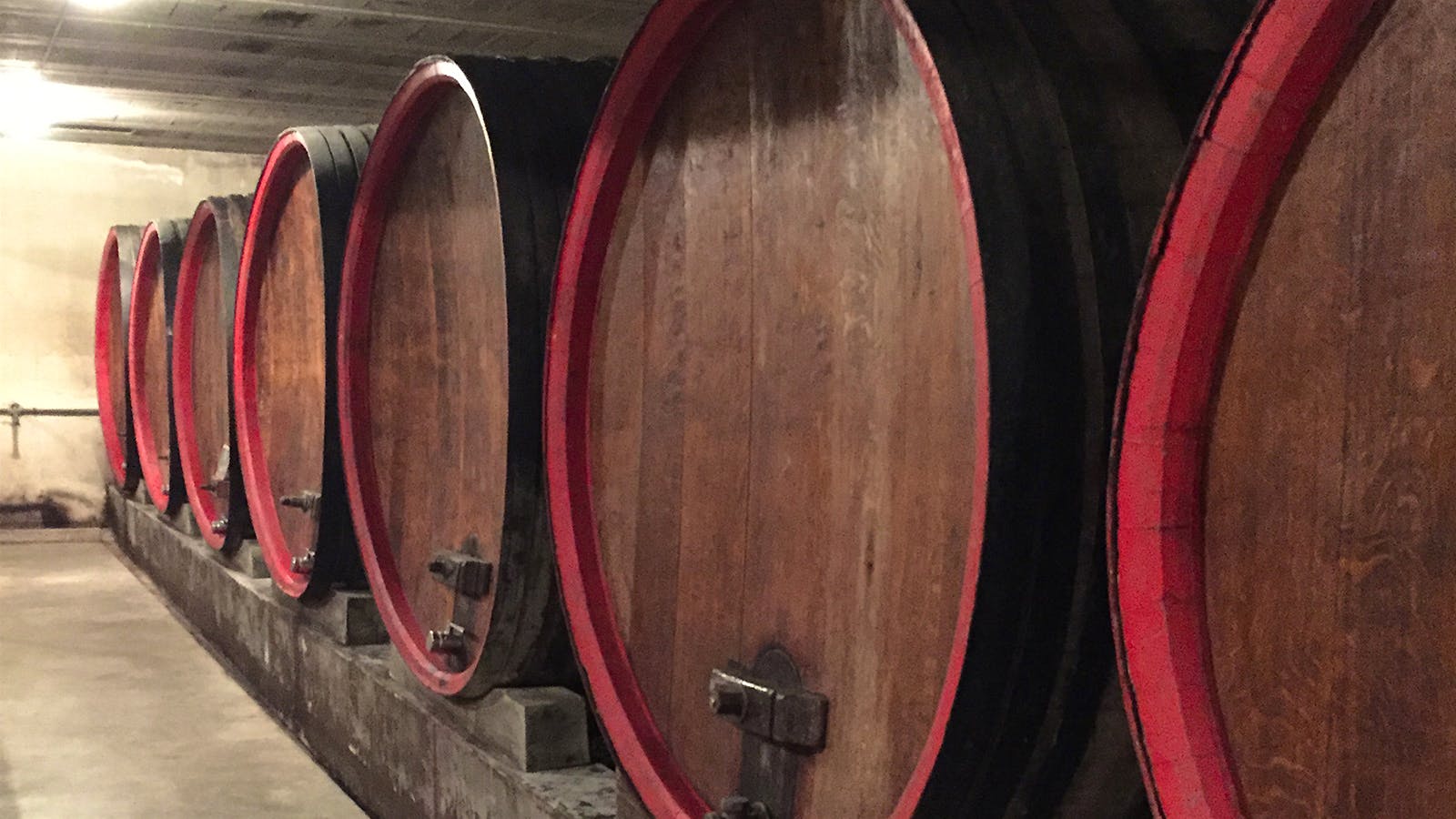
Classic winery atmosphere focused on terroir-driven elegance and structured wines from historic estate.
Tags
Vibe
Best For
Experience
View
At the Vineyard
- Appellation
- Châteauneuf-du-Pape AOC
- Varietals
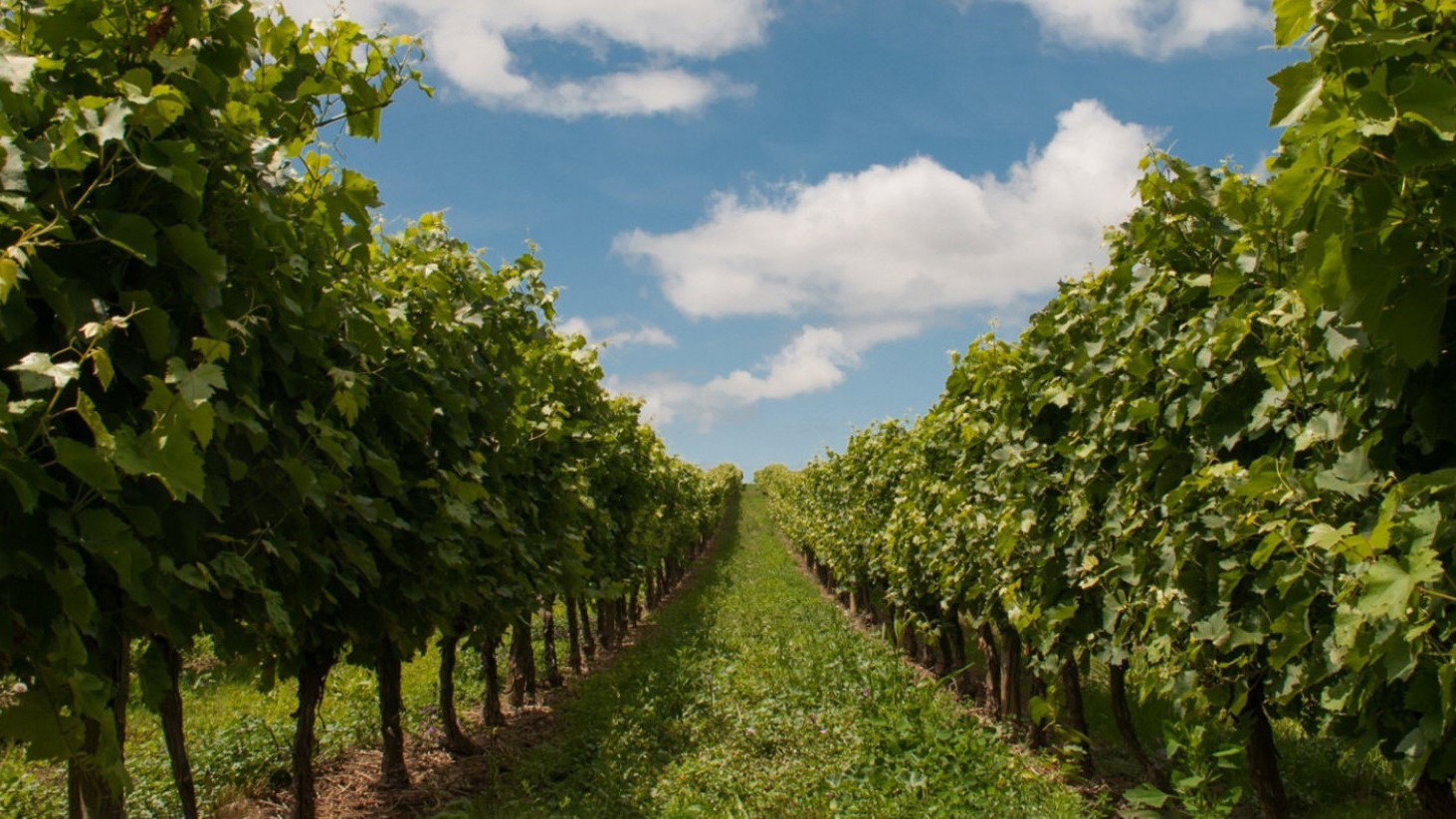
- Grenache, Mourvèdre, Syrah, Cinsault, Clairette
- Tour Duration
- 60-90 minutes
- Tour Languages
- French, English
- Visits
- By appointment only
- Production
- Small producer
- Wine Styles
- Still Red, Still White
- Wine Club
- Available
Know before you go
Know Before You Go
- Getting there
- 425 Chem. Saint-Préfert, 84230 Châteauneuf-du-Pape
Planning details
Location
Recognition and awards
Also consider
Where to Go If You Can't Get In
If Domaine Saint Préfert is unavailable, try Clos Des Papes first for another high-credibility Châteauneuf-du-Pape name. For a broader backup plan, add Domaine de la Solitude or Domaine La Barroche to keep the day focused within the village rather than losing time on transfers.
Winery context
How It Compares
Domaine Saint Préfert is the better pursuit for readers who want a selective, producer-led Châteauneuf-du-Pape visit with strong estate credibility. Clos Des Papes is the obvious cross-shop for name recognition, while Domaine La Barroche may suit visitors who want another serious local producer without making the whole day depend on one difficult appointment.
For itinerary control, compare it with Domaine du Clos Saint Jean, Domaine Pierre Usseglio, and Domaine de la Solitude. The practical call: make Saint Préfert the stretch booking, then use one or two of those peers as the safer structure around lunch, hotel timing, or group logistics.
Explore Châteauneuf-du-Pape
Around this place
Discover more on Pearl
Unlock the full Domaine Saint Préfert guide in Pearl, including awards, comparisons, FAQs, planning details, and nearby places.
Compare Domaine Saint Préfert
| Venue | Location | Awards |
|---|---|---|
| Domaine Saint Préfert | Châteauneuf-du-Pape | 2025 Pearl 4 Star Prestige |
| Clos Des Papes | Châteauneuf-du-Pape | No published awards |
| Domaine La Barroche | Châteauneuf-du-Pape | 2025 Pearl 5 Star Prestige |
| Domaine du Clos Saint Jean | Châteauneuf-du-Pape | 2025 Pearl 3 Star Prestige |
| Domaine Pierre Usseglio | Châteauneuf-du-Pape | 2025 Pearl 4 Star Prestige |
| Domaine de la Solitude | Châteauneuf-du-Pape | 2025 Pearl 3 Star Prestige |
How Domaine Saint Préfert compares with similar nearby venues.
FAQ
Frequently Asked Questions
Can Domaine Saint Préfert handle large groups?
Pearl does not currently verify group-capacity details for Domaine Saint Préfert. If you are planning for a larger party, confirm arrangements directly with the venue before building your Châteauneuf-du-Pape itinerary around it.
Does Domaine Saint Préfert serve food?
Pearl does not currently verify food-service details for Domaine Saint Préfert. If food is important to your day, plan separately with other dining in Châteauneuf-du-Pape and confirm any venue-specific details directly.
Does Domaine Saint Préfert offer a wine club?
Pearl does not currently verify wine-club details for Domaine Saint Préfert. The confirmed appeal on this listing is the Domaine Saint Préfert name, Isabel Ferrando as chef/owner, and Pearl 4 Star Prestige recognition for 2025.
How long should I plan for a visit to Domaine Saint Préfert?
Pearl does not currently verify visit duration or a specific format for Domaine Saint Préfert. Confirm timing directly with the venue before arranging the rest of your Châteauneuf-du-Pape plans.
What other wineries are near Domaine Saint Préfert?
For a focused Châteauneuf-du-Pape itinerary, compare Domaine Saint Préfert with Clos Des Papes, Domaine La Barroche, Domaine du Clos Saint Jean, Domaine Pierre Usseglio, and Domaine de la Solitude.
When is the best time to visit Domaine Saint Préfert?
Pearl does not currently verify the best time to visit Domaine Saint Préfert. Check directly with the venue before planning a Châteauneuf-du-Pape day around it.