Book with Pearl
New York City$1,995
Chartogne-Taillet & Pierre Péters Dinner
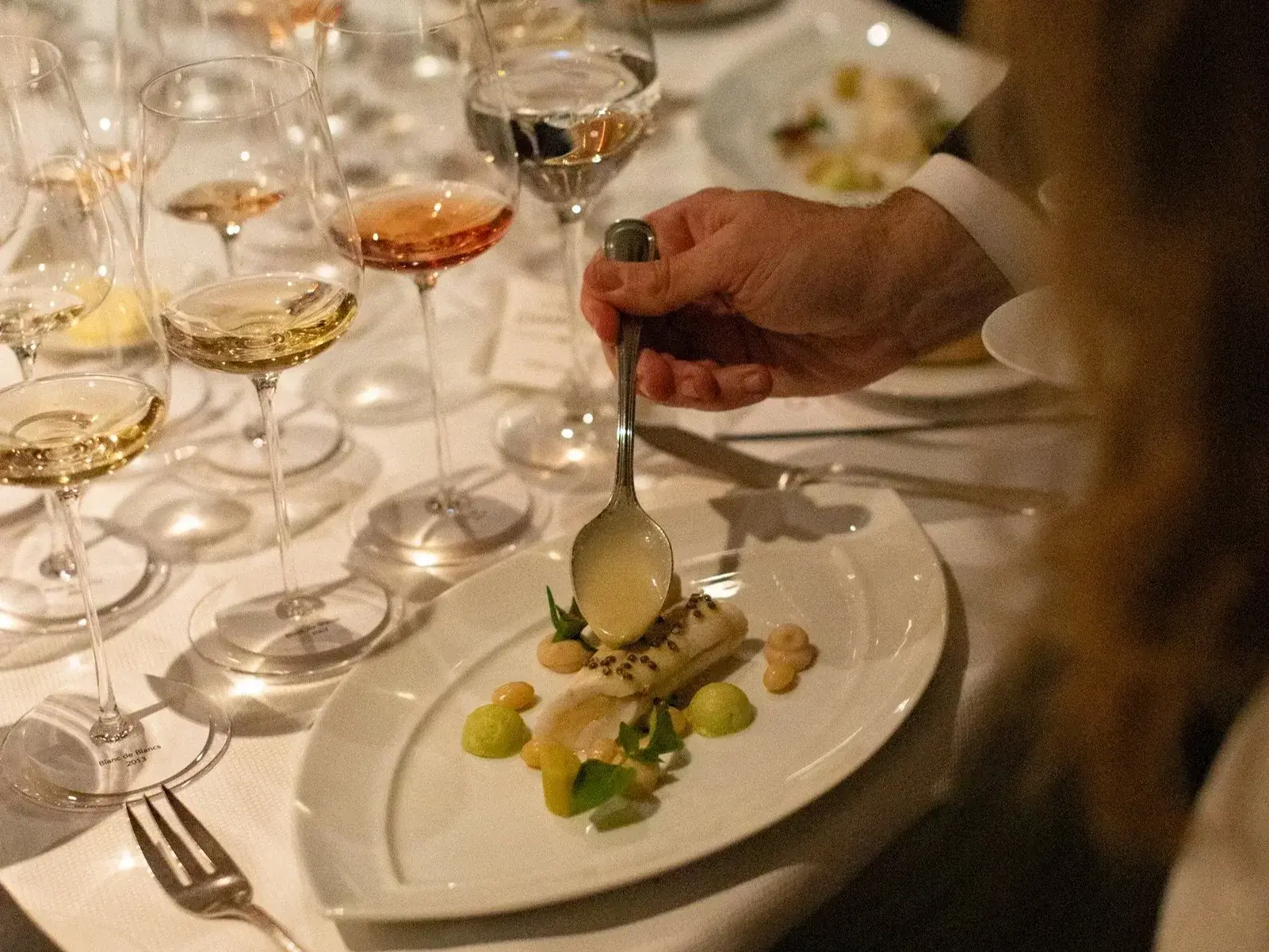
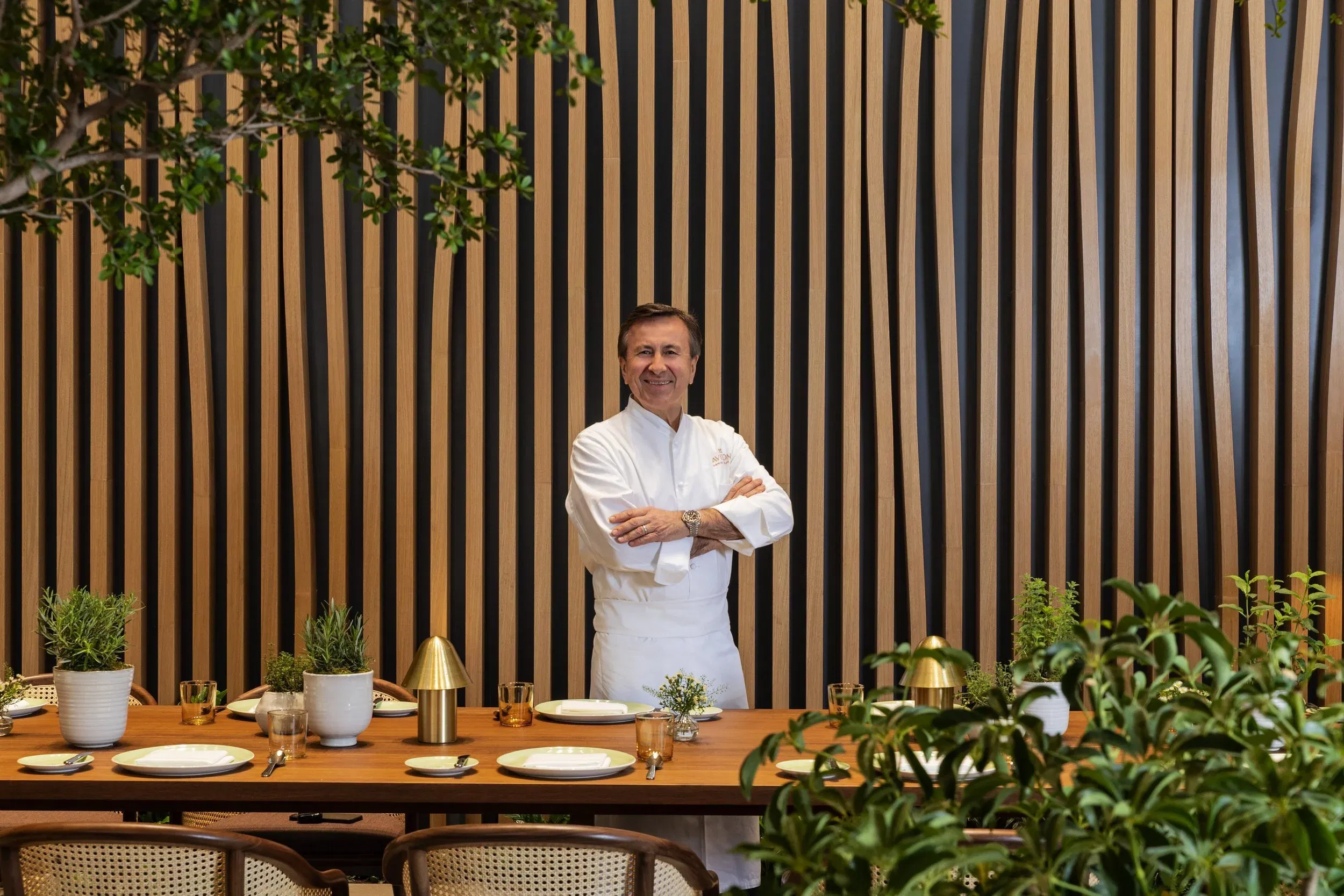
A La Fête du Champagne dinner in New York City with winemakers Alexandre Chartogne and Rodolphe Péters and chefs Daniel Boulud and Arnaud Lallement.
Full La Fête du Champagne program →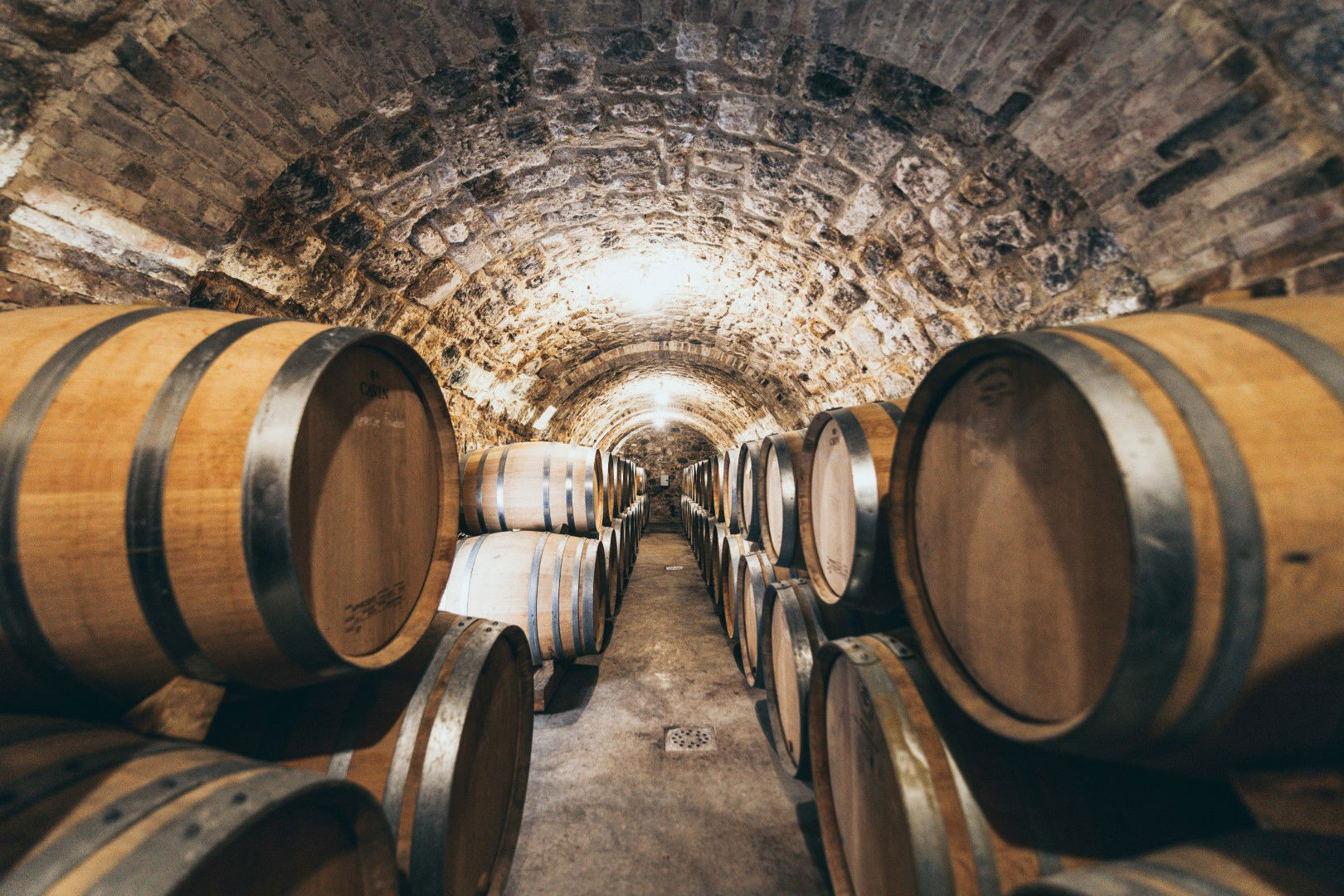


Merfy
Winery in Merfy, France
Merfy Terroir Champagnes
Why go
For a Merfy-focused Champagne comparison, start with Chartogne-Taillet’s Sainte-Anne, a blend of plots and years, then look at Le Rosé or a parcel wine. Le Rosé uses Pinot Noir and Chardonnay; ask the producer about visits before making a trip.
Chartogne-Taillet is a useful Merfy stop for drinkers who want to compare a village blend with wines drawn from specific plots. Alexandre Chartogne vinifies parcels separately before bringing them together in Sainte-Anne, which blends different harvest years as well as vineyard sites.
Begin with Sainte-Anne to see how the producer expresses Merfy’s sandy limestone soils through a broader assemblage. Le Rosé changes the comparison: the house lists Pinot Noir and Chardonnay and describes red wine blended into white base wines. Orizeaux and Les Barres offer narrower parcel references.
The producer lists a Merfy contact address, but the material reviewed does not establish a standing public tasting schedule. Ask about appointments and available bottles before planning the visit.
Alexandre Chartogne works in Merfy, where the estate presents wines from distinct parcels alongside a village blend. Sainte-Anne brings together several soils and varieties; bottlings such as Les Barres and Orizeaux narrow the focus to particular sites. The result is a range built for comparing how grape and place interact rather than treating Merfy as a single uniform style.
A good choice for Champagne drinkers who enjoy comparing a village blend with parcel-specific wines. Sainte-Anne gives an introduction to Merfy across several soils, while Les Barres spotlights Meunier and Orizeaux Pinot Noir. For an in-person visit, contact the estate to confirm what access is available before planning travel.
Start with Sainte-Anne, the Merfy blend, then compare a parcel wine if you can find one. Les Barres offers a Meunier-focused contrast; Orizeaux gives a Pinot Noir expression. Ask the merchant for the release and base-year details rather than assuming every bottle from the same label tastes identical.
Intimate family home setting with a focus on authentic, nature-expressive wines in a historic village atmosphere.
Unlock the full Chartogne-Taillet guide in Pearl, including awards, comparisons, FAQs, planning details, and nearby places.
Alexandre Chartogne is the named producer at the family’s Merfy address.
Sainte-Anne is a Champagne blended from different Merfy plots and harvest years, with Chardonnay and red grapes, predominantly Pinot Noir.
The producer lists Pinot Noir and Chardonnay for Le Rosé. It blends white wines with red wine from a selected parcel.
Pearl events
Public events currently associated with this Pearl venue.
A La Fête du Champagne dinner in New York City with winemakers Alexandre Chartogne and Rodolphe Péters and chefs Daniel Boulud and Arnaud Lallement.
Full La Fête du Champagne program →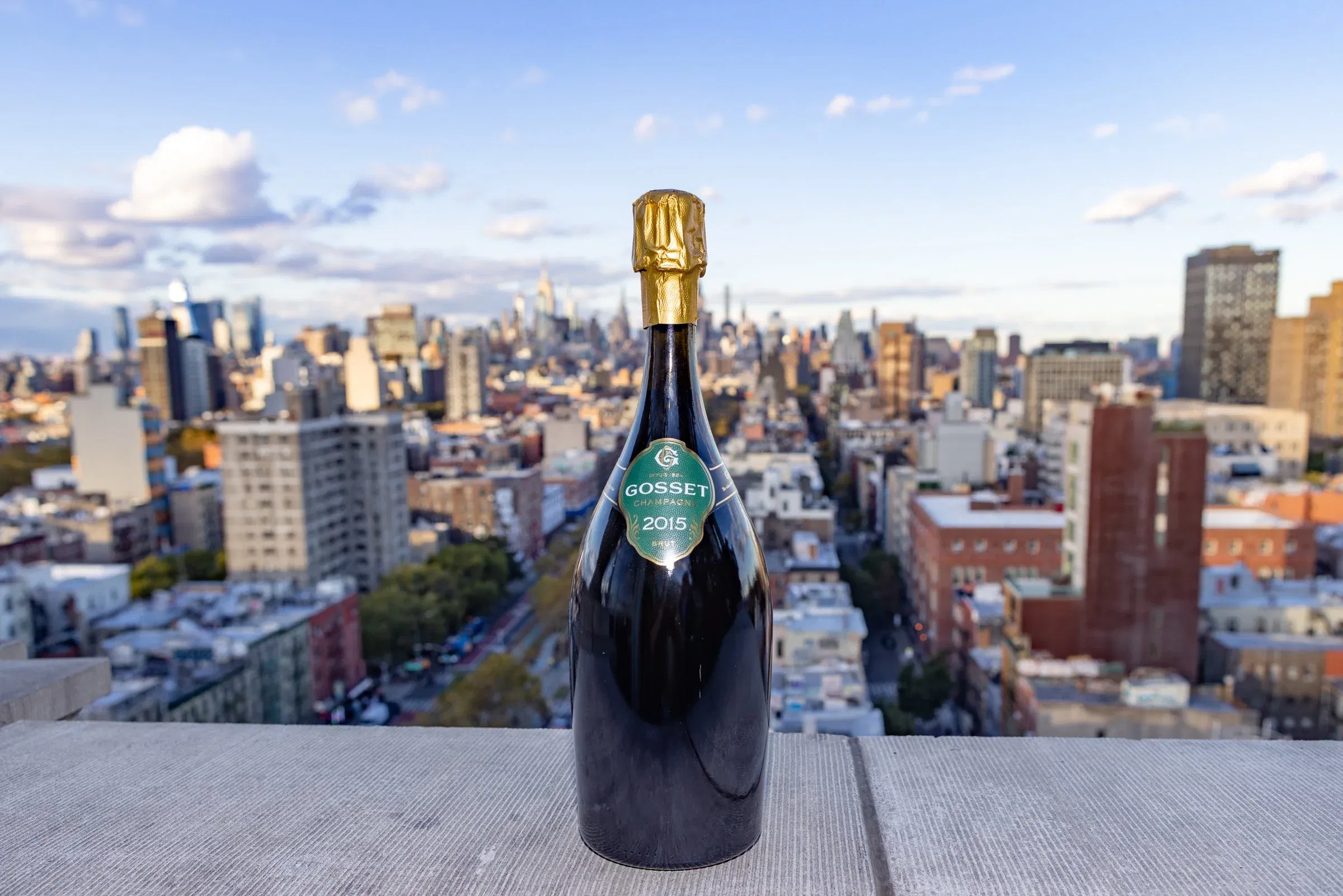
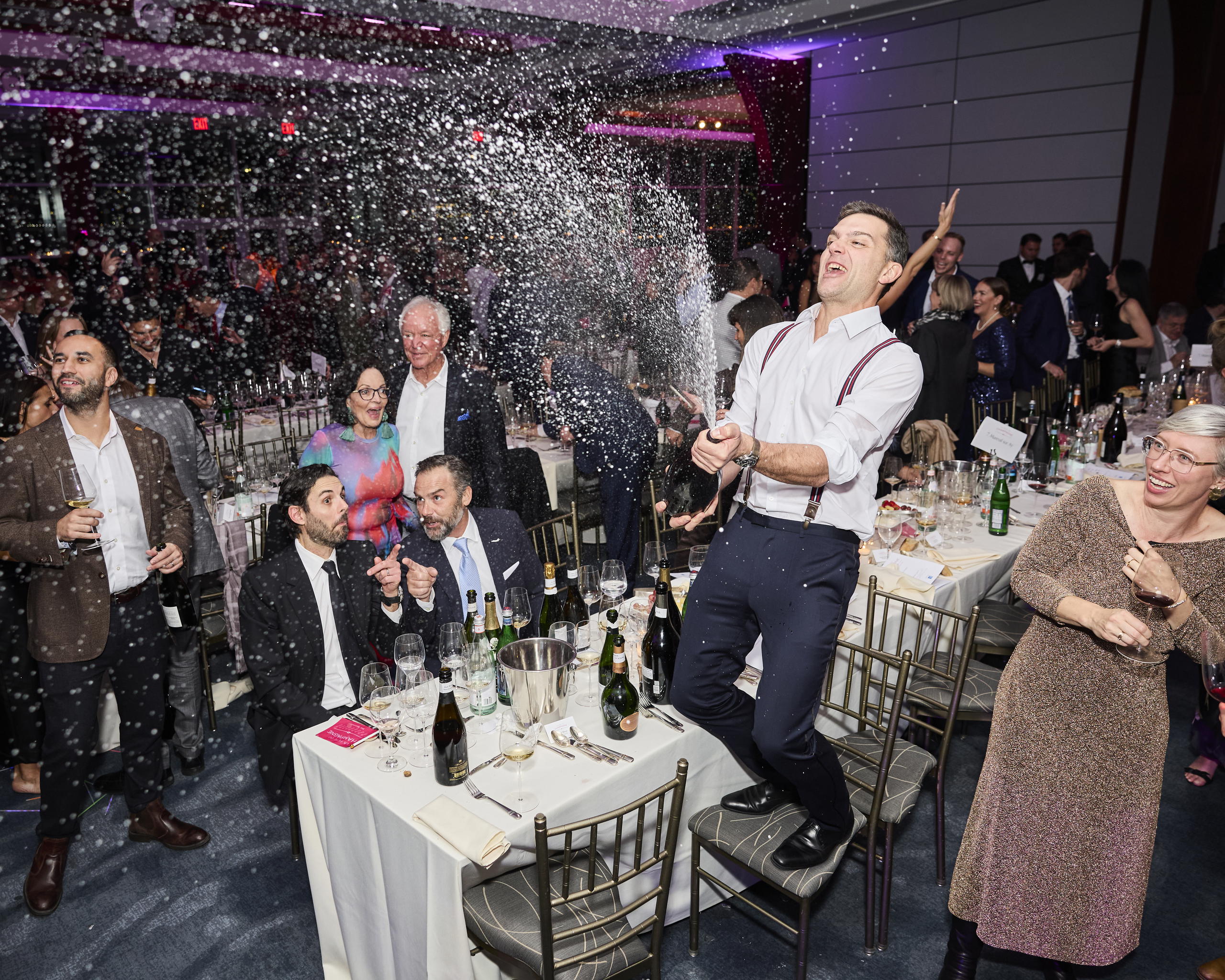
La Fête du Champagne opens its New York City weekend with a walk-around Champagne party at Nine Orchard.
Full La Fête du Champagne program →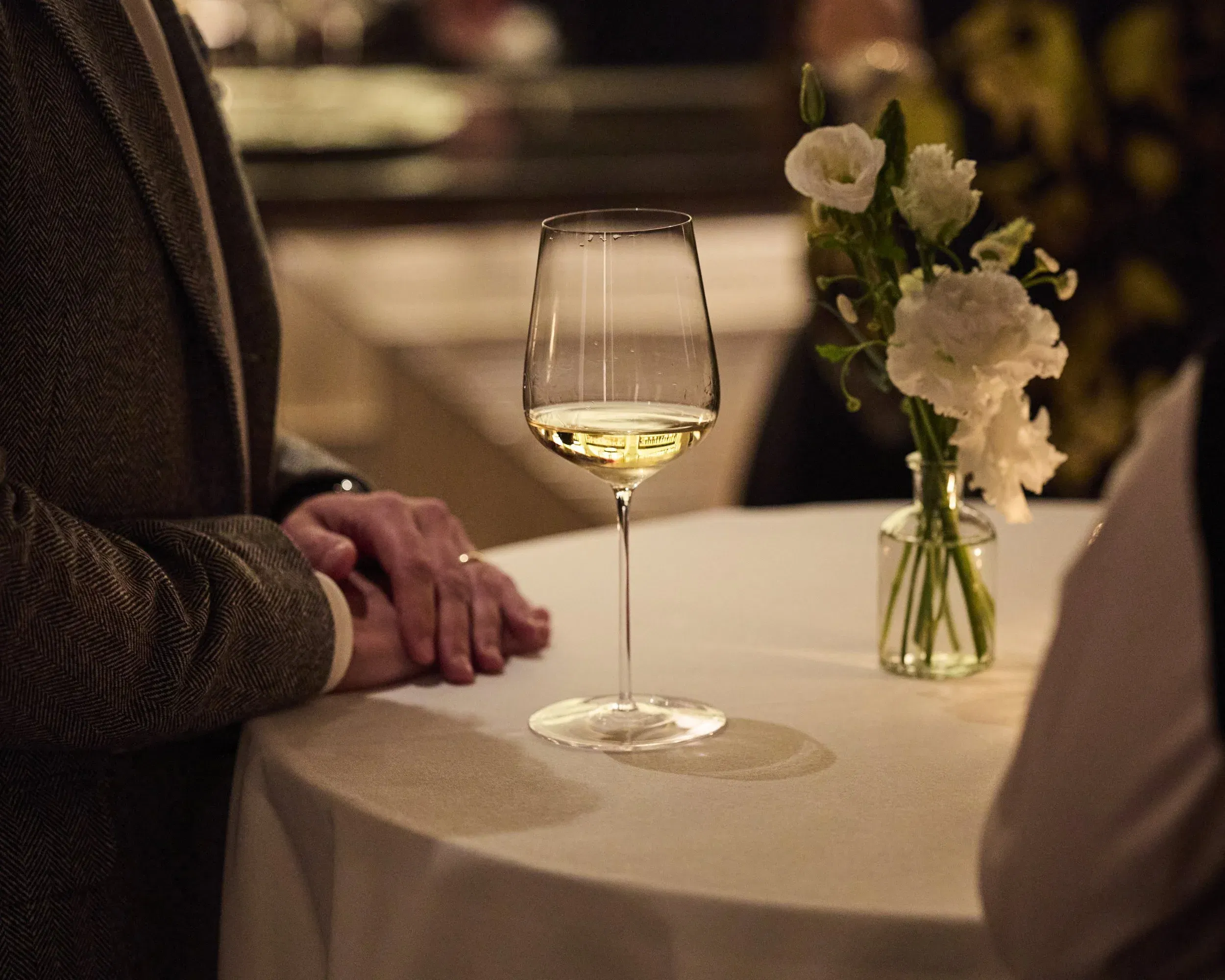
La Fête du Champagne’s New York City Grand Tasting brings more than 100 Champagnes, small plates, and attending winemakers to Pier Sixty.
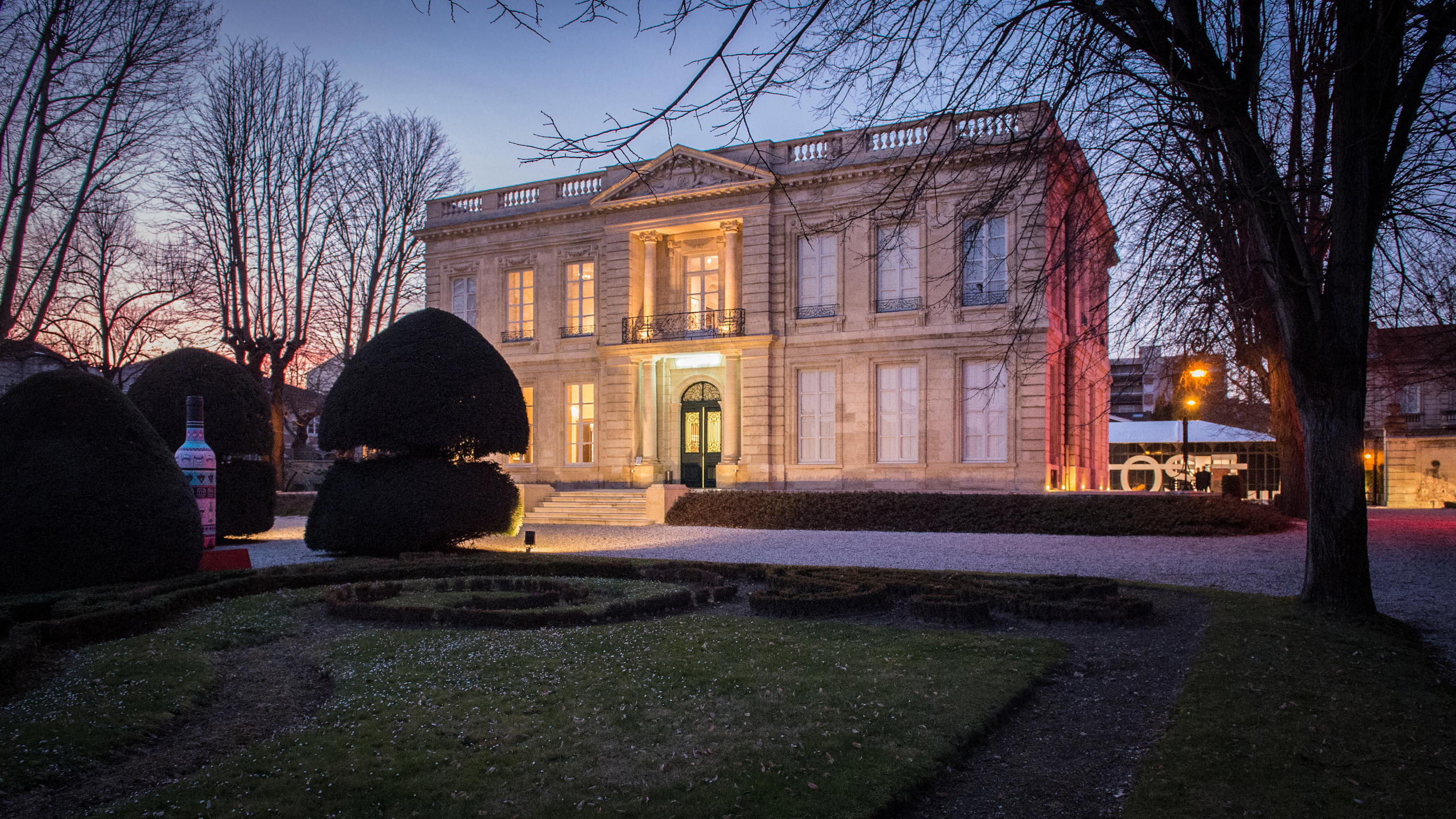
Full La Fête du Champagne program →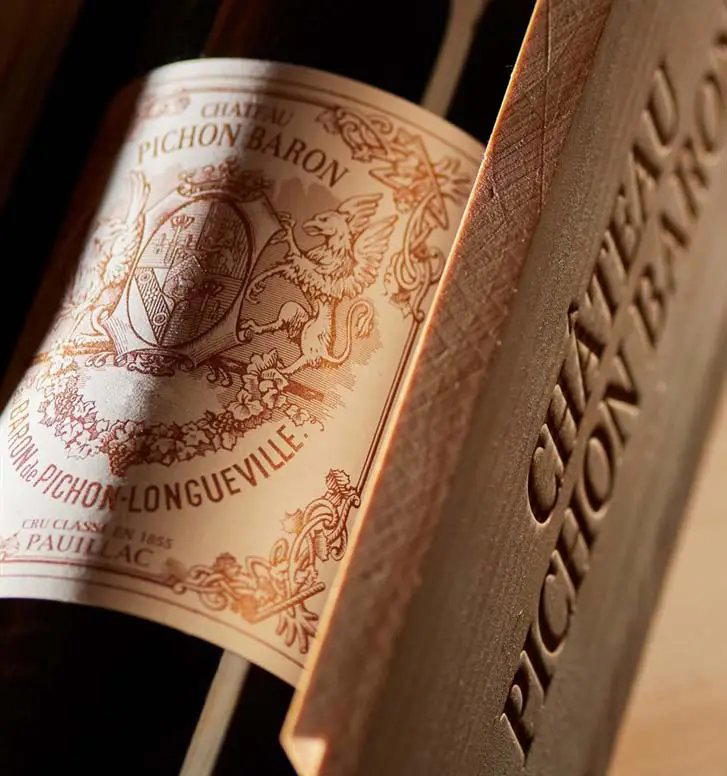 Château Pichon Longueville BaronPauillacChâteau Pichon Longueville Baron is a winery in Pauillac, Bordeaux.
 Château Pape ClementPessacChâteau Pape Clément is a wine estate in Pessac, Bordeaux.
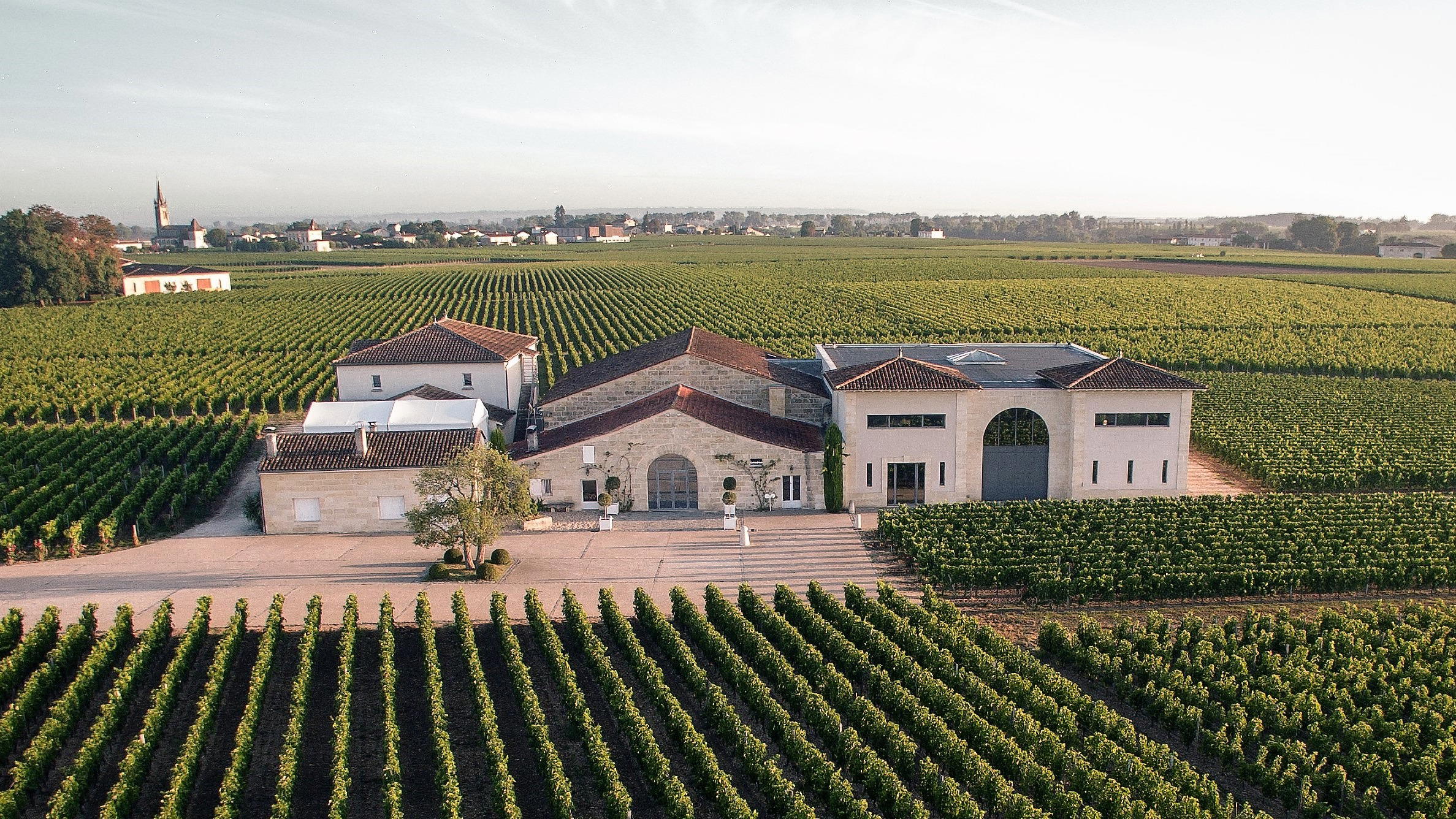 Château La ConseillantePomerolChâteau La Conseillante is worth pursuing for serious Pomerol collectors and first-timers who care about access more than casual cellar-door ease. Treat any allocation or club-style opportunity as a due-diligence decision: confirm terms, purchase expectations, and shipping before committing.
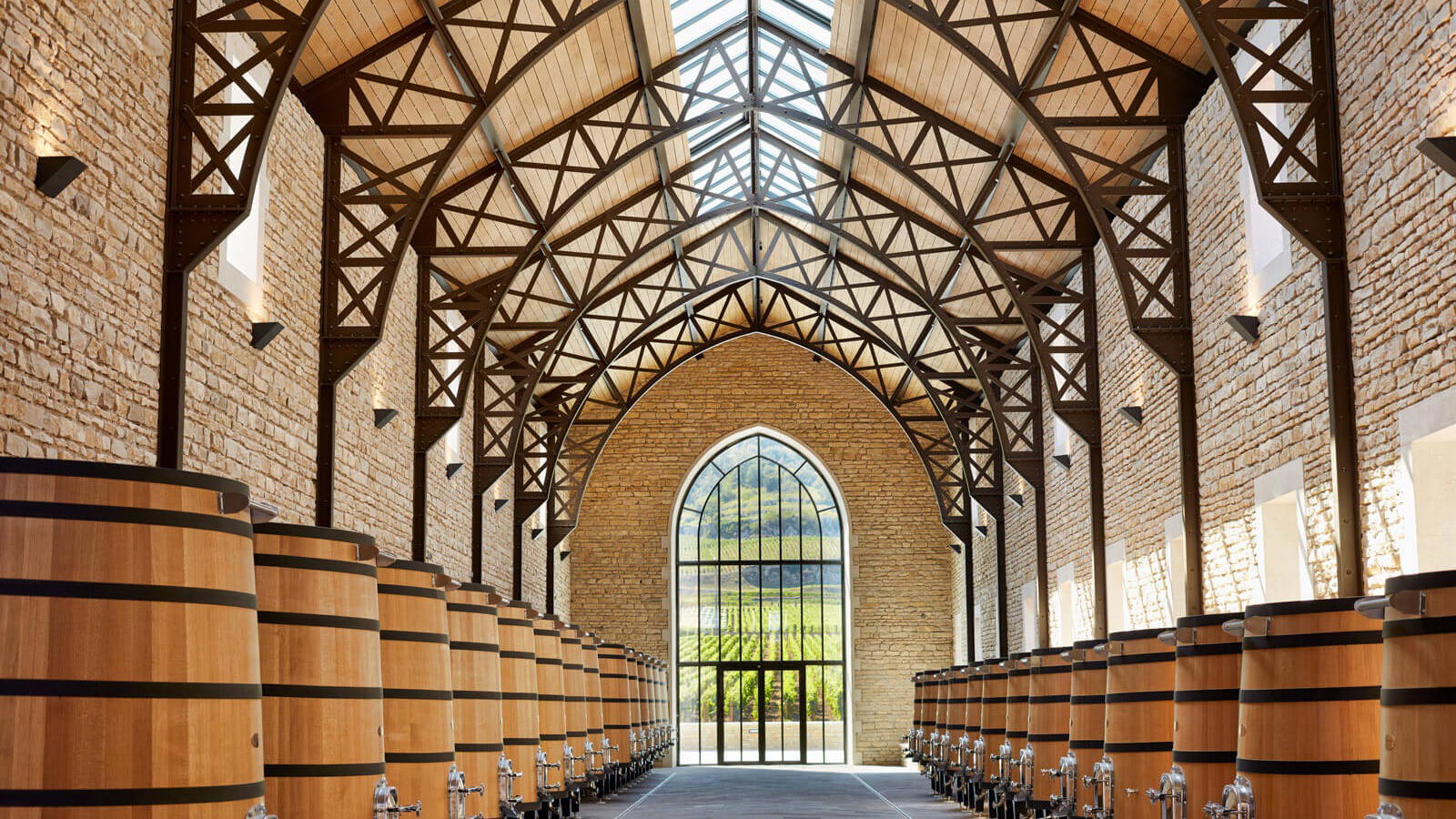 Domaine FaiveleyNuits-Saint-GeorgesDomaine Faiveley is a winery on Rue du Tribourg in Nuits-Saint-Georges.
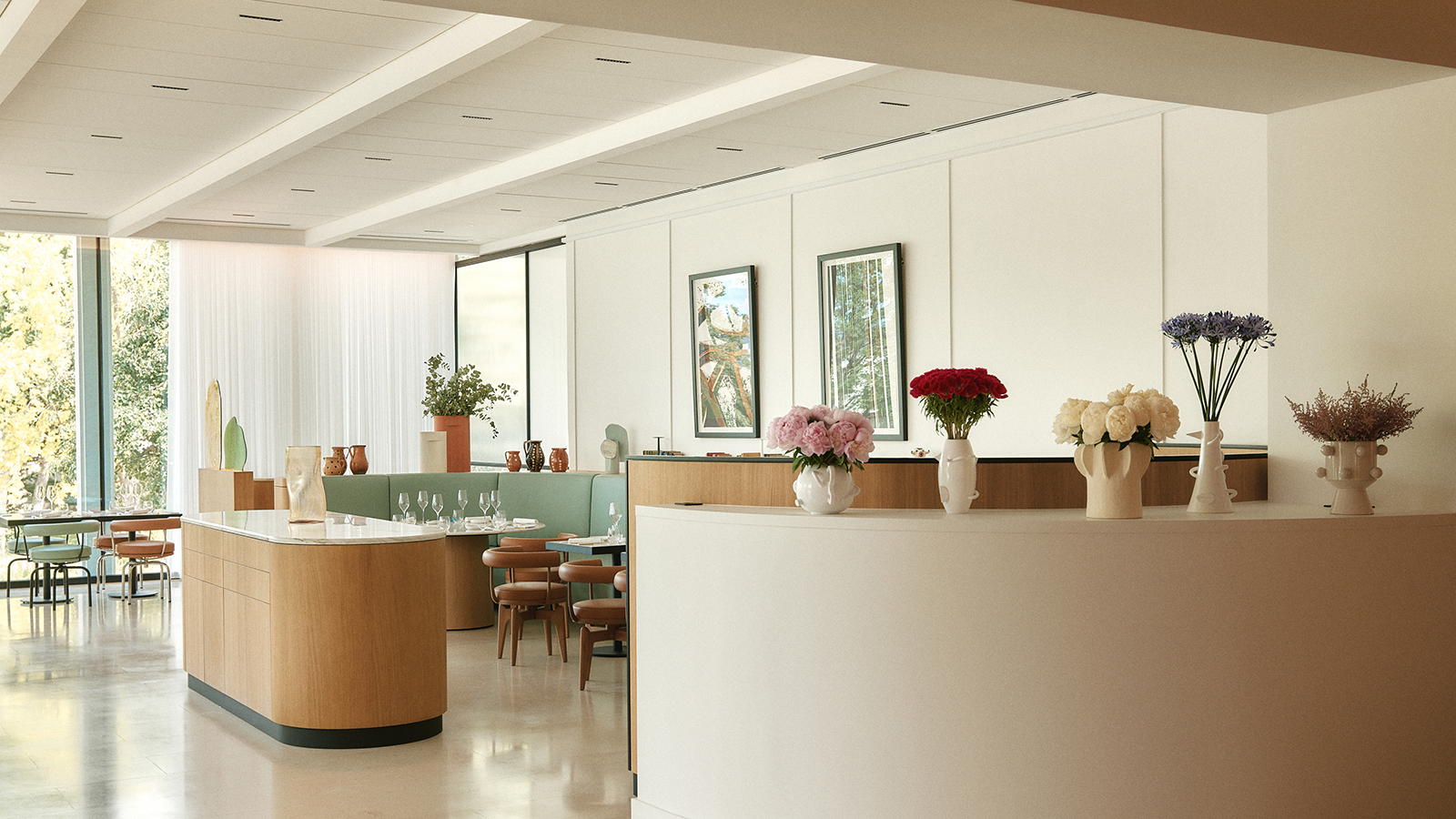 TaittingerReimsTaittinger is a winery on Place Saint-Nicaise in Reims.