
Chateau Beausejour
Listrac-Médoc
Winery in Listrac-Médoc, France
 Book with Pearl
The Read
Clay-Plateau Cabernet
Why go
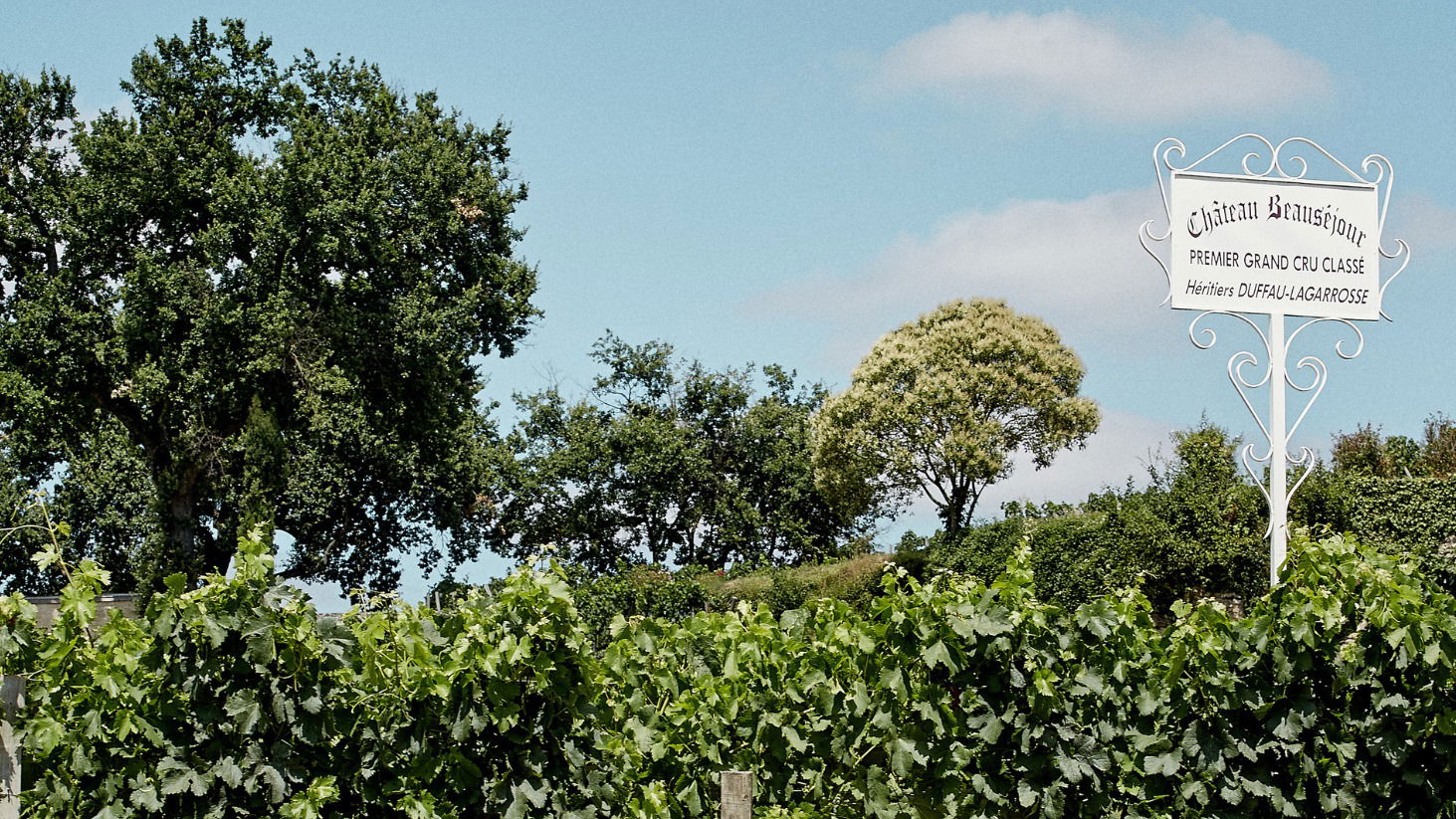
Established in 1847 and earning a Pearl 4 Star Prestige rating in 2025, Chateau Beausejour operates under winemaker Nicolas Thienpont in Listrac-Médoc, one of the Haut-Médoc's more demanding appellations for Cabernet-led blends. The estate represents a serious, terroir-focused approach to a commune that remains less traded than Margaux or Pauillac, offering access to structured Médoc character without the speculation premium of classified-growth neighbours.
About Chateau Beausejour
Chateau Beausejour is a premium venue in Listrac-Médoc. Beyond those points, guests should avoid assuming specific services, formats, menus, prices, or visit details unless confirmed directly with the venue.
For planning purposes, the safest reason to consider Chateau Beausejour is its Listrac-Médoc setting and its recognition. Specific cuisine, tasting format, wine programme, opening schedule, or booking process are not specified, so any itinerary should be built with direct confirmation rather than assumptions.
A quieter Listrac-Médoc option
Chateau Beausejour may suit travellers comparing premium venues around Listrac-Médoc.
Hours, prices, menus, seating, or service style are not available, so it is best to confirm directly before making firm plans. If you are comparing options, keep Chateau Beausejour in context with other Médoc names such as Château Branaire Ducru, Château Gruaud-Larose, Château La Tour-Carnet, Château Lagrange, and Château Saint-Pierre, or with other dining in Listrac-Médoc more generally.
Plan with care
The main planning note is caution: do not rely on assumptions about lunch, dinner, tastings, food service, private rooms, accessibility, or special dietary support. The dress code is smart casual, so visitors should plan accordingly, but should check directly for any current operating details before arrival.
For a broader day in the area, use Listrac-Médoc as the geographic anchor and confirm each stop independently. Chateau Beausejour is a Pearl-recognised venue in Listrac-Médoc, with the chef/owner, dress code, and Pearl 4 Star Prestige (2025) recognition as known details. Further specifics about the experience are not available.
Planning details
- Location
- 21 Avenue de Soulac, 33480 Listrac-Médoc, France
- Website
- cave-listrac-medoc.fr
- Phone
- +33556580319
The take
The Take
The Vibe
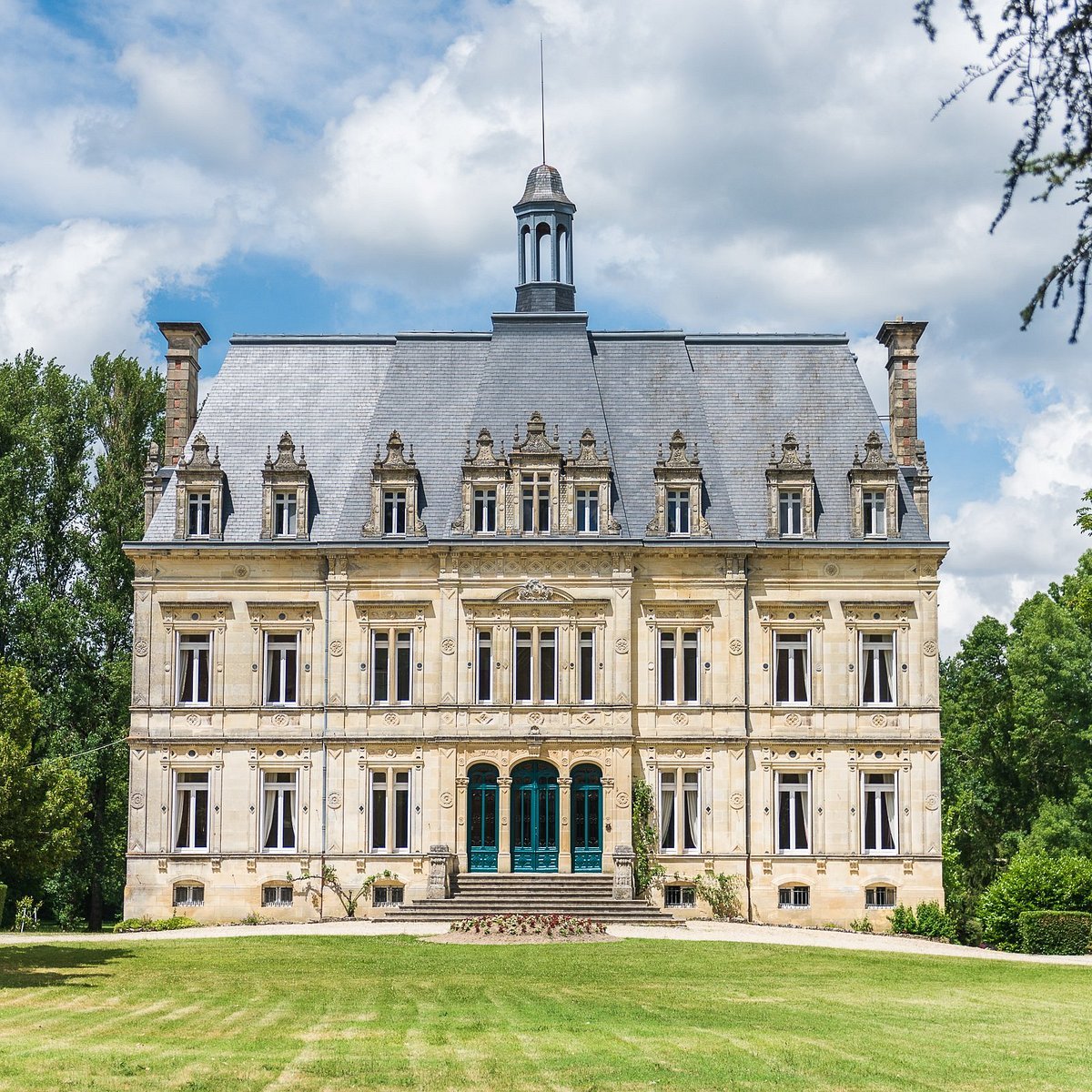
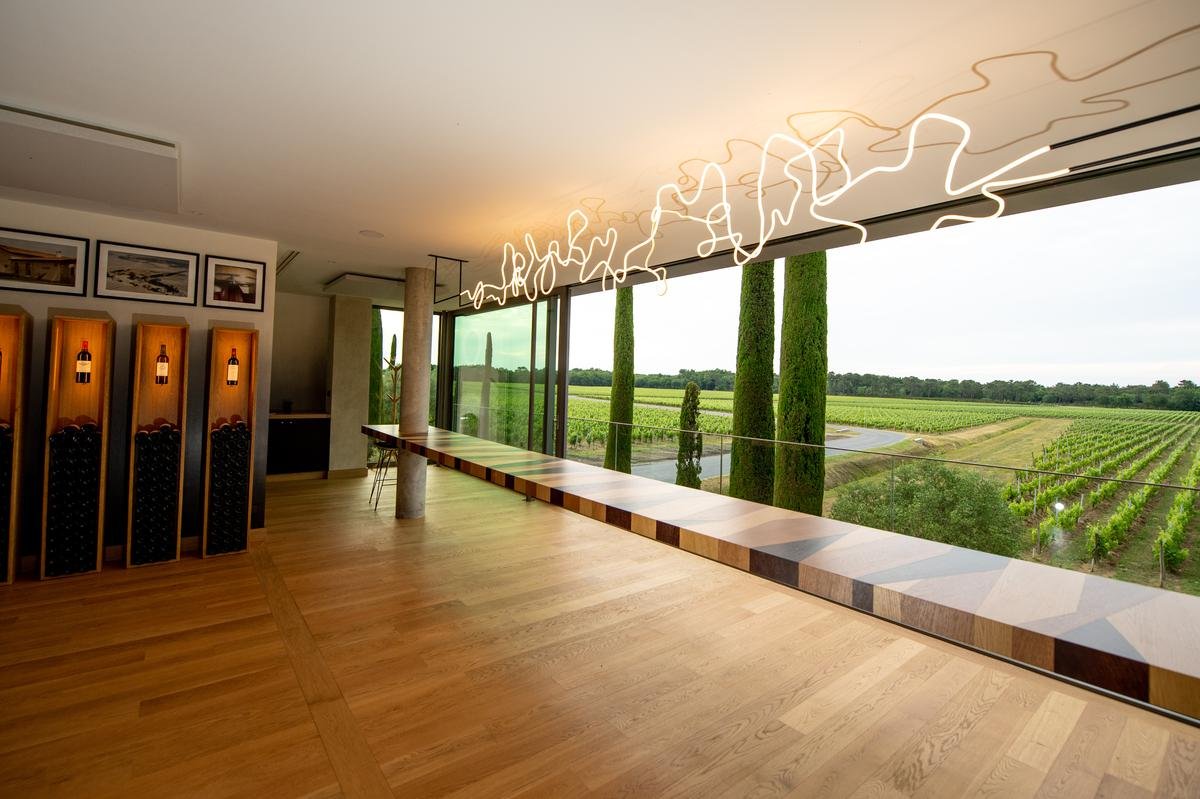
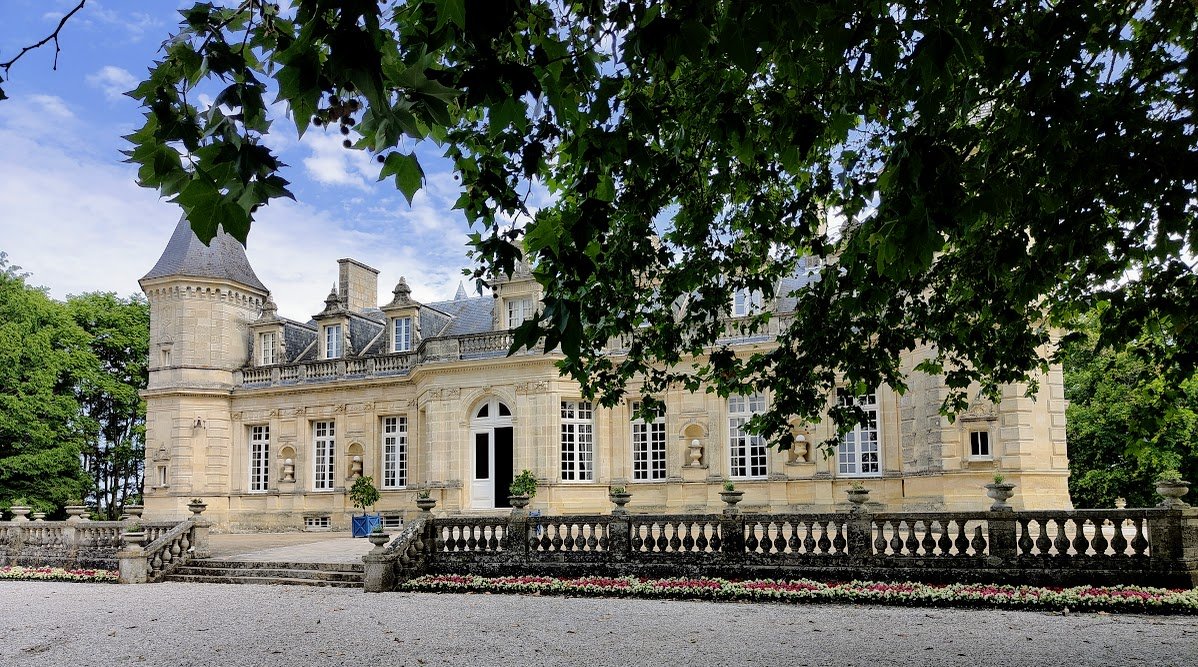
Chateau Beausejour sits high on a left-bank ridge and feels like a quietly authoritative example of Médoc tradition. Its documented first vintage in 1847 and focus on geology give the place a historic, measured presence: wines are built for patience rather than immediate appeal. The setting is scenic without showiness, where gravel thinning to clay shapes style and invites contemplation more than flash. Visitors encounter an estate that privileges terroir and longevity, a refined, old-world character that rewards slow appreciation rather than trend-driven tasting-room theatrics.
Best For
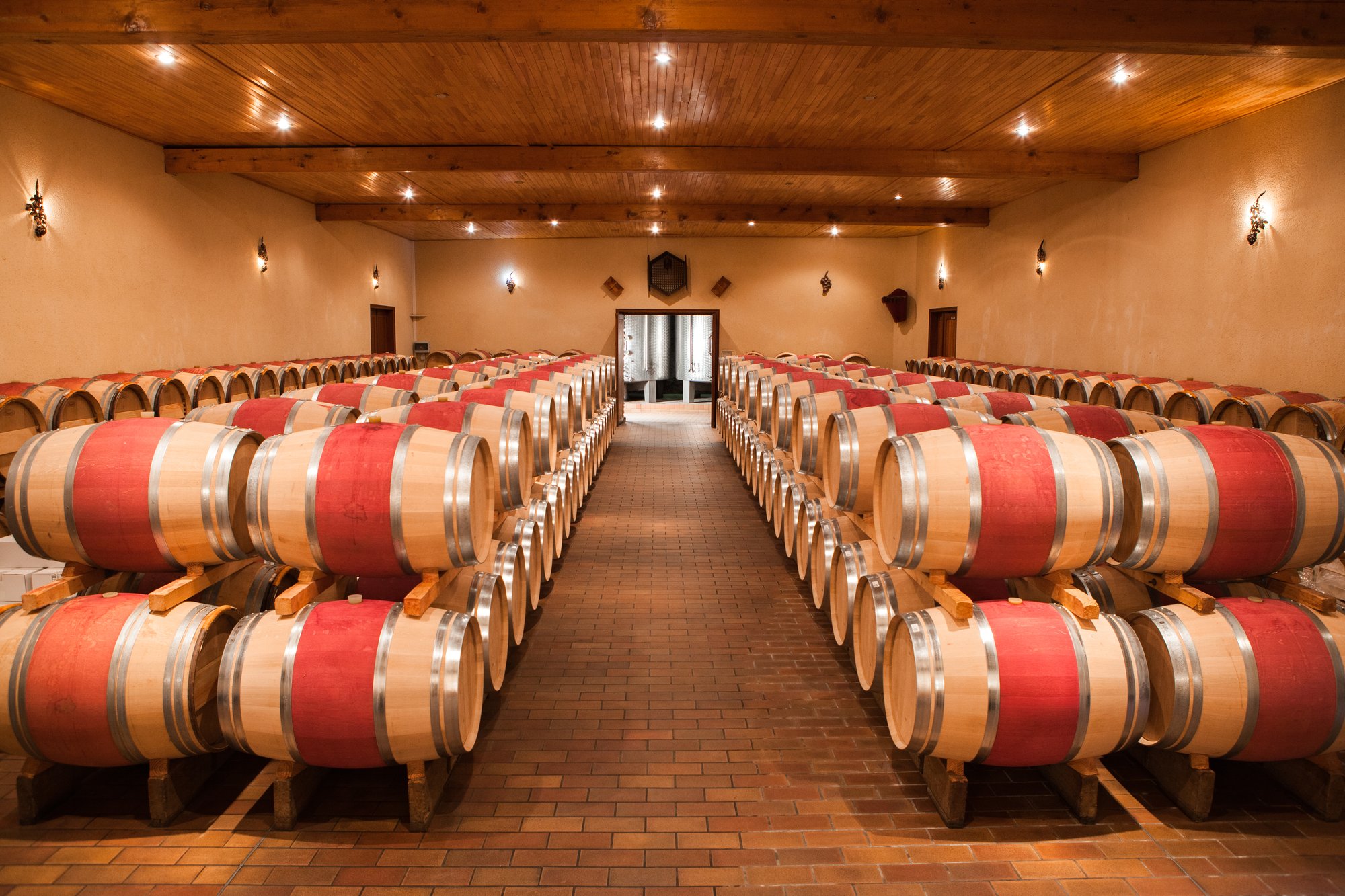
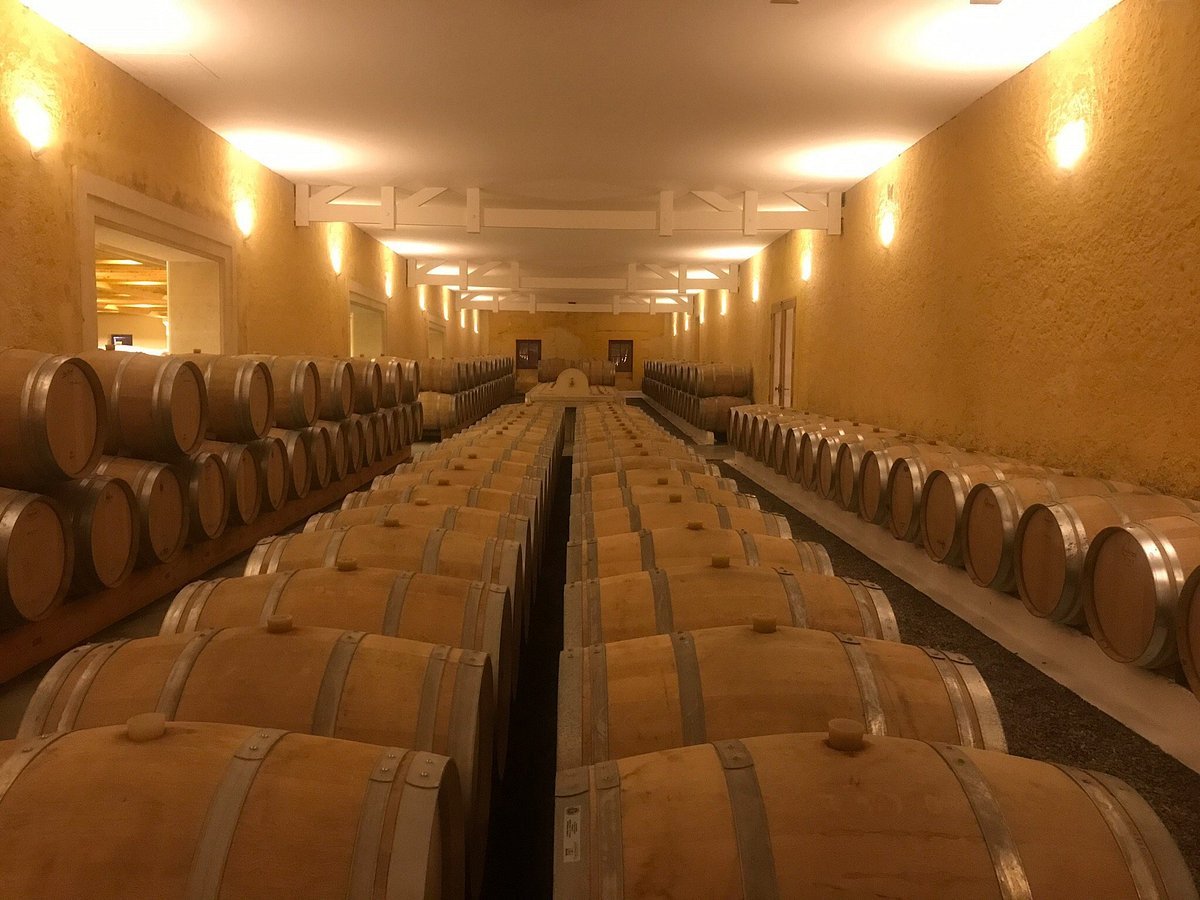
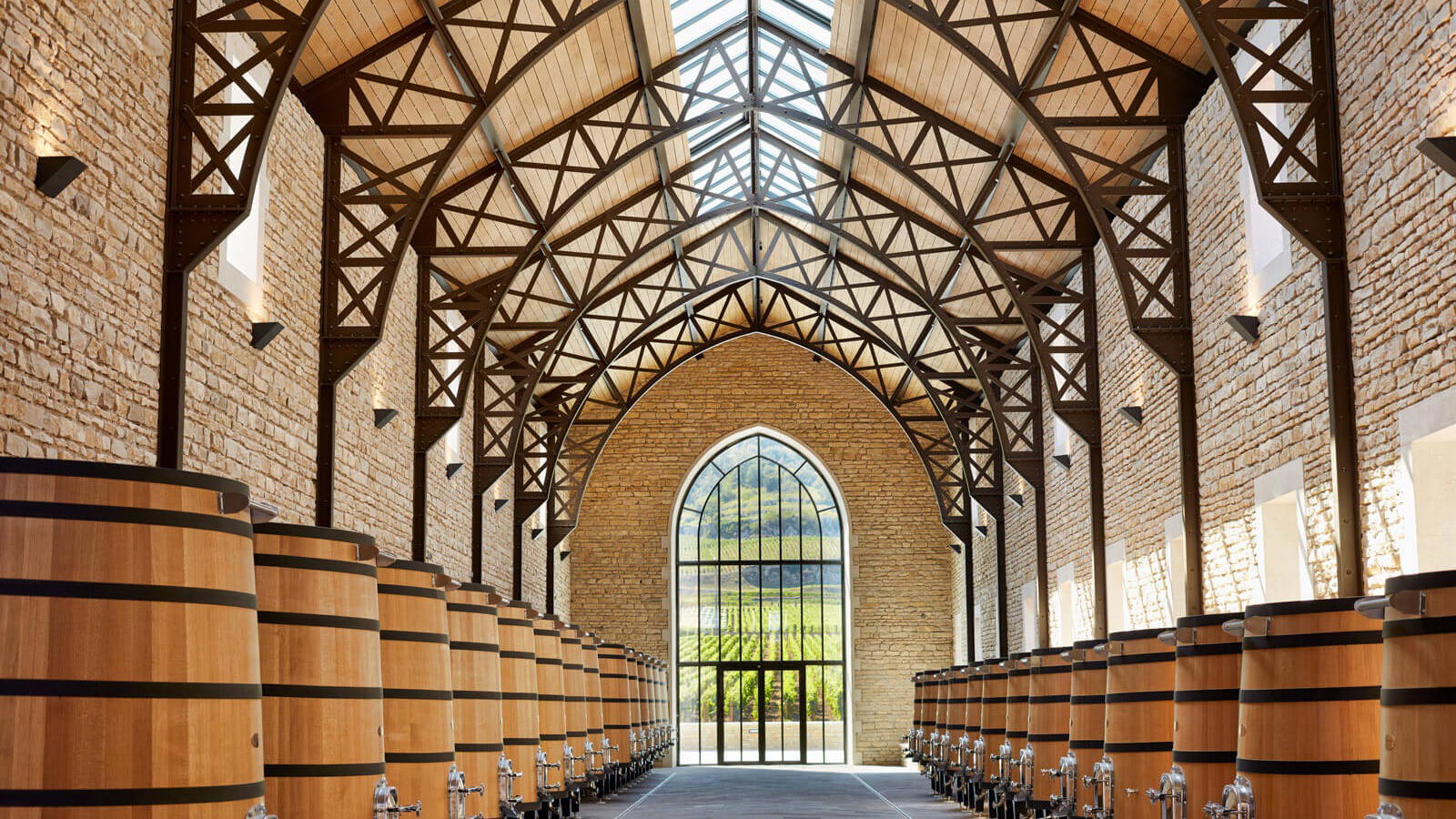
Chateau Beausejour is best for visitors who want to understand how terroir shapes left-bank Cabernet and Merlot. The description foregrounds geology and cellar access, so it suits wine students, collectors and curious travellers focused on wine education and vertical thinking about ageability. Because the house traces a documented vintage back to 1847 and emphasizes structure and patience, visits also work well as contemplative special-occasion outings for small groups that value history and longevity over instant gratification. Tasting here emphasizes learning about site, structure and the slow rewards of aging.
Venue details
Ambiance
Elegant and serene with classic French countryside charm.
Tags
Vibe
Best For
Experience
View
At the Vineyard
- Appellation
- Listrac-Médoc
- Varietals
- Merlot, Cabernet Franc, Cabernet Sauvignon
- Tour Duration
- 60-90 minutes
- Tour Languages
- French, English
- Visits
- By appointment only
- Production
- Small producer
- Wine Styles
- Still Red
- Wine Club
- Not available
Know before you go
Know Before You Go
- Getting there
- 21 Avenue de Soulac, 33480 Listrac-Médoc, France
Planning details
Location
Recognition and awards
Also consider
Also Consider
- Château La Tour-Carnet, Notable alternative
- Château Gruaud-Larose, Notable alternative
- Château Lagrange, Notable alternative
- Château Branaire Ducru, Notable alternative
- Château Saint-Pierre, Notable alternative
Winery context
How it compares in the Médoc
Château La Tour-Carnet is the stronger fit if the priority is a more recognisable château experience with bigger visual impact. Chateau Beausejour is the better call for travellers who want a quieter Listrac-Médoc stop and are judging value by depth rather than polish.
Château Gruaud-Larose, Château Lagrange, Château Branaire Ducru, and Château Saint-Pierre make more sense for visitors who want the broader Saint-Julien frame and a more established grand-château circuit. Expect those names to carry more built-in demand. Beausejour is the more understated choice, better for a wine-focused itinerary where booking effort and label prestige are not the whole point.
If only one slot is available, choose Beausejour for value-minded exploration in Listrac-Médoc, La Tour-Carnet for château atmosphere, and the Saint-Julien peers for a more recognisable left-bank comparison set. The decision comes down to whether the day is about discovery or status.
Explore Listrac-Médoc
Around this place
Discover more on Pearl
Unlock the full Chateau Beausejour guide in Pearl, including awards, comparisons, FAQs, planning details, and nearby places.
Compare Chateau Beausejour
| Venue | Location | Awards |
|---|---|---|
| Chateau Beausejour | Listrac-Médoc | 2025 Pearl 4 Star Prestige |
| Château La Tour-Carnet | Saint-Laurent-de-Médoc | 2026 Falstaff Winery Guide |
| Château Gruaud-Larose | St-Julien | 2026 Michelin Grape Main Selection - Bordeaux2026 Falstaff Winery Guide2025 Pearl 3 Star Prestige |
| Château Lagrange | Saint-Julien-Beychevelle | 2026 Michelin 1 Grape - Bordeaux2026 Falstaff Winery Guide |
| Château Branaire Ducru | St-Julien | 2026 Falstaff Winery Guide2026 Michelin 1 Grape - Bordeaux2025 Pearl 3 Star Prestige |
| Château Saint-Pierre | St-Julien | 2026 Michelin Grape Main Selection - Bordeaux2025 Pearl 3 Star Prestige |



How Chateau Beausejour Listrac-Médoc: Pearl Prestige compares with similar nearby venues.
FAQ
Frequently Asked Questions
What other venues can I compare with Chateau Beausejour?
For broader Médoc planning, compare Chateau Beausejour with Château La Tour-Carnet, Château Gruaud-Larose, Château Lagrange, Château Branaire Ducru, and Château Saint-Pierre, or consider other dining in Listrac-Médoc generically. Confirm the practical details for each venue directly before planning a route.
Is there a wine club at Chateau Beausejour?
A wine club is not specified. If membership, purchasing, or private access matters to your plans, confirm those details directly with Chateau Beausejour before visiting.
Do I need a reservation at Chateau Beausejour?
A reservation policy is not stated. Chateau Beausejour is in Listrac-Médoc and is recognised as Pearl 4 Star Prestige (2025), so it is sensible to confirm booking requirements directly before making plans.
How long should I plan for a visit to Chateau Beausejour?
Visit length, service format, or schedule are not available. Plan flexibly and confirm timing directly with Chateau Beausejour, especially if you are pairing it with other venues in or around Listrac-Médoc.
Does Chateau Beausejour serve food?
Food service, menu details, or dietary support are not specified. Contact Chateau Beausejour directly for current details before relying on it for a meal.