

Domaine de la Mordorée
Tavel
Winery in Tavel, France
 Book with Pearl
The Read
Structured Tavel Rosé
Why go
Domaine de la Mordorée is worth prioritizing if the goal is a focused Tavel winery visit with serious Southern Rhône context. Treat access as difficult and plan ahead; this is a stronger fit for wine-focused travelers than casual groups looking for an easy tasting-room stop.
About Domaine de la Mordorée
Is Domaine de la Mordorée worth planning a Tavel stop around? Consider it if you specifically want to include Domaine de la Mordorée in a Tavel itinerary, but avoid building expectations around details that may not be current. In other words, this is a venue to treat with interest, but also with restraint. The venue is in Tavel, is associated with Ambre Delorme and Madeleine Delorme, has a smart casual dress code, and holds Pearl 4 Star Prestige (2025). Those points are enough to make it relevant for a focused Tavel plan, but they are not enough to fill in the shape of a visit on their own.
Because detailed public-facing service information is not readily available, confirm the visit directly before making plans. Do not assume a particular format, schedule, menu, tasting structure, price, or availability unless the venue confirms it for your date. This matters especially if the stop would anchor your day, affect transport timing, or replace another booking. For the rest of a Tavel plan, you can also use Our full Tavel restaurants guide and compare other dining in Tavel generically, keeping the comparison broad rather than assuming that each venue will work in the same way.
Book with confirmed details, not assumptions
The practical approach is to plan carefully and confirm the essentials in advance. Domaine de la Mordorée is a named Tavel stop with Pearl 4 Star Prestige (2025), but details regarding walk-in access, opening hours, formats, or special services are not publicly available. If the details matter to your day, confirm them directly rather than relying on assumptions. A simple confirmation can make the difference between a smooth stop and a plan built around details that were never actually established.
Ambre Delorme and Madeleine Delorme are the chef/owner names associated with Domaine de la Mordorée. The dress code is smart casual, which makes it sensible to dress neatly without treating the visit as formal. That is useful guidance, but it should not be stretched into a broader conclusion about the tone, structure, or level of service. Beyond those points, keep expectations flexible unless you have current confirmation from the venue, especially if your visit depends on timing, availability, or a specific kind of experience.
Who should choose it over another name
Choose Domaine de la Mordorée if your itinerary specifically centers on Tavel and you want to prioritize a Pearl 4 Star Prestige (2025) venue there. It makes the most sense for travelers who are already shaping their day around Tavel rather than using the town as an incidental detour. If you are comparing other well-known names for a wider itinerary, consider options such as Clos Des Papes, Domaine André Brunel, Domaine La Barroche, Domaine Saint Préfert, or Domaine du Clos Saint Jean without assuming they offer the same experience or are interchangeable. The comparison should be about fit, confirmed logistics, and what you want from the day, not just name recognition.
The key decision is not whether every detail is already known; it is whether a Tavel stop with notable recognition fits your trip. For travelers who prefer fully specified logistics, confirm the current practical details first, then decide whether Domaine de la Mordorée deserves a protected place in the schedule. If your planning style is flexible, the limited available information may be acceptable. If your day needs certainty, treat confirmation as part of the planning process rather than a final afterthought.
Planning details
- Location
- 250 Chem. des Oliviers, 30126 Tavel
- Website
- domaine-mordoree.com
- Phone
- +33 4 66 50 00 75
The take
The Take
The Vibe
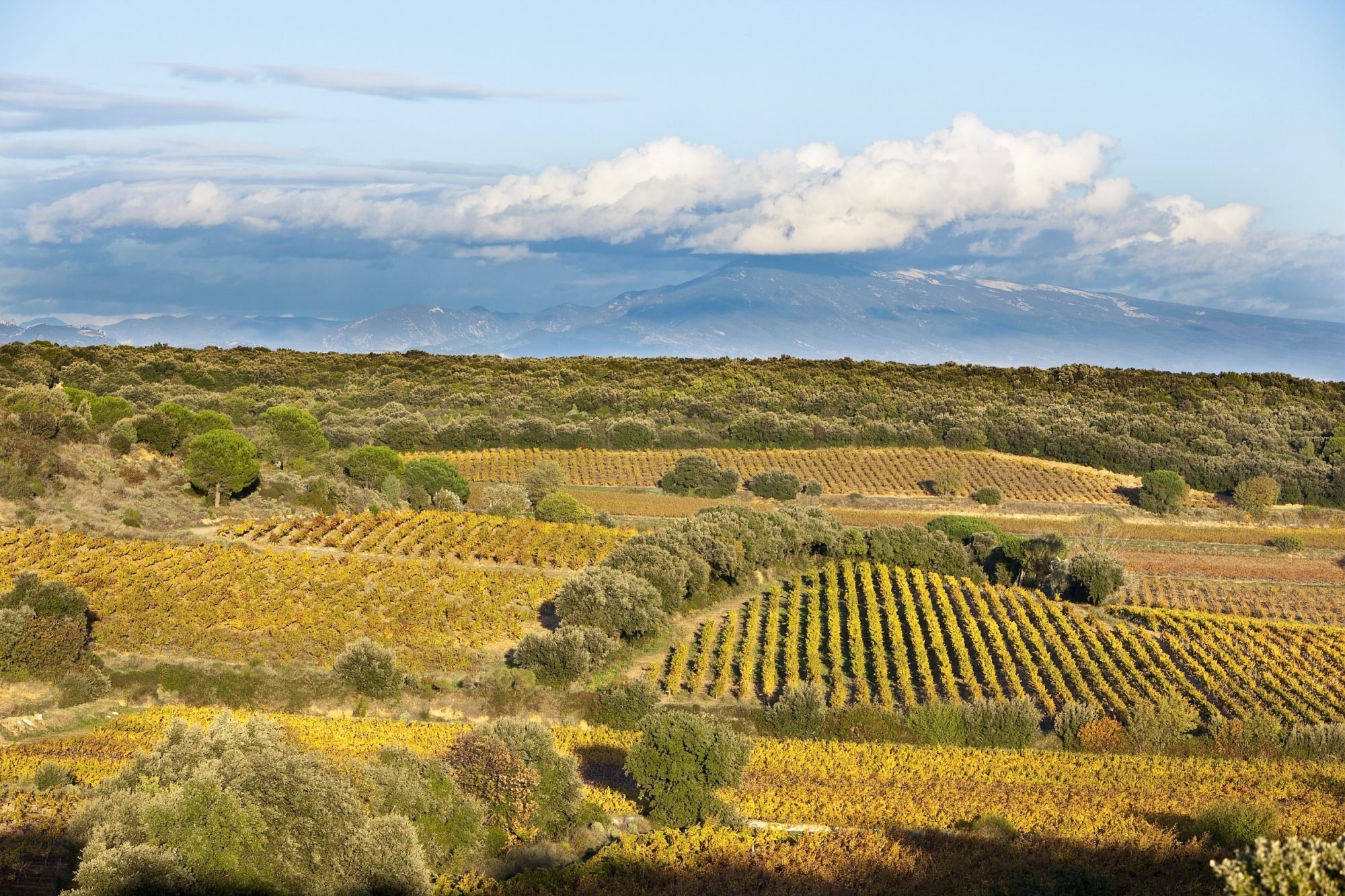
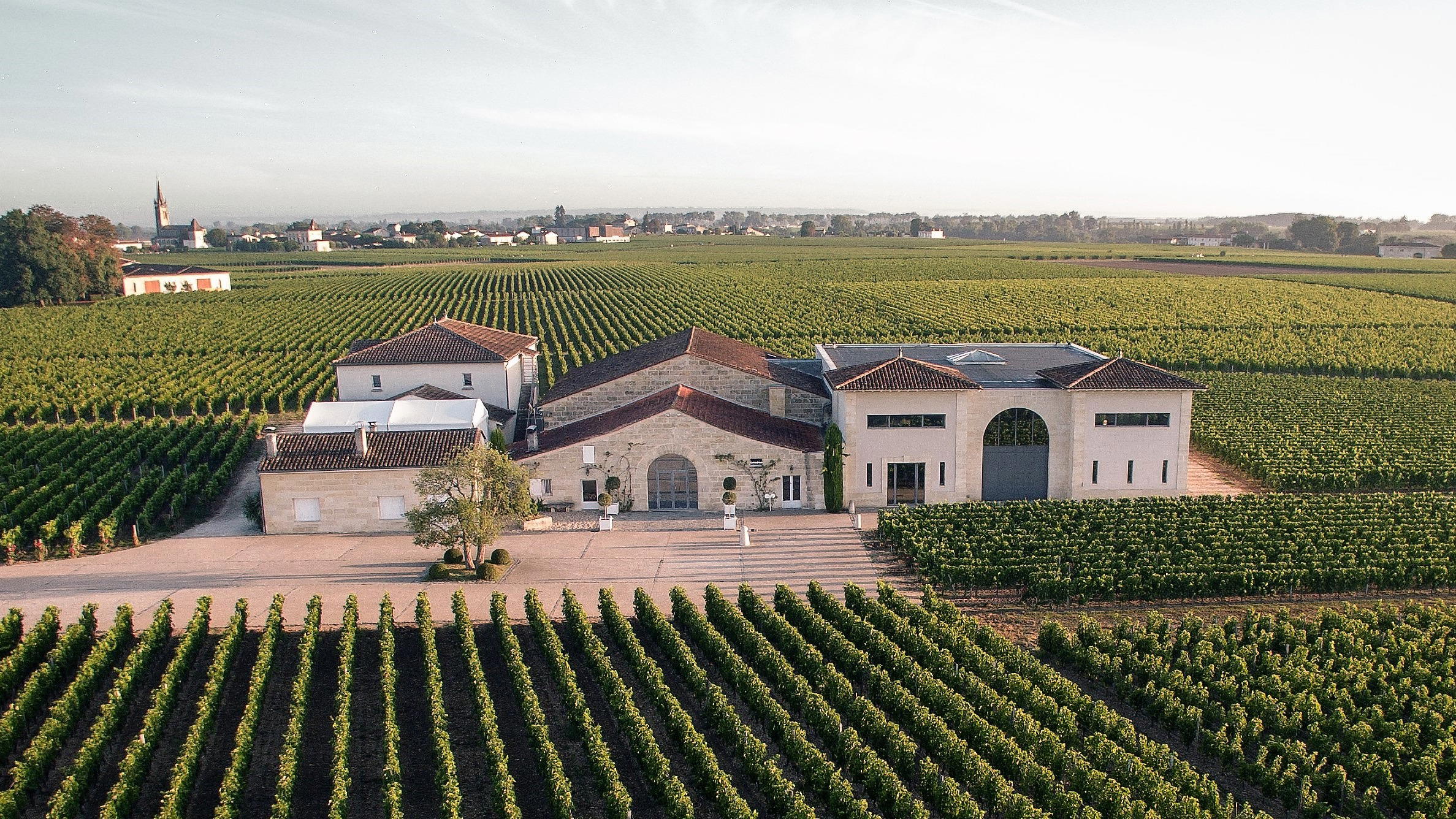
Domaine de la Mordorée presents a disciplined, terroir-forward personality: this is a winery that treats Tavel’s tough, mineral landscape as the central protagonist. The copy stresses concentrated vines, diverse soil parcels and a deliberate cultural shift toward rosé as a serious category, positioning the domaine as thoughtful and exacting rather than playful or frivolous. Winemaking stewardship under Ambre and Madeleine Delorme and a formal Pearl 4 Star Prestige rating reinforce a measured, sophisticated tone—an estate that rewards attention and curiosity with wines that reflect geology and purposeful viticulture.
Best For
This estate is especially well suited to guests seeking an educational, contemplative winery visit or a memorable special-occasion stop. The narrative emphasizes terroir, vineyard differentiation and the seriousness of the domaine’s rosés, making it a good match for solo exploration or focused tastings with people who want to learn. It’s also appropriate for milestone visits: the formal recognition and the estate context give a sense of occasion without suggesting a noisy or tourist-first experience.
Tasting Tips
When tasting here, prioritize comparative sampling that highlights the estate’s different soils and cuvées—ask to taste expressions that demonstrate the sandy, clayey-limestone and galets roulés parcels so you can hear the story of place in the glass. The text calls out the domaine’s Pearl 4 Star Prestige rating for 2025, so inquire about their prestige bottling alongside village or single-parcel rosés. Focus on structure and concentration rather than only fruit, and welcome staff commentary on how each parcel’s geology shapes the wines.
Venue details
Ambiance
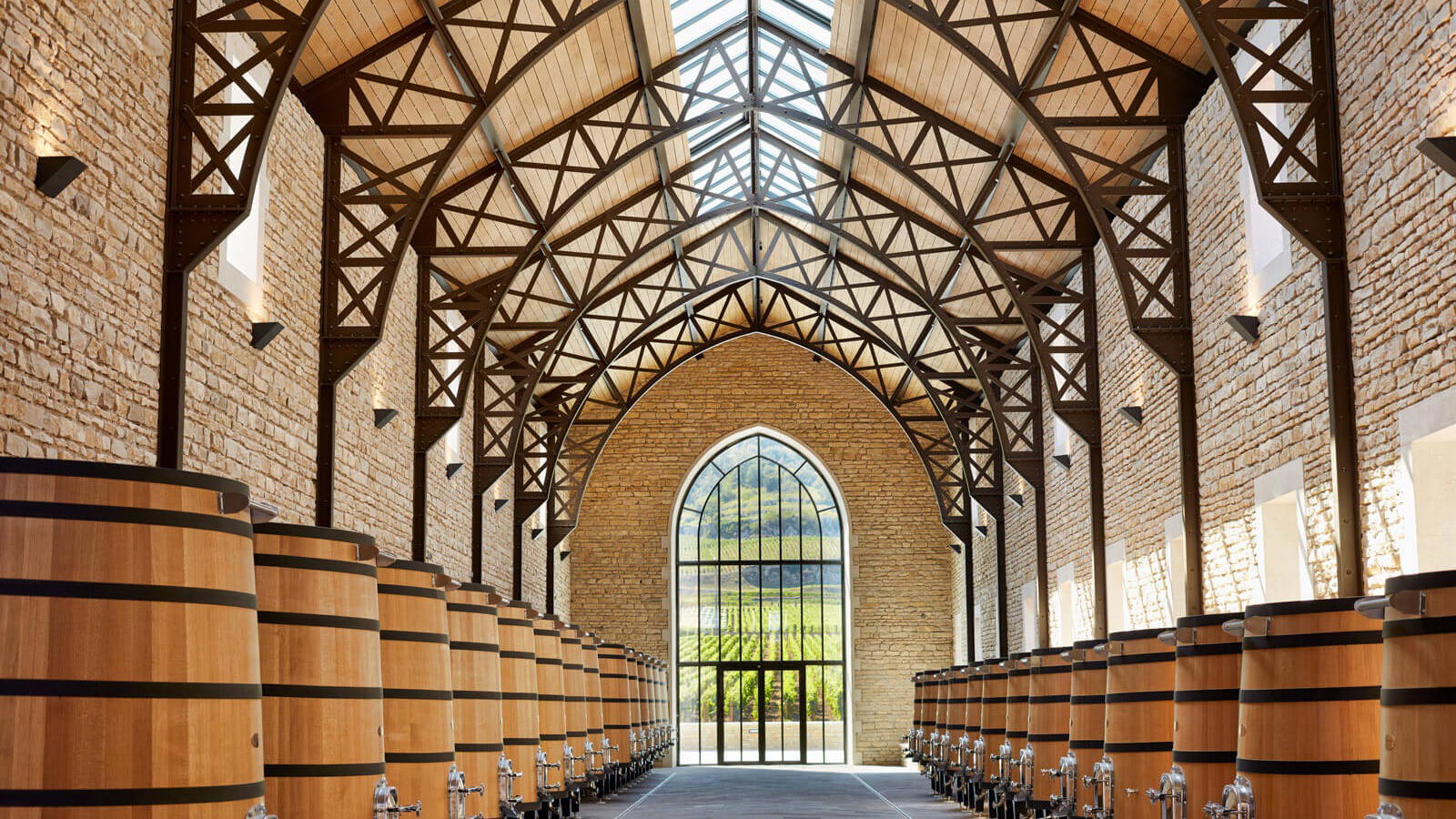
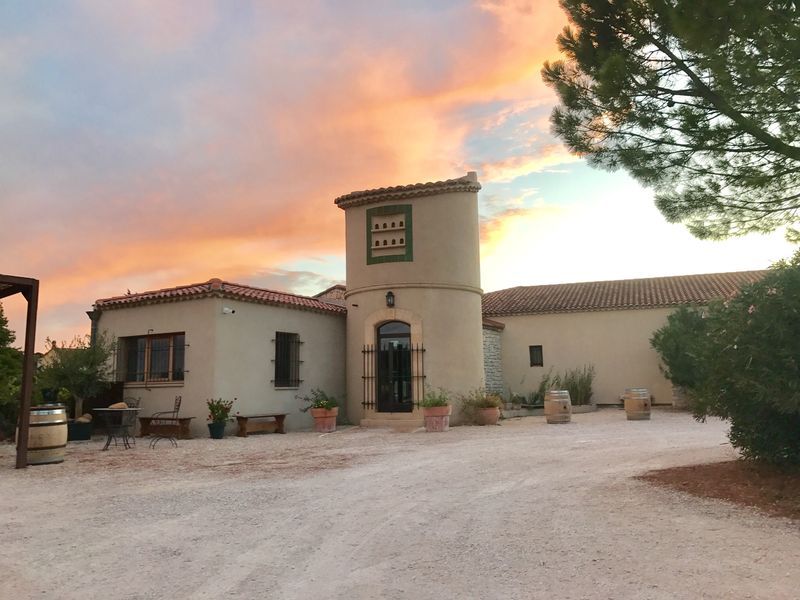
Rustic elegance in historic Southern Rhône setting with serene vineyard views and focused, intimate tasting atmosphere.
Tags
Vibe
Best For
Experience
Sourcing
View
At the Vineyard
- Appellation
- Tavel AOC
- Varietals
- Grenache, Syrah, Mourvèdre, Cinsault, Viognier
- Tour Duration
- 60-90 minutes
- Tour Languages
- French, English
- Visits
- By appointment only
- Farming
- Biodynamic
- Wine Styles
- Still Red, Still White, Still Rose
- Wine Club
- Not available
Know before you go
Know Before You Go
- Getting there
- 250 Chem. des Oliviers, 30126 Tavel
Planning details
Location
Recognition and awards

Also consider
Also Consider
- Domaine Saint Préfert, Notable alternative
- Domaine du Clos Saint Jean, Notable alternative
- Domaine La Barroche, Notable alternative
- Domaine André Brunel, Notable alternative
- Clos Des Papes, Notable alternative
Winery context
How it compares in the Southern Rhône
Domaine de la Mordorée is the stronger pick for travelers specifically targeting Tavel, while Domaine Saint Préfert, Domaine du Clos Saint Jean, Domaine La Barroche, Domaine André Brunel, and Clos Des Papes make more sense for readers centering the day around Châteauneuf-du-Pape. The tradeoff is focus versus convenience: Mordorée gives the Tavel decision more weight, while the Châteauneuf names fit a more conventional prestige route.
For booking difficulty, assume Mordorée needs the most deliberate planning of this set for a Tavel-focused day. If the priority is a smoother backup plan, Domaine André Brunel is the safer cross-shop from the provided group; if the priority is a more collector-coded stop, Clos Des Papes is the sharper comparison. Domaine Saint Préfert and Domaine La Barroche sit between those poles: good alternatives for travelers who want Southern Rhône depth without making Tavel the center of the itinerary.
Value depends on what the visitor wants from the tasting. Mordorée is worth the effort when the private or more focused format is available, because the payoff is context rather than convenience. If the group mainly wants name recognition, village energy, and a broader Châteauneuf framework, Domaine du Clos Saint Jean or Clos Des Papes will be easier to justify.
Explore Tavel
Around this place
Discover more on Pearl
Unlock the full Domaine de la Mordorée guide in Pearl, including awards, comparisons, FAQs, planning details, and nearby places.
Compare Domaine de la Mordorée
| Venue | Location | Awards |
|---|---|---|
| Domaine de la Mordorée | Tavel | 2026 Falstaff Winery Guide2025 Pearl 4 Star Prestige |
| Domaine Saint Préfert | Châteauneuf-du-Pape | 2025 Pearl 4 Star Prestige |
| Domaine du Clos Saint Jean | Châteauneuf-du-Pape | 2025 Pearl 3 Star Prestige |
| Domaine La Barroche | Châteauneuf-du-Pape | 2025 Pearl 5 Star Prestige |
| Domaine André Brunel | Sorgues | 2025 Pearl 4 Star Prestige |
| Clos Des Papes | Châteauneuf-du-Pape | No published awards |
How Domaine de la Mordorée Tavel compares with similar nearby venues.
FAQ
Frequently Asked Questions
What other venues can I compare with Domaine de la Mordorée?
If you are comparing notable names for a broader itinerary, look at Domaine du Clos Saint Jean, Domaine Saint Préfert, Clos Des Papes, Domaine André Brunel, and Domaine La Barroche. Keep the comparison general unless you have confirmed current details for each venue.
Do I need a reservation at Domaine de la Mordorée?
Information regarding a reservation policy is not available. Because Domaine de la Mordorée is a Pearl 4 Star Prestige (2025) venue in Tavel, the prudent move is to confirm timing and access directly before planning around it.
What is the dress code at Domaine de la Mordorée?
The dress code is smart casual. Dress neatly, but there is no requirement for formal attire.
When is the best time to visit Domaine de la Mordorée?
No specific best time, opening schedule, or service window is published. Confirm current availability directly with Domaine de la Mordorée before fixing it into a Tavel itinerary.
What practical details should I confirm before visiting Domaine de la Mordorée?
Confirm any details that matter to your plans, including current access, timing, availability, and any services you expect to use. Those specifics are not available.