
00 Wines
Carlton
Winery in Carlton, United States
 Book with Pearl
The Read
Site-Specific Willamette Pinot
Why go
00 Wines is a serious Carlton-area choice for wine travelers who prioritize producer focus over a casual tasting-room crawl. It is strongest for small, collector-minded groups building a Willamette Valley day around one difficult booking, while Ken Wright Cellars or Resonance (Jadot) may suit visitors who want a more familiar regional anchor.
About 00 Wines
00 Wines is a Carlton venue with a concise profile, so it is best approached with a careful, fact-forward read rather than with assumptions about the visit. Key details are direct: Chris Hermann is the chef/owner, the dress code is smart casual, and the venue holds Pearl 4 Star Prestige recognition for 2025. Those points give 00 Wines a clear identity, but they do not by themselves define the full guest experience, the style of service, or the practical rhythm of a stop here.
As hours, pricing, reservation requirements, menu details, tasting format, food service, or group capacity are not available, plan with care and confirm practical details directly before visiting. That extra step matters, especially if 00 Wines is meant to anchor a day in Carlton rather than serve as a flexible possibility. For restaurants, hotels, bars, wineries, and activities in Carlton, use Our full Carlton restaurants guide, Our full Carlton hotels guide, Our full Carlton bars guide, Our full Carlton wineries guide, and Our full Carlton experiences guide to build the rest of the day around the booking.
A Carlton stop with a concise profile
The most reliable way to frame 00 Wines is through known details rather than through assumptions about format or service. Chris Hermann is the named chef/owner, smart casual is the stated dress code, and the venue holds Pearl 4 Star Prestige status in 2025. In a guide context, that makes the profile concise but not empty: it establishes authorship, expected attire, and recognition, while leaving other parts of the experience to be checked before arrival.
Information about the food program, menu format, tasting structure, hours, or pricing is not available, so do not plan around any specific lunch, dinner, pairing, or walk-in experience unless the venue confirms it directly. That means the safest approach is to treat every practical question as open until answered by the venue itself. Treat 00 Wines as a Carlton venue to research and schedule deliberately rather than as a stop with fully documented details. If timing, meal planning, transportation, or group coordination matters to your day, the lack of operational detail should shape how you build the itinerary.
How to decide if it belongs on your Carlton day
Choose 00 Wines if the Pearl 4 Star Prestige recognition and the Chris Hermann connection make it a priority for your Carlton itinerary. Those are the strongest reasons to place it high on a short list, particularly for travelers who are making choices based on named leadership and recognized standing. If you are comparing options, 00 Wines can be considered alongside Ken Wright Cellars, Penner-Ash Wine Cellars, Resonance (Jadot), Shea Wine Cellars, and Willakenzie Estate, while other Carlton dining and regional options can fill out the rest of the day.
The strongest grounded case for 00 Wines is its recognition and its place in Carlton. Beyond that, details such as service style, booking rules, group suitability, and any food or beverage format should be confirmed directly with the venue before you commit your schedule. This is especially true if your plans depend on a particular time window, a meal component, or a structured tasting experience, details for which are not available. The profile is useful as a signal, but not as a complete planning document.
Quick reference: best for travelers who want a Pearl 4 Star Prestige-recognized Carlton venue; confirm hours, reservations, service format, and any food details directly before planning around it.
Planning details
- Location
- United States Postal Service, West Main Street, Carlton, OR 97111, USA
- Website
- 00wines.com
The take
The Take
The Vibe
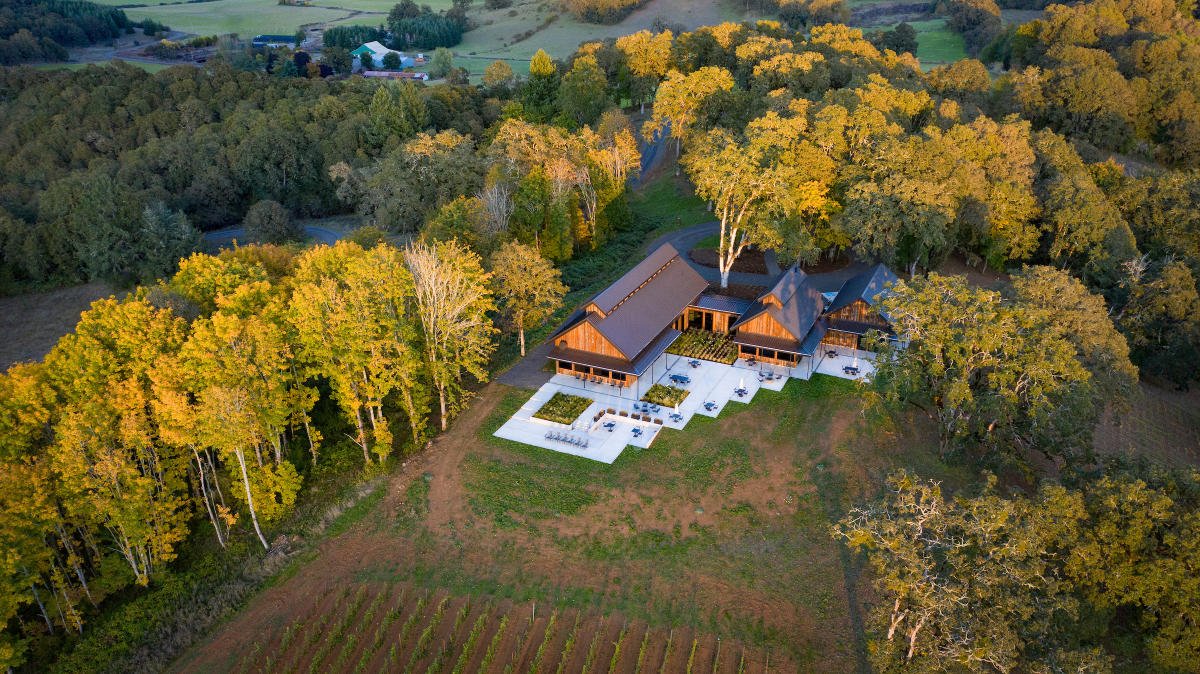
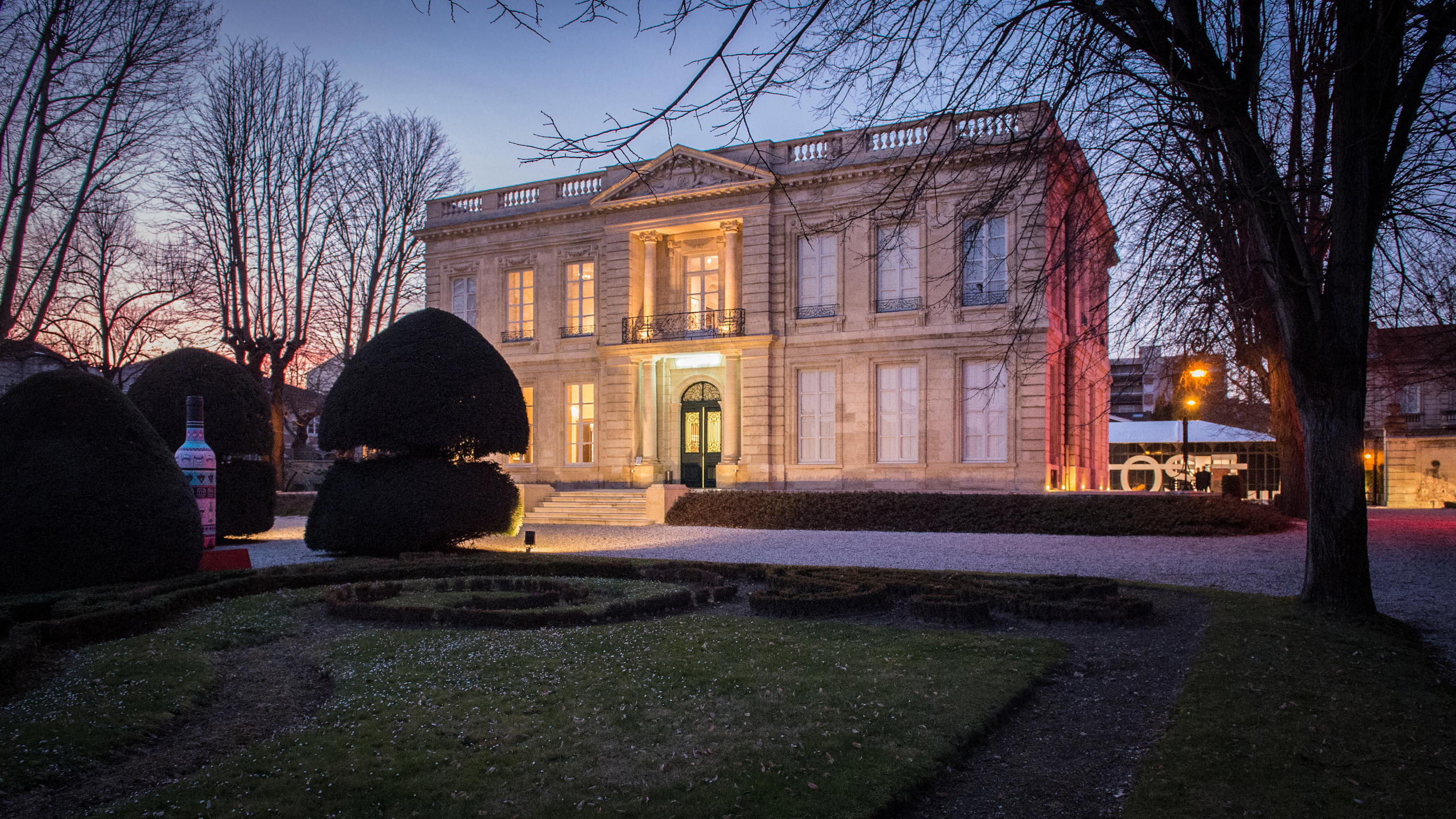
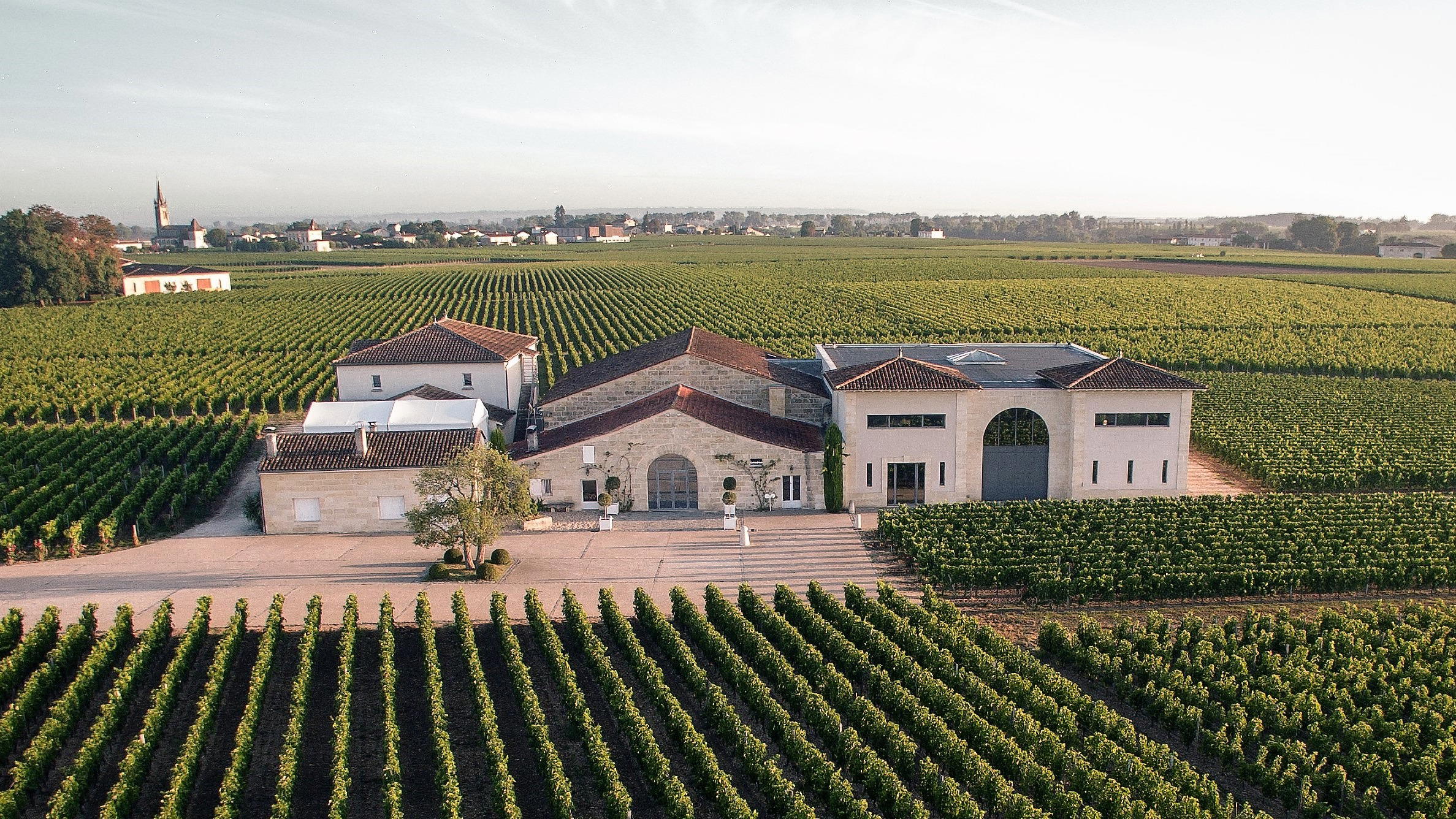
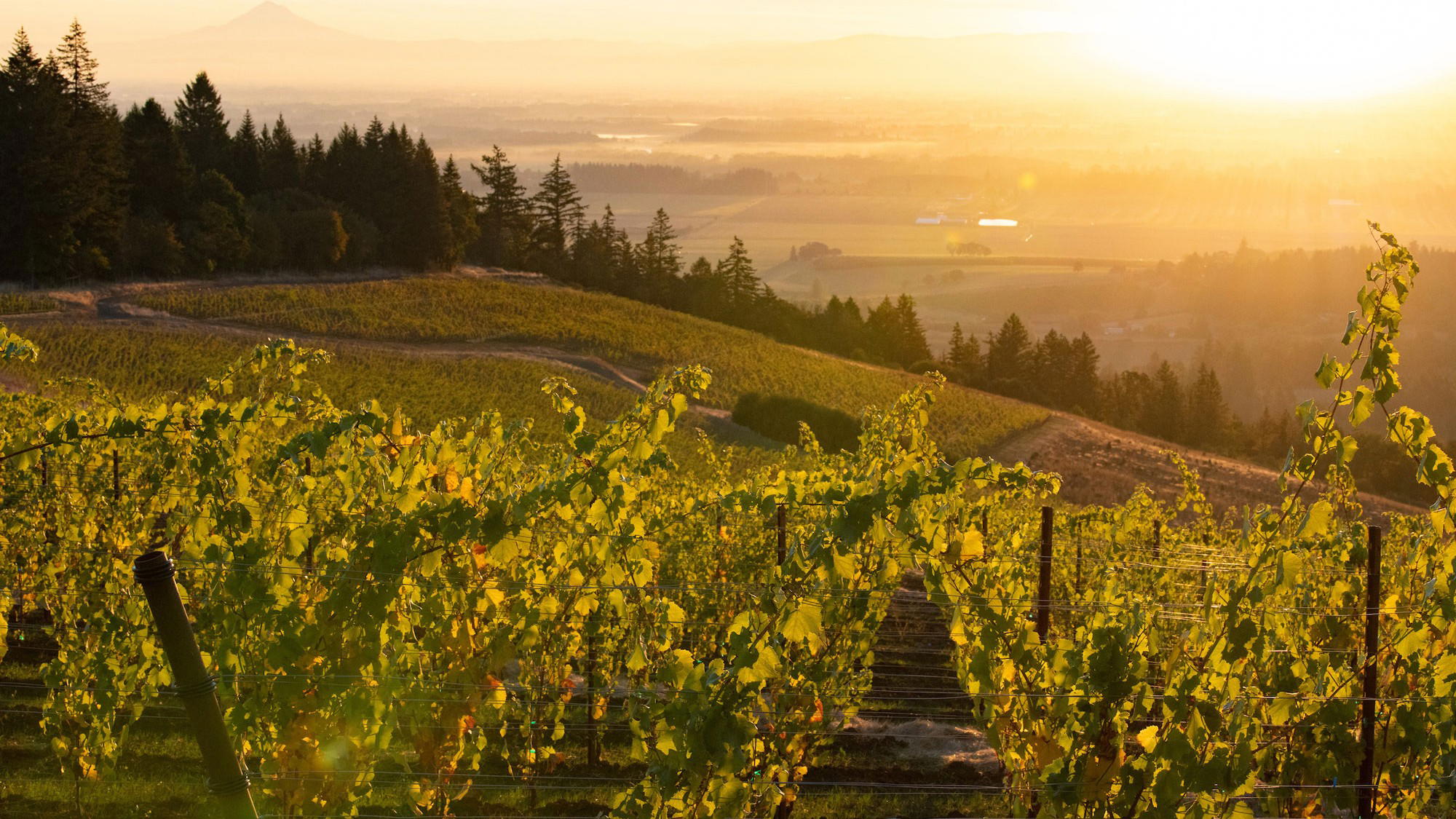
00 Wines reads as a quiet, terroir-driven producer anchored in Carlton's Yamhill‑Carlton AVA. The editorial emphasizes soil profiles, marine-influenced climate and a measured approach from vine to bottle—qualities that favor a focused, classic presentation rather than flash. With a first vintage in 2013 and recent Pearl 4 Star Prestige recognition, the operation projects maturity and intent: wines that reward patience and attention to provenance. Visitors should expect an understated tasting experience centered on site expression, mineral tension and fine-grained tannin structure rather than overt ripeness or modern showmanship.
Best For
This is a place for people who come to learn about place and patience: students of terroir, collectors seeking age-worthy Pinot Noir and diners looking for bottles that develop over time. The write-up positions 00 Wines as part of a conversation about soil-driven differences in Oregon Pinot, making it well suited to educational tastings and special-occasion purchases. Its recognition for sustained quality suggests it appeals to visitors who prize lineage, vintage variation and clarity of style more than trends or high-volume approaches.
Tasting Tips
Focus on the expressions that showcase Yamhill‑Carlton's Willakenzie-derived character: wines that emphasize linearity, red-fruit detail and mineral tension. Ask to taste across vintages if available—this producer’s description stresses age-worthiness and a point of view developed since 2013. In conversation, inquire about the specific sites and the winemaker Chris Hermann’s choices so you can hear how soil and climate shaped each bottling. Prioritize bottles noted for structure and cellar potential, and consider acquiring releases that reflect the estate’s terroir-driven ethos.
Venue details
Ambiance
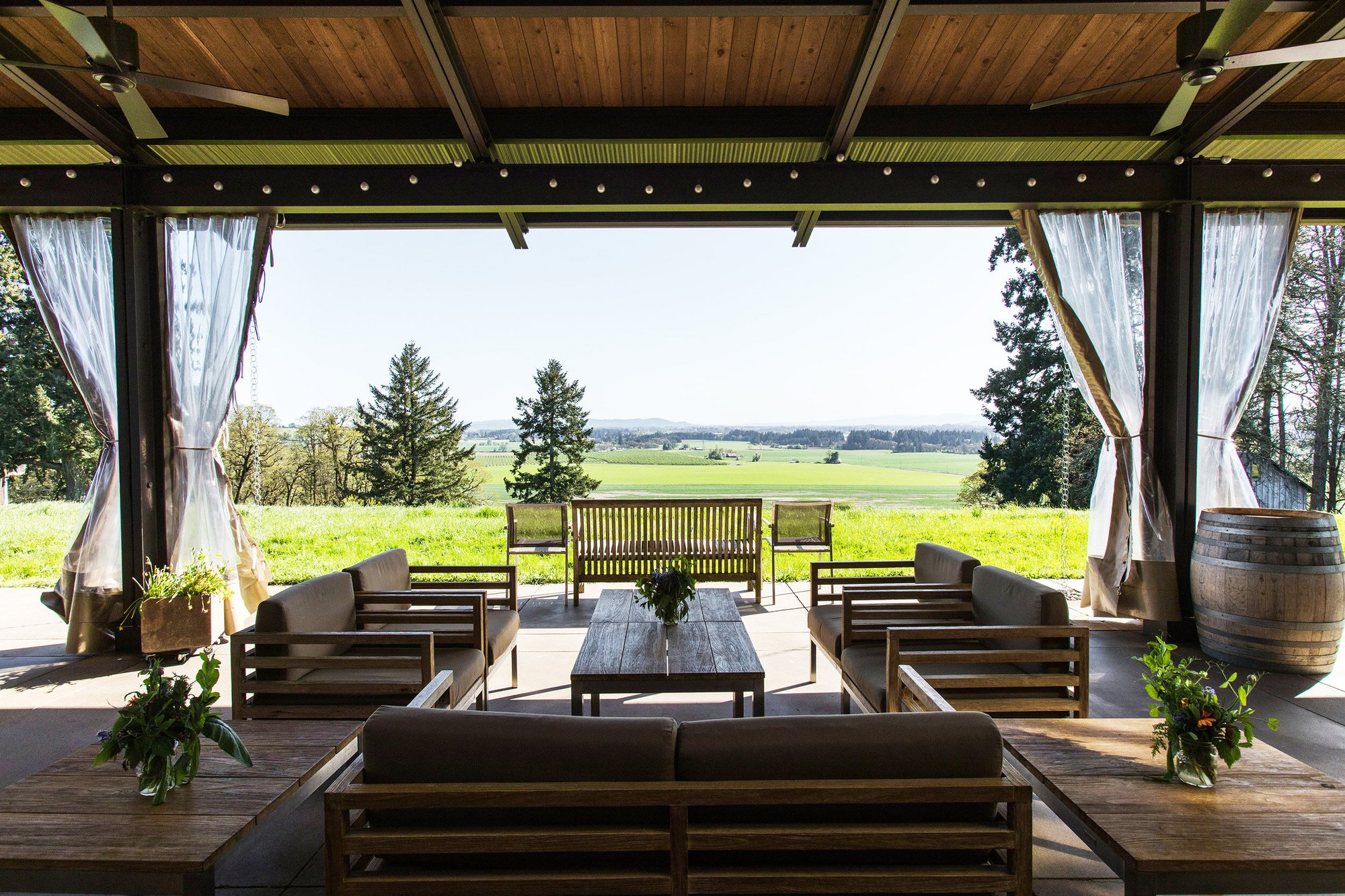
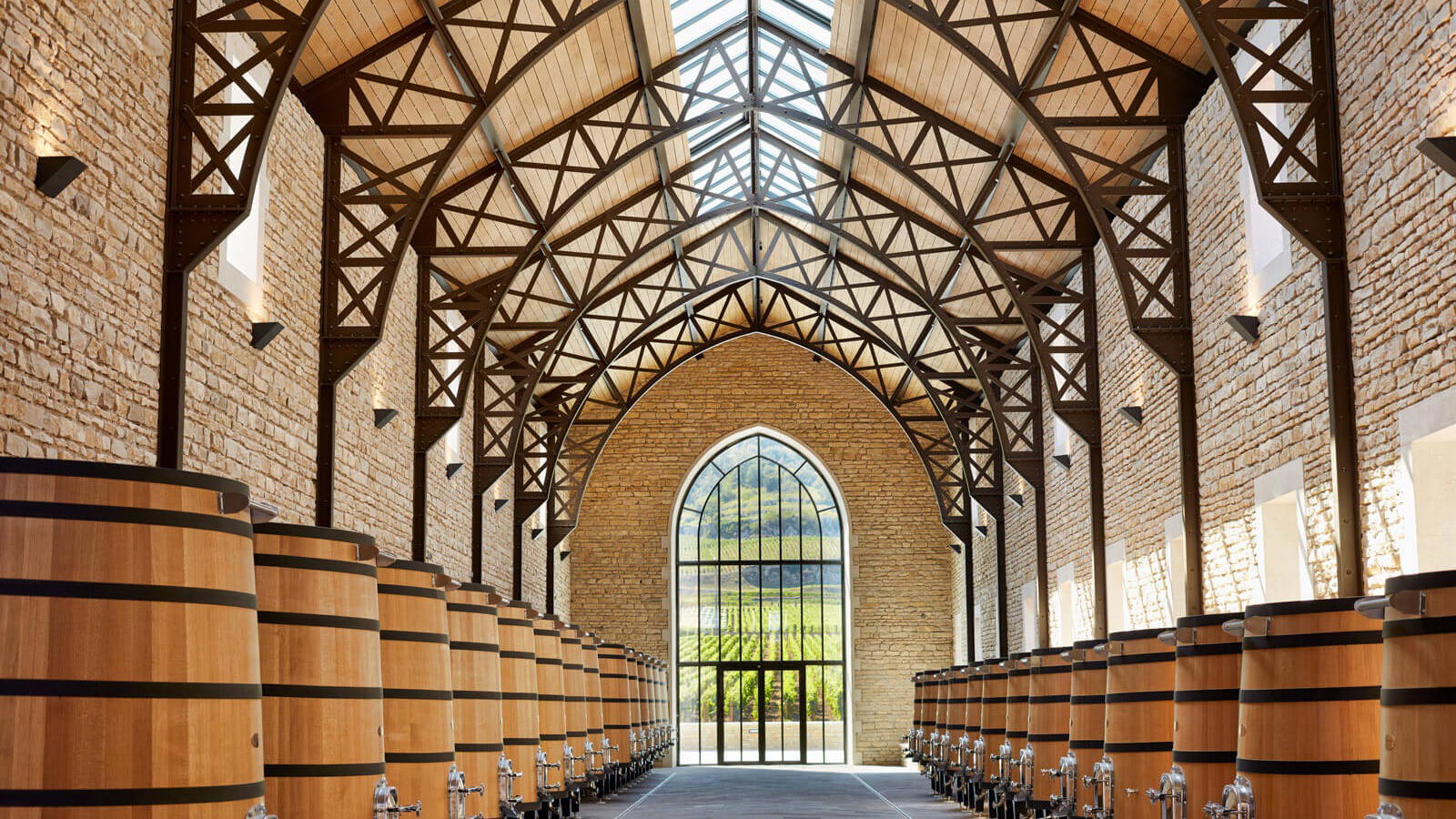
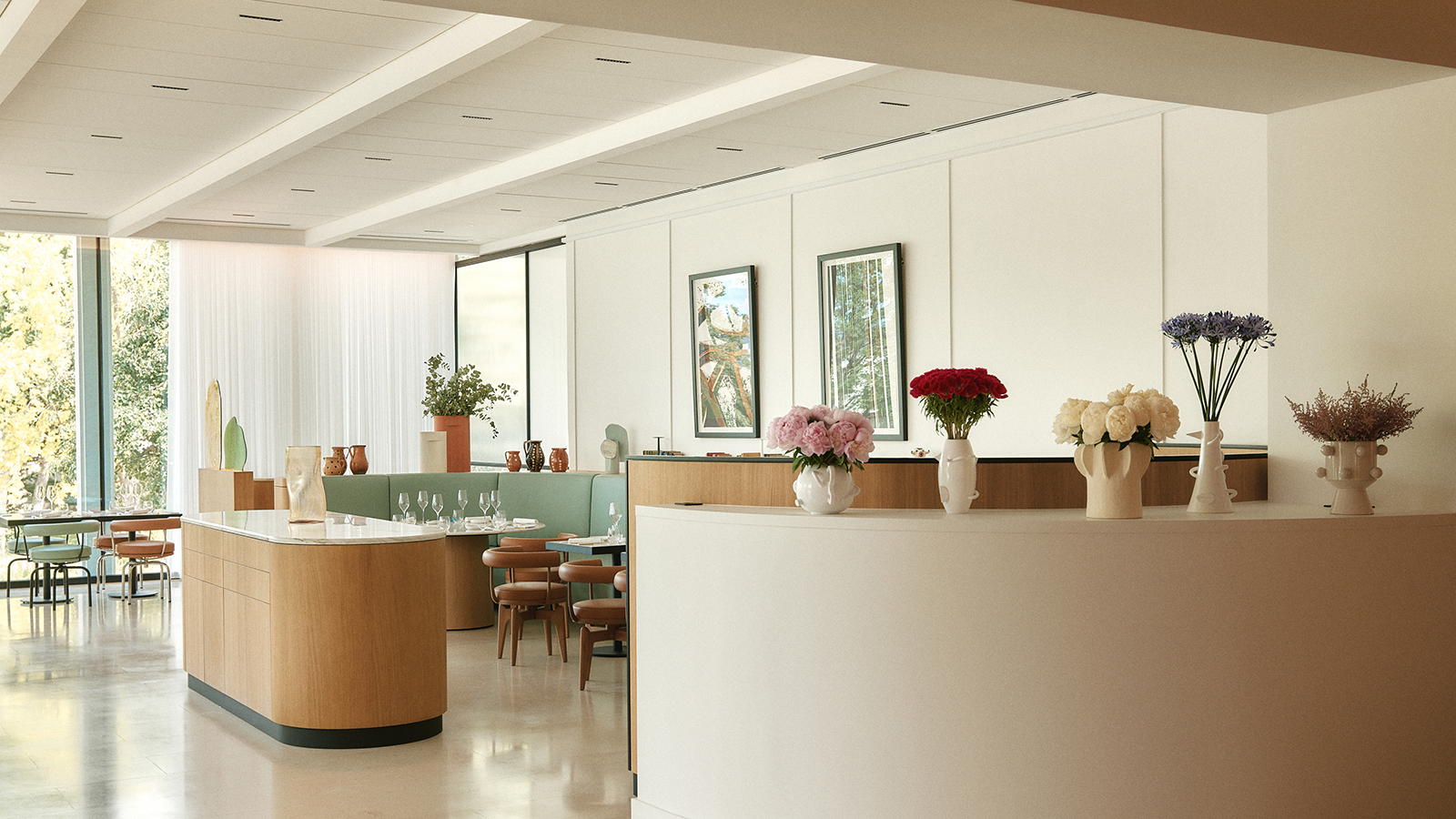
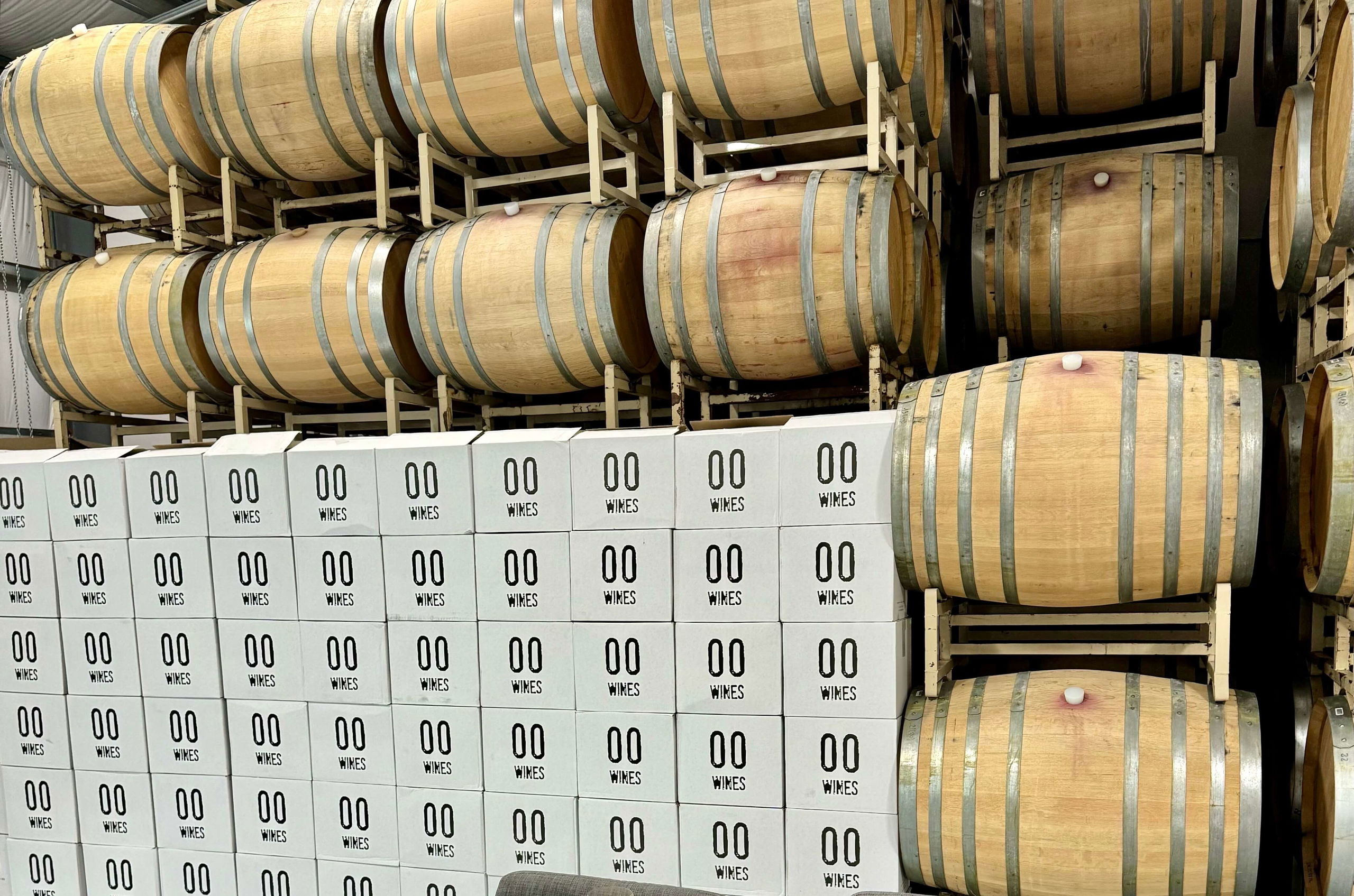
Elegant and refined with creamy textures and complex layers from rigorous protocols and oak aging.
Tags
Vibe
Best For
Experience
Sourcing
View
At the Vineyard
- Appellation
- Willamette Valley AVA
- Varietals
- Chardonnay, Pinot Noir
- Tour Duration
- 60-90 minutes
- Visits
- By appointment only
- Farming
- Biodynamic
- Production
- Small producer
- Wine Styles
- Still White, Still Red
- Wine Club
- Available
Know before you go
Know Before You Go
- Getting there
- United States Postal Service, West Main Street, Carlton, OR 97111, USA
Planning details
Location
United States Postal Service, West Main Street, Carlton, OR 97111, USA · Directions
Recognition and awards
Also consider
Where to look if 00 Wines is not available
If availability does not line up, start with Ken Wright Cellars for a Carlton-focused alternative that fits cleanly into a town tasting route. Choose Resonance (Jadot) instead if the group wants Willamette Valley context with a Burgundy-linked reference point.
Winery context
How 00 Wines compares in Carlton
Choose 00 Wines when the priority is selectivity and producer focus. It is a better fit for collector-minded visitors than a broad tasting itinerary, especially if the group is small and comfortable planning around a difficult slot. Ken Wright Cellars is the easier Carlton comparison for visitors who want a more familiar town anchor and a classic Willamette Valley name.
Resonance (Jadot) is the more useful alternative if the appeal is regional context with a Burgundy connection. For visitors who care less about scarcity and more about a polished estate-style outing, Penner-Ash Wine Cellars or Willakenzie Estate may make more sense.
Shea Wine Cellars belongs in the conversation for travelers focused on serious Oregon Pinot Noir context, but it is less of a Carlton town stop. The practical call: pursue 00 Wines if the appointment itself is the point; cross-shop Ken Wright Cellars or Resonance (Jadot) if the day needs a more flexible regional anchor.
Explore Carlton
Around this place
Discover more on Pearl
Unlock the full 00 Wines guide in Pearl, including awards, comparisons, FAQs, planning details, and nearby places.
Compare 00 Wines
| Venue | Location | Awards |
|---|---|---|
| 00 Wines | Carlton | 2025 Pearl 4 Star Prestige |
| Ken Wright Cellars | Carlton | No published awards |
| Resonance (Jadot) | Carlton | No published awards |
| Shea Wine Cellars | Newberg | No published awards |
| Penner-Ash Wine Cellars | Newberg | No published awards |
| Willakenzie Estate | Yamhill | No published awards |
How 00 Wines Carlton compares with similar nearby venues.
FAQ
Frequently Asked Questions
What other venues might I compare with 00 Wines?
If you are comparing 00 Wines with other options, consider Ken Wright Cellars, Shea Wine Cellars, Resonance (Jadot), Penner-Ash Wine Cellars, and Willakenzie Estate. Confirm each venue's location, hours, and visit format directly before building an itinerary.
Can 00 Wines handle large groups?
Group capacity or private-event arrangements are not available. Large groups should contact 00 Wines directly before treating it as part of a Carlton itinerary.