

Charles Heidsieck
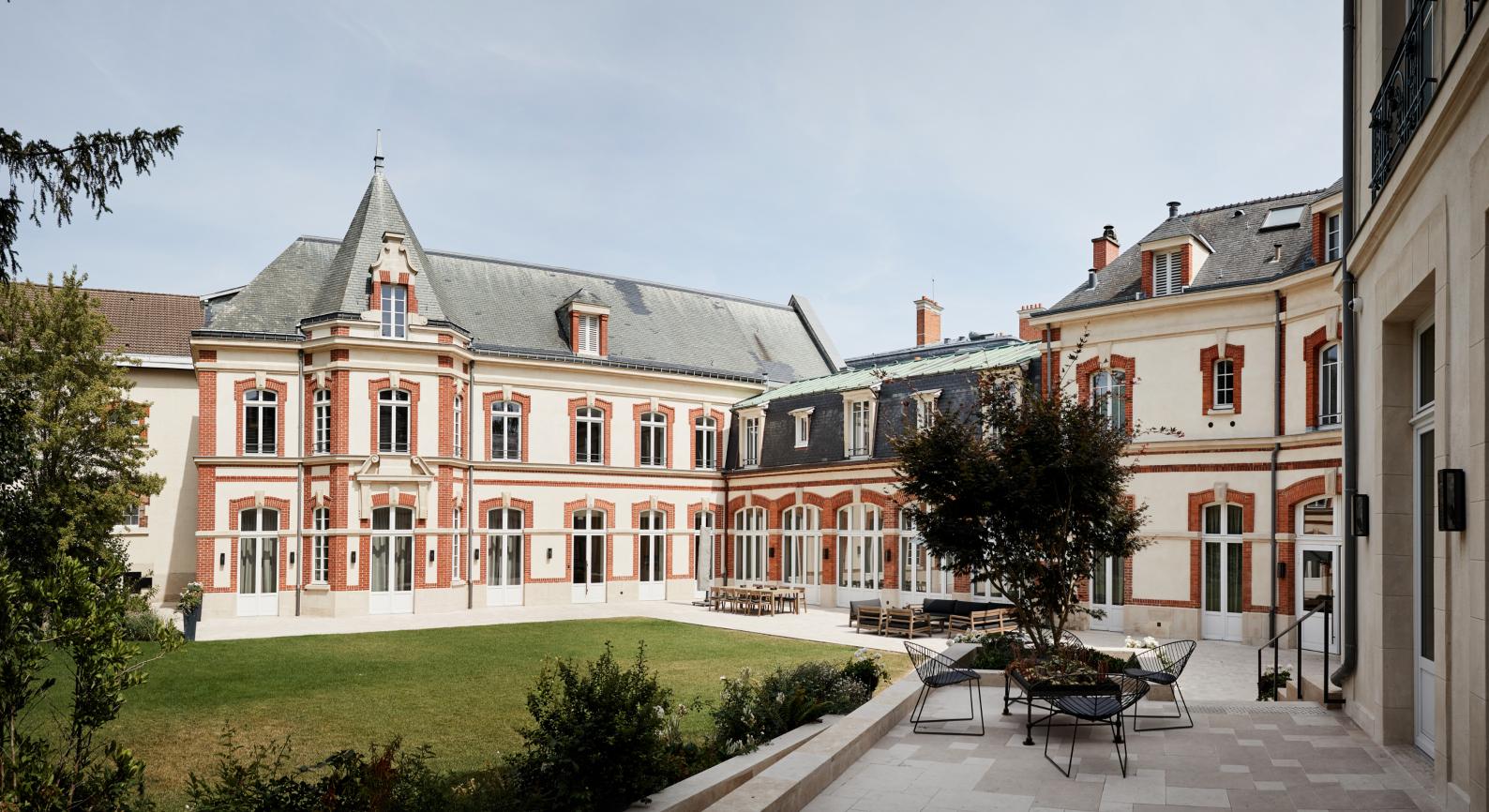
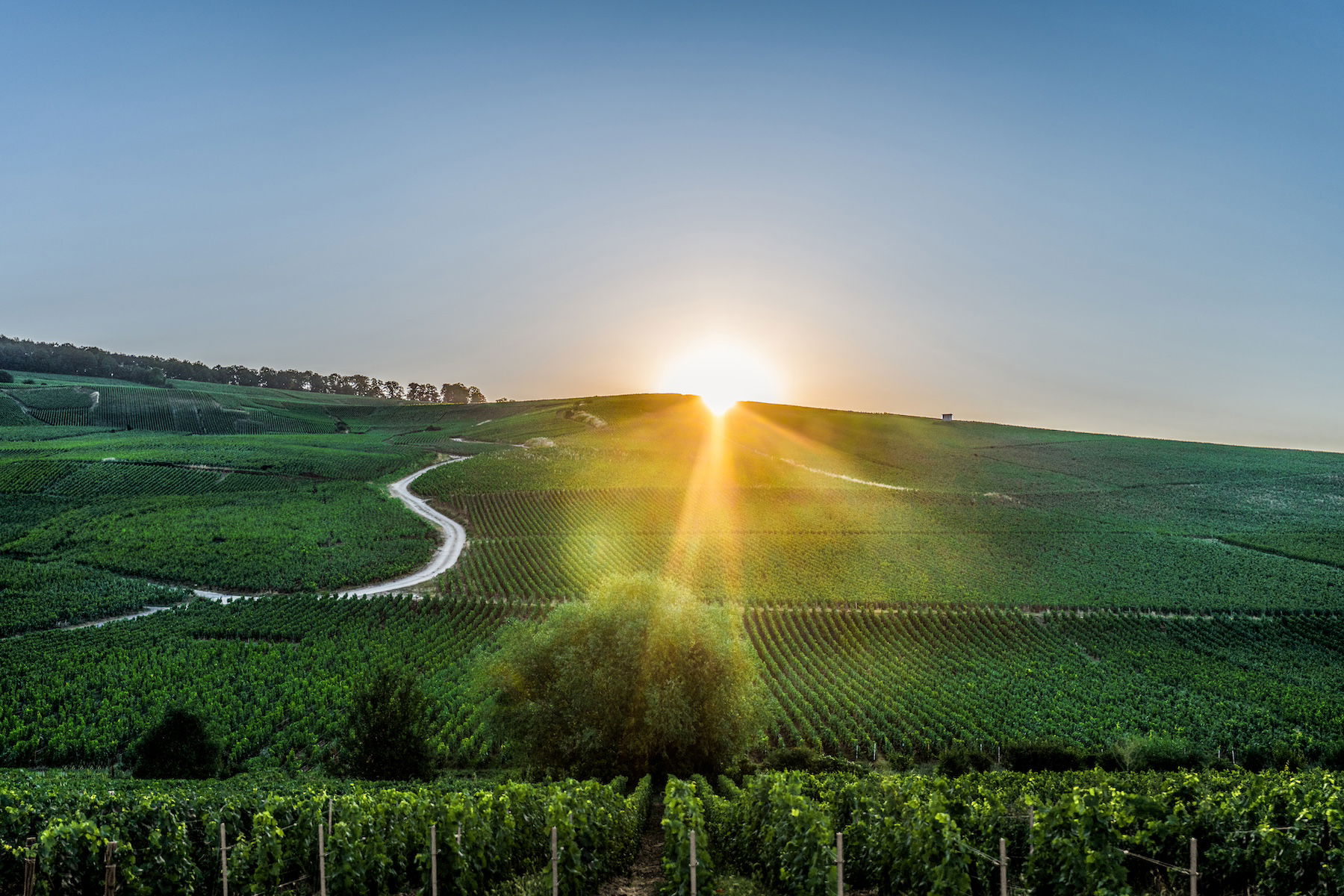
Saint-Nicaise Hill, Reims
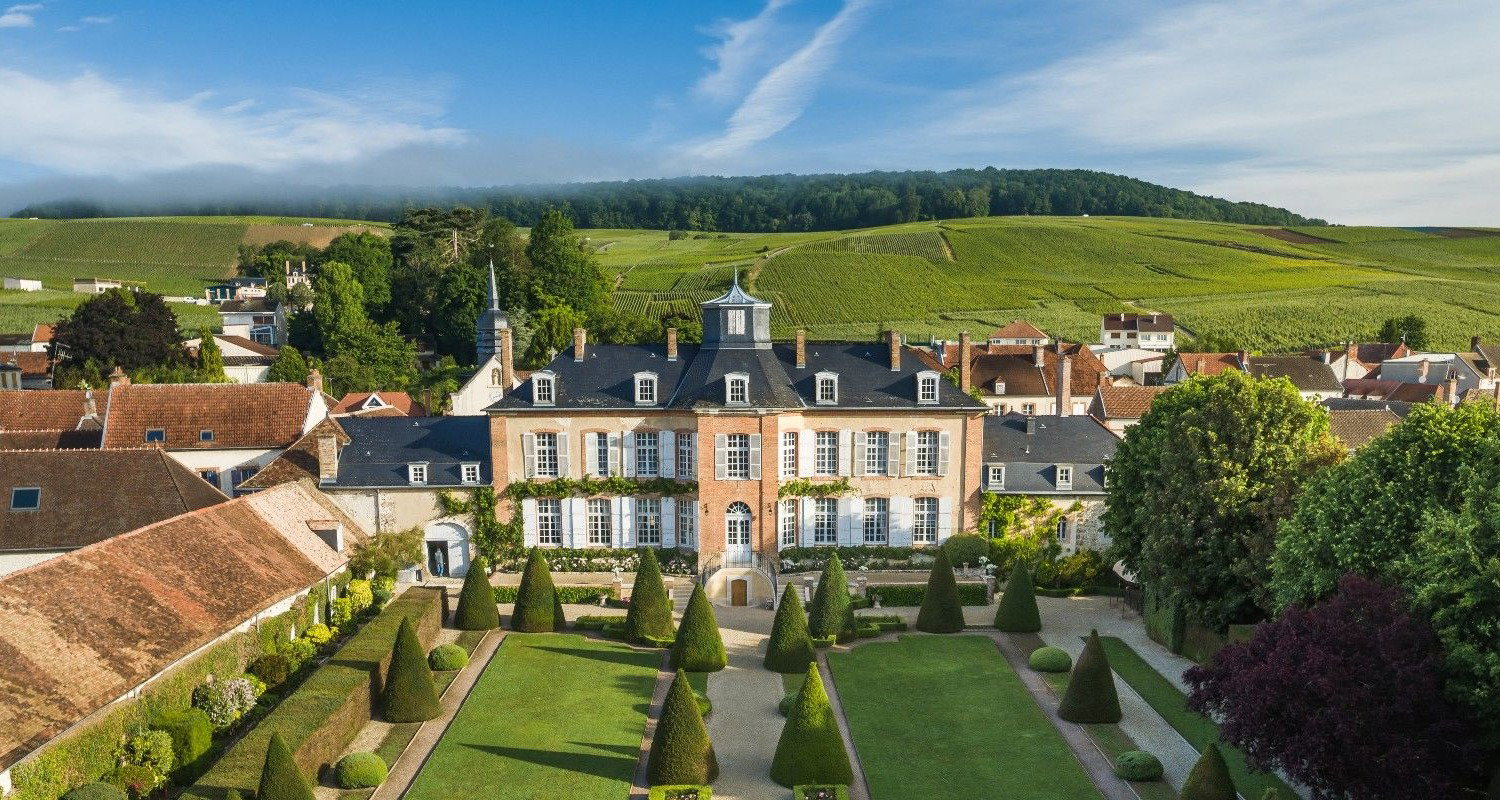
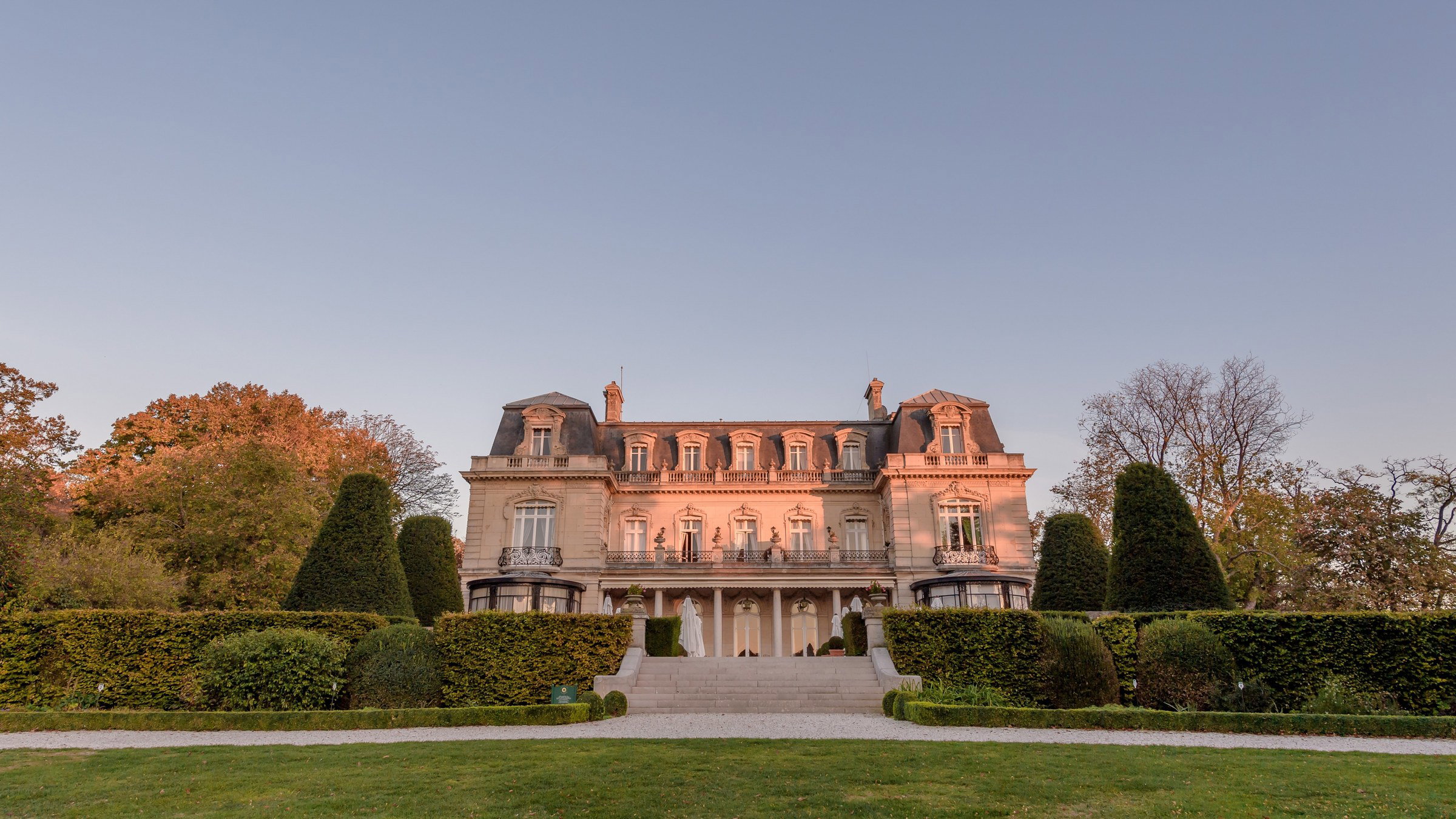
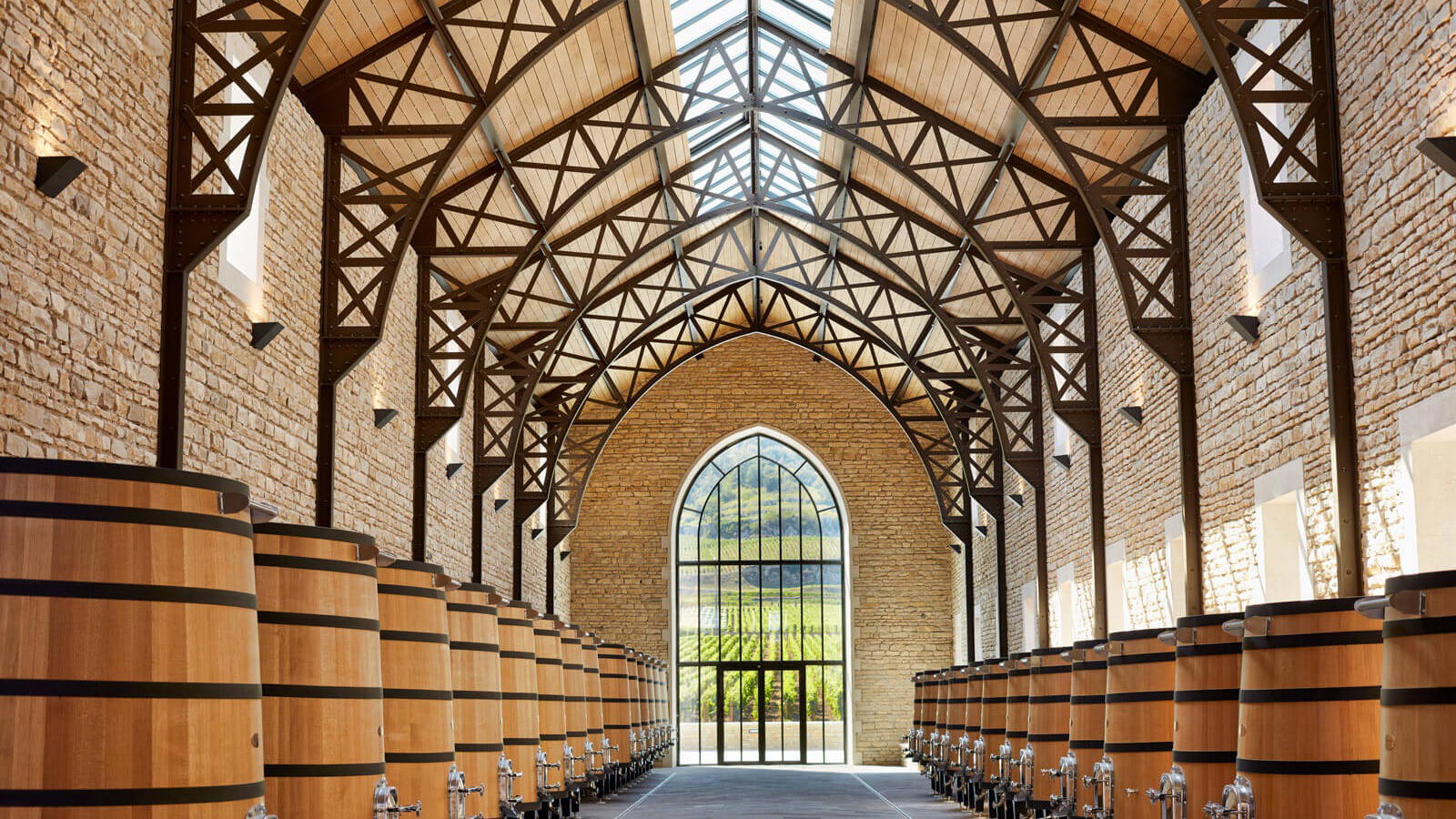
Winery in Reims, France
 Book with Pearl
The Read
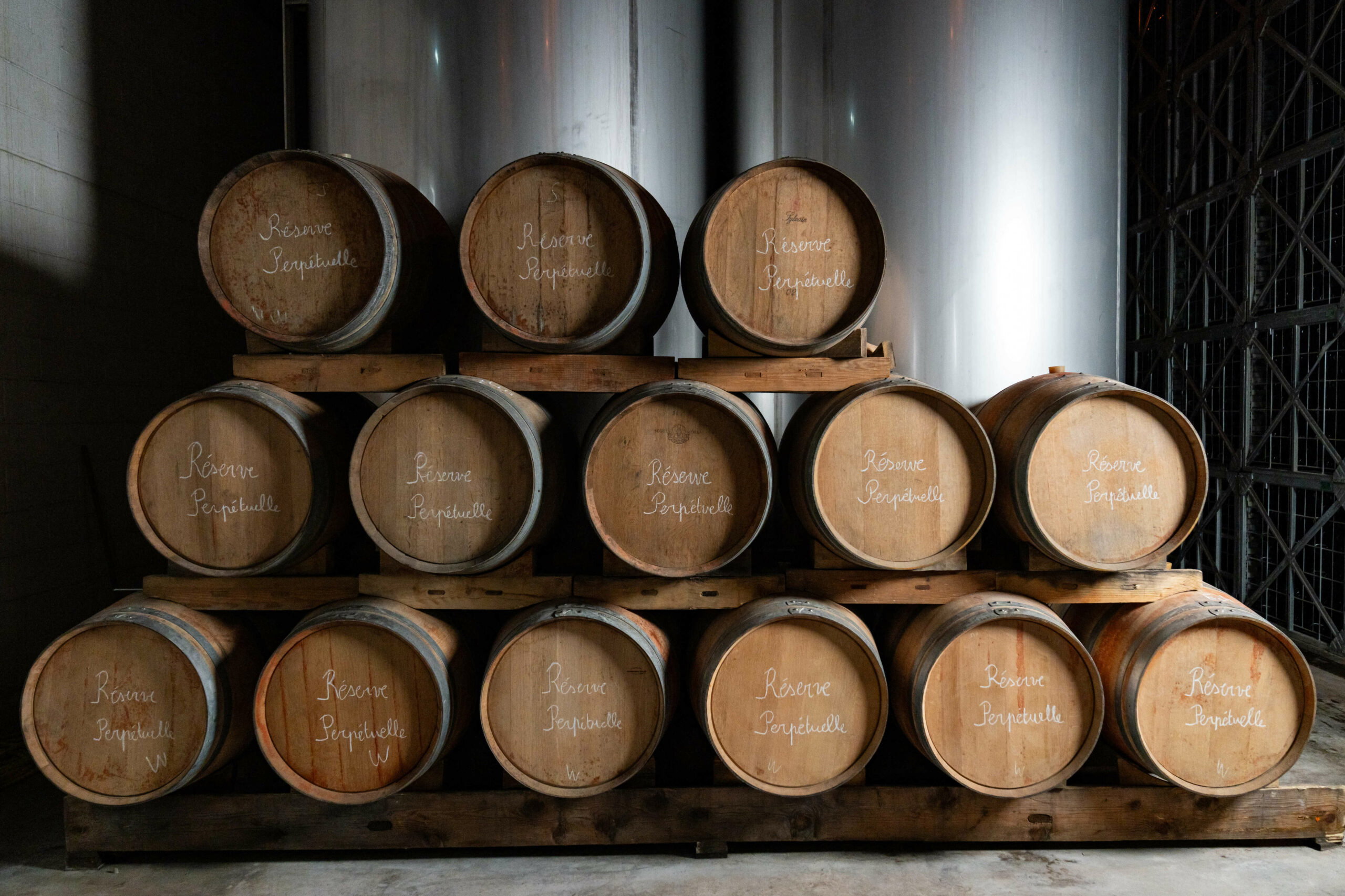
Oxidative Reserve Architecture
Why go
Charles Heidsieck is worth prioritizing for serious Champagne buyers and repeat Reims visitors, especially if allocation access matters more than convenience. First-timers or loose groups may find Piper-Heidsieck or Taittinger easier to plan, while collectors should compare the value of any club or shipment terms before committing.
About Charles Heidsieck
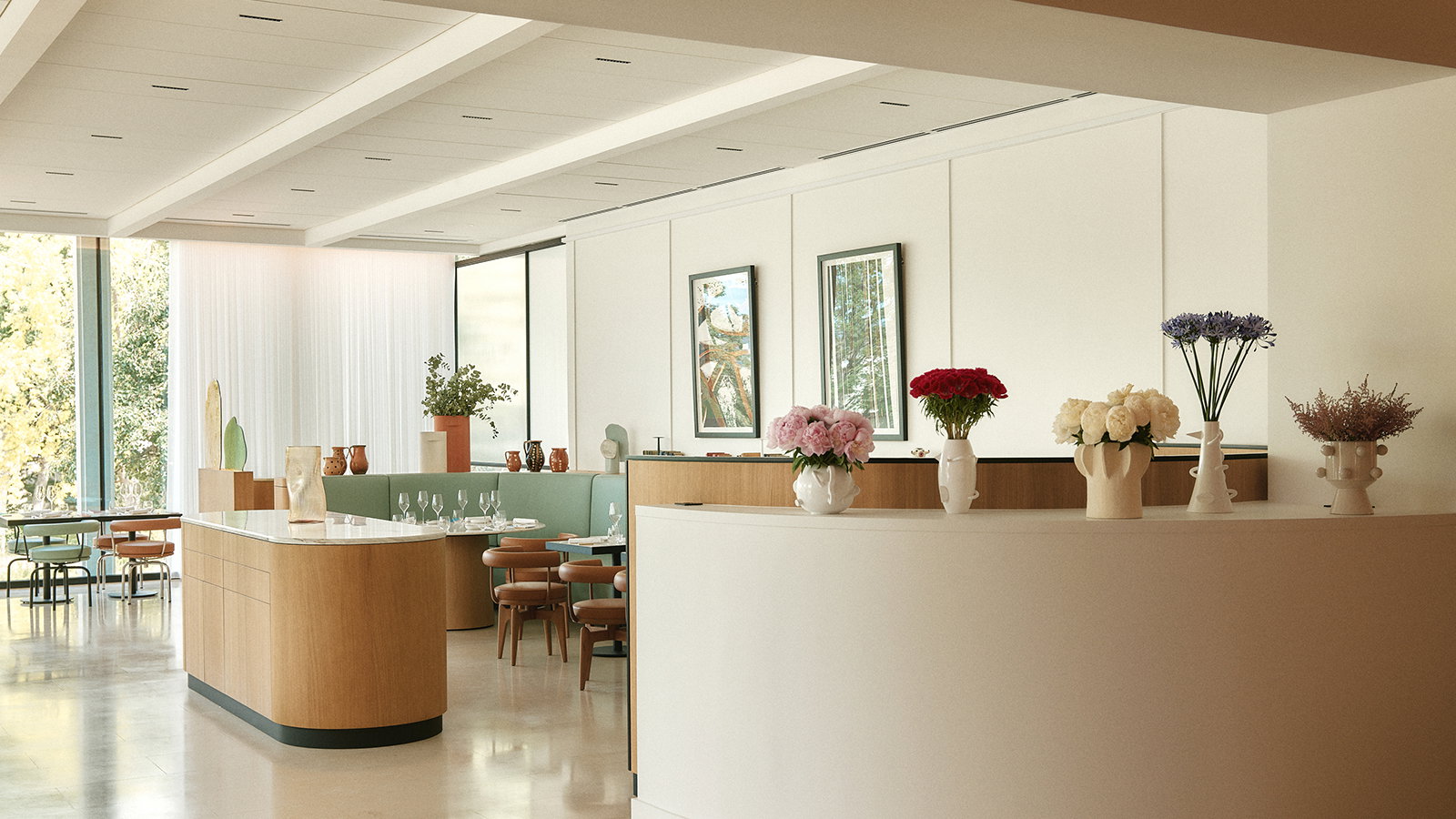
Charles Heidsieck is a Reims venue with Pearl 4 Star Prestige recognition for 2025. With limited public details available, the safest way to plan is to confirm practical details directly before you build the rest of the day around it. That does not make the venue less relevant; it simply means the planning approach should be careful, direct, and grounded in confirmed information for your specific date. In Reims, even a small unconfirmed detail can affect the rhythm of an itinerary.
Key details are simple: Charles Heidsieck is in Reims, Cyril Brun is the named chef/owner, and the dress code is smart casual. Those are useful starting points, but they are not enough on their own to infer the full experience, the structure of a visit, or the practical conditions that may apply. If you are comparing options for a Reims itinerary, Piper-Heidsieck or Taittinger may be useful alternatives to consider alongside Charles Heidsieck. Treat those comparisons as a way to organize your shortlist rather than as a substitute for checking what Charles Heidsieck itself can confirm.
Worth the effort if the venue fits your Reims plan
The value case depends on what you can confirm directly with the venue. Before committing, check current availability and any practical requirements through official channels. Do not assume specific pricing, group capacity, purchase options, hours, or a particular format unless the venue confirms them for your date. The strongest reason to keep Charles Heidsieck on a Reims plan is that it has a clear city context and Pearl 4 Star Prestige recognition, but the final decision should come from the details that matter to your actual schedule.
For a Reims itinerary, Charles Heidsieck is best treated as one focused stop rather than a place to evaluate through assumptions. That means giving it a defined role in the day: a confirmed plan, a carefully timed stop, or a priority that works with the rest of your Reims schedule. Pair it with Bruno Paillard if you want another comparison, or with Ruinart if you are shaping a broader day. The point is not to overload the itinerary, but to make sure each stop has a purpose and enough breathing room around it.
Plan around Reims timing, not a walk-in mindset
Build Charles Heidsieck into a Reims day with enough flexibility to account for whatever details the venue confirms. Because specific public planning details are not confirmed, avoid relying on assumptions about hours, visit length, group size, or same-day availability. A cautious plan will leave room for adjustments instead of depending on a narrow sequence of uncertain timings. This is especially important if Charles Heidsieck is only one part of a wider Reims day, since every confirmed or unconfirmed element can affect the order in which you move through the city.
Keep the plan simple: confirm current availability, timing, and any other practical details before committing. The dress code is smart casual, so use that as a baseline while still checking whether anything more specific applies to your confirmed plans. For broader trip planning, use Our full Reims restaurants guide, Our full Reims hotels guide, Our full Reims bars guide, or other Reims planning resources. Quick reference: choose Charles Heidsieck if it fits your confirmed Reims schedule and priorities, and avoid building expectations beyond what the venue can confirm directly.
Planning details
- Location
- 12 All. du Vignoble, 51100 Reims
- Website
- piper-heidsieck.com
- Phone
- +33 3 26 84 43 00
The take
The Take
The Vibe
Charles Heidsieck presents a quietly authoritative historic vibe rooted in the subterranean crayères beneath Reims. The house leans heavily on its nineteenth‑century provenance and a founding vintage record that dates to 1864, and that lineage is palpable in how its reserve library and extended‑ageing cuvées live in the chalk tunnels. The constant 10°C temperature and steady humidity create an atmosphere of slow refinement; the place feels more like a technical atelier for ageing Champagne than a flashy tasting room. Visitors encounter a cellar‑led personality that privileges time, geology and history over spectacle.
Best For
This house is best for people focused on wine education and special‑occasion purchases. The description foregrounds the chalk crayères and their effect on long lees contact, making Charles Heidsieck a destination for anyone wanting to understand how extended ageing shapes Champagne. The presence of a reserve wine library and extended‑ageing cuvées, together with a Pearl 4 Star Prestige rating, signals that this is a producer operating at a higher tier—appropriate for celebrations or for serious comparative tastings that probe vintage and maturation differences.
Tasting Tips
When engaging with Charles Heidsieck, prioritize questions about the reserve wine library and the extended‑ageing cuvées kept in the crayères—those holdings are the house’s defining feature. Ask about the cellar‑led approach under Cyril Brun and how it informs stylistic choices across multi‑year lees contact. Use the house’s founding date (1864) and its Pearl 4 Star Prestige rating as context when inquiring about older vintages or library bottlings. Keep the conversation focused on provenance, ageing and the geological role of the chalk tunnels to get the most informative perspective.
Venue details
Ambiance
Opulent underground chalk cellars with perfect constant temperature, fostering rich, complex Champagnes through long maturation.
Tags
Vibe
Best For
Experience
Sourcing
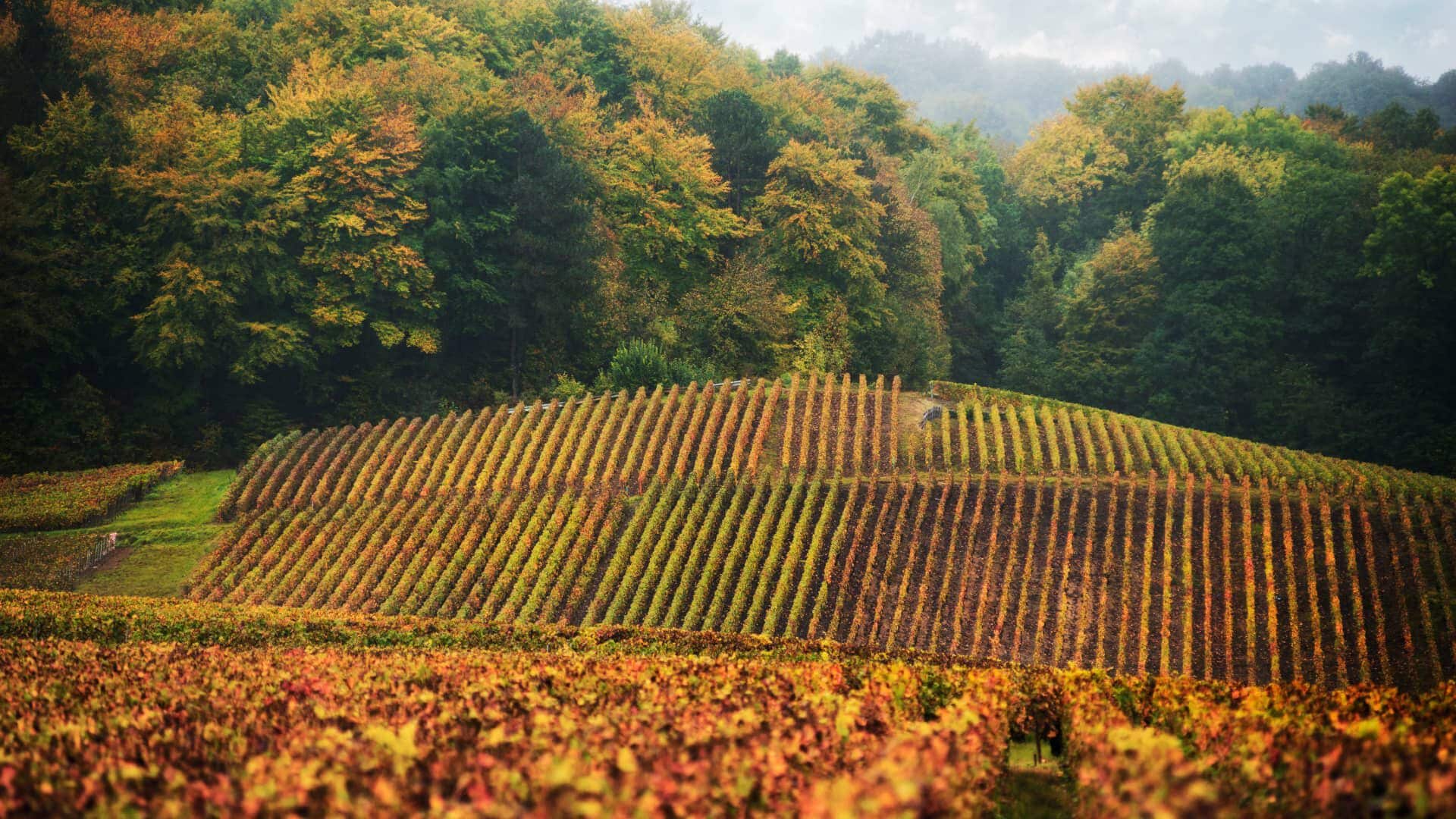
At the Vineyard
- Appellation
- Champagne AOC
- Varietals
- Chardonnay, Pinot Noir, Pinot Meunier
- Tour Duration
- 60-90 minutes
- Visits
- By appointment only
- Farming
- Sustainable
- Production
- Small producer
- Wine Styles
- Sparkling
- Wine Club
- Available
Know before you go
Know Before You Go
- Getting there
- 12 All. du Vignoble, 51100 Reims
Planning details
Location
Recognition and awards

Also consider
Where to go if this is full
If Charles Heidsieck is unavailable, try Bruno Paillard first for another Reims producer visit that suits drinkers comparing house style and buying potential.
For an easier group-friendly fallback, Piper-Heidsieck is the more practical move. For a polished big-house day, compare Taittinger and Ruinart.
Winery context
How it compares in Reims
Choose Charles Heidsieck if the trip is about cellar credibility and harder-to-access Champagne rather than a simple first tasting. Compared with Piper-Heidsieck, it is the more collector-leaning choice; Piper-Heidsieck is the easier fallback for visitors who want a lower-friction Reims stop.
Bruno Paillard is the sharper cross-shop for drinkers who want producer comparison in the city. Taittinger and Ruinart make more sense for visitors prioritizing a polished house experience and broader Champagne-tour appeal.
Lanson is useful as a secondary option if the schedule will not bend around a difficult appointment. For value, the right answer is not the cheapest tasting; it is the house that matches the buyer's intent. Charles Heidsieck is the stronger pick when purchase access matters, while the peers are better for easier logistics.
Around this place
Discover more on Pearl
Unlock the full Charles Heidsieck guide in Pearl, including awards, comparisons, FAQs, planning details, and nearby places.
Compare Charles Heidsieck
| Venue | Location | Awards |
|---|---|---|
| Charles Heidsieck | Reims | 2026 Falstaff Winery Guide2025 Pearl 4 Star Prestige |
| Piper-Heidsieck | Reims | 2026 Falstaff Winery Guide2025 Pearl 4 Star Prestige |
| Bruno Paillard | Reims | 2026 Falstaff Winery Guide2025 Pearl 4 Star Prestige |
| Lanson | Tours-sur-Marne | 2026 Falstaff Winery Guide2025 Pearl 3 Star Prestige |
| Taittinger | Reims | 2026 Falstaff Winery Guide2025 World's 50 Best Vineyards · #502025 Pearl 4 Star Prestige2022 World's 50 Best Vineyards · #152021 World's 50 Best Vineyards · #132020 World's 50 Best Vineyards · #28 |
| Ruinart | Reims | 2026 Falstaff Winery Guide2025 World's 50 Best Vineyards · #82025 Pearl 4 Star Prestige2024 World's 50 Best Vineyards · #62023 World's 50 Best Vineyards · #222022 World's 50 Best Vineyards · #332020 World's 50 Best Vineyards · #442019 World's 50 Best Vineyards · #46 |

How Charles Heidsieck Reims compares with similar nearby venues.
FAQ
Frequently Asked Questions
What are the key details about Charles Heidsieck?
Key details are that Charles Heidsieck is in Reims, Cyril Brun is the named chef/owner, the dress code is smart casual, and the venue has Pearl 4 Star Prestige recognition for 2025.
Can Charles Heidsieck handle large groups?
Information on group capacity is not available. Contact Charles Heidsieck directly before planning a group visit in Reims. The venue has Pearl 4 Star Prestige recognition for 2025, so advance coordination is a sensible approach.
What should I confirm before visiting Charles Heidsieck?
Specific planning details are not available. Use official channels or direct contact to confirm current availability, timing, and any requirements before finalizing your plans.
What is the dress code at Charles Heidsieck?
When is the best time to visit Charles Heidsieck?
What other venues should I compare with Charles Heidsieck?
Piper-Heidsieck, Bruno Paillard, Lanson, Taittinger, and Ruinart are useful comparisons if you are building a Reims day. Pick Charles Heidsieck if its confirmed details fit your plans, then use those peers to shape the rest of the route.
How long should I plan for a visit to Charles Heidsieck?
Visit length is not specified. Leave enough flexibility in your Reims schedule and confirm the expected timing directly with Charles Heidsieck before finalizing the day.