
Restaurant in Tokyo, Japan
Narisawa
3,640Pearl PointsBook early. Satoyama tasting menu, serious credentials.








About Narisawa
Narisawa is Tokyo's most credentialled innovative tasting menu restaurant — two Michelin stars, Asia's 50 Best number 12, and a Tabelog Silver award — running at JPY 80,000–99,999 per head. Book for a milestone occasion, confirm vegetarian or vegan needs in advance, and reserve at least two to three months out. With 15 seats and reservation-only access, this is one of Tokyo's hardest tables to secure.
Pearl Verdict
Narisawa is one of Tokyo's most decorated restaurants and, at JPY 80,000–99,999 per head before drinks and the 10% service charge, one of its most expensive. It earns that price: two Michelin stars, a 2025 re-entry to The World's 50 Best Restaurants at number 12 in Asia, a Tabelog Silver award held continuously since 2020, and a score of 4.25 on Tabelog back that up. Book this for a milestone occasion, a serious business dinner, or the kind of trip where the meal is the destination. If you are weighing whether the spend is justified, the answer is yes — provided this style of cuisine connects with you. The format is omakase-style tasting, rooted in what Yoshihiro Narisawa calls Innovative Satoyama Cuisine: French technique applied to Japanese ingredients, guided by the philosophy of living sustainably with nature. That is not a description for everyone. If you want a more traditional kaiseki frame, RyuGin is a sharper fit. If you want French without the Japanese conceptual layer, L'Effervescence is worth comparing. But for ingredient-driven, philosophically coherent cuisine at this level of technical execution, Narisawa sits in a category of its own in Tokyo.
The Experience
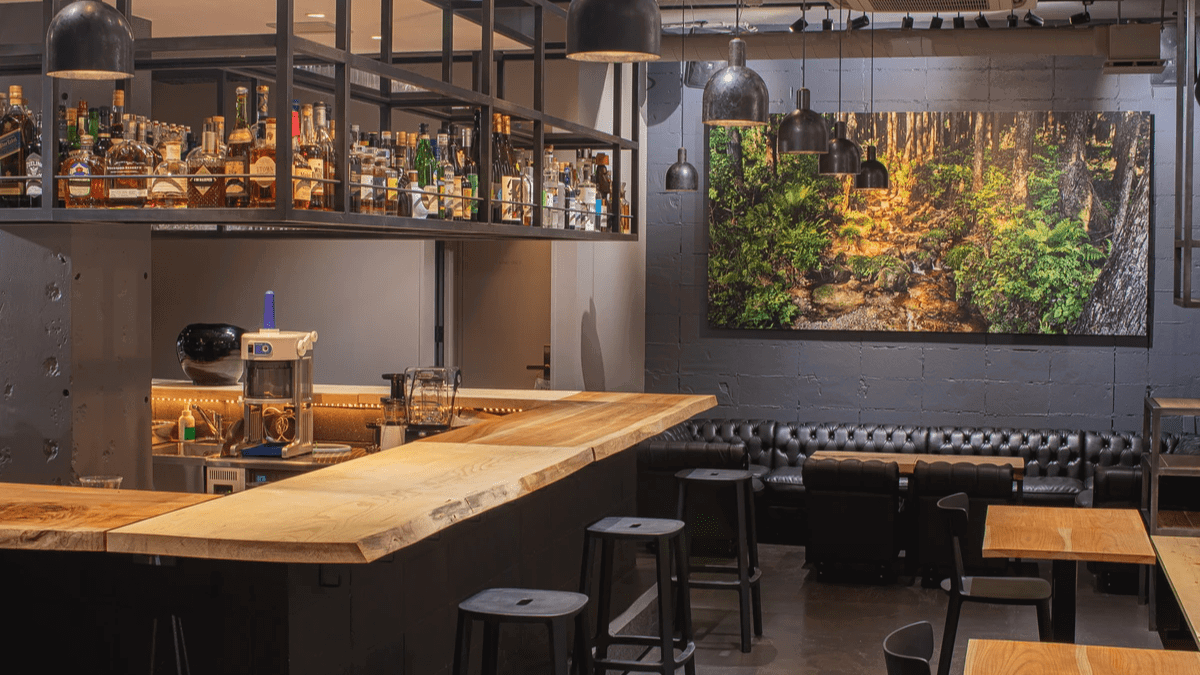
Narisawa is on a quiet stretch of Minami-Aoyama, a five-minute walk from Aoyama-Itchome Station. The dining room holds 15 seats, which tells you everything about the register of the experience before you sit down. The space is described as stylish and spacious in its seating arrangement — not cramped in the way many small Tokyo counters are , and the low seat count means attention from the kitchen and floor is distributed across very few tables. For a special occasion, the intimacy is an asset: this does not feel like a production line, even at these prices. There are no private rooms and the restaurant does not take private buyouts, so if complete exclusivity is a requirement, factor that in.
Smart casual is the stated dress code , a jacket is not required but this is not a jeans-and-sneakers room at these price points.
Lunch vs. Dinner: Where the Value Sits
This is the most practical question to answer before booking. Both lunch and dinner at Narisawa run JPY 80,000–99,999 per person based on Tabelog review data, which makes this an unusual case: the price parity between service windows is near-total. Most restaurants at this tier offer a lighter, lower-cost lunch menu as the accessible entry point. Narisawa does not appear to operate that way. If your goal is to reduce cost by booking lunch, the data does not support that strategy here.
What lunch does offer is a different atmosphere: the Aoyama neighbourhood is quieter during the day, natural light fills a room that runs service from 12:00 to 14:30, and the pace of a midday meal tends to feel less charged than the evening sitting (17:30 to 20:00). For a business meal or a celebration that does not want a late finish, lunch is the practical choice. For a romantic dinner or an occasion where the evening rhythm matters, dinner works better. The cuisine itself , the full tasting menu with its daily pivot based on ingredient availability , is the same in both sittings.
The restaurant is open Tuesday through Saturday only, closed Sunday and Monday. Plan your Tokyo itinerary accordingly: if you are arriving on a weekend for a short trip, the Tuesday–Saturday window is tight.
What to Expect on the Plate
Narisawa does not publish a fixed menu, and it should not be expected to: the format changes daily based on what is available. The conceptual frame is satoyama , the traditional Japanese system of cultivating flatlands, managing nearby forests, and foraging in the mountains. In practice, this means ingredient sourcing that is both seasonal and tied to specific Japanese landscapes, executed with French classical technique. Vegetarian and vegan menus are available on request, which is notable at this level of cuisine and price. The kitchen is also described as particular about gluten-free options, making Narisawa more accessible to dietary-restriction diners than most tasting-menu restaurants in Tokyo.
The drinks program takes Japanese wine seriously: bottles from Nagano, Iwate, and Yamagata sit alongside sake and shochu on a list that Narisawa considers a point of differentiation. If Japanese wine is a priority for you, this is one of the few fine-dining rooms in the country where it is treated as a first-tier option rather than an afterthought.
Booking Reality
Narisawa operates on reservations only , walk-ins are not an option. With 15 seats across two sittings, five days a week, the available covers per week are extremely limited. Pearl rates the booking difficulty as near-impossible for short-notice planning. Realistically, plan for a minimum of two to three months ahead, and further if you are travelling in spring (cherry blossom season, March–April) or during major Japanese holidays. The restaurant does accommodate celebrations and surprises , confirm this directly when reserving. Credit cards are accepted (Visa, Mastercard, JCB, Amex, Diners). Guests must be 18 or older. The service charge is 10%, added to the bill.
Also Worth Your Time in Tokyo and Beyond
For the rest of your Tokyo trip, Pearl's guides cover the full Tokyo restaurant scene, hotels, bars, wineries, and experiences. If you are building a broader Japan dining itinerary around a trip to Narisawa, consider HAJIME in Osaka, Gion Sasaki in Kyoto, akordu in Nara, Goh in Fukuoka, 1000 in Yokohama, and 6 in Okinawa. For innovative French cuisine in the wider region, Mora in Hong Kong and Aspirant in Hyogo are worth the detour.
Frequently Asked Questions
How far ahead should I book Narisawa?
Book at least two months out, and further if your travel dates are fixed. Narisawa is reservation-only with just 15 seats across two sittings, five days a week — that is a very small number of covers. The restaurant is ranked #12 on Asia's 50 Best (2025) and holds 2 Michelin stars, which keeps demand consistently high. Check the official website at narisawa-yoshihiro-en.com directly; no walk-in option exists.
What should I order at Narisawa?
Narisawa does not offer à la carte — the menu is a set tasting format that changes daily based on ingredient availability, so there is nothing specific to pre-select. The framework is Yoshihiro Narisawa's 'Innovative Satoyama Cuisine', drawing from Japanese, French, and Chinese traditions with a focus on seasonal produce and sustainability. Vegetarian and vegan menus are available on request, so flag dietary preferences at the time of booking.
Is Narisawa good for a special occasion?
Yes, provided the occasion suits a slow, chef-led tasting format. The restaurant explicitly accommodates celebrations and surprises, and the 15-seat room offers a focused, quiet experience. However, no private rooms are available, so guests who want an entirely private dining space should factor that in. The minimum spend lands around JPY 80,000–99,999 per person before drinks and the 10% service charge, so this is a considered commitment.
Can I eat at the bar at Narisawa?
There is no bar seating format at Narisawa in the way you would find at a sushi counter. The restaurant has 15 seats in a single dining room and operates purely on reservations for the tasting menu. If a counter-bar experience is what you are after, venues like Harutaka offer that format more directly.
Is lunch or dinner better at Narisawa?
Based on Tabelog review data, both lunch and dinner are priced identically at JPY 80,000–99,999 per person, so there is no clear financial case for choosing one over the other. Lunch runs 12:00–14:30 and dinner 17:30–20:00, Tuesday through Saturday. Dinner tends to suit a more extended, occasion-oriented pace; lunch can work better if you want to keep your evening free for another booking. The menu format is the same at both sittings.
What are alternatives to Narisawa in Tokyo?
L'Effervescence is the closest like-for-like comparison: seasonal French-influenced tasting menu, comparable prestige, and typically slightly easier to book. RyuGin offers a more overtly Japanese kaiseki framework at a similar price point. If you want innovative cuisine at a lower entry cost, Crony is worth considering. HOMMAGE provides a more intimate French fine dining experience in Tokyo, while Harutaka is the answer if you prefer switching to a high-end sushi format entirely.
Is Narisawa worth the price?
At JPY 80,000–99,999 per head before drinks and service, Narisawa is among Tokyo's most expensive restaurants, and the credentials support the ask: 2 Michelin stars, #12 on Asia's 50 Best (2025), a return to the World's 50 Best list, and consecutive Tabelog Silver Awards from 2020 through 2026. The value case holds if the tasting-menu format works for you and you are specifically interested in Narisawa's satoyama philosophy. If you want comparable Michelin-level cooking at a lower price point, L'Effervescence or HOMMAGE are worth pricing up first.
Location
2 Chome-6-15 Minamiaoyama, Minato City, Tokyo 107-0062, Japan
Tokyo, Japan
Compare Narisawa
Also Consider
- Harutaka, Sushi, ¥¥¥¥
- L'Effervescence, French, ¥¥¥¥
- RyuGin, Kaiseki, Japanese, ¥¥¥¥
- HOMMAGE, Innovtive French, French, ¥¥¥¥
- Crony, Innovative, French, ¥¥¥¥
Narisawa and RyuGin compete most directly for the same occasion spend in Tokyo. RyuGin's kaiseki format is more legible for first-time visitors to Japanese fine dining, the structure is familiar and the seasonal ingredient story is told in a more conventional progression. Narisawa's satoyama frame requires more from the diner conceptually, but it is also more singular: there is no other restaurant in Tokyo making this exact argument with this level of accumulated international recognition. If you are deciding between the two, RyuGin is the safer choice for guests new to the format; Narisawa rewards diners who want a more intellectually engaged experience.
L'Effervescence and Sézanne are the natural French-leaning alternatives in the same tier. Both sit at ¥¥¥¥ and run serious tasting menus, but neither carries Narisawa's depth of accolades or its specific commitment to Japanese ingredient philosophy. If the French technique side of Narisawa's cooking is what draws you, and you want a more classically European dining experience, L'Effervescence is the closer fit. Sézanne at the Four Seasons Marunouchi adds a hotel-level service polish that Narisawa, as a standalone room, does not attempt to match.
Crony and HOMMAGE operate in the innovative French space at a lower spend threshold and with meaningfully better booking availability. If your budget does not stretch to JPY 80,000–99,999 per person, or if you are planning a trip on shorter notice, both are worth considering. Harutaka competes for the same occasion budget in sushi rather than tasting menu format, a fundamentally different dining mode, but for guests who prioritise sushi technique over conceptual cuisine, it is a better allocation of the spend.
Hours
Location
Recognized By


Explore Tokyo
Save or rate Narisawa on Pearl
Keep this venue in your Pearl passport, rate it after you visit, and track it alongside every other place you collect.