

Tatler Best Restaurants & Bars Asia-Pacific 2025
The Tatler Best Restaurants Asia-Pacific 2025 is a prestigious regional ranking that recognizes the top 100 dining establishments across 24 destinations in the Asia-Pacific region. Managed by Tatler Asia, the list celebrates excellence in culinary craftsmanship, innovation, and guest experience, serving as a definitive guide for discerning travelers and gourmands. The 2025 edition marks a significant expansion of the platform, incorporating new territories such as Australia and New Zealand into its comprehensive hospitality evaluation.

Venues on this list
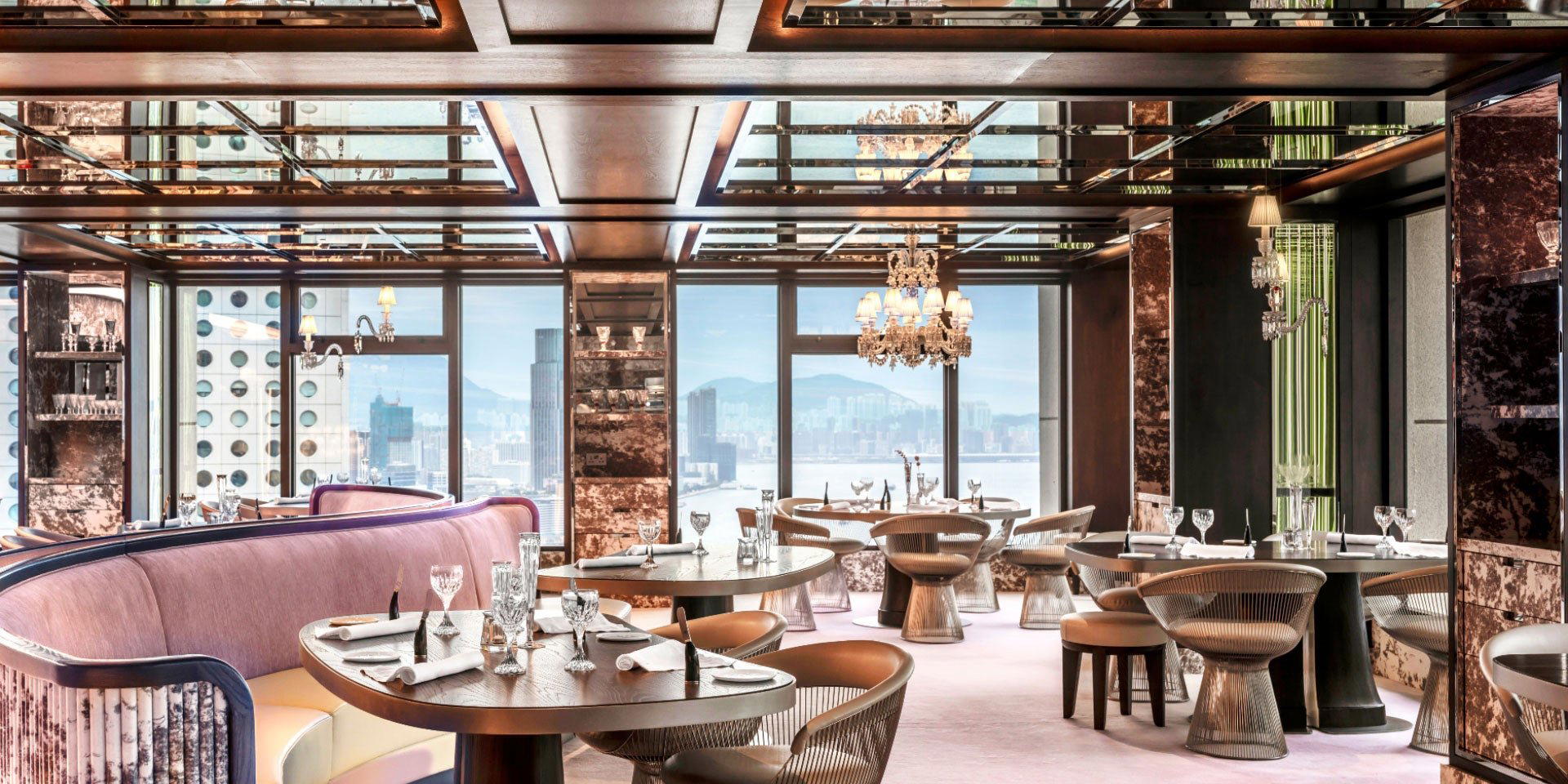
Cristal Room by Anne-Sophie Pic
Hong Kong, Hong Kong
Tatler's Best New Restaurant in Hong Kong for 2025 and placed in the city's Best 20, Cristal Room by Anne-Sophie Pic brings three-Michelin-star pedigree to a spectacular high-floor room above Central's Landmark. The six- or eight-course French tasting menu, with Japanese influences, makes it one of the most credentialled special-occasion bookings in Hong Kong right now.
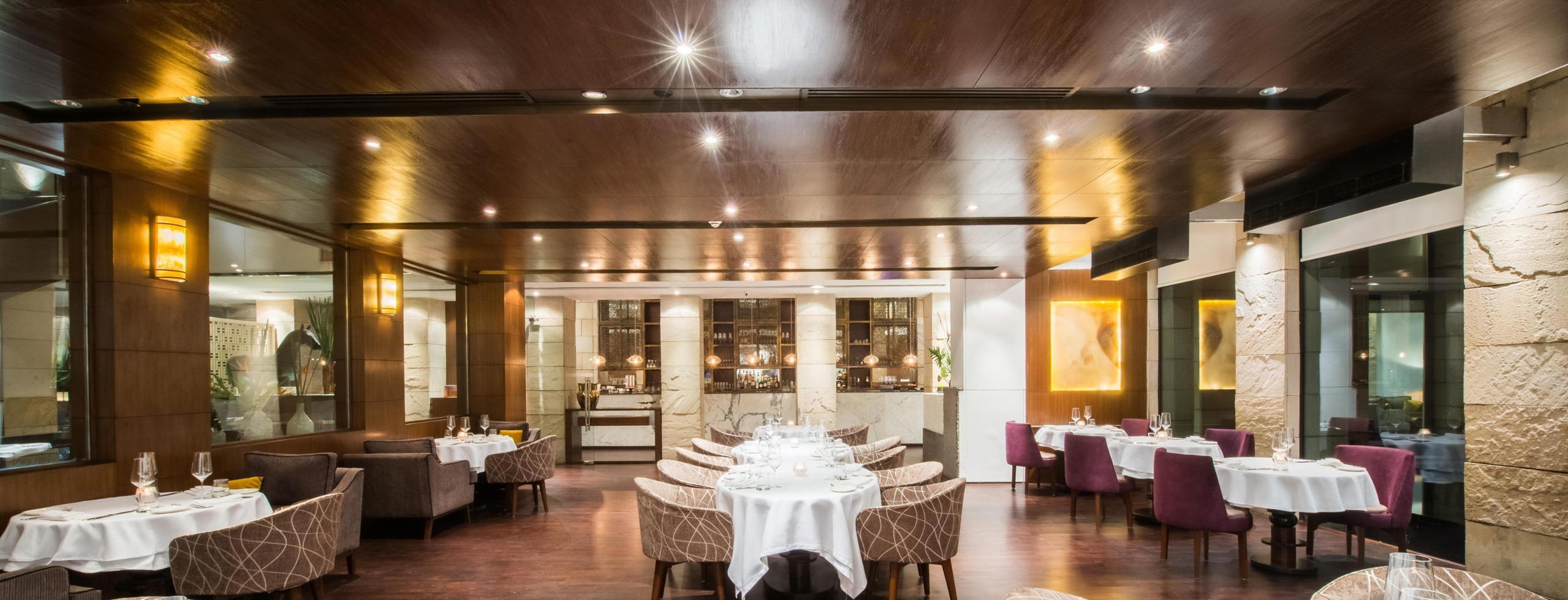
Indian Accent
New Delhi, India
Indian Accent is a restaurant at The Lodhi in New Delhi.
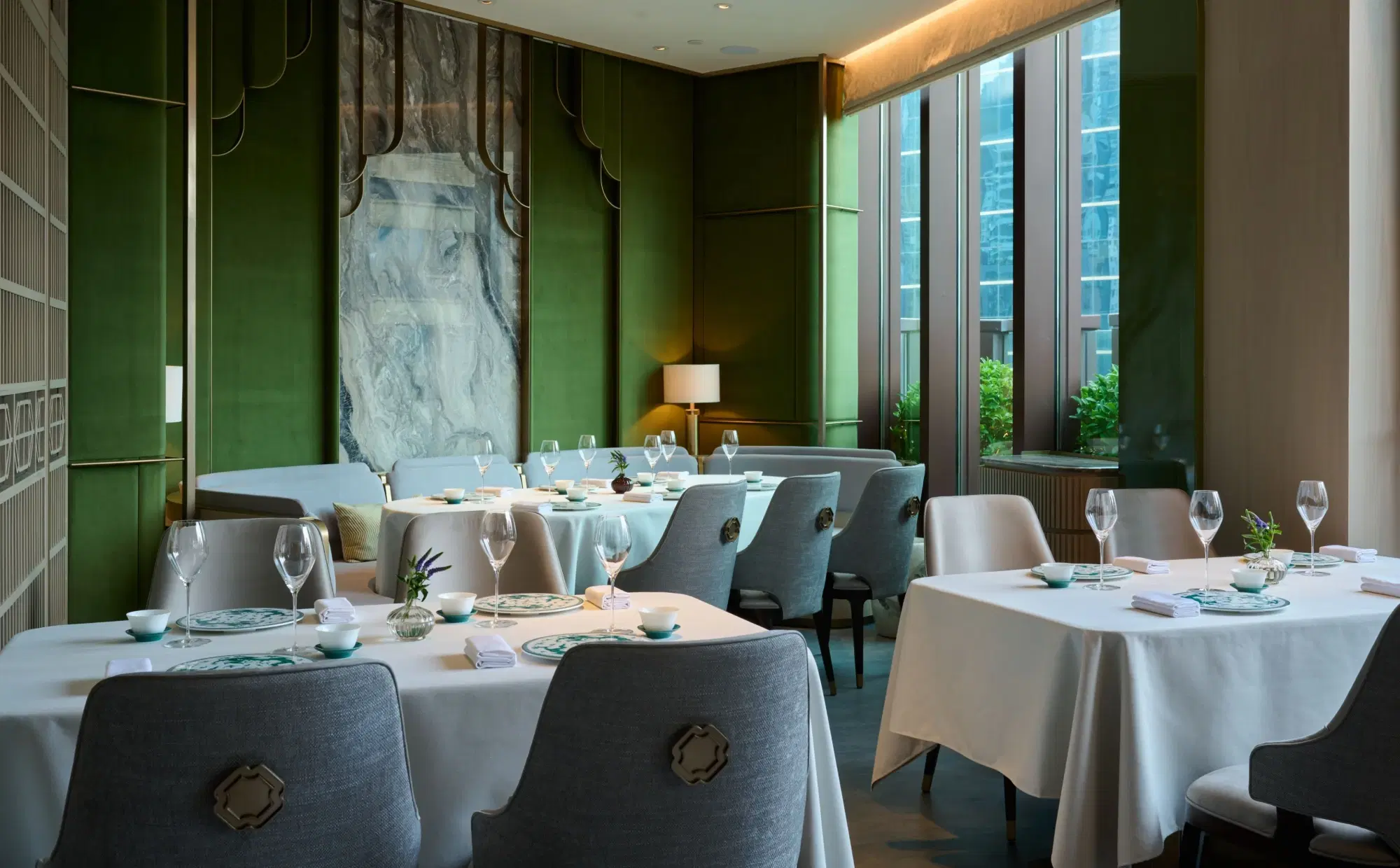
WING Restaurant
Hong Kong, Hong Kong
WING is a restaurant at The Wellington on Wellington Street in Central, Hong Kong.
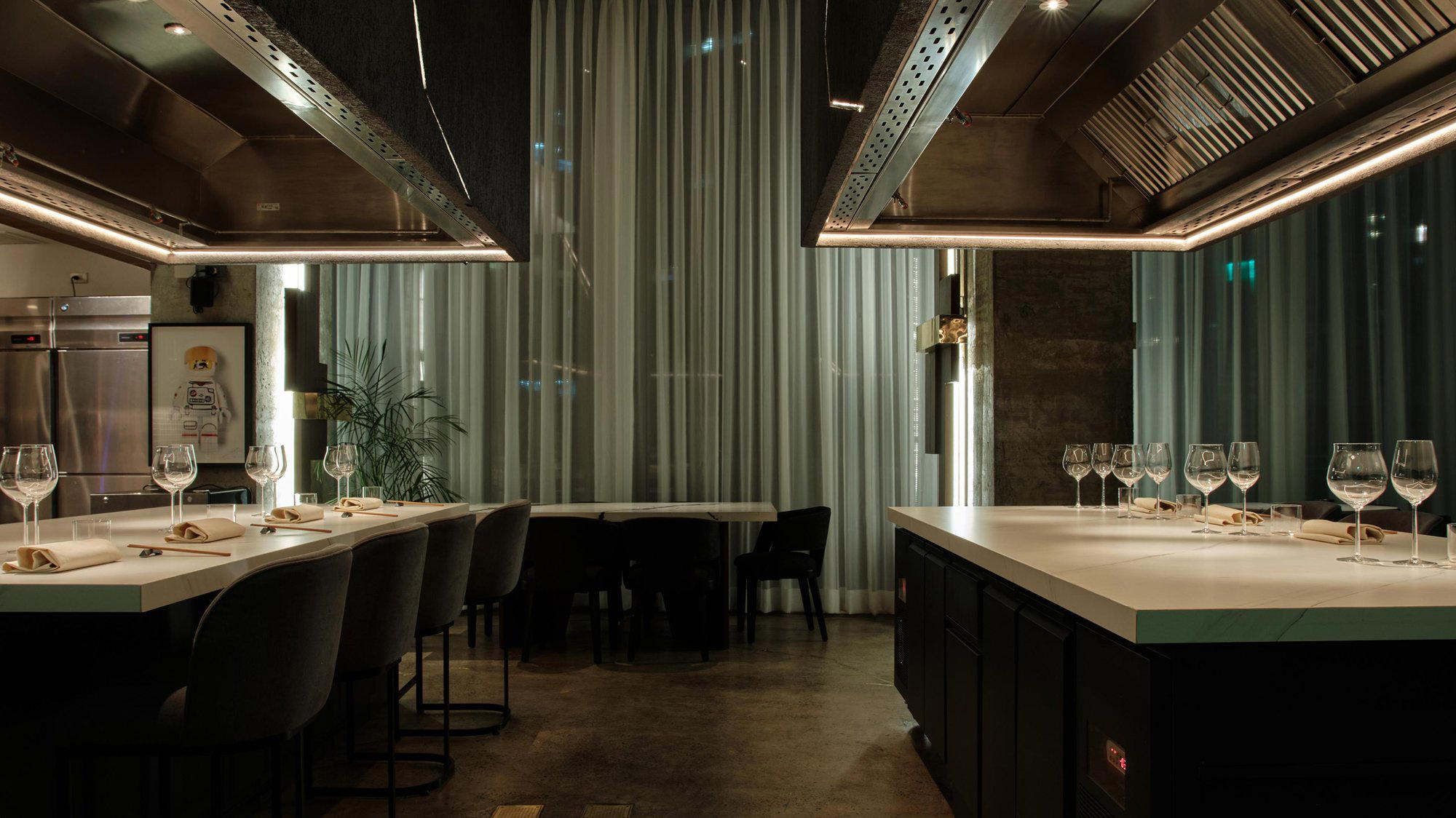
Helm
Makati, Philippines
Chef Josh Boutwood's 20-seat tasting-menu counter in Ayala Triangle Gardens holds two Michelin stars and La Liste's 93-point recognition for contemporary technique applied to Filipino ingredients. The wine program is designed to drive the progression of fermented, aged, and charred flavors across a three-hour, multi-course format. Book six weeks ahead for Friday or Saturday dinner; Sunday lunch offers the same menu with easier availability.
Jungsik
Seoul, South Korea
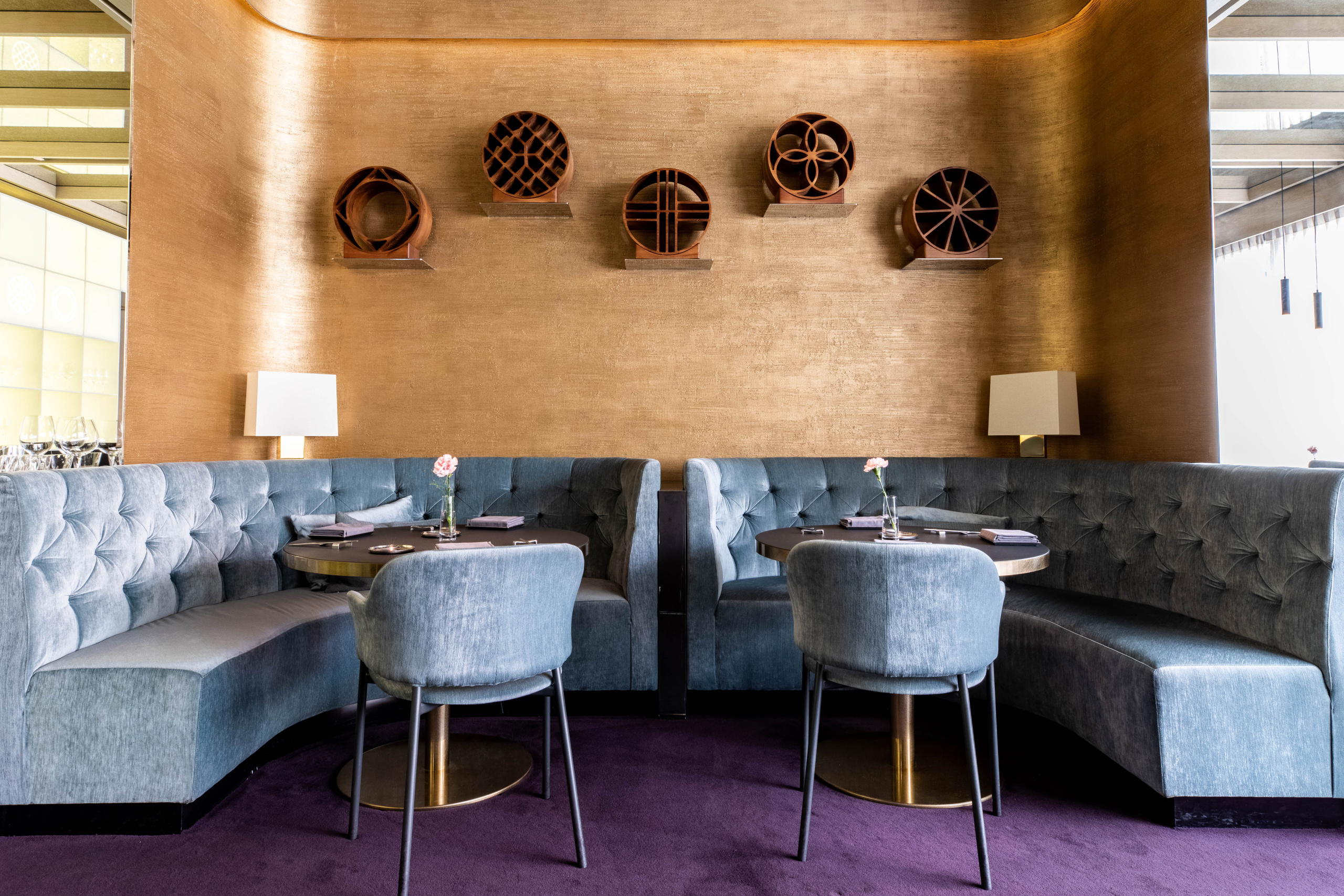
Jungsik is a Korean restaurant in Seoul's Gangnam District.
8 1/2 Otto e Mezzo Bombana (Macau)
Macau, Macau
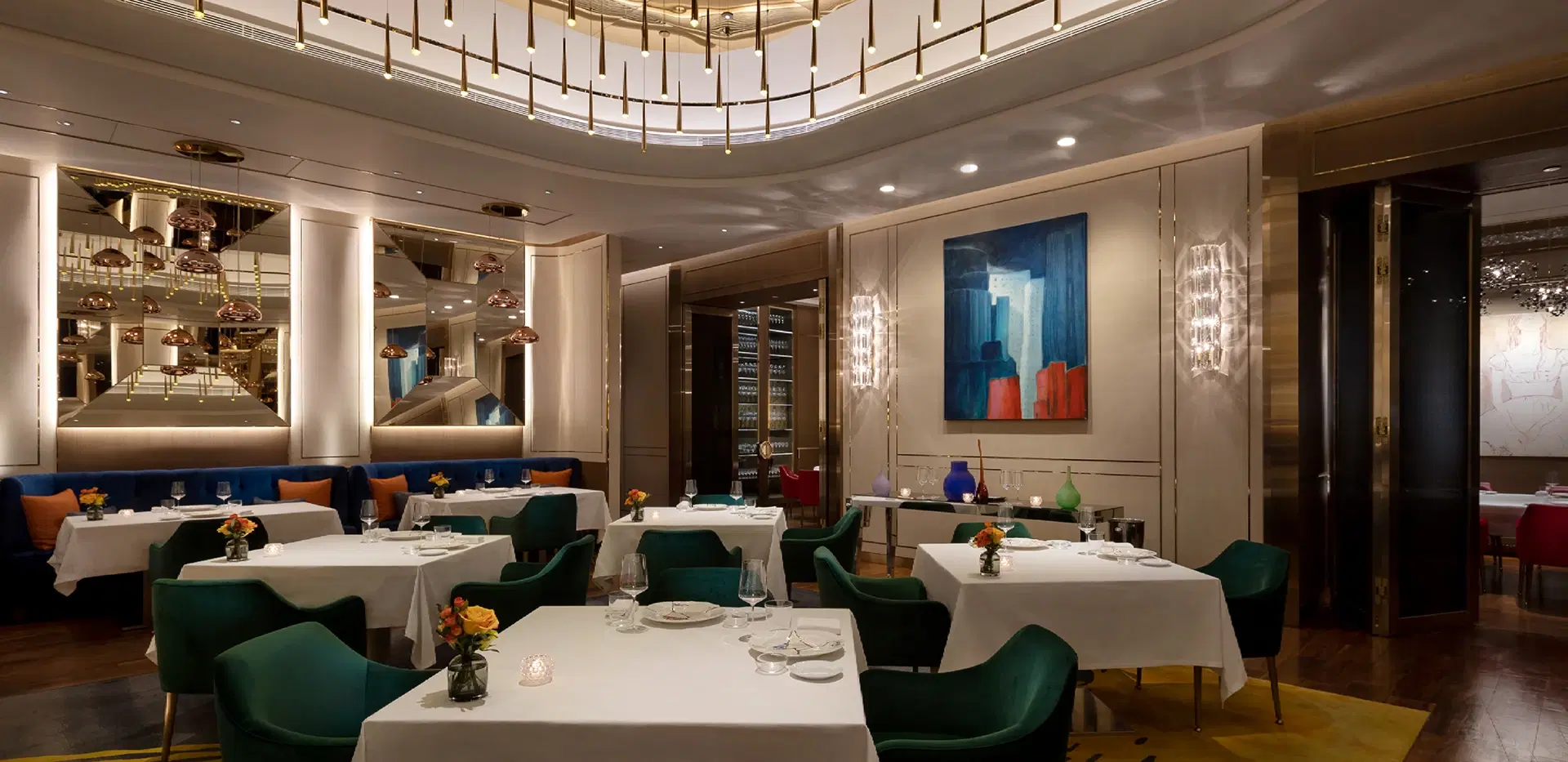
8½ Otto e Mezzo Bombana is an Italian restaurant at Galaxy Macau.
R-Haan
Bangkok, Thailand
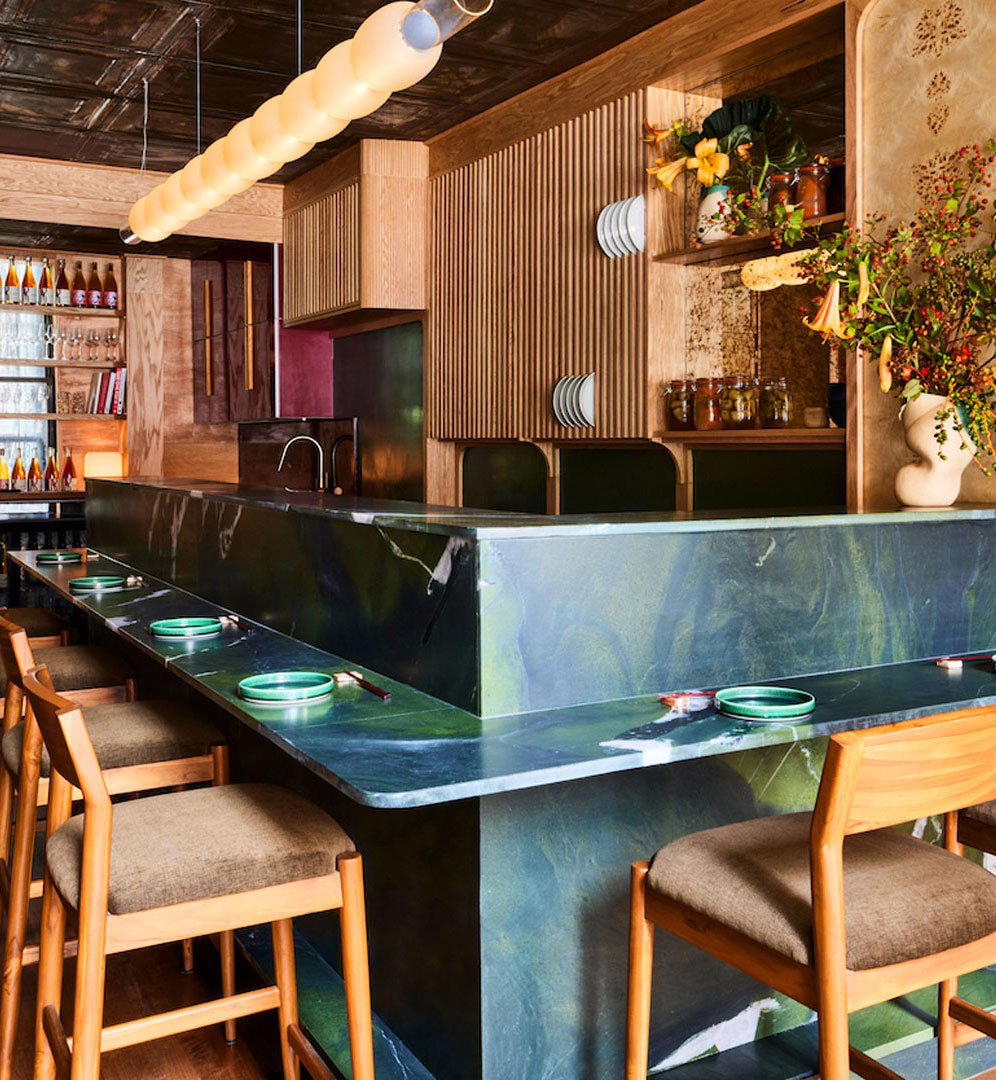
R-Haan holds two Michelin stars and a 2025 Tatler Best 100 Restaurants Asia-Pacific listing, making it one of Bangkok's most credentialled Thai fine dining destinations. Chef Chumpol Jangprai's set menu moves through traditional and contemporary Thai dishes with formal, paced hospitality. Book at least four to six weeks ahead; availability is near-impossible and this is a full-evening commitment at ฿฿฿฿.
Scilla
Shanghai, China
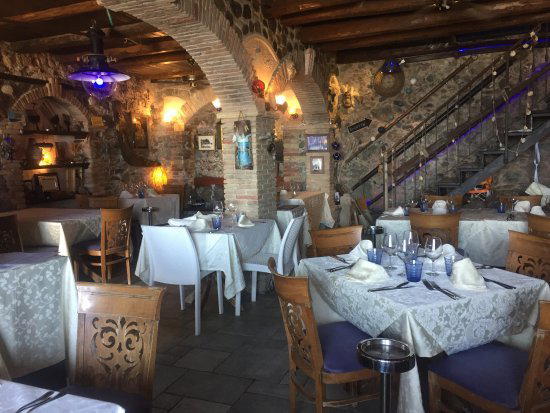
Scilla brings credentialled Mediterranean cooking to Shanghai's Changning district, with back-to-back Michelin Plates (2024–2025) and a Tatler Asia-Pacific 2025 listing confirming it is one of the city's stronger European fine dining options. Chef Stefano Bacchelli's Italian-anchored menu sits at the ¥¥¥¥ tier. Booking is straightforward; the full progression is the reason to come.
Masque
Mumbai, India
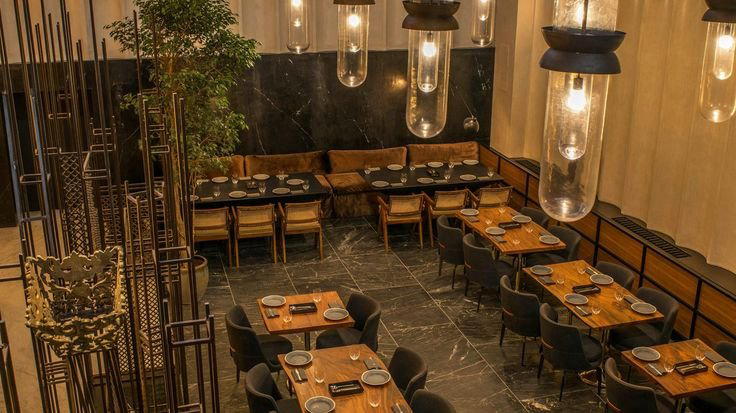
Masque is a restaurant at Shree Laxmi Woollen Mills in Mumbai.
Mono
Hong Kong, Hong Kong
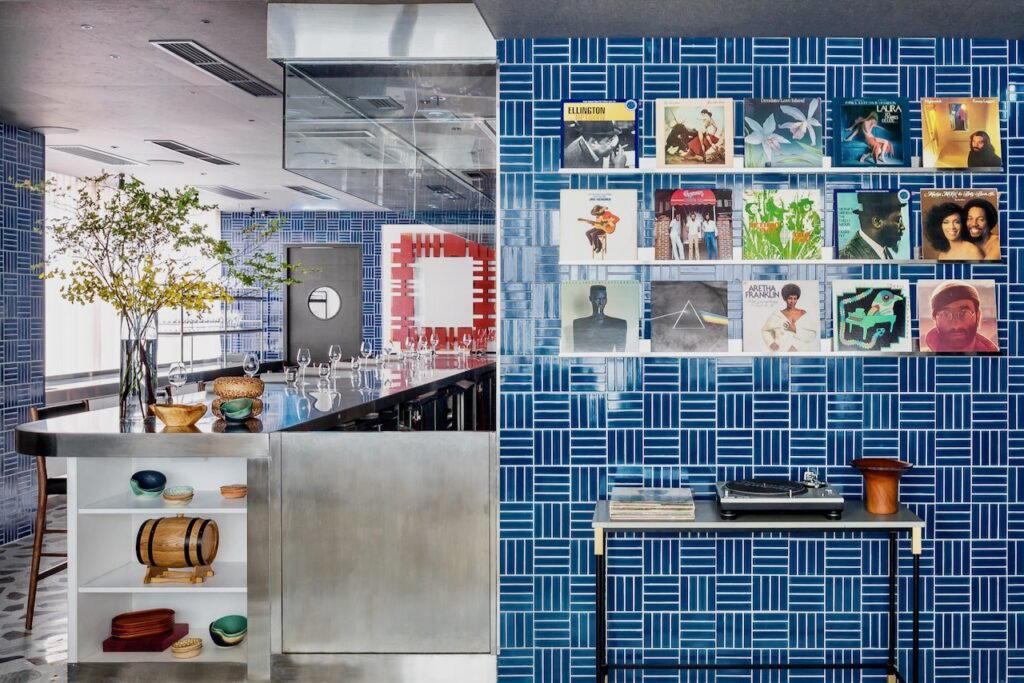
Mono is a restaurant on On Lan Street in Central, Hong Kong.
Potong
Bangkok, Thailand
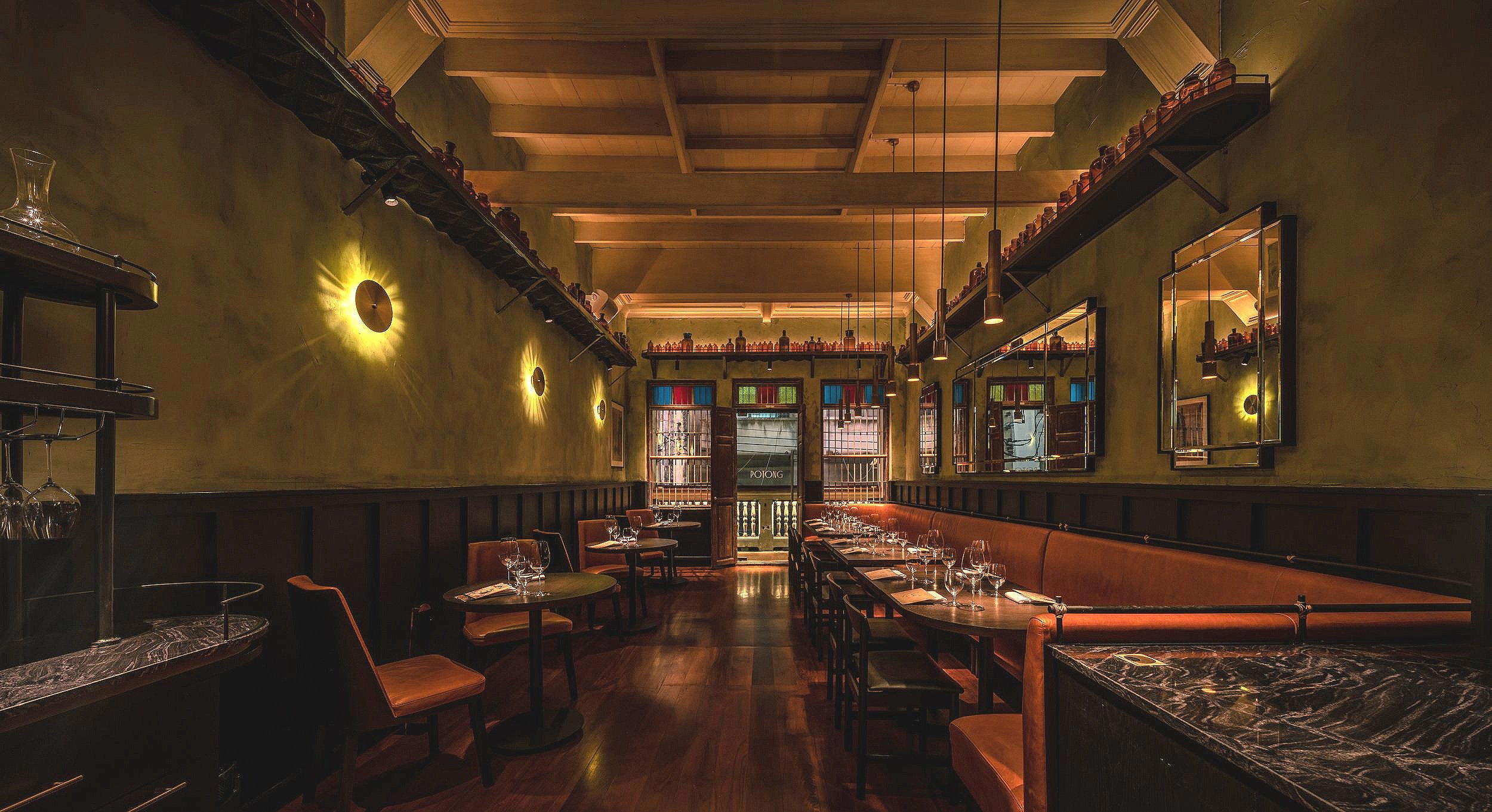
Potong serves Thai-Chinese cuisine in a historic Yaowaraj shophouse in Bangkok.
Amisfield Restaurant & Cellar Door
Lake Hayes, New Zealand
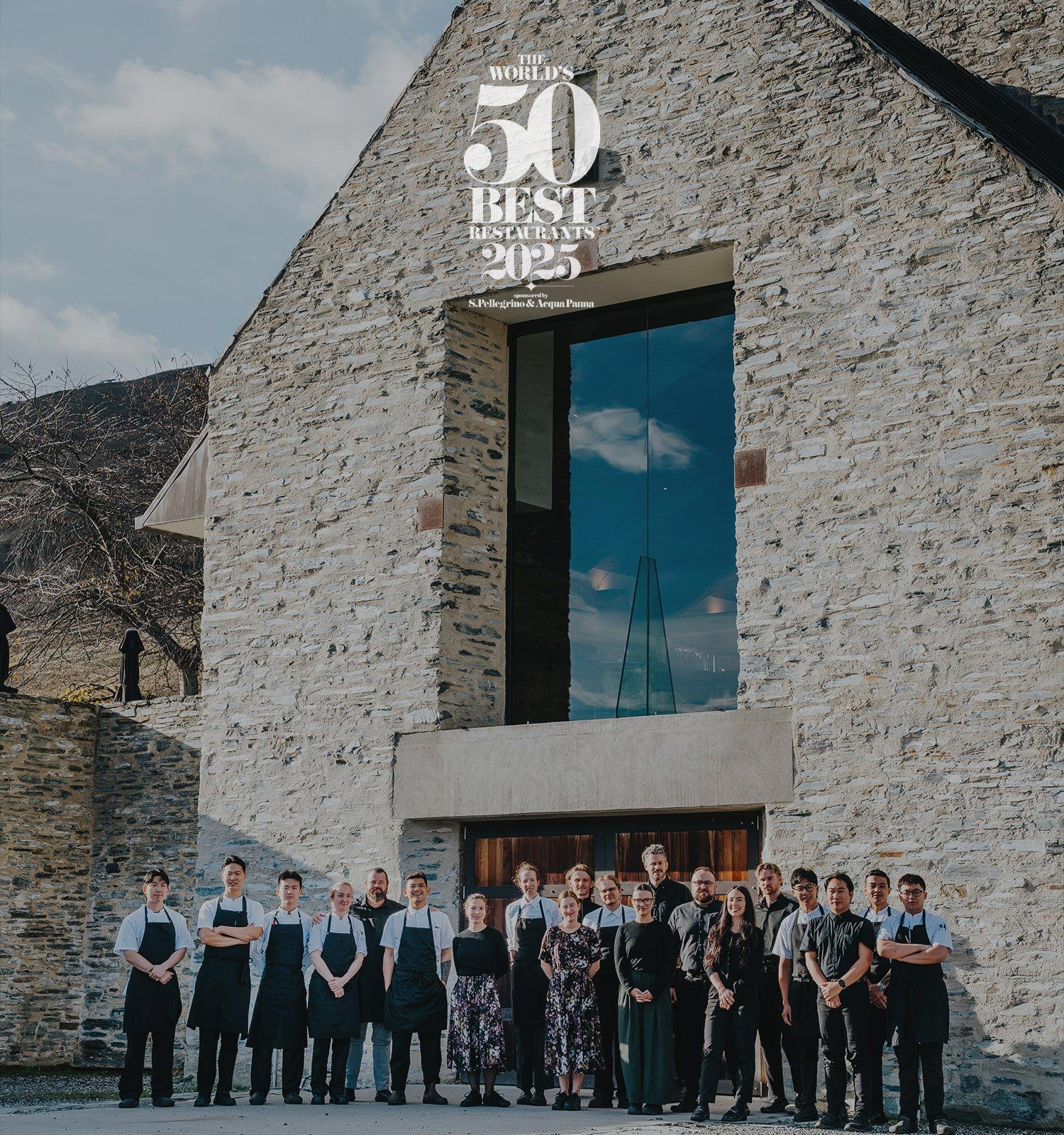
Amisfield Restaurant & Cellar Door is a strong Lake Hayes choice when the meal is part of a slower Central Otago day rather than a quick restaurant stop. Book it for setting, cellar-door context, and special-occasion pacing; cross-shop Aosta or other Queenstown-area dining rooms if cuisine specifics or a tighter city-restaurant feel matter more.
Gallery By Chele
Manilla, Philippines
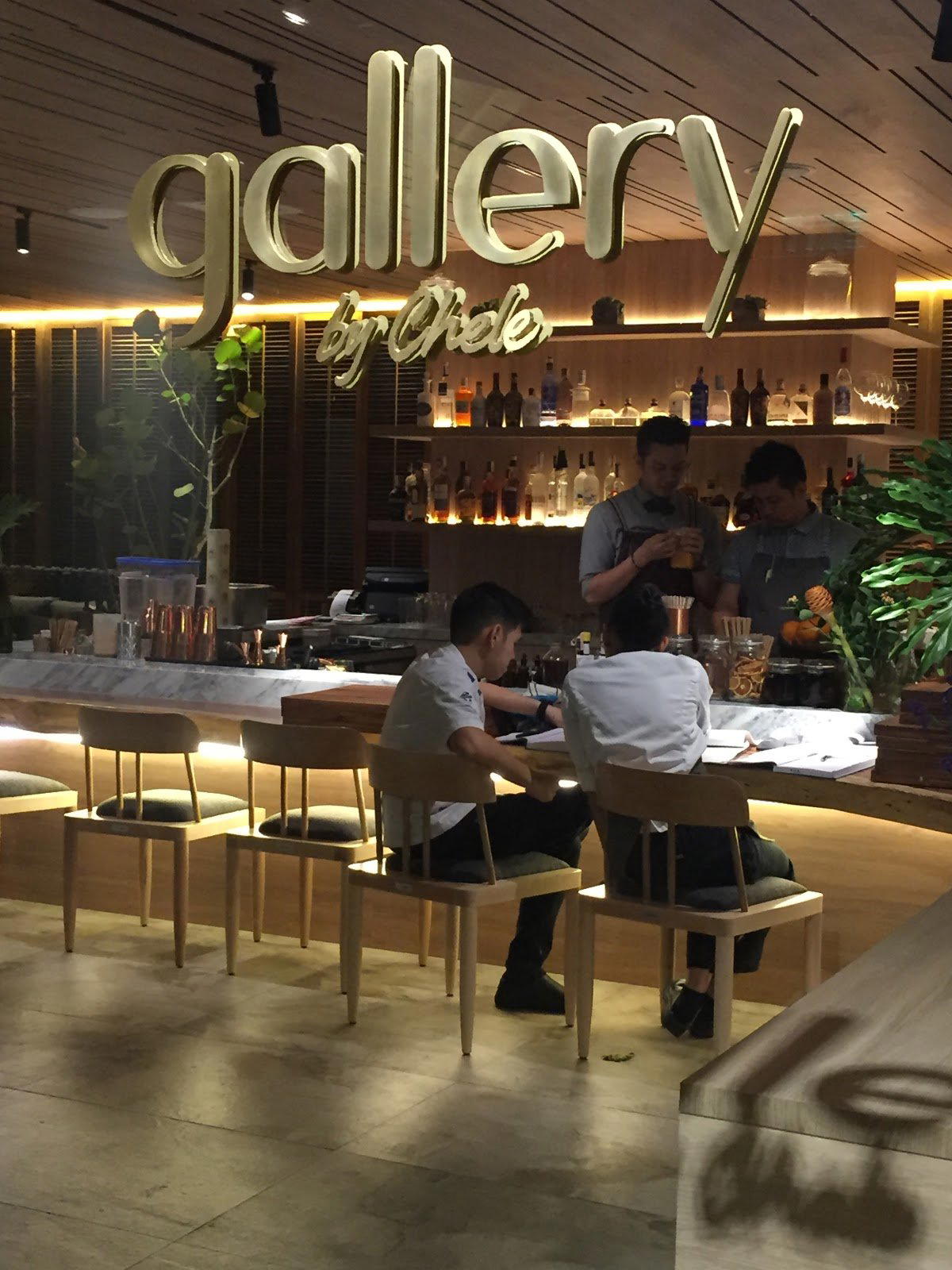
Gallery By Chele is Manila's most internationally credentialled modern Filipino restaurant, holding a Michelin star (2026) and ranking #72 on Asia's 50 Best (2025). It's a near-impossible table to get, so book four to six weeks out minimum. For returning guests, the lunch service offers a slightly more accessible window into the same Michelin-starred kitchen.
Narisawa
Tokyo, Japan
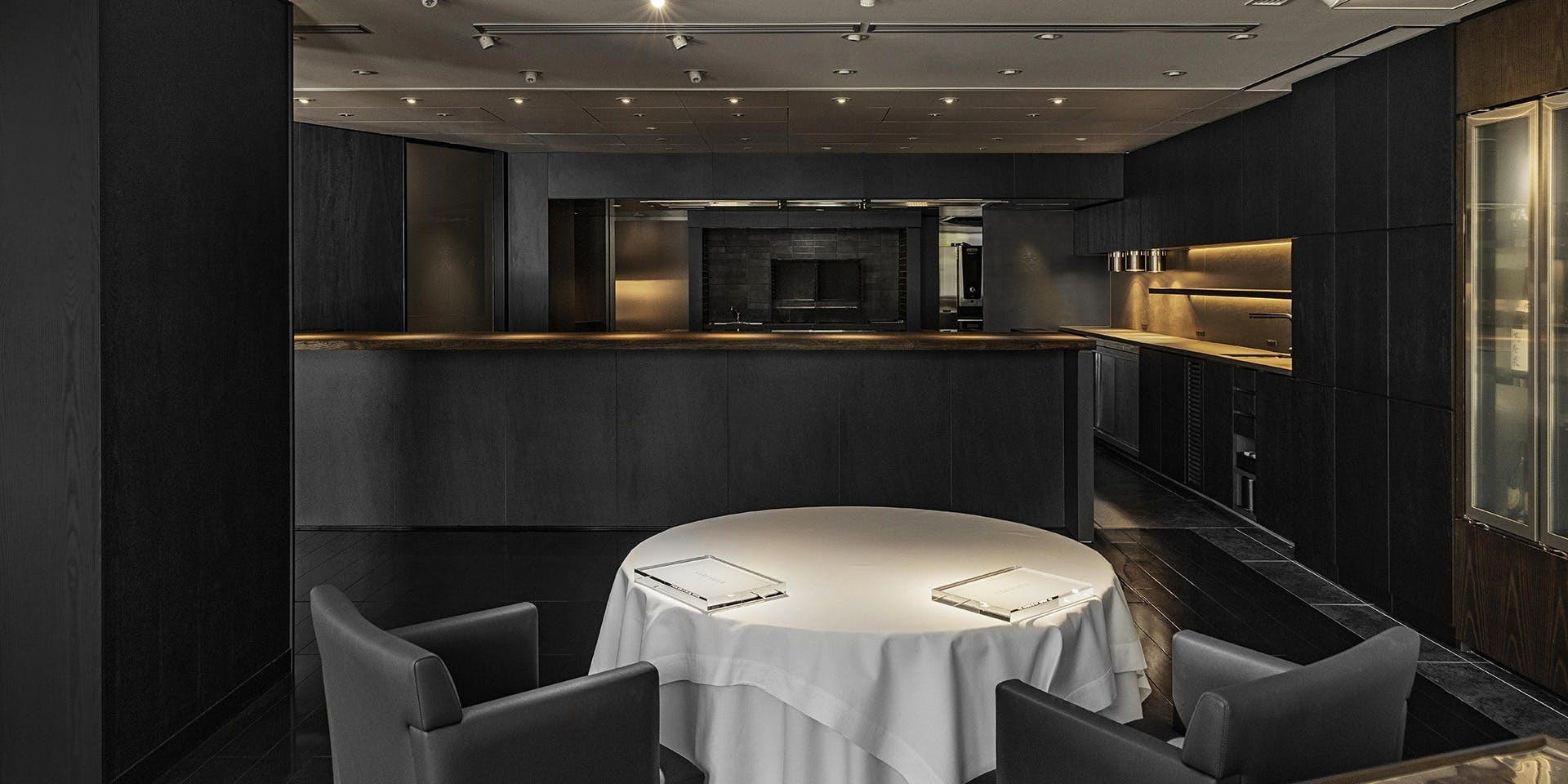
Narisawa is a restaurant in Minamiaoyama, Tokyo.
Silks House
Taipei, Taiwan
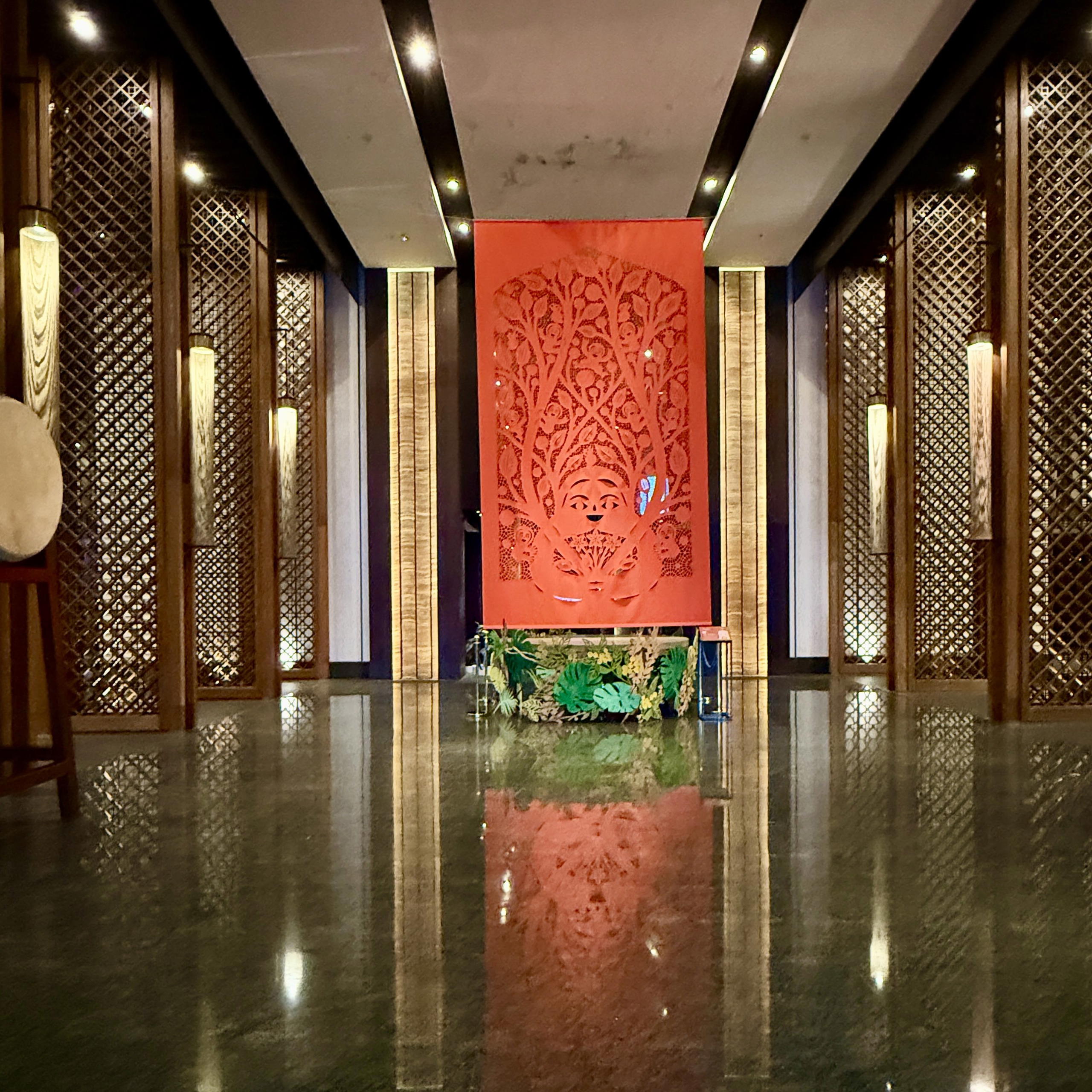
Silks House is Taipei's most decorated Cantonese restaurant at $$$ pricing: Tatler Asia-Pacific Restaurant of the Year 2025, Black Pearl 1 Diamond, and an OAD Asia ranking of #88. The 10 private rooms make it the go-to for group occasions. Lunch on a weekday is the smart move; same kitchen, quieter room, better value than the evening banquet crowd.
Potager
Kuala Lumpur, Malaysia
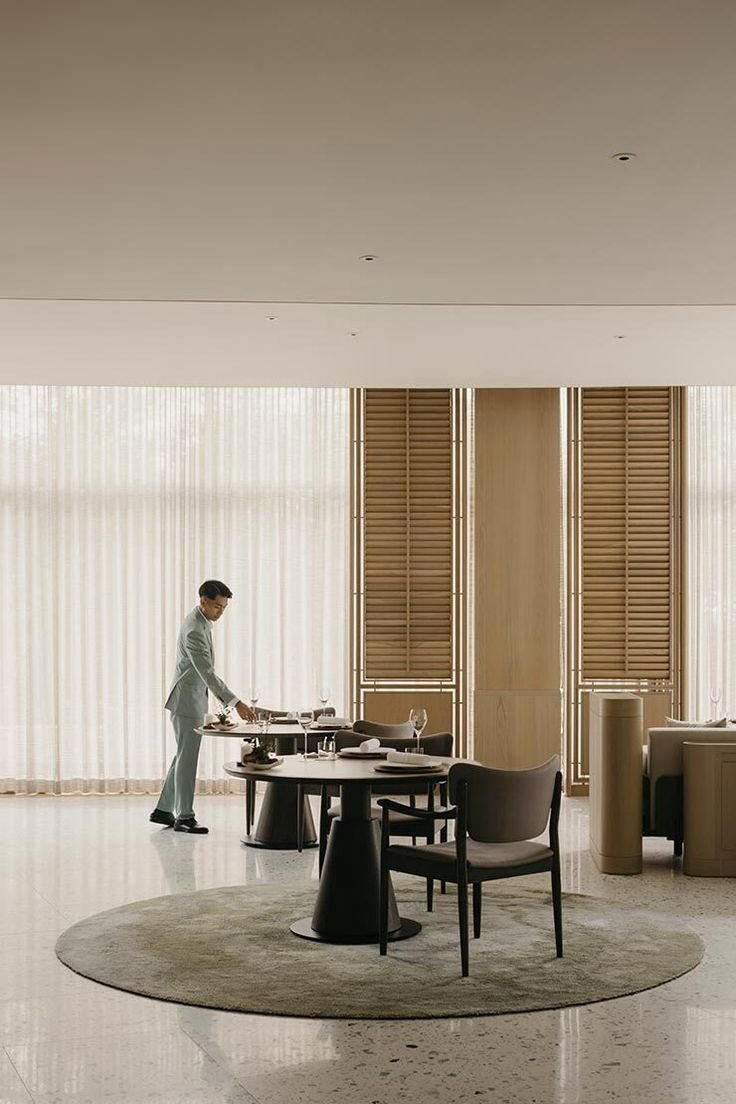
Potager holds a Michelin Plate, an 89-point La Liste score, and Tatler Asia's Best 20 ranking; credentials that make it the clearest benchmark for French Contemporary dining in Kuala Lumpur. The tasting menu format, award-winning wine programme, and quiet Bamboo Hills setting suit occasion dinners over casual visits. Book several weeks ahead; this one is hard to get into.
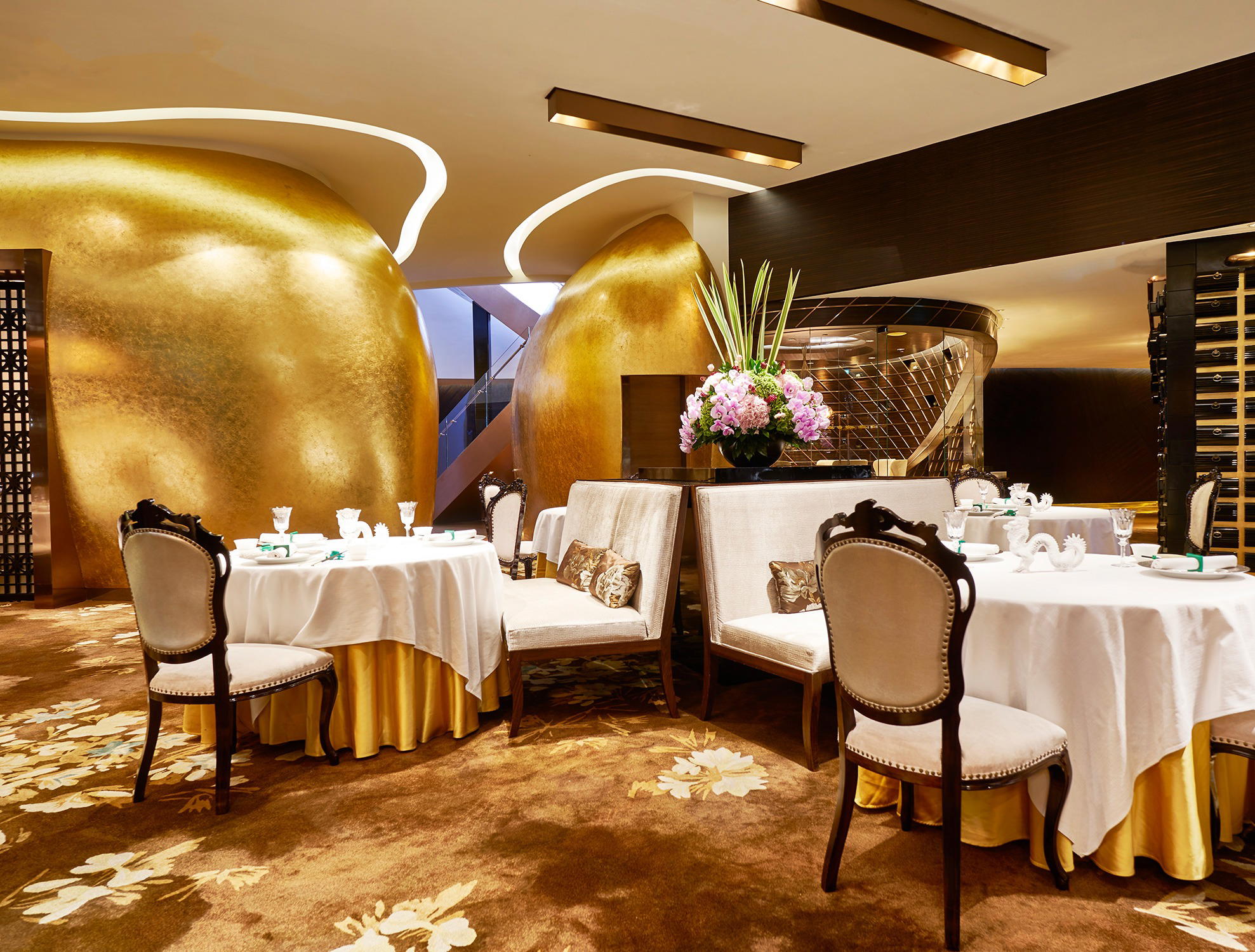
Jade Dragon
Macau, Macau
Jade Dragon is a Cantonese restaurant at City of Dreams Macau.
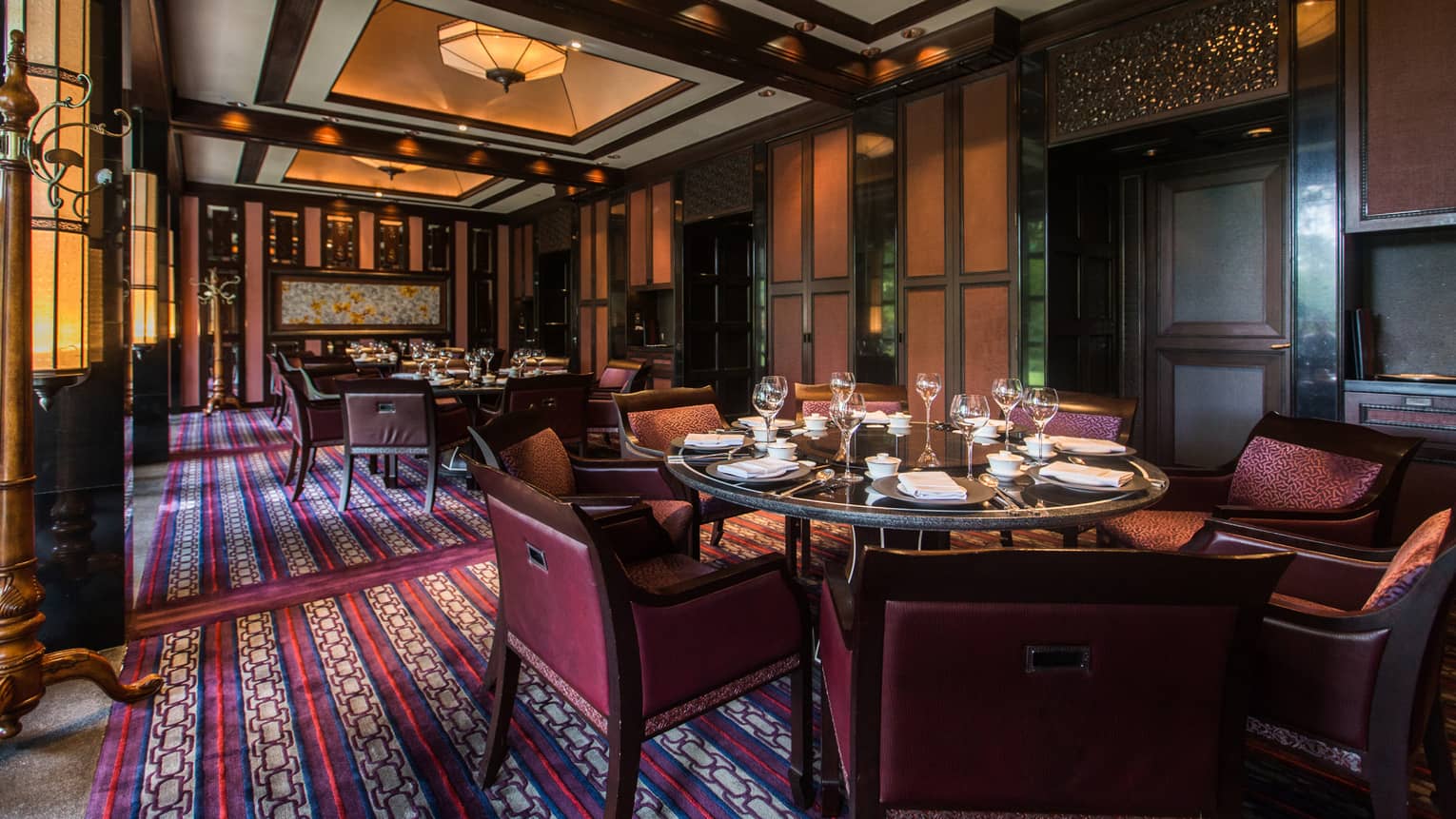
Jin Sha
Hangzhou, China
Jin Sha is a restaurant at Four Seasons Hotel Hangzhou at West Lake.
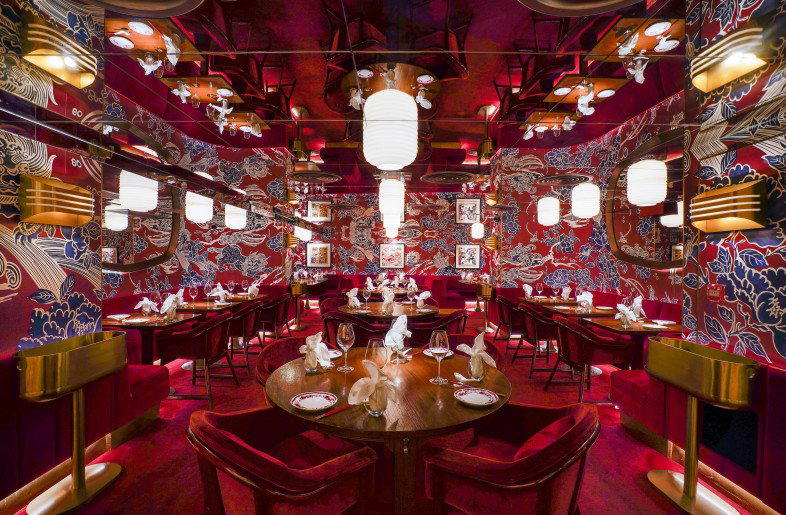
Ho Lee Fook
Hong Kong, Hong Kong
Ho Lee Fook is a Tatler Best 20 and Michelin Plate Cantonese restaurant in Central's Soho, led by chef ArChan Chan. At the $$ price point with a Best Service award (Tatler Asia 2025) and an Easy booking rating, it offers one of the most accessible entries into recognized contemporary Cantonese dining in Hong Kong. The room runs loud and energetic; plan for dinner when you want the full experience, lunch when you want to focus on the food.
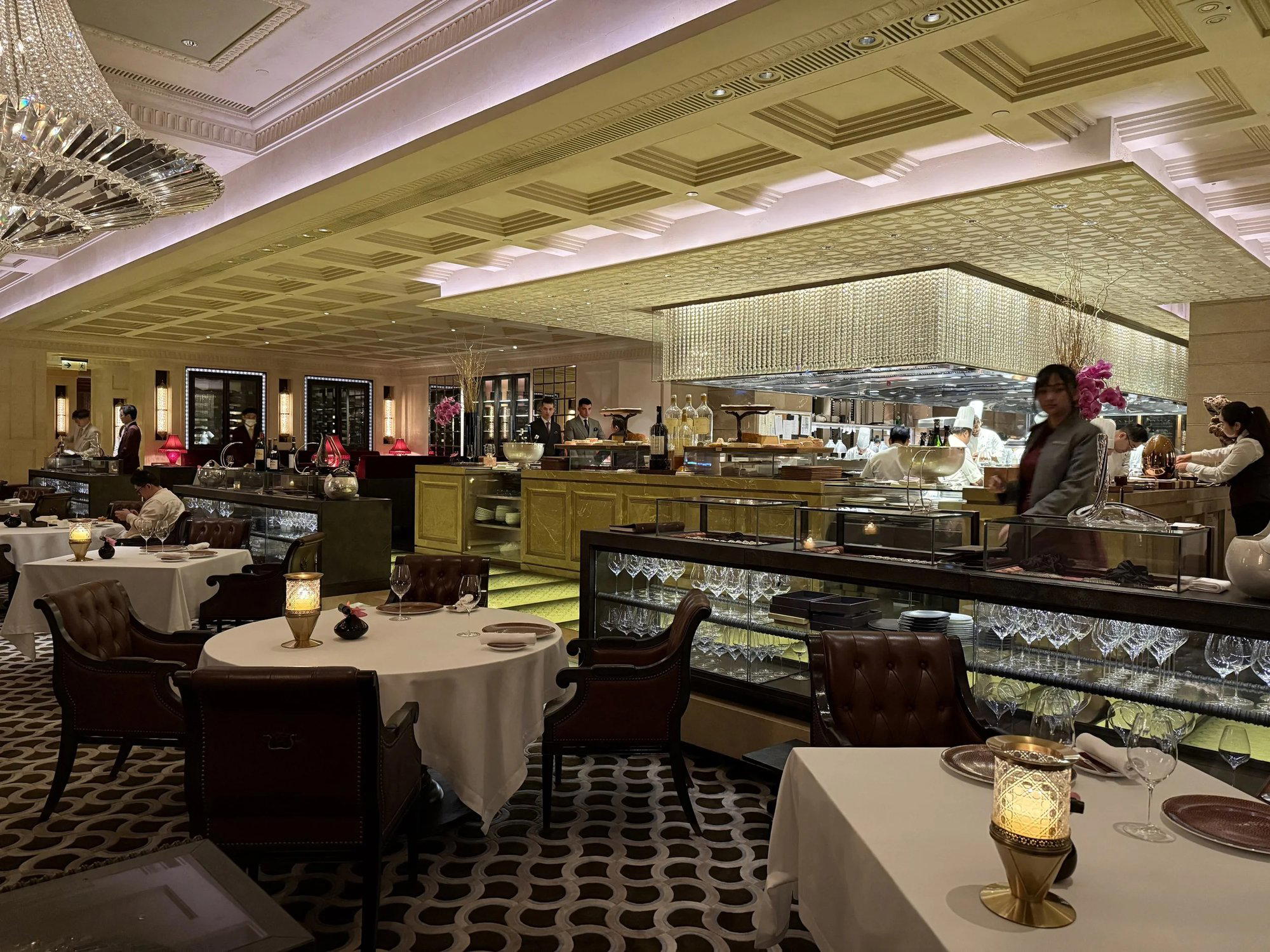
Caprice
Hong Kong, Hong Kong
Caprice is a French restaurant at Four Seasons Hotel Hong Kong.
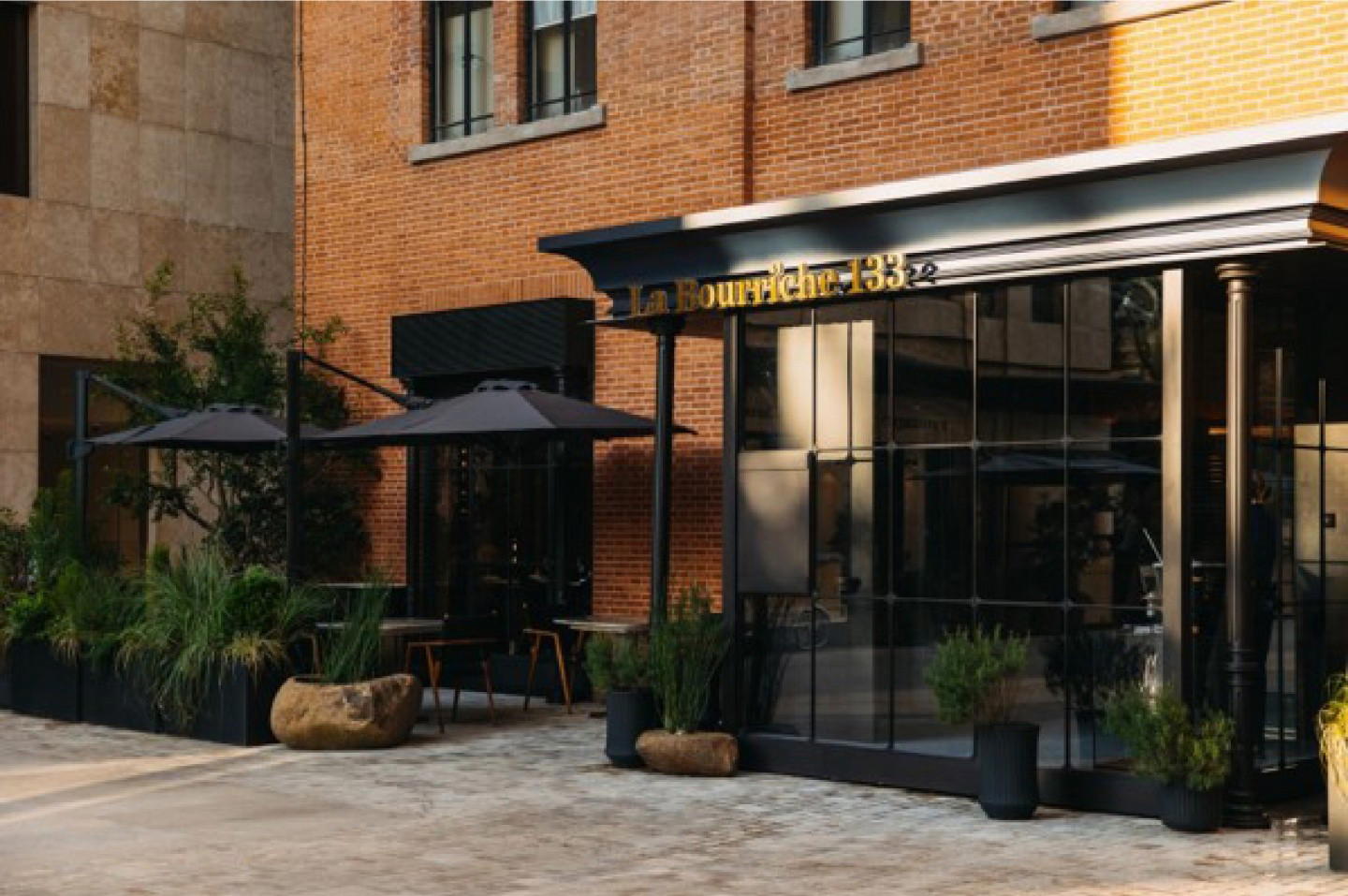
La Bourriche 133
Shanghai, China
Ranked #48 on Asia's 50 Best Restaurants 2025 and named in Tatler's Asia-Pacific list, La Bourriche 133 is Shanghai's clearest case for serious, produce-led seafood dining. The Rockbund room is composed and quiet; right for focused meals and small group celebrations. Book weeks ahead: availability is near impossible on short notice.
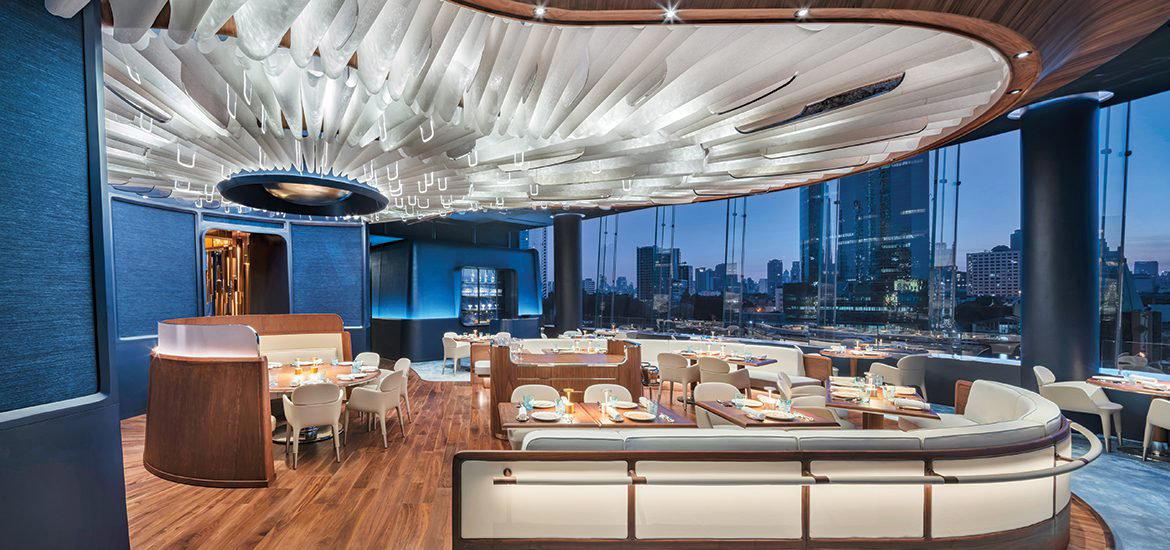
Blue by Alain Ducasse
Bangkok, Thailand
Blue by Alain Ducasse is a restaurant at ICONSIAM in Bangkok.
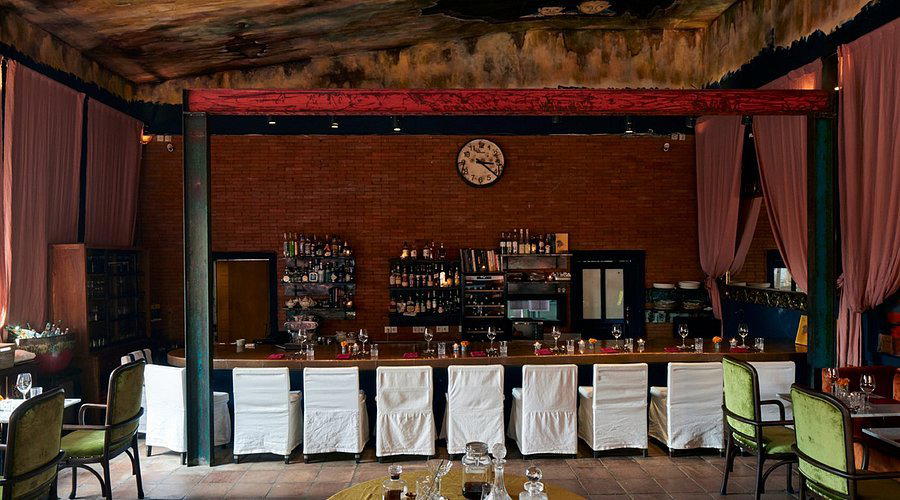
Room 4 Dessert
Ubud, Indonesia
Room 4 Dessert is Ubud's only dedicated multi-course dessert tasting venue, run by chef Will Goldfarb and recognised on the Tatler Best Restaurants Asia-Pacific 2025 list. Open Tuesday through Sunday from 4pm to 10pm, it works as a standalone evening or a late-night closer after dinner elsewhere. Booking is easy, which gives it a practical edge over harder-to-secure Ubud tables.
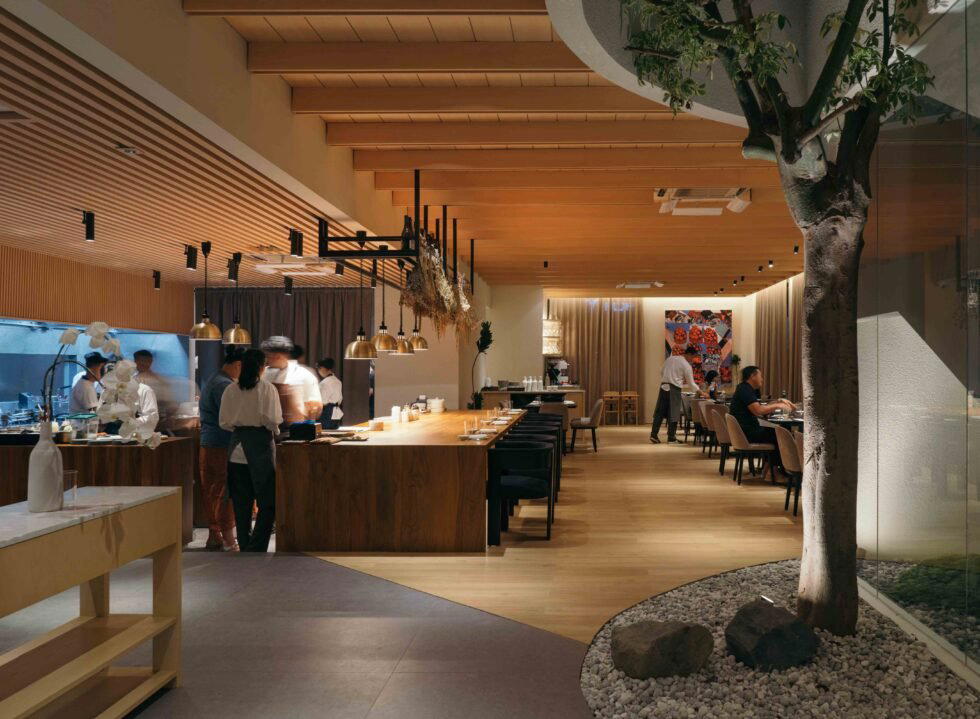
Esa
Jakarta, Indonesia
Esa earned a place on Tatler Asia's Best Restaurants Asia-Pacific 2025 list, making it one of Jakarta's clearest cases for serious modern Indonesian cooking. Located in SCBD Park, the room is calibrated for conversation and focused dining; not takeout or casual drop-ins. Book here when the meal itself is the occasion.
Dewakan
Kuala Lumpur, Malaysia
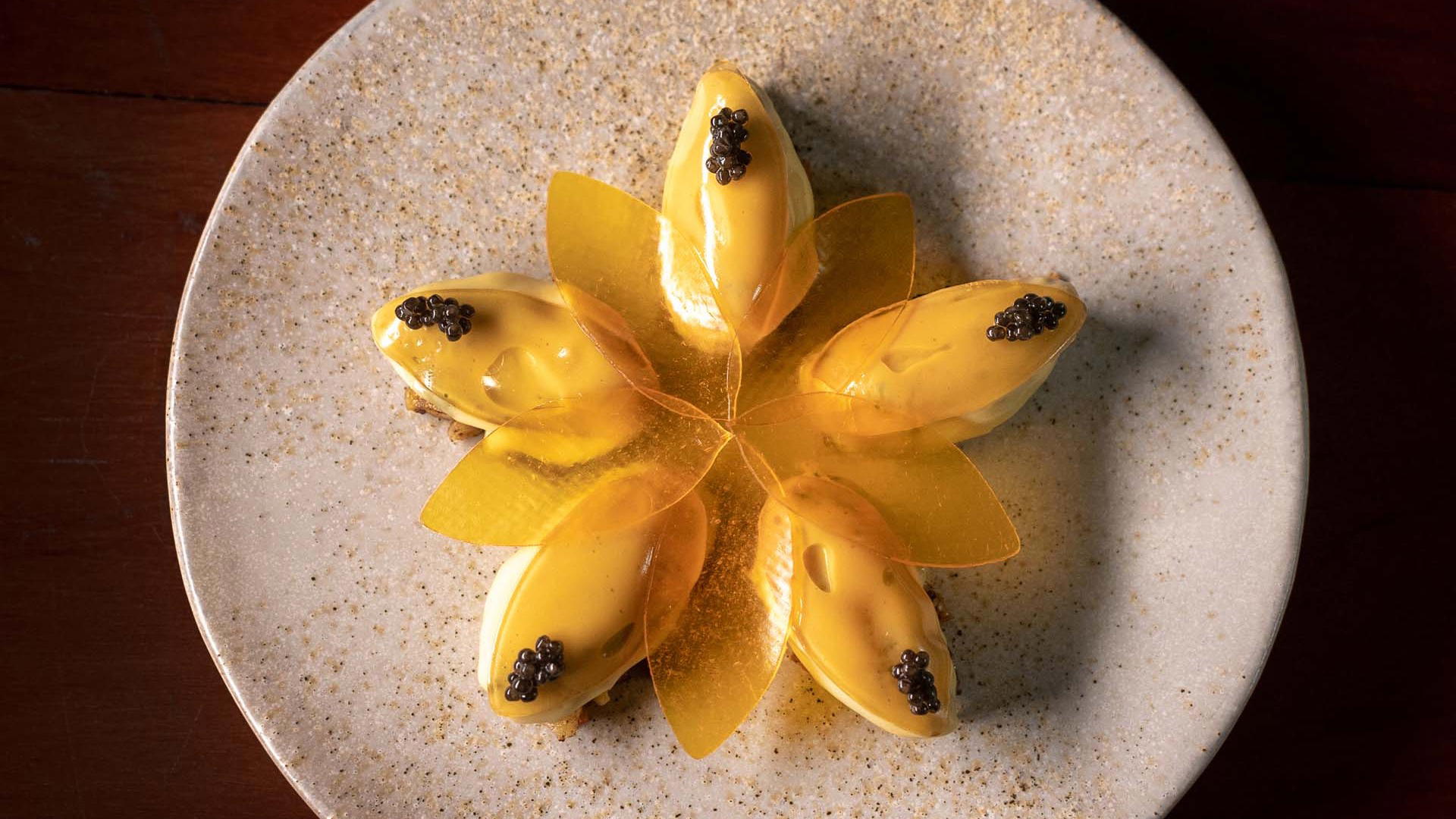
Dewakan is a restaurant at Skyviews in Naza Tower, Kuala Lumpur.
AUYL
Almaty, Kazakhstan
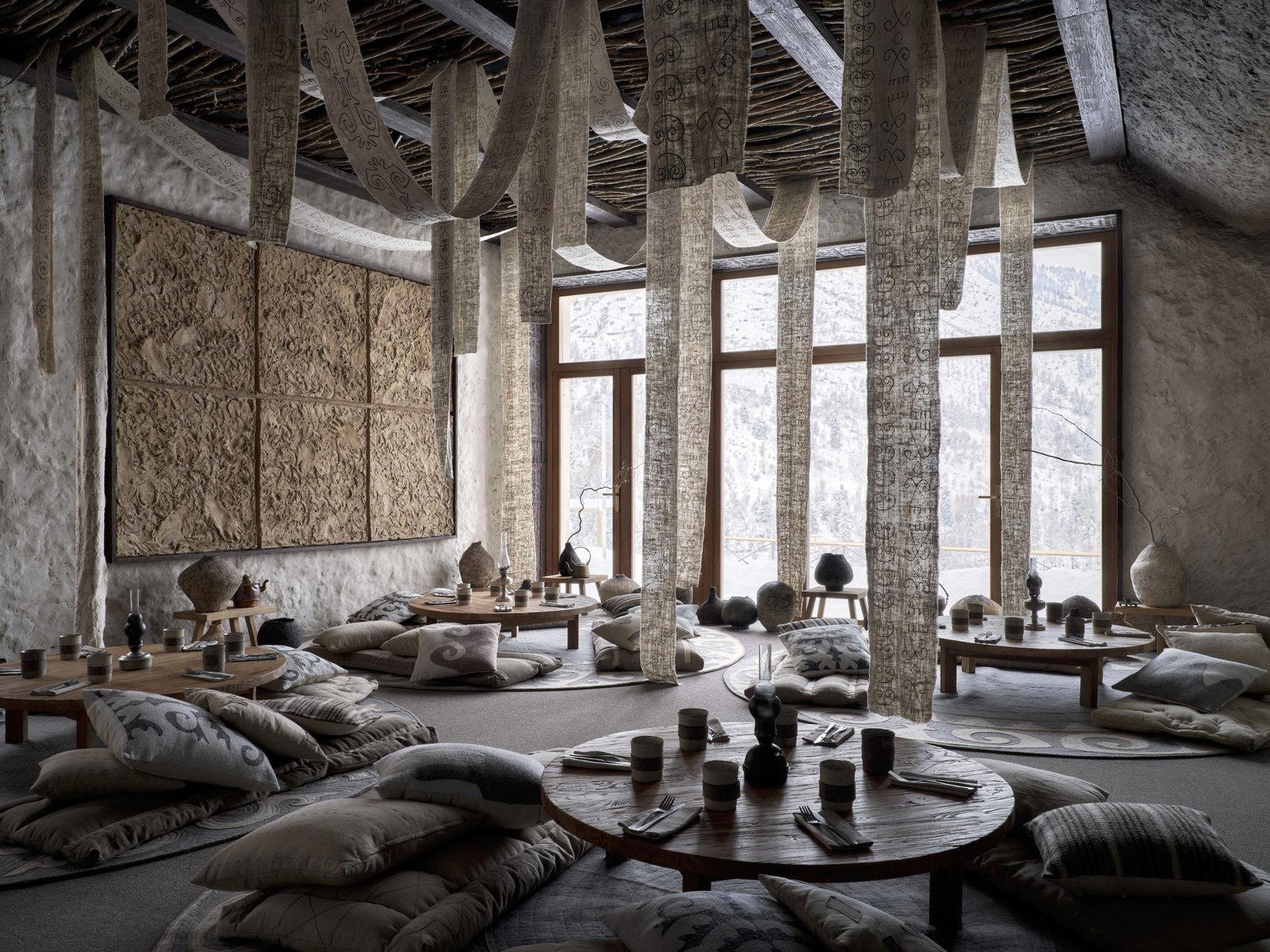
AUYL is the strongest case for a destination meal outside Almaty's city centre: a Soviet-era yurt at 1,700 metres in the Tian Shan foothills, open-fire neo-nomad cooking by chef Ruslan Zakirov, and a wine list ranked #1 by Star Wine List in 2026. Named to Tatler Asia's Best Restaurants 2025, it is the booking for food and wine travellers who want their meal to reflect where they actually are.
Solbam
Seoul, South Korea
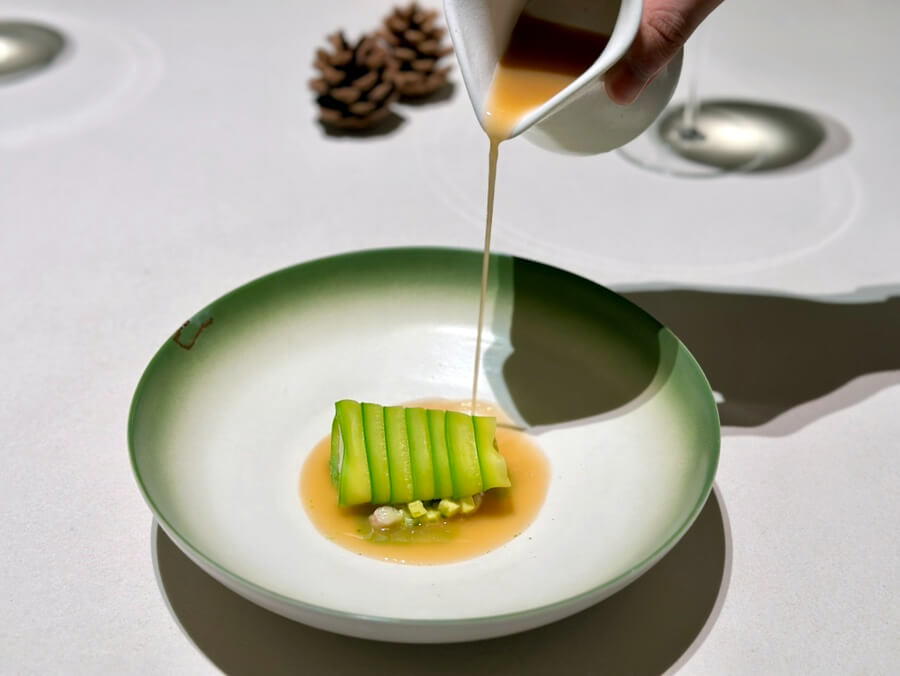
Solbam is a restaurant in Seoul's Gangnam district.
Qu Lang Yuan
Beijing, China
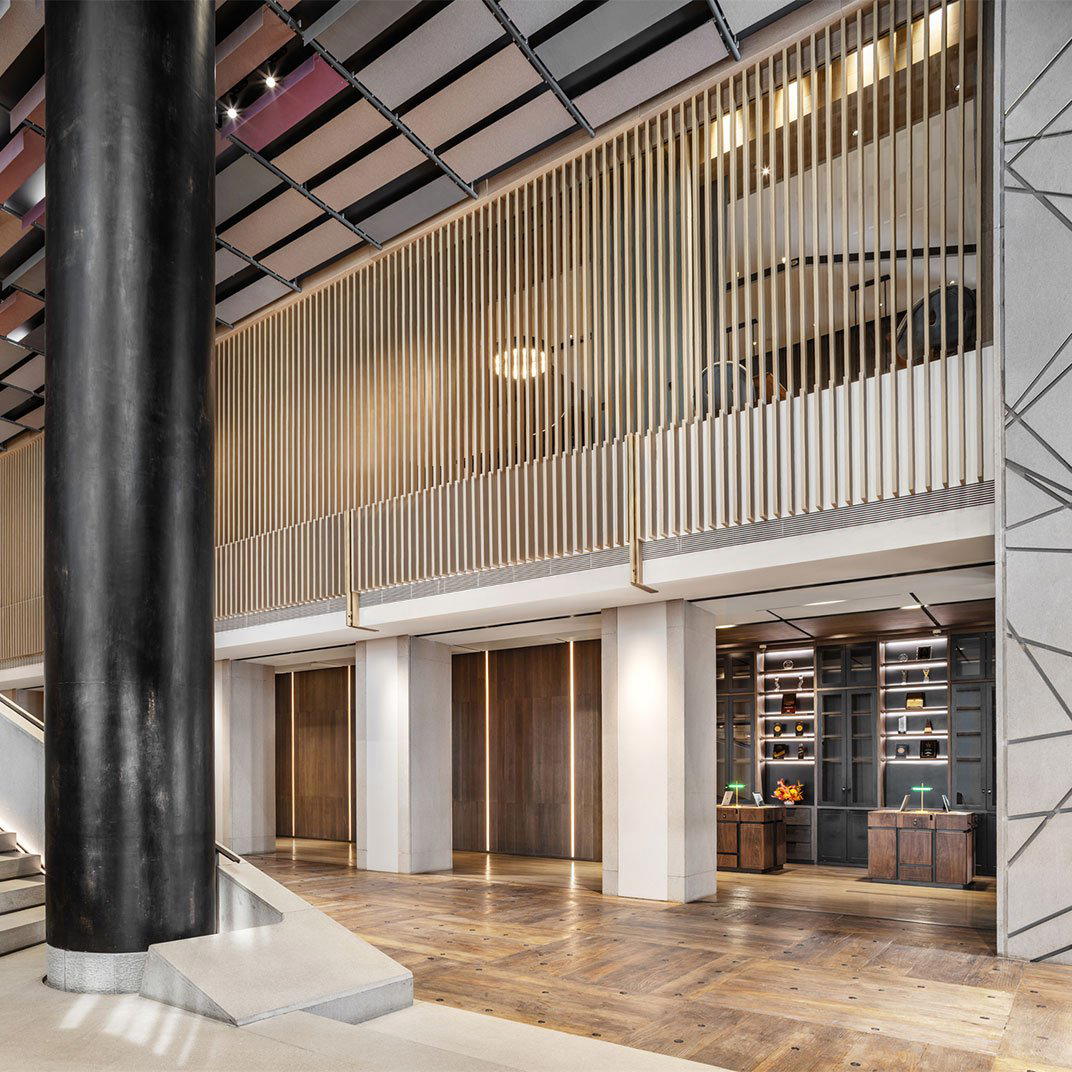
A Ming-era courtyard in Dongcheng sets the scene for contemporary Chinese fine dining that has earned a Michelin Plate, a Black Pearl 1 Diamond, and a place on the Tatler Best Restaurants Asia-Pacific 2025 list. At ¥¥¥ with easy booking, it sits below Beijing's top price tier while matching the ambiance of the city's most serious addresses. Book it when architecture and culinary ambition both need to be on the brief.
Hapag
Makati, Philippines
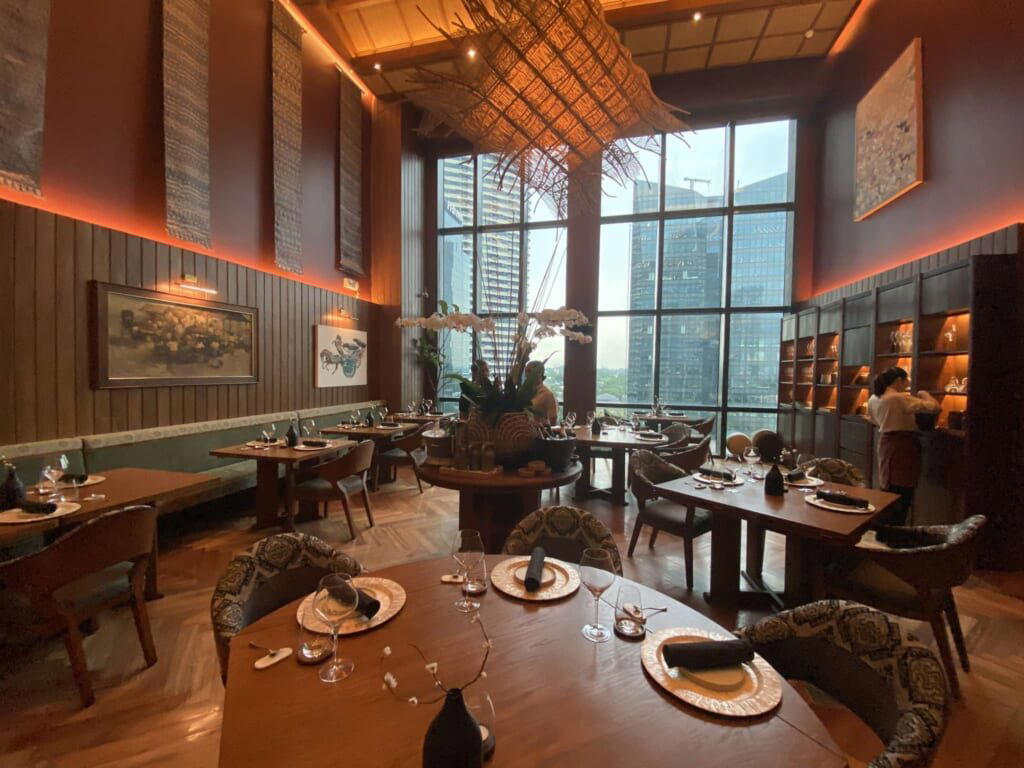
Hapag is Makati's clearest answer for a serious Filipino fine dining occasion. The Michelin star (2026), back-to-back Tatler Best 20 Philippines recognition, and a #211 Opinionated About Dining Asia ranking place it at the top of the city's modern Filipino category. Book 6–8 weeks out for a weekend table; the single nightly service fills fast.
Peach Blossoms
Singapore, Singapore
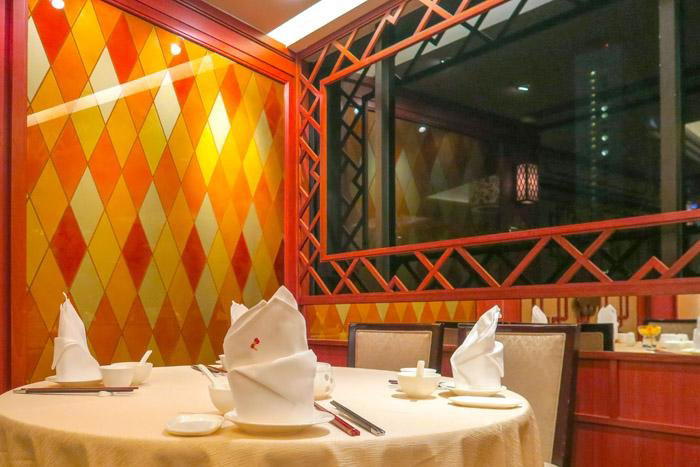
Peach Blossoms at PARKROYAL COLLECTION Marina Bay holds a Black Pearl 1 Diamond (2025) and a Tatler Asia-Pacific Best Restaurants listing, making it one of Singapore's more credible modern Chinese options at this tier. The Marina Bay views and hotel-backed private dining setup give it clear advantages for group bookings and business dinners. Weekday lunch is the easiest booking; weekend dim sum fills fast.
MŌDAN
Quezon City, Philippines
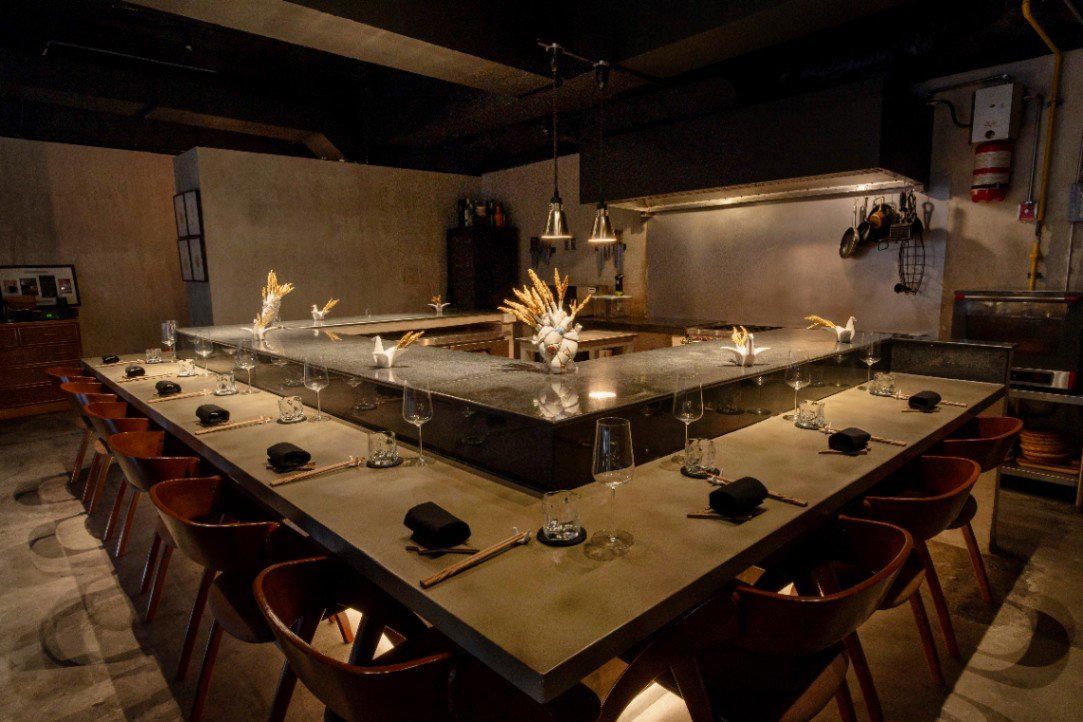
MŌDAN is the most credentialed restaurant in Quezon City; a personal modern Japanese tasting menu from Chef Jorge Mendez, holding a Michelin Plate (2026) and back-to-back Tatler Best 20 Philippines placements. Located in Cubao, it suits food-focused diners who book with intent. Easy to book relative to its recognition level.
Mingles
Seoul, South Korea
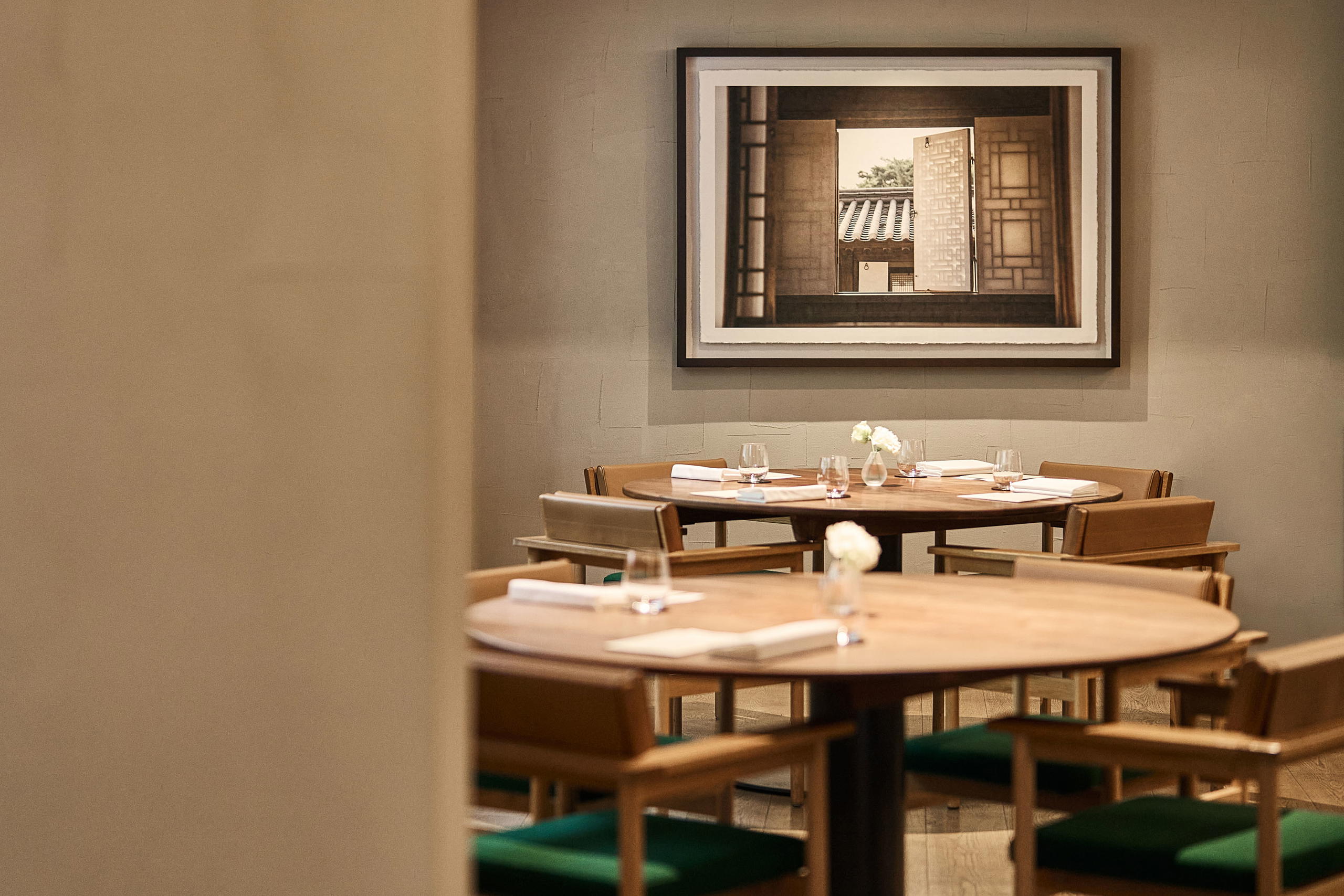
Mingles is a restaurant in Seoul's Gangnam district.
Inatô
Makati, Philippines
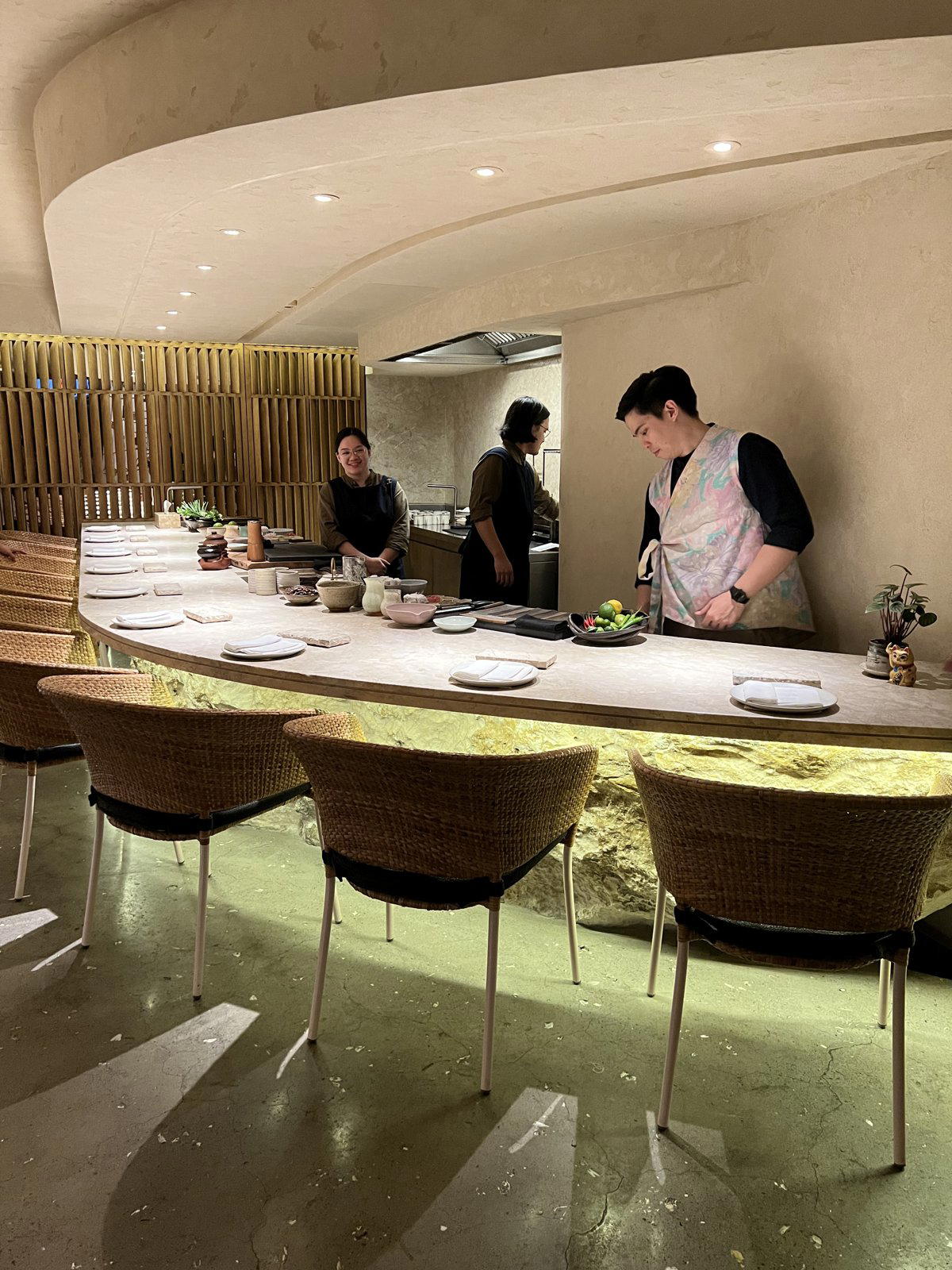
Inatô is Makati's Michelin-starred modern Filipino restaurant; Tatler's Restaurant of the Year 2025 and Best Service winner 2026. It is the hardest reservation in the neighbourhood right now, and worth the effort for a special occasion or counter seat. Book well ahead via inato.ph; weekend tables fill fast since the Michelin announcement.
L'Amant Secret
Seoul, South Korea
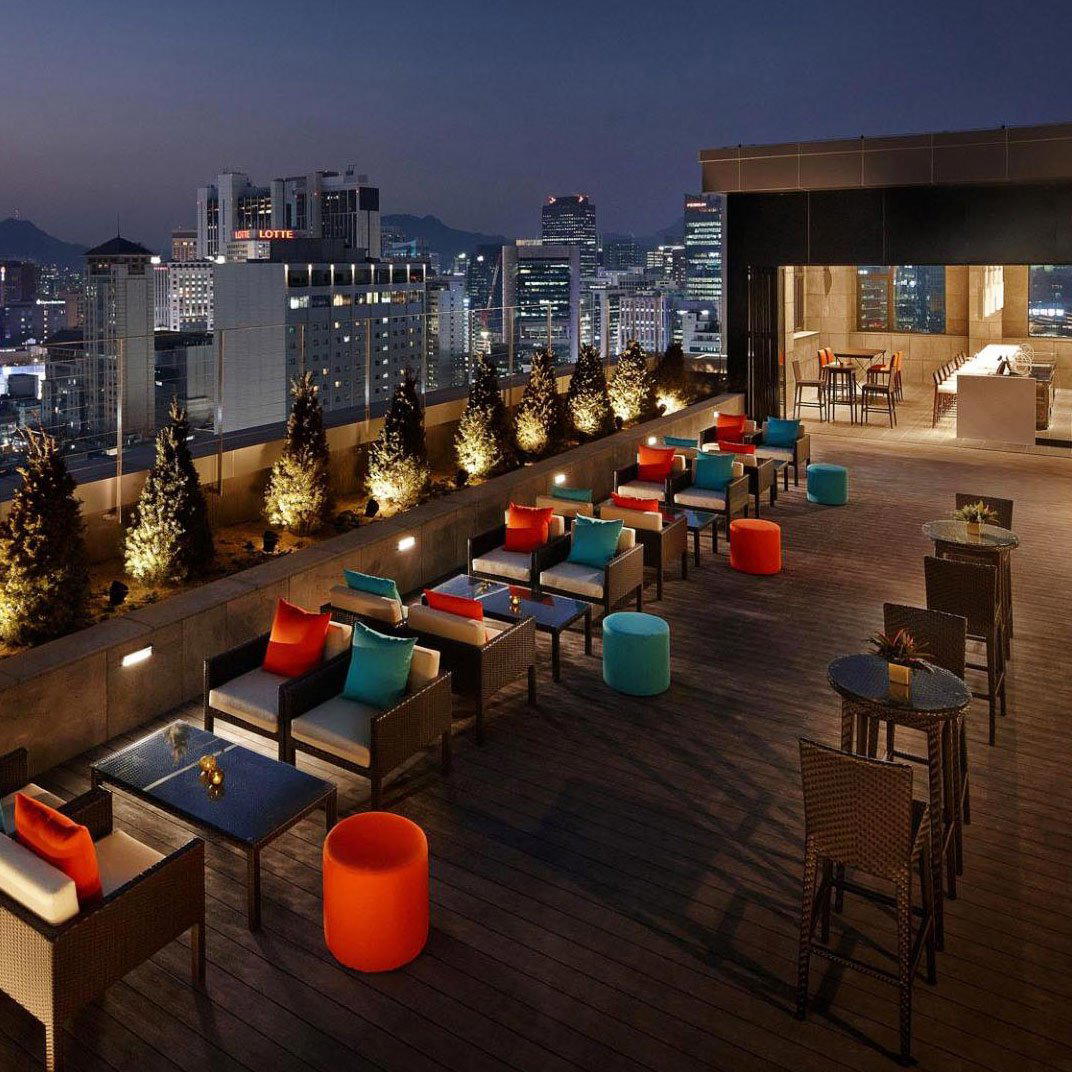
L'Amant Secret holds a Michelin star and an 88-point La Liste ranking for Chef Son Jong-won's contemporary French cooking built on Korean seasonal ingredients; not just for its Jacques Garcia-designed room on the 26th floor of L'Escape Hotel. Book lunch Tuesday through Saturday for the better value entry; plan three to four weeks out at minimum. This is a hard reservation at the top of Seoul's fine dining tier.
Amber
Hong Kong, Hong Kong
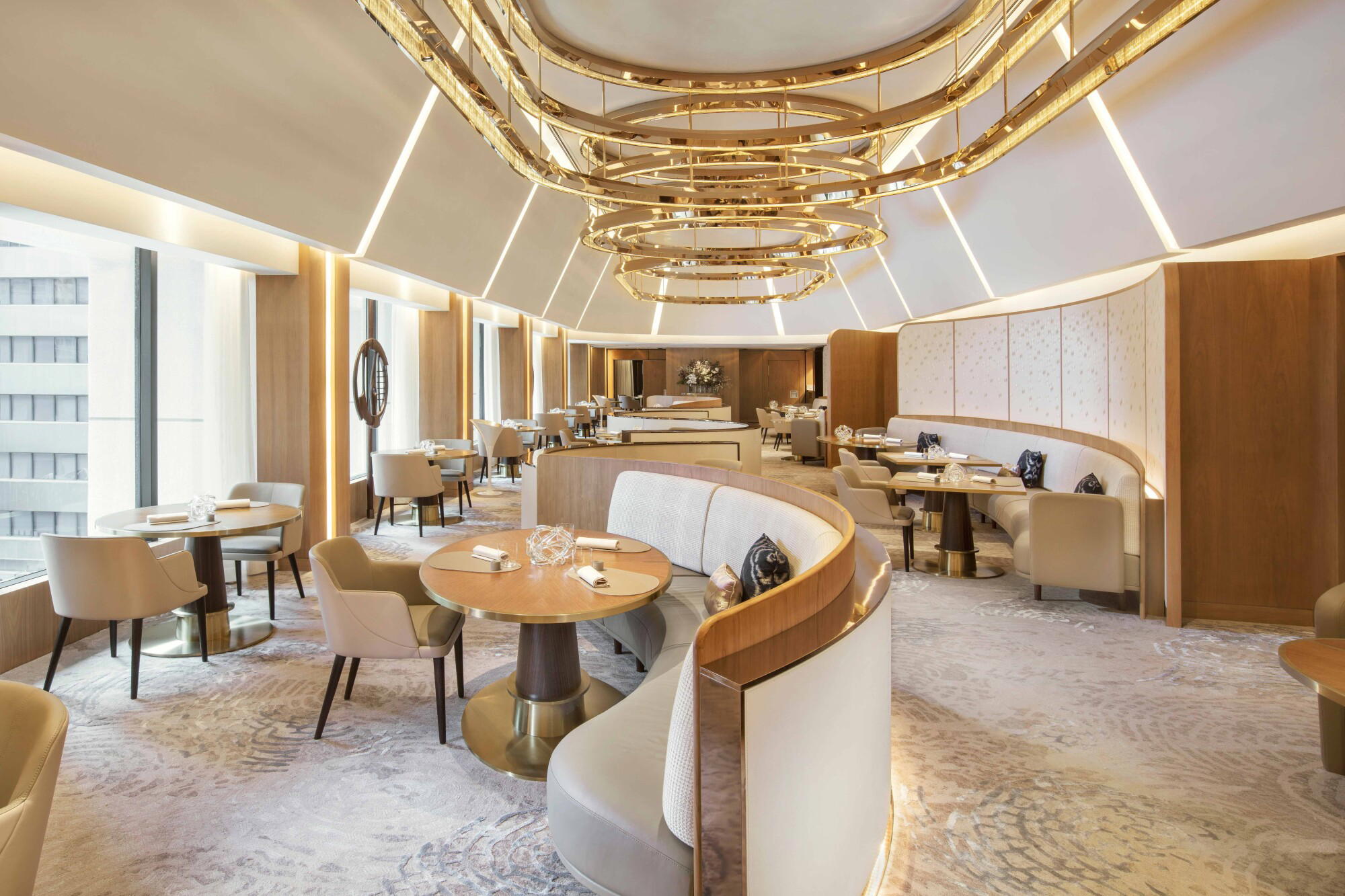
Amber serves modern French cuisine at Mandarin Oriental The Landmark in Hong Kong.
Sézanne
Tokyo, Japan
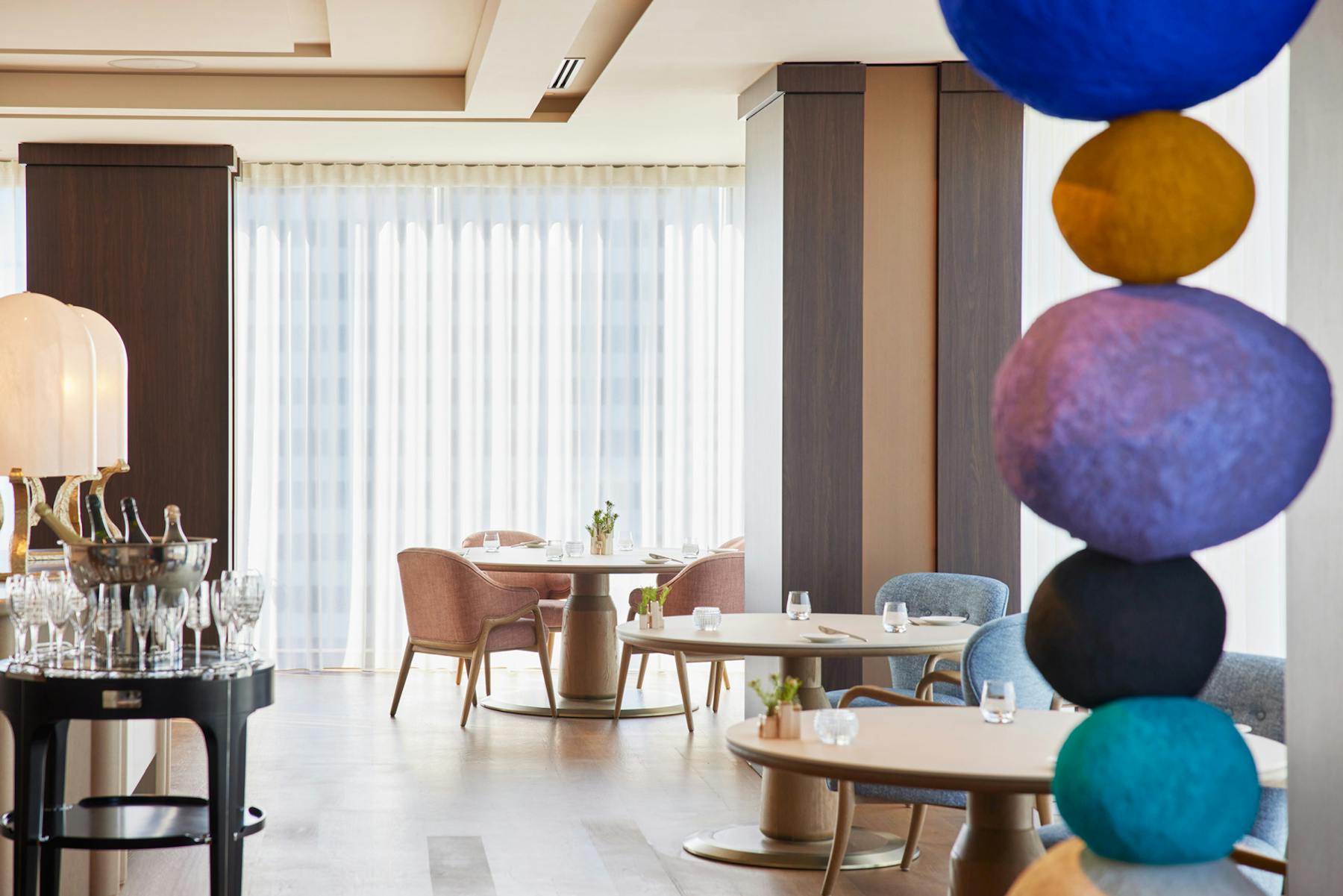
Sézanne serves French cuisine at Four Seasons Hotel Tokyo at Marunouchi.
Sühring
Bangkok, Thailand
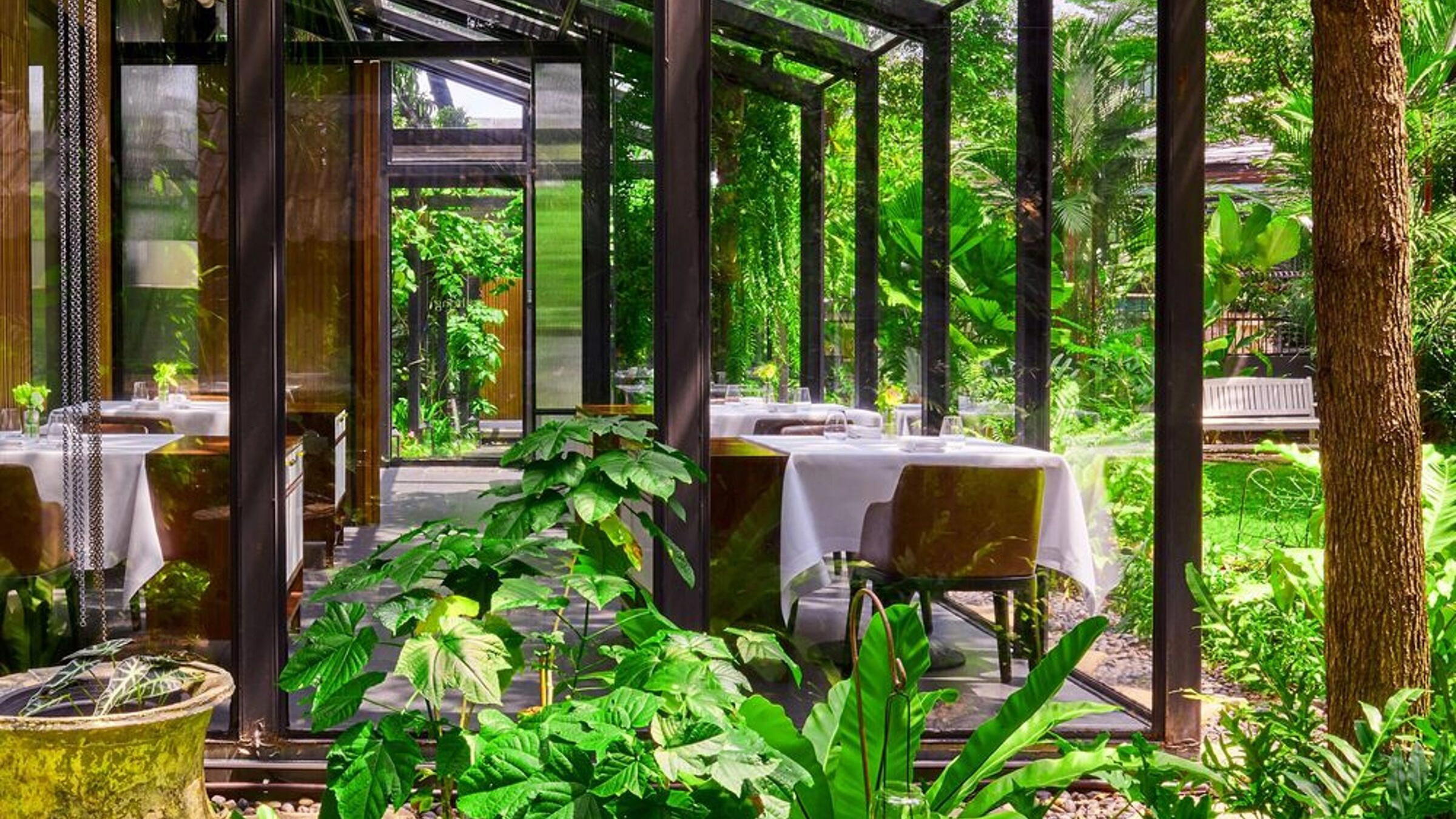
Sühring is a restaurant in Bangkok founded by Thomas and Mathias Sühring.
Born and Bred
Seoul, South Korea
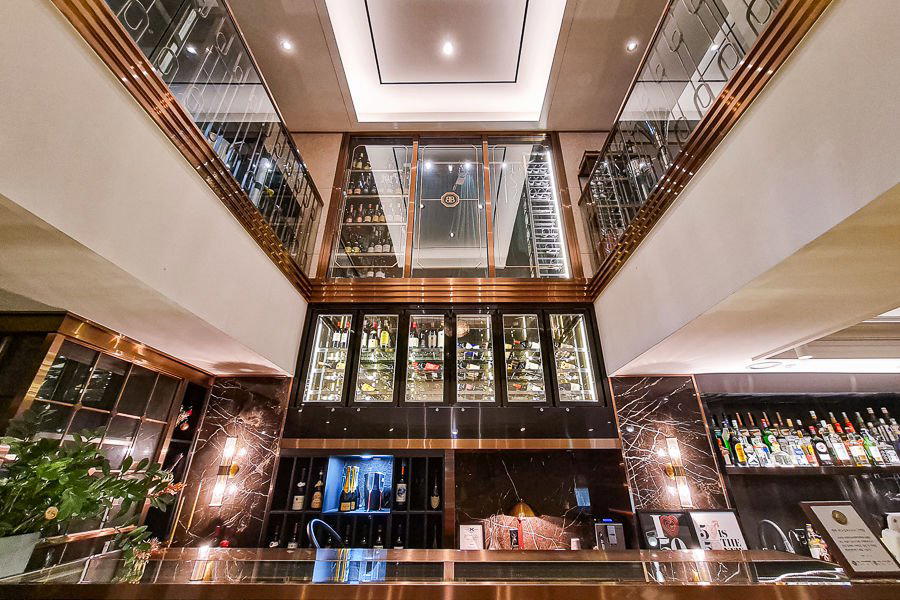
Born and Bred is one of Seoul's most sourcing-focused Hanwoo beef restaurants, with direct ties to Majang-dong market and four distinct dining concepts across as many floors; from casual burgers to a chef's choice tasting menu. Named to Tatler Best Restaurants Asia-Pacific 2025, it is the right call for a special-occasion beef-focused dinner. Decide your floor before booking.
Restaurant LING LONG
Shanghai, China
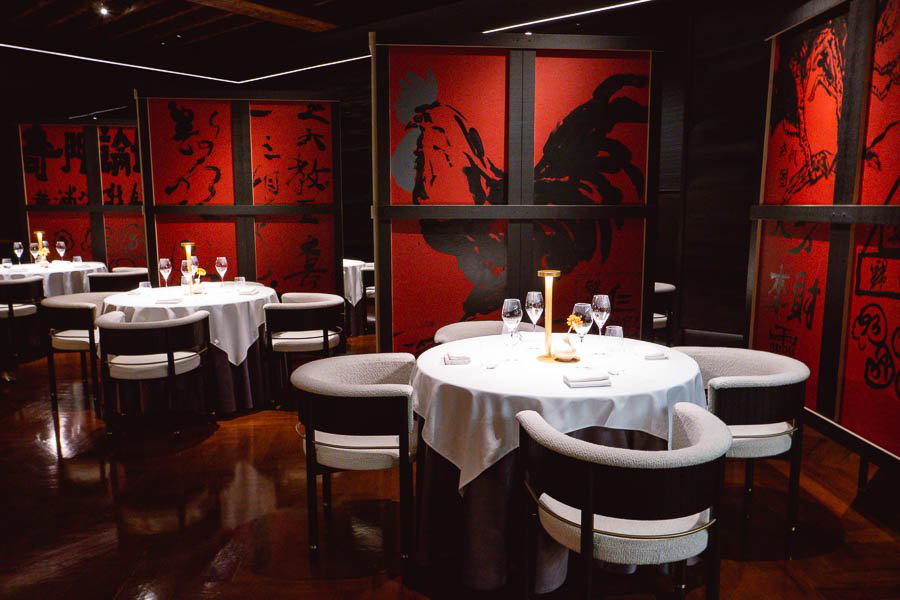
LING LONG, the acclaimed second outpost of chef Jason Liu's Chinese fine-dining concept, sits at the Waldorf Astoria on the Bund and holds a place on the Tatler Best Restaurants Asia-Pacific 2025 list. The kitchen reinterprets Chinese cuisine through local ingredient sourcing and Western technique. Booking difficulty is low for this tier, making it one of Shanghai's more accessible prestige tables.
La Cime
Osaka, Japan
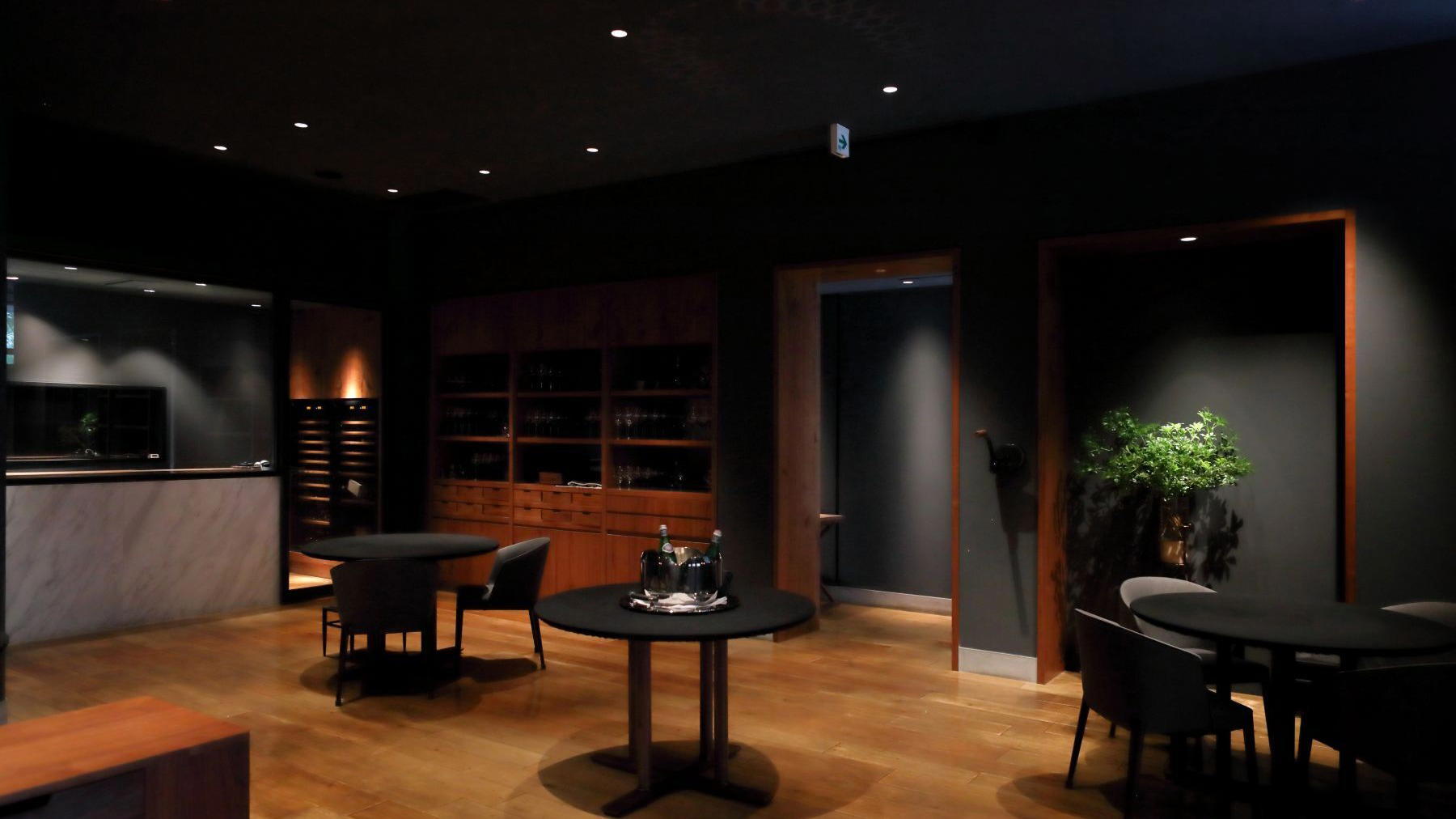
La Cime is a French restaurant in Osaka led by chef Yusuke Takada.
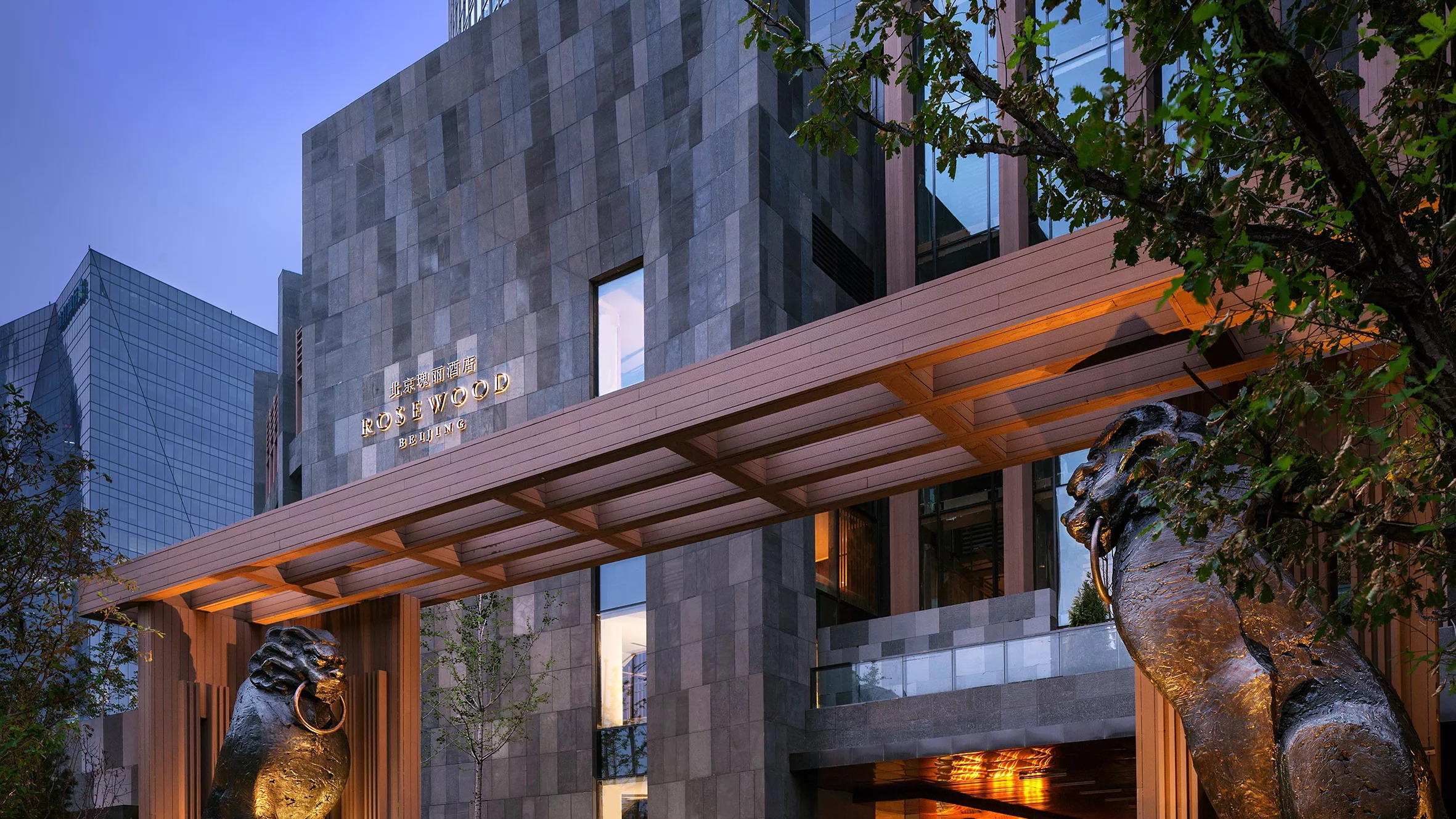
Lamdre
Beijing, China
Lamdre is a restaurant in Beijing's Chaoyang District.
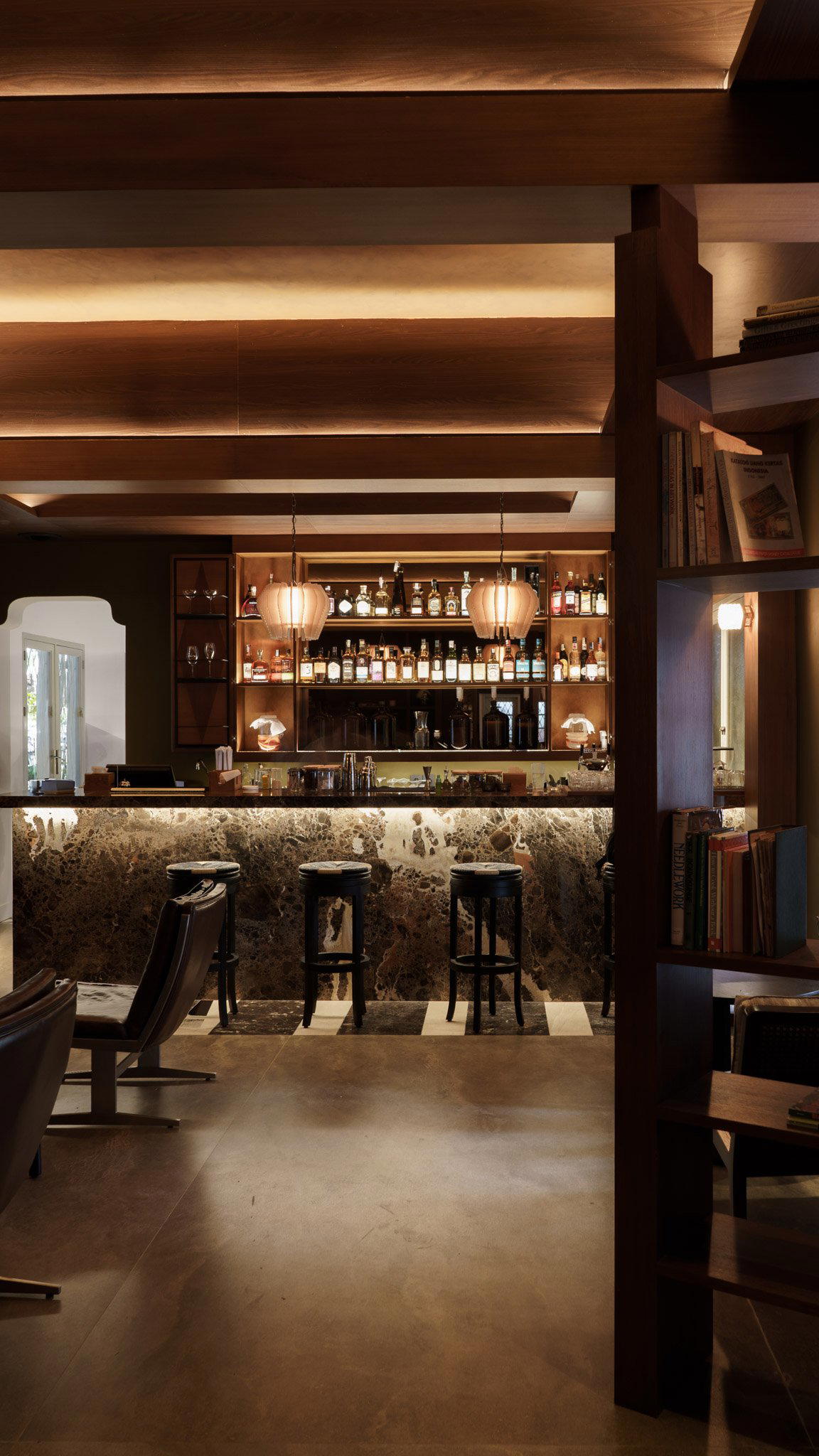
Kindling
Jakarta, Indonesia
Kindling, listed in Tatler's Best Restaurants Asia-Pacific 2025, brings French technique and Asian sourcing to Menteng, central Jakarta. Operated by the Biko Group with a reputation for ingredient-led cooking, it's a credible choice for a focused dinner or a return visit to dig deeper into the seasonal menu. Booking is easy; midweek evenings are the practical call.
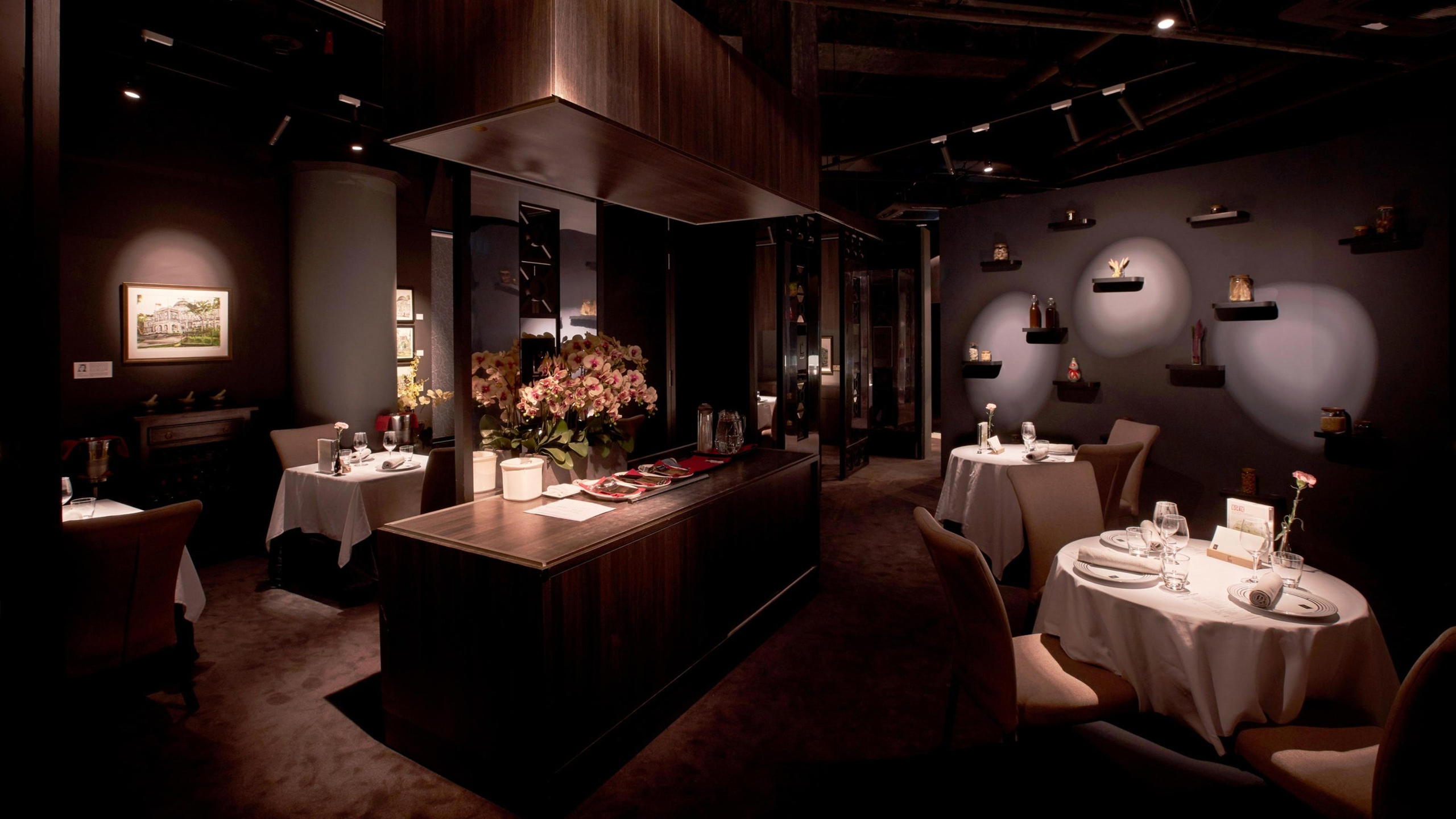
Labyrinth
Singapore, Singapore
Labyrinth holds a Michelin star, an Asia's 50 Best ranking (#37 in 2025), and one of Singapore's most sought-after reservations. Chef LG Han's set menu reconstructs Singaporean hawker classics using high-quality local ingredients and precise technique. At $$$, it is the strongest option in the city for modern Singaporean cuisine; book several weeks ahead and expect near-impossible availability on short notice.
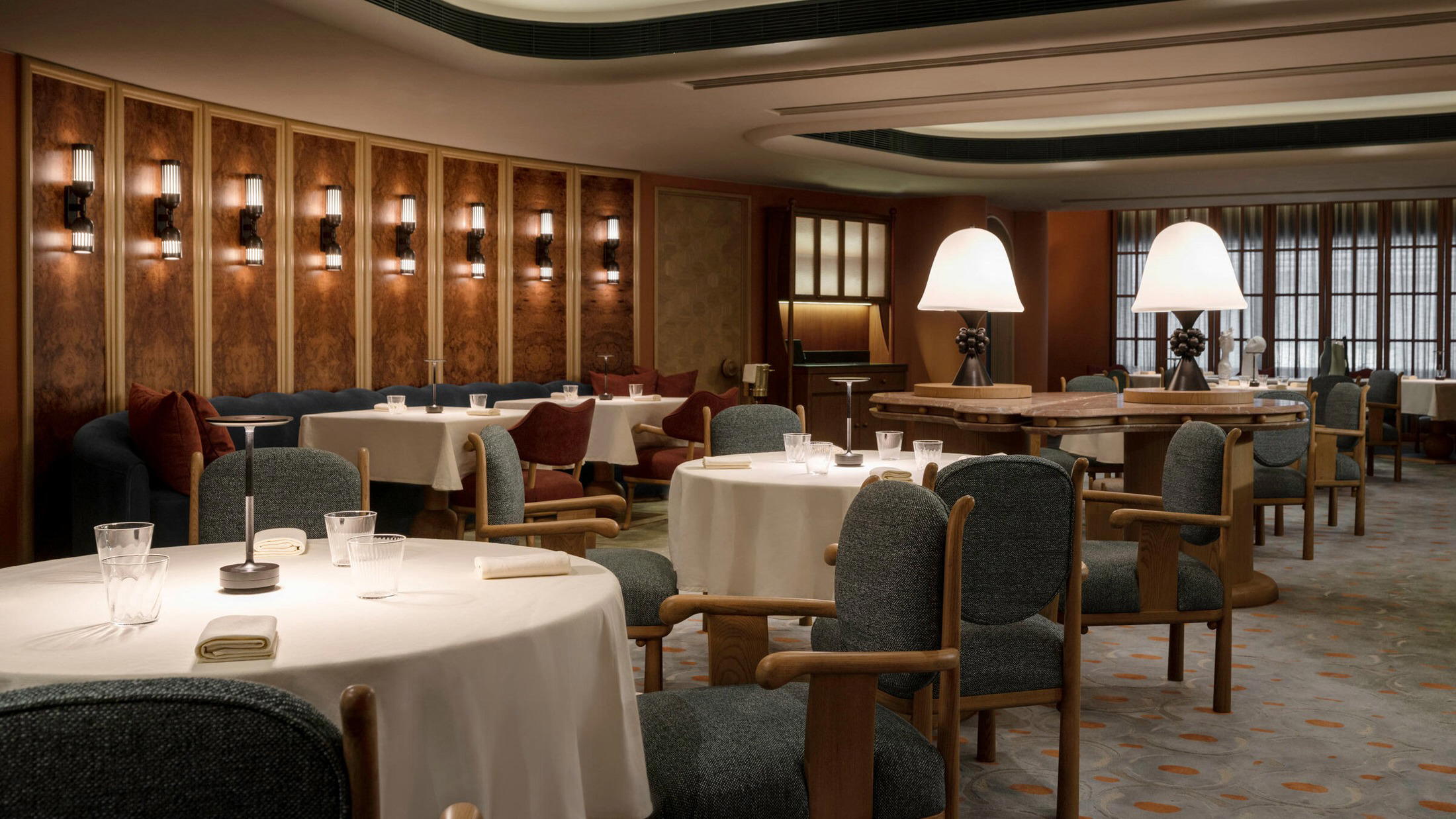
Estro
Hong Kong, Hong Kong
Estro is Antimo Maria Merone's Italian restaurant in Central, Hong Kong.
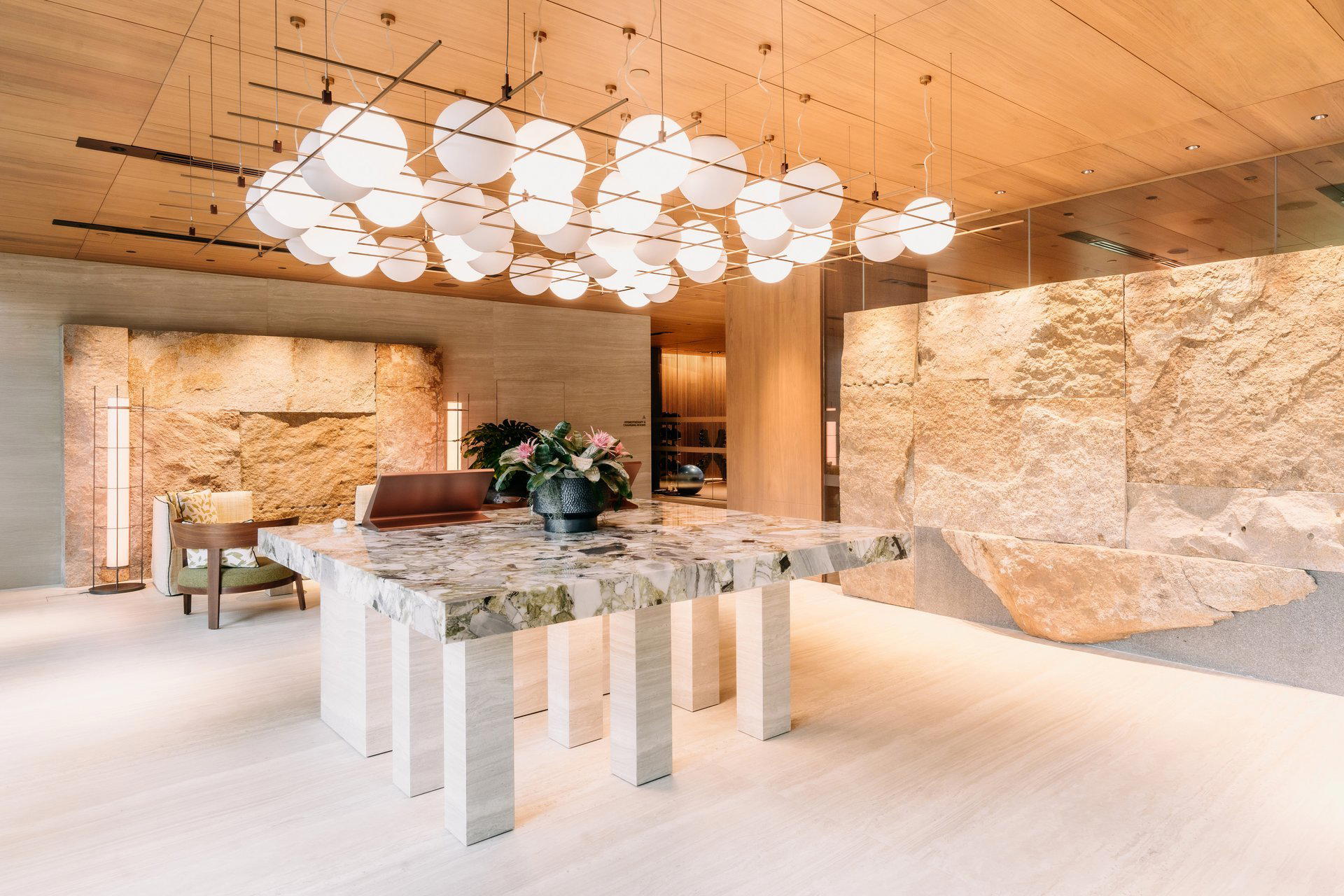
The Albion by Kirk Westaway
Ho Chi Minh City, Vietnam
The Albion by Kirk Westaway is Ho Chi Minh City's most decorated Western dining room, holding a 2025 Michelin Plate and Tatler's Vietnam Restaurant of the Year. On the 23rd floor of Hôtel des Arts Saigon, the 60-seat room serves contemporary British cooking at ₫₫₫; book the tasting menu, request a window table, and go in the evening.
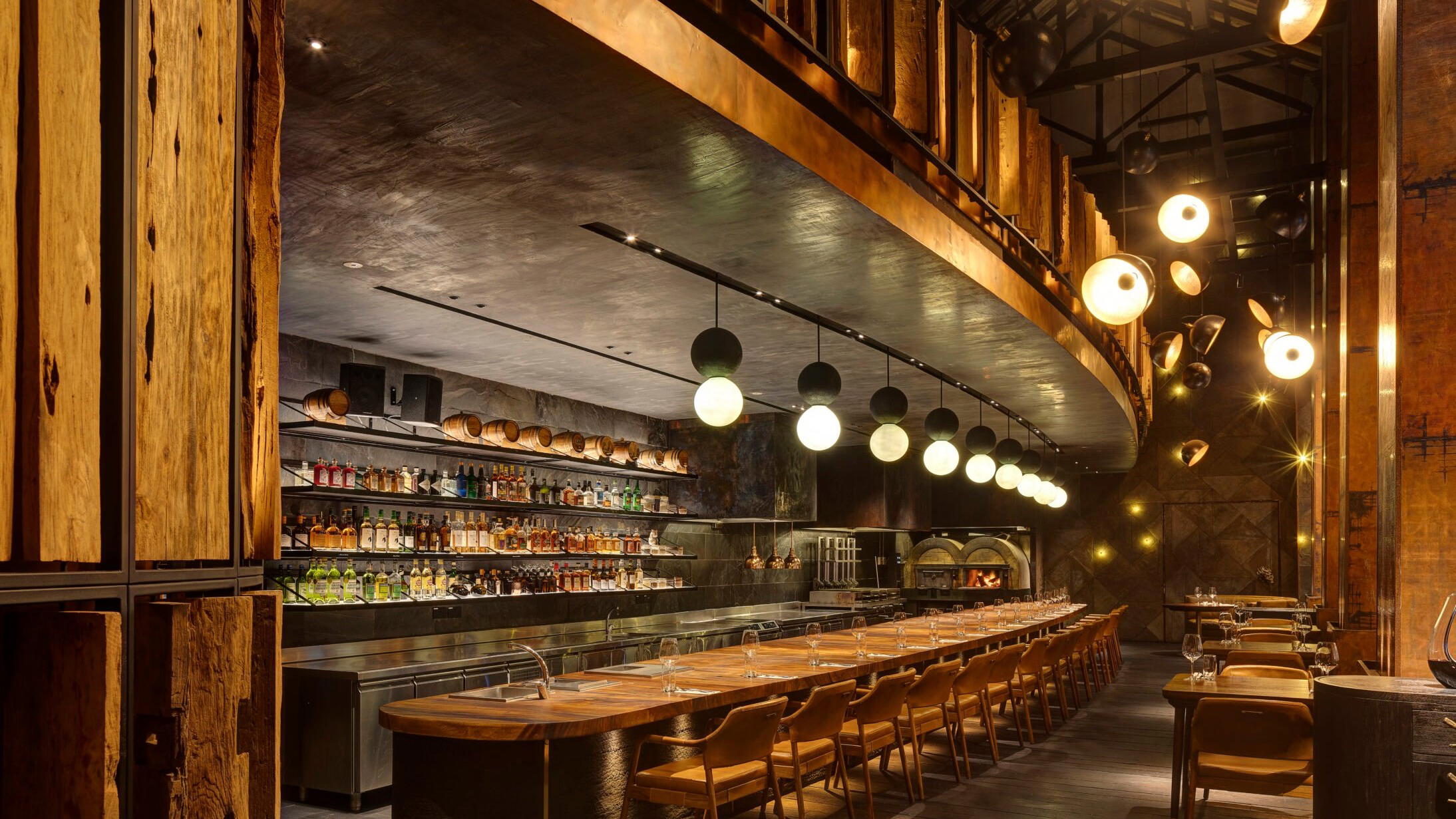
Burnt Ends
Singapore, Singapore
Burnt Ends is a Singapore restaurant centered on cooking with custom ovens and a brick kiln.
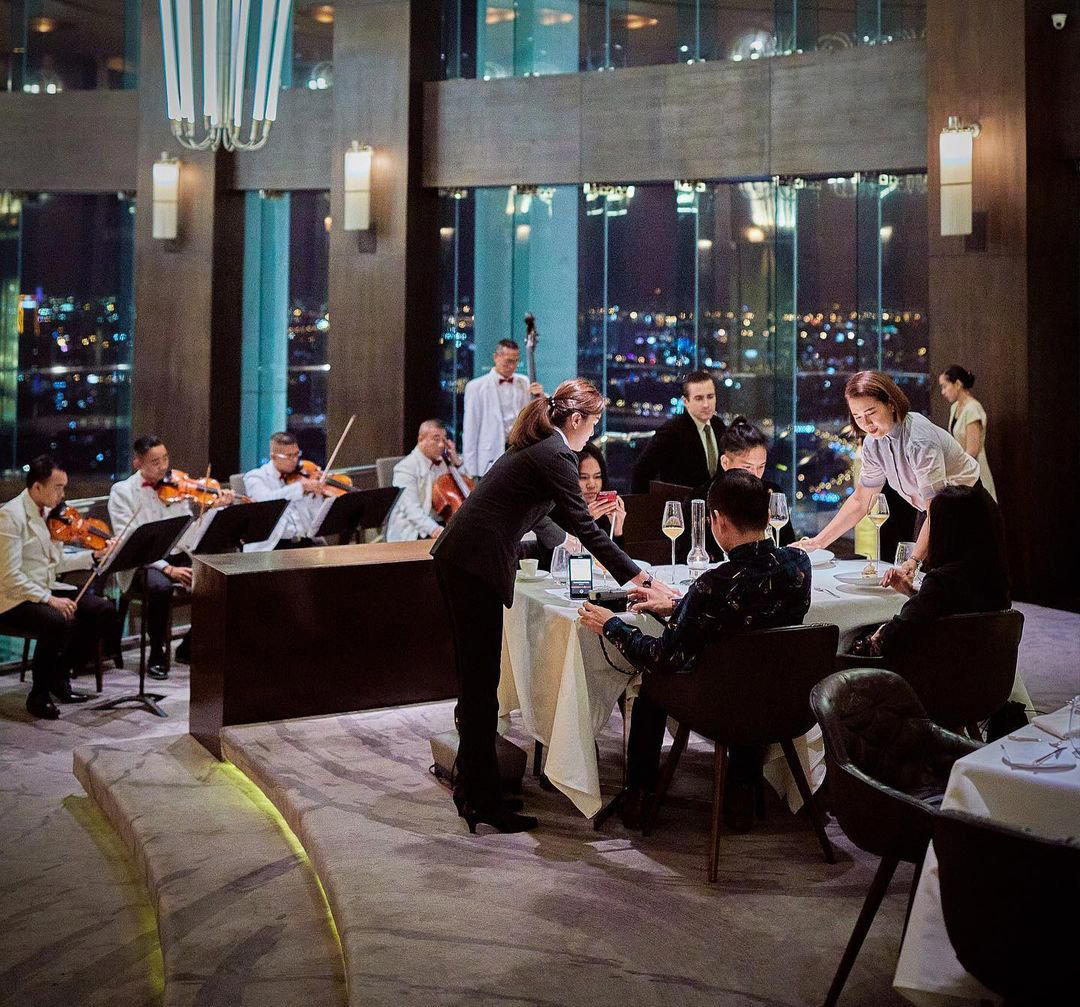
Mezzaluna
Bangkok, Thailand
Mezzaluna is a restaurant at State Tower in Bangkok.
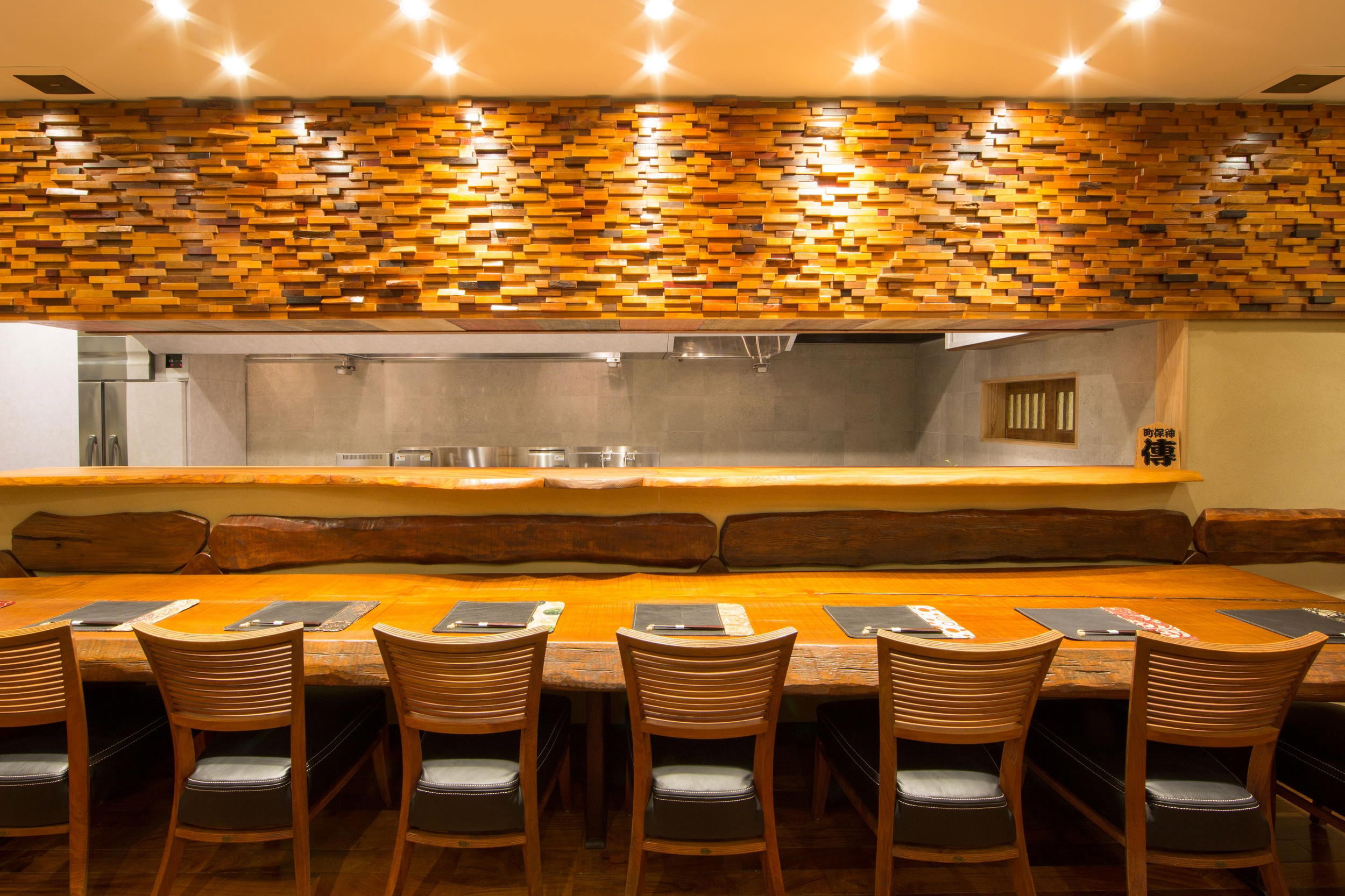
Den
Tokyo, Japan
Den is a Japanese restaurant in Jingumae, Tokyo, led by chef Zaiyu Hasegawa.
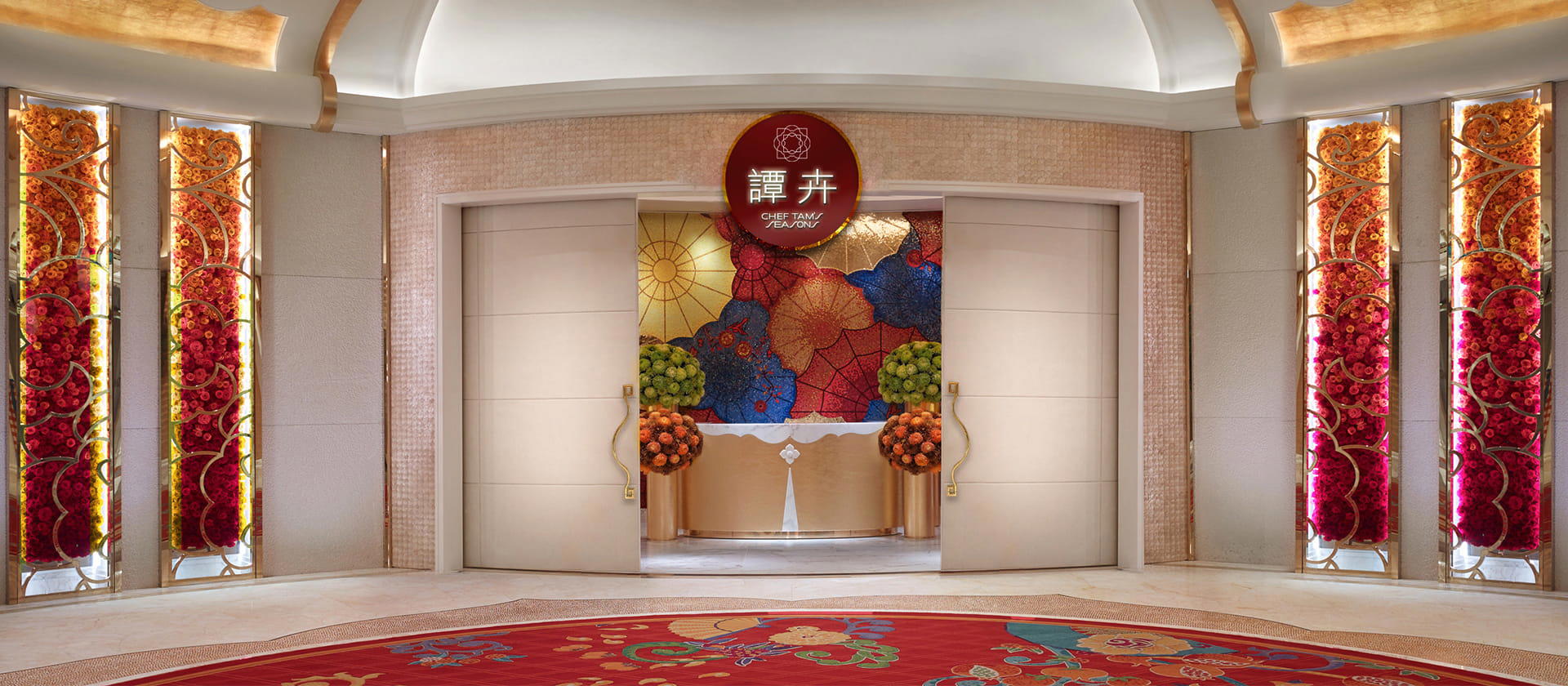
Chef Tam's Seasons
Macau, Macau
Chef Tam's Seasons is a restaurant by chef Tam Kwok Fung at Wynn Palace in Macau.
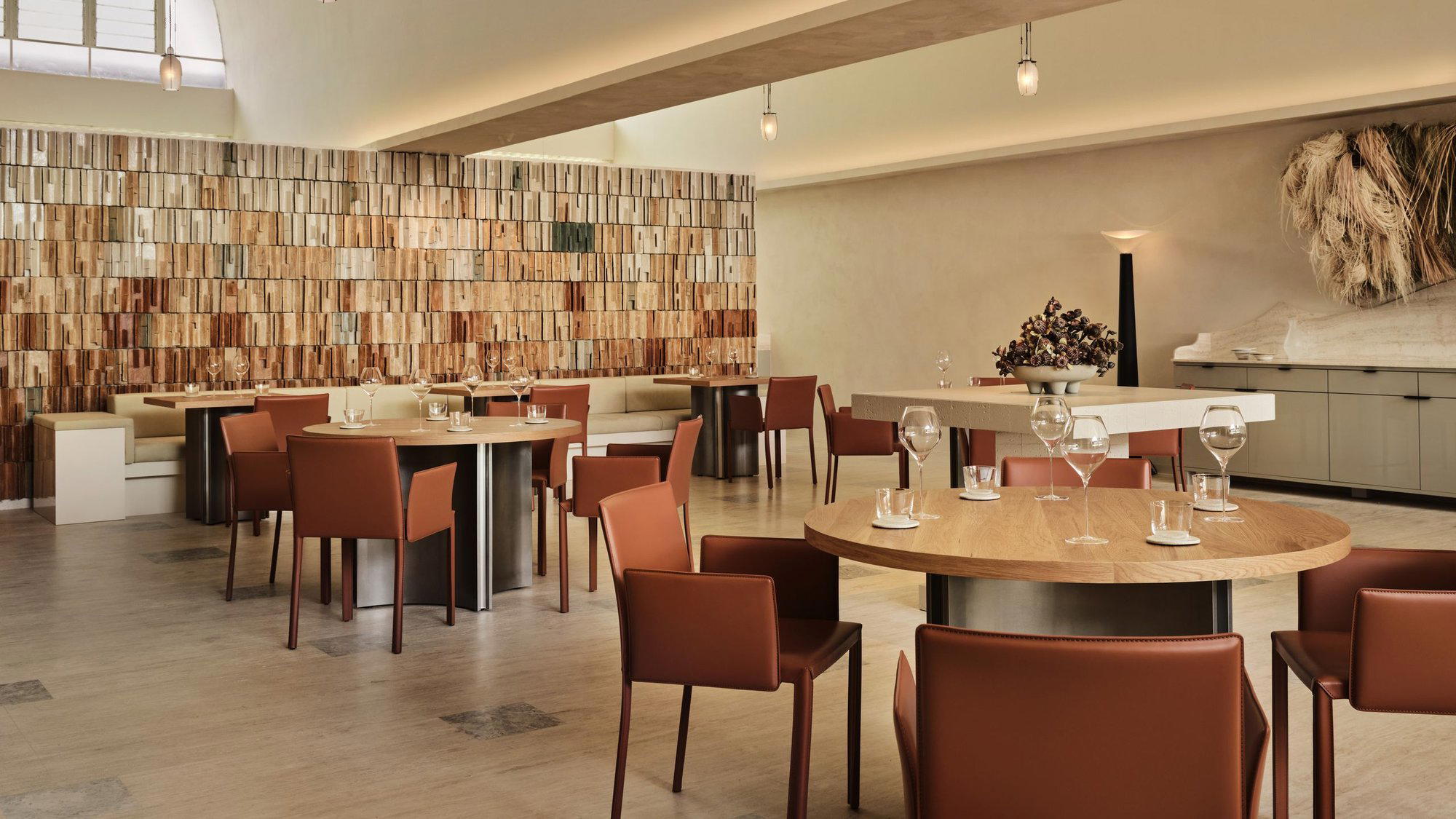
Somma
Singapore, Singapore
Somma is the Italian fine dining return of chef Mirko Febbrile, operating from New Bahru's School Block on Kim Yam Road. It won both Best New Restaurant and Best Service at the Tatler Best Restaurants Asia-Pacific 2025 awards; a strong early signal for a room with a sourcing-driven menu and notably polished front-of-house. Book if Italian tasting-menu format is your preference and you want a quieter, more considered room than Singapore's louder fine dining venues.
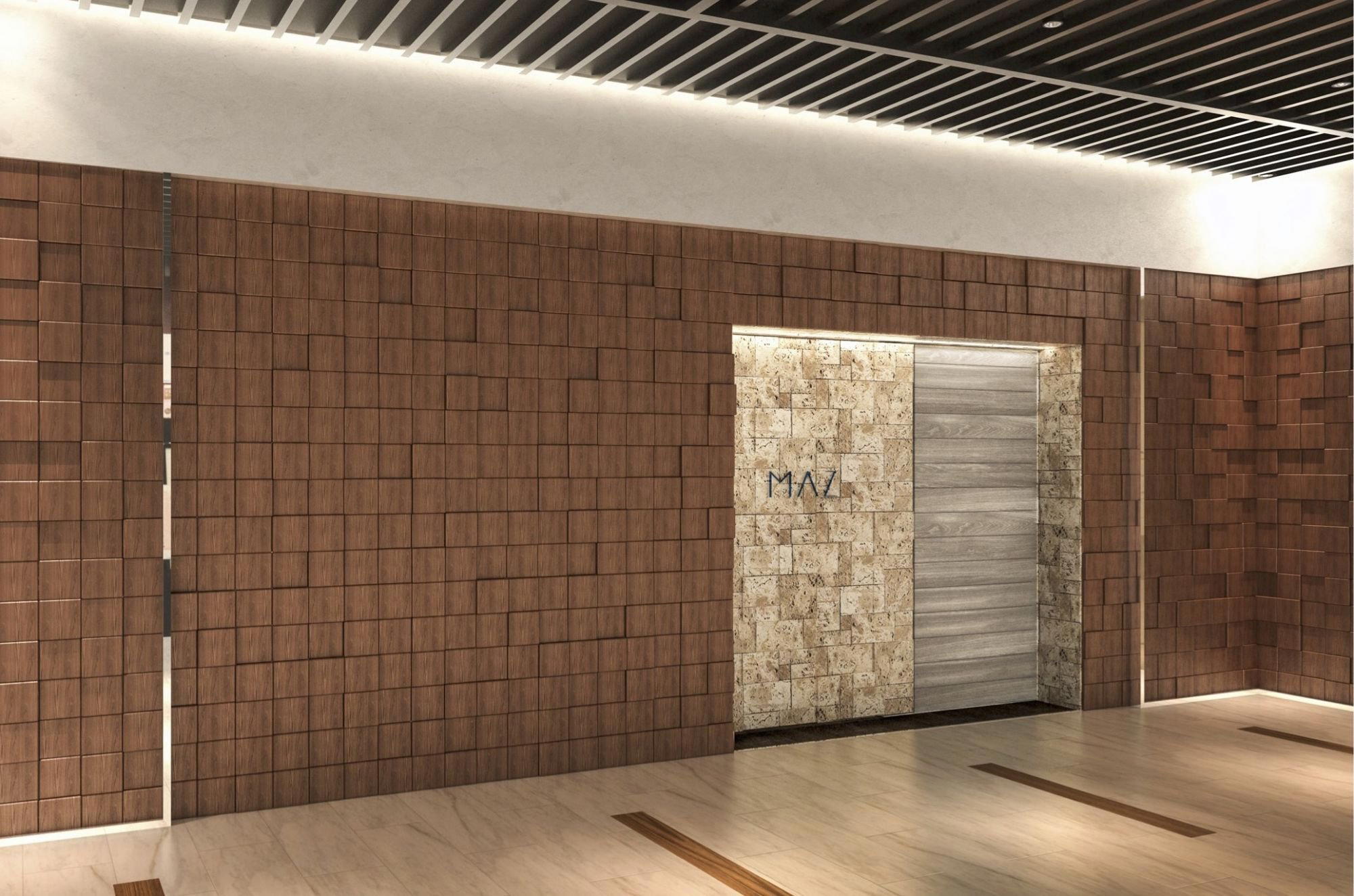
MAZ
Tokyo, Japan
MAZ is a restaurant in Tokyo's Kioicho district.
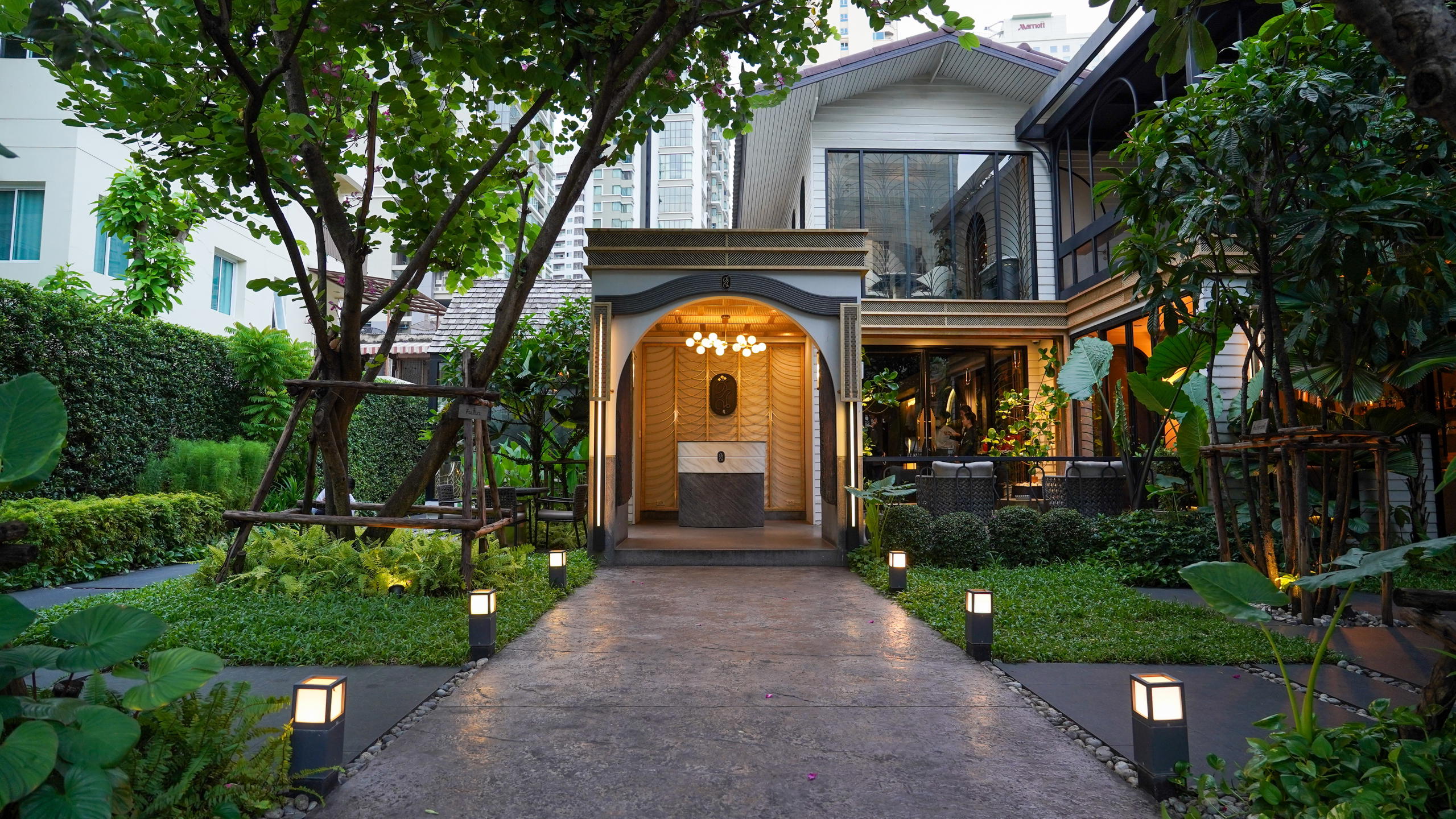
Sorn
Bangkok, Thailand
Sorn is a Southern Thai restaurant in Bangkok.
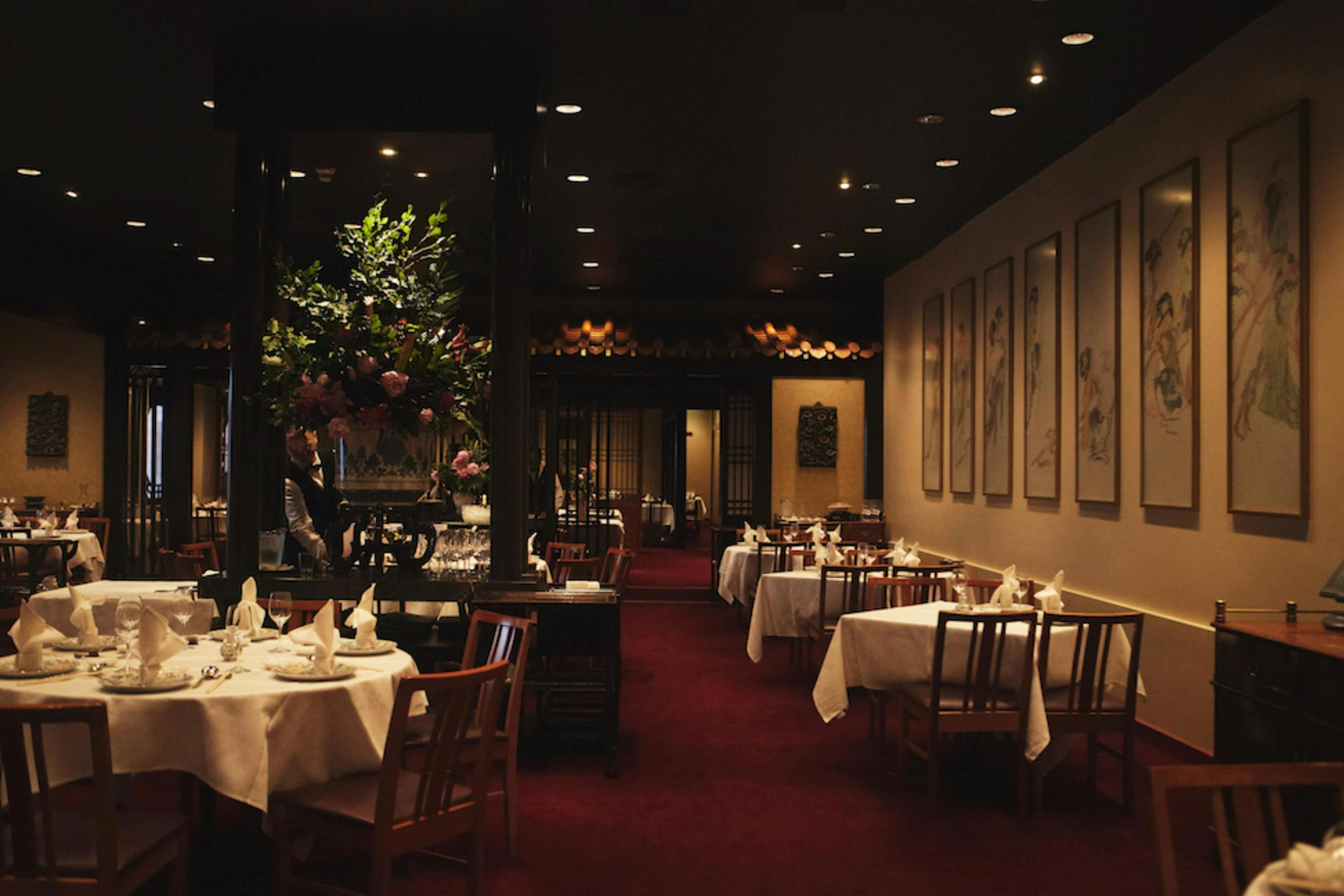
Flower Drum
Melbourne, Australia
Flower Drum is Melbourne's long-standing benchmark for refined Cantonese dining, recognised on the Tatler Best Restaurants Asia-Pacific 2025 list. Book for a special occasion lunch or dinner when serious cooking and a composed dining room matter more than novelty. Weekday lunch is the optimal session; reservations are recommended and easy to secure.
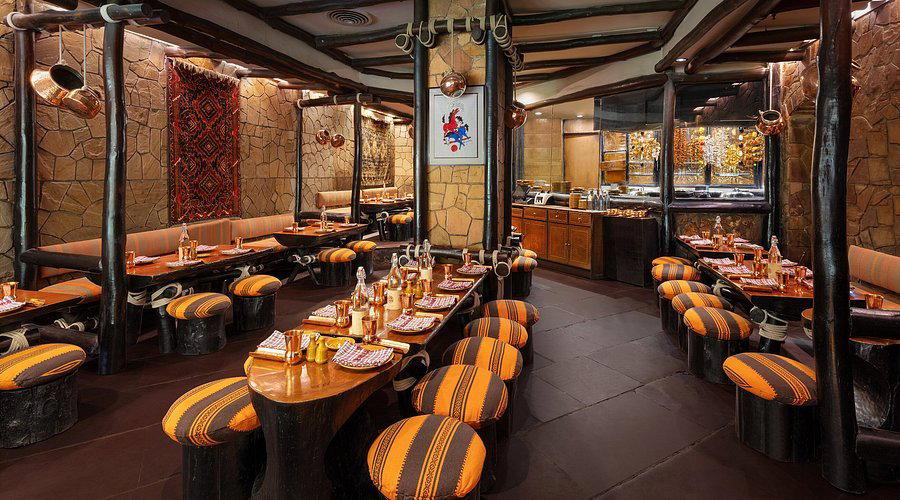
Bukhara
New Delhi, India
Bukhara at ITC Maurya is New Delhi's reference point for North West Frontier tandoor cooking, recognised by La Liste (76pts in 2026) and Tatler Asia's Best Restaurants Asia-Pacific 2025. Book it for the Dal and the fire cooking, not the wine program. Weekday lunch is the quieter, more conversational option; weekends fill fast and carry a celebratory energy that suits special occasions.
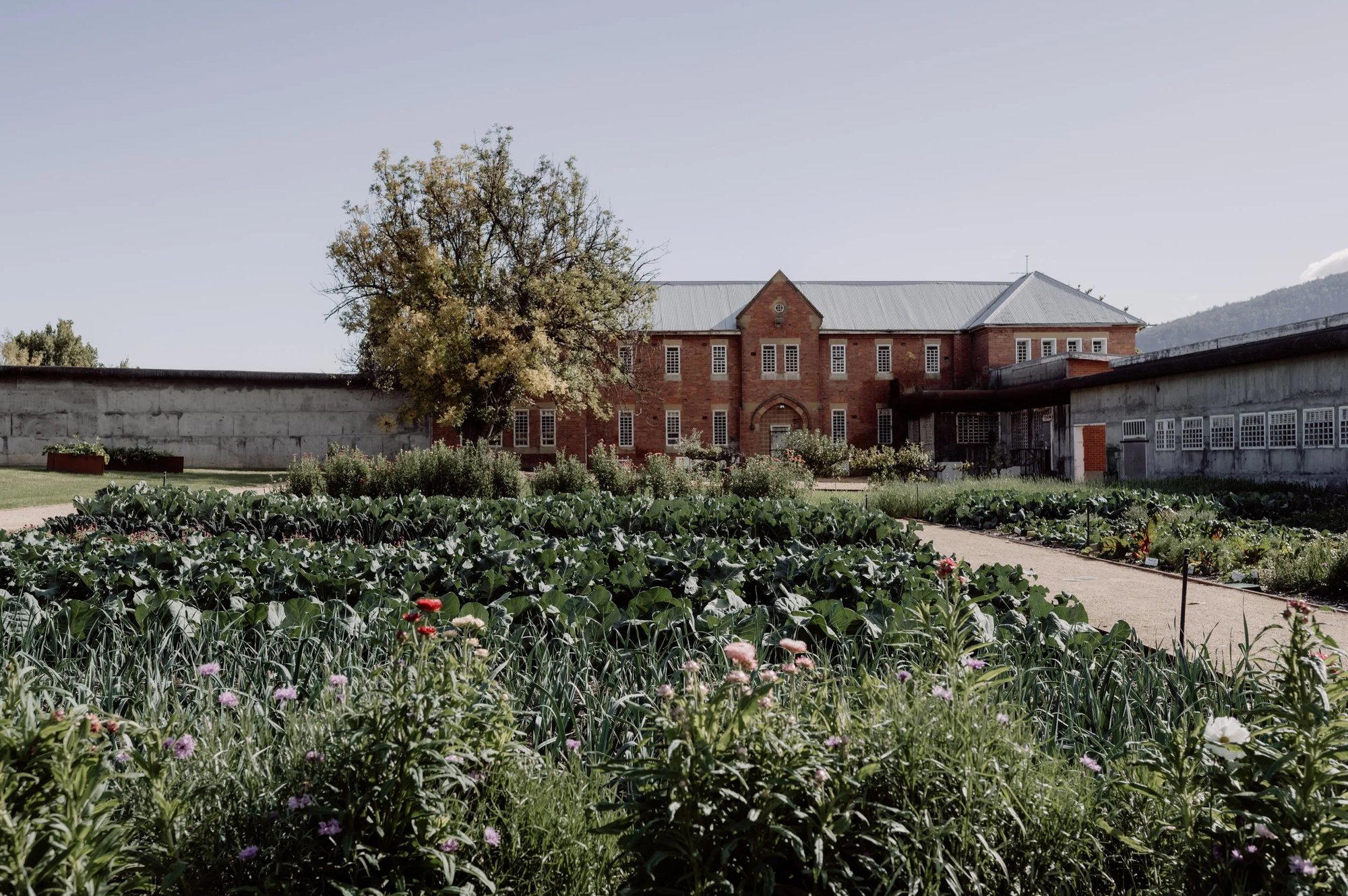
Agrarian Kitchen
Hobart, Australia
Agrarian Kitchen sits in a converted 19th-century asylum in New Norfolk, 38km from Hobart, where chef Rodney Dunn builds the menu around a working kitchen garden. Named on Tatler's Best Restaurants Asia-Pacific 2025 list, it is easy to book relative to its award tier. Worth the drive for food-focused travellers; not a late-night or city-convenience option.
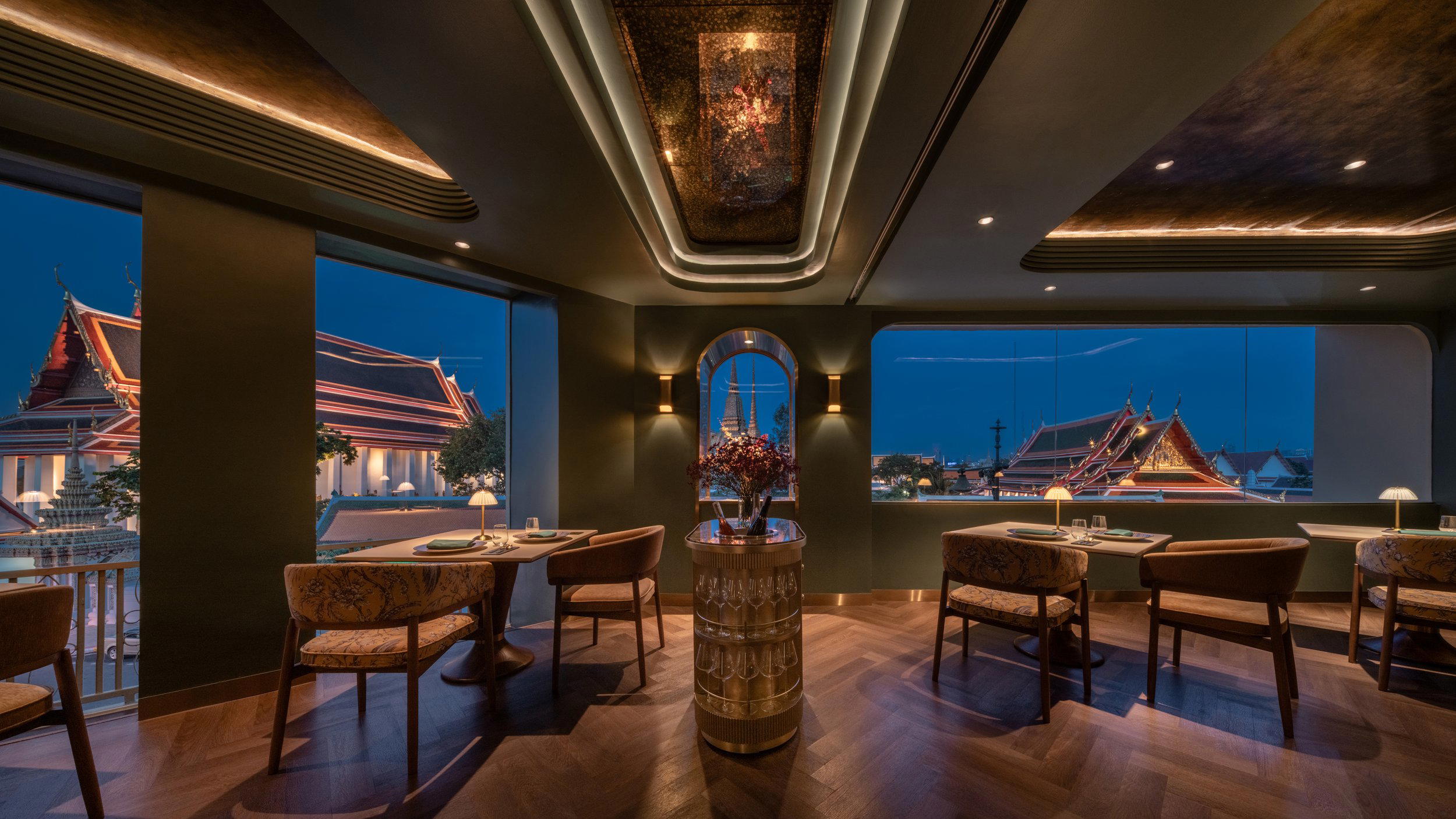
Nusara
Bangkok, Thailand
Nusara is a restaurant on Maha Rat Road in Bangkok.
Au Jardin
George Town, Malaysia
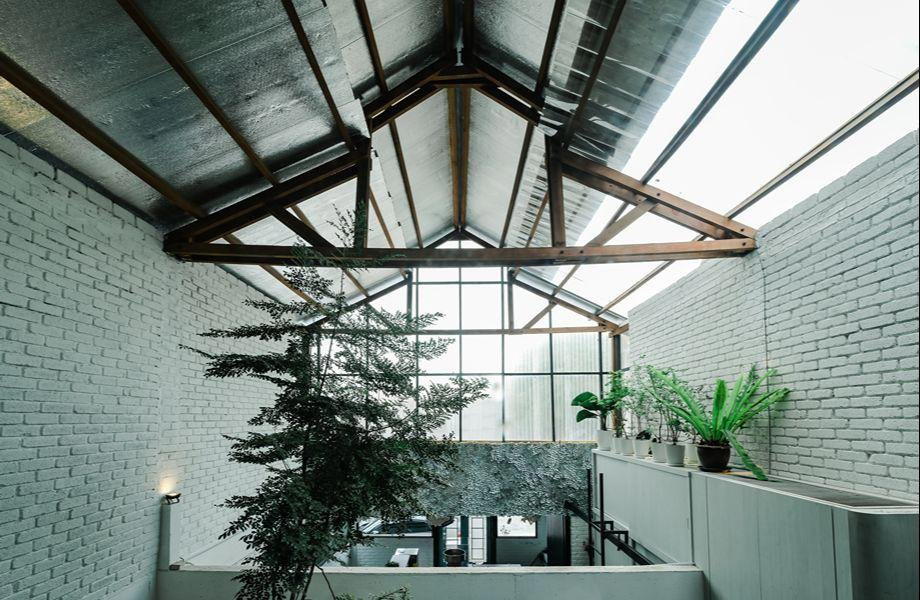
Au Jardin is a restaurant on Jalan Timah in George Town, Penang.
Locavore NXT
Ubud, Indonesia
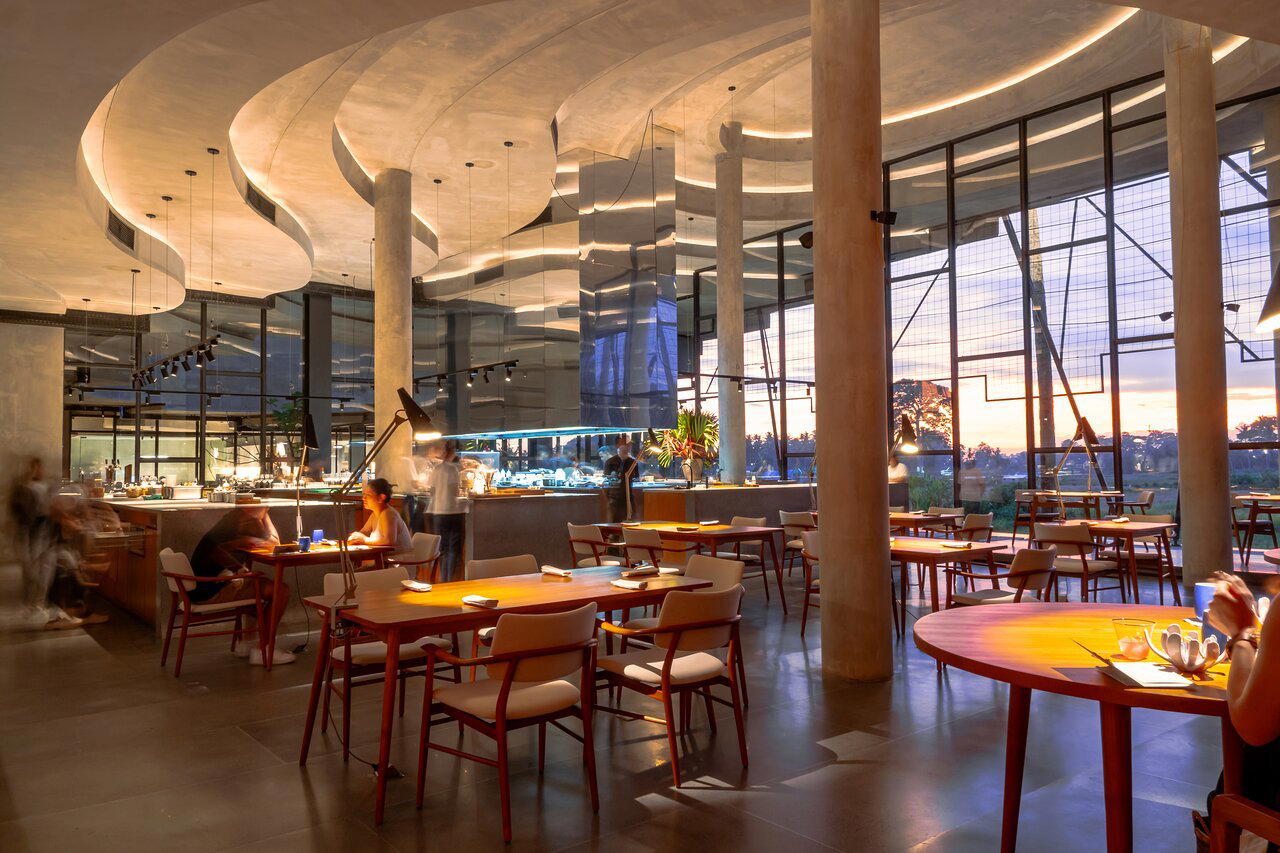
One of the hardest tables in Southeast Asia to get, Locavore NXT (#44 Asia's 50 Best, 2026) earns its reputation through a tasting menu built on Balinese produce and European precision. Book 4–8 weeks out minimum; ideally before your flights. If NXT is full, try Nusantara By Locavore for a more accessible version of the same philosophy.
Le Du Kaan
Bangkok, Thailand
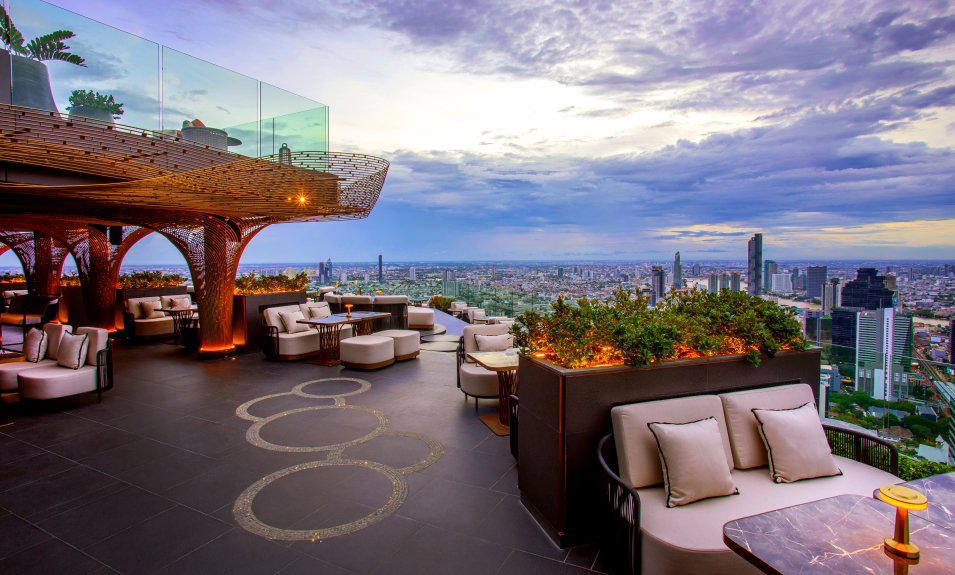
Le Du Kaan occupies the 56th floor of The Empire on South Sathon Road, combining contemporary Thai design with city-high views; a combination that earned it the Tatler Best Restaurants Asia-Pacific 2025 Best Design award. Book it for a special occasion or a sky-bar session early in the evening. Reservations are easy to secure; call ahead to confirm current pricing and menu.
DC. by Darren Chin
Kuala Lumpur, Malaysia
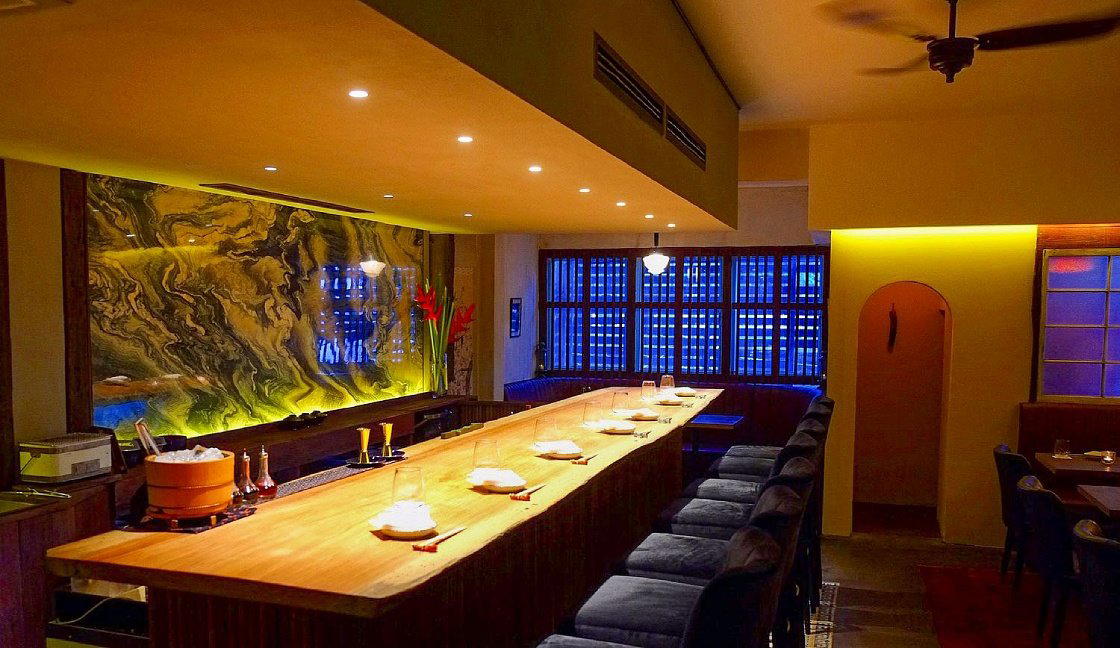
DC. by Darren Chin is Kuala Lumpur's most credentialed French contemporary restaurant; a Tatler Best 20 Asia-Pacific listing for both 2025 and 2026, with an 89-point La Liste score. The three-story TTDI venue runs four-to-seven-course tasting menus, a serious 20-option cheese trolley, and a vegetarian menu. Book at least three to four weeks ahead; demand is high and walk-ins are not realistic.
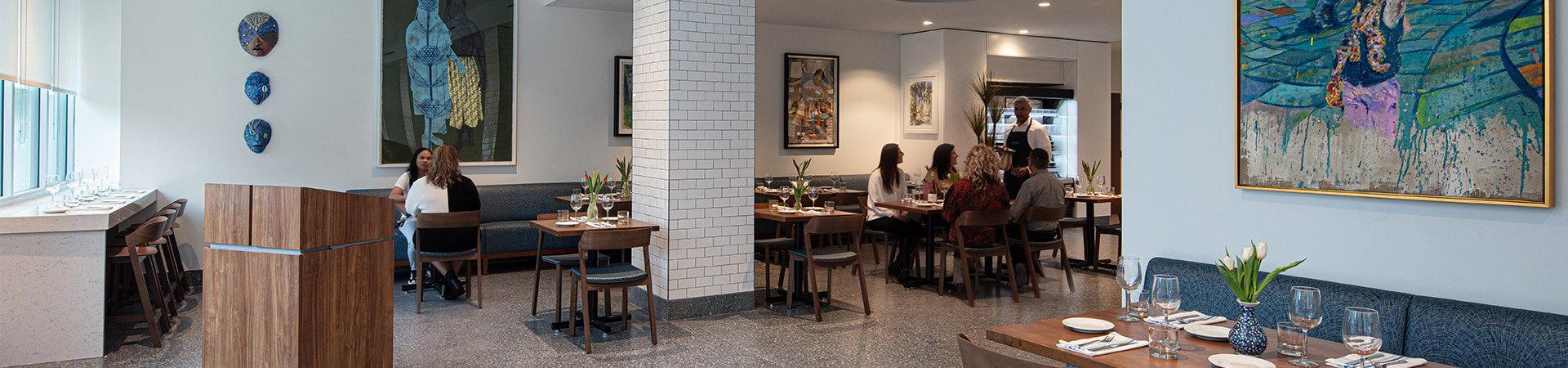
Chapter Dining
Hanoi, Vietnam
Chapter holds the Michelin Selected for both 2024 and 2025, making it one of Hanoi's most consistently recognized fine dining addresses. Chef Quang Dung applies Nordic technique to Vietnamese ingredients at ₫₫₫₫ pricing in the Hoàn Kiếm district. Booking is easier than most peers at this level, which makes it the most practical entry point into Hanoi's serious fine dining scene.
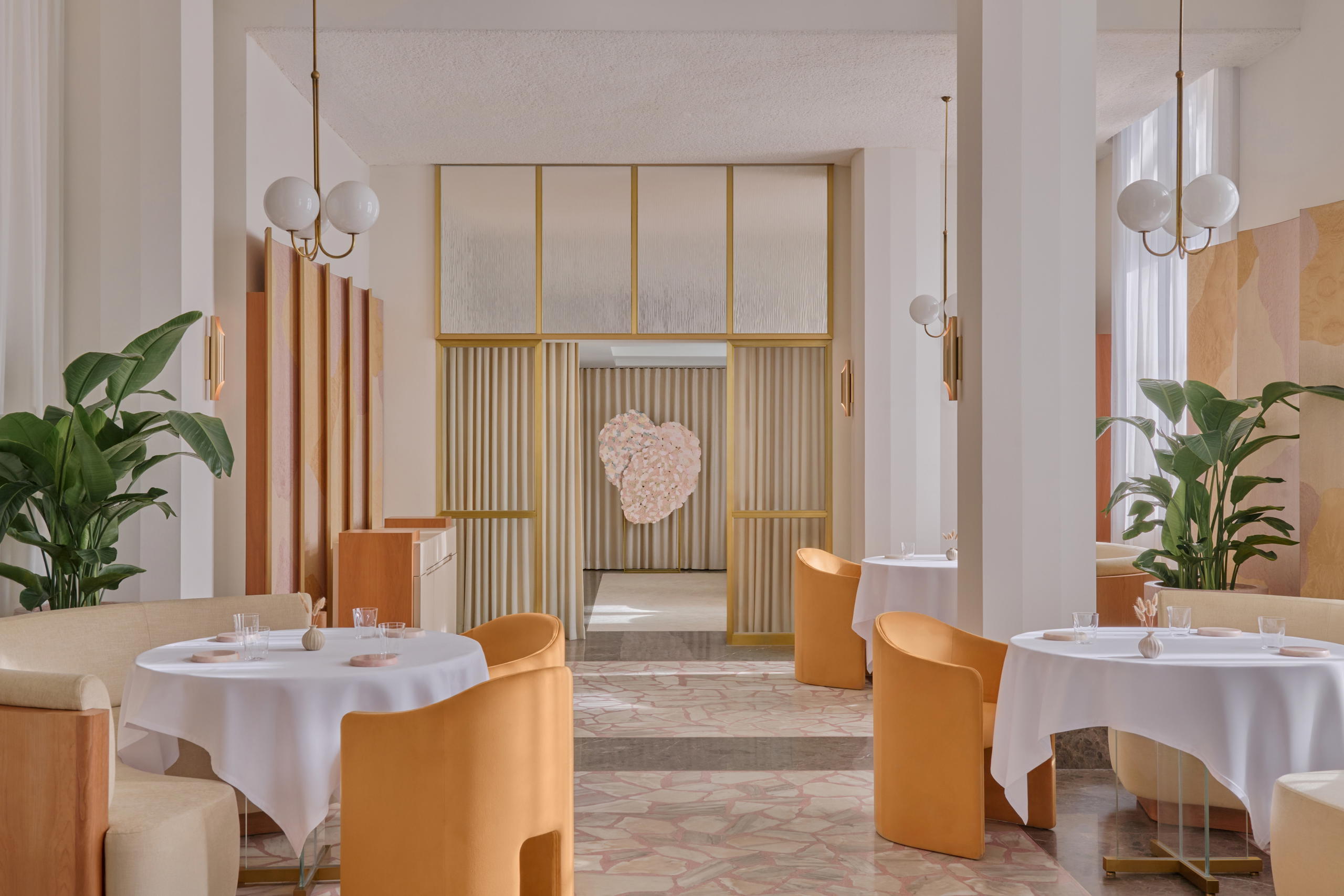
Odette
Singapore, Singapore
Odette is a restaurant at the National Gallery Singapore.
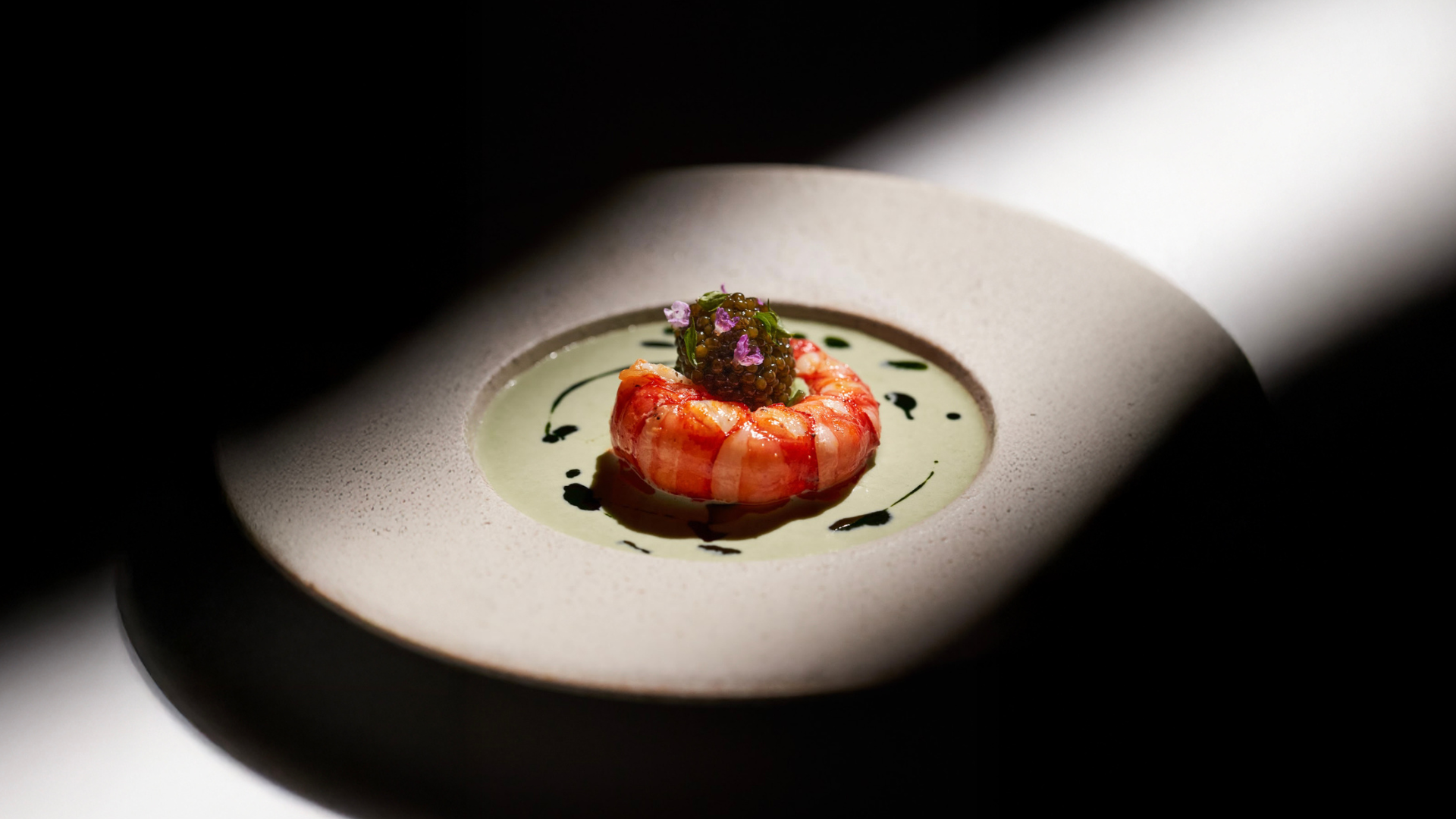
Andō
Hong Kong, Hong Kong
Andō is a restaurant on Wellington Street in Central, Hong Kong.
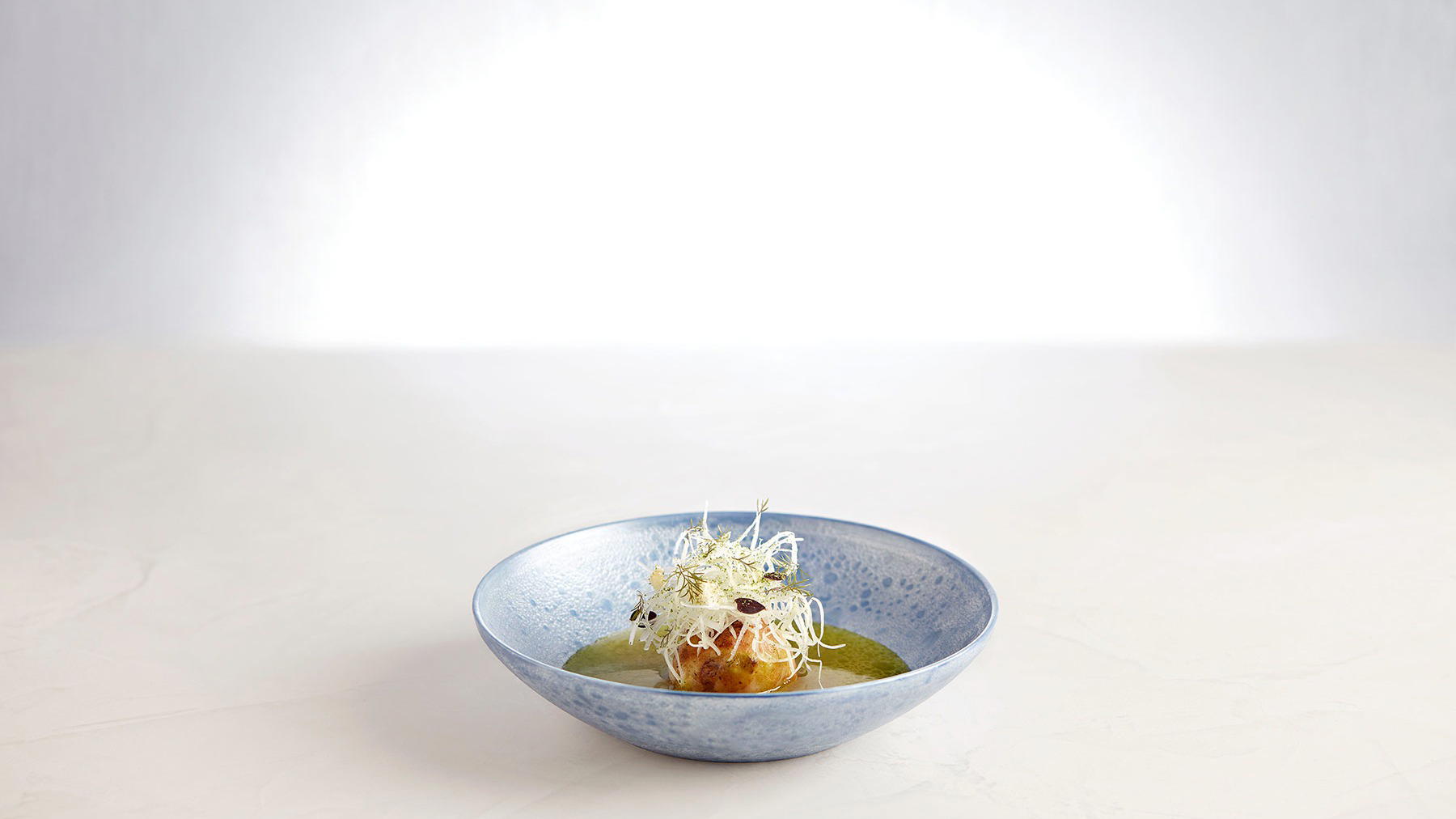
Born
Singapore, Singapore
Born is Zor Tan's contemporary restaurant in Singapore's former Jinrikisha Station.
Beta
Kuala Lumpur, Malaysia
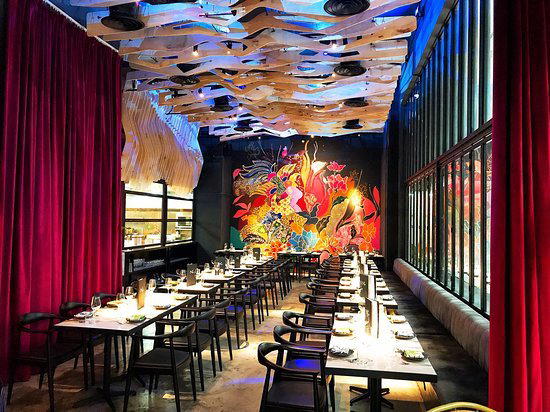
Beta is one of Kuala Lumpur's most credible Malaysian fine-dining addresses, with Tatler Asia-Pacific Best 20 recognition in both 2025 and 2026 and a La Liste score of 90 points. Chef Raymond Tham's "Tour of Malaysia" tasting menu moves through regional cuisines with modern technique and precise plating. At $$$, it delivers a structured, considered evening that justifies the price if tasting menus are your format.
ST25 by KOTO
Ho Chi Minh City, Vietnam
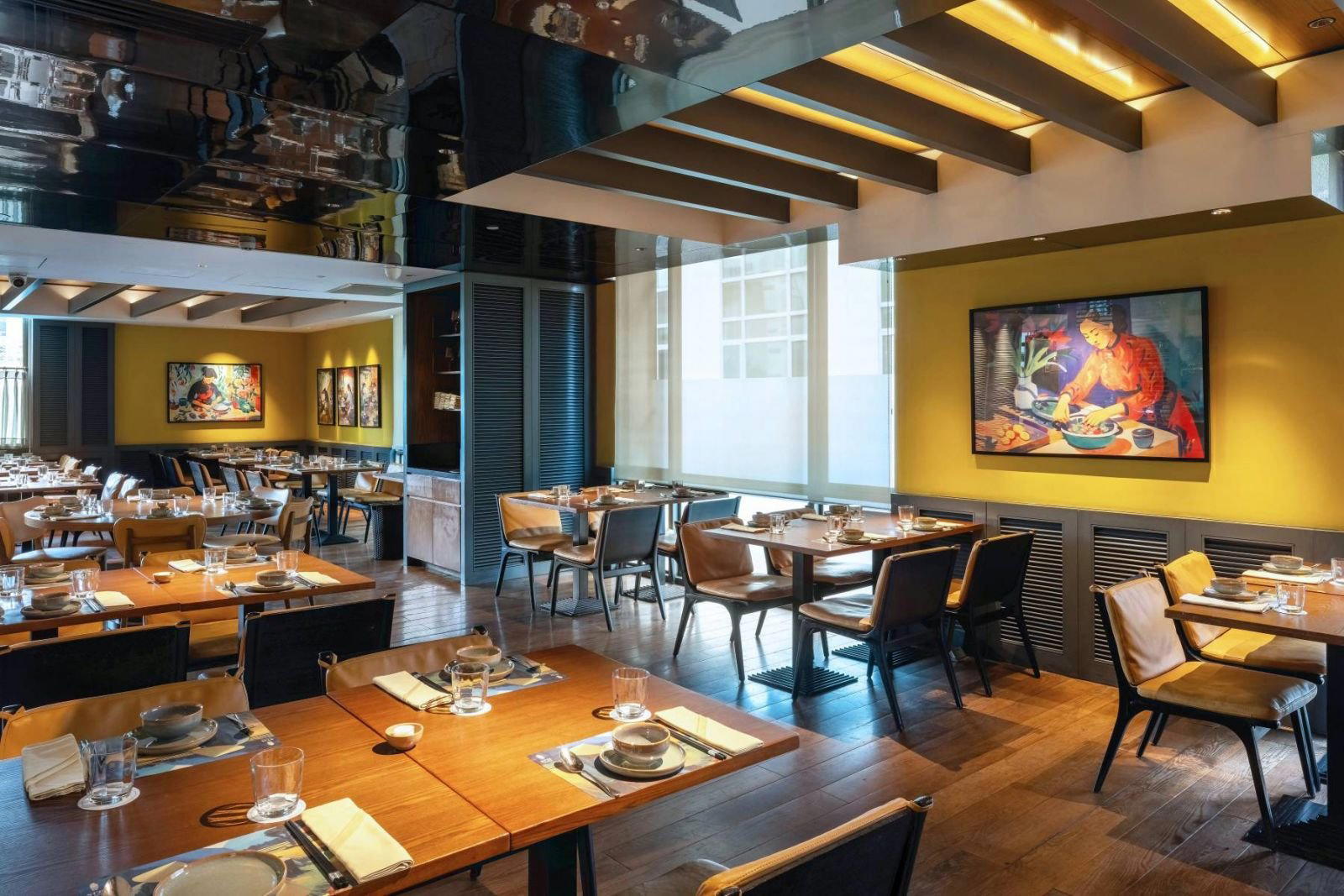
Recognised in Tatler's Best Restaurants Asia-Pacific 2025 and holding a 2025 Michelin Plate, ST25 by KOTO delivers award-level Vietnamese contemporary cooking at ₫₫ pricing; a rare combination in District 1. Book the table; skip the delivery.
logy
Taipei, Taiwan
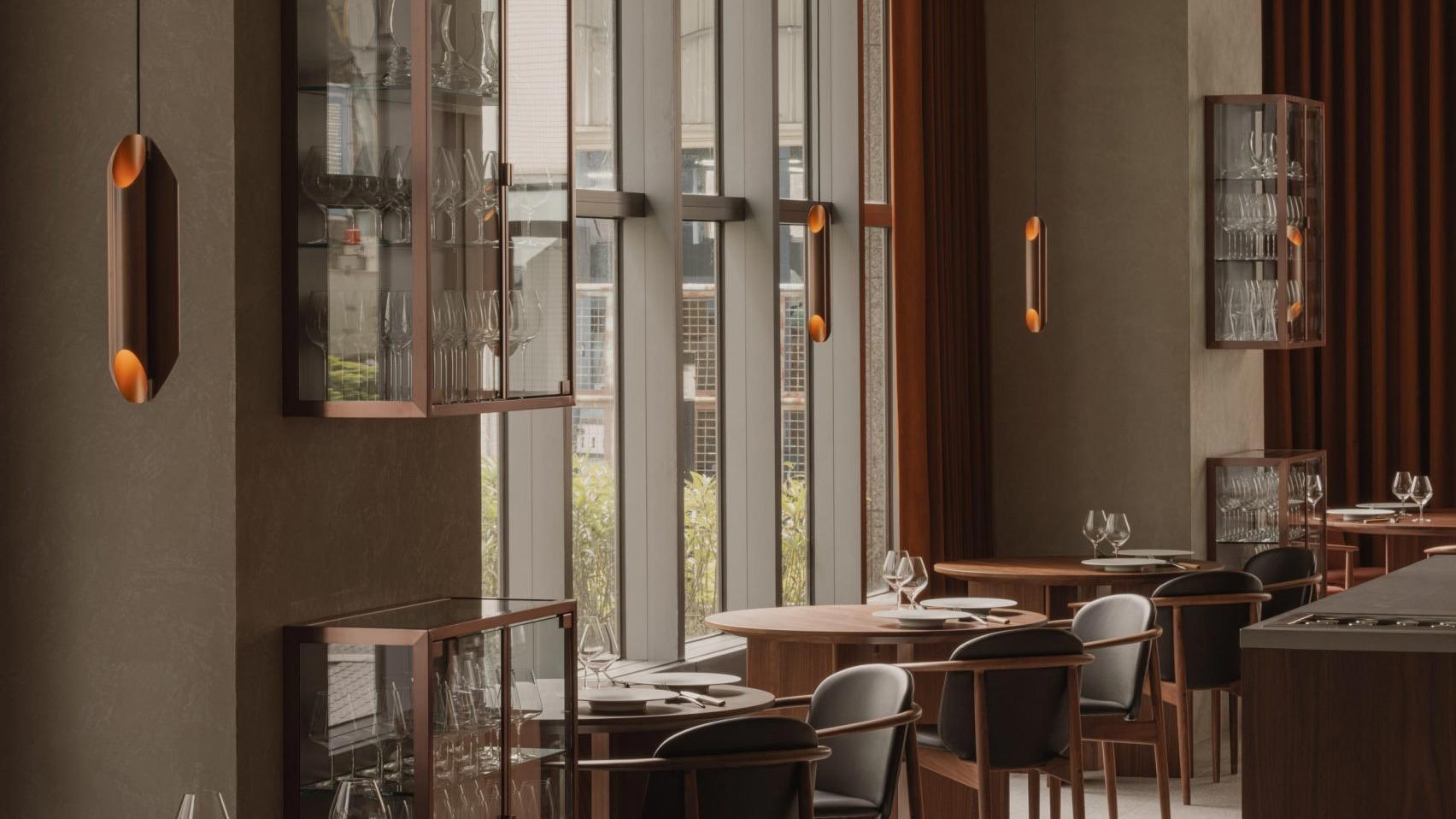
logy is a restaurant in Taipei's Neihu District.
Alain Ducasse at Morpheus
Macau, Macau
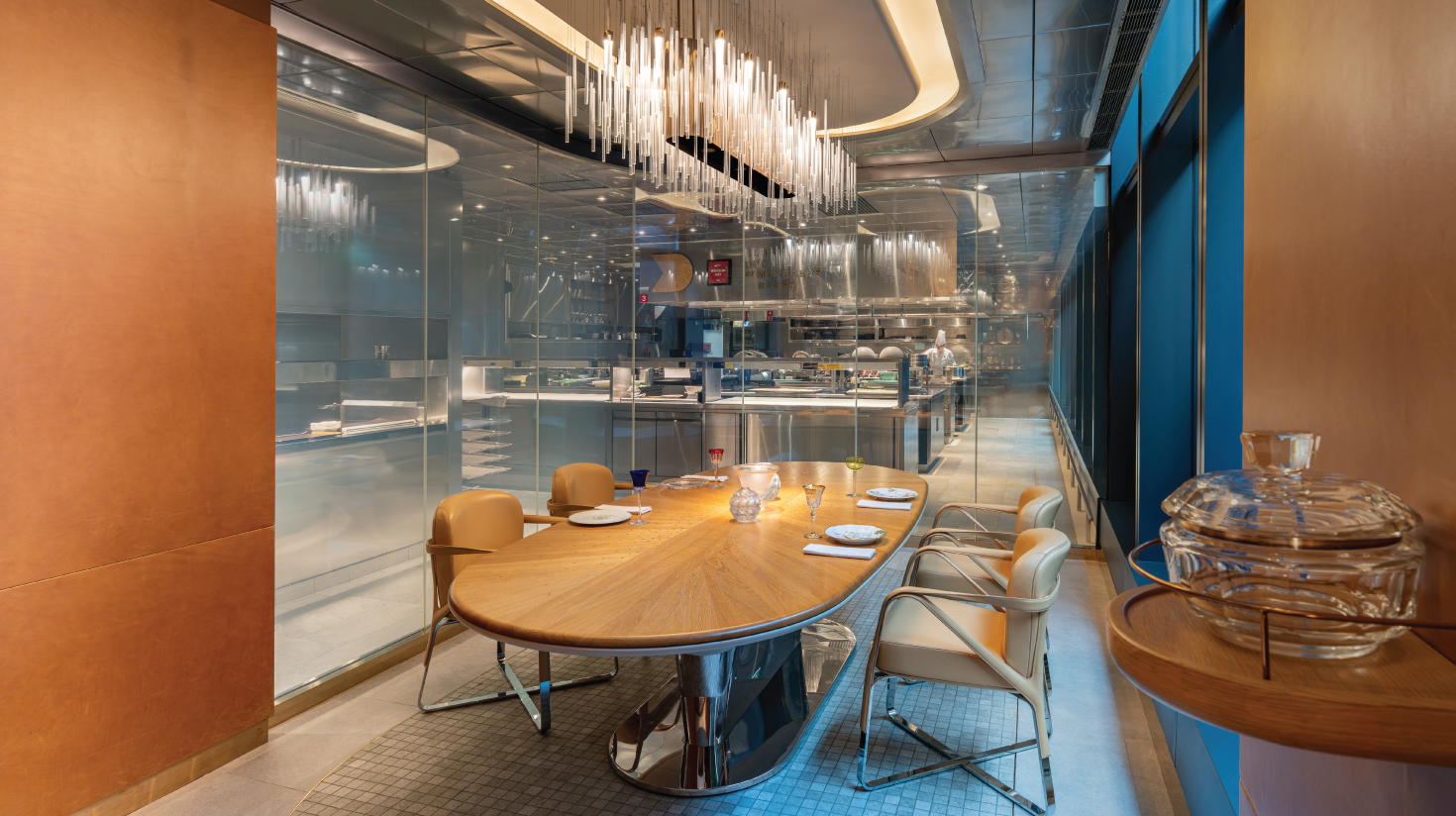
Alain Ducasse at Morpheus is a restaurant at Morpheus in Macau's City of Dreams.
Avartana
Chennai, India
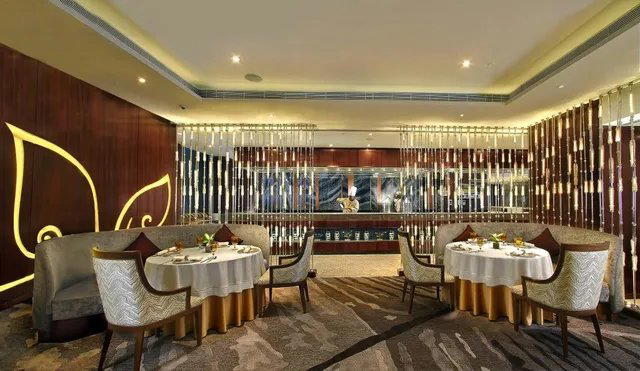
Avartana at ITC Grand Chola is Chennai's most credentialled fine-dining address; 89 points on La Liste 2026, up from 76 in 2025, and on Tatler's Asia-Pacific Best Restaurants list. The format is a tasting menu built around South Indian cooking treated with haute cuisine precision. Book here for a special occasion or a serious food-focused evening; visit Southern Spice at the same hotel if you want traditional South Indian without the tasting menu commitment.
JL Studio
Taichung, Taiwan
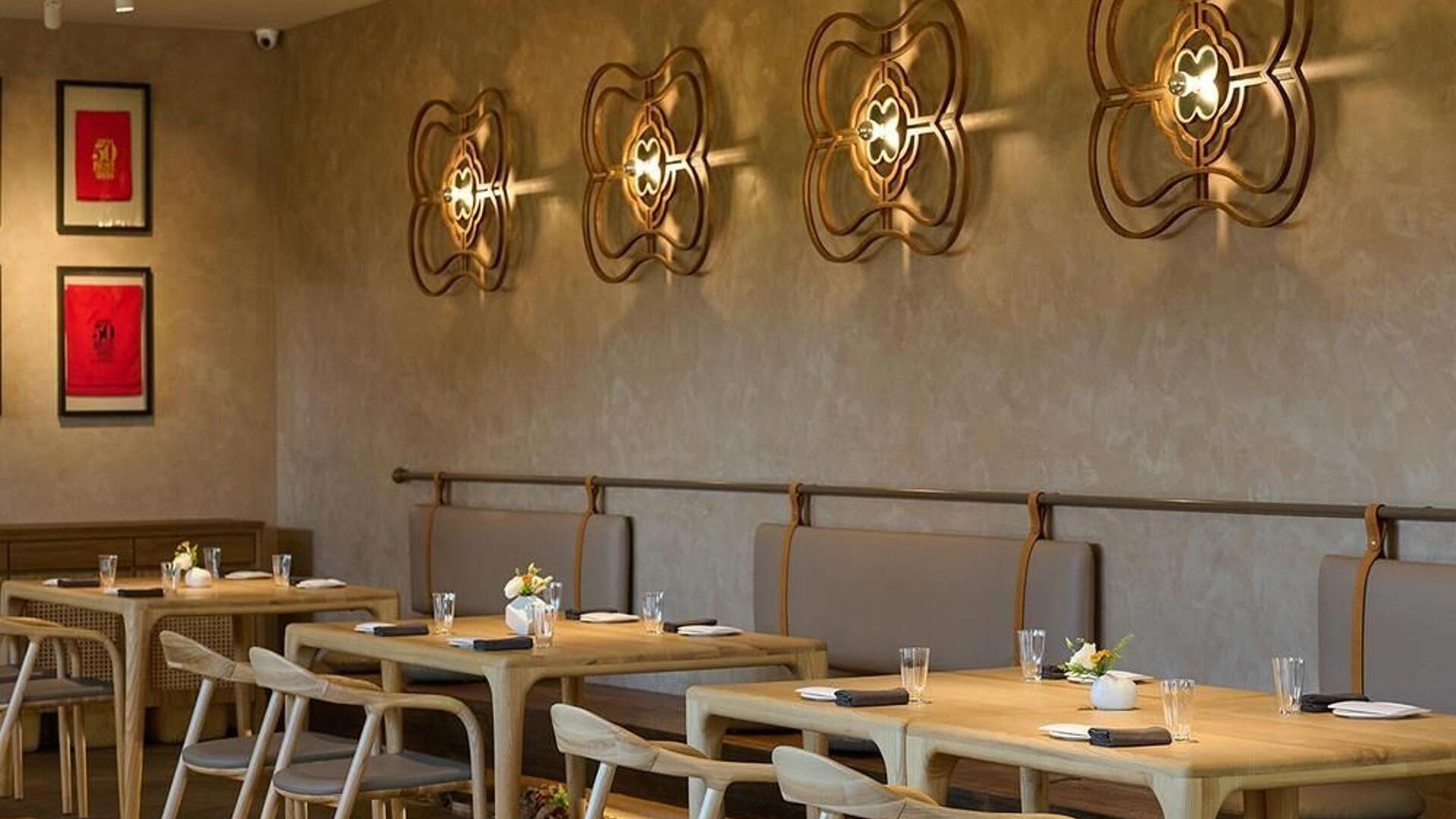
JL Studio is a restaurant in Taichung's Nantun District.
Oryz
Ho Chi Minh City, Vietnam
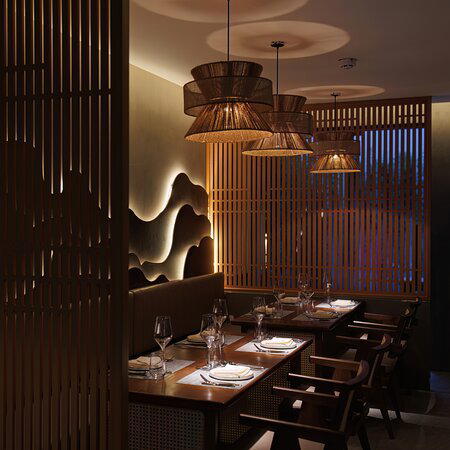
Oryz holds a Michelin Plate (2024 and 2025) and Tatler Asia's 2025 Best Innovation award, making it one of the most technically credible tasting-menu restaurants in Ho Chi Minh City. Chef Chris Fong's 13- or 15-course menu uses fermentation as a structural cooking approach, not a flourish, and the sake pairing programme matches that seriousness. At ₫₫₫ pricing, it is strong value for what is on offer. Book it for a special occasion.
Vea
Hong Kong, Hong Kong
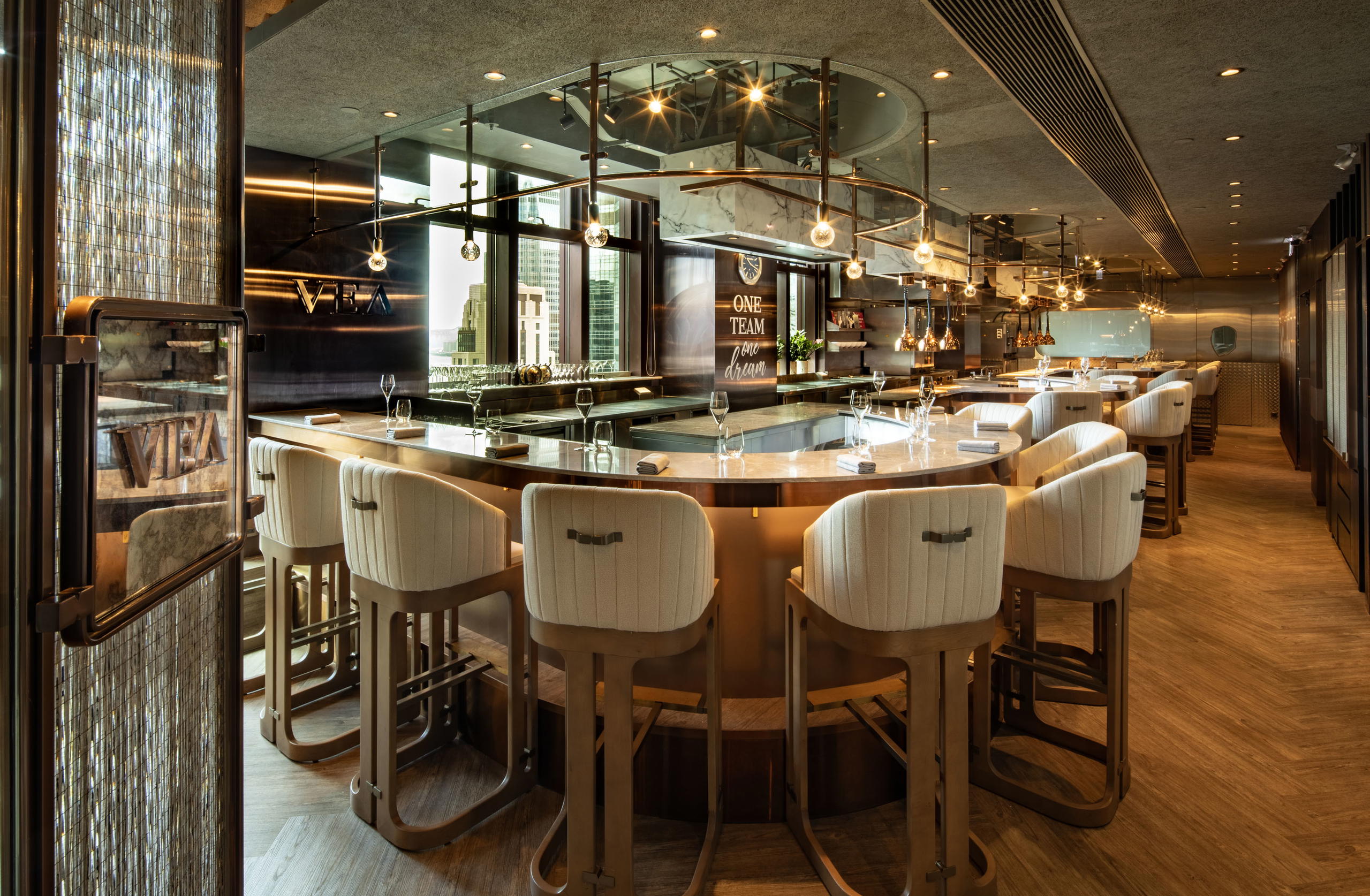
VEA is a restaurant at The Wellington in Central, Hong Kong.
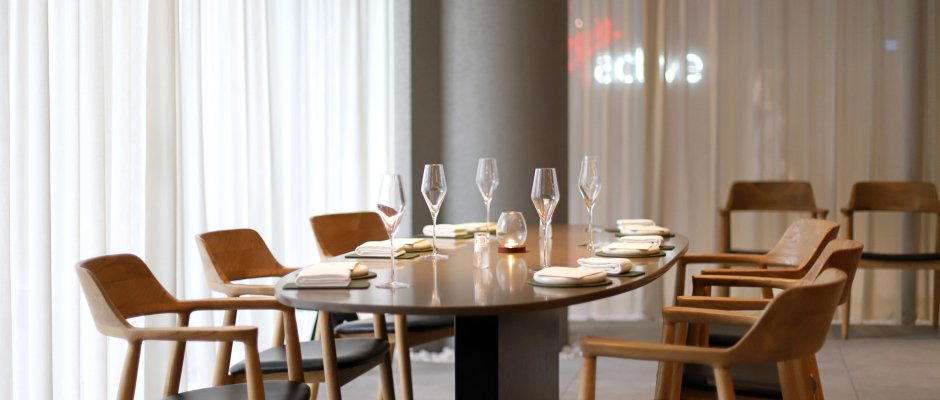
Seroja
Singapore, Singapore
Seroja is a restaurant at Duo Galleria in Singapore.
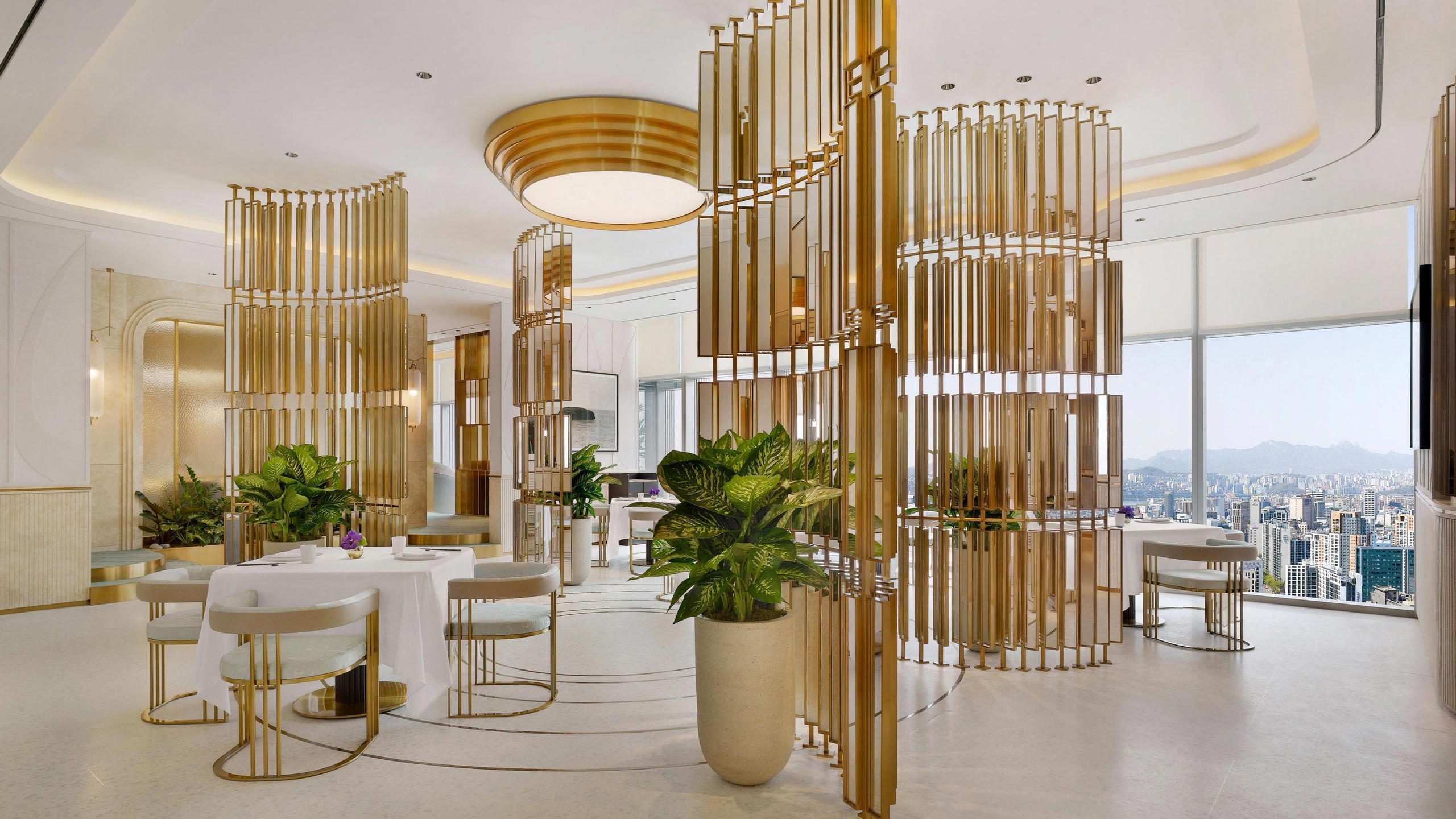
Eatanic Garden
Seoul, South Korea
Eatanic Garden is a restaurant at Josun Palace in Seoul's Gangnam District.
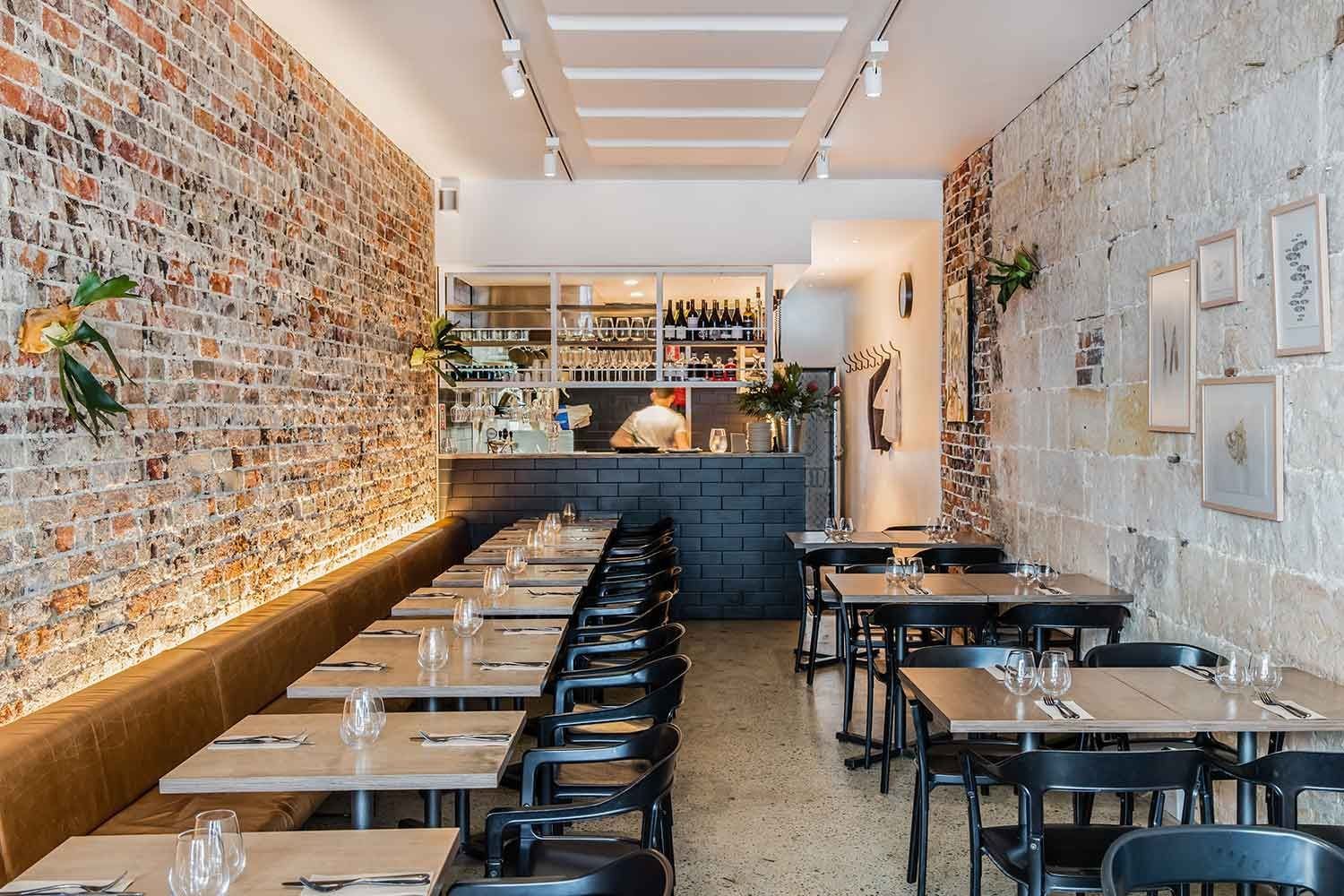
Saint Peter
Sydney, Australia
Saint Peter is a restaurant on Underwood Street in Paddington, Sydney.
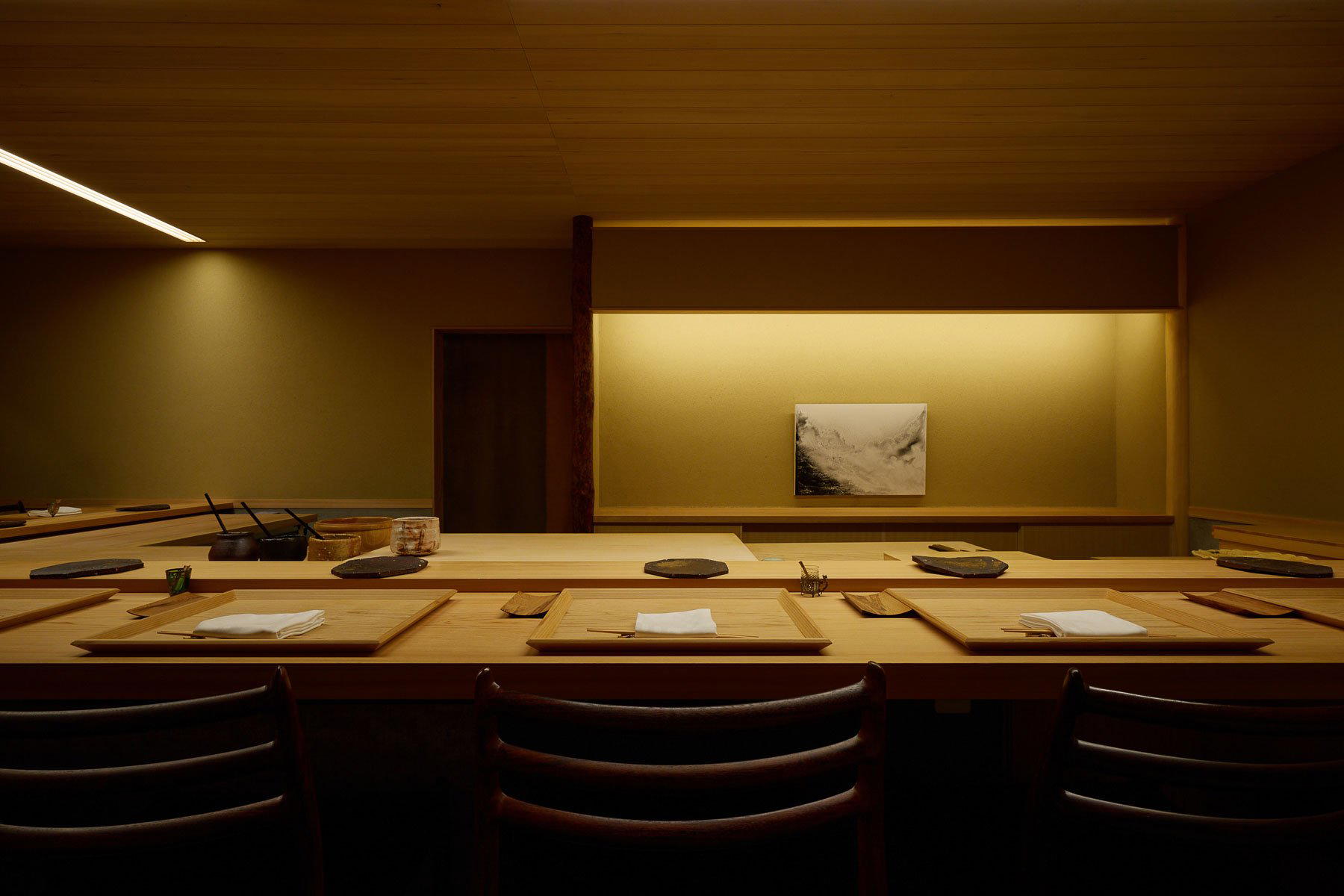
Shunji
Tokyo, Japan
Sushi Shunji is a ten-seat Edomae counter in Motoazabu that earned Tabelog Silver 2026 (score 4.42) and a Tatler Asia-Pacific 2025 listing; credentials that justify the JPY 50,000–79,000 per-head price. Book via phone (12:00–15:00 on business days) or the OMAKASE lottery. The format is omakase-only at the counter, making it the right call for couples and small groups who want precision sushi without distraction.
The Chairman
Hong Kong, Hong Kong
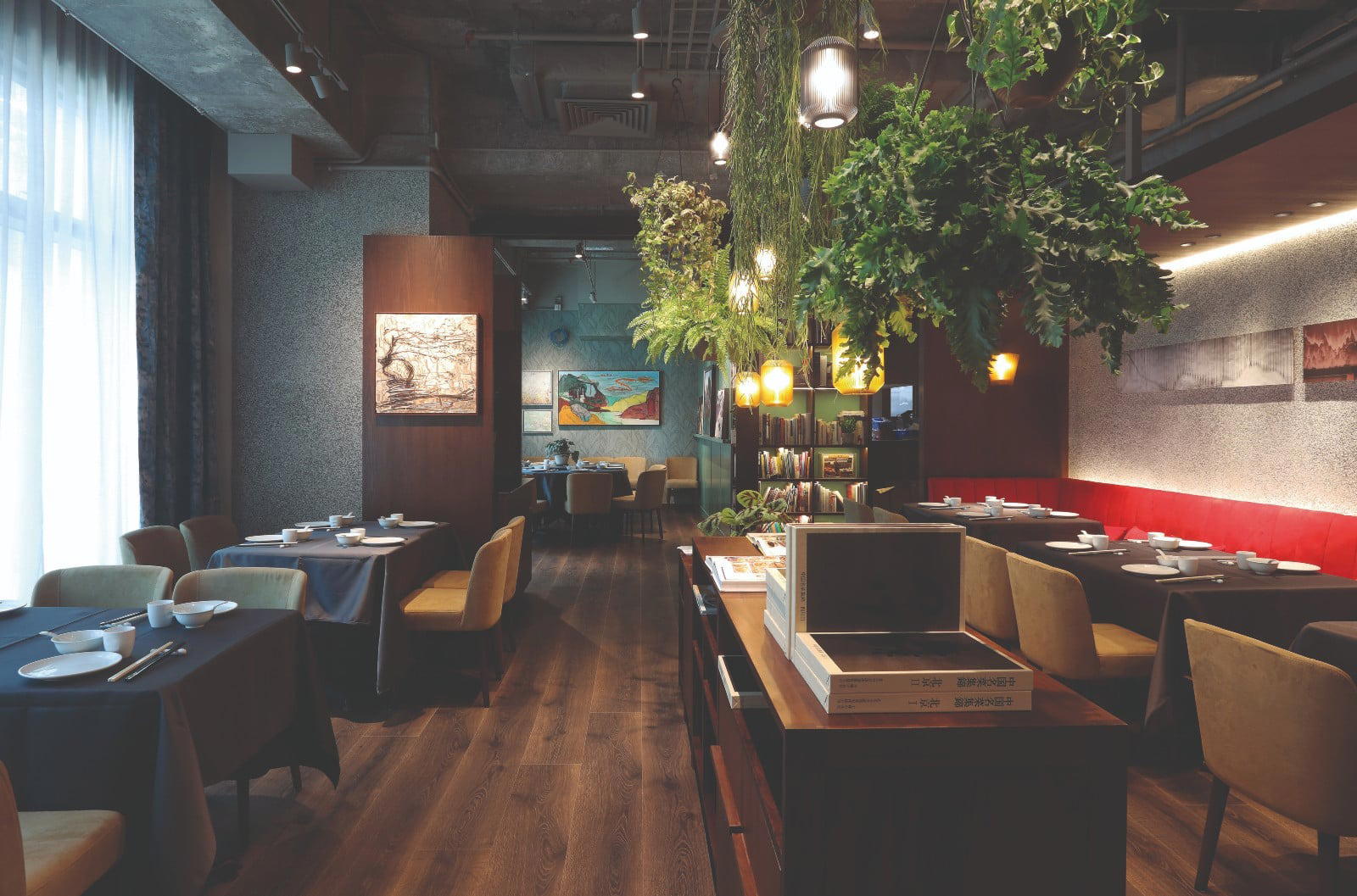
The Chairman is a restaurant at 198 Wellington Street in Central, Hong Kong.
Hide
Kuala Lumpur, Malaysia
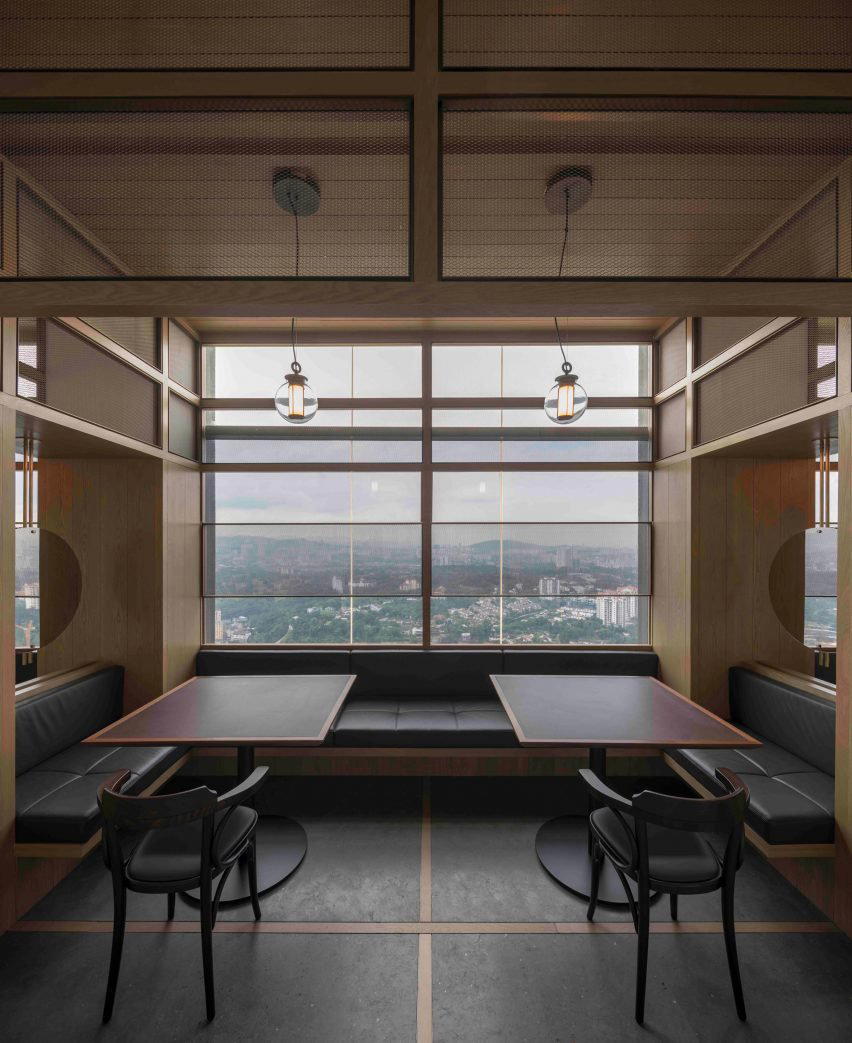
Kuala Lumpur's first chef's table concept, Hide operates at 13 seats with an open kitchen on Jalan Ampang and has earned back-to-back Tatler Best 20 Asia-Pacific placements (2025–2026) and a 2025 Michelin Plate. At $$$$ and with a fixed tasting menu, it is the right choice for a serious special occasion dinner; but book 3–4 weeks ahead minimum. Seats fill fast and walk-ins are not realistic.
Khaan
Bangkok, Thailand
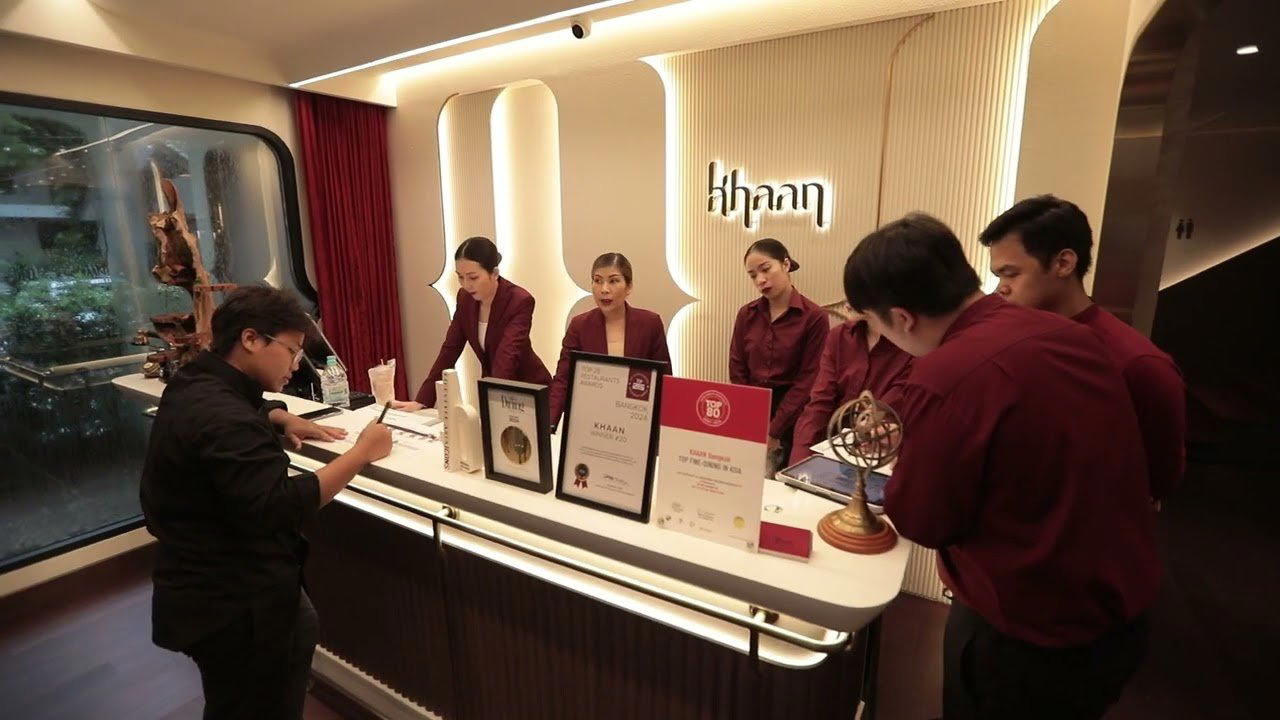
Tatler's Best New Restaurant Asia for 2024 and on the Asia-Pacific Best Restaurants list for 2025, Khaan is Chef Sujira 'Aom' Pongmorn's contemporary Thai tasting menu in Lumphini, Bangkok. The menu maps Thailand's regions through modern technique while keeping the depth of Thai flavour intact. At ฿฿฿฿, it is among Bangkok's most credentialed Thai fine-dining addresses and booking is relatively straightforward.
Akame
Wutai Township, Taiwan
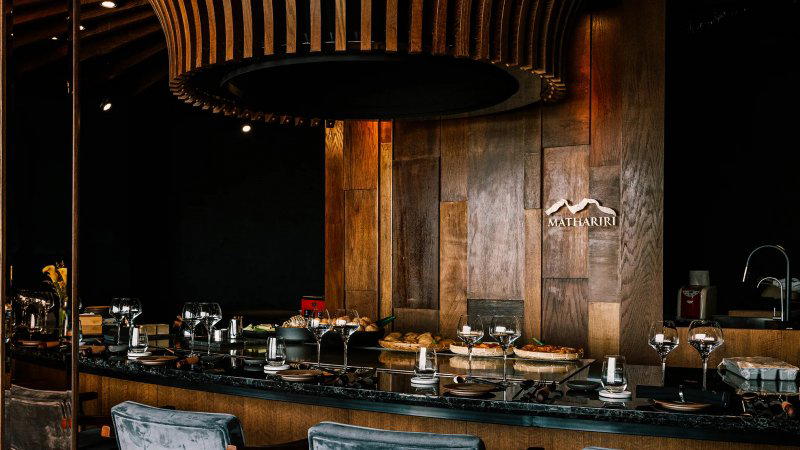
Akame is the right booking for a special occasion dinner in southern Taiwan: a wood-fired Rukai tasting experience in Wutai Township with three consecutive years on OAD's Top Restaurants in Asia list (ranked #105 in 2025) and Tatler Asia-Pacific recognition. Open Wednesday to Sunday, 6 pm to midnight. Book via Instagram as soon as your dates are confirmed.
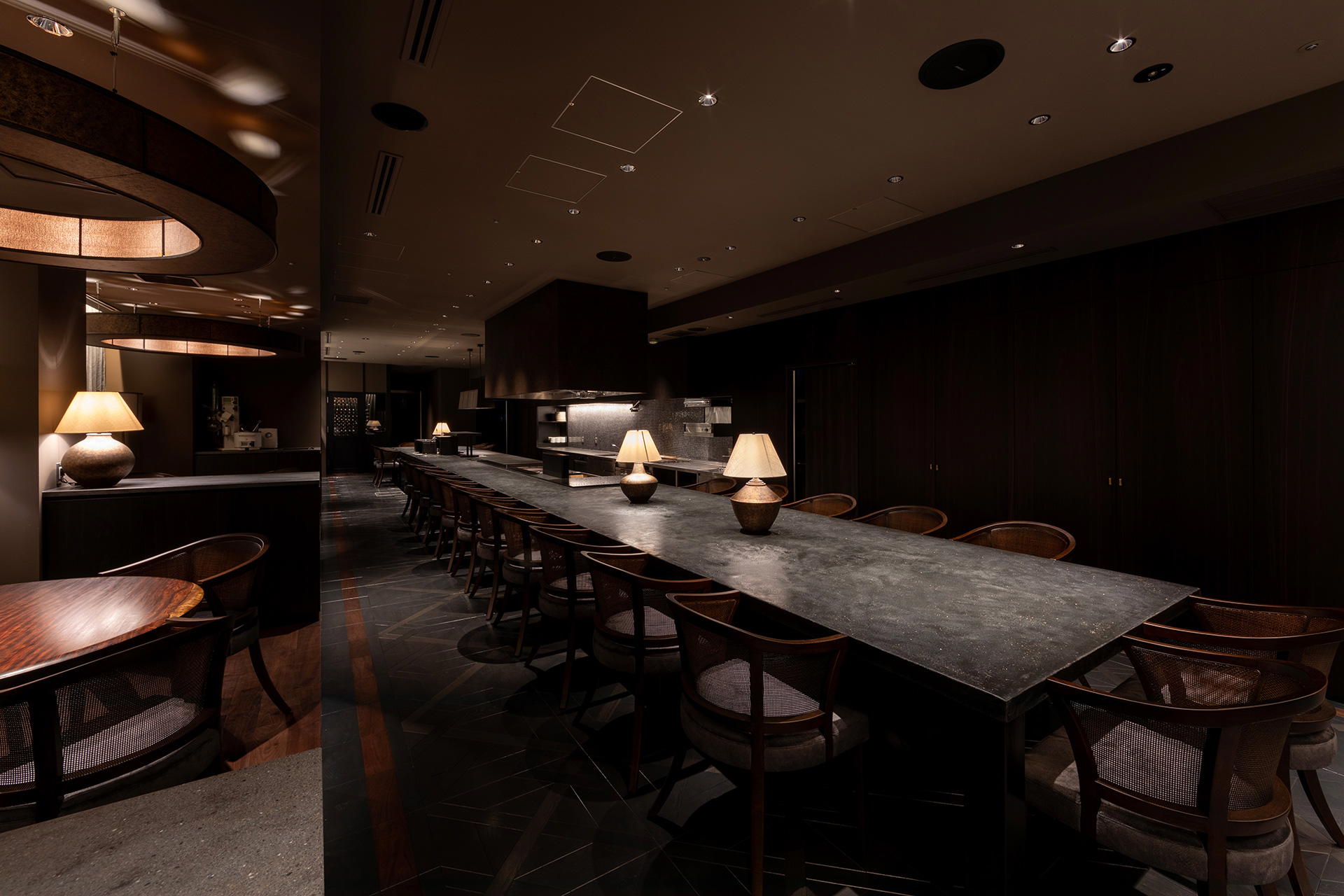
Florilège
Tokyo, Japan
Florilège is a restaurant in Azabudai Hills, Tokyo.
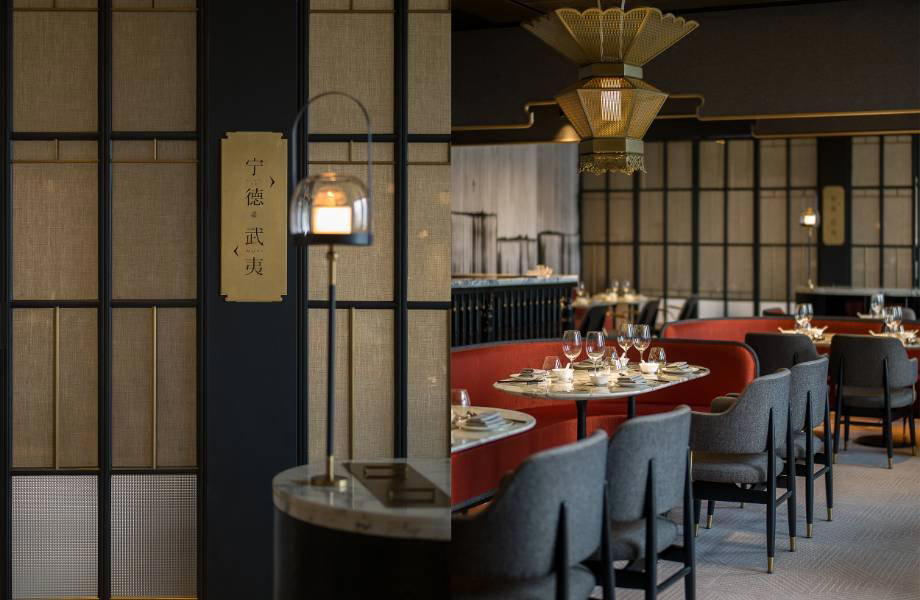
Meet the Bund Skyline
Shanghai, China
Meet the Bund Skyline earns its Tatler Asia-Pacific 2025 recognition with modern Fujian cuisine 56 floors above Shanghai's North Bund; a credible choice for business dinners and special occasions where the room and the menu both need to deliver. Booking is straightforward, which makes it a practical pick when Taian Table is fully booked and you need a serious alternative.
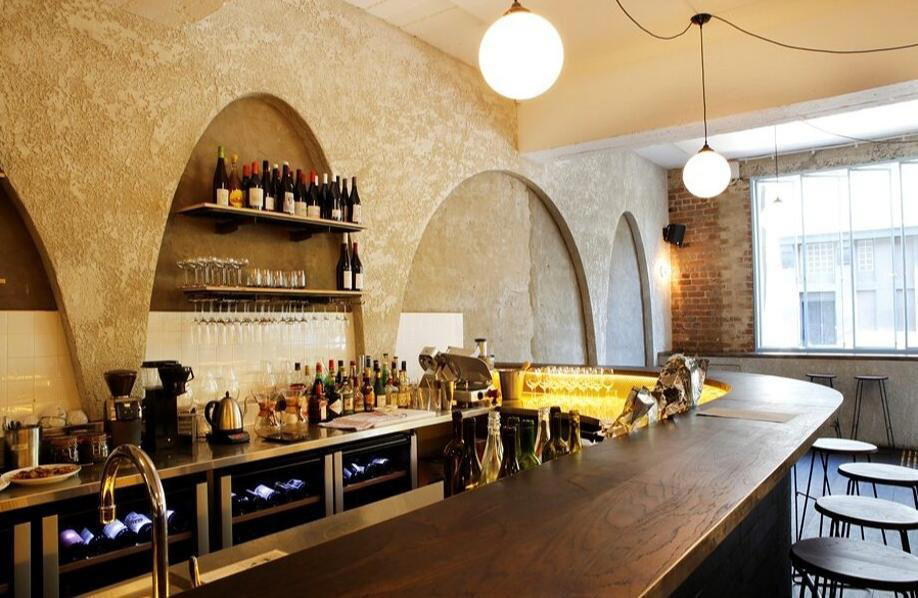
Ester
Sydney, Australia
Ester is the right booking for food-focused visitors who want to eat modern Australian cooking at its most ingredient-honest. The wood-fire kitchen in Chippendale earned a spot on the Tatler Best Restaurants Asia-Pacific 2025 list, and the seasonal menu means timing your visit matters. Easier to book than its prestige peers, and more personally scaled than Sydney's bigger dining rooms.
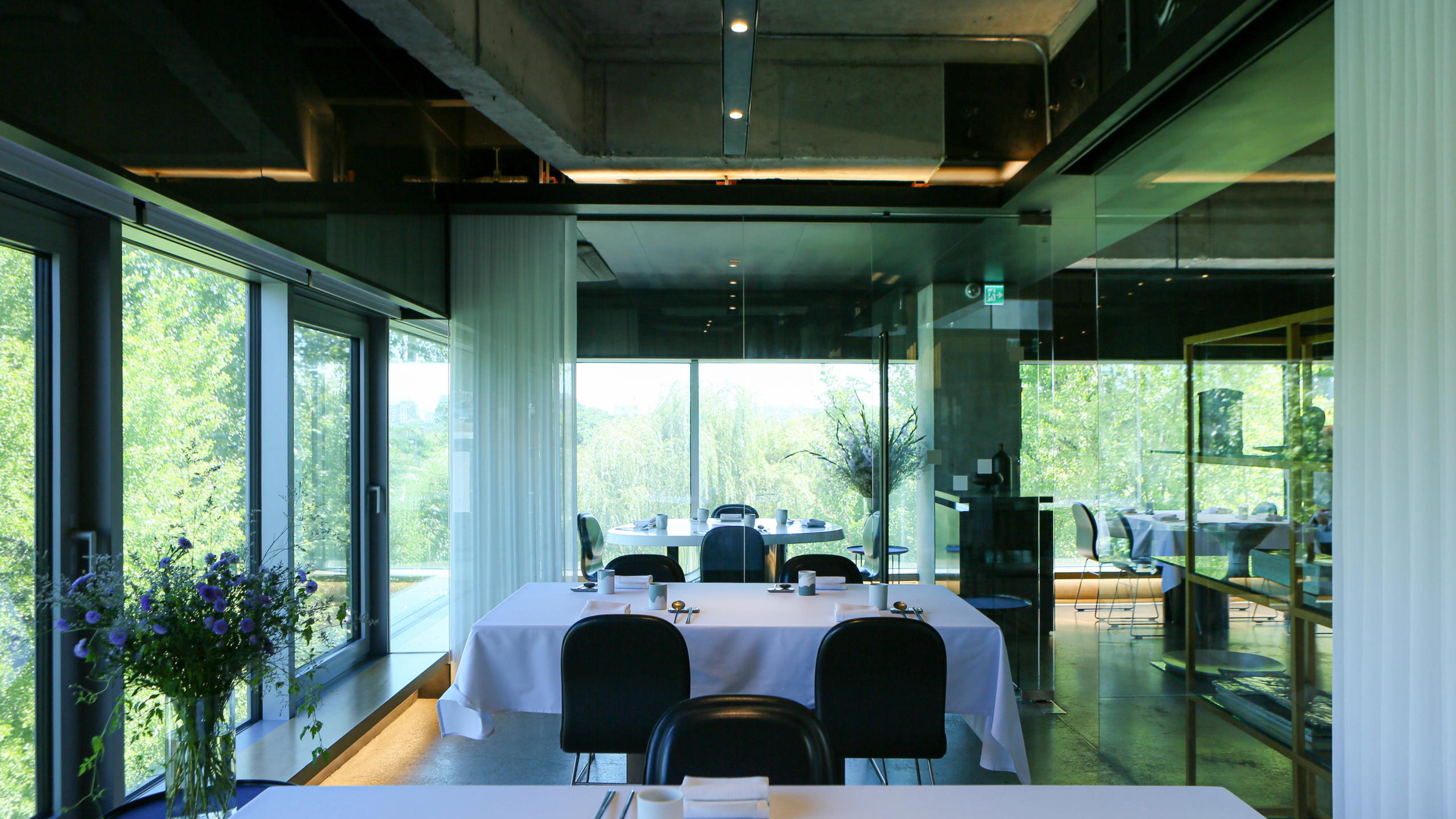
Onjium
Seoul, South Korea
Onjium is a restaurant on Hyoja-ro in Seoul's Jongno District.
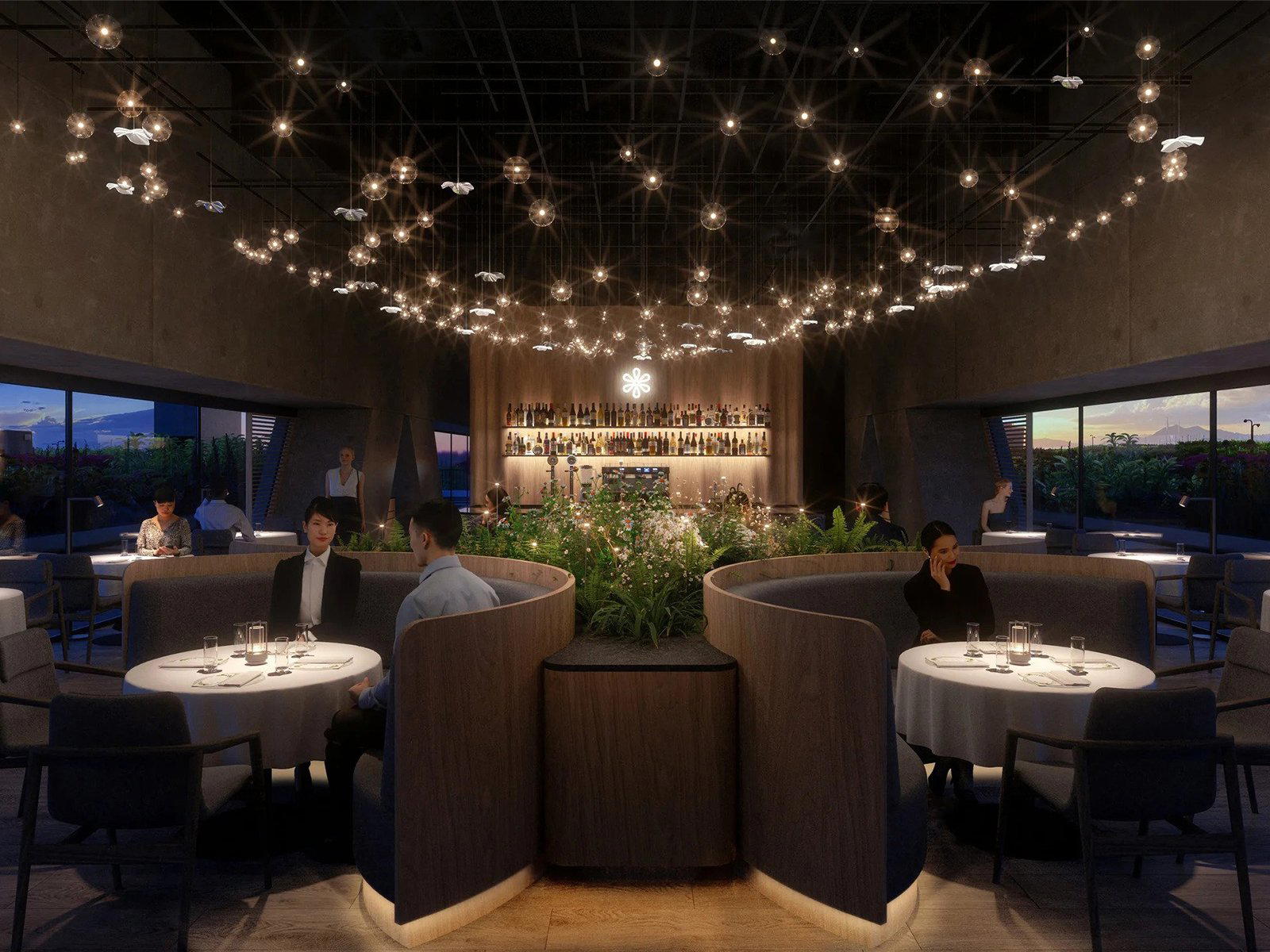
Mosu
Hong Kong, Hong Kong
Mosu is Hong Kong's most globally recognised creative tasting menu restaurant, whose Seoul sister ranked #86 on the World's 50 Best Restaurants 2024 and Tatler's Best 20 in Hong Kong 2025. Chef Sung Anh's Korean-French approach plays out in a spare, composed room inside West Kowloon's M+ Tower. Booking difficulty is near impossible; plan four to eight weeks ahead.
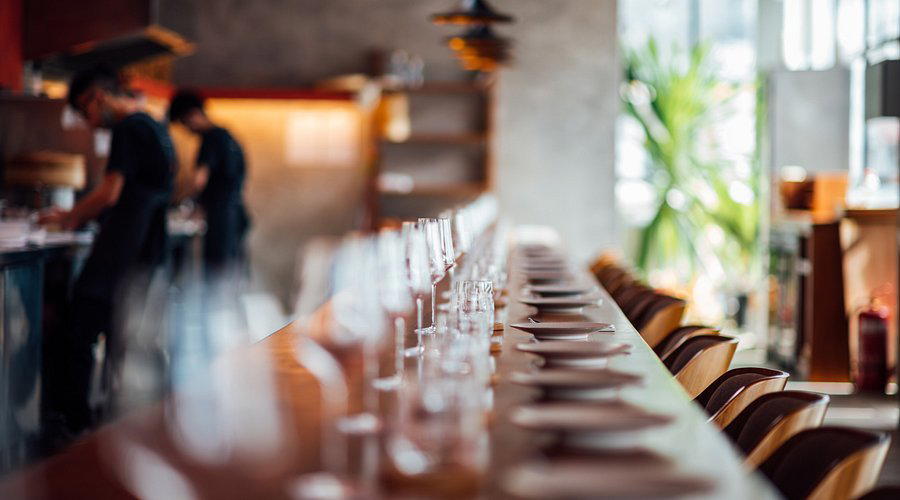
Gēn
George Town, Malaysia
Gēn is George Town's most credentialled tasting-menu restaurant: a Michelin Plate holder (2024–2025), Tatler Asia Best 20 pick, and La Liste 89-point entry. Chef Johnson Wong's 'My Malaysian Stories' format runs eight courses at lunch and twelve at dinner, with seasonal local produce and a focused organic and biodynamic wine list. Book if you want serious fine dining in Penang at the $$$ tier.
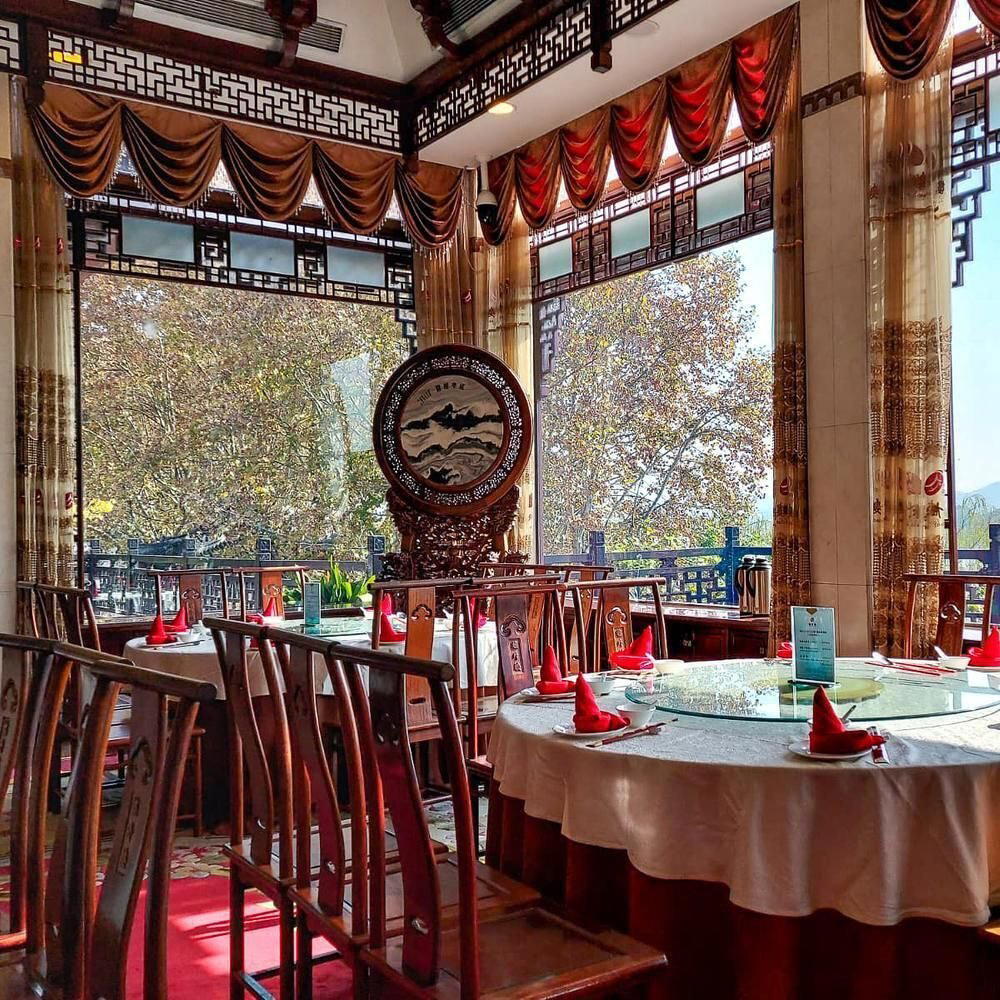
Ru Yuan
Hangzhou, China
Ru Yuan is a restaurant in Hangzhou's Xihu district.
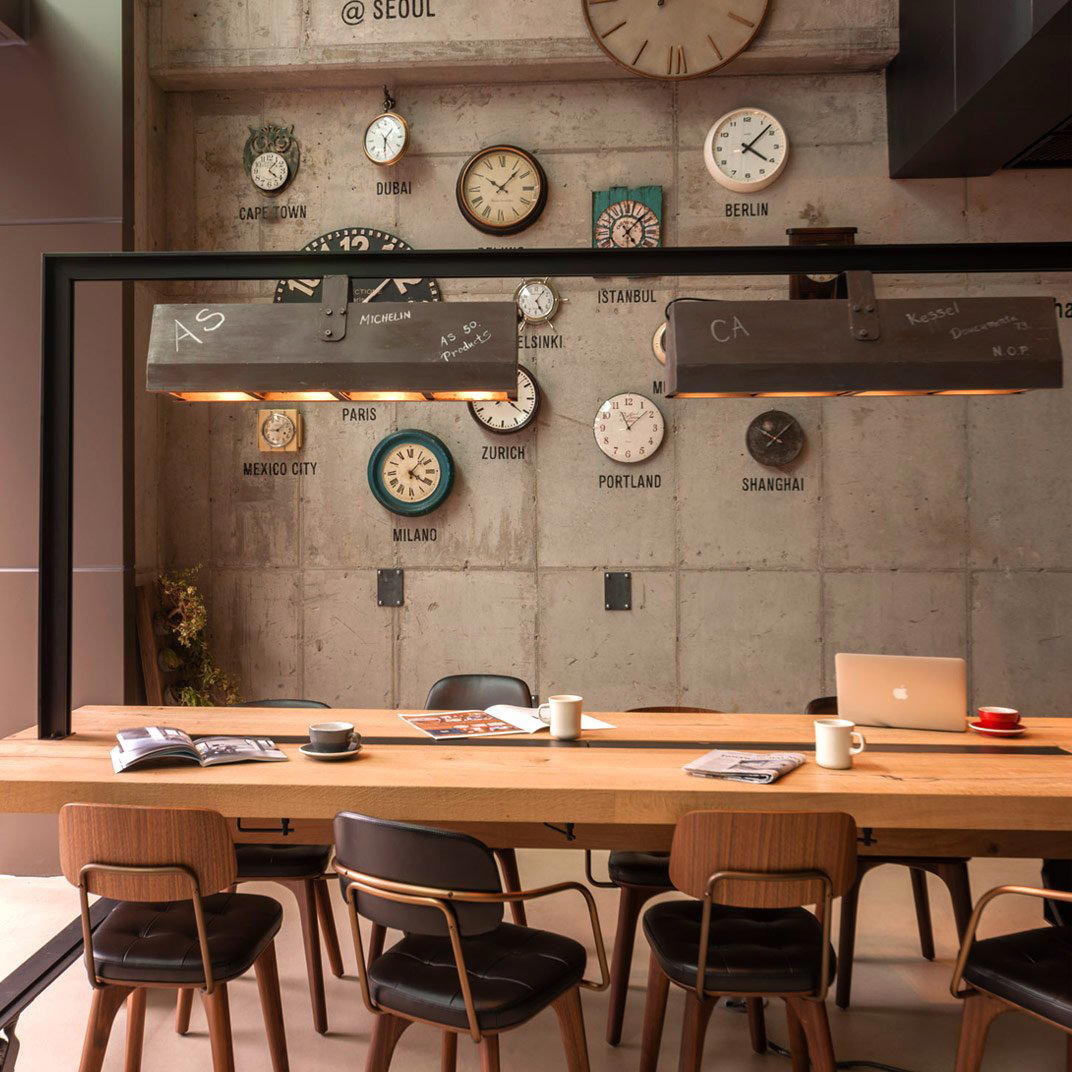
GiwaKang
Seoul, South Korea
GiwaKang is a Michelin Plate-recognised Korean contemporary restaurant in Gangnam where Chef Kang Min-chul applies Parisian technique to fermentation-led Korean cooking, supported by a sommelier with two-Michelin-star experience. On Tatler's Asia-Pacific Best Restaurants 2025 list and easier to book than Seoul's starred names, it is a strong choice for a date dinner or solo counter experience at ₩₩₩₩.
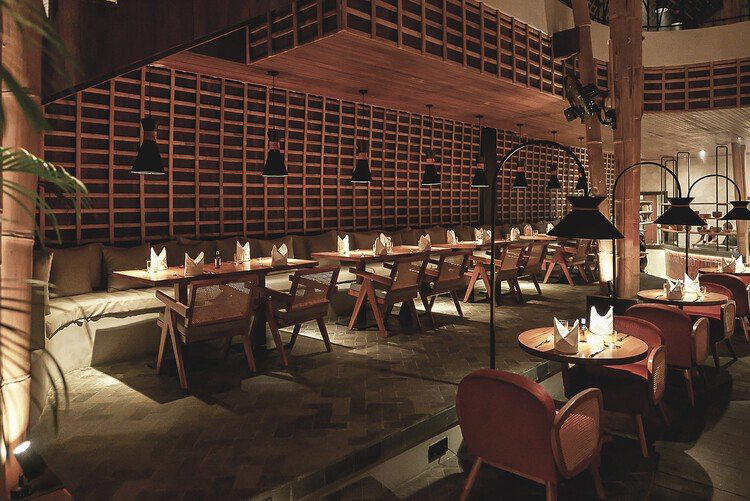
Akar
Kuala Lumpur, Malaysia
Chef Aidan Low runs a technique-driven Malaysian tasting menu from a quiet Taman Tun Dr Ismail dining room, applying French and Japanese methods; beeswax cooking, dry aging, claypot searing; to local ingredients. The menu changes frequently enough to reward multiple visits, with limited seating and a moderate booking window positioning this as one of Kuala Lumpur's more ambitious contemporary Malaysian spots at the $$$ tier.
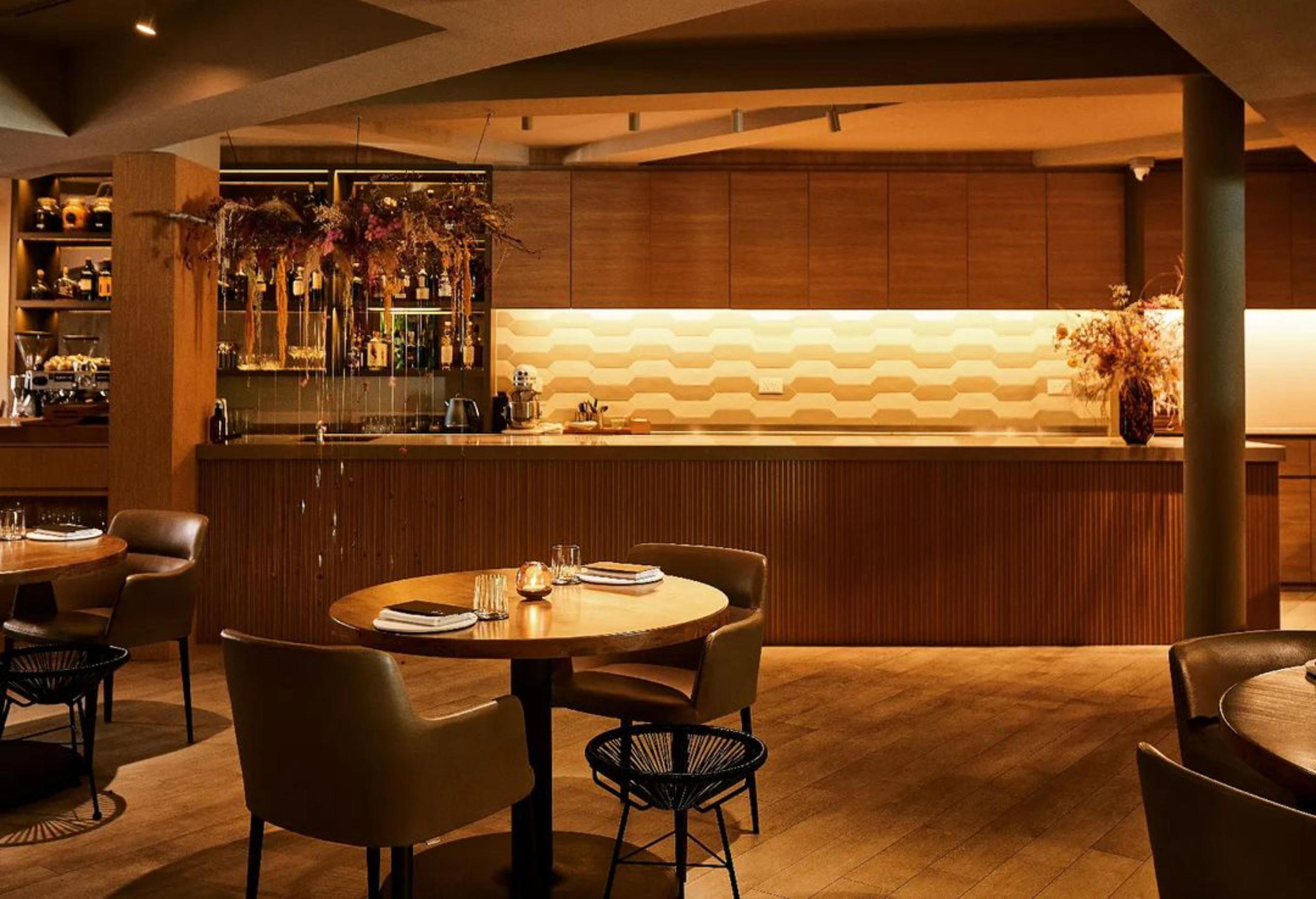
Meta
Singapore, Singapore
Meta is a restaurant on Mohamed Sultan Road in Singapore.
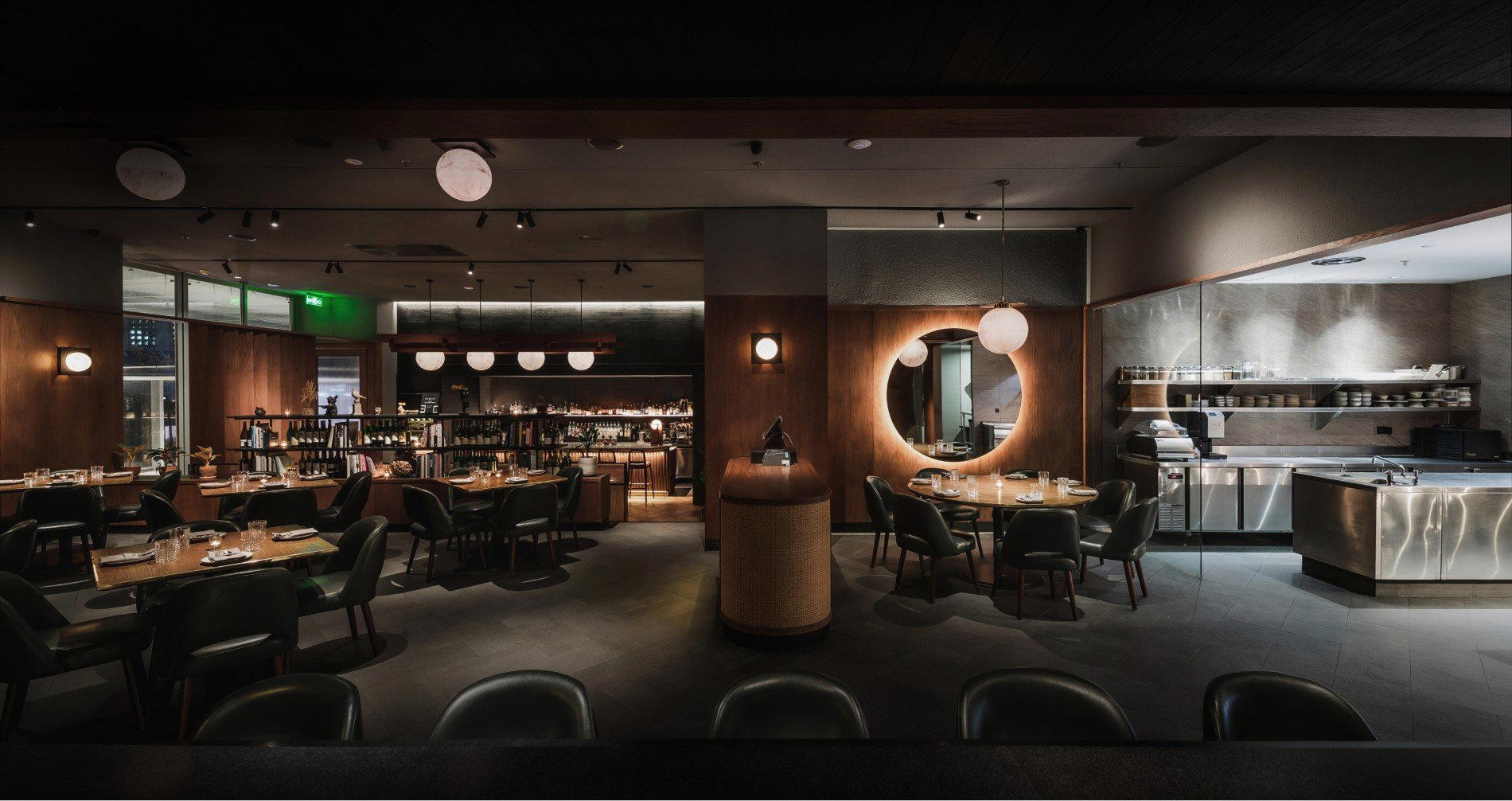
August
Jakarta, Indonesia
August is one of Jakarta's hardest reservations and one of its most decorated: Asia's 50 Best listed, Amex One To Watch 2023 winner, and now on Tatler's Asia-Pacific 2025 list. Chef Hans Christian's modern Indonesian cooking at Sequis Tower earns the booking effort; but plan weeks ahead. Dinner delivers the full experience; lunch suits a lower-pressure revisit.
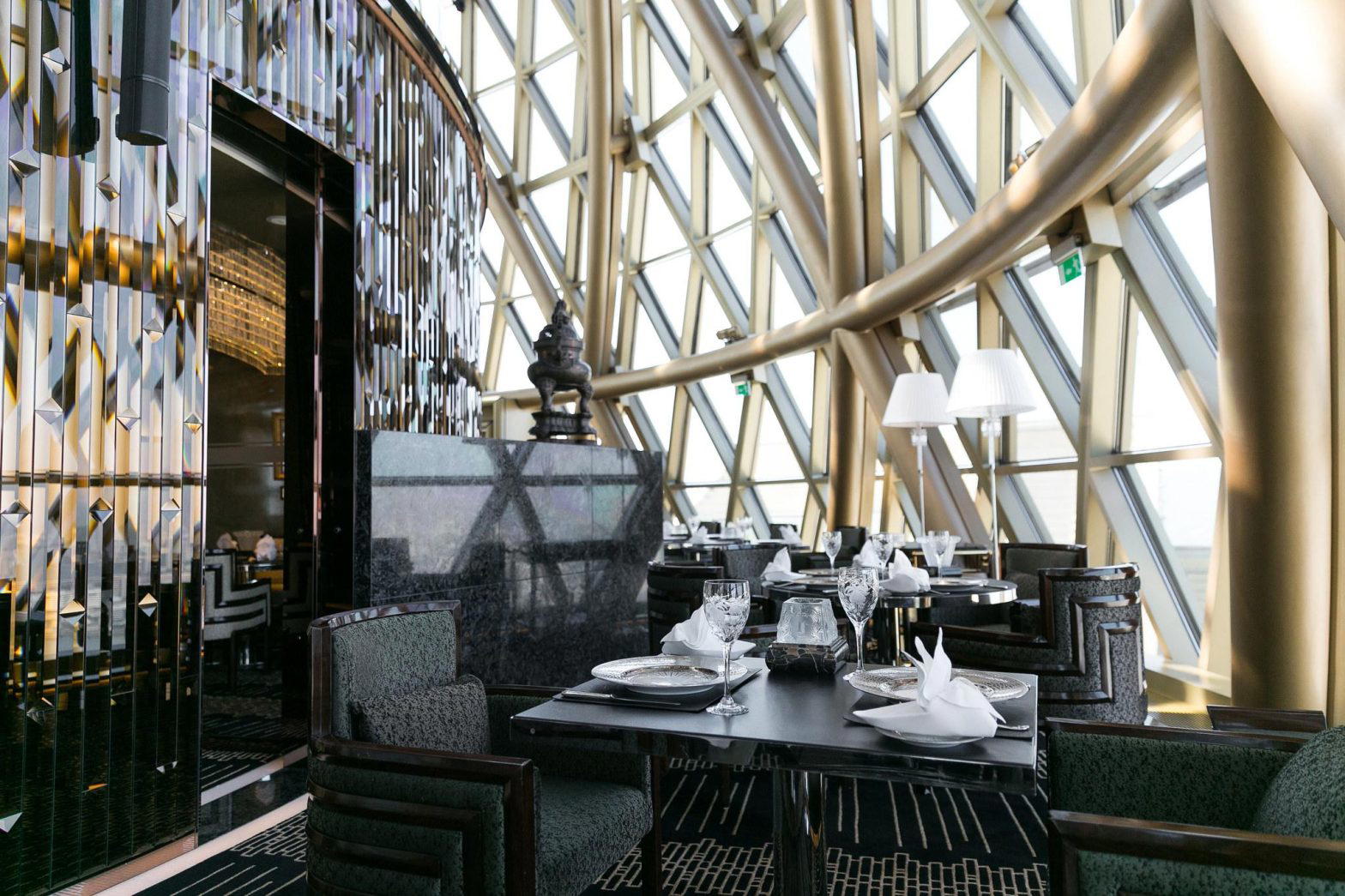
Robuchon au Dôme
Macau, Macau
Robuchon au Dôme is a French restaurant at Grand Lisboa in Macau.
Taïrroir
Taipei, Taiwan
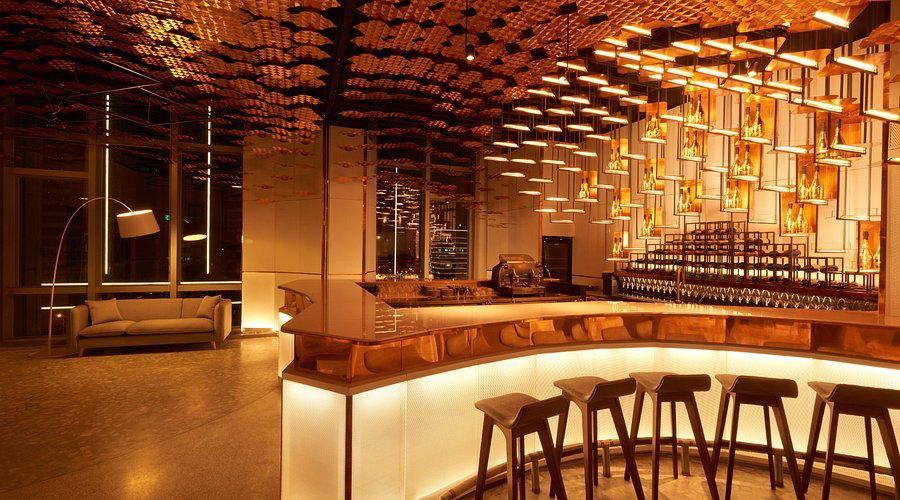
One of Taipei's two three-Michelin-starred restaurants applying a French fine-dining structure to Taiwanese ingredients, Taïrroir holds 95 La Liste points (2026) and a Tatler Asia Best Restaurants listing. Book 4–6 weeks out minimum; sittings are limited to four days a week. At $$$$, it is the right choice for food-focused travellers who want Taipei's highest-expression tasting menu with formal service to match.
Jiang by Chef Fei
Guangzhou, China
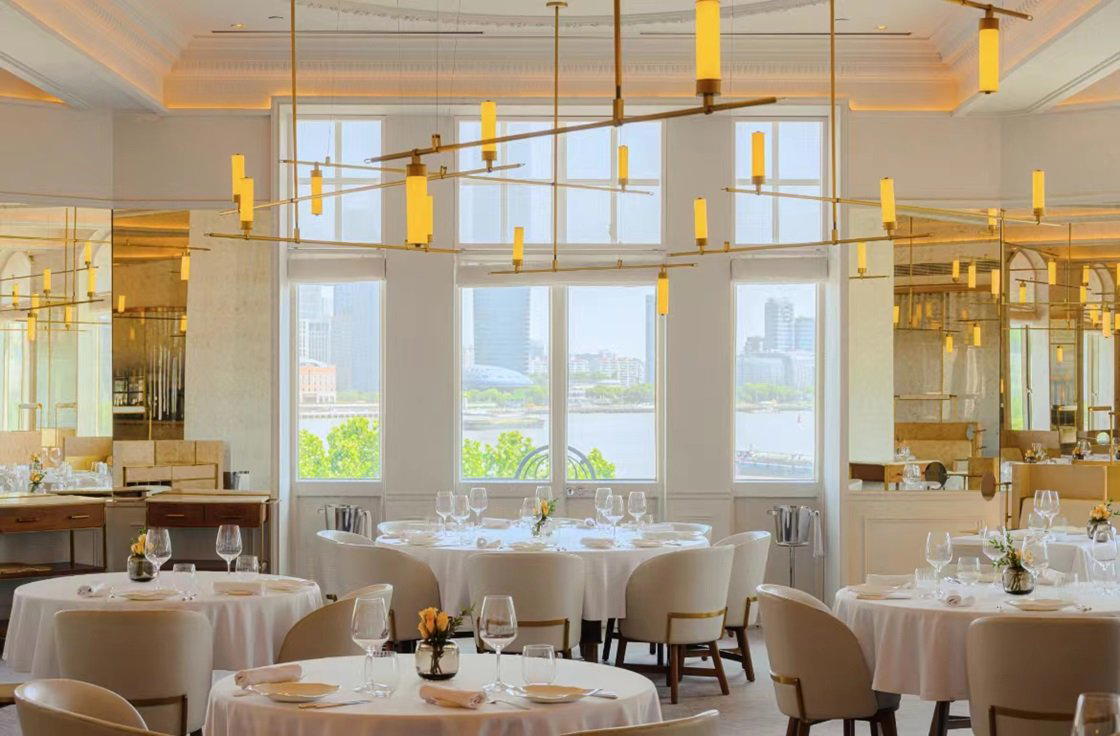
Jiang by Chef Fei is a restaurant on Tianhe Road in Guangzhou.
Sazenka
Tokyo, Japan
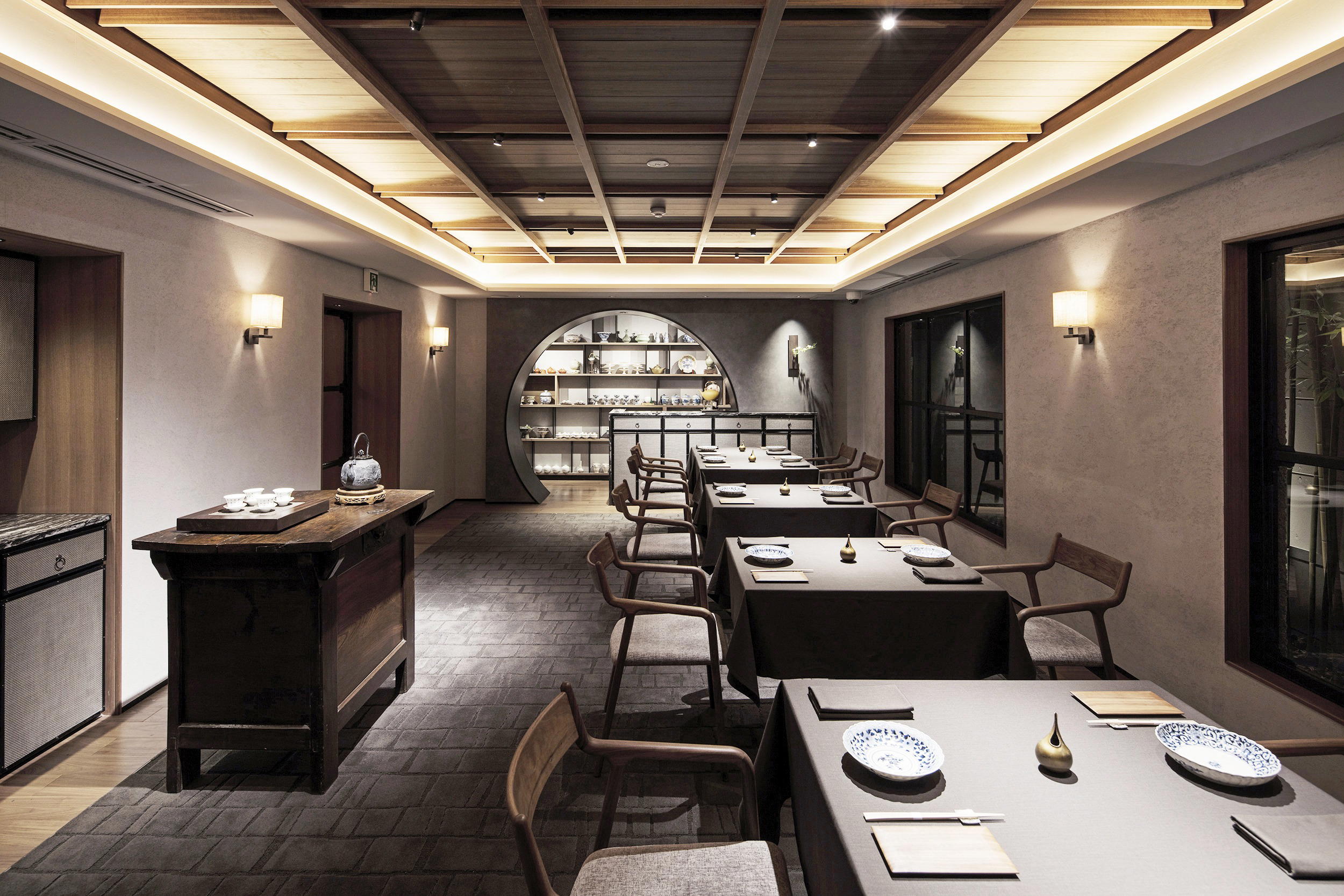
Sazenka is a Chinese restaurant in Minamiazabu, Tokyo.
Jaan by Kirk Westaway
Singapore, Singapore
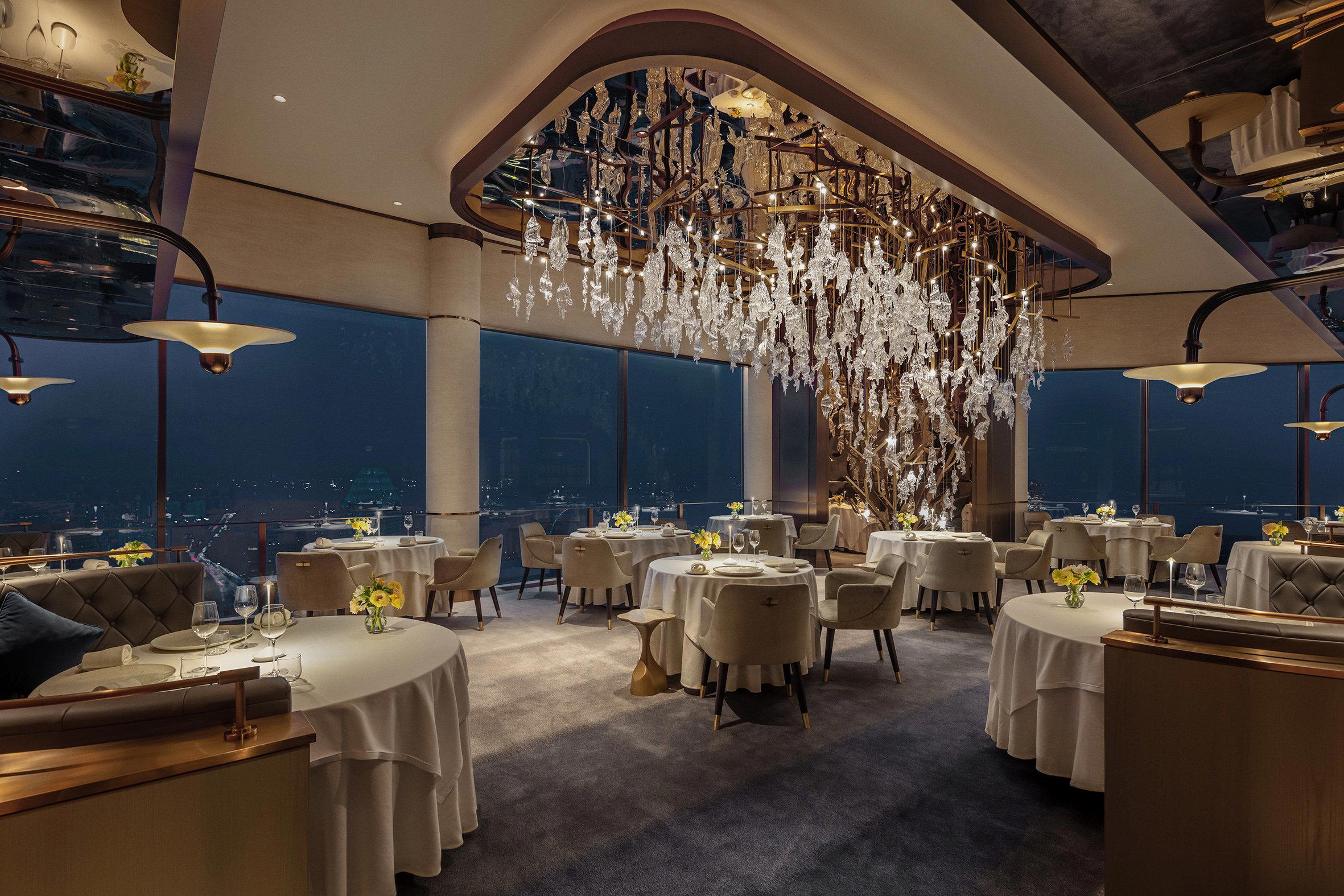
JAAN by Kirk Westaway is a restaurant at Swissôtel The Stamford in Singapore.
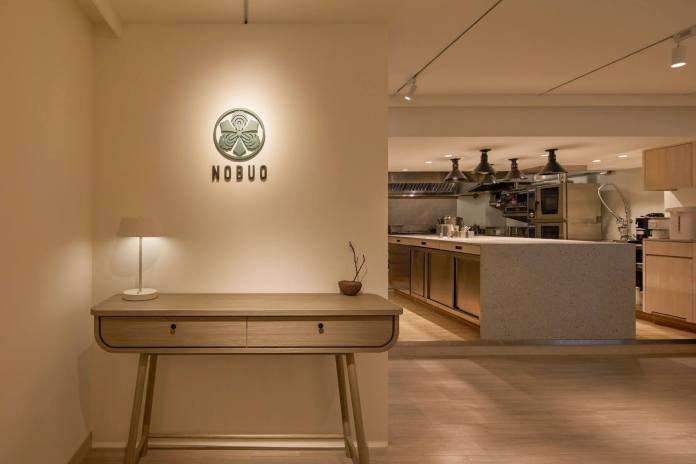
NOBUO
Taipei, Taiwan
NOBUO earned a Michelin star in its opening year (2024) and a place on Tatler Asia Best Restaurants 2025. Chef Nobu Lee's single tasting menu marries Franco-Japanese technique with Taiwanese produce in a minimal Dongmen room. At $$$$ with hard-to-get reservations, this is one of Taipei's most purposeful fine-dining choices; book 4–6 weeks out.
Overview
Tatler Best Restaurants & Bars Asia-Pacific 2025 is a curated list showcasing 246 of the finest restaurants and bars across major Asia-Pacific cities like Hong Kong, Singapore, Bangkok, and Tokyo. Published by Tatler Asia, it identifies premier dining and drinking destinations that set the benchmark for luxury and innovation in the region.
Since its inception, the Tatler Best Restaurants & Bars Asia-Pacific has become the quintessential guide to luxury dining and drinking in the region. Compiled annually by Tatler Asia, the leading authority in luxury lifestyle, it spans over a dozen key cities including Hong Kong, Singapore, Bangkok, Tokyo, Sydney, and Seoul, among others. This comprehensive list highlights 246 exceptional venues, ranging from Michelin-starred restaurants to innovative bars, reflecting evolving culinary trends and cultural diversity. Its influence extends beyond gastronomy, shaping travel and hospitality choices for discerning patrons and industry insiders alike.
For the sophisticated traveler and epicurean, Tatler Best Restaurants & Bars Asia-Pacific 2025 offers an indispensable guide to the region’s most exceptional culinary and mixology experiences. From avant-garde tasting menus in Tokyo to artisanal cocktail bars in Singapore, this curated collection celebrates innovation, heritage, and excellence. Pearl brings this prestigious list to discerning diners seeking not just meals, but memorable journeys through Asia-Pacific’s dynamic food and beverage landscapes.
Quick Facts
- Publisher
- Tatler Asia
- Year
- 2025
- Coverage
- Asia-Pacific, major cities including Hong Kong, Singapore, Bangkok, Tokyo, Sydney
- Items
- 246 restaurants and bars
- Frequency
- Annual
About This Edition
The 2025 edition of Tatler Best Restaurants & Bars Asia-Pacific reflects a dynamic culinary landscape shaped by post-pandemic innovation and sustainability trends. This year’s list includes fresh entries emphasizing plant-forward menus, zero-waste initiatives, and immersive dining concepts. Notably, emerging cities like Ho Chi Minh and Kuala Lumpur have expanded their presence, signaling a broader geographic democratization of luxury dining. This edition underscores Asia-Pacific’s evolution as a global tastemaker with diverse, cutting-edge offerings.
Frequently Asked Questions
What is Tatler Best Restaurants & Bars Asia-Pacific 2025?
How are honorees selected?
How often is this list updated?
How can I find these on Pearl?
How many of these have you visited?
Find out on Pearl and keep score across every place in Tatler Best Restaurants Asia-Pacific 2025.