


GiwaKang
Korean Contemporary · 압구정동, Seoul
Restaurant in Seoul, South Korea
 Book with Pearl
The Read
Hanok-Framed Tasting Precision
Price
$200–300per person
Chef
Kang Min-chul
Dress
Formal
Why go
GiwaKang is a Michelin Plate-recognised Korean contemporary restaurant in Gangnam where Chef Kang Min-chul applies Parisian technique to fermentation-led Korean cooking, supported by a sommelier with two-Michelin-star experience. On Tatler's Asia-Pacific Best Restaurants 2025 list and easier to book than Seoul's starred names, it is a strong choice for a date dinner or solo counter experience at ₩₩₩₩.
About GiwaKang
GiwaKang, Seoul: The Verdict
The common assumption about GiwaKang is that it sits comfortably in Seoul's growing roster of French-inflected tasting menu restaurants. That framing undersells what Chef Kang Min-chul is doing. GiwaKang is a Korean contemporary restaurant first, one where fermentation and craft anchor the menu while Parisian technique shapes the execution. If you are looking for French food with a Korean accent, book elsewhere. If you want Korean flavour thinking expressed with fine-dining precision, GiwaKang is one of the more compelling cases for that format in Gangnam right now.
The Space
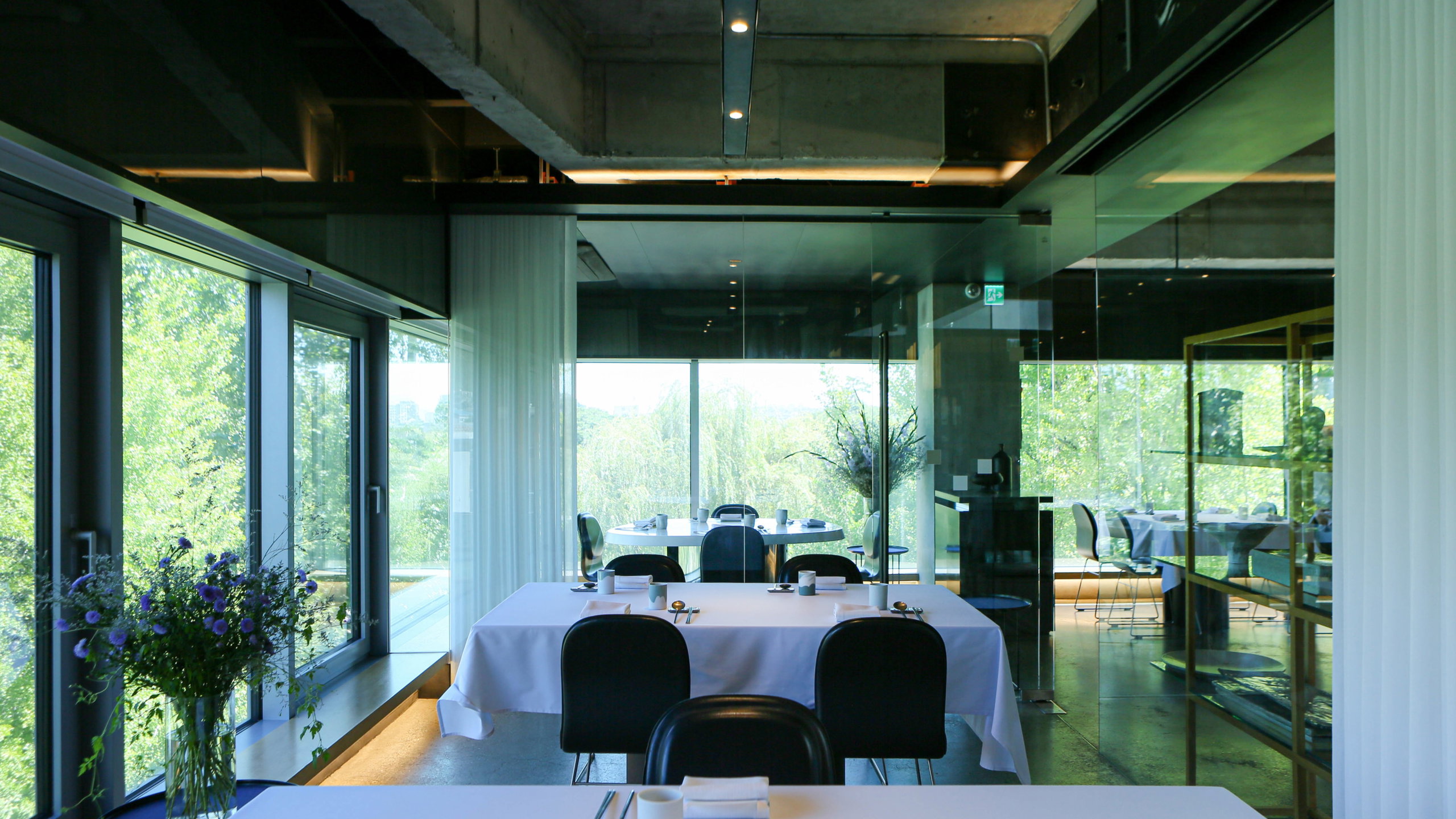
GiwaKang occupies the fourth floor of a building on Nonhyeon-ro 152-gil in Gangnam, and the setting matters to the decision. A fourth-floor restaurant in this neighbourhood signals deliberate remove from street-level foot traffic: you are going because you chose to go, not because you wandered past. The spatial experience is contained and considered rather than expansive. For a special occasion, that intimacy works in your favour: the room does not compete with the meal. For a business dinner where the scale of a room signals status, the more architecturally prominent rooms in Seoul's fine-dining circuit may serve that purpose better. For a date or a celebration between two people, the fourth-floor remove and the focused format are assets. The physical setting aligns well with the counter seating angle that defines GiwaKang's most engaged dining format: proximity to the kitchen is part of what you are booking.
The Counter Experience
At the price point GiwaKang operates (₩₩₩₩), counter seating at this kind of restaurant shifts the value calculation. You are not just paying for the food on the plate: you are paying for a front-row read on how Chef Kang Min-chul and sommelier Jeongin Lee manage a service. Lee brings experience from a two-Michelin-star kitchen, and that background shows in how the wine and beverage program is structured to support rather than overshadow the fermentation-led menu. If you book counter seats, the interaction between the food's fermented depth and what Lee is pouring alongside it becomes legible in real time. That is a different kind of return on spend than a table in the middle of a large room.
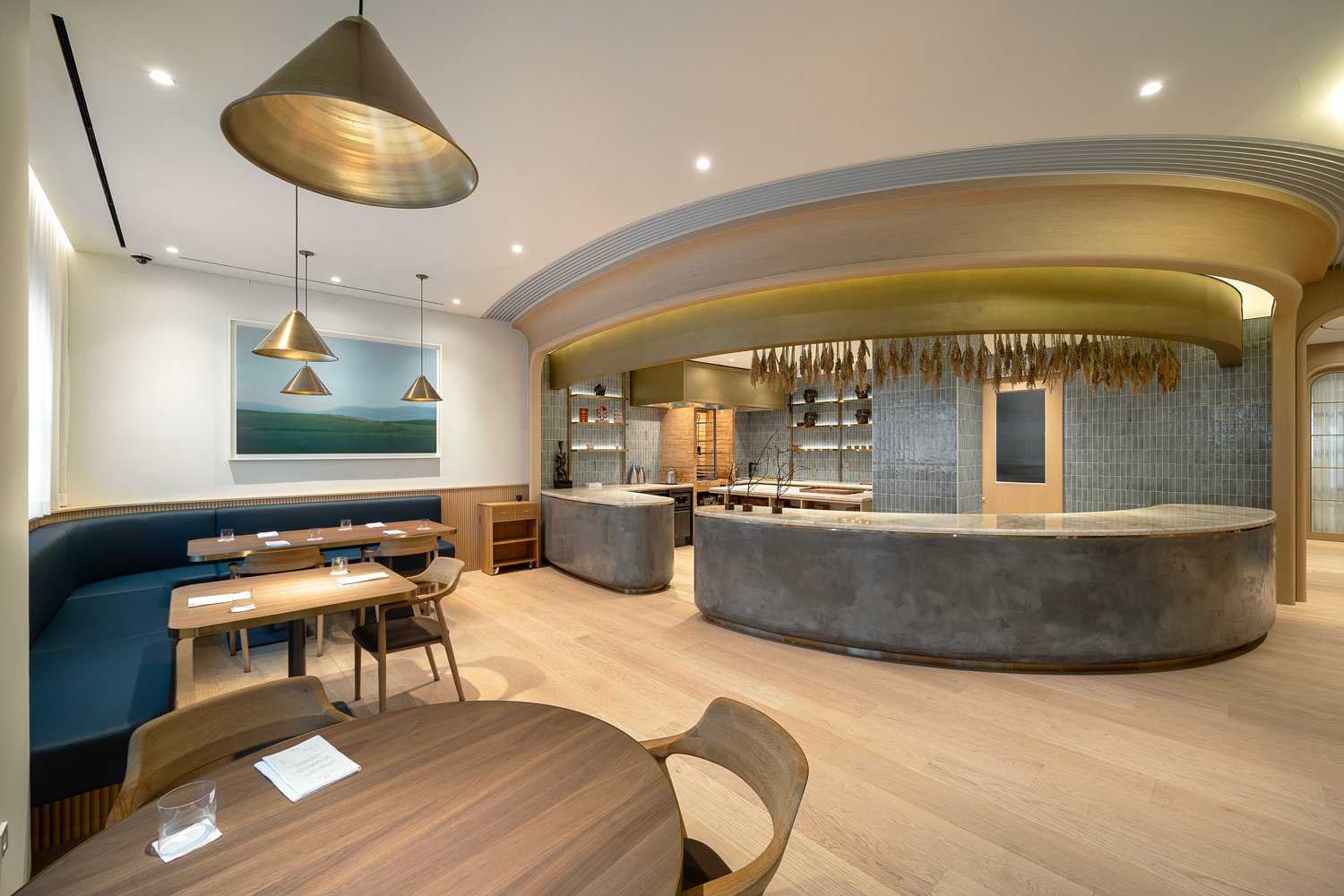
For solo diners, the counter is the clear answer. It removes the awkwardness of a tasting menu designed for pairs, gives you direct access to the kitchen's rhythm, and makes the solo experience feel purposeful rather than incidental. For couples marking an occasion, counter seats at GiwaKang offer the kind of involved, attentive experience that justifies the spend more concretely than ambient room energy alone.
Trust Signals and Recognition
GiwaKang holds a Michelin Plate recognition for 2025 and appears on the Tatler Leading Restaurants Asia-Pacific 2025 list, which places it in credible company across the region. A Michelin Plate means the inspectors found the food worth eating, it is not a star, but it is not nothing. Combined with Tatler's Asia-Pacific listing, GiwaKang sits in the tier of restaurants that have cleared a credibility threshold without yet achieving the reservation scarcity that comes with starred status. That positioning is practically useful: the booking difficulty here is rated Easy compared to the near-impossible windows at Seoul's starred names.
Ideal time to visit
Spring and autumn are the optimal windows for Seoul fine dining broadly, and GiwaKang's fermentation-centred menu is likely to reflect seasonal Korean ingredient cycles during those periods. A Thursday or Friday evening booking gives the kitchen its mid-week rhythm while keeping the occasion feel of a weekend without the peak-night pressure on service. Given the easy booking difficulty, you do not need to plan months ahead, three to four weeks out should be sufficient, but confirm directly with the restaurant as hours and reservation policies are not publicly confirmed in Pearl's database at time of publication.
Who Should Book
GiwaKang is the right choice if your occasion calls for focused, fermentation-led Korean contemporary cooking delivered with French technique and a considered beverage program, in a setting that rewards attention rather than spectacle. It is a strong fit for a date dinner, a small celebration, or a solo diner who wants counter engagement with a tasting menu. It is less suited to large group bookings or to diners whose primary expectation is a visually dramatic room. If group size or room scale matter most, consider the alternatives below.
For more options across Seoul's dining scene, see our full Seoul restaurants guide. For comparable Korean contemporary cooking, Mingles and Jungsik are the benchmarks at starred level. Kwonsooksoo and 권숙수 - Kwon Sook Soo represent the more traditional Korean fine-dining path. For innovative cooking in Seoul, Soigné and alla prima are worth comparing. The Korean contemporary format travels well: Restaurant Ki in Los Angeles and Nae:um in Singapore offer useful reference points if you want to understand how Seoul's influence reads internationally.
Practical Details
| Detail | GiwaKang | Peer Range |
|---|---|---|
| Price tier | ₩₩₩₩ | ₩₩₩ – ₩₩₩₩ |
| Booking difficulty | Easy | Easy to Very Hard |
| Location | Gangnam, 4F | Varies across Seoul |
| Recognition | Michelin Plate 2025, Tatler Asia-Pacific 2025 | 1–2 Michelin Stars (peers) |
| Leading for | Dates, solo dining, small celebrations | Varies |
| Format | Korean Contemporary, tasting menu | Tasting menu standard at ₩₩₩₩ |
For hotels near Gangnam, see our full Seoul hotels guide. For bars to pair with a dinner at GiwaKang, see our full Seoul bars guide. If you are building a wider Korea itinerary, Mori in Busan is worth adding. For Seoul wineries and experiences, see our Seoul wineries guide and our Seoul experiences guide.
Planning details
- Location
- South Korea, Seoul, Gangnam District, Nonhyeon-ro 152-gil, 9 4층
- Website
- giwakang.com
- Phone
- +82 2-517-2511
The take
The Take
The Vibe
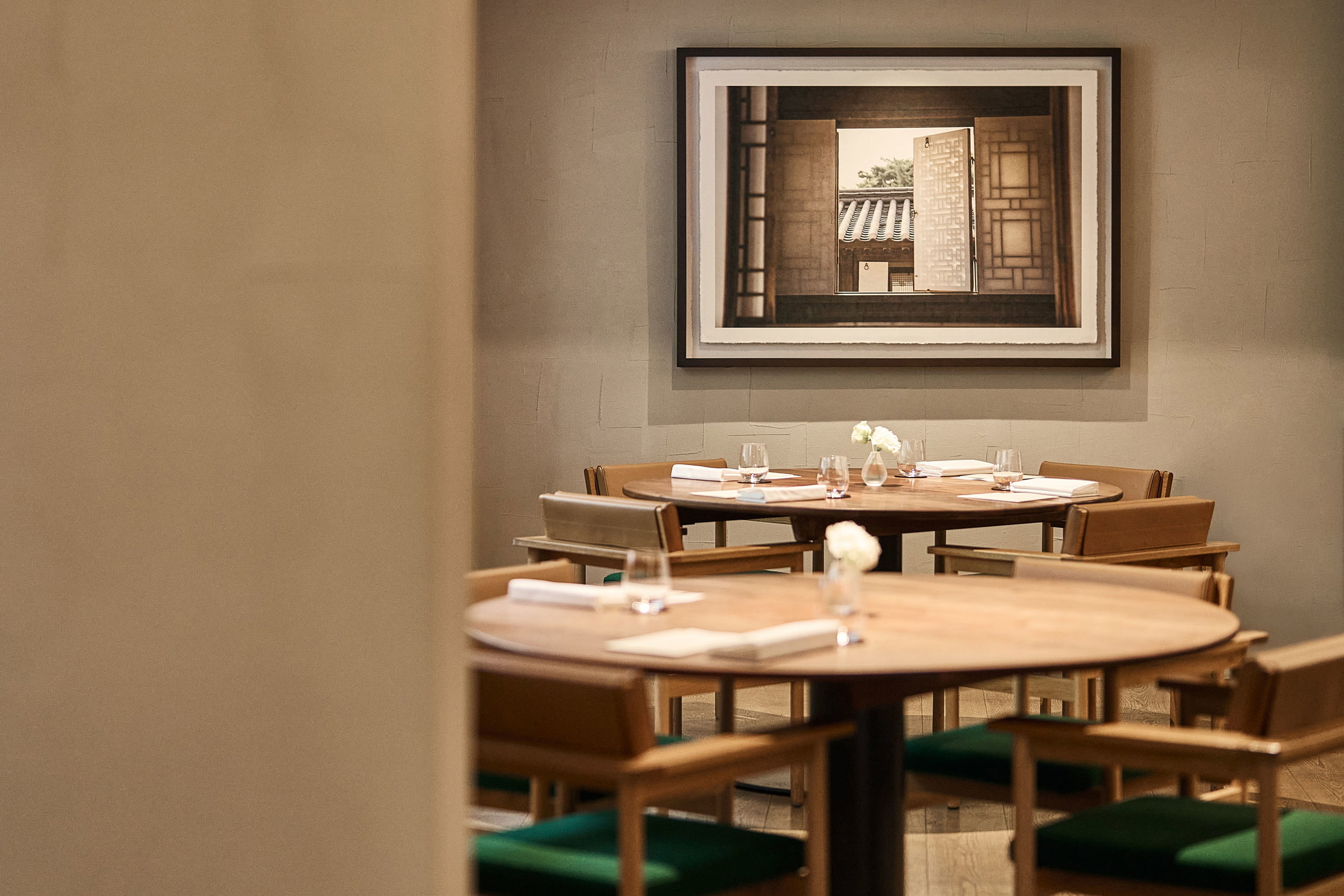
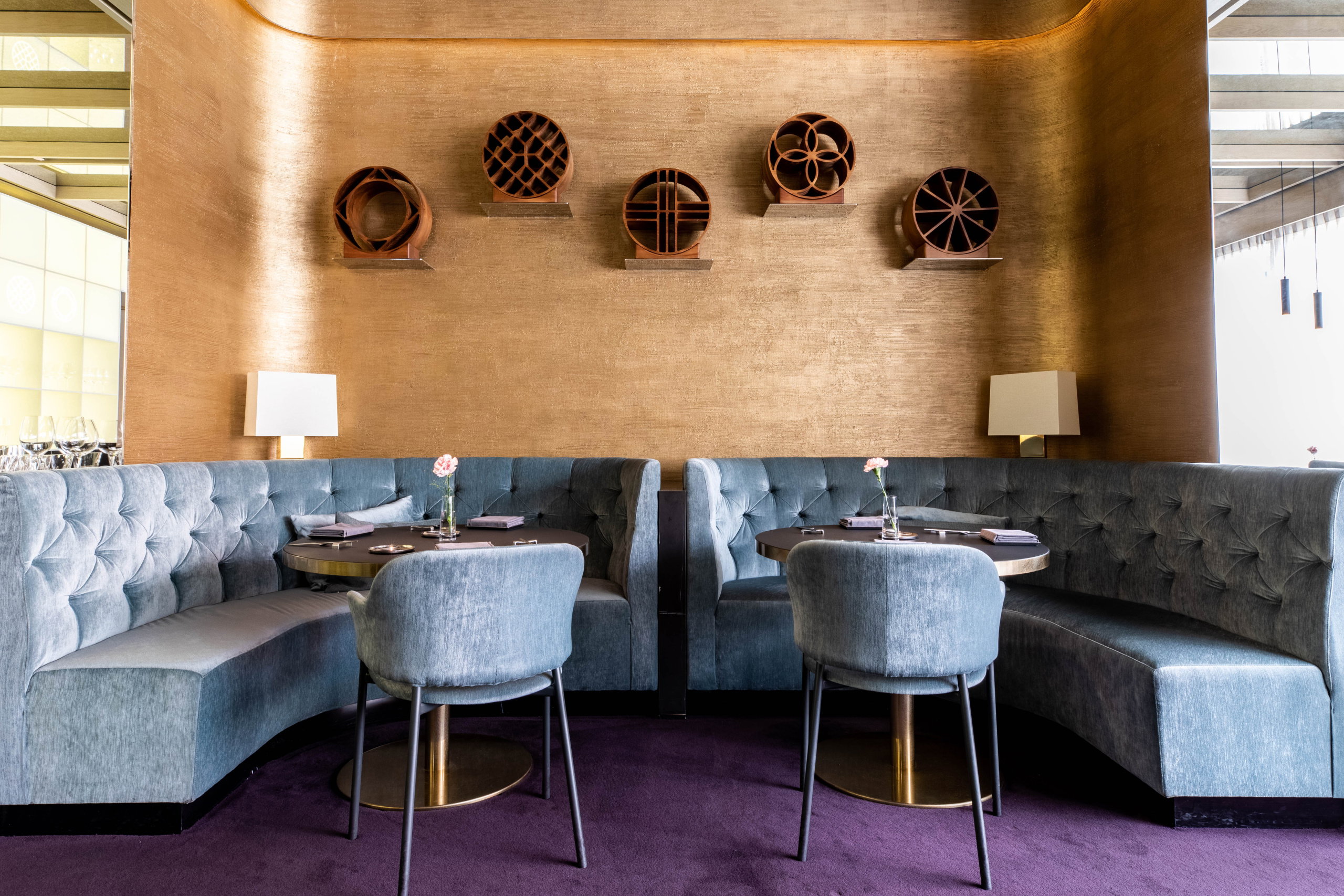
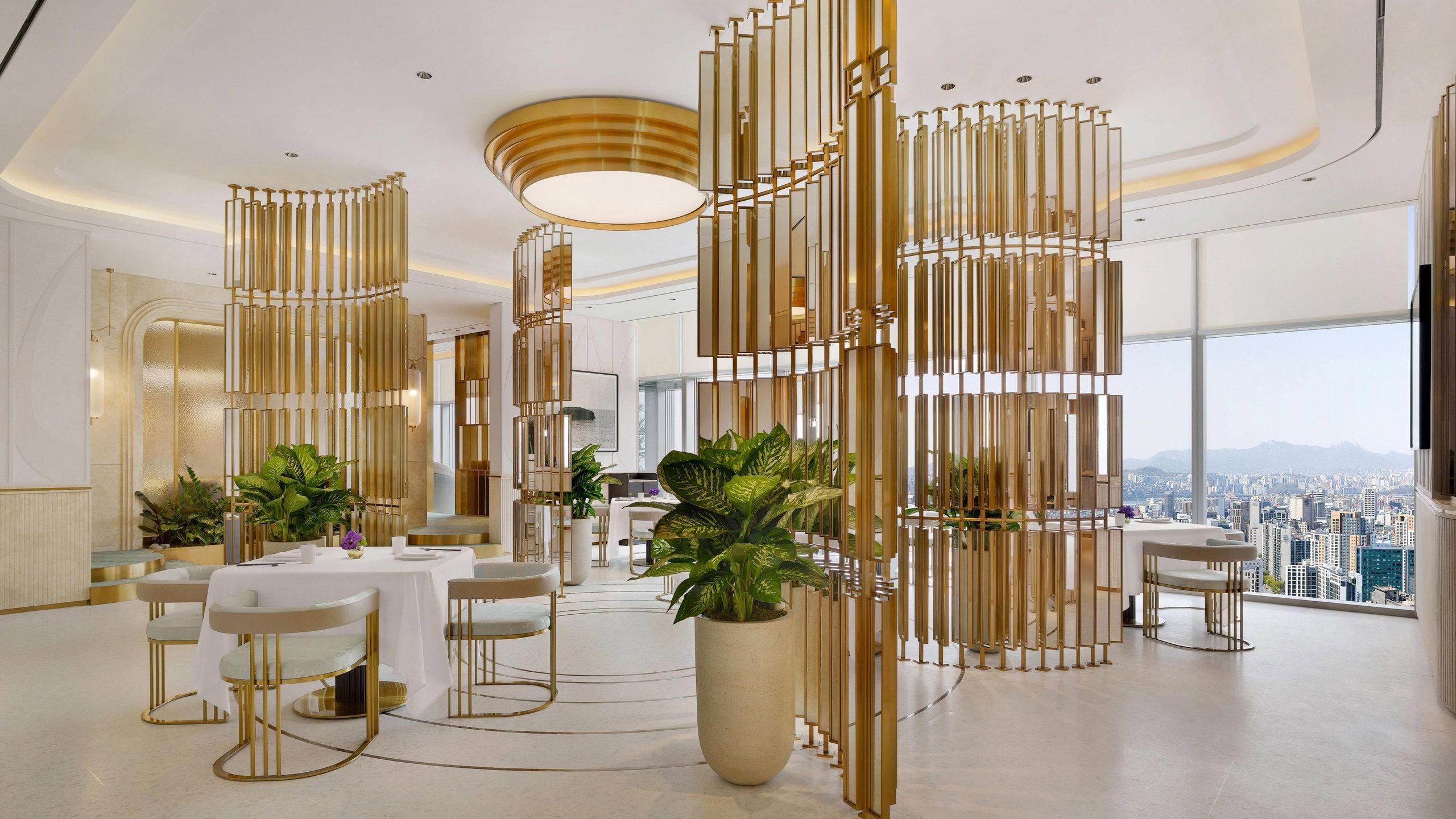
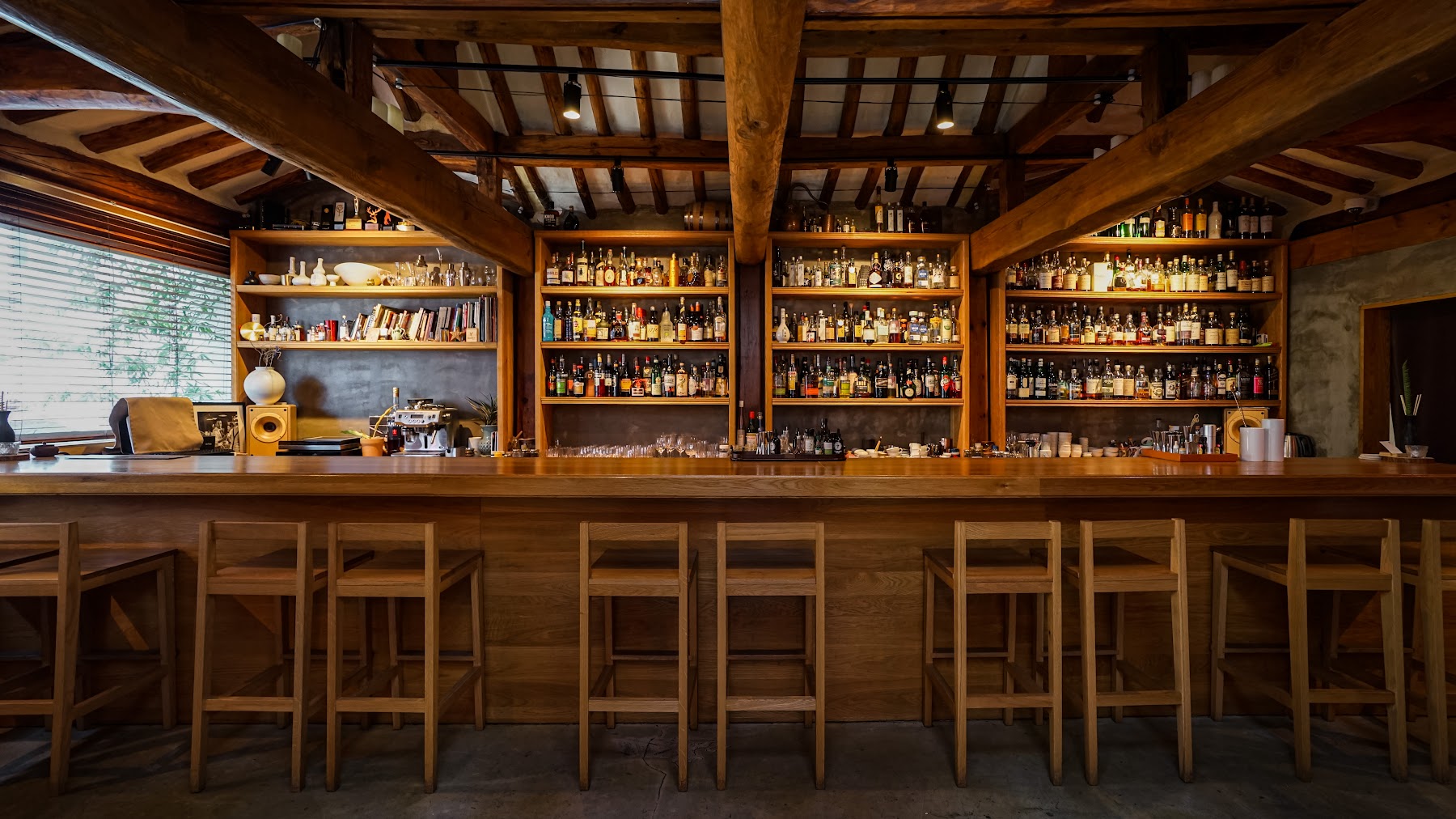
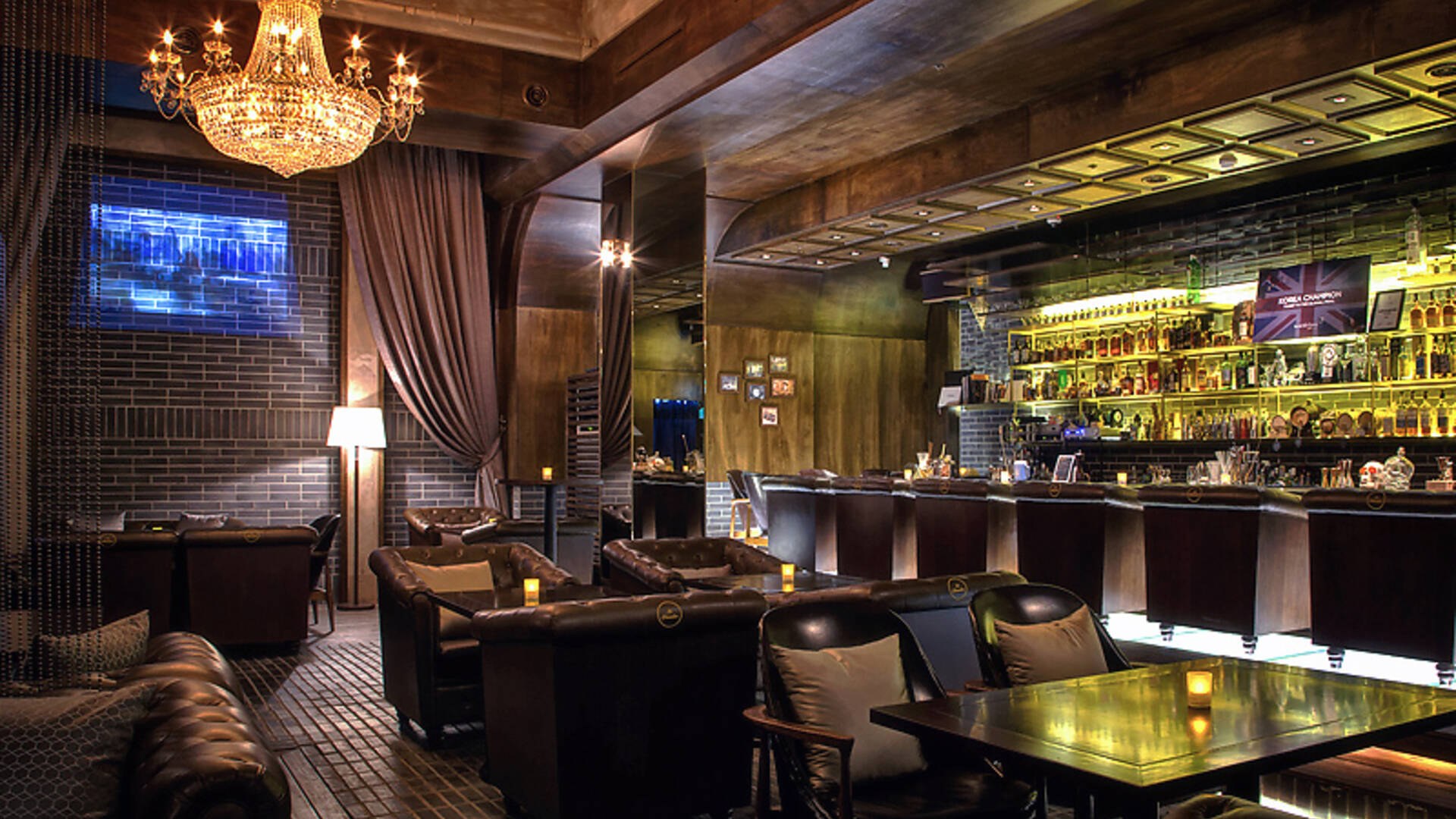
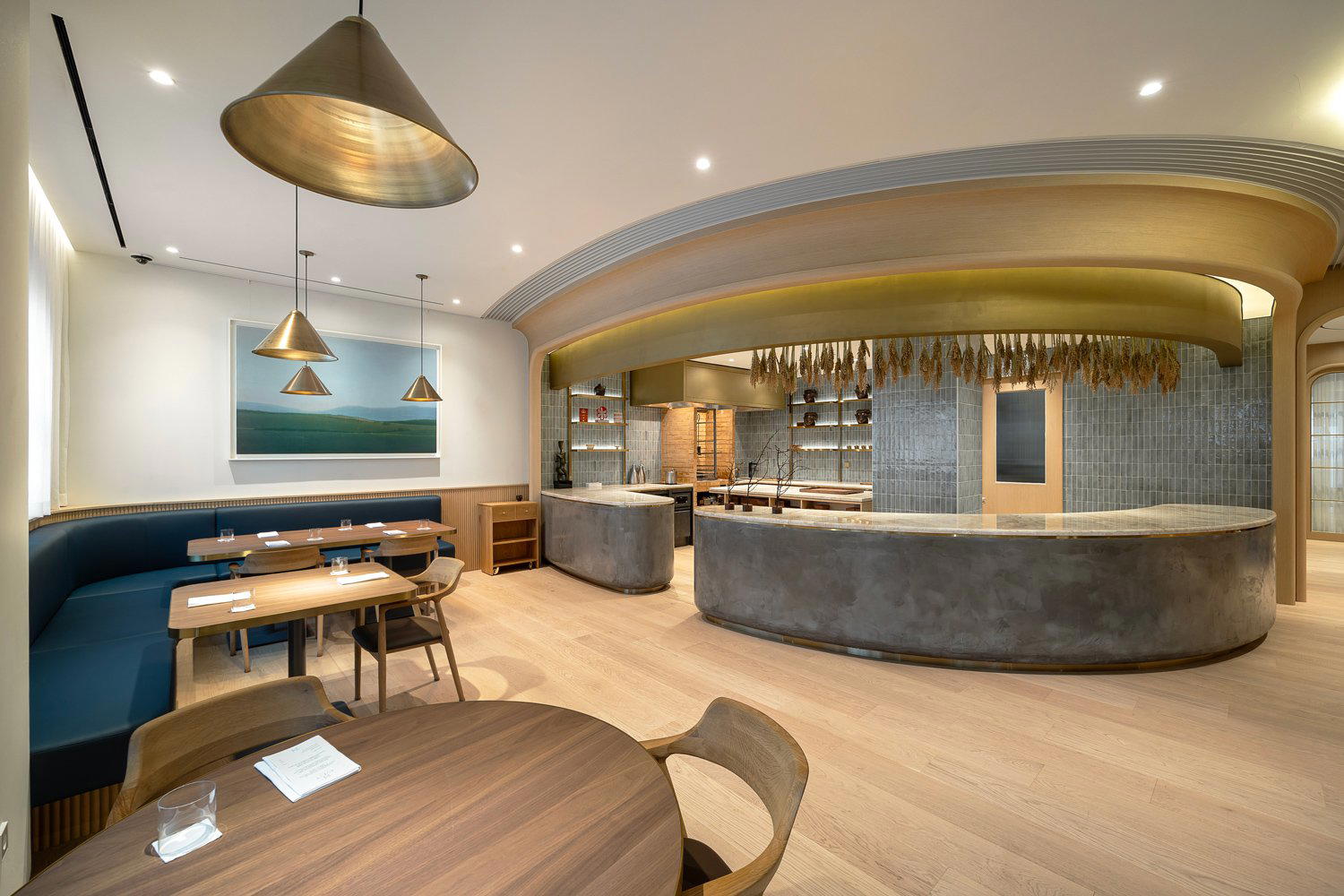
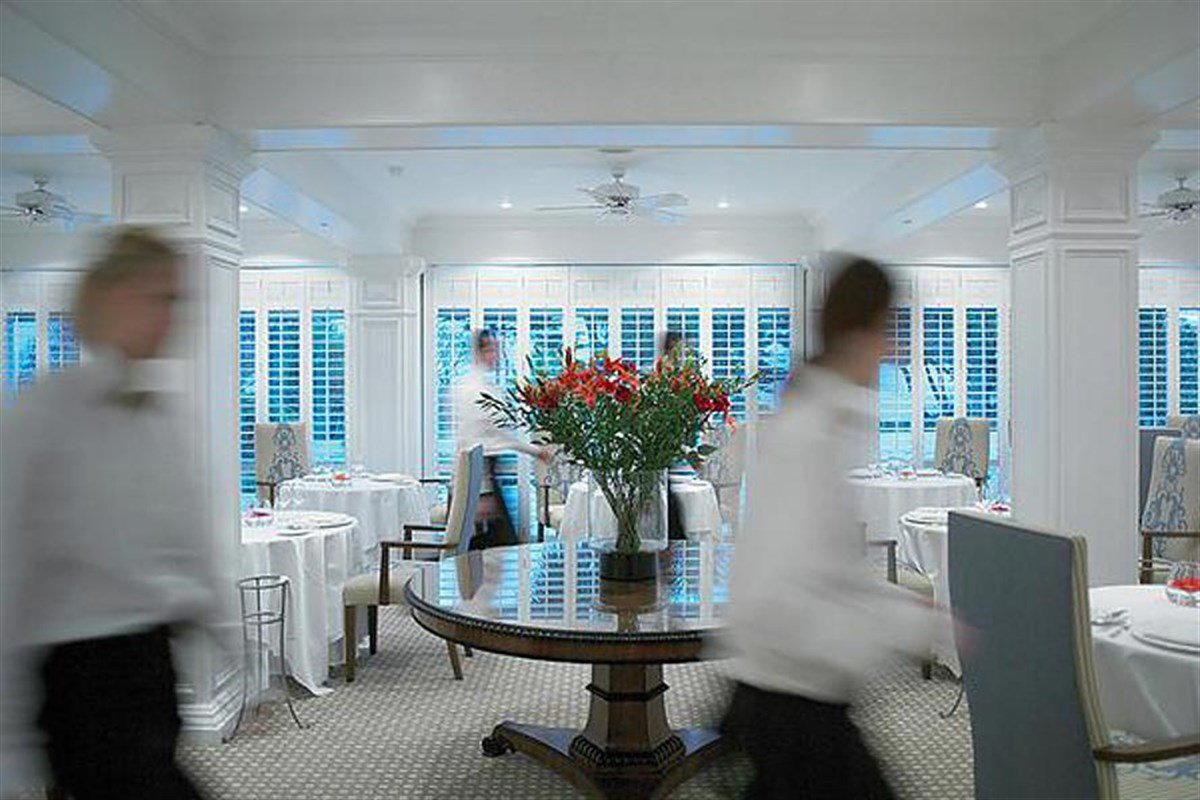
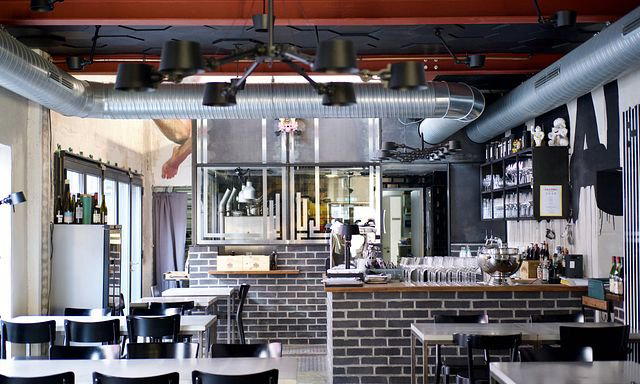
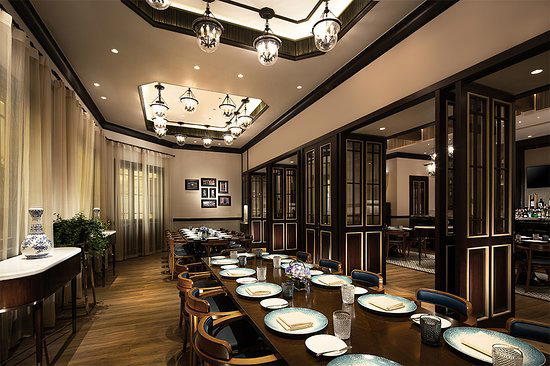
GiwaKang presents a restrained, quietly refined dining room that privileges subtlety over spectacle. Hanok-inflected proportions and carefully placed artisan ceramics give the fourth-floor room a measured, gallery-like calm; an open kitchen anchors the space without turning the service into performance. The kitchen’s French-trained discipline and a long tasting format emphasize sequencing, temperature and texture, so the experience feels deliberate and focused. The Michelin Plate recognition positions the restaurant in Seoul’s high tier, but the overall tone remains muted and contemplative: ideal for diners who prefer precision and intimacy to theatrical dining flourishes.
Best For
This is a restaurant for evenings that call for deliberation: date nights, small celebrations and business dinners that favor composure and craft. GiwaKang sits in Seoul’s upper fine-dining register and operates as a tasting-focused room where restraint and technical control matter; it rewards diners who want a thoughtful, paced meal rather than loud, high-energy dining. The space’s intimate scale and considered design make it well suited to parties seeking a polished, private-feeling experience within Gangnam’s fine-dining corridor.
Ordering Tips
Opt for the kitchen’s long tasting sequence and allow the team to manage sequencing and temperature: the menu is built around careful pacing and technical precision. Highlighted preparations in the venue’s repertoire include the Smoked Soy Sauce Bibim Guksu, Soy‑Marinated Crab with Truffle, Dongchimi with Caviar and Ganjang Gejang Rice with Truffle; these selections signal the kitchen’s blend of Korean technique and restrained French discipline. Treat the meal as a composed progression rather than a la carte highlights to get the fullest sense of the chef’s intent.
Venue details
Ambiance
Elegant and modern space with a spotless open kitchen, refined and polished atmosphere that balances contemporary design with warm, attentive service.
Tags
Vibe
Best For
Experience
Sourcing
Accessibility
At the Table
- Dress Code
- Formal
- Noise Level
- Quiet
- Service Style
- Formal
- Meal Pacing
- Extended Experience
- Capacity
- Small
- Kitchen
- Modern
- Menu Format
- Tasting menu, Prix fixe, A la carte
- Wine Program
- Deep wine list
- Drinks Focus
- Wine, Natural wine
- Private Dining
- Available
Signature Dishes
- Smoked Soy Sauce Bibim Guksu
- Soy-Marinated Crab with Truffle
- Dongchimi with Caviar
- Ganjang Gejang Rice with Truffle
- Squid Mandu
Know before you go
Know Before You Go
- Getting there
- South Korea, Seoul, Gangnam District, Nonhyeon-ro 152-gil, 9 4층
Planning details
Location
South Korea, Seoul, Gangnam District, Nonhyeon-ro 152-gil, 9 4층 · Directions
Recognition and awards


Also consider
Also Consider
- Solbam: Contemporary, ₩₩₩₩
- Onjium: Korean, ₩₩₩₩
- 7th Door: Korean, Contemporary, ₩₩₩₩
- L'Amitié: French, ₩₩₩
- Zero Complex: Korean-French, Innovative, ₩₩₩₩
Restaurant context
At ₩₩₩₩, GiwaKang's most direct stylistic comparison is Zero Complex, which also works the Korean-French register with an innovative brief. If the fermentation and craft angle at GiwaKang is the draw, Zero Complex is the venue to compare before booking: both sit at the same price tier, and your preference for how Korean flavour and French technique are balanced will determine which fits better. 7th Door covers Korean contemporary at ₩₩₩₩ with a different creative identity, and is worth considering if you want more distinctly Korean formal dining without the French inflection.
Onjium at ₩₩₩₩ is the choice if you want traditional Korean cooking taken to fine-dining register: the cooking philosophy is further from GiwaKang's Parisian-technique approach, but the price commitment is the same. Solbam at ₩₩₩₩ covers the contemporary end of the Seoul spectrum and is worth checking if the specific Korean-contemporary category is your target. If budget flexibility is a factor, L'Amitié at ₩₩₩ is the step down: French rather than Korean contemporary, but the lower price tier makes it the practical alternative if you are not committed to spending at the top of the range.
GiwaKang's practical advantage over most of this set is booking access. Seoul's starred rooms Mingles, Jungsik, Kwonsooksoo: require significantly more lead time and booking effort. GiwaKang's easy booking difficulty means you can plan a Gangnam fine-dining evening with three to four weeks' notice rather than months. For a spontaneous special occasion or a trip where the itinerary came together late, that access matters. The trade-off is that the Michelin Plate rather than star recognition means you are one tier below the most critically validated rooms in the city.
Explore Seoul
Around this place
Discover more on Pearl
Unlock the full GiwaKang guide in Pearl, including awards, comparisons, FAQs, planning details, and nearby places.
Compare GiwaKang
| Venue | Awards | Price |
|---|---|---|
| GiwaKang | Star Wine Lists 20262026 OAD Top Restaurants in Asia RecommendedMichelin Guide Seoul & Busan 20262026 Wine Spectator Best of Award of ExcellenceTatler Best Restaurants Asia-Pacific 20252025 Michelin Plate | ₩₩₩₩ |
| Solbam | 2026 Asia's 50 Best Restaurants · #552026 Wine Spectator Best of Award of Excellence2026 OAD Top Restaurants in Asia RecommendedMichelin Guide Seoul & Busan 20262026 La Liste Top Restaurants2025 Asia's 50 Best Restaurants · #552025 OAD Top Restaurants in Asia Ranked · #277Tatler Best Restaurants Asia-Pacific 20252025 Wine Spectator Best of Award of Excellence | ₩₩₩₩ |
| Onjium | 2026 Asia's 50 Best Restaurants · #142026 OAD Top Restaurants in Asia Ranked · #852026 La Liste Top RestaurantsMichelin Guide Seoul & Busan 20262026 Wine Spectator Best of Award of Excellence2025 Asia's 50 Best Restaurants · #102025 World's 50 Best Restaurants · #572025 OAD Top Restaurants in Asia Ranked · #1342025 La Liste Top Restaurants | ₩₩₩₩ |
| 7th Door | 2026 Asia's 50 Best Restaurants · #492026 OAD Top Restaurants in Asia Ranked · #842026 Black Pearl 1 DiamondMichelin Guide Seoul & Busan 20262026 La Liste Top Restaurants2025 Asia's 50 Best Restaurants · #232025 Michelin 1 Star2025 La Liste Top Restaurants2024 OAD Top Restaurants in Asia Ranked · #192 | ₩₩₩₩ |
| L'Amitié | 2026 La Liste Top Restaurants2025 La Liste Top Restaurants2025 Michelin 1 Star2024 Michelin 1 Star | ₩₩₩ |
| Zero Complex | Star Wine Lists 20262026 OAD Top Restaurants in Asia Recommended2026 La Liste Top Restaurants2025 OAD Top Restaurants in Asia Ranked · #1992025 La Liste Top Restaurants2025 Michelin 1 Star2025 The Best Chef One Knife2024 OAD Top Restaurants in Asia Ranked · #2792024 Michelin 1 Star | ₩₩₩₩ |
.png?width=1200&quality=80)





Side-by-side comparison to help you decide where to book.
FAQ
Frequently Asked Questions
What are alternatives to GiwaKang in Seoul?
Onjium is the closest comparison for fermentation-focused Korean cooking with serious technique, though it leans more traditional in reference points. 7th Door offers a similarly intimate counter format at ₩₩₩₩ pricing. If you want French-Korean crossover with more established Michelin credentials, L'Amitié is worth considering. GiwaKang's specific edge is the pairing of Chef Kang's French training with sommelier Jeongin Lee's two-Michelin-star background, which is a harder combination to replicate elsewhere in the city.
Is GiwaKang worth the price?
At ₩₩₩₩, GiwaKang sits at the top tier of Seoul dining spend, and the case for it rests on two things: a Michelin Plate (2025) and a place on the Tatler Best Restaurants Asia-Pacific 2025 list, both of which confirm it has been independently assessed and found credible. The kitchen's combination of Korean fermentation technique and French precision is a substantive menu proposition, not a concept applied loosely. If you are comparing against Zero Complex or Solbam at a similar price, GiwaKang offers a more focused, chef-driven format rather than a broader tasting experience.
Is GiwaKang good for solo dining?
GiwaKang is a reasonable solo choice. The fourth-floor setting and counter-style format typical of this restaurant category in Seoul generally suit solo diners well, placing you in proximity to the kitchen and service team rather than isolated at a table. Sommelier Jeongin Lee's presence, noted for his experience in two-Michelin-star environments, also means the drinks programme is a genuine focal point for solo guests who want to engage with pairings.
Can GiwaKang accommodate groups?
GiwaKang's fourth-floor address and the intimate format associated with this style of Korean contemporary cooking suggest limited capacity for large parties. Groups of two to four are the practical fit for a restaurant operating at this price point and format. For larger groups, confirm directly via the restaurant's booking contact before assuming availability; the address is 4F, 9 Nonhyeon-ro 152-gil, Gangnam-gu, Seoul.
What should I wear to GiwaKang?
The venue data does not specify a dress code, but GiwaKang's positioning as a ₩₩₩₩ Korean contemporary restaurant on the Tatler Asia-Pacific 2025 list places it firmly in the category where Seoul diners typically dress with some intentionality. Business casual to smart casual is consistent with this tier of Gangnam fine dining. Avoid overly casual clothing; the room and price point both suggest the experience is designed to feel considered.