
Azabukawakamian
Soba · Minato, Tokyo
Restaurant in Tokyo, Japan
 Book with Pearl
The Read
Soba Refined Simply
Price
$20–30per person
Chef
Various
Dress
Smart Casual
Why go
Azabukawakamian is a basement soba restaurant in Azabu-Juban that has ranked on the Opinionated About Dining Casual Japan list two years running (#99 in 2024, #116 in 2025). With all-day hours seven days a week, it is a consistent, low-fuss booking for serious soba in one of Tokyo's most liveable neighbourhoods.
About Azabukawakamian
A Ranked Soba Counter in Azabu-Juban Worth Knowing
Azabukawakamian sits in the basement of a nondescript building in Azabu-Juban, Minato City, and it has ranked in Opinionated About Dining's Casual Japan list two years running: #99 in 2024 and #116 in 2025. For a soba restaurant in one of Tokyo's wealthier residential neighbourhoods, that kind of sustained recognition from a credible, crowd-sourced list means the cooking is consistent enough to warrant a specific trip. With a , this is not a place coasting on location or atmosphere alone.
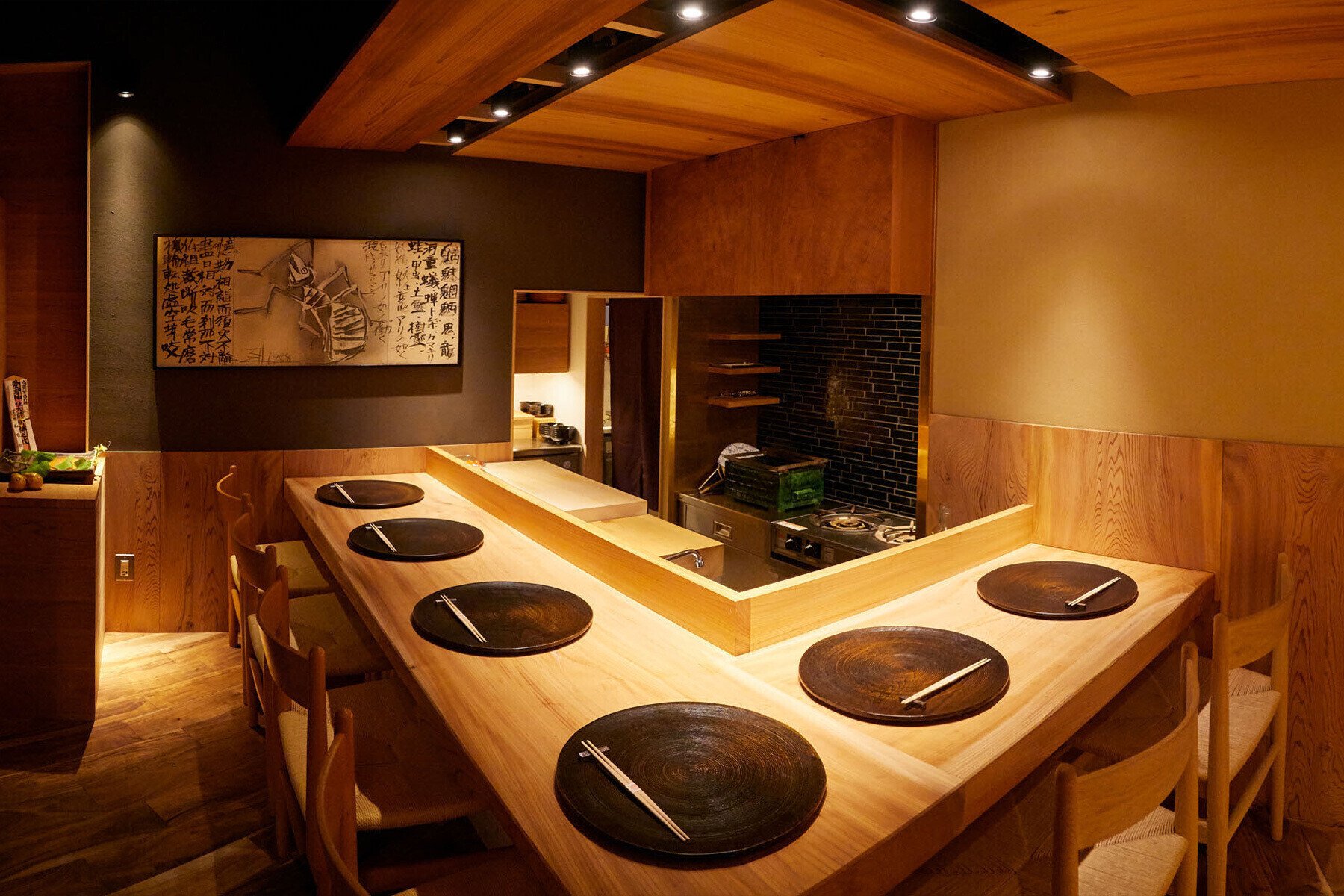
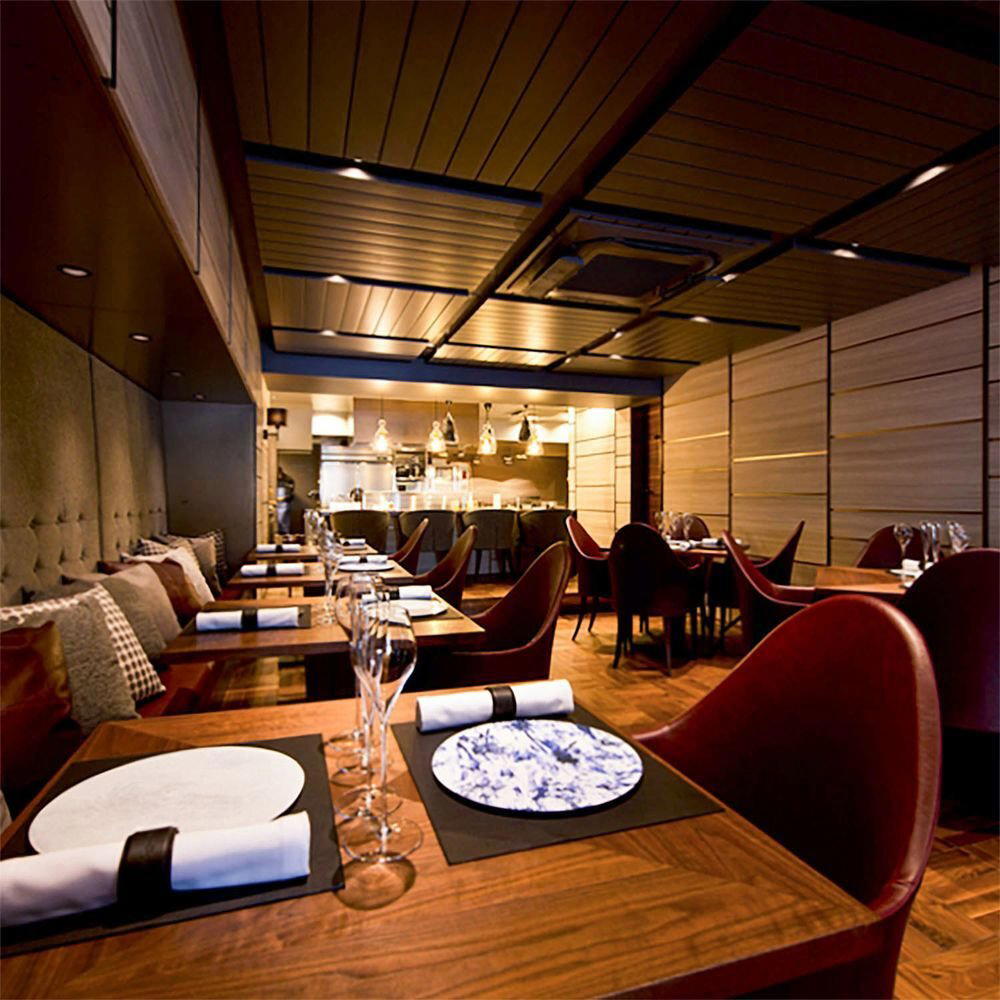
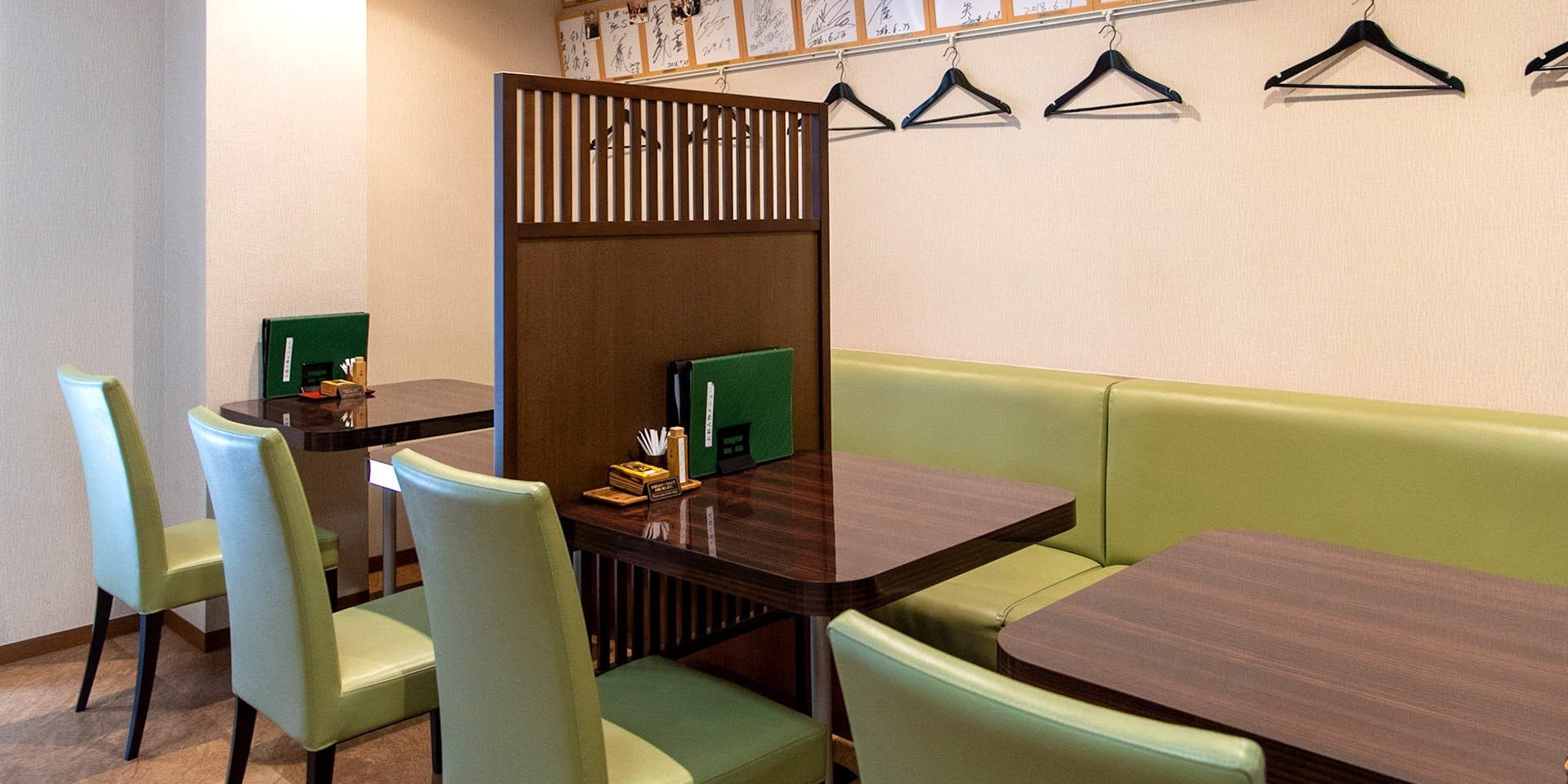
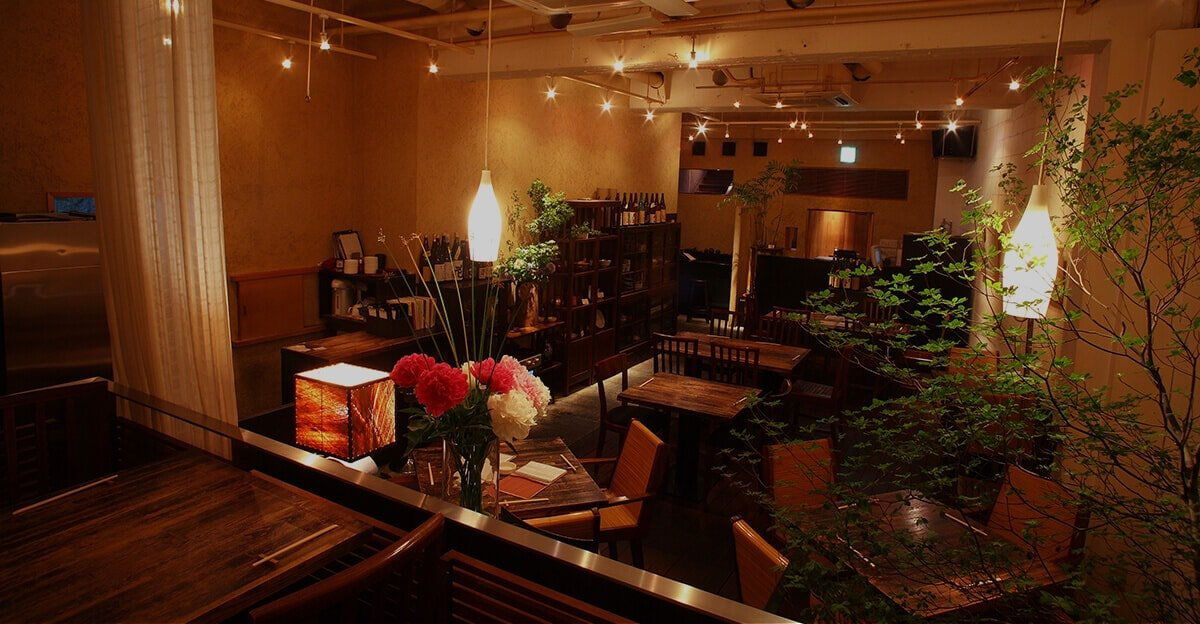
The space is basement-level, which in Tokyo often signals something worth finding: lower rents, less foot-traffic pressure, and interiors built for eating rather than spectacle. The subterranean setting at Azabukawakamian creates a contained, quieter room that suits the format of soba dining well. Soba is not a cuisine that benefits from noise or performance. You are here to eat noodles that have been made with precision, in a room that lets you do exactly that. The layout keeps the focus on the bowl in front of you.
Lunch vs. Dinner: When to Go
The restaurant runs the same hours every day of the week, 11 am to 10:30 pm Monday through Sunday, which is genuinely useful. Most serious soba restaurants in Tokyo close mid-afternoon and do not reopen for dinner; many are lunch-only. Azabukawakamian's all-day format means you have real flexibility. That said, the case for lunch here is stronger. Soba is a midday food in Japanese culinary tradition, and the lunch crowd at a neighbourhood spot like this tends to include local residents who know the menu well. Service pace during lunch at soba restaurants in Japan is typically brisk, making it a practical choice if you are building a full day of eating across the city.
Dinner works if you want a quieter room and a longer sit. The evening hours running to 10:30 pm make Azabukawakamian a viable late option after a day of exploring Minato or the surrounding areas. At typical soba price points, dinner here is not a financial commitment in the way a kaiseki or omakase booking would be. It is a low-stakes, high-quality meal that rewards spontaneous planning. Given that booking difficulty is rated Easy, walking in for an evening soba is a reasonable expectation, though confirming ahead for larger groups is sensible in any Tokyo restaurant context.
Who Should Book This
If you are a food-focused traveller building a Tokyo itinerary around serious Japanese cooking, Azabukawakamian is the kind of place that earns its place on the list not through Michelin stars or tasting menus, but through the quality and consistency that OAD casual rankings reflect. It pairs well with a broader eating day in the city: start with this for lunch, spend the afternoon in Minato or nearby Roppongi, and move on to a more formal evening booking. For visitors looking at the full picture of Tokyo dining, our full Tokyo restaurants guide covers the range from casual soba counters to multi-course dining rooms.
For solo diners, a basement soba counter is close to ideal. The format does not require company, service is attentive without being intrusive, and the meal naturally self-contains. For couples, it works as a low-pressure lunch before an afternoon in the neighbourhood.
Soba in Context: Tokyo and Beyond
If soba is a focus of your Japan trip, Tokyo has serious depth in the category. Akasaka Sunaba, Edosoba Hosokawa, Hamacho Kaneko, and Ittoan are all worth comparing depending on your neighbourhood base and schedule. For soba outside Tokyo, Ayamedo in Osaka and Chikuyuan Taro no Atsumori in Kyoto are the relevant benchmarks. The category rewards exploration; soba regional variation across Japan is worth building a specific itinerary around.
Azabukawakamian does not occupy the same register as the large-format kaiseki and French fine dining rooms in Tokyo. That is not a weakness. It is a different kind of commitment, and in some ways a more revealing one about what Tokyo dining can be at the everyday-serious level. For context on the city's broader dining options, including hotels and bars while you are in the area, see our Tokyo hotels guide, our Tokyo bars guide, and our Tokyo experiences guide. If your Japan trip extends beyond Tokyo, HAJIME in Osaka, Gion Sasaki in Kyoto, akordu in Nara, Goh in Fukuoka, 1000 in Yokohama, and 6 in Okinawa are all Pearl-tracked venues worth your attention. A broader look at Tokyo wineries is also available via our Tokyo wineries guide.
The Verdict
Book Azabukawakamian for lunch if you want the most traditional expression of what the restaurant does. Go for dinner if your schedule demands flexibility or you want a quieter, unhurried room. Either way, it is a low-risk, high-quality booking in a neighbourhood that rewards careful eating. At casual Tokyo price points, that is exactly what you should be looking for.
Planning details
- Hours
- Monday: 11 am–10:30 pm · Tuesday: 11 am–10:30 pm
- Location
- Japan, 〒106-0045 Tokyo, Minato City, Azabujuban, 3 Chome−5−7 麻布カジタビル B1F
- Website
- kawakamian.com/shops/azabu.php
- Phone
- +81 3-5439-5757
The take
The Take
The Vibe
Azabukawakamian presents an understated, ingredient-first dining experience tucked down in a basement room in Azabu-Juban. The mood is intimate and focused: the kitchen foregrounds Nagano buckwheat, mountain spring water and precise technique rather than spectacle. Modern Japanese touches (clean presentation, lightly dressed tempura and restrained wagyu) sit alongside an almost classic respect for stock and provenance. The overall feel is calm and refined, favoring craftsmanship over fuss. Guests come for the texture of hand-cut soba and the purity of grain-driven flavors in a small, quietly serious setting that rewards attention to detail.
Best For
This is a destination for diners who prioritize ingredient quality and technique. Azabukawakamian answers questions about authentic Nagano soba in Tokyo, so it suits guests seeking a focused, authentic noodle experience: whether someone building a meal around cold seiro soba or pairing noodles with seasonal tempura and small share plates. The basement dining room and restrained presentations make it well matched to intimate dinners and attentive food lovers rather than loud, boisterous nights out. The provenance-driven menu also appeals to repeat visitors who value consistency and craftsmanship.
Ordering Tips
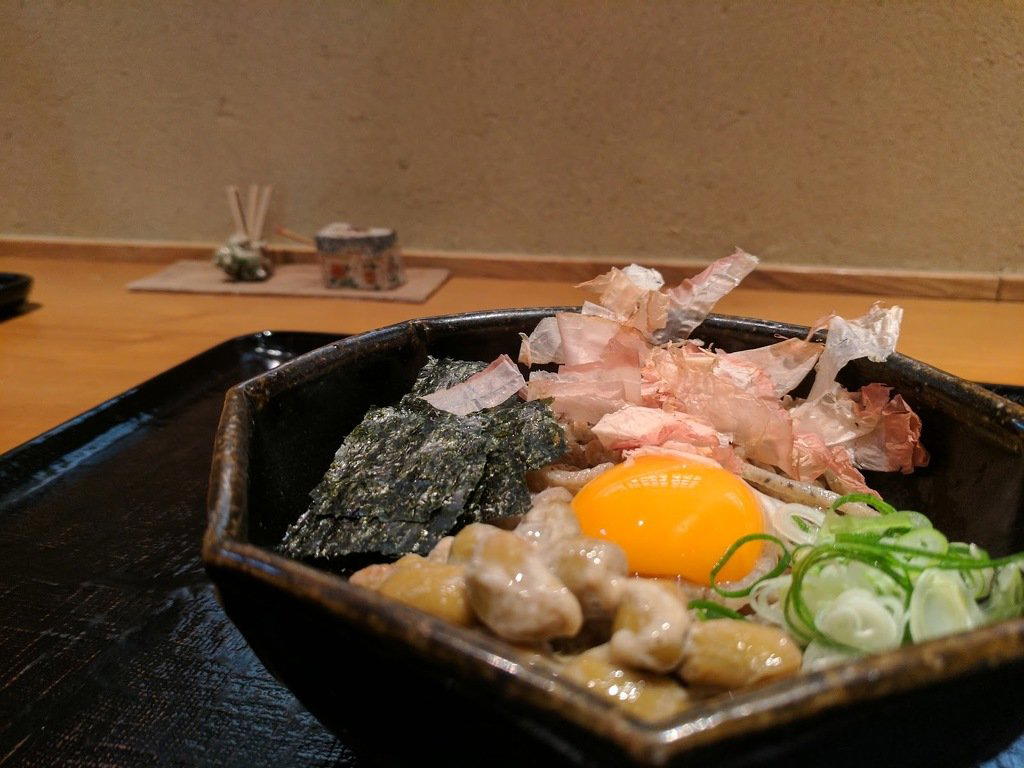
Start with signature soba preparations to sample the kitchen’s strengths: Kamo-Seiro Soba (cold noodles with hot wild duck broth poured at the table) highlights texture and savory depth, while Kurumi Soba uses a walnut dipping sauce for a richer, silkier bite. Don’t miss Wagyu-Hasami-Age for its crisp edges and pure beef flavor or Umaki for a sweet‑savory foil to noodles. Tempura is prepared to order, so time it alongside soba for the best textural contrast. Expect hand-cut noodles made with mountain spring water: ordering cold seiro styles showcases the firm texture and pure buckwheat notes.
Venue details
Ambiance
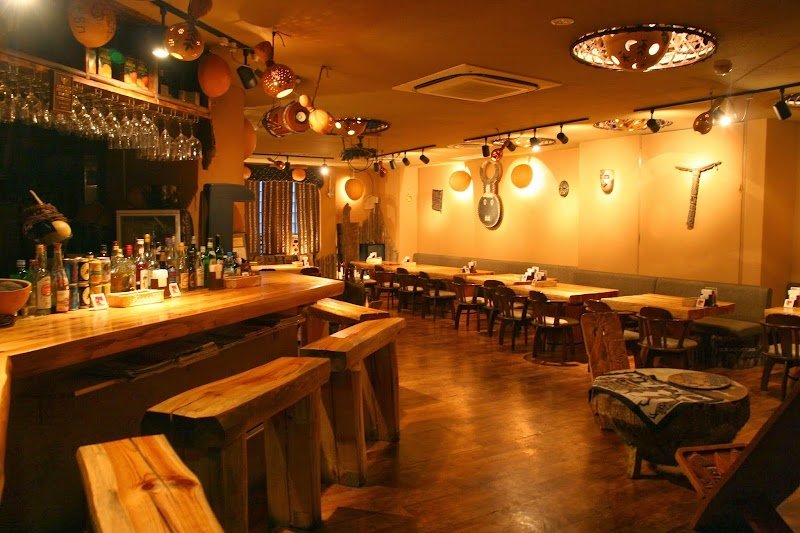
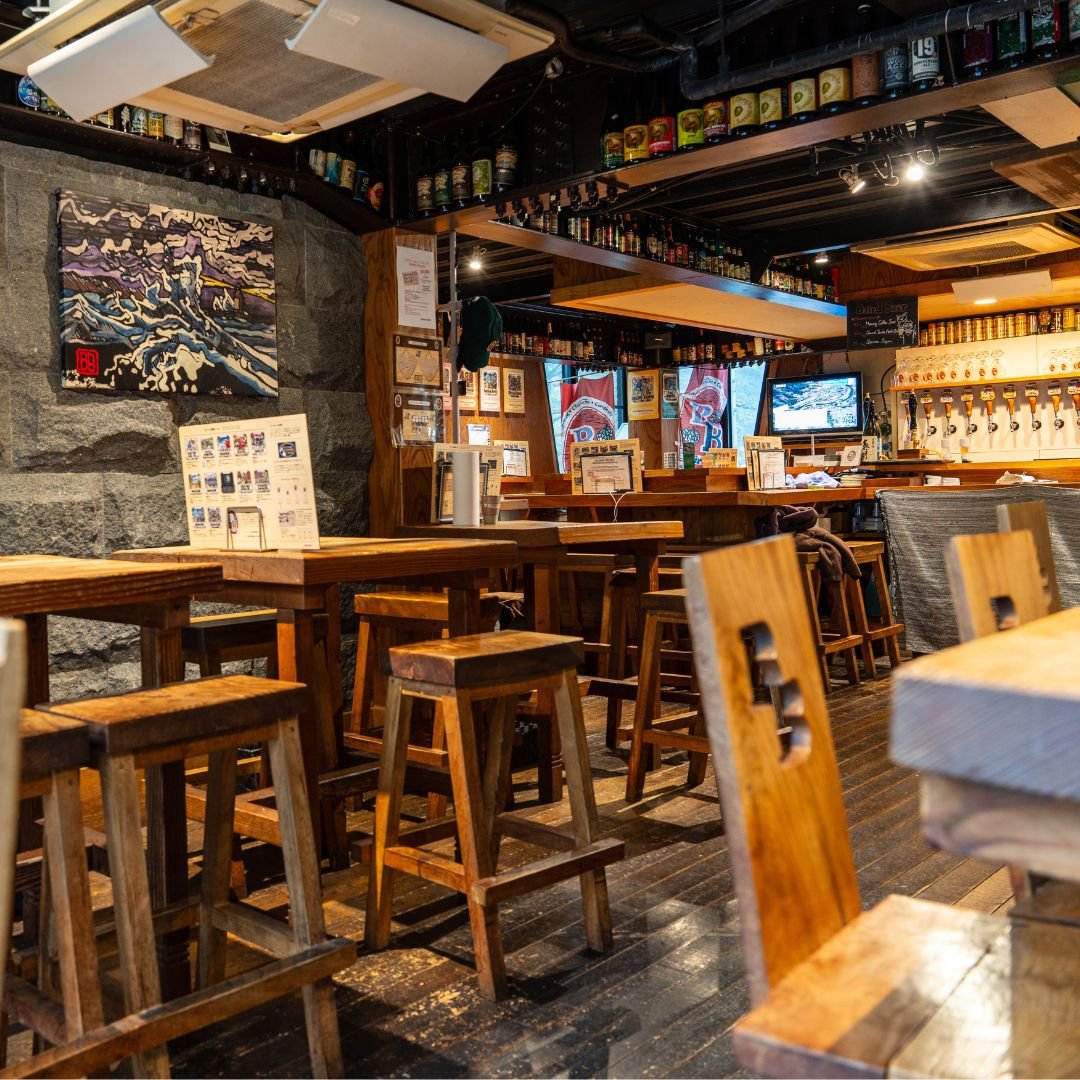
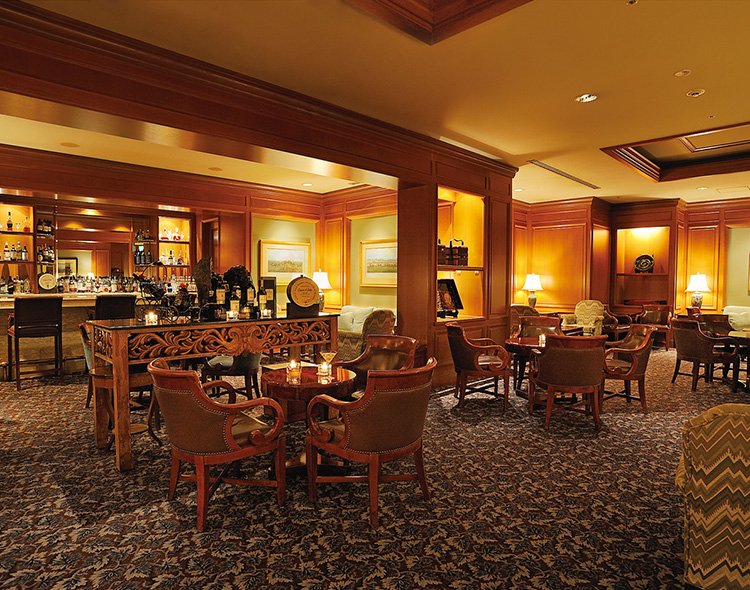
Calm and stylish atmosphere with wooden furnishings, jazz BGM, and a cozy backyard-like terrace, popular among couples, families, and groups.
Tags
Vibe
Best For
Experience
Sourcing
At the Table
- Dress Code
- Smart Casual
- Noise Level
- Conversational
- Service Style
- Upscale Casual
- Meal Pacing
- Standard
- Capacity
- Medium
- Kitchen
- Traditional
- Menu Format
- A la carte, Small plates
- Drinks Focus
- Sake program
- Private Dining
- Available
- Outdoor Seating
- Yes
Signature Dishes
- kurumi soba
- tempura soba
- kamo tataki
Know before you go
Know Before You Go
- Getting there
- Japan, 〒106-0045 Tokyo, Minato City, Azabujuban, 3 Chome−5−7 麻布カジタビル B1F
Planning details
Hours
- Monday
- 11 am–10:30 pm
- Tuesday
- 11 am–10:30 pm
- Wednesday
- 11 am–10:30 pm
- Thursday
- 11 am–10:30 pm
- Friday
- 11 am–10:30 pm
- Saturday
- 11 am–10:30 pm
- Sunday
- 11 am–10:30 pm
Location
Japan, 〒106-0045 Tokyo, Minato City, Azabujuban, 3 Chome−5−7 麻布カジタビル B1F · Directions

Also consider
Also Consider
- Harutaka: Sushi, ¥¥¥¥
- RyuGin: Kaiseki, Japanese, ¥¥¥¥
- L'Effervescence: French, ¥¥¥¥
- HOMMAGE: Innovtive French, French, ¥¥¥¥
- Florilège: French, ¥¥¥
Restaurant context
Azabukawakamian belongs to a different category than most of the high-profile Tokyo dining rooms that dominate international lists. Harutaka (sushi, ¥¥¥¥) and RyuGin (kaiseki, ¥¥¥¥) are operating at a fundamentally different price point and commitment level. If you are deciding between spending an evening at a multi-course kaiseki counter or booking Azabukawakamian for a soba lunch, these are not competing options. They serve different moments in a trip. Azabukawakamian earns its place as the quality casual meal that punctuates a day, not the centrepiece of a night out.
Among the French restaurants on the peer list, Florilège (¥¥¥) is the closest in value positioning, though still a considerably more expensive and involved booking than a soba lunch. L'Effervescence and HOMMAGE (both ¥¥¥¥) require advance planning, formal commitment, and a significantly higher spend. None of these are direct substitutes for Azabukawakamian. The question is how you want to balance your Tokyo eating budget: if you are spending heavily on one or two formal dinners per trip, Azabukawakamian is exactly the kind of affordable, credentialled lunch that keeps the overall trip coherent without stretching the budget further.
Within the soba category specifically, Edosoba Hosokawa and Akasaka Sunaba are the most direct Tokyo comparisons. Azabukawakamian's two-year OAD casual ranking and its Azabu-Juban location make it the better choice if you are based in Minato or combining it with an afternoon in the area. If your itinerary centres on a different neighbourhood, check which soba counter is closest before committing. The format is consistent enough across these venues that location often becomes the deciding factor.
Explore Tokyo
Around this place
Discover more on Pearl
Unlock the full Azabukawakamian guide in Pearl, including awards, comparisons, FAQs, planning details, and nearby places.
Compare Azabukawakamian
| Venue | Location | Cuisine | Awards | Price |
|---|---|---|---|---|
| Azabukawakamian | Tokyo | Soba | 2026 OAD Casual in Japan Ranked · #1222025 OAD Casual in Japan Ranked · #1162024 OAD Casual in Japan Ranked · #99 | |
| Harutaka | Tokyo | Sushi | 2026 Tabelog Silver · #312026 OAD Top Restaurants in Japan Ranked · #1282026 Michelin 3 Stars2026 La Liste Top RestaurantsTabelog 100 - Sushi - TOKYO - 2025 · #372025 Asia's 50 Best Restaurants · #762025 OAD Top Restaurants in Japan Ranked · #1172025 La Liste Top Restaurants2025 Tabelog Bronze | ¥¥¥¥ |
| RyuGin | Tokyo | Kaiseki, Japanese | 2026 OAD Top Restaurants in Japan Ranked · #802026 Tabelog Bronze · #3772026 Michelin 3 Stars2026 La Liste Top RestaurantsTabelog 100 - Japanese cuisine - TOKYO - 2025 · #212025 OAD Top Restaurants in Japan Ranked · #542025 Michelin 3 Stars2025 La Liste Top Restaurants2025 The Best Chef Three Knives | ¥¥¥¥ |
| L'Effervescence | Tokyo | French | 2026 Tabelog Silver · #682026 OAD Top Restaurants in Japan Ranked · #103Star Wine Lists 20262026 Black Pearl 2 Diamond2026 Relais Chateaux Restaurants2026 La Liste Top Restaurants2026 Michelin 3 Stars2025 Asia's 50 Best Restaurants · #692025 OAD Top Restaurants in Japan Ranked · #92 | ¥¥¥¥ |
| HOMMAGE | Tokyo | Innovtive French, French | 2026 Tabelog Bronze · #1232026 OAD Top Restaurants in Japan Highly Recommended2026 Michelin 2 StarsTabelog 100 - French - TOKYO - 2025 · #762025 Asia's 50 Best Restaurants · #782025 OAD Top Restaurants in Japan Ranked · #1752025 Michelin 2 Stars2025 The Best Chef One Knife2025 La Liste Top Restaurants | ¥¥¥¥ |
| Florilège | Tokyo | French | 2026 Asia's 50 Best Restaurants · #312026 Tabelog Bronze · #712026 OAD Top Restaurants in Japan Ranked · #1242026 Black Pearl 1 Diamond2026 Michelin 2 Stars2026 La Liste Top RestaurantsJapan's Best Restaurant 20262025 Asia's 50 Best Restaurants · #172025 World's 50 Best Restaurants · #36 | ¥¥¥ |













How Azabukawakamian Tokyo compares with similar nearby venues.
FAQ
Frequently Asked Questions
What should I order at Azabukawakamian?
The core reason to come is the soba, and that should be your anchor order. Ranked #116 on Opinionated About Dining's Casual Japan list in 2025 (up from #99 in 2024), this is a venue the OAD community returns to for the noodles themselves, not for elaborate multi-course progression. Supplement with seasonal side dishes if the menu allows, but do not overcomplicate it.
What should I wear to Azabukawakamian?
This is a basement soba counter in Azabu-Juban, not a kaiseki room. Clean, relaxed clothes are appropriate. The OAD Casual designation signals that comfort takes priority over formality here.
Is Azabukawakamian good for solo dining?
Yes. Soba counters are one of the most solo-friendly formats in Japanese dining, and a venue operating daily from 11am to 10:30pm gives you scheduling flexibility that group dining rarely allows. Going solo at lunch is a low-friction way to eat well without a reservation scramble.
Is lunch or dinner better at Azabukawakamian?
Lunch is the sharper choice. Soba restaurants traditionally do their best work at midday, when the noodles are freshest and the kitchen is at full focus. Azabukawakamian opens at 11am every day, so arriving early avoids any queue and gets you the best condition product. Dinner works if your schedule requires it, but lunch is the conventional wisdom for serious soba.
Is Azabukawakamian good for a special occasion?
Only if your idea of a special occasion is a focused, low-ceremony meal around genuinely good soba. This is an OAD Casual-ranked counter, not a destination for milestone dinners with elaborate service. For a special occasion requiring a grander format, Tokyo's kaiseki and omakase options are a better fit.
Can I eat at the bar at Azabukawakamian?
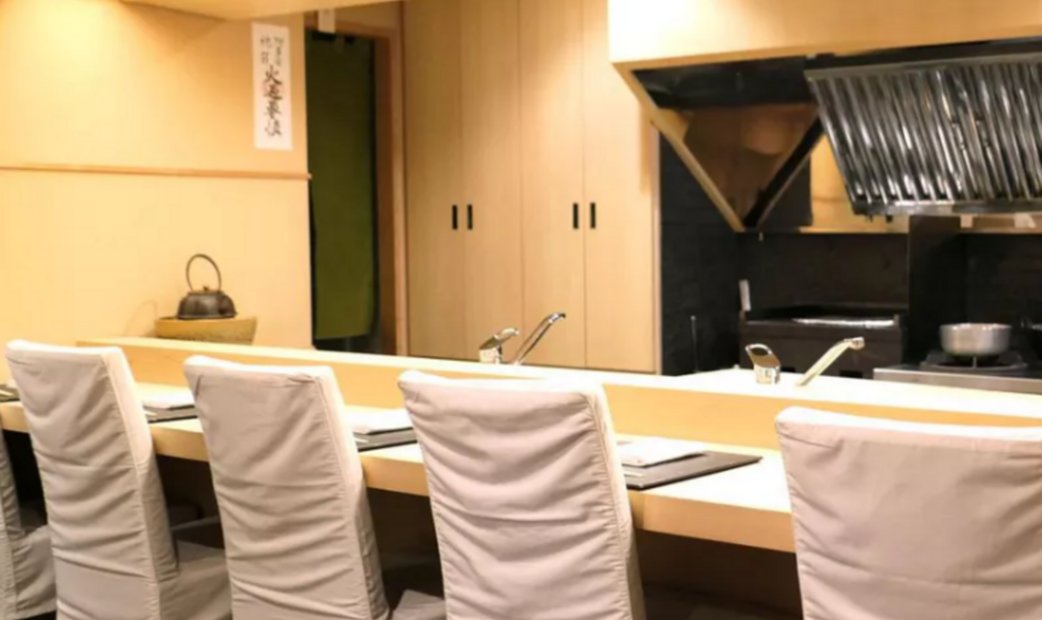
Counter seating is the standard format for a venue of this type in Tokyo. Expect a compact, counter-forward setup given the basement location and casual soba category.
How far ahead should I book Azabukawakamian?
Booking lead time specifics are not publicly documented, but an OAD-ranked soba counter in Azabu-Juban with walk-in-friendly hours (11am–10:30pm daily) is more accessible than Tokyo's high-demand omakase rooms. Arriving at opening or mid-afternoon is likely your lowest-friction entry point. If you are visiting on a weekend, contact the restaurant in advance to confirm.