
.png?width=1200&quality=80)


Ramen Touhichi
Ramen · Sakyō, Kyoto
Restaurant in Kyoto, Japan
 Book with Pearl
The Read
Single-Protein Stock Discipline
Price
¥
Dress
Casual
Why go
Ramen Touhichi holds two consecutive Michelin Bib Gourmand awards (2024–2025) and charges ¥ prices; a rare combination in Kyoto. The chicken-focused counter restaurant in Sakyo Ward builds its entire menu around locally raised free-range chicken, with a signature soy-sauce ramen that demonstrates serious technique. Small, focused, worth the trip north of the centre.
About Ramen Touhichi
Verdict
Ramen Touhichi is not a bowl to tick off a list. It is the kind of place that makes you rethink what a single-ingredient can do. The misconception to correct upfront: this is not a rich, fatty tonkotsu situation. Touhichi's entire identity is built on restraint; chicken, water, soy sauce, a chef working in his childhood home in Sakyo Ward. Two consecutive Michelin Bib Gourmand awards (2024 and 2025) confirm the quality is real. The price is ¥, meaning you are getting Michelin-recognised cooking at casual ramen prices. Book it.
About Ramen Touhichi
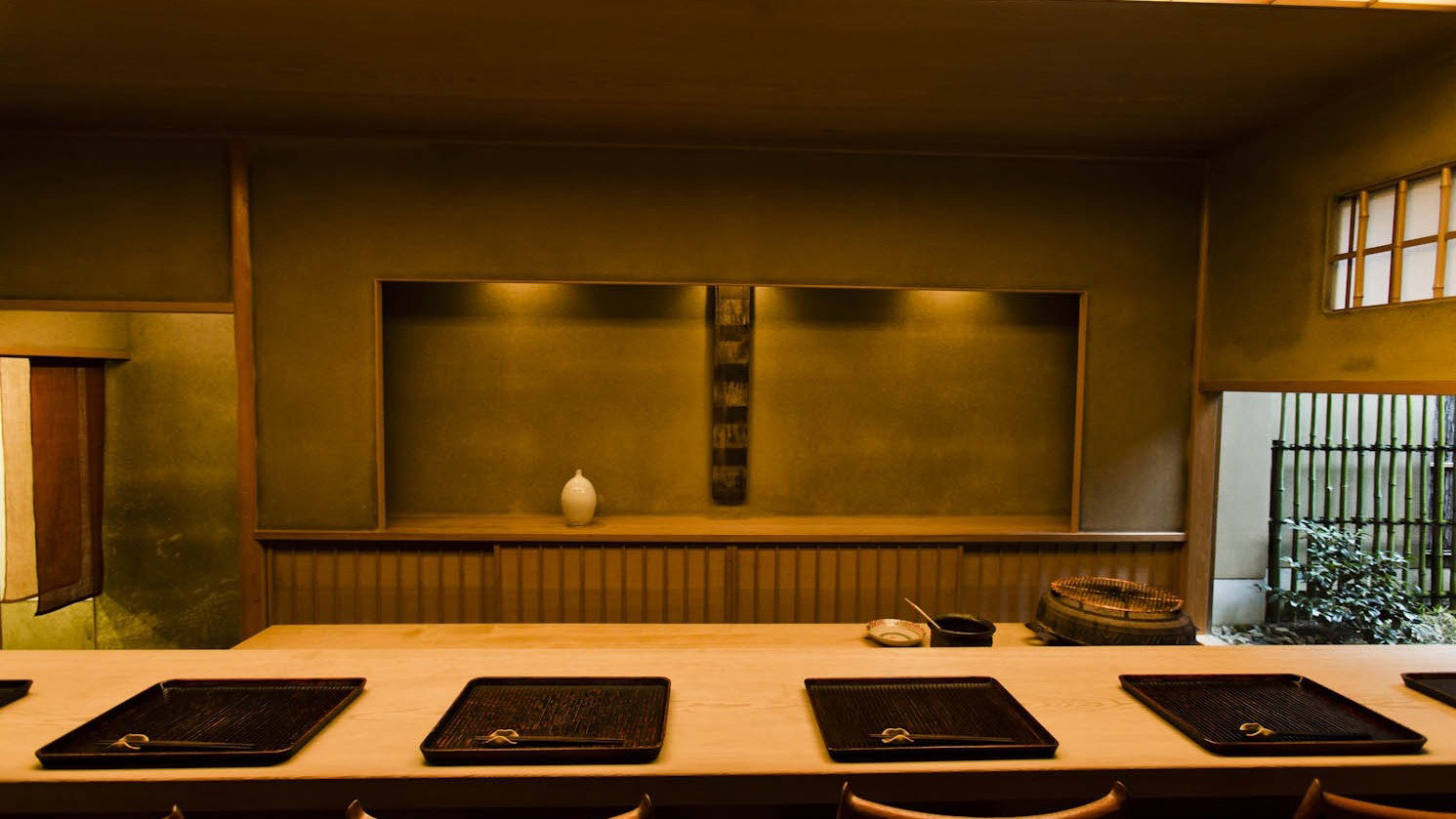
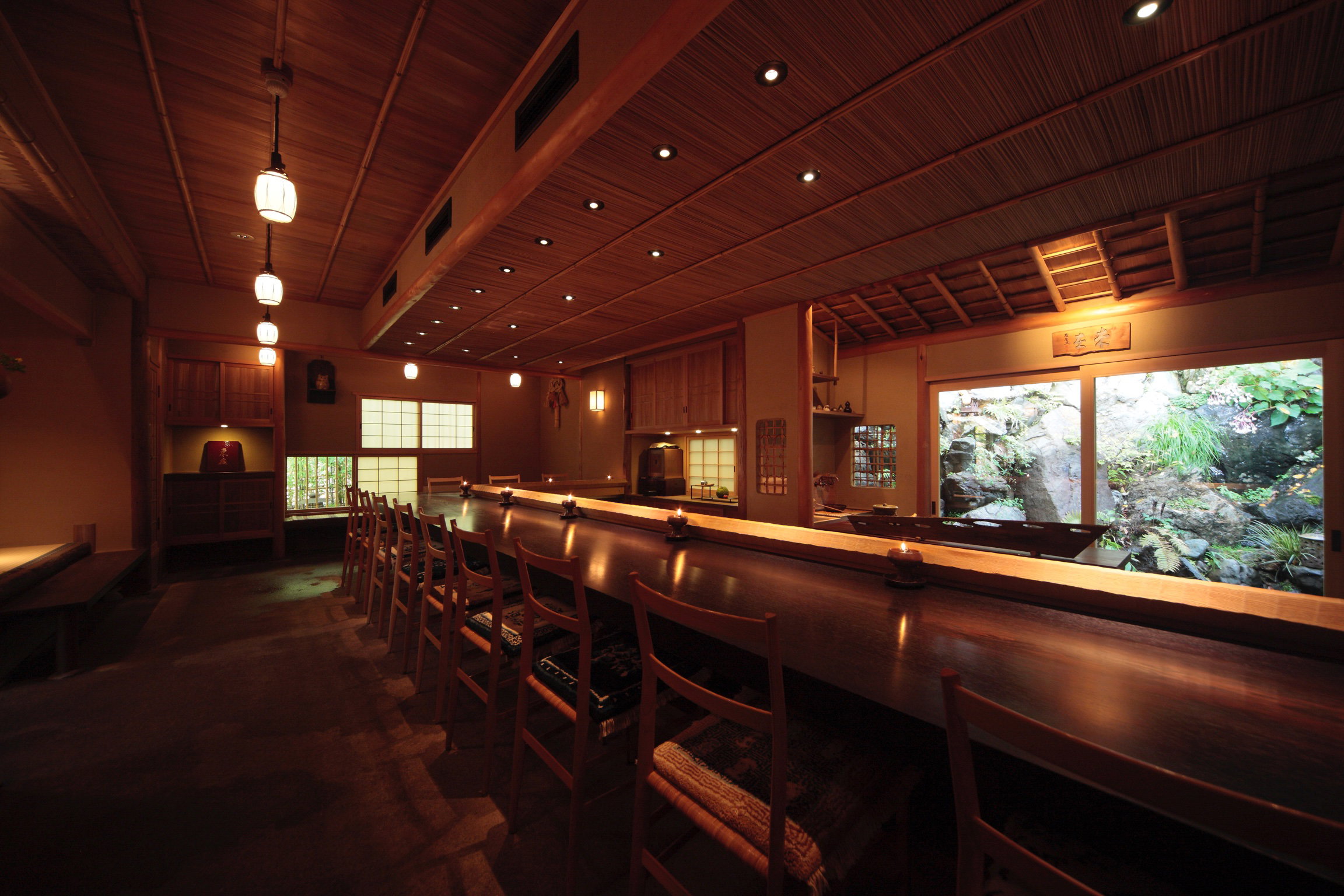
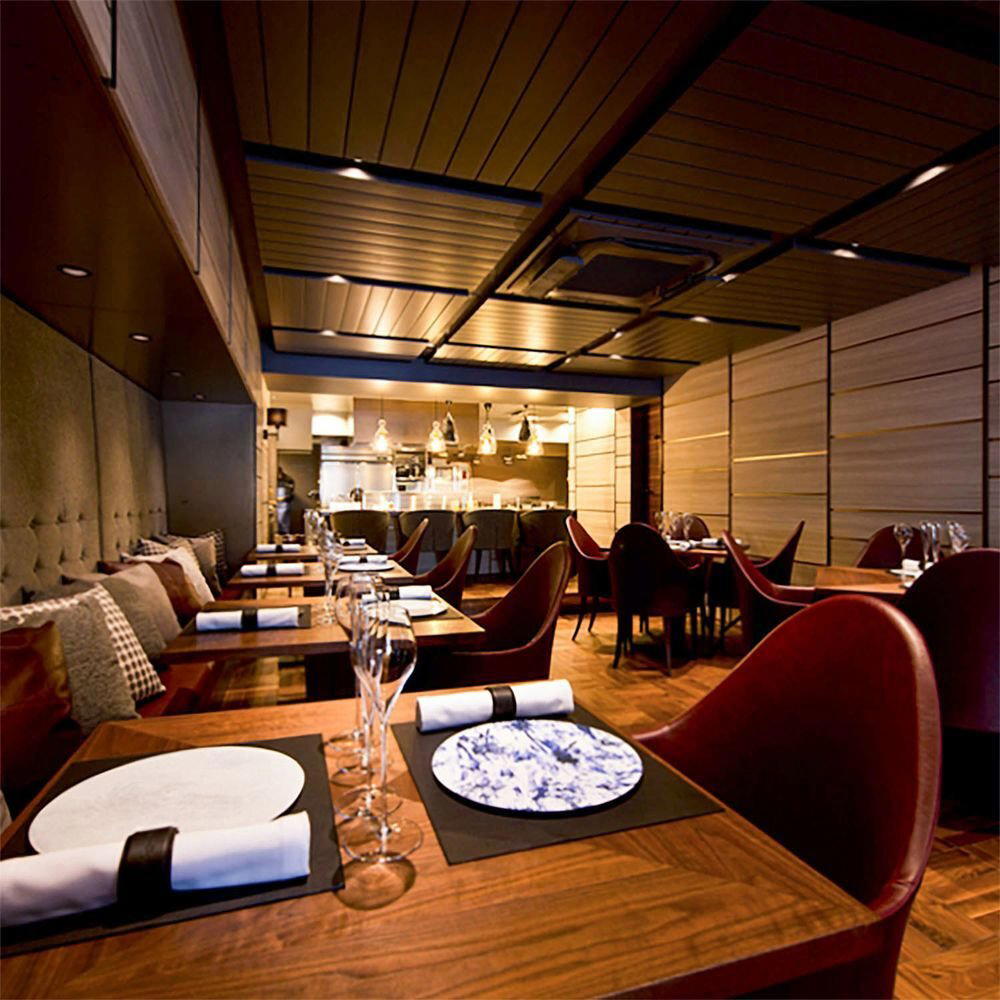
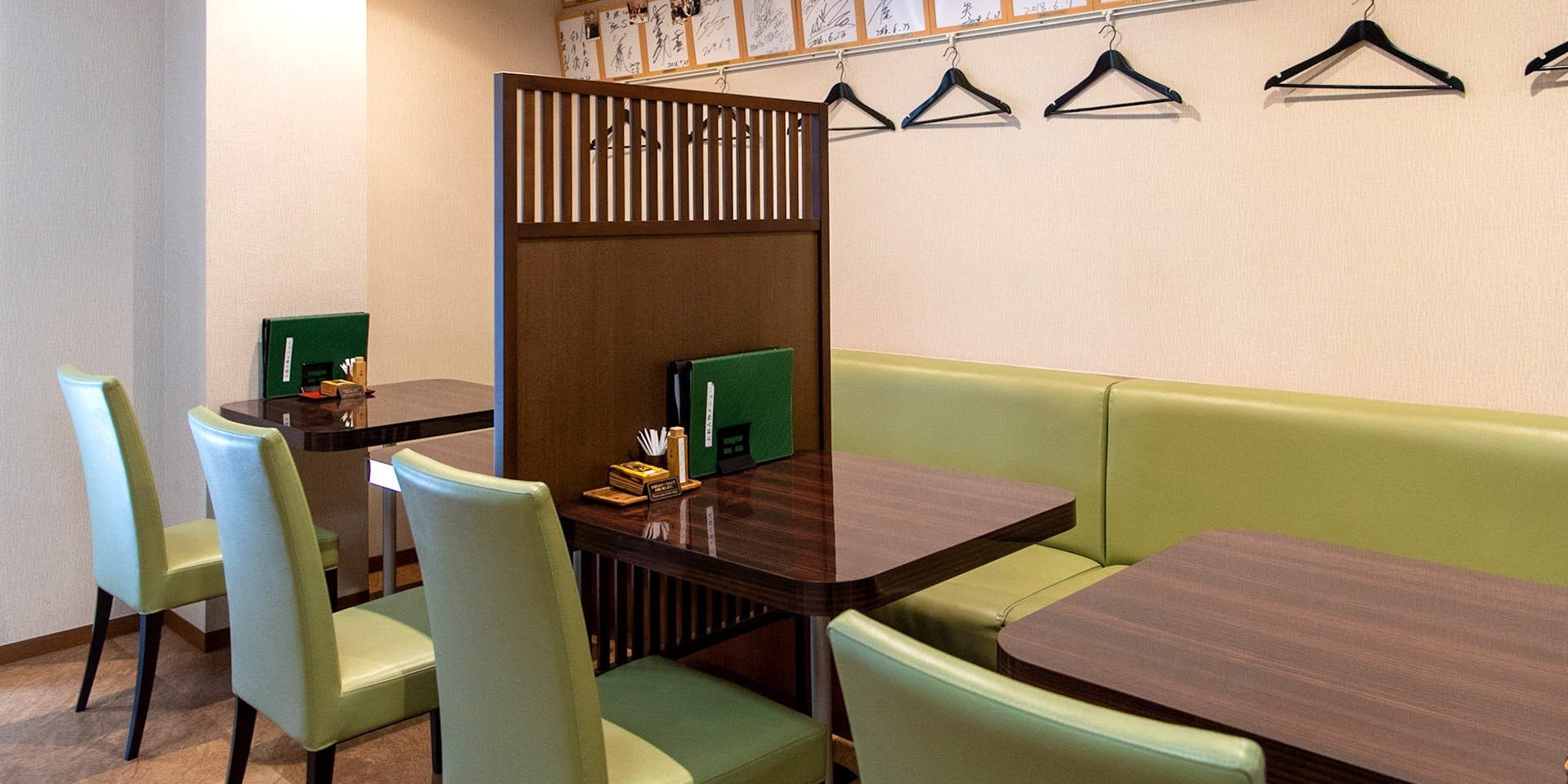
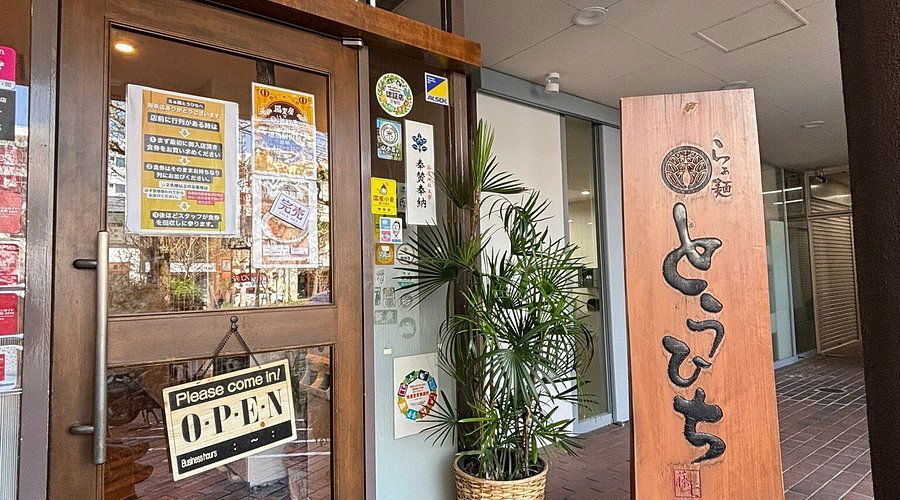
Walk into Ramen Touhichi and the spatial experience tells you everything before the bowl arrives. This is a counter restaurant; small, focused, deliberately intimate. The chef works in front of you, which in a room this size means you are watching the process rather than just waiting for a result. The layout removes any performative distance between kitchen and diner. For a solo visit or a two-person meal, the counter format is close to ideal: you are close enough to observe the precision, the room is quiet enough to notice it.
The address, Yamabana Itchodacho in Sakyo Ward, places this outside Kyoto's central tourist corridor. That is a feature, not a problem. Getting to a residential neighbourhood in northern Kyoto requires a small amount of intention, but that walk or short ride is part of what keeps the room feeling local rather than transient. The name itself comes from the house where the chef was born. That detail is not incidental. The physical space and the cooking philosophy are the same thing: reduced to essentials, rooted in place.
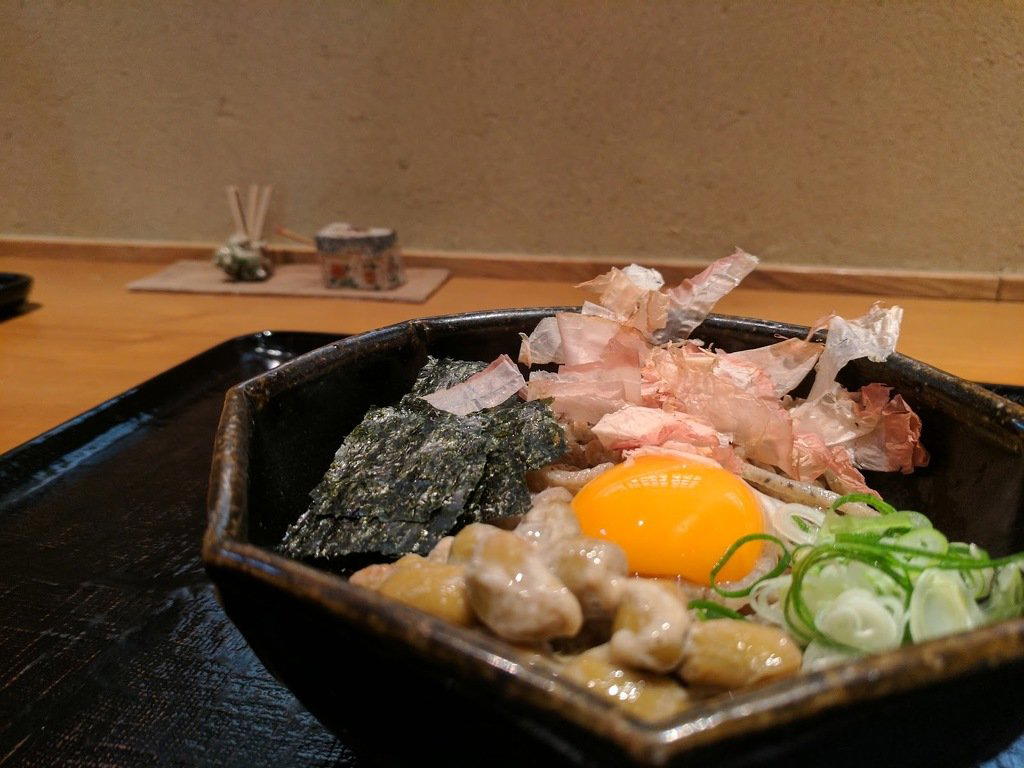
The food programme is built on a single animal. Locally raised free-range chicken is the source of the dashi used in the signature soy-sauce ramen, made only with chicken and water, mixed with raw soy sauce kaeshi. The result is a broth with unusual clarity and depth, the kind that reads as simple on the menu and complex in the bowl. Beyond the signature, the kitchen offers chicken boiled in plain water, cold noodles soaked in kombu dashi served with a chicken soy sauce dipping sauce, chicken-oil noodles served without soup. Each variation is a different angle on the same rigorous sourcing. This is not a menu designed to overwhelm with options. It is designed to show you how far one ingredient can travel.
Bib Gourmand designation, awarded by Michelin for quality at accessible prices, is the right credential here. Touhichi is not trying to be a three-star kaiseki experience. It is trying to be the leading possible version of what it is: a small, focused ramen-ya with serious technique behind a low price point. At ¥ pricing, the quality-to-cost ratio is among the strongest you will find in Kyoto's dining scene, certainly in the ramen category. For comparison, a full kaiseki lunch at Gion Sasaki or Kyokaiseki Kichisen will cost ten to twenty times more. Touhichi delivers Michelin-recognised cooking at a fraction of that outlay.
For special occasions, the framing needs adjustment. Touhichi is not a celebratory dinner in the white-tablecloth sense. There is no wine list, no elaborate service choreography. What it offers instead is a meal that is genuinely memorable for its quality and focus, the kind of thing you talk about later because the bowl was that precise, not because the room was impressive. If your occasion calls for a counter seat, an attentive chef, a bowl that demonstrates real mastery, this works. If you need a private room or a long, multi-course evening, look elsewhere.
Compared to other ramen options in Kyoto, Touhichi sits at the serious end. Menya Inoichi and Kombu to Men Kiichi are worth knowing in the same city, KOBUSHI Ramen and Chinese Noodles ROKU offer different angles on noodles in Kyoto. Touhichi's distinction is the level of sourcing rigour and the Michelin credential, no other ramen-ya in the neighbourhood carries two consecutive Bib Gourmands. Mendokoro Janomeya is another option in the city for those building a noodle itinerary.
Timing matters here. A small counter restaurant in a residential neighbourhood will have a queue at peak hours. Weekday lunches and early opening slots are the practical choice for avoiding a wait. Arriving at opening is advisable given the limited seating. The Bib Gourmand recognition will only have increased foot traffic in 2024 and 2025, so plan accordingly.
If you are travelling across Japan, the ramen category has strong regional representation. Afuri in Tokyo is a useful benchmark for a different style, Afuri Ramen in Portland shows how the format travels internationally. For broader Kyoto context, see our full Kyoto restaurants guide, and if you are planning the wider trip, the Kyoto hotels guide, bars guide, and experiences guide are all worth consulting. Notable restaurants elsewhere in the region include HAJIME in Osaka, akordu in Nara, and Goh in Fukuoka.
Know Before You Go
- Price range: ¥ (budget-friendly; Michelin Bib Gourmand pricing)
- Awards: Michelin Bib Gourmand 2024 and 2025
- Cuisine: Ramen, chicken-focused, soy-sauce base
- Location: Yamabana Itchodacho, Sakyo Ward, Kyoto, north of the central tourist area
- Seating format: Counter dining; small room
- Booking difficulty: Easy, but arrive early, limited seats and Michelin recognition means queues at peak times
- Ideal time to visit: Weekday lunch at opening time to avoid waits
- Solo dining: Counter format is well-suited to solo diners
- Groups: Small venue; not suited to large groups
Planning details
- Location
- Japan, 〒606-8007 Kyoto, Sakyo Ward, Yamabana Itchodacho, 8-6 京福修学院マンション 1F
- Website
- tousugu2020.thebase.in
- Phone
- +81 75-721-6556
The take
The Take
The Vibe
Ramen Touhichi reads as a quietly focused counter kitchen rooted in its Yamabana neighbourhood. The writing emphasizes restraint — a single-protein chicken dashi and a raw soy-kaeshi tare — and that ingredient economy shapes the room as much as the bowl. The setting is a modest ground-floor shop set among residential blocks and riverside approaches, so the experience feels low-key and deliberately pared back rather than theatrical. Diners encounter craftsmanship over flourish: the emphasis is on clarity of flavor and local provenance, giving the counter a serious, understated character that rewards attentive palates.
Best For
This is a place for solo diners and anyone who values a concentrated, ingredient-led ramen experience. The counter format and the neighbourhood’s quieter register make it well suited to individuals or very small parties who want to focus on the bowl rather than a social evening. It is less of a group destination and more of a stop for people seeking a considered, locally rooted take on chicken-based ramen. Travelers exploring beyond Kyoto’s tourist corridors and locals after a straightforward, high-quality bowl will find it especially fitting.
Ordering Tips
Prioritize the house signatures: the Chicken Soy Sauce Ramen and the Chicken Paitan Ramen. The restaurant’s philosophy is built around a chicken-only dashi, so ordering either highlights how the kitchen balances purity and depth without pork or dried seafood. Note that the soy-sauce bowl uses a raw soy-kaeshi tare, which frames the chicken stock rather than masking it — choose that if you want to taste the interplay between clear chicken umami and the seasoning. Keep expectations on the dish’s subtlety: the point here is discipline and clarity.
Venue details
Ambiance
Simple and cozy counter seating with a quiet, hospitable atmosphere.
Tags
Vibe
Best For
Sourcing
At the Table
- Dress Code
- Casual
- Noise Level
- Quiet
- Service Style
- Counter Service
- Meal Pacing
- Standard
- Capacity
- Intimate
Signature Dishes
- Chicken Soy Sauce Ramen
- Chicken Paitan Ramen
Planning details
Location
Japan, 〒606-8007 Kyoto, Sakyo Ward, Yamabana Itchodacho, 8-6 京福修学院マンション 1F · Directions

Also consider
Also Consider
- Gion Sasaki; Kaiseki, Japanese, ¥¥¥¥
- cenci; Italian, ¥¥¥
- Ifuki; Kaiseki, ¥¥¥¥
- Kyokaiseki Kichisen; Japanese, ¥¥¥¥
- Kyo Seika; Chinese, ¥¥¥
Restaurant context
Ramen Touhichi occupies a different tier from most of Kyoto's celebrated dining. Gion Sasaki, Ifuki, and Kyokaiseki Kichisen are all kaiseki at ¥¥¥¥; multi-course, formal, priced accordingly. If the goal is a meal that represents Kyoto's culinary tradition at full scale, those are the right choices. If the goal is Michelin-recognised quality at the lowest possible spend, Touhichi has no serious competition in this list. The value gap is not marginal; it is the difference between a budget bowl and a high-end kaiseki dinner, with Michelin credentialling both ends.
cenci (Italian, ¥¥¥) and Kyo Seika (Chinese, ¥¥¥) sit in the middle tier and serve a different purpose; they are good options when the group wants a longer, more relaxed sit-down meal with broader menu range. Neither competes directly with Touhichi's specific proposition. For booking ease, Touhichi is the simplest of this group: no multi-week advance window required, no complex reservation system, a price that removes financial risk from the equation.
The practical recommendation: if you are building a Kyoto dining itinerary, Touhichi is the lunch you book around the more expensive kaiseki dinners. It earns its place on the same itinerary as Gion Sasaki or Ifuki, not instead of them. The two experiences are not substitutes; they are complements, Touhichi's ¥ pricing makes adding it to any Kyoto trip a low-risk, high-reward decision.
Explore Kyoto
Around this place
Discover more on Pearl
Unlock the full Ramen Touhichi guide in Pearl, including awards, comparisons, FAQs, planning details, and nearby places.
Compare Ramen Touhichi
| Venue | Awards | Price |
|---|---|---|
| Ramen Touhichi | 2026 OAD Casual in Japan Ranked · #1012026 Bib GourmandTabelog 100 - Ramen - WEST - 2025 · #762025 Michelin Bib Gourmand2024 Michelin Bib GourmandPearl Recommended Restaurants | ¥ |
| Gion Sasaki | 2026 Tabelog Bronze · #3862026 OAD Top Restaurants in Japan RecommendedMichelin Guide Kyoto Osaka 20262026 La Liste Top RestaurantsTabelog 100 - Japanese cuisine - WEST - 2025 · #132025 OAD Top Restaurants in Japan Ranked · #2462025 Tabelog Silver2025 Michelin 3 Stars2025 La Liste Top Restaurants | ¥¥¥¥ |
| cenci | 2026 Tabelog Bronze · #442026 Asia's 50 Best Restaurants · #762026 OAD Top Restaurants in Japan Highly RecommendedMichelin Guide Kyoto Osaka 2026Tabelog 100 - Italian - WEST - 2025 · #632025 Asia's 50 Best Restaurants · #632025 OAD Top Restaurants in Japan Ranked · #1682025 Tabelog Bronze2024 OAD Top Restaurants in Japan Ranked · #135 | ¥¥¥ |
| Ifuki | 2026 OAD Top Restaurants in Japan Ranked · #1222026 Tabelog Bronze · #128Michelin Guide Kyoto Osaka 20262026 La Liste Top RestaurantsTabelog 100 - Japanese cuisine - WEST - 2025 · #622025 OAD Top Restaurants in Japan Ranked · #1002025 La Liste Top Restaurants2025 Tabelog Bronze2025 Michelin 2 Stars | ¥¥¥¥ |
| Kyokaiseki Kichisen | 2026 Tabelog Bronze · #1752026 OAD Top Restaurants in Japan Highly RecommendedMichelin Guide Kyoto Osaka 20262025 OAD Top Restaurants in Japan Ranked · #1862025 Michelin 2 Stars2025 La Liste Top Restaurants2024 OAD Top Restaurants in Japan Ranked · #1422024 Michelin 2 Stars2023 OAD Top Restaurants in Japan Ranked · #136 | ¥¥¥¥ |
| Kyo Seika | Tabelog 100 - Chinese cuisine - WEST - 2026 · #762026 Tabelog Bronze · #2162026 OAD Top Restaurants in Japan Recommended2026 Michelin 1 Star2025 OAD Top Restaurants in Japan Ranked · #3262025 Tabelog Bronze2024 OAD Top Restaurants in Japan Ranked · #3042024 Michelin Plate2024 Michelin 1 Star | ¥¥¥ |







.png?width=1200&quality=80)
A quick look at how Ramen Touhichi measures up.
FAQ
Frequently Asked Questions
Is Ramen Touhichi good for solo dining?
Yes; counter seating makes solo dining the natural format here. You eat facing the chef, which suits the focused, single-ingredient philosophy of the restaurant. For solo diners, a Michelin Bib Gourmand bowl at ¥ pricing is one of the better value decisions in Kyoto.
Can Ramen Touhichi accommodate groups?
Groups should approach with caution. Counter restaurants of this type typically seat fewer than 15, the format is built around individual, focused service rather than group dining. Parties of 3 or more may struggle with simultaneous seating; aim for pairs or solo visits.
Is Ramen Touhichi good for a special occasion?
It depends on what you mean by special. For a ramen enthusiast, two consecutive Michelin Bib Gourmand years (2024 and 2025) and a kitchen built around a single-ingredient ethos make this a genuinely meaningful meal. For a celebratory dinner expecting courses and atmosphere, look at Gion Sasaki or Kyokaiseki Kichisen instead.
Is Ramen Touhichi worth the price?
At ¥ pricing; the lowest tier on the scale; yes, almost unconditionally. A Michelin Bib Gourmand award specifically recognises exceptional quality at a modest price point, Touhichi has held it two years running. You are unlikely to find a more credential-backed bowl at this price in Kyoto.
Is the tasting menu worth it at Ramen Touhichi?
Ramen Touhichi is not a tasting-menu format. The menu centres on variations of chicken-based ramen: the signature soy-sauce ramen, cold noodles in kombu dashi, chicken-oil noodles served dry. Order across the menu if you want range, but this is a ramen counter, not a multi-course experience.
How far ahead should I book Ramen Touhichi?
Booking details are not publicly listed, Touhichi operates without a website. Given the counter format and consecutive Bib Gourmand recognition, arriving early or checking in person is the safest approach; a queue is likely during peak Kyoto tourism periods.
What are alternatives to Ramen Touhichi in Kyoto?
For ramen at a comparable price tier, Ifuki is a credible Kyoto alternative. If you want to stay in the Michelin orbit but shift to kaiseki, Gion Sasaki or Kyokaiseki Kichisen represent the higher end of Kyoto's dining options; entirely different format, budget, booking lead time.