

Tabelog 100 Ramen West Japan 2025
Tabelog 100 (Hyakumeiten) Ramen - WEST selection for 2025. Tabelog publishes these as source-ordered lists of 100 restaurants.

Venues on this list
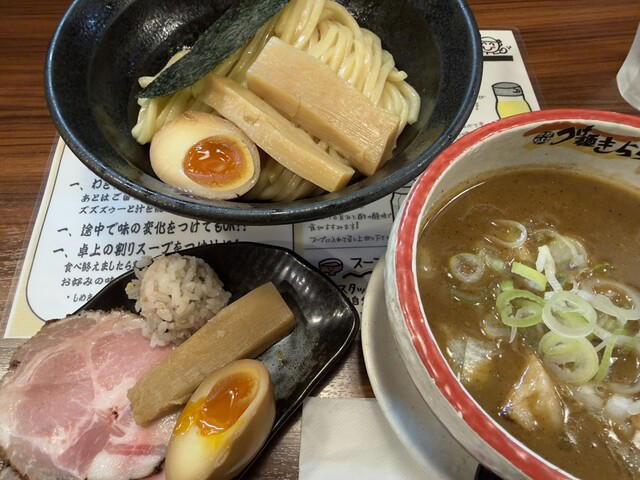
Tsukemen Kirari
Kyoto, Japan
Tabelog 100 tsukemen counter in Fushimi Ward serving bowls under ¥1,000. Walk-in only, open five days a week until sellout by 2:30 PM. Recognition spans eight years, with a focus on dipping noodles rather than ramen broth. Best for solo diners willing to arrive at opening.
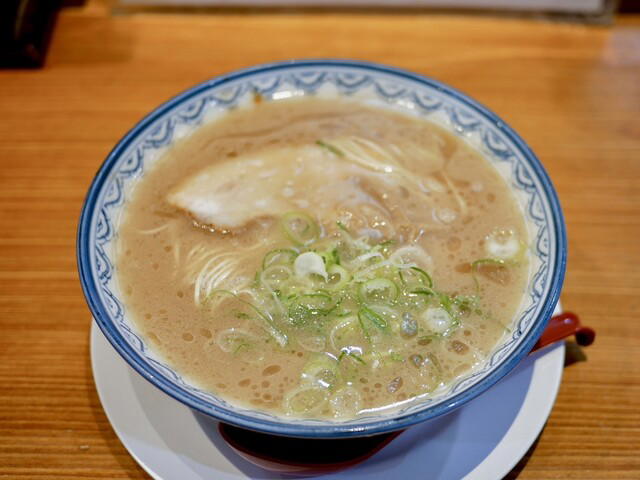
Ganso Akanoren Setchan Ramen Tenjin hon ten
Fukuoka, Japan
A three-generation ramen shop in Tenjin's Daimyo district, named to Tabelog 100 - Ramen - WEST for 2023–2025. Bowls stay under ¥1,000, walk-ins only, and the 50-seat space fills fast at lunch and dinner with families and solo diners. Go for reliable tonkotsu at entry-level pricing, not for innovation or hard-to-find technique.
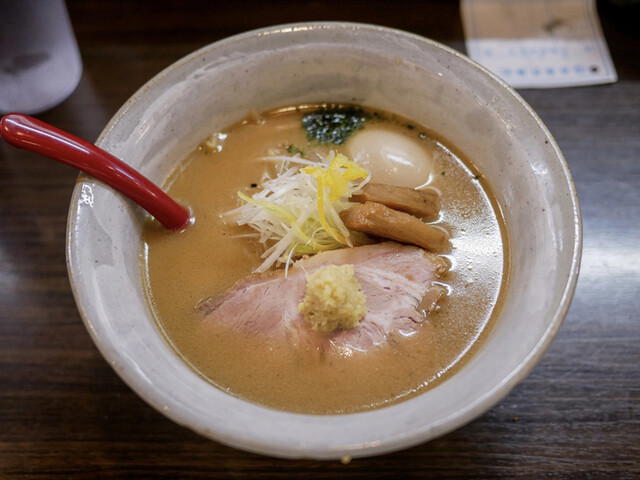
Menya Taiga
Kanazawa, Japan
A twelve-seat ramen counter four minutes from Kanazawa Station, earning four consecutive Tabelog 100 selections (2022–2025) with technically precise bowls and tsukemen under JPY 2,000. No reservations, counter seating only, and walk-in service seven days a week make it a practical, award-level stop in a city better known for kaiseki.
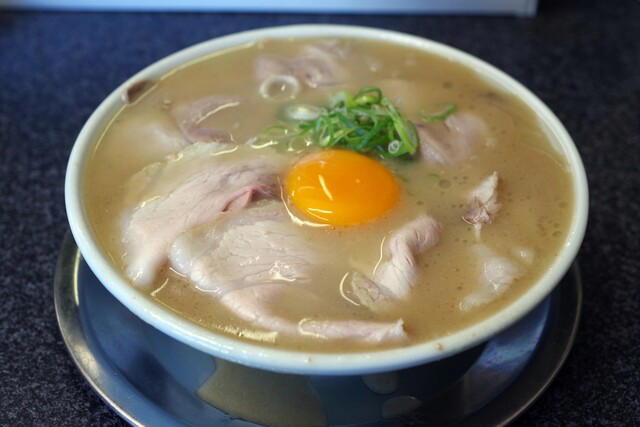
Saga Ramen Ichigen.
Saga, Japan
<p>Award-recognized ramen in a house-turned-restaurant, priced under ¥1,000 and selected for Tabelog 100 Ramen WEST three years running. No reservations, cash-only, and a stripped-down service model that prioritizes speed and value over hospitality depth. The bowl quality justifies the trip; the experience surrounding it remains resolutely minimal.</p>
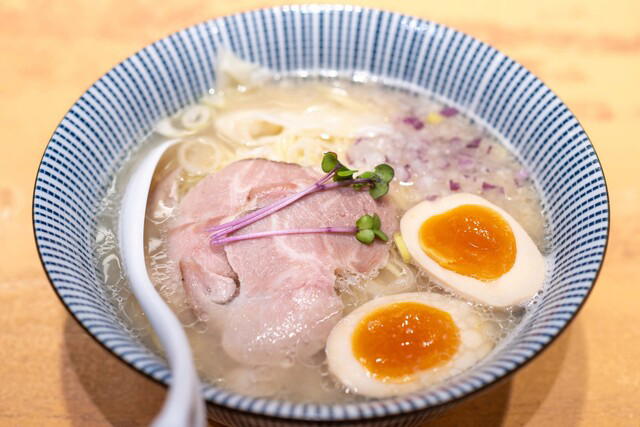
Kaidashi Men Kitada
Kyoto, Japan
Award-listed ramen near Kyoto Station where every bowl runs under 1,000 yen. Shellfish-forward broths and Hokkaido wheat noodles earned Tabelog Ramen WEST 100 recognition in 2024 and 2025. Walk-in only, 11 seats, open 7 AM to 11:30 PM daily; tight space and no restroom, but the quality-to-price ratio justifies the constraints. Skip if you need sit-down service; book this if you want the bowl that gets talked about in ramen circles.
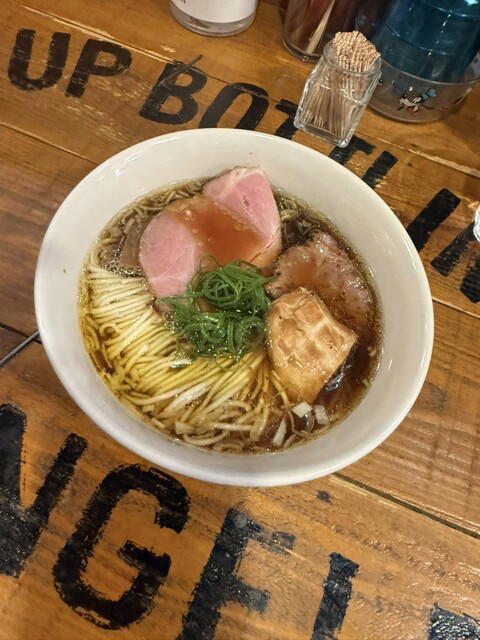
Menya Somie's
Kyoto, Japan
A Tabelog 100 Ramen WEST mainstay since 2017, this Fukuchiyama counter-service shop operates lunch-only hours (Monday, Friday, weekends) and charges under JPY 999 per bowl. Walk-ins only, cash only, and closed Tuesday–Thursday. The detour from Kyoto city is justified if you're already traveling north, but central alternatives offer comparable quality with easier access.
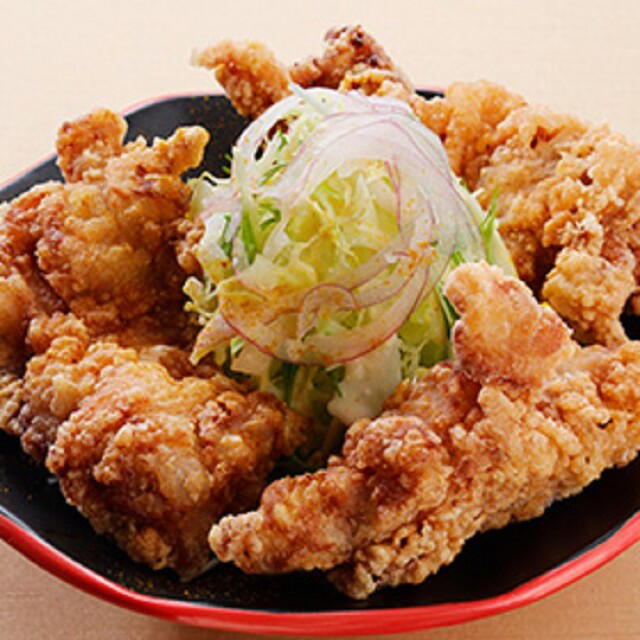
Chuka Soba Takayasu
Kyoto, Japan
Ichijoji ramen shop serving a 22-hour pork-and-chicken broth that balances richness with a lighter, chicken-forward profile. Tabelog 100 - Ramen - WEST honoree since 2020, priced under ¥1,000, open until 2:00 AM daily. Counter and table seating, walk-ins only, manageable waits outside peak dinner hours.
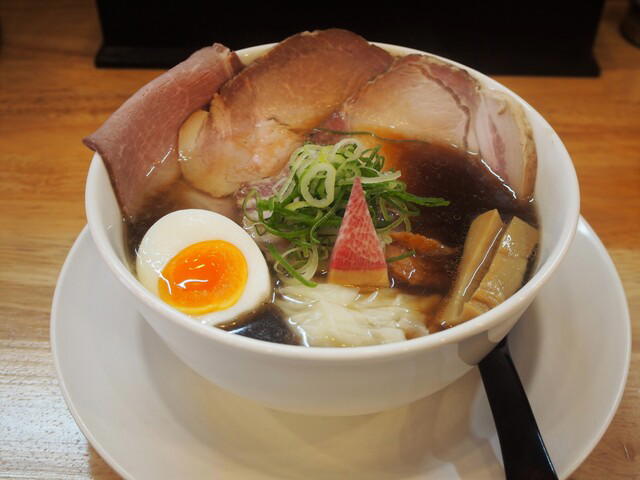
Wa Dining Seino Honten
Arida, Japan
A Tabelog 100 Ramen WEST pick for 2024 and 2025, Wa Dining Seino Honten runs a five-seat counter and a private room at JPY 1,000–1,999 per head. The counter offers kitchen sightlines; the walk-in-only policy and cash-only payment suit spontaneous visits. Founded in 1998 and relocated in 2021, it anchors Arida's ramen scene with accessible pricing and family-friendly seating.
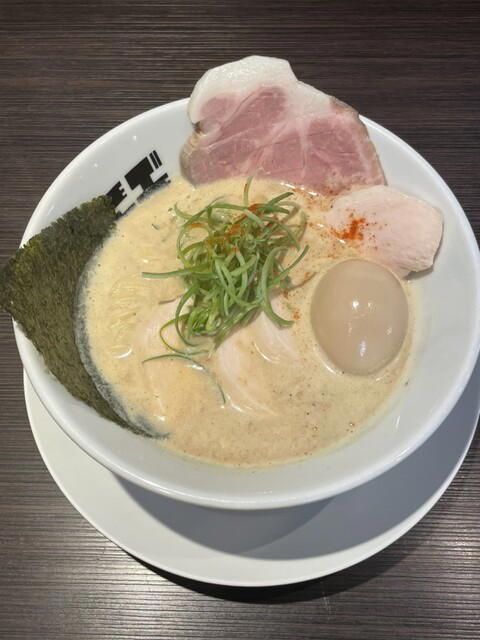
Ramen Torikaji Ippai
Ikoma, Japan
Ramen Torikaji Ippai earns Tabelog 100 Ramen WEST recognition year after year with under-¥1,000 bowls served at a 10-seat counter in residential Ikoma. Clear chicken broth with Shimane soy sauce anchors the menu, while mazesoba and evening tsukemen add texture and depth. Walk-ins only, cash only, and a 15-minute walk from Ikoma Station; this is honest, consistent ramen without the Osaka commute.
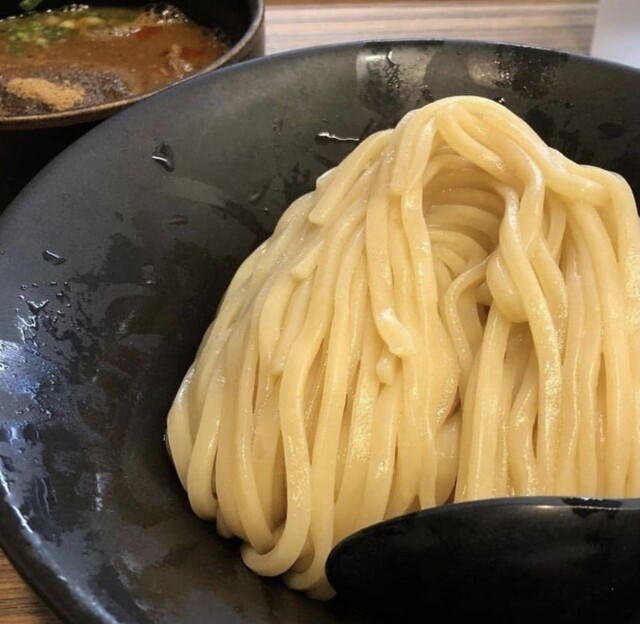
Ginjo Ramen Kubota
Kyoto, Japan
A 10-seat tsukemen specialist in Shimogyo Ward with custom diamond-cut noodles and wok-fired miso and soy dipping broths. Counter-only seating, no reservations, and JPY 1,000–1,999 pricing make it a reliable choice for travelers seeking Tabelog-recognized ramen without the kaiseki expense or advance booking dance.
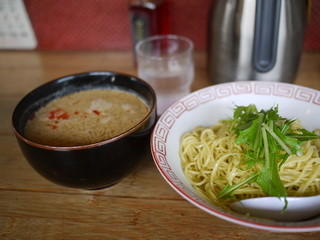
Furai Bo
Kyoto, Japan
Counter-only ramen shop in suburban Kyoto with three consecutive Tabelog 100 WEST selections and sub-¥1,000 bowls. Tsukemen, tantan-men, and classic ramen formats served until daily soup stock depletes. No reservations, cash-only, 9 seats; best for solo diners and pairs willing to queue at off-peak times.
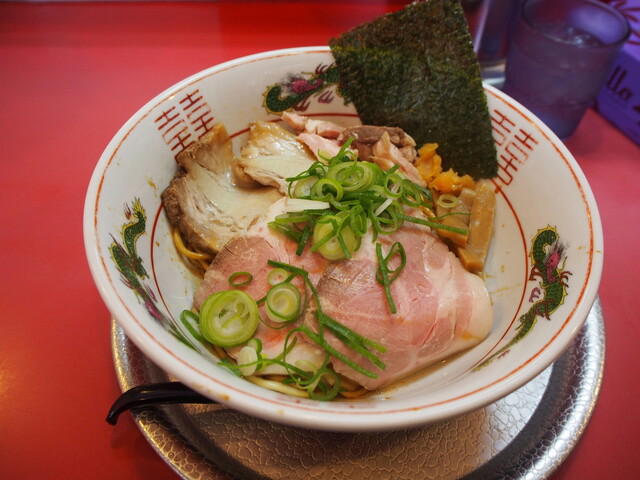
Ramen Tanron Honten
Nishinomiya, Japan
A Tabelog 100-recognized ramen shop in Nishinomiya offering technically precise bowls at under JPY 1,000. The 12-seat counter-only format and rotating menu concept favour solo diners and ramen enthusiasts willing to queue. Cash-only, no reservations, and occasional name changes keep the operation lean and focused.
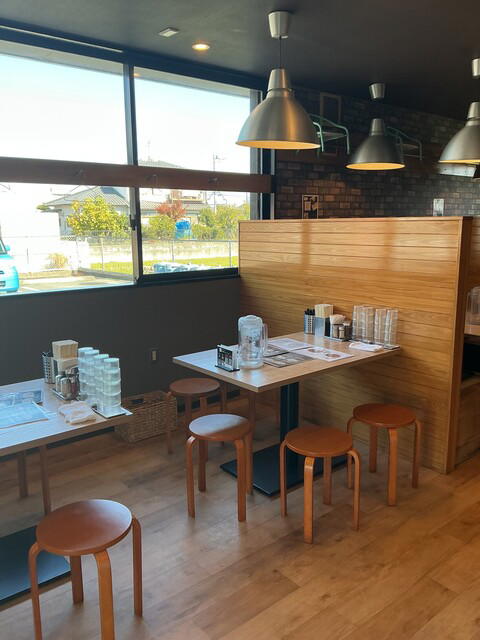
MENYA BIBIRI
Nara, Japan
Tabelog 100 ramen shop near Kujo Station serving award-recognized bowls at JPY 1,000-1,999. Two tatami rooms and family-friendly seating make it more accommodating than typical ramen counters, with parking available and daily service split between lunch and dinner. Cash-only; phone reservations accepted.
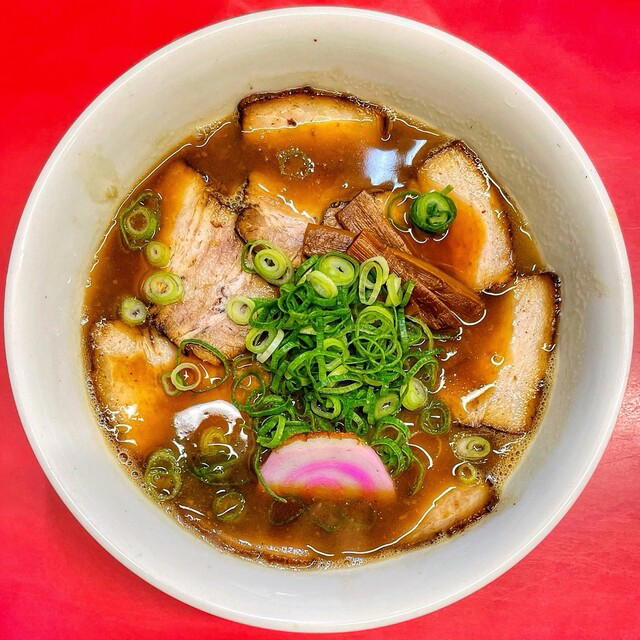
Marutaka Chuka Soba Kobe Ninomiya Ninomiya ten
Kobe, Japan
Under 1,000 yen per bowl, this Tabelog 100 Ramen WEST three-time honoree offers straightforward chuka soba and dumplings in a no-reservations, cash-only format. Open until 1:30 AM most nights, the Ninomiya shop seats 22 and draws families, solo diners, and late-night crowds seven minutes from JR Sannomiya.
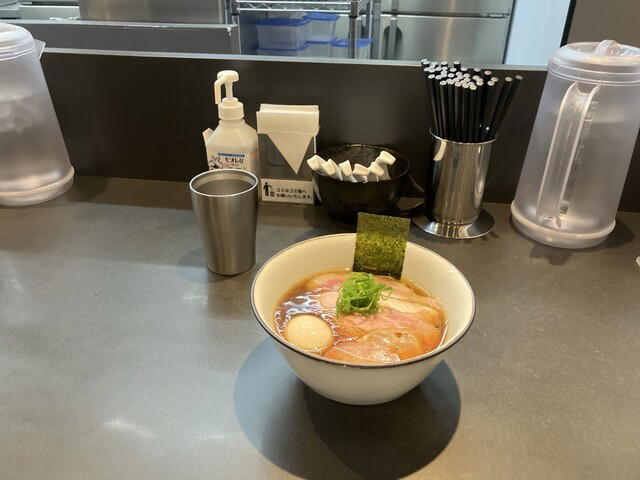
Ramen Senichi
Tenri, Japan
A Tabelog 100 Ramen WEST 2025 selection serving ramen, abura-soba, and maze-soba for under JPY 1,000 per bowl. Twelve seats (six counter, six table), walk-in only, lunch daily and weekday dinners. Award-level technique at neighborhood pricing, one minute from Kintetsu Tenri Station.
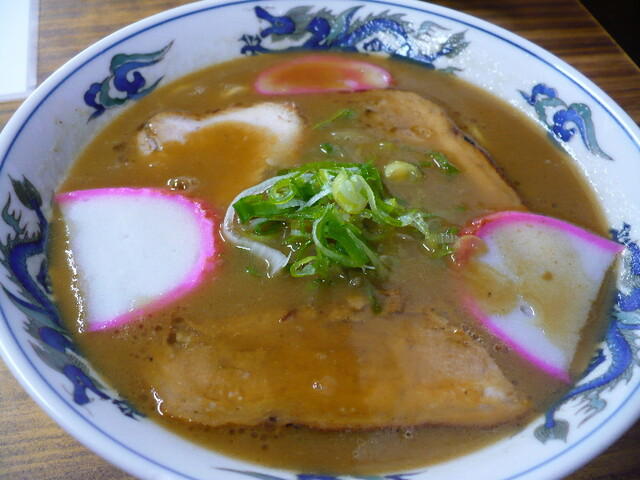
Yamatame Shokudo
Wakayama, Japan
Three-time Tabelog 100 Ramen WEST honoree serving Chinese noodles, udon, and curry udon at JPY 1,000–1,999. Walk-in only, family-friendly, with self-service tea and a 27-seat room that turns over fast Monday through Saturday.
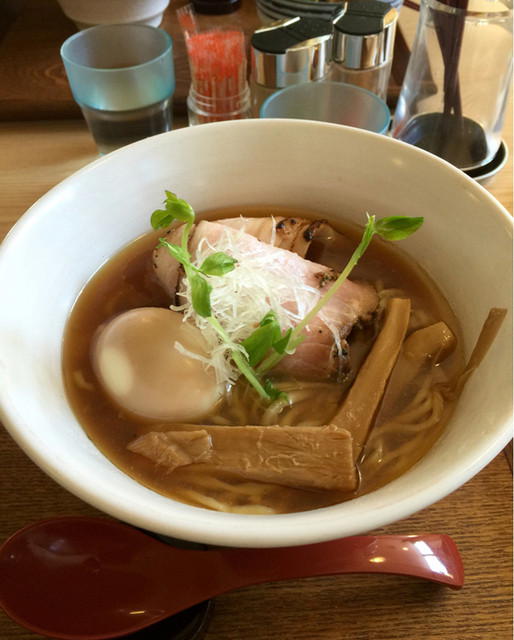
Chuka Soba Mugiemon
Ibo-gun, Japan
Chuka Soba Mugiemon is a value-led Taishi lunch pick with stronger credibility than its low price tier suggests, thanks to its 2025 Tabelog 100 #17 recognition. Go for a focused regional noodle stop, not a long meal or dinner plan. It is a better fit for solo diners and small groups building a daytime Hyogo itinerary.
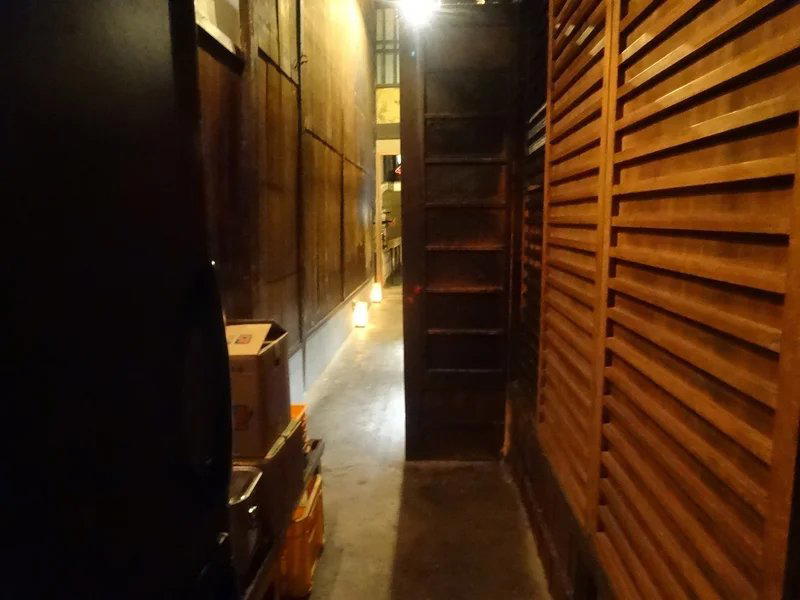
Wajo Ryo Men Sugari
Kyoto, Japan
A 10-seat tsukemen counter near Shijo Station, Wajo Ryo Men Sugari has held its Tabelog Ramen WEST 100 position since 2023. Double-broth dipping noodles run under ¥1,000 at lunch, and the ticket-vending-machine format keeps service fast. No reservations; arrive early or expect a wait during dinner.
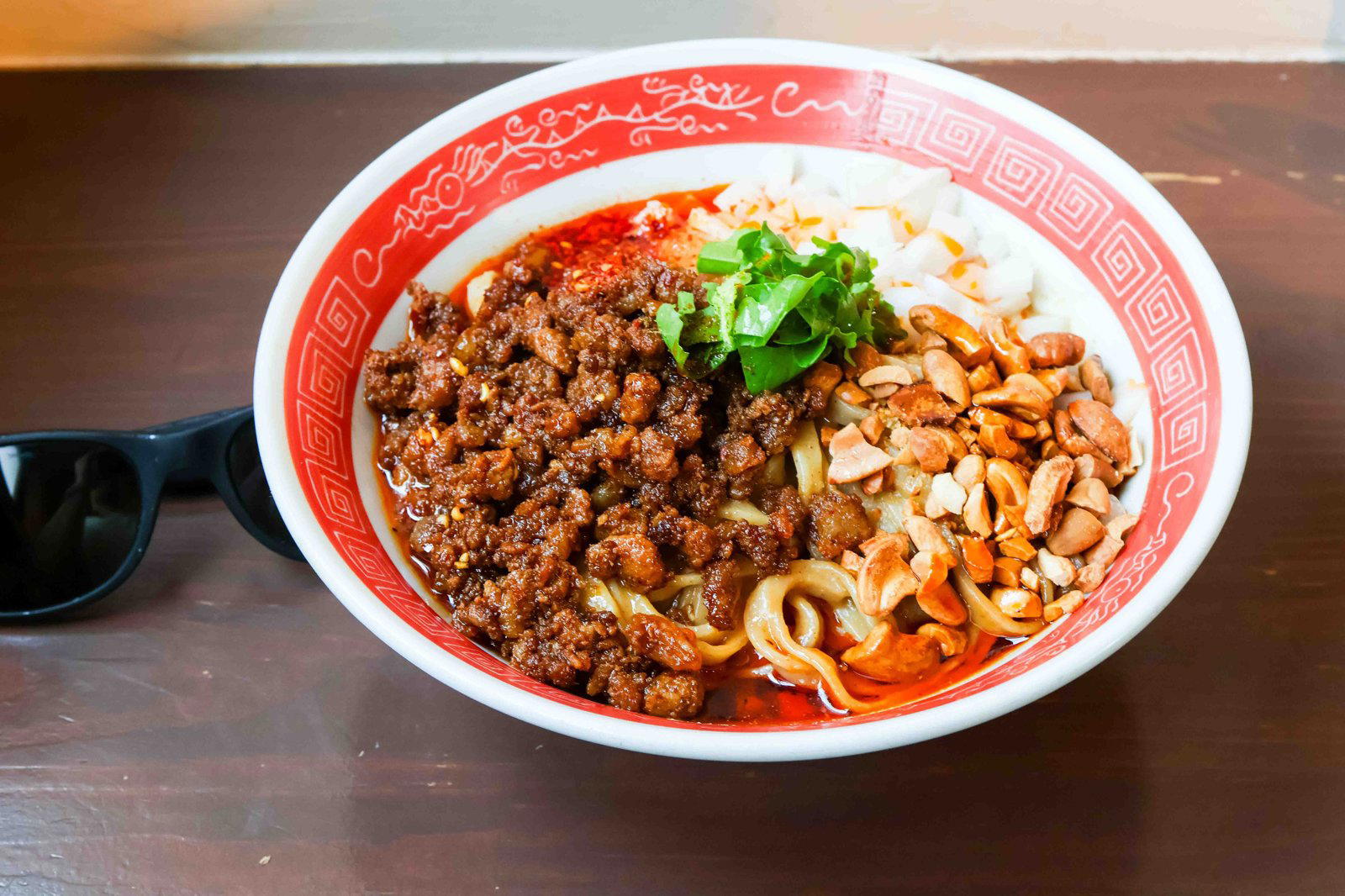
Seiko Udoku
Uji, Japan
Seiko Udoku is a convenience-led Uji pick rather than a destination restaurant choice. Book it if staying local matters more than documented menu detail; skip it for high-stakes meals that need confirmed pricing, chef information, dietary handling, or group capacity before committing.
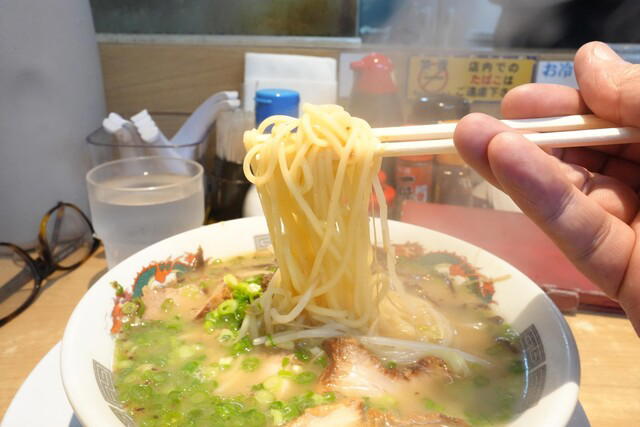
Ramen Kokinta
Kagoshima, Japan
Walk-in ramen at award-winning execution: Ramen Kokinta earned Tabelog Ramen WEST 100 recognition in 2023 and 2025 while keeping prices under JPY 1,000 per bowl. The 32-seat counter and tatami setup in Tenokuchicho handles solo diners and groups with equal ease, and the 6 PM to 3:30 AM dinner window makes it a practical late-night stop after drinks in Tenmonkan.
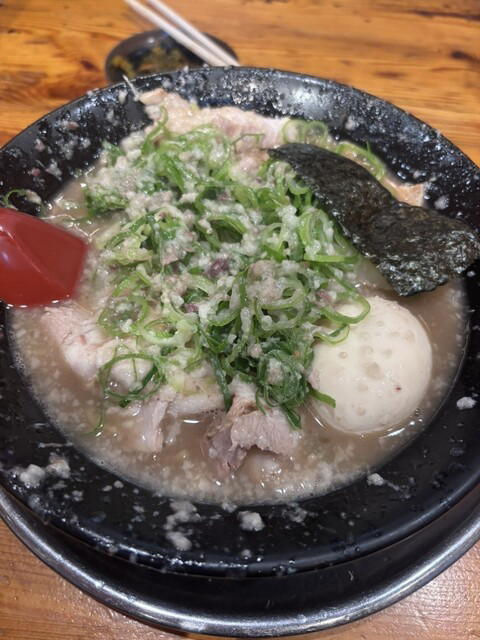
Mutepou Souhon ten
Kyoto, Japan
A Tabelog 100 (Ramen – WEST) honoree since 2017, this rural Kizugawa shop delivers sub-¥1,000 ramen and dumplings in a meal-ticket-system format; 20 seats, no reservations, cash only. Worth the 45-minute trek from central Kyoto if you have a car and prioritize value over proximity.
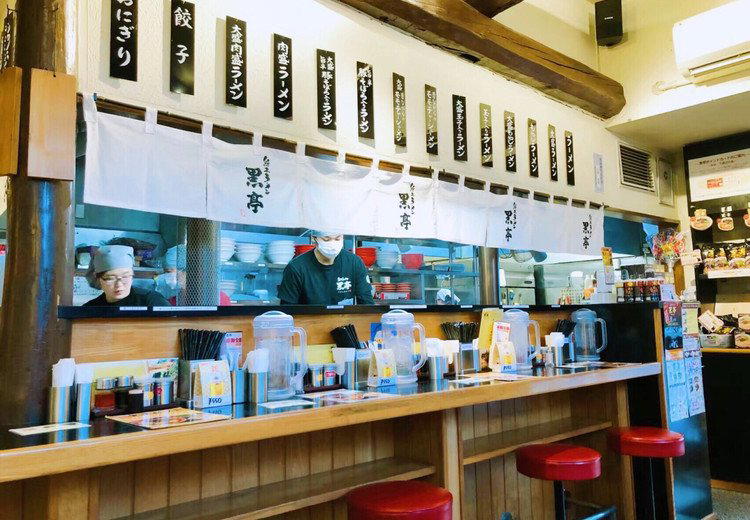
Kumamoto Ramen Kokutei Honten
Kumamoto, Japan
A 70-year-old Kumamoto ramen house delivering garlic-forward tonkotsu at under 1,000 yen per bowl. Selected for Tabelog 100 Ramen West three years running, the shop operates with no reservations, 31 seats, and daily hours. Walk-ins move quickly outside peak lunch (11 AM–1 PM); best for regulars seeking benchmark Kumamoto style without novelty or markup.
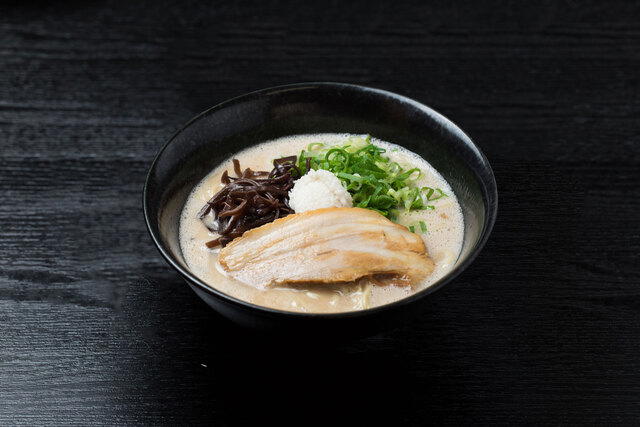
Gyoran Tei Honten
Kitakyushu, Japan
A Tabelog 100 ramen shop operating since 1946, offering bowls under 2,000 yen with no reservations and same-day sellouts. The five-year award streak and family-friendly seating make it a low-risk, high-value stop in Kitakyushu; arrive before noon to avoid missing out when the soup runs dry.
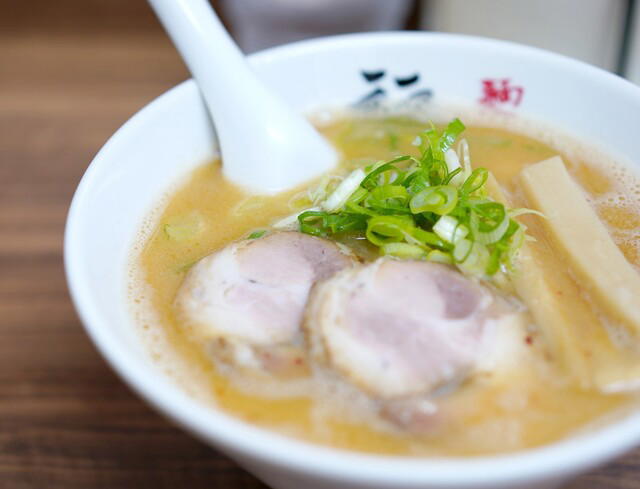
Menya Fukuza
Kanazawa, Japan
Counter-only ramen shop in Arimatsu with four consecutive Tabelog 100 West selections (2023–2025). Walk-in only, open five days weekly with tight lunch and dinner windows. At JPY 1,000–1,999 per bowl, worth the timing effort for technically sound ramen, but skip if you can't accommodate queue waits or no-reservation policies.
Muginoyoake
Kyoto, Japan
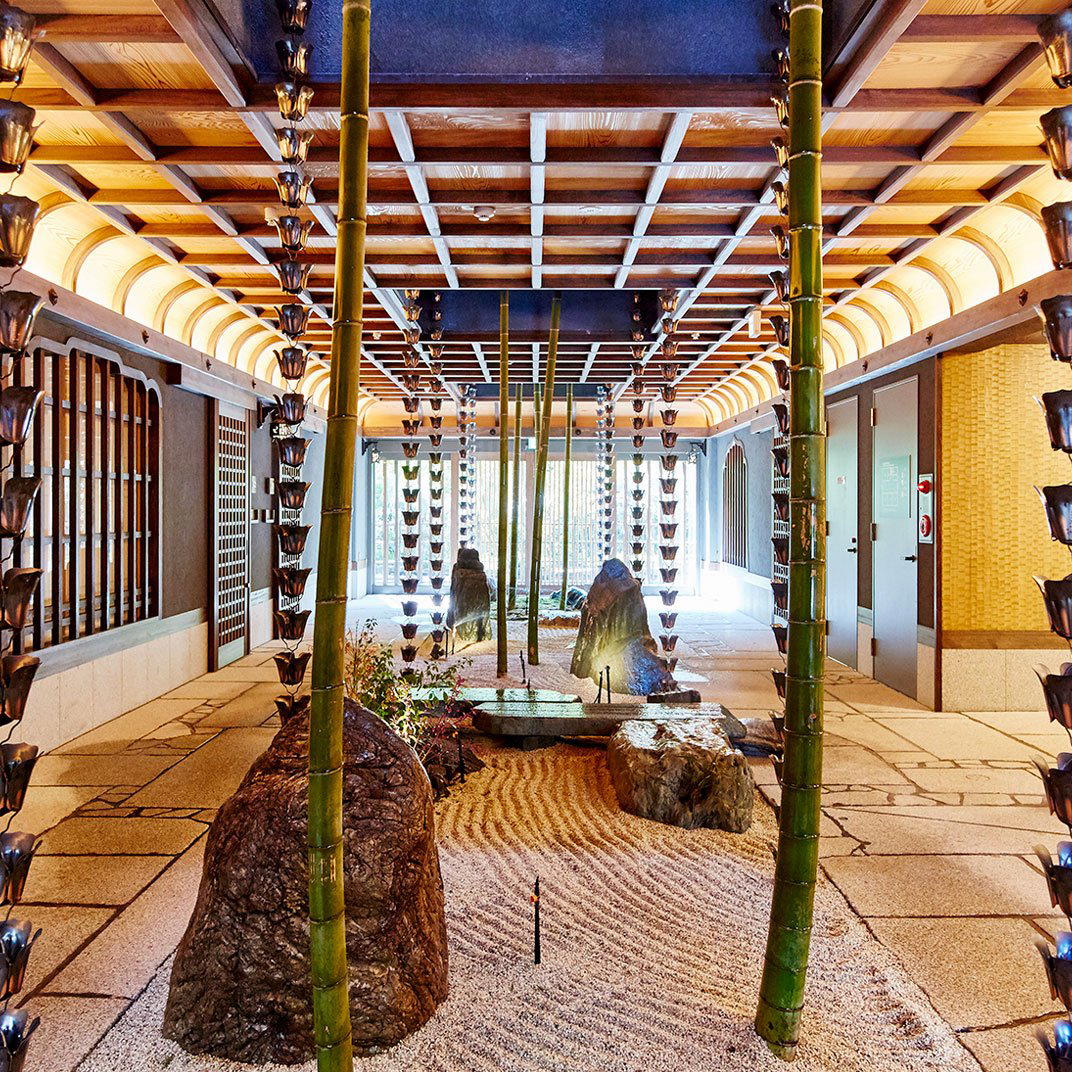
Muginoyoake holds back-to-back Michelin Bib Gourmand recognition (2024 and 2025) for a reason: the Scallop and Japanese Pepper Ramen, built on a multilayered chicken, pork, and seafood dashi, delivers well above its single-¥ price point. In Kyoto's ramen category, this is one of the clearest value calls you can make, and booking is easy.
Nagomi (和海)
Amagasaki, Japan
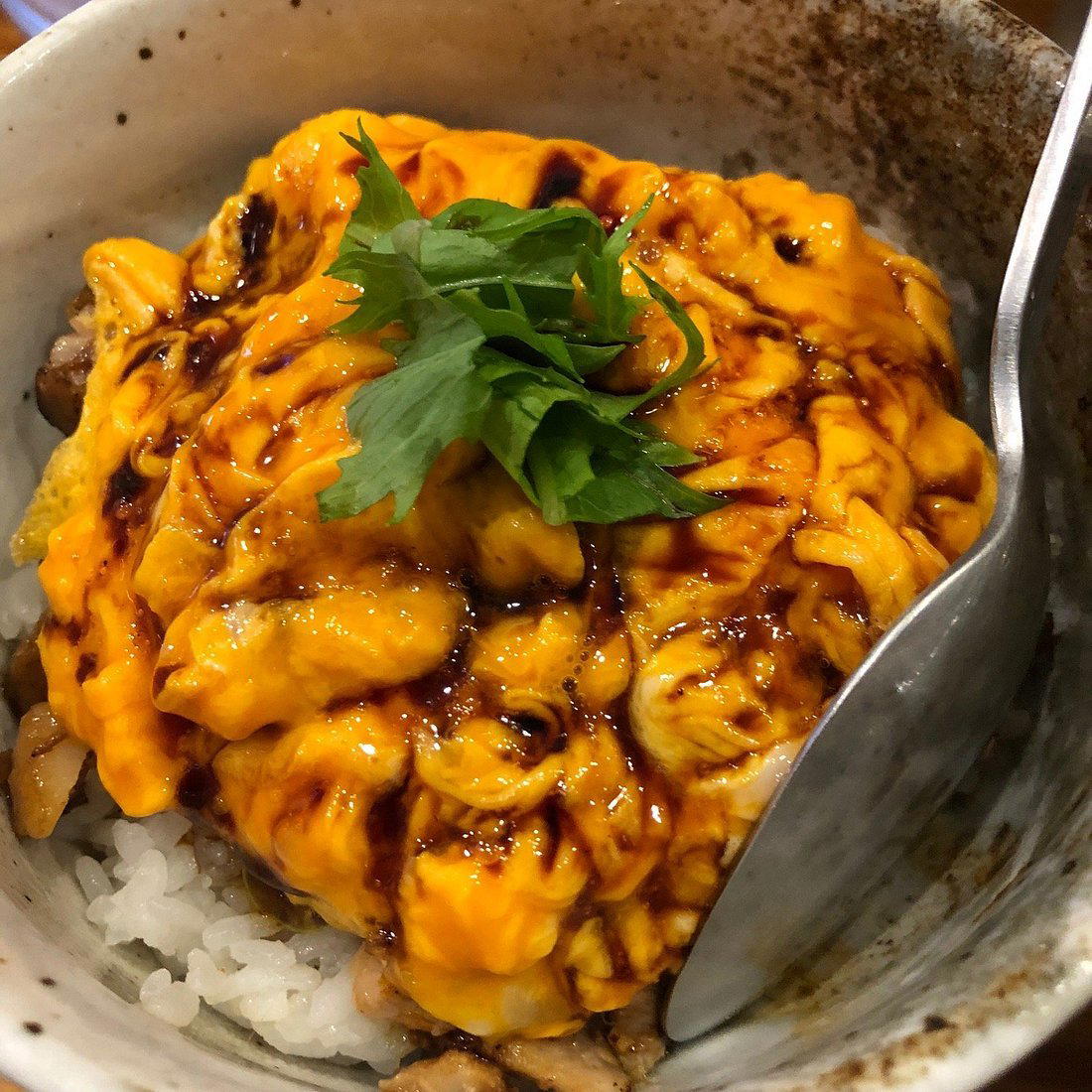
Nagomi (和海) is a cautious local pick for diners already in Amagasaki, not a destination booking to build a trip around. The case is convenience and neighborhood context rather than documented awards, cuisine, pricing, or service format, so it works better for flexible solo diners or pairs than for tightly planned occasions.
Chukasoba Oshitani
Nara, Japan
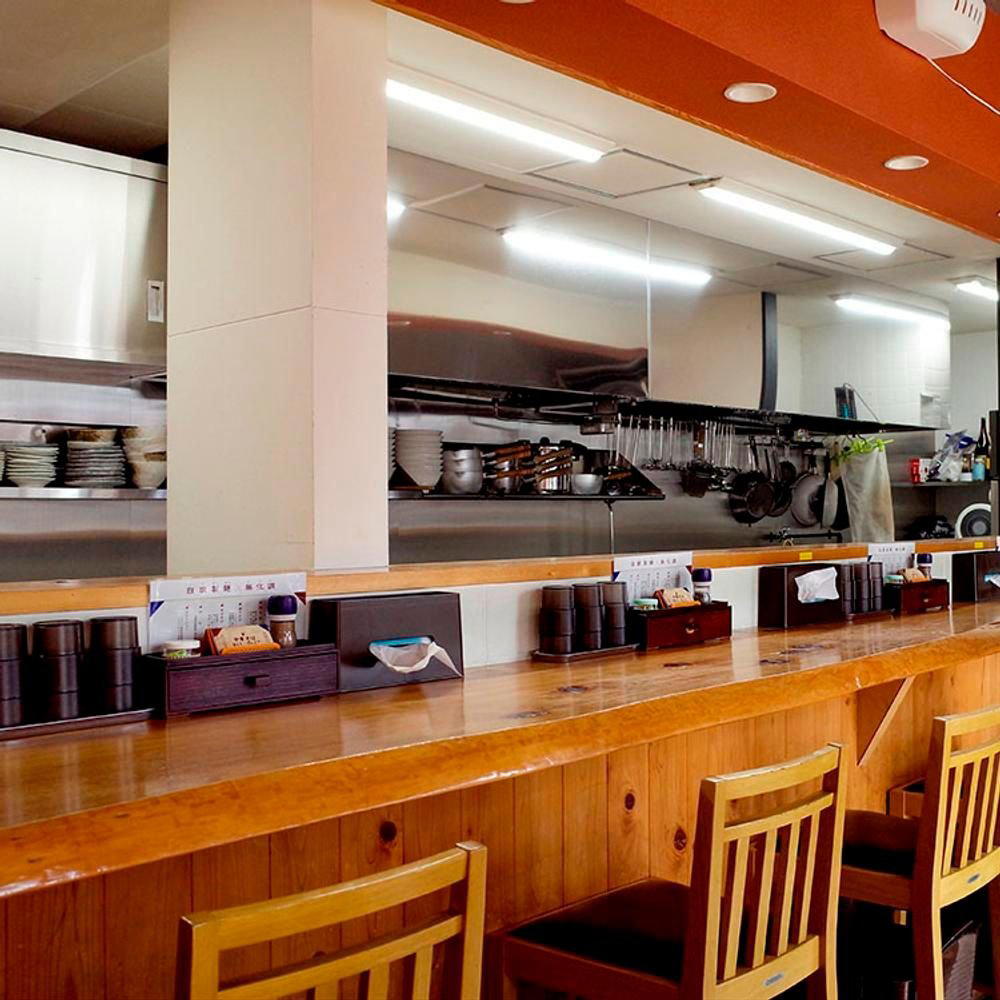
Chukasoba Oshitani is a strong-value Nara ramen choice if you want a low-cost bowl with award backing rather than a long, polished dining experience. The Michelin Bib Gourmand and Tabelog 100 placement make it more compelling than a routine ¥ ramen stop, but it is best planned as a focused casual meal, not a group occasion.
Menya Isshin
Kobe, Japan
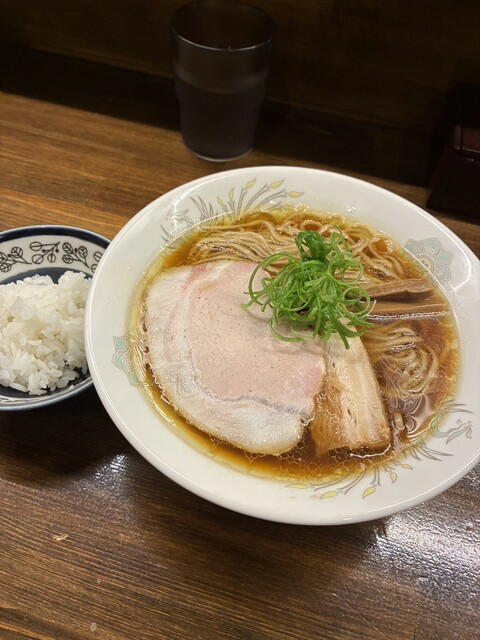
Menya Isshin serves Tabelog 100 West–recognized ramen under JPY 1,000 from an 11-seat counter near Shinzaike Station. No reservations means queues form before both lunch and dinner, but weekday midday visits cut wait times. Cash only, with identical pricing and menu across both services.
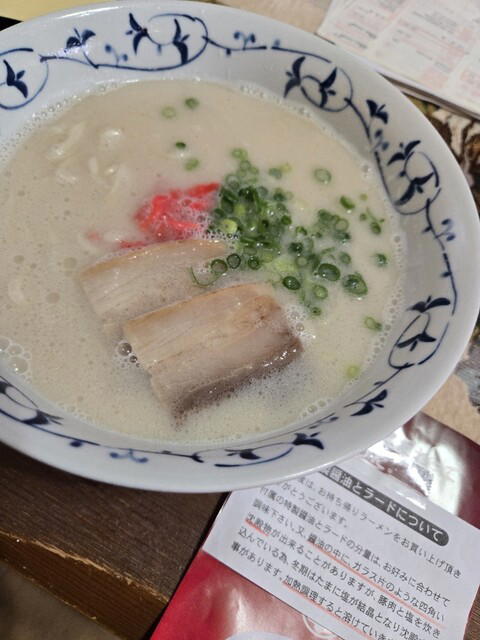
Marukou Ramen Center Kiyama honten
Miyaki-gun, Japan
A 150-seat tonkotsu ramen hall along National Route 3, recognized in Tabelog's top 100 western Japan ramen shops for three consecutive years. Walk-ins only, sub-¥1,000 bowls, and 9 AM–9 PM hours make it a practical stop for highway travelers and local families. Spacious seating, parking onsite, and a no-frills format deliver consistent quality without reservation barriers.
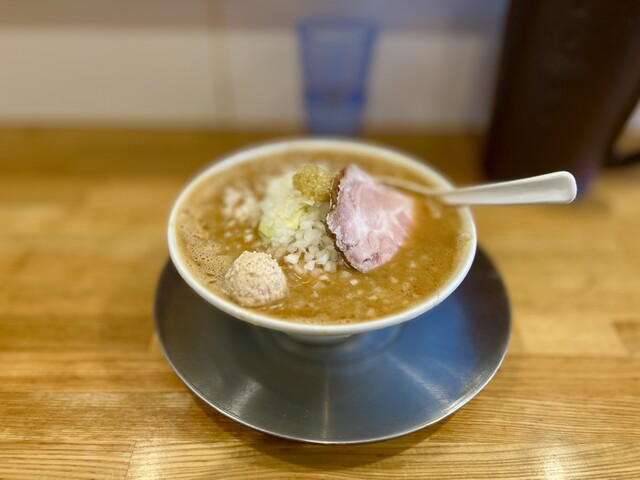
Menba Rikiou
Tenri, Japan
A Tabelog Ramen WEST 100 shop (2023–2025) serving ramen, tsukemen, and dumplings at ¥1,000–¥1,999 for both lunch and dinner. The 16-seat space includes counter seating for solo diners and tables for families, with no reservations and cash-only payment. Open six days a week, closed Sundays.
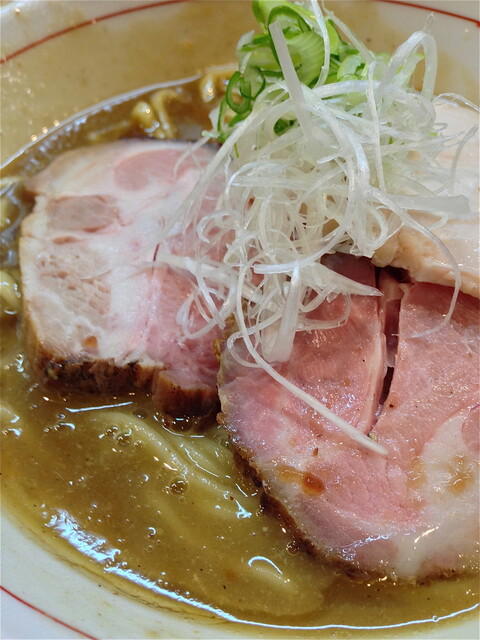
Men Dokoro Toritani
Kyoto, Japan
<p>Tabelog Ramen WEST 100 counter shop (2023–2025) in Ukyo Ward, serving chicken-broth ramen and tsukemen under JPY 1,000. No reservations, cash-only, open until 10 PM most nights; late visits avoid the lunch-hour queue. Seven-minute walk from Yamanouchi Station, quieter location than central Kyoto.</p>
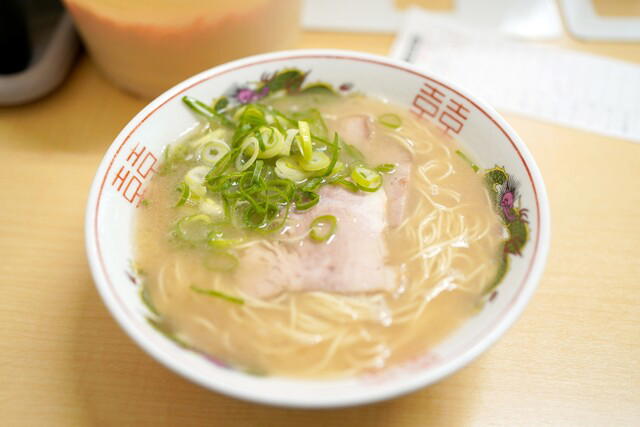
Anzen Shokudo
Fukuoka, Japan
A three-time Tabelog 100 Ramen WEST honoree serving ramen, champon, and stir-fried noodles for under 1,000 yen. The suburban Fukuoka location offers 28-car parking, family seating, and rare takeout service in this award tier; worth the drive for consistent quality at an accessible price.
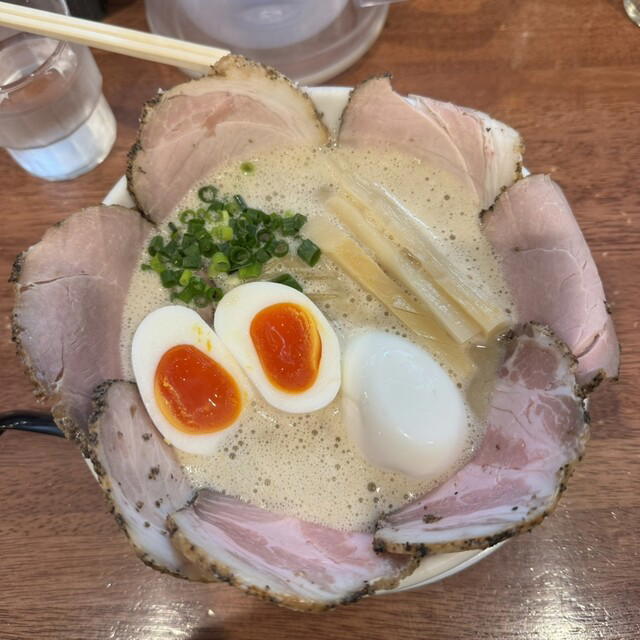
Ramenya Mitsuba Za Se Kondo
Ikoma-gun, Japan
A 13-seat ramen counter in suburban Nara with seven Tabelog 100 West selections (2018–2025) and a 3.65 score, serving JPY 1,000–1,999 bowls six days a week with no reservations. Cash-only, lunch-focused, and built for consistent broth execution rather than spectacle; worth the logistics if you prioritise technical ramen craft over convenience.
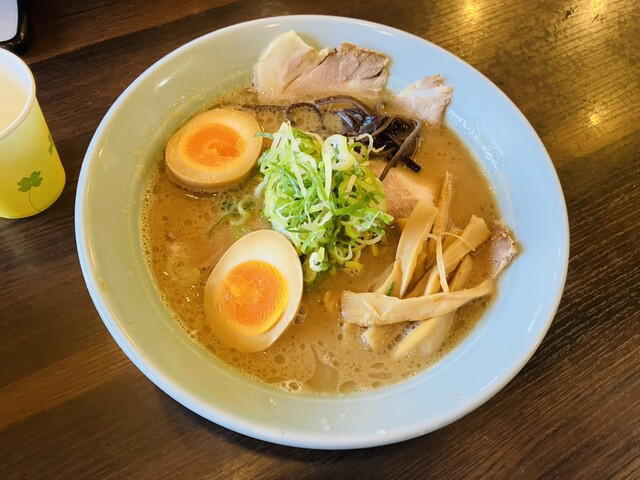
Hakata Tonkotsu Masao
Kusatsu, Japan
Award-holding tonkotsu ramen shop in residential Kusatsu serving creamy Hakata-style bowls under JPY 1,000. Tabelog 100 Ramen WEST 2023–2025. Walk-ins only; expect weekend lunch waits. Counter and table seating, family-friendly, parking available. Worth the detour for travelers near Lake Biwa or Kusatsu Onsen.
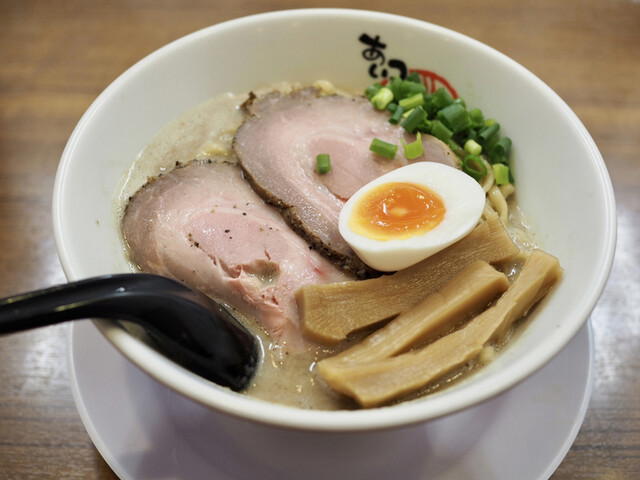
Aitsu no Ramen Kataguruma Honten
Kyoto, Japan
A Tabelog 100 Ramen West fixture since 2018, this 15-seat counter near Tambaguchi Station delivers focused ramen and tsukemen in the JPY 1,000–1,999 range. Walk-in only, counter seating only, and a no-conversation policy that prioritizes turnover. Lunch and dinner run identical menus; lunch offers easier queue management.
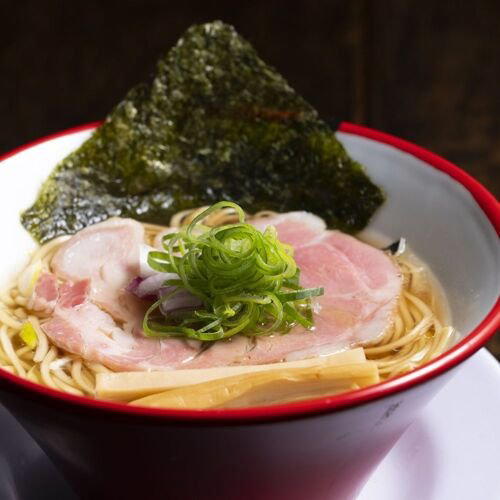
KOBUSHI Ramen
Kyoto, Japan
KOBUSHI Ramen is worth planning around if you want a low-price Kyoto ramen stop with credible recognition rather than a random quick bowl. It is better for solo diners, pairs, and focused lunch plans than for formal celebrations or long group dinners. Cross-shop Muginoyoake, Menya Inoichi, Chinese Noodles ROKU, and Mendokoro Janomeya if location is the deciding factor.
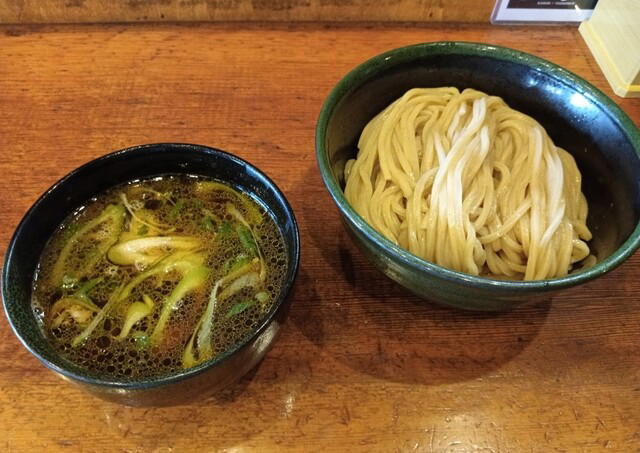
Clutch Hitter
Itami, Japan
Clutch Hitter works if you want a low-cost Itami meal with stronger credibility than a random neighborhood pick. The Tabelog 100 recognition gives it a useful quality signal, while the easy booking profile keeps the planning burden low. Better for solo diners, couples, and food-focused explorers than for a formal special occasion.
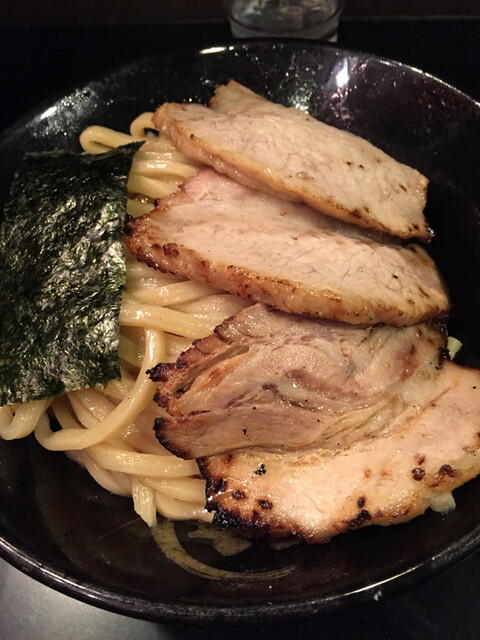
Tsukemen Mushin
nakamachi, Japan
Award-listed tsukemen specialist in Nara operating walk-in only with counter and tatami seating for 20. Technical broth execution at ¥1,000–¥1,999 justifies the queue for noodle enthusiasts, though bus-dependent location and no-reservation policy demand logistical patience. Best for solo diners and casual meals over special occasions.
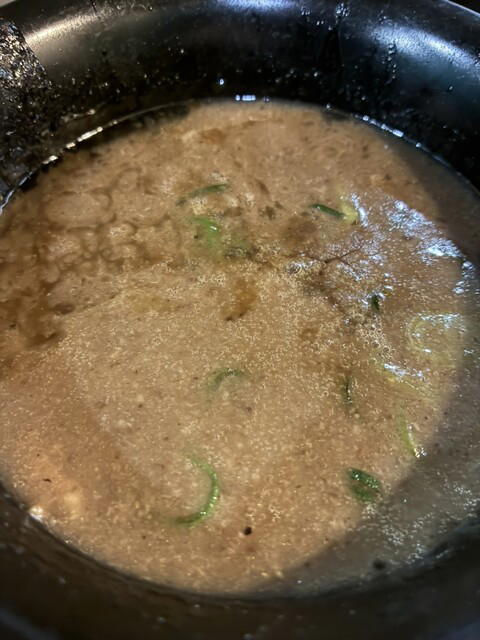
Jukou Gundan
Kyoto, Japan
A nine-seat Ichijoji ramen counter with three consecutive Tabelog 100 Ramen WEST selections (2023-2025), tsukemen and abura-soba under ¥999, and a strict twenty-minute turnover policy. Walk-in only, two narrow service windows daily, cash-only payment. The format rewards punctual diners willing to queue at noon or 6 PM sharp; anyone seeking leisurely service should look elsewhere.
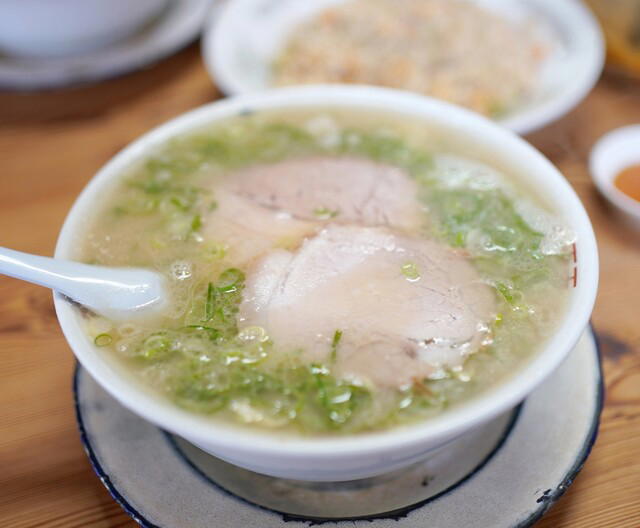
Fukuchan Ramen Taguma honten
Fukuoka, Japan
A Tabelog Ramen WEST 百名店 counter shop serving textbook Hakata tonkotsu with thin noodles and fresh garlic at JPY 1,000–JPY 1,999. Walk-in friendly, no reservations, closed Monday and Tuesday. Better value and easier access than most award-winning peers in Fukuoka's crowded ramen field.
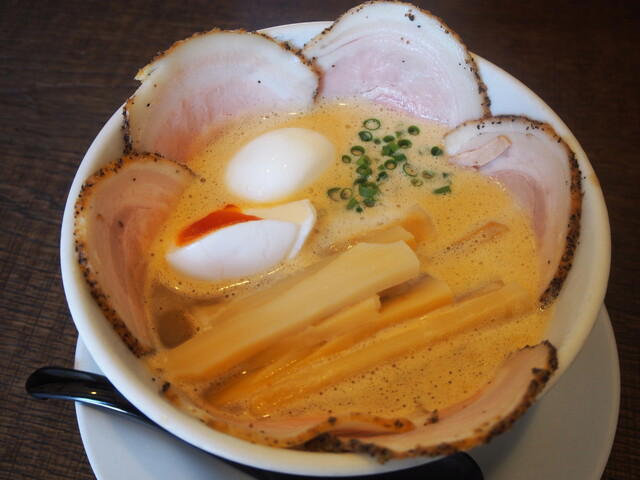
Ramenya Mitsuba
Nara, Japan
<p>Counter-only ramen shop in Nara's Tomio suburb, recognized on Tabelog 100 Ramen WEST every year since 2018, serving bowls under JPY 2,000 with no reservations and limited hours (weekday lunch, Saturday afternoons). Worth the queue for ramen tourists, but no takeout; eat in or skip it.</p>
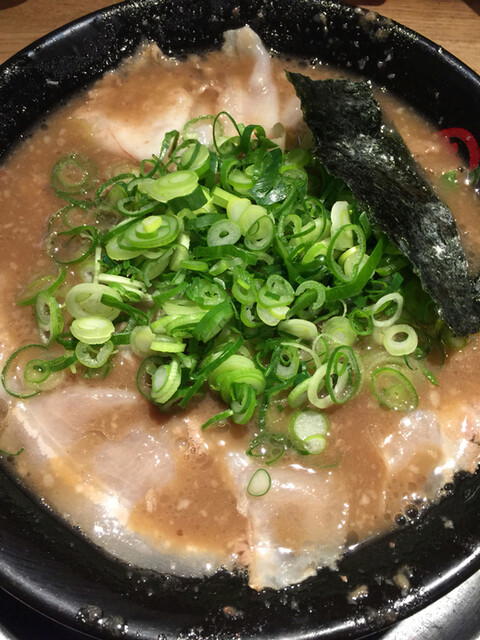
Gamushara Nara
Yamatokoriyama, Japan
Gamushara Nara has held its Tabelog 100 West spot since 2017 with bowls under JPY 1,000 served at a 13-seat counter in a former food-stall location. Cash-only, walk-ins only, and family-friendly at lunch, it offers straightforward ramen value in a quiet Yamatokoriyama setting. The service style is utilitarian: no reservations, no lingering, no fuss.
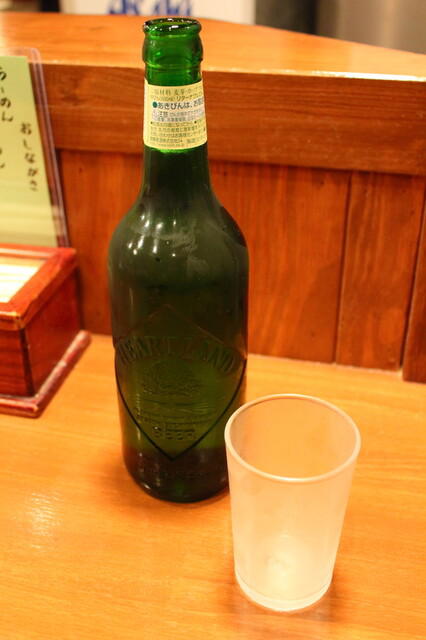
Koga Ryuseimen
Kobe, Japan
Walk-in-only ramen shop in Sumiyoshi with 11 seats, JPY 1,000–1,999 bowls, and three consecutive Tabelog Ramen WEST "Tabelog 100" selections (2023–2025). Queue at opening for counter stools or one of two small tables; no reservations, cash only, and turnover-focused service that rewards solo diners comfortable with stand-in-line uncertainty.
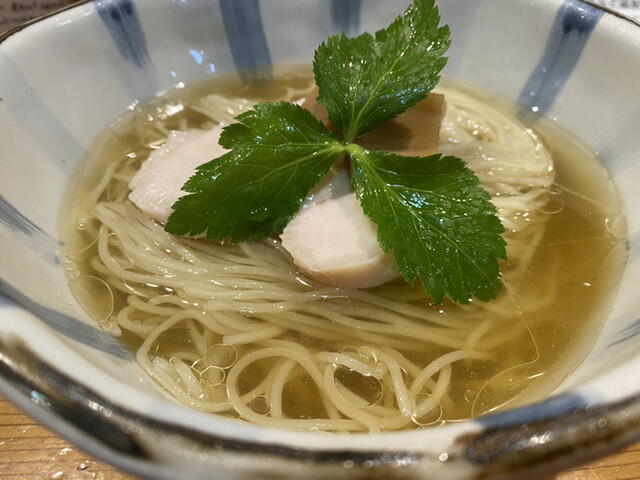
Menya Sanda
Kyoto, Japan
A 10-seat counter in Ukyo Ward, Menya Sanda has held a Tabelog 100 WEST spot since 2019, serving straightforward ramen, tsukemen, and abura-soba at JPY 1,000–1,999. No reservations, cash-only, and split lunch/dinner service make this a functional choice for travelers seeking a reliable bowl between temple visits. Lunch moves faster than dinner, and the menu stays consistent across both sessions.
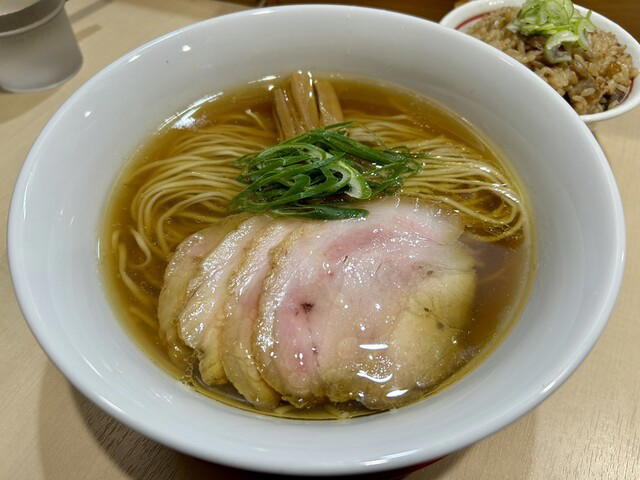
Menya Eguchi
Nara, Japan
A 12-seat ramen counter near Kyobate Station, recognized in Tabelog's 2025 Ramen WEST list. Open since 2022, this no-reservations venue serves ramen and tsukemen for JPY 1,000–JPY 1,999, with lunch-only hours Wednesday through Sunday. Cash only, walk-ins only, and lines during peak service; a solid midday option for travelers prioritizing value and technical execution over atmosphere.
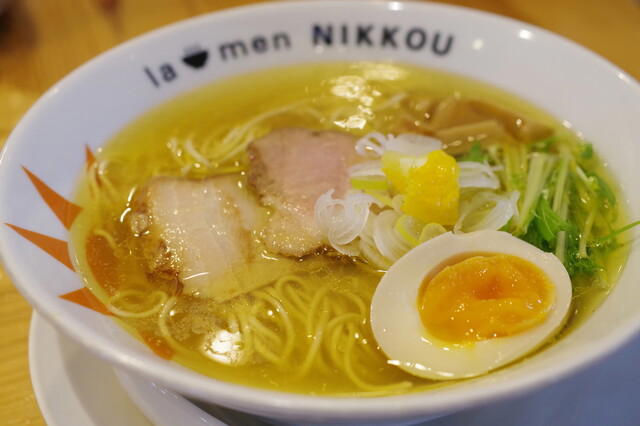
Ramen Nikkou
Hikone, Japan
Tabelog Ramen WEST 100 house-converted shop in Hikone, serving shoyu, shio, and tsukemen under JPY 1,000 per bowl since 2005. Counter, table, and tatami seating handle solo diners through family groups; no reservations, quick turnover, parking on-site. Best for pragmatic lunches between castle visits and multi-visit ramen testing.
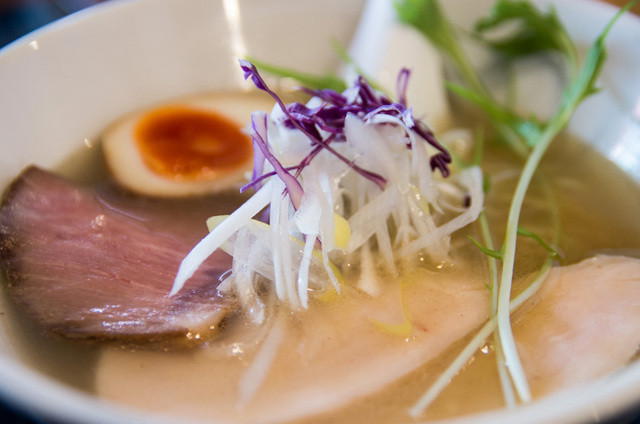
Gafuu An
Itami, Japan
Gafuu An is a nine-seat counter ramen shop in Itami with Tabelog 100 recognition every year since 2017. The no-reservations, cash-only format means arrive early (12:30 PM lunch, 7:30 PM dinner) or risk a sold-out sign. At JPY 1,000–1,999, it's pricier than Itami's sub-¥1,000 bowl spots but justified if you want chef-visible preparation and a curated sake list.
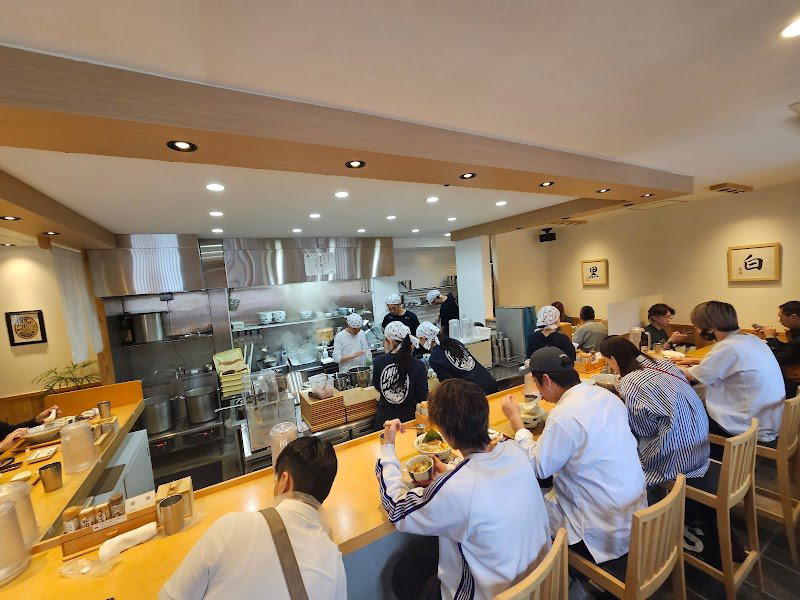
Menya Inoichi
Kyoto, Japan
Menya Inoichi is a strong first Kyoto ramen pick if value and recognition matter more than a long restaurant experience. It is easier to justify than pricier ramen options for a quick, focused bowl, while Vegan Ramen UZU is the better cross-shop for plant-based diners or a more concept-led meal.
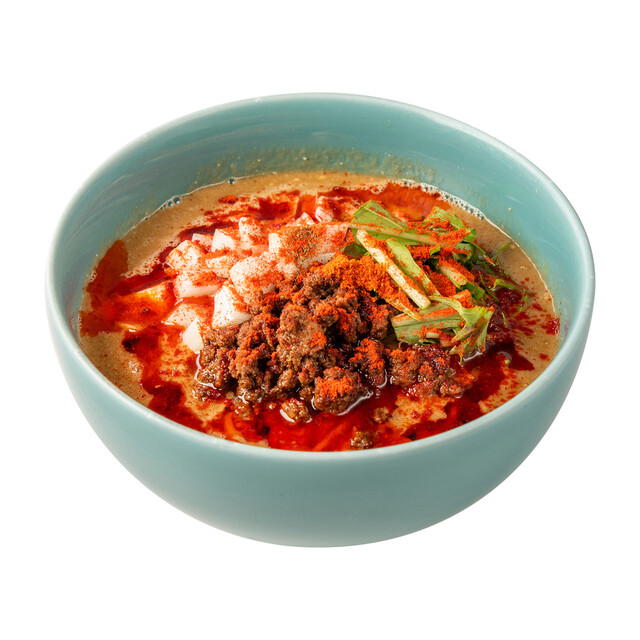
ENISHI
Kobe, Japan
A 14-seat ramen counter in Nada district earning Tabelog 100 Ramen WEST recognition since 2018 for spice-forward tantan-men under JPY 999. The kitchen blends over 20 chili oils with Kobe pork, Awaji onions, and Indian cashews, serving walk-ins daily from 11 AM to 11 PM. Non-spicy versions and Chinese soba accommodate milder palates; the casual format suits quick meals rather than leisurely dining.
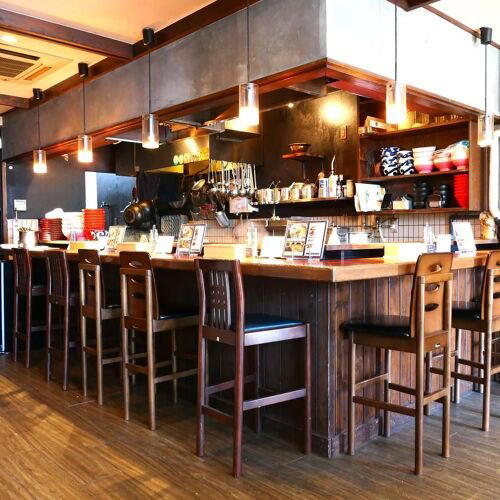
Mendokoro Janomeya
Kyoto, Japan
Mendokoro Janomeya is a smart Kyoto ramen pick when you want credible recognition, low spend, and a quick meal rather than a long restaurant night. It suits solo diners and pairs better than groups, and it is a poor fit if wine service or a lingering special-occasion format is the priority.
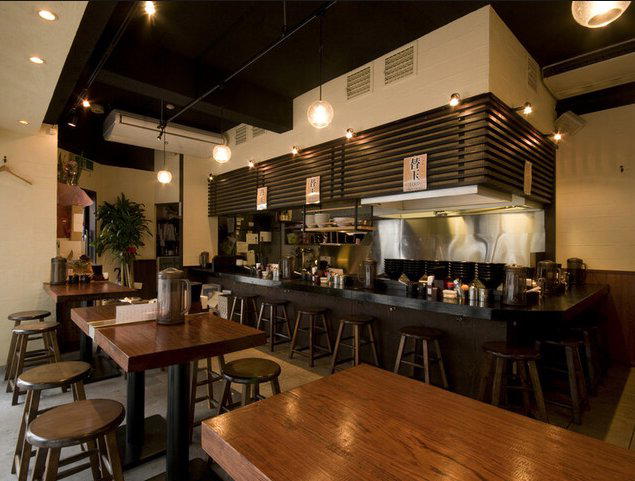
Genkiippai
Fukuoka, Japan
Genkiippai is Fukuoka's most consistently OAD-recognised ramen shop, ranked as high as #12 on the Casual Japan list in 2023. It is a no-frills walk-in counter in Hakata Ward; the right call for serious ramen travellers, not for group dinners or special occasions requiring atmosphere. Open daily, 11am–8pm, with easy access and no advance booking needed.
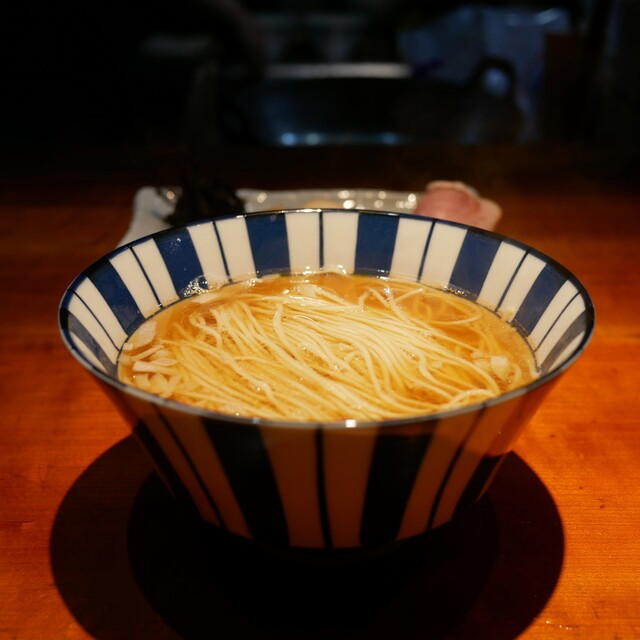
Tonjinchi
Himi, Japan
Tonjinchi is an 18-seat ramen shop in Himi that has held Tabelog 100 Ramen WEST recognition since 2018. Bowls run under JPY 1,000, the kitchen focuses on technical precision over menu breadth, and the narrow lunch window (11:30 AM–1:50 PM) keeps service tight. Book through TableCheck or arrive before 12:45 PM for walk-in counter seats.
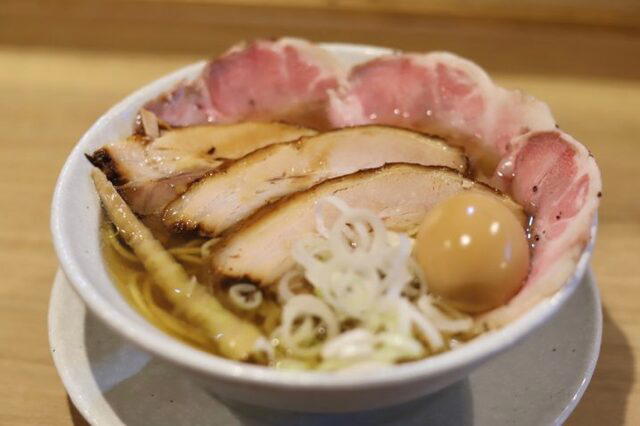
Menya Yuko
Kyoto, Japan
Counter-service ramen shop near Karasuma Oike Station, recognized in Tabelog's WEST 100 list three consecutive years (2023–2025) while holding prices under 1,000 yen. Solo-friendly format with no reservations, cash-only payment, and Thursday closures. Best for budget-conscious travelers prioritizing award-backed quality over atmosphere.
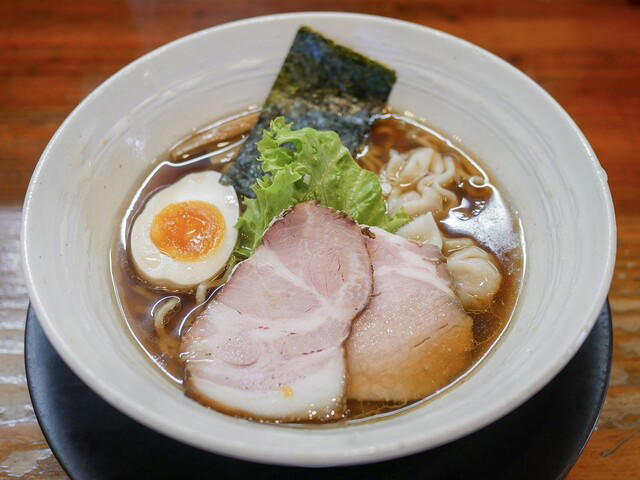
Shizenha Ramen Kagura
Kanazawa, Japan
A Tabelog 100 ramen shop in Kanazawa's Teramachi district, recognized for nine consecutive years (2017–2025) for broth clarity and technical execution. At JPY 1,000–1,999, it delivers benchmark-quality bowls without the Tokyo pilgrimage; cash only, family-friendly, and practical for lunch or a quick dinner between temple visits.
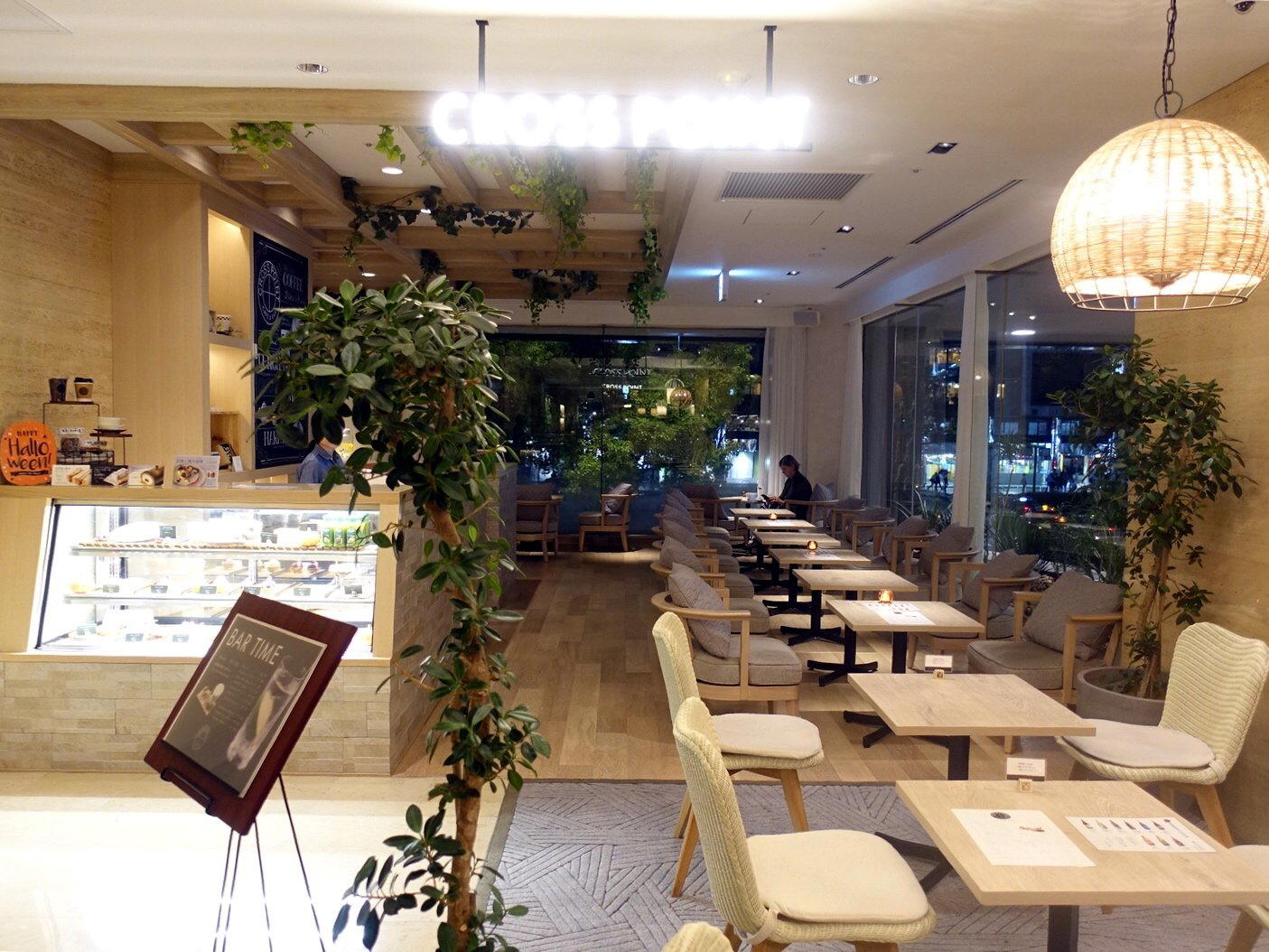
Hakata Issou
Fukuoka, Japan
Open 11am to midnight daily, it suits both a relaxed lunch and a long evening of shared plates. Booking is easy, the format is group-friendly, and the price point stays well below Tokyo's fine-dining tier.
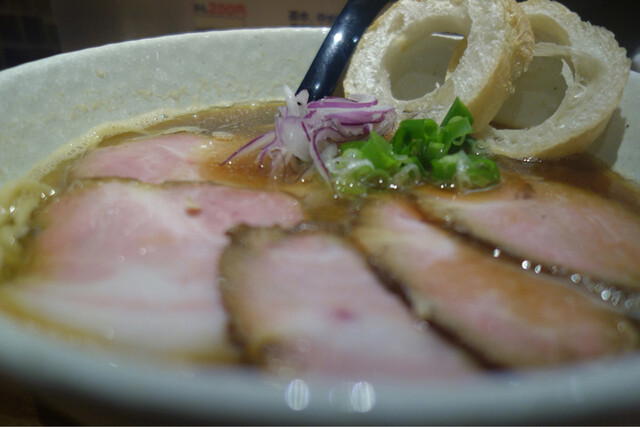
Ramen Senmon Nagomi Mukonosou ten
Amagasaki, Japan
An 8-seat counter ramen shop near Mukonoso Station, recognized on Tabelog 100 Ramen WEST for eight consecutive years (2018–2025). No reservations; queue-based seating at JPY 1,000–JPY 1,999 per head. Best for solo diners and pairs willing to wait for sub-JPY 2,000 bowls backed by sustained editorial recognition.
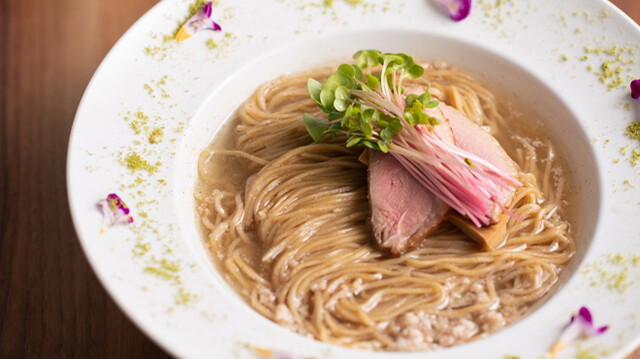
Gion Duck Noodles
Kyoto, Japan
Gion Duck Noodles serves French-technique duck ramen at JPY 2,000–2,999, earning three consecutive Tabelog 100 Ramen WEST selections without requiring reservations. The nine-seat counter fills by walk-in queue only, with shorter waits at weekday lunch or early dinner. Solo diners and couples fit the format better than groups.
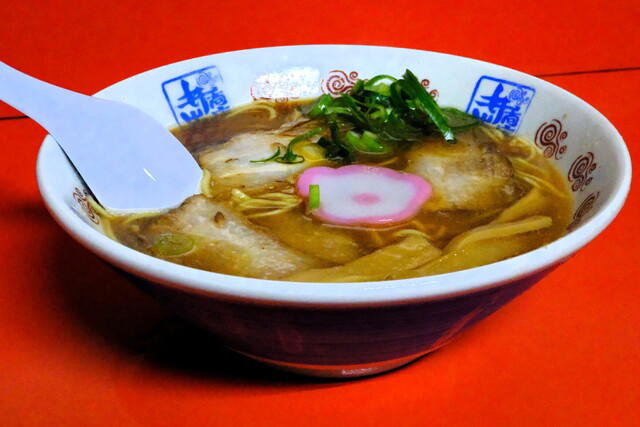
Chuka Soba Senmon Ten Ide Shoten
Wakayama, Japan
Choose Chuka Soba Senmon Ten Ide Shoten if Wakayama ramen is the point of the stop, not if the meal needs ceremony or a long dining room experience. The JPY 999 price band and Tabelog 100 #59 recognition make it a strong value play, especially beside much pricier Wakayama options like Shintaro and Sushi Gishin.
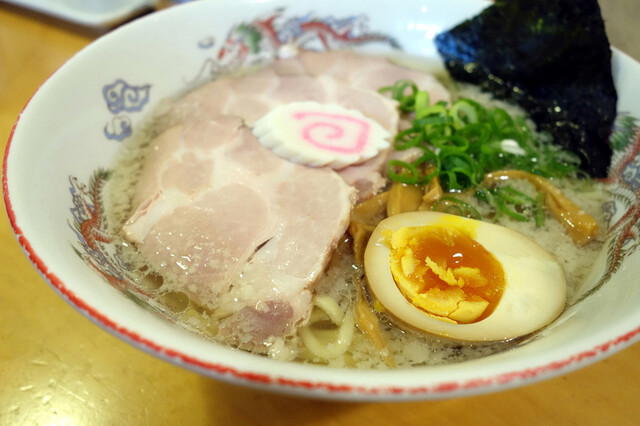
Sanuki Ramen Hamando
Mitoyo, Japan
Eight-time Tabelog 100 - Ramen - WEST honoree (2017-2025) serving Sanuki-style ramen in a converted house. Lunch-only, cash-only, no reservations; expect sub-JPY 2,000 bowls and a functional counter or table layout. Best for solo diners and weekday visits before 11:30 AM.
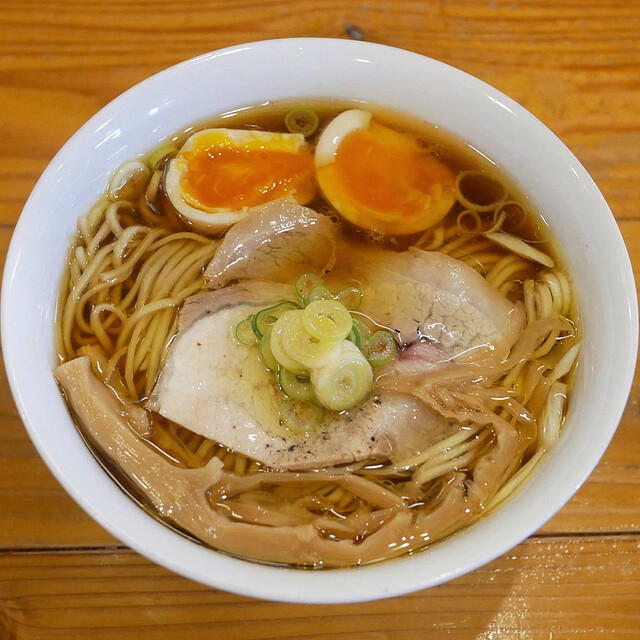
Mahoroba
fuchi, Japan
Tabelog 100 ramen shop in suburban Fukui serving bowls at JPY 1,000–1,999 with no-reservation walk-in service. Consecutively selected for Tabelog Ramen WEST 100 in 2024 and 2025, the 16-seat space splits service between lunch and dinner six days a week, offering counter seating for solo diners and tables for families. Cash only, 35-space shared parking, and a straightforward format that prioritizes consistent execution over atmosphere.
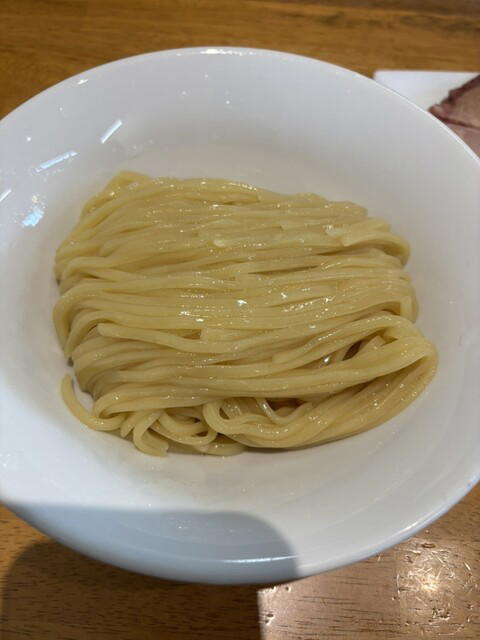
Men Shokudo 88
Tenri, Japan
A 10-seat counter in Tenri recognized three consecutive years on Tabelog 100 Ramen WEST (2023–2025), serving ramen, abura-soba, maze-soba, and tsukemen at JPY 1,000–1,999. No reservations, cash only, with weekday lunch hours Monday–Wednesday 11:00 AM–2:30 PM and weekend service until 3:00 PM. Solo diners and pairs get the most comfortable experience; arrive before noon on weekends to skip the wait.
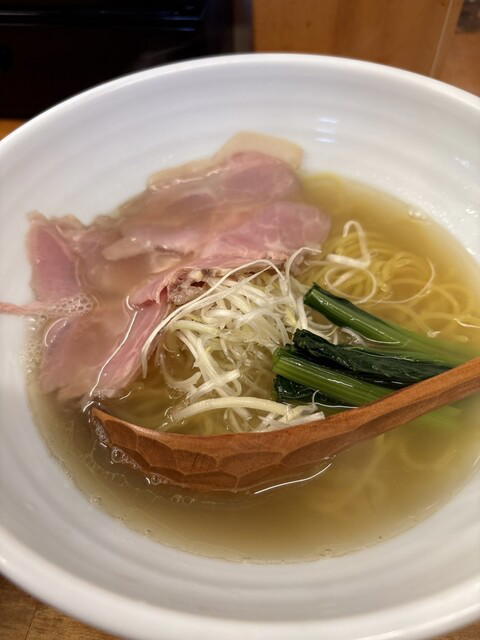
Menya Ittoku
Tenri, Japan
Tenri's seven-seat ramen counter has held Tabelog 100 (Ramen; West) recognition six times since 2017, serving bowls under ¥999 with no reservations, cash-only payment, and a schedule favouring weekend dinner services. The format suits solo diners and locals who value consistency over novelty.
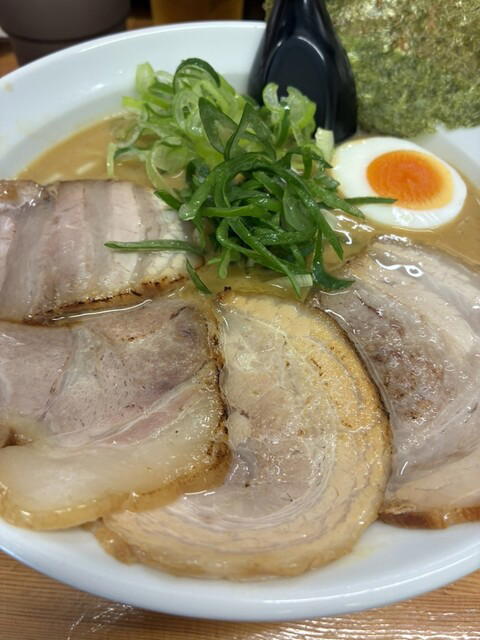
Ipposhi
Kobe, Japan
Tabelog Ramen WEST 100 honoree three years running, Ipposhi delivers technically precise ramen and tsukemen at under ¥2,000 in a 10-seat counter format. Lunch-only hours, cash-only payments, and no reservations keep the focus on bowl quality over ceremony; ideal for anyone chasing consistent execution in Kobe's Nada Ward.
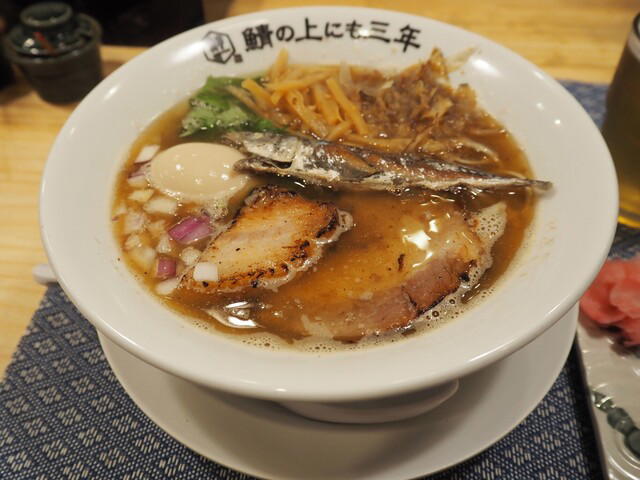
Saba no Ue ni mo San Nen
Kobe, Japan
Saba no Ue ni mo San Nen works when the plan calls for an easy, value-led Kobe meal rather than a polished splurge. Its Tabelog 100 #65 recognition gives it more credibility than the price tier suggests, but diners who need a formal special-occasion setup should cross-shop Kobe's beef and yakitori counters instead.
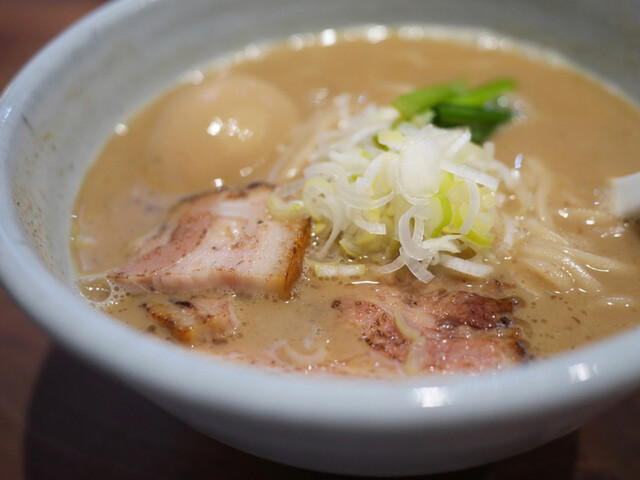
Menya Takakura Nijou
Kyoto, Japan
Six-seat tsukemen counter in Nakagyo-ku, named to Tabelog Ramen WEST 100 annually since 2019. No reservations, under ¥1,000 per bowl, walk-in only with tight lunch and dinner windows. The format rewards solo diners or pairs willing to queue; group celebrations need a different venue.
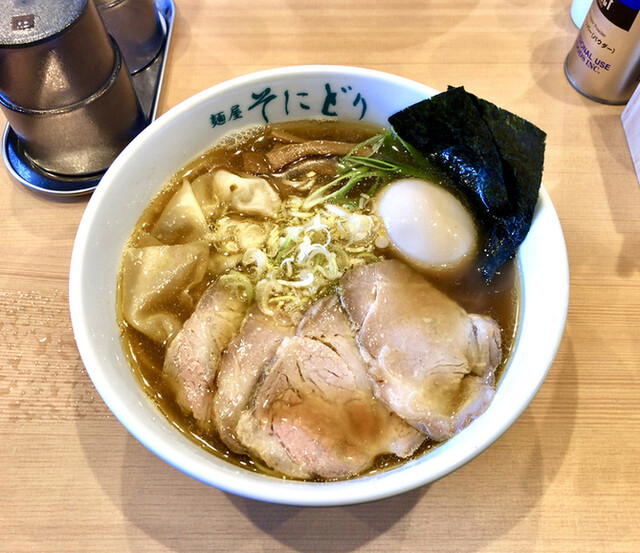
Menya Sonidori
Yokkaichi, Japan
A six-time Tabelog 100 ramen shop in Yokkaichi where JPY 1,000-1,999 buys a technically consistent bowl at a 16-seat counter. Cash only, no reservations, and limited evening hours mean planning matters, but the price-to-quality ratio rewards the effort for ramen-focused travelers exploring Mie prefecture.
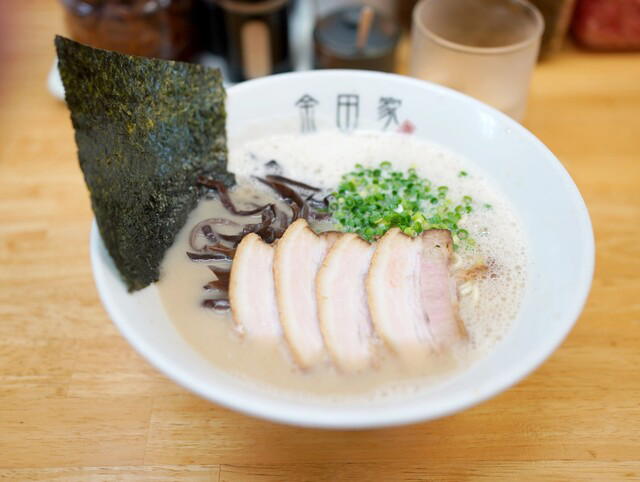
Kanada Ya Honten
Yukuhashi, Japan
This 14-seat ramen shop in Yukuhashi has earned Tabelog Ramen WEST 100 recognition six times for tonkotsu bowls that deliver pork-bone richness without the aggressive funk common to Kyushu. At under 1,000 yen per bowl, it's a walk-in-only counter format with four parking spaces behind the building. No reservations, cash only, closed Thursdays.
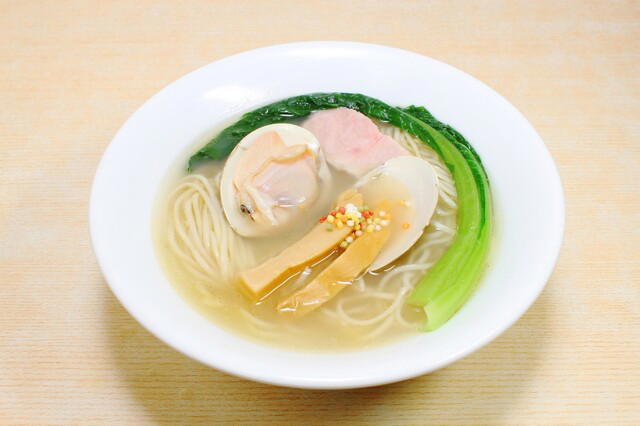
Ramen Torikatsu
Kuwana, Japan
A 17-seat ramen shop in Kuwana earning Tabelog 100 recognition three years running for its seafood-forward broth built on niboshi and layered dashi. Under JPY 1,000 per bowl, walk-in only, and routinely sold out before last order; arrive by 11:15 AM weekends or queue early for dinner service.
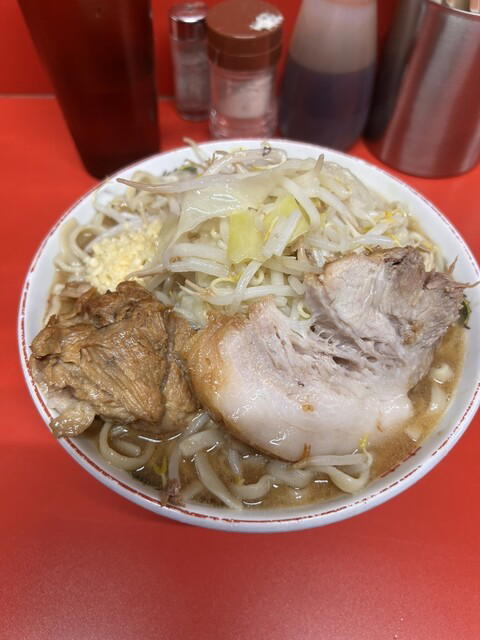
Ramen Jiro Kyoto ten
Kyoto, Japan
Counter-only Jiro-style ramen shop in Ichijoji earning Tabelog 100 Ramen WEST recognition three years running (2023–2025) for thick pork broth and customizable toppings at under JPY 999. No reservations, cash only, solo-diner friendly; best for those prioritizing value and consistency over comfort or variety.
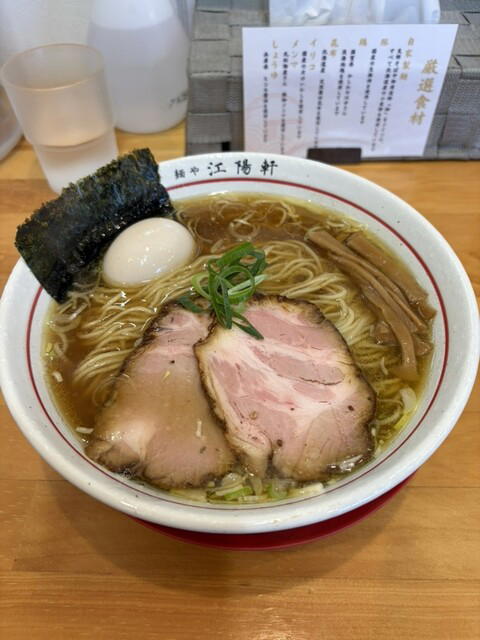
Menya Koyoken
Hikone, Japan
Three-time Tabelog Ramen WEST 100 selection serving sub-¥1,000 ramen and tsukemen from a seven-seat counter in Rendaijicho. No reservations, lunch and dinner service Tuesday–Saturday (lunch only Sunday), with 14-space parking across two lots. Counter seating offers the clearest view of prep and assembly.
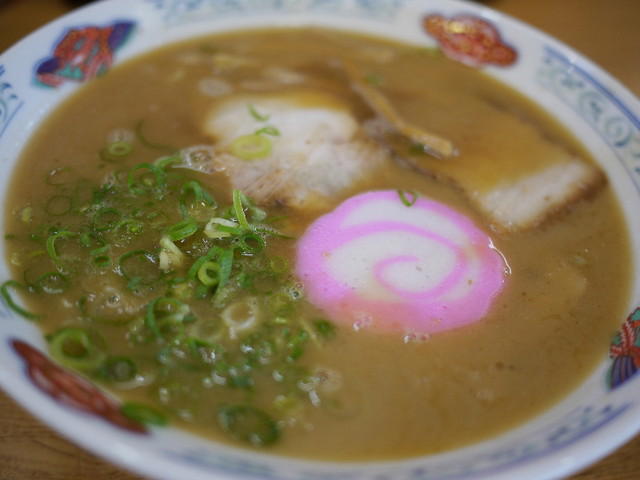
Marusan
Wakayama, Japan
Marusan delivers three years of Tabelog 100 recognition (2023–2025) at under JPY 1,000 for dinner, a cash-only ramen counter in Wakayama's Shioya neighborhood with 32 seats, parking, and no reservations. Walk in for lunch before 11:30 AM to skip the line; the tatami room handles families, and the format suits solo diners who prioritize value over ambiance.
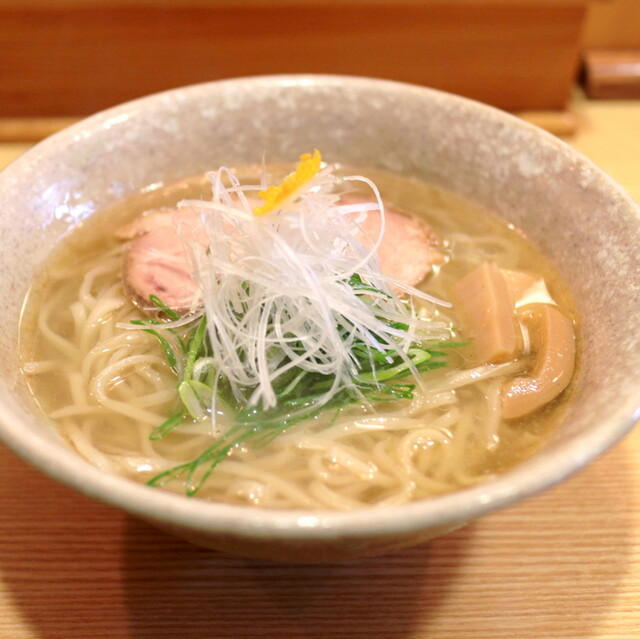
Yamazaki Menjiro
Kyoto, Japan
Nine-seat ramen counter in Nishinokyo Kitaenmachi with Tabelog 100 recognition since 2017. Tonkotsu and tsukemen priced under ¥1,000, cash only, Thursday–Sunday lunch service. Walk-ins fill fast; arrive early for best selection.
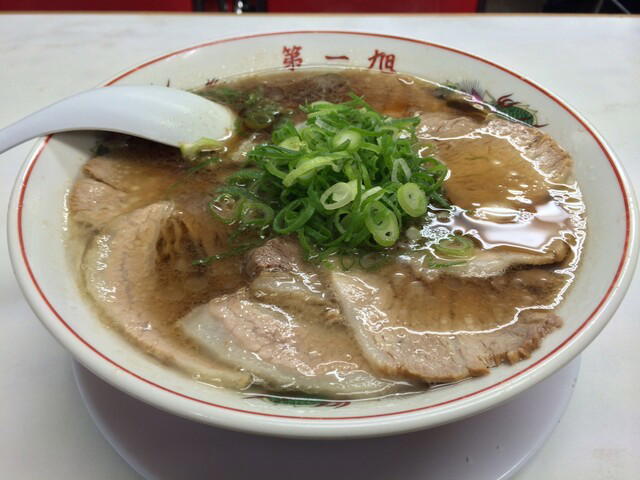
Honke Daiichi Asahi Honten
Kyoto, Japan
Kyoto Station's early-bird ramen institution opens at 6 AM and runs until 1 AM, serving classic shoyu ramen under JPY 999. Recognized on Tabelog 100 Ramen WEST for seven consecutive years, it anchors the budget end of the city's noodle scene with reliable quality and counter-to-table seating five minutes from the train.
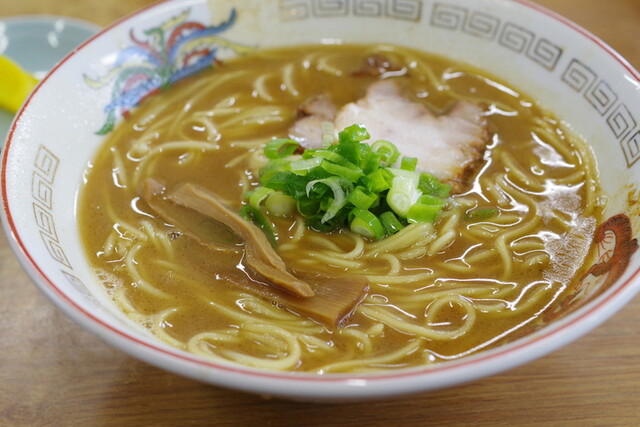
Urashima
Kinokawa, Japan
A Tabelog 100 Ramen WEST mainstay three years running, Urashima operates from a converted house in rural Kinokawa with a tight 11 AM–1 PM window and sub-¥1,000 bowls. The ticket-system format, cash-only policy, and sell-out closures suit solo diners and ramen hunters more than families or special-occasion groups. Counter, table, and tatami seating offer flexibility, but the room is utilitarian and the vibe strictly functional.
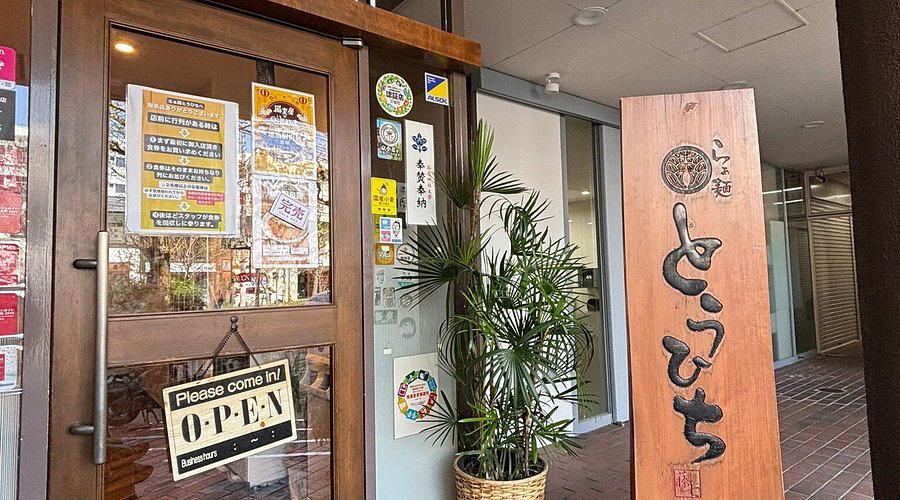
Ramen Touhichi
Kyoto, Japan
Ramen Touhichi holds two consecutive Michelin Bib Gourmand awards (2024–2025) and charges ¥ prices; a rare combination in Kyoto. The chicken-focused counter restaurant in Sakyo Ward builds its entire menu around locally raised free-range chicken, with a signature soy-sauce ramen that demonstrates serious technique. Small, focused, and worth the trip north of the centre.
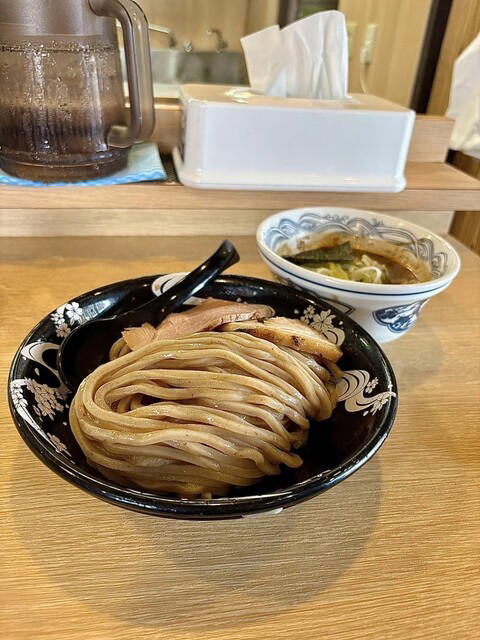
Menya Takei Honten
Kyoto, Japan
A suburban Joyo ramen shop 30 minutes south of Kyoto Station, holding nine consecutive Tabelog 100 WEST selections (2017–2025) for its housemade whole-wheat tsukemen. Expect JPY 1,000–1,999 bowls, family-friendly tatami seating, and shorter waits than central Kyoto's ramen elite; if you're willing to make the trip.
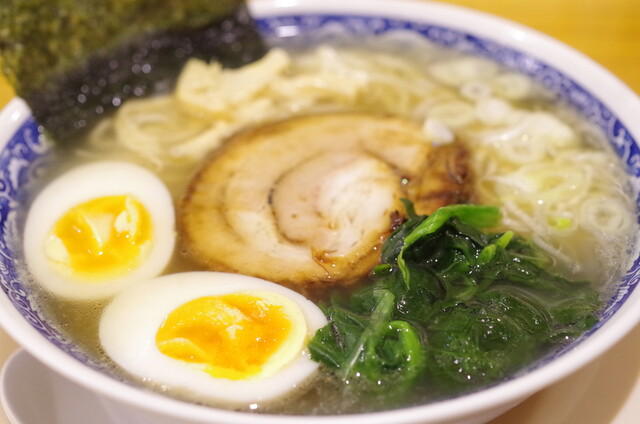
Shinjuku Menya Fuuka
Kyoto, Japan
A 17-seat counter shop near Shijo Station serving technically precise ramen and tsukemen at JPY 1,000–1,999 per head. Walk-in only, cash only, and recognized on Tabelog 100 (Ramen West) every year since 2017. The format is built for solo diners and quick meals, not groups or lingering visits.
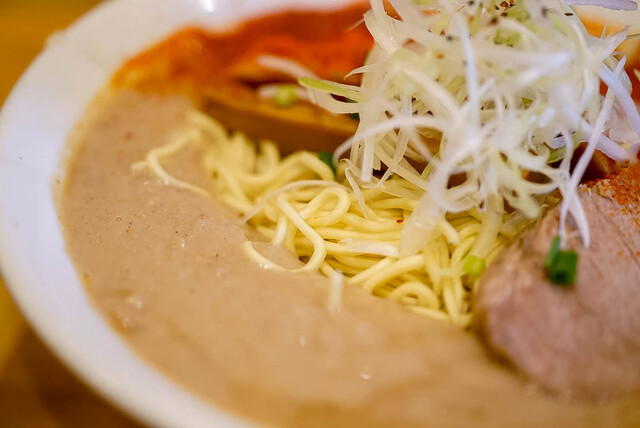
GOKKEI Ichijouji honten
Kyoto, Japan
A Tabelog 100 (Ramen – WEST) regular since 2018, this Ichijoji shop serves chicken paitan ramen for JPY 1,000–JPY 1,999 with no reservations, meal-ticket ordering, and efficient counter turnover. The service model prizes speed over ceremony; ideal for diners who want a clean, reliable bowl without the formality of Kyoto's higher-end dining rooms.
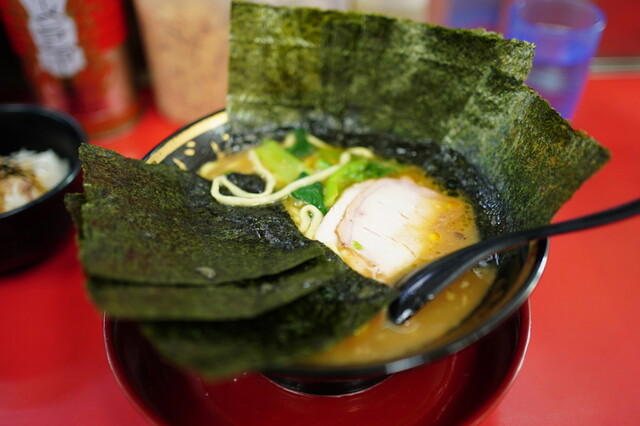
Hajime Ya
Uozu, Japan
Hajime Ya earns Tabelog 100 recognition for ramen at JPY 1,000–1,999, offering counter and tatami seating in a no-reservations format. Open since 2001, the 26-seat venue combines national-level quality with provincial pricing, making it a practical stop for travelers routing through Uozu on the Ainokaze Toyama Railway.
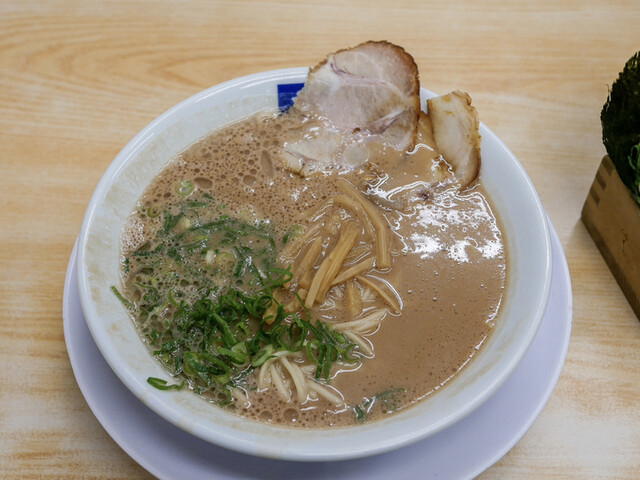
Kairyuu Hakata honten
Fukuoka, Japan
Kairyuu Hakata honten delivers Tabelog Ramen WEST 100-listed tonkotsu at under ¥1,000 per bowl, open daily until sold out. The 44-seat room (counter, tables, tatami) accommodates families and groups without the cramped format or price inflation of more central Fukuoka ramen shops. Worth the 15-minute walk from Takeshita Station if you want reliable broth and straightforward service; arrive before 7 PM on weekends or book ahead for larger parties.
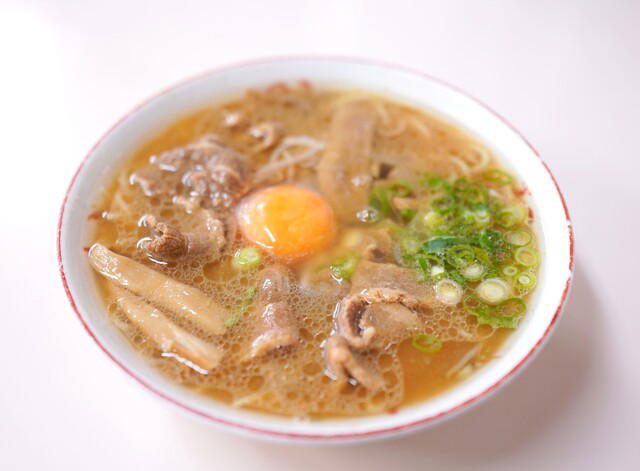
Inotani Honten
Tokushima, Japan
A no-frills Tokushima ramen counter recognized by Tabelog's Ramen WEST 100 for three consecutive years. Under 1,000 yen per bowl, meal-ticket ordering, and a counter-only format make this one of the most accessible award-recognized ramen spots in western Japan. Arrive before 11 AM to avoid sellouts.
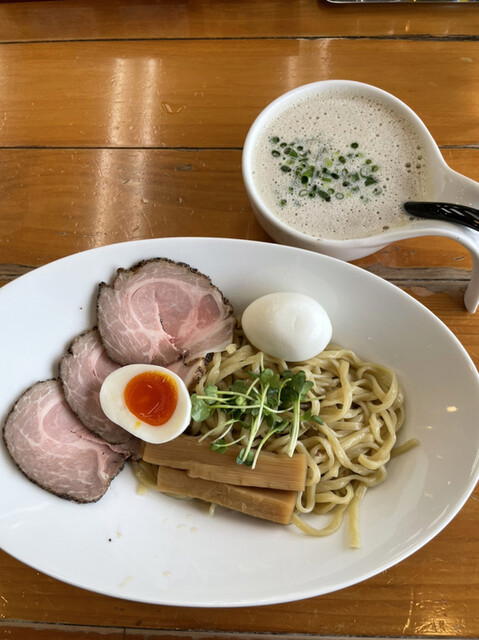
Ore no Ramen Appare Ya
Kyoto, Japan
A house-restaurant ramen counter in Jōyō, 20 minutes south of Kyoto, earning Tabelog 100 Ramen WEST honors since 2018. Limited to 11:30 AM–2:00 PM Monday–Saturday with walk-in seating only, the 18-seat space serves ramen and limited tsukemen (20 bowls daily) at JPY 1,000–1,999. Best reached by car with ample parking; public bus access via Keihan route 62 is hourly and slow.
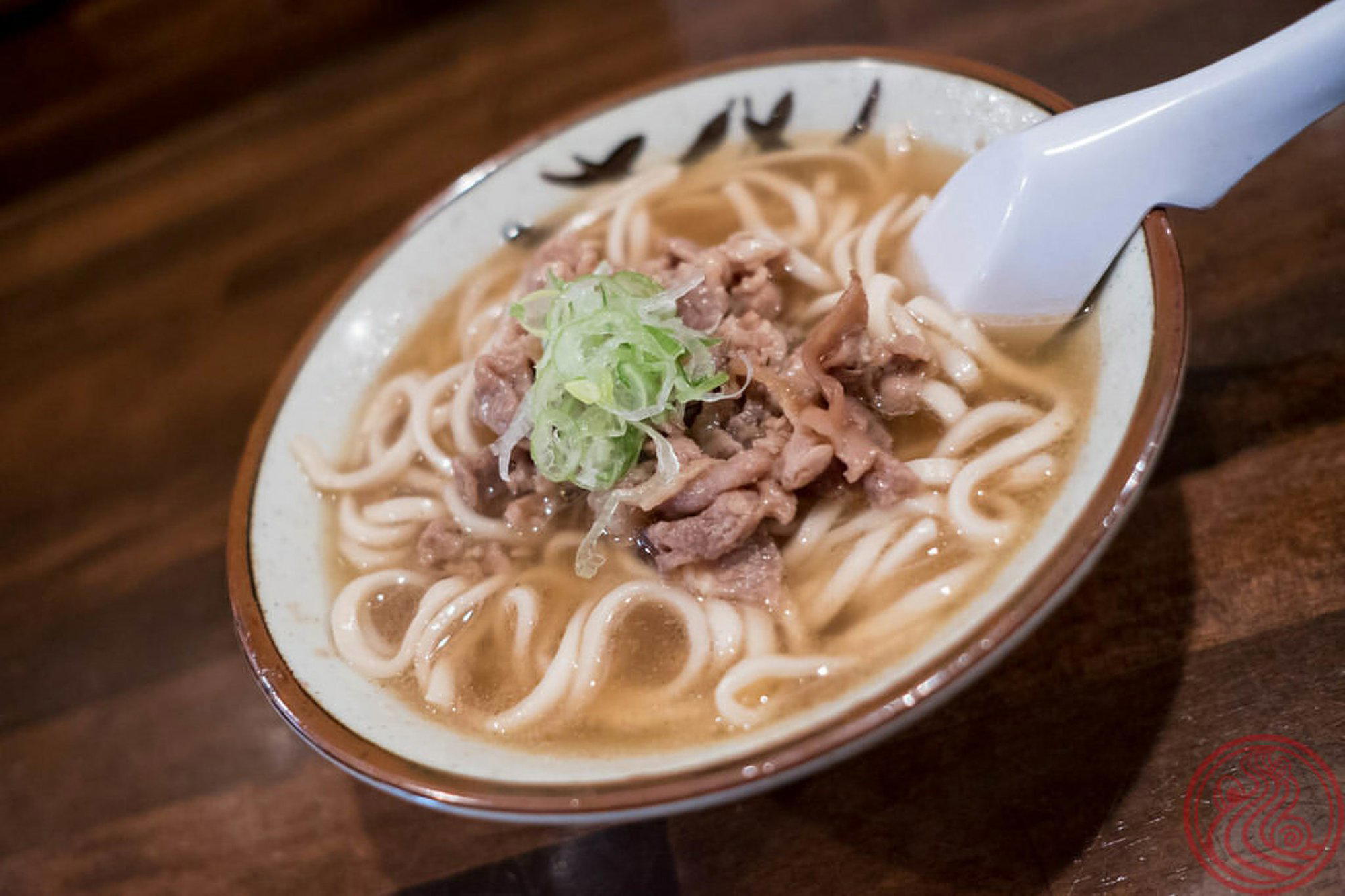
Mendo Hanamokoshi (麺道はなもこし)
Fukuoka, Japan
A focused Fukuoka pick for diners who want a recognition-backed meal without turning it into a formal occasion. The 2025 Tabelog 100 placement gives it credibility, but the smarter plan is to go solo or as a pair and keep expectations centered on the food rather than ceremony.
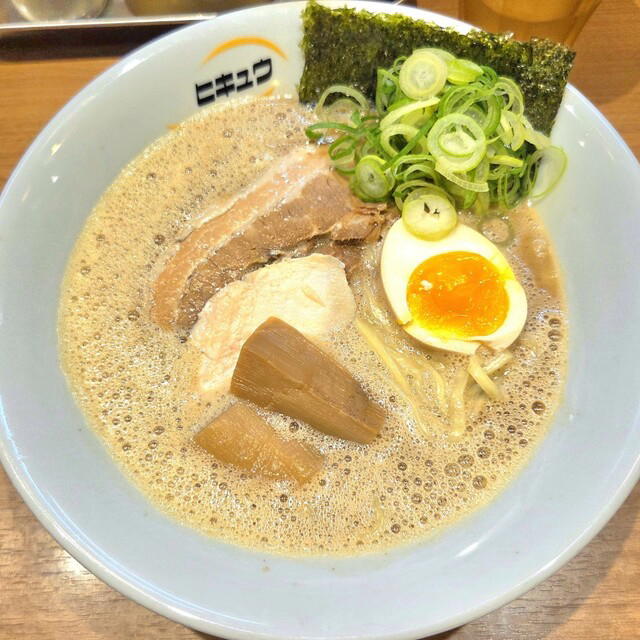
Men Hikyu Rokkoumichi ten
Kobe, Japan
Men Hikyu Rokkoumichi ten delivers Tabelog 100-recognized ramen and tsukemen at under JPY 1,000 per bowl, three minutes from Rokkomichi Station. The 13-seat counter operates first-come service from 11:30 AM to 9:00 PM daily, with no reservations and cash-only payment. Named to the Tabelog Ramen WEST 100 list three years running, the shop anchors Kobe's budget-tier ramen tier with neighborhood consistency and efficient turnover.
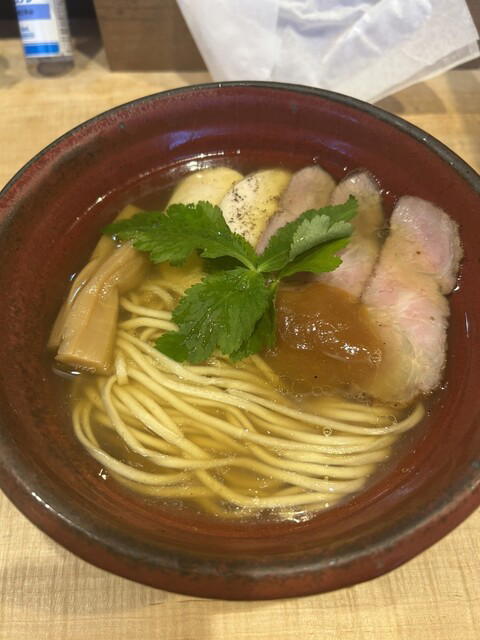
Baika Tei
Nagahama, Japan
Tabelog 100 Ramen WEST shop (2023–2025) in Nagahama running ramen, tsukemen, abura-soba, and maze-soba formats at JPY 1,000–1,999. Sixteen seats, parking on-site, no reservations; arrive early or risk sell-outs at lunch and dinner.
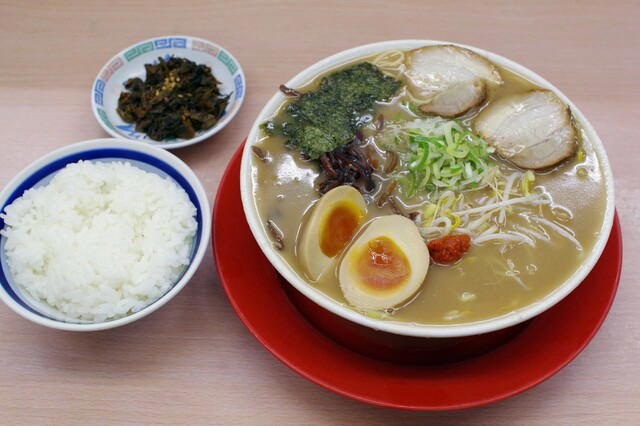
Ramen Man
Miyazaki, Japan
Tabelog 100 Ramen West regular since 2023, serving sub-1,000-yen bowls from 6 AM in a suburban house restaurant. No reservations, cash only, 48 seats across counter, table, and tatami. Worth the drive for morning ramen pilgrims; less compelling as a standalone dinner trip.
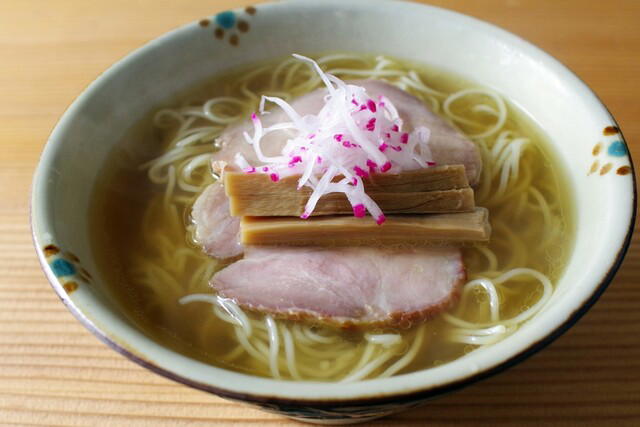
Ramen Hachinoashiha
Yokkaichi, Japan
An eight-year Tabelog Ramen WEST 100 fixture in Yokkaichi, serving shoyu and shio bowls at JPY 1,000–1,999 from a 13-seat counter-and-tatami setup. Walk-in only, cash only, and open just four hours a day Tuesday through Sunday; arrive by 11:15 AM to skip the queue and claim a counter stool.
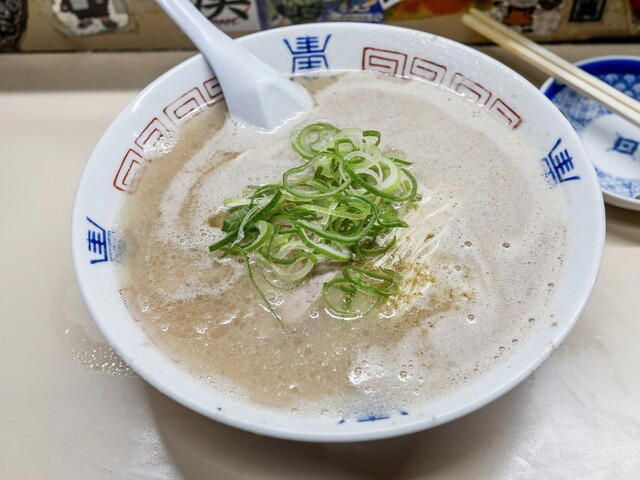
Hatchan Ramen
Fukuoka, Japan
A Tabelog 100 Ramen West selection for three consecutive years, Hatchan Ramen offers award-recognized tonkotsu bowls at under ¥1,000 in a 15-seat counter-only shop near Yakuin Station. Open 6 PM–2 AM six nights a week (closed Sundays), it's a budget-friendly late-night option with no reservations and cash-or-PayPay-only payment.
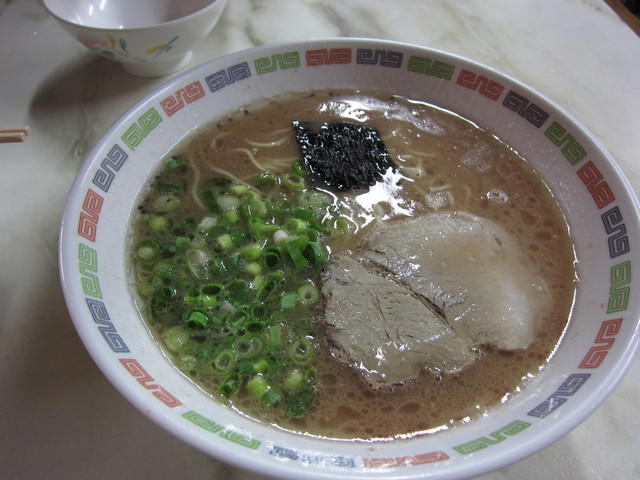
Maruboshi Ramen
Kurume, Japan
A roadside tonkotsu institution open since the 1950s, Maruboshi serves Kurume's classic pork-bone ramen at under ¥999 per bowl; no frills, no modern layering, just rich, milky broth that earned three consecutive Tabelog Ramen WEST 100 nods. Walk-ins only, cash only, and turnover is fast enough that waits rarely top 15 minutes.
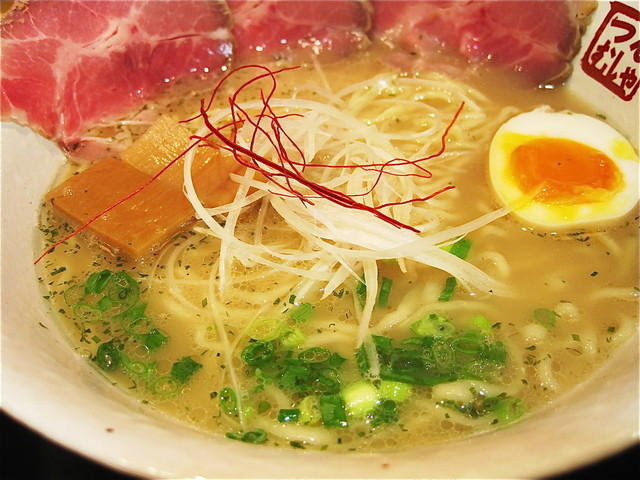
Ramen Tsurumusha
Kyoto, Japan
<p>A Tabelog 100 – Ramen – WEST shop since 2023, delivering bowls under JPY 1,000 with seasonal broth adjustments and counter-only seating. No reservations, fast turnover, and six minutes from Saiin Station. Best for solo diners and small groups willing to queue for technically sound ramen at neighbourhood prices.</p>
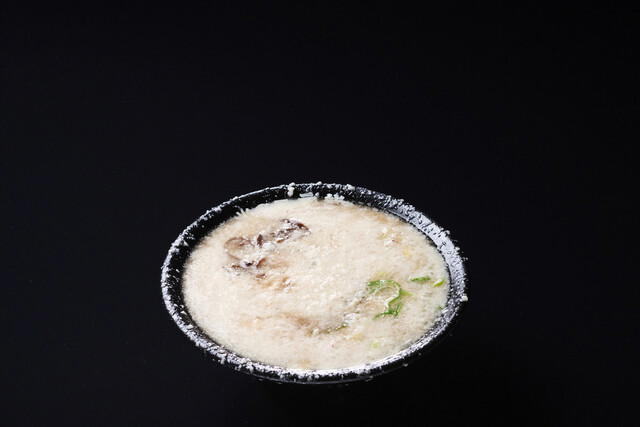
Hi no Kuni Bunryu Souhonten
Kumamoto, Japan
Garlic-forward tonkotsu ramen in a no-frills 34-seat room, recognized on Tabelog's 2025 Ramen WEST 100. Under JPY 2,000 per bowl, walk-in only, and best for solo diners or small groups who want intensity over subtlety. Counter seating moves fast; expect 10–15 minute waits at peak lunch and early dinner.
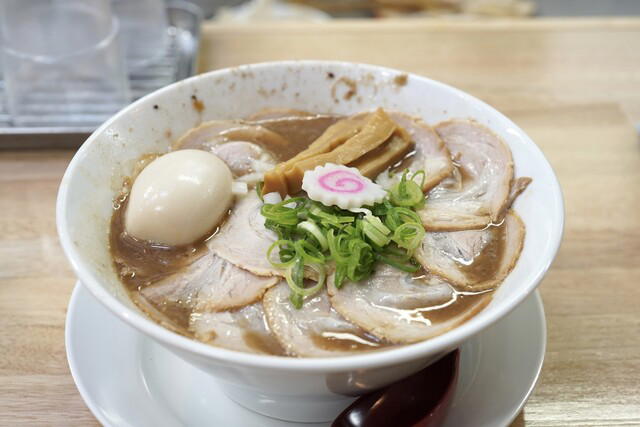
Butanohoshi
Amagasaki, Japan
Butanohoshi is worth planning around for a focused Amagasaki lunch, especially for solo diners or pairs who care more about a specialist casual meal than a long sit-down occasion. The price range keeps the risk low, while Tabelog 100 #93 in 2025 gives it stronger recognition than many nearby casual peers.
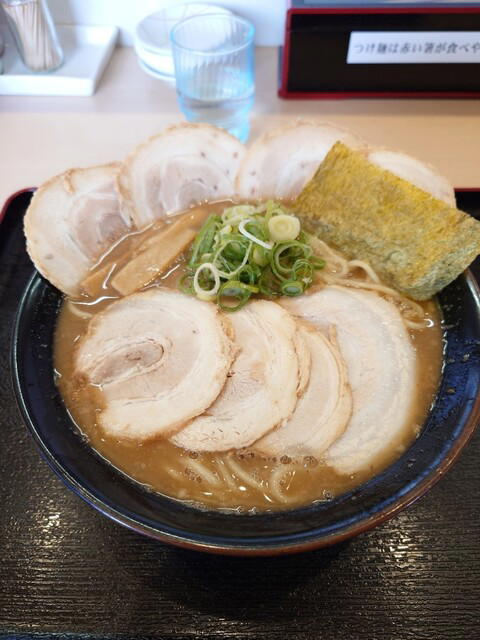
Ramen Yoshichi Katata ten
Otsu, Japan
A three-time Tabelog 100 Ramen West honoree in Otsu, this 16-seat shop offers technically consistent ramen, tsukemen, and gyoza under ¥1,000. Open since 2011 with split lunch and dinner shifts, it's accessible by train (510 meters from Katata Station) and car (12-space lot), making it an easy stop for regional ramen tours or Lake Biwa itineraries.
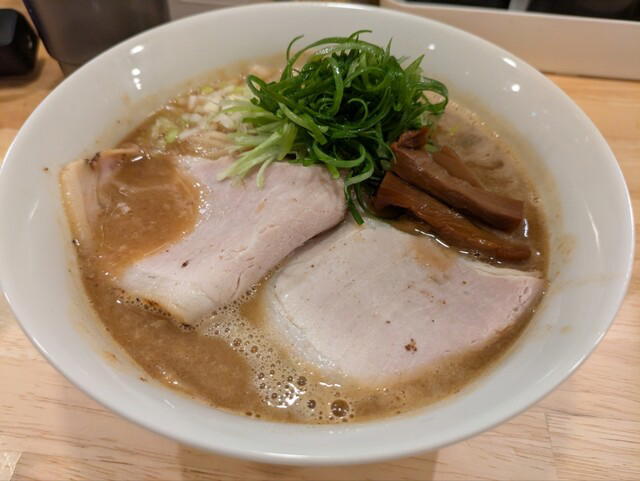
Menya K
Nara, Japan
Menya K serves Tabelog 100-recognized ramen and tsukemen under JPY 1,000 per head in an 11-seat counter shop near Kintetsu Nara Station. Three consecutive years on the WEST list (2023–2025) confirm consistent execution at neighborhood pricing. Walk-in only, cash-only, open until sold out; arrive before 1 PM weekdays or 2 PM weekends to avoid missing out.
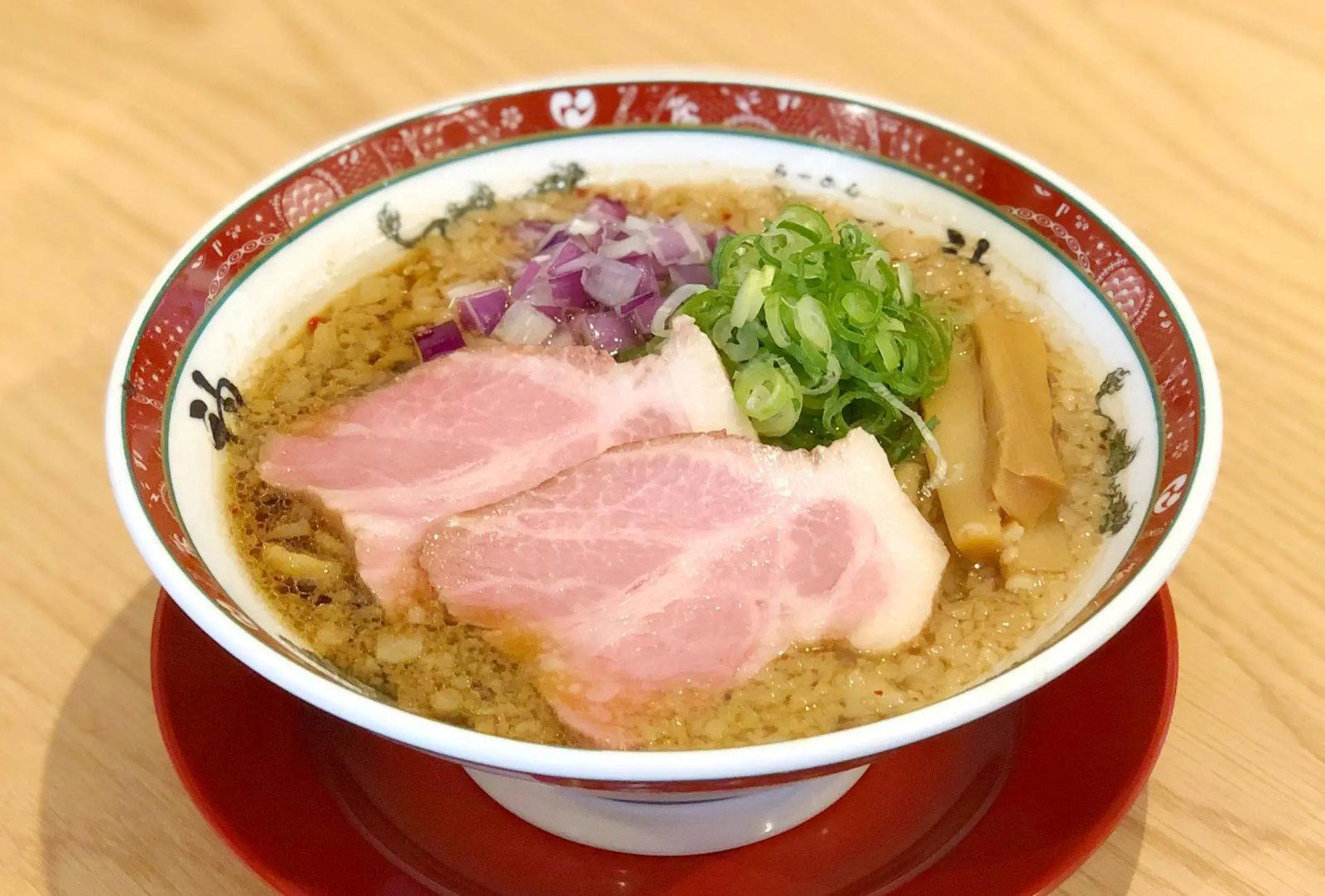
Seabura no Kami Mibu honten
Kyoto, Japan
A Kyoto ramen shop in Nakagyo Ward with nine consecutive years on the Tabelog 100 WEST list, serving thick tonkotsu and tsukemen under JPY 2,000. The 16-seat space runs walk-in only, seven days a week, with noodles sourced from Teigaku and a back-fat-heavy broth style that favors texture over refinement. Cash only, no reservations, and queues peak at Saturday lunch.
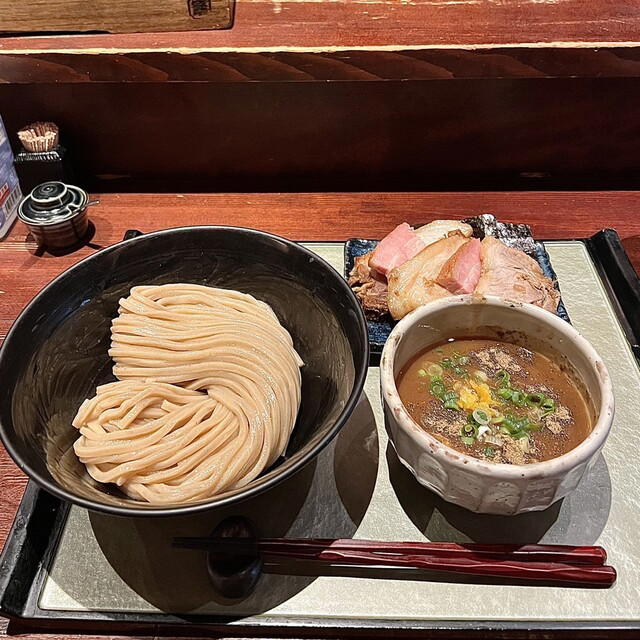
Tsukemen Shigeta
Kobe, Japan
A nine-seat tsukemen counter in Nada ward that has held a Tabelog 100 Ramen WEST spot every year since 2018. At under ¥1,000 per bowl, the shop delivers technical consistency and award recognition without the wait times or price premiums of more polished peers. No reservations, cash only, and a counter format that suits solo diners and quick meals more than groups or celebrations.
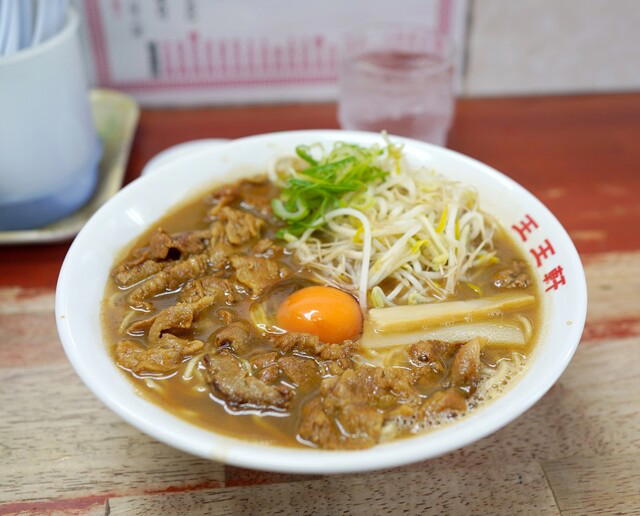
Shina Soba Wanwan Ken Honten
Itano-gun, Japan
Tabelog 100 WEST ramen shop in Aizumi town delivers straightforward shina soba under 1,000 yen. Walk-in only, cash-only, meal-ticket vending machine. Counter, table, and tatami seating for 36; 20-car parking lot. Open until sell-out, closed Thursdays. A reliable stop for Tokushima Expressway travelers seeking regional noodle benchmarks without urban craft-ramen ceremony.
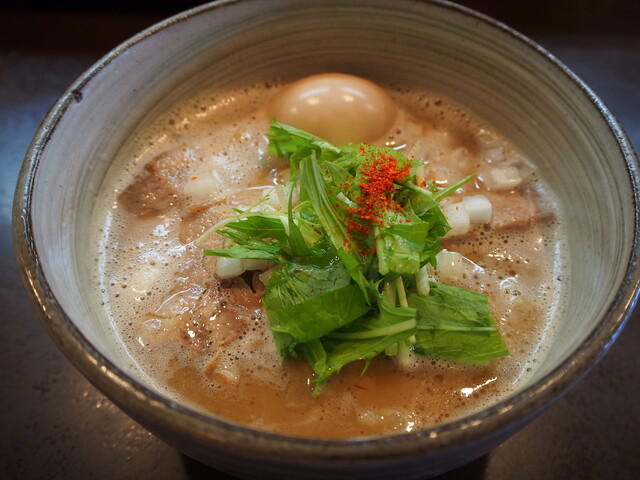
Men Tokoro To Ichi
Kashihara, Japan
Nine-seat ramen counter in Kashihara serving bowls under JPY 1,000, recognized on Tabelog 100 Ramen West for eight consecutive years (2018–2025). Cash-only, no reservations, open until sold out; expect waits on Saturday lunch. Best for solo diners and pairs seeking award-level ramen at entry-level pricing.
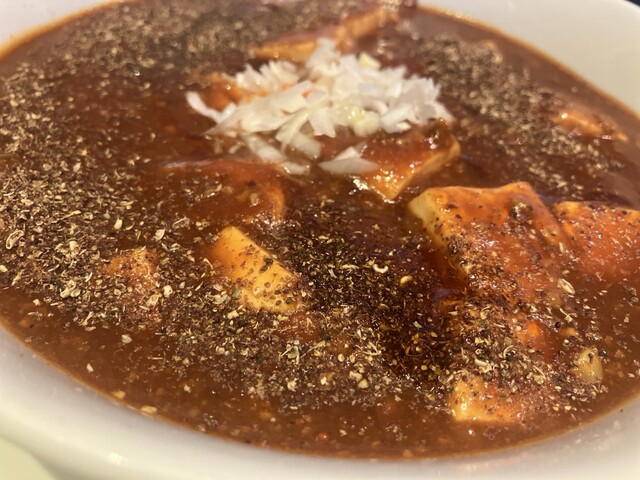
Ramen Rocket Kaihatsu
Takarazuka, Japan
A six-seat ramen counter near Sakasegawa Station earning three consecutive Tabelog Ramen WEST 100 placements (2023–2025) for bowls under JPY 2,000. No reservations, cash only, swift turnover; reliable for solo diners and tight groups chasing focused broth work without the fuss.
Overview
Tabelog 100 - Ramen - WEST - 2025 is an authoritative ranking of the 100 best ramen restaurants across Western Japan, curated by Tabelog, Japan’s largest and most trusted restaurant review platform. This list highlights eateries excelling in taste, service, and innovation, reflecting local flavors and culinary craftsmanship.
Established as Japan’s premier restaurant review site, Tabelog combines user-generated feedback with expert evaluations to create annual Top 100 lists in various cuisine categories. The 2025 Ramen list for Western Japan covers a diverse culinary landscape, from Osaka’s rich pork-based broths to Hiroshima’s distinct seafood-infused ramen. This list not only celebrates regional specialties but also showcases emerging trends and artisanal techniques. Globally recognized by ramen enthusiasts and food professionals alike, it serves as a trusted guide for locals and travelers seeking the pinnacle of ramen dining experiences.
For discerning diners and travelers craving authentic Japanese ramen, the Tabelog 100 list for Western Japan 2025 is an indispensable resource. This curated selection reveals the region’s ramen artisans, from storied establishments crafting time-honored tonkotsu broths to innovative newcomers blending traditional and modern flavors. Whether navigating Osaka’s bustling food scene or exploring Kyoto’s historic alleys, this list unlocks ramen experiences that are both culturally rich and gastronomically exceptional.
Quick Facts
- Publisher
- Tabelog
- Year
- 2025
- Coverage
- Western Japan (including Osaka, Kyoto, Kobe, Hiroshima, and surrounding prefectures)
- Items
- 100 ramen restaurants
- Frequency
- Annual
About This Edition
The 2025 Tabelog 100 Ramen list for Western Japan highlights a dynamic shift toward regional authenticity fused with creative reinterpretations. Notably, several new entrants specialize in sustainable ingredients and plant-based broths, reflecting growing consumer preferences. The edition also showcases a resurgence of ramen shops emphasizing local seafood and artisanal noodles, reaffirming Western Japan’s status as a diverse and evolving ramen hub.
Frequently Asked Questions
What is Tabelog 100 - Ramen - WEST - 2025?
How are honorees selected?
How often is this list updated?
How can I find these on Pearl?
How many of these have you visited?
Find out on Pearl and keep score across every place in Tabelog 100 - Ramen - WEST - 2025.