
Ramen Torikatsu
Kyomachi, Kuwana
Restaurant in Kuwana, Japan
 Book with Pearl
The Read
Price
- JPY 999 - JPY 999
Dress
Casual
Why go
A 17-seat ramen shop in Kuwana earning Tabelog 100 recognition three years running for its seafood-forward broth built on niboshi and layered dashi. Under JPY 1,000 per bowl, walk-in only, and routinely sold out before last order—arrive by 11:15 AM weekends or queue early for dinner service.
About Ramen Torikatsu
Kuwana's ramen options rarely generate Tokyo-level conversation, yet this 17-seat storefront routinely sells out before last order, not because of hype, but because its seafood-forward broth achieves a depth few regional ramen shops deliver. The shop has earned Tabelog 100 recognition for three consecutive years (2023, 2024, 2025), a rare feat for a sub-JPY 1,000 bowl in a city better known for oyster kaiseki than noodles.
Seafood Broth That Justifies the Wait
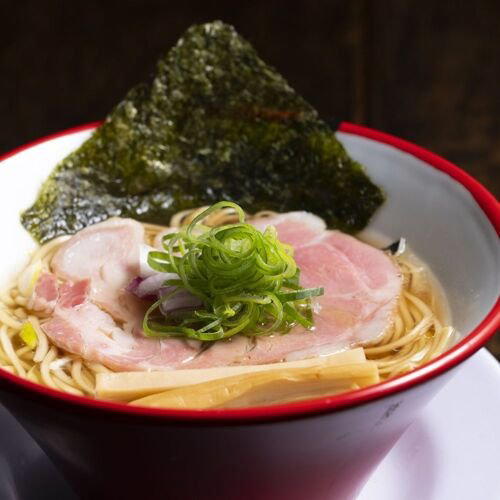
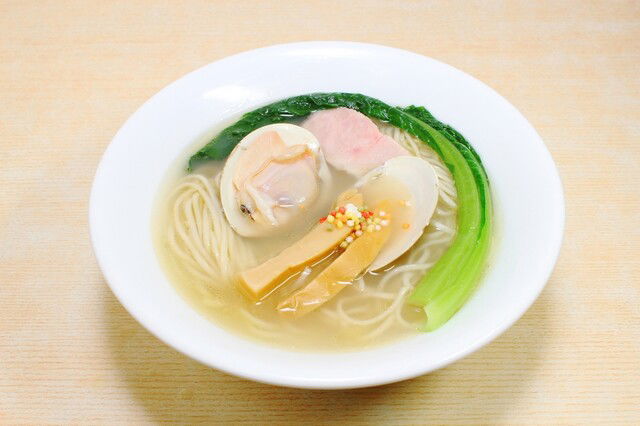
The kitchen centers its menu around niboshi (dried sardines) and layered seafood stock, a technically demanding approach that requires careful balancing to avoid bitterness. Most ramen shops take shortcuts with aggressive seasoning; this one builds umami through extended simmering and precise timing. The result reads as clean and dashi-forward rather than heavy, closer to refined Japanese soup culture than the pork-bone intensity common at urban ramen counters. Tsukemen (dipping noodles) also appears on the menu, offering a second format for the same base, though the classic ramen remains the more popular order. Categories listed include sushi, though ramen and tsukemen dominate the actual service.
At under JPY 1,000 per bowl (JPY 1,000–1,999 for most orders based on reviews), pricing sits well below Kuwana's other Tabelog-recognized venues. Kaki Yasu Ryoutei honten charges JPY 4,000–14,999 for kaiseki, while Yakiniku Sukkyanen runs JPY 6,000–7,999 for yakiniku. This shop delivers award-level execution at everyday pricing, making it the most accessible high-quality meal in the city, but only if you time your arrival correctly.
How to Get In Without Losing Hours
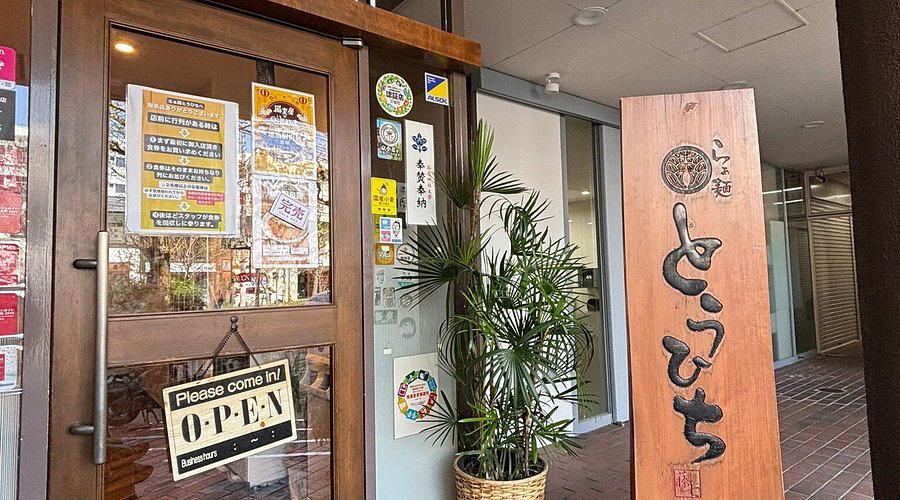
No reservations accepted; walk-in only. The shop operates two services: lunch (11 AM–2 PM last order) and dinner (6 PM–8:30 PM last order), closing Wednesday and Tuesday dinner. Capacity is 17 seats with no stroller access and a strict one-bowl-per-person policy regardless of age. The kitchen closes when soup runs out, often before posted hours during peak lunch periods. Arrive by 11:15 AM on weekends to secure a seat without waiting; dinner service fills more predictably but still queues by 6:30 PM Friday and Saturday.
Two parking lots (14 spaces total) sit near the shop, a practical advantage over Nishi Kuwana Station, which requires a 15-minute walk. Cash only, no credit cards, electronic money, or QR payments accepted. The no-outside-food rule includes baby food, and children must order a full bowl to occupy seating. These policies keep turnover brisk and service efficient, but families with toddlers should plan accordingly.
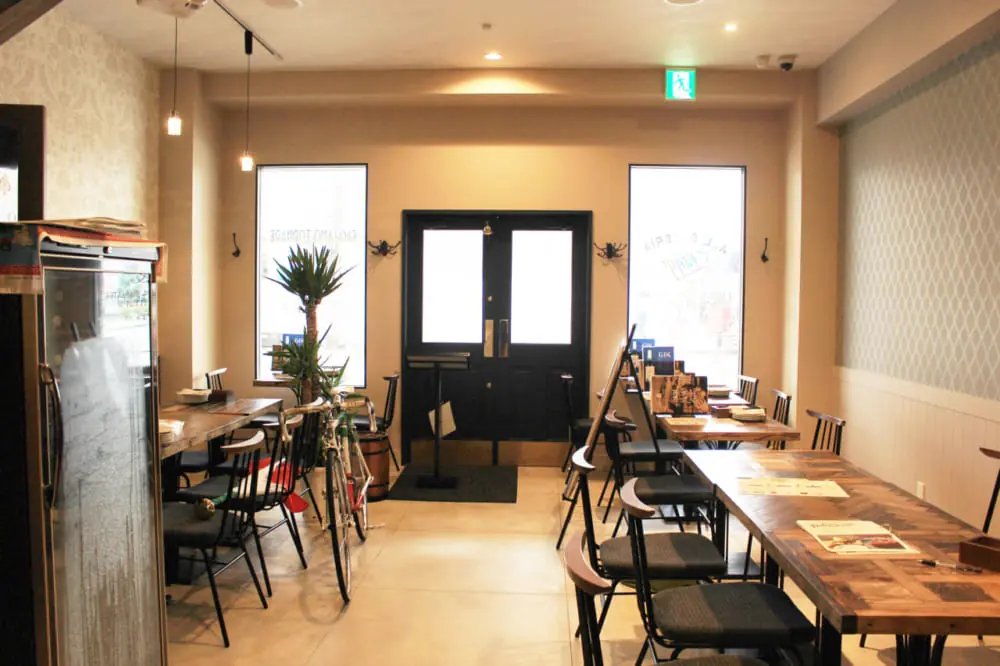
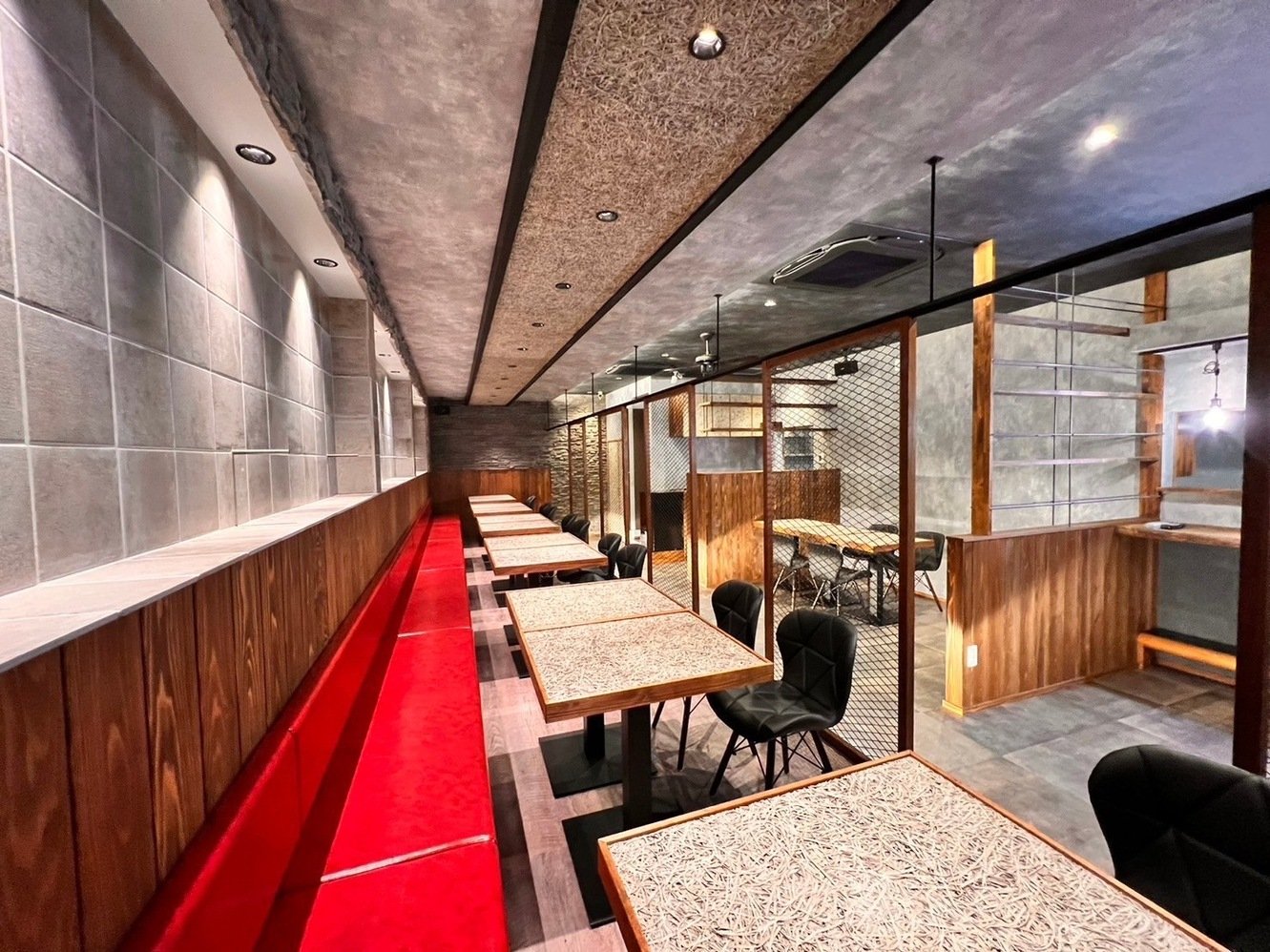
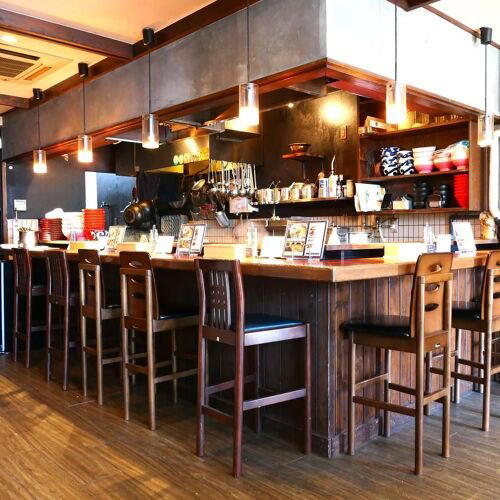
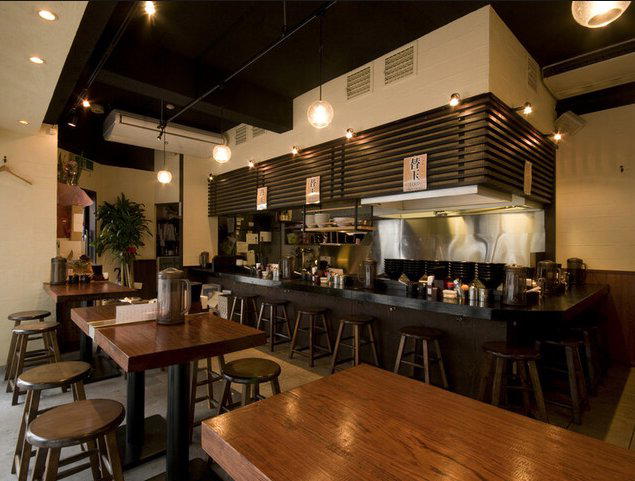
The smoke-free interior and counter-focused layout suit solo diners and couples better than groups of four or more. Dress code is casual; ramen shops in Japan maintain minimal formality expectations. For a quieter meal with more space, consider センプレ or ヴィアッジーニ in the same district, though neither matches the technical precision of the broth here.
First-time visitors often assume Tabelog 100 status guarantees elaborate presentation or rare ingredients. This shop offers neither, just disciplined technique applied to accessible ingredients, executed daily at volume. The payoff is consistency: the broth tastes the same in February as it does in August, a rarity for seafood-based ramen where quality fluctuates with supplier and season. If you want refinement at ramen-shop pricing in Kuwana, book nothing and arrive early instead. For a broader look at the city's dining options, explore our full Kuwana restaurants guide.
Planning details
- Location
- 39 Kyomachi, Kuwana, Mie 511-0039, Japan
- Website
- ra-mentorikatsu.com
- Phone
- +81 594-22-1101
Venue details
Ambiance
A cozy, understated ramen shop with a relaxed neighborhood feel and a focus on precise, Japanese-style broths.
Tags
Vibe
Best For
Experience
Sourcing
At the Table
- Dress Code
- Casual
- Noise Level
- Conversational
- Service Style
- Casual
- Meal Pacing
- Standard
- Capacity
- Small
Signature Dishes
- Hamaguri shio ramen
- Chicken whole-amount matured soy sauce ramen
Know before you go
Know Before You Go
- Getting there
- 39 Kyomachi, Kuwana, Mie 511-0039, Japan
Planning details
Location
Recognition and awards
Also consider
Also Consider
- Edo Machi Sugimoto, Sushi, JPY 20,000 - JPY 29,999 JPY 15,000 - JPY 19,999
- Kaki Yasu Ryoutei honten, JPY 10,000 - JPY 14,999 JPY 4,000 - JPY 4,999, JPY 10,000 - JPY 14,999 JPY 4,000 - JPY 4,999
- Hinode, Seafood, Seafood
- 日の出, Notable alternative
- Yakiniku Sukkyanen, JPY 6,000 - JPY 7,999, JPY 6,000 - JPY 7,999
Restaurant context
At under JPY 1,000 per bowl, this shop undercuts every Tabelog-recognized venue in Kuwana by a significant margin. Kaki Yasu Ryoutei honten delivers kaiseki at JPY 4,000–14,999, while Yakiniku Sukkyanen charges JPY 6,000–7,999 for yakiniku. Both require advance planning and formal service; ramen here is walk-in only with 20-minute turnover. If you want award-level cooking without the ceremony or price, this is Kuwana's clearest value play.
Booking difficulty separates the categories. Kaiseki and yakiniku venues accept reservations and accommodate groups; this counter-only ramen shop enforces strict one-bowl-per-person rules and closes when soup runs out. Solo diners and couples gain the advantage here, no coordination needed, just early arrival. For seafood in a more relaxed format, 日の出 offers sit-down service, though without the same broth precision.
The trade-off is clear: choose this for technical mastery at everyday pricing, but accept limited seating, no reservations, and early sellouts. Choose kaiseki or yakiniku when you need guaranteed seating, longer meals, or group-friendly layouts. For travelers prioritizing quality over format, the ramen delivers more skill per yen than any peer in the city.
Explore Kuwana
Around this place
Discover more on Pearl
Unlock the full Ramen Torikatsu guide in Pearl, including awards, comparisons, FAQs, planning details, and nearby places.
FAQ
Frequently Asked Questions
How far ahead should I book Ramen Torikatsu?
You can't, no reservations accepted. Walk in during lunch (11 AM–2 PM) or dinner (6 PM–8:30 PM), sign the waiting list, and expect 30–60 minutes on peak days. The 17-seat counter fills fast, but as long as you arrive before last order and the shop hasn't sold out, you'll get in. Tuesday lunch-only service tends to be slightly calmer.
Is Ramen Torikatsu worth the price?
Yes, under ¥1,000 for ramen built on niboshi and layered seafood stock is fair value for the technique involved. Three consecutive Tabelog 100 selections (2023–2025) confirm kitchen consistency. If you're in Kuwana and want dashi-forward ramen without Tokyo pricing, this is the call.
What should I wear to Ramen Torikatsu?
Casual. It's a 17-seat counter shop with no-frills seating, jeans and a T-shirt fit the format. Strollers are not allowed inside, and children must sit on laps or order their own bowl.
Is the tasting menu worth it at Ramen Torikatsu?
There isn't one. The menu centers on ramen and tsukemen (dipping noodles), with sushi also listed but not the focus. One bowl per person is the house rule, regardless of age, plan accordingly for groups with children.
Is Ramen Torikatsu good for a special occasion?
Not in the traditional sense. The counter format, walk-in-only policy, and sub-¥1,000 pricing position it as a destination for ramen purists, not milestone dinners. If seafood-based broth is the occasion itself, then yes.
Is lunch or dinner better at Ramen Torikatsu?
Lunch offers slightly shorter waits, especially on Tuesday (lunch-only day). Dinner service (6 PM–8:30 PM) runs six days a week but can sell out earlier. Quality is consistent across both services, timing matters more than the meal slot.
Is Ramen Torikatsu good for solo dining?
Perfect for it. Counter seating suits solo diners, no reservations mean no pressure to fill a table, and the niboshi-forward broth rewards full attention. Cash only, so bring yen.