

Honke Daiichi Asahi Honten
Shimogyō, Kyoto
Restaurant in Kyoto, Japan
 Book with Pearl
The Read
Price
- JPY 999 - JPY 999
Why go
Kyoto Station's early-bird ramen institution opens at 6 AM and runs until 1 AM, serving classic shoyu ramen under JPY 999. Recognized on Tabelog 100 Ramen WEST for seven consecutive years, it anchors the budget end of the city's noodle scene with reliable quality and counter-to-table seating five minutes from the train.
About Honke Daiichi Asahi Honten
Honke Daiichi Asahi Honten is a Kyoto venue with opening hours that start at 6 AM and run until 1 AM on Monday, Tuesday, Wednesday, Friday, Saturday, and Sunday. It is closed on Thursday. The price band is JPY 999, making it a budget-friendly entry in Kyoto dining. Other specific details about menu format, seating, payment methods, location within the city, and services are not here, so plan around the confirmed essentials: Kyoto, JPY 999, and long daily hours except Thursday.
What
The confirmed facts for Honke Daiichi Asahi Honten are straightforward: it is in Kyoto, the listed price is JPY 999, and the opening hours are 6 AM–1 AM on every day except Thursday, when it is closed. Claims about specific dishes, seating layout, service style, take-out, payment options, or exact location within Kyoto are not included in the available information.
When to Go, and What to Expect
Go on Monday, Tuesday, Wednesday, Friday, Saturday, or Sunday if you want to use the full opening window of 6 AM–1 AM. Do not plan a Thursday visit, because the schedule lists Thursday as closed. Beyond those hours and the JPY 999 price point, the practical experience should be confirmed directly with the venue if you need details such as current menu items, payment methods, accessibility, or group suitability.
Because the information is limited, this guide does not claim a particular cuisine, chef, founding date, seat count, neighborhood, station proximity, ordering format, or dietary accommodation. Treat Honke Daiichi Asahi Honten as a Kyoto venue with unusually broad hours on its operating days and a clearly listed low price point.
How It Fits Among Kyoto Options
Within Kyoto, Honke Daiichi Asahi Honten stands out in the data for its JPY 999 price and 6 AM–1 AM operating window on six days of the week. If you are comparing options, OGAWA COFFEE Kyoto eki ten, SCALAE, Tempura Marufuku, Tempura Tokoro Kyorynsen, and Yamamoto Mambo are other named venues you may consider separately, but this guide does not assert differences in cuisine, price, location, or service format among them.
Quick reference: Kyoto; price JPY 999; open 6 AM–1 AM Monday, Tuesday, Wednesday, Friday, Saturday, and Sunday; closed Thursday. Confirm any menu, seating, payment, access, or service details directly before relying on them.
Planning details
- Location
- 845 Higashishiokojicho, Shimogyo Ward, Kyoto, 600-8216, Japan
- Website
- honke-daiichiasahi.com
- Phone
- +81 75-351-6321
The take
The Take
The Vibe
Honke Daiichi Asahi Honten presents a classic, long-established ramen experience just steps from Kyoto Station. The listing highlights its history as a time-honored neighborhood ramen shop, which frames visits as straightforward and unpretentious. The tone is casual rather than formal, centered on simple, reliable comfort food—ramen and dumplings—served in an enduring local institution. The early opening hour underscores its role as a practical, everyday destination for travelers and locals alike, offering an authentic slice of Kyoto’s long-running ramen culture rather than a polished, modern dining theatricality.
Best For
This shop is particularly suited to early-morning travelers and commuters who need a solid meal before trains and sightseeing, thanks to its 5:00 AM opening. Its proximity to Kyoto Station makes it convenient for arrivals and departures, and the focus on ramen and dumplings positions it as a functional stop rather than a linger-and-chat venue. If you’re looking for a quick, satisfying bowl to start the day or grab before a trip, this long-established spot fits that need. The no-smoking policy is also helpful for those seeking a smoke-free environment.
Ordering Tips
Menus, photos and user reviews are available on Tabelog, so consult the listing to preview dishes and portion sizes before you go. Given the shop’s specialties, prioritize a ramen bowl plus dumplings if you want a representative meal. Take advantage of the very early opening time—arriving around the start of service is the most reliable way to catch a seat soon after it opens. Note that the description specifies a no-smoking environment, which can make for a cleaner dining experience. Check Tabelog for current hours and any menu notes before visiting.
Venue details
Ambiance
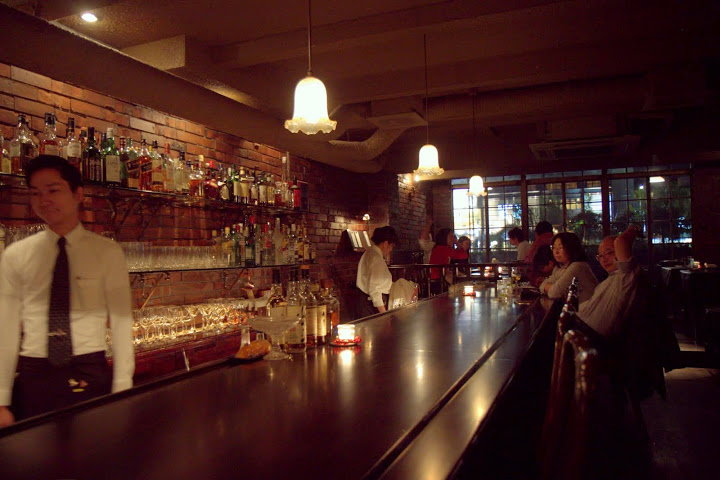
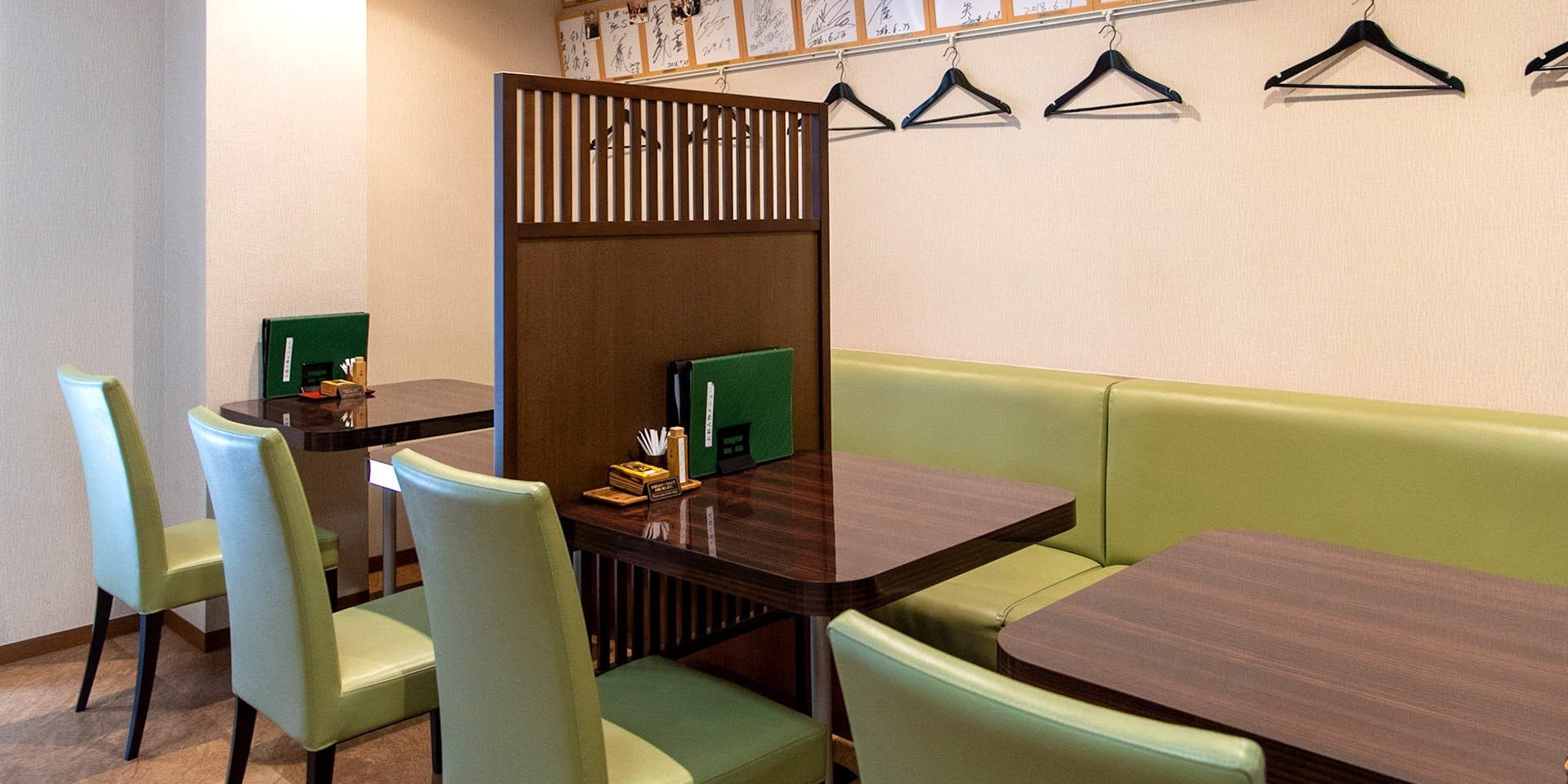
A no-frills, classic Kyoto ramen shop with tightly packed counter and table seating, bright functional lighting, and a bustling atmosphere marked by constant lines and quick turnover.
Tags
Vibe
Best For
Experience
At the Table
- Noise Level
- Lively
- Service Style
- Casual
- Meal Pacing
- Quick Bite
- Capacity
- Small
Signature Dishes
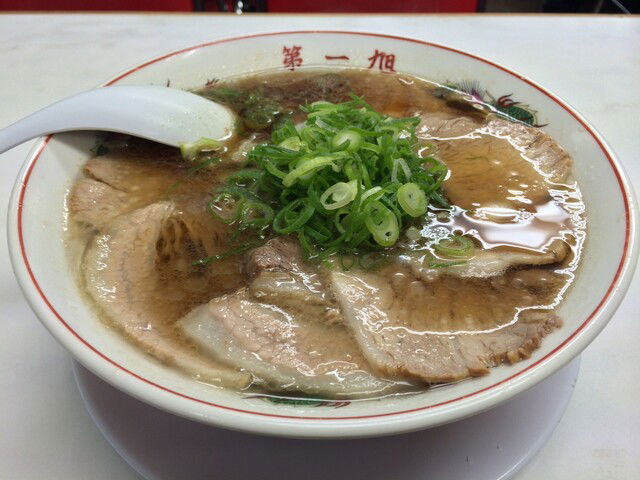
- Signature ramen with chashu and Kujo green onions
- Bamboo shoot ramen
- Gyoza (dumplings)
Know before you go
Know Before You Go
- Getting there
- 845 Higashishiokojicho, Shimogyo Ward, Kyoto, 600-8216, Japan
Planning details
Location
845 Higashishiokojicho, Shimogyo Ward, Kyoto, 600-8216, Japan · Directions
Recognition and awards

Also consider
Also Consider
- SCALAE, Notable alternative
- Yamamoto Mambo, JPY 1,000 - JPY 1,999 JPY 1,000 - JPY 1,999, JPY 1,000 - JPY 1,999 JPY 1,000 - JPY 1,999
- Tempura Marufuku, Notable alternative
- OGAWA COFFEE Kyoto eki ten, - JPY 999 - JPY 999, - JPY 999 - JPY 999
- Tempura Tokoro Kyorynsen, JPY 8,000 - JPY 9,999 JPY 4,000 - JPY 4,999, JPY 8,000 - JPY 9,999 JPY 4,000 - JPY 4,999
Restaurant context
Among Kyoto Station ramen options, Honke Daiichi Asahi Honten delivers the strongest value at under JPY 999 per bowl, well below Yamamoto Mambo's JPY 1,000–1,999 range and a fraction of Tempura Tokoro Kyorynsen's JPY 8,000–9,999 dinner pricing. The trade-off is a narrower menu and communal seating during peak hours, but for travelers catching early trains or needing a late-night bowl, the 6 AM–1 AM schedule outperforms most peers. OGAWA COFFEE Kyoto eki ten matches the price tier but focuses on coffee and light meals rather than ramen.
If you prioritize a quieter room or more varied menu, SCALAE or Tempura Marufuku offer different formats, though neither opens as early or closes as late. Yamamoto Mambo serves a comparable style at slightly higher prices with a less hectic atmosphere. For budget-conscious diners who need early availability near the station, Honke Daiichi Asahi Honten is the most practical choice. If you have time to walk farther or visit later in the day, explore Kyoto's broader ramen landscape for quieter or more inventive options.
Explore Kyoto
Around this place
Discover more on Pearl
Unlock the full Honke Daiichi Asahi Honten guide in Pearl, including awards, comparisons, FAQs, planning details, and nearby places.
FAQ
Frequently Asked Questions
Is lunch or dinner better at Honke Daiichi Asahi Honten?
The hours are 6 AM–1 AM on Monday, Tuesday, Wednesday, Friday, Saturday, and Sunday, with Thursday closed. The data does not confirm separate lunch or dinner menus, so choose a visit time based on the operating hours.
Does Honke Daiichi Asahi Honten handle dietary restrictions?
Dietary and allergen accommodations are not in the available data. Travelers with vegetarian, vegan, gluten-free, allergy, or other dietary needs should confirm directly with the venue before visiting.