.png?width=1200&quality=80)
Hamacho Kaneko
Soba · Chūō, Tokyo
Restaurant in Tokyo, Japan
 Book with Pearl
The Read
Refined Soba Ritual
Price
$30–50per person
Chef
Yasushi Kaneko
Dress
Smart Casual
Why go
Hamacho Kaneko is a Michelin Bib Gourmand soba shop in Chuo City where chef Yasushi Kaneko structures the meal around soba-mae drinking culture: sake and seasonal snacks precede thin-cut 100% buckwheat noodles served with multiple dipping sauces. At ¥ per head, this is an accessible special-occasion anchor offering variety and counter visibility without the reservation drama of Tokyo's omakase circuit.
About Hamacho Kaneko
Hamacho Kaneko is a Tokyo soba restaurant from chef-owner Yasushi Kaneko. Its appeal is straightforward: soba, a ¥ price tier, smart-casual dress, and a clear affection for soba-mae, the culture of enjoying sake and snacks before the soba arrives. Rather than presenting it as an awards-led destination or a detailed tasting-menu venue, it is best understood through the basics: soba in Tokyo, with snacks available before the noodles.
Soba-Mae Culture and Confirmed Snacks
Chef Yasushi Kaneko is associated with soba-mae, the traditional practice of enjoying sake and snacks before soba. Snacks include baked devil's tongue coated with miso and simmered beef sinew, both of which point to a meal that can begin with small dishes before moving to soba. For diners comparing Tokyo soba options, Edosoba Hosokawa is one comparable venue to consider, while Hamacho Kaneko remains defined by its soba focus and soba-mae culture.
Timing and Practical Planning
Hamacho Kaneko's hours are Monday 5–8:30 PM; Tuesday through Friday 11:30 AM–2 PM and 5–8:30 PM; Saturday 11:30 AM–2:30 PM; and Sunday closed. The venue is in Tokyo. For broader planning, it can be considered as part of a Tokyo restaurants itinerary.
How It Stacks Against Tokyo's Soba Field
Within Tokyo's soba field, Hamacho Kaneko is best framed by what stands out: soba cuisine, chef-owner Yasushi Kaneko, a ¥ price tier, smart-casual dress, and soba-mae snacks such as baked devil's tongue with miso and simmered beef sinew.
If you want a Tokyo soba meal with the option to engage in soba-mae, Hamacho Kaneko is a grounded candidate. The takeaway is simple: Hamacho Kaneko is a Tokyo soba restaurant with a chef-owner connected to soba-mae culture and a modest ¥ price category.
Planning details
- Hours
- Monday: 5–8:30 PM · Tuesday: 11:30 AM–2 PM, 5–8:30 PM
- Location
- 3 Chome-7-3 Nihonbashihamacho, Chuo City, Tokyo 103-0007, Japan
- Reservations
- Book on the venue's website
- Website
- ggx9900.gorp.jp
- Phone
- +81 50-5488-5666
The take
The Take
The Vibe
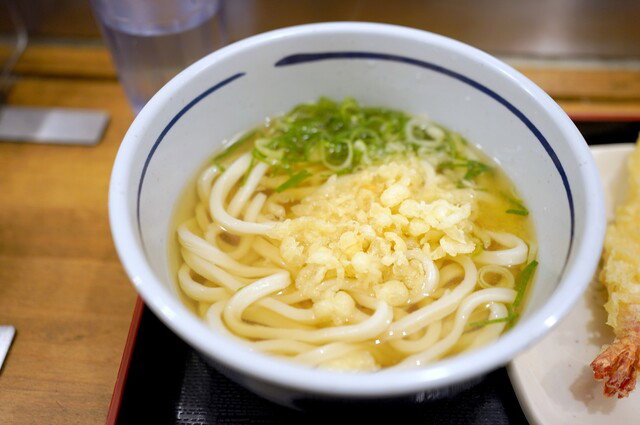
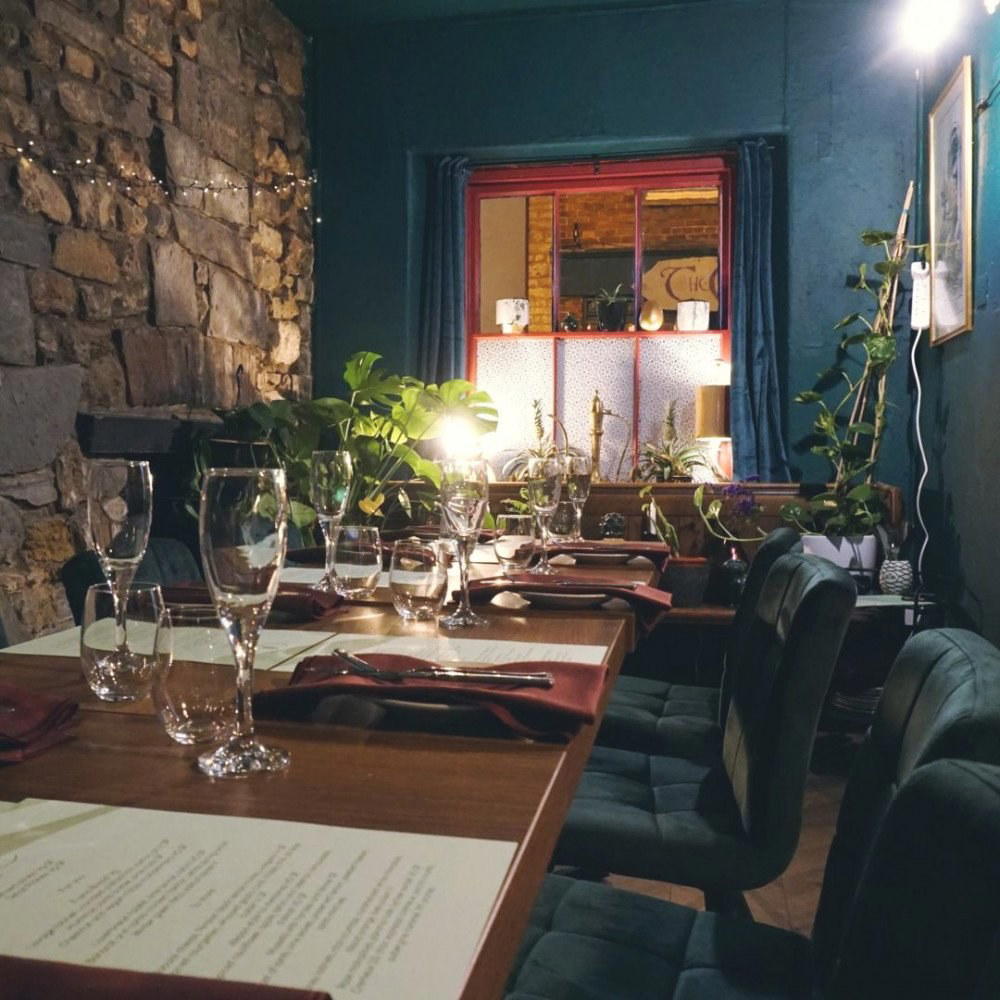
Inside Hamacho Kaneko a compact dining room foregrounds craft over excess. The air carries the toasted buckwheat and hot oil from the tempura station, and the kitchen’s precision sets a calm, focused tone. Chef Kaneko mills buckwheat in-house and cuts paper-thin, 100% soba that foregrounds grain perfume and firm bite; technique and seasonality drive every dish. The pace leans toward a sake-first rhythm and measured courses rather than buzzy service. The result is a quietly refined spot where traditional soba technique meets disciplined, modern execution, rewarded steadily by Michelin recognition.
Best For
Hamacho Kaneko suits diners who prize technical soba, seasonal tempura and a sake-forward progression. It suits solo patrons and small business dinners that appreciate a measured, multi-course flow: guests begin with otsumami and sakes before moving to chilled zaru or warming kake and signature plates like Meoto soba udon. The compact room and focused menu make it less appropriate for loud group celebrations but ideal for people seeking concentrated flavors, provenance-driven milling and a reliable Michelin-recognized experience in Nihonbashi Hamacho. Reservations help; walk-ins are possible when space allows.
Ordering Tips
Begin soba-mae style: pick an otsumami or two and a sake from the list to set a deliberate pace. Sample a few of the more than 30 small plates, items range from baked devil’s tongue to simmered beef sinew, then move to the house-milled 100% buckwheat noodles, ordering chilled zaru to taste the grain or kake for a warm, comforting broth. Make sure to try seasonal tempura offerings and ask about the sesame goma, grated yam and the curry-style dipping sauce. Consider the Meoto pairing to experience both soba and udon in one sitting.
Venue details
Ambiance
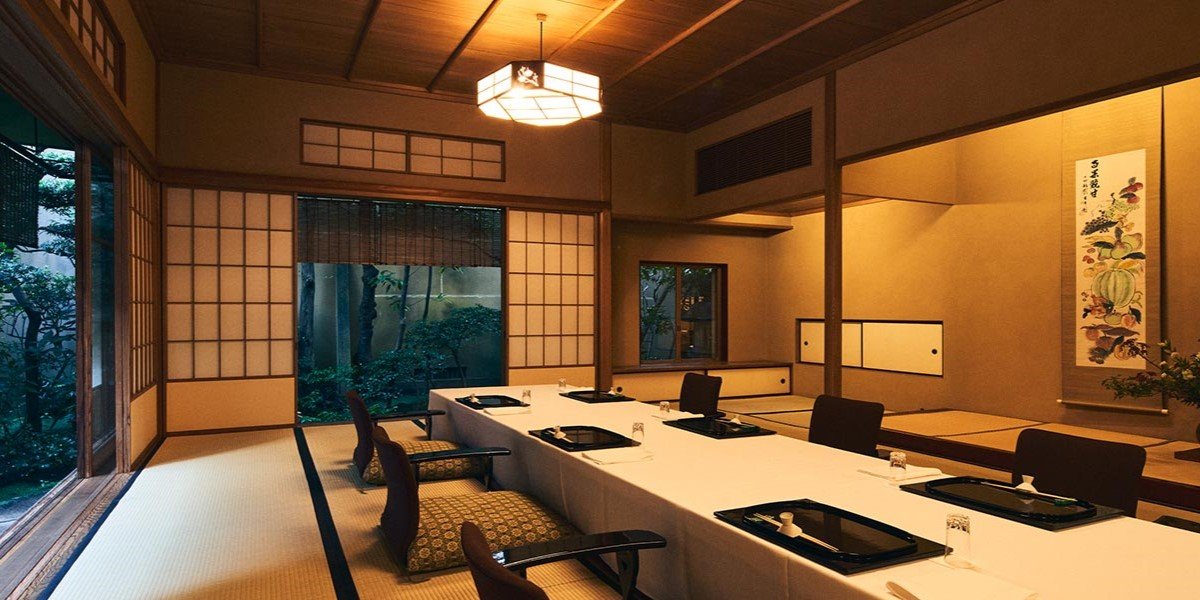
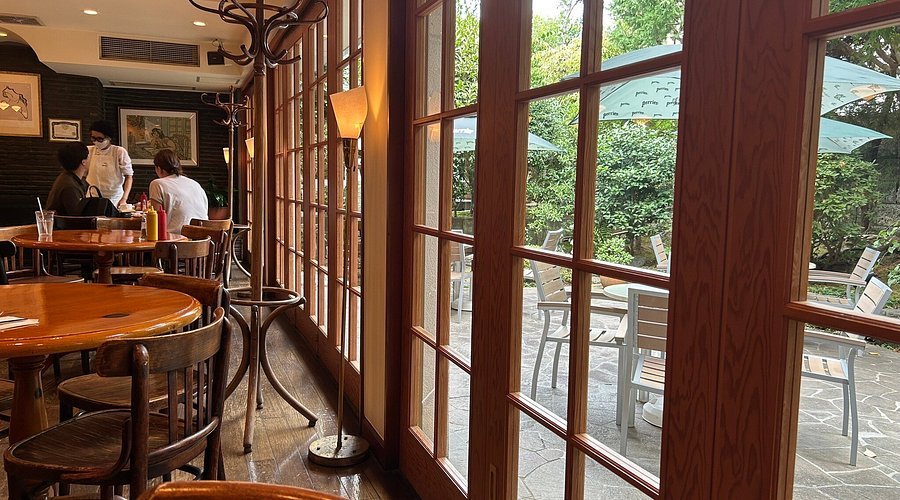
Relaxing stylish space with counter and sunken seating, offering a cozy hideout atmosphere.
Tags
Vibe
Best For
Experience
At the Table
- Dress Code
- Smart Casual
- Noise Level
- Quiet
- Service Style
- Upscale Casual
- Meal Pacing
- Leisurely
- Capacity
- Small
- Kitchen
- Traditional
- Menu Format
- A la carte, Counter dining
- Drinks Focus
- Sake
- Private Dining
- Available
Signature Dishes
- Meoto soba udon
- seasonal tempura
Know before you go
Know Before You Go
- Getting there
- 3 Chome-7-3 Nihonbashihamacho, Chuo City, Tokyo 103-0007, Japan
Planning details
Hours
- Monday
- 5–8:30 PM
- Tuesday
- 11:30 AM–2 PM, 5–8:30 PM
- Wednesday
- 11:30 AM–2 PM, 5–8:30 PM
- Thursday
- 11:30 AM–2 PM, 5–8:30 PM
- Friday
- 11:30 AM–2 PM, 5–8:30 PM
- Saturday
- 11:30 AM–2:30 PM
- Sunday
- Closed
Location
3 Chome-7-3 Nihonbashihamacho, Chuo City, Tokyo 103-0007, Japan · Directions
Recognition and awards
Also consider
Also Consider
- Edosoba Hosokawa, Soba, ¥
- Sobakappo Nagano, Soba, ¥¥
- Kyorakutei, Soba, ¥
- Osobano Kouga, Soba, ¥
- Soba Tajima, Soba, ¥
Restaurant context
Hamacho Kaneko sits in the Bib Gourmand tier alongside Edosoba Hosokawa, Kyorakutei, Osobano Kouga, and Soba Tajima, all priced at ¥ and delivering recognized quality without the ¥¥ premium that Sobakappo Nagano commands. The distinguishing factor here is the soba-mae structure, chef Yasushi Kaneko pushes the drinking-snack progression harder than peers, with seasonal tempura rotation (edible wild plants, young sweetfish, mushrooms, oysters) and dedicated small plates like baked devil's tongue and simmered beef sinew. If you want buckwheat noodles only, Edosoba Hosokawa or Osobano Kouga will deliver faster service and tighter edits. If you're treating soba as the centerpiece of a sake-forward meal, Hamacho Kaneko offers more variety in dipping sauces (sesame, grated yam, curry) and the meoto hybrid dish combining soba with udon.
Booking difficulty favors Hamacho Kaneko over Sobakappo Nagano's tighter reservation window, though all five Bib Gourmand peers accept walk-ins for weekday lunch if you arrive early. Dinner requires one to two weeks' notice at Hamacho Kaneko versus same-week availability at Kyorakutei or Soba Tajima, making those two the easiest pivots if your first choice is full. For solo diners, Hamacho Kaneko's counter offers full visibility into the noodle-cutting process; groups of four or more will find the soba-mae format more conducive to shared plates than rigid omakase pacing. Value-conscious visitors should note that the seasonal tempura and extended drinking-snack menu push Hamacho Kaneko's average check higher within the ¥ bracket, if budget is tight, Osobano Kouga or Edosoba Hosokawa deliver comparable noodle quality with shorter, less tempura-heavy meals.
For special occasions, Hamacho Kaneko justifies the extra time and the seasonal variance; for quick weekday lunches or post-museum refueling, Kyorakutei or Soba Tajima offer tighter, faster service. All five operate in Chuo or neighboring wards, so location rarely dictates the choice, your decision hinges on whether you want the soba-mae drinking experience (Hamacho Kaneko) or a streamlined noodle stop (the other four).
Explore Tokyo
Around this place
Discover more on Pearl
Unlock the full Hamacho Kaneko guide in Pearl, including awards, comparisons, FAQs, planning details, and nearby places.
Compare Hamacho Kaneko
| Venue | Location | Cuisine | Awards | Price |
|---|---|---|---|---|
| Hamacho Kaneko | Tokyo | Soba | 2026 Bib Gourmand2024 Michelin Bib Gourmand | ¥ |
| Edosoba Hosokawa | Tokyo | Soba | 2026 Bib GourmandTabelog 100 - Soba - EAST - 2025 · #412024 Michelin Bib Gourmand | ¥ |
| Sobakappo Nagano | Tokyo | Soba | 2026 Bib Gourmand2025 Michelin Plate | ¥¥ |
| Kyorakutei | Tokyo | Soba | 2026 OAD Casual in Japan Ranked · #922026 Bib GourmandTabelog 100 - Soba - EAST - 2025 · #322025 OAD Casual in Japan Ranked · #542024 Michelin Bib Gourmand | ¥ |
| Osobano Kouga | Tokyo | Soba | 2026 Bib GourmandTabelog 100 - Soba - EAST - 2025 · #872024 Michelin Bib Gourmand | ¥ |
| Soba Tajima | Tokyo | Soba | 2026 Bib GourmandTabelog 100 - Soba - EAST - 2025 · #102024 Michelin Bib Gourmand | ¥ |


.png?width=1200&quality=80)

How Hamacho Kaneko Tokyo compares with similar nearby venues.
FAQ
Frequently Asked Questions
Is Hamacho Kaneko good for solo dining?
Hamacho Kaneko is a Tokyo soba restaurant from chef-owner Yasushi Kaneko, with a ¥ price tier and soba-mae snacks available before the soba.
What are alternatives to Hamacho Kaneko in Tokyo?
Allowed soba peers for comparison include Edosoba Hosokawa, Kyorakutei, Osobano Kouga, Soba Tajima, and Sobakappo Nagano. Hamacho Kaneko's profile is soba in Tokyo with a soba-mae culture associated with chef-owner Yasushi Kaneko.
Is the tasting menu worth it at Hamacho Kaneko?
Hamacho Kaneko serves soba, is in the ¥ price tier, and offers soba-mae snacks such as baked devil's tongue with miso and simmered beef sinew.