


Bellustar Tokyo, A Pan Pacific Hotel
Shinjuku, Tokyo
Hotel in Tokyo, Japan
 Book with Pearl
The Read
Altitude Minimalism
Why go
Bellustar Tokyo, A Pan Pacific Hotel is a strong Shinjuku pick if you want a high-floor luxury stay above Kabukichō's late-night energy. The Michelin 1 Key and 2025 World Luxury Hotel Awards wins make the premium easier to justify, but it is better as a polished Tokyo base than as a dining destination on its own.
About Bellustar Tokyo, A Pan Pacific Hotel
For the current Tokyo season, the clearer move is to treat Bellustar Tokyo, A Pan Pacific Hotel as a hotel choice rather than a default dining destination: secure the room first, then decide separately how meals fit into your plans. The hotel is strongest on hotel recognition, not on specific restaurant details, so the honest case for booking starts with the stay itself.
Bellustar Tokyo, A Pan Pacific Hotel is worth shortlisting if the priority is a Tokyo hotel with recognition behind it. The Michelin 1 Key from 2024 gives it a credible hotel signal, and the 2025 World Luxury Hotel Awards global and regional wins add another layer of validation. Forbes has also listed it as Soon To Be Rated for 2026. That matters for travelers comparing recognized hotels in Tokyo, because the strongest case for booking is the broader hotel profile.
Choose it for Tokyo hotel recognition, not for specific claims
Bellustar Tokyo, A Pan Pacific Hotel is a recognized Tokyo stay, but details like neighborhood setting, floor count, room configuration, or on-property dining format are not specified. Travelers should therefore judge it on its recognized hotel profile: smart casual dress code, Michelin 1 Key recognition, World Luxury Hotel Awards recognition, and Forbes Soon To Be Rated status for 2026. If your trip depends on a particular location detail, room layout, or amenity, confirm directly before booking.
Dining should be treated as a separate planning question rather than the sole reason to stay. The hotel's dining is not a standalone reason to cross Tokyo. For a dining-focused trip, use the hotel as a base and cross-check meals against Our full Tokyo restaurants guide; for drinks after dinner, pair it with Our full Tokyo bars guide.
Where the choice makes sense
The strongest argument for staying here is the combination of Tokyo setting and hotel recognition. That combination is useful for a Tokyo stay where independent hotel recognition matters. For longer trips, compare it with Our full Tokyo hotels guide before committing, especially if you are weighing a different hotel style.
Do not pick it solely as a place to sleep or because of unspecified details about dining, facilities, or room details. Do pick it if the plan calls for a recognized hotel in Tokyo, the overall hotel choice matters, and you are comfortable confirming any trip-critical amenities directly before booking.
Planning details
- Location
- TOKYU KABUKICHO TOWER, 45F, 1-chōme-29-1 Kabukichō, Shinjuku City, Tokyo 160-0021
- Website
- panpacific.com/en/hotels-and-resorts/bellustar-tokyo.html
- Phone
- +81 3-6233-8800
The take
The Take
The Vibe
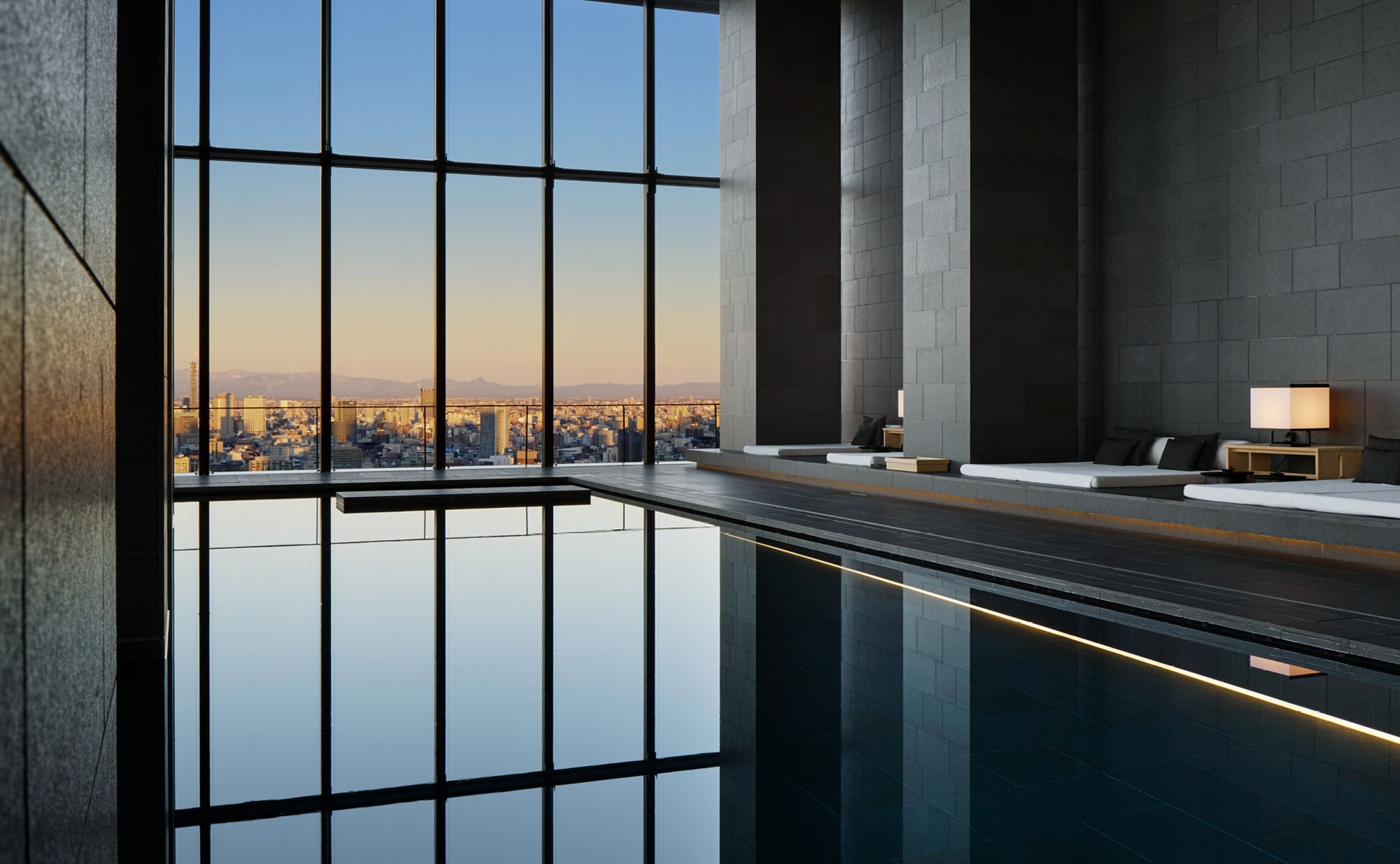
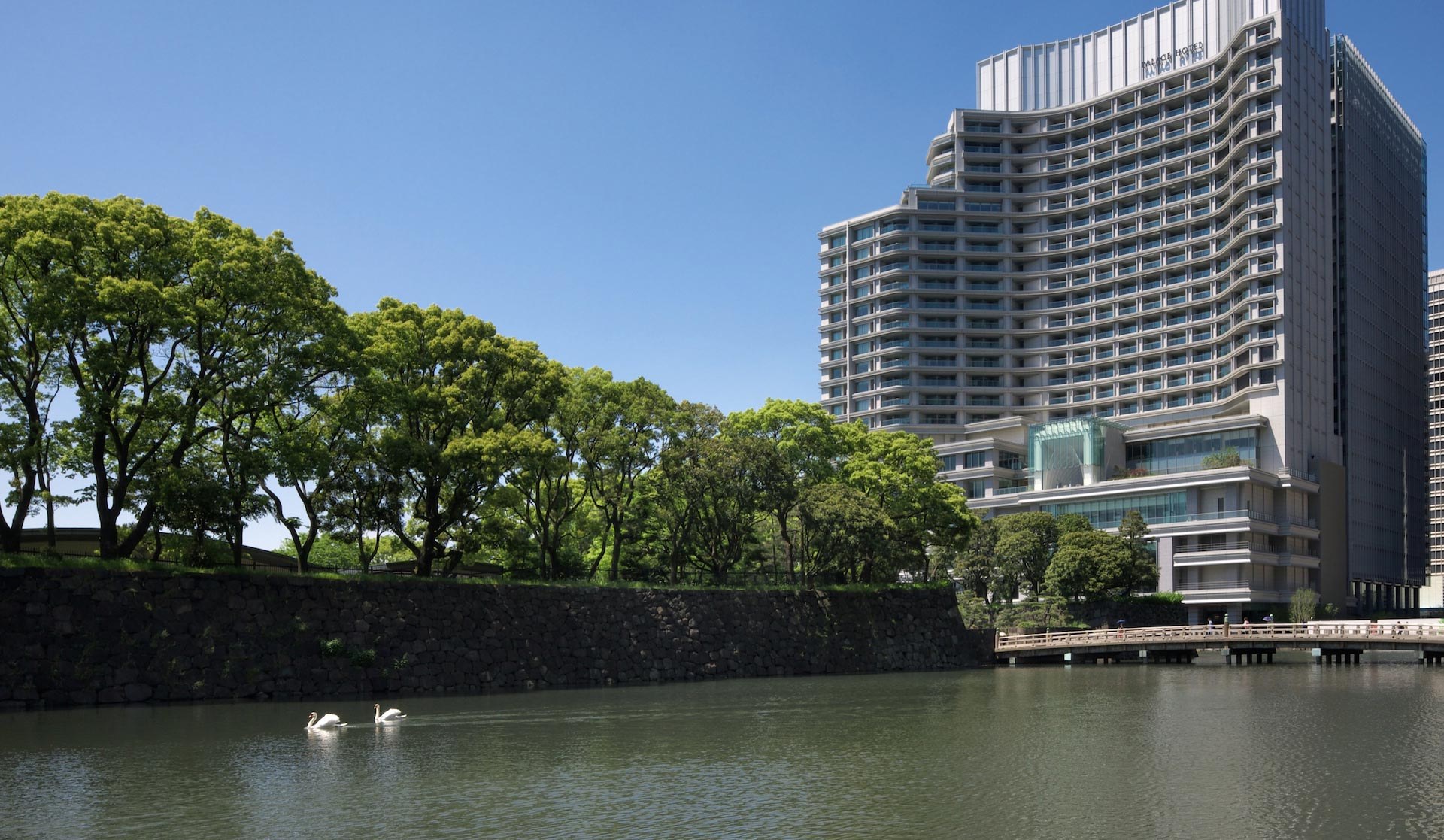
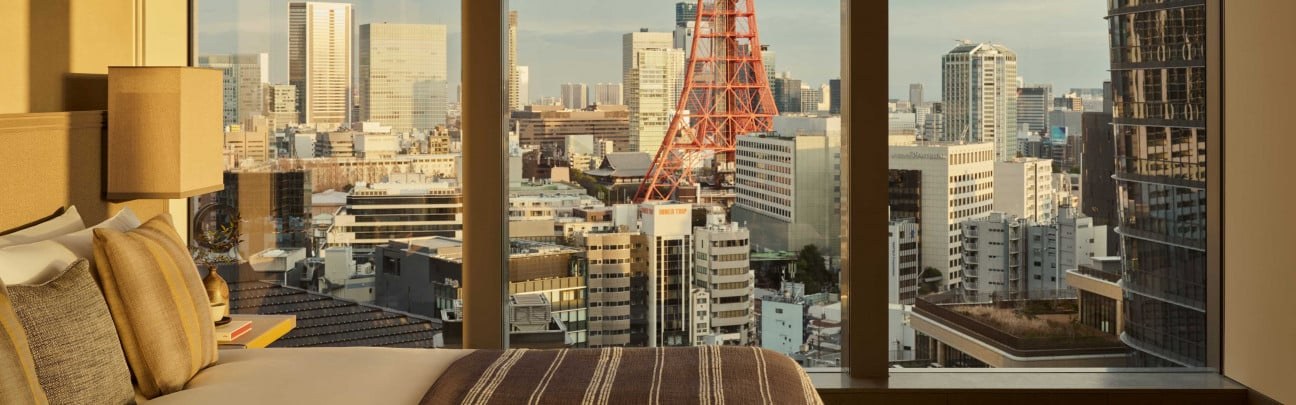
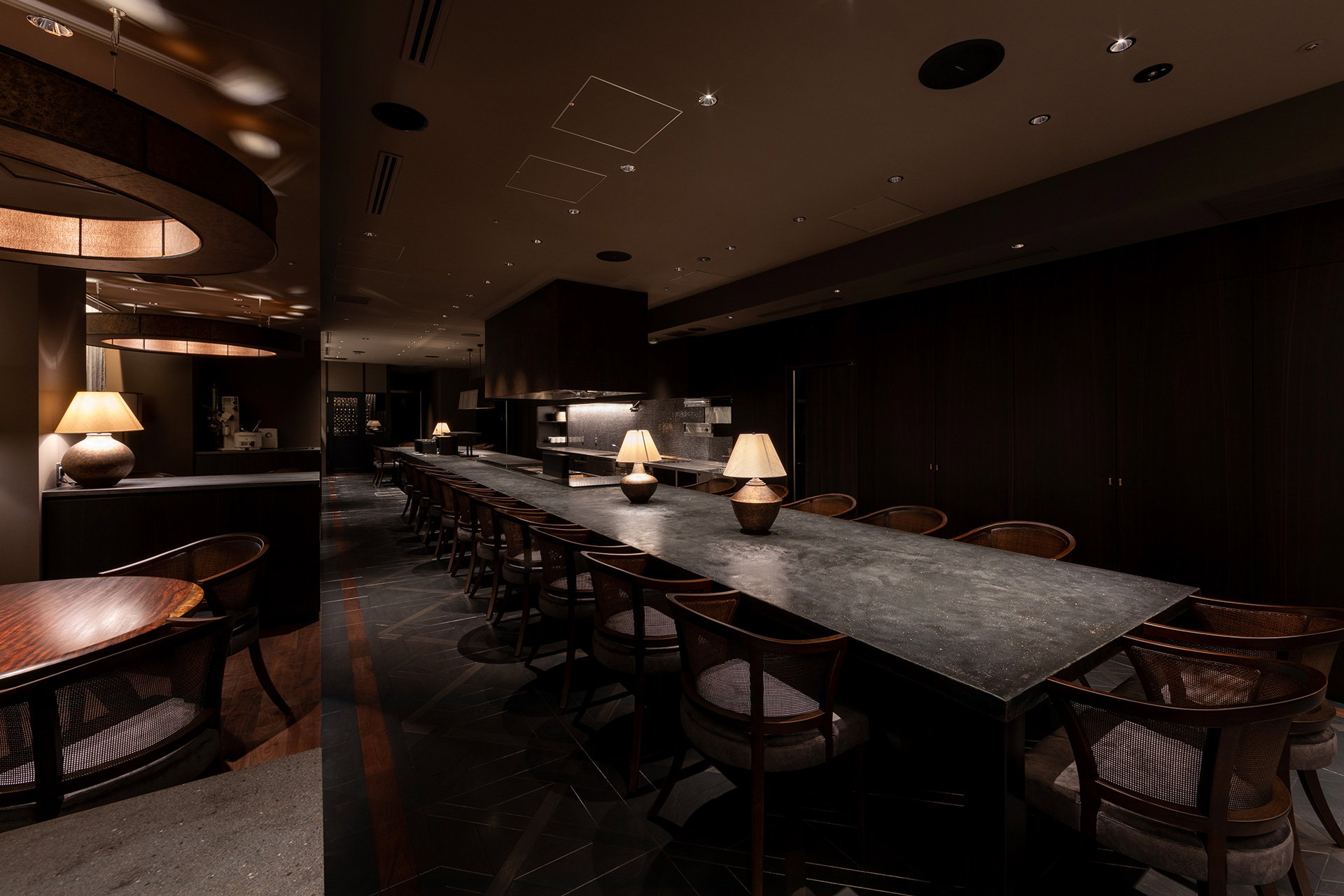
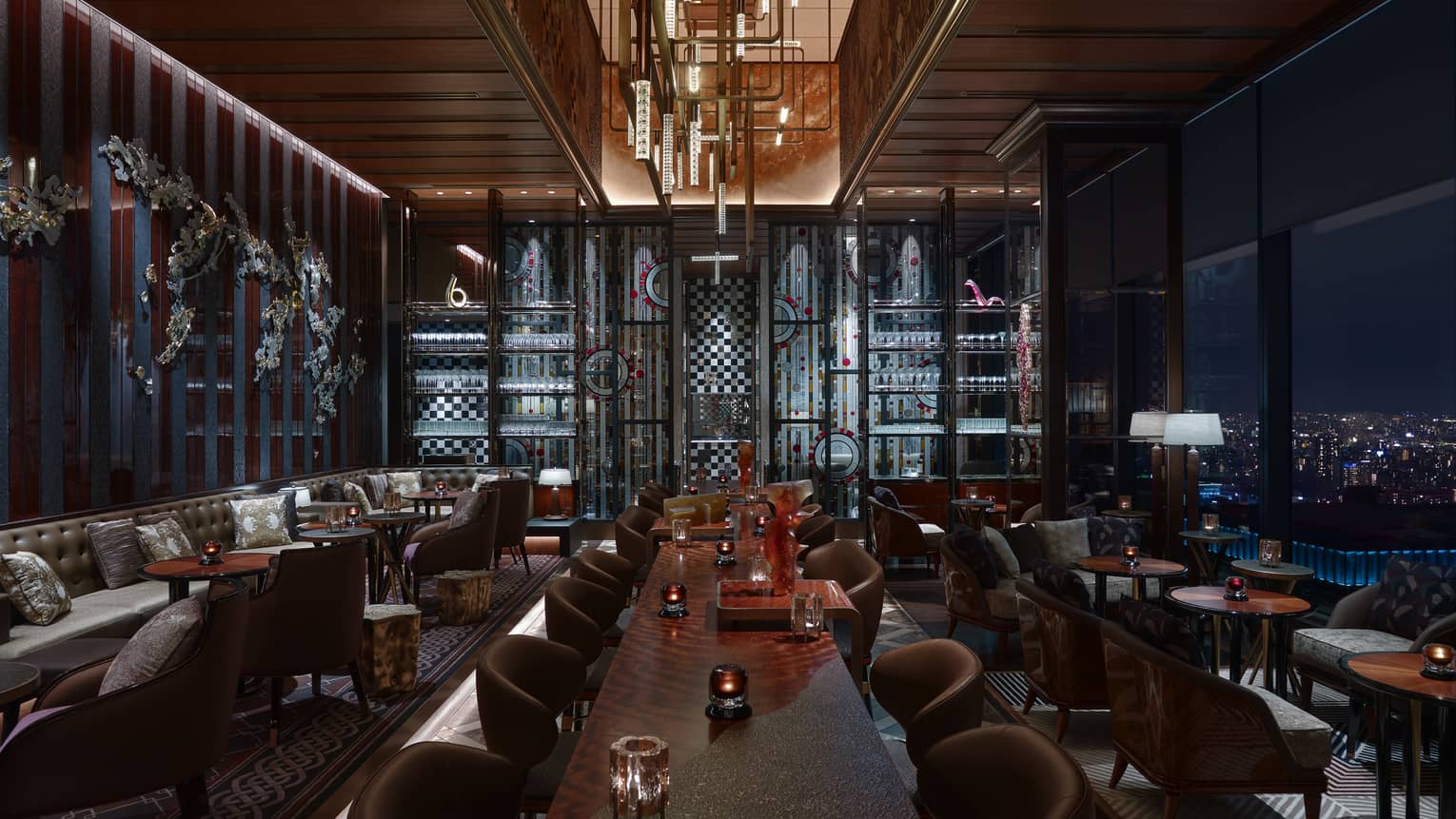
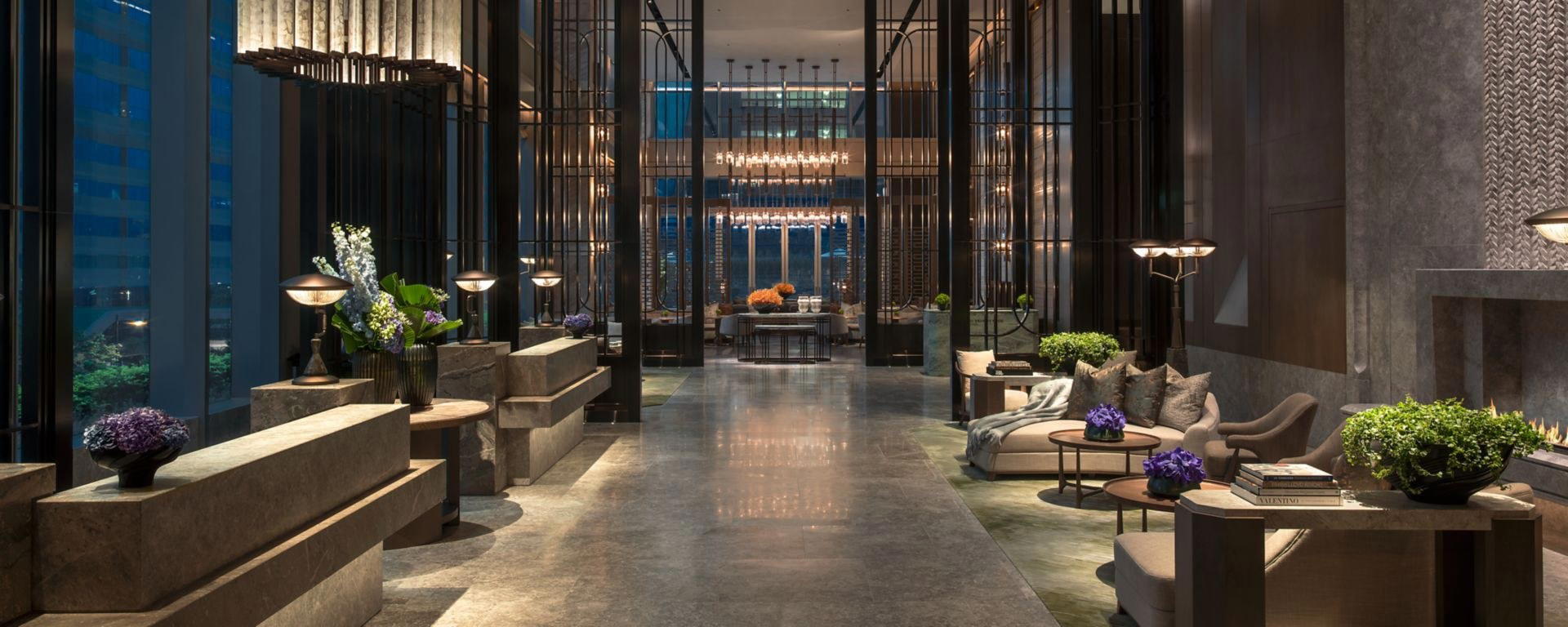
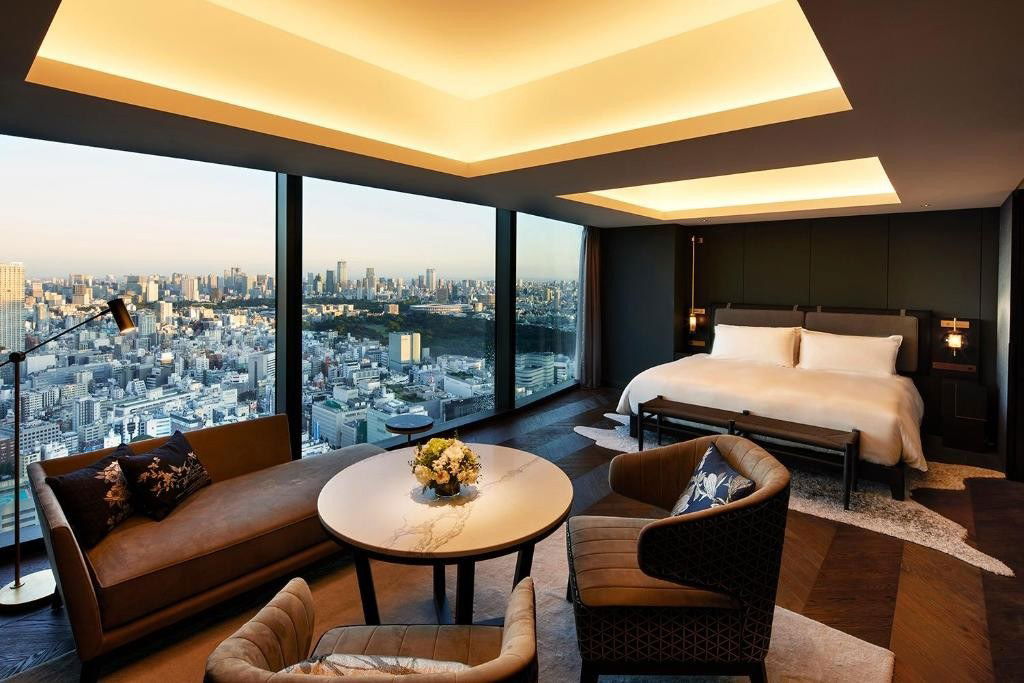
Bellustar Tokyo positions itself as a design-forward counterpoint to the frenetic neon of Kabukicho. Occupying the uppermost hotel floors of Yuko Nagayama's Tokyu Kabukicho Tower, the property trades street-level spectacle for a compressed, near-monochrome interior that intentionally reframes the city as a distant panorama. The hotel reads as an architectural statement — one that has been recognized externally, including a Global Win for Leading Architectural Design — and the effect inside is deliberate: minimal, impeccably considered spaces that feel like an observatory for Shinjuku rather than an extension of it.
Best For
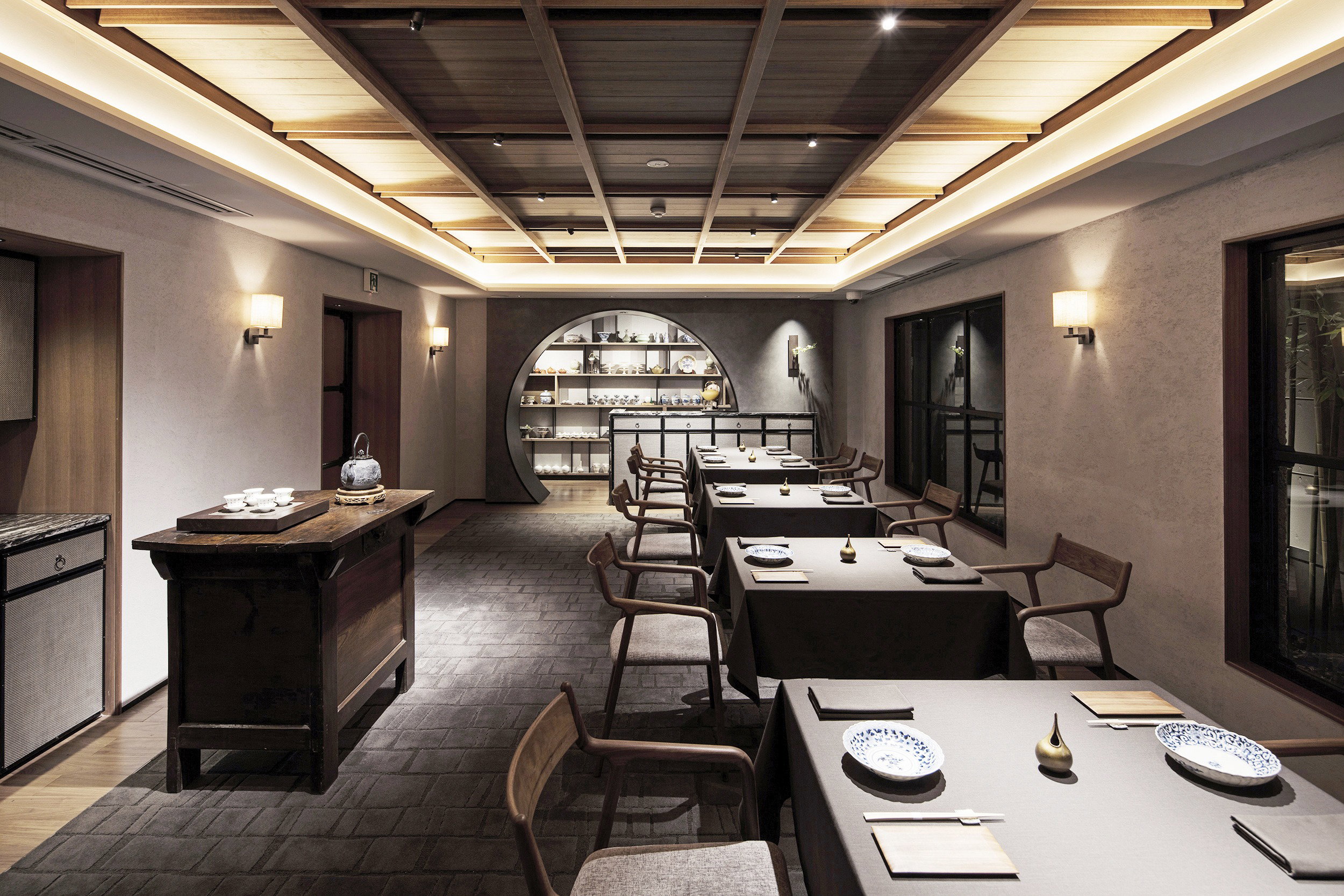
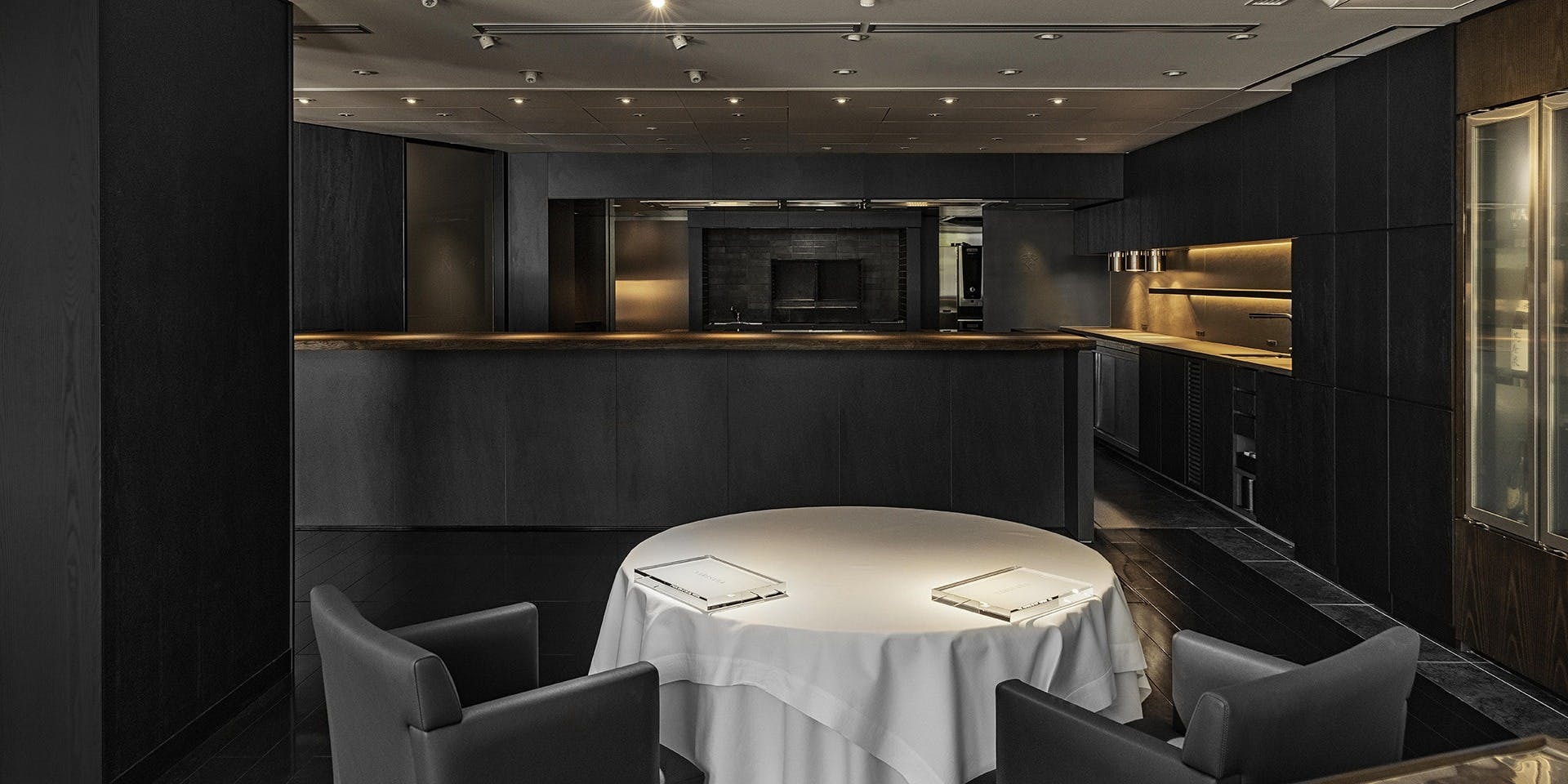
Bellustar suits travelers who prize architecture and an elevated point of view. It is a natural fit for romantic getaways and anniversaries that benefit from quiet sophistication, and for business travelers seeking a design-focused hotel in Shinjuku that buffers the district’s street-level energy. With a Michelin 1 Key recognition attached to the property’s food offering, it also works well for special-occasion dinners and hotel stays where dining and atmosphere carry equal weight.
Stay Tips
The hotel’s description emphasizes design and altitude and notes a Michelin 1 Key designation for 2024; when engaging with the property, expect a curated, architecture-forward experience rather than a bustling street-level vibe. If you plan to use the hotel’s dining, note the Michelin recognition cited in the profile and verify current dining availability directly with the hotel. Inside the upper floors, the atmosphere is intentionally hushed and minimal, so anticipate a refined, composed environment rather than a lively nightlife scene.
Venue details
Ambiance
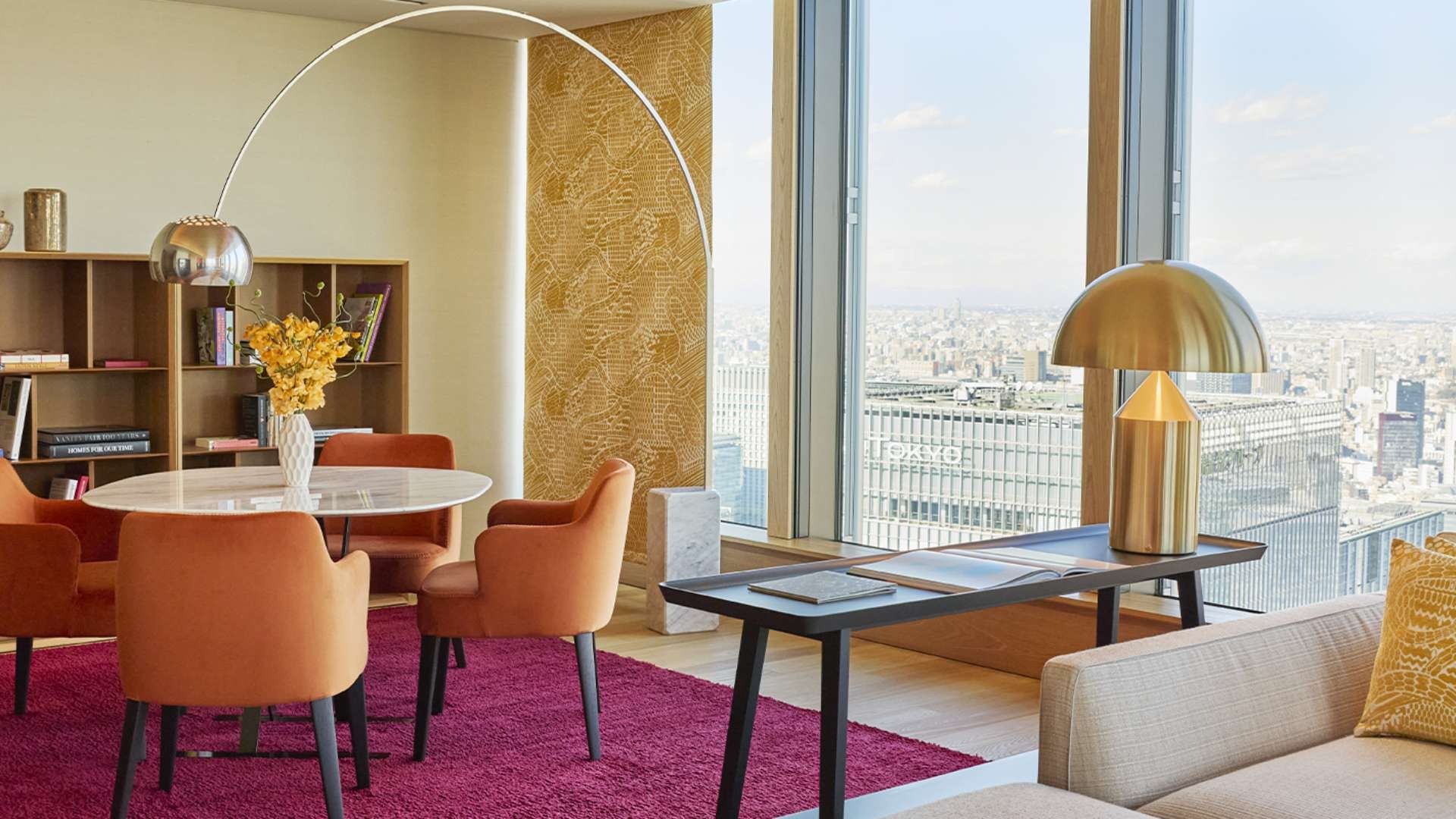
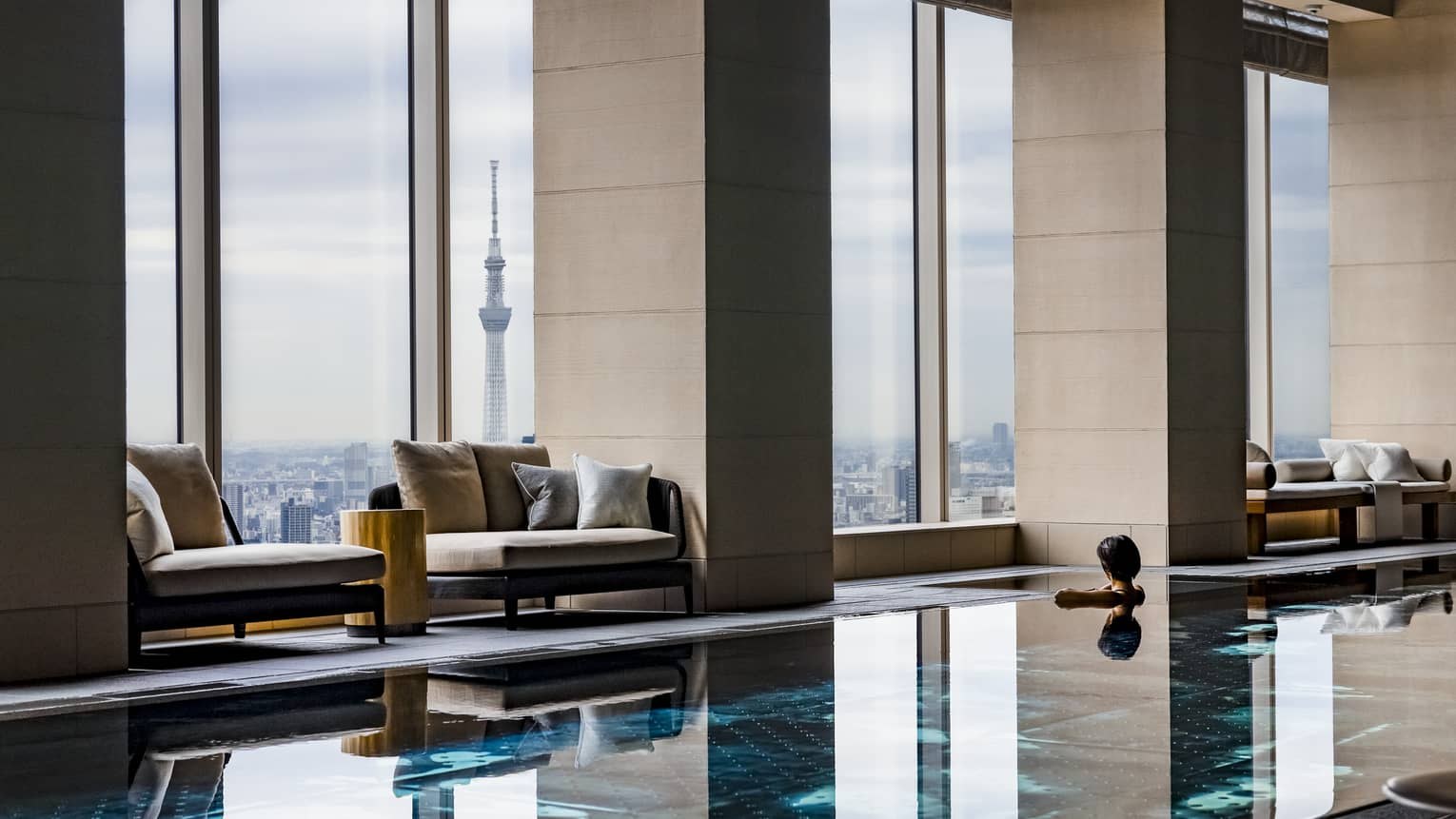
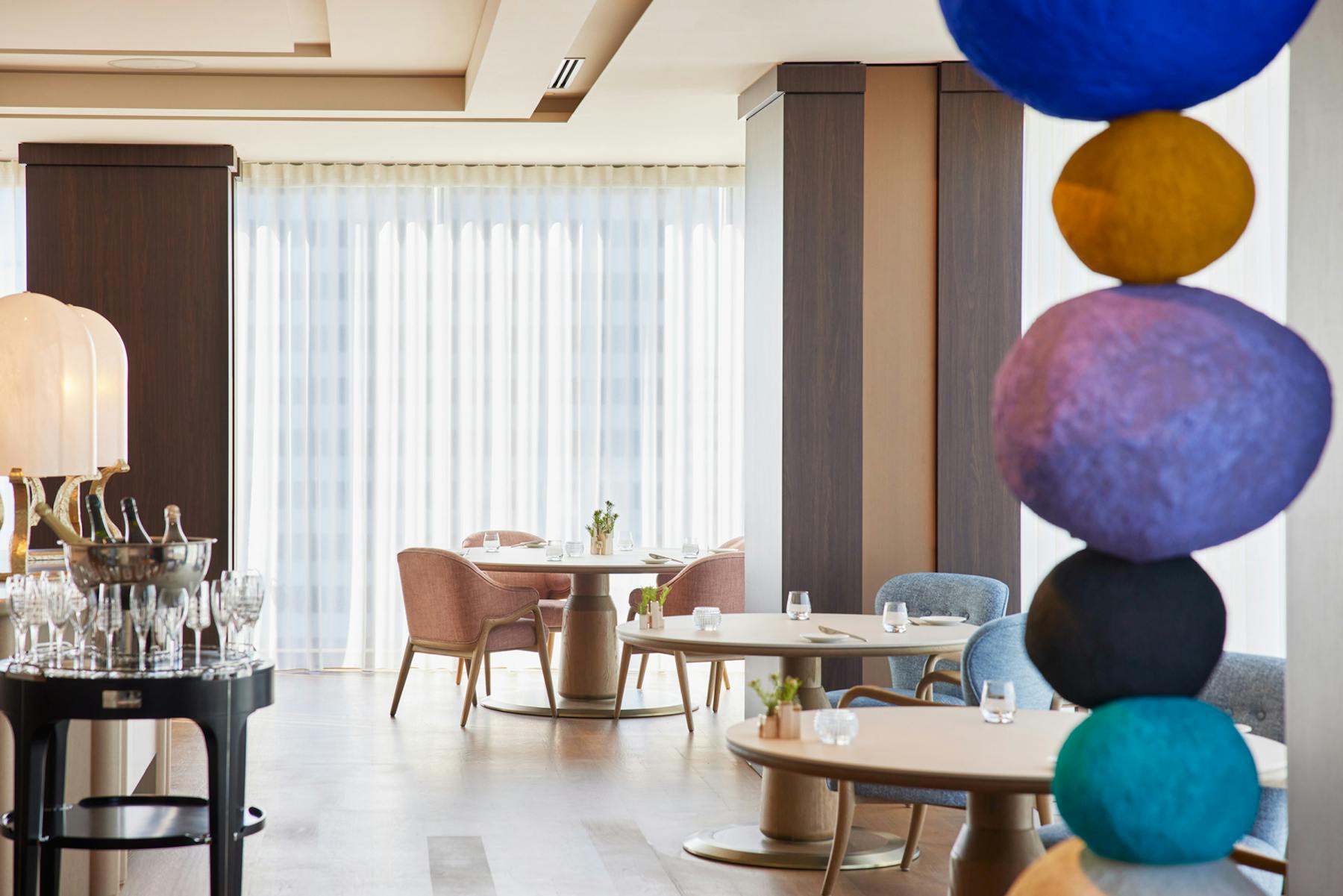
Sleek, modern minimalist design with light-filled spaces, serene tranquility, and dramatic city vistas creating a refined retreat above the urban bustle.
Tags
Vibe
Best For
Experience
Amenities
View
Accessibility
About the Stay
- Rooms
- 97
- Property Type
- Design hotel
- Property Style
- Luxury Urban Skyscraper Hotel Blending Japanese Tradition with Modern Design
- Design Style
- Minimalist Modern Japanese with Monochrome Tones and Sleek Lines
- Spa
- Yes
Know before you go
Know Before You Go
- Getting there
- TOKYU KABUKICHO TOWER, 45F, 1-chōme-29-1 Kabukichō, Shinjuku City, Tokyo 160-0021
Planning details
Location
TOKYU KABUKICHO TOWER, 45F, 1-chōme-29-1 Kabukichō, Shinjuku City, Tokyo 160-0021 · Directions
Recognition and awards

Also consider
Also Consider
- HOTEL GROOVE SHINJUKU, A PARKROYAL Hotel, Notable alternative
- Granbell Hotel Shinjuku, Notable alternative
- Tonkatsu Maisen, Notable alternative
- Keio Plaza Hotel Tokyo Premier Grand, Notable alternative
- Keio Plaza Hotel Tokyo, Notable alternative
Hotel context
How it compares in Shinjuku
HOTEL GROOVE SHINJUKU, A PARKROYAL Hotel is the closest mindset match for travelers who want the same Shinjuku energy with a more casual feel. Bellustar Tokyo, A Pan Pacific Hotel is the better choice if high-floor polish and award recognition matter; HOTEL GROOVE SHINJUKU is the easier sell for travelers who want the neighborhood without paying for a full luxury-hotel proposition.
Granbell Hotel Shinjuku is the more value-driven alternative if the room is mainly a base for nights out. Choose Granbell when budget beats service depth. Choose Bellustar when the hotel itself needs to carry part of the trip, especially for couples or business travelers who want a calmer reset above Kabukichō.
Keio Plaza Hotel Tokyo Premier Grand and Keio Plaza Hotel Tokyo are stronger cross-shops for travelers who want a more established Shinjuku hotel format. If the decision is between newer high-rise atmosphere and classic large-hotel convenience, Bellustar leans more design-forward and nightlife-adjacent, while Keio Plaza is the safer pick for broad business and group needs. Tonkatsu Maisen is better treated as a food stop to compare against hotel dining plans, not a hotel substitute.
Explore Tokyo
Around this place
Discover more on Pearl
Unlock the full Bellustar Tokyo, A Pan Pacific Hotel guide in Pearl, including awards, comparisons, FAQs, planning details, and nearby places.
Compare Bellustar Tokyo, A Pan Pacific Hotel
| Venue | Location | Awards |
|---|---|---|
| Bellustar Tokyo, A Pan Pacific Hotel | Tokyo | 2026 Forbes Soon To Be Rated2026 Michelin 1 KeyWorld Luxury Hotel Awards 2025Michelin 1 Key 20252025 Michelin 1 Key2024 Michelin 1 Key |
| HOTEL GROOVE SHINJUKU, A PARKROYAL Hotel | Tokyo | No published awards |
| Granbell Hotel Shinjuku | Tokyo | No published awards |
| Tonkatsu Maisen | Tokyo | No published awards |
| Keio Plaza Hotel Tokyo Premier Grand | Tokyo | No published awards |
| Keio Plaza Hotel Tokyo | Tokyo | Preferred Hotels Member 2025 |


How Bellustar Tokyo Review: Michelin 1 Key Hotel in Tokyo compares with similar nearby venues.
FAQ
Frequently Asked Questions
How is the pool and spa at Bellustar Tokyo, A Pan Pacific Hotel?
Specific pool or spa details are not available. Treat Bellustar Tokyo, A Pan Pacific Hotel as a recognized hotel in Tokyo, with Michelin 1 Key recognition, and confirm current wellness facilities directly before booking. For another hotel comparison in Tokyo, consider Keio Plaza Hotel Tokyo.
Is Bellustar Tokyo, A Pan Pacific Hotel family-friendly?
Specific family facilities, room layouts, or child-focused services are not available. It can be considered as a recognized Tokyo hotel, but families should confirm room fit and relevant services directly before booking. Keio Plaza Hotel Tokyo is another Tokyo hotel to compare for broader trip needs.
Is Bellustar Tokyo, A Pan Pacific Hotel good for business travel?
It may suit business travelers who want a recognized hotel in Tokyo, but specific meeting facilities, work amenities, or corporate services are not available. Its strengths are its Michelin 1 Key recognition, 2025 World Luxury Hotel Awards global and regional wins, and Forbes Soon To Be Rated status for 2026. Keio Plaza Hotel Tokyo Premier Grand is another Tokyo option to compare for your stay.
Do loyalty programs work at Bellustar Tokyo, A Pan Pacific Hotel?
Specific loyalty-program benefits or redemption rules are not available. The main value is the property's hotel-recognition profile, not any particular points strategy. If you want another Tokyo hotel comparison, Granbell Hotel Shinjuku is another option to review.
How does Bellustar Tokyo, A Pan Pacific Hotel compare to other hotels?
Choose Bellustar Tokyo, A Pan Pacific Hotel when you want a Tokyo hotel with Michelin 1 Key recognition, 2025 World Luxury Hotel Awards global and regional wins, and Forbes Soon To Be Rated status for 2026. HOTEL GROOVE SHINJUKU, A PARKROYAL Hotel, Keio Plaza Hotel Tokyo, and Granbell Hotel Shinjuku are useful Tokyo hotel comparisons, but each should be checked against your budget, preferred hotel style, and trip needs.
How is the dining at Bellustar Tokyo, A Pan Pacific Hotel?
A specific cuisine, restaurant format, menu, chef, price, or service schedule is not available. Treat dining as something to confirm directly rather than as the primary reason to book. If dining is the main priority, compare the trip around other Tokyo restaurant options rather than relying on the hotel alone.
When is the best time to book Bellustar Tokyo, A Pan Pacific Hotel?
Specific booking patterns, peak periods, or rate behavior are not available. Book when the hotel fits your Tokyo itinerary and budget, and confirm current availability directly. Keio Plaza Hotel Tokyo Premier Grand is another Tokyo hotel to compare if you are weighing recognized options.