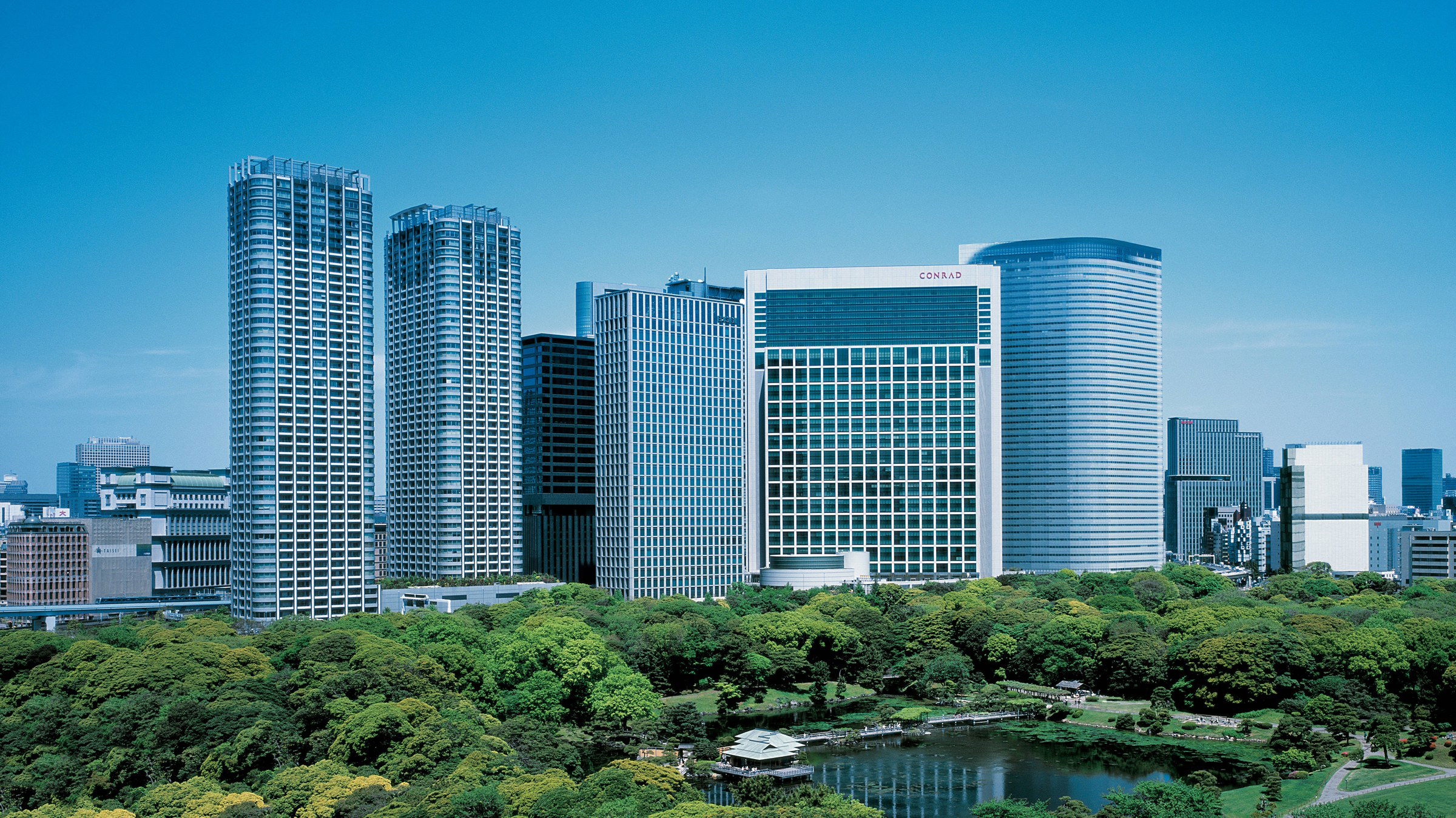




Conrad Tokyo
Minato, Tokyo
Hotel in Tokyo, Japan
 Book with Pearl
The Read
Sky-Lobby Precision
Why go
Conrad Tokyo is the practical luxury pick for business-heavy Tokyo trips: polished, central, and calmer than the city's more personality-led hotels. It is harder to justify for travelers who want neighborhood energy first, but strong 2025-2026 recognition and Hilton backing make it a safe premium base for Minato, Shiodome, Ginza, and Shimbashi plans.
About Conrad Tokyo
Conrad Tokyo is a Tokyo hotel with confirmed luxury-hotel recognition, including La Liste Top Hotels (2026) with 92 points, Forbes 4-Star (2026), Virtuoso Luxury Hotel Partner (2026), and MICHELIN Guide, Hotels Selected (2025). For travelers comparing premium hotel options in Tokyo, the most grounded case for Conrad Tokyo is its externally recognized hotel standing rather than any claim about a specific neighborhood, amenity, room type, or dining program.
The main reason to consider it is direct: it is a recognized Tokyo hotel with a smart casual dress code and several current hotel credentials. The decision should be less about assumed scene, dining, or transit details and more about whether the stay calls for a polished, established hotel option in Tokyo.
A recognized Tokyo hotel, not a nightlife-first claim
Book this when the priority is a confirmed, well-credentialed hotel in Tokyo. Its recognition from La Liste, Forbes, Virtuoso, and the MICHELIN Guide supports treating it as a serious premium option. Travelers comparing different styles of Tokyo hotels may also look at Park Hotel Tokyo or mesm Tokyo, Autograph Collection; those considering another Tokyo hotel option can compare The Royal Park Hotel Iconic Tokyo Shiodome as well.
The tradeoff is that the record here does not establish a detailed neighborhood experience, specific amenities, restaurant formats, room categories, or service inclusions. If the trip depends on those details, confirm them directly before booking. For another Tokyo hotel comparison, Hotel The Celestine Ginza may also be worth reviewing.
First-timers should choose it for confirmed credentials, then compare for fit
For a first Tokyo stay, the strongest case for Conrad Tokyo is its recognition set: La Liste Top Hotels (2026) at 92 points, Forbes 4-Star (2026), Virtuoso Luxury Hotel Partner (2026), and MICHELIN Guide, Hotels Selected (2025). Those credentials make it easier to shortlist, but they do not by themselves verify every practical detail a traveler may care about.
Value depends on what the traveler is trying to confirm. If the goal is a recognized premium hotel in Tokyo, Conrad Tokyo belongs on the list. If the goal is a different hotel style or a simpler comparison set, The Royal Park Hotel Iconic Tokyo Shiodome, mesm Tokyo, Autograph Collection, Hotel The Celestine Ginza, The Blossom Hibiya, and Park Hotel Tokyo can be considered as alternatives.
Bottom line: choose Conrad Tokyo when the trip calls for a confirmed, award-recognized Tokyo hotel with a smart casual standard. Before booking, verify any details not covered here directly with the hotel.
Part of
Conrad33 locations on PearlInside Conrad Tokyo
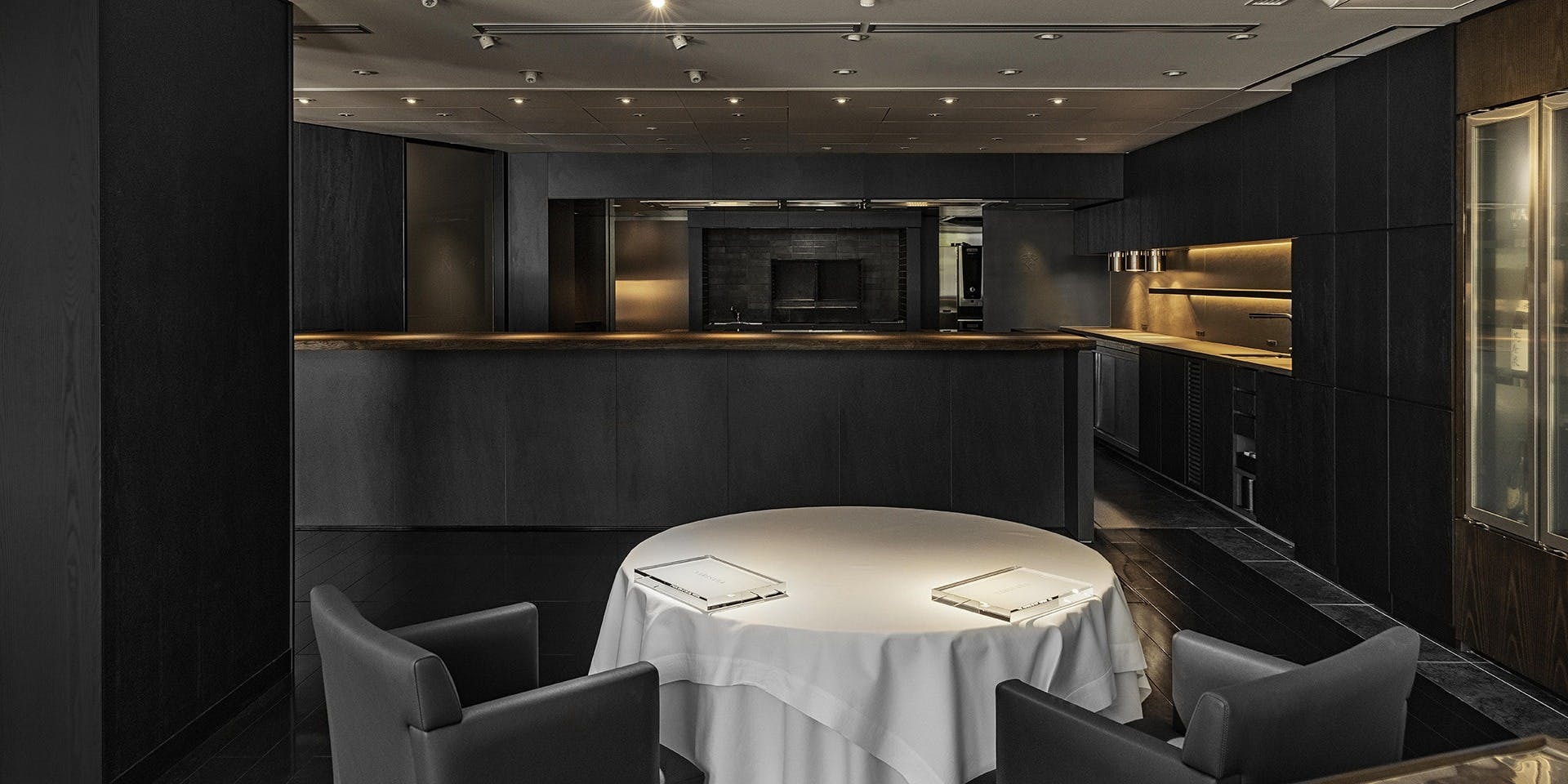
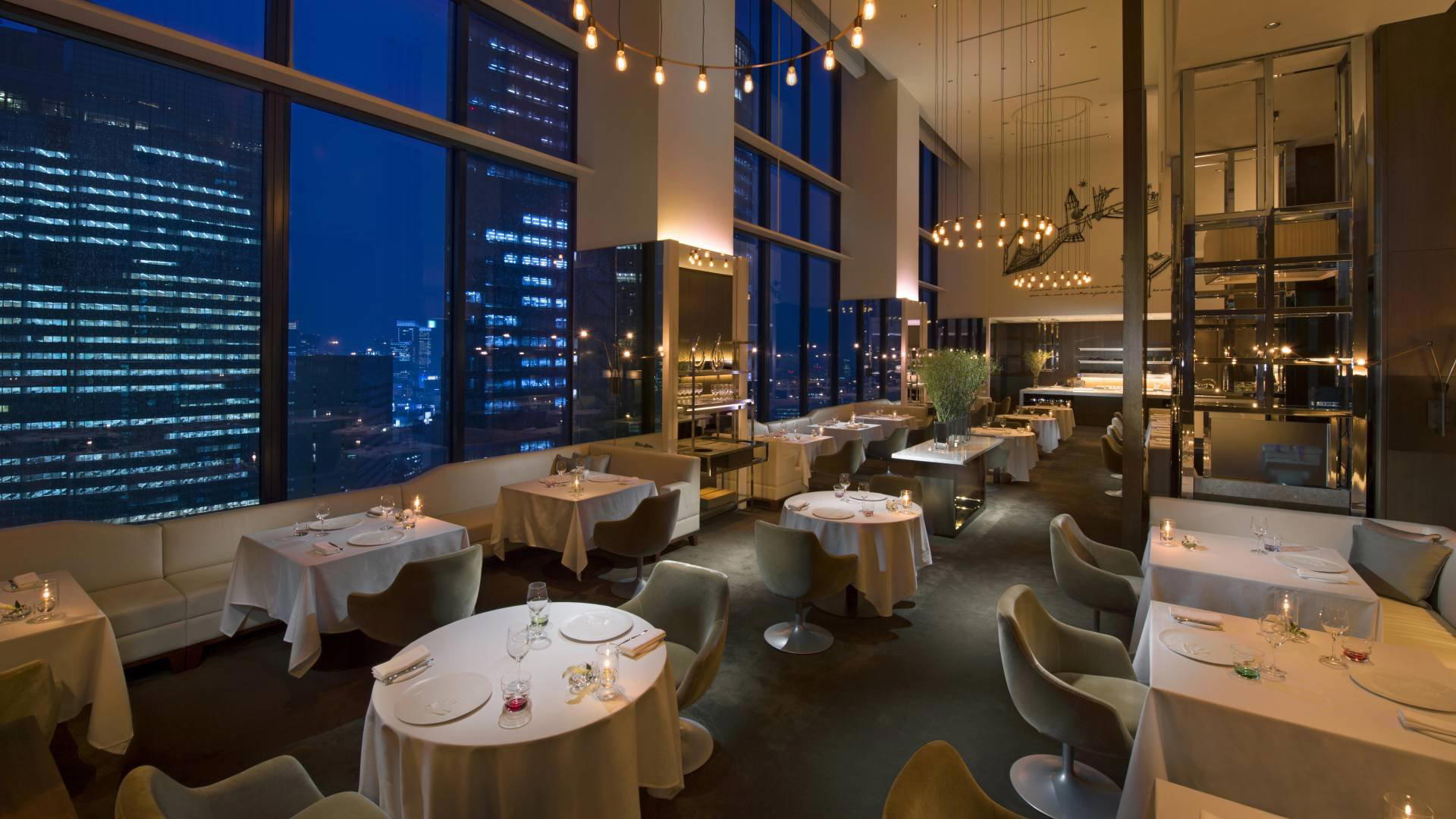 restaurantCollageCollage sits in Tokyo's Higashi-Shimbashi district, a neighbourhood defined by its proximity to the waterfront corporate corridor yet still navigable enough for serious diners to seek out. The restaurant holds a White Star recognition from Star Wine List, signalling a wine program of measured depth. It occupies a tier where wine culture and kitchen ambition intersect in one of the city's more purposeful dining addresses.
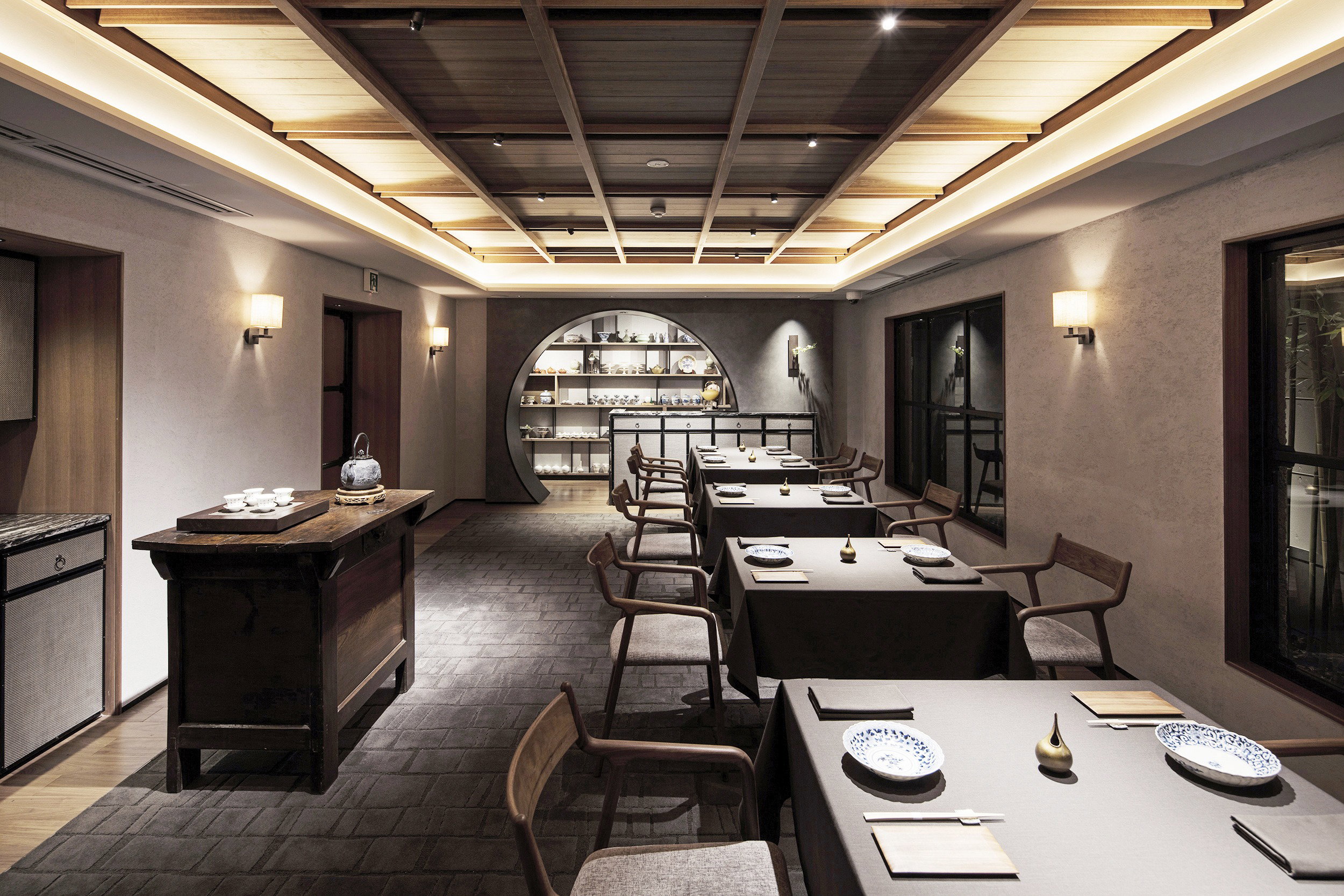
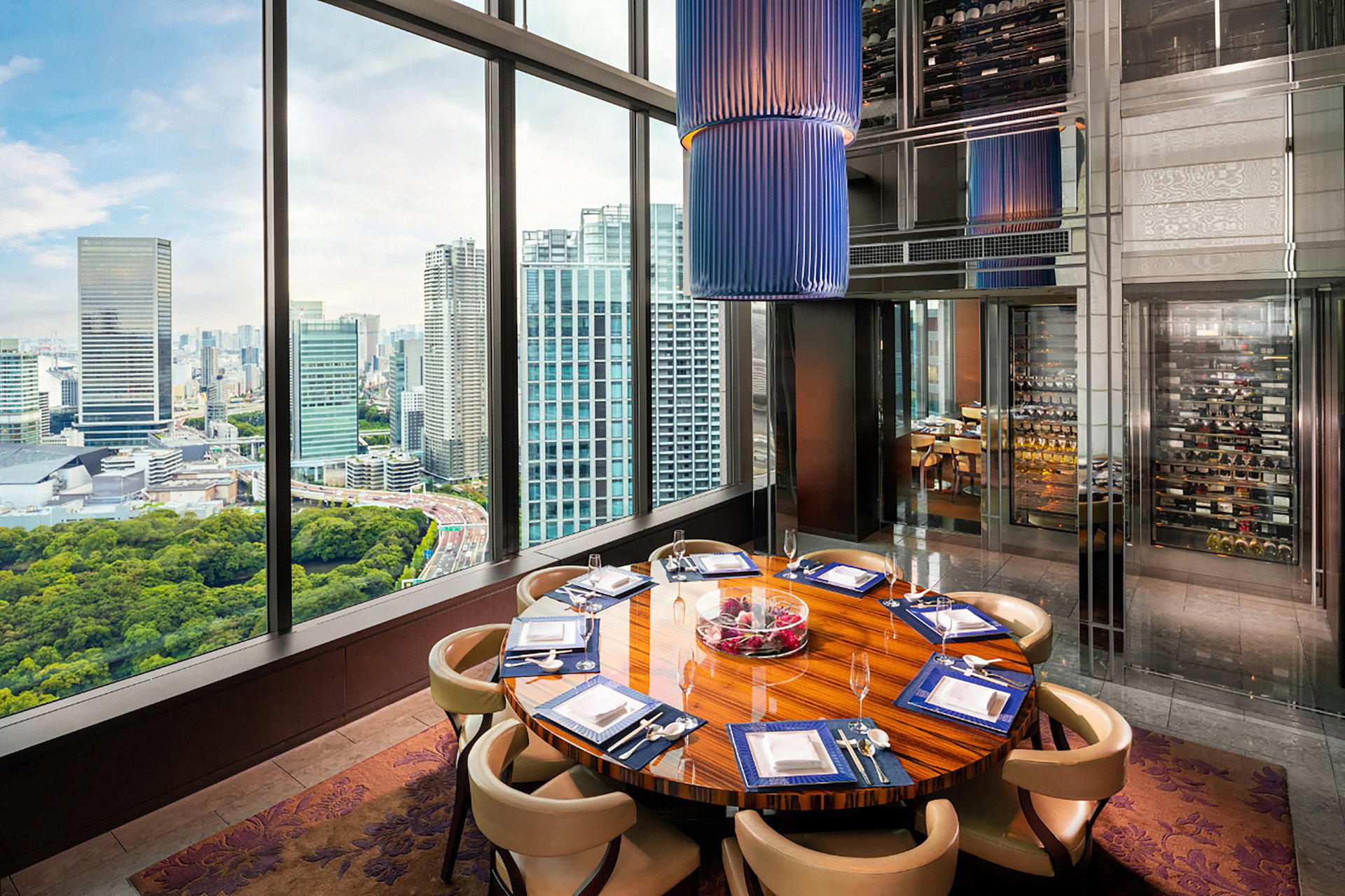 restaurantChina BlueChina Blue occupies a Higashishinbashi address in Tokyo's Minato ward, positioning itself within the city's tier of destination Chinese restaurants that draw as much from local sourcing philosophy as from classical technique. Where Tokyo's top tables increasingly treat environmental accountability as a kitchen discipline rather than a marketing footnote, China Blue sits inside that conversation.
Planning details
- Location
- 1-chōme-9-1 Higashishinbashi, Minato City, Tokyo 105-7337
- Website
- hilton.com/en/hotels/tyocici-conrad-tokyo/?SEO_id=GMB-APAC-CI-TYOCICI
- Phone
- +81 3-6388-8000
The take
The Take
The Vibe
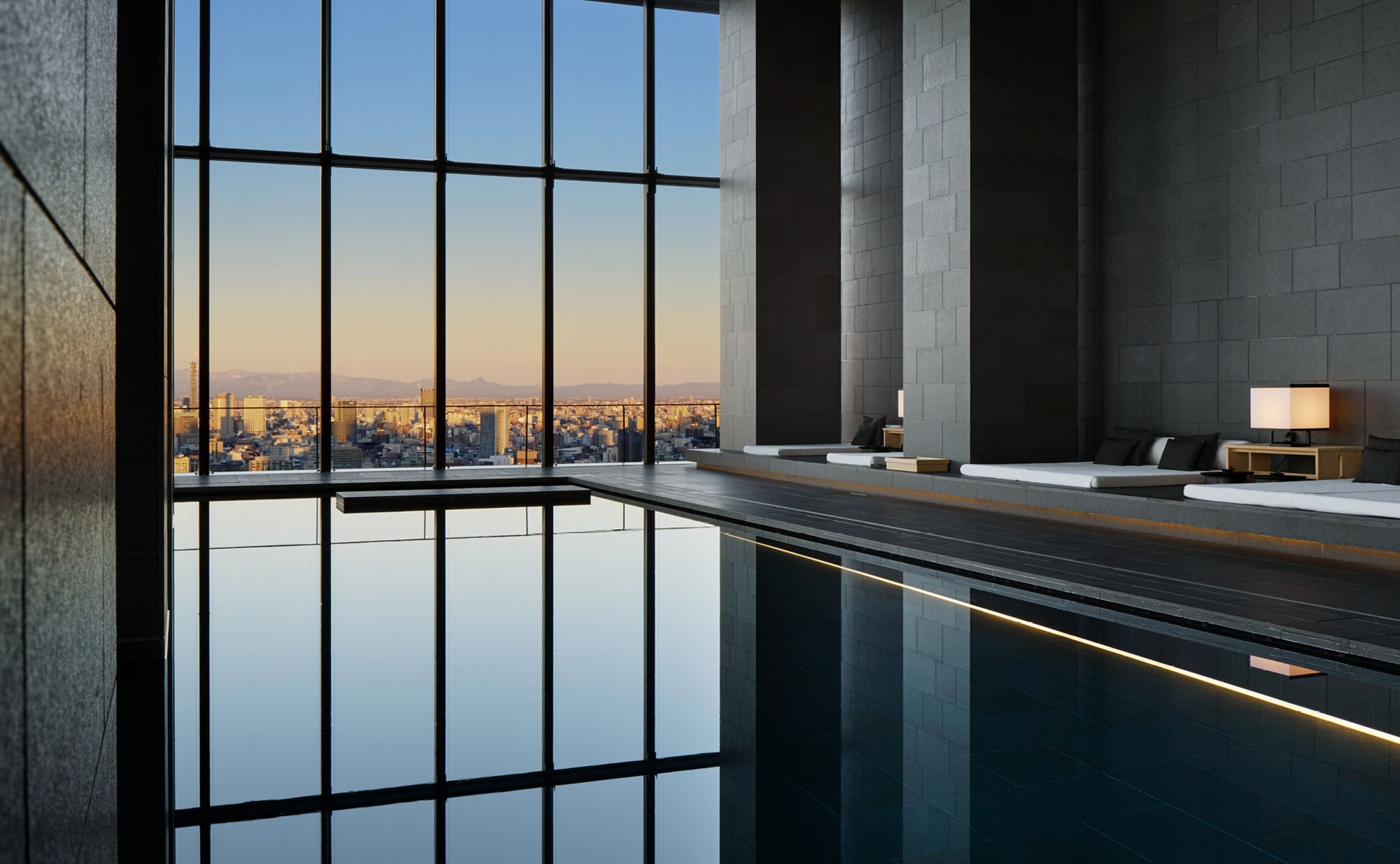
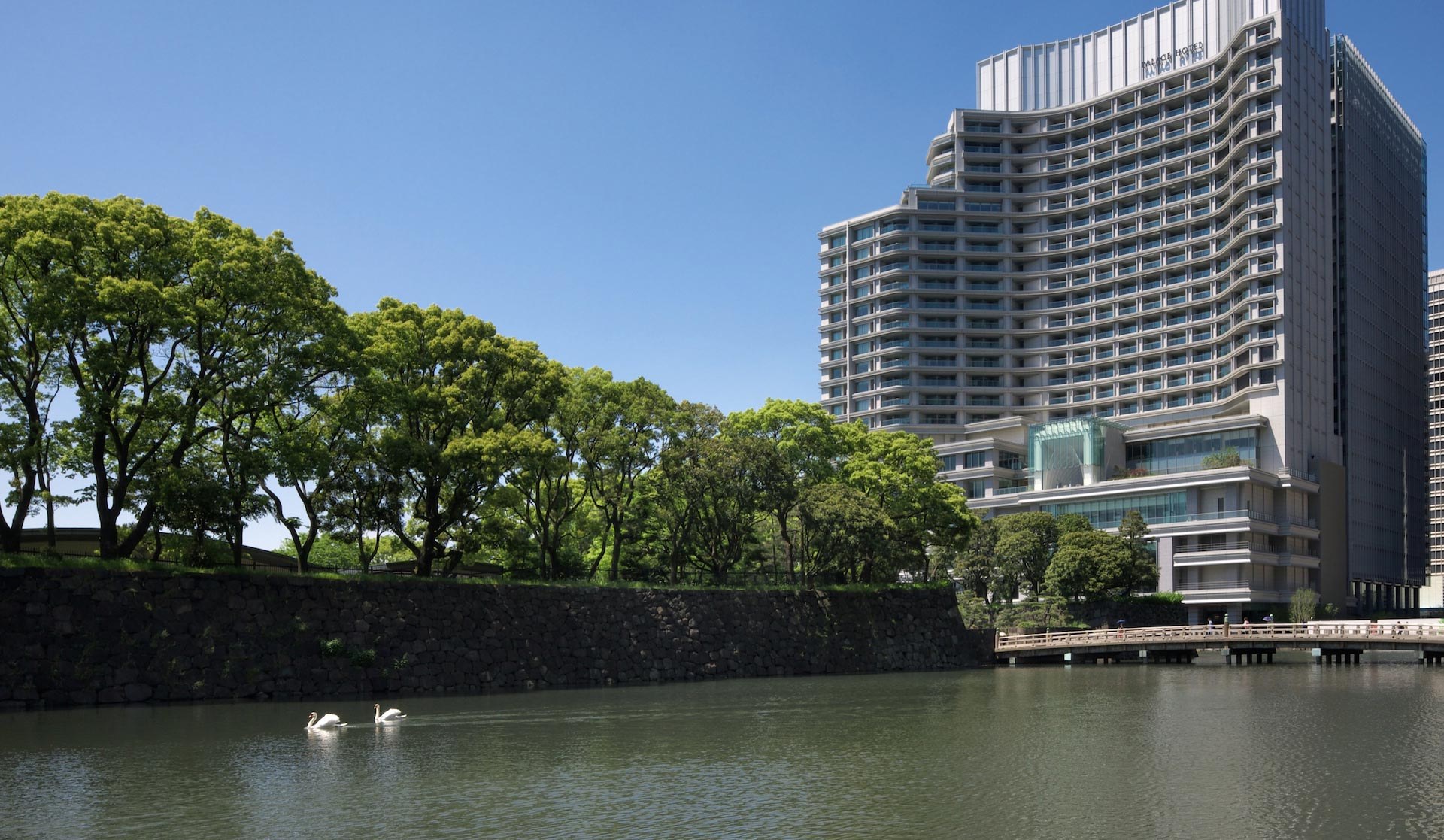
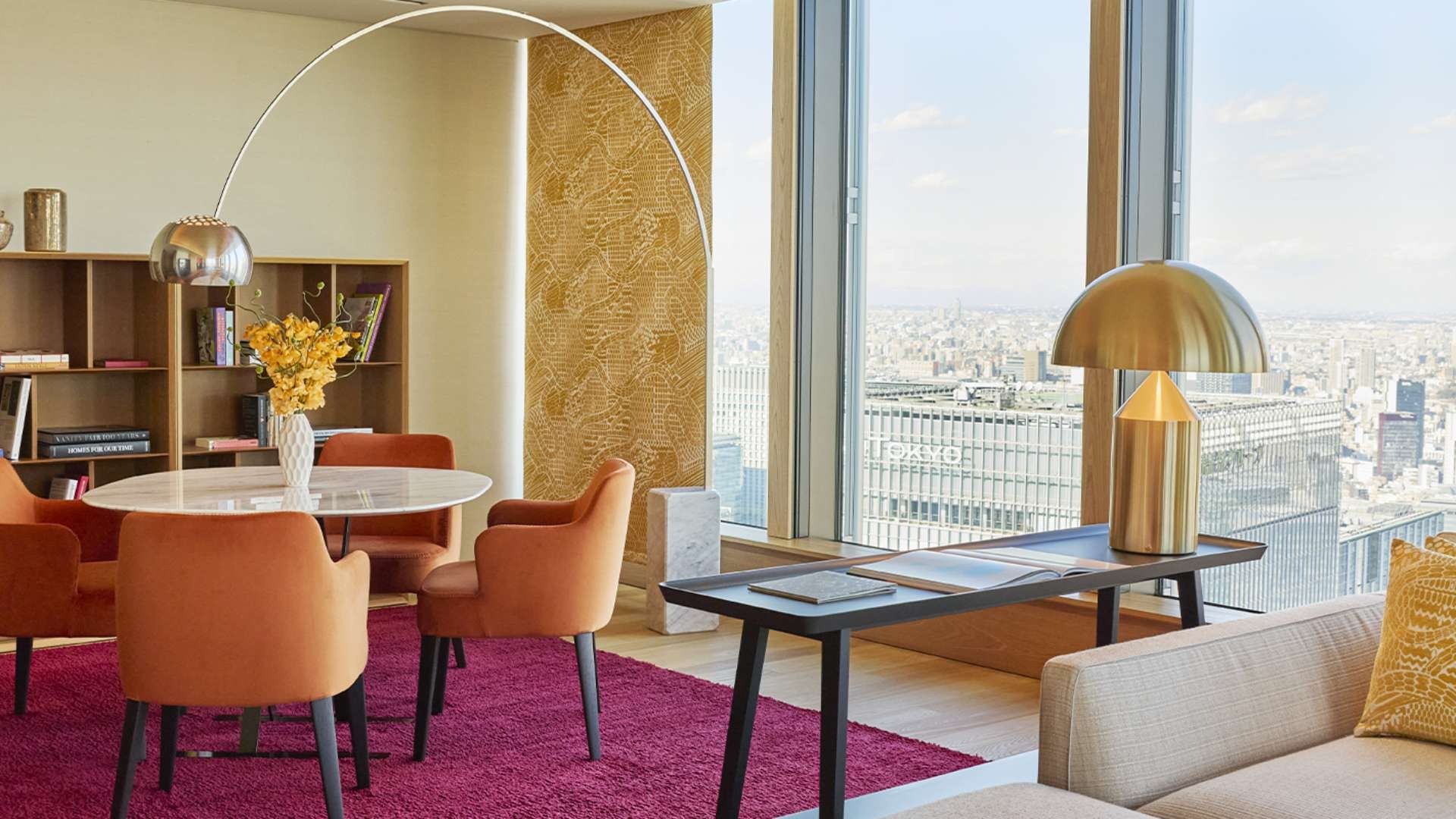
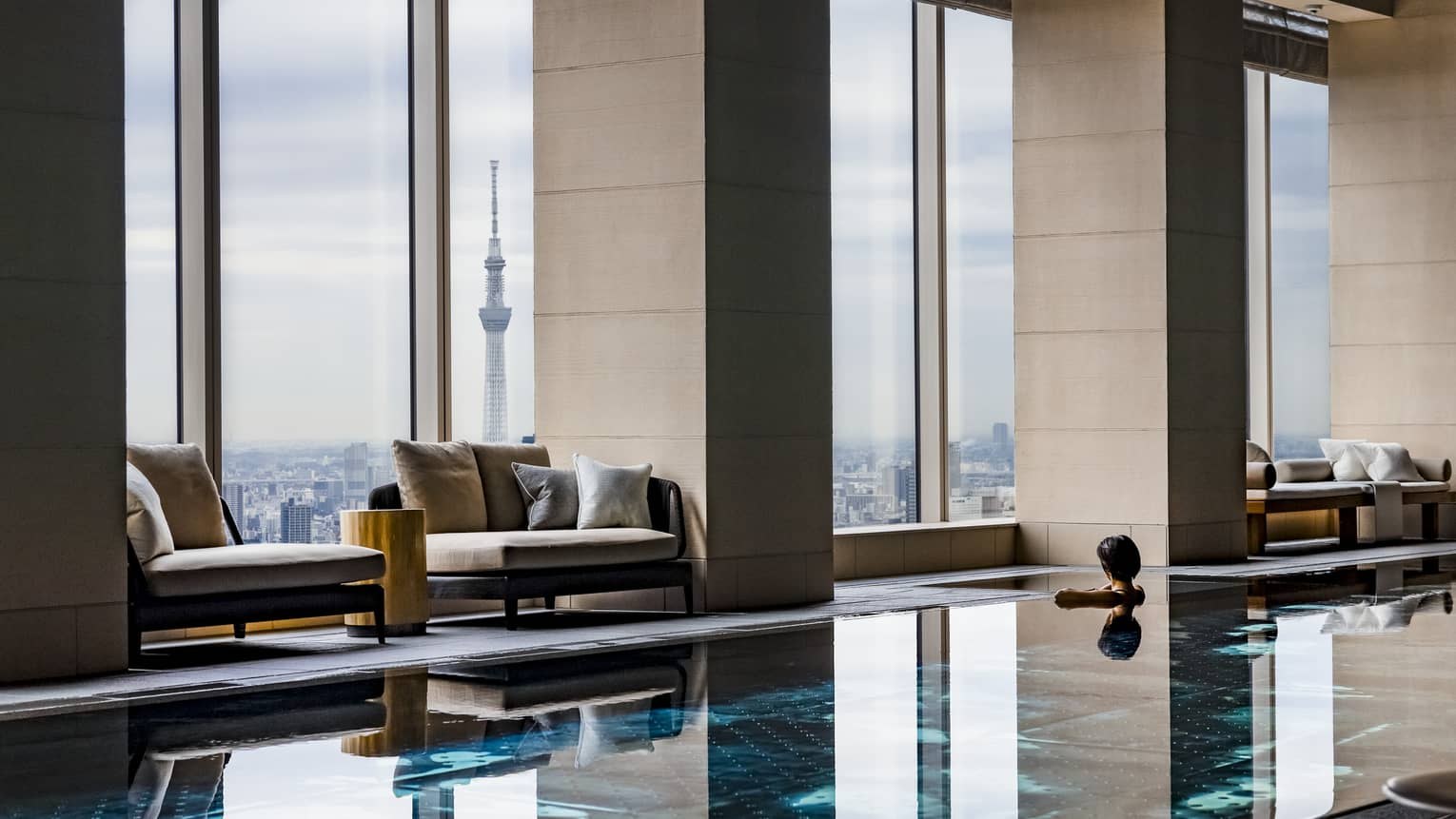
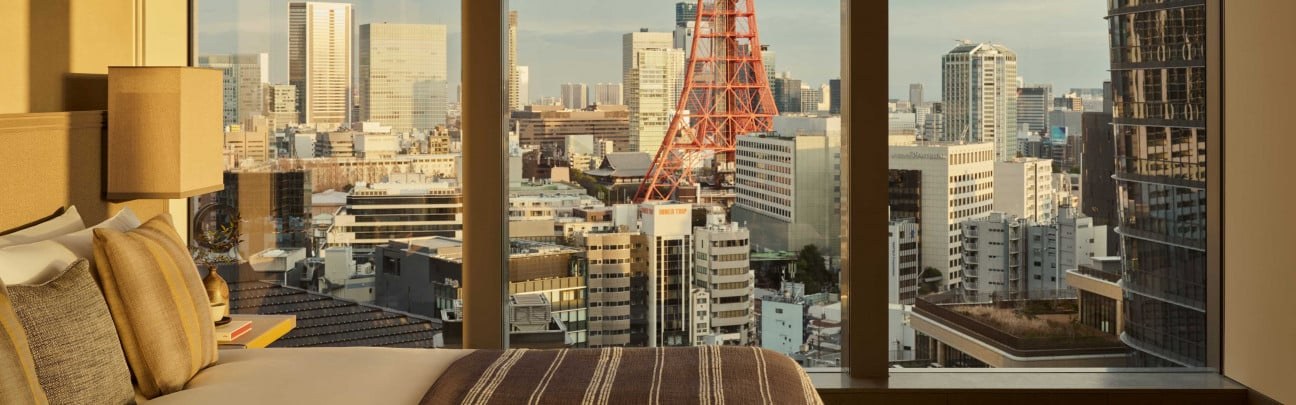
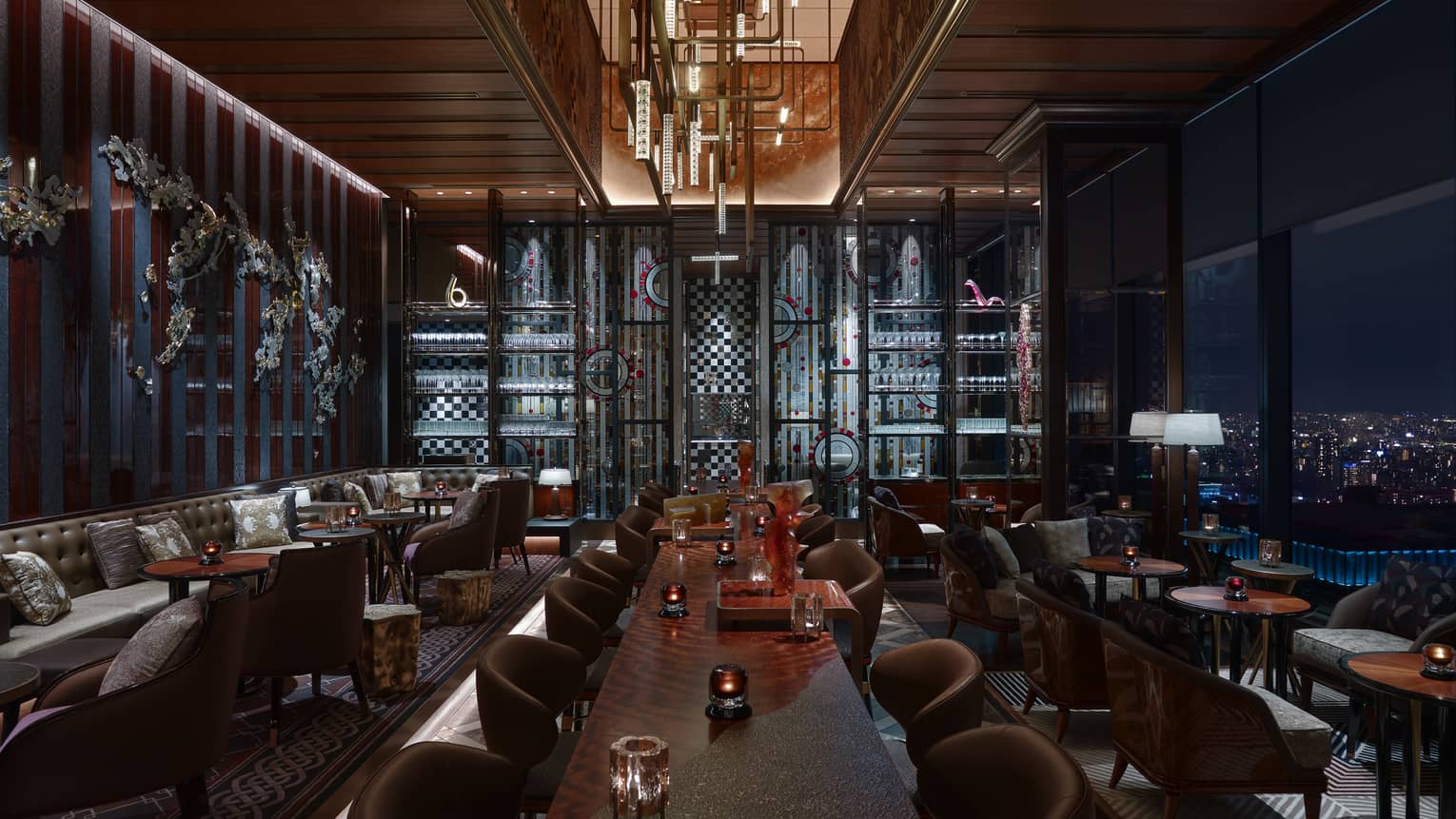
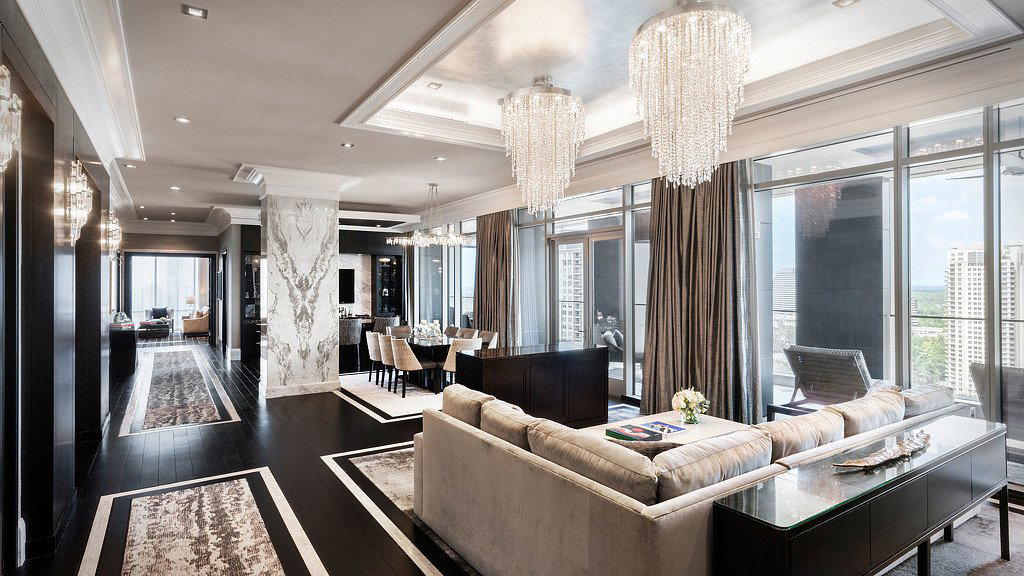
The Conrad Tokyo announces itself from the 28th floor, where a calm, horizontal expanse of space unfolds behind floor-to-ceiling glass. From that elevated vantage guests look south to Hamarikyu Gardens, beyond to Tokyo Bay and out across the Shiodome skyline — city and nature arranged as a deliberate backdrop. A large cherry-red lacquer sculpture in the lobby signals the hotel’s language: contemporary form that references Japanese visual tradition rather than pastiche. The result is quietly scenic and composed, a serene high-floor luxury that trades theatrical historicism for artful scale and restrained modernity.
Best For
Conrad Tokyo is particularly well suited to business travelers and repeat guests who value a dependable, design-driven luxury formula in the Shiodome district. Its high-floor lobby and broad views create a composed entry that feels both private and panoramic, while a substantial dining program positions the hotel as a destination for evenings in-house. The calm, art-forward public spaces also make it an attractive choice for guests seeking a quietly scenic stay—those combining work with relaxed downtime or a design-focused city break.
Venue details
Ambiance
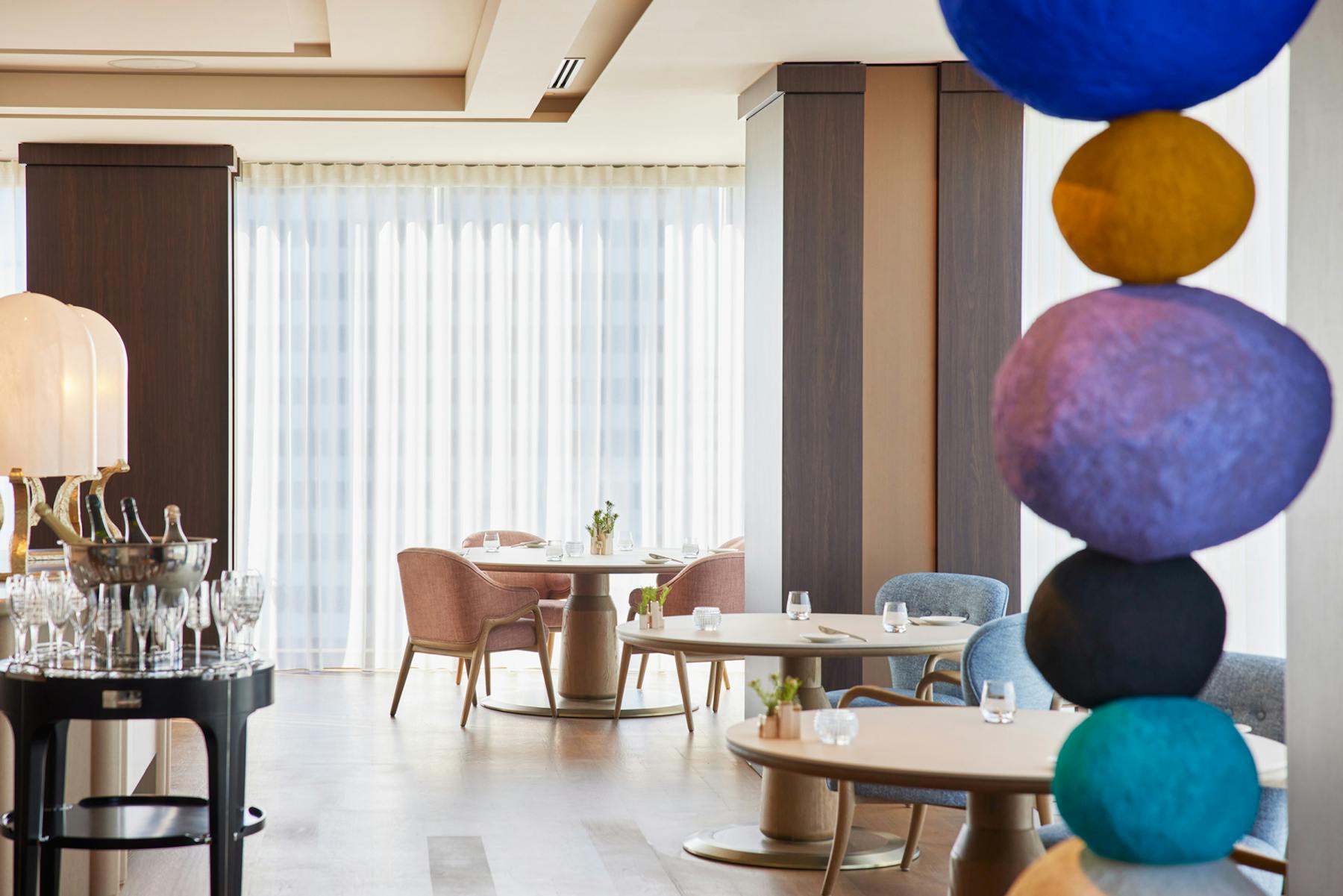
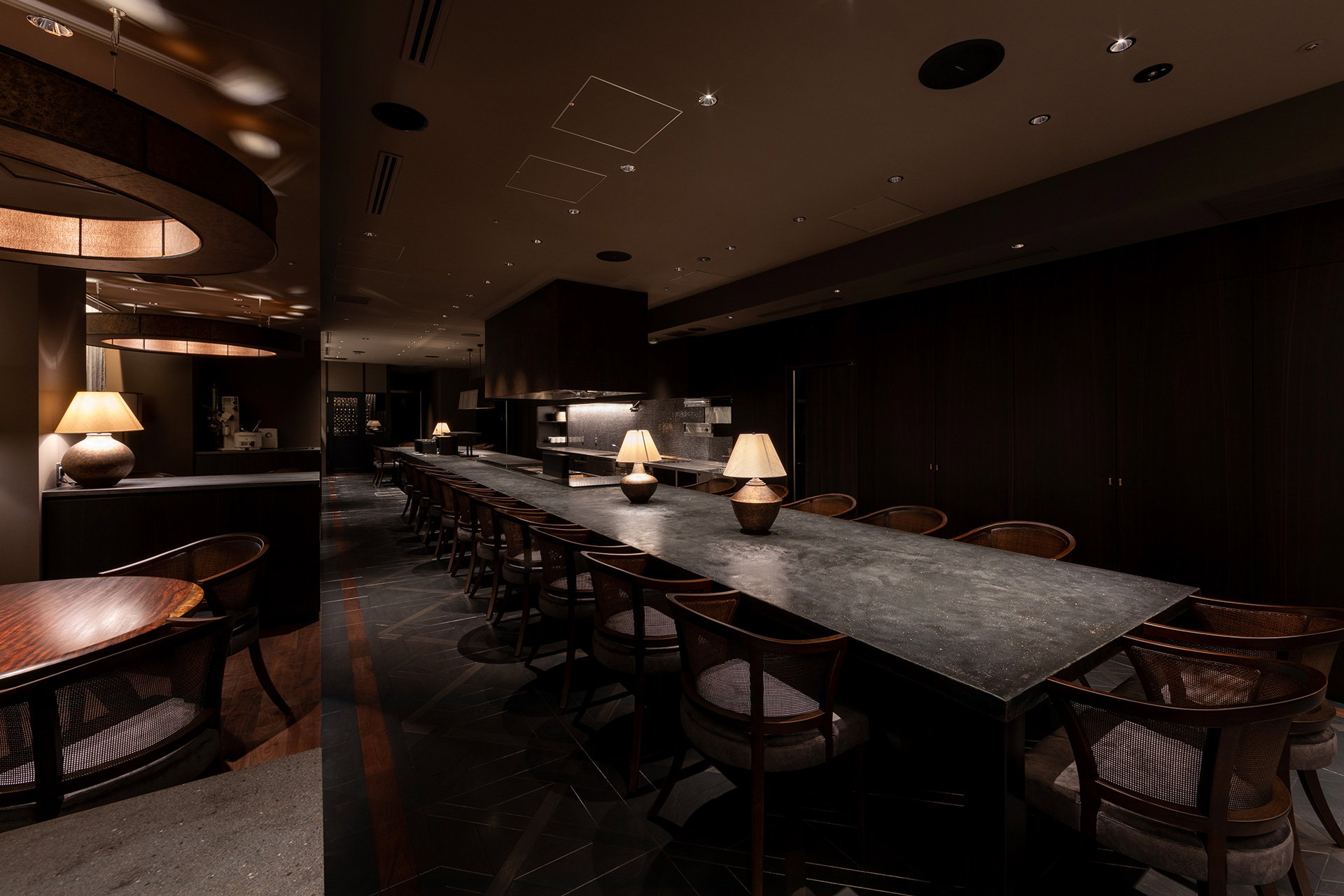
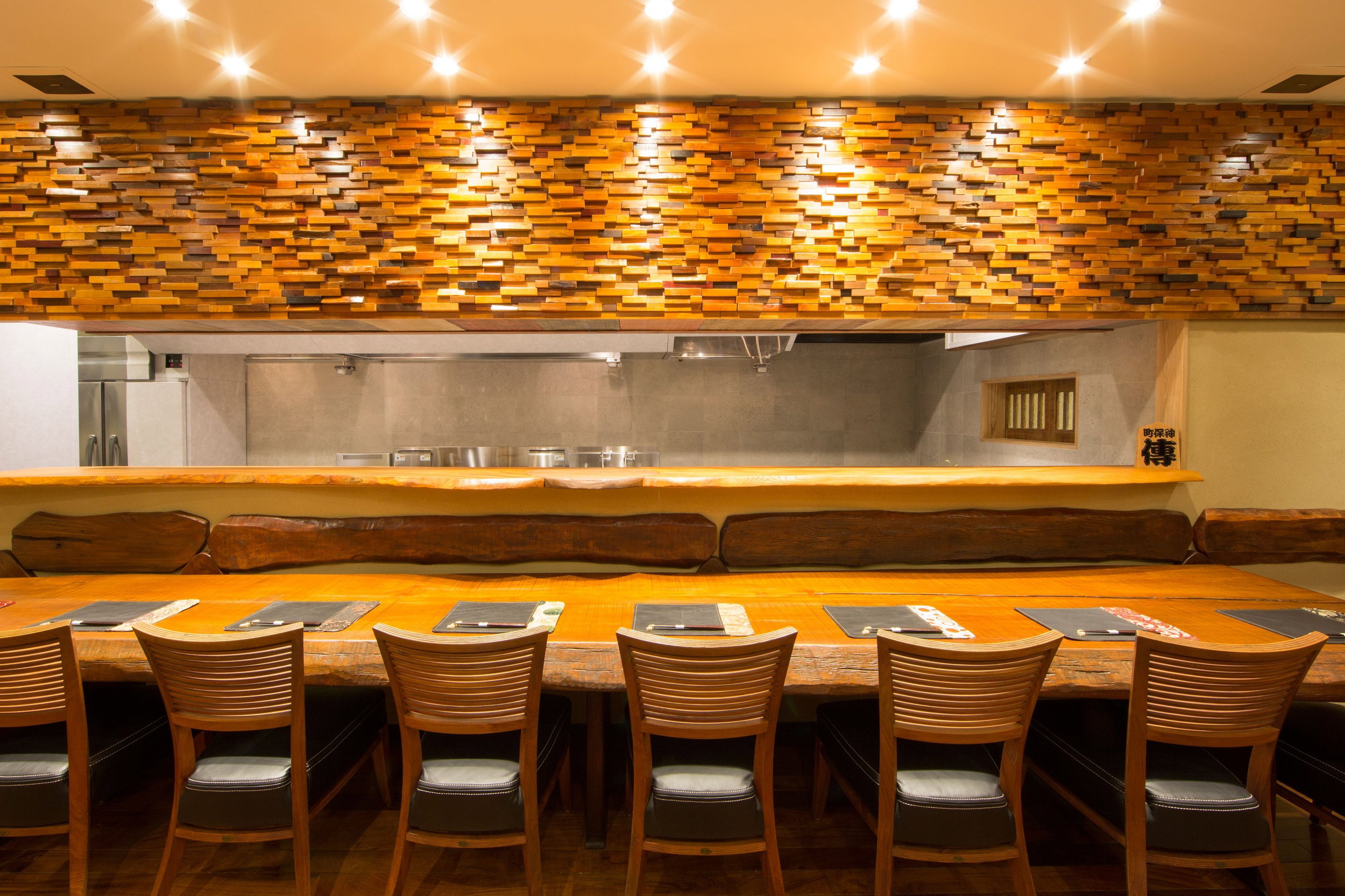
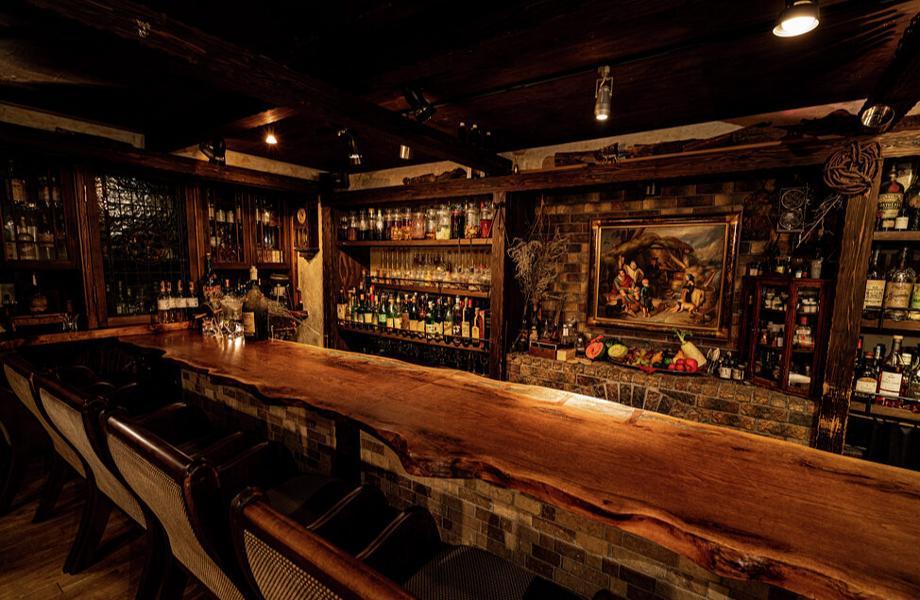
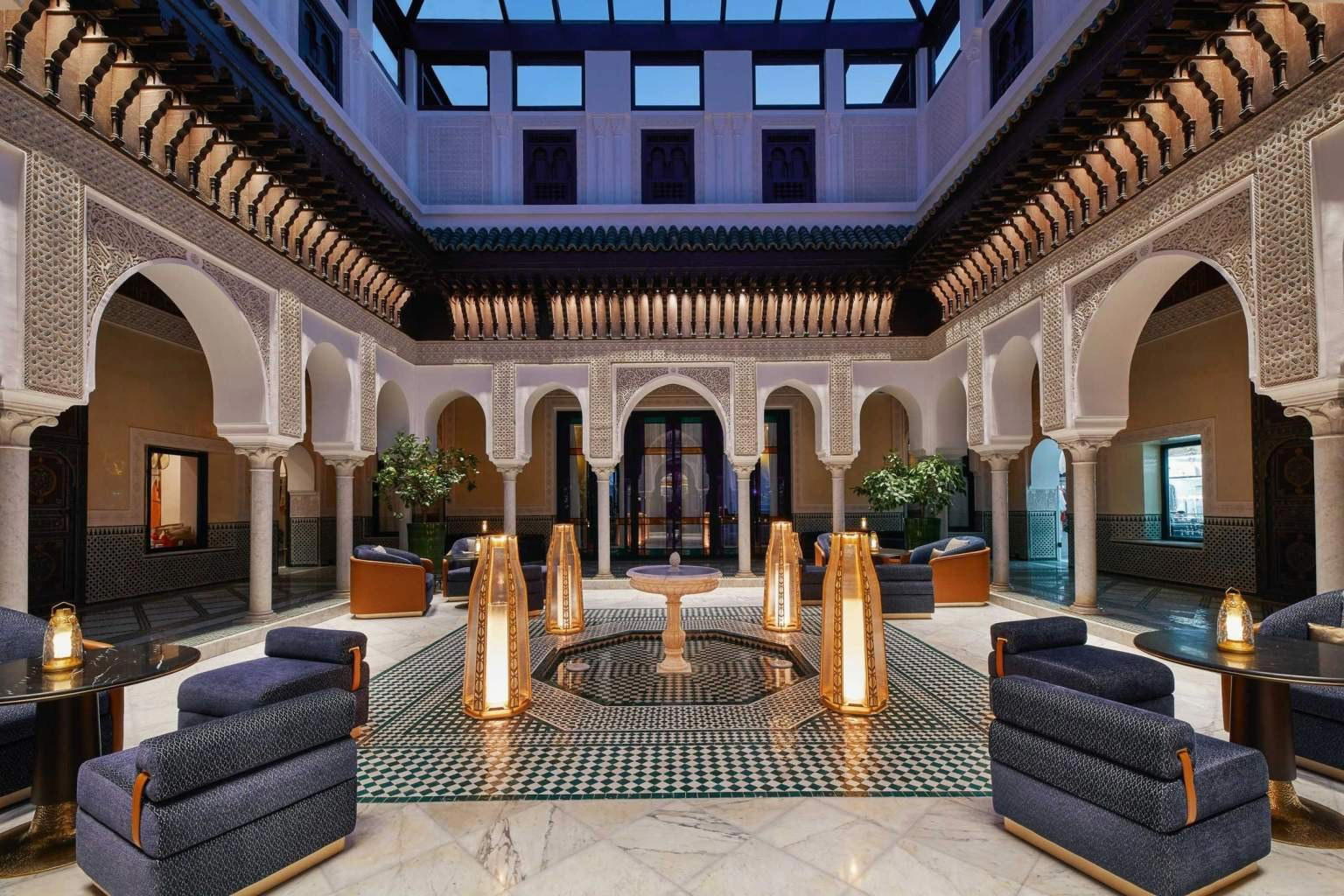
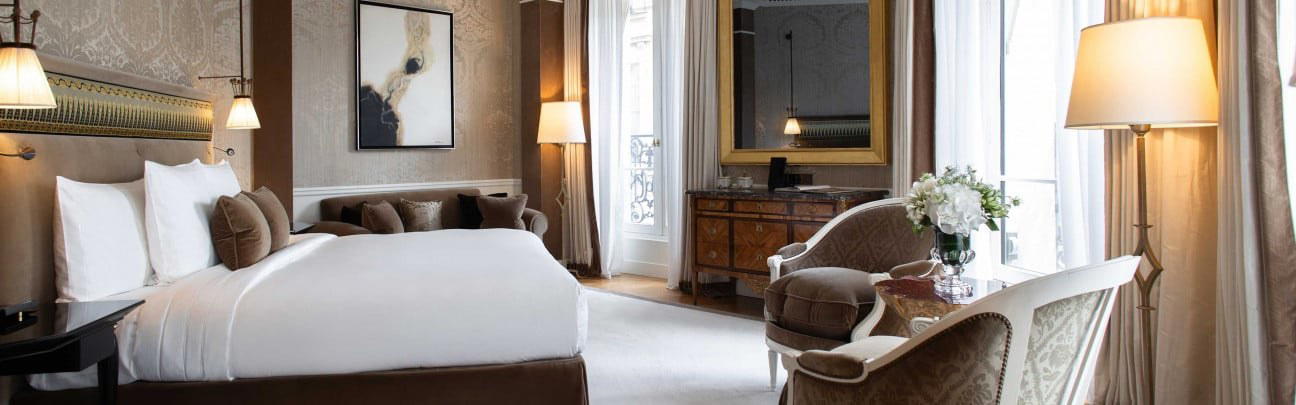
Serene and relaxing with dramatic lighting, wood finishes, high ceilings, and an intimate yet sophisticated atmosphere.
Tags
Vibe
Best For
Experience
Amenities
View
Accessibility
About the Stay
- Rooms
- 290
- Check-in
- 15:00
- Check-out
- 11:00
- Property Style
- Modern Luxury High Rise with Japanese Influences
- Design Style
- Minimalist Japanese with Sleek Sophistication
- Airport Transfer
- Available
- Pool
- Yes
- Spa
- Yes
- Cancellation
- Moderate
Know before you go
Know Before You Go
- Getting there
- 1-chōme-9-1 Higashishinbashi, Minato City, Tokyo 105-7337
Planning details
Location
1-chōme-9-1 Higashishinbashi, Minato City, Tokyo 105-7337 · Directions
hilton.com/en/hotels/tyocici-conrad-tokyo/?SEO_id=GMB-APAC-CI-TYOCICI
Recognition and awards



Also consider
Also Consider
- The Royal Park Hotel Iconic Tokyo Shiodome, Notable alternative
- Park Hotel Tokyo, Notable alternative
- Hotel The Celestine Ginza, Notable alternative
- mesm Tokyo, Autograph Collection, Notable alternative
- The Blossom Hibiya, Notable alternative
Hotel context
How it compares with nearby Tokyo hotels
Conrad Tokyo is the premium business-luxury choice in this set. It should beat The Royal Park Hotel Iconic Tokyo Shiodome on service depth and luxury feel, while Royal Park is the smarter value play if the main requirement is a Shiodome address without paying for a fuller luxury-hotel experience.
Park Hotel Tokyo and mesm Tokyo, Autograph Collection are better cross-shops for travelers who want more personality in the stay. Choose Conrad for calmer business polish; choose mesm for a livelier, design-led mood; choose Park Hotel Tokyo if atmosphere matters more than brand-scale predictability.
For Ginza-focused leisure trips, Hotel The Celestine Ginza and The Blossom Hibiya may make more sense if the room is mainly a base for dining, shopping, and walking. Conrad is the stronger splurge when the stay needs meetings, service consistency, and a quieter reset between commitments.
Explore Tokyo
Around this place
Discover more on Pearl
Unlock the full Conrad Tokyo guide in Pearl, including awards, comparisons, FAQs, planning details, and nearby places.
Compare Conrad Tokyo
| Venue | Location | Awards |
|---|---|---|
| Conrad Tokyo | Tokyo | 2026 Forbes 4-Star2026 Virtuoso Luxury Hotel Collection2026 La Liste Top Hotels2025 Michelin Selected Hotels2025 Forbes 4-Star |
| The Royal Park Hotel Iconic Tokyo Shiodome | Tokyo | Preferred Hotels Member 2025 |
| Park Hotel Tokyo | Tokyo | No published awards |
| Hotel The Celestine Ginza | Tokyo | No published awards |
| mesm Tokyo, Autograph Collection | Tokyo | No published awards |
| The Blossom Hibiya | Tokyo | No published awards |
How Conrad Tokyo Review compares with similar nearby venues.
FAQ
Frequently Asked Questions
When is the best time to book Conrad Tokyo?
The data does not establish a best booking window or seasonal pattern. Conrad Tokyo does have confirmed hotel credentials: La Liste Top Hotels (2026) with 92 points, Forbes 4-Star (2026), Virtuoso Luxury Hotel Partner (2026), and MICHELIN Guide, Hotels Selected (2025). If you want another Tokyo hotel comparison, mesm Tokyo, Autograph Collection is one option to review.
How is the location of Conrad Tokyo?
Conrad Tokyo is in Tokyo. The data here does not support a more specific location description, street address, district claim, or landmark-based positioning. For another Tokyo hotel comparison, Hotel The Celestine Ginza is worth reviewing.
How does Conrad Tokyo compare to other Tokyo hotels?
Conrad Tokyo is the stronger choice if your shortlist prioritizes confirmed hotel recognition: La Liste Top Hotels (2026), Forbes 4-Star (2026), Virtuoso Luxury Hotel Partner (2026), and MICHELIN Guide, Hotels Selected (2025). The Royal Park Hotel Iconic Tokyo Shiodome, The Blossom Hibiya, Park Hotel Tokyo, mesm Tokyo, Autograph Collection, and Hotel The Celestine Ginza are other Tokyo hotels to compare for fit.