BOCTOK
Minato, Tokyo
Bar in Tokyo, Japan
 Book with Pearl
The Read
Basement Counter Ritual
Price
$30–50per person
Why go
BOCTOK is a Nishiazabu explorer pick rather than a fully defined cocktail destination. Consider it if you want a low-commitment Tokyo bar stop in Minato, but choose a more transparent peer if pricing, drink style, food, seating, or group logistics need to be clear before you go.
About BOCTOK
BOCTOK is a Tokyo venue with a smart casual dress code. Approach it as a flexible Tokyo stop rather than a venue to plan around with assumptions about cuisine, drinks, pricing, seating, awards, or service style.
If you need a more fully defined plan, compare BOCTOK with other Tokyo options before committing. You can use our full Tokyo bars guide, our full Tokyo restaurants guide, or our full Tokyo hotels guide to build a clearer itinerary.
Use this as an explorer pick, not the anchor of the night
BOCTOK makes the most sense for travelers who are comfortable confirming key details directly before visiting. It is less suited to plans that depend on a specific menu, drinks program, price point, hours, seating setup, or reservation policy. The firm planning cue is the smart casual dress code.
Planning details
- Location
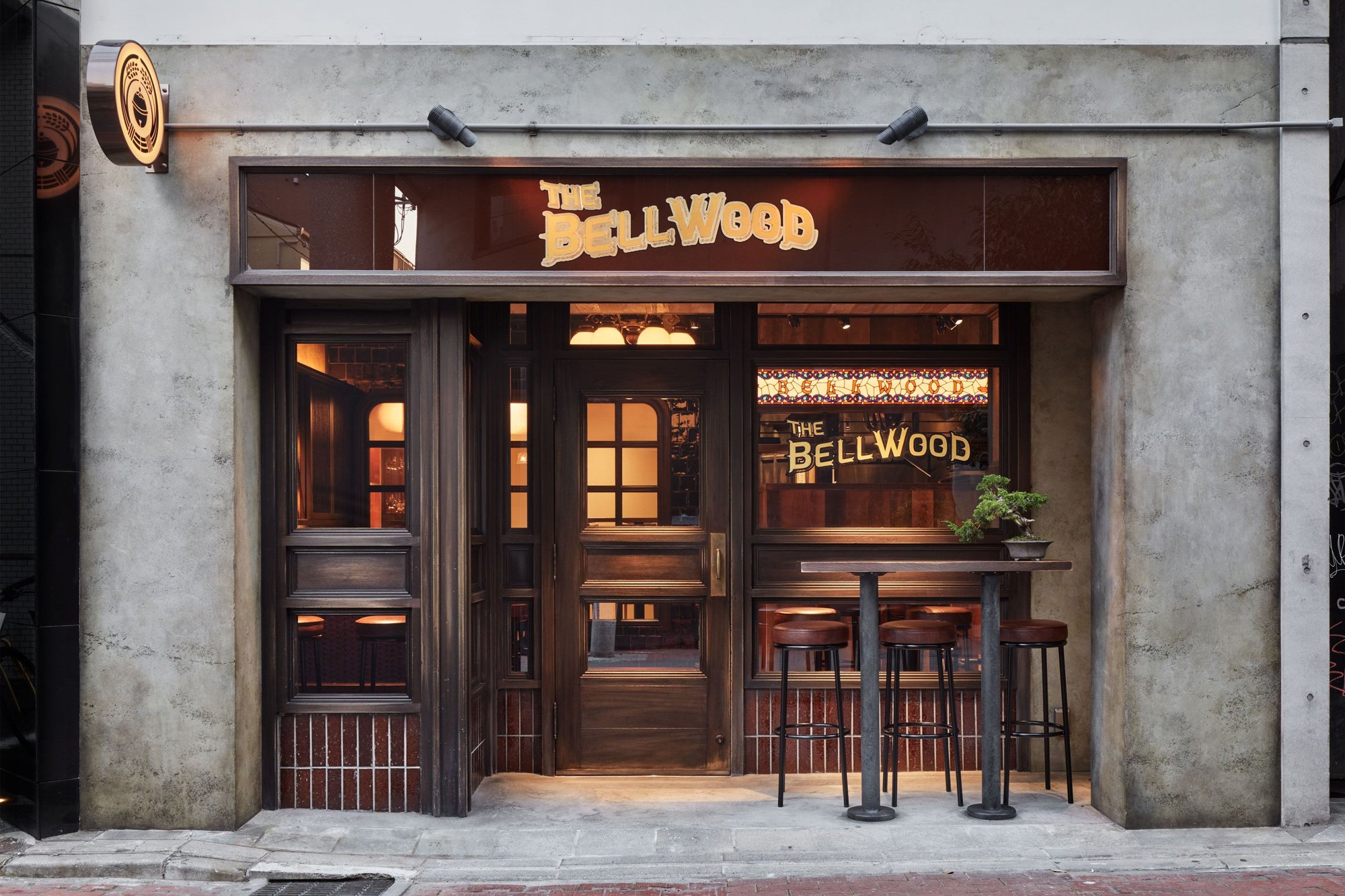
- 〒106-0031 Tokyo, Minato City, Nishiazabu, 2-chōme−13−15 大山ビル B1F 入り口は一方通行側にあります。 The entrance is on the one-way side
- Website
- bar-boctok.com
- Phone
- +81 3-6427-2286
The take
The Take
The Vibe
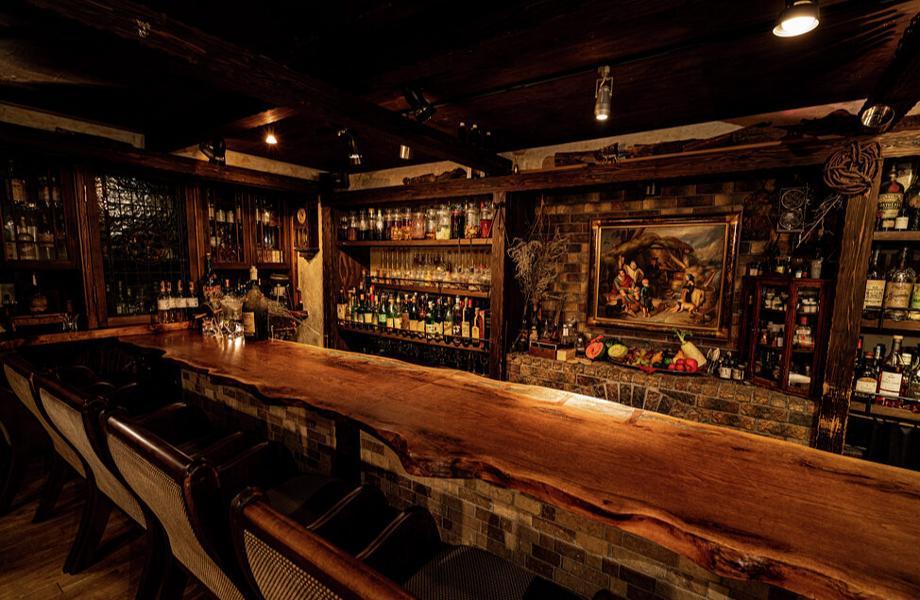
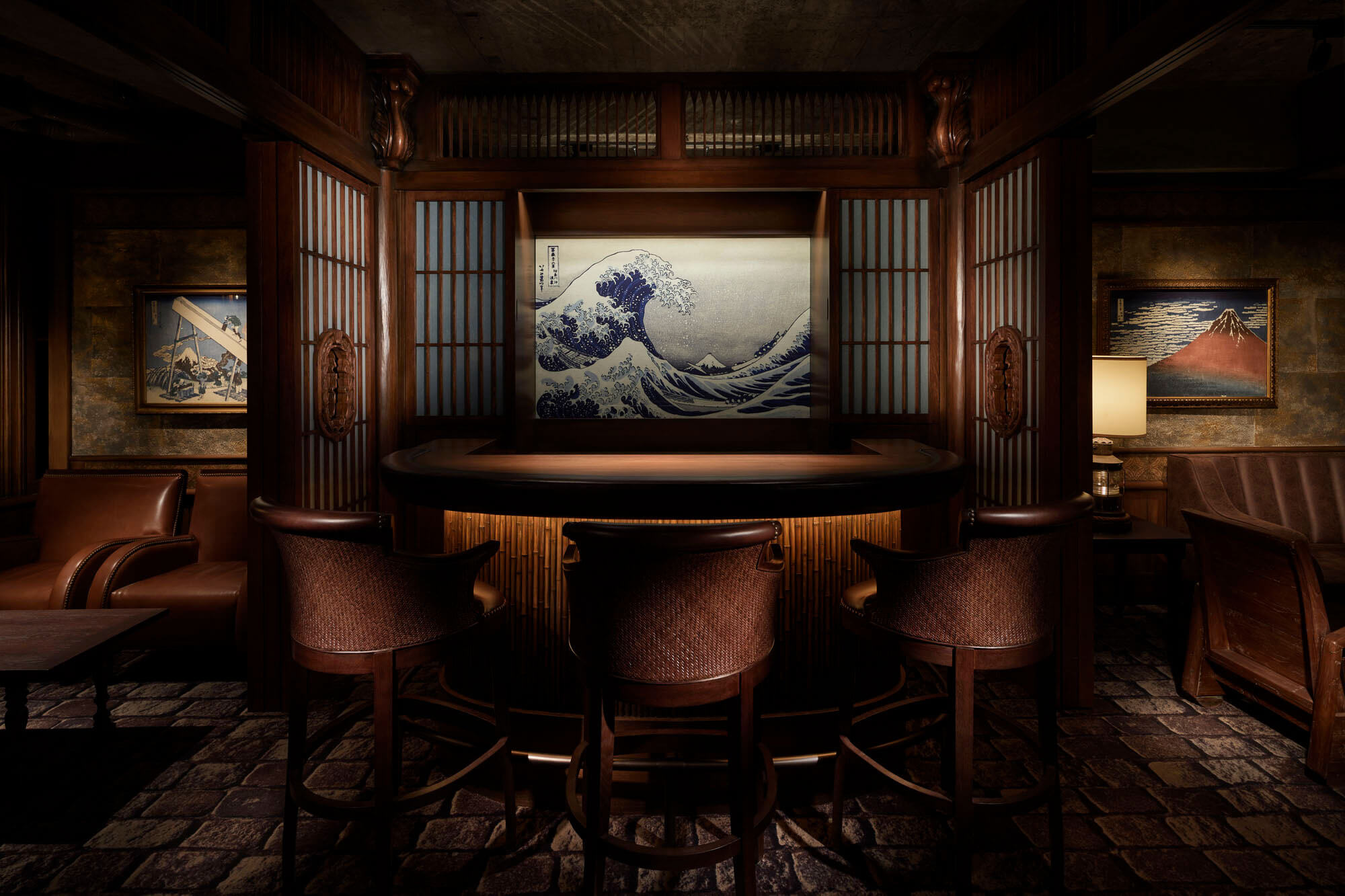
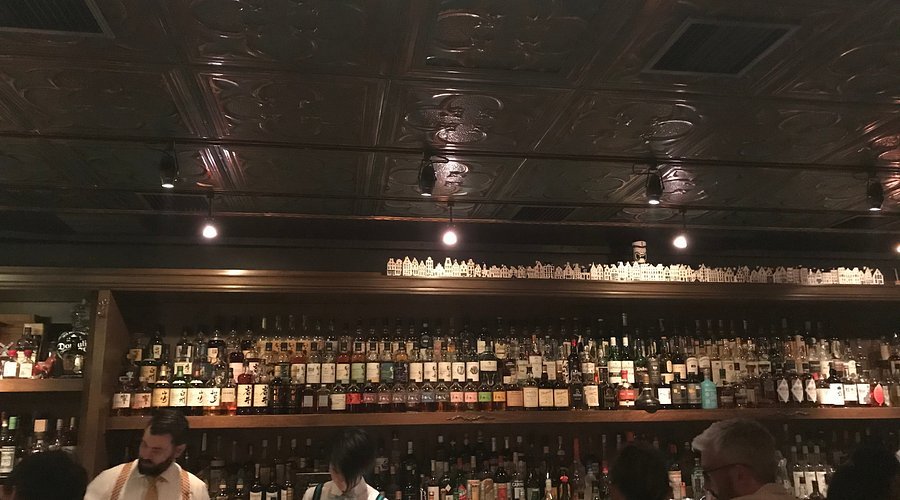
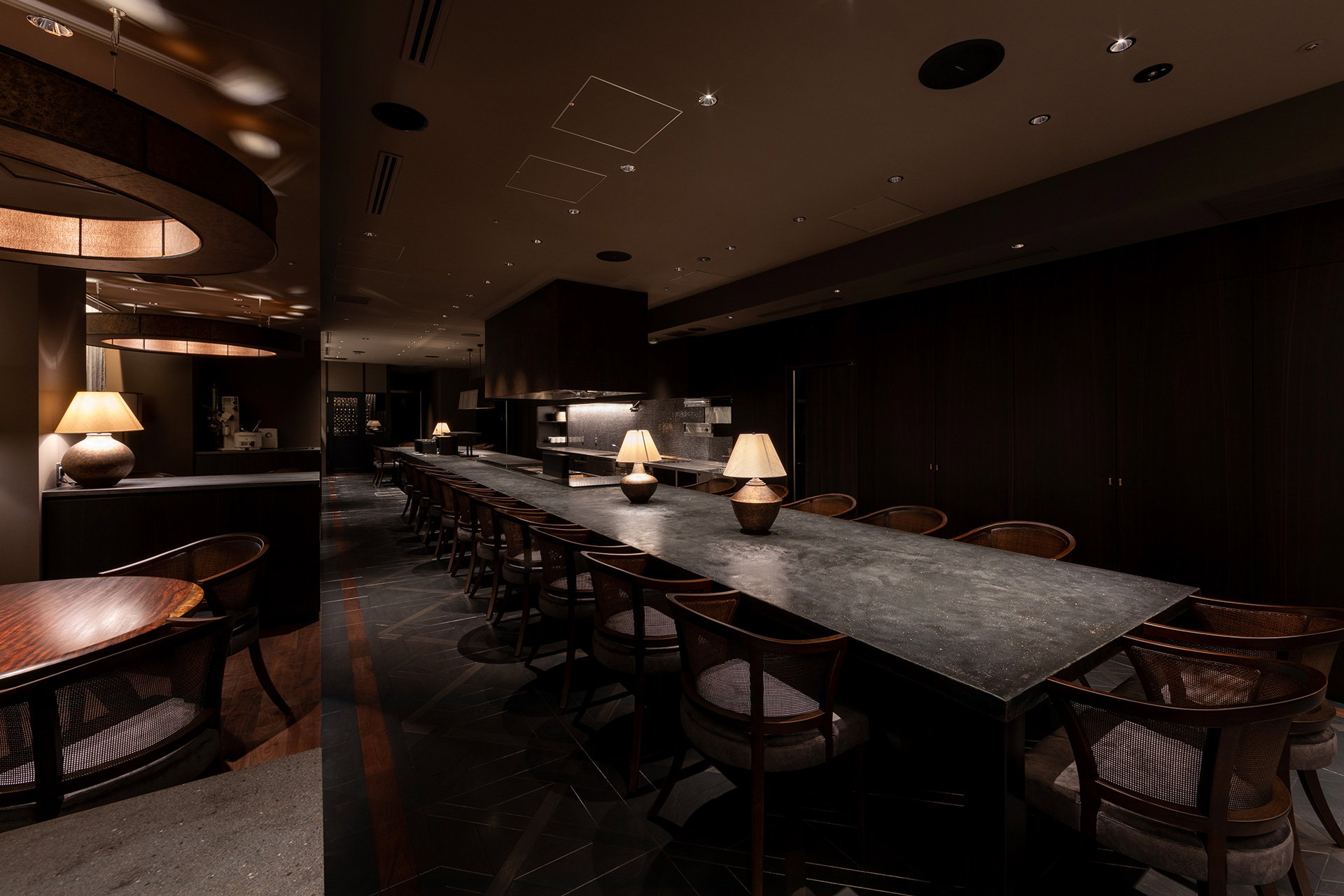
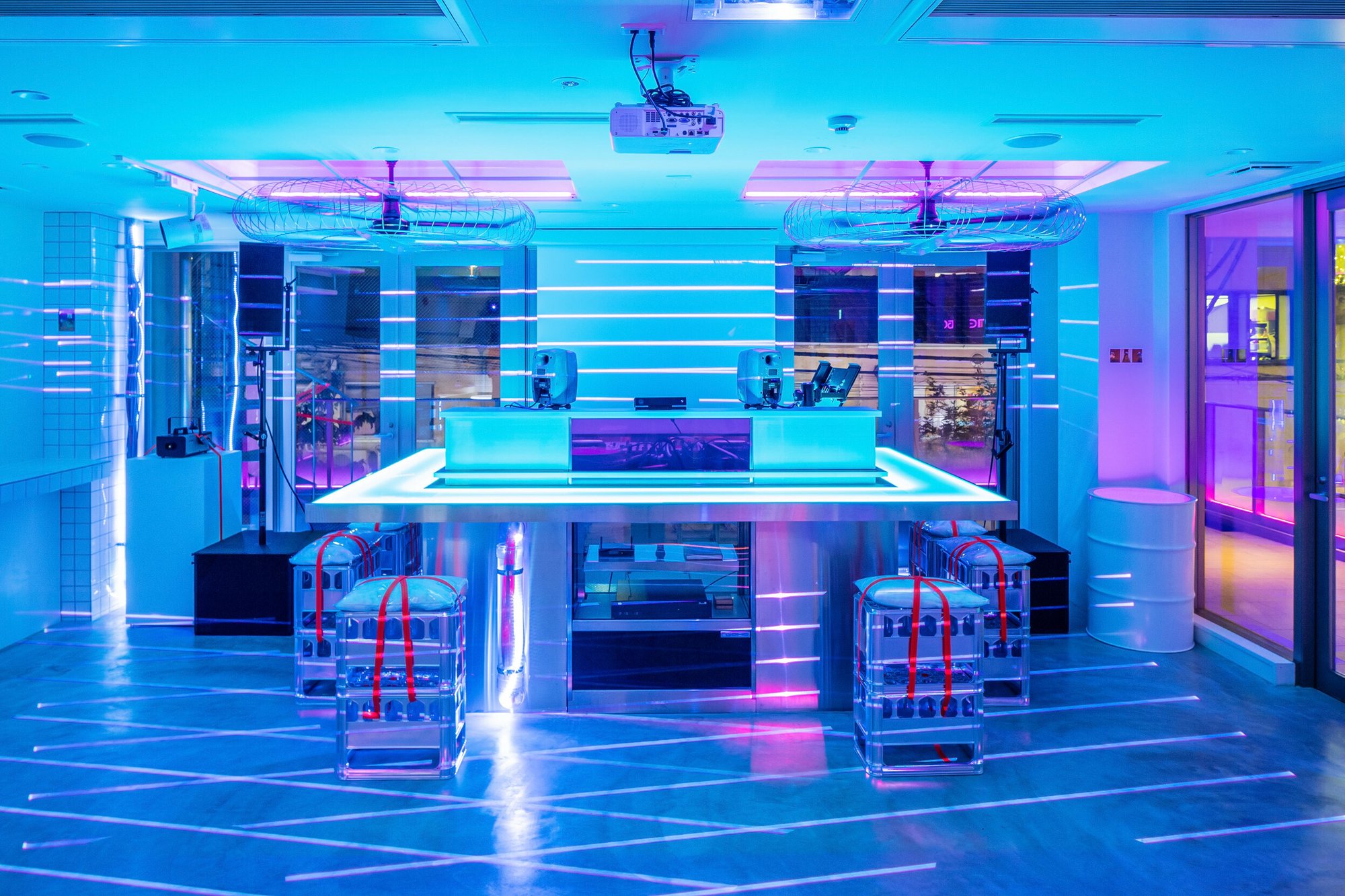
BOCTOK sits below street level in Nishiazabu and cultivates a restrained, intimate energy. The basement setting, low ceilings and controlled light create a distinct separation from the city's bustle, encouraging focused conversation and slow, deliberate drinking. Service is part of the architecture here: experienced bartenders and floor staff execute a practiced rhythm, answering questions before they are asked and timing refreshes so the room feels quietly attended. The overall impression is sophisticated and classic rather than flashy — a small-capacity room built around craft and careful hospitality.
Best For
This is a bar for people who deliberately seek out serious drinking rooms — solo visitors who value privacy and a hushed atmosphere, couples on a low-key date, and small groups who appreciate craft-focused programmes. Its basement setting and limited capacity reward guests who want a paced experience rather than background noise or casual foot traffic. The venue suits anyone looking to engage with knowledgeable bartenders and enjoy a measured evening of thoughtfully prepared drinks in a discreet, considered space.
Ordering Tips
At BOCTOK, let the service shape your evening: bartenders here are trained to steer pacing and make recommendations, so be open to their guidance and expect questions about preference that help tailor drinks. If you’re alone and want a quieter experience, signal that preference — the staff adjusts tone and timing accordingly. Avoid loud group ordering or abrupt demands; the room rewards measured conversation and curiosity about craft rather than checklist-style requests.
Venue details
Ambiance
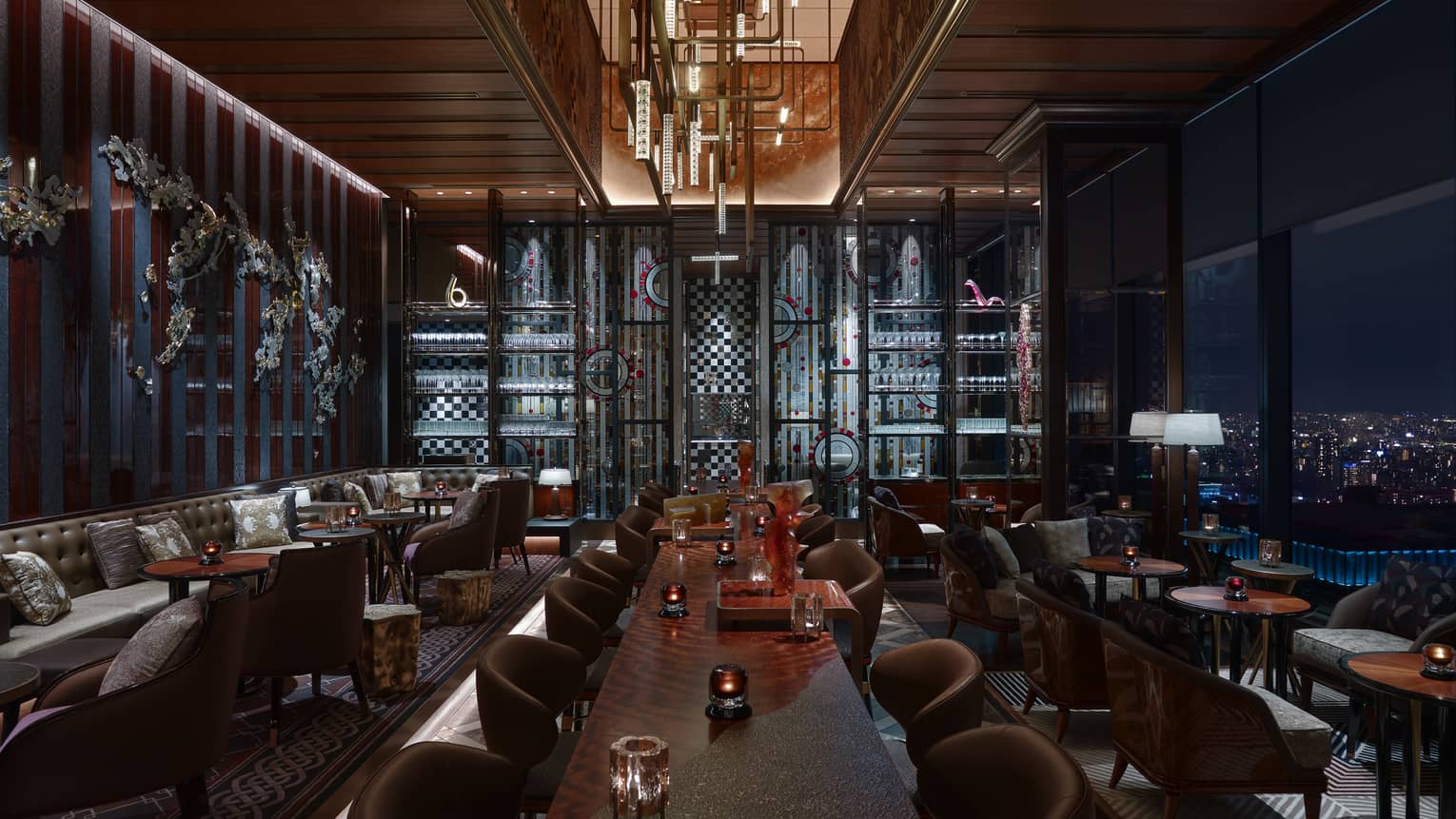
Stylish and relaxing underground hideout with plush sofa seating and comfortable lighting.
Tags
Vibe
Best For
At the Bar
- Bar Category
- Cocktail Bar
- Late Night
- Open Until 4am
Signature Pours
Blueberry Mojito
Know before you go
Know Before You Go
- Getting there
- 〒106-0031 Tokyo, Minato City, Nishiazabu, 2-chōme−13−15 大山ビル B1F 入り口は一方通行側にあります。 The entrance is on the one-way side
Planning details
Location
〒106-0031 Tokyo, Minato City, Nishiazabu, 2-chōme−13−15 大山ビル B1F 入り口は一方通行側にあります。 The entrance is on the one-way side · Directions
Also consider
Also Consider
- THESE, Notable alternative
- ウォッカトニック WODKA TONIC, Notable alternative
- Maduro, Notable alternative
- Legrand Filles & Fils, Notable alternative
- Café Kitsuné Aoyama, Notable alternative
Bar context
How BOCTOK compares in Tokyo
Against THESE, ウォッカトニック WODKA TONIC, Maduro, Legrand Filles & Fils, and Café Kitsuné Aoyama, BOCTOK is the more speculative choice. Pick it when the night is about exploration in Nishiazabu, not when the group needs a clear price tier, published drinks direction, or predictable ambience.
For a safer plan, cross-shop the named peers first. Café Kitsuné Aoyama is the easier daytime-leaning alternative, Maduro is the better fit when a polished lounge mood matters, and Legrand Filles & Fils is the more natural comparison for wine-focused drinkers. THESE and ウォッカトニック WODKA TONIC are more useful if the goal is a bar-first night with a clearer identity.
If BOCTOK is full or feels too uncertain for the occasion, make it a secondary stop and anchor the evening elsewhere. For broader routing, use 8bit Cafe, ¡BE! Club in San Sebastián, and Pearl's Tokyo guides to calibrate how adventurous the night should be.
Explore Tokyo
Around this place
Discover more on Pearl
Unlock the full BOCTOK guide in Pearl, including awards, comparisons, FAQs, planning details, and nearby places.
Compare BOCTOK
| Venue | Location | Awards |
|---|---|---|
| BOCTOK | Tokyo | No published awards |
| THESE | Tokyo | No published awards |
| ウォッカトニック WODKA TONIC | Tokyo | No published awards |
| Maduro | Tokyo | No published awards |
| Legrand Filles & Fils | Tokyo | No published awards |
| Café Kitsuné Aoyama | Tokyo | No published awards |
How BOCTOK Tokyo compares with similar nearby venues.
FAQ
Frequently Asked Questions
What's the crowd like at BOCTOK?
BOCTOK has a smart casual dress code, so visitors should dress accordingly and avoid assuming a specific atmosphere.
Do I need a reservation at BOCTOK?
Does BOCTOK have happy hour deals?
Do not plan around discounts or set offers unless BOCTOK confirms them directly.
Is BOCTOK good for a date?
BOCTOK may work for a date if you are comfortable confirming the practical details yourself. The dress code is smart casual, which can suit a neatly planned but not overly formal outing.
Is the food good at BOCTOK?
Do not choose BOCTOK as a food-first plan without checking current menu details directly.