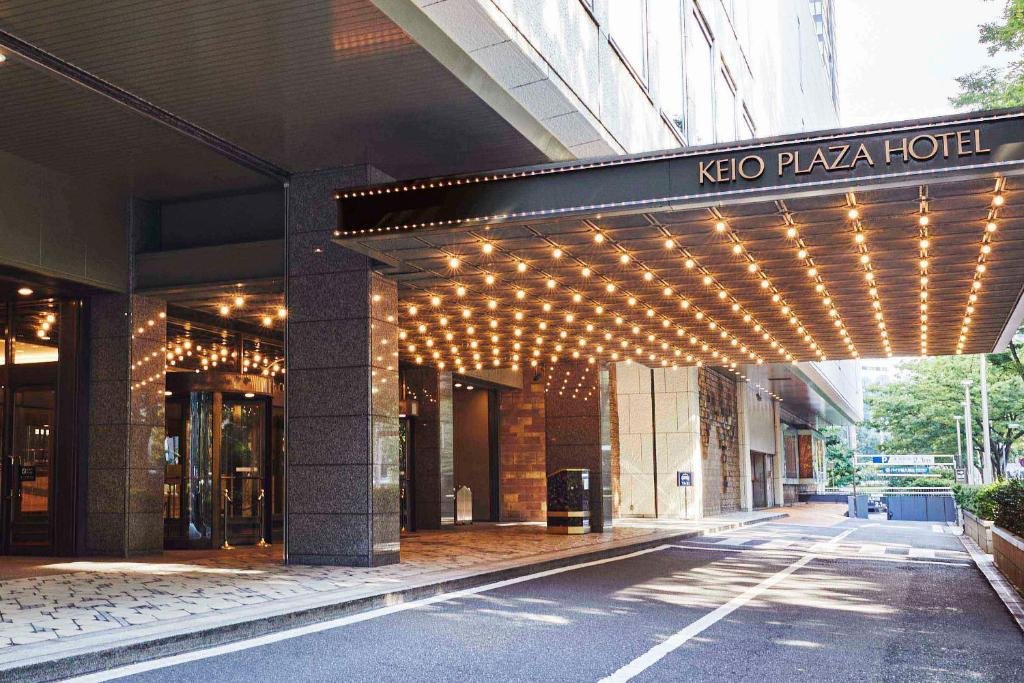

Keio Plaza Hotel Tokyo
Shinjuku, Tokyo
Hotel in Tokyo, Japan
 Book with Pearl
The Read
Shinjuku Large-Scale Hospitality
Price
$200–300per night
Why go
Keio Plaza Hotel Tokyo is a sensible Shinjuku choice for first-time Tokyo visitors, families, and business travelers who value transit convenience over boutique character. Consider it for a practical city base, then compare Kimpton Shinjuku Tokyo for more personality, Hotel Sunroute Plaza Shinjuku for simpler value, and Park Hyatt Tokyo for a higher-end stay.
About Keio Plaza Hotel Tokyo
Keio Plaza Hotel Tokyo is a Tokyo hotel with a smart casual dress code and Preferred Hotels Member status for 2025.
Before booking, travelers should check the practical details that matter to their trip, including room types, dining concepts, amenities, service formats, prices, opening hours, and neighborhood logistics.
A Tokyo base that should be assessed on confirmed needs
Keio Plaza Hotel Tokyo may be worth considering if you are looking at hotels in Tokyo and value Preferred Hotels Member status in 2025. Its smart casual dress code is also useful for guests planning what to pack or how formal the stay may feel.
If wellness facilities, dining formats, room categories, family services, business facilities, or other amenities are central to the trip, compare current information carefully before committing.
Who should choose it, and who should cross-shop
Choose Keio Plaza Hotel Tokyo if these priorities fit your needs: a Tokyo hotel, smart casual dress expectations, and Preferred Hotels Member recognition in 2025. If you are still comparing options, consider Bellustar Tokyo, A Pan Pacific Hotel; HOTEL GROOVE SHINJUKU, A PARKROYAL Hotel; Hotel Sunroute Plaza Shinjuku; Kimpton Shinjuku Tokyo; and Park Hyatt Tokyo as other Tokyo hotel possibilities to research.
For specifics such as exact location details, room layouts, dining style, amenities, prices, or service inclusions, check current official booking channels or contact the hotel directly.
Quick reference: Keio Plaza Hotel Tokyo is a Tokyo hotel with smart casual dress code guidance and Preferred Hotels Member status in 2025; check all trip-specific details before booking.
Planning details
- Location
- 2-chōme-2-1 Nishishinjuku, Shinjuku City, Tokyo 160-8330
- Website
- keioplaza.co.jp
- Phone
- +81 3-3344-0111
The take
The Take
The Vibe
Keio Plaza Hotel Tokyo reads as an institutional, large-format tower hotel that prioritizes operational reliability over design provocation. Positioned within Shinjuku’s cluster of full-service towers, it emphasizes scale — more than a thousand rooms, layered F&B offerings and an infrastructure built to move high guest volumes. The public writing steadies the tone: functional room layouts, blackout curtains, sound attenuation and systematic solutions rather than bespoke touches. For travelers who value a proven, full-service experience that leverages location and operational depth, Keio Plaza sits comfortably in Tokyo’s longstanding hotel tradition rather than the boutique design set.
Best For
This hotel is best for business travelers and leisure guests who need dependable, full-service accommodations in Shinjuku’s transport hub. Its scale and institutional footprint suit groups, families and guests arriving or departing at odd hours — the layout and services are organized to handle many simultaneous stays. Travelers who prioritize proximity to transit, a range of on-site dining options and predictable room functionality (blackout curtains, sound attenuation, sensible bathrooms) find the property particularly practical. It is less aimed at design-first or highly personalized luxury seekers and more at those who value efficiency and infrastructure.
Stay Tips
Plan around the hotel’s scale: allow extra time for check-in and elevator waits during peak periods, and expect busy breakfast service hours. If you have an early departure, factor in earlier arrival to the breakfast room or schedule enough time to navigate service queues. For groups or busy travel days, book any included breakfast or dining options as early as possible through the hotel to avoid pressure periods. The property’s strengths are operational reliability and location, so optimizing timing around peak flows improves the stay.
Venue details
Ambiance
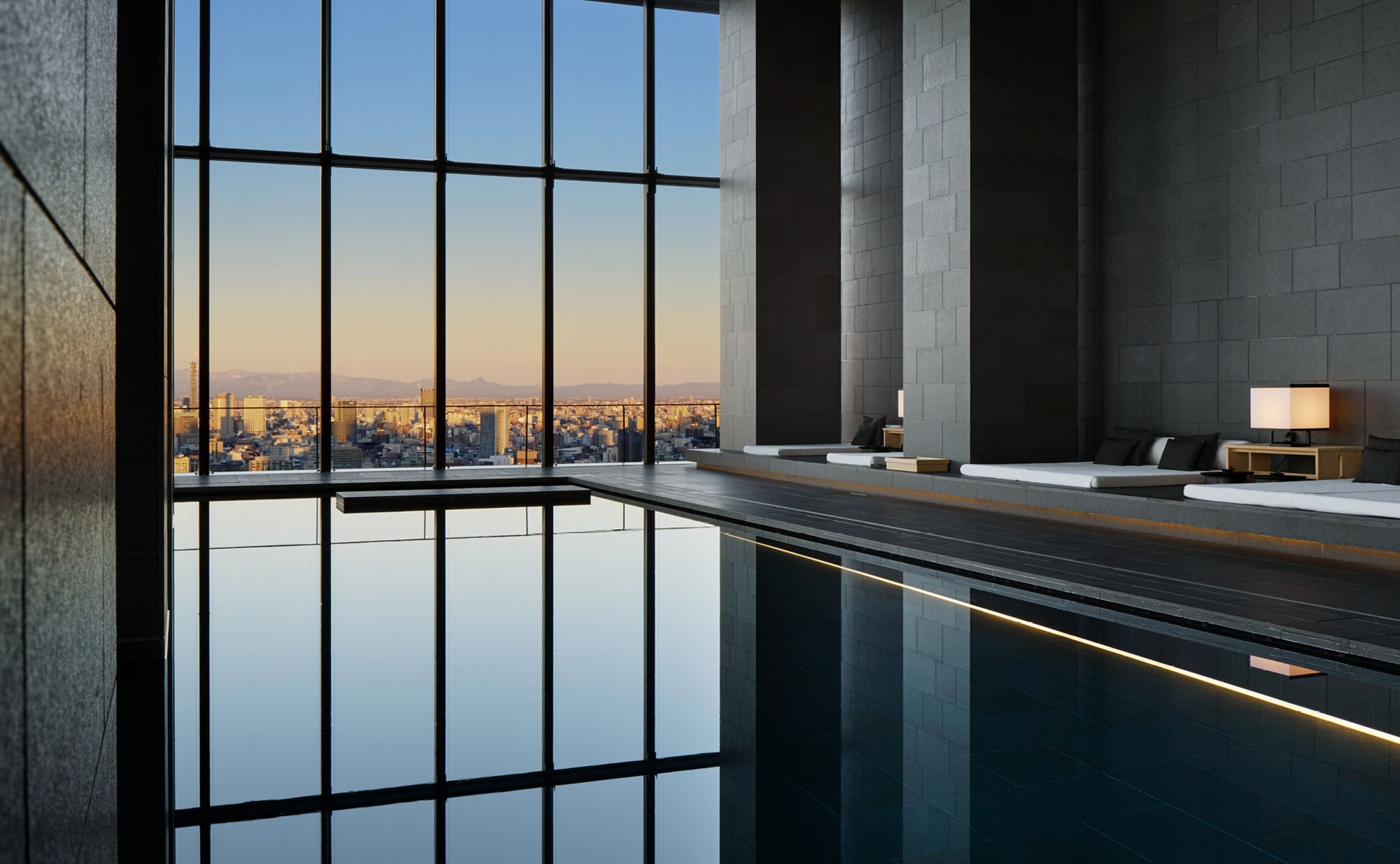
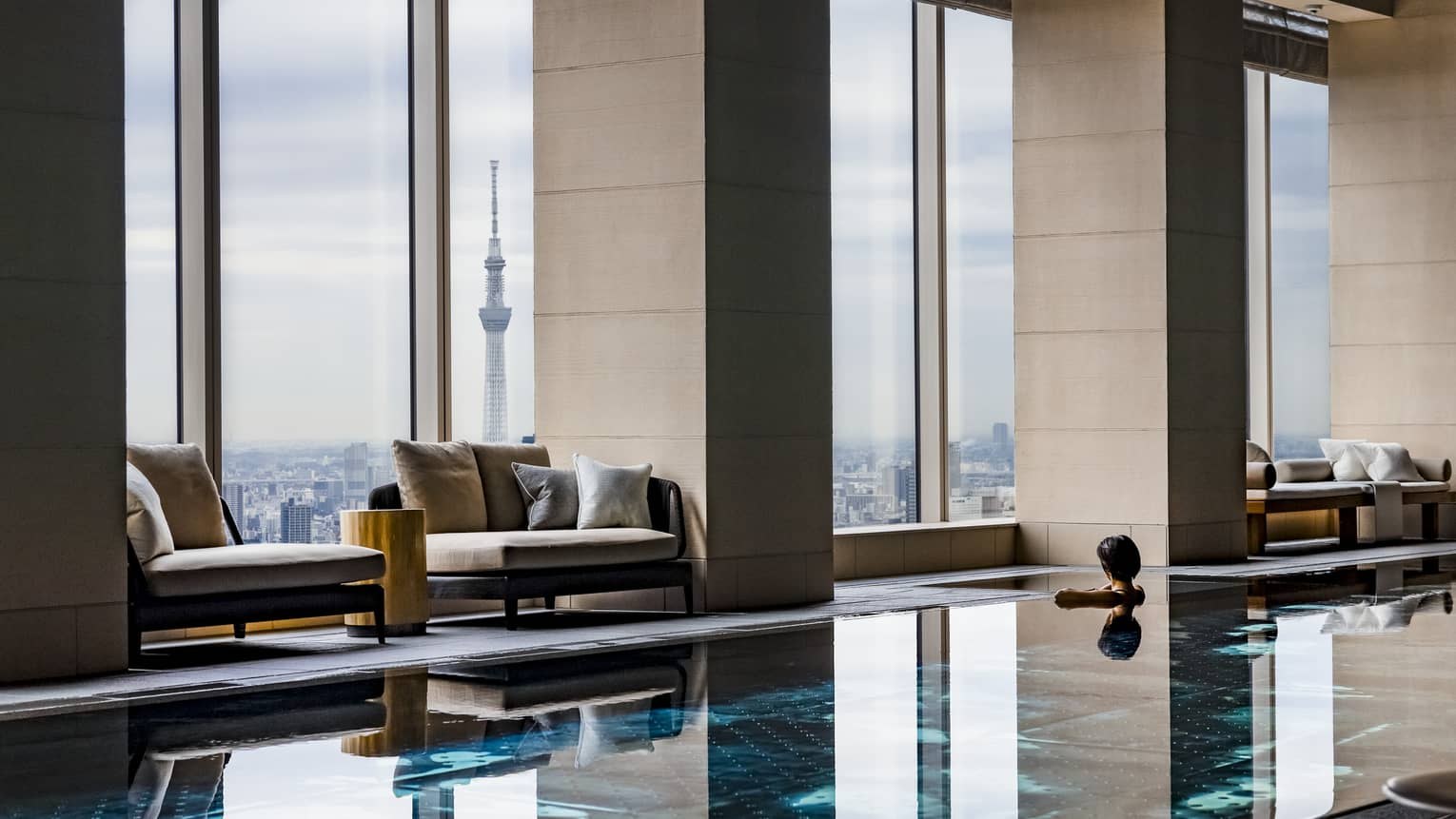
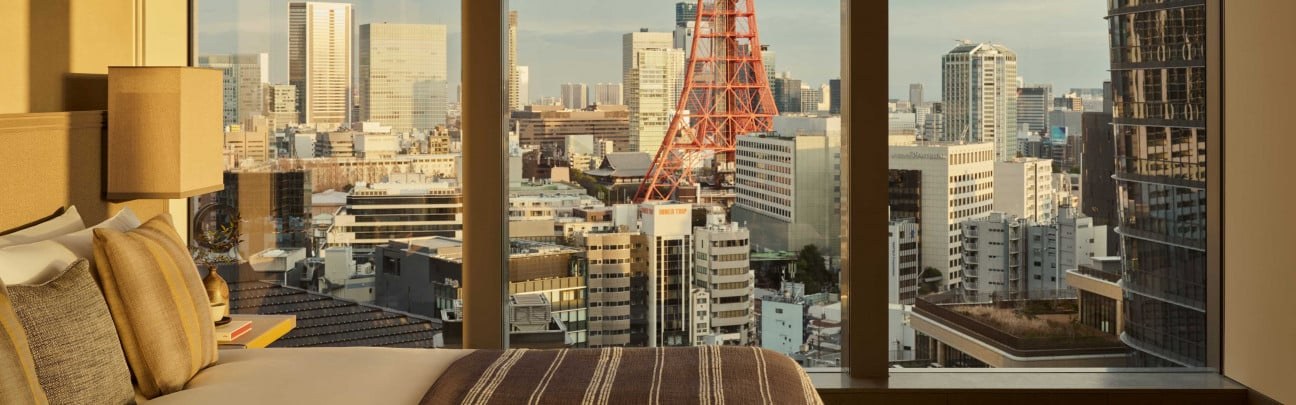
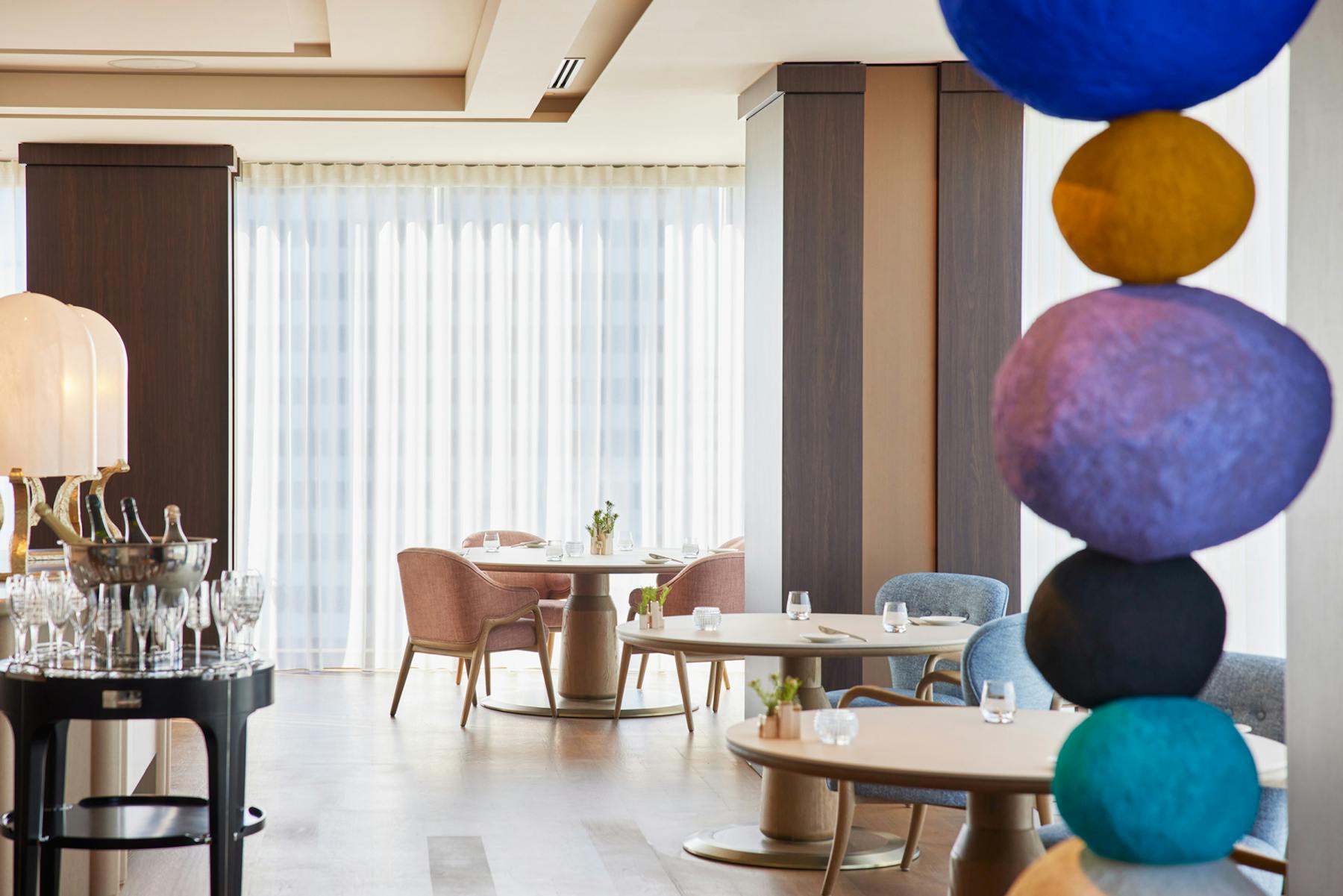
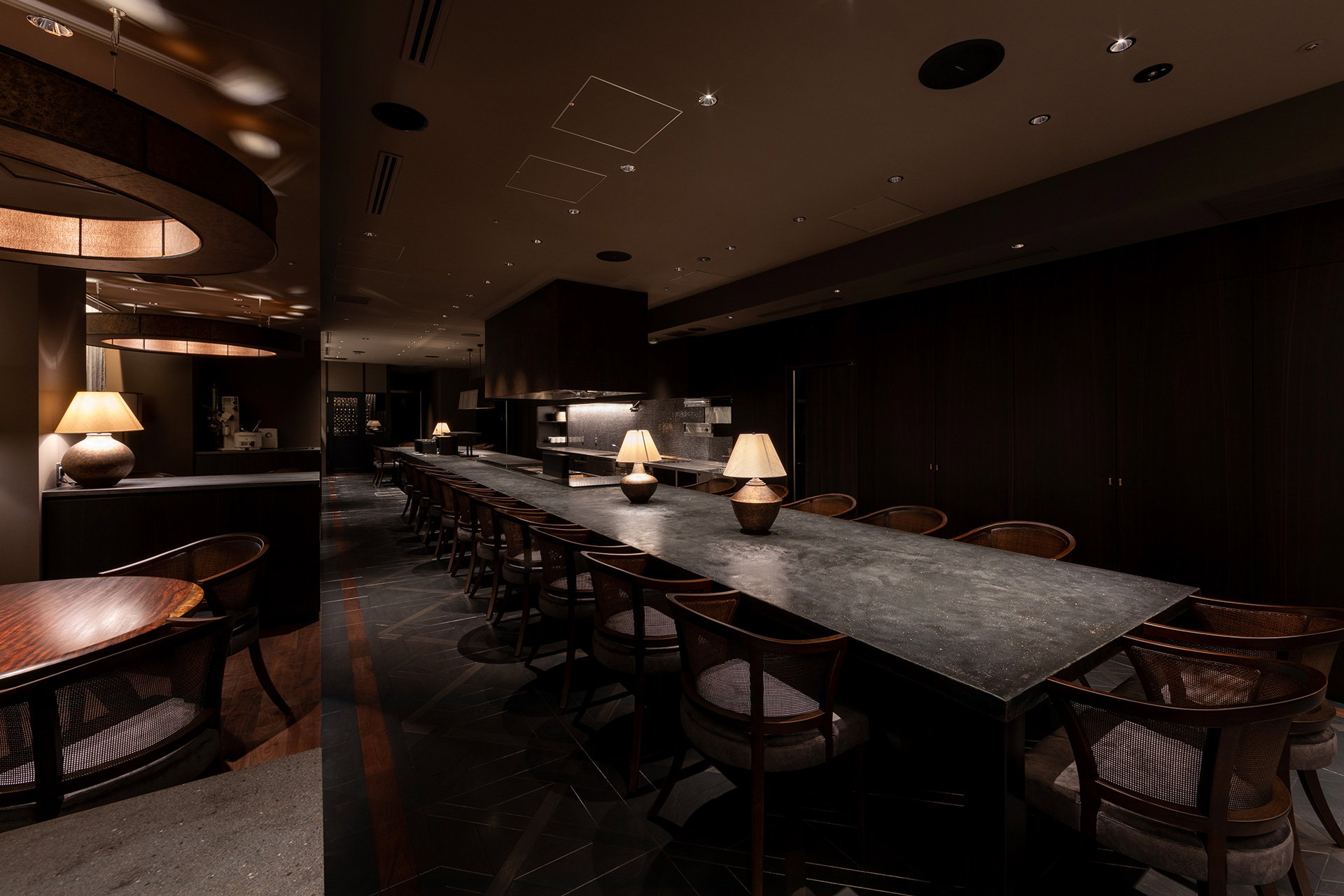
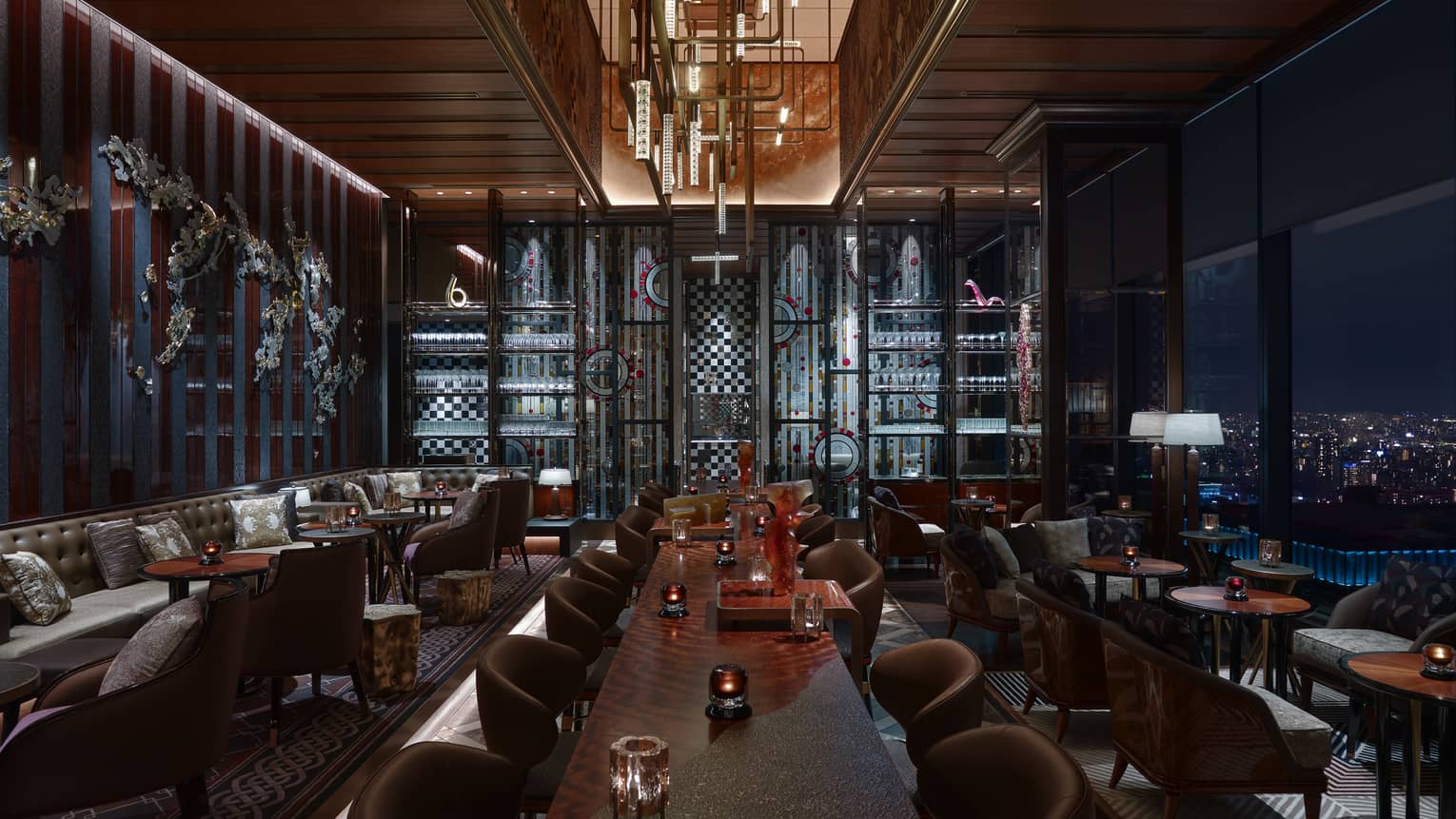
Refined and luxurious atmosphere with panoramic city views, modern fitness facilities, and elegant lounges featuring soft lighting and relaxing panoramas.
Tags
Vibe
Best For
Experience
Amenities
View
Accessibility
About the Stay
- Rooms
- 1452
- Property Style
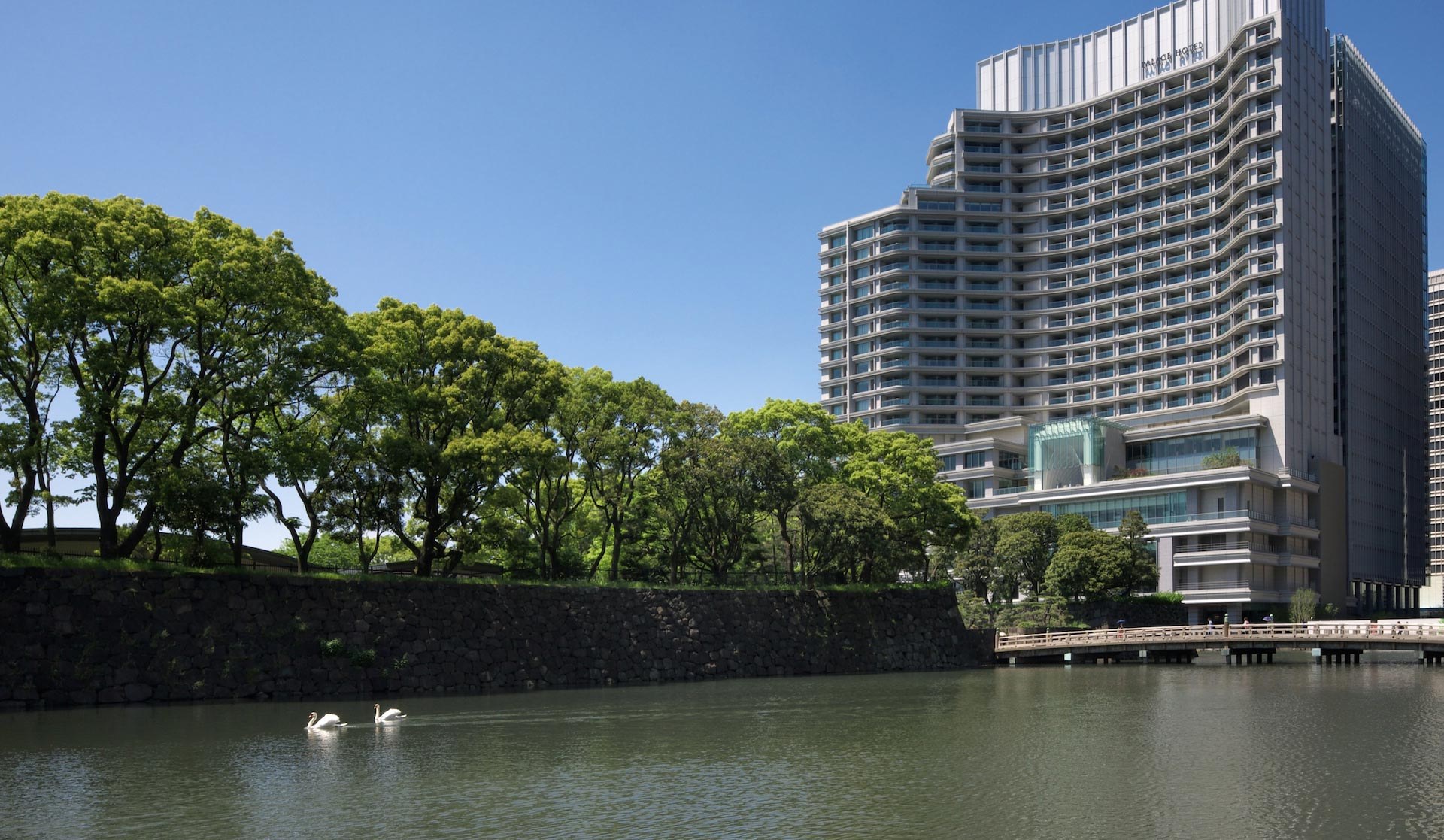
- High Rise Urban Luxury Tower with Extensive Facilities.
- Design Style
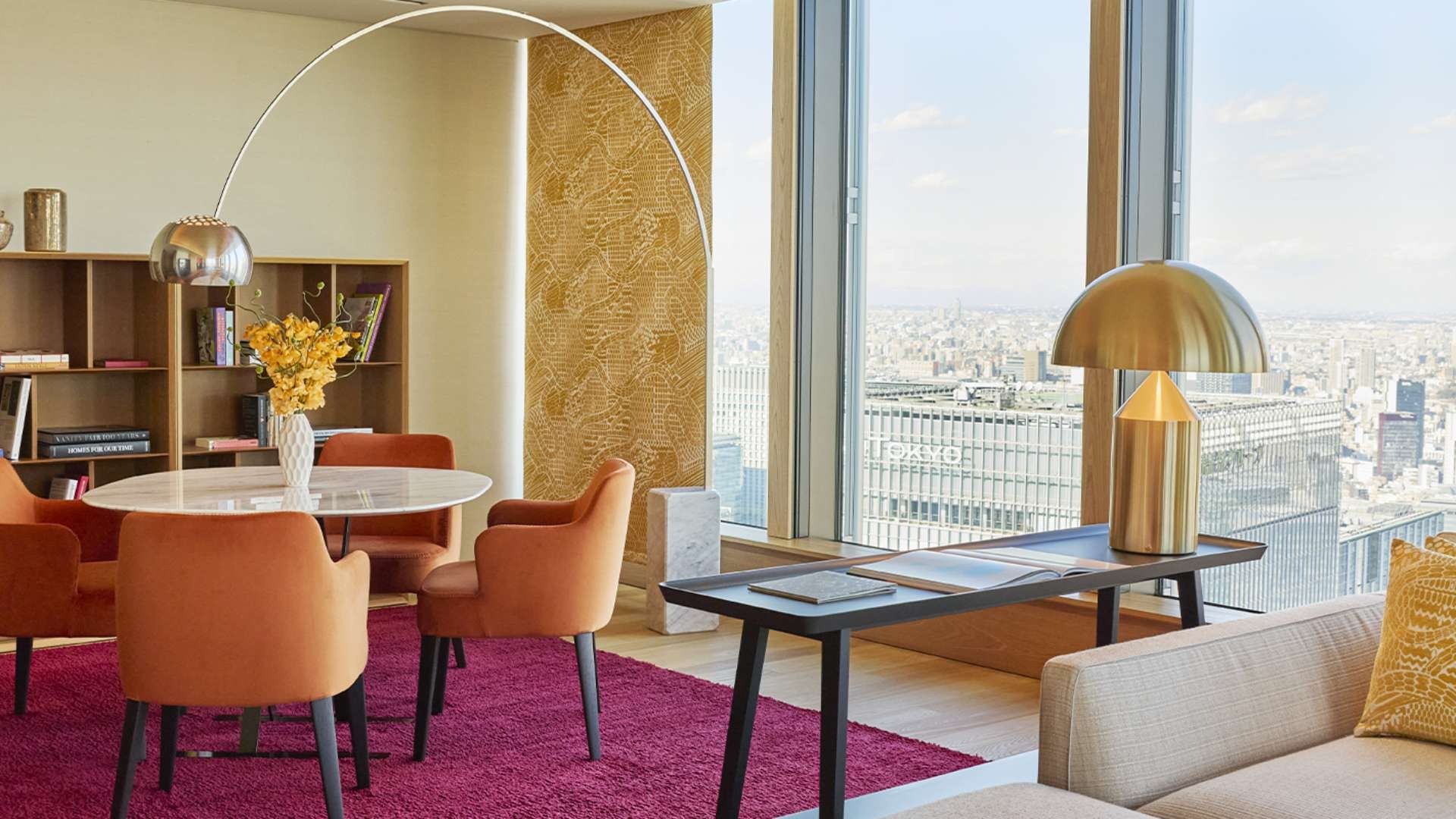
- Modern Japanese with Elegant, Individually Furnished Rooms.
- Airport Transfer
- Available
- Pool
- Yes
- Spa
- Yes
- Families
- Welcome
- Cancellation
- Moderate
Know before you go
Know Before You Go
- Getting there
- 2-chōme-2-1 Nishishinjuku, Shinjuku City, Tokyo 160-8330
Planning details
Location
Recognition and awards
Also consider
Also Consider
- Hotel Sunroute Plaza Shinjuku, Notable alternative
- Kimpton Shinjuku Tokyo, Notable alternative
- Park Hyatt Tokyo, Notable alternative
- HOTEL GROOVE SHINJUKU, A PARKROYAL Hotel, Notable alternative
- Bellustar Tokyo, A Pan Pacific Hotel, Notable alternative
Hotel context
How It Compares
Keio Plaza Hotel Tokyo is the practical middle option in this Shinjuku set: more established and full-service in feel than Hotel Sunroute Plaza Shinjuku, but less design-forward than Kimpton Shinjuku Tokyo. Choose it when the trip needs scale, easier logistics, and a low-friction base rather than a hotel that defines the trip.
For a splurge, Park Hyatt Tokyo is the more obvious luxury cross-shop, while Bellustar Tokyo, A Pan Pacific Hotel and HOTEL GROOVE SHINJUKU, A PARKROYAL Hotel are better fits for travelers who want a newer-feeling Shinjuku stay with stronger atmosphere. Keio Plaza is easier to justify when value means reliability and location rather than a more memorable room.
If booking difficulty is a concern, start with Keio Plaza and Hotel Sunroute before chasing the more lifestyle-led or luxury options. For first-timers, Keio Plaza is the safer Shinjuku decision; for couples prioritizing ambiance, Kimpton, Bellustar, or HOTEL GROOVE are more natural cross-shops.
Explore Tokyo
Around this place
Discover more on Pearl
Unlock the full Keio Plaza Hotel Tokyo guide in Pearl, including awards, comparisons, FAQs, planning details, and nearby places.
Compare Keio Plaza Hotel Tokyo
| Venue | Location | Awards |
|---|---|---|
| Keio Plaza Hotel Tokyo | Tokyo | Preferred Hotels Member 2025 |
| Hotel Sunroute Plaza Shinjuku | Tokyo | No published awards |
| Kimpton Shinjuku Tokyo | Tokyo | No published awards |
| Park Hyatt Tokyo | Tokyo | 2026 Robb Report The 50 Greatest Luxury Hotels on Earth · #42026 World’s 50 Best Hotels 51-100 · #532026 Virtuoso Luxury Hotel Collection2026 Travel + Leisure It List Hotels2026 Robb Report Best Luxury Hotels in Tokyo2026 Conde Nast Traveler Hot List HotelsTown & Country Hotel Awards 2026Esquire Best New Hotels in the World 20262026 La Liste Top Hotels |
| HOTEL GROOVE SHINJUKU, A PARKROYAL Hotel | Tokyo | No published awards |
| Bellustar Tokyo, A Pan Pacific Hotel | Tokyo | 2026 Michelin 1 KeyWorld Luxury Hotel Awards 20252025 Michelin 1 Key2024 Michelin 1 Key |











How Keio Plaza Hotel Tokyo Review: Book It or Skip It? compares with similar nearby venues.
FAQ
Frequently Asked Questions
Is Keio Plaza Hotel Tokyo family-friendly?
When is the best time to book Keio Plaza Hotel Tokyo?
If your dates are fixed, check current availability, rates, seasonal patterns, and cancellation terms before committing.
What is check-in like at Keio Plaza Hotel Tokyo?
Which room category is best at Keio Plaza Hotel Tokyo?
The best choice will depend on your party size, budget, and preferences, so compare the current room descriptions before booking.
How is the dining at Keio Plaza Hotel Tokyo?
Check current hotel information for dining venues, cuisine, menus, prices, and hours if on-site dining is important to your stay.
Do loyalty programs work at Keio Plaza Hotel Tokyo?
Keio Plaza Hotel Tokyo is a Preferred Hotels Member for 2025. Confirm any current benefits, eligibility rules, or booking requirements through the relevant program or hotel channel.
Is Keio Plaza Hotel Tokyo good for business travel?
Business travelers should confirm the current facilities, meeting spaces, work-related services, and location needs directly before booking.