
Bar TRAM
Shibuya, Tokyo
Bar in Tokyo, Japan
 Book with Pearl
The Read
Ebisu Second-Floor Precision
Why go
Bar TRAM is worth considering for a compact Ebisu cocktail stop, especially for couples or solo drinkers keeping the night flexible. It is less useful as a group-first or food-led plan, so compare it with other Tokyo bars before building the evening around it.
About Bar TRAM
Bar TRAM is a Tokyo venue with a smart casual dress code.
If you are comparing Tokyo options, scan Our full Tokyo bars guide alongside another option like A10.
Plan around the dress code, and confirm the rest
The main planning note is dress code: smart casual. For anything more specific, including timing, availability, group suitability, food, outdoor seating, or special deals, confirm directly before making Bar TRAM part of the night.
For broader Tokyo planning, pair the venue shortlist with Our full Tokyo restaurants guide, Our full Tokyo hotels guide, Our full Tokyo wineries guide, and Our full Tokyo experiences guide.
Planning details
- Location
- 〒150-0021 Tokyo, Shibuya, Ebisunishi, 1-chōme−7−13 スイングビル 2F
- Website
- small-axe.net/bar-tram
- Phone
- +81 3-5489-5514
The take
The Take
The Vibe
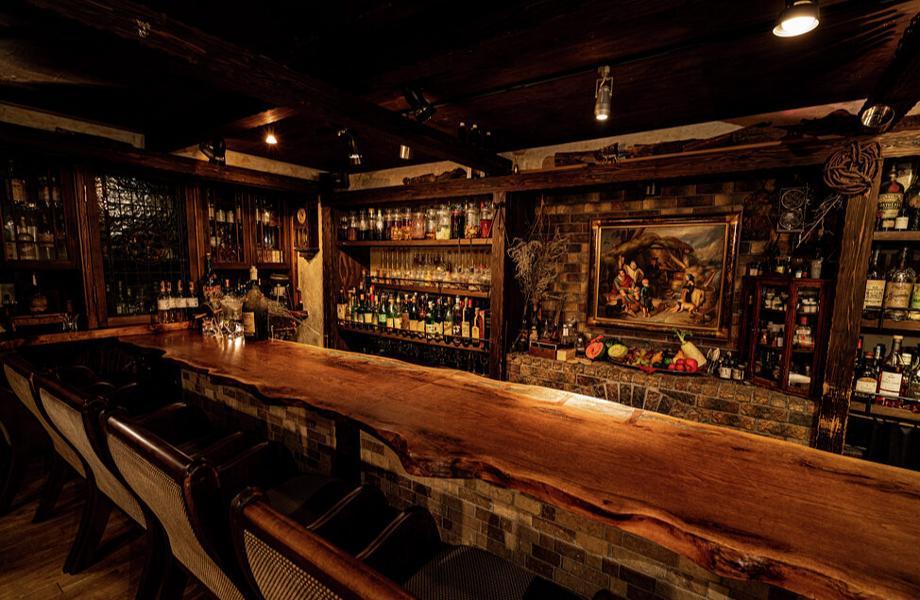
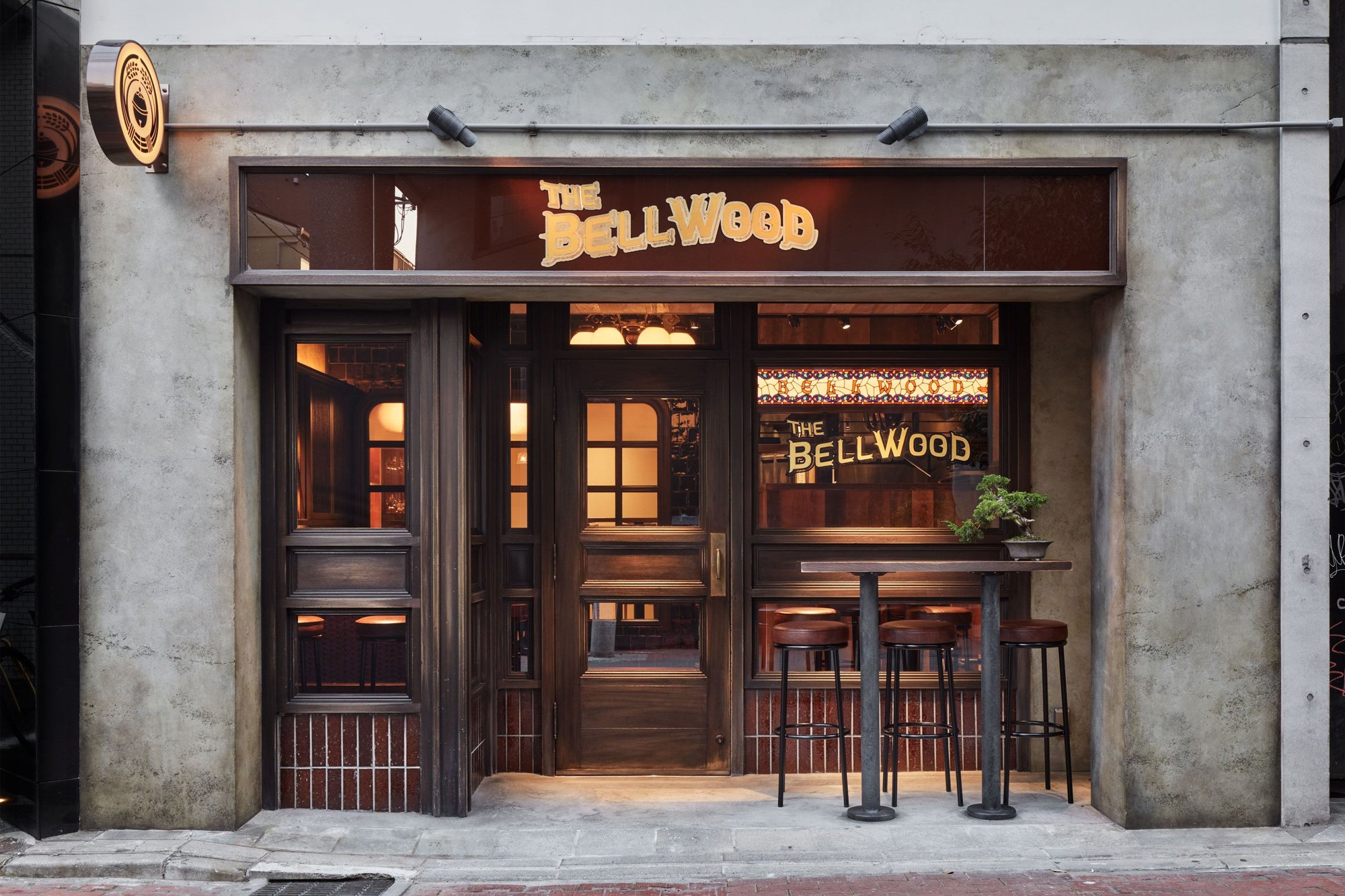
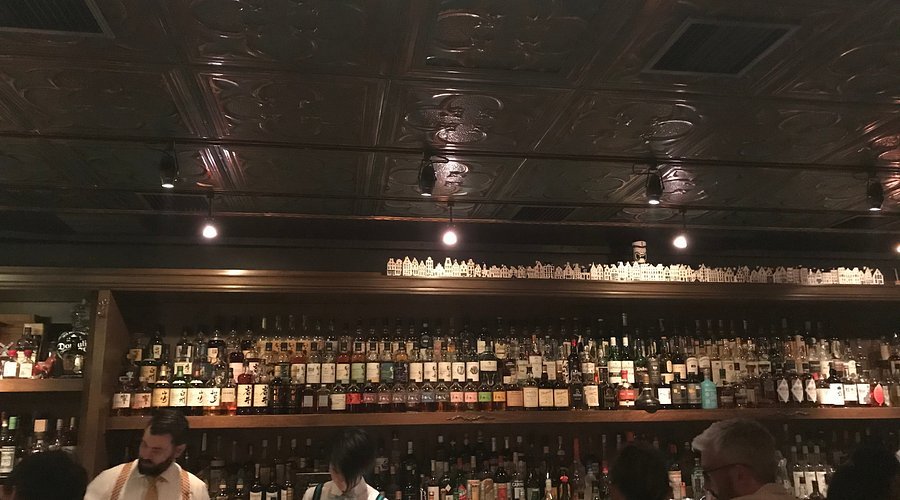
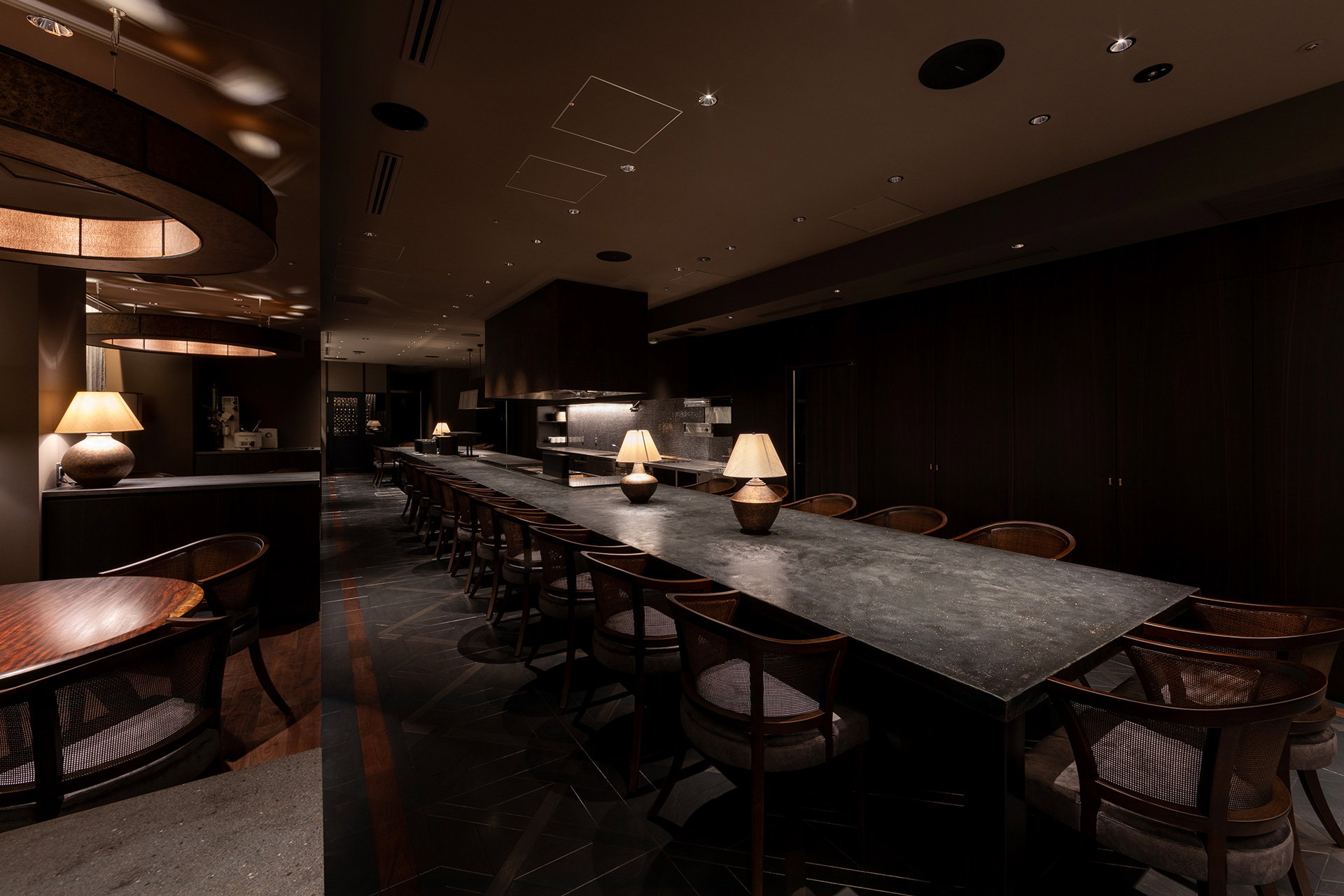
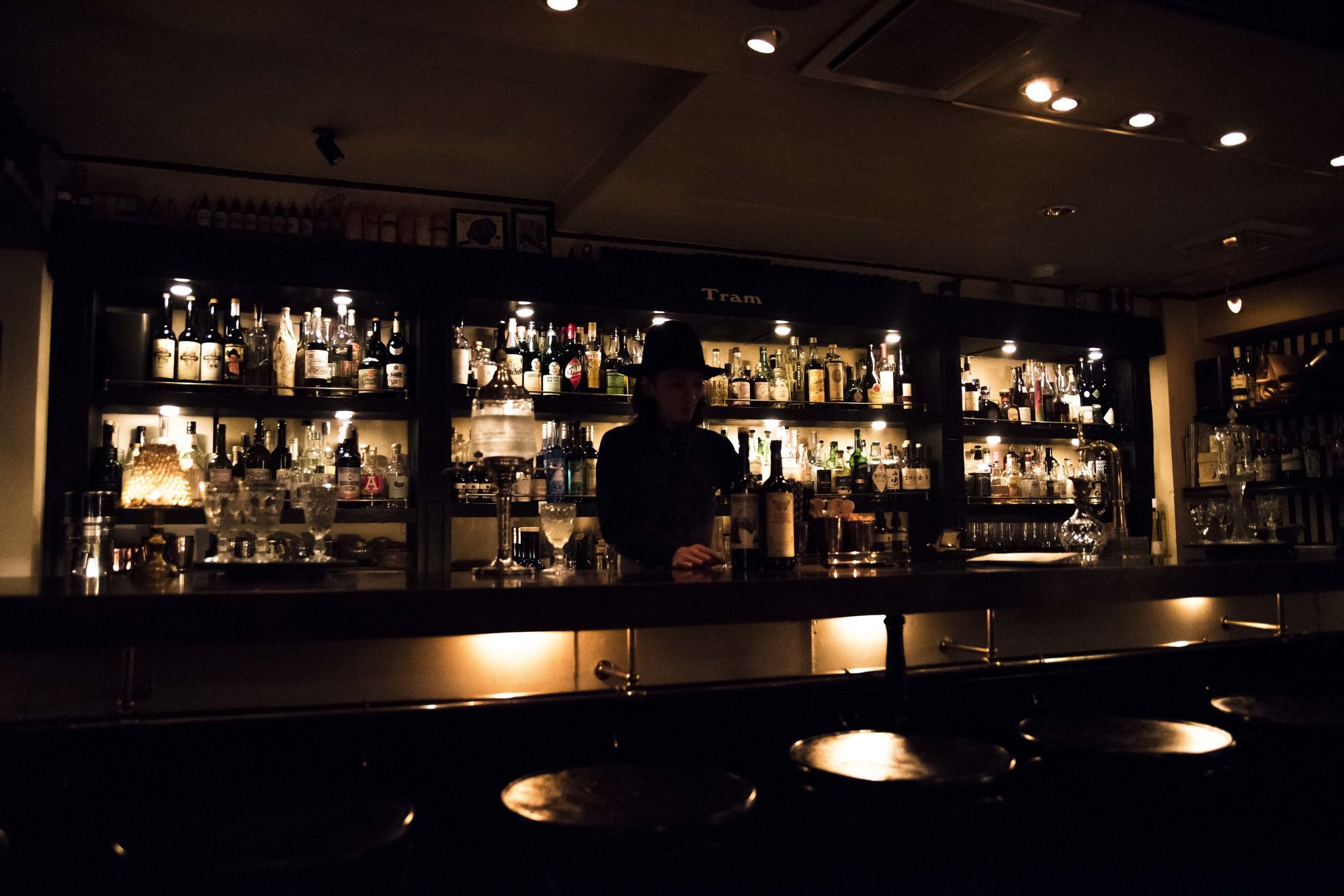
Bar TRAM occupies a low-rise second-floor room in Ebisu’s quieter, residential pocket, and its personality reflects that restraint. The writing frames it as a considered neighbourhood bar—intimate and discreet rather than theatrical—where the emphasis is on technical precision and hospitality. The programme sits between two cocktail traditions: the old Tokyo guild’s ritualized technique and a newer ingredient-led, fermentation-aware approach. The result is a calm, focused atmosphere that attracts regulars and after-dinner visitors who value craft and discretion over spectacle.
Best For
This is a place for quiet, focused evening drinking: after-dinner couples, solo patrons, and small groups who want to linger over well-made cocktails. Situated off the main drag and reached by a walk up to the second floor, it suits guests who plan to visit rather than stumble in—regulars and diners from nearby restaurants form much of the crowd. It isn’t set up for large celebratory parties or loud nights out; instead it rewards those looking for thoughtful service and meticulous drinks in a residential, low-key setting.
Ordering Tips
Expect a craft-forward menu that balances old-school technique with contemporary ingredient work. The description highlights both the bartending guild’s precision—"meticulous dilution, the hard shake"—and newer interests such as fermentation and house-made bitters, so ask the bartender about seasonal, ingredient-led options or house-made bitters and preparations. Avoid seeking theatrical effects; instead request the bartender’s recommendation for a well-balanced, thoughtful cocktail that leans into either the traditional mizuwari-style precision or the bar’s more experimental, produce-driven creations.
Venue details
Ambiance
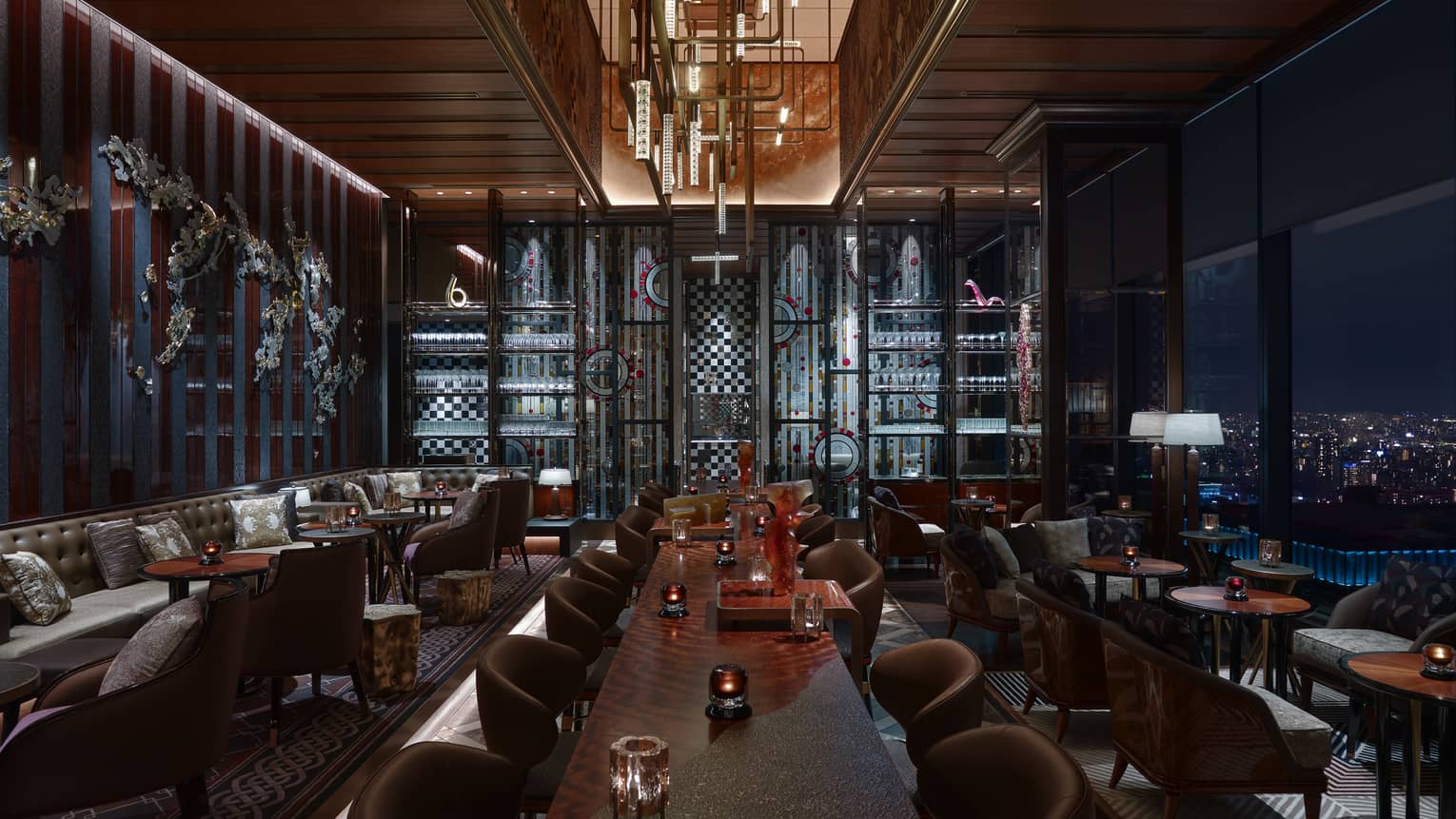
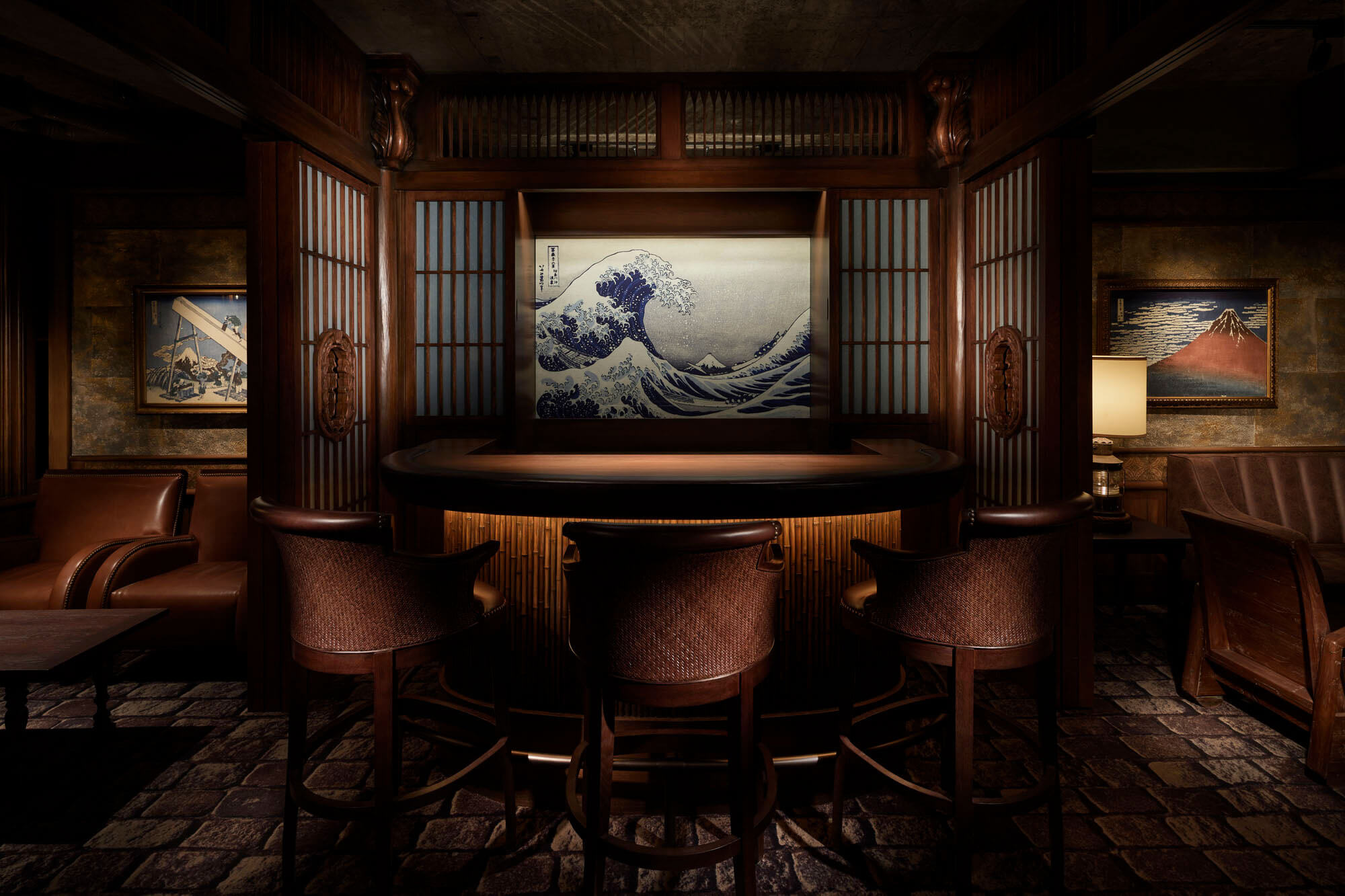
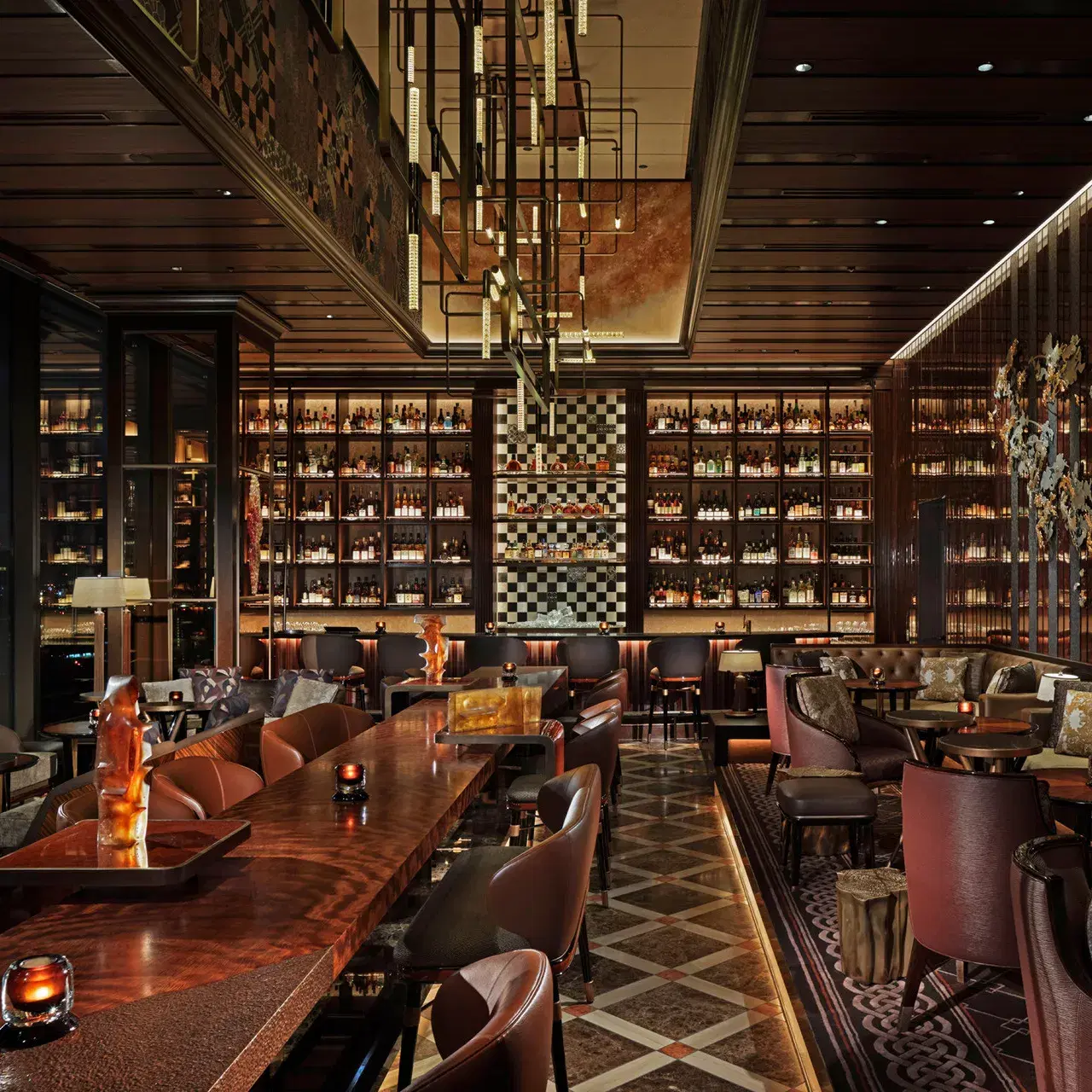
Dimly lit with red velvet, retro antiques, French-style interior, calm and chic Prohibition-era vibe.
Tags
Vibe
Best For
Experience
Format
At the Bar
- Bar Category
- Speakeasy
- Late Night
- Open Until 4am
- Music
- Chilled Western/jazz
Signature Pours
- The Five Pennies
- Nut King Cole
- Bitter End
Know before you go
Know Before You Go
- Getting there
- 〒150-0021 Tokyo, Shibuya, Ebisunishi, 1-chōme−7−13 スイングビル 2F
Planning details
Location
〒150-0021 Tokyo, Shibuya, Ebisunishi, 1-chōme−7−13 スイングビル 2F · Directions
Recognition and awards
Also consider
Also Consider
- Bar Trench, Notable alternative
- A10, Notable alternative
- Unknown, Notable alternative
- Bar Martha, Notable alternative
- Winestand Waltz, Notable alternative
Bar context
How it compares in Tokyo
Choose Bar Trench first if the priority is a more established cross-shop in the same broad Tokyo cocktail lane. Bar TRAM makes more sense when Ebisu is already the plan and the night needs a focused stop rather than a destination that carries the whole evening.
A10 and Unknown are better comparison points for readers deciding by mood and booking friction. If getting in with minimal planning matters, Bar TRAM is the safer pick based on the easy booking signal; if the room itself is the priority, check those alternatives before committing.
Bar Martha and Winestand Waltz are the better cross-shops when the evening is more about atmosphere or wine-bar pacing than a compact cocktail stop. Value-seekers should decide by format: Bar TRAM for a shorter Ebisu drink, Winestand Waltz for wine, Bar Martha for a more room-led night.
Explore Tokyo
Around this place
Discover more on Pearl
Unlock the full Bar TRAM guide in Pearl, including awards, comparisons, FAQs, planning details, and nearby places.
Compare Bar TRAM
| Venue | Location | Awards |
|---|---|---|
| Bar TRAM | Tokyo | Tabelog 100 - Cafe - EAST - 2025 · #22 |
| Bar Trench | Tokyo | 2026 Asia's 50 Best Bars 51-100 · #532025 World's 50 Best Bars · #93Top 500 Bars 2025 · #1852022 Asia's Best Bars · #252021 World's 50 Asia's Best Bars · #432020 World's 50 Asia's Best Bars · #392019 World's 50 Asia's Best Bars · #232018 World's 50 Asia's Best Bars · #162017 World's 50 Asia's Best Bars · #28 |
| A10 | Tokyo | No published awards |
| Unknown | Tokyo | No published awards |
| Bar Martha | Tokyo | No published awards |
| Winestand Waltz | Tokyo | No published awards |


How Bar TRAM Tokyo compares with similar nearby venues.
FAQ
Frequently Asked Questions
Is Bar TRAM good for groups?
Do I need a reservation at Bar TRAM?
If timing matters, contact Bar TRAM in Tokyo directly rather than assuming space will be available.
Is the food good at Bar TRAM?
Is Bar TRAM good for a date?
Bar TRAM may be worth considering for a Tokyo outing. The main planning note is a smart casual dress code.