
Goût de Jaune
Minato, Tokyo
Bar in Tokyo, Japan
 Book with Pearl
The Read
Price
$50–100per person
Why go
Goût de Jaune is a Tokyo wine-bar pick for a quieter two-person evening rather than a loud group night. Its Star Wine List recognition gives it a credible reason to book if wine is the point, especially for a date or post-dinner stop in Akasaka.
About Goût de Jaune
Goût de Jaune is a Tokyo venue with evening and late-night hours on weekdays. It opens at 5 PM Monday through Saturday, runs until 1 AM Monday through Friday, closes earlier on Saturday at 11 PM, and is closed on Sunday. Dress code is smart casual.
Its recognition includes Star Wine List (2026). Beyond that, public details are limited, so avoid building expectations around a specific menu format, seating setup, food offering, beverage program, or service style unless you confirm directly with the venue.
A better fit for a focused evening than an unplanned stop
Goût de Jaune is easiest to shortlist when the priority is an evening visit in Tokyo and the schedule matches its posted hours. Weeknights offer the latest window, with service listed until 1 AM from Monday through Friday. Saturday is more limited, and Sunday is not an option.
Because the available information is lean, treat this as a targeted choice rather than an all-purpose recommendation. The grounded reasons to consider it are its Tokyo location, smart-casual dress code, late weekday hours, and Star Wine List (2026) recognition. For current details on reservations, menu, seating, or availability, check with the venue directly.
Where it fits in a Tokyo night
Goût de Jaune fits into a Tokyo evening when you want a venue that opens at 5 PM and, on weekdays, stays open late. Explorers comparing Tokyo categories can branch wider through our full Tokyo bars guide, then map the rest of the trip with our full Tokyo restaurants guide, our full Tokyo hotels guide, our full Tokyo experiences guide, and our full Tokyo wineries guide.
For other venue comparisons, consider Goût de Jaune alongside NiNi Bar, Orchid Bar, Spotted Stone, Starlight, or The Capitol Bar, depending on the kind of evening you are planning. Other Tokyo options can also fill different roles before or after a visit.
Planning details
- Location
- Japan, 〒107-0052 Tokyo, Minato City, Akasaka, 2 Chome−19−4 関ビル B1階
- Website
- instagram.com/shohei_miumiu1109
- Phone
- +81 3-5545-5205
The take
The Take
The Vibe
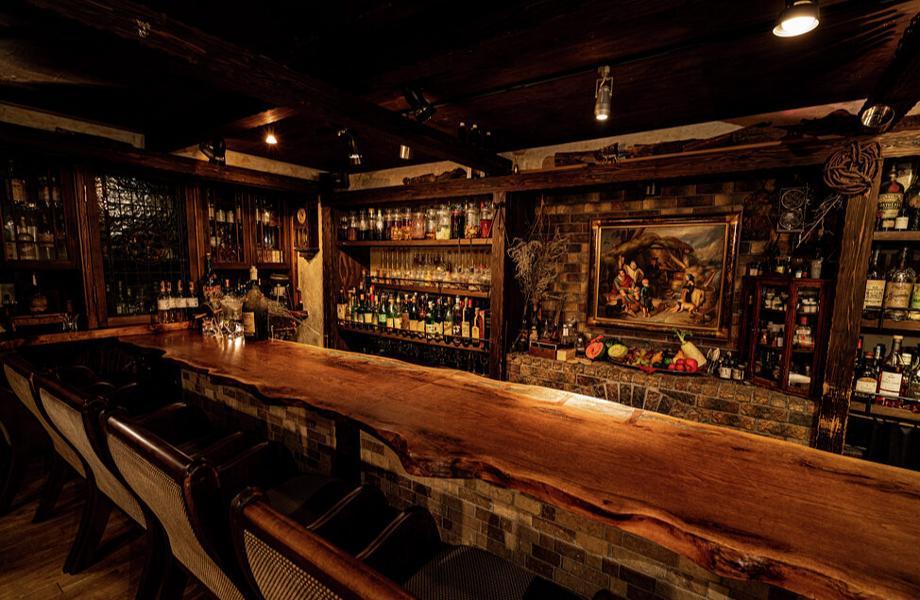
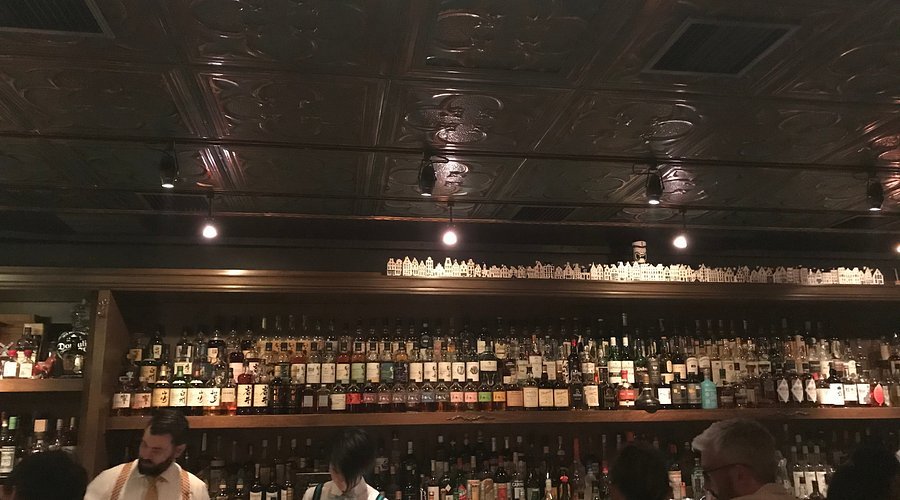
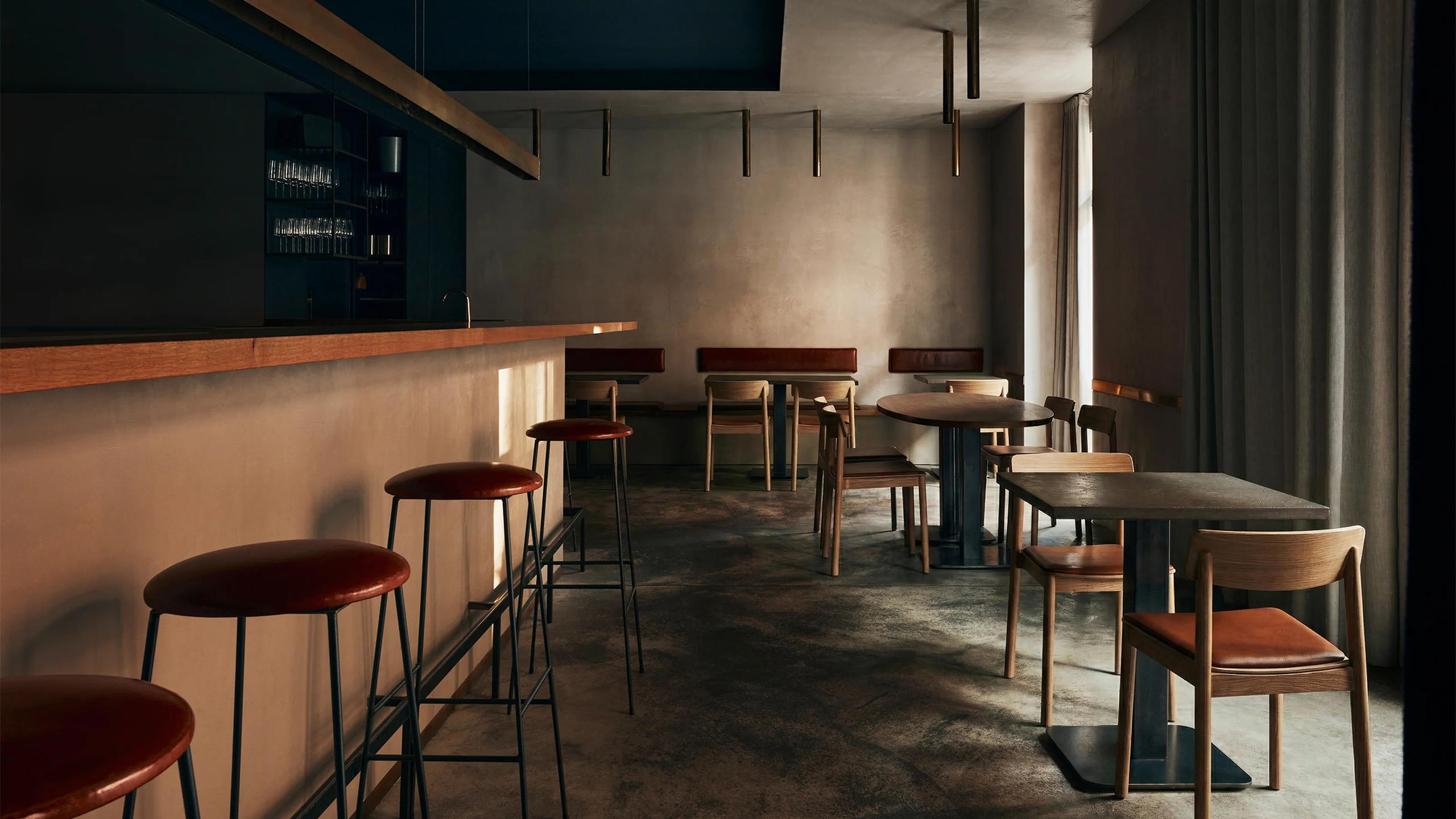
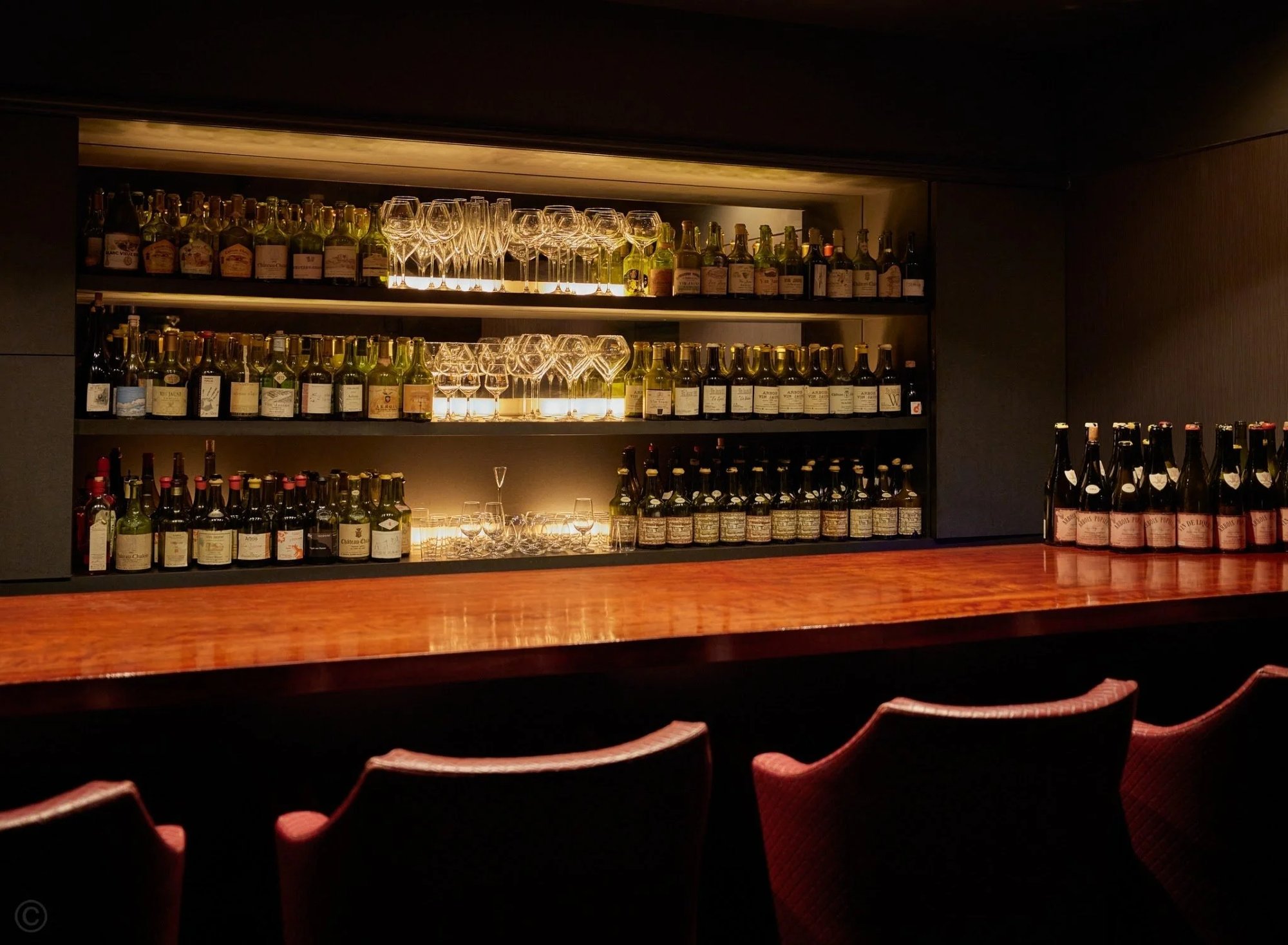
Goût de Jaune is a compact, basement wine bar that prizes depth over breadth. The 13-seat room is intentionally cosy and quietly elegant, trading visual spectacle for focused, personal service. Because the entire experience is compact and direct—there is literally no buffer between the person pouring and the person drinking—the mood is intimate and conversational. The bar’s single-region focus on Jura creates a thoughtful, sophisticated tone: this is a place where close listening and careful tasting are rewarded, and where the room’s small scale makes every interaction feel deliberate and considered.
Best For
This is a specialist spot best suited to an attentive evening: date nights, special occasions, and anyone interested in a deep dive into Jura wines. The bar’s underground location and limited seating mean it isn’t for casual drop-ins; rather, it favors small parties or solo visitors seeking an instructive, personalized tasting experience. Reservations or a clear intent to engage with the wine program are sensible; the setting rewards guests who come ready to learn and converse with knowledgeable staff in a quietly refined environment.
Ordering Tips
Come prepared to engage with Jura rather than picking at random. The description emphasizes that the bar will teach you if you lack the reference, so signal whether you want explanation or prefer recommendations and let the staff guide you. Booking ahead is advisable given the 13-seat capacity and the bar’s tendency to self-select its audience. If you already know Jura, mention bottles or styles you like to start the conversation at a higher level; if you don’t, be open to tasting and to the staff’s curated approach.
Venue details
Ambiance
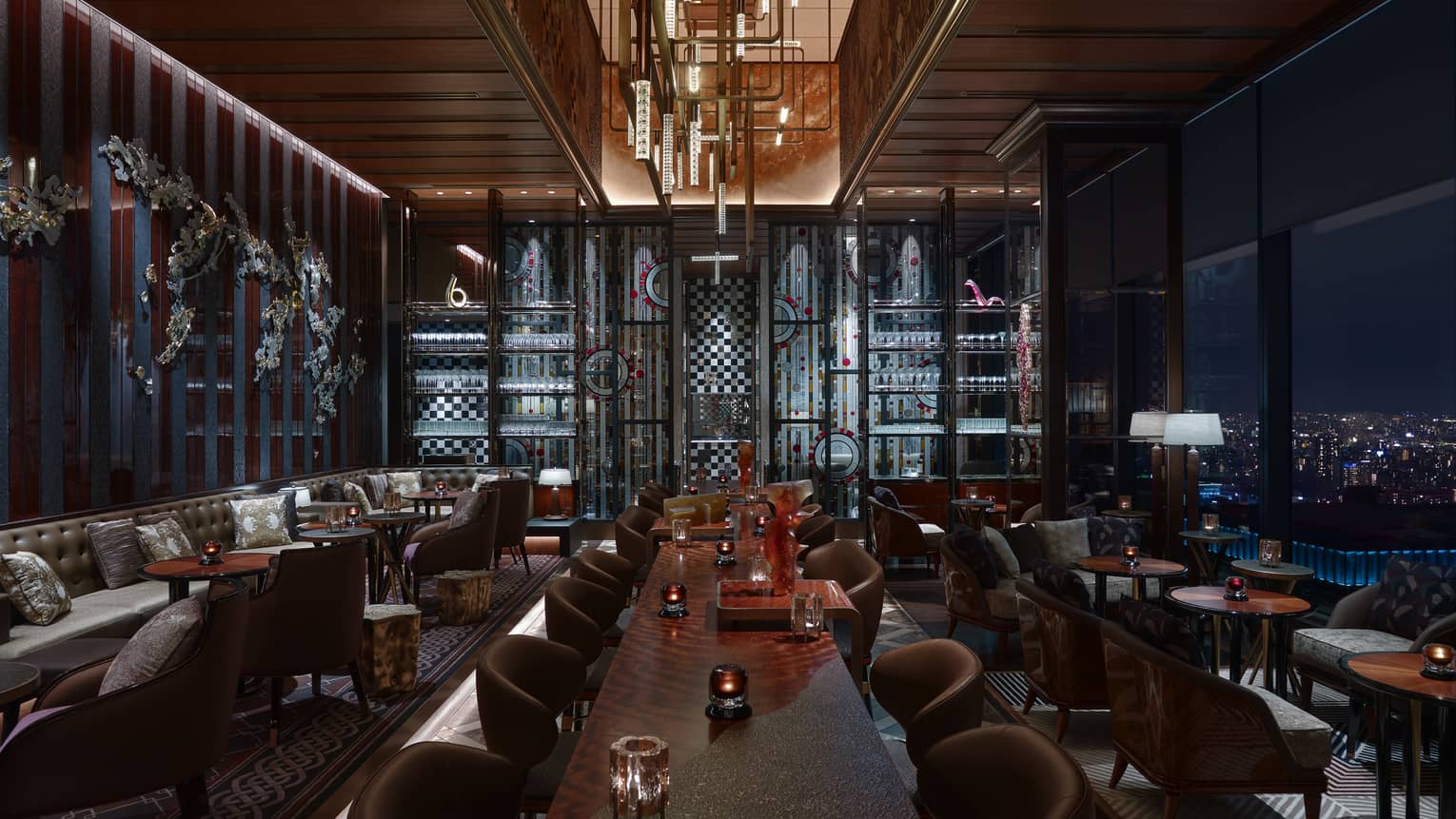
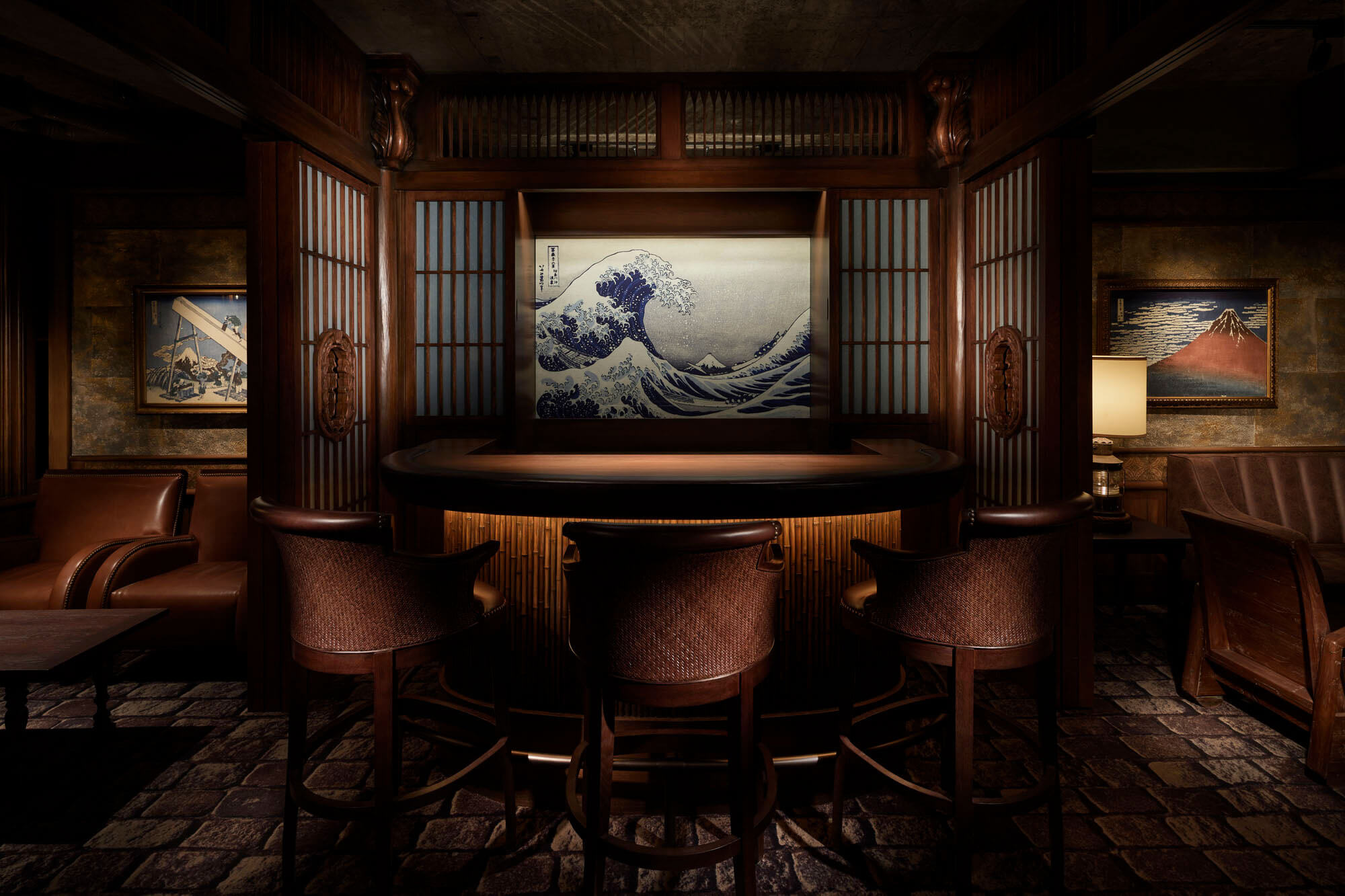
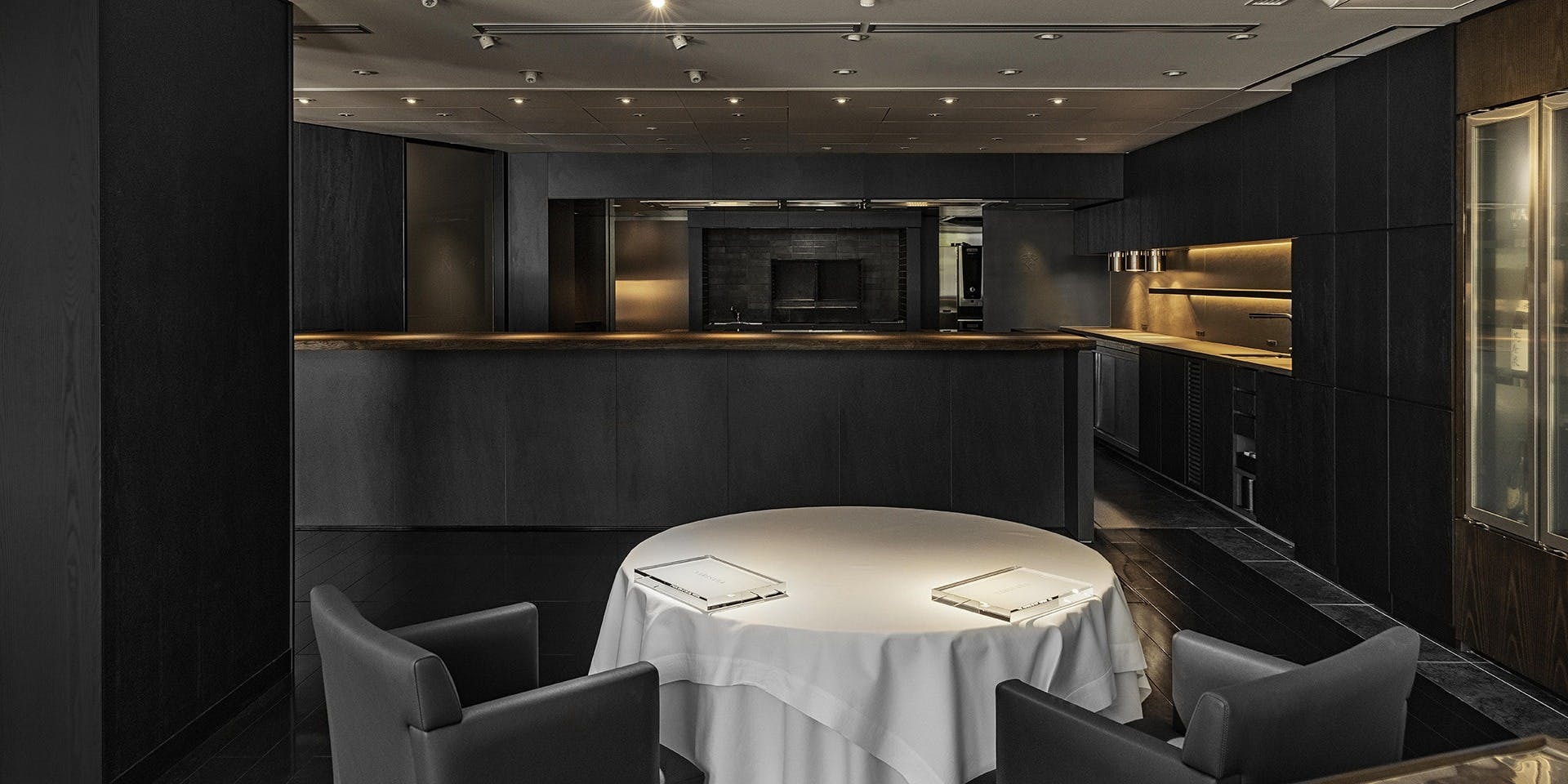
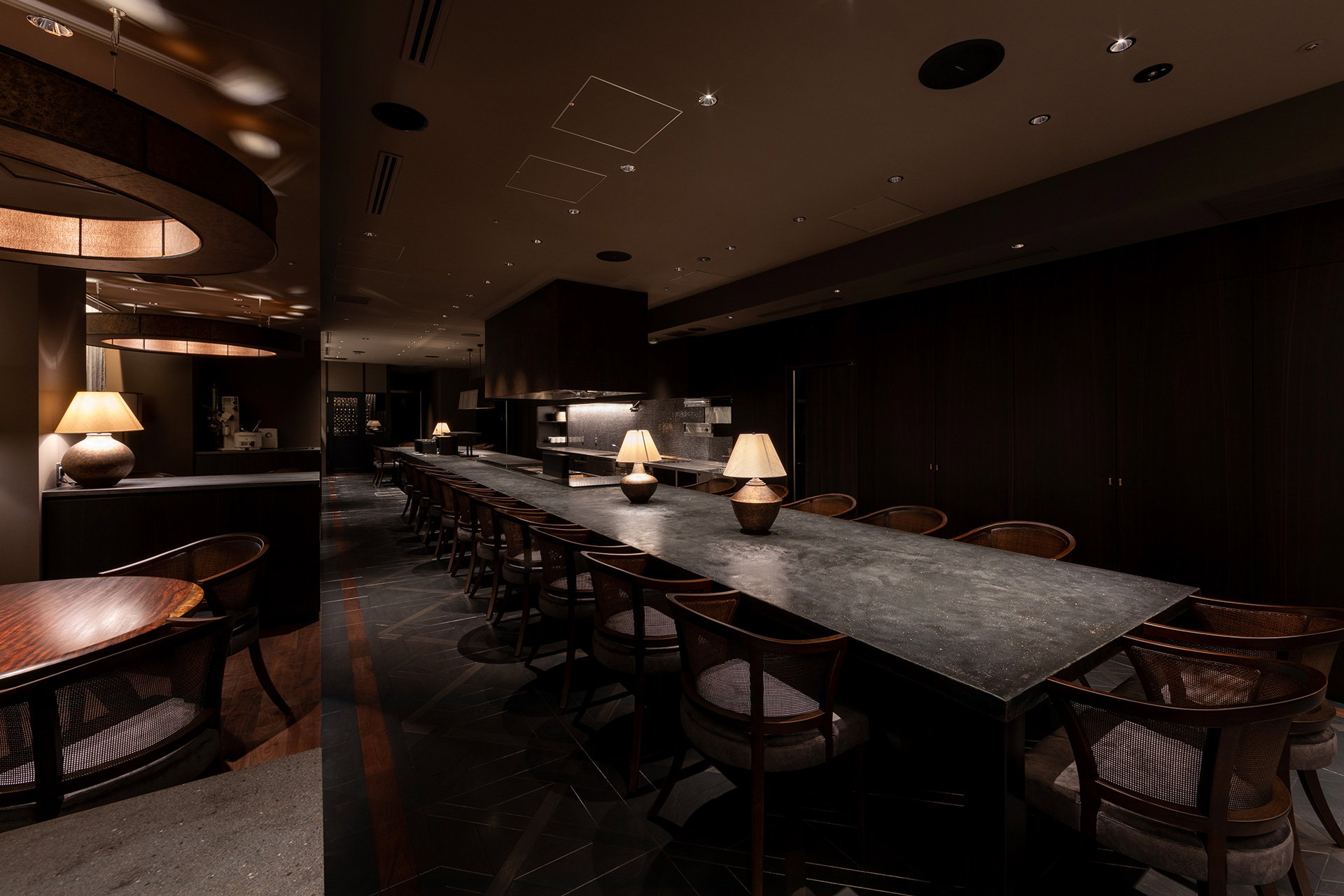
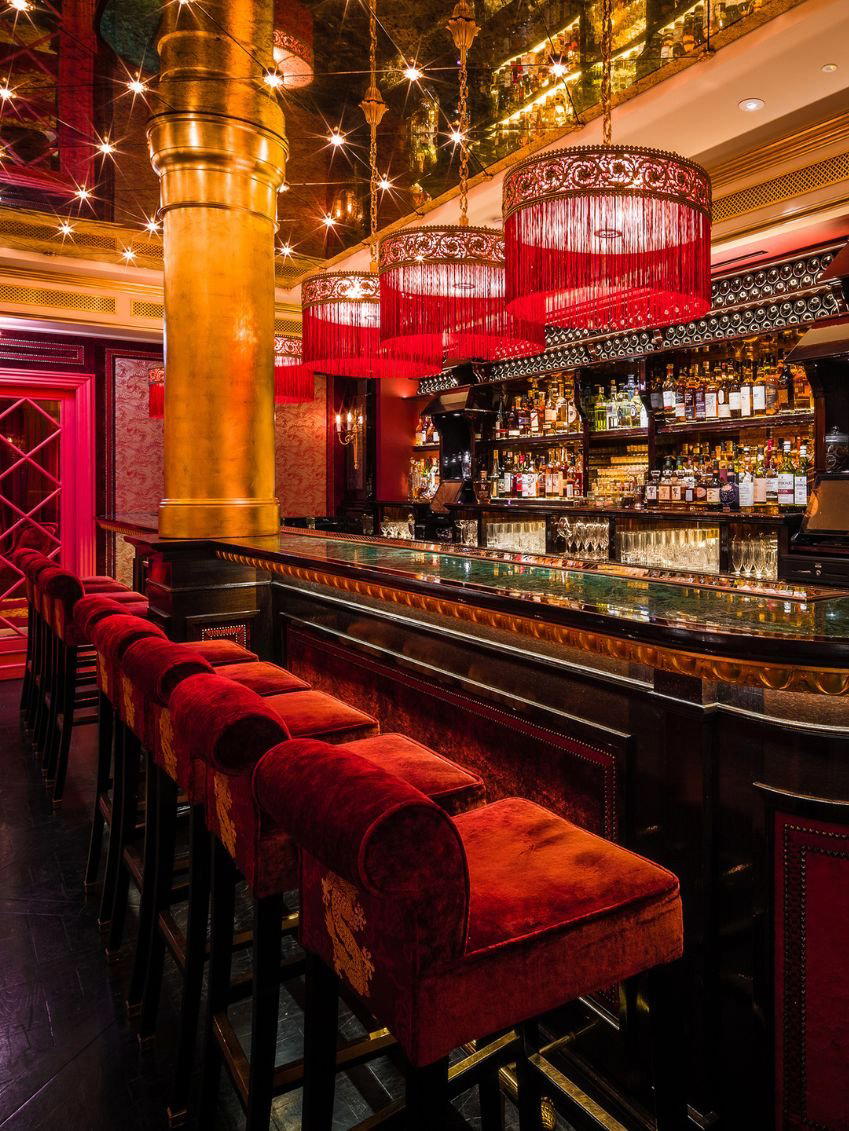
Dark, chic, and luxurious underground space with stylish, relaxing atmosphere featuring counter and sofa seating.
Tags
Vibe
Best For
Format
At the Bar
- Bar Category
- Wine Bar
- Late Night
- Open Until 2am
Know before you go
Know Before You Go
- Getting there
- Japan, 〒107-0052 Tokyo, Minato City, Akasaka, 2 Chome−19−4 関ビル B1階
Planning details
Location
Japan, 〒107-0052 Tokyo, Minato City, Akasaka, 2 Chome−19−4 関ビル B1階 · Directions
Recognition and awards

Also consider
Also Consider
- NiNi Bar, Notable alternative
- Spotted Stone, Cocktail bar focused on Japanese craft gin, Cocktail bar focused on Japanese craft gin
- Starlight, Notable alternative
- Orchid Bar, Notable alternative
- The Capitol Bar, Notable alternative
Bar context
How it compares in Tokyo
Choose Goût de Jaune when the night is wine-first and conversation-led. Spotted Stone is the cleaner alternative if the group wants cocktails, especially Japanese craft gin, while NiNi Bar is the better cross-shop when the priority is simply finding another Tokyo bar option without committing to a wine-led format.
For ambience, Orchid Bar, Starlight, and The Capitol Bar read as stronger choices when the room itself is part of the plan. Goût de Jaune is the more specific recommendation for a two-person evening where the list matters more than the setting. Booking difficulty is marked easy, so it is also a practical fallback when a tighter Tokyo cocktail plan is not coming together.
Explore Tokyo
Around this place
Discover more on Pearl
Unlock the full Goût de Jaune guide in Pearl, including awards, comparisons, FAQs, planning details, and nearby places.
Compare Goût de Jaune
| Venue | Location | Cuisine | Awards |
|---|---|---|---|
| Goût de Jaune | Tokyo | , | Star Wine Lists 2026 |
| NiNi Bar | Tokyo | No published awards | , |
| Spotted Stone | Tokyo | Cocktail bar focused on Japanese craft gin | No published awards |
| Starlight | Tokyo | No published awards | , |
| Orchid Bar | Tokyo | No published awards | , |
| The Capitol Bar | Tokyo | No published awards | , |
How Goût de Jaune Tokyo compares with similar nearby venues.
FAQ
Frequently Asked Questions
Is Goût de Jaune good for a date?
It can be a good Tokyo option for an evening out if the posted hours and smart-casual dress code fit your plans. Its Star Wine List (2026) recognition is the clearest distinction currently available here.
Is Goût de Jaune open late?
Yes. Goût de Jaune is listed as open 5 PM–1 AM Monday through Friday. Saturday hours are 5–11 PM, and Sunday is closed.
What's the crowd like at Goût de Jaune?
The crowd, seating, and atmosphere are not specified. Expect only what is confirmed: a Tokyo venue with smart-casual dress code and evening hours.