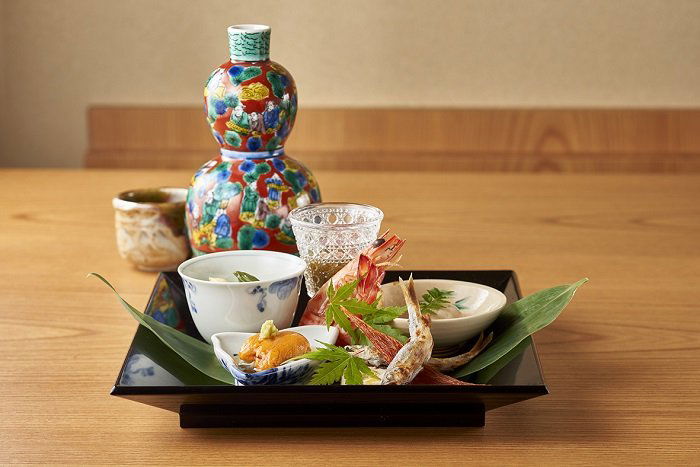

SHIGEMATSU
Japanese · Chūō, Tokyo
Restaurant in Tokyo, Japan
 Book with Pearl
The Read
Ginza Kaiseki Progression
Price
$200–300per person
Dress
Smart Casual
Why go
SHIGEMATSU holds a 2024 Michelin star and from its fourth-floor Ginza address, operating at Tokyo's top price tier (¥¥¥¥). Book well in advance — this is a hard reservation at a formal Japanese table suited to special occasions and private group dining. Casual first-timers or solo travellers may find a more accessible entry point elsewhere in the city first.
About SHIGEMATSU
A Michelin-starred Japanese table in Ginza worth the effort to book
Located on the fourth floor of the Ginza Bijutsukan Building at 6-5-6 Ginza, Chuo City, SHIGEMATSU operates at the leading price tier for Tokyo dining (¥¥¥¥), which means you are committing serious money before you walk in. The question worth asking before you book is whether the experience justifies that spend against the depth of competition in this city. For most food-focused travellers, the answer is yes — with caveats worth understanding.
The space and what it tells you about the experience
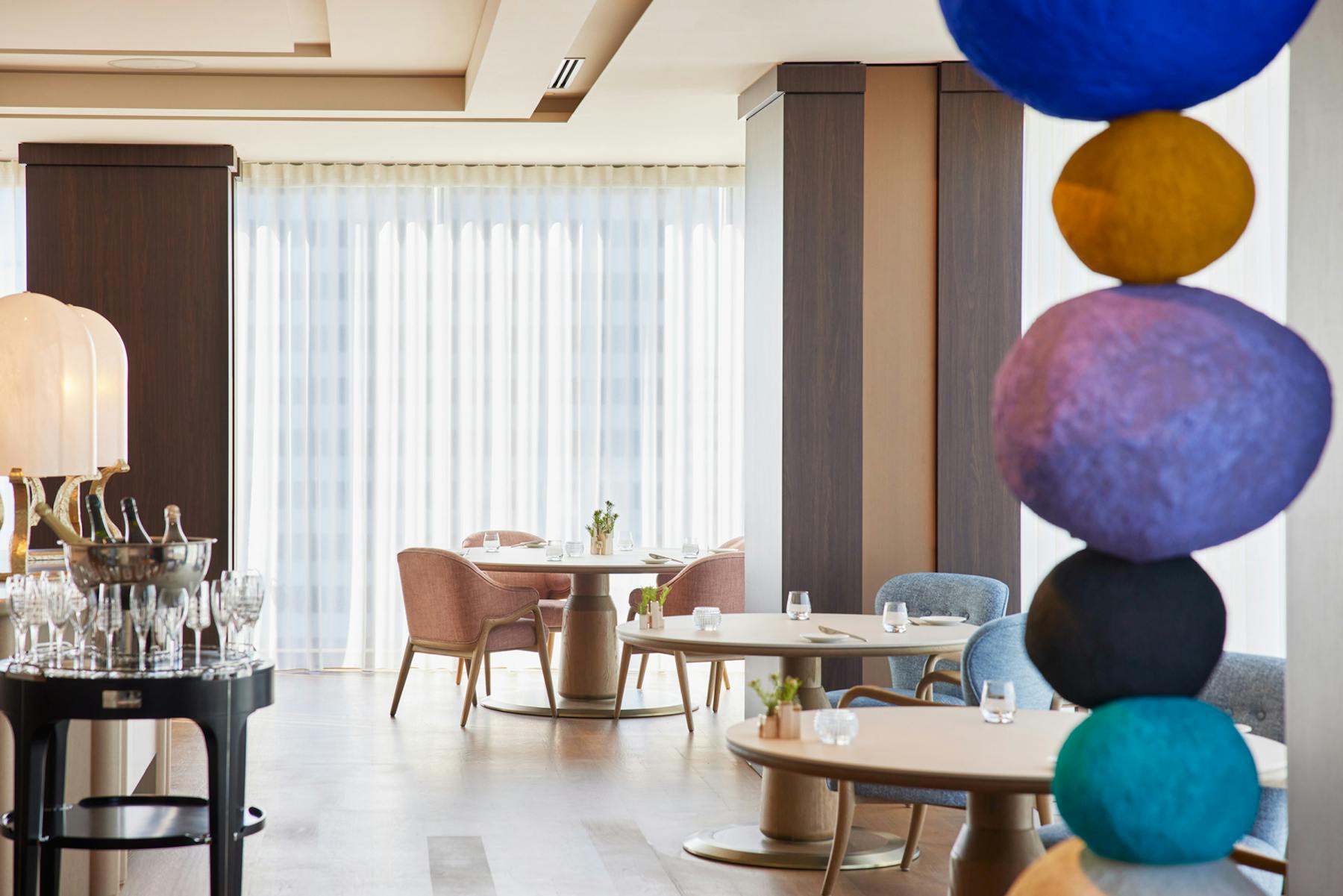
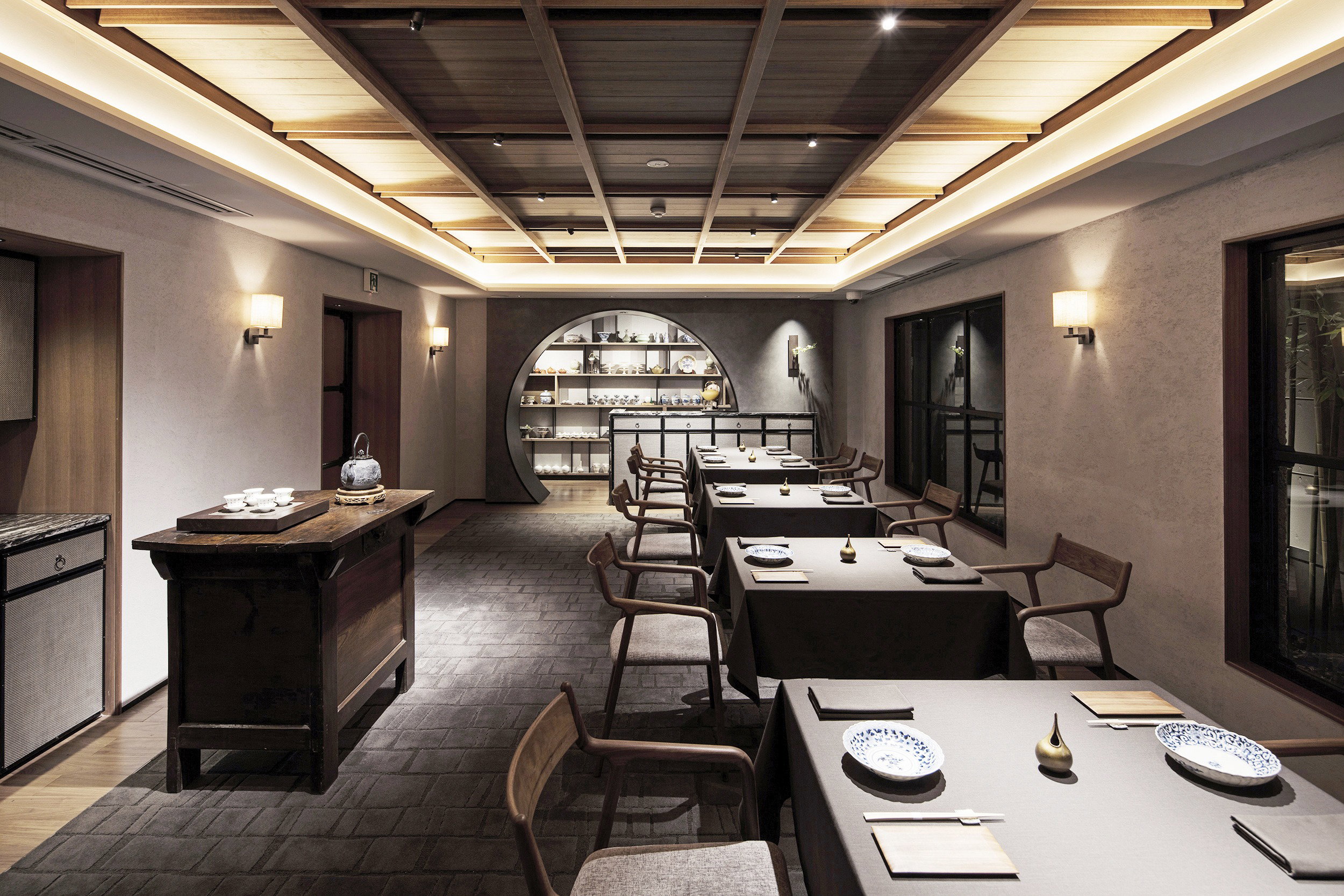
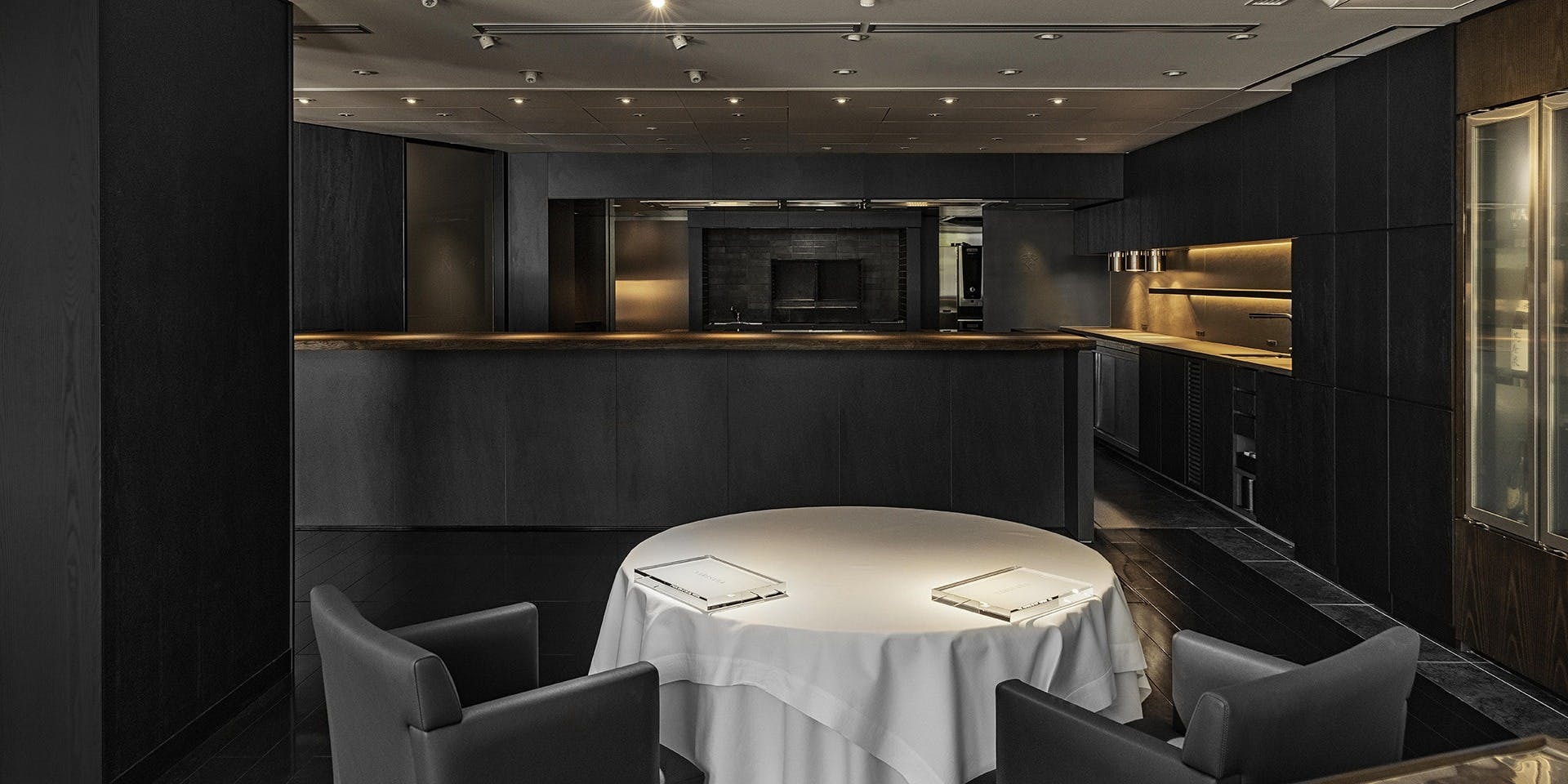
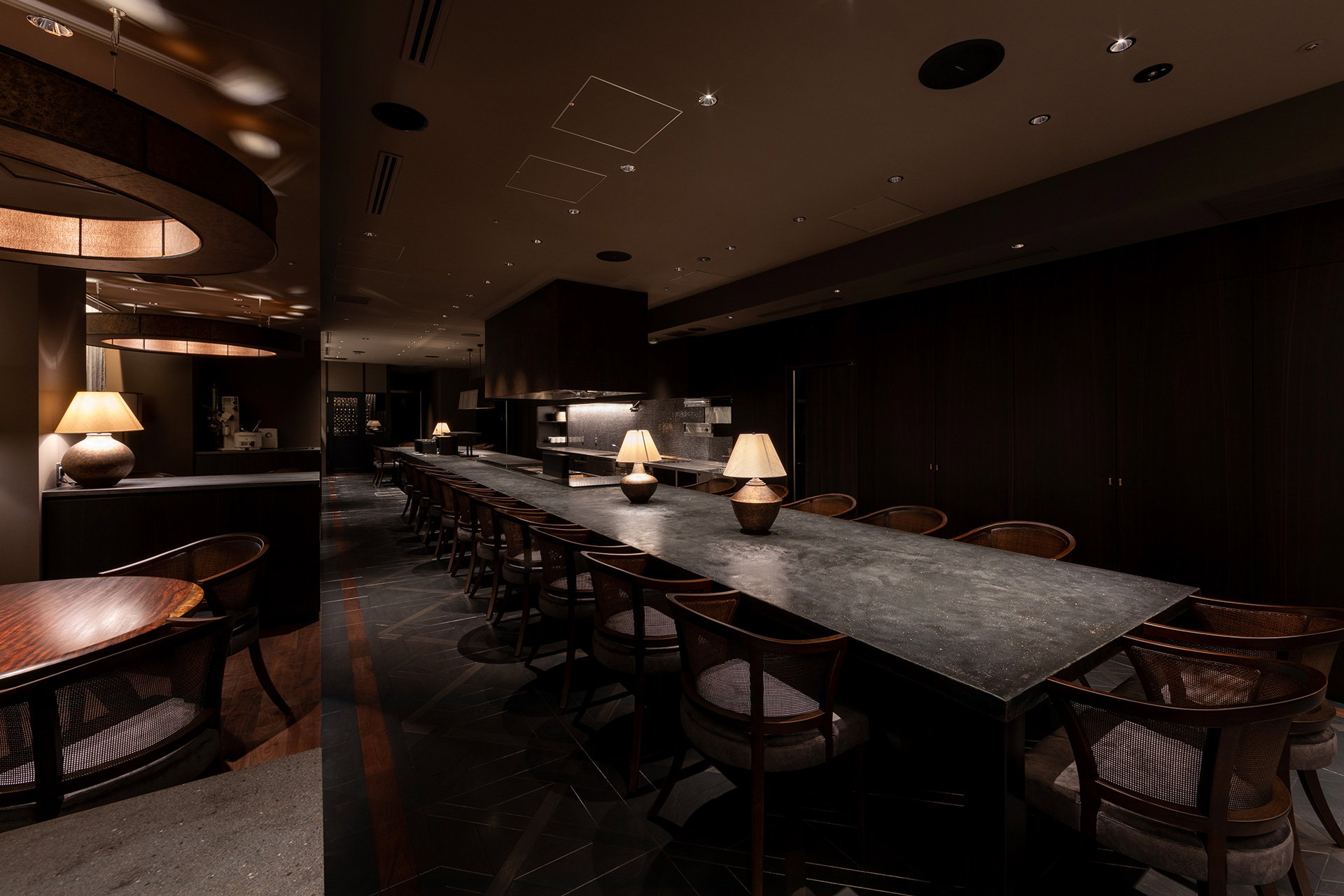
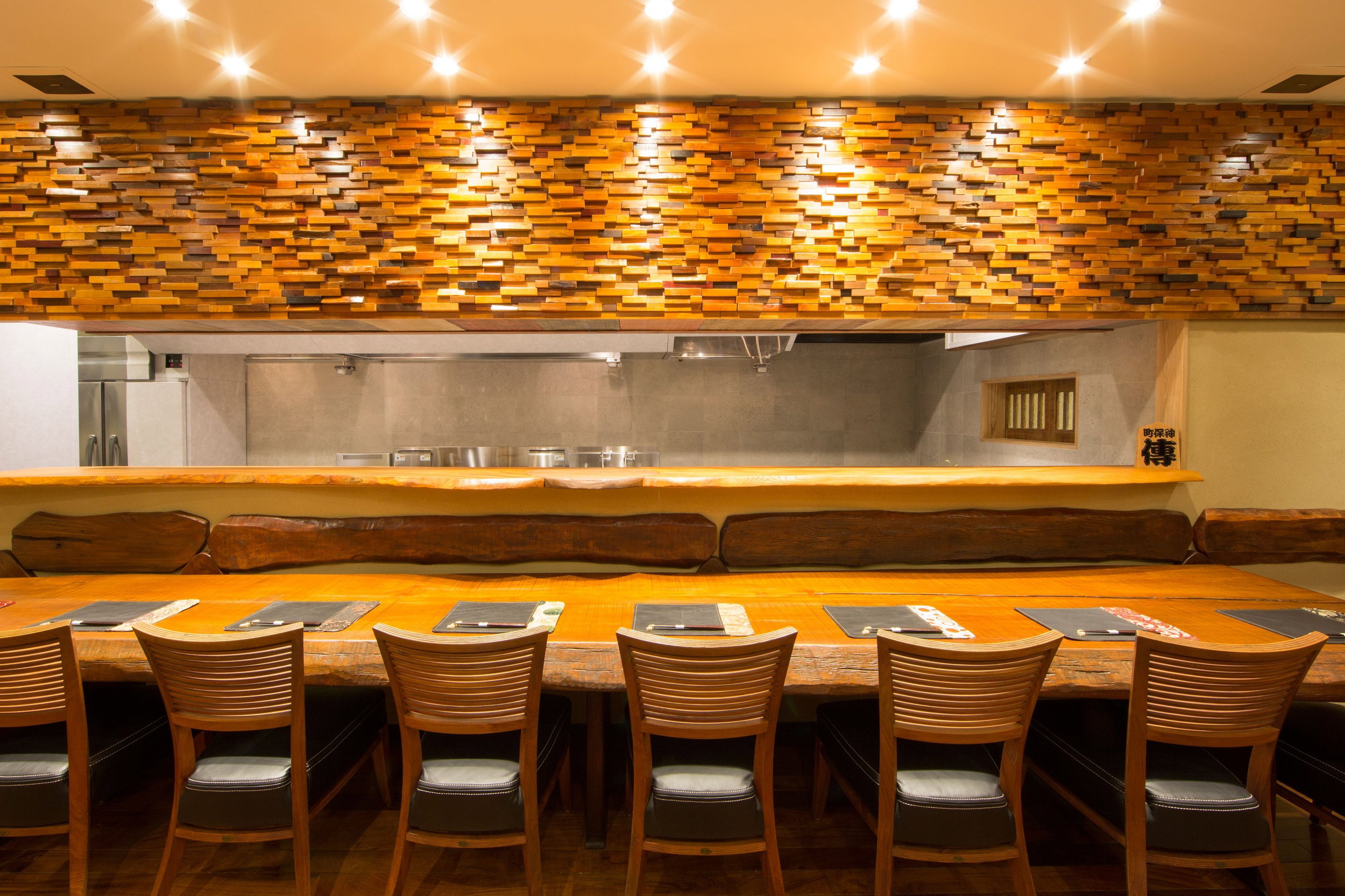
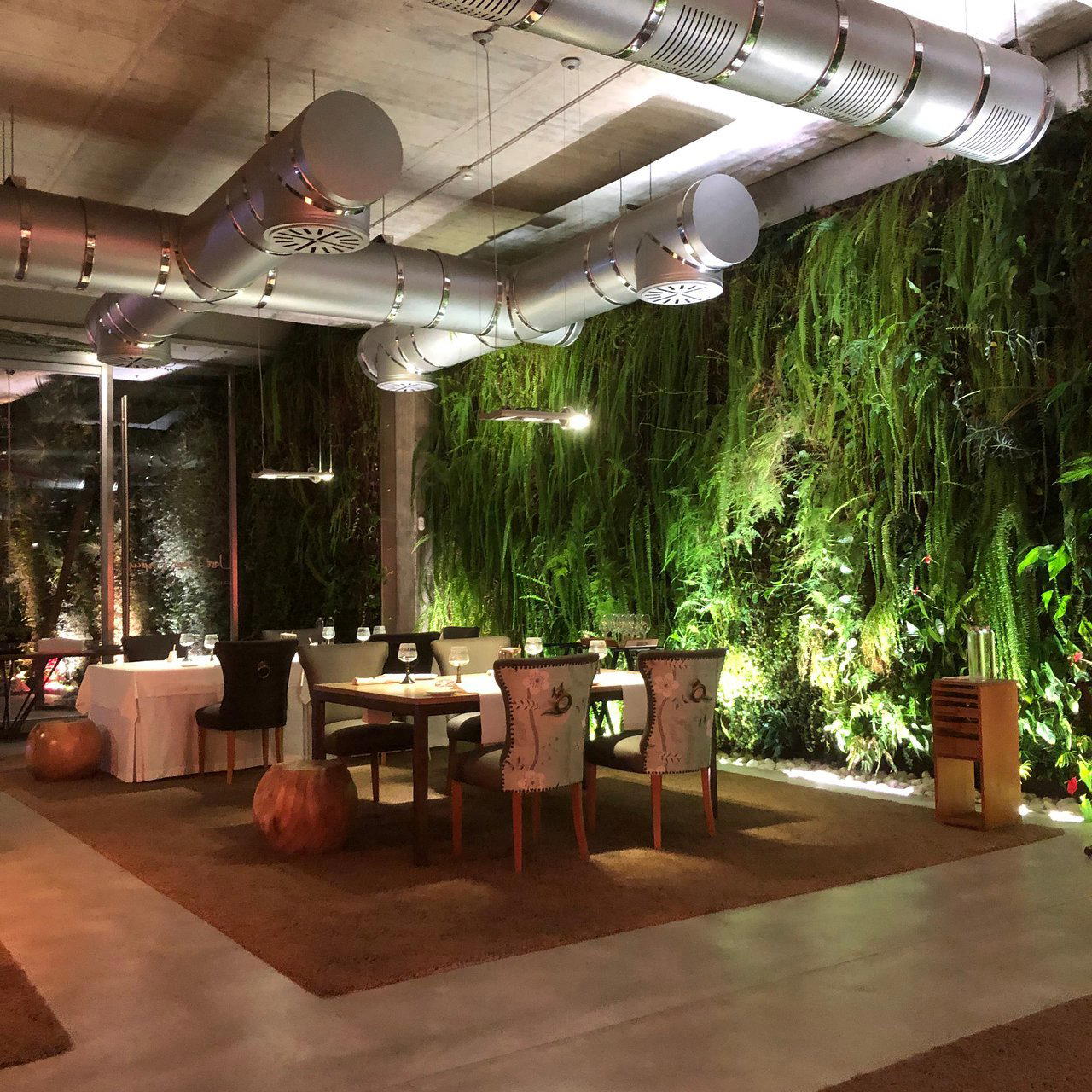
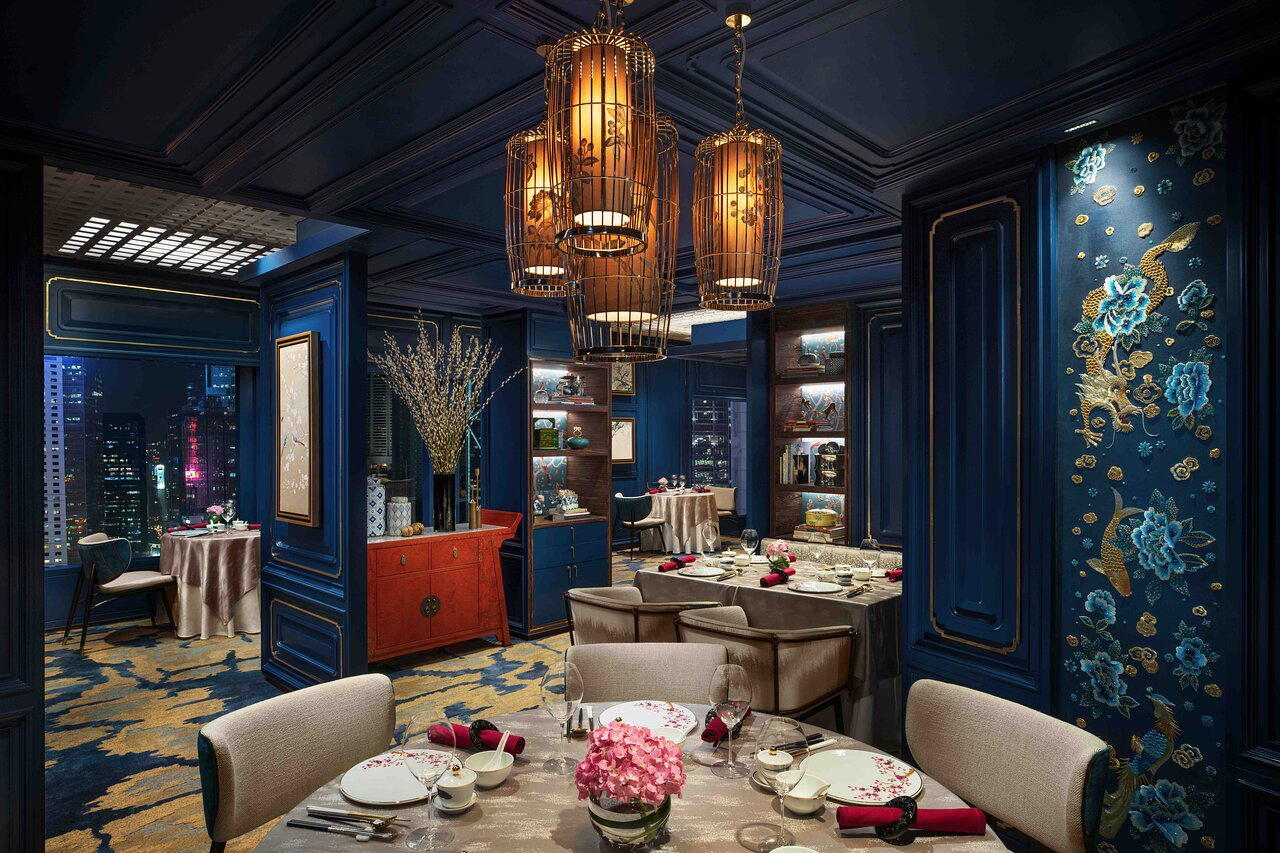
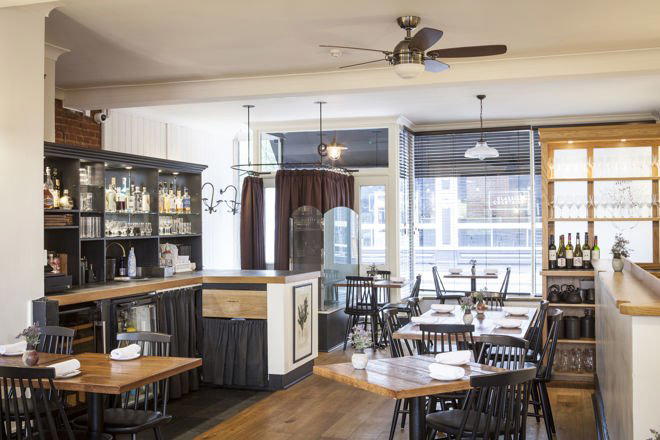
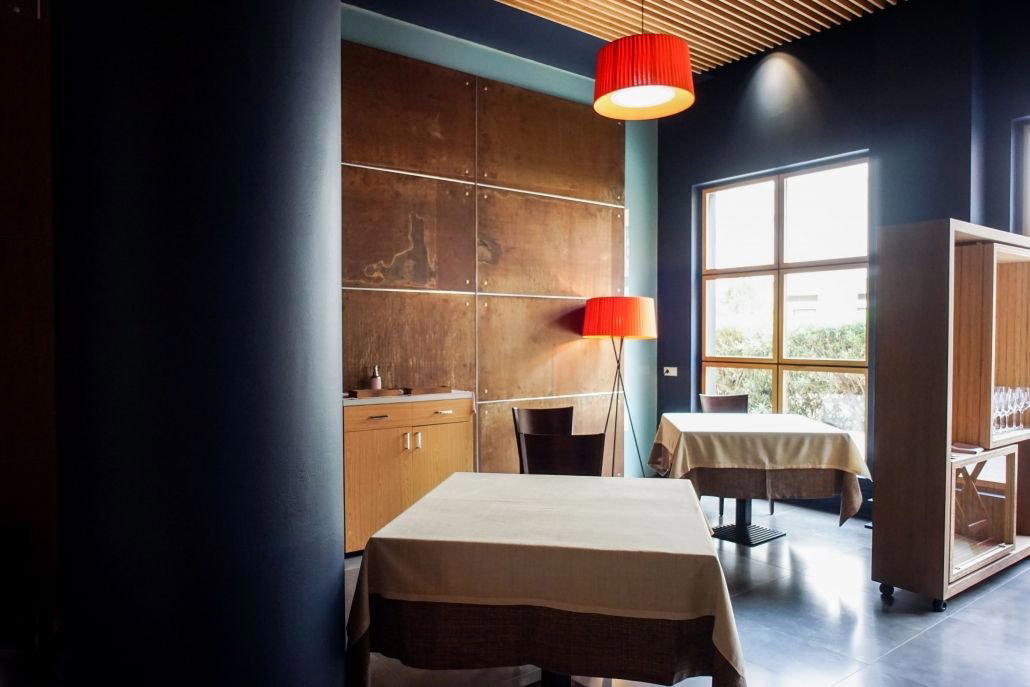
The fourth-floor address is the first signal about how SHIGEMATSU is positioned. Ginza's ground-floor restaurants are often designed for visibility and throughput; moving the dining room upstairs, away from street traffic, is a deliberate choice toward intimacy and focus. You arrive by elevator into a room insulated from the energy of one of Tokyo's most commercially intense districts. That separation matters at this price point: the spatial logic of the room is built around the meal itself, not around being seen from the street. For a special occasion or a business dinner where conversation is the priority, the setting works in your favour. The physical remove from Ginza's retail bustle is the design doing its job quietly.
The private dining dimension is worth examining specifically. At ¥¥¥¥ venues in Tokyo, the difference between booking a main-room table and securing a private or semi-private arrangement can define the entire experience. If you are planning a group meal, a corporate dinner, an anniversary, or a gathering of four or more, it is worth contacting the restaurant directly before assuming table availability will cover your needs. Tokyo's top-tier Japanese restaurants at this level typically offer configurations that the main room cannot, and SHIGEMATSU's building address (a dedicated bijutsukan, or art museum building) suggests a floor plan with more considered spatial separation than a street-level restaurant would provide. Confirm your group size and any room preferences when making your reservation rather than treating it as an afterthought.
Booking reality and timing
SHIGEMATSU is hard to book. That is not editorial caution, it is the practical reality of a one-star Ginza restaurant in a city where the leading tables at this tier routinely fill weeks in advance. If you are travelling to Tokyo and want this to happen, treat the reservation as a pre-trip task, not an in-trip option. The current season matters here: Ginza's corporate dining calendar concentrates demand at certain points in the Japanese business year (particularly fiscal year-end and major hospitality periods), which can make booking windows shorter than you expect. Arriving without a reservation is not a strategy worth counting on at this level.
International visitors should be aware that booking a Japanese restaurant at the ¥¥¥¥ level in Tokyo often requires either a hotel concierge with existing relationships or a booking service that can communicate in Japanese. If you are travelling independently and your Japanese is limited, factor in that step. A hotel concierge at a well-connected Tokyo property, see our full Tokyo hotels guide for options, can materially improve your chances. This is not unique to SHIGEMATSU; it applies across the tier, but it is worth flagging for first-time visitors to this category.
How it sits in Tokyo's Japanese dining tier
Tokyo has more Michelin-starred Japanese restaurants than any other city, which means one star here means something different than one star in most other contexts. At ¥¥¥¥ pricing, SHIGEMATSU competes directly with venues like Kagurazaka Ishikawa, Azabu Kadowaki, and Ginza Fukuju, all operating in the same price tier and all holding meaningful recognition. Myojaku and Jingumae Higuchi round out the field for travellers building a Tokyo itinerary with more than one serious Japanese meal. SHIGEMATSU's Ginza address places it in a specific social register: this is a restaurant the city's business community uses for significant dinners, which shapes both the room's atmosphere and the service calibration. If you want that register, polished, formal, professionally managed, SHIGEMATSU delivers it. If you prefer something with a slightly less corporate edge, the Kagurazaka or Azabu options may feel more comfortable.
For travellers extending beyond Tokyo, the same ¥¥¥¥ Japanese dining tier is represented by Gion Sasaki in Kyoto, Isshisoden Nakamura in Kyoto, Kashiwaya Osaka Senriyama, and HAJIME in Osaka, all worth benchmarking if you are planning a broader Japan trip. akordu in Nara and Goh in Fukuoka offer regional contrasts if your itinerary stretches further. See our full Tokyo restaurants guide for the complete picture, alongside our Tokyo bars guide, Tokyo wineries, and Tokyo experiences for building out the rest of your time in the city.
The verdict
Book SHIGEMATSU if you want a Michelin-recognised Japanese meal in Ginza at the top of the market, with a setting that suits formal occasions and private group dining. Do not book it expecting an easy or spontaneous experience: the price, the booking difficulty, and the formal register all require planning. For solo diners or casual explorers testing Tokyo's dining scene for the first time, a lower-stakes entry point may serve you better, consider 1000 in Yokohama or 6 in Okinawa if your itinerary allows. But for a considered, well-resourced special occasion in central Tokyo, SHIGEMATSU earns its place at the table.
Planning details
- Location
- Japan, 〒104-0061 Tokyo, Chuo City, Ginza, 6 Chome−5−6 銀座美術館ビル 4F
- Website
- ginza-shigematsu.com
- Phone
- +81 3-3575-6386
The take
The Take
The Vibe
SHIGEMATSU presents itself as a refined Ginza tasting room that privileges compositional rigor over flash. It sits on a fourth-floor gallery corridor, intentionally removed from the main boulevard, which helps maintain a quiet, intimate atmosphere. The kitchen treats the arc of the meal as the central creative act, following kaiseki logic where each course prepares the palate for what follows. At a ¥¥¥¥ price point and with a 2024 Michelin star, the room feels poised and deliberate — elegant rather than ostentatious — appealing to diners who value structural intelligence and tonal coherence in a multi-course progression.
Best For
This is a destination for diners seeking a formal, high-end tasting experience. SHIGEMATSU is best suited to dinner services where the multi-course kaiseki progression can unfold in full; its Michelin recognition and premium pricing make it a natural choice for special occasions, date nights, or elevated business dinners. The kitchen’s focus on transition and pacing rewards guests who bring comparative experience with Japan’s serious tasting rooms, and those who appreciate a meal judged on internal coherence rather than theatrical novelty.
Ordering Tips
Approach the meal with an openness to the kitchen’s sequencing: courses arrive to shape the palate rather than to surprise for its own sake. At this level, the persuasive element is the transition between phases, so accept the full tasting progression to appreciate how each dish narrows the possibilities of what comes next. Given the restaurant’s positioning and pricing, guests should expect a deliberate pace and a structured, coherent arc rather than à la carte choices; the experience is about cumulative effect over individual highlights.
Venue details
Ambiance
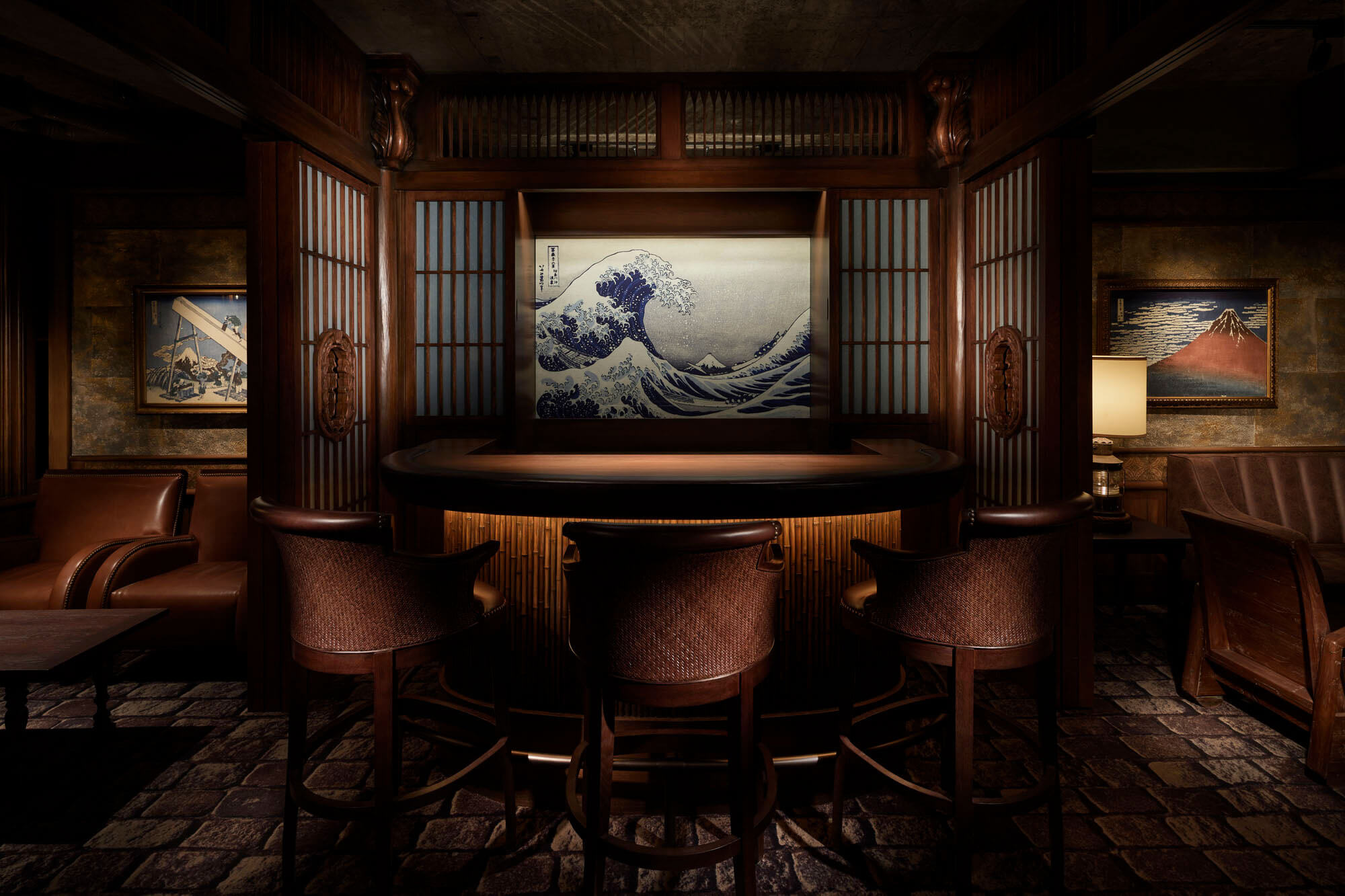
Serene, warm, and intimate, with a tucked-away fourth-floor setting designed around focused counter dining and conversation.
Tags
Vibe
Best For
Experience
Sourcing
Accessibility
At the Table
- Dress Code
- Smart Casual
- Noise Level
- Quiet
- Service Style
- Formal
- Meal Pacing
- Extended Experience
- Capacity
- Intimate
- Kitchen
- Seasonal
- Menu Format
- Counter dining, Set menu
- Drinks Focus
- Fukushima sake
- Private Dining
- Available
Know before you go
Know Before You Go
- Getting there
- Japan, 〒104-0061 Tokyo, Chuo City, Ginza, 6 Chome−5−6 銀座美術館ビル 4F
Planning details
Location
Japan, 〒104-0061 Tokyo, Chuo City, Ginza, 6 Chome−5−6 銀座美術館ビル 4F · Directions
Also consider
Also Consider
- Harutaka, Sushi, ¥¥¥¥
- RyuGin, Kaiseki, Japanese, ¥¥¥¥
- L'Effervescence, French, ¥¥¥¥
- HOMMAGE, Innovtive French, French, ¥¥¥¥
- Florilège, French, ¥¥¥
Restaurant context
At ¥¥¥¥ with a 2024 Michelin one-star, SHIGEMATSU sits in a crowded tier. The most direct comparison for Japanese cuisine is RyuGin, which carries three Michelin stars and is the more technically decorated option if maximum recognition matters to you. RyuGin is harder to book and commands a higher price within the ¥¥¥¥ band; SHIGEMATSU is the more accessible choice if your budget has a ceiling. For pure sushi at the same tier, Harutaka is a different format entirely, counter-only, ingredient-focused, better suited to solo diners and pairs than to group occasions. SHIGEMATSU's Ginza room works better for the formal group or business dinner that Harutaka's counter format does not accommodate.
If you are considering French cuisine at the same price point, both L'Effervescence and HOMMAGE sit at ¥¥¥¥ and offer strong alternatives for travellers not committed to Japanese cuisine specifically. L'Effervescence carries broader international recognition and is the stronger choice if you are prioritising a restaurant with a well-established critical profile. Florilège drops one price tier to ¥¥¥ and represents the best-value option in this comparison set if budget flexibility is a factor, it punches above its price point and is worth considering if you want French technique without the full ¥¥¥¥ commitment.
The decision logic is straightforward: book SHIGEMATSU if you want a Michelin-recognised Japanese meal in Ginza for a formal occasion or group dinner. Choose RyuGin if maximum recognition and kaiseki depth are the priority and price is secondary. Go to Harutaka if the format is sushi and the party is small. Switch to Florilège if value relative to quality is the deciding factor and French cuisine suits your group.
Explore Tokyo
Around this place
Discover more on Pearl
Unlock the full SHIGEMATSU guide in Pearl, including awards, comparisons, FAQs, planning details, and nearby places.
Compare SHIGEMATSU
| Venue | Price | Booking Difficulty | Awards |
|---|---|---|---|
| SHIGEMATSU | ¥¥¥¥ | Hard | 2024 Michelin 1 Star |
| Harutaka | ¥¥¥¥ | Unknown | 2026 Tabelog Silver · #312026 OAD Top Restaurants in Japan Ranked · #1282026 Michelin 3 Stars2026 La Liste Top RestaurantsTabelog 100 - Sushi - TOKYO - 2025 · #372025 Asia's 50 Best Restaurants · #762025 OAD Top Restaurants in Japan Ranked · #1172025 La Liste Top Restaurants2025 Tabelog Bronze |
| RyuGin | ¥¥¥¥ | Unknown | 2026 OAD Top Restaurants in Japan Ranked · #802026 Tabelog Bronze · #3772026 Michelin 3 Stars2026 La Liste Top RestaurantsTabelog 100 - Japanese cuisine - TOKYO - 2025 · #212025 OAD Top Restaurants in Japan Ranked · #542025 Michelin 3 Stars2025 La Liste Top Restaurants2025 The Best Chef Three Knives |
| L'Effervescence | ¥¥¥¥ | Unknown | 2026 Tabelog Silver · #682026 OAD Top Restaurants in Japan Ranked · #103Star Wine Lists 20262026 Black Pearl 2 Diamond2026 Relais Chateaux Restaurants2026 La Liste Top Restaurants2026 Michelin 3 Stars2025 Asia's 50 Best Restaurants · #692025 OAD Top Restaurants in Japan Ranked · #92 |
| HOMMAGE | ¥¥¥¥ | Unknown | 2026 Tabelog Bronze · #1232026 OAD Top Restaurants in Japan Highly Recommended2026 Michelin 2 StarsTabelog 100 - French - TOKYO - 2025 · #762025 Asia's 50 Best Restaurants · #782025 OAD Top Restaurants in Japan Ranked · #1752025 Michelin 2 Stars2025 The Best Chef One Knife2025 La Liste Top Restaurants |
| Florilège | ¥¥¥ | Unknown | 2026 Asia's 50 Best Restaurants · #312026 Tabelog Bronze · #712026 OAD Top Restaurants in Japan Ranked · #1242026 Black Pearl 1 Diamond2026 Michelin 2 Stars2026 La Liste Top Restaurants2025 Asia's 50 Best Restaurants · #172025 World's 50 Best Restaurants · #36Tabelog 100 - French - TOKYO - 2025 · #68 |













Comparing your options in Tokyo for this tier.
FAQ
Frequently Asked Questions
Is SHIGEMATSU good for solo dining?
SHIGEMATSU's fourth-floor Ginza address and formal positioning make it a reasonable solo option for a self-directed, occasion-style meal. Tokyo's Michelin-starred Japanese restaurants generally accommodate solo diners at counter seating where available, which suits the format. If counter seating matters to you, confirm availability when booking.
Is the tasting menu worth it at SHIGEMATSU?
At ¥¥¥¥ pricing with a 2024 Michelin one-star, SHIGEMATSU delivers a credentialed Japanese meal at the top of the Ginza market. The value case holds if you are specifically seeking a formal, single-sitting tasting experience in this neighbourhood. If you want flexibility or a la carte options, the format here is probably not the right fit.
What should a first-timer know about SHIGEMATSU?
SHIGEMATSU sits on the fourth floor of a building on Ginza's main corridor — not street-level visible, so allow time to locate it. The ¥¥¥¥ price point and Michelin one-star positioning signal a formal experience: arrive on time, dress accordingly, and have your reservation confirmed. Tokyo's best tables move fast, so book as far ahead as your schedule allows.
Is SHIGEMATSU good for a special occasion?
Yes. The fourth-floor setting, ¥¥¥¥ pricing, and 2024 Michelin star make SHIGEMATSU a clear fit for a formal celebration or private occasion in Ginza. It is better suited to an intimate dinner for two or a small group than a large party. For the occasion to land, book well in advance — last-minute availability at this level in Tokyo is rare.
What are alternatives to SHIGEMATSU in Tokyo?
Harutaka in Ginza is a direct comparison for high-end Japanese dining at a similar price and prestige tier. RyuGin offers a more avant-garde Japanese tasting format if you want technical innovation alongside tradition. For French-influenced fine dining in Tokyo at a comparable price point, Florilège and L'Effervescence are the primary alternatives worth considering.
Is SHIGEMATSU worth the price?
Tokyo has more Michelin-starred Japanese restaurants than any other city, so one star here reflects genuine kitchen quality rather than thin local competition. If the format and setting match your occasion, it is worth the spend.