.png?width=1200&quality=80)
Motoazabu Kushima
Japanese · Minato, Tokyo
Restaurant in Tokyo, Japan
 Book with Pearl
The Read
Residential Kappo Precision
Price
$150–200per person
Dress
Smart Casual
Why go
A Michelin Plate kappo counter in Motoazabu built around Japanese Black wagyu sourced from Miyazaki Prefecture. At ¥¥¥, it is easier to book than Tokyo's starred wagyu options and more regionally focused than most omakase competitors. If beef-driven kappo with strong seasonal supporting courses is what you want, this delivers it at a price that makes the decision easy.
About Motoazabu Kushima
Worth Booking? The Verdict on Motoazabu Kushima
Getting a table at Motoazabu Kushima is easier than you might expect for a Michelin Plate recipient in Minato City, but that accessibility makes the decision simpler, not less meaningful. This basement-level kappo counter in Motoazabu earns its recognition through a focused wagyu-led omakase that pulls beef from Miyazaki and builds a seasonal arc around it. If Japanese Black wagyu prepared with kappo technique is what you are after, Kushima delivers a coherent, satisfying evening at ¥¥¥ — one tier below the ¥¥¥¥ heavyweights that dominate Tokyo's fine-dining conversation. Book it.
Portrait: Kappo Craft in the Basement of Motoazabu
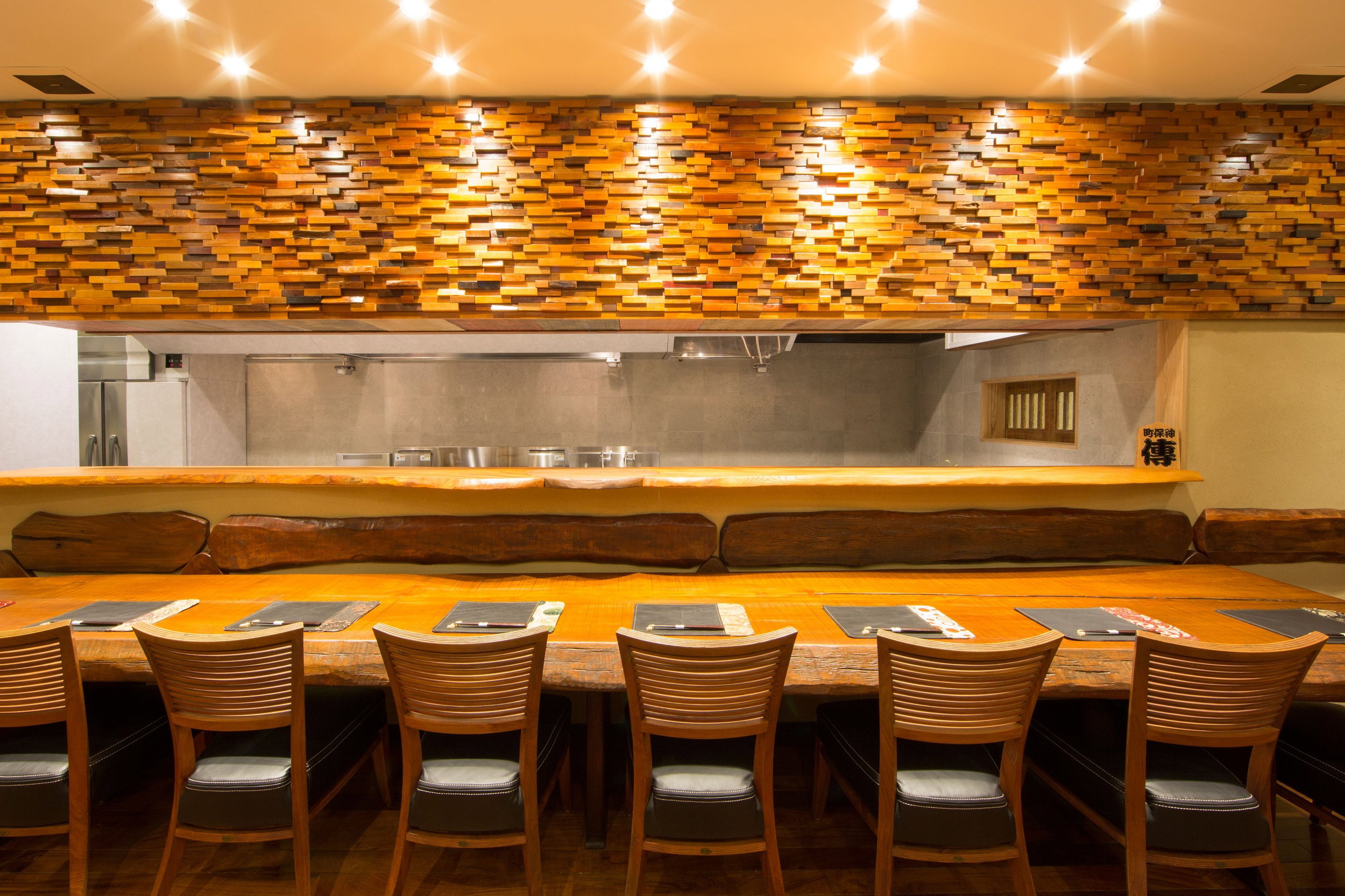
Motoazabu Kushima sits below street level on a quiet Motoazabu block, in the kind of address that rewards walkers who pay attention to building directories. The format is kappo: a chef-driven counter style where courses are assembled in front of guests, and the kitchen's rhythm sets the pace of the meal. This is not a high-production kaiseki theatre, and it is not a sushi counter. It occupies its own lane, and that specificity is the main reason to choose it over more generic omakase options in central Tokyo.
The menu's spine is Japanese Black wagyu sourced from Miyazaki Prefecture, a choice that gives the kitchen a regional identity rather than simply a quality claim. Wagyu from Miyazaki is among the most decorated in Japan at national competitions, and the chef's connection to the region gives the sourcing a narrative backbone that you can taste in the selection. Homemade corned beef, shabu-shabu, and char-grilled preparations rotate as constants, each one shaped by kappo's defining principle: technique that clarifies rather than obscures the ingredient. The grill work in particular produces the kind of aromatic cues that carry from the counter to wherever you sit, a low char and rendered fat combination that signals the kitchen is operating with confidence.
The menu does not run on wagyu alone. Seasonal detours through mushrooms, puffer fish, and crab give the progression variety without losing focus. This is a deliberate structure: the chef uses the seasonal additions to modulate pace and prevent the richness of beef from dominating start to finish. For food-focused guests who have already worked through Tokyo's sushi counter circuit, this format offers genuine contrast. The kappo approach rewards engagement — watching preparation, asking questions, understanding why a particular mushroom or crab is on the menu this week rather than last. If you want that kind of depth, Kushima provides it at a price point that does not require a separate budget conversation.
Michelin Plate recognition in 2025 places Kushima in the tier of restaurants that inspectors consider worth seeking out without the full star designation. In practical terms, that means quality you can rely on without the booking anxiety or price premium that comes with starred venues. For visitors comparing their Tokyo itinerary against options like Kagurazaka Ishikawa or Azabu Kadowaki, Kushima sits in a different register, more accessible, more regionally specific, and better suited to guests who want focused beef-driven kappo rather than broad kaiseki sweep.
Motoazabu neighbourhood itself positions this as a quieter, residential-adjacent dining experience rather than a Ginza showpiece. That suits the kappo format. Nearby options like Myojaku and Ginza Fukuju serve different cuisines and atmospheres, but the common thread in this part of Tokyo is restaurants that prioritise craft over spectacle. If you are building a broader Japan trip, the same philosophy extends to venues like Gion Sasaki in Kyoto and Isshisoden Nakamura in Kyoto, worth cross-referencing if your itinerary runs south.
For those travelling through Japan more broadly, the regional wagyu focus at Kushima connects to a wider story about prefecture-specific beef culture. Venues like Kashiwaya Osaka Senriyama in Osaka and HAJIME in Osaka approach Japanese ingredients with similar philosophical rigour, though through very different formats. akordu in Nara and Goh in Fukuoka are worth adding to your shortlist if you are moving beyond Tokyo. For Tokyo trip planning beyond restaurants, see our full Tokyo restaurants guide, our full Tokyo hotels guide, and our full Tokyo bars guide. You can also explore our full Tokyo experiences guide and our full Tokyo wineries guide for a fuller picture of the city.
That clarity of purpose is ultimately what makes Kushima recommendable. Tokyo has no shortage of ambitious restaurants covering every cuisine and price point. What is rarer is a venue that does one thing, regional wagyu kappo, with this level of care at ¥¥¥. If that is what you are looking for, book it without hesitation.
Ratings & Recognition
- Michelin: Plate (2025)
- Price tier: ¥¥¥
Booking & Practical Details
Reservations: Booking difficulty is rated Easy, standard advance planning of a week or two should secure a table, though confirmation of availability is always advisable for prime weekend evenings. Location: Basement level, 3 Chome-11-2 Kadoru Azabujuban B1, Motoazabu, Minato City, Tokyo. Budget: ¥¥¥, mid-to-upper range for Tokyo; expect an omakase set format. Dress: No dress code data available, but smart casual is appropriate for a Michelin Plate venue at this price tier. Format: Omakase set menu, kappo counter style. Leading timing: For the widest seasonal ingredient selection, aim for autumn when mushroom and crab courses are most likely to feature alongside the wagyu programme. Early evening seatings tend to be quieter and better for conversation at counter-style venues.
How It Compares
See the comparison section below for how Kushima sits against Tokyo's wider fine-dining field.
Explore More in Japan
Planning details
- Location
- Japan, 〒106-0046 Tokyo, Minato City, Motoazabu, 3 Chome−11−2 カドル麻布十 番B1
- Reservations
- Book on Omakase
- Website
- motoazabu-kushima.com
- Phone
- +81 3-6271-5516
The take
The Take
The Vibe
Motoazabu Kushima presents a refined, low‑key interpretation of Tokyo occasion dining. Housed in a basement on Motoazabu’s residential fringe, the room centers on a kappo counter where a single chef works directly in front of guests. The space reads as classic and compact rather than theatrical: it emphasizes craft and immediacy over ceremony. With a 2025 Michelin Plate and a restrained, chef‑led rhythm, the evening feels quietly assured—an elegant, closely focused experience that privileges technique, seasonal suppliers and the interaction between cook and diner.
Best For
Kushima is best experienced as an evening occasion: the kappo counter format and the chef’s real‑time decision‑making make it especially suited to date nights, business dinners and other special‑occasion meals. Positioned in the mid tier of Tokyo’s occasion scene, it offers considered, reference‑quality cooking without the full ceremonial distance of kaiseki. The Michelin Plate recognition signals consistent quality, and the compact counter setting concentrates attention on the food and service, aligning the restaurant with intimate, deliberate dining rather than casual or sprawling group outings.
Ordering Tips
The kappo format at Kushima pivots on chef discretion, so the kitchen’s selections and the day’s deliveries shape much of the menu. Lean into that dynamic: allow the chef to guide the progression where possible, and expect dishes that highlight premium ingredients and precise technique. Standout preparations noted for the venue include shabu‑shabu and char‑grilled wagyu; the homemade corned beef is another signature that signals the kitchen’s range. Because the counter experience is curated in real time, trusts in the chef’s choices yield the most representative meal.
Venue details
Ambiance
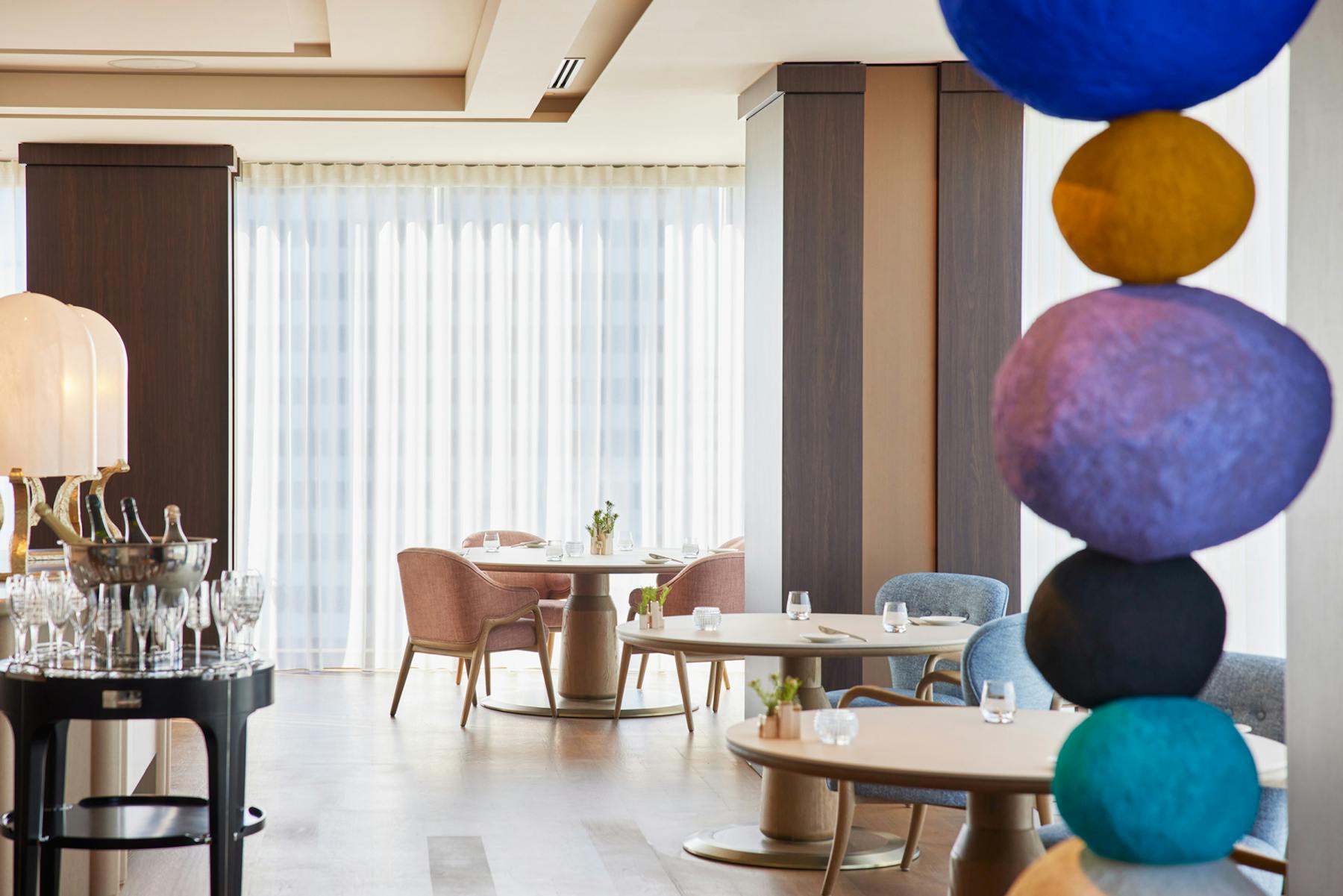
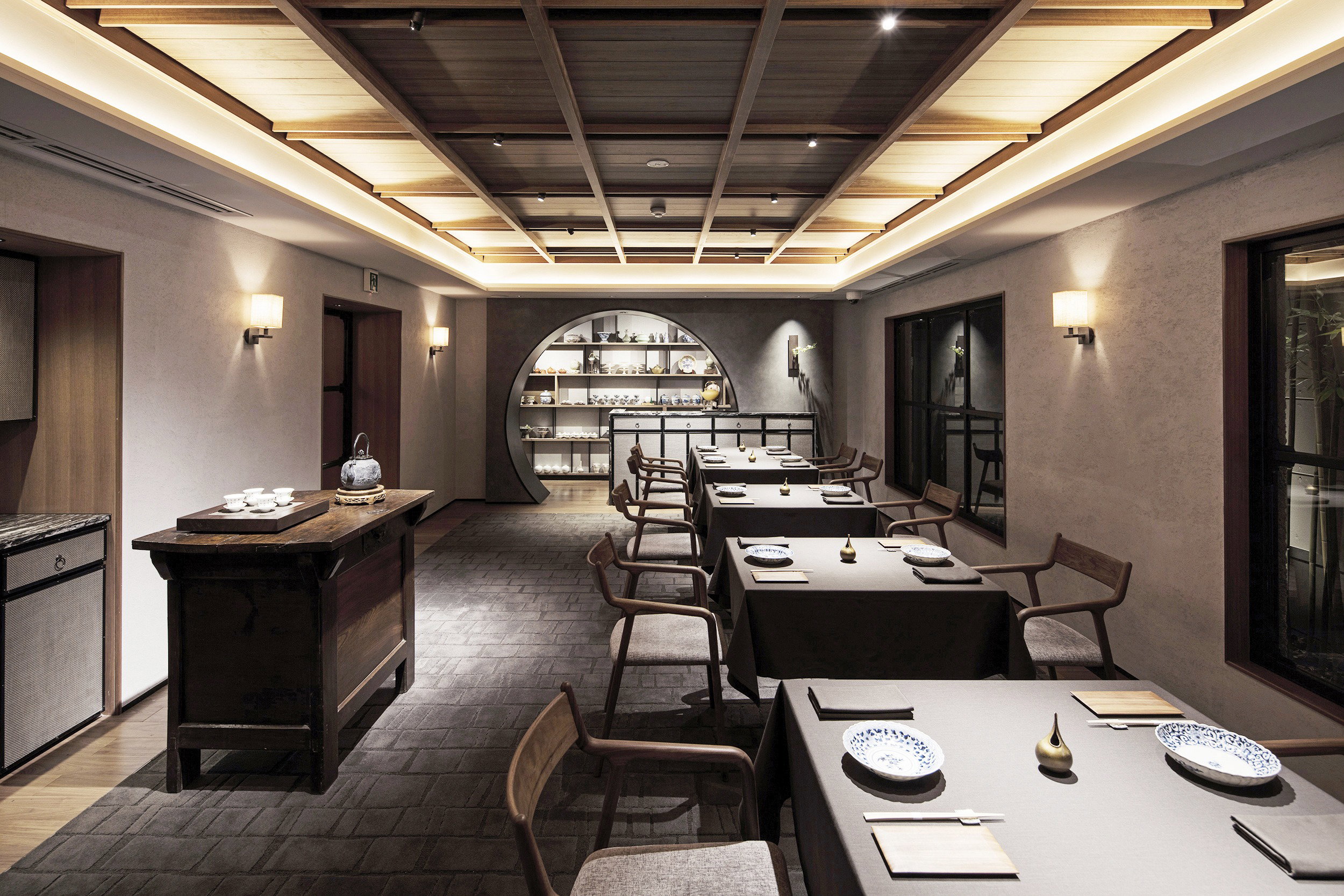
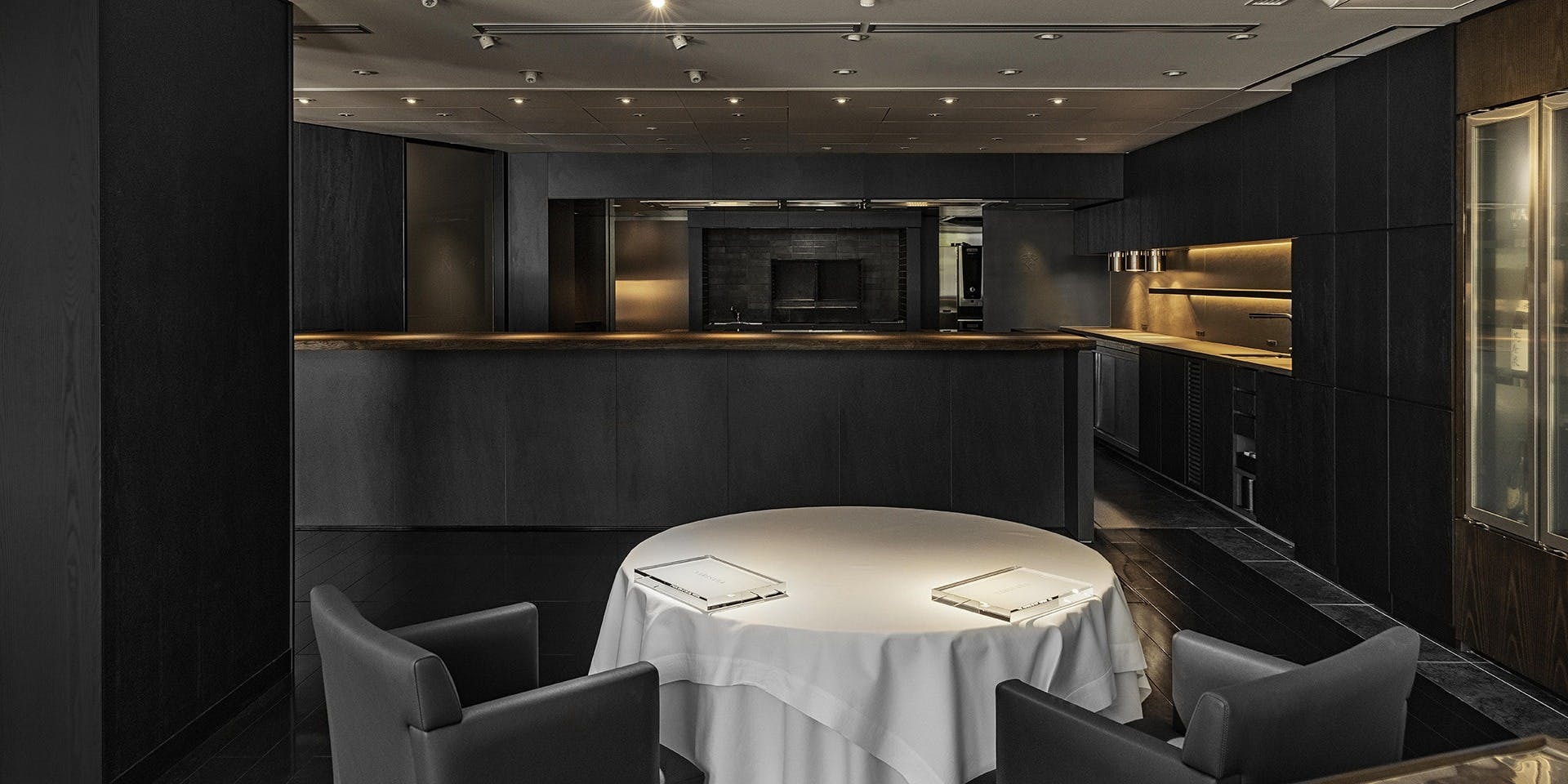
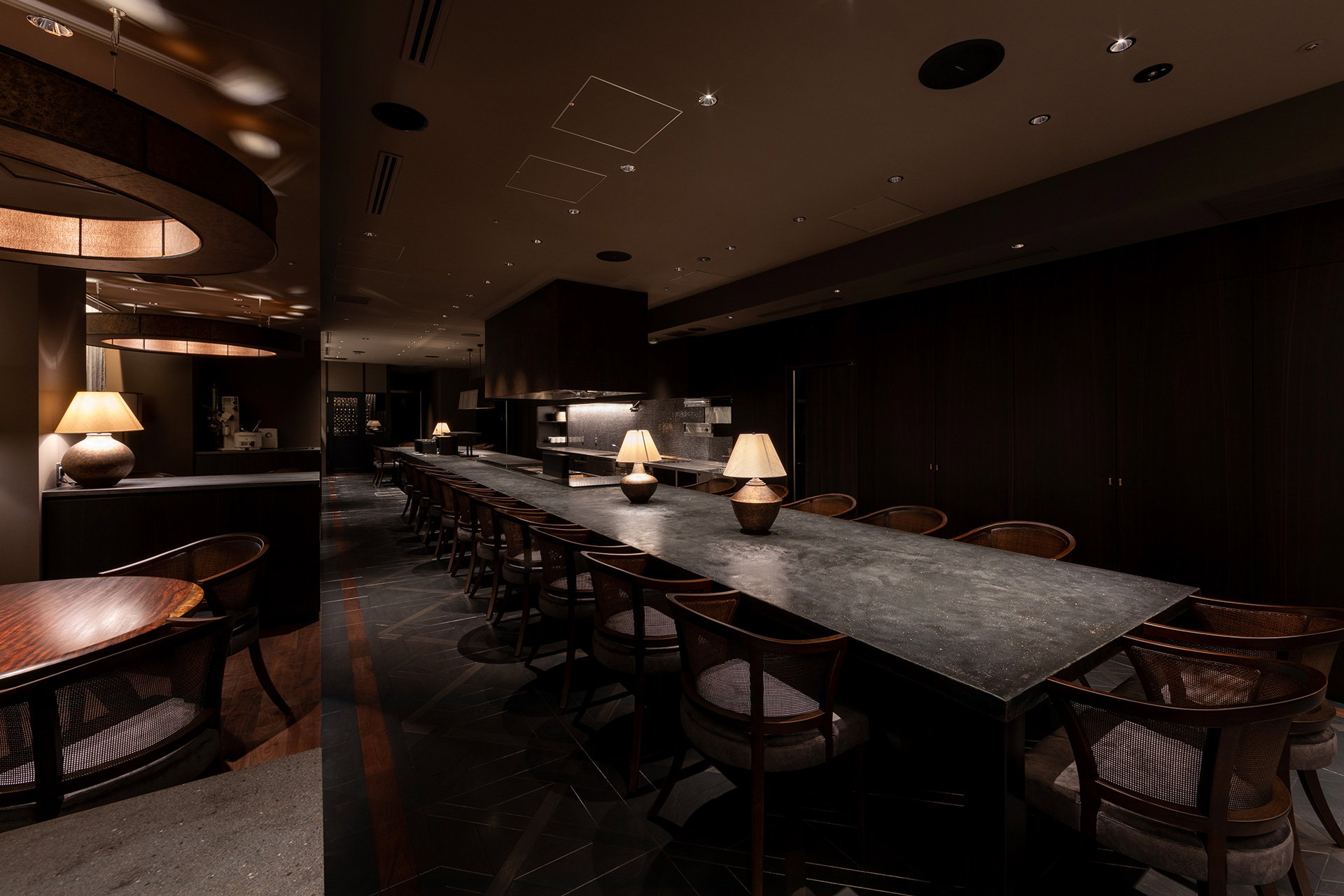
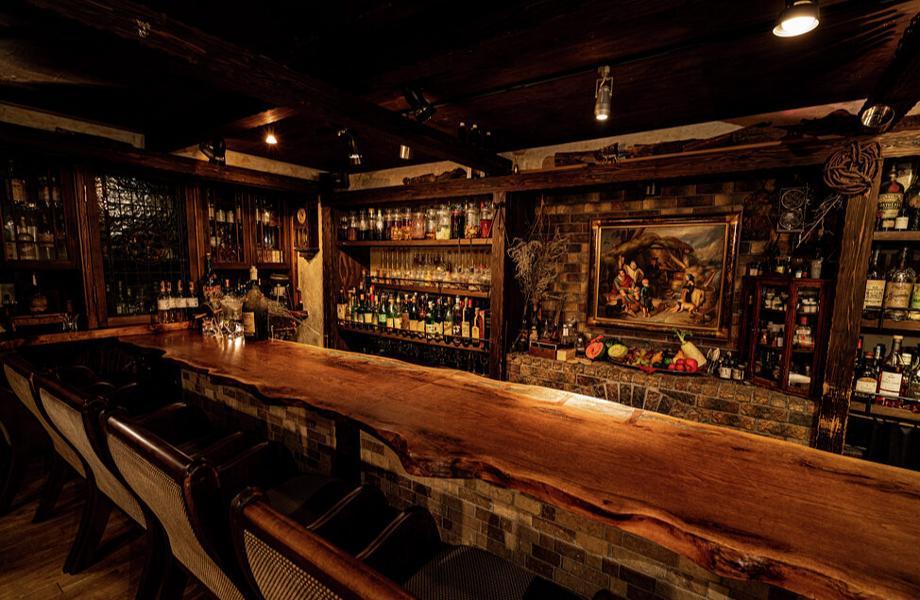
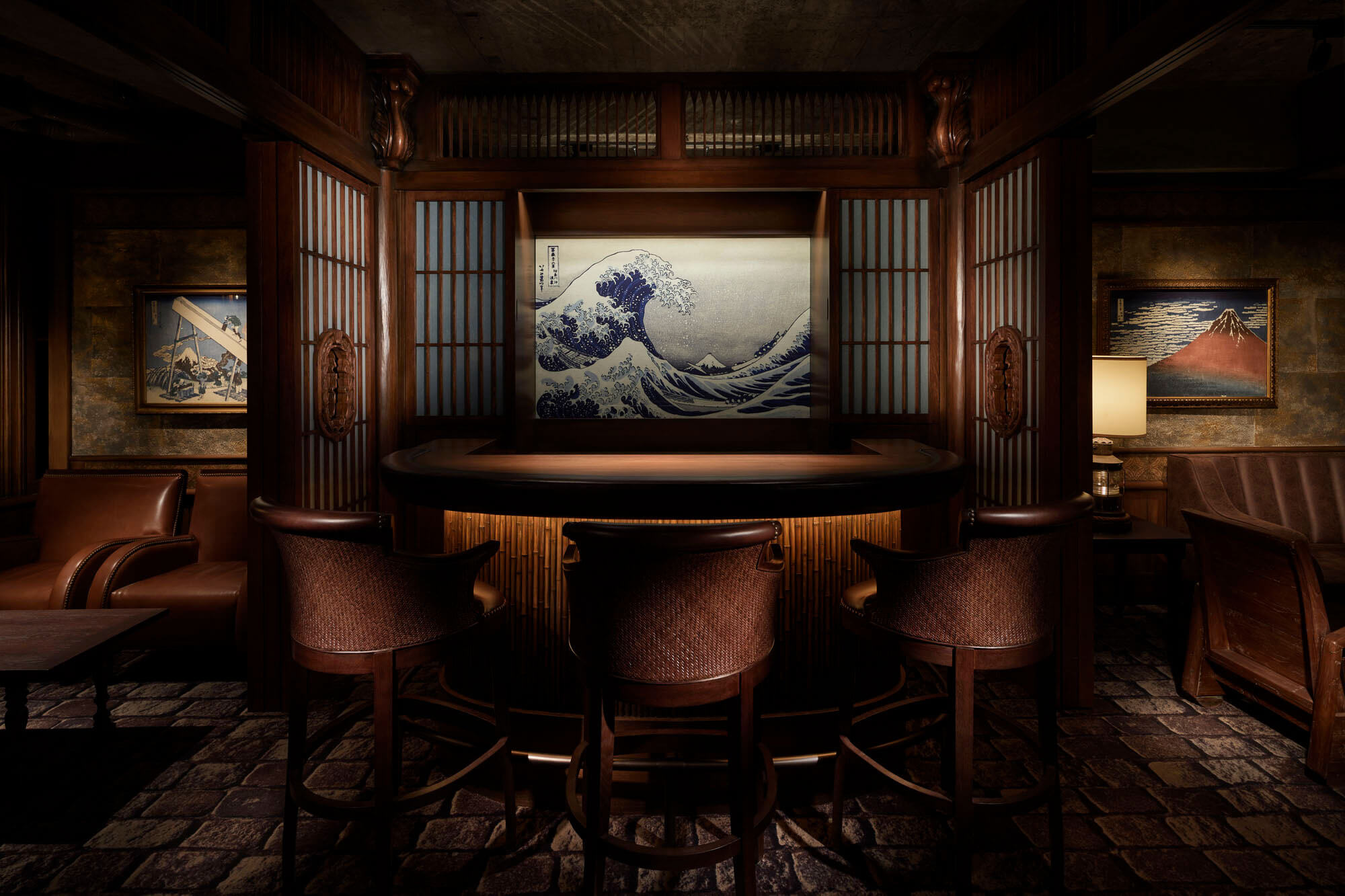
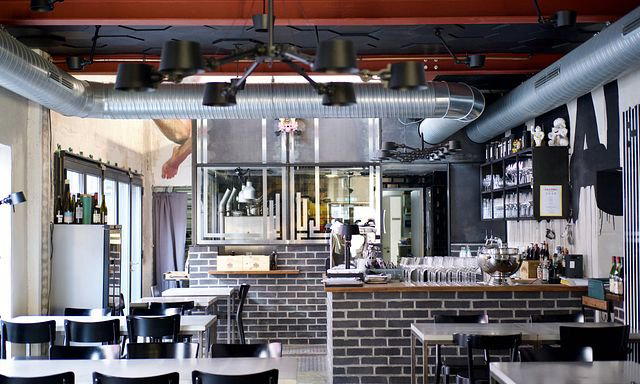
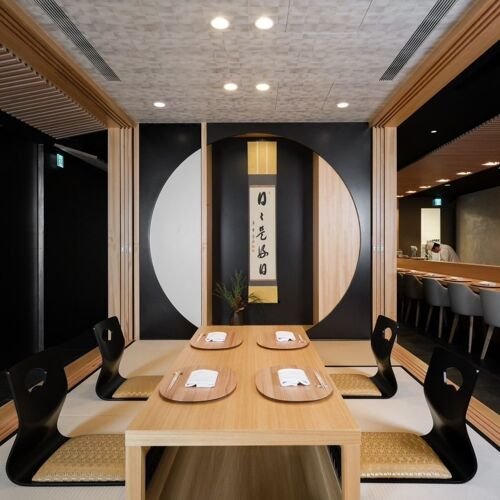
Compact basement dining room with clean lines, warm wood, focused task lighting, quiet privacy, and counter seating facing the open kitchen for refined, conversation-friendly adult dining.
Tags
Vibe
Best For
Experience
Sourcing
Accessibility
At the Table
- Dress Code
- Smart Casual
- Noise Level
- Quiet
- Service Style
- Formal
- Meal Pacing
- Leisurely
- Capacity
- Intimate
- Kitchen
- Modern
- Menu Format
- Omakase, Counter dining
- Wine Program
- Curated
- Drinks Focus
- Sake, Shochu, Wine
- Private Dining
- Available
Signature Dishes
- homemade corned beef
- shabu-shabu
- char-grilled wagyu
Know before you go
Know Before You Go
- Getting there
- Japan, 〒106-0046 Tokyo, Minato City, Motoazabu, 3 Chome−11−2 カドル麻布十 番B1
Planning details
Location
Japan, 〒106-0046 Tokyo, Minato City, Motoazabu, 3 Chome−11−2 カドル麻布十 番B1 · Directions
Recognition and awards
Also consider
Also Consider
- Harutaka, Sushi, ¥¥¥¥
- L'Effervescence, French, ¥¥¥¥
- RyuGin, Kaiseki, Japanese, ¥¥¥¥
- HOMMAGE, Innovtive French, French, ¥¥¥¥
- Crony, Innovative, French, ¥¥¥¥
Restaurant context
How Motoazabu Kushima Compares
Kushima sits at ¥¥¥ against a comparison set that runs entirely at ¥¥¥¥, and that price gap is the first practical consideration. Harutaka and RyuGin both operate at a higher price point and a higher booking difficulty: RyuGin in particular demands significant advance planning and delivers a full kaiseki progression with theatrical presentation. If you want the widest possible sweep of Japanese seasonal cuisine and are prepared to pay and plan for it, RyuGin is the stronger choice. Kushima is the better call if your priority is wagyu craft at a lower entry cost with an easier reservation.
L'Effervescence, HOMMAGE, and Crony are all French-influenced at ¥¥¥¥ and serve a fundamentally different purpose on a Tokyo itinerary. They are the right pick if you want to see how French technique integrates with Japanese ingredients at the highest level. Kushima does not compete with them on format or ambition, it offers something more focused and more specifically Japanese in its sourcing philosophy. If you are choosing between a French tasting menu and a wagyu kappo counter for a single evening, the answer depends on what you have already eaten. Kushima makes more sense earlier in a Japan trip when regional ingredient identity still feels novel.
For solo diners or couples who want a counter experience with strong craft credentials and no need to battle a booking queue, Kushima is the most practical option in this comparison set. It earns its Michelin Plate on clarity of vision: one region, one primary ingredient, one cooking philosophy. The ¥¥¥¥ alternatives offer more complexity and more prestige, but Kushima offers better value per unit of focused pleasure, and that matters when you are making several reservations across a Tokyo week.
Explore Tokyo
Around this place
Discover more on Pearl
Unlock the full Motoazabu Kushima guide in Pearl, including awards, comparisons, FAQs, planning details, and nearby places.
Compare Motoazabu Kushima
| Venue | Cuisine | Price | Awards | Booking Difficulty |
|---|---|---|---|---|
| Motoazabu Kushima | Japanese | ¥¥¥ | 2026 Michelin Plate2025 Michelin Plate | Easy |
| Harutaka | Sushi | ¥¥¥¥ | 2026 Tabelog Silver · #312026 OAD Top Restaurants in Japan Ranked · #1282026 Michelin 3 Stars2026 La Liste Top RestaurantsTabelog 100 - Sushi - TOKYO - 2025 · #372025 Asia's 50 Best Restaurants · #762025 OAD Top Restaurants in Japan Ranked · #1172025 La Liste Top Restaurants2025 Tabelog Bronze | Unknown |
| L'Effervescence | French | ¥¥¥¥ | 2026 Tabelog Silver · #682026 OAD Top Restaurants in Japan Ranked · #103Star Wine Lists 20262026 Black Pearl 2 Diamond2026 Relais Chateaux Restaurants2026 La Liste Top Restaurants2026 Michelin 3 Stars2025 Asia's 50 Best Restaurants · #692025 OAD Top Restaurants in Japan Ranked · #92 | Unknown |
| RyuGin | Kaiseki, Japanese | ¥¥¥¥ | 2026 OAD Top Restaurants in Japan Ranked · #802026 Tabelog Bronze · #3772026 Michelin 3 Stars2026 La Liste Top RestaurantsTabelog 100 - Japanese cuisine - TOKYO - 2025 · #212025 OAD Top Restaurants in Japan Ranked · #542025 Michelin 3 Stars2025 La Liste Top Restaurants2025 The Best Chef Three Knives | Unknown |
| HOMMAGE | Innovtive French, French | ¥¥¥¥ | 2026 Tabelog Bronze · #1232026 OAD Top Restaurants in Japan Highly Recommended2026 Michelin 2 StarsTabelog 100 - French - TOKYO - 2025 · #762025 Asia's 50 Best Restaurants · #782025 OAD Top Restaurants in Japan Ranked · #1752025 Michelin 2 Stars2025 The Best Chef One Knife2025 La Liste Top Restaurants | Unknown |
| Crony | Innovative, French | ¥¥¥¥ | 2026 Asia's 50 Best Restaurants · #34Star Wine Lists 20262026 OAD Top Restaurants in Japan Recommended2026 Michelin 2 Stars2025 Asia's 50 Best Restaurants · #30Tabelog 100 - French - TOKYO - 2025 · #782025 OAD Top Restaurants in Japan Ranked · #227We're Smart World Top Restaurants 20252025 Michelin 2 Stars | Unknown |














Key differences to consider before you reserve.
FAQ
Frequently Asked Questions
Can I eat at the bar at Motoazabu Kushima?
Kappo restaurants in Japan are built around counter dining — the format where the chef works directly in front of guests is central to the experience at Kushima. Given the basement setting and kappo format noted in the venue record, counter seating is almost certainly the primary arrangement. Solo diners and pairs are well suited to this setup.
Is Motoazabu Kushima worth the price?
At ¥¥¥ pricing with a 2025 Michelin Plate, Kushima sits in a reasonable value position for Tokyo kappo. You're getting Miyazaki Black wagyu sourced directly by the chef, a seasonal omakase that moves through shabu-shabu, char-grilled courses, and puffer fish or crab depending on the season. For a freewheeling kappo set at this price point, it competes well against more rigid tasting-menu formats in the same tier.
How far ahead should I book Motoazabu Kushima?
Booking difficulty is rated Easy, so one to two weeks in advance should be sufficient for most dates. This is notably more accessible than comparably recognised Tokyo omakase counters, which often require reservations months out. Weekends may still warrant earlier planning.
What should I wear to Motoazabu Kushima?
The venue data does not specify a dress code. For a basement kappo counter in Motoazabu at ¥¥¥ pricing, Tokyo dining norms lean toward neat, understated clothing — avoiding overly casual attire is a reasonable baseline. No formal dress code is documented here.
Is the tasting menu worth it at Motoazabu Kushima?
Yes, if wagyu-led omakase is your format. The set menu centres on Miyazaki Black wagyu with seasonal additions — mushrooms, crab, puffer fish — and moves between shabu-shabu, char-grilled, and other preparations. The Michelin Plate recognition in 2025 supports the kitchen's consistency. If you want à la carte flexibility, this is not the right counter.
What should I order at Motoazabu Kushima?
Kushima runs an omakase format, so ordering is not the mechanism — you follow the chef's menu. The standouts documented in the venue record are the homemade corned beef, shabu-shabu, and char-grilled wagyu courses, with seasonal ingredients like crab or puffer fish varying the pace. The Miyazaki beef sourcing is the thread running through the menu.
Is Motoazabu Kushima good for solo dining?
Yes. Kappo is one of the formats in Tokyo where solo dining is genuinely comfortable — counter seating puts you directly in front of the chef, and the omakase pace means there is always something happening. At ¥¥¥ and Easy booking difficulty, it is one of the more approachable solo fine-dining options in Minato City.