
Ryō-shō
Japanese · Higashiyama, Kyoto
Restaurant in Kyoto, Japan
 Book with Pearl
The Read
French-Inflected Kaiseki Orthodoxy
Price
¥¥¥¥
Chef
Makoto Fujiwara
Dress
Smart Casual
Why go
Ryō-shō holds two Michelin stars in Kyoto's Gion district, where chef Makoto Fujiwara applies French flameworking and mi-cuit technique to classical kaiseki structure. The sukiya-style townhouse setting is a strong special occasion choice. Book two to four months ahead minimum; near-impossible booking difficulty is not an exaggeration.
About Ryō-shō
The name translates to "aspire to the heavens," which sets expectations plainly. Chef Makoto Fujiwara is doing something specific here: orthodox Japanese kaiseki structure, with French flameworking techniques applied at precise points in the meal. Masu salmon served mi-cuit. Beef rested multiple times during grilling. These are not decorative flourishes; they are technical choices that produce different results from the wanmono and grilled courses you would encounter at a conventionally trained kaiseki kitchen. If you are booking a special occasion meal in Kyoto and want technical ambition backed by institutional recognition, Ryō-shō is a strong answer.
The Room
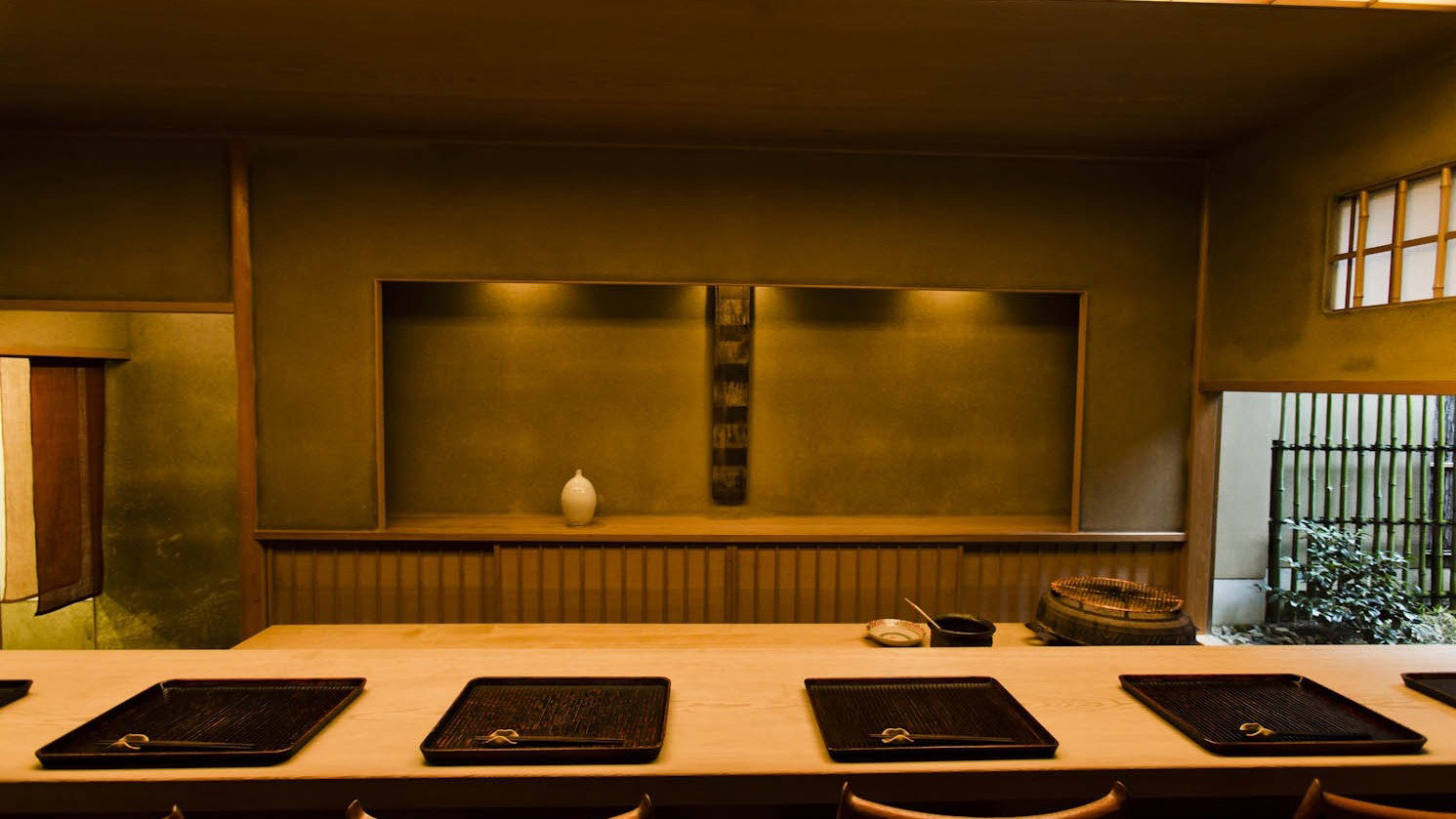
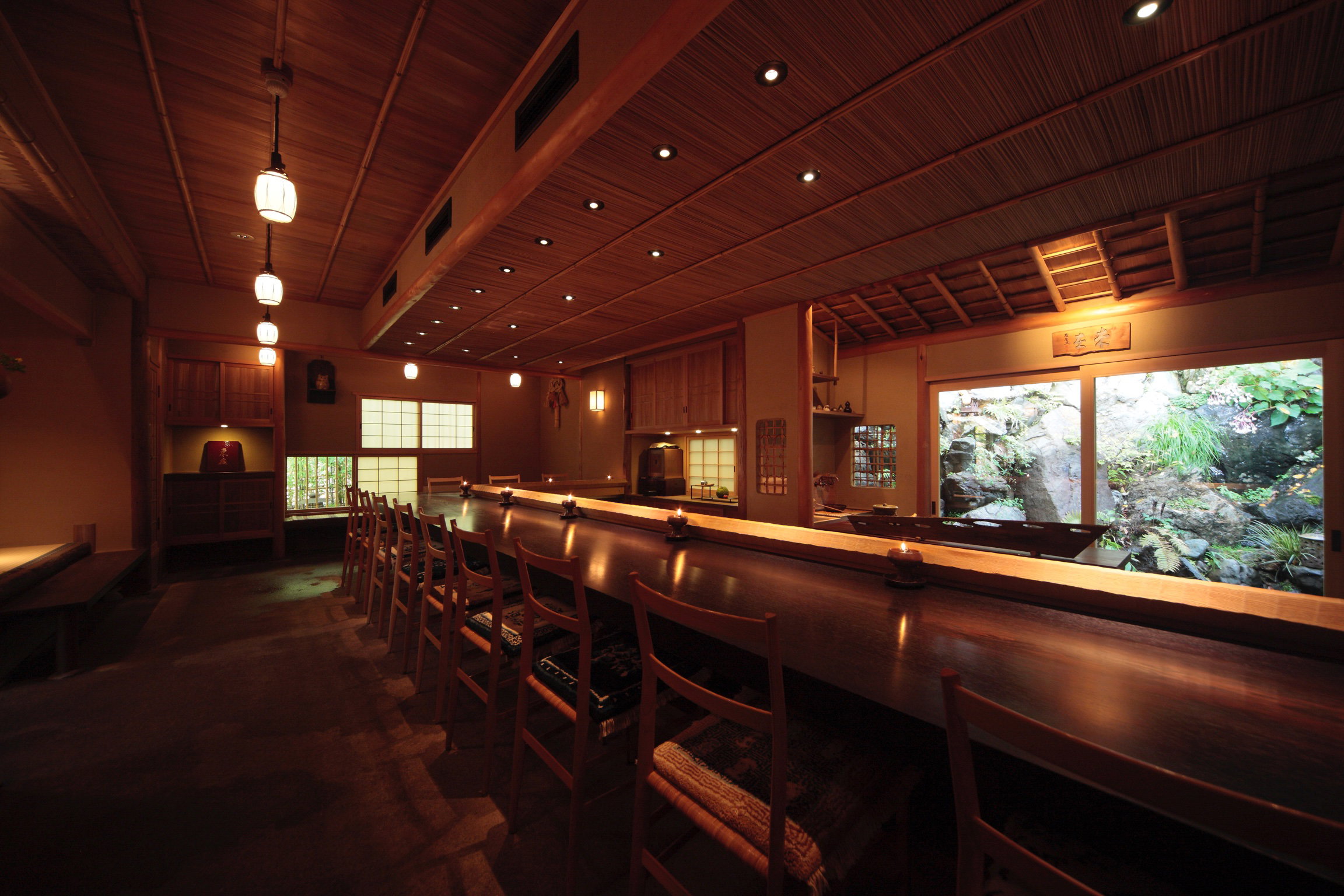
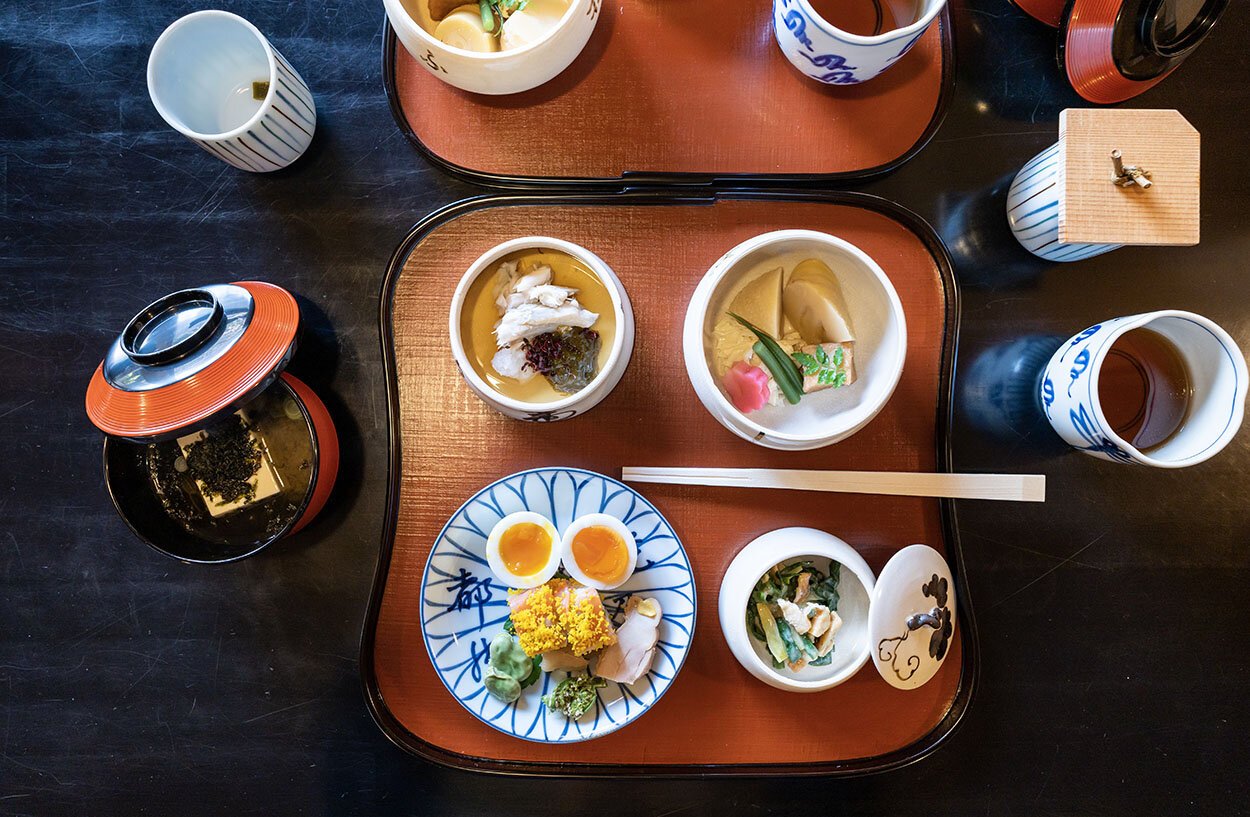
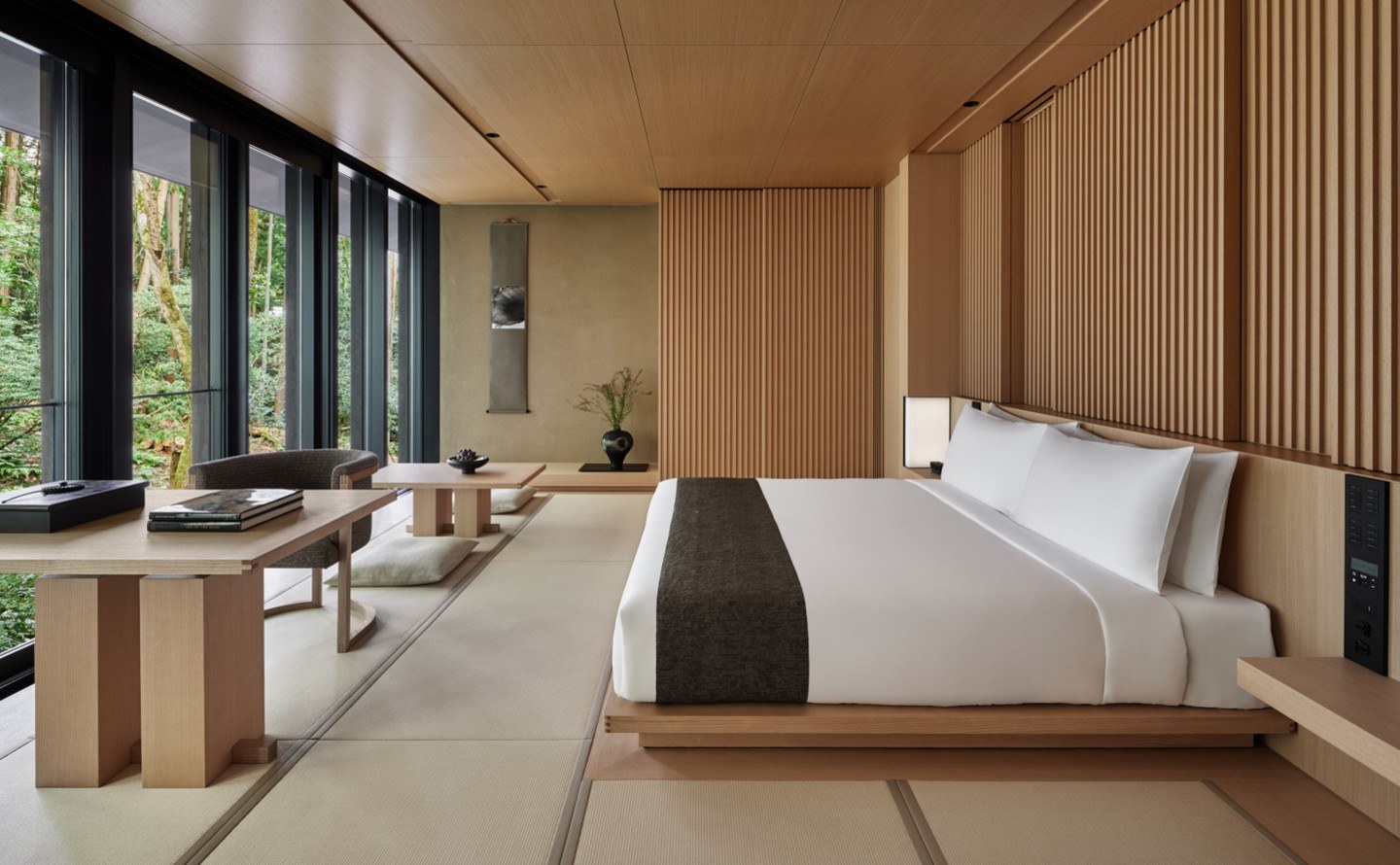
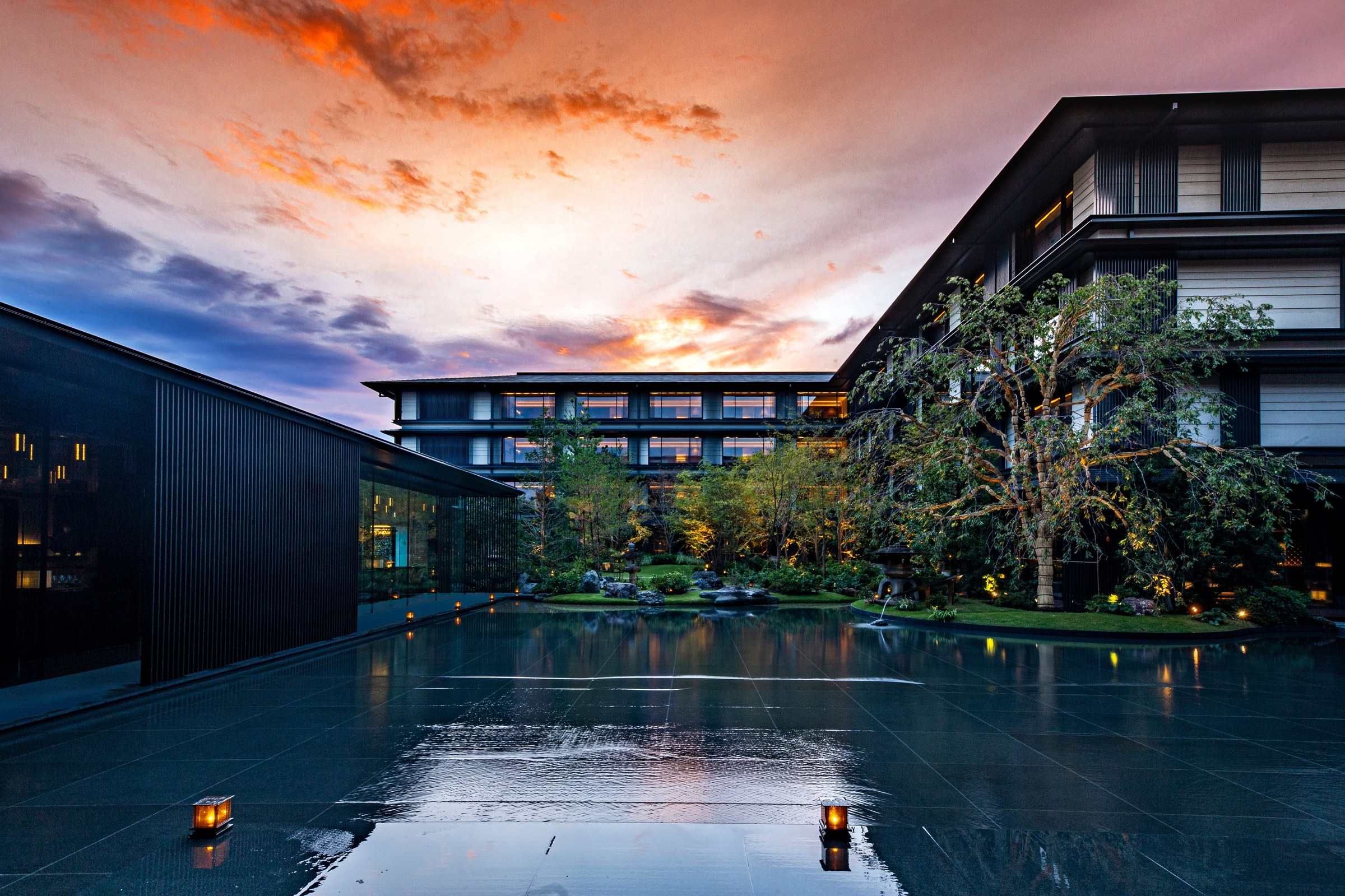
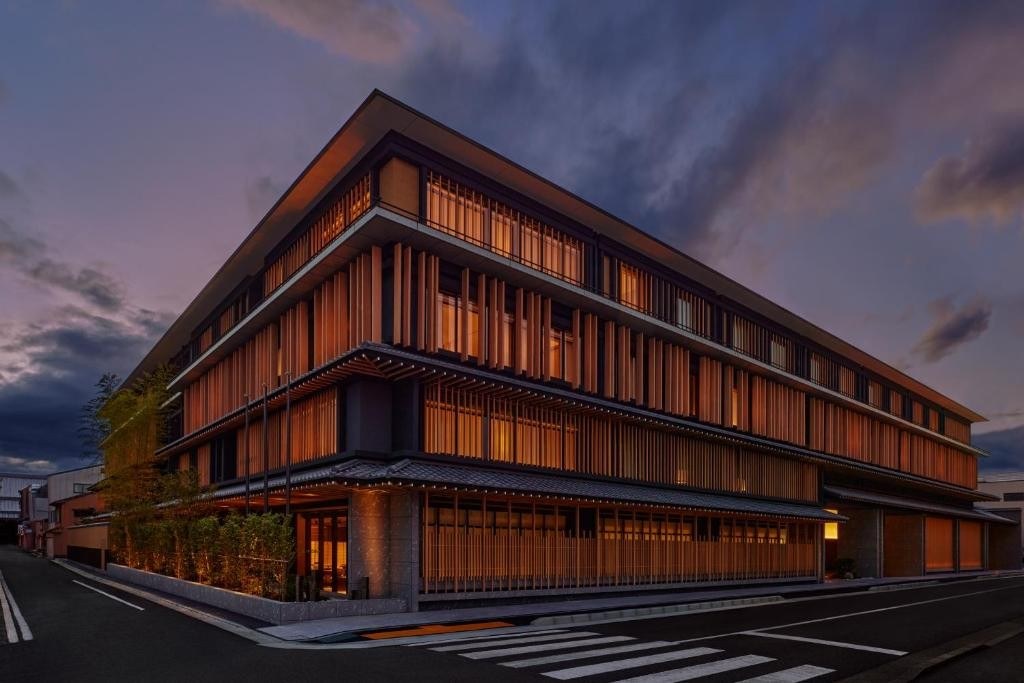
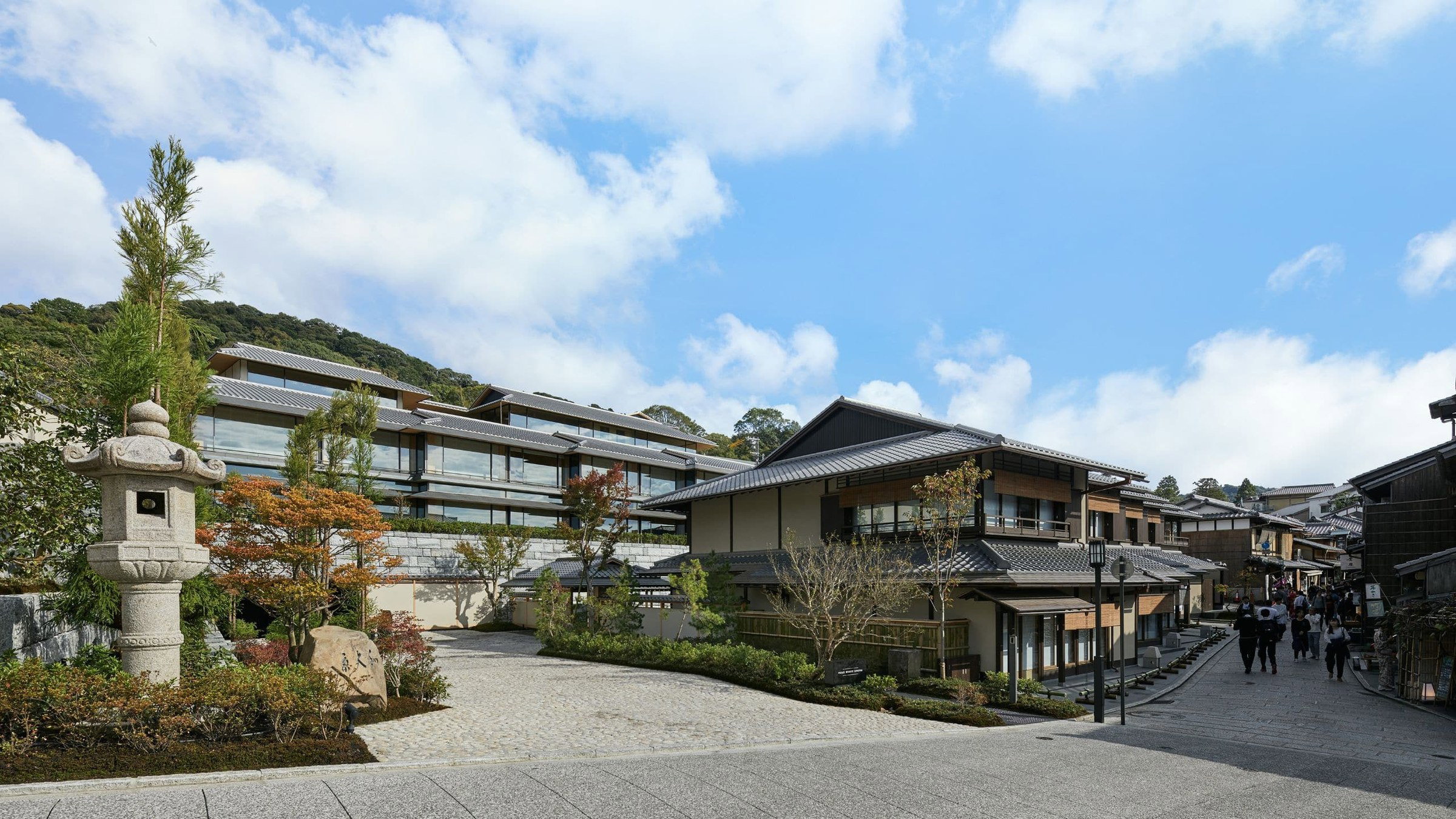
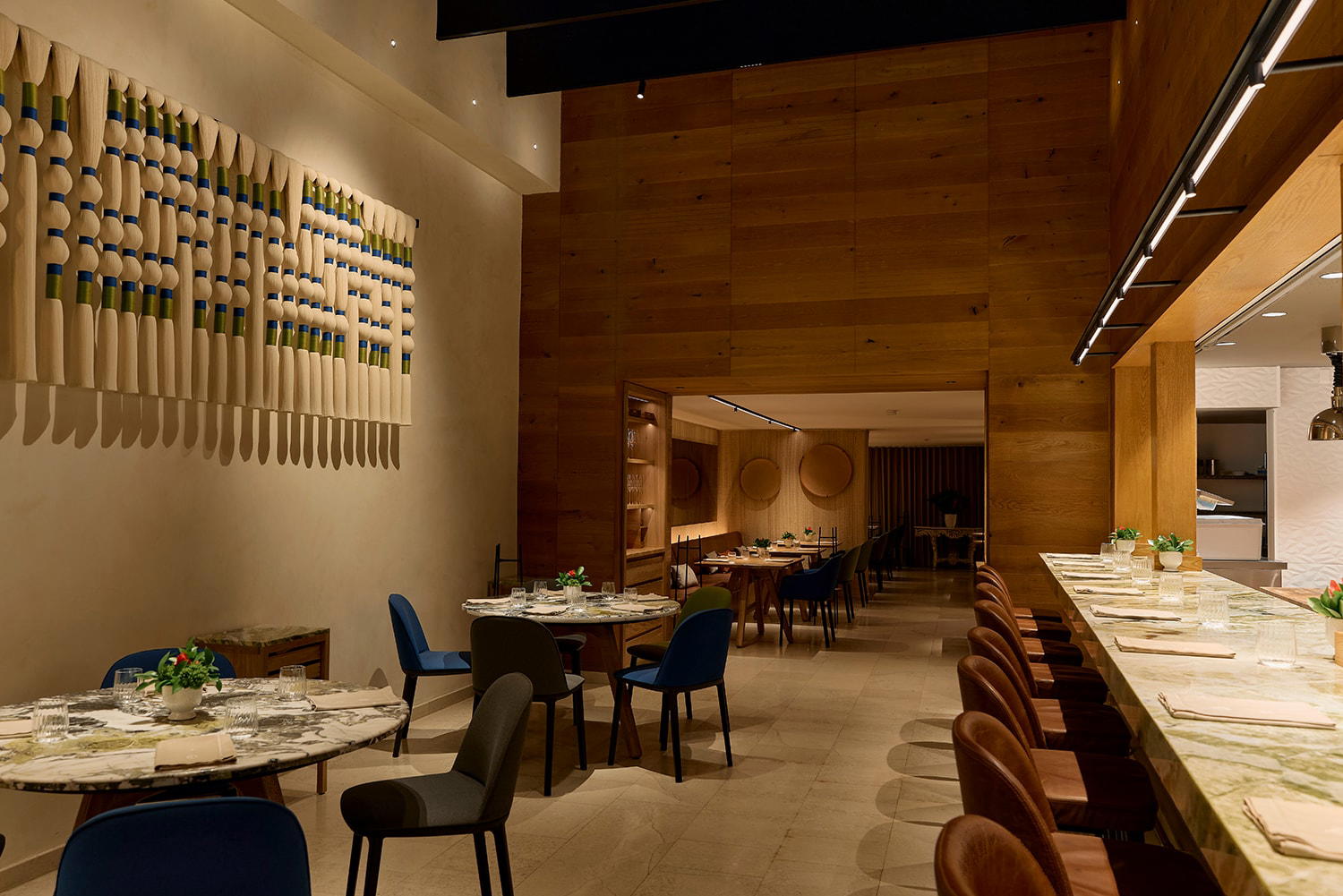
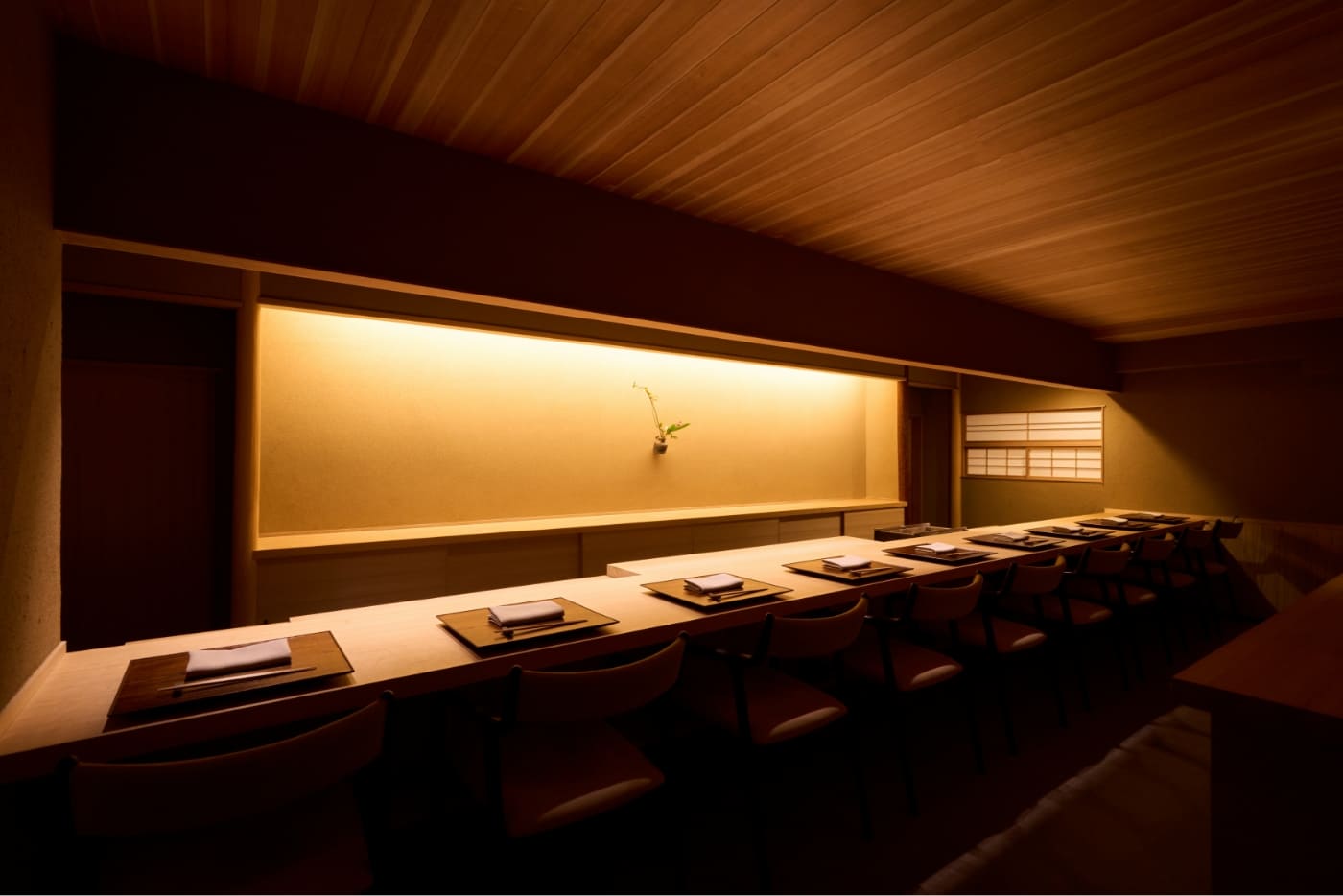
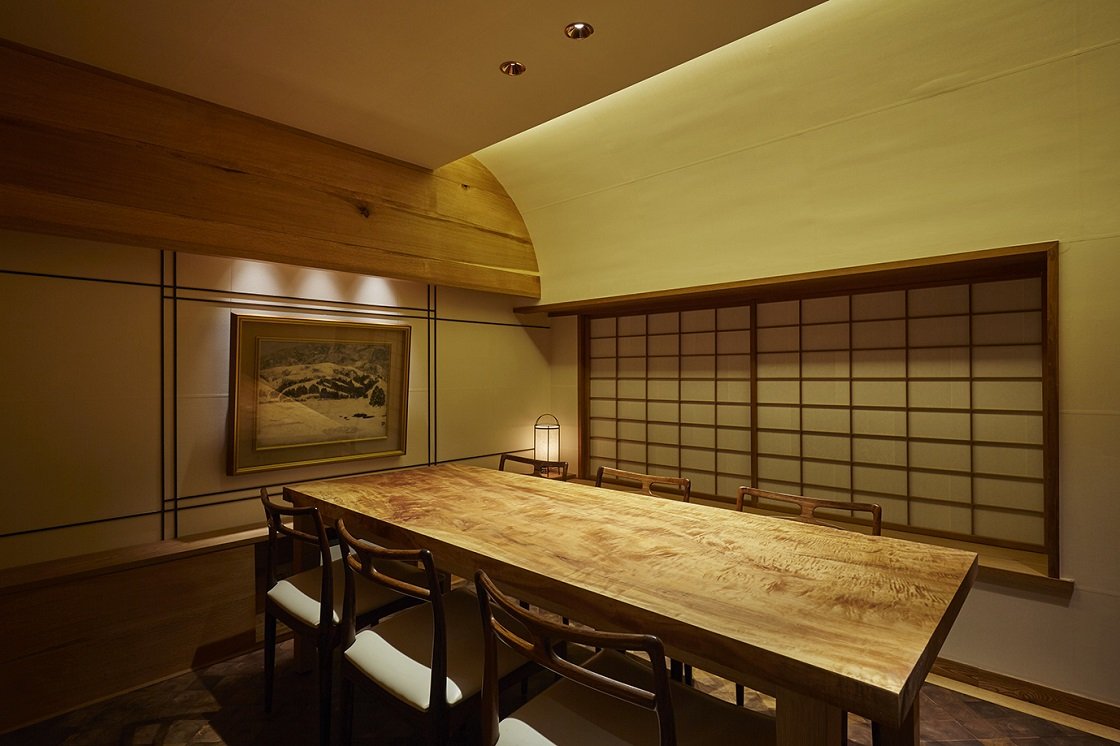
The interior is sukiya-style, housed in a remodelled wooden townhouse in Gionmachi Minamigawa, Higashiyama Ward. Sukiya architecture is the aesthetic vocabulary of the Japanese tea house: restrained, material-focused, built around the idea that the room should recede so the meal can come forward. The dishware here mixes antique and contemporary pieces, which is worth noting because in a kaiseki context the vessels are not incidental; the progression of ceramics, lacquerware, glass across a meal is part of how the courses are framed visually. For a date or a celebratory dinner, this setting reads clearly as an occasion room. It is not a loud or theatrical space; it is one where the details accumulate quietly.
The Cooking: Where the Interest Lies
Fujiwara's approach is worth understanding before you arrive. Classical kaiseki follows a strict sequence; sakizuke, hassun, wanmono, yakimono, so on, in conservative Kyoto kitchens, deviation from that logic is rare. Ryō-shō does not abandon the structure, but it borrows from French technique at the points where heat and protein meet. Mi-cuit preparation, which involves cooking fish at a low temperature to leave it partially cured in texture, requires precise temperature control and timing. Applied to masu salmon, it produces a result distinct from the steamed or lightly grilled fish you would find at more traditional tables. The multi-resting approach to beef grilling similarly reflects a technique-first mindset more common in European fine dining than in traditional Japanese yakiniku or kaiseki contexts. These choices are not gimmicks. They reflect a chef who has studied the mechanics of cooking across traditions and is applying that knowledge to Japanese ingredients and sequences. That is the proposition at Ryō-shō, and it holds up against its two-star credential.
Drinks and the Question of Wine
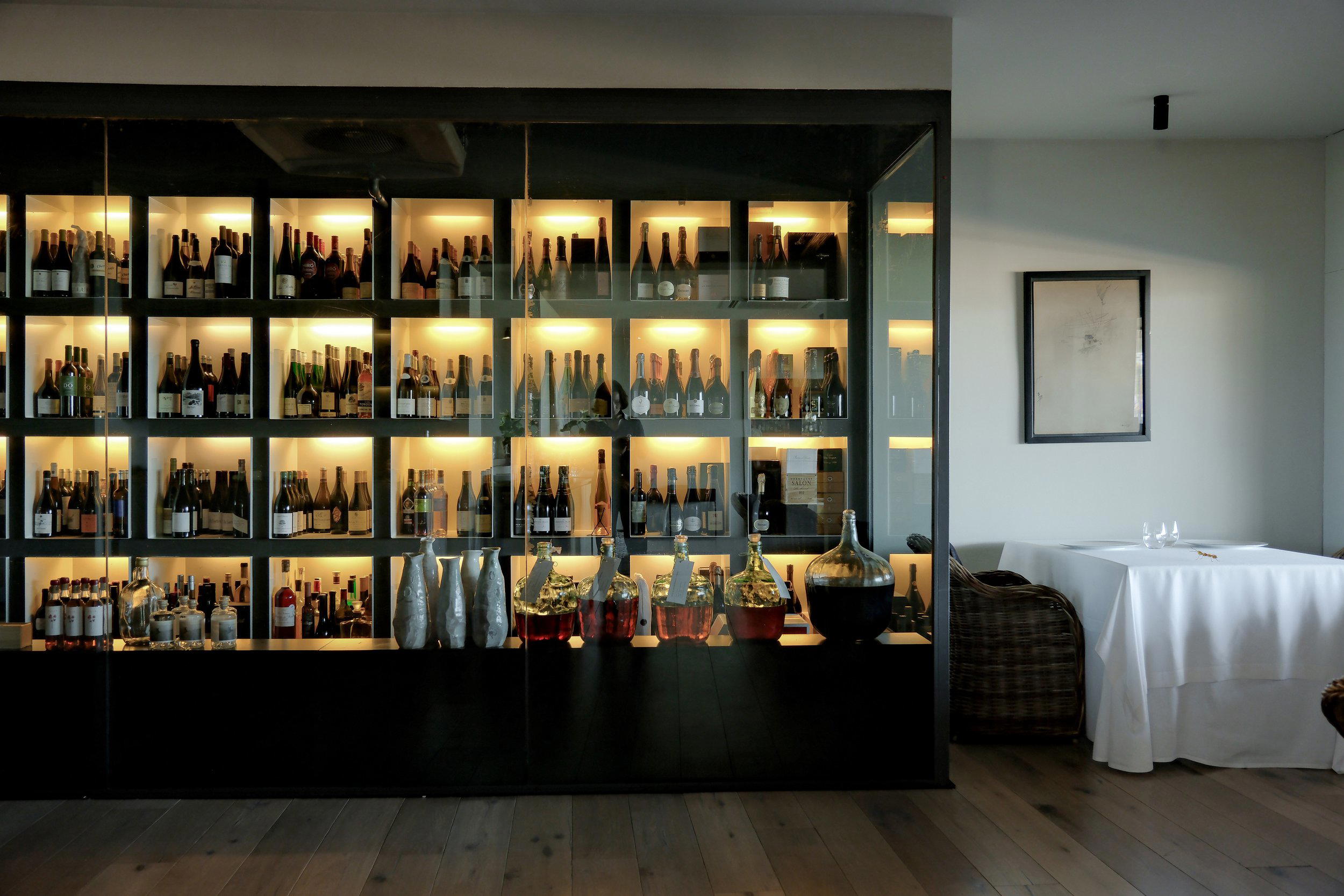
The database record does not specify a wine list or drinks program, so specific bottle recommendations or sake pairings cannot be confirmed here. What can be said is that the cooking at Ryō-shō sits at the intersection of Japanese kaiseki and French technique, which makes it more wine-compatible than a conventional kaiseki menu would be. The French-inflected preparation of proteins, particularly the mi-cuit fish and the multi-rested beef, responds well to wine pairings in ways that traditionally prepared Japanese courses often do not. At this price tier in a Gion address, a drinks pairing option is structurally likely, but confirm directly when booking. For reference, two-star kaiseki restaurants in Kyoto operating at the ¥¥¥¥ level typically offer sake pairing as a baseline, with wine pairing available for guests who request it. For dedicated exploration of drinks culture in Kyoto, see our full Kyoto bars guide and our full Kyoto wineries guide.
How Hard Is This to Book?
Booking difficulty is rated near impossible. Ryō-shō is a two-star Gion address with a small physical footprint, sukiya-style wooden townhouses in Higashiyama Ward are not large rooms. At this level in Kyoto, reservations for international visitors typically require advance planning of two to four months minimum, often through a hotel concierge or a dedicated reservation service. Walk-in access is not realistic. If your travel window is fixed, start the booking process as early as possible; if you are within six weeks of your intended date, treat this as a long-shot and identify a backup. Kikunoi Roan is a more accessible entry point to Kyoto kaiseki if Ryō-shō proves unavailable. For a broader view of where to eat in the city, our full Kyoto restaurants guide covers the range from casual to top-tier.
Who Should Book Ryō-shō
This is the right choice for a diner who already understands kaiseki structure and wants to see what happens when a technically ambitious chef applies cross-cultural technique to that framework. It is a strong special occasion venue: the setting, the price point, the two-star recognition all signal occasion clearly. It is less suited to a first-time kaiseki experience, where the reference points needed to appreciate Fujiwara's departures from orthodoxy may not be in place yet. For a first kaiseki in Kyoto, Isshisoden Nakamura or Kikunoi Roan offer recognised quality with slightly more accessible booking. For those wanting to compare kaiseki ambition across Japan, Kyokaiseki Kichisen in Kyoto and HAJIME in Osaka are relevant comparators. Closer to Ryō-shō's technical register in Kyoto are Gion Matayoshi and Kodaiji Jugyuan. In Tokyo, the cross-cultural technique approach is explored differently at Myojaku and Azabu Kadowaki. Beyond Japan's main restaurant cities, akordu in Nara, Goh in Fukuoka, 1000 in Yokohama, 6 in Okinawa, and Harutaka in Tokyo each represent distinct regional approaches worth knowing. For everything else Kyoto offers, see our full Kyoto hotels guide, our full Kyoto experiences guide, and our full Kyoto restaurants guide.
Planning details
- Location
- 570-166 Gionmachi Minamigawa, Higashiyama Ward, Kyoto, 605-0074, Japan
- Website
- ryo-sho.jp
- Phone
- +81 75-541-3557
The take
The Take
The Vibe
Ryō-shō sits quietly within a preserved Gion machiya, and its atmosphere leans on restraint and attention. The sukiya-style interior, antique dishware paired with contemporary pieces, and the carpenter's geometry of the townhouse reward close observation rather than theatrical flourish. That hush—described here as the particular silence of a Higashiyama side street—encourages a slow, contemplative meal; the restaurant feels like a measured, pared-back study in traditional form and precise technique. Service and plating align with the interior’s temperament, so the overall experience is one of refined calm and focused hospitality rather than exuberant display.
Best For
This is a destination for considered, formal dining—especially in the evening. Ryō-shō’s consecutive two-Michelin-star recognition and its grounding in classical Japanese cuisine position it for special nights when the meal itself is the main event. The surrounding Gion context—temple approaches, preserved machiya fabric, and a civic memory of ceremonial dining—reinforces a sense of occasion. Guests come expecting a deliberate pace and culinary rigor: it’s well suited to celebratory dinners, date nights, and any occasion that benefits from quiet, attentive service and a tightly curated, multi-course Japanese menu.
Ordering Tips
Expect a menu focused on classical Japanese technique and seasonality rather than à la carte casualness. The Michelin citation highlights mastery of classical cuisine with technical advances—grilled items and snacks receive careful treatment—so plan to experience composed, course-driven cooking that rewards patience. Allow time for the meal and for the small details in plating and progression; the space and service are designed to be taken slowly. Because the restaurant operates within Gion’s kaiseki tradition, anticipate a structured, multi-course approach rather than quick, single-plate dining.
Venue details
Ambiance
Tranquil and elegant Sukiya-style architecture with beautiful vessels, paintings, and antique Imari porcelain.
Tags
Vibe
Best For
Experience
At the Table
- Dress Code
- Smart Casual
- Noise Level
- Quiet
- Service Style
- Formal
- Meal Pacing
- Leisurely
- Capacity
- Intimate
Planning details
Location
570-166 Gionmachi Minamigawa, Higashiyama Ward, Kyoto, 605-0074, Japan · Directions
Recognition and awards
Also consider
Also Consider
- Gion Sasaki; Kaiseki, Japanese, ¥¥¥¥
- cenci; Italian, ¥¥¥
- Ifuki; Kaiseki, ¥¥¥¥
- Kyokaiseki Kichisen; Japanese, ¥¥¥¥
- Kyo Seika; Chinese, ¥¥¥
Restaurant context
At the ¥¥¥¥ tier in Kyoto, Ryō-shō's closest structural peer is Kyokaiseki Kichisen, which operates at a strict classical standard and carries Michelin three-star recognition. If orthodoxy and ceremony are the priority, Kichisen is the higher credential. Ryō-shō is the right choice when you want to see kaiseki framework pushed by cross-cultural technique; the French-influenced grilling and mi-cuit preparations give it a different texture from anything at Kichisen. Both are near-impossible to book as an international visitor, so plan accordingly and pursue both simultaneously.
Gion Sasaki and Ifuki are comparable Kyoto kaiseki options at the same price tier. Gion Sasaki is well-regarded for its seasonal focus and is slightly more accessible than Ryō-shō in booking terms. Ifuki operates in a similarly intimate format. Neither brings the explicit French technique angle that defines Fujiwara's cooking, which makes them better choices for diners who want classical kaiseki without the cross-cultural layer, a more manageable path to a confirmed reservation.
If budget is a constraint, cenci at ¥¥¥ offers a different kind of creative cooking; Italian-rooted, Kyoto-ingredient-focused; and is meaningfully easier to book. Kyo Seika at ¥¥¥ is a Chinese option for diners who want a high-quality Kyoto meal without the kaiseki format or the kaiseki price. Neither competes directly with Ryō-shō on technical ambition or recognition, but both are solid alternatives if Ryō-shō proves unavailable and the budget allows for some flexibility.
Explore Kyoto
Around this place
Discover more on Pearl
Unlock the full Ryō-shō guide in Pearl, including awards, comparisons, FAQs, planning details, and nearby places.
Compare Ryō-shō
| Venue | Awards | Price |
|---|---|---|
| Ryō-shō | 2026 Michelin 2 StarsMichelin Guide Kyoto Osaka 20262025 Michelin 2 Stars2024 Michelin 2 Stars | ¥¥¥¥ |
| Gion Sasaki | 2026 Tabelog Bronze · #3862026 OAD Top Restaurants in Japan RecommendedMichelin Guide Kyoto Osaka 20262026 La Liste Top RestaurantsTabelog 100 - Japanese cuisine - WEST - 2025 · #132025 OAD Top Restaurants in Japan Ranked · #2462025 Tabelog Silver2025 Michelin 3 Stars2025 La Liste Top Restaurants | ¥¥¥¥ |
| cenci | 2026 Tabelog Bronze · #442026 Asia's 50 Best Restaurants · #762026 OAD Top Restaurants in Japan Highly RecommendedMichelin Guide Kyoto Osaka 2026Tabelog 100 - Italian - WEST - 2025 · #632025 Asia's 50 Best Restaurants · #632025 OAD Top Restaurants in Japan Ranked · #1682025 Tabelog Bronze2024 OAD Top Restaurants in Japan Ranked · #135 | ¥¥¥ |
| Ifuki | 2026 OAD Top Restaurants in Japan Ranked · #1222026 Tabelog Bronze · #128Michelin Guide Kyoto Osaka 20262026 La Liste Top RestaurantsTabelog 100 - Japanese cuisine - WEST - 2025 · #622025 OAD Top Restaurants in Japan Ranked · #1002025 La Liste Top Restaurants2025 Tabelog Bronze2025 Michelin 2 Stars | ¥¥¥¥ |
| Kyokaiseki Kichisen | 2026 Tabelog Bronze · #1752026 OAD Top Restaurants in Japan Highly RecommendedMichelin Guide Kyoto Osaka 20262025 OAD Top Restaurants in Japan Ranked · #1862025 Michelin 2 Stars2025 La Liste Top Restaurants2024 OAD Top Restaurants in Japan Ranked · #1422024 Michelin 2 Stars2023 OAD Top Restaurants in Japan Ranked · #136 | ¥¥¥¥ |
| Kyo Seika | Tabelog 100 - Chinese cuisine - WEST - 2026 · #762026 Tabelog Bronze · #2162026 OAD Top Restaurants in Japan Recommended2026 Michelin 1 Star2025 OAD Top Restaurants in Japan Ranked · #3262025 Tabelog Bronze2024 OAD Top Restaurants in Japan Ranked · #3042024 Michelin Plate2024 Michelin 1 Star | ¥¥¥ |








.png?width=1200&quality=80)
A quick look at how Ryō-shō measures up.
FAQ
Frequently Asked Questions
Is Ryō-shō good for solo dining?
It depends on format: the sukiya-style townhouse setting and counter-focused kaiseki structure at Ryō-shō tend to suit solo diners who are comfortable with a long, immersive tasting sequence. At ¥¥¥¥ pricing, you are paying for precision and a cook who applies French flameworking to classical Japanese sequencing; that payoff reads clearly when you can give it your full attention. That said, if solo dining in silence over multiple courses at a two-Michelin-star Gion address sounds isolating rather than absorbing, this is not the venue for you.
Is the tasting menu worth it at Ryō-shō?
Yes, if you already understand the kaiseki format and want to see it pushed. Chef Fujiwara holds two Michelin stars in both 2024 and 2025, the case for the price is his cross-discipline approach: masu salmon served mi-cuit, beef rested multiple times during grilling, wanmono and side dishes handled with classical rigour. If you want kaiseki in a more orthodox, exclusively traditional register, Kyokaiseki Kichisen is the closer match. Ryō-shō earns its ¥¥¥¥ price point for diners who want to see what ambition looks like within a strict sequence.
What are alternatives to Ryō-shō in Kyoto?
Gion Sasaki is the most direct comparison for ambition and technique in the same neighbourhood, arguably harder to book. Kyokaiseki Kichisen is the right alternative if you want orthodox kaiseki without the French cross-referencing. cenci suits diners who want a contemporary Japanese-European format at a lower booking threshold. Ifuki and Kyo Seika are worth considering if you want strong kaiseki credentials with more accessible reservations than a two-star Gion address allows.
How far ahead should I book Ryō-shō?
Book as far out as possible; booking difficulty at Ryō-shō is rated near-impossible. A two-star address in Gionmachi Minamigawa with a small sukiya footprint means seats are scarce and demand from both domestic and international diners is sustained year-round. Three months minimum is a practical floor; for peak travel periods in spring or autumn in Kyoto, start earlier. If you cannot secure a reservation, Gion Sasaki operates in the same tier and neighbourhood and is worth pursuing in parallel.