


ROKU KYOTO, LXR Hotels & Resorts
Kita, Kyoto
Hotel in Kyoto, Japan
 Book with Pearl
The Read
Ryokan-Resort Synthesis
Why go
ROKU KYOTO, LXR Hotels & Resorts is a strong choice for a quiet Kyoto celebration, especially if the hotel setting matters as much as the sightseeing plan. The Kinugasa location is less convenient for packed downtown itineraries, but stronger for retreat-style stays with polished service expectations and credible luxury-hotel recognition.
About ROKU KYOTO, LXR Hotels & Resorts
For Kyoto celebrations where the hotel is meant to be part of the occasion, ROKU KYOTO, LXR Hotels & Resorts is a recognized hotel option with recognition from Michelin, Forbes, and La Liste. The strongest case is direct: this is a Kyoto hotel with a smart casual dress code and notable third-party hotel accolades.
Plan the stay with care rather than relying on assumptions about facilities, dining, room categories, or transport convenience. For travelers comparing Kyoto hotels, the decision should rest on the recognition, the LXR Hotels & Resorts name, and whether the overall hotel choice fits the trip.
Book this for a recognized Kyoto hotel stay
The right guest is choosing ROKU KYOTO, LXR Hotels & Resorts because the hotel itself matters and because recognition is part of the decision. Accolades include Michelin 1 Key (2024), Forbes 5-Star (2026), and La Liste Top Hotels (2026) with 91.5pts.
If the trip depends on specific logistics, dining plans, facilities, or room features, verify those details directly before booking. Use the full Kyoto hotels guide to compare other Kyoto options before committing.
The value is in confirmed recognition and occasion fit
The grounded argument for ROKU KYOTO, LXR Hotels & Resorts is its Kyoto setting, smart casual dress code, and recognition from major hotel guides.
For dining-led trips, pair the hotel decision with the full Kyoto restaurants guide rather than assuming the property solves every meal. For evenings out, check Kyoto options separately and plan transport realistically. The stay works well when the booking is made for the hotel itself, not for assumptions around it.
Who should choose a peer instead
If you are still comparing premium stays in Kyoto, consider Aman Kyoto, Hotel Utano Kyoto Bessho, Kyo no Ondokoro Nishijin Bettei #5, Nazuna Kyoto Gosho, or Noku Kyoto alongside ROKU KYOTO, LXR Hotels & Resorts. Choose based on the specific details that matter for your trip, and verify any required facilities, services, or room features directly before booking.
Planning details
- Location
- 44-1 Kinugasa Kagamiishichō, Kita Ward, Kyoto, 603-8451
- Website
- hilton.com/en/hotels/itmolol-roku-kyoto/?SEO_id=GMB-APAC-OL-ITMOLOL
- Phone
- +81 75-320-0111
The take
The Take
The Vibe
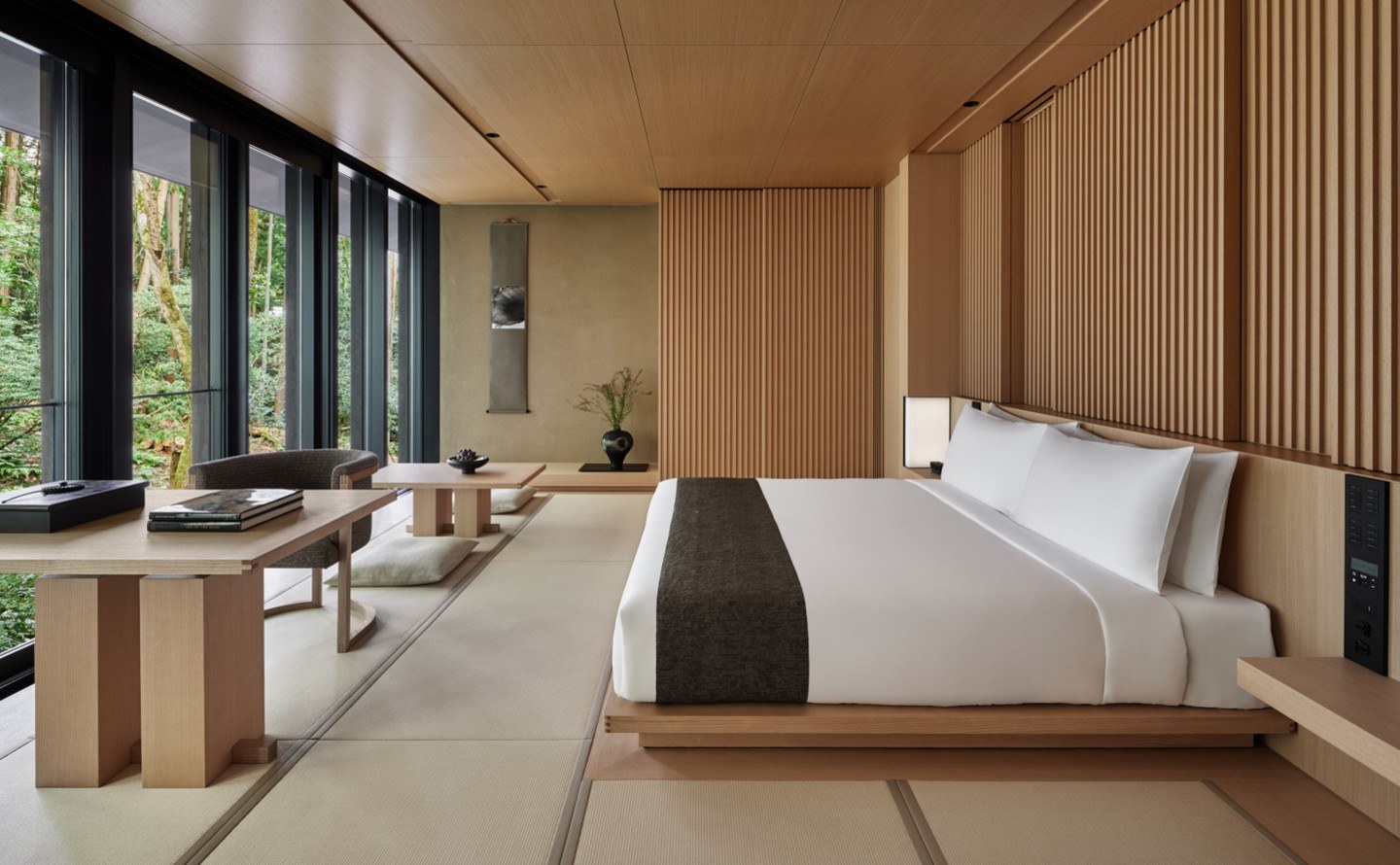
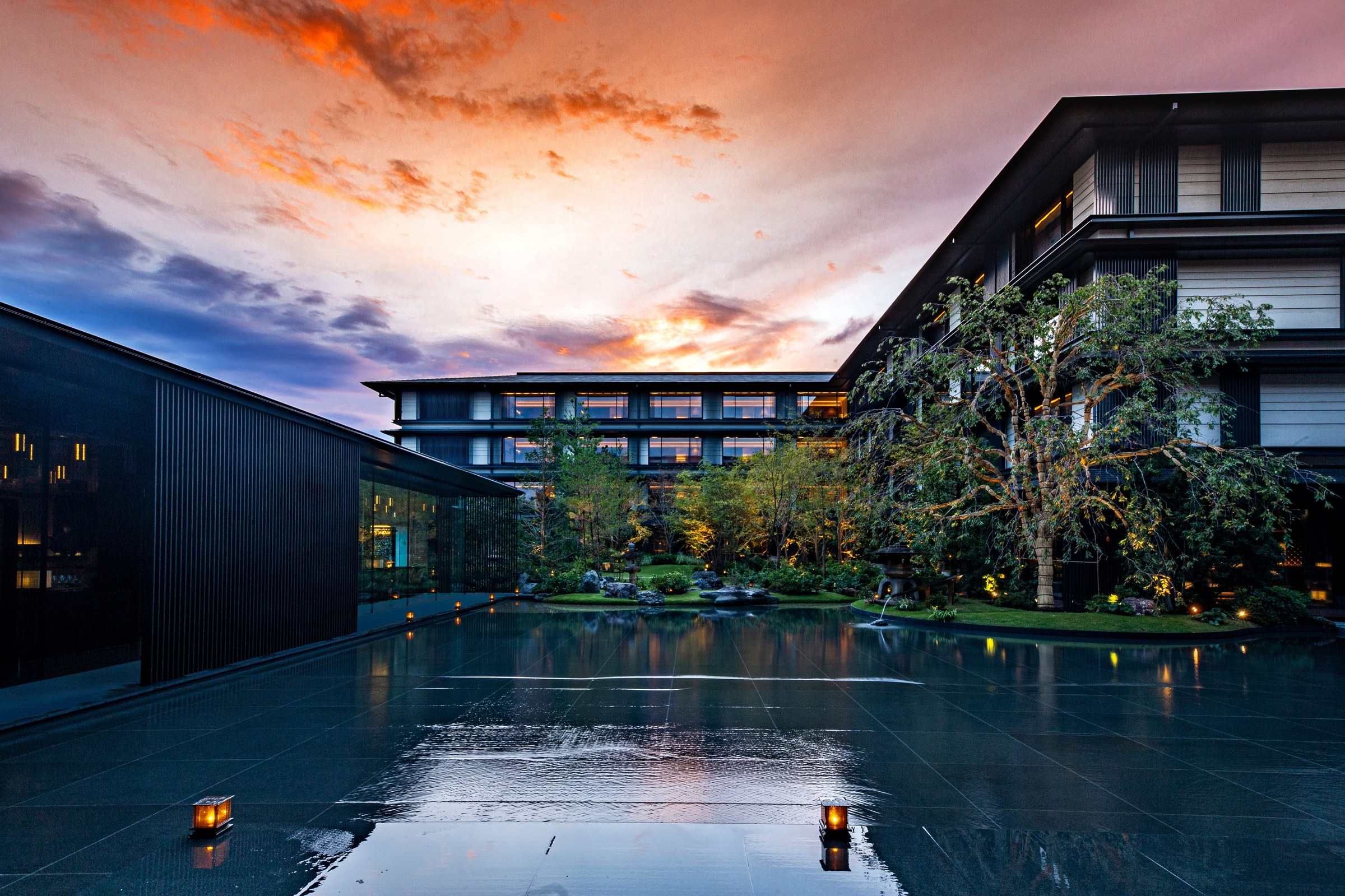
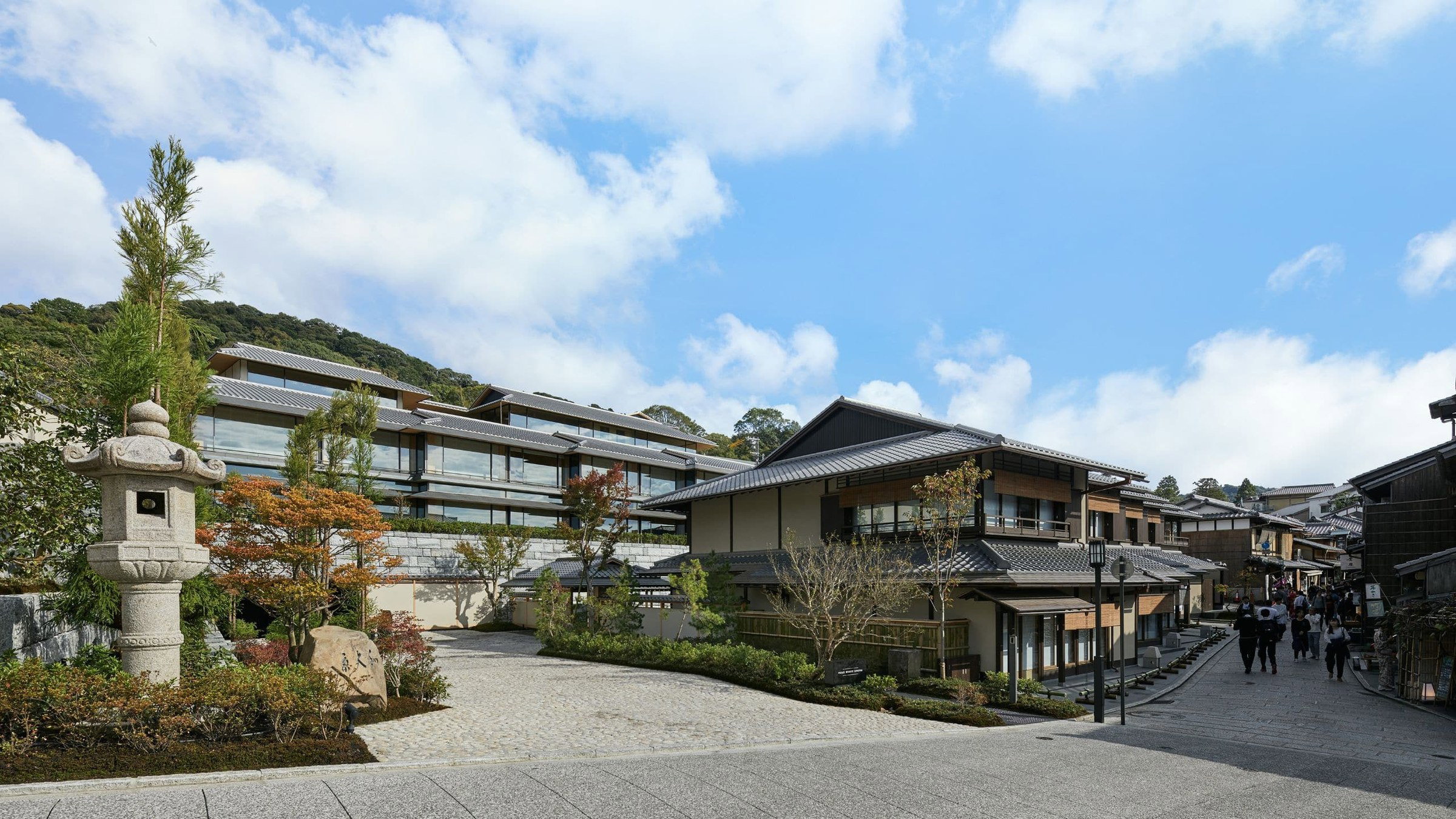
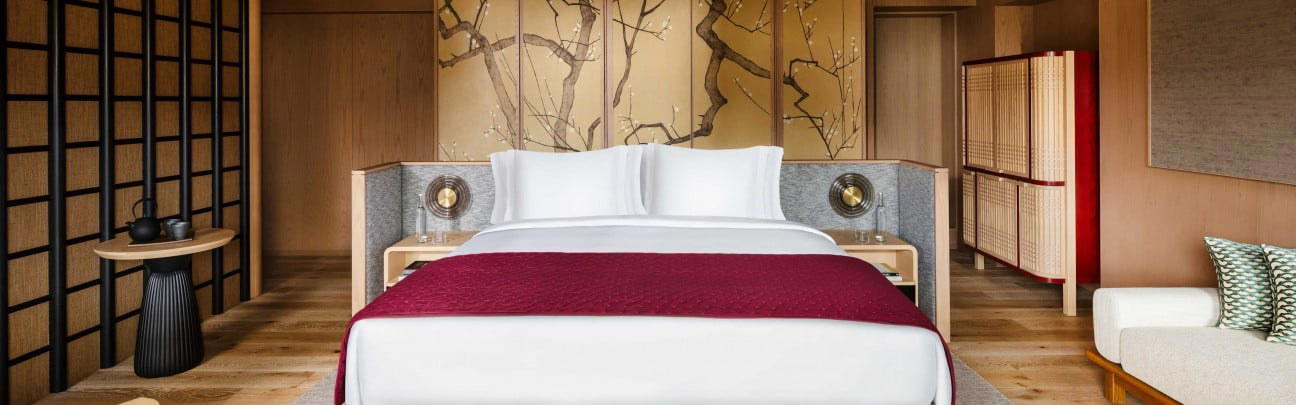
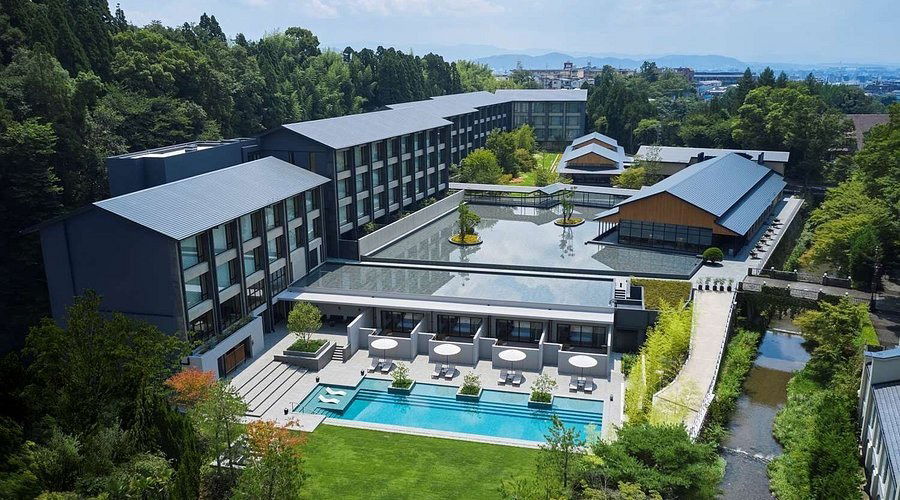
ROKU KYOTO presents as a quietly deliberate retreat that leans into the Kitayama foothills rather than the bustle of central Kyoto. The design argument is rooted in the living forest that frames the property, and that natural adjacency gives the hotel a serene, intimate tone. Its aesthetic blends ryokan discipline with modern resort infrastructure, so the feeling is refined and contemplative rather than overtly theatrical. Guests encounter cedar- and bamboo-lined approaches and architecture that privileges the surrounding landscape, making for a calm, charming stay that privileges presence and place over urban energy.
Best For
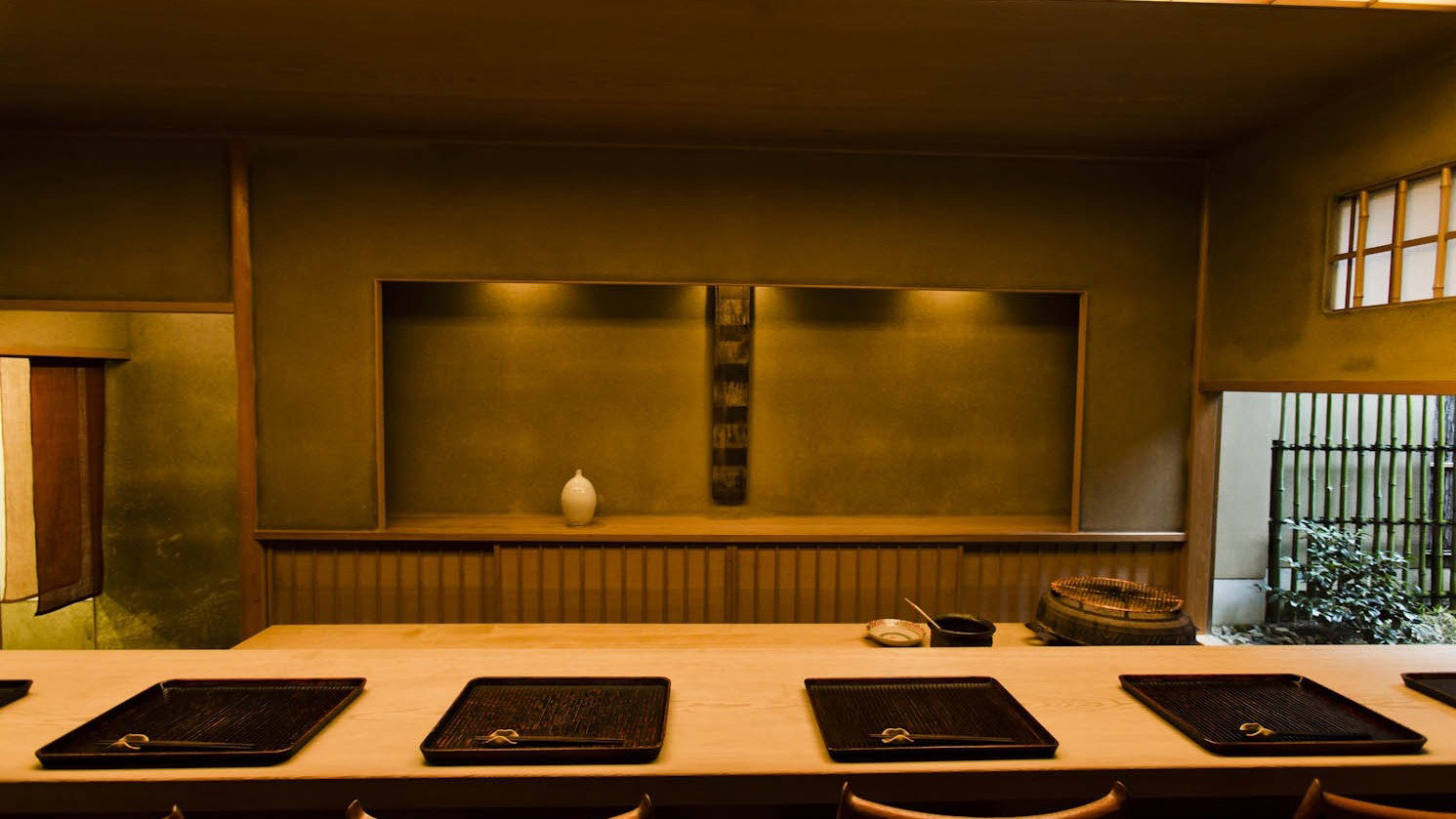
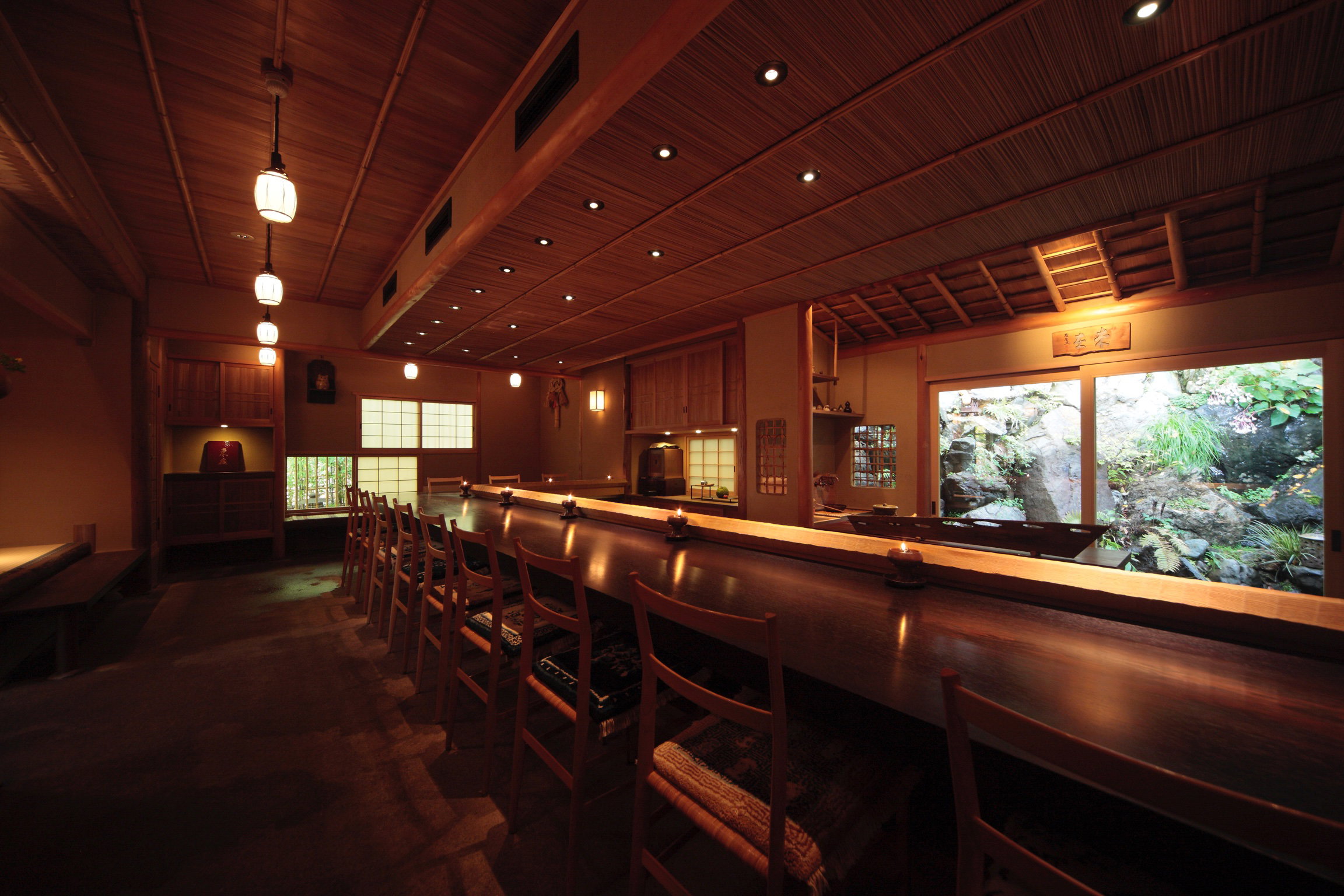
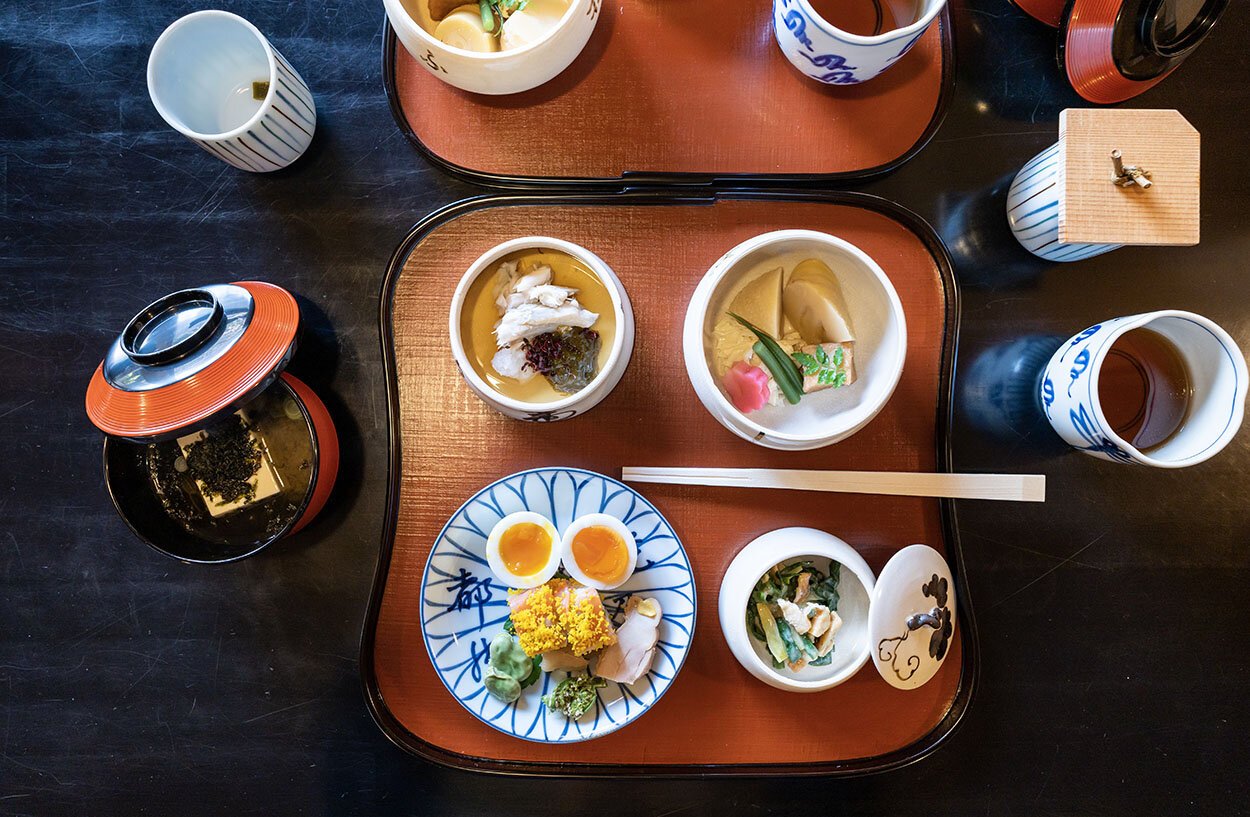
This hotel suits travelers who prize silence, landscape, and considered design. It is particularly well matched to couples and small-party travelers seeking a romantic or anniversary escape, and to guests after a restorative weekend away from the city's tourist hubs. The property's emphasis on refined, kaiseki-adjacent dining and its location at the edge of the Kitayama mountains also appeal to visitors who want an elevated, place-focused experience rather than a centrally located, itinerary-driven stay.
Stay Tips
Reserve any in-house dining in advance when possible, since the property highlights "refined kaiseki-adjacent" meals that benefit from planning. Request a room oriented toward the Kitayama slopes to maximize the forest and mountain setting described in the property's identity. Allow extra travel time when coming from central Kyoto; the description stresses a noticeable loosening of urban density en route, so arrivals and departures can take longer than intra-city transfers. Expect a quiet, contemplative atmosphere and plan itineraries accordingly.
Venue details
Ambiance
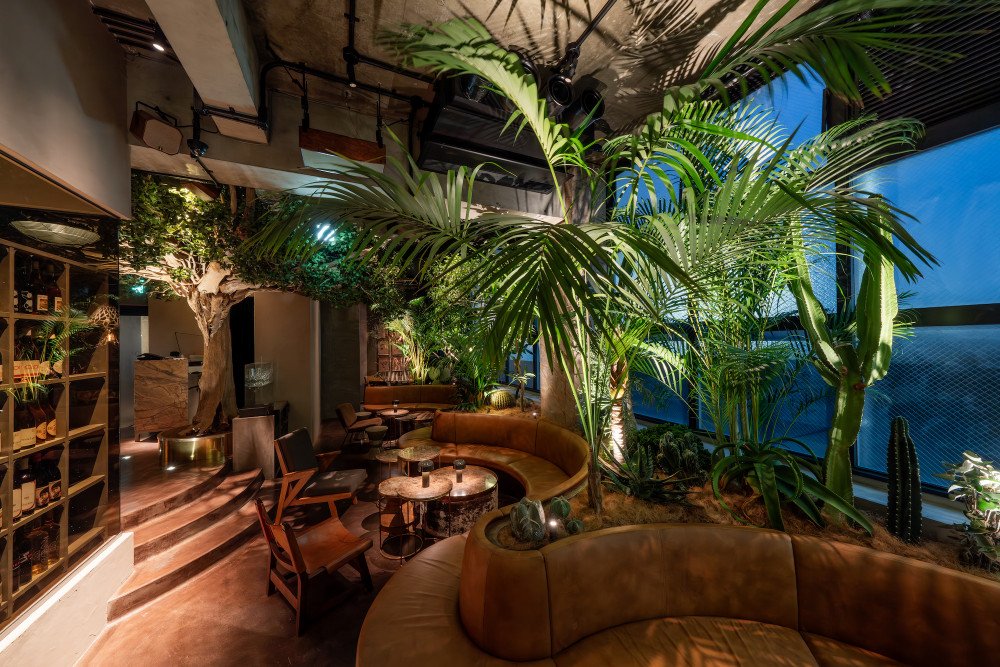
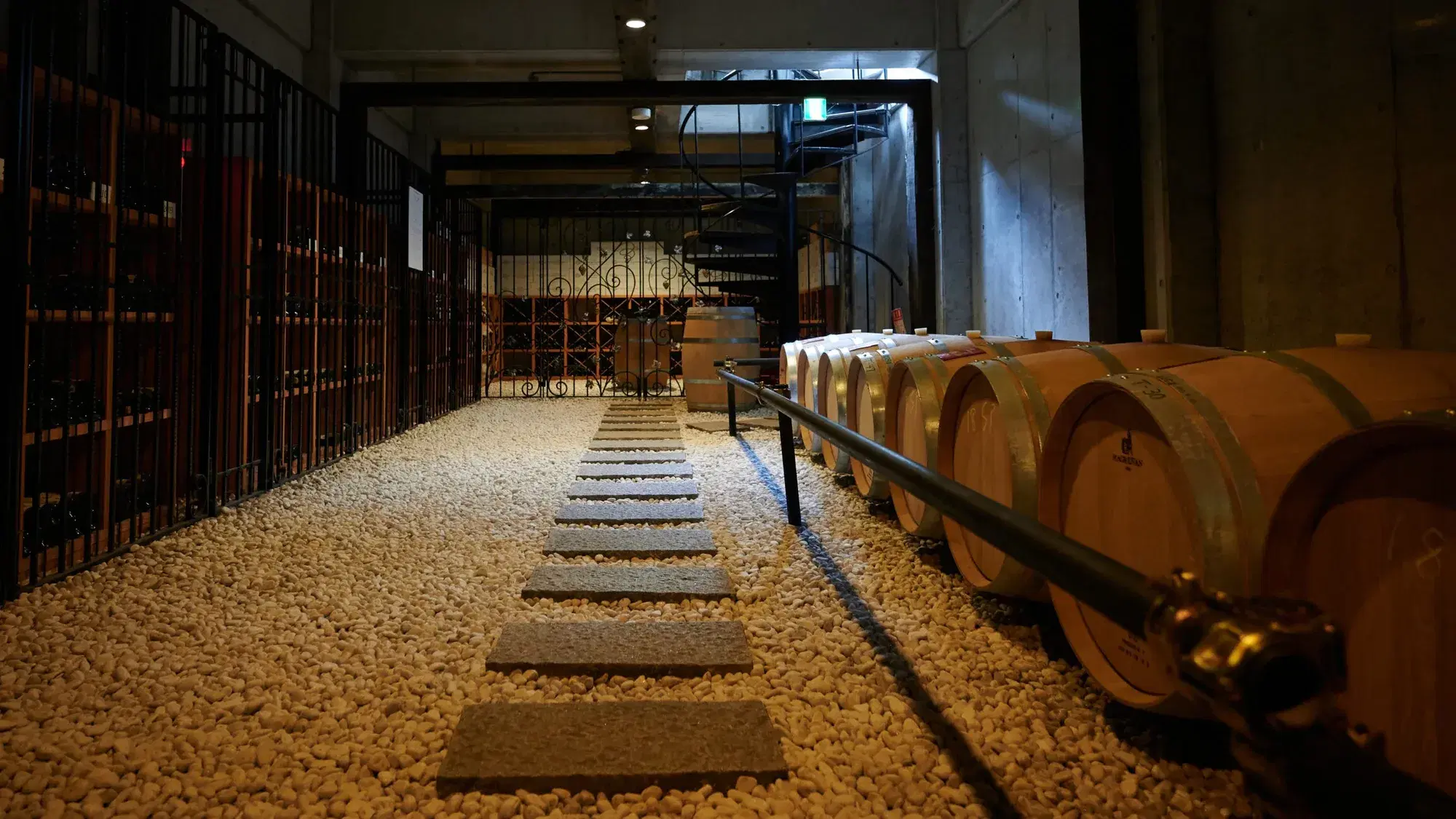
Calm and restorative with natural light from reflecting pools, light woods, subtle lighting, and serene mountain views creating understated luxury.
Tags
Vibe
Best For
Experience
Amenities
View
Accessibility
About the Stay
- Rooms
- 114
- Check-in
- 15:00
- Check-out
- 12:00
- Property Style
- Mountain Resort Blending Japanese Artisanship with Modern Luxury
- Design Style
- Minimalist with Light Woods, Natural Stone, and Subtle Japanese Motifs
Know before you go
Know Before You Go
- Getting there
- 44-1 Kinugasa Kagamiishichō, Kita Ward, Kyoto, 603-8451
Planning details
Location
44-1 Kinugasa Kagamiishichō, Kita Ward, Kyoto, 603-8451 · Directions
hilton.com/en/hotels/itmolol-roku-kyoto/?SEO_id=GMB-APAC-OL-ITMOLOL
Recognition and awards

Also consider
Also Consider
- Aman Kyoto, Notable alternative
- Kyo no Ondokoro Nishijin Bettei #5, Notable alternative
- Hotel Utano Kyoto Bessho, Notable alternative
- Noku Kyoto, Notable alternative
- Nazuna Kyoto Gosho, Notable alternative
Hotel context
How It Compares
Choose ROKU KYOTO, LXR Hotels & Resorts over Aman Kyoto if the goal is a luxury stay with major-brand structure and a quieter Kyoto setting without going all-in on Aman's more retreat-driven positioning. Aman Kyoto is the cleaner choice for guests who want the stay to feel even more removed from the city; ROKU is better for travelers who want calm but still prefer a recognizable luxury-hotel framework.
Compared with Kyo no Ondokoro Nishijin Bettei #5, ROKU is the safer celebration booking because it offers a fuller hotel experience rather than a private-stay feel. Kyo no Ondokoro Nishijin Bettei #5 is better for independent travelers who want residential privacy and less hotel ceremony. ROKU is stronger for anniversaries, hosted trips, and guests who want service infrastructure around the stay.
Hotel Utano Kyoto Bessho, Noku Kyoto, and Nazuna Kyoto Gosho are more sensible cross-shops when location, simplicity, or smaller-scale atmosphere matters more than a full luxury-resort profile. If booking ease and itinerary efficiency outrank occasion value, start with Noku Kyoto or Nazuna Kyoto Gosho. If the trip is meant to feel like a Kyoto retreat with luxury credentials, ROKU is the stronger call.
Explore Kyoto
Around this place
Discover more on Pearl
Unlock the full ROKU KYOTO, LXR Hotels & Resorts guide in Pearl, including awards, comparisons, FAQs, planning details, and nearby places.
Compare ROKU KYOTO, LXR Hotels & Resorts
| Venue | Location | Awards |
|---|---|---|
| ROKU KYOTO, LXR Hotels & Resorts | Kyoto | 2026 Forbes 5-Star2026 La Liste Top Hotels2026 Michelin 1 KeyMichelin 1 Key 20252025 Michelin 1 Key2024 Michelin 1 Key |
| Aman Kyoto | Kyoto | 2026 Virtuoso Luxury Hotel Collection2026 La Liste Top Hotels2026 Michelin 2 Keys2025 World’s 50 Best Hotels · #74World Travel Awards 2025Michelin 2 Keys 20252025 Michelin 2 Keys2025 Conde Nast Hotels Gold List2024 Michelin 2 Keys |
| Kyo no Ondokoro Nishijin Bettei #5 | Kyoto | No published awards |
| Hotel Utano Kyoto Bessho | Kyoto | No published awards |
| Noku Kyoto | Kyoto | No published awards |
| Nazuna Kyoto Gosho | Kyoto | No published awards |






How ROKU KYOTO, LXR Hotels & Resorts compares with similar nearby venues.
FAQ
Frequently Asked Questions
When is the best time to book ROKU KYOTO, LXR Hotels & Resorts?
Book early if your Kyoto stay is tied to a fixed date or special occasion. ROKU KYOTO, LXR Hotels & Resorts includes Michelin 1 Key (2024), Forbes 5-Star (2026), and La Liste Top Hotels (2026) with 91.5pts.
Do loyalty programs work at ROKU KYOTO, LXR Hotels & Resorts?
ROKU KYOTO is part of LXR Hotels & Resorts, but specific loyalty benefits may vary. If loyalty benefits are important, confirm the current terms directly before booking and compare the hotel with Kyo no Ondokoro Nishijin Bettei #5 or other Kyoto stays based on your needs.
Are pool and spa details for ROKU KYOTO, LXR Hotels & Resorts?
If pool and spa facilities are central to your trip, confirm the current offering directly with ROKU KYOTO, LXR Hotels & Resorts before booking and compare it with options such as Noku Kyoto or Hotel Utano Kyoto Bessho.
Is ROKU KYOTO, LXR Hotels & Resorts good for business travel?
It may work for business travel if a recognized Kyoto hotel is the priority, but specific meeting facilities, transport convenience, and work-focused amenities should be confirmed before booking. Compare it with Noku Kyoto and other Kyoto hotels based on the practical details your trip requires.
Which room category is best at ROKU KYOTO, LXR Hotels & Resorts?
Specific room categories should be confirmed before booking. If room size, view, layout, or in-room features matter, confirm the details directly before booking. Also compare Nazuna Kyoto Gosho and other Kyoto stays if your decision depends on a particular style of accommodation.
How does ROKU KYOTO, LXR Hotels & Resorts compare to other Kyoto hotels?
Choose ROKU KYOTO, LXR Hotels & Resorts if its recognition matters to you: Michelin 1 Key (2024), Forbes 5-Star (2026), and La Liste Top Hotels (2026) with 91.5pts. Aman Kyoto, Hotel Utano Kyoto Bessho, Kyo no Ondokoro Nishijin Bettei #5, Nazuna Kyoto Gosho, and Noku Kyoto are also worth comparing for a Kyoto stay.