
Ryo Kawashima
Japanese · Nakagyō, Kyoto
Restaurant in Kyoto, Japan
 Book with Pearl
The Read
Chef-Forward Counter Restraint
Price
$100–150per person
Dress
Smart Casual
Why go
Ryo Kawashima is the right Kyoto booking if you want counter Japanese dining at ¥¥¥ without the formality of a kaiseki house. A single chef prepares everything in front of you, draws dashi at the table, and converses throughout — making it one of the more approachable Michelin Plate entries in the city. Booking difficulty is easy, which gives it a clear edge over the ¥¥¥¥ competition for first-timers.
About Ryo Kawashima
Should you book Ryo Kawashima for your first Kyoto dining experience?
Yes — if you want an introduction to Japanese counter dining that feels personal rather than ceremonial, Ryo Kawashima is the right call at the ¥¥¥ price point. This is not the place for a grand kaiseki procession. It is a compact, chef-led counter where a single cook prepares everything himself, explains his choices as he works, and draws the first dashi in front of you. For a first-timer in Kyoto who wants proximity to the cooking without the formality of the city's ¥¥¥¥ establishments, this is a strong opening move.
What to expect at Ryo Kawashima
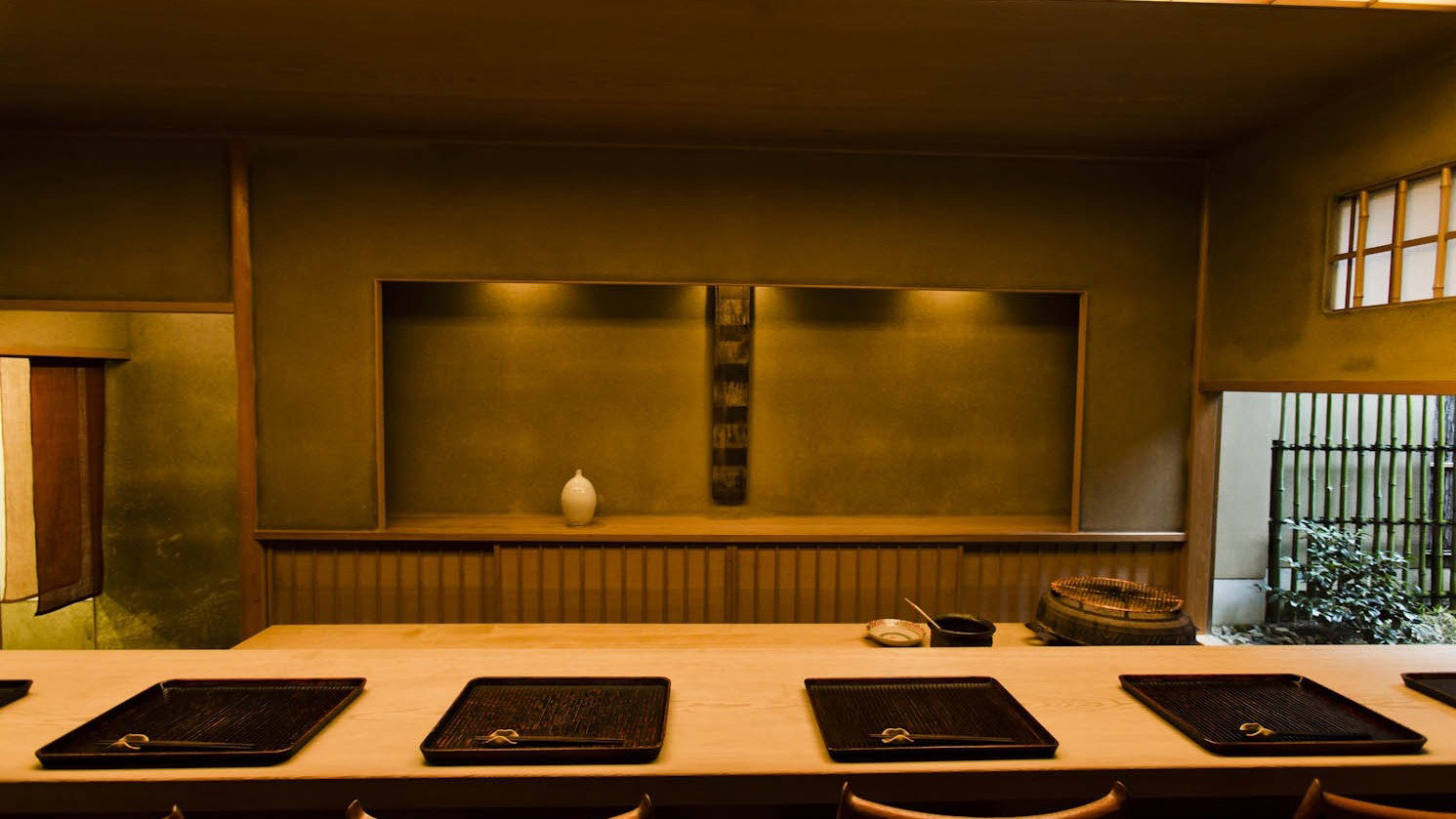
The counter format here is the defining feature, not a design flourish. Sitting directly facing the kitchen means you are watching every stage of preparation, close enough to catch the smoke rising from char-grilled items before the plate arrives. That smoky aroma is your first real signal that something is on its way — one of the more immediate sensory cues in Kyoto dining at this tier. Michelin's notes for the venue specifically cite this: the char-grilled dishes deliver a smoky character that registers before you taste anything, and the smell of dashi being drawn fresh at the start of the meal sets the tone for the wanmono course to follow.
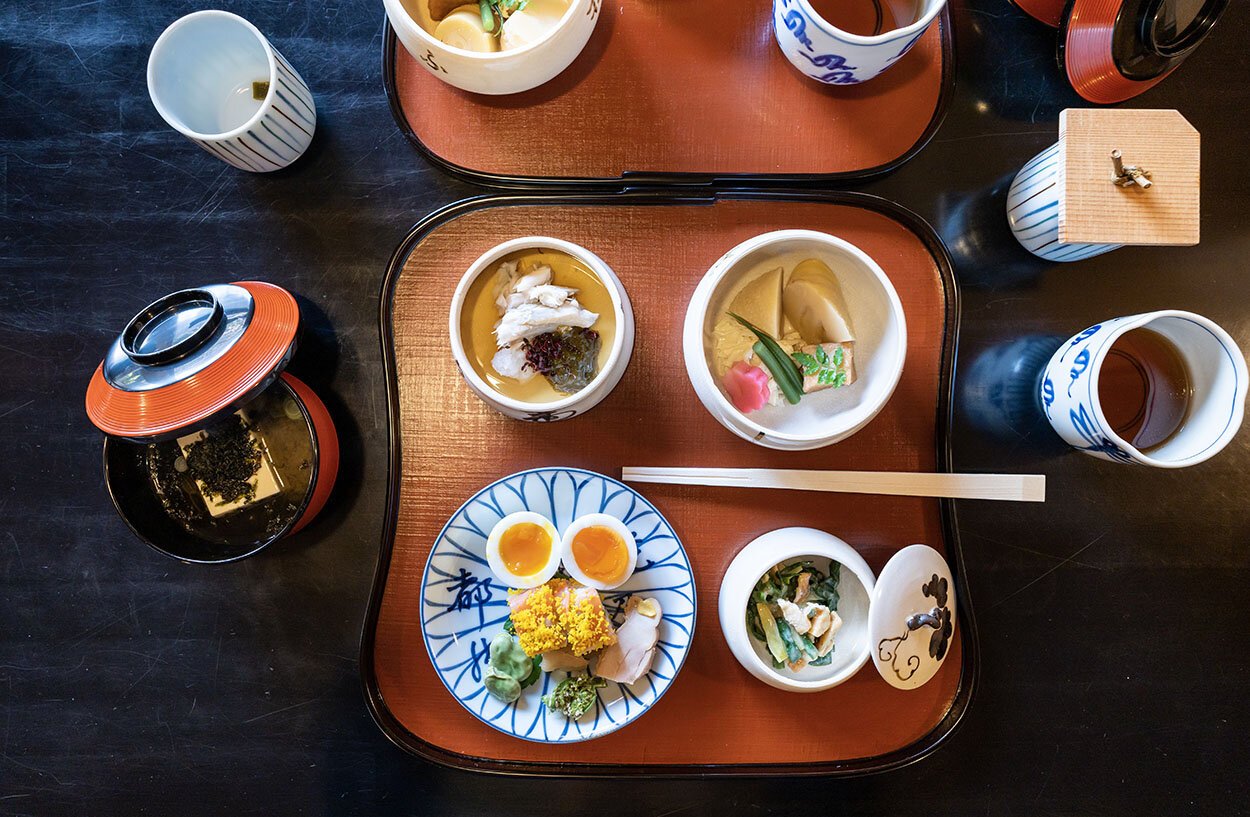
The chef prepares every dish alone, which keeps the menu tightly focused. Each dish uses only a few carefully selected ingredients, but the overall menu is broad enough that you are unlikely to leave feeling the range was narrow. This is disciplined cooking, not minimalist cooking, there is a difference, and it matters for how you should frame your expectations coming in.
Atmosphere is relaxed rather than reverent. Michelin reviewers note the chef's amiable manner and ease of conversation, which makes this a genuinely good choice for first-timers who feel intimidated by the silence and ritual of higher-tier Kyoto dining rooms. If you have been to Gion Matayoshi or Kikunoi Roan and found the formality a barrier to enjoyment, Ryo Kawashima addresses that directly.
The counter experience vs. a private or group setting
Ryo Kawashima's counter is the experience here, there is no documented private dining room in the venue data, and the solo-chef format suggests this is not a venue built around group events. For parties looking for a dedicated private space, the ¥¥¥¥ tier in Kyoto offers more purpose-built options: Kyokaiseki Kichisen and Isshisoden Nakamura both operate at a scale where private rooms are part of the offer. At Ryo Kawashima, the group experience is essentially a shared counter, which works well for two people and can work for a small group if everyone is comfortable with that format, but it is not a venue to book if a separate room is the requirement.
For solo diners, the counter is actively good. Sitting alone at a chef's counter where the chef is both cooking and conversing is among the more comfortable solo dining formats in Japanese cuisine, and the friendly tone noted by Michelin reinforces this. If solo dining in Kyoto is your situation, this is a more comfortable entry point than a multi-room kaiseki house where a single guest can feel conspicuous. For comparison, counter-format solo dining at this price tier works similarly well at Myojaku in Tokyo and Azabu Kadowaki, though both operate in a different city context.
Ideal time to visit
Kyoto's dining calendar clusters around its two high seasons: cherry blossom (late March to mid-April) and autumn foliage (mid-November). During these periods, any Michelin-recognised counter restaurant in the city becomes harder to secure, even at ¥¥¥ tier. Booking difficulty at Ryo Kawashima is rated as easy relative to the wider Kyoto market, which gives you more flexibility than you would have chasing a table at Kodaiji Jugyuan or a top-end kaiseki house. That said, do not interpret easy booking as walk-in friendly, counter restaurants in Kyoto generally operate with advance reservations regardless of tier, and a small-format solo-chef operation has no buffer capacity for late additions.
For the meal itself, evening service is the natural fit for counter Japanese dining at this level. The dashi drawing and wanmono sequence are paced for dinner, and the char-grilled component lands differently when it is the focal point of the meal rather than a midday interlude. If timing flexibility exists, aim for a weeknight in low season, mid-January through February, or June through early July, when Nakagyo Ward is quieter and the counter is less likely to be at full capacity. Kyoto in winter has a particular quality that suits this style of cooking well.
Getting there and practical context
Ryo Kawashima is located in Nakagyo Ward, Nushiyacho, central Kyoto, within reach of the main transit corridors connecting Kyoto Station to Karasuma and Shijo. The address (333-2 Nushiyacho, Nakagyo Ward) places it in the denser part of central Kyoto rather than the traditional restaurant districts of Gion or Higashiyama, which may make it slightly easier to combine with other plans in the city centre. For a broader view of where Ryo Kawashima fits in the Kyoto dining map, see our full Kyoto restaurants guide. If you are building a wider trip, our Kyoto hotels guide, bars guide, and experiences guide cover the rest of the city.
For context beyond Kyoto: counter Japanese dining at comparable intensity is available at HAJIME in Osaka, Harutaka in Tokyo, and akordu in Nara, each at different price points and formats. If Kyushu or further afield is on the itinerary, Goh in Fukuoka is the reference point for counter-forward Japanese cooking in that region.
Quick reference:
How It Compares
Planning details
- Location
- Japan, 〒604-0843 Kyoto, Nakagyo Ward, Nushiyacho, 333-2
- Reservations
- Book on TableCheck
- Website
- ryo-kawashima.com
- Phone
- +81 75-888-8613
The take
The Take
The Vibe
Ryo Kawashima centers the meal on the act of cooking itself. The counter replaces a separate dining room, collapsing kitchen and seating into a single, composed plane where preparation, scent and direct handing of plates define the experience. The tone is quiet and exacting rather than flamboyant: restraint in ingredients, discipline in technique and a steady focus on seasonality create a sober, sophisticated atmosphere. Guests watch each course assembled and smell the char before it arrives, reinforcing a close, craft-driven intimacy that privileges culinary rigor over spectacle.
Best For
The restaurant is particularly suited to milestone and intimate occasions where attention matters: anniversaries, birthday dinners and other celebrations that benefit from a focused, theatrical-in-subtlety service. Because the counter concentrates sightlines and sound, conversations stay close and uninterrupted; there is little room for distraction. The long, sequential menu gives groups and solo diners alike a clear sense of the season and the chef’s priorities, making it a natural pick when the meal itself is the primary event.
Ordering Tips
Expect a tightly sequenced, multi-course counter menu built around minimal, highly curated components. The kitchen draws the first dashi in front of guests, signaling the meal’s rhythm; the sequence emphasizes seasonality and the chef’s priorities rather than à la carte options. Guests should lean into the format—watch the preparations, accept dishes directly from the chef and allow the progression to unfold. The focus on craft and restraint rewards attention and an appetite for a deliberately paced tasting experience.
Venue details
Ambiance
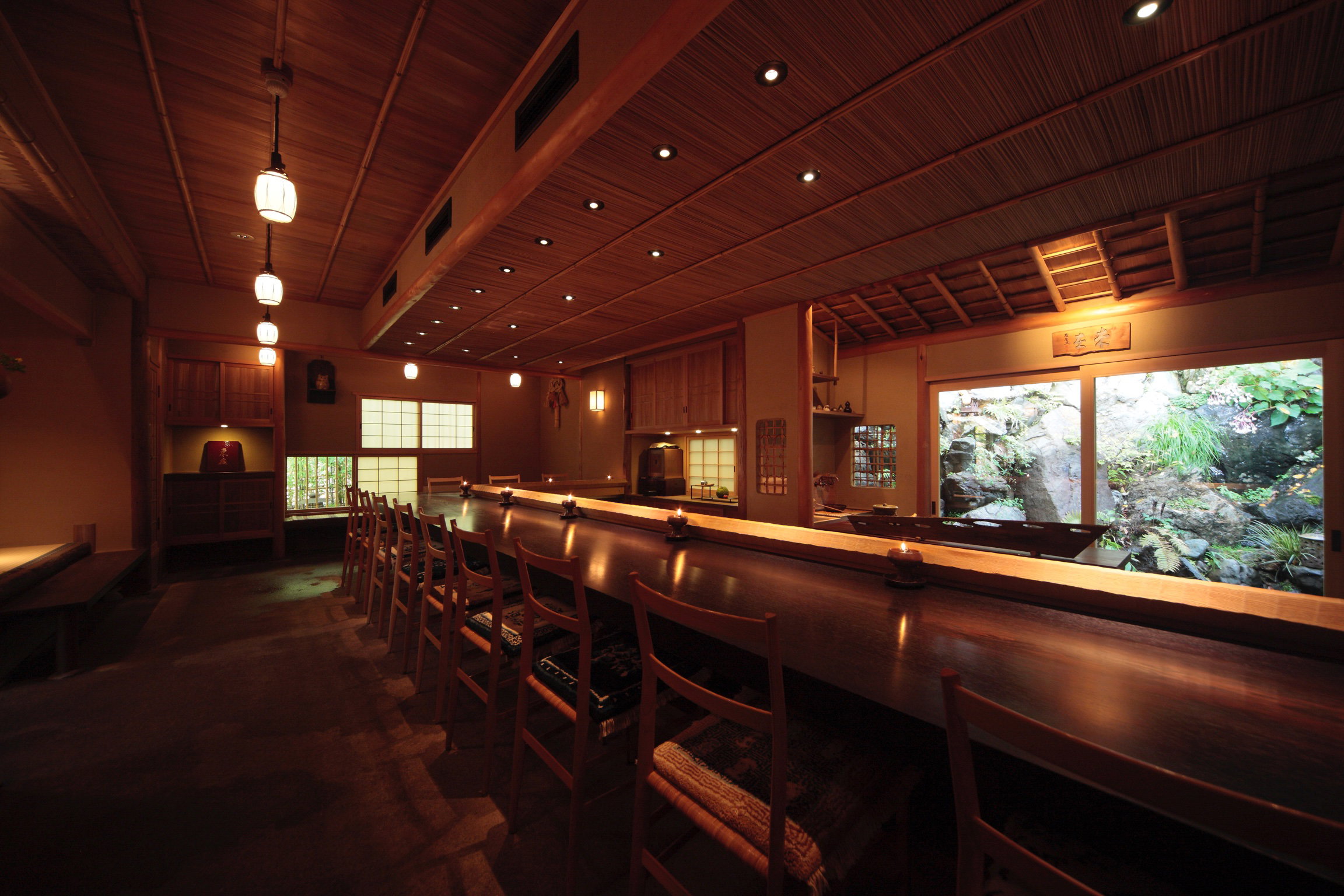
Minimalist refurbished machiya townhouse with low ceilings, natural wood counter, and open kitchen fostering warm, conversational intimacy.
Tags
Vibe
Best For
Experience
Sourcing
At the Table
- Dress Code
- Smart Casual
- Noise Level
- Quiet
- Service Style
- Upscale Casual
- Meal Pacing
- Leisurely
- Capacity
- Intimate
- Kitchen
- Modern
- Menu Format
- Omakase, Counter dining
- Wine Program
- Curated
- Drinks Focus
- Sake
Signature Dishes
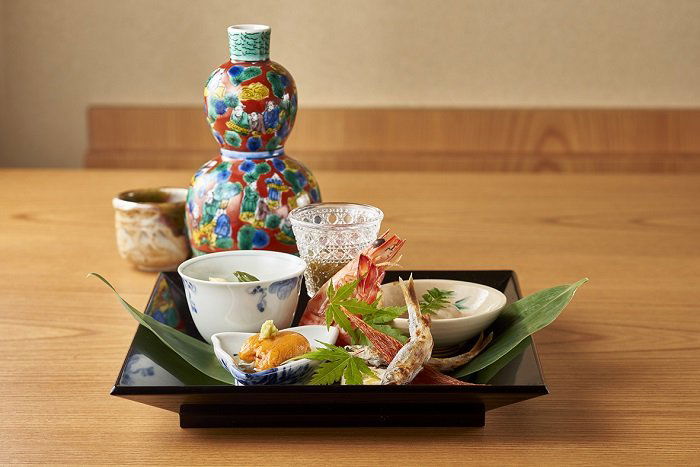
- hand-drawn dashi soup
- seasonal sashimi
Know before you go
Know Before You Go
- Getting there
- Japan, 〒604-0843 Kyoto, Nakagyo Ward, Nushiyacho, 333-2
Planning details
Location
Japan, 〒604-0843 Kyoto, Nakagyo Ward, Nushiyacho, 333-2 · Directions
Recognition and awards
Also consider
Also Consider
- Gion Sasaki, Kaiseki, Japanese, ¥¥¥¥
- cenci, Italian, ¥¥¥
- Ifuki, Kaiseki, ¥¥¥¥
- Kyokaiseki Kichisen, Japanese, ¥¥¥¥
- SEN, French, Japanese, ¥¥¥¥
Restaurant context
How Ryo Kawashima Compares to Other Kyoto Restaurants
Ryo Kawashima sits at ¥¥¥ in a Kyoto dining scene where the most-discussed restaurants operate at ¥¥¥¥. That price difference is meaningful. Gion Sasaki and Ifuki both sit at the higher tier and deliver kaiseki in a more elaborate, multi-room format, but you are paying for that structure, and it comes with a level of ceremony that some diners find more pressured than pleasurable. If the counter experience and proximity to the chef is what you are after, Ryo Kawashima delivers that more directly at a lower spend.
Kyokaiseki Kichisen is the reference point for Kyoto kaiseki at its most formal and expensive, book it if you want the definitive multi-course traditional experience and have the budget for it, but it is a different category of restaurant than Ryo Kawashima. SEN offers a French-Japanese ¥¥¥¥ format that appeals to diners who want a Western narrative structure in the cooking; Ryo Kawashima is more purely Japanese in its approach. For Italian at ¥¥¥, cenci is the peer comparison on price but a completely different cuisine, relevant only if your group is split on format.
The practical verdict: book Ryo Kawashima if value, counter access, and ease of booking are the priorities. Book Gion Sasaki or Ifuki if you want kaiseki with full ceremony and are prepared for a higher spend and longer lead time on reservations. For a first trip to Kyoto where you want to cover more ground, Ryo Kawashima's easier booking profile and lower price point make it the smarter opening booking, you can scale up to the ¥¥¥¥ tier on a return visit once you know what format suits you.
Explore Kyoto
Around this place
Discover more on Pearl
Unlock the full Ryo Kawashima guide in Pearl, including awards, comparisons, FAQs, planning details, and nearby places.
Compare Ryo Kawashima
| Venue | Price | Booking Difficulty | Awards |
|---|---|---|---|
| Ryo Kawashima | ¥¥¥ | Easy | Michelin Guide Kyoto Osaka 20262026 Michelin Plate2025 Michelin Plate2024 Michelin Plate |
| Gion Sasaki | ¥¥¥¥ | Unknown | 2026 Tabelog Bronze · #3862026 OAD Top Restaurants in Japan RecommendedMichelin Guide Kyoto Osaka 20262026 La Liste Top RestaurantsTabelog 100 - Japanese cuisine - WEST - 2025 · #132025 OAD Top Restaurants in Japan Ranked · #2462025 Tabelog Silver2025 Michelin 3 Stars2025 La Liste Top Restaurants |
| cenci | ¥¥¥ | Unknown | 2026 Tabelog Bronze · #442026 Asia's 50 Best Restaurants · #762026 OAD Top Restaurants in Japan Highly RecommendedMichelin Guide Kyoto Osaka 2026Tabelog 100 - Italian - WEST - 2025 · #632025 Asia's 50 Best Restaurants · #632025 OAD Top Restaurants in Japan Ranked · #1682025 Tabelog Bronze2024 OAD Top Restaurants in Japan Ranked · #135 |
| Ifuki | ¥¥¥¥ | Unknown | 2026 OAD Top Restaurants in Japan Ranked · #1222026 Tabelog Bronze · #128Michelin Guide Kyoto Osaka 20262026 La Liste Top RestaurantsTabelog 100 - Japanese cuisine - WEST - 2025 · #622025 OAD Top Restaurants in Japan Ranked · #1002025 La Liste Top Restaurants2025 Tabelog Bronze2025 Michelin 2 Stars |
| Kyokaiseki Kichisen | ¥¥¥¥ | Unknown | 2026 Tabelog Bronze · #1752026 OAD Top Restaurants in Japan Highly RecommendedMichelin Guide Kyoto Osaka 20262025 OAD Top Restaurants in Japan Ranked · #1862025 Michelin 2 Stars2025 La Liste Top Restaurants2024 OAD Top Restaurants in Japan Ranked · #1422024 Michelin 2 Stars2023 OAD Top Restaurants in Japan Ranked · #136 |
| SEN | ¥¥¥¥ | Unknown | 2026 Tabelog Bronze · #3952026 OAD Top Restaurants in Japan RecommendedMichelin Guide Kyoto Osaka 20262026 Michelin PlateTabelog 100 - Japanese cuisine - WEST - 2025 · #652025 Michelin Plate2025 Tabelog Bronze2024 OAD Top Restaurants in Japan Ranked · #3622024 Michelin Plate |
.png?width=1200&quality=80)






Key differences to consider before you reserve.
FAQ
Frequently Asked Questions
What should I wear to Ryo Kawashima?
Go neat but not formal. The counter setting at Ryo Kawashima is intimate and personal rather than ceremony-driven, so business casual or tidy smart-casual works. Avoid overpowering fragrances — in a compact counter space where the chef is preparing dishes directly in front of you, scent competes with the food in a way it wouldn't in a large dining room.
What should a first-timer know about Ryo Kawashima?
The counter is the whole point. Sitting directly across from the chef means you watch the dashi being drawn, smell the char from the grill, and interact with someone preparing every dish themselves. At the ¥¥¥ price range, this is a mid-to-upper tier Kyoto spend, but the format is more conversational than ceremonial — which makes it a good entry point into counter kaiseki if traditional ryotei formality feels daunting.
Can I eat at the bar at Ryo Kawashima?
The counter IS the bar — Ryo Kawashima's entire format is built around counter seating facing the kitchen. There is no separate bar or lounge area in the venue data. Booking a seat here means booking the counter experience directly.
What should I order at Ryo Kawashima?
The menu structure is set by the chef — this is a counter kaiseki format where dishes are prepared and presented sequentially rather than chosen à la carte. The venue's own description notes the menu offers numerous items despite each dish using only a few carefully selected ingredients, so expect range without unnecessary complexity. Dietary requirements should be flagged at booking.
Can Ryo Kawashima accommodate groups?
Groups are a poor fit here. The solo-chef counter format means capacity is limited and pacing is tied to a single person preparing all dishes. There is no documented private dining room in the venue data. Pairs or solo diners get the most out of this setting; for groups of four or more in Kyoto, Gion Sasaki or Kyokaiseki Kichisen offer formats better suited to the occasion.
How far ahead should I book Ryo Kawashima?
Book as early as possible — counter restaurants with a single chef have hard capacity limits, and Kyoto reservations tighten sharply during cherry blossom season (late March to mid-April) and autumn foliage (mid-November). A minimum of four to six weeks out is a reasonable baseline outside peak periods. Phone and website details are not publicly listed in the venue record, so check reservation platforms or your hotel concierge for the current booking channel.
Is Ryo Kawashima good for solo dining?
Yes — this is one of the stronger cases for solo dining in Kyoto. The counter format puts you directly in conversation with the chef, so eating alone here is an active, engaged experience rather than an awkward one. At ¥¥¥, it is a meaningful solo spend, but the Michelin Plate recognition (2024 and 2025) supports the value case for a considered solo dinner.