


Hoshinoya Kyoto
Nishikyō, Kyoto
Hotel in Kyoto, Japan
 Book with Pearl
The Read
River-Access Ryokan Seclusion
Price
$750–1,000per night
Why go
Hoshinoya Kyoto is worth booking for a slow Arashiyama retreat, not for a high-efficiency Kyoto sightseeing schedule. The value comes from choosing a room category that makes time on-site feel justified; if the room is only for sleeping, a more central Kyoto hotel will usually make more sense.
About Hoshinoya Kyoto
Within Kyoto's luxury hotel set, Hoshinoya Kyoto is best framed as a choice for travelers who want the stay itself to be the point, not just a polished base for a busy itinerary. The confirmed public facts are limited, so the safest booking case rests on the hotel name, its Kyoto setting, smart-casual dress code, and clearly noted recognition rather than on claims about rooms, dining, facilities, or service format. If the goal is maximum convenience for a tightly scheduled trip, compare it carefully with other Kyoto options before committing.
The value question is trip-led. Without details here on room categories, prices, dining, spa facilities, or specific inclusions, the smarter booking logic is to decide whether a luxury stay in Kyoto is central enough to the trip to justify the premium. If the hotel is only a place to sleep between appointments or sightseeing, the case is harder to assess from confirmed information alone.
Book for a Kyoto luxury stay, not an assumption-heavy checklist
Hoshinoya Kyoto should not be evaluated through specifics about neighborhood advantages, menus, amenities, or room layouts. Based on the confirmed information, it belongs in a Kyoto luxury-hotel conversation, but travelers should verify practical details directly before booking if schedule, transport, dining, or room configuration will make or break the stay.
Recognition helps support the price case: the hotel appears on Robb Report's 2025 list of The 50 Greatest Luxury Hotels on Earth and is listed by Tatler for 2025 in its Asia-Pacific hotel selection. Those signals matter because this is not a bargain-first decision. The booking decision should be about whether Hoshinoya Kyoto itself fits the kind of Kyoto trip you want, rather than about unconfirmed assumptions.
The room tier decision needs direct verification
For value-seekers, the practical move is not to treat the cheapest available room as automatically the best choice. Because room-category details are not included here, compare room types, inclusions, and cancellation terms directly with the hotel or booking channel before paying a premium. The right choice is the one that makes the stay feel intentional for your itinerary.
Couples and leisure travelers may find the hotel most compelling if they plan to spend meaningful time enjoying the property, while business travelers and highly scheduled visitors should be more cautious. The confirmed guidance is limited, so practical questions such as access, timing, and room needs should be settled before booking rather than assumed.
Who should skip it
Also skip it if the trip depends on logistics that have not been in advance, such as quick transfers, specific dining plans, or precise room requirements.
Book it when Hoshinoya Kyoto, Kyoto itself, and a more considered luxury-hotel experience are central to the trip. For guests comparing price to quality, the strongest approach is to confirm the details that matter most before booking, then decide whether the confirmed experience supports the rate.
Planning details
- Location
- 11-2 Arashiyama Genrokuzanchō, Nishikyo Ward, Kyoto, 616-0007
- Website
- hoshinoya.com/kyoto
- Phone
- +81 50-3134-8091
The take
The Take
The Vibe
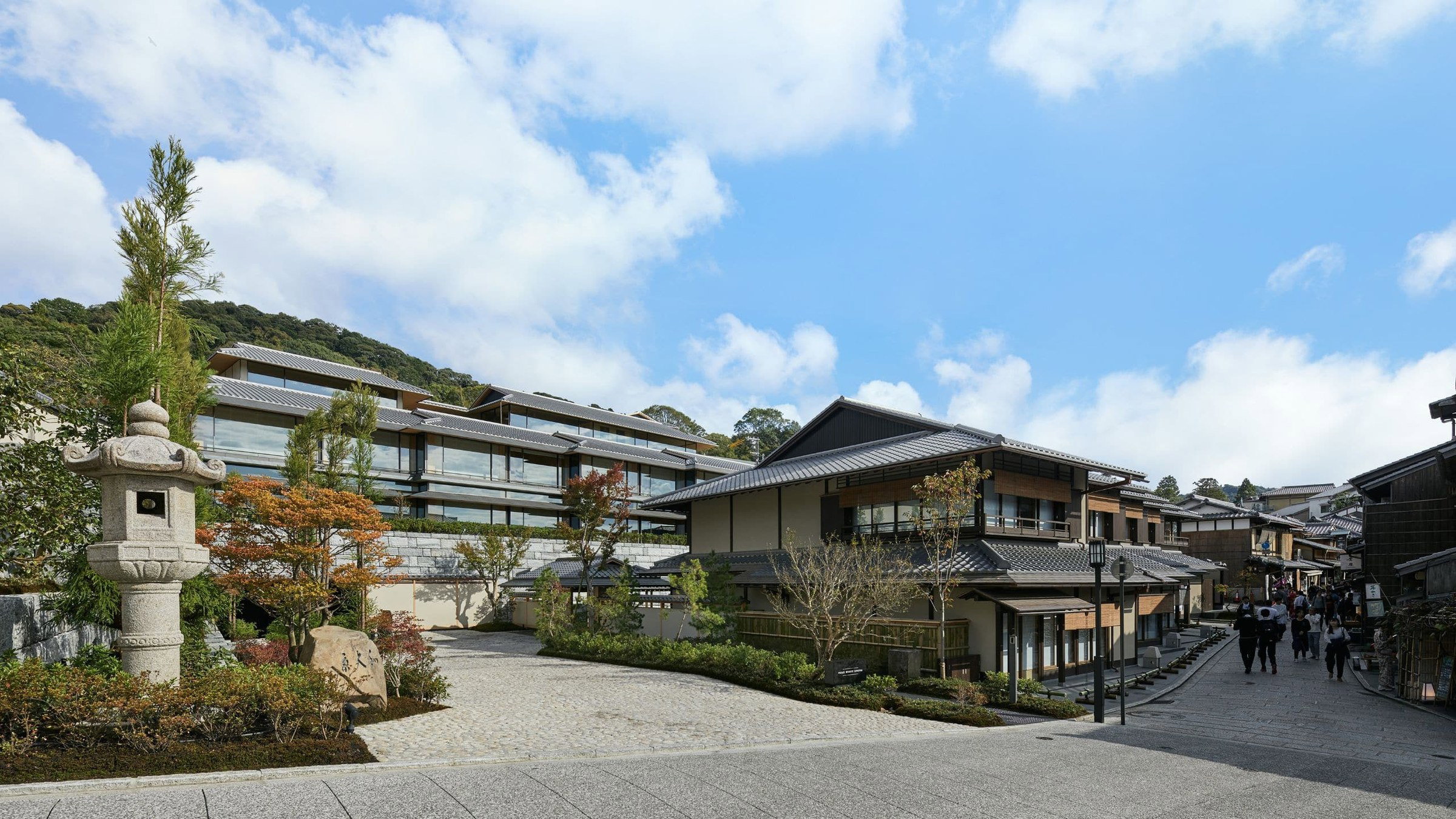
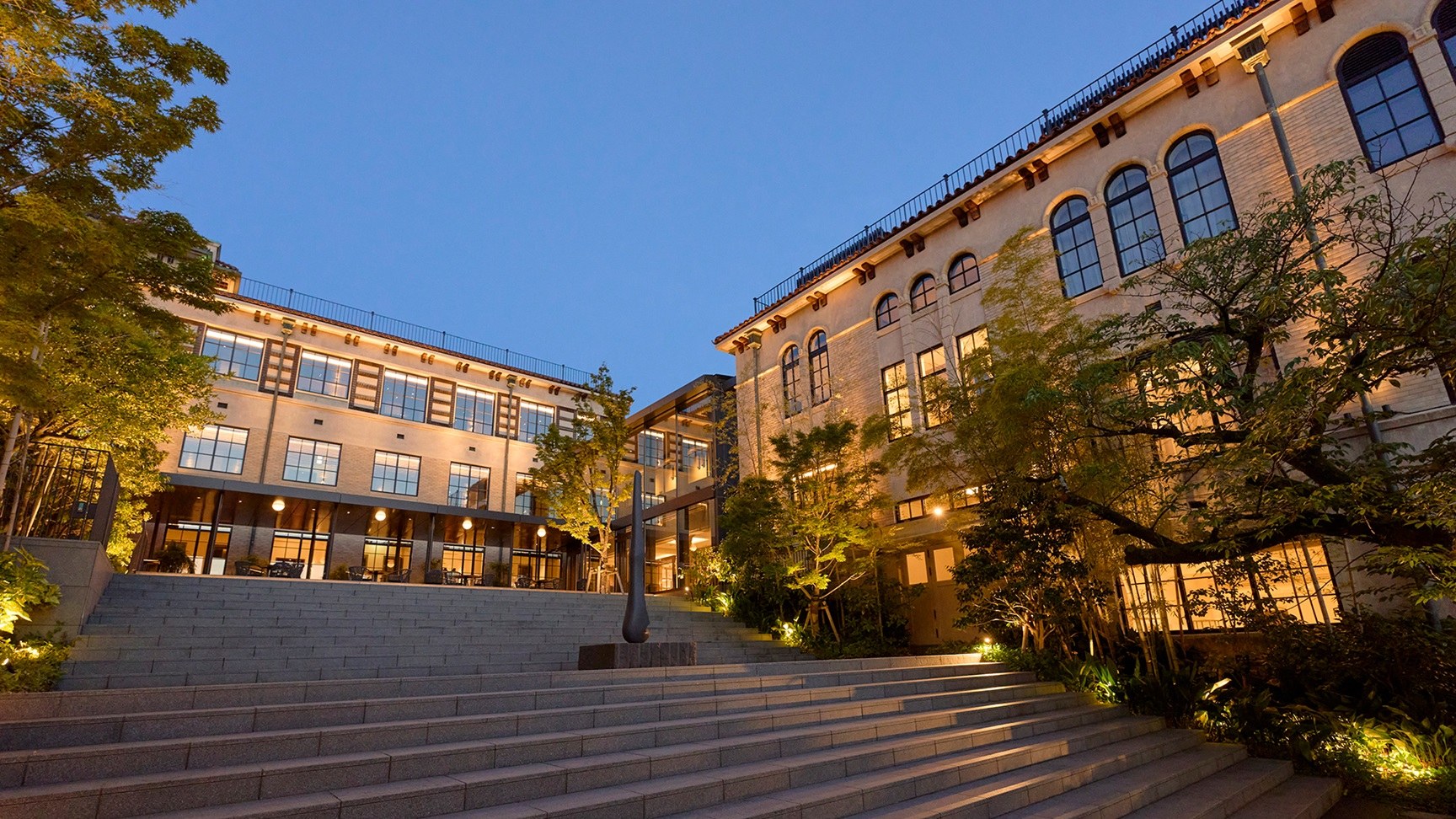
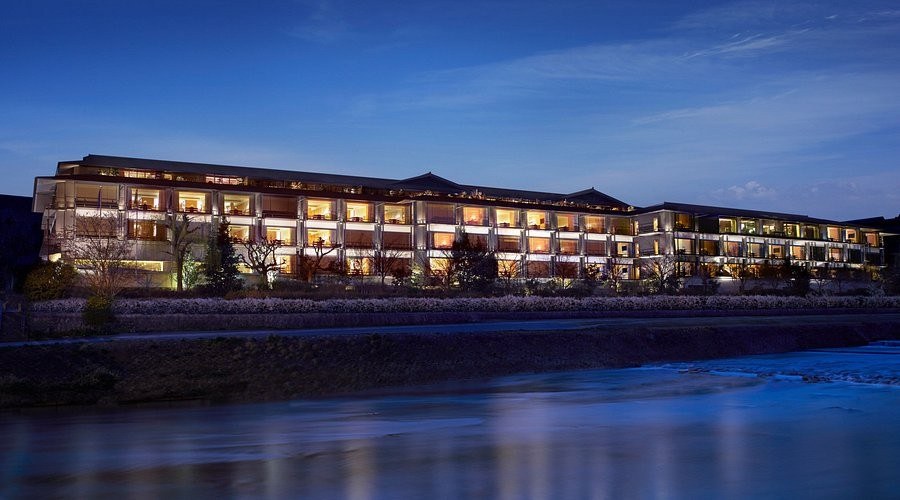
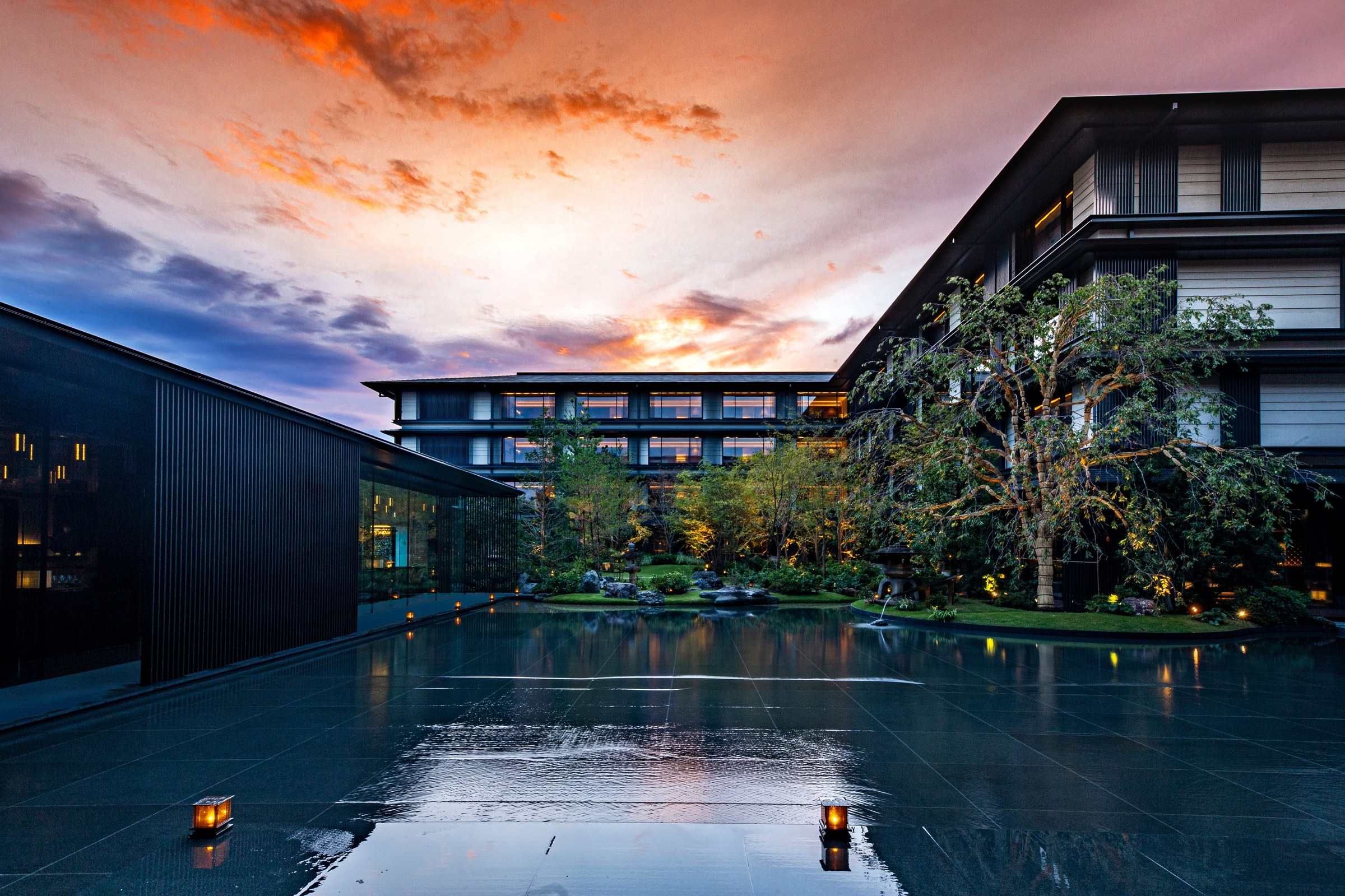
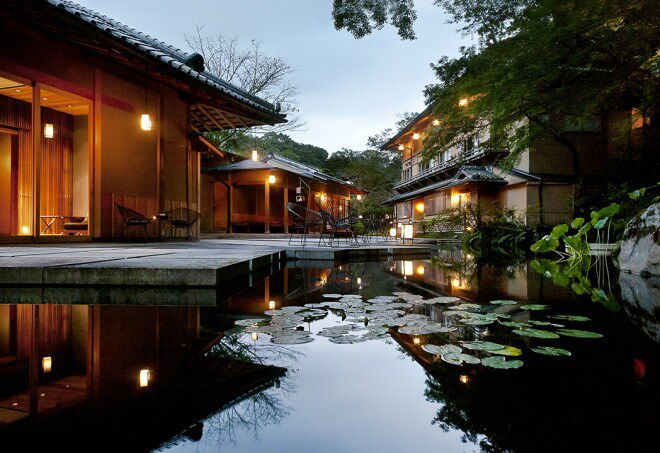
Hoshinoya Kyoto presents itself as a contemporary take on the ryokan, where architecture stages the stay. Guests arrive by wooden boat along the Katsura River, and that deliberate procession establishes a separation from city life that the design sustains. Buildings read low and distinctly Japanese in silhouette while interiors adopt modern palettes and graphic patterns rather than strict historical replication. Rooms forego televisions, reinforcing a slow, contemplative tempo. The result is a quietly refined, design-forward retreat that balances heritage cues with a modern, minimalist sensibility.
Best For
This is a stay for travelers seeking a quietly curated Kyoto experience rooted in place and design. The riverboat arrival and small 25-room scale make it especially suited to couples and anyone after a contemplative escape from the city's bustle. It also appeals to guests who want proximity to Arashiyama’s bamboo groves and UNESCO temples while remaining on the edge of a natural setting. Design-minded visitors who appreciate a modern interpretation of ryokan traditions will find the property particularly rewarding.
Venue details
Ambiance
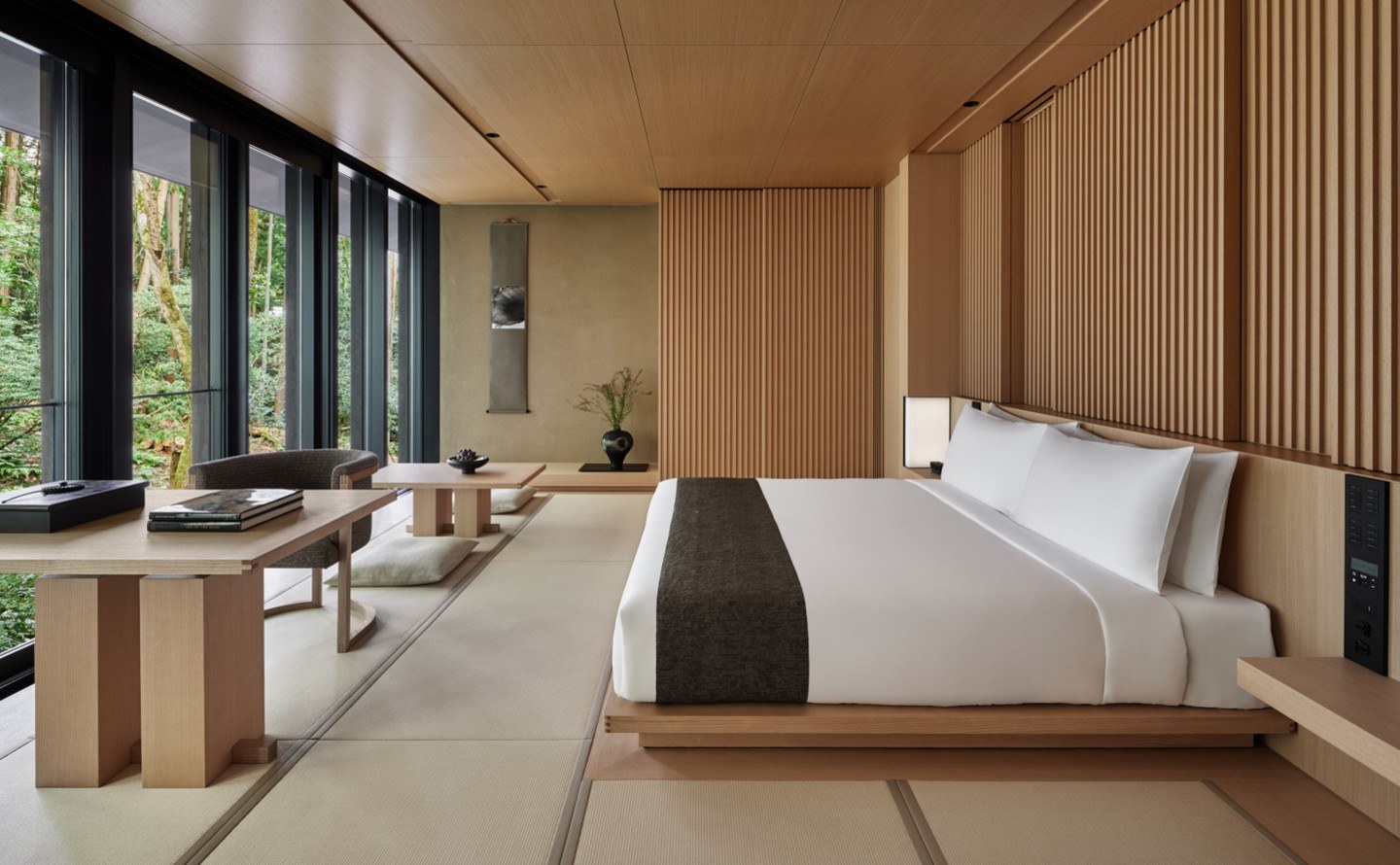
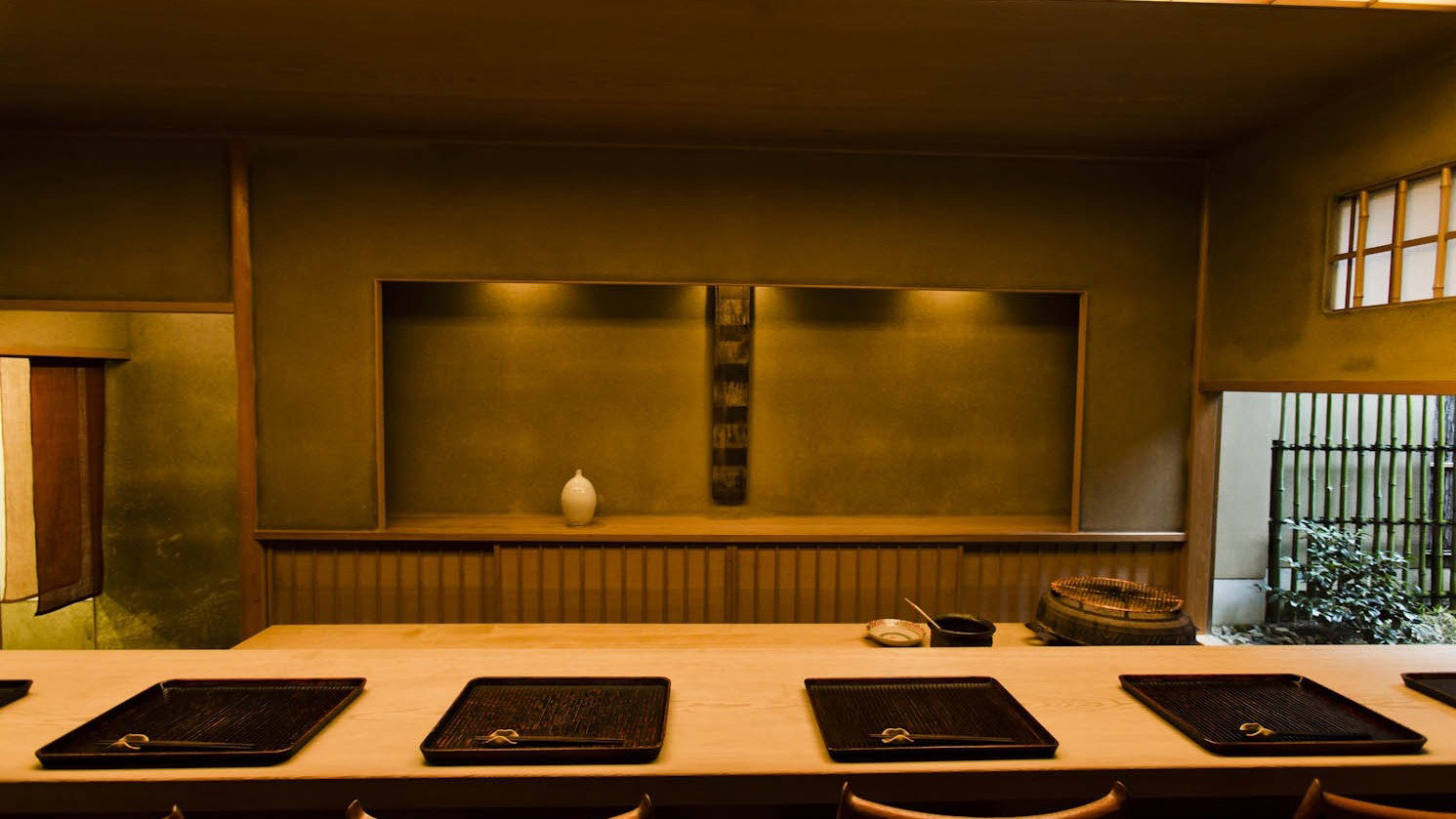
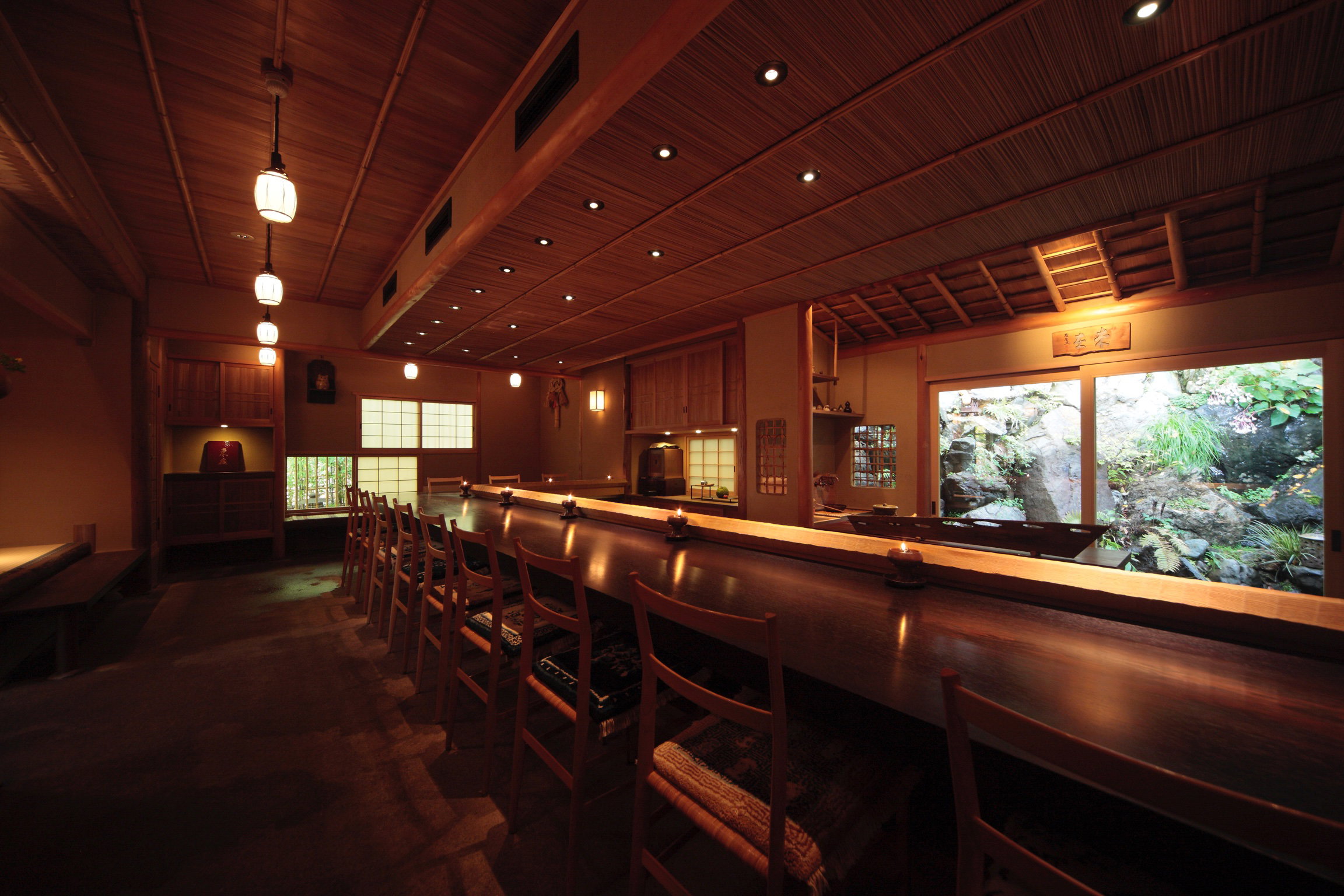
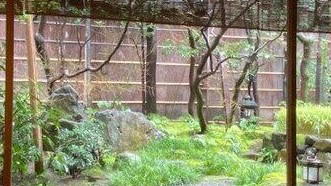
Serene and elegant with natural light filtering through shoji screens, minimalist Zen-inspired interiors using calm natural colors, and contemplative gardens creating a peaceful, immersive Japanese retreat atmosphere.
Tags
Vibe
Best For
Experience
Amenities
View
Accessibility
About the Stay
- Rooms
- 25
- Check-in
- 15:00
- Check-out
- 12:00
- Property Type
- Heritage hotel
- Property Style
- Luxury Hybrid Ryokan Blending Traditional Japanese Architecture with Modern Comforts
- Design Style
- Minimalist Zen with Tatami Floors, Shoji Screens, Natural Materials, and Clean Lines
- Breakfast
- Included
- Airport Transfer
- Available
- Pool
- Yes
- Spa
- Yes
- Cancellation
- Strict
Know before you go
Know Before You Go
- Getting there
- 11-2 Arashiyama Genrokuzanchō, Nishikyo Ward, Kyoto, 616-0007
Planning details
Location
11-2 Arashiyama Genrokuzanchō, Nishikyo Ward, Kyoto, 616-0007 · Directions
Recognition and awards

Also consider
Also Consider
- MUNI KYOTO by Onko Chishin, Notable alternative
- Suiran, a Luxury Collection Hotel, Kyoto, Notable alternative
- Hotel Utano Kyoto Bessho, Notable alternative
- Kyo no Ondokoro Nishijin Bettei #5, Notable alternative
- Aman Kyoto, Notable alternative
Hotel context
How It Compares
Choose Hoshinoya Kyoto over MUNI KYOTO by Onko Chishin or Suiran, a Luxury Collection Hotel, Kyoto if the trip is built around a quieter Arashiyama retreat rather than a more conventional luxury-hotel stay. MUNI and Suiran make more sense for travelers who want easier comparison shopping across standard hotel categories, while Hoshinoya Kyoto is the better fit when the room and setting are the main purchase.
Aman Kyoto is the closer cross-shop for a high-spend, destination-hotel decision. Pick Aman Kyoto if the priority is a broader resort-style luxury frame; pick Hoshinoya Kyoto if Arashiyama specifically is the draw and the stay is meant to feel more contained. Neither is the value move for a schedule packed with city transfers.
For lower-friction alternatives, Hotel Utano Kyoto Bessho and Kyo no Ondokoro Nishijin Bettei #5 are better to consider when space, independence, or a less formal Kyoto base matters more than a full luxury retreat. If Hoshinoya Kyoto is unavailable, MUNI Kyoto is the nearest practical fallback for staying in the Arashiyama orbit.
Explore Kyoto
Around this place
Discover more on Pearl
Unlock the full Hoshinoya Kyoto guide in Pearl, including awards, comparisons, FAQs, planning details, and nearby places.
Compare Hoshinoya Kyoto
| Venue | Location | Awards |
|---|---|---|
| Hoshinoya Kyoto | Kyoto | 2026 Michelin 1 Key2025 Robb Report The 50 Greatest Luxury Hotels on Earth · #33Tatler Best Hotels Asia-Pacific 2025Michelin 1 Key 20252025 Michelin 1 Key |
| MUNI KYOTO by Onko Chishin | Kyoto | 2026 Michelin Guide New Hotels2025 Michelin 1 Key2024 Michelin 1 Key |
| Suiran, a Luxury Collection Hotel, Kyoto | Kyoto | 2026 Forbes 4-Star2026 La Liste Top Hotels2026 Michelin 1 KeyMichelin 1 Key 20252025 Michelin 1 Key2025 Forbes 4-Star2024 Michelin 1 Key |
| Hotel Utano Kyoto Bessho | Kyoto | No published awards |
| Kyo no Ondokoro Nishijin Bettei #5 | Kyoto | No published awards |
| Aman Kyoto | Kyoto | 2026 Virtuoso Luxury Hotel Collection2026 La Liste Top Hotels2026 Michelin 2 Keys2025 World’s 50 Best Hotels · #74World Travel Awards 2025Michelin 2 Keys 20252025 Michelin 2 Keys2025 Conde Nast Hotels Gold List2024 Michelin 2 Keys |








How Hoshinoya Kyoto compares with similar nearby venues.
FAQ
Frequently Asked Questions
Do loyalty programs work at Hoshinoya Kyoto?
Do not book this for loyalty-program value first unless your booking channel clearly confirms the benefits you expect. Hoshinoya Kyoto is a Kyoto luxury-hotel choice, so the decision should rest on the confirmed stay details and the hotel experience rather than on assumptions about points. If loyalty redemptions matter more, compare the confirmed terms with another Kyoto option such as Suiran, a Luxury Collection Hotel, Kyoto.
How is the pool and spa at Hoshinoya Kyoto?
Do not assume specific pool or spa details from the information here. Hoshinoya Kyoto in Kyoto has confirmed recognition from Robb Report and Tatler, but facilities and treatment offerings should be checked directly with the hotel before booking if they are important to the trip.
Which room category is best at Hoshinoya Kyoto?
The best room category depends on current availability, pricing, and the specific features confirmed at booking. Because room-category details are not provided here, compare the options directly before committing. If you are also considering Aman Kyoto, focus on the confirmed details for each property rather than assuming one room type or setting will suit every trip.
When is the best time to book Hoshinoya Kyoto?
Book when your Kyoto dates and preferred terms are clear, and verify availability directly through the hotel or booking channel. Specific seasonal pricing, demand patterns, and booking windows are not confirmed here, so avoid relying on assumptions if your plans are date-sensitive.
Is Hoshinoya Kyoto good for business travel?
It can be considered for business travel only if the confirmed logistics work for your schedule. Hoshinoya Kyoto is in Kyoto, but details such as meeting access, transfer timing, and work-focused amenities should be before booking. If you need a different hotel setup, Suiran, a Luxury Collection Hotel, Kyoto may be worth comparing on confirmed details.