

Tabelog 100: Best Spanish Cuisine Restaurants in Japan 2026
Tabelog 100 (Hyakumeiten) Spanish cuisine selection for 2026. Tabelog publishes these as source-ordered lists of 100 restaurants.

Venues on this list
Los Sitios
Osaka, Japan
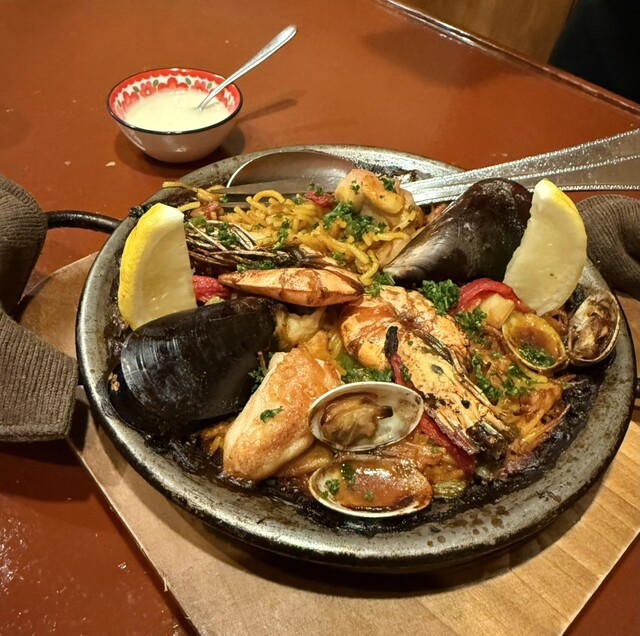
A dinner-only Spanish restaurant in Osaka's Awaza district, recognized on Tabelog 100 Spanish Cuisine lists in 2024 and 2026. À la carte service with one drink included runs JPY 6,000–JPY 7,999 per person; the 20-seat space (10 counter, 8 table) favors solo diners and small groups. No lunch service, reservations by phone only, and smoking is permitted.
anchoa
Kanagawa, Japan
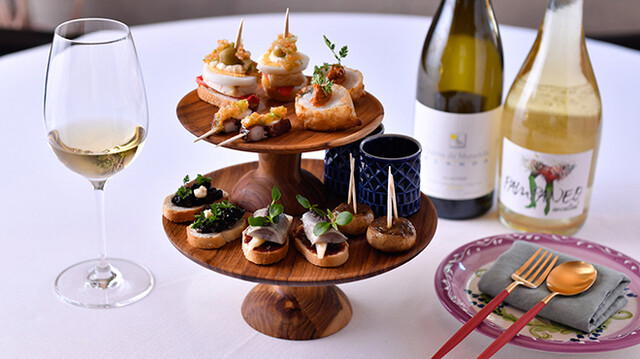
anchoa is a Tabelog Award 2026 Bronze winner and Spanish Cuisine 100 selectee in Kamakura, serving set-course Spanish seafood in a 15-seat room three minutes from Kamakura Station. Dinner runs JPY 15,000 to JPY 19,999; lunch is JPY 6,000 to JPY 7,999. Compared to Spanish course dining in central Tokyo or Osaka, it offers comparable award-level credentials at a more accessible price, with a local seafood focus that justifies the trip from the city.
Tinc gana
Tokyo, Japan
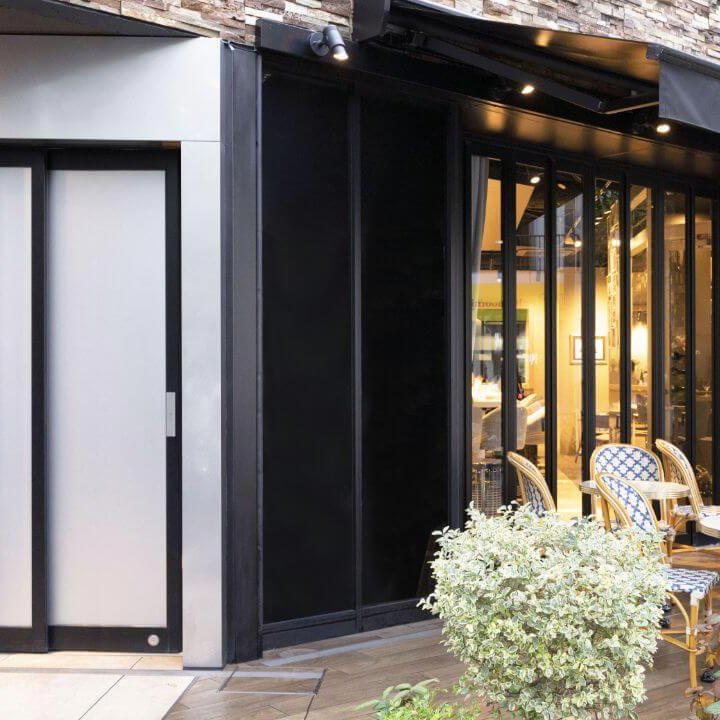
Tinc Gana is chef Daisuke Tsuji's refined take on Catalan cuisine in Chiyoda City, Tokyo; a Michelin Plate holder at ¥¥¥ that is easier to book than most comparable rooms in the city. The counter-led format suits dinners for two or small groups, and the ingredient-driven menu draws on Barcelona's food traditions filtered through Japanese sourcing discipline.
comer mar y montana
Kanazawa, Japan
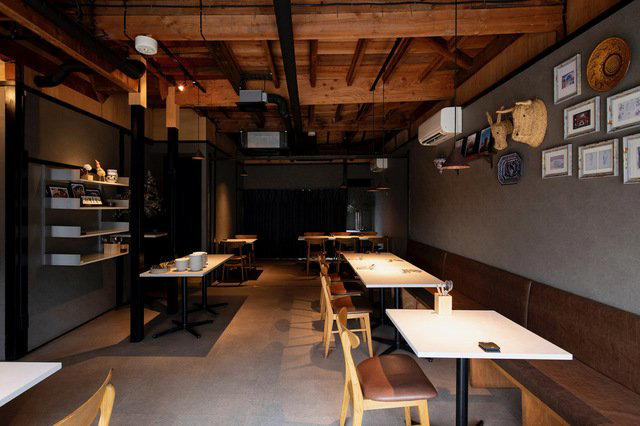
A 40-seat Spanish house restaurant in Kanazawa's Kiguramachi district, led by chef Yusuke Kitagawa and recognized by Opinionated About Dining and Tabelog's Spanish 100 list. The kitchen centers on Ishikawa's seasonal seafood, with rotating preparations that reflect the coastal calendar. Dinner runs JPY 8,000–9,999, positioning it mid-tier among the city's European options. Book a week ahead for weekends; weeknights offer easier walk-in access.
BAR-BAROSSA
Gifu, Japan
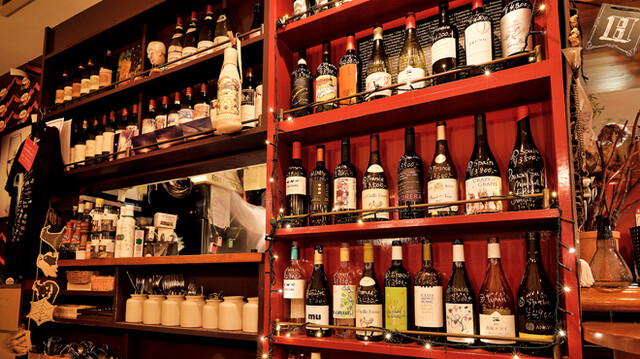
BAR-BAROSSA is a 29-year-old Spanish bar in Gifu's Kinpocho district, recognized on Tabelog's Spanish Cuisine 100 list in 2024 and 2026. Dinner runs JPY 2,000–2,999, lunch under JPY 2,000, with paella, Ibérico ham, and house-made charcuterie served at an 18-seat counter-and-table setup. The casual bar format, craft beer list, and early-evening hours make it an accessible option for solo diners, couples, and travelers passing through central Japan.
Fonda Sant Jordi
Tokyo, Japan
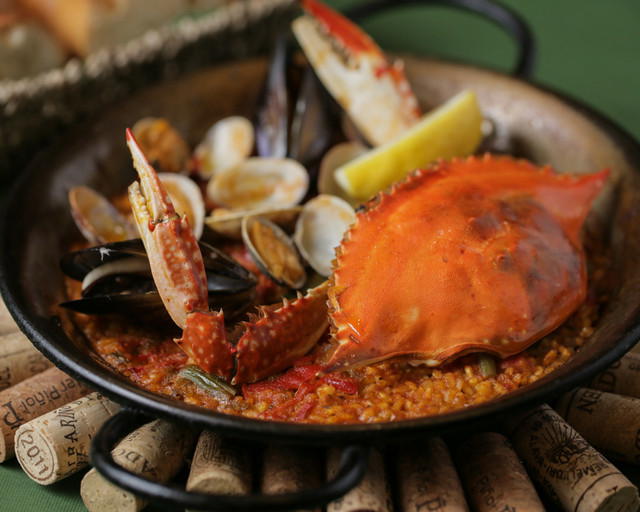
Tabelog 100–recognized Spanish izakaya in Ebisu with a wine-forward approach and Catalan-rooted small plates. At JPY 6,000–7,999, it's a midweek-friendly choice for drinkers who want to explore Spanish and natural wines over a two-hour counter meal. The intimate 22-seat room suits dates and celebrations better than quick group dinners.
エスタシオン
Tokyo, Japan
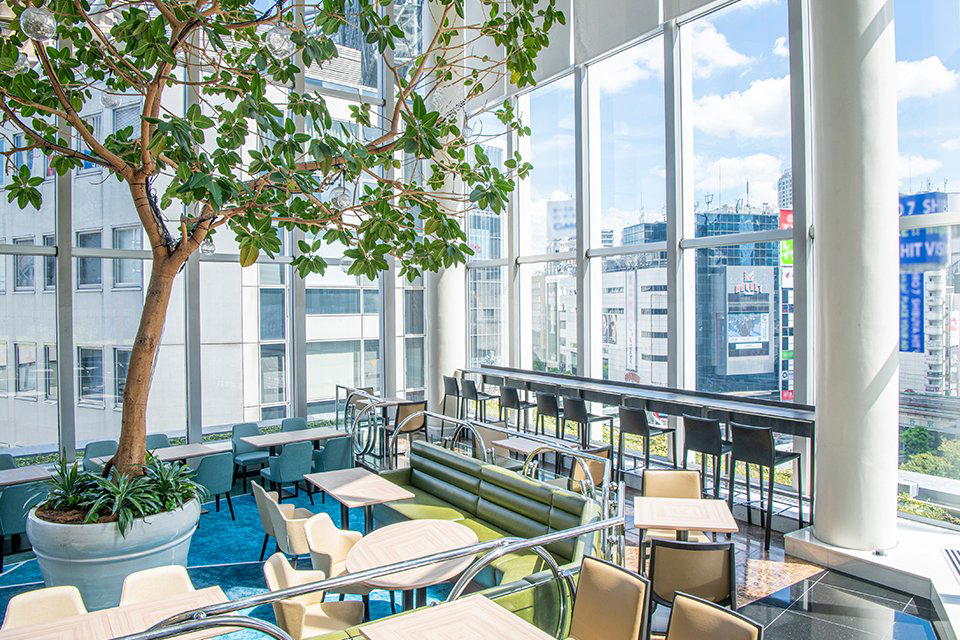
Book エスタシオン if you want a recognized Kagurazaka evening stop with a drinks-led feel and lower booking friction than many Tokyo destination counters. The catch: cuisine, price, chef, and signature items are not clearly defined, so it suits flexible diners more than anyone planning around a specific menu or budget.
TOKi
Tokyo, Japan
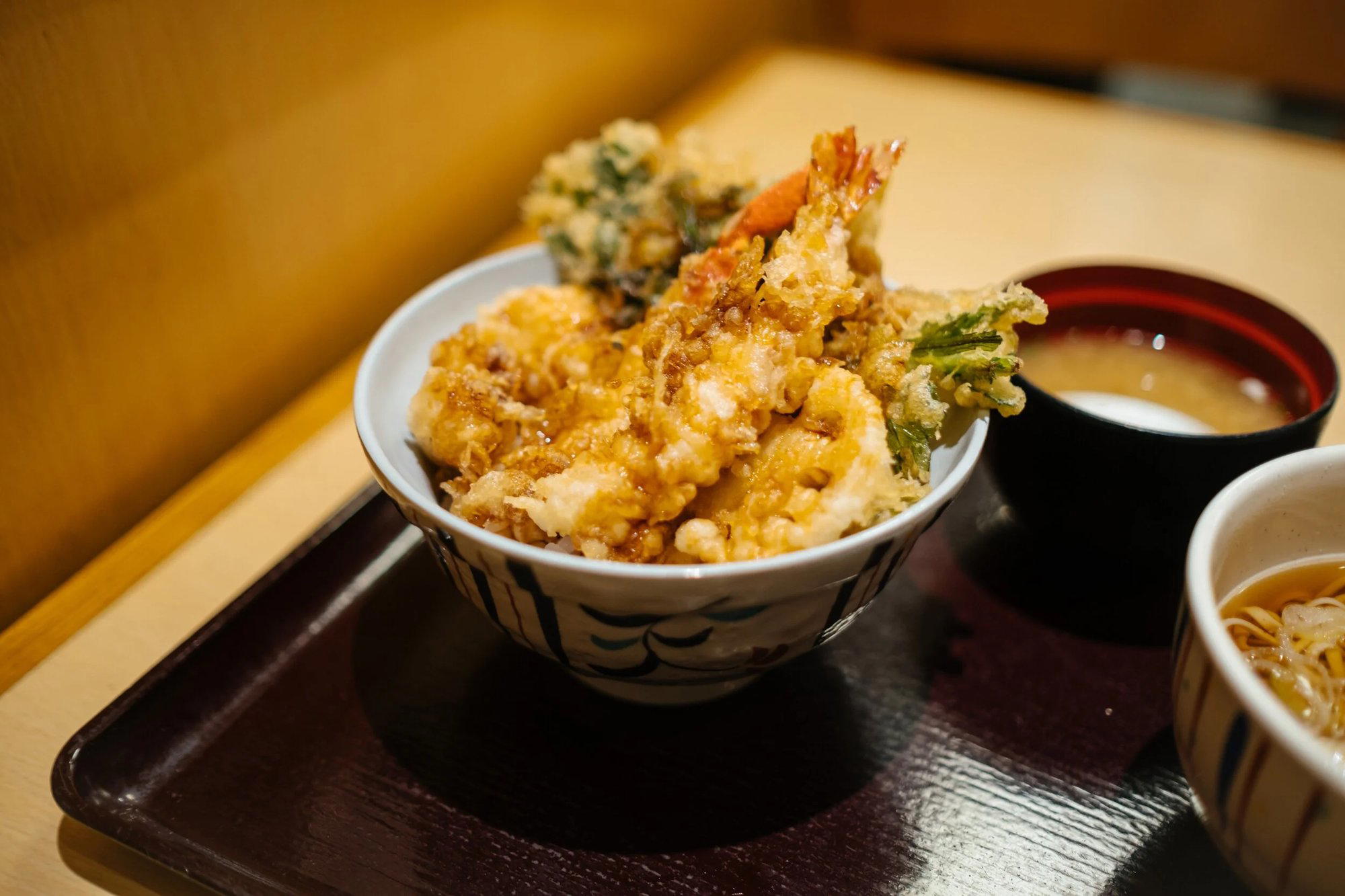
TOKi in Shimbashi is a creative Spanish-contemporary restaurant supervised by akordu of Nara, translating ancient-capital produce through a modern Spanish lens at the ¥¥¥ tier. Booking is easy by Tokyo standards, the setting suits dates and quiet celebrations, and the seasonal tasting menu rewards repeat visits as Nara's produce calendar shifts. A well-priced entry point for serious creative cuisine in Tokyo.
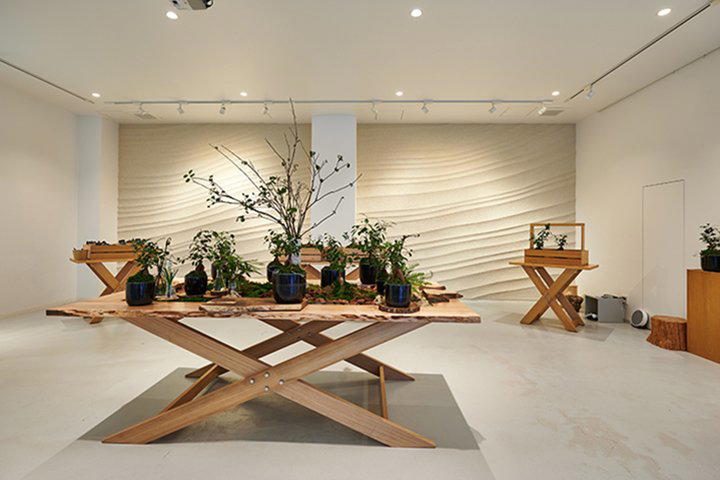
ENEKO Tokyo
Tokyo, Japan
ENEKO Tokyo brings Spanish cooking to Nishiazabu with consistent critical recognition; OAD Top Restaurants Japan #179 in 2025 and. Easy to book and open Wednesday through Sunday, it is the right call for travelers who want serious Spanish cuisine in Tokyo without the booking difficulty of the city's most competitive tables.
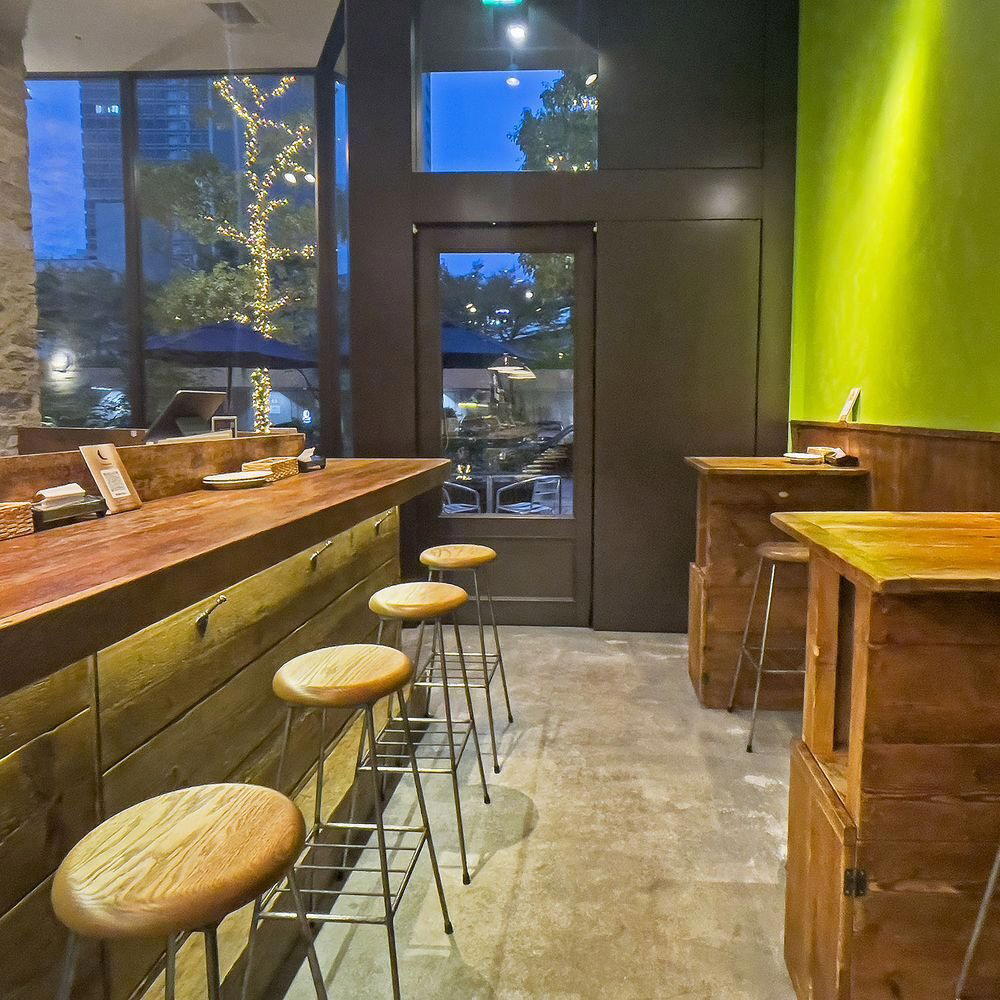
Donostia
Osaka, Japan
Donostia is Osaka's most accessible Basque-Spanish counter, backed by back-to-back Michelin Bib Gourmand recognition in 2024 and 2025. At the ¥¥ price point, pinchos, marinated sardines, and bean-and-giblet stew deliver genuine regional specificity without the reservation pressure or cost of Osaka's tasting-menu circuit. Book same-week for a low-effort, high-value dinner.
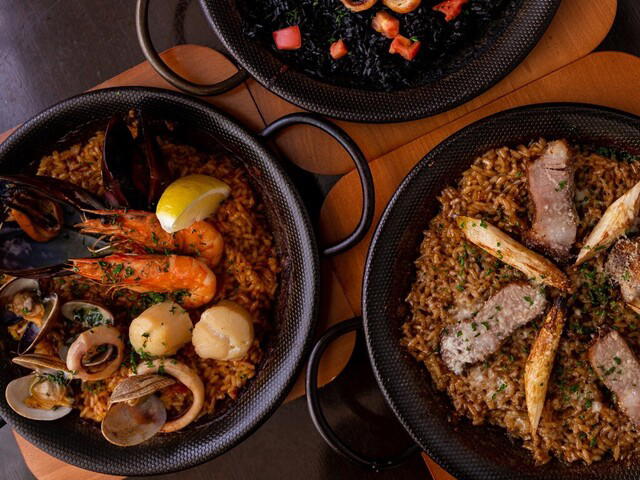
Shirogane Baru
Tokyo, Japan
A 23-year-old Spanish dining bar in Ebisu recognized twice on Tabelog's Spanish 100 list, serving fish-focused small plates and paella at JPY 6,000–JPY 7,999. Counter seating for 36 plus three private rooms; book ahead for weekend dinners or walk in weekdays for cocktails and tapas.
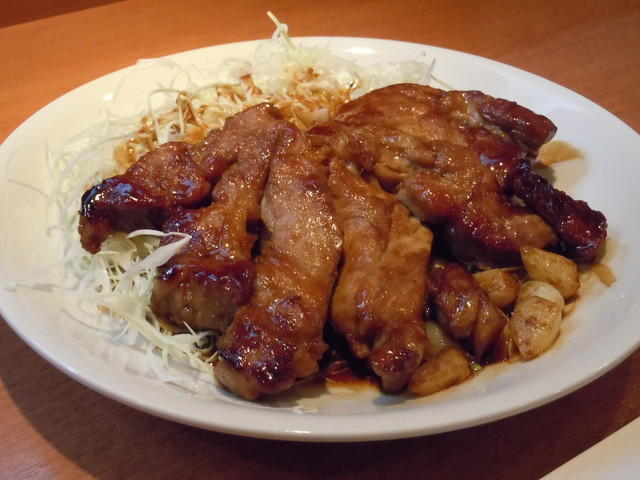
Gracia
Tokyo, Japan
Two Tokyo venues share the name Gracia: an Asakusabashi yoshoku counter (JPY 1,000–3,999, walk-in only, Tabelog Yoshoku 100) and a Hiroo Spanish dining room (JPY 4,000–7,999, reservations available, Tabelog Spanish 100). Both earned Bib Gourmand recognition, but the Asakusabashi location offers clearer value for casual dining, while Hiroo targets Spanish-cuisine enthusiasts willing to pay mid-tier fine-dining premiums.
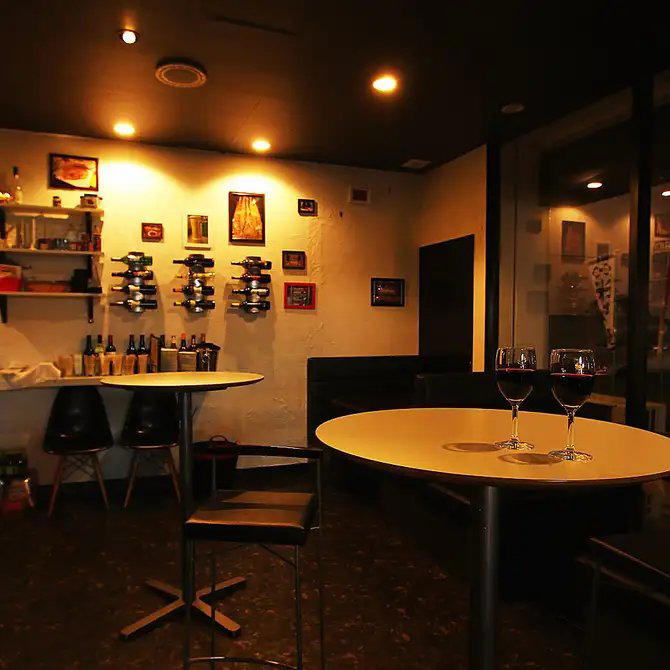
marcador
Mito, Japan
Two-time Tabelog 100 Spanish dining room in Mito with a wine-focused dinner program (JPY 3,000–3,999) and a quick, casual lunch service (JPY 1,000–1,999). The 24-seat room fills fast on weekends, but the midday slot offers easy walk-in access Wednesday through Friday. Best for visitors seeking European cooking outside Tokyo's denser Spanish scene.
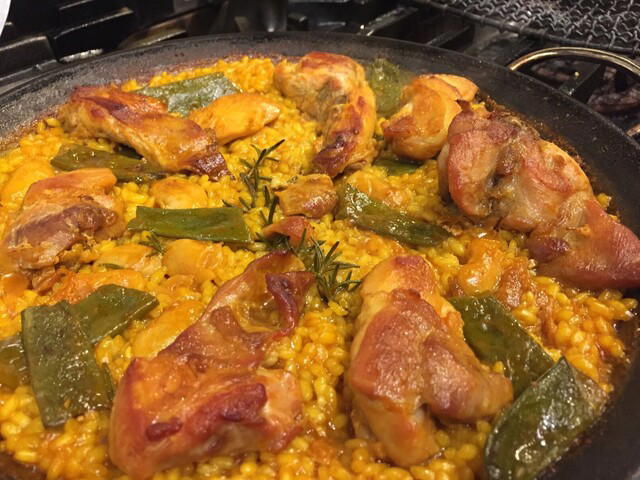
Tamborada
Okazaki, Japan
Tabelog Spanish 100 honoree with daily-changing menus and Spanish wine-only pairings. The 18-seat counter and private dining option suit couples and celebrations at JPY 8,000–9,999 per person. Book ahead by phone, confirm dietary needs early, and expect ingredient-driven spontaneity rather than a fixed tasting menu.
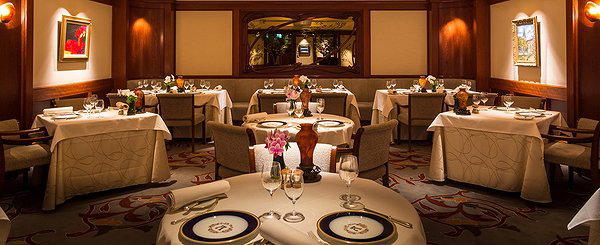
ZURRIOLA
Tokyo, Japan
Two Michelin stars and eight consecutive Tabelog Bronze Awards make ZURRIOLA the benchmark for modern Spanish cooking in Tokyo. Chef Seiichi Honda's tasting menu draws structural parallels between Basque and Japanese culinary logic, at a dinner price of ¥40,000–¥59,999 in practice. Book it for a special occasion; secure a table at least 4–6 weeks ahead.
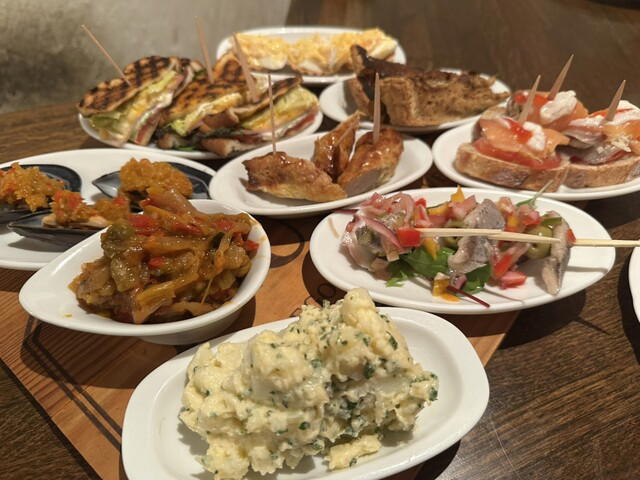
Osteria e Bar Geno
Osaka, Japan
A 13-seat Spanish wine bar in Esaka delivering <em>Tabelog 100</em>-recognized small plates at JPY 6,000–7,999. Counter seating and a convivial vibe suit groups and casual celebrations; service leans informal. Book a week ahead for weekends, and expect a neighbourhood hideout rather than a showcase dining room.
El Raco Den Takeuchi
Kobe, Japan
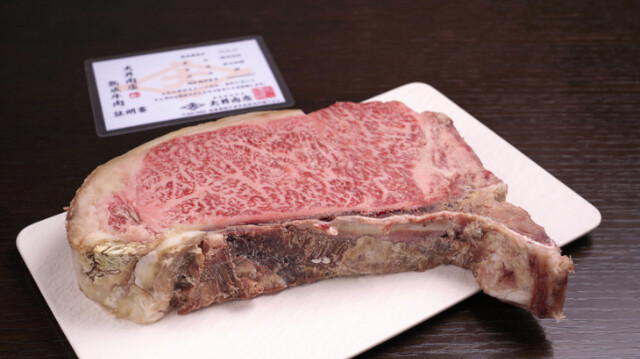
Tabelog 100-listed Catalonian counter focused on seasonal Hyogo fish, sommelier-guided wine, and solo-chef execution at JPY 15,000–19,999. The 11-seat space and 2.5-hour service favor quiet, focused diners over rushed groups. Book early for ingredient sourcing; Tuesday closed, dinner-only format.
L’Ermita
Fukuoka, Japan
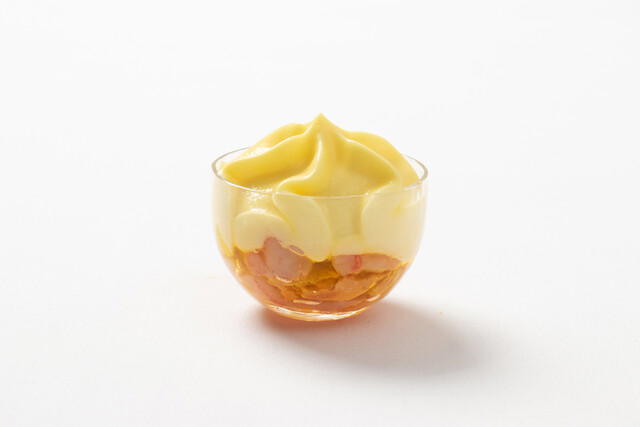
Book L'Ermita if you want a serious Spanish dinner in Fukuoka rather than another sushi, French, or casual local meal. The value case is strongest for couples, solo diners, and food-focused travelers who care about category depth and recognition, with Tabelog Bronze and Tabelog 100 placement supporting the splurge.
Arrocería Sal y Amor
Tokyo, Japan
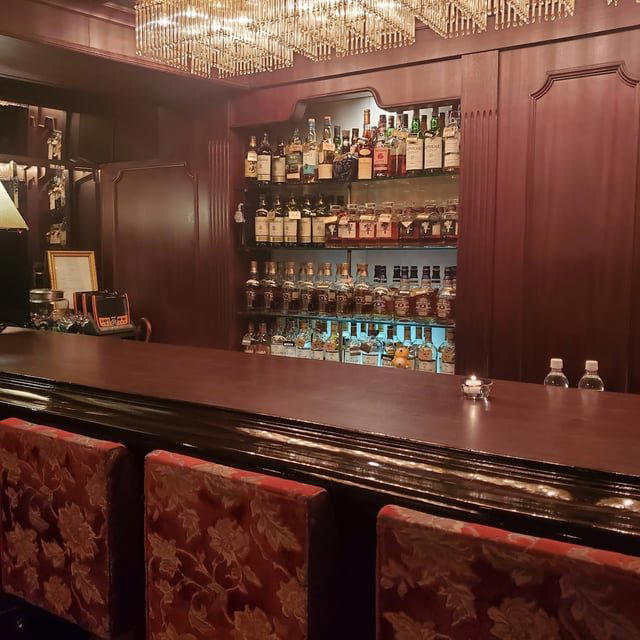
Arrocería Sal y Amor is a Michelin Bib Gourmand (2024) Spanish rice specialist in Daikanyama, Tokyo, offering paella, meloso, and caldoso made with Japan-grown rice at mid-range ¥¥ prices. Chef Lionello Cera runs a credentialled kitchen in an informal basement setting; one of the better value-to-quality ratios among Tokyo's international dining options. Easy to book, genuinely worth it.
MASIA
Tokyo, Japan
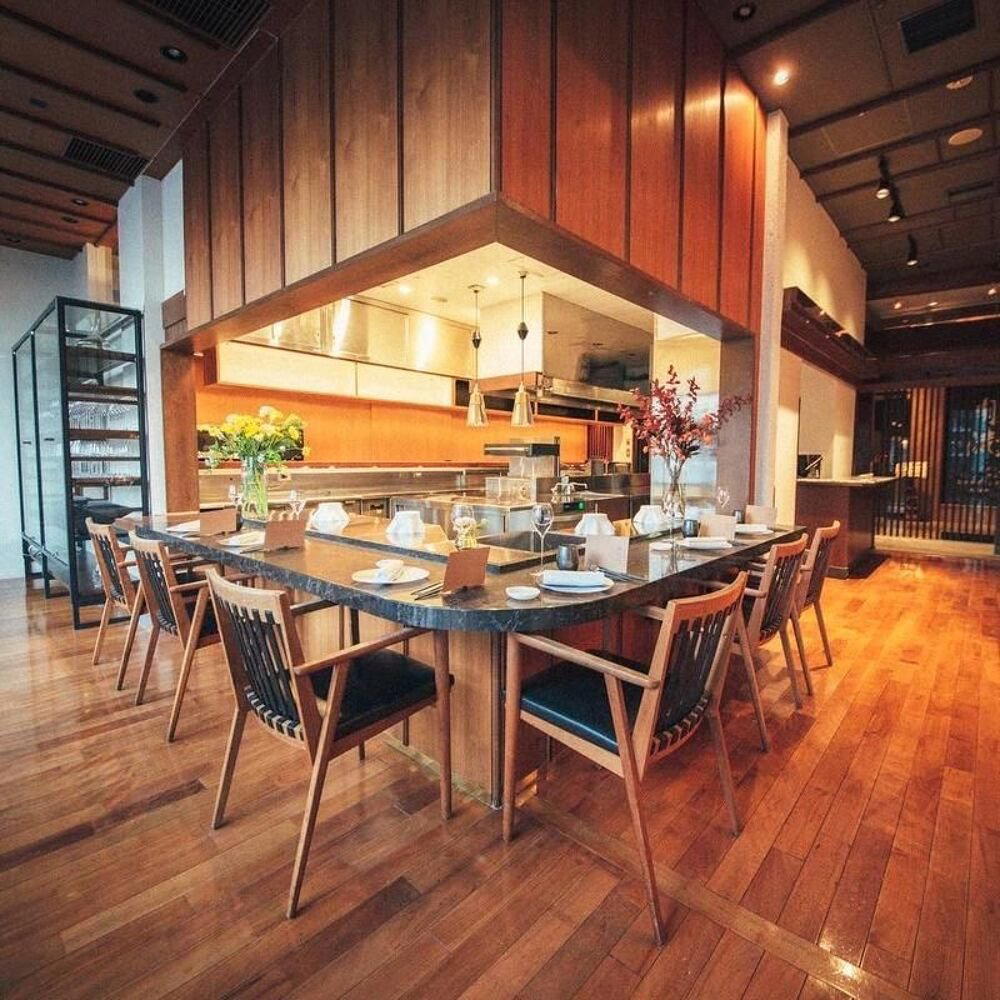
A Catalan prix fixe in Ginza's Belvia building, MASIA earns consecutive Michelin Plates (2024–2025) by anchoring its menu around arroz and Spanish tapas made with Japanese produce. At ¥¥¥, it sits below the city's top sushi and kaiseki counters in price but not in ambition. Book two weeks out; it is easier to access than most recognised rooms at this level.
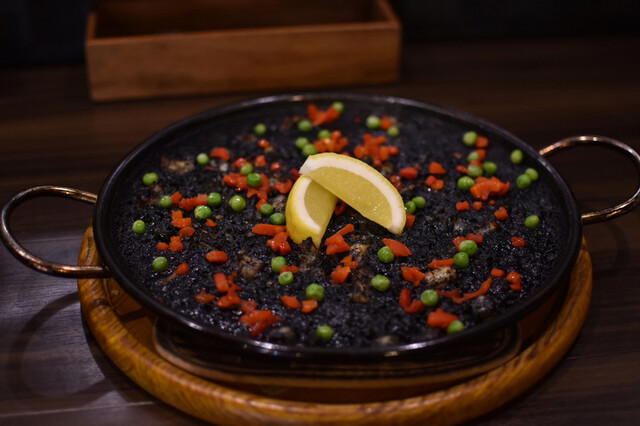
El Pescador
Tokyo, Japan
Phone-only reservations lead to a counter-focused Spanish kitchen in Jiyugaoka with Tabelog 100 recognition and JPY 8,000-9,999 dinner pricing. The à la carte format and wine-forward approach suit diners seeking technical Spanish cuisine without tasting-menu formality, while JPY 3,000-3,999 lunch offers accessible entry. Two-hour seating limits apply during peak service, but Sunday walk-ins remain possible.
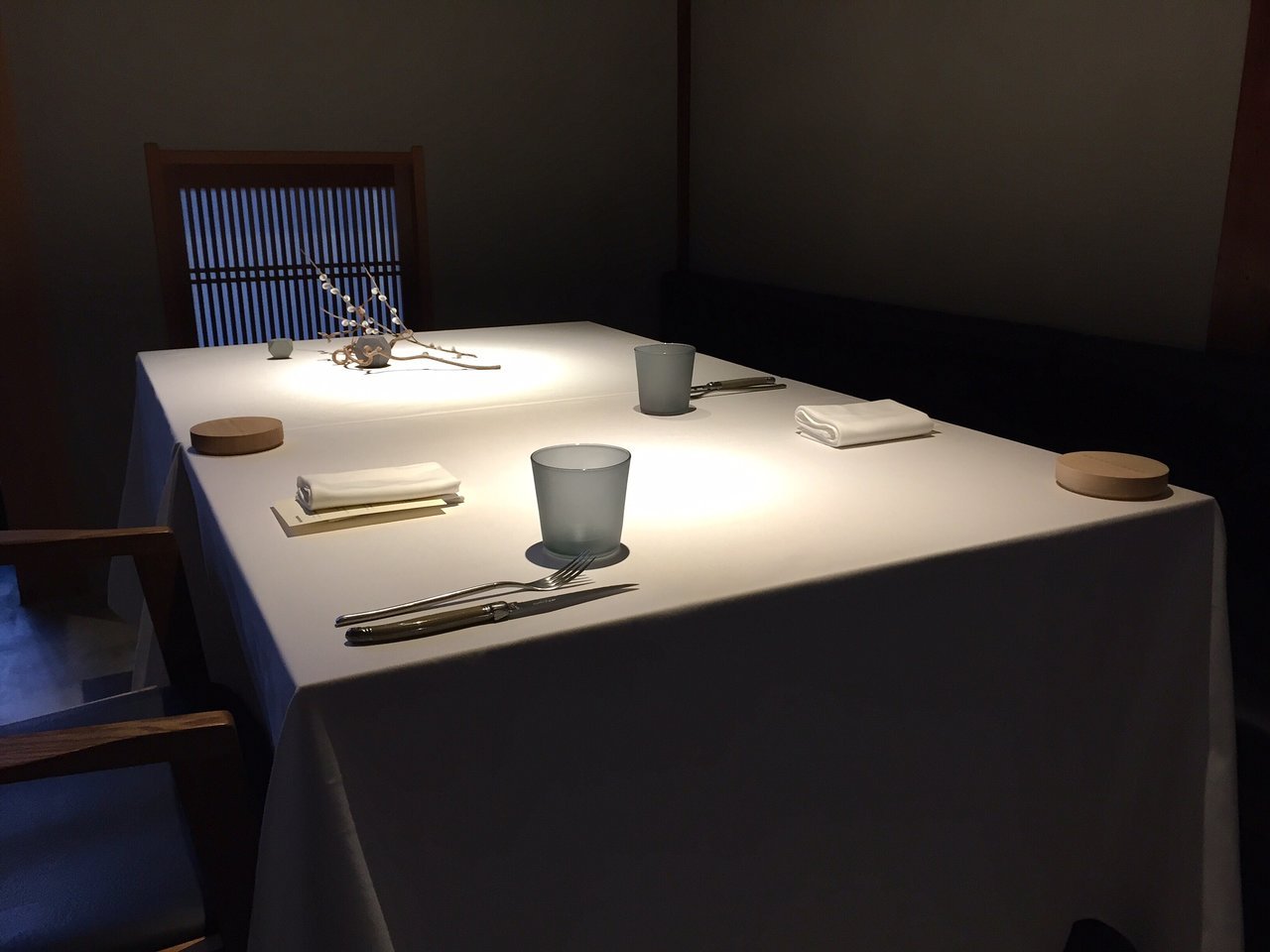
Respiracion
Kanazawa, Japan
Respiracion is Kanazawa's most decorated Spanish restaurant; five consecutive Tabelog Silver Awards, a 4.50 score, and a sharp climb to #88 on OAD Japan in 2025. Chef Tatsuro Ume runs a course-only format in a 14-seat machiya, applying Spanish technique to Ishikawa's seasonal produce. Budget JPY 30,000–40,000 all-in and book at least three weeks ahead.
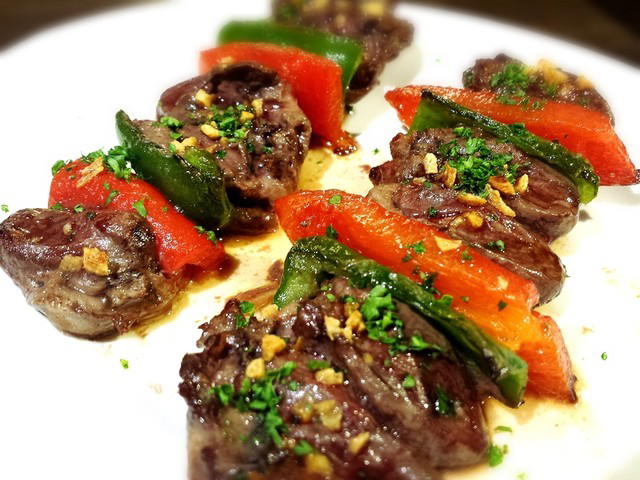
Bon Gout
Tsukuba, Japan
Bon Gout works when you want a reliable Tsukuba sit-down meal with a credible 2026 Tabelog 100 signal, not a high-ceremony destination dinner. It is better suited to couples or small flexible groups than private dining, with value that looks strongest against casual local alternatives rather than higher-spend peers.
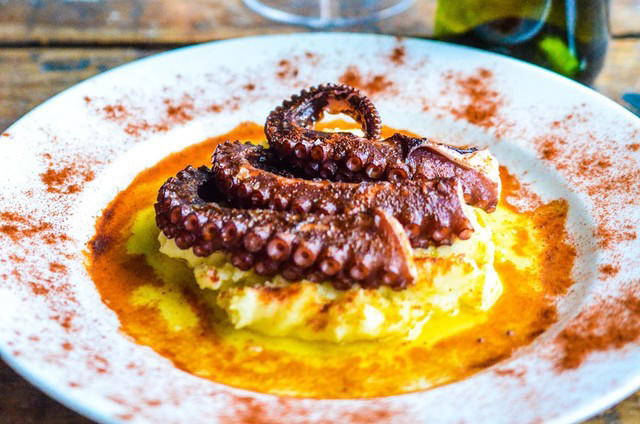
PULPO
Fukuoka, Japan
A 24-seat Spanish wine bar near Ohori Park, PULPO earned spots on Tabelog's Spanish Cuisine 100 list in 2024 and 2026 for its seafood-forward tasting progression. Dinner runs JPY 8,000–9,999 with wine, and the format leans closer to omakase than tapas. Counter seats offer the best view; reservations are easy by phone.
eman
Tokyo, Japan
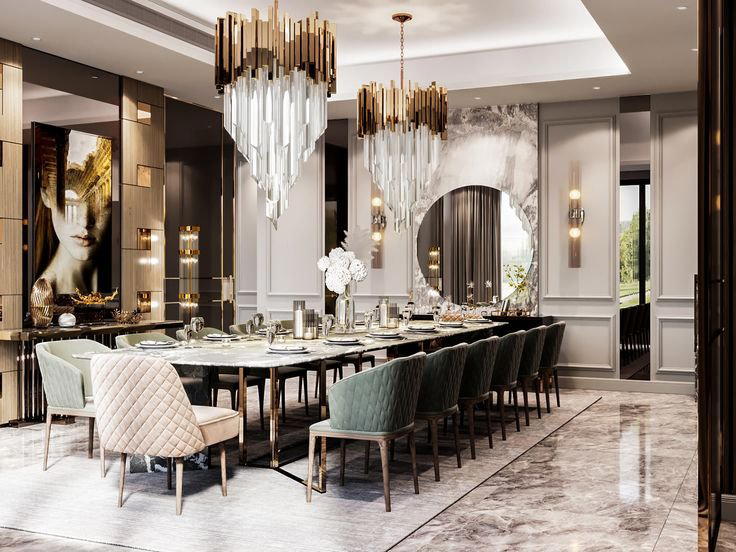
eman in Kiyosumi Shirakawa delivers Michelin Plate-recognised Spanish cooking at ¥¥¥ pricing, with low booking pressure and a clear point of view: Japanese seasonal ingredients expressed through Spanish regional forms, anchored by rice. It sits below ZURRIOLA on formality and price but above the rice-specialist category in ambition. Book it when you want serious cooking without the reservation difficulty of Tokyo's starred venues.
DENDA
Osaka, Japan
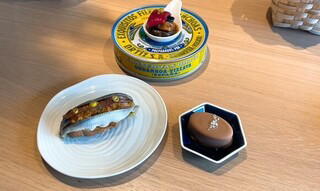
Sister to Michelin-starred Aralde, this 12-seat Basque pintxos and à la carte counter earned Tabelog Spanish Cuisine 100 spots in 2024 and 2026. Lunch-only service (1:00–5:00 PM, Monday–Saturday) at JPY 6,000–7,999 per head, with a retail wine program and casual pacing. Book ahead; five minutes from Hommachi Station.
GinaGina
Tokyo, Japan
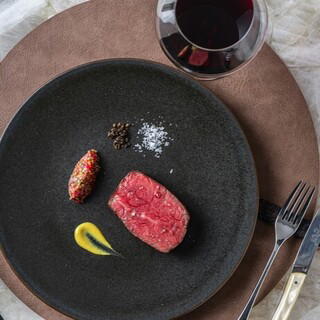
Tabelog 100 Spanish selection (2026, #28) in Nishiazabu offering seafood-focused Spanish cuisine with eight soundproof private rooms and counter seating. Dinner runs JPY 15,000–19,999, lunch JPY 1,000–1,999. Private rooms add JPY 1,650/person; 10% service charge applies. Strong group-dining format with sommelier service, BYO option (JPY 4,400 corkage), and family-friendly private-room policy. Counter seats six for a more intimate format without the room surcharge.
Tio Danjo
Tokyo, Japan
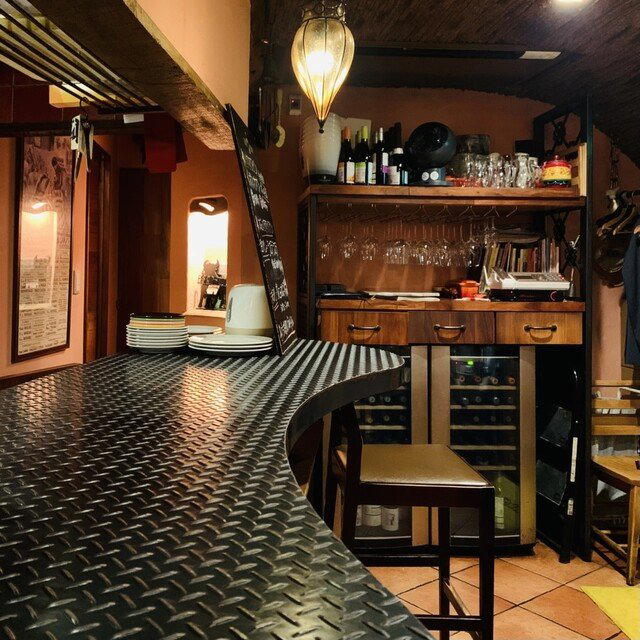
Tio Danjo is a smart Tokyo booking for a relaxed dinner that still carries quality signal, with pricing in the JPY 5,000 - JPY 5,999 range and Tabelog 100 recognition in 2026. It is better for a date or small celebration than for diners who need a clearly advertised cuisine format before committing.
iL MONTE
Kagoshima, Japan
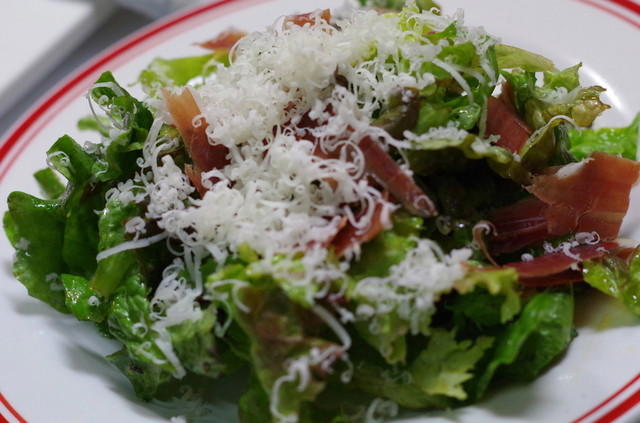
A Tabelog Spanish Cuisine 100 venue (2024, 2026) in central Kagoshima serving tapas-style small plates with shochu and wine. Dinner runs JPY 3,000–JPY 3,999, reservations are easy, and the 21-seat room suits solo diners at the counter or groups at the back tables. Best for grazing over multiple courses rather than a single-dish meal.
huerto
Nara, Japan
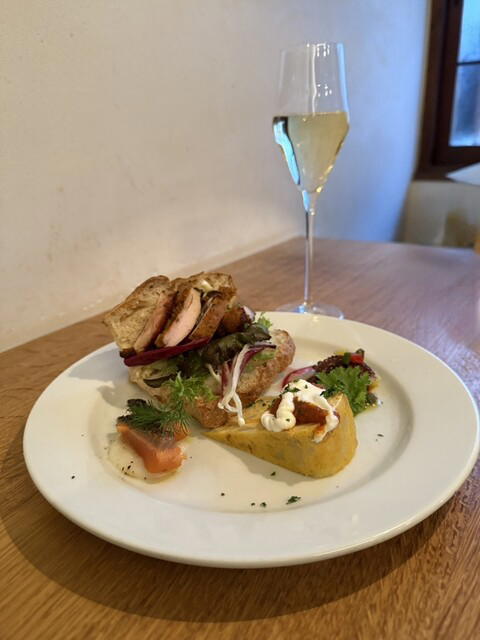
huerto is worth considering in Nara if the goal is a low-spend meal with more credibility than a random casual stop. The 2026 Tabelog 100 #31 recognition is the main trust signal, but the experience is better framed as relaxed and value-led than formal or occasion-heavy.
Mon-Rico
Tokyo, Japan
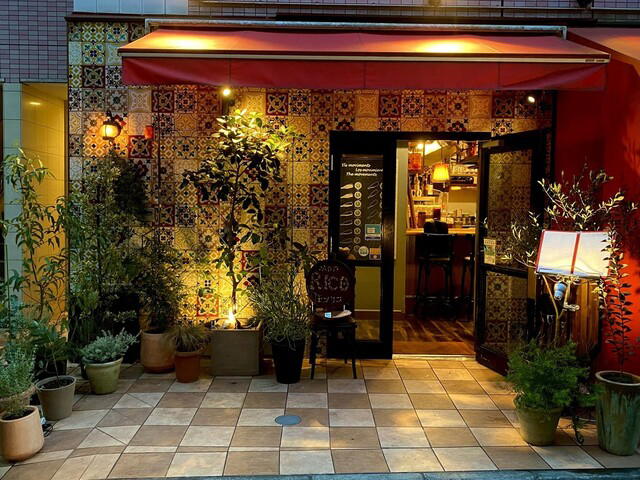
A fish-forward Spanish restaurant in Shiba with semi-private rooms, counter seating, and a sommelier-guided wine program. Recognized in Tabelog Spanish 100 2026 for consistent seafood execution at JPY 6,000-7,999 dinner, JPY 1,000-1,999 lunch. Family-friendly, business-appropriate, and easy to book; worth returning to when you want restraint over spectacle.
É nye
Osaka, Japan
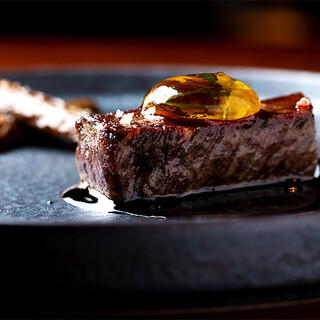
A 14-seat Spanish counter in Sakaisuji Honmachi, É nye has held Tabelog Bronze (2017–2020) and Tabelog 100 Spanish Cuisine recognition (2024, 2026) since 2015. Dinner runs JPY 20,000–29,999 (higher than the listed JPY 15,000–19,999), but weekend lunch at JPY 8,000–9,999 offers stronger value for the same fish-focused technique and wine-driven program. Counter seating suits solo diners; table and private-room options accommodate groups up to six.
bb9
Hyogo, Japan
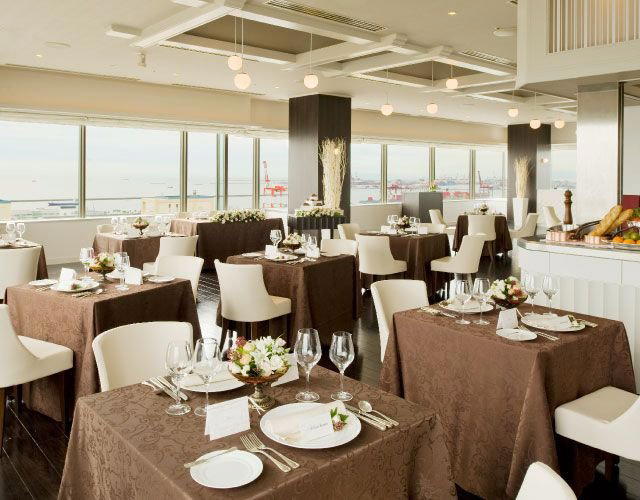
bb9 is Kobe's most consistent Basque wood-fire restaurant; Tabelog Silver or Bronze every year since 2017, a 4.33 score, and a national ranking inside Japan's top 135. With just eight seats, reservation-only access, and actual spend around JPY 30,000 to JPY 39,999 per person, it is the right call for a focused special-occasion dinner in Hyogo.
Hikobae
Nagoya, Japan
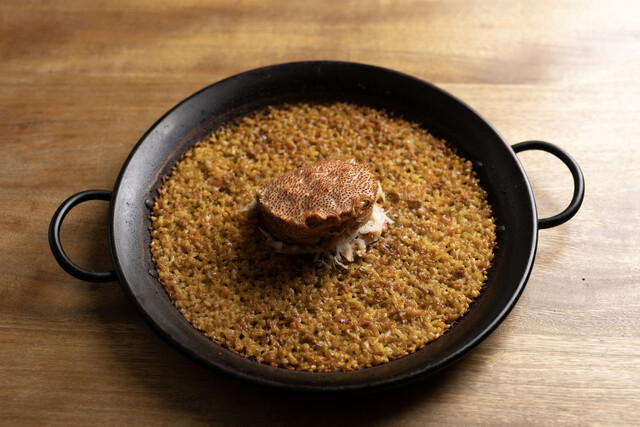
Modern Spanish counter in Nagoya's Higashi Ward, recognized in Tabelog 100 for 2026. The 12-seat setup and private rooms suit special occasions where fish-forward Spanish technique and a wine program justify the JPY 15,000–19,999 dinner spend. Lunch offers the same approach at half the price.
gastroteka bimendi
Osaka, Japan
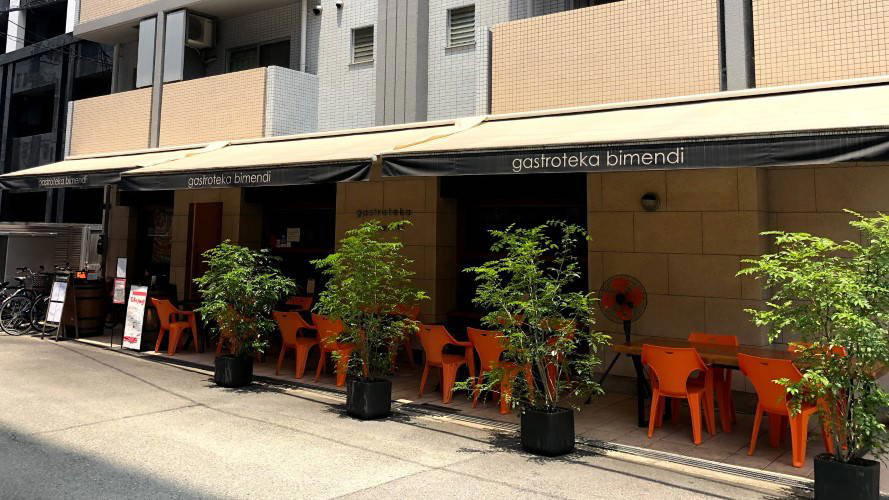
Gastroteka Bimendi is a Michelin Bib Gourmand-recognised Basque pintxos bar in Osaka's Nishi Ward, earning the award in both 2024 and 2025. At ¥¥ pricing with an Easy booking rating, it is the most accessible Michelin-validated Spanish dining option in the city. Come for small plates, Spanish drinks, and counter-style service; not for a formal occasion.
Spanish Boqueria
Sapporo, Japan
Spanish Boqueria brings tavern-style Spanish cooking and a serious wine program to Sapporo's Chuo Ward, earning Tabelog 100 recognition in 2024 and 2026. At JPY 10,000–14,999, the 19-seat space pairs Hokkaido ingredients with small-producer Spanish bottles in a counter-and-table format that skews formal. Book two to three weeks out for weekends; weekdays offer easier access.
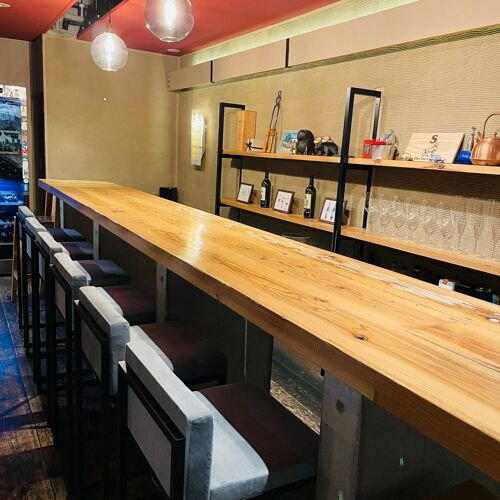
Ueroku wine
Osaka, Japan
A Michelin Bib Gourmand Spanish restaurant in Osaka's Tennoji Ward that builds its menu around Japanese seafood interpreted through a coastal Spanish lens. At ¥¥, it is one of the most accessible Michelin-recognised Spanish addresses in the Kansai region. The owner's Bordeaux estate, Clos Leo, anchors a wine list with real provenance.
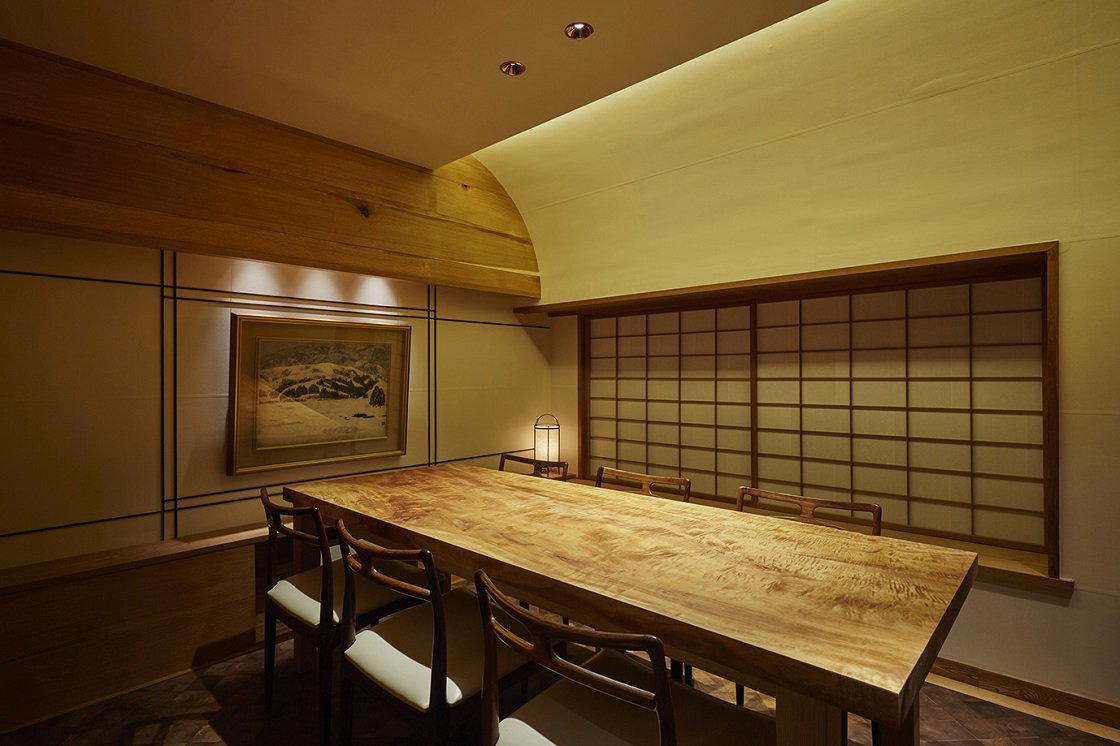
Claro
Osaka, Japan
In Osaka's Chuo Ward, Claro places Israeli-Mediterranean sensibility and Spanish technique inside a kitchen stocked with Japanese seasonal produce. Chef Ran Shmueli's paella arrives built on Japanese rice with firefly squid, eel, and crab rotating by season; tortillas fold in seaweed; sherry sauce meets Daitokuji natto. A Michelin Plate holder in both 2024 and 2025, and ranked by La Liste in 2025, Claro occupies a distinct lane in Osaka's international dining scene.
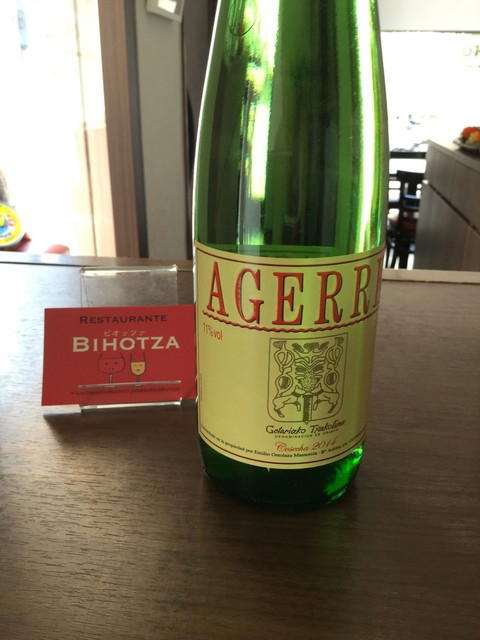
Bihotza
Yokohama, Japan
Basque pintxos, txakoli, and à la carte Spanish plates in a 26-seat Naka Ward venue with a second-floor private room for groups up to 24. Tabelog 100 Spanish Cuisine 2024 and 2026; dinner runs JPY 5,000–5,999, though actual spending trends closer to JPY 10,000–14,999. Walk-ins work Monday and Thursday evenings; reservations required for parties above five.
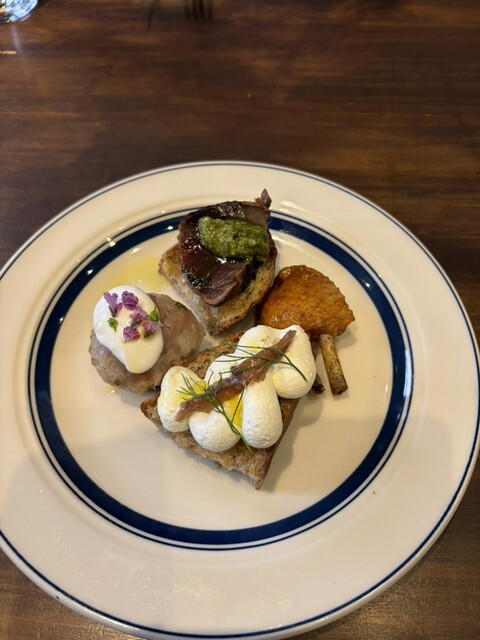
BARMOS
Kobe, Japan
Tabelog 100-recognized Spanish wine bar in Nada Ward offering counter and table seating, wine-forward beverage program, and flexible pricing from JPY 1,000 casual visits to JPY 14,999 tasting menus. Weekend lunch and nightly dinner service near JR Rokkomichi Station.
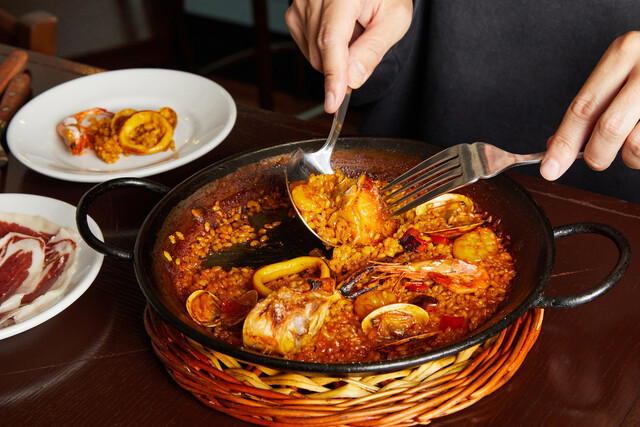
Bar Portillo de sal y amor
Tokyo, Japan
Tabelog 100–recognized Spanish bar in Naka Meguro offering à la carte paella and seasonal tapas at JPY 6,000–7,999 dinner, JPY 2,000–2,999 lunch. Counter seats give paella-prep views, reservations are easier than most award-winning Tokyo dining, and the casual 40-seat room welcomes families and dates alike.
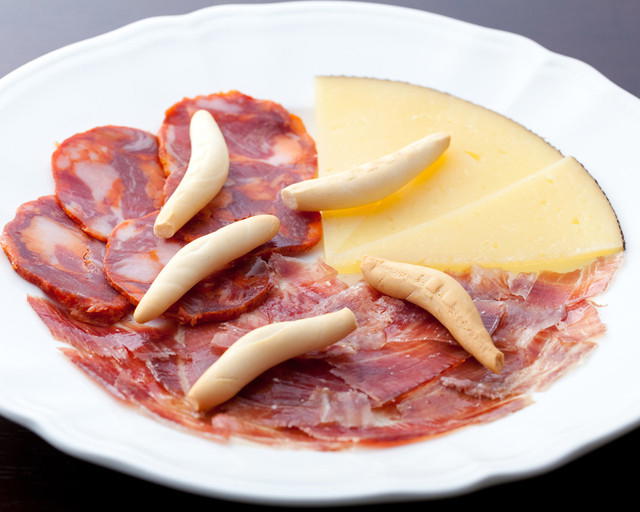
Ama Rule
Osaka, Japan
Tabelog Spanish Cuisine 100 restaurant in Dojima delivering wine-focused Spanish cooking at ¥8,000–9,999 for dinner, ¥2,000–2,999 for lunch. The 22-seat counter-and-table space offers à la carte and courses with seasonal rotation; lunch provides better value, but dinner showcases the fuller wine program. Book ahead for weekend service; weekday lunch is easiest.
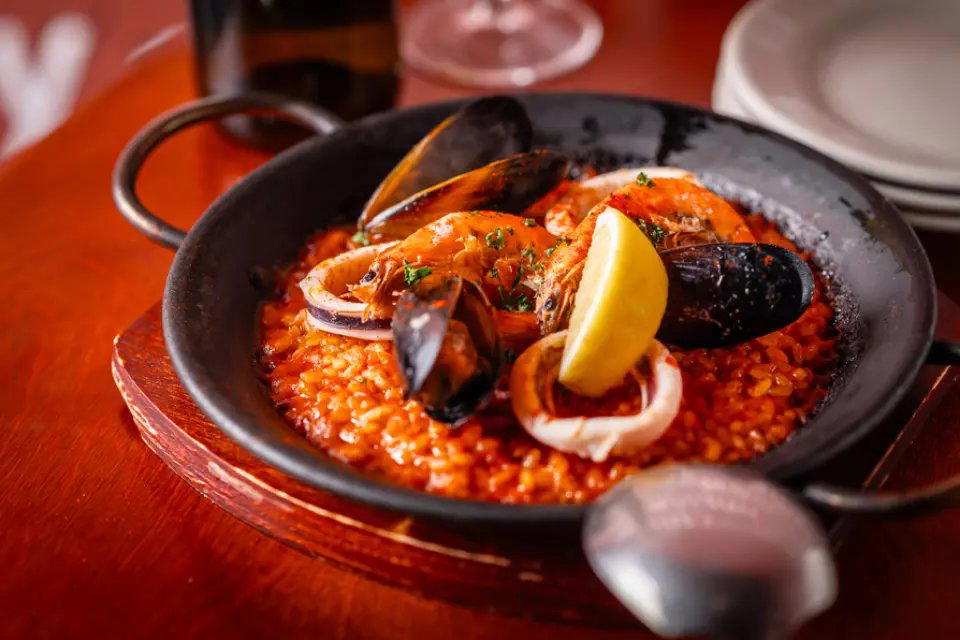
Bar ESTARICO
Sapporo, Japan
A compact Spanish bar in Susukino with counter seating for four, sommelier-led wine service, and a focus on Hokkaido seafood. Tabelog Spanish Cuisine 100 for 2024 and 2026, it offers solid value at JPY 5,000–5,999 per head, though the designated smoking area may not suit everyone. Book a counter seat if you want to interact with the kitchen; table seating is fine but less engaging.
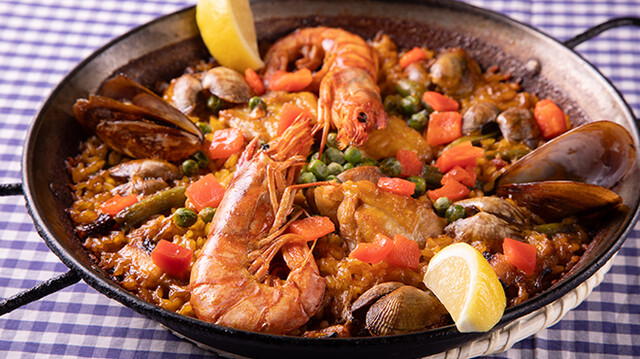
EL Castellano
Tokyo, Japan
Nearly five decades of Spanish cooking in Shibuya, now on Tabelog's 2026 Top 100 for Spanish cuisine. Expect tapas, paella, and a wine-bar format at JPY 8,000–9,999 dinner, JPY 5,000–5,999 lunch. Book one to two weeks out; easier to secure than Tokyo's Michelin-starred European spots. Closed Mondays and Sundays. No counter seating or omakase; just tables, Spanish wine, and straightforward service.
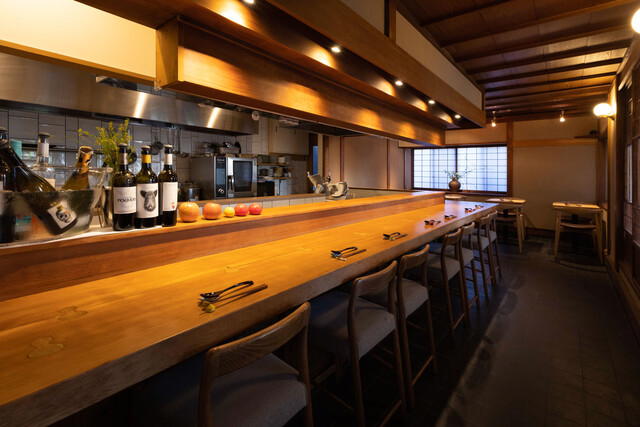
Mi Casa
Kamakura, Japan
Tabelog 100 Spanish-format house restaurant in residential Kamakura, serving seafood-driven tasting menus at JPY 10,000–14,999 dinner, JPY 8,000–9,999 lunch. Worth booking for structured multi-course progression and seasonal Sagami Bay catches; skip if you prefer à la carte flexibility or lighter café fare.
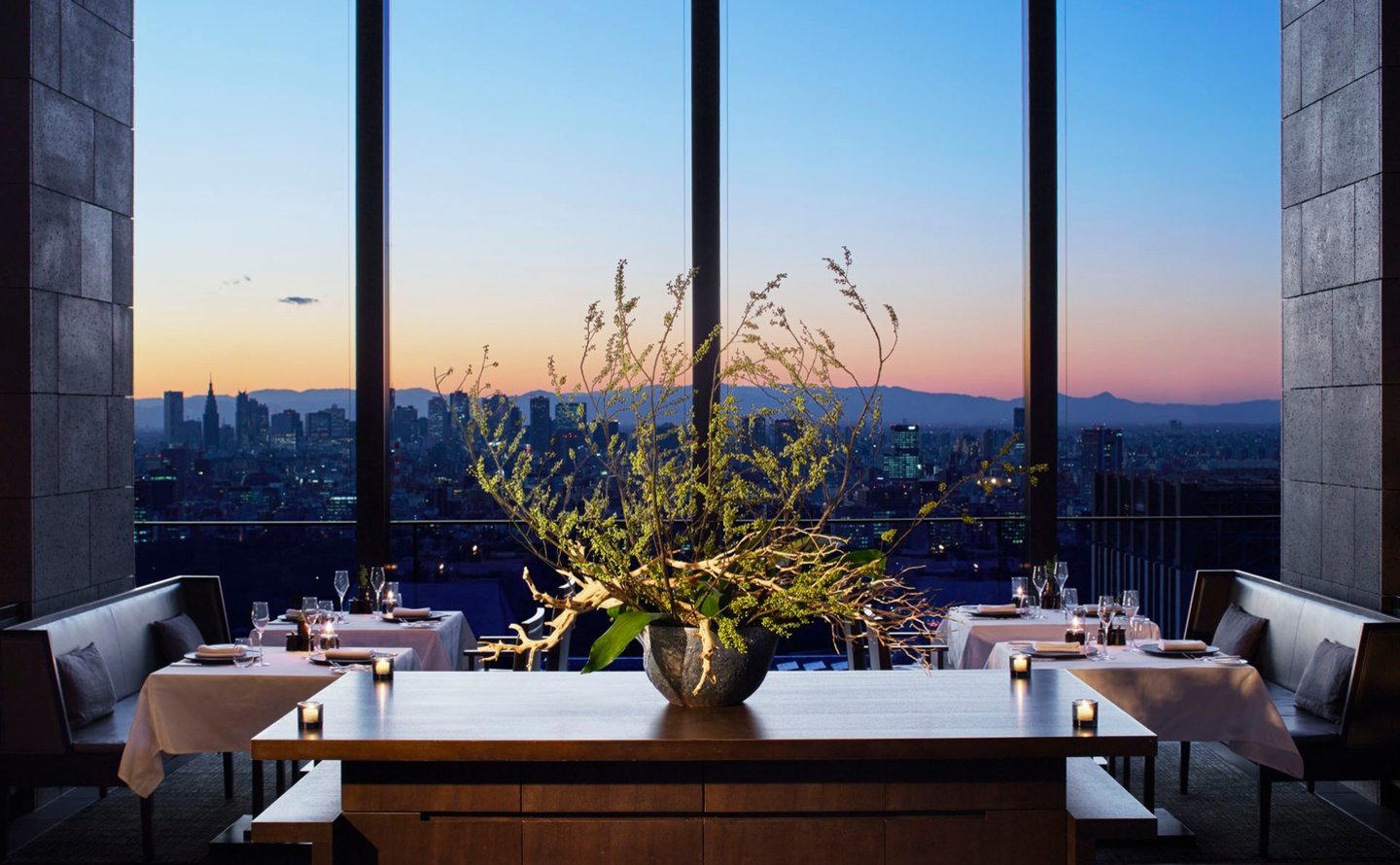
小笠原伯爵邸
Tokyo, Japan
小笠原伯爵邸 works for a planned Tokyo meal where setting and occasion matter more than speed or takeout value. The 2026 Tabelog 100 placement gives it a useful trust signal, while easier booking makes it less stressful than many high-demand Tokyo choices. For low-cost meals, cross-shop Tempura Takashichi or Pan Ya no Donsuke instead.
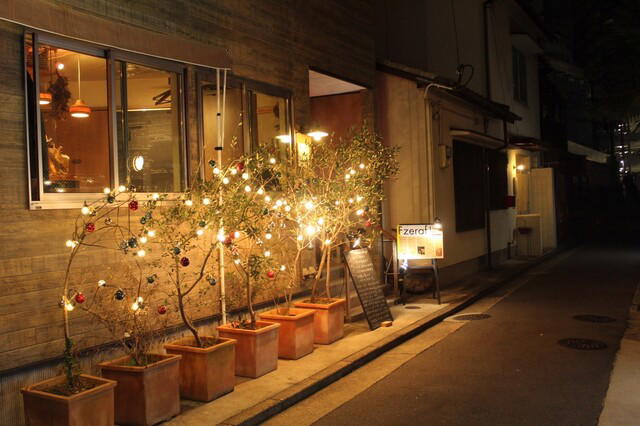
Yama Basque
Fukuoka, Japan
A 14-seat Spanish wine bar in Watanabedori serving small plates built for grazing, not structured meals. Recognized by Tabelog's Spanish Cuisine 100 list in 2024 and 2026, it runs JPY 5,000–JPY 5,999 before drinks and stays open until 1 AM daily except Wednesdays. Reservations are easy; the wine list is the main reason to visit.
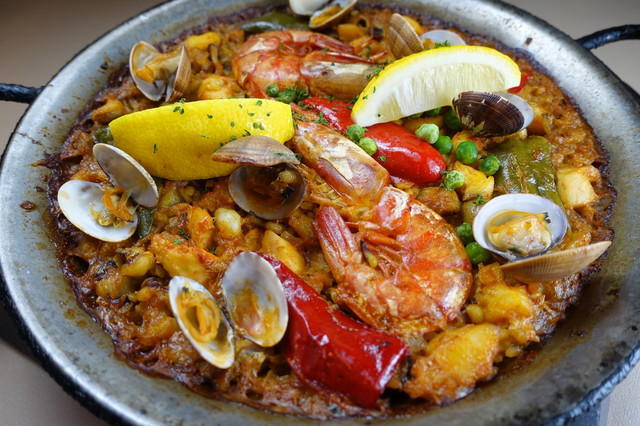
Los Pinchos
Fukuoka, Japan
A 26-seat Spanish counter and wine bar in Hakata Ward, operating since 1999 and named to Tabelog's 2026 Spanish cuisine top 100. Reservations open monthly for the following month's end; expect to spend JPY 8,000–14,999 per person depending on wine. Dinner-only service focuses on shareable plates with a curated Spanish wine list, better for twos and small groups than large parties.
Spain Bar Girona
Tokyo, Japan
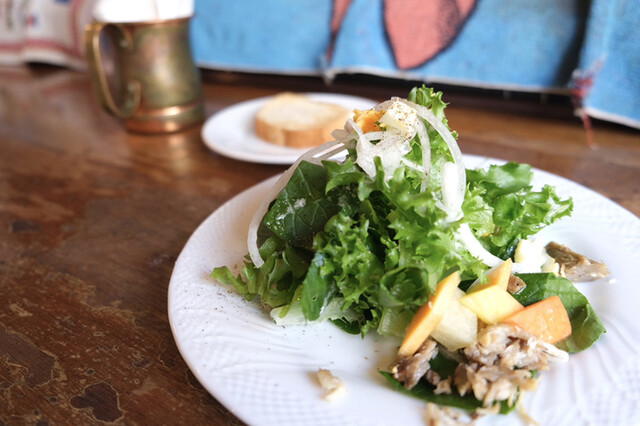
A 24-seat Spanish bar in Nishigotanda named to the Tabelog 100 (Spanish cuisine, 2026), offering wine-focused cooking at JPY 8,000–9,999 for dinner and JPY 1,000–1,999 for lunch. The lunch service delivers the same kitchen craft at a fraction of the cost, making it the smarter entry point for first-timers. Smoking allowed, reservations essential for dinner, walk-ins possible at lunch.
Spanish Ryori Arosu
Kanazawa, Japan
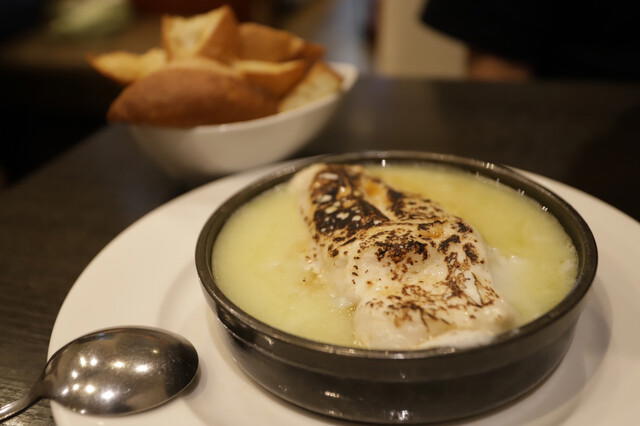
Tabelog 100 Spanish Cuisine 2026 selection open until 3 AM, offering wine-driven à la carte dining in a 54-seat space. At JPY 4,000–4,999, it delivers flexibility for groups and late-night diners but sacrifices formality for accessibility. Best for wine enthusiasts and anyone needing Kanazawa dining past midnight.
bar BaBa
Fukuoka, Japan
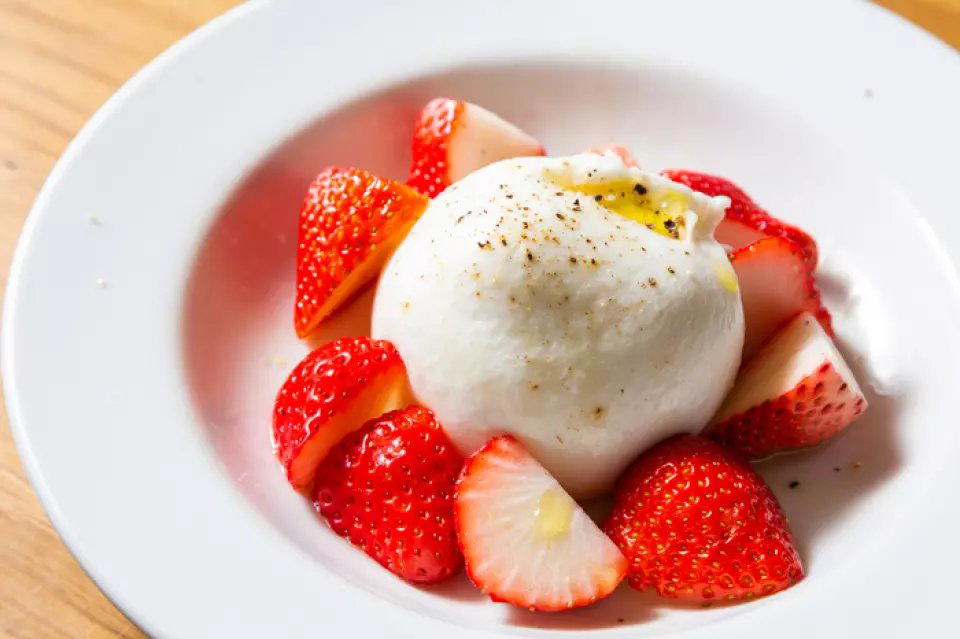
A Spanish-Japanese izakaya in Hirao serving small plates with sake and shochu. Selected for Tabelog Spanish Cuisine 100 2026, the 20-seat room keeps prices around JPY 4,000–5,999 and allows walk-ins. Takeout is available but the format favors dining in.
ComedorKito-
Nagoya, Japan
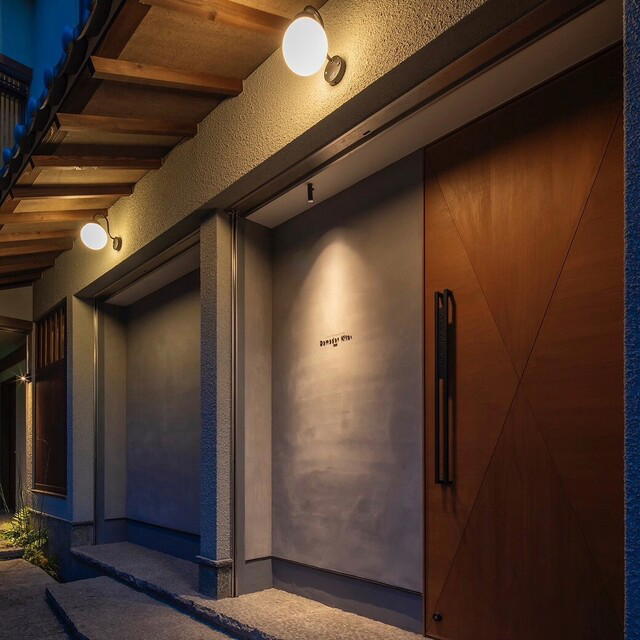
Ten-seat Spanish counter in Nishi Ward, recognized on Tabelog's Spanish Cuisine 100 list two years running. The kitchen focuses on charcoal-grilled paella and seafood preparation, with wine and sherry leading the beverage program. At JPY 10,000–14,999, it delivers Tabelog-tier quality without the price inflation of larger formats. Reservations required; no children, no takeout.
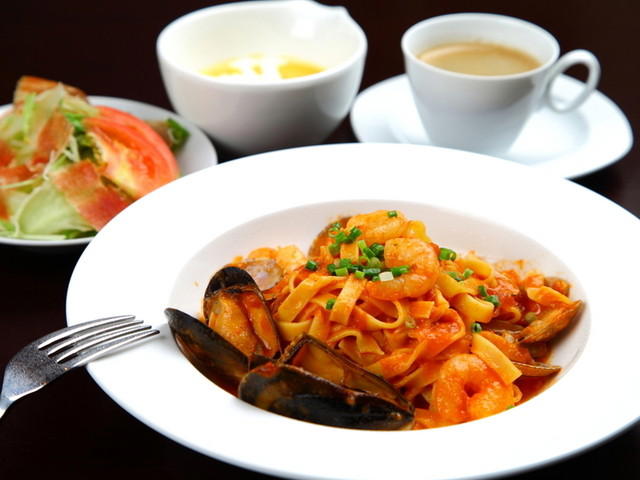
cocina uchida
Kumamoto, Japan
cocina uchida is a sensible Kumamoto pick if you want a moderately priced, Tabelog 100-recognized meal without chasing a difficult booking. Lunch is the lower-risk value play at JPY 1,000–1,999, while dinner at JPY 4,000–4,999 is better for diners who want a fuller evening but do not need a tightly defined format.
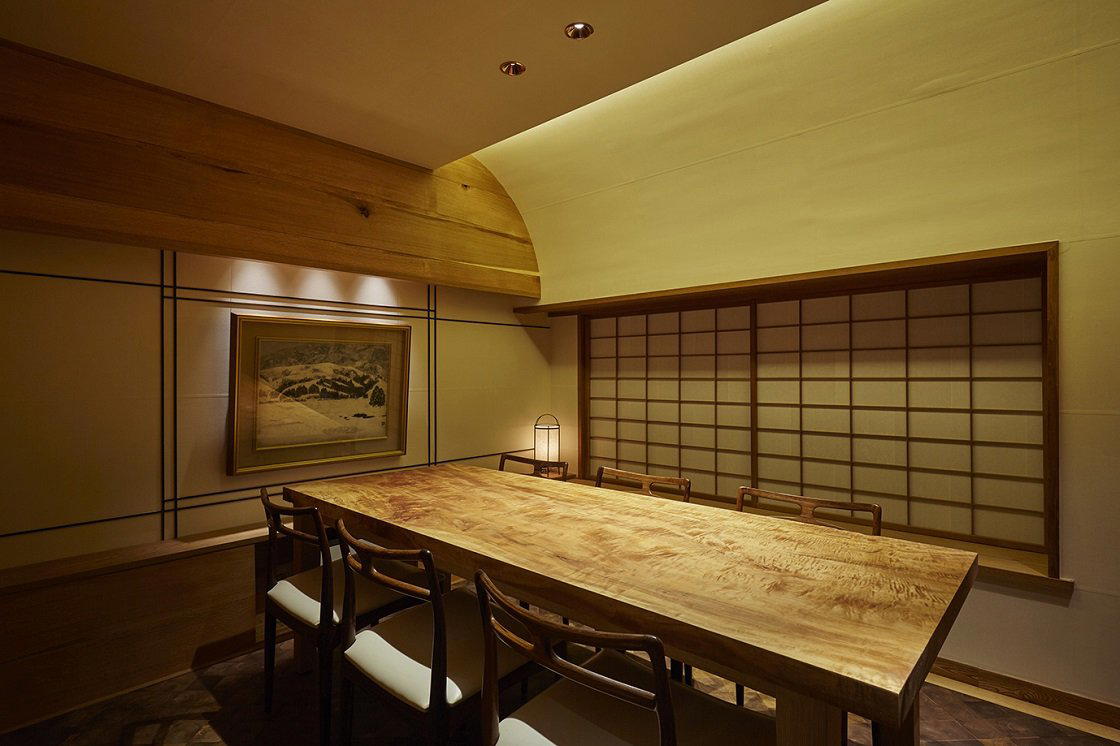
Asador ROCA
Osaka, Japan
Asador ROCA serves a prix fixe pairing menu that brings Spanish regional cooking together with Japan's seasonal ingredients; think seafood paella and asado dishes matched with Spanish wines. Michelin Plate recognition in both 2024 and 2025 confirms consistent kitchen quality. At ¥¥¥ pricing in Osaka's Chuo Ward, it is the clearest choice in the city for a structured, wine-led Spanish dinner.
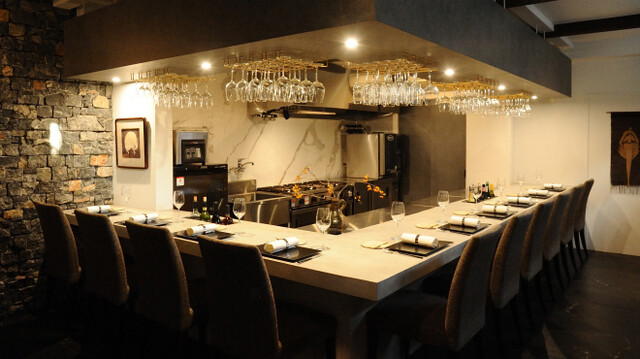
Spanish restaurant Arashida
Kamakura, Japan
A 10-seat Spanish counter in Kamakura's Hase district that applies Spanish technique to Sagami Bay fish. Recognized on the Tabelog 100 – Spanish cuisine – 2026 list, the lunch service (JPY 8,000–9,999) offers strong value, while dinner (JPY 10,000–14,999) maintains the same focused cooking and wine program. Book ahead for weekend slots and expect a calm, adult atmosphere.
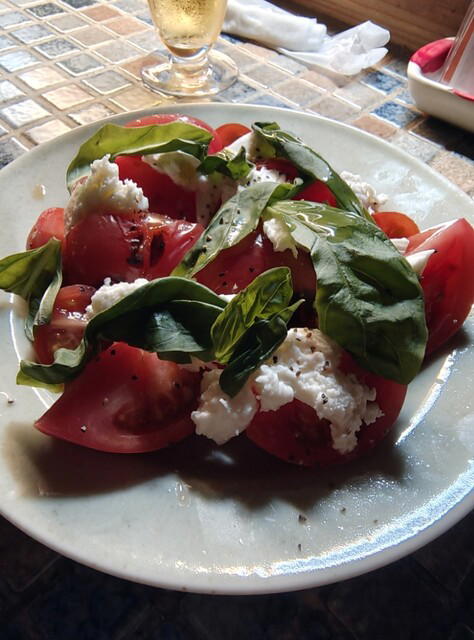
SPANISH BAR PLOMO
Kusatsu, Japan
Counter-focused Spanish tavern in Kusatsu holding two consecutive Tabelog 100 selections. Expect tapas, ajillo, and Iberico ham paired with sherry and Spanish wine in an 18-seat room 15 minutes from Kyoto. JPY 6,000–7,999 per person at dinner; counter seating suits solo diners and couples, with a two-to-three-dish minimum enforced until 9 PM.
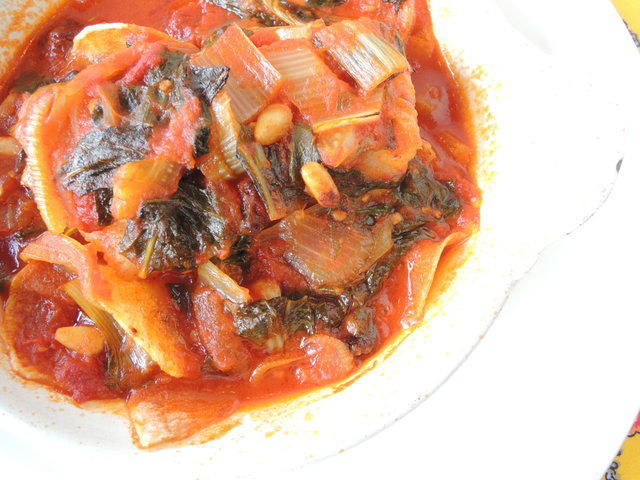
El Poniente
Osaka, Japan
A 28-seat Spanish counter restaurant in Kitahama recognized on Tabelog's Spanish cuisine 100 list for 2024 and 2026, offering lunch from JPY 1,000 to JPY 1,999 and dinner from JPY 6,000 to JPY 7,999. The owner's Spanish wine collection and sommelier service anchor the experience, with counter seating that favors solo diners and wine-focused meals over formal dining. Book for accessible Spanish dining with better wine depth than most mid-tier Osaka restaurants.
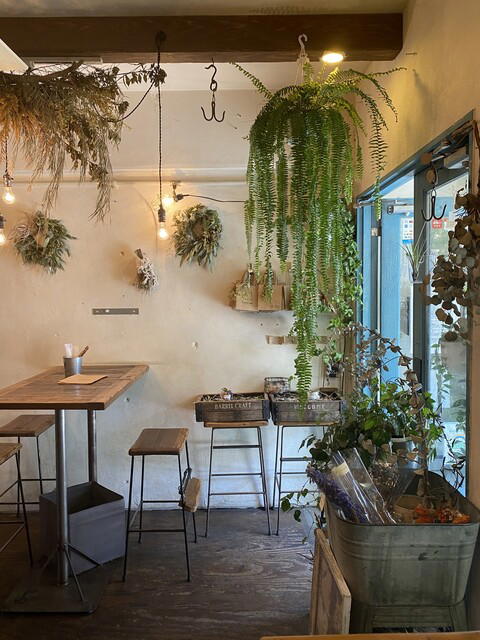
Flowers&Spanish Sonrisa
Tokyo, Japan
A Kamata neighbourhood baru serving wild Hokkaido fish, organic vegetables, and natural wine at JPY 8,000–9,999; Tabelog 100 Best Spanish 2024/2026. The 22-seat room converts to private dining for up to 20; open 5 PM–1 AM Monday–Saturday. Book for ingredient-driven Spanish without central Tokyo pricing, not for formal service or tasting-menu structure.
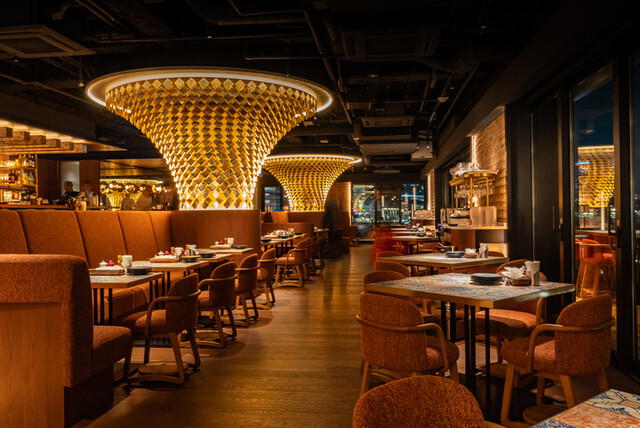
Del Mar COMEDOR Y TERRAZA
Yokohama, Japan
Yokohama waterfront Spanish restaurant earning Tabelog 100 recognition for seafood-focused technique rather than view-dependent appeal. Lunch runs JPY 3,000–3,999, dinner JPY 6,000–7,999 plus table charge; 175 seats include pet-friendly terrace and private room. Book one week ahead for weekend dinner. Worth it when technical fish preparation matters more than intimate atmosphere.
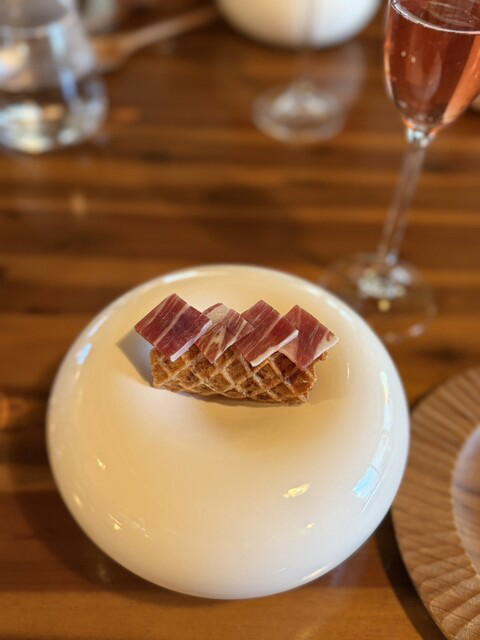
Chiisana Ryori Ten Morino Kujira So
Nishinomiya, Japan
Tabelog Spanish 100 house restaurant in Nishinomiya offering JPY 4,000–4,999 menus in a ten-seat, reservation-only format. Recognized for 2024 and 2026, it delivers Spanish technique in a residential setting with wine pairings and a relaxed pace, though the small room and limited hours (Wednesday closed, lunch Thursday only) require advance planning.
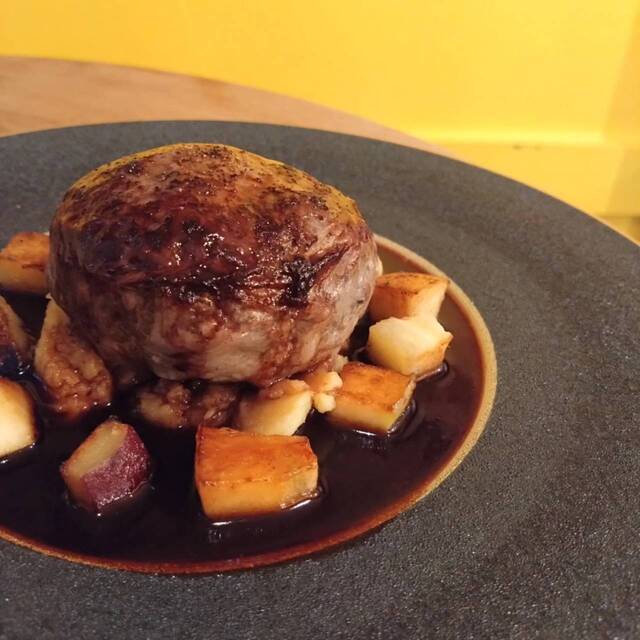
Spanish Bar BULBO
Nagoya, Japan
This 12-seat Spanish bar in Shinsakae earned consecutive Tabelog 100 selections (2024, 2026) by anchoring its counter-driven format around ingredient sourcing; Spanish conservas, olive oils, and proteins paired with Japanese produce. At JPY 5,000–JPY 7,999, BULBO justifies its price through technical precision and a wine-first layout, offering a quieter, more ingredient-focused alternative to Nagoya's casual tapas spots.
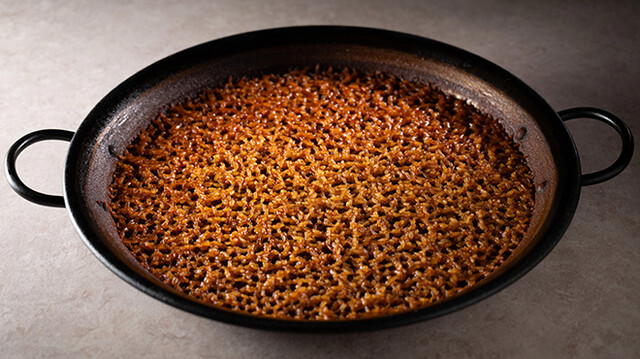
Kongst
Tokyo, Japan
A 14-seat Spanish counter in Nihonbashi serving fish-focused tasting menus by reservation only. Named to the Tabelog 100 Spanish list in 2024 and 2026, the venue runs a single nightly seating with a two-drink minimum and a JPY 9,000 course. Book once per month; last entry 8 PM.
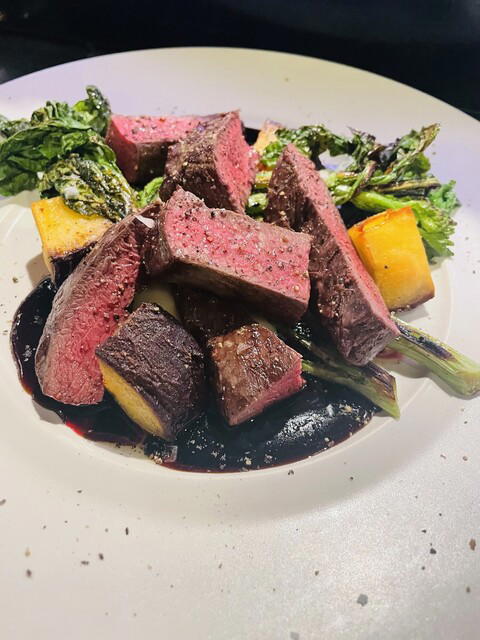
Mira! Tama Plaza
Yokohama, Japan
A Tabelog 100 Spanish-Italian-izakaya hybrid in Yokohama's Aoba Ward, offering seafood-focused plates at JPY 5,000–5,999 for dinner and JPY 2,000–2,999 at lunch. Reservations open one month out, with a 32-seat room (counter, tables, terrace) and a multi-format menu built for repeat visits. Easier to book than central Tokyo peers, with flexible payment options and a neighborhood feel.
Donostia Comeru.
Osaka, Japan
A 10-seat Spanish wine bar in Hanshin Department Store's basement, Donostia Comeru. earned Tabelog 100 Spanish recognition for its fish-forward pintxo-style plates and Spanish wine list. Lunch (JPY 2,000–2,999) offers better value than dinner; counter seating and quick turnover make it ideal for solo diners or pairs rather than groups.
sardexka
Tokyo, Japan
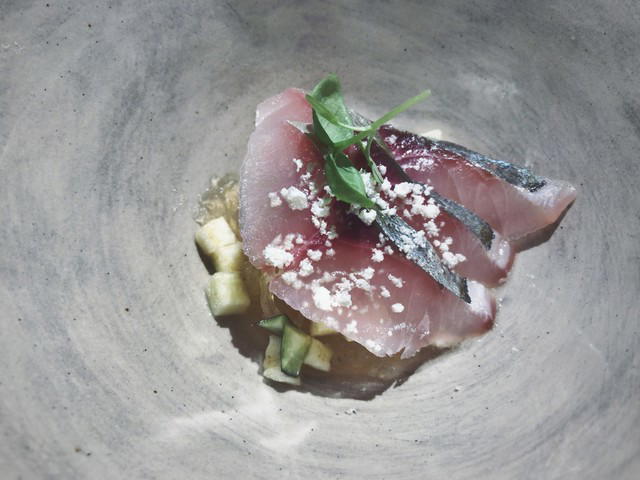
sardexka is an eight-seat Spanish counter in residential Taito that earned Tabelog 100 recognition in 2024 and 2026. The chef-driven format centers on daily fish deliveries, with dinner running JPY 10,000–14,999 and reservations made via text or social media. Best for couples and solo diners comfortable with counter pacing; groups of four or more should consider alternatives.
IZURUN
Taki-gun, Japan
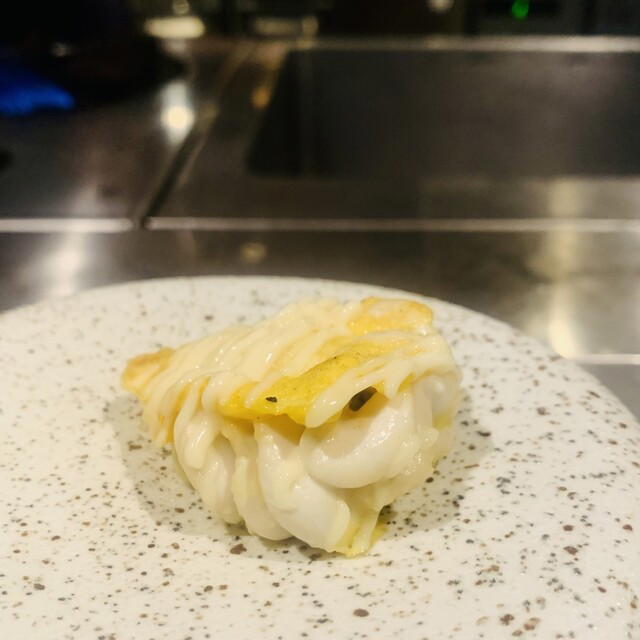
A Tabelog 100 Spanish restaurant on the tenth floor of Hotel Vison, offering tasting-menu-only dining in rural Mie Prefecture. At JPY 30,000-plus, it delivers sommelier-led service and national recognition in a resort context; worth the trip for celebrations, less so for casual outings.
Spanish Ryouri Pablo
Tokyo, Japan
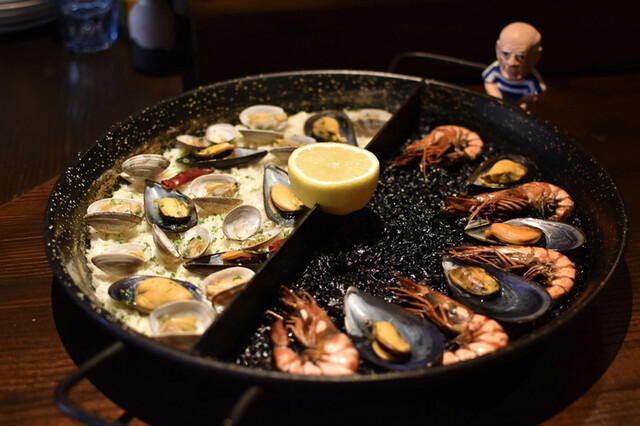
A Nakameguro Spanish spot where the chef's back-to-back World Paella Championship finishes translate into technically strong rice and tapas at around JPY 6,000 dinner, JPY 4,000 lunch. Same-day phone reservations, 23 seats, and a Tabelog 100 nod make it a lower-pressure alternative to pricier Japanese tasting menus in the area.
RIAS by Kokotxa
Shima, Japan
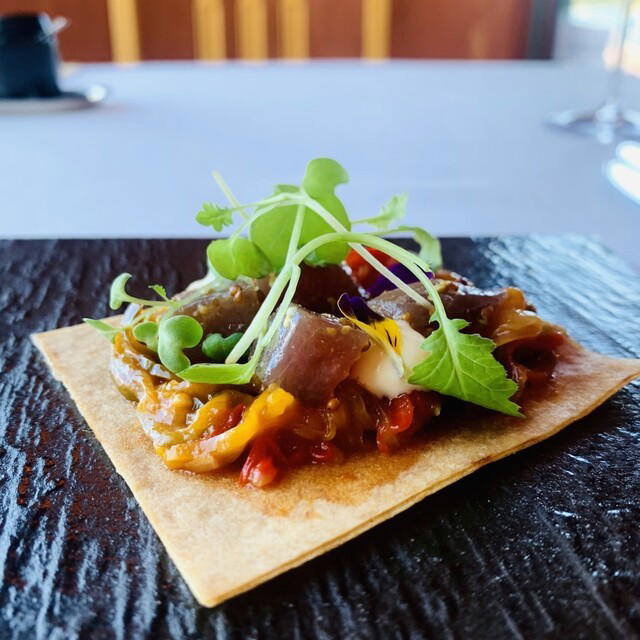
RIAS by Kokotxa applies Basque-influenced Spanish technique to Mie Prefecture seafood in a coastal Shima setting overlooking Ago Bay. Tabelog 100 recognition and a JPY 10,000–14,999 dinner price point make it more accessible than Tokyo peers. Private rooms, parking, and ocean views suit travelers combining Ise-Shima sightseeing with a mid-tier Spanish-Japanese dinner.
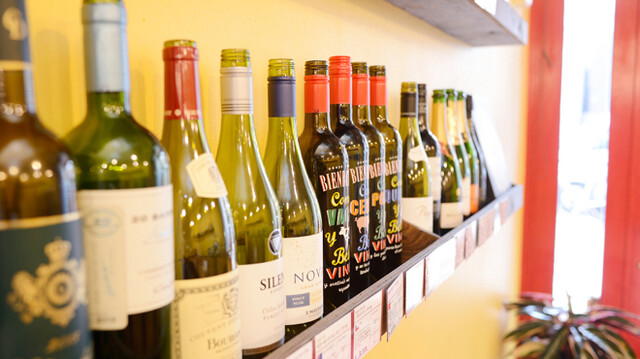
Bistro Den Den
Nagoya, Japan
Bistro Den Den is a sensible Nagoya pick for a date, small celebration, or business dinner when value matters but the room still needs to feel deliberate. It sits above casual local options on price and polish, below major splurge restaurants, with Tabelog 100 recognition adding useful confidence.
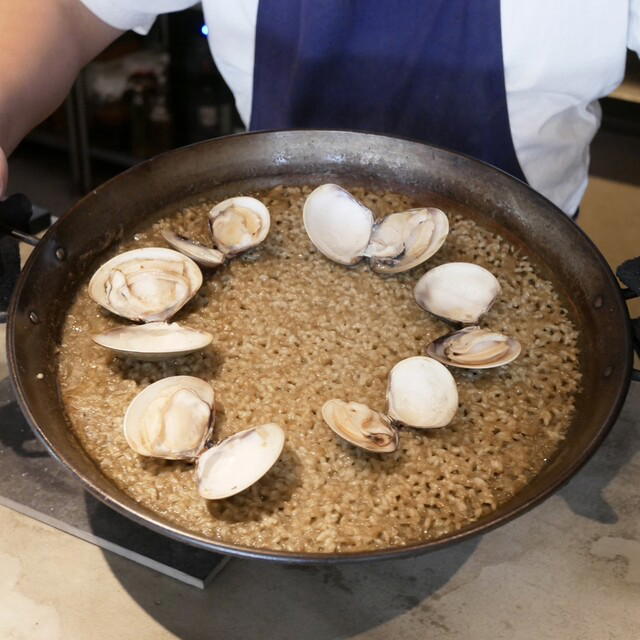
MANO
Kitasaku-gun, Japan
Eight-seat Spanish counter that earned Tabelog 100 recognition within eight months of opening in July 2024. At JPY 15,000-19,999, MANO delivers technique-driven Spanish cuisine in a counter-only format that suits couples and solo diners better than groups, with parking on-site and a relaxed pace that balances precision with approachability.
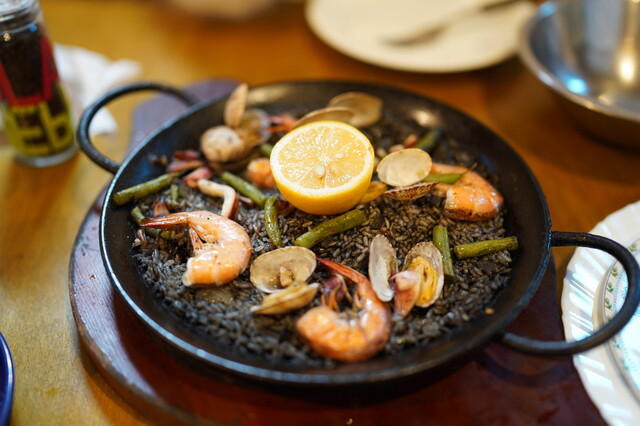
Don Quixote
Yurihonjo, Japan
Tabelog 100-listed Spanish house-restaurant in Akita Prefecture serving paella and Mediterranean dishes at JPY 2,000–2,999 for dinner, under JPY 1,000 for lunch. The 20-seat counter-and-table setup allows private bookings, with olive oil imported from Spain and seasonal menus arranged on request. A practical regional option for accessible Spanish cooking outside Tokyo.
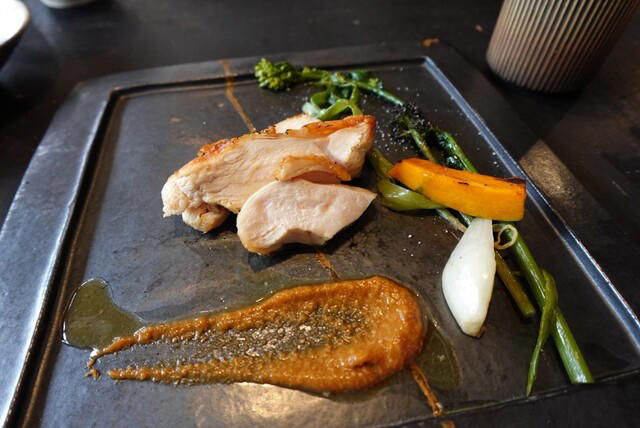
Luna Parpados Konda
Kobe, Japan
Tabelog 100-recognized Spanish lunch in Tamba-Sasayama's pottery district, offering wine-focused seasonal menus at JPY 5,000–5,999. The 12-seat house restaurant requires advance reservations and favors diners already visiting the region's ceramics studios. Best for wine enthusiasts willing to drive; skip if you need evening service or urban convenience.
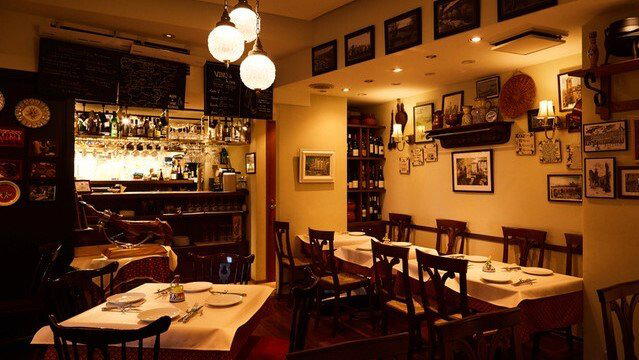
ARROCERÍA La Panza
Tokyo, Japan
A Michelin Bib Gourmand rice specialist in Ginza bringing together regional Spanish rice preparations; paella, Basque clay-pot clam rice, and Mar Menor caldero; at a ¥¥ price point that is hard to match in this neighbourhood. Book it for a celebration dinner when you want a communal, region-spanning Spanish meal without the kaiseki price tag.
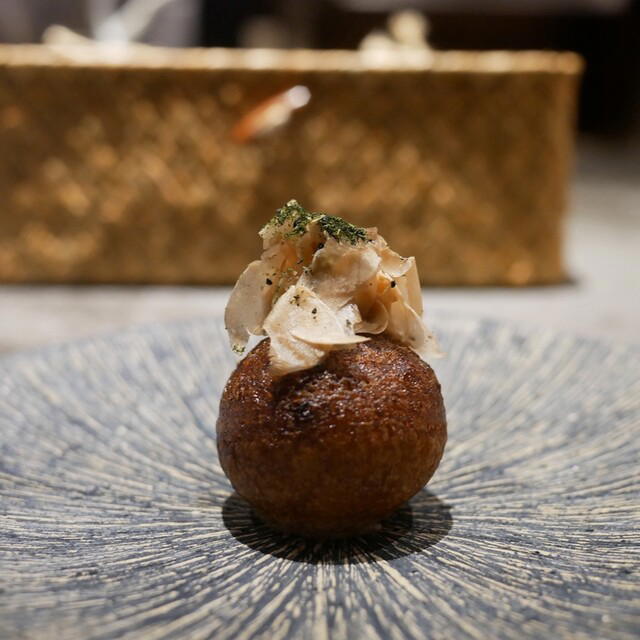
PAUL
Kunigami-gun, Japan
A 16-seat wood-fired Spanish restaurant in Bise, Motobu, earning a Tabelog 100 Spanish cuisine citation within three years of opening. The kitchen focuses on grilled fish paired with a wine program, served in a counter-and-table format with ocean views. At JPY 20,000–29,999, it's worth the trip if you're already exploring northern Okinawa, but the remote location makes it a harder sell for Naha-based diners.
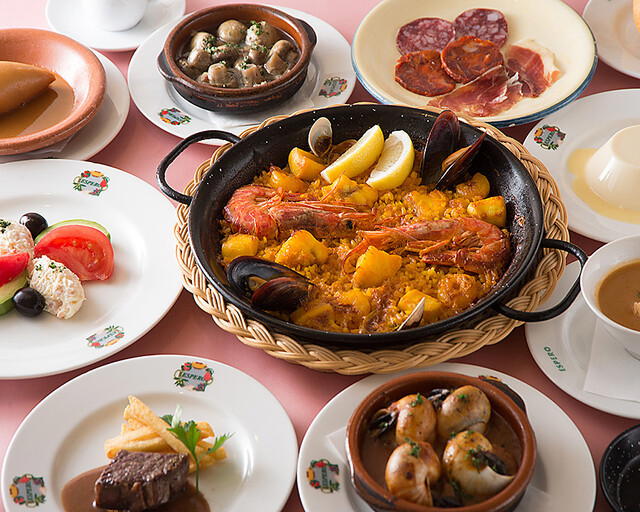
Spain Restaurant Ginza Espero
Tokyo, Japan
Fish-focused Spanish bistro in a renovated Ginza basement, selected for Tabelog 100 Spanish cuisine 2026. Dinner runs JPY 6,000–7,999 with à la carte flexibility, lunch drops to JPY 1,000–1,999. The 50-seat room welcomes groups and children, a practical alternative to counter-only formats at similar award levels. Book two weeks ahead for weekend dinner; weekday and Sunday lunch availability runs easier.
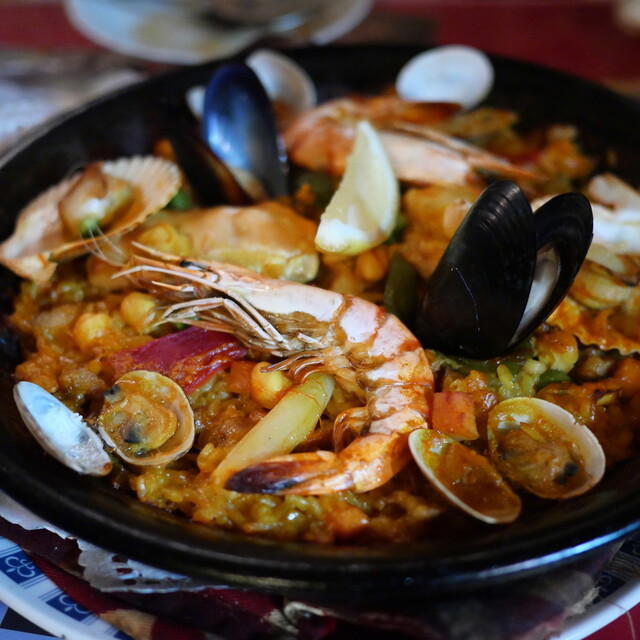
CASA BELLA
Tokyo, Japan
Tabelog 100 Spanish restaurant in Kabukicho offering accessible pricing (JPY 6,000–7,999) and counter seating two minutes from Seibu Shinjuku Station. Recognized in 2024 and 2026 for consistent quality, though the nightlife-district location may not suit diners seeking a quieter atmosphere.
PiEDRA
Osaka, Japan
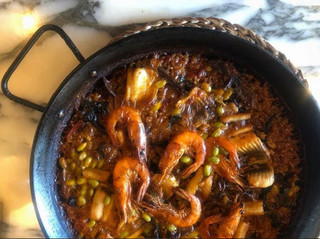
PiEDRA is a practical Nishitanabe pick for diners who want a recognized Osaka meal without chasing a difficult reservation or a high-spend occasion format. The appeal is strongest if the neighborhood fits the itinerary; cross-shop more defined noodle, sushi, or meat-focused options if cuisine clarity is the deciding factor.
Spain Tei
Kawagoe, Japan
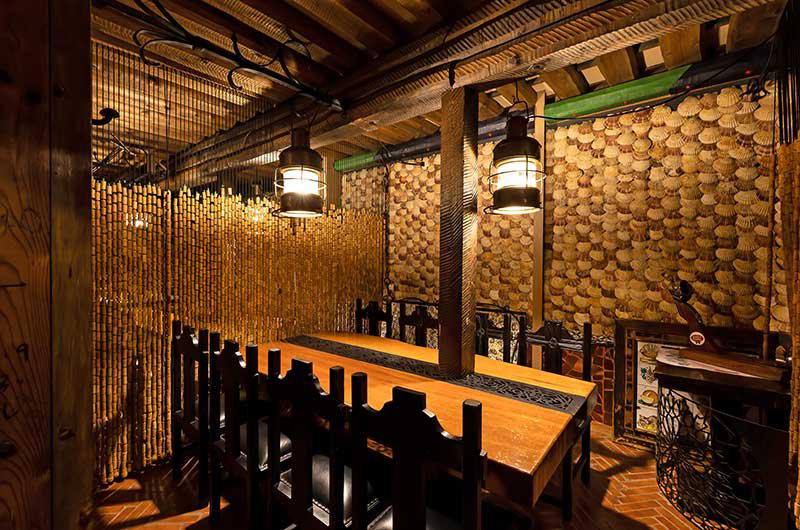
A 160-seat Spanish house restaurant in Kawagoe, recognized on Tabelog's 2026 Spanish 100 list. Dinner runs JPY 5,000–5,999 with paella and traditional plates, plus a wine-focused bar program. Cash-only, ample parking, and BYO permitted; worth the trip from Tokyo if you value space and Spanish cooking over central location.
Bar Porteno
Tokyo, Japan
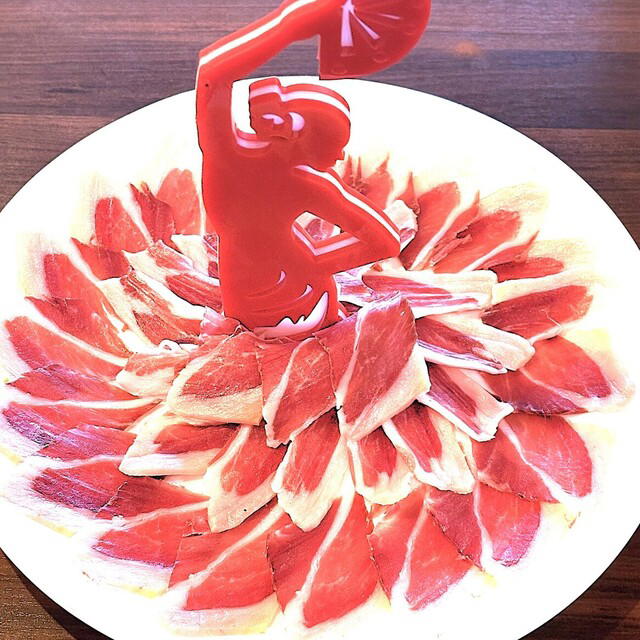
Spanish bar in Kinshicho (Sumida City) recognized by Tabelog 100 for Spanish cuisine, delivering fish-focused cooking and sommelier-led wine service at JPY 8,000–9,999 dinner. Counter and table seating, casual format, hideout vibe; lunch runs JPY 2,000–2,999 for the same kitchen at lower commitment.
Raiz
Kyoto, Japan
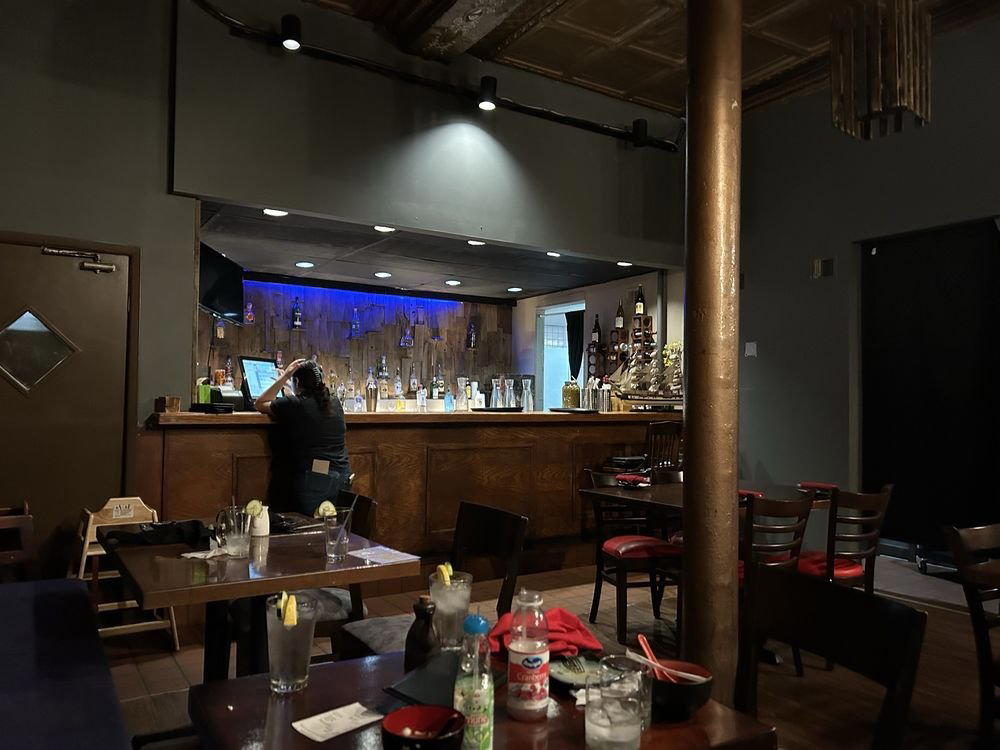
A Michelin Plate-recognised contemporary restaurant in Kyoto's Kita Ward, Raiz applies Spanish techniques to seasonal produce sourced directly from farmers in Nara and Kyoto. At ¥¥¥, it sits below the top kaiseki rooms in price but delivers a serious, producer-driven meal. Booking is straightforward, making it one of the easier quality commitments on Kyoto's dining calendar.
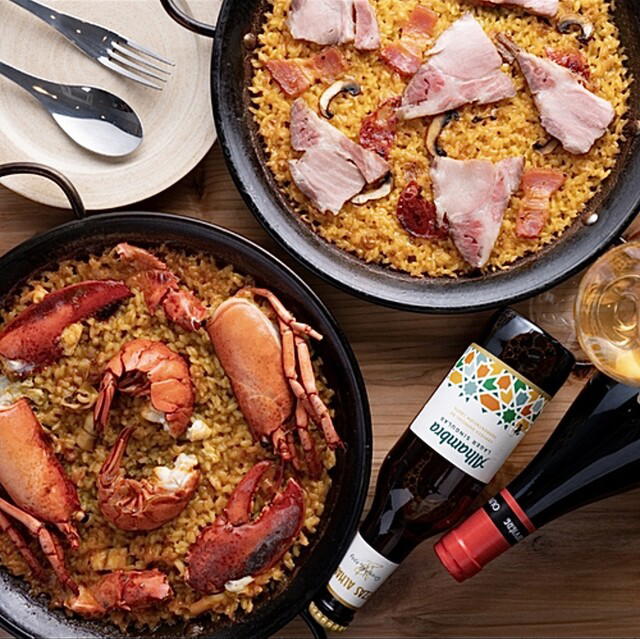
comodo
Fukuoka, Japan
A 14-seat Spanish spot in Watanabedori that earned a Tabelog 100 selection within three years of opening. Dinner runs JPY 6,000–7,999 with a wine-bar format that favors repeat visits over spectacle. Counter seating offers better kitchen sightlines; book early slots if noise matters.
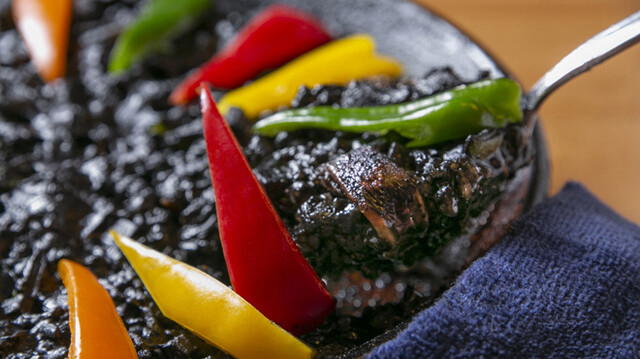
elarte
Fujisawa, Japan
Basque-focused Spanish restaurant near Fujisawa Station, serving fish-driven cooking at JPY 8,000–9,999 for dinner. Named to Tabelog's Spanish Cuisine 100 in 2024 and 2026, the 30-seat room offers counter seating with views of the open kitchen and a wine program emphasizing Spanish bottles. Lunch runs JPY 4,000–4,999, open Thursday through Sunday.
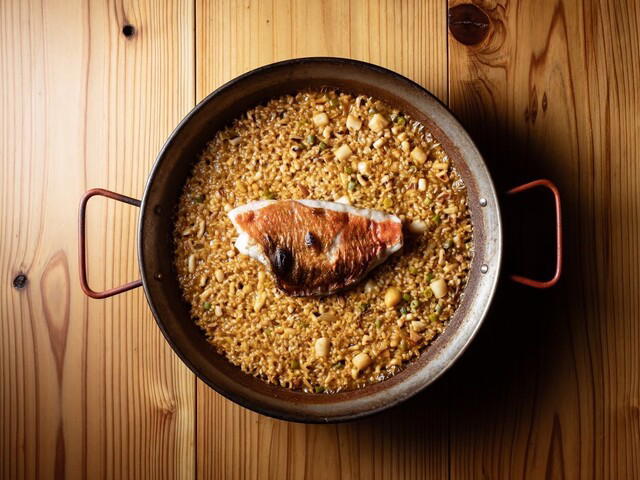
oler
Nagoya, Japan
A 17-seat Spanish dining bar in Nagoya's Chikusa ward, recognized on Tabelog's Spanish 100 in 2024 and 2026. oler emphasizes seafood, lighter preparations, and a wine-forward approach at JPY 6,000–7,999 per head. Book ahead Tuesday–Saturday; walk-ins may work but the compact counter fills quickly. Worth it for diners who value quiet competence over theatrical presentation.
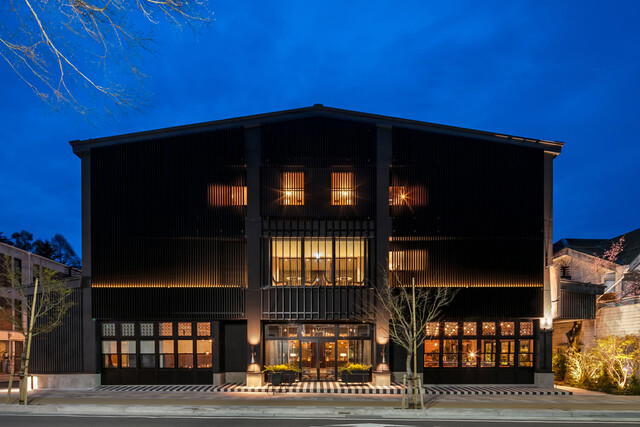
José Luis Karuizawa
Kitasaku-gun, Japan
Tabelog 100 Spanish restaurant inside a Karuizawa hotel, offering daily service and easier booking than most award-listed peers. Dinner runs JPY 8,000–9,999 with sommelier pairings available. Family-friendly format and 63-seat capacity suit groups and casual visits, though the hotel setting trades intimacy for accessibility.
ETXOLA
Osaka, Japan
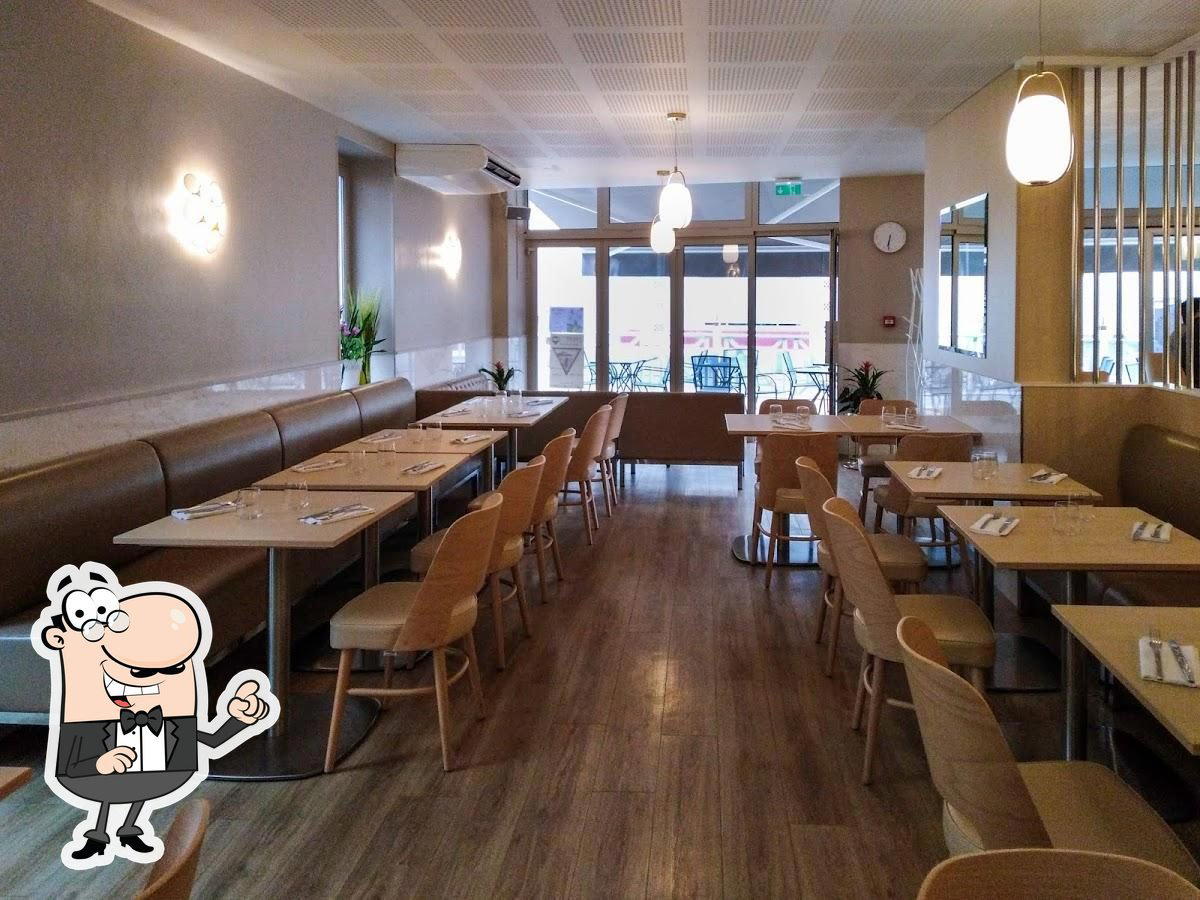
ETXOLA brings Basque asado cooking to Osaka's Nishi Ward, with a sommelier-led Spanish wine programme that is genuinely rare in the city. At the ¥¥¥ tier, it earns the spend if you take the wine pairing; skip it and the value case weakens. Holding a Michelin Plate for 2025 and, it is the right call for pairs or solo diners who want to eat seriously without the formality of a tasting-menu format.
Spanish Bar Bosque
Yokkaichi, Japan
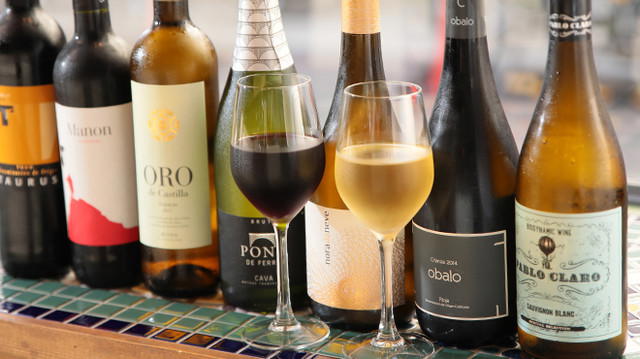
A Tabelog 100 Spanish bar in Yokkaichi where the 11-seat counter anchors the experience. Over 50 handmade tapas, paella built to order, and 40+ Spanish wines at JPY 4,000–4,999 per person. The kitchen's fish focus and open prep style reward bar seating over tables.
numero Cinco
Nishinomiya, Japan
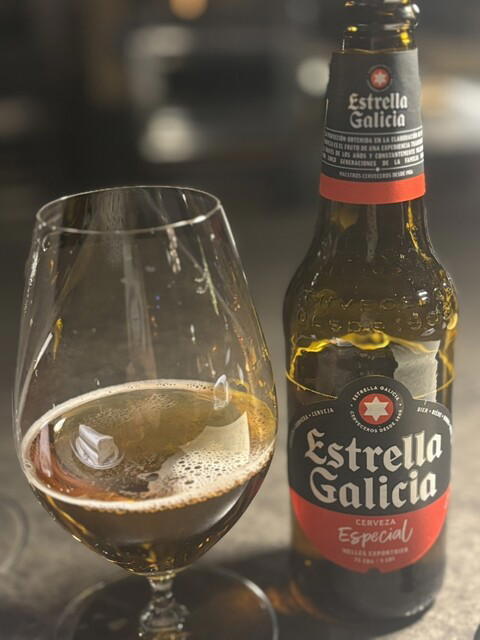
numero Cinco earned a Tabelog 100 Spanish Cuisine 2026 selection, offering Spanish-format dining near Kurakuenguchi Station with private rooms, parking, and JPY 10,000–14,999 dinner pricing. The suburban location and November 2023 opening make it Nishinomiya's upper-tier Spanish option, though Osaka's denser scene provides more direct comparisons. Lunch runs JPY 5,000–5,999, and reservations remain manageable.
Potoro
Takasaki, Japan
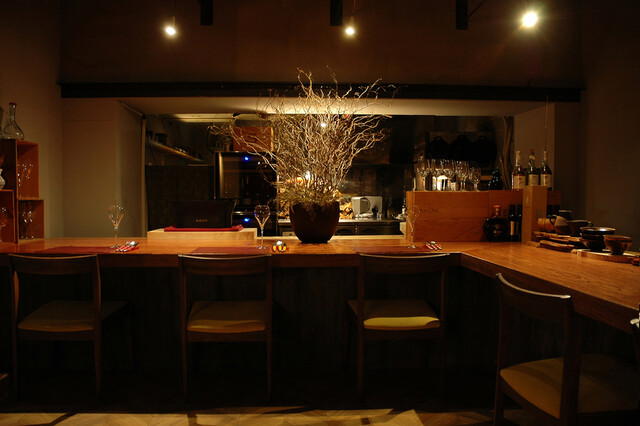
Takasaki's Tabelog 100-recognized Spanish restaurant charges JPY 15,000-19,999 for dinner and JPY 8,000-9,999 for lunch, both reservation-only. The fish-focused menu and sommelier-led wine program justify the spend if Spanish technique and seasonal seafood matter more to you than spontaneity. Cash only, strict advance booking, and a no-perfume policy keep the experience formal.
Koga Tei
Kamakura, Japan
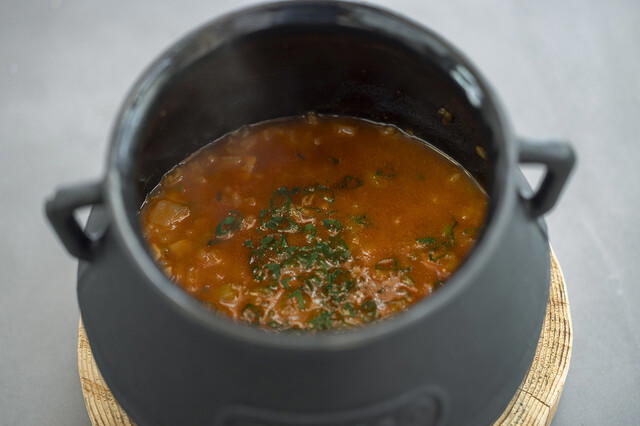
Modern Spanish tasting menus in a century-old Western mansion with on-site garden produce, five minutes from Kamakura Station. Tabelog 100 Spanish 2026 and French EAST 2021/2023 selections, with lunch at JPY 10,000–14,999 and dinner at JPY 20,000–29,999. Reservations required; fixed-course format only.
FERMINTXO
Tokyo, Japan
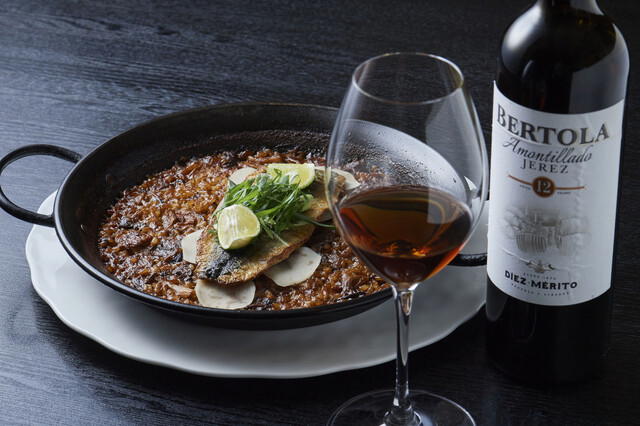
A Nishiazabu Spanish spot recognized in Tabelog's Spanish 100, focused on seasonal fish and premium Spanish wines. Course dinners run until 9 PM (JPY 20,000-29,999), then the space shifts to wine-bar format with à la carte plates. Counter seats offer kitchen views; private rooms suit groups of 6-16.
TXAGORVA
Osaka, Japan
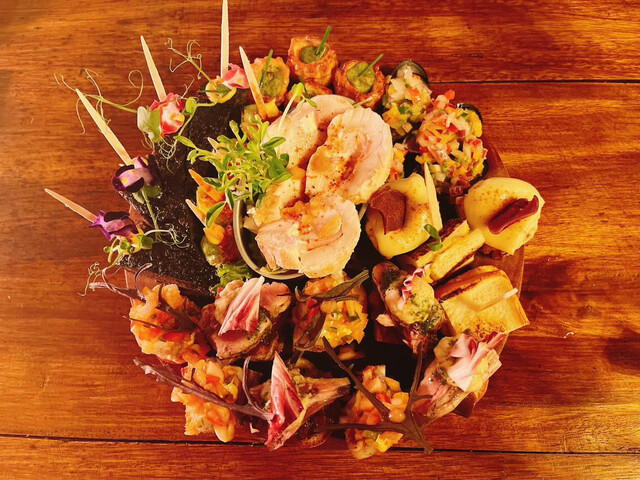
Tabelog 100-listed Spanish counter and table restaurant in residential Nakatsu, offering wine-driven tasting menus at JPY 8,000–9,999. Recognized for two consecutive years (2024, 2026), the 24-seat space emphasizes house-cured charcuterie, seasonal ingredients, and a curated wine program in a stylish yet relaxed house-restaurant setting. Book ahead; preschool children not permitted.
DuKKAh
Osaka, Japan
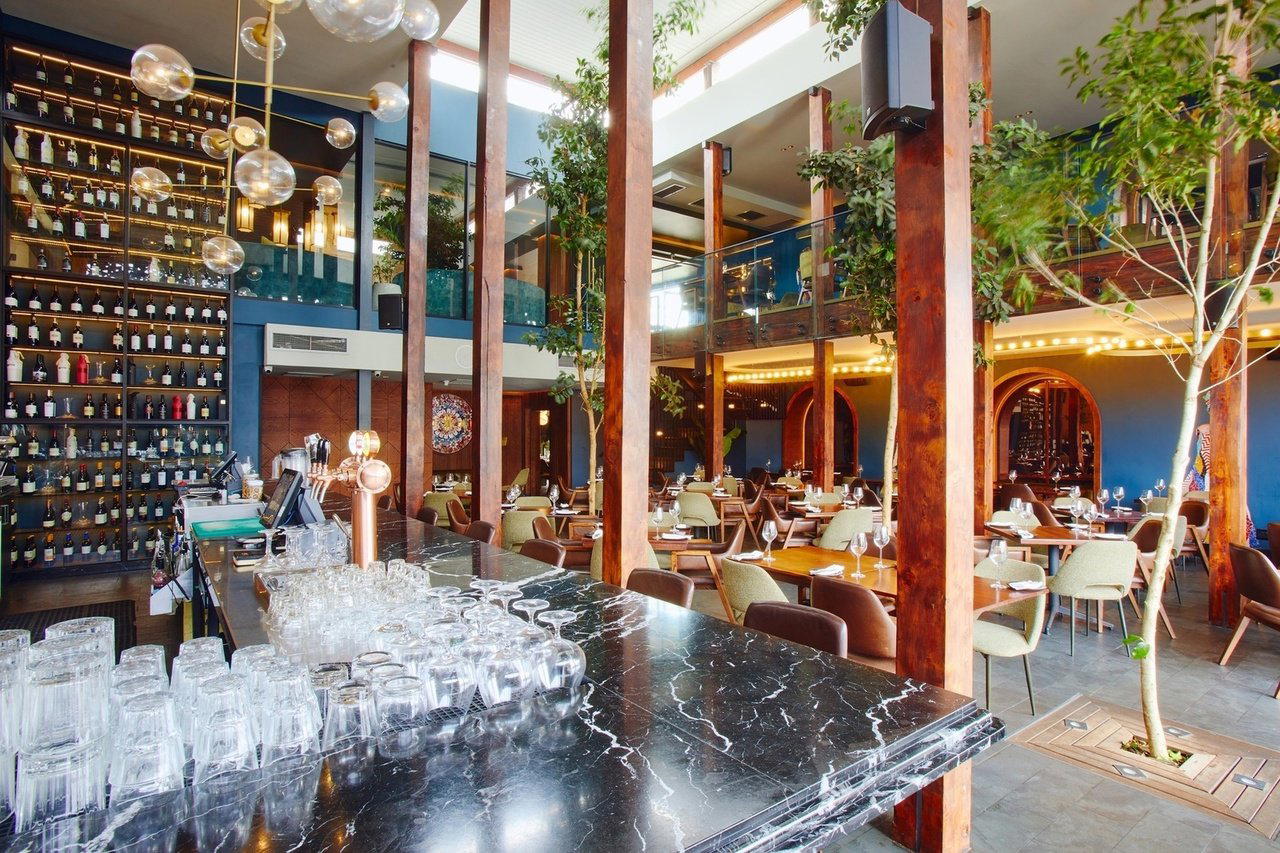
A Michelin Plate counter restaurant in Kita Ward, Osaka, DuKKAh applies northern Spanish cuisine; Galician and Basque in focus; through a Japanese-ingredient lens, using kudzu, soba, and green pepper flower to create genuinely distinct flavour combinations. At the ¥¥¥ tier and with easy booking availability, it is the most accessible and conceptually distinctive Spanish option in the city.
Alarde
Osaka, Japan
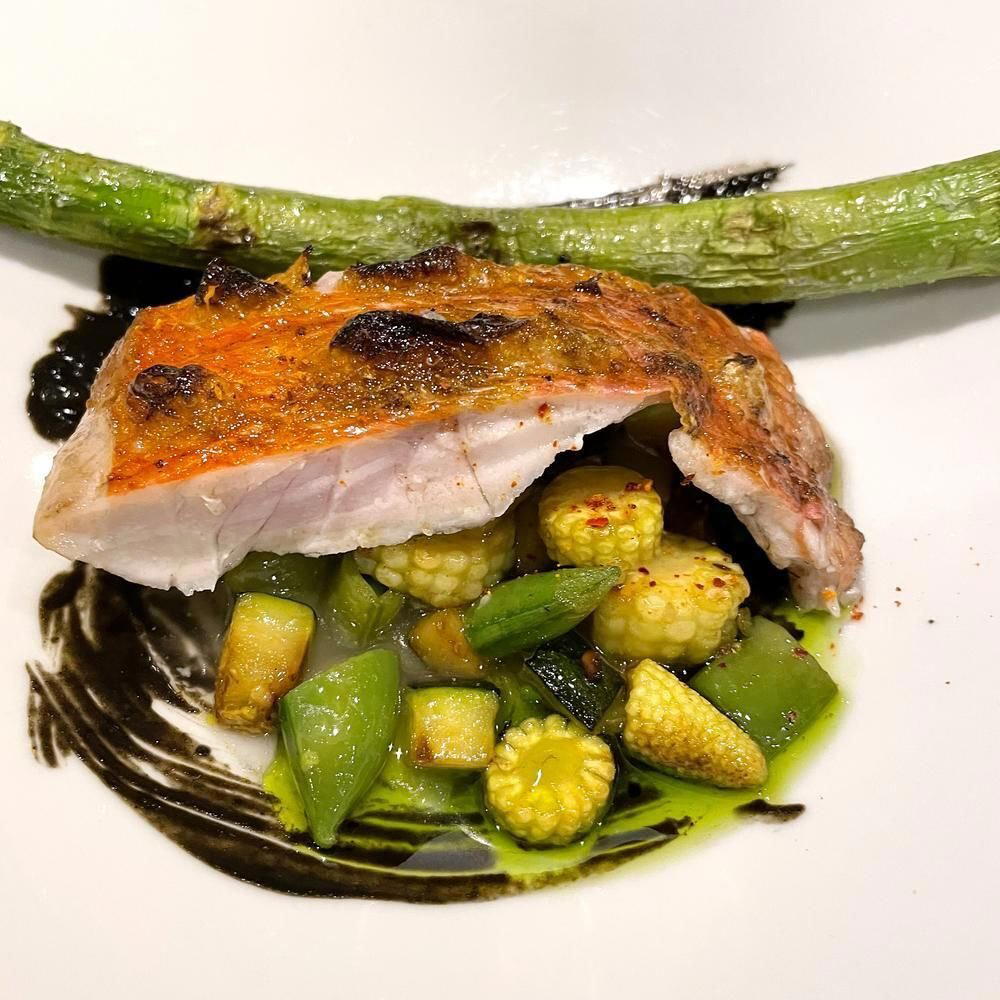
Alarde is Osaka's most consistently awarded Spanish Basque restaurant, holding Tabelog Bronze Awards in 2021, 2025, and 2026. The 14-seat counter in Nishi Ward focuses on fire-cooked wagyu and Basque technique applied to Japanese ingredients. Dinner runs JPY 20,000–29,999 per head; reservation-only, primarily for groups.
CALA CARMEN
Nagoya, Japan
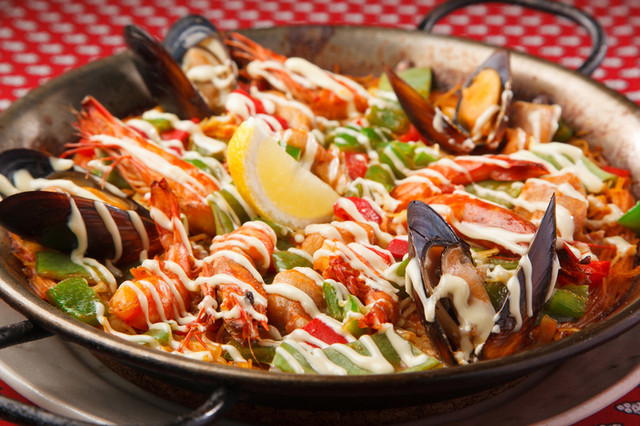
CALA CARMEN delivers Catalan paella, handmade tapas, and Spanish wines at JPY 4,000–JPY 4,999 per head in a family-run Noritake house setting. Tabelog's Spanish top-100 (2024, 2026) without the formality; book for weekend lunch (JPY 2,000–JPY 2,999) or dinner if you want Barcelona technique at neighborhood pricing, but expect live music and ambient noise after 10 PM.
el viento
Maebashi, Japan
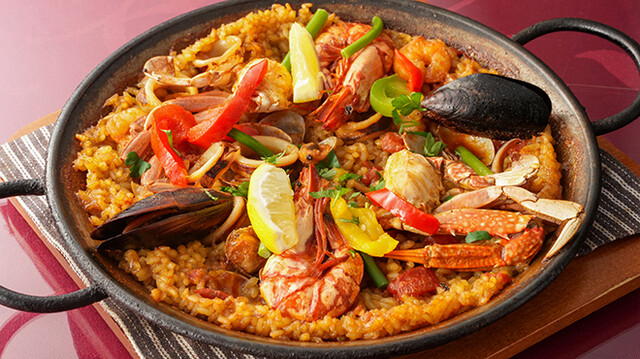
Spanish restaurant in Maebashi earning Tabelog 100 recognition for 2026 with a fish-forward menu that separates it from paella-centric peers. Dinner runs ¥4,000–¥4,999, lunch ¥1,000–¥1,999, with a wine list tilted toward Iberian bottles and private rooms for six to twelve. Book ahead for smoother service, though walk-ins often find space at lunch.
Los Reyes Magos
Tokyo, Japan
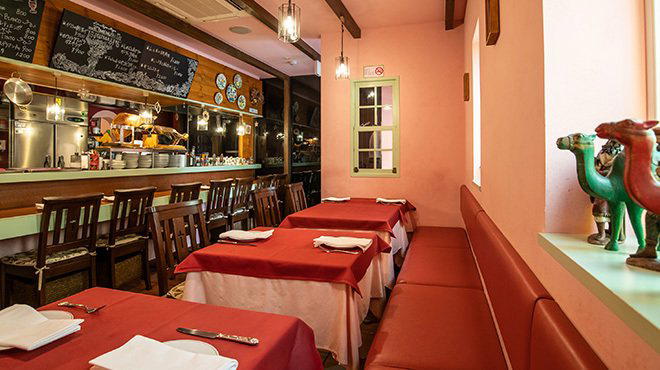
A Michelin Bib Gourmand-recognised Catalonian restaurant in Yoyogi, Tokyo, Los Reyes Magos delivers second-generation Spanish cooking; salt cod, homemade sausages, paella; at ¥¥ pricing. Chef Valentin's menu carries a direct Barcelona lineage that separates it from technically proficient but impersonal Spanish kitchens in the city. Book for a weeknight dinner when you want food with genuine provenance at neighbourhood prices.
BiXiGARRi
Sendai, Japan
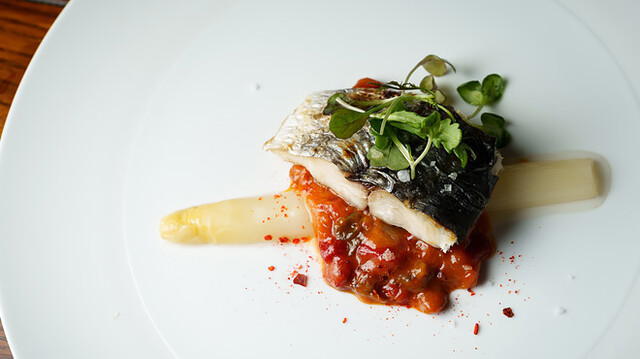
BiXiGARRi applies Basque technique to Tohoku seafood in an 18-seat Sendai space recognized by Tabelog 100 for Spanish cuisine. Dinner runs JPY 8,000–9,999 officially, JPY 15,000–19,999 with wine, positioning it above casual peers but below Tokyo Spanish anchors. The format suits wine-focused diners seeking coastal preparations; those preferring Japanese fish handling or tighter budgets should compare <a href="https://joinpearl.co/restaurants/senrei-zushi-jr-sendai-eki-3-kai-ten">Senrei Zushi</a> or <a href="https://joinpearl.co/restaurants/shiogama-sushi-tetsu-s-pal-sendai-ten">Shiogama Sushi Tetsu</a> first.
EL BUEY
Tokyo, Japan
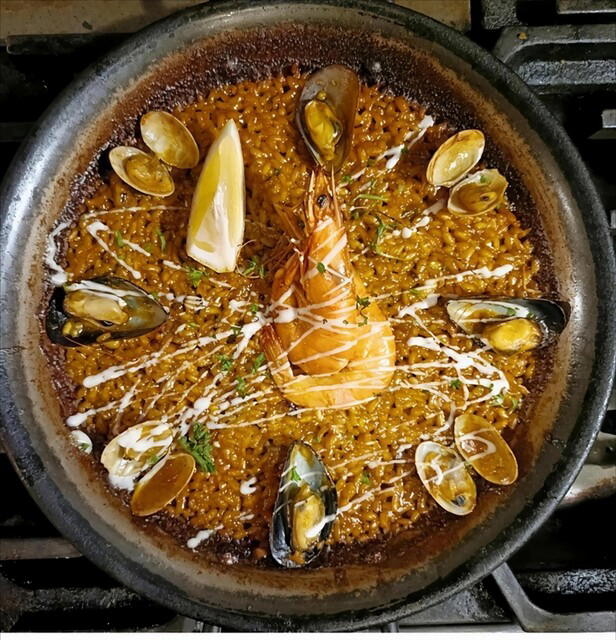
A 24-seat Spanish bar in Kagurazaka on the Tabelog 100 Spanish 2026 list, offering wine-focused, fish-centric cuisine at JPY 8,000–9,999 per head. Counter seating suits small groups; private use for 20–50 guests (JPY 5,000 minimum per person) works for celebrations or corporate events willing to pay for exclusive access.
Overview
Tabelog 100 - Spanish cuisine - 2026 is Japan’s definitive list of the top 100 Spanish restaurants, curated by Tabelog, the nation’s largest and most trusted restaurant review platform. This annual list highlights the most exceptional Spanish dining establishments across Japan, recognizing culinary excellence, innovation, and authenticity in Spanish gastronomy.
Since its inception, the Tabelog 100 has become a benchmark for culinary excellence in Japan, covering a broad spectrum of cuisines. The 2026 Spanish cuisine edition spotlights 100 restaurants that excel in traditional and contemporary Spanish fare, from tapas bars to Michelin-starred establishments. Reflecting Japan’s growing passion for Spanish gastronomy, this list not only celebrates authentic recipes but also innovative interpretations by top chefs. It serves as a crucial guide for food enthusiasts and travelers seeking the finest Spanish dining experiences in Japan’s major urban centers and beyond.
Japan’s culinary landscape has long embraced international flavors, and Spanish cuisine has carved out a distinct and celebrated niche. The Tabelog 100 - Spanish cuisine - 2026 list offers Pearl’s discerning readers an expertly curated selection of the finest Spanish restaurants across Japan. From bustling Tokyo neighborhoods to Osaka’s vibrant food scene and beyond, these 100 venues represent the pinnacle of Spanish gastronomy, blending authentic tradition with the innovation and precision that Japanese chefs are renowned for.
Quick Facts
- Publisher
- Tabelog
- Year
- 2026
- Coverage
- Spanish cuisine restaurants across Japan
- Items
- 100
- Frequency
- Annual
About This Edition
The 2026 edition of the Tabelog 100 - Spanish cuisine list is notable for its celebration of emerging talent and the growing diversity of Spanish culinary styles represented in Japan. This year’s list features a remarkable number of new entries specializing in regional Spanish dishes such as Basque pintxos and Andalusian seafood, reflecting evolving consumer tastes. Additionally, the integration of sustainable and locally sourced ingredients is a prominent trend among honorees, signaling a shift towards environmentally conscious dining experiences within the Spanish cuisine category.
Frequently Asked Questions
What is Tabelog 100 - Spanish cuisine - 2026?
How are honorees selected?
How often is this list updated?
How can I find these on Pearl?
How many of these have you visited?
Find out on Pearl and keep score across every place in Tabelog 100 - Spanish cuisine - 2026.