
.png?width=1200&quality=80)
MASIA
Spanish · Chūō, Tokyo
Restaurant in Tokyo, Japan
 Book with Pearl
The Read
Catalan-Japanese Prix Fixe
Price
¥¥¥
Dress
Smart Casual
Why go
A Catalan prix fixe in Ginza's Belvia building, MASIA earns consecutive Michelin Plates (2024–2025) by anchoring its menu around arroz and Spanish tapas made with Japanese produce. At ¥¥¥, it sits below the city's top sushi and kaiseki counters in price but not in ambition. Book two weeks out — it is easier to access than most recognised rooms at this level.
About MASIA
A Catalan Kitchen in Ginza: Is MASIA Worth Booking?
At the ¥¥¥ price point, MASIA sits in a comfortable middle tier for Ginza dining — expensive enough to signal serious cooking, but priced below the ¥¥¥¥ kaiseki and sushi counters that dominate this neighbourhood. What you get for that spend is a prix fixe structure built around Catalan tradition reinterpreted with Japanese ingredients: tapas to open, rice dishes at the centre, and the kind of technical discipline that comes from a kitchen with a clear culinary philosophy. Two consecutive Michelin Plates (2024 and 2025) confirm this is cooking that the guide takes seriously, even if a star has not followed.
If you have been once and are deciding whether to return, the answer is yes — provided the arroz course was the highlight. That rice section is the technical centrepiece of the meal and the clearest expression of what this kitchen does differently from every other European restaurant in Tokyo. Catalan rice cookery, arroz, in its various forms, is one of the less-represented techniques in Japan's dense European dining scene, and MASIA builds its identity around it. Where most cross-cultural restaurants in this city lean into fusion framing, MASIA's approach is more specific: Catalan home cooking, updated with modern techniques, using Japanese produce as the ingredient layer rather than the concept.
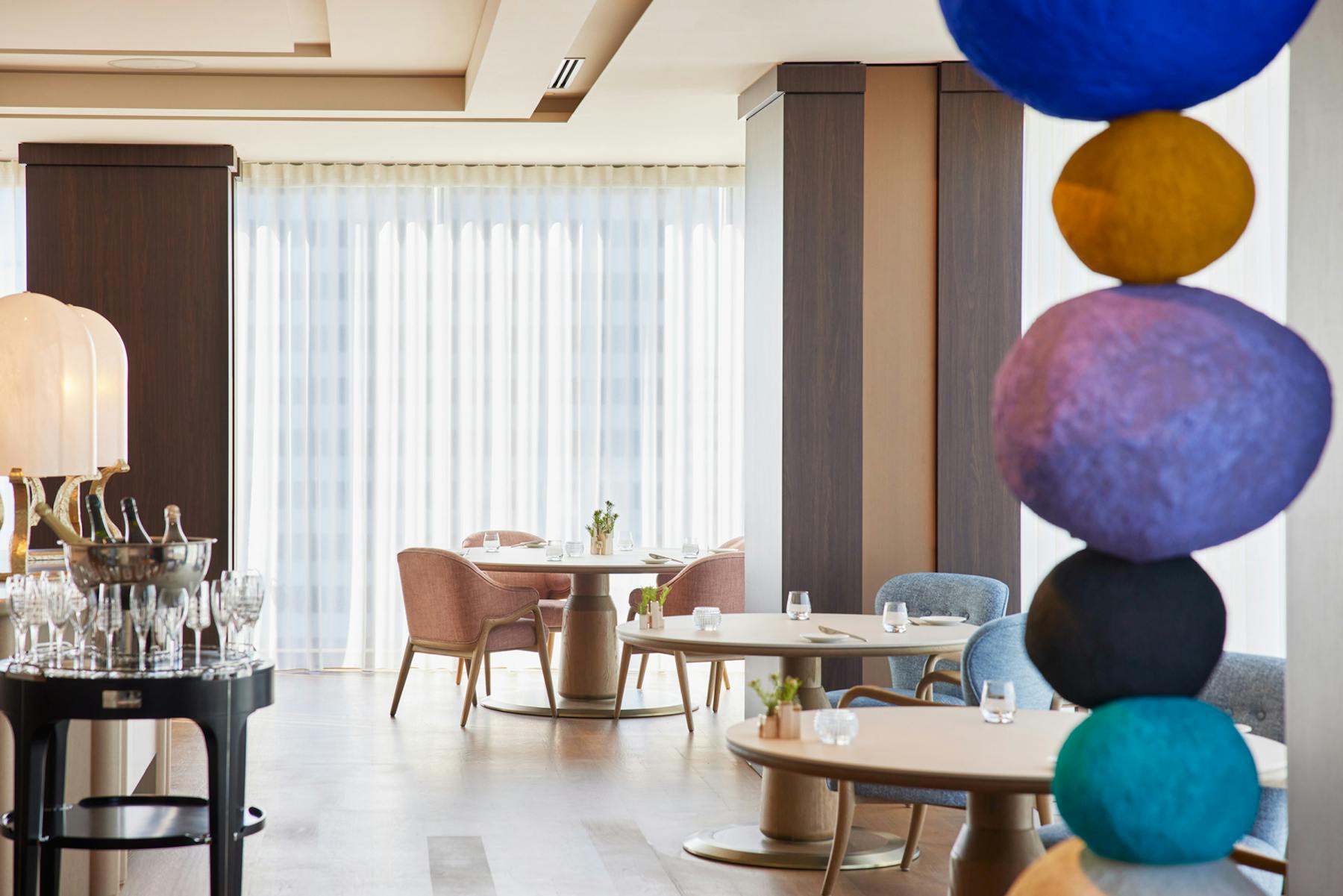
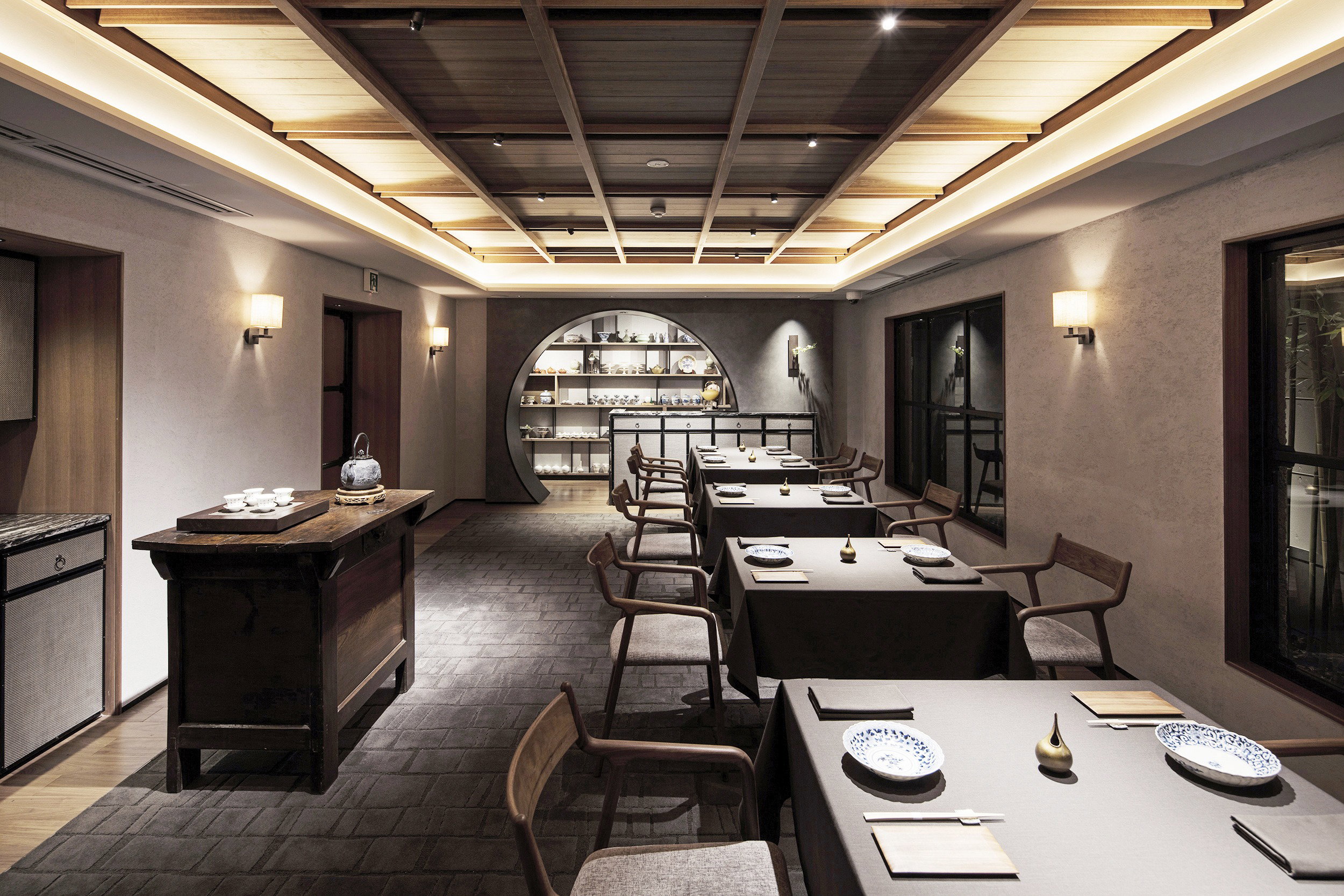
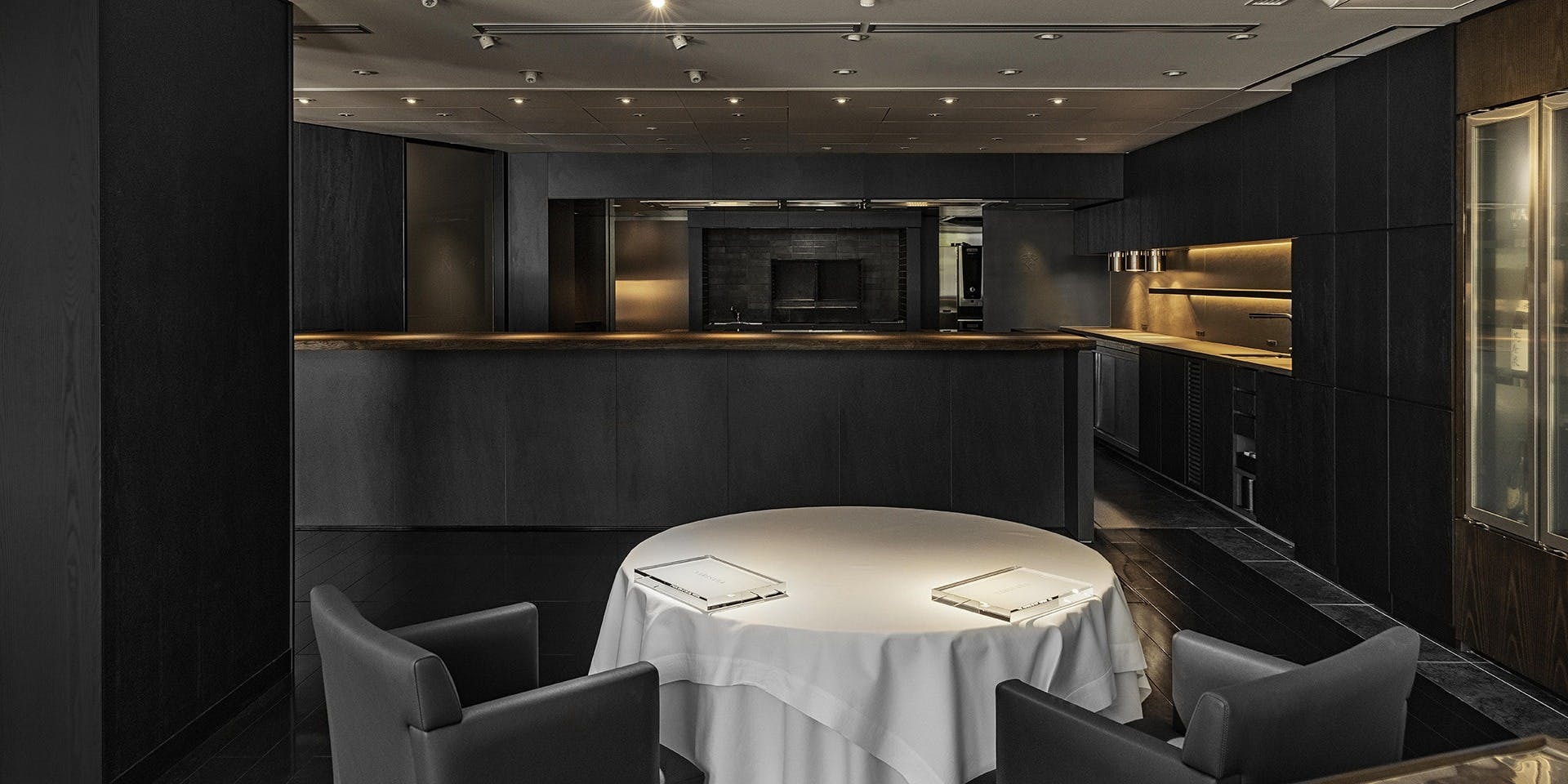
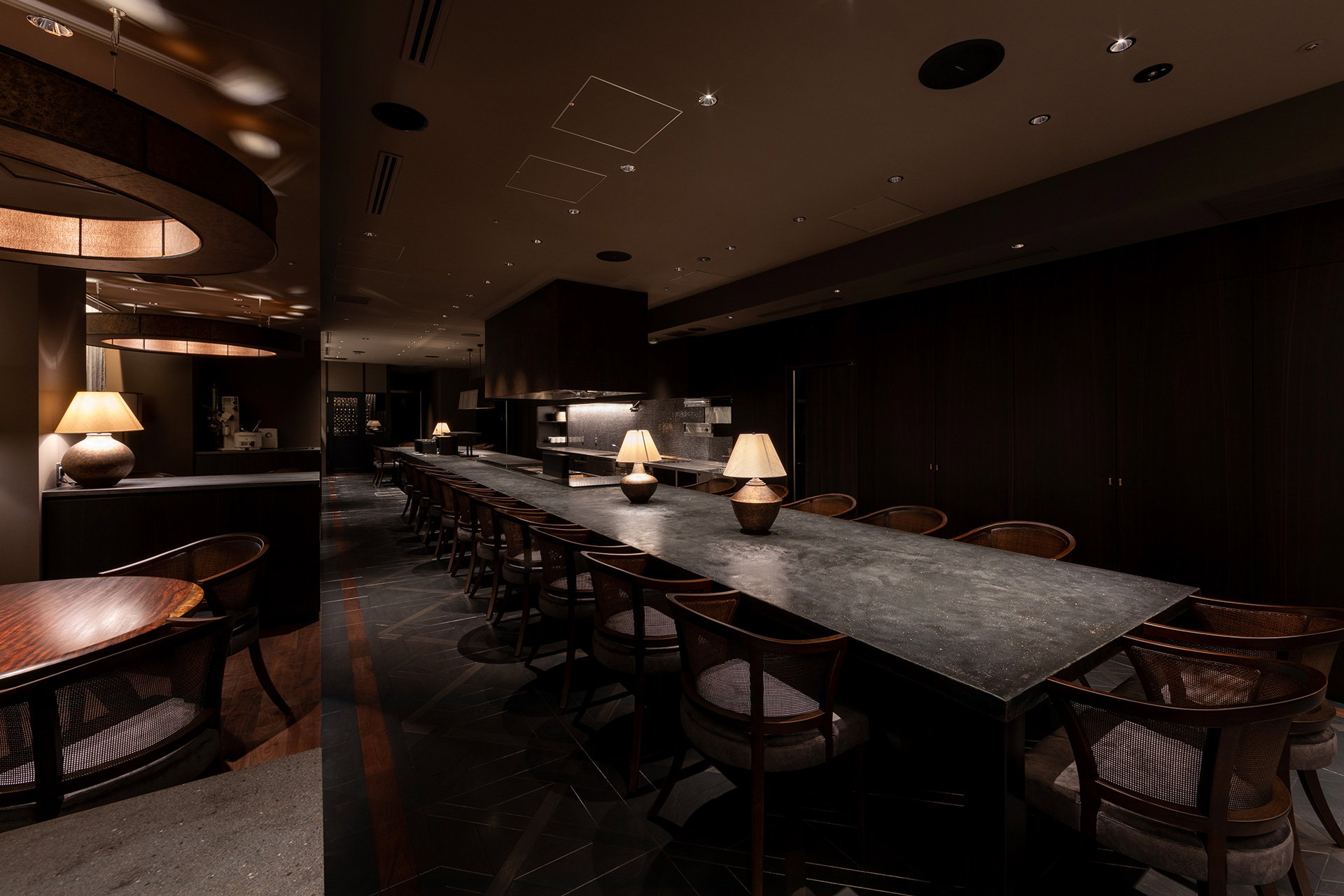
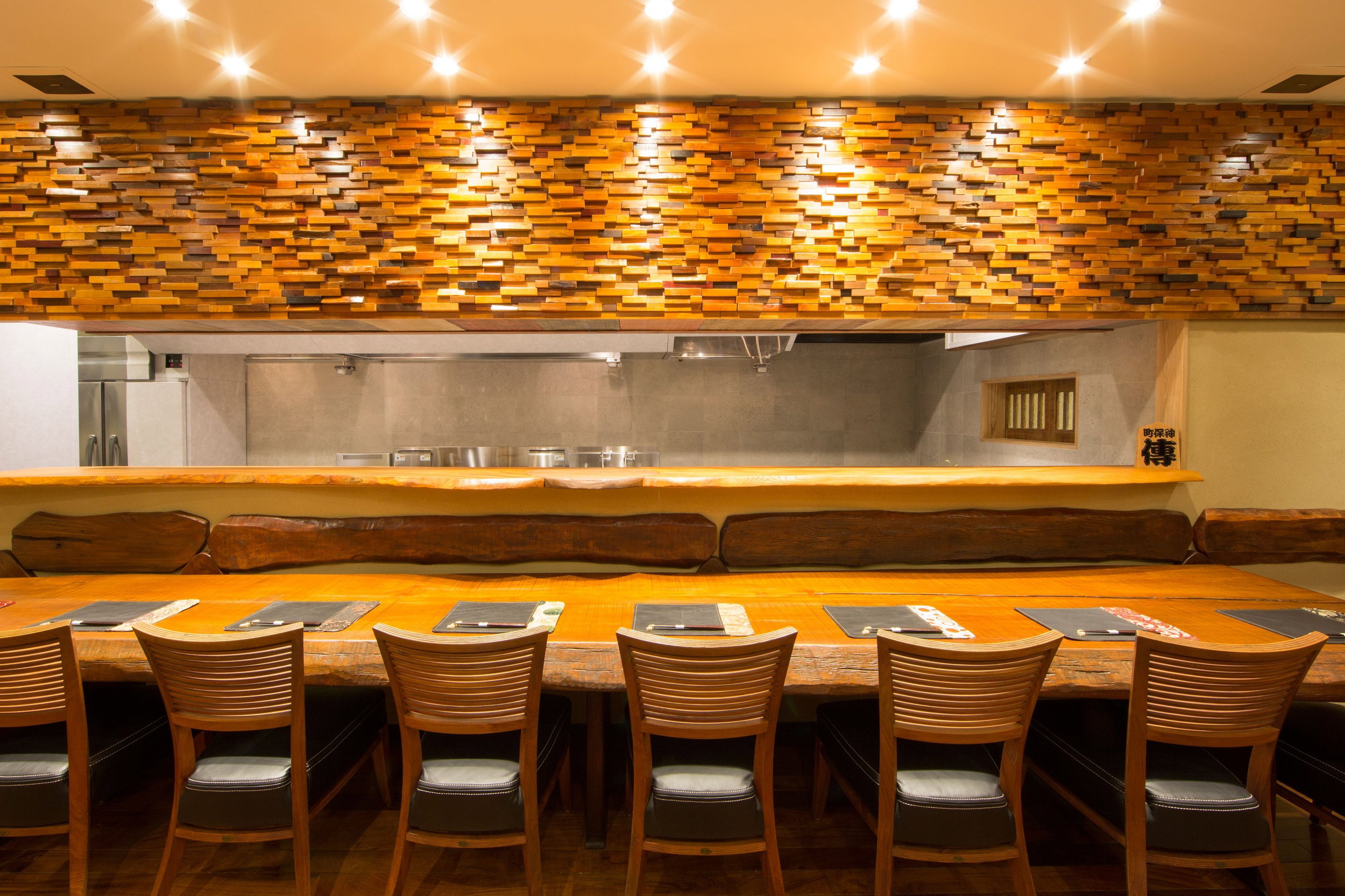
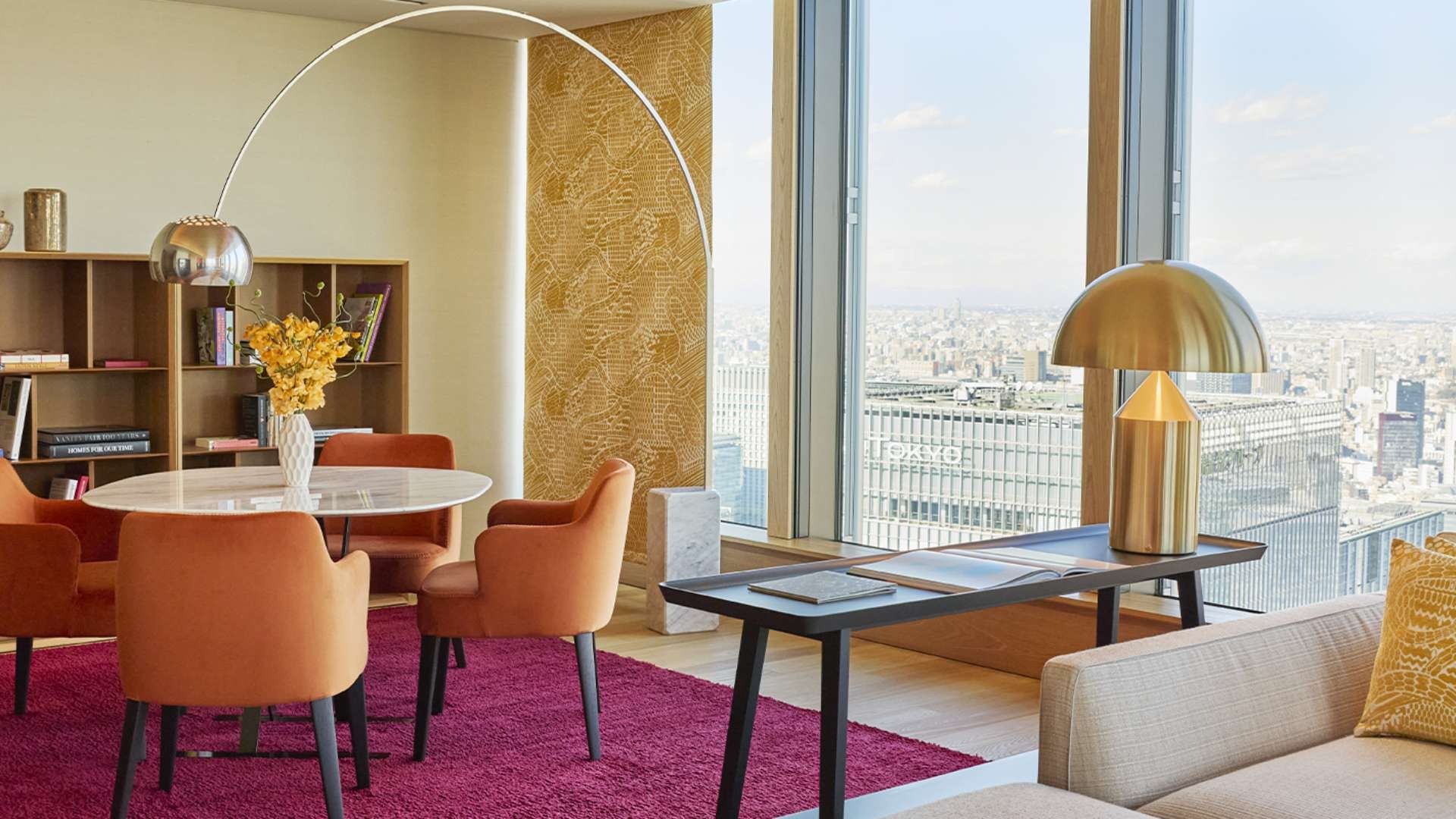
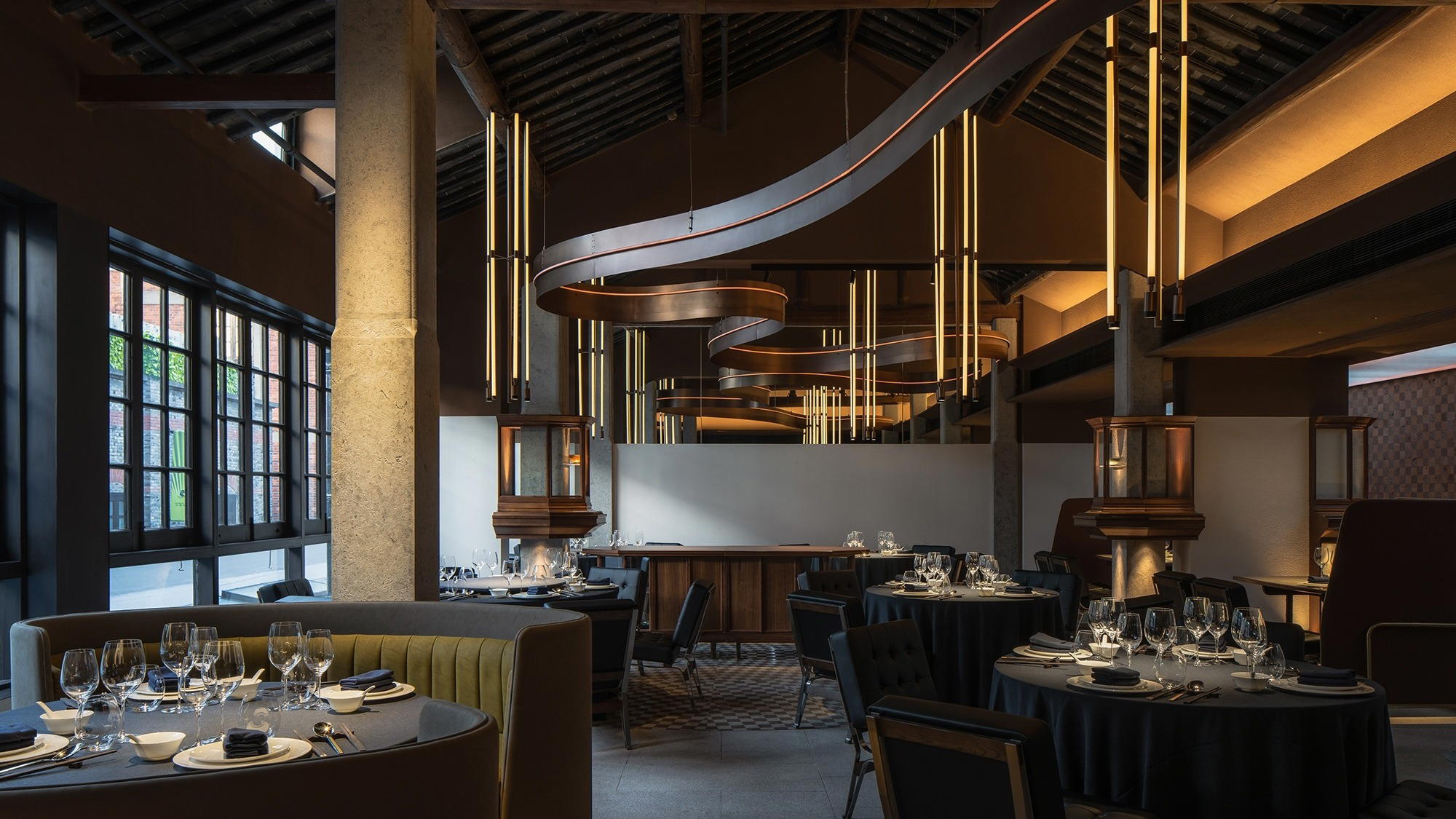
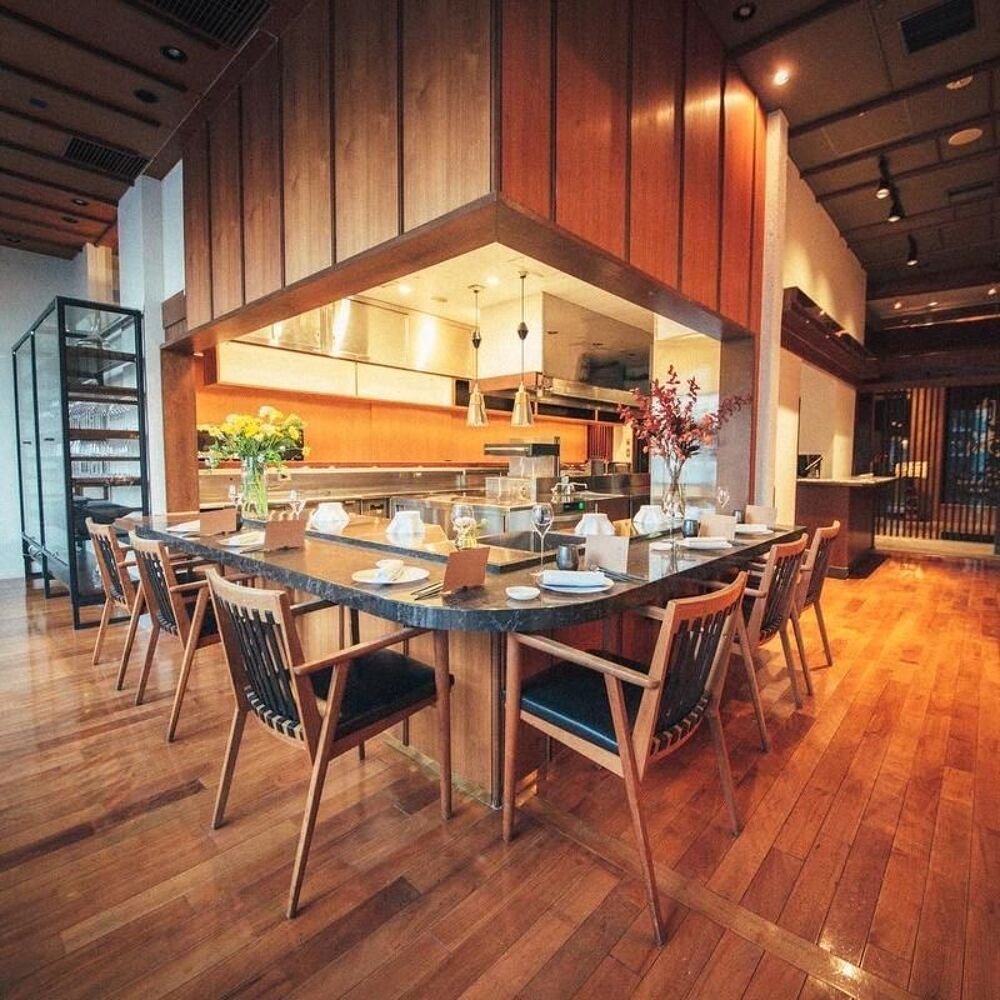
The visual experience at the restaurant starts before the food arrives. The eighth-floor location inside the Belvia building in Ginza 2-chome puts you above street level in a neighbourhood more associated with lacquered wood and paper screens than with Barcelona. That contrast is part of what makes the room work. The setting reads as considered rather than accidental, a European dining room occupying a floor of one of Ginza's mid-block commercial buildings, with the density of the city visible below. For a returning guest, requesting a window-adjacent position when booking is worth the ask.
On the question of what to prioritise on a second visit: the arroz course is non-negotiable, but the tapas opening sequence is where the Japanese ingredient sourcing is most visible. These are not reconstruction tapas built to look familiar, they are the entry point into the kitchen's argument that Catalan food culture and Japanese produce are compatible at a structural level, not just a garnish level. The transition from tapas to rice is where the meal's logic becomes clear. A returning diner who skipped through the tapas section quickly on a first visit should slow down here.
Booking MASIA is not difficult relative to the competition in this price bracket. Unlike the harder-to-access counters at ¥¥¥¥ sushi and kaiseki venues nearby, MASIA does not require weeks of advance planning on the same scale. That said, Ginza restaurants at this recognition level do fill up, particularly mid-week evenings and weekends. Two weeks out is a reasonable planning horizon for most dates; if you have a specific date in mind for a group dinner or a milestone occasion, three to four weeks provides more comfort. The prix fixe format means the kitchen runs on a fixed rhythm, which generally makes service timing more predictable than à la carte rooms.
If you are comparing MASIA to other Spanish options in Tokyo, ZURRIOLA and ENEKO Tokyo both operate in the same general register of European cooking with serious technique, though their Basque and modern Spanish orientations differ from MASIA's specifically Catalan framing. For rice-forward Spanish cooking, ARROCERÍA La Panza and Arrocería Sal y Amor are worth knowing as the more casual end of the arroz spectrum in Tokyo. eman rounds out the city's tighter group of European-influenced tasting menu rooms at a comparable tier.
For context on how Spanish and Catalan cooking travels across cultures, the kitchen's model has precedents in the United States: BCN Taste & Tradition in Houston and Xiquet by Danny Lledo in Washington, D.C. both demonstrate the same general argument, that Catalan and Spanish technique holds up rigorously outside its home region when the kitchen has genuine roots in the tradition. MASIA in Ginza makes the same case, with the added layer of Japanese sourcing giving it a local specificity those US counterparts do not have.
Beyond Tokyo, if you are building a Japan itinerary around serious restaurant experiences at this level, the country's regional dining scene is worth factoring in: HAJIME in Osaka, Gion Sasaki in Kyoto, akordu in Nara, Goh in Fukuoka, 1000 in Yokohama, and 6 in Okinawa each represent distinct regional approaches to serious cooking in Japan.
Know Before You Go
- Price tier: ¥¥¥, mid-to-upper range for Ginza; below the city's ¥¥¥¥ counter restaurants
- Format: Prix fixe, tapas opening followed by arroz course; no à la carte option
- Recognition: Michelin Plate 2024 and 2025
- Guest rating:
- Location: Belvia building, 8th floor, Ginza 2-chome, Chuo City, Tokyo
- Booking difficulty: Easy, book 2 weeks out for most dates; 3–4 weeks for weekends or special occasions
- Cuisine: Catalan / Spanish, using Japanese produce within a prix fixe structure
- Leading for: Returning guests who want to focus on the arroz section; couples; diners interested in European technique with Japanese sourcing
For more on dining and travel in Tokyo, see our full Tokyo restaurants guide, our full Tokyo hotels guide, our full Tokyo bars guide, our full Tokyo wineries guide, and our full Tokyo experiences guide.
Planning details
- Location
- Japan, 〒104-0061 Tokyo, Chuo City, Ginza, 2 Chome−4−6 ベルビア館 8階
- Website
- masia.jp
- Phone
- +81 3-6263-0971
The take
The Take
The Vibe
MASIA presents Catalan home cooking reinterpreted through modern technique and a clear Japanese sourcing logic. The kitchen translates the Catalan idea of mar i muntanya into local terms, pairing coastal fish and shellfish with mountain vegetables and forest ingredients from across the Japanese archipelago. The writing frames the dining room as a refined, focused space on the eighth floor of a Ginza building, and the kitchen’s Michelin Plate nods underline a polished, considered execution. Overall it feels intimate and composed rather than loud or theatrical—a place for quietly celebrating regional technique and seasonality.
Best For
MASIA works best for evenings when the meal itself is the reason for going: date nights, special occasions and business dinners all fit the profile. Michelin Plate recognition and a menu built around a clear culinary framework—Catalan home cooking adapted to Japanese ingredients—mean that food takes center stage and pacing is deliberate. The Ginza location and refined execution make it a place to bring guests who expect thoughtful sourcing and skillful technique. It’s less about casual drop‑in meals and more about a purposeful dining experience focused on season and provenance.
Ordering Tips
When ordering, look for dishes that explicitly reference the restaurant’s sea‑and‑mountain framework: pairings that combine coastal fish or shellfish with mountain or forest vegetables will most clearly express the kitchen’s intent. Ask staff which ingredients are in season and which plates best showcase the Catalan-Japanese translation of mar i muntanya. Because the menu is built around sourcing logic rather than gimmicks, prioritize items that foreground provenance and technique. If tasting or composed courses are offered, choose those that walk through the coast‑to‑mountain arc to get a full sense of the concept.
Venue details
Ambiance
Elegant and stylish with warm, harmonious atmosphere, attentive professional service, and stunning dish presentations.
Tags
Vibe
Best For
Experience
Sourcing
At the Table
- Dress Code
- Smart Casual
- Noise Level
- Conversational
- Service Style
- Upscale Casual
- Meal Pacing
- Leisurely
- Capacity
- Intimate
Know before you go
Know Before You Go
- Getting there
- Japan, 〒104-0061 Tokyo, Chuo City, Ginza, 2 Chome−4−6 ベルビア館 8階
Planning details
Location
Recognition and awards
Also consider
Also Consider
- Harutaka, Sushi, ¥¥¥¥
- RyuGin, Kaiseki, Japanese, ¥¥¥¥
- L'Effervescence, French, ¥¥¥¥
- HOMMAGE, Innovtive French, French, ¥¥¥¥
- Florilège, French, ¥¥¥
Restaurant context
MASIA at ¥¥¥ is the most accessible entry point among Tokyo's serious tasting-menu rooms with European roots, and that matters when you are deciding where to spend. L'Effervescence, HOMMAGE, and Harutaka all sit at ¥¥¥¥, a meaningful step up in spend and, in Harutaka's case, a significantly harder booking. If your priority is technical precision in a tasting format without the ¥¥¥¥ outlay, MASIA is the stronger value case. Florilège matches MASIA's ¥¥¥ tier and is the closest direct comparison in terms of a European tasting menu at mid-upper Ginza pricing, but its French orientation makes the choice fairly simple: pick Florilège for French, MASIA for Catalan and Spanish.
RyuGin is the right comparison if you are asking whether to stay within Japanese cooking traditions or step across to a European kitchen. RyuGin at ¥¥¥¥ is one of the most technically accomplished kaiseki rooms in the city, and if Japanese culinary technique is the priority, it wins. But MASIA is the answer when the specific question is: where do I eat Catalan cooking done at a serious level in Tokyo? There is no direct competitor for that on the same terms.
On booking difficulty, MASIA is the easiest room in this comparison set. Harutaka requires planning well in advance and can be difficult to access without a connection. RyuGin and L'Effervescence both require advance reservations in the several-weeks range. MASIA at roughly two weeks out is more manageable, which makes it the practical first choice if you are planning a Tokyo trip on a shorter timeline. For a group that wants a structured, memorable dinner without the logistical friction of chasing the hardest reservations in the city, MASIA is the clearest recommendation at its price point.
Explore Tokyo
Around this place
Discover more on Pearl
Unlock the full MASIA guide in Pearl, including awards, comparisons, FAQs, planning details, and nearby places.
Compare MASIA
| Venue | Price | Awards |
|---|---|---|
| MASIA | ¥¥¥ | Tabelog 100 - Spanish cuisine - 2026 · #202026 Michelin Plate2025 Michelin Plate2024 Michelin Plate |
| Harutaka | ¥¥¥¥ | 2026 Tabelog Silver · #312026 OAD Top Restaurants in Japan Ranked · #1282026 Michelin 3 Stars2026 La Liste Top RestaurantsTabelog 100 - Sushi - TOKYO - 2025 · #372025 Asia's 50 Best Restaurants · #762025 OAD Top Restaurants in Japan Ranked · #1172025 La Liste Top Restaurants2025 Tabelog Bronze |
| RyuGin | ¥¥¥¥ | 2026 OAD Top Restaurants in Japan Ranked · #802026 Tabelog Bronze · #3772026 Michelin 3 Stars2026 La Liste Top RestaurantsTabelog 100 - Japanese cuisine - TOKYO - 2025 · #212025 OAD Top Restaurants in Japan Ranked · #542025 Michelin 3 Stars2025 La Liste Top Restaurants2025 The Best Chef Three Knives |
| L'Effervescence | ¥¥¥¥ | 2026 Tabelog Silver · #682026 OAD Top Restaurants in Japan Ranked · #103Star Wine Lists 20262026 Black Pearl 2 Diamond2026 Relais Chateaux Restaurants2026 La Liste Top Restaurants2026 Michelin 3 Stars2025 Asia's 50 Best Restaurants · #692025 OAD Top Restaurants in Japan Ranked · #92 |
| HOMMAGE | ¥¥¥¥ | 2026 Tabelog Bronze · #1232026 OAD Top Restaurants in Japan Highly Recommended2026 Michelin 2 StarsTabelog 100 - French - TOKYO - 2025 · #762025 Asia's 50 Best Restaurants · #782025 OAD Top Restaurants in Japan Ranked · #1752025 Michelin 2 Stars2025 The Best Chef One Knife2025 La Liste Top Restaurants |
| Florilège | ¥¥¥ | 2026 Asia's 50 Best Restaurants · #312026 Tabelog Bronze · #712026 OAD Top Restaurants in Japan Ranked · #1242026 Black Pearl 1 Diamond2026 Michelin 2 Stars2026 La Liste Top Restaurants2025 Asia's 50 Best Restaurants · #172025 World's 50 Best Restaurants · #36Tabelog 100 - French - TOKYO - 2025 · #68 |












What to weigh when choosing between MASIA and alternatives.
FAQ
Frequently Asked Questions
What should a first-timer know about MASIA?
Book knowing the format is prix fixe only: tapas first, then arroz as the centrepiece, with Catalan home cooking reframed through modern technique. The kitchen is Catalan in DNA but built around Japanese ingredients, so expect a hybrid that leans Spanish in structure. MASIA holds a Michelin Plate (2025), which signals consistent quality without the full-star price pressure. The restaurant is on the 8th floor of the Belvia Building in Ginza 2-chome, so factor in the building navigation.
What are alternatives to MASIA in Tokyo?
For French-influenced tasting menus at a comparable or higher price point, L'Effervescence and Florilège are the natural Ginza-area comparisons — both carry stronger Michelin credentials and a longer Tokyo track record. HOMMAGE is worth considering if you want refined European technique at a similar tier. If you're weighing MASIA against Japanese fine dining, Harutaka and RyuGin serve fundamentally different formats, so the choice comes down to whether you want Spanish structure or Japanese omakase logic.
What should I order at MASIA?
The menu is prix fixe, so there's no à la carte ordering. The arroz course is the kitchen's signature move — rice is described as indispensable to the format, drawing on both Catalan tradition and Japanese ingredient quality. The meal opens with tapas and builds from there. Given the fixed format, your decision is whether to book, not what to order.
Is the tasting menu worth it at MASIA?
At ¥¥¥, MASIA sits in the mid-to-upper tier for Ginza, and the Michelin Plate recognition in both 2024 and 2025 supports the case that the cooking is consistent and serious. The format — Catalan structure, Japanese ingredients, rice as the anchor course — is genuinely distinct from what most of Tokyo's European restaurants offer. If the concept clicks for you, the value case is reasonable; if you're primarily after French technique or Japanese omakase, redirect the spend.
Is MASIA worth the price?
For a ¥¥¥ Michelin Plate restaurant in Ginza, MASIA offers a cooking concept that isn't replicated elsewhere in Tokyo: Catalan home cooking rebuilt with Japanese ingredients, anchored by an arroz course. That specificity is the value proposition. It won't outscore a starred French or Japanese room on prestige, but it fills a gap those rooms don't touch. Book if that gap matters to you; skip it if you'd rather spend the same budget at a venue with a full Michelin star.