
.png?width=1200&quality=80)
eman
Spanish · Kōtō, Tokyo
Restaurant in Tokyo, Japan
 Book with Pearl
The Read
Seasonal Ibero-Japanese Rice Counter
Price
$150–200per person
Dress
Smart Casual
Why go
eman in Kiyosumi Shirakawa delivers Michelin Plate-recognised Spanish cooking at ¥¥¥ pricing, with low booking pressure and a clear point of view: Japanese seasonal ingredients expressed through Spanish regional forms, anchored by rice. It sits below ZURRIOLA on formality and price but above the rice-specialist category in ambition. Book it when you want serious cooking without the reservation difficulty of Tokyo's starred venues.
About eman
Should You Book eman?
Getting a table at eman is easier than you might expect given what it delivers. Booking difficulty is low relative to the calibre of cooking, which makes this one of the more practical decisions you can make if you're looking for serious Spanish cuisine in Tokyo. If you've visited once and are wondering whether to return, the answer is yes: and you should push further into the rice dishes.
What eman Does
eman operates out of Kiyosumi Shirakawa, a neighbourhood better known for its specialty coffee scene than its dining, which partly explains why this restaurant doesn't face the same booking pressure as comparable venues in Shinjuku or Ginza. Chef Satoru Kobayashi has built a menu around a specific thesis: that Japanese seasonal ingredients and Spanish regional cooking traditions are not in conflict, but can be expressed through the same dishes. The vehicle for this is rice. The kitchen runs Spanish and Japanese rice preparations in parallel: not as a gimmick, but as a genuine structural organising principle for the menu.
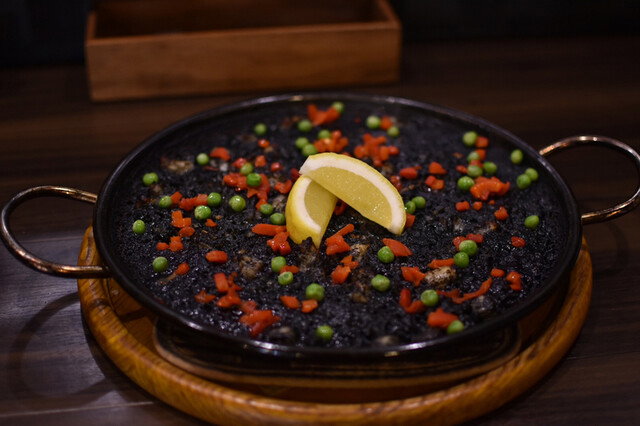
The signature example is clams on rice, drawn from Basque cooking but arranged in the style of Fukagawa-meshi, the traditional Tokyo dish of asari clams in miso soup poured over rice. The cultural reference is specific and the execution is reportedly careful. For the squid-ink paella, firefly squid are used in place of the more common cuttlefish or generic squid, a seasonal Japanese ingredient choice that shifts the dish's flavour register without abandoning its Spanish form. These are not fusion experiments, they are considered decisions about where two regional food traditions overlap at the ingredient level.
The menu extends beyond rice to tapas and char-grilled dishes, giving the meal a broader Spanish structure. The range signals genuine depth in the Spanish culinary reference points rather than a narrow focus on one region. For a returning visitor, the rice courses are the clearest expression of what eman does differently from other Spanish restaurants in Tokyo. But the wider menu means a second visit can cover ground the first one didn't.
The Space
Address, 1 Chome-3-6 Shirakawa, Koto City, places eman in a quieter eastern pocket of Tokyo, away from the concentrated fine-dining corridors. The area around Kiyosumi Shirakawa has a low-density residential and light-industrial character, which typically means smaller, more intimate restaurant spaces rather than the large-format dining rooms common in central Tokyo hotel venues. Seat count is not confirmed in available data, but venues of this type and price point in this neighbourhood tend to be compact, which affects the experience: quieter, less formal, more focused on the food than on a produced atmosphere. That spatial character suits the cooking well, this is not a restaurant where the room competes with the plate for your attention.
The Editorial Angle: Casual Excellence
eman is priced at ¥¥¥, which positions it below the ¥¥¥¥ tier occupied by many of Tokyo's most reservation-pressured restaurants. At that price point, the Michelin Plate recognition is meaningful, it indicates that the kitchen is operating at a level the guide's inspectors found worth flagging, without the full star infrastructure (waiting staff depth, service choreography, room investment) that typically accompanies it. That gap between recognition and price is where eman's value lies. You are getting cooking that has passed a credible professional threshold at a cost and with a booking friction that is significantly lower than the starred venues around it.
For context, Spanish cuisine at this quality level in Tokyo is a small category. ZURRIOLA operates at the higher end of that category. ARROCERÍA La Panza and Arrocería Sal y Amor are more specifically focused on rice dishes, making them direct comparisons for that part of eman's menu. ENEKO Tokyo and LANBRoA round out the Basque-influenced end of the Spanish spectrum in the city. Within that group, eman's specific value proposition, seasonal Japanese ingredients expressed through Spanish regional forms, with rice as the central organising idea, is distinct enough to justify its own visit rather than treating it as a substitute for any of the others.
Practical Details
Reservations: Booking difficulty is rated easy, you do not need to plan weeks ahead, though confirming in advance is sensible. Location: Kiyosumi Shirakawa, Koto City, accessible via the Tokyo Metro Hanzomon and Toei Oedo lines. Budget: ¥¥¥ price tier, positioning this as a mid-to-upper range dinner without the full outlay of Tokyo's starred venues. Dress: No formal dress code confirmed; the neighbourhood and venue character suggest smart casual is appropriate. Hours: Not confirmed in available data, check directly before visiting. Phone/Website: Not listed; reservation via a booking platform or direct contact through search is advisable.
How It Compares
Further Reading
Planning a broader Tokyo trip: our full Tokyo restaurants guide covers the full spectrum. For where to stay, see our Tokyo hotels guide. If you're interested in the bar scene, our Tokyo bars guide is a useful companion. Visitors exploring Japan more widely should look at HAJIME in Osaka, Gion Sasaki in Kyoto, akordu in Nara (which has its own Basque-Japanese intersection), Goh in Fukuoka, 1000 in Yokohama, and 6 in Okinawa. For Spanish cooking outside Japan, BCN Taste & Tradition in Houston and Xiquet by Danny Lledo in Washington, D.C. offer useful points of comparison. See also our Tokyo wineries guide and our Tokyo experiences guide.
Planning details
- Hours
- Monday: Closed · Tuesday: 5:45–10 PM
- Location
- 1 Chome-3-6 Shirakawa, Koto City, Tokyo 135-0021, Japan
- Reservations
- Book on TableCheck
- Website
- eman.jp
- Phone
- +81 3-6240-3644
The take
The Take
The Vibe
Eman reads like a focused conversation between Kiyosumi Shirakawa and the Basque Country: quiet, unshowy and exacting. The restaurant sits on the neighbourhood's residential edge, deliberately away from Tokyo's high-visibility dining strips, and it relies on specificity rather than spectacle. Chef Satoru Kobayashi foregrounds rice as the conceptual hinge of the menu, and the cooking plays out with kaiseki-like attention to season and sequence while retaining the convivial, small-plate logic of Spanish tapas. The result is a restrained, quietly charming spot that feels like an intimate, chef-led study in where two culinary traditions meet.
Best For
Eman suits intimate evenings and shared dinners where conversation accompanies a procession of small plates. The menu's tapas-style succession and kaiseki-like attentiveness make it well suited to date nights, special occasions and celebrations where guests want to compare and share distinct rice-centered preparations. It also works for small groups who appreciate ingredient-driven, seasonally minded cooking: people who come to taste the dialogue between Japanese techniques and Spanish flavours rather than to seek spectacle or loud, bustling service.
Ordering Tips
Approach the menu as a sequence to be sampled and shared: the kitchen frames rice as the central idea, so leave room for the signature rice dishes. The clams-on-rice (Fukagawa-meshi style) is the clearest expression of the restaurant’s concept and is a must-order; the squid-ink paella showcases seasonal firefly squid and offers a softer, distinctly Japanese take on the Valencian classic. Also consider the Iberico pork with binchotan and the gazpacho finished with clam-broth foam to taste how Spanish technique and local Japanese ingredients intersect. Share a few small plates to experience the menu’s procession.
Venue details
Ambiance
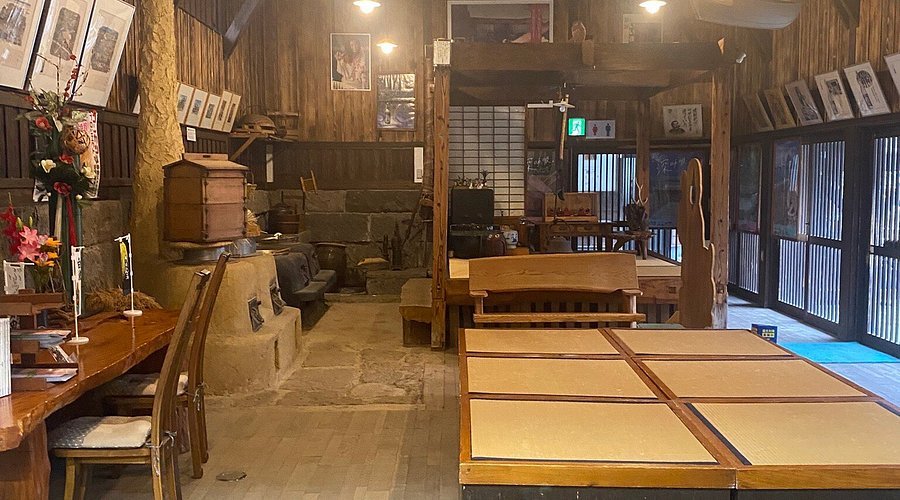
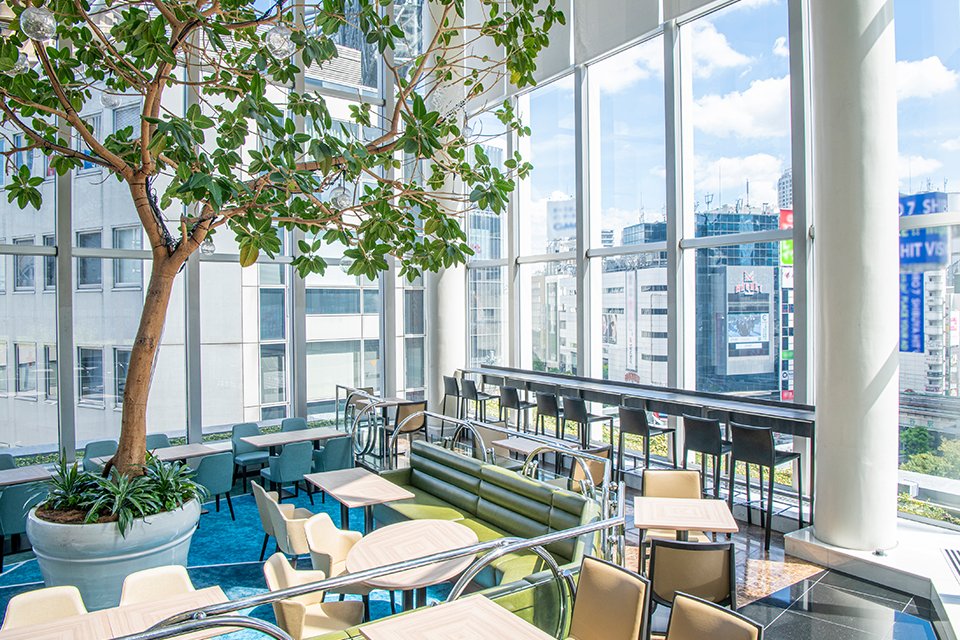
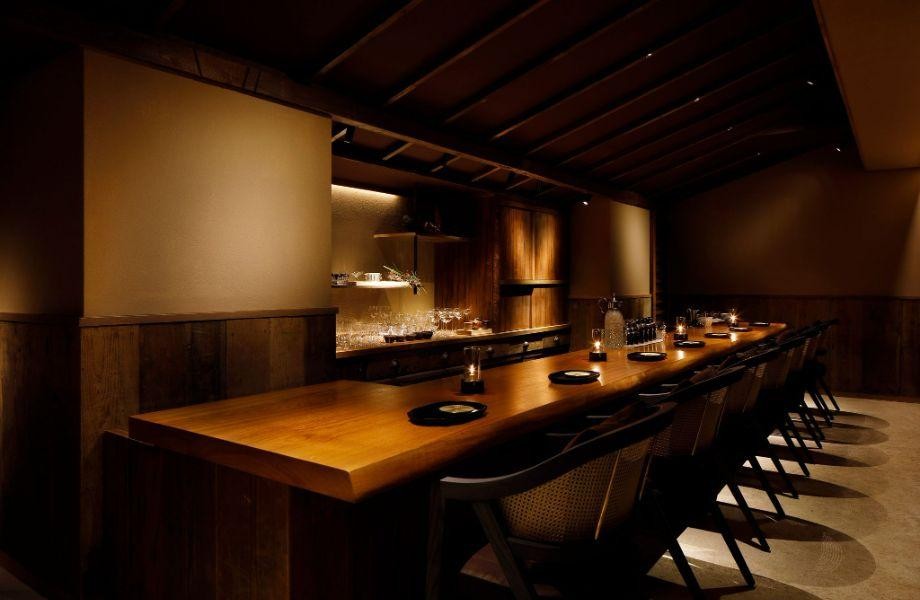
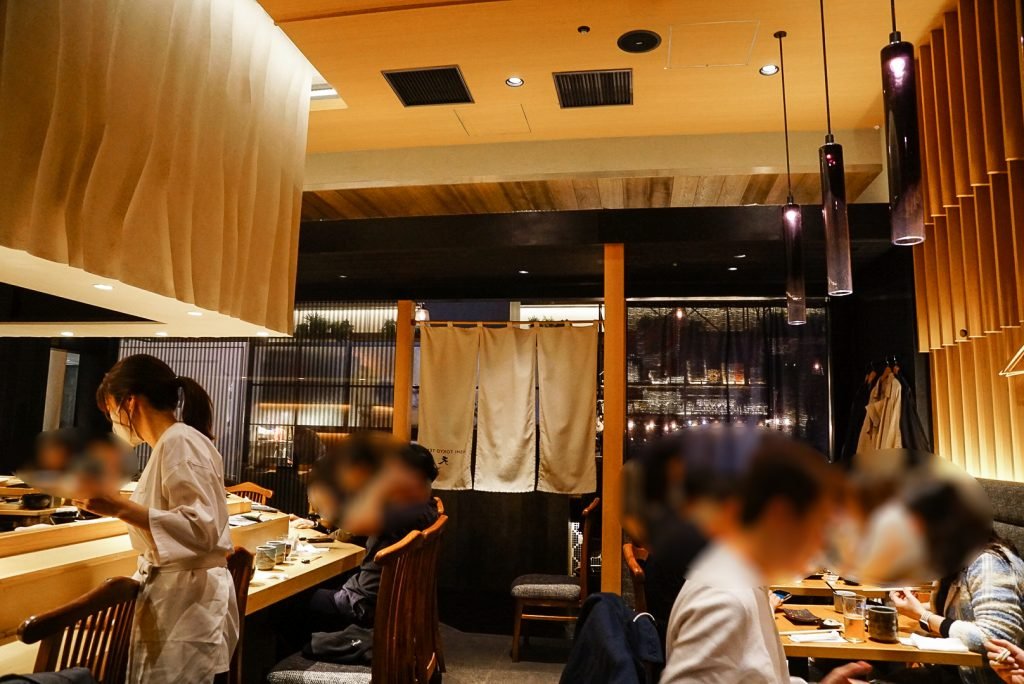
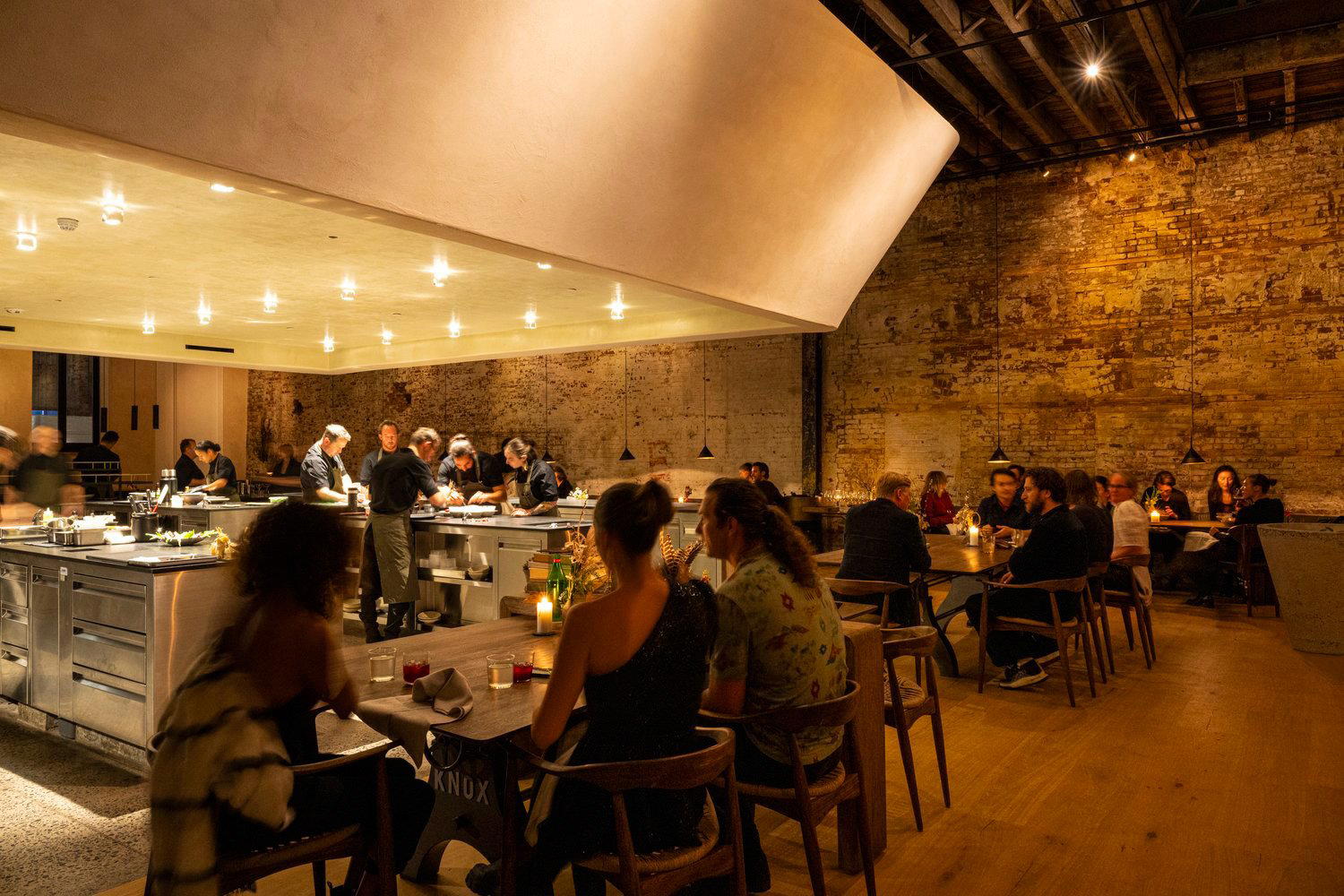
Warm, understated elegance in a 60-year-old renovated traditional Japanese house with wood and stone finishes, open kitchen theater, and soft lighting creating an intimate, focused dining environment.
Tags
Vibe
Best For
Experience
Sourcing
At the Table
- Dress Code
- Smart Casual
- Noise Level
- Quiet
- Service Style
- Formal
- Meal Pacing
- Leisurely
- Capacity
- Intimate
- Kitchen
- Fusion
- Menu Format
- Tasting menu, Counter dining, Prix fixe
- Drinks Focus
- Spanish wine, Sake, Sherry
- Dietary
- Vegetarian friendly, Allergy accommodating
- Private Dining
- Available
Signature Dishes
- Clams on Rice (Fukagawa-meshi style)
- Squid-ink Paella with Firefly Squid
- Iberico Pork with Binchotan
- Gazpacho with Clam Broth Foam
Know before you go
Know Before You Go
- Getting there
- 1 Chome-3-6 Shirakawa, Koto City, Tokyo 135-0021, Japan
Planning details
Hours
- Monday
- Closed
- Tuesday
- 5:45–10 PM
- Wednesday
- 5:45–10 PM
- Thursday
- 5:45–10 PM
- Friday
- 12–3 PM, 6:30–10:30 PM
- Saturday
- 12–3 PM, 6:30–10:30 PM
- Sunday
- Closed
Location
1 Chome-3-6 Shirakawa, Koto City, Tokyo 135-0021, Japan · Directions
Recognition and awards
Also consider
Also Consider
- Harutaka: Sushi, ¥¥¥¥
- RyuGin: Kaiseki, Japanese, ¥¥¥¥
- L'Effervescence: French, ¥¥¥¥
- HOMMAGE: Innovtive French, French, ¥¥¥¥
- Florilège: French, ¥¥¥
Restaurant context
How eman Compares
eman's most direct price-tier peer among the comparison set is Florilège, also at ¥¥¥, which delivers French cooking with strong technical credentials and a well-documented reputation. For a similarly relaxed booking experience at comparable spend, Florilège is the stronger name-recognition choice: but eman offers something Florilège does not: a genuinely specific culinary argument about where Japanese and Spanish food traditions meet. If the cuisine type matters to you, they are not substitutes.
The ¥¥¥¥ comparison venues Harutaka, RyuGin, L'Effervescence, and HOMMAGE: all operate at a higher price point with correspondingly greater booking difficulty and service investment. RyuGin and Harutaka carry Michelin stars and require significantly more advance planning. If your budget extends to ¥¥¥¥ and you want the full Tokyo fine-dining structure, RyuGin is the clearest recommendation. But you will pay more and book harder for it.
The practical case for eman over the ¥¥¥¥ set is straightforward: easy availability, lower spend, and a cooking style you will not find replicated elsewhere in the comparison group. For a diner who has already done Tokyo's starred circuit and wants something more specific and less operationally demanding, eman is the better next booking. For a first-time visitor prioritising prestige and service depth, the ¥¥¥¥ tier is the more conventional choice.
Explore Tokyo
Around this place
Discover more on Pearl
Unlock the full eman guide in Pearl, including awards, comparisons, FAQs, planning details, and nearby places.
Compare eman
| Venue | Cuisine | Price | Booking Difficulty | Awards |
|---|---|---|---|---|
| eman | Spanish | ¥¥¥ | Easy | Tabelog 100 - Spanish cuisine - 2026 · #262026 Michelin Plate2025 Michelin Plate2024 Michelin Plate |
| Harutaka | Sushi | ¥¥¥¥ | Unknown | 2026 Tabelog Silver · #312026 OAD Top Restaurants in Japan Ranked · #1282026 Michelin 3 Stars2026 La Liste Top RestaurantsTabelog 100 - Sushi - TOKYO - 2025 · #372025 Asia's 50 Best Restaurants · #762025 OAD Top Restaurants in Japan Ranked · #1172025 La Liste Top Restaurants2025 Tabelog Bronze |
| RyuGin | Kaiseki, Japanese | ¥¥¥¥ | Unknown | 2026 OAD Top Restaurants in Japan Ranked · #802026 Tabelog Bronze · #3772026 Michelin 3 Stars2026 La Liste Top RestaurantsTabelog 100 - Japanese cuisine - TOKYO - 2025 · #212025 OAD Top Restaurants in Japan Ranked · #542025 Michelin 3 Stars2025 La Liste Top Restaurants2025 The Best Chef Three Knives |
| L'Effervescence | French | ¥¥¥¥ | Unknown | 2026 Tabelog Silver · #682026 OAD Top Restaurants in Japan Ranked · #103Star Wine Lists 20262026 Black Pearl 2 Diamond2026 Relais Chateaux Restaurants2026 La Liste Top Restaurants2026 Michelin 3 Stars2025 Asia's 50 Best Restaurants · #692025 OAD Top Restaurants in Japan Ranked · #92 |
| HOMMAGE | Innovtive French, French | ¥¥¥¥ | Unknown | 2026 Tabelog Bronze · #1232026 OAD Top Restaurants in Japan Highly Recommended2026 Michelin 2 StarsTabelog 100 - French - TOKYO - 2025 · #762025 Asia's 50 Best Restaurants · #782025 OAD Top Restaurants in Japan Ranked · #1752025 Michelin 2 Stars2025 The Best Chef One Knife2025 La Liste Top Restaurants |
| Florilège | French | ¥¥¥ | Unknown | 2026 Asia's 50 Best Restaurants · #312026 Tabelog Bronze · #712026 OAD Top Restaurants in Japan Ranked · #1242026 Black Pearl 1 Diamond2026 Michelin 2 Stars2026 La Liste Top RestaurantsJapan's Best Restaurant 20262025 Asia's 50 Best Restaurants · #172025 World's 50 Best Restaurants · #36 |













Side-by-side comparison to help you decide where to book.
FAQ
Frequently Asked Questions
What should I order at eman?
The rice dishes are the reason to come. Chef Satoru Kobayashi's clams on rice merges a Basque recipe with Fukagawa-meshi style, and the squid-ink paella uses firefly squid rather than a generic substitute. If you want to understand what eman is doing, anchor your meal around the rice courses and use the tapas and char-grilled dishes to fill the gaps.
How far ahead should I book eman?
Booking difficulty is low for a Michelin Plate restaurant in Tokyo: you are unlikely to need weeks of lead time. That said, confirming in advance is sensible given the small-restaurant format typical of Kiyosumi Shirakawa. If you are visiting on a weekend or during peak travel seasons, book a week or two out to avoid any friction.
Is eman good for solo dining?
Yes. The neighbourhood setting and the tasting-forward, multi-part menu format suit solo diners well: you can pace through tapas, rice dishes, and grilled courses without the logistical overhead of a large group order. At ¥¥¥, it is a sensible solo spend for the calibre of cooking on offer.
What are alternatives to eman in Tokyo?
For a higher-stakes Spanish-influenced meal in Tokyo, HOMMAGE offers French-Japanese precision at a comparable or higher price point. If you want to stay within Japanese cuisine and seasonal produce as the primary lens, Florilège or L'Effervescence deliver that at ¥¥¥¥. eman is the call when you want something genuinely cross-cultural at a price that does not require a special-occasion justification.
Is eman good for a special occasion?
It works for a low-key special occasion: the Michelin Plate recognition and the deliberate, chef-driven menu give it enough weight to mark a moment. It is priced at ¥¥¥, so it reads as a considered dinner rather than a blow-out celebration. For a more formal or high-ceremony special occasion in Tokyo, RyuGin or Harutaka would set a more dramatic tone.